Blog

  • Thai bank invests in Go-Jek to take on Grab

    Thai bank invests in Go-Jek to take on Grab

    Siam Commercial Bank has made a “significant investment” in Indonesian ride-hailing app Go-Jek.

    Go-Jek, which has an estimated valuation of around US$10 billion, will be offering financial services in partnership with the bank as well as expand its food delivery services in Thailand following the funding. It is expected to add SCB’s products in payments, digital lending and insurance to the available offerings on its app within the coming months.

    “Our products will be connected, SCB will oversee finance while Go-Jek and Get will look at digital and logistics,” said SCB president Arak Sutivong.

    Go-Jek has operated in Thailand under the brand name Get since earlier this year, where it is in competition with Singaporean ride-hailing app Grab.

    “We have more then 20 services, in Indonesia,” said Go-Jek’s head of international, Andrew Lee. “We will pick and choose the best playbook for Thailand and carefully curate that.”

  • Mercedes-Benz India Records 18.60 Per Cent Sales Decline In H1 2019

    Mercedes-Benz India Records 18.60 Per Cent Sales Decline In H1 2019

    The Indian auto market is under turmoil and luxury carmakers which account just 1 per cent of the market share are the first ones to bear the brunt of macro-economic headwinds. Mercedes-Benz which is the largest-selling luxury car brand in India has witnessed a sales decline of 18.60 per cent in the Indian market in the first half of calendar year 2019. The company has sold 6561 units in the January-June period this year against 8061 units which were sold in the same period a year ago. According to the German carmaker, high interest rates, inflationary hikes, liquidity crunch and rising import costs took a toll on sales. That said, the company still claims leadership position in the Indian market.

    Commenting on sales performance, Martin Schwenk, Managing Director & CEO, Mercedes-Benz India said, “We are glad to maintain the leadership position in the luxury car market by sustaining our sales performance despite facing continuous macro-economic headwinds and a temporary limited availability of volume models. We expect sales to recover gradually from the third quarter, however, conditions would continue to remain challenging. We are excited to retain our customers’ loyalty and sustain the market leadership by continuing our customer centric initiatives. As a fundamentally strong brand, Mercedes-Benz continue to remain bullish on the mid to long term prospect of the dynamic Indian market.”

    The Mercedes-Benz E-Class LWB continues to the bestseller for the company followed by the C-Class and GLC SUV. In the same period, sales of AMG models have gone up by 47 per cent. Ahead of the recent budget session, Mercedes-Benz along with SIAM and several other carmakers had requested the budget committee to reduce the GST rates on cars measuring above four-metres to 18 per cent. Companies were expecting to absorb the price hike with tax reduction which could have helped them to control the prices and in-turn would have improved sales.

  • Nexstgo to open 50 stores in India

    Nexstgo to open 50 stores in India

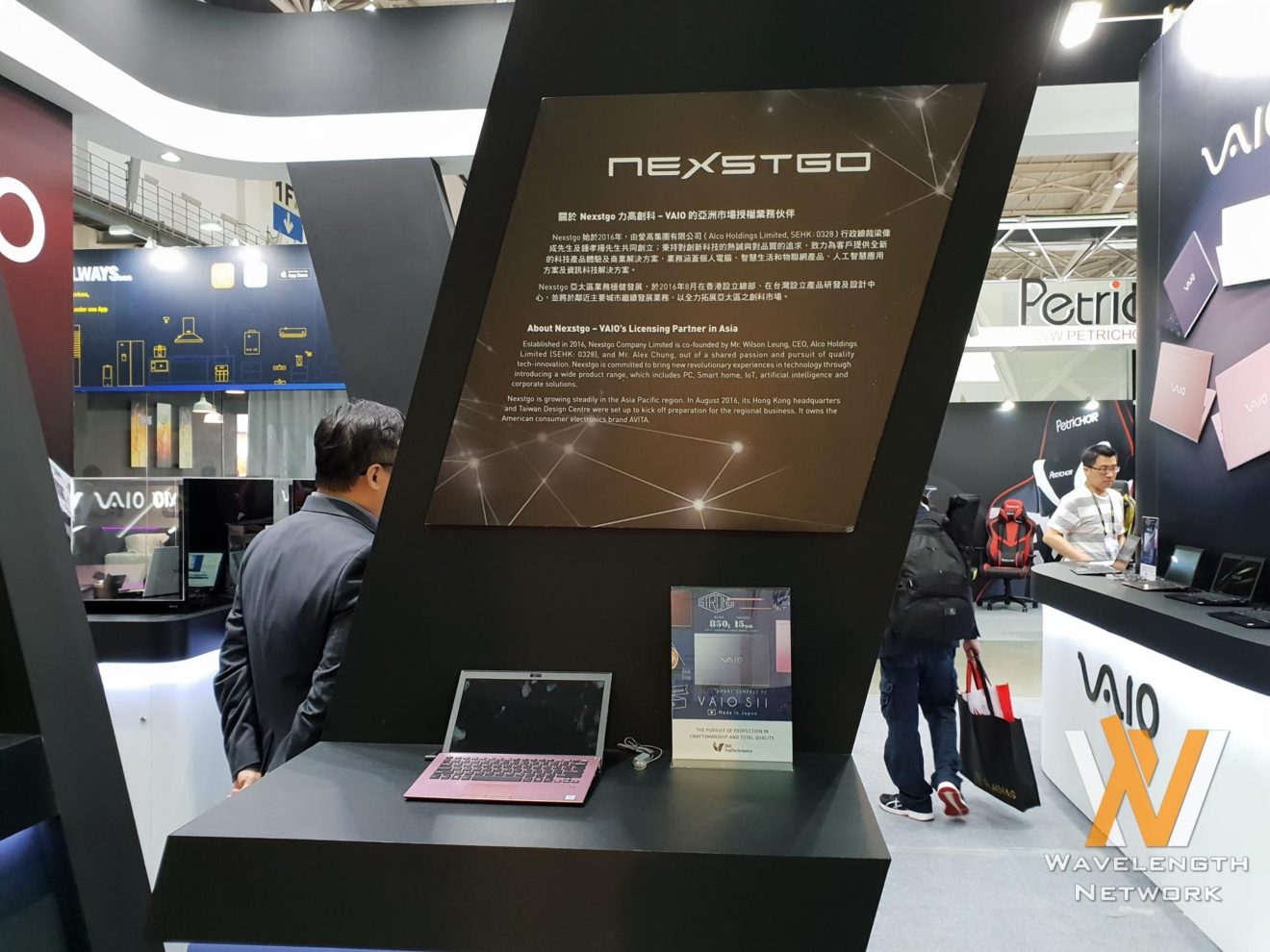
    Hong Kong electronics producer Nexstgo is launching 50 stores in India.

    The brand entered the market last year selling Avita and Nexstgo-branded computers online and through retail stores in Delhi, Ambala, Chennai and Jaipur. It is currently targeting laptop sales at one lakh (US$1450) this year.

    “We have seen a tremendous response so far and by the end of the year, we are confident of crossing the one-lakh device mark,” said Nexstgo Company CEO and co-founder Alex Chung.

    “We are also in the process of expanding our retail presence, we are looking at 50 exclusive brand stores.

    “We are looking at adding two new products to our portfolio by Diwali this year across the country… We aim to have an omni-channel presence to maximise our visibility with an equal focus on offline and online sales,” he added.

    Nexstgo also plans to expand into the Middle East and Europe by the end of this year. It currently operates in nearly a dozen countries around the Asia region.

  • Crimson Cup opens fourth cafe in Dhaka, Bangladesh

    Crimson Cup opens fourth cafe in Dhaka, Bangladesh

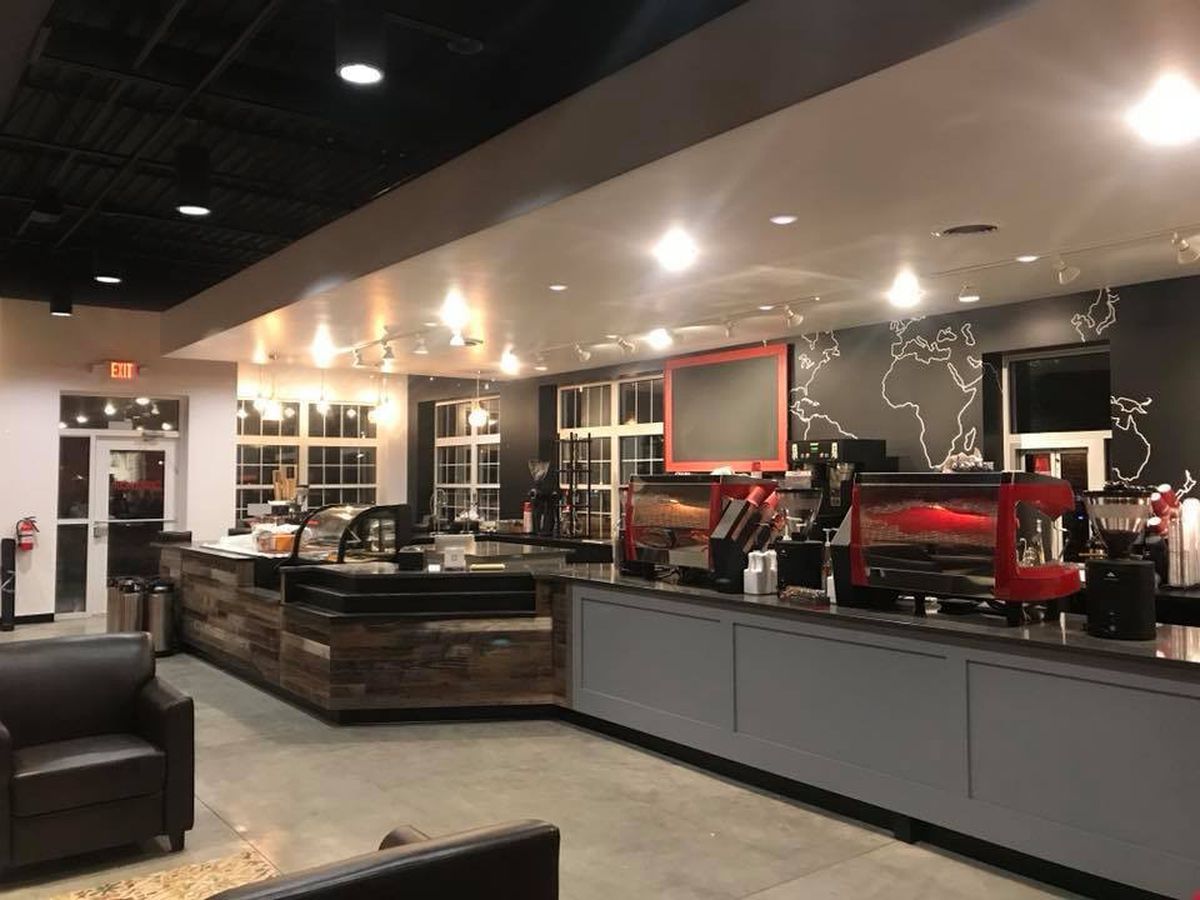
    US coffee roaster Crimson Cup Coffee & Tea has opened its fourth international coffee shop in Dhaka, Bangladesh.

    The new Rangs Fortune Square venue joins Crimson Cup Coffee Houses in the Banani and Dhanmondi neighborhoods.

    “Dhanmondi is a huge residential area with a multicultural population,” said MD Mohaimin Mostafa, “and our existing shop in Dhanmondi 27 was not sufficient to keep up with demand. Our second outlet in Dhanmondi makes it much easier for customers to reach us.”

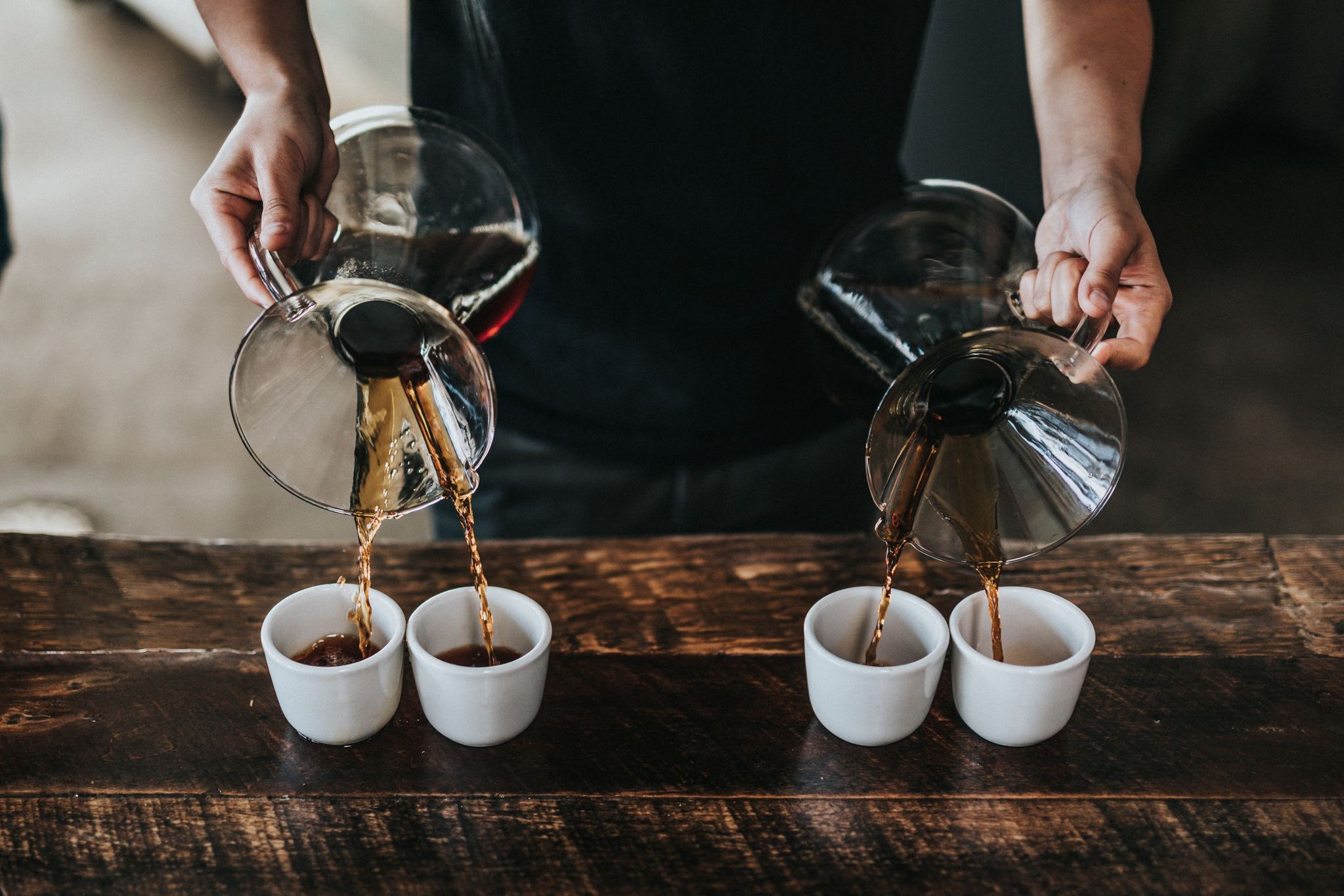
    The brand features a brew bar where baristas hand-pour craft coffees discovered during Crimson Cup’s sourcing trips all over the world.

    After opening four coffee houses since 2015, the Crimson Cup Bangladesh team is continuing its plans for expansion. Managers are looking for locations in Sylhet and Chittagong as well as the resort city of Cox Bazar. They are also exploring development opportunities in India, Nepal and Thailand.

  • Microsoft London’s flagship store opens

    Microsoft London’s flagship store opens

    The new Microsoft London flagship store has opened, a stone’s throw from archrival Apple’s local store.

    Among those welcoming the public on the 22,000sqft store’s launch day was the US tech company’s UK CEO Cindy Rose, who said the store was a “symbol of Microsoft’s enduring commitment to the UK”, which allows people to “experience the best the company has to offer.”

    “Thank you for helping us make history today,” she announced.

    The spacious three-storey Microsoft London venue features plenty of wood and glass surfaces prominently showcasing a large video wall and the brand’s most advanced devices. It houses a dedicated gaming room and technical support area, as well as a selfie area and a design lab where visitors can create their own personalised covers for Surface devices.

    The store’s second floor enterprise area is a place to support, train and grow businesses using the Microsoft 365 software suite as well as to assist in solving business challenges such as AI, data security, collaboration and workplace efficiencies. It also contains an area for hosting events, as well as meeting rooms and a showcase space for demonstrating how customers – including Carlsberg and Toyota – are digitally transforming

    “There are very few locations in the world that feature all the different parts that make up what Microsoft is,” said chief marketing officer Chris Capossela. “The early adoption of technology in the UK has been very impressive. That’s important when the company is thinking about what investments to make and where to make them. This flagship would not be in London if we didn’t have a very strong commercial business in this country. We thought very deeply about this.”

    One customer at the Microsoft London launch, James from Reading, said: “I want to see what they can offer businesses. The outside of the store looks incredible; it’s a masterpiece of architecture.”

  • MPH Bookstore may quit Singapore

    MPH Bookstore may quit Singapore

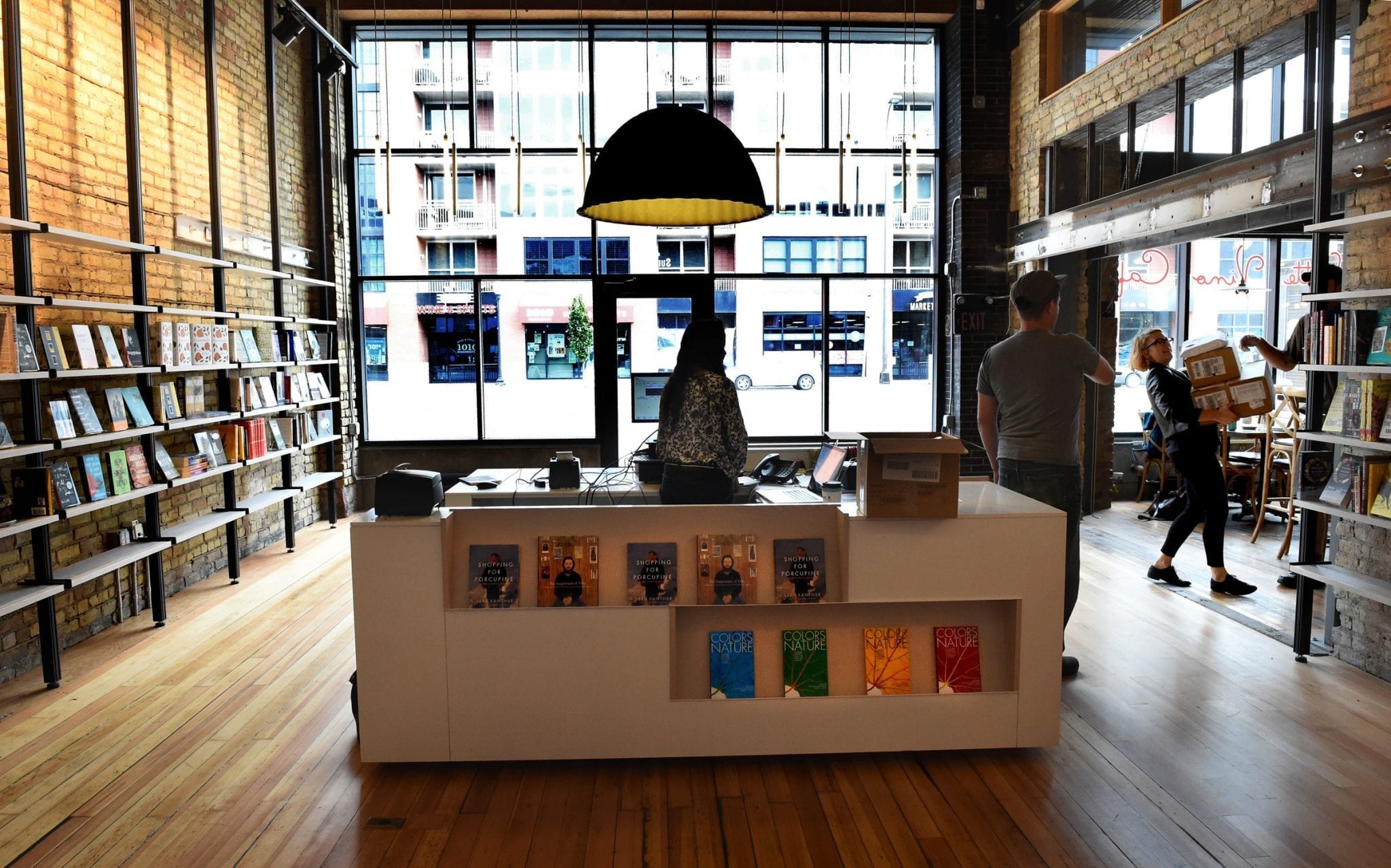
    Malaysia’s MPH Bookstore may exit Singapore, closing its last outlet by September.

    The chain announced its plan to close Raffles City and Parkway Parade outlets on July 28 and September 1 respectively. But the company signalled it is open to replacing the two outlets with a single store if it can find the right location at the right rent.

    MPH is closing the stores due to high rental costs and intense competition from online booksellers.

    As a result, the chain has plans to “restructure and streamline its resources for new business plans”.

    “Most of these online retailers give between 15- and 25-per-cent discount. Another unfair advantage is they don’t have to charge GST,” MPH Bookstores area manager Ismail Osman said in April.

    He also revealed that sales at MPH had declined by 40 per cent over the last 10 years.

    MPH Singapore’s first flagship on Stamford Road closed in 2003, after nearly 100 years, due to declining sales.

    MPH’s closure news came one month after other bookstore chains such as Popular and Japan’s Books Kinokuniya also closed their outlets after more than 30 years trading.

  • Singapore retail sales slip again

    Singapore retail sales slip again

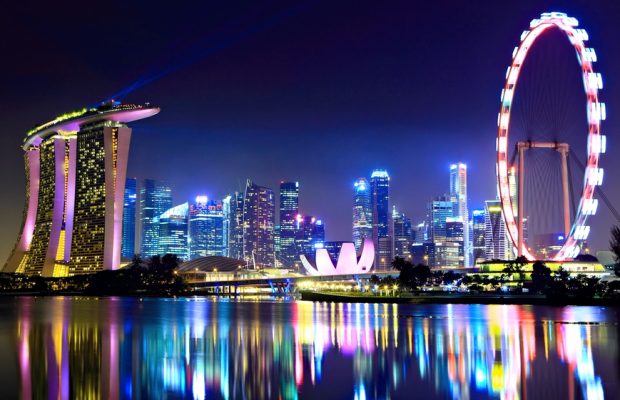
    Singapore retail sales slipped 1 per cent year on year in May, after motor vehicles were excluded from the data. The month-on-month decline was the same.

    Statistics Singapore estimated total retail sales in May (including motor vehicles) at $3.7 billion, with online retail sales accounting for 5.3 per cent of that figure.

    Year-on-year, furniture and household equipment was the category showing the greatest decline –  7.5 per cent – while sales of computer and telecommunications equipment, of optical goods and books, and by department stores, fell by between 4.7 per cent and 7 per cent.

    Categories to improve in May included watches and jewellery, up by 4.1 per cent, partly due to higher demand for gold jewellery during the Akshaya Tritiya festival.

    Sales of food and beverage services grew by 2 per cent year on year to n estimated $849 million.

    Turnover of restaurants, other eating places (such as cafes) and fast-food outlets increased by between 1.8 per cent and 2.7 per cent in May.

    In contrast, sales by food caterers decreased by 1.2 per cent.

  • Firs Innisfreet Canada store opens in Toronto

    Firs Innisfreet Canada store opens in Toronto

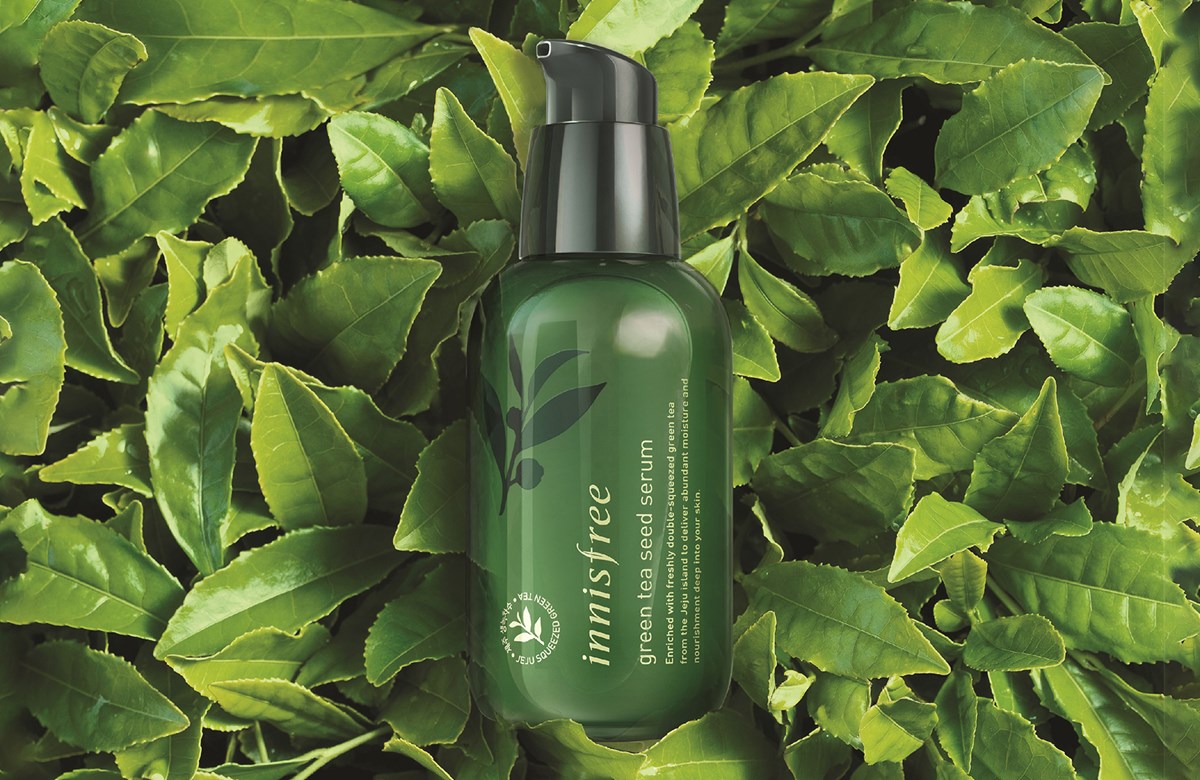
    Innisfree Canada has chosen Toronto for its first standalone store.

    The South Korean natural cosmetics brand’s new store will cover around 2500sqft of Toronto’s Yorkdale Shopping Centre according to designs. It will use a direct-to-consumer retail model designed to meet a competitive marketplace.

    The “plant-to-bottle” brand, operated by Seoul’s Amorepacific Corporation, partnered with CBRE to enter Canada, with initial targets being major mall space in Toronto and Vancouver. Amorepacific currently owns 33 health, beauty and personal brands.

    Innisfree Canada is not alone in targeting the North American nation, with US company Ulta Beauty and French chain Sephora among prominent names in the beauty products industry recently moving in.

    Over the past five years, more than 150 international brands have opened stores in Canada, more than 50 in 2017. Last year more than 30 brands brought a direct-to-consumer retail model to Canada.

  • Australia’s Oporto to open 24 stores in Vietnam

    Australia’s Oporto to open 24 stores in Vietnam

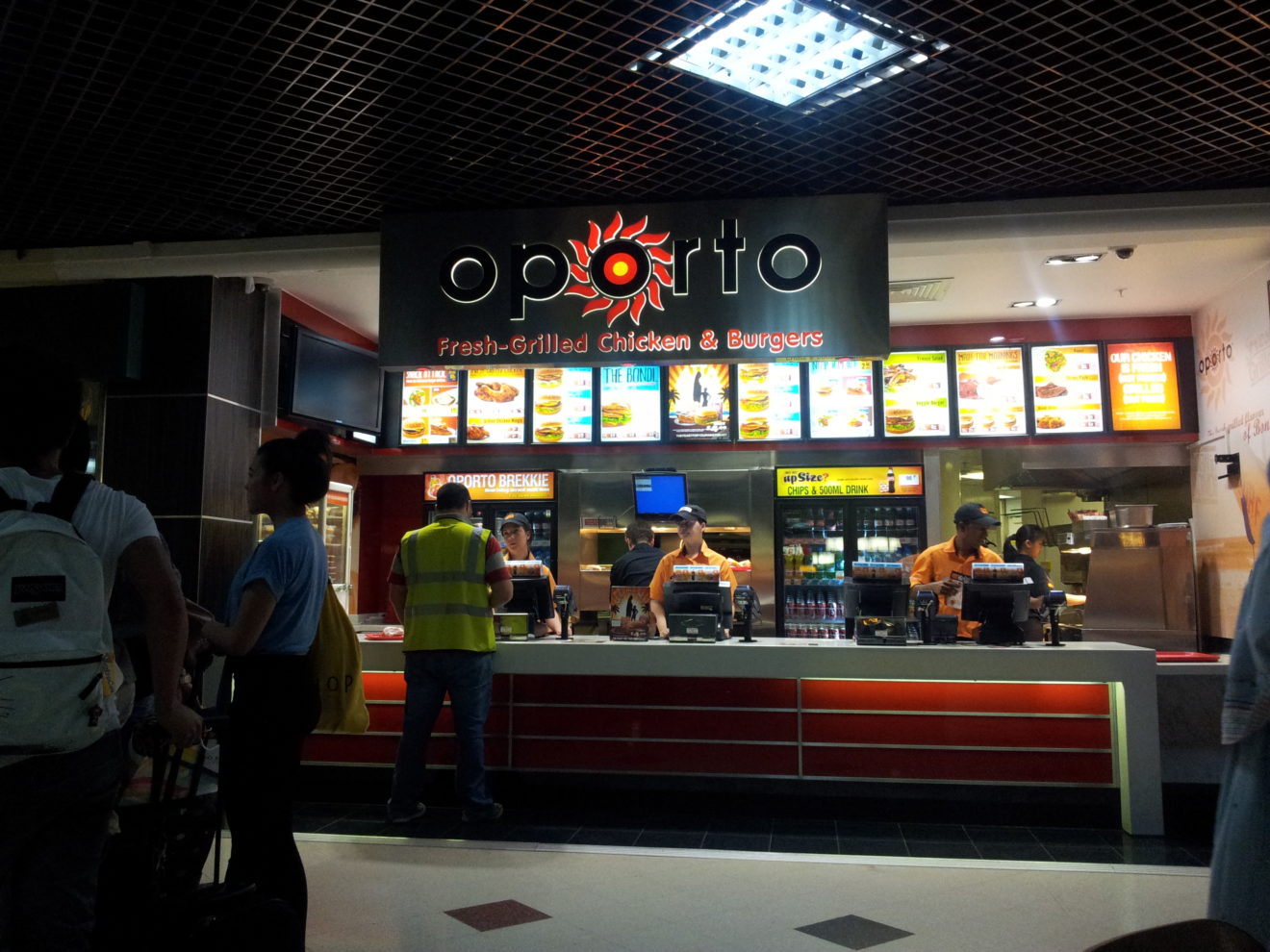
    Restaurant chain Oporto has launched in Vietnam under local franchisee Ben Thanh Group, with plans to open 24 restaurants across the territory in the next 10 years.

    The brand’s CEO Craig Tozer indicated the Vietnamese expansion provides a further gateway to a new market of potential consumers.

    “Vietnam is an ideal market for Oporto with nearly 100 million people and more than 60 per cent in our core demographic of under 35,” said Tozer. “Vietnam is experiencing double-digit growth in the retail and consumer sector and GDP has steadily grown at over 6 per cent. Consumers are urbanising and have an appreciation of quality food.”

    The announcement solidifies Oporto’s international growth strategy and follows a string of global signings. Three international master agreements have been secured in the last 14 months, with Oporto Vietnam following Singapore and Sri Lanka.

    Back home, Oporto is also forecasting an additional 20 plus restaurant openings in Australia for FY20, along with one in Vietnam, a second store in Singapore and further Asian expansion.

  • Luckin Coffee to launch tea brand Xiaolu

    Luckin Coffee to launch tea brand Xiaolu

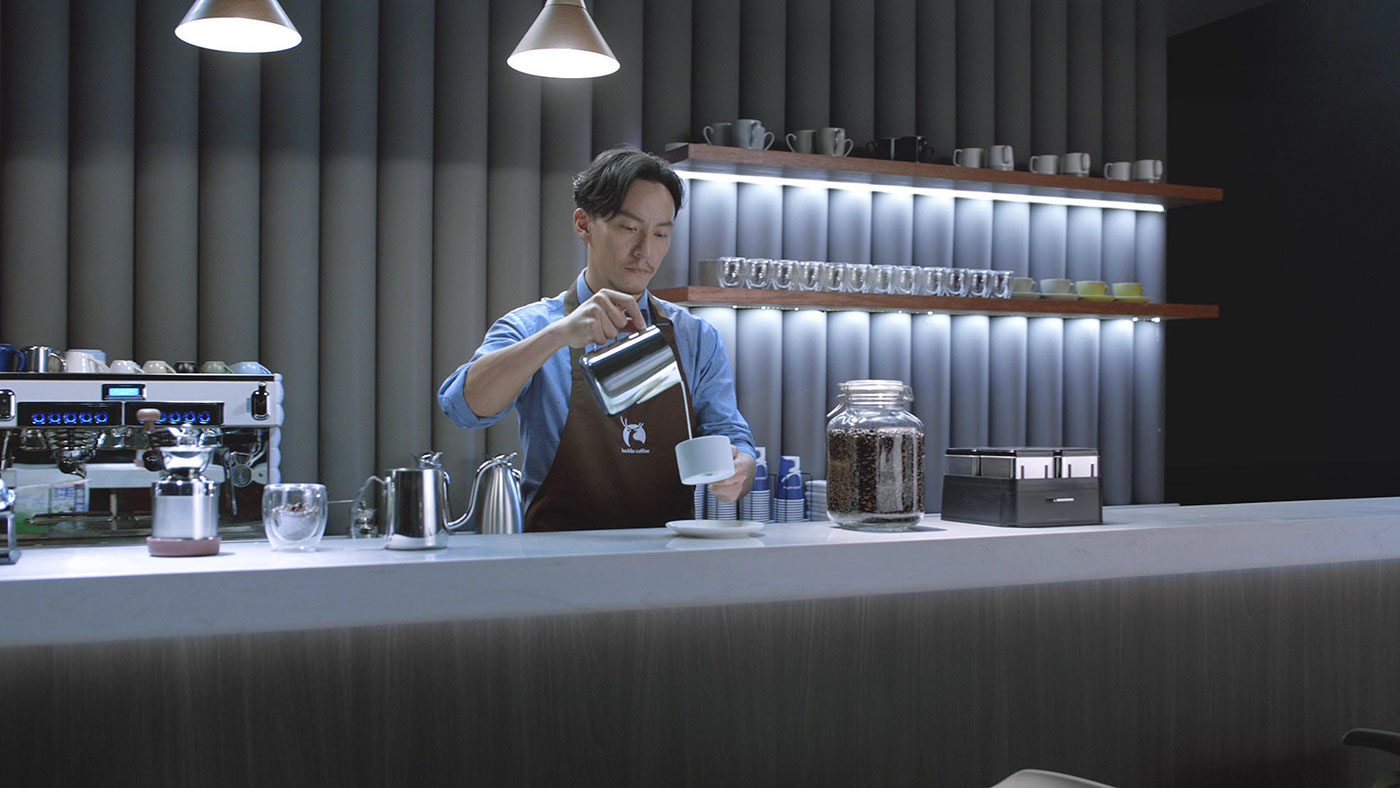
    Luckin Coffee, the Chinese cafe startup that has directly taken on Starbucks in the territory, is moving into the takeaway tea market with its new Xiaolu brand.

    “Coffee and tea are the two most popular drinks in the office,” said Luckin VP Jinyi Guo. “However, there are currently few renowned brands of milk tea in China, the quality of franchise stores is inferior, and supply chain management is deficient.”

    The new brand, launched this week, is targeting young Chinese white-collar workers and offers cheese foam tea, fresh tea and milk tea, among others.

    “We want to transform the tea series from traditional tea drinks into creative ones and we hope people drink it in the offices instead of streets,” said the brand’s chief marketing officer Fei Yang.

    Luckin completed its New York IPO this May, raising US$561 million.

  • BMW Group’s Global Sales Grow Marginally By 0.7% In June

    BMW Group’s Global Sales Grow Marginally By 0.7% In June

    Though sales of cars have taken a hit globally, the BMW Group sales continued their positive trend in June. The Group saw a marginal rise of 0.7 per cent in sales compared to the same month last year, with a total of 2,40,674 BMW, MINI and Rolls-Royce vehicles sold worldwide. This brings the company’s total sales for the year to date to 1,252,837 which is up by 0.8 per cent. This is the first time the company has sold more than 1.25 million vehicles in the first half of the year.

    Overall sales of the BMW brand grew by 1.4 per cent in June, with a total of 2,03,523 delivered to customers worldwide in the month. That result brings the brand’s sales total for the first half of the year to 10,75,959 a growth of 1.6 per cent. Both these figures are a new record high for the brand. The new or revised BMW X vehicles continue to be the brand’s biggest growth drivers, with global sales of the BMW X2 up 19.1 per cent in June, while sales of the BMW X3 rose by 66.6 per cent and deliveries of the BMW X4 increased by 70.8 per cent. Less than three months after market launch, a total of 13,555 BMW X7 vehicles have been sold globally and now India too will get the car very soon. In the first half of the year, a total of 4,67,134 BMW X vehicles were delivered to customers worldwide, accounting for 43.4 per cent of the brand’s overall sales; that figure was just 35.8 per cent in the same period last year.

    As far as electric cars are concerned, BMW i sales increased by 22 per cent in the first half of the year, with demand for the BMW i3 increasing by 21.2 per cent in the same period. Sales of the BMW 5 Series plug-in hybrid models increased by 43.4 per cent in the first half-year, while deliveries of the plug-in hybrid MINI Cooper SE Countryman ALL4 rose by 55.8 per cent

    MINI brand sales in the first half of the year decreased slightly. Deliveries in the year to date were down by 3.9 per cent while sales in June decreased by 3.5 per cent.

    Rolls-Royce too delivered a total of 2,534 cars across the globe which showed a growth of 42.3 per cent. Growth was seen in every region worldwide, with sustained demand for all model families. Exceptional customer demand for Cullinan continues, resulting in a strong order book, already stretching into the first quarter of 2020. The marque remains on track for a strong year in 2019.

    BMW Motorrad sales continue to grow strongly, with year-to-date deliveries up 7.1 per cent. In June, a total of 18,230 premium BMW Motorrad motorcycles and maxi scooters were delivered to customers around the world which is a growth of 7.4 per cent.

    As far as regions go, the brand continued to buck the trend in USA, achieving growth of 7.5 per cent in the month, while strong growth of 21.8 per cent was achieved in China. Despite a decline in the premium market in Germany in June, deliveries of BMW vehicles were up 0.5 per cent in the month. The Asian market too showed a strong growth of 6.9 per cent (year-to-date) thanks to all the new launches by the group in various countries.

  • Superdry spins into loss as new management tries to restore sales

    Superdry spins into loss as new management tries to restore sales

    Struggling lifestyle-fashion label Superdry has reported a loss of £85.4 million for the year to March, a sharp turnaround in fortune after the £65.3 million profit of the prior year.

    The results were heralded by the company in a series of profit warnings and follow turmoil on the company’s board. Founder Julian Dunkerton has retaken the reins of the business and a raft of directors and senior management have left.

    James Yacoub, a retail analyst at GlobalData, says the disappointing results have been spurred on by a poor performance in the second half “which Superdry has put down to the unimaginative excuse of a ‘difficult retail climate’”.

    “Of course this may have been convincing had competitors experienced similar misfortunes, however this has not been the case for those innovating and who are in tune with customers, with online pureplay Boohoo achieving exponential revenue growth of 47.8 per cent while sports and athleisure retailer JD Sports achieved 49.2 per cent revenue growth over the same financial period,” said Yacoub.

    “Superdry is suffering from deep-rooted issues relating to its inability to remain relevant and ultimately differentiate itself from more nimble, innovative and the latest lifestyle brands.”

    Although Dunkerton’s return to Superdry will not have an immediate impact on performance, Yacoub says one would hope to see an improvement in results in 12 to 18 months when his influence on product, channels and brand has had a chance to filter through.

    Incoming chairman Peter Williams described the Superdry results as “clearly very disappointing”.

    “However, everything I have learnt since joining the business in April has reinforced my view that Superdry is a powerful brand with great people across the organisation.

    “While we have been clear it is going to take time, I remain convinced that continuing to work closely with Julian and the leadership team, we are building the right plan to deliver long-term sustainable growth for shareholders,” Williams said.

    However Yacoub says that while Dunkerton has announced plans to ‘bring back design excellence’, reset store profitability and to build a cohesive team to stabilise the business, these plans are rather vague and have not instilled any real confidence in investors, as Superdry’s share price continues to tumble.

    “It is imperative, however, that investors provide Dunkerton with sufficient time to implement his transformation plan, though more detail on product range development and margin control would help alleviate some concerns.”

    Yacoub says Superdry must find a way to breathe new life into its brand, it must define and capture its target audience through effective social-media campaigns and ensure that it is resistant to changes in fashion and seasonal trends.

    “Ultimately Dunkerton must futureproof the business by expanding its design range to appeal to a wider target segment and also innovate to maintain customer loyalty and increase engagement.”

  • Belgian fashion chain Jean Paul Knott to enter China

    Belgian fashion chain Jean Paul Knott to enter China

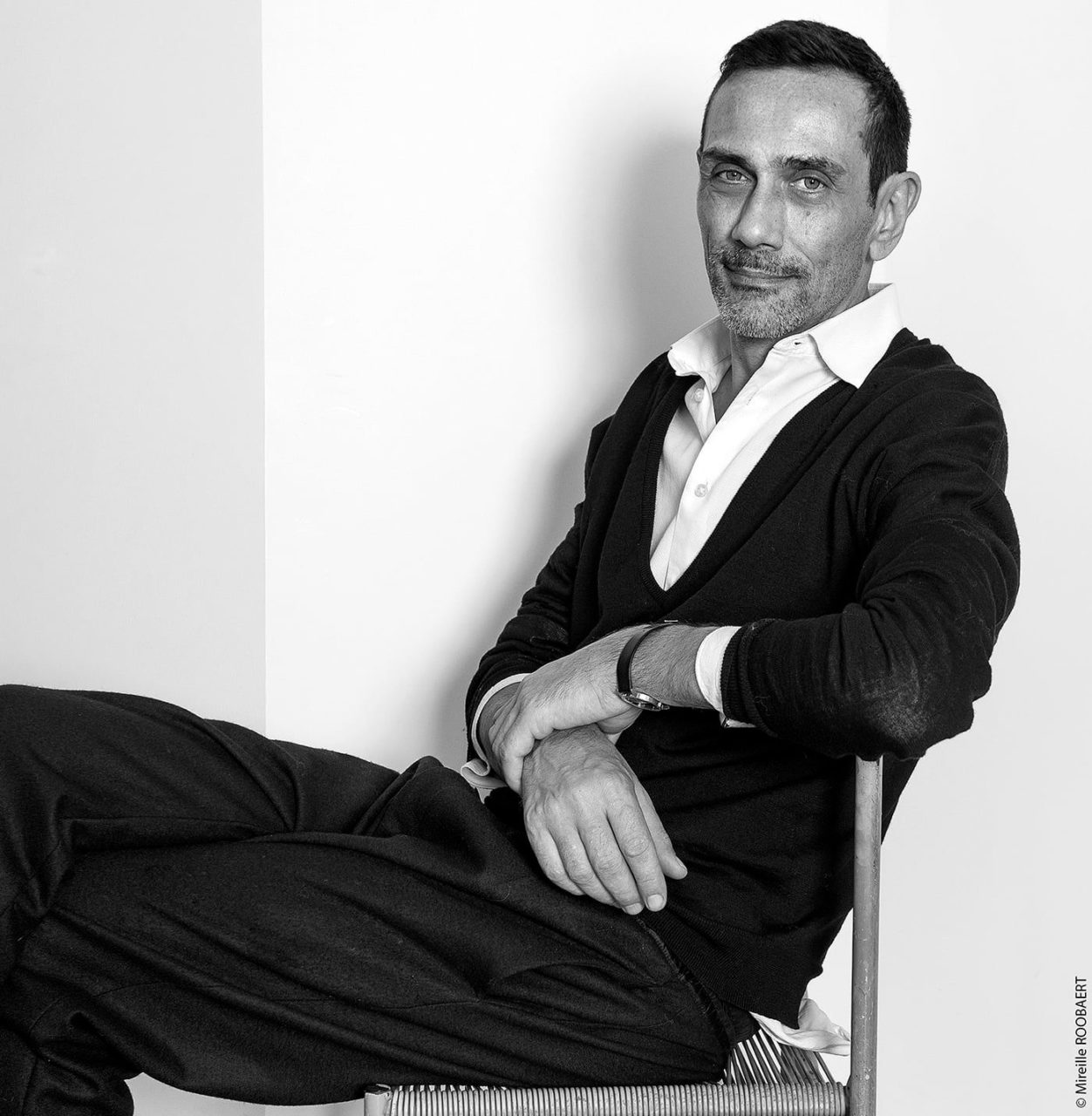
    Belgian designer brand Jean Paul Knott will open its first Chinese flagship in Beijing next month.

    The designer behind the eponymous label, which emphasises high-quality fabric and minimalist design, revealed the plans at a recent conference marking the brand’s 2019 Autumn/Winter collection, inspired by the classic French 1960s romantic film A Man and a Woman, and featuring a natural and smooth linear beauty of cuts and edits.

    In a dialogue with local fashion writer and translator Gu Chenxi, Knott revealed that he has refocused on the “design of the clothing itself” in an attempt to introduce a “new sincerity to the Chinese market”.

    At the conference, Knott introduced a creative artistic and visual immersive experience designed around brand’s signature blue element, representing “the infinite possibilities of Jean Paul Knott in China”, and featuring stills and clips from A Man and a Woman.

    Knott studied fashion design in New York and worked in Paris with legendary designer Yves Saint Laurent.

  • Indonesia’s Wake Cup Coffee & Eatery makes Indian debut

    Indonesia’s Wake Cup Coffee & Eatery makes Indian debut

    Indonesian coffee chain Wake Cup Coffee & Eatery has launched in Mumbai.

    The franchise opens in India in partnership with local franchisee Gobble Me Good, its first international location after opening 13 outlets back home.

    The firm is the newest player in India, the world’s 10th fastest-growing coffee market currently valued at ₹2570 crore (US$374 million), according to a recent Euromonitor International report that estimated industry growth at 6.9 per cent a year by 2023.

    “Consumers frequenting cafes in India are primarily 18-35 years old, which comprises the country’s primary working force with higher disposable income and fast-paced lives,” said the

    Large food companies such as local giant ITC are also making moves in coffee retail to compete with the likes of Nestle and Unilever.

  • Canberra Airport announces new retail partners

    Canberra Airport announces new retail partners

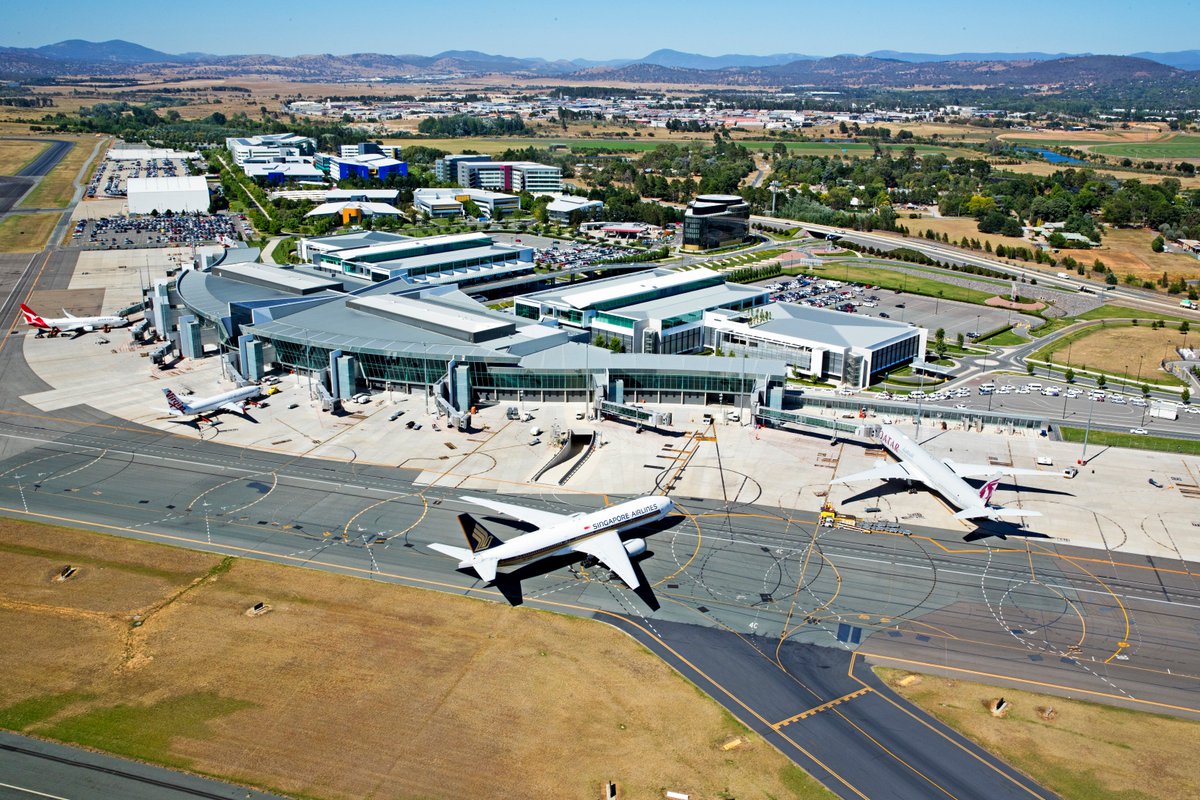
    Canberra Airport is overhauling its terminal retail offering, with construction set to begin on more than 1000sqm of new shops in the coming months.

    On Friday, the airport announced Airport Retail Enterprises (ARE) has been awarded the food and beverage component of the new terminal retail, and Australian Way Pty Ltd (AWPL) has been awarded the news, books and gifting component.

    “We are excited about these new partnerships as we work through the last piece in our terminal puzzle,” Richard Snow, head of property at Canberra Airport, said in a statement.

    “We have worked for years, focusing on making the travel experience for Canberrans and our visitors as seamless and efficient as possible. Now we are proud to be able to add in more restaurants and café options as well as retail that helps visitors remember their trip with local produce and gifts.”

    ARE, which also manages food and drink offerings in Sydney Airport, Melbourne Airport, Brisbane Airport, Gold Coast Airport and Gatwick Airport in the UK, will create a new cafe, City Hill Coffee, featuring locally-roasted Ona coffee, an Asian noodle and sushi offering called Noodles XO and a health food offer on the Western Concourse.

    Several existing food and drink options on the Southern Concourse, will be replaced by Capital Brewing Co Bar, through a partnership with the local brewery of the same name. ARE will also add a mixed news, books, travel essentials and cafe space on the ground floor in the arrivals baggage hall.

    “Canberra has a fantastic local food scene, and we are very pleased to be partnering with many local producers to bring this to the airport,” John Chapman, CEO of ARE said in a statement.

    “The new terminal will become a fantastic showcase of the region’s produce.”

    AWPL, which operates stores in numerous domestic and international terminals around Australia and New Zealand, will initially bring a news, books and travel essentials offering called News@CBR to the airport.

    Following this, it will open a second store called Merchant Canberra, which will showcase iconic gifts from the city, surrounding region and Australia.

    “It is our absolute focus to connect with the local community, deliver a retail offering that brings commercial growth to Canberra Airport, and also significantly enhances the customer experience,” AWPL managing director Costa Kouros said in a statement.

    Construction of the new retail offerings is expected to begin in the coming months, with stage one to be finished by the end of this year. The second and final stage is expected to be complete by Easter 2020.