Blog

  • Amazon expands anti-counterfeit program

    Amazon expands anti-counterfeit program

    Amazon is expanding its successful anti-counterfeiting program to more countries.

    Transparency is now available to sellers and customers in France, Germany, Italy, Spain, the UK, India and Canada, the e-commerce giant announced on Wednesday. Previously it only operated within the US.

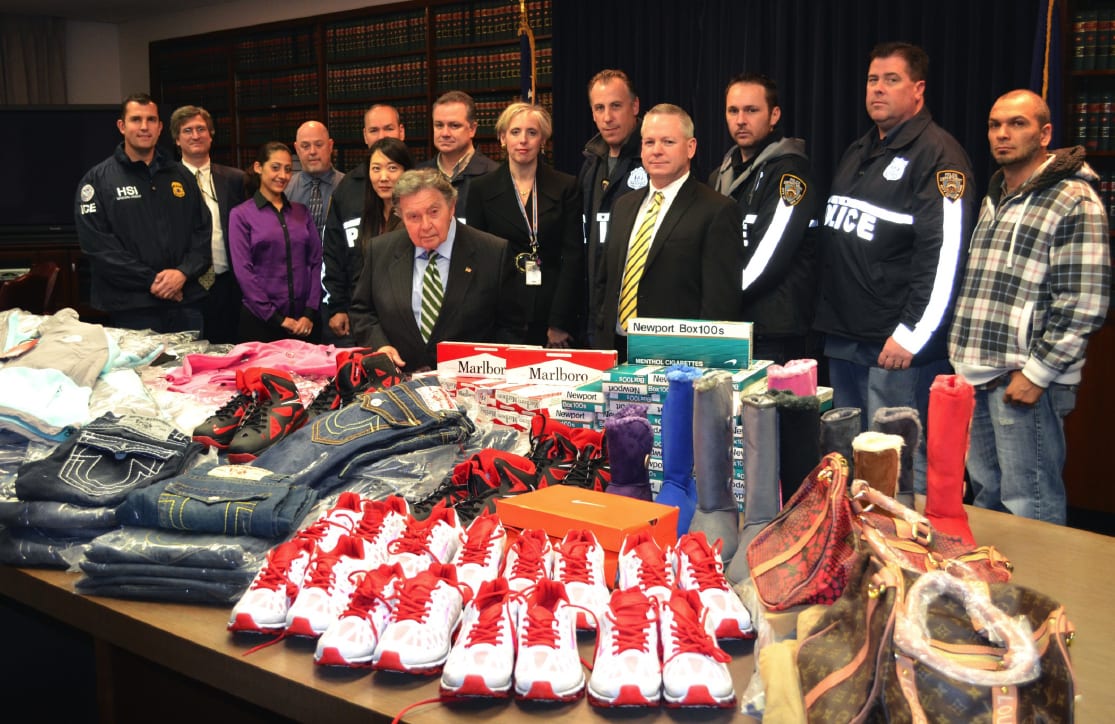
    Online marketplaces are rife with counterfeit products sold cheaper than the genuine product, though often at a much lower quality.

    Fellow online marketplace Alibaba revealed its ‘Anti-Counterfeiting Alliance’, launched in early 2017, has resulted in the arrests of 1277 suspects, the shutdown of 524 manufacturing and distribution locations, and product seizures totalling US$536.2 million.

    EBay, as well, launched a program known as ‘eBay Authenticate’ which allows sellers to have items examined by a third-party to ensure the consumers can be confident they’re getting the real thing.

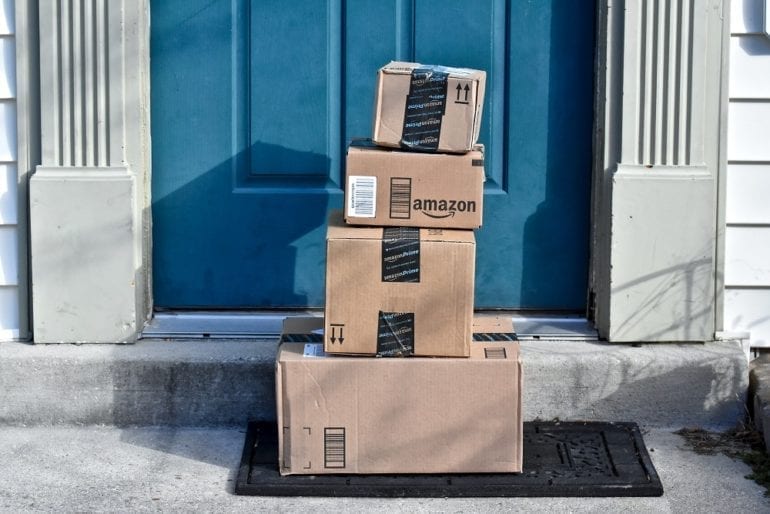
    Amazon’s Transparency program enables marketplace sellers to apply unique codes to their products when they are manufactured. These codes are scanned before orders are shipped to ensure the products are authentic. Online shoppers can also check the unique codes to verify the products they buy.

    “Counterfeiting is an industry-wide concern – both online and offline,” said Amazon customer trust and partner support vice president Dharmesh Mehta.

    “We created Transparency to provide brands with a simple, scalable solution that empowers brands an dAmazon to authenticate products within the supply chain, stopping counterfeit before it reaches a customer.”

    According to Amazon, more than 4000 brands are enrolled in the initiative in the US, and have generated more than 300 million unique codes, stopping over 250,000 counterfeits from reaching customers.

    The program also allows customers to scan products using a Transparency app, and see unit-level information about a product – though currently the app is only available in the US.

    Inside Retail has reached out to Amazon to see if this initiative will be expanded to Australia.

  • Don Quijote Hong Kong opens first store

    Don Quijote Hong Kong opens first store

    Don Quijote Hong Kong has opened its first store, in Mira Mall at Tsim Sha Tsui.

    The Japanese bargain retailer will sell a full range of discount merchandise as in Japan, as well as ready-to-eat meals and Japanese specialty products.

    Regional operator Pan Pacific International Holdings, which has three stores in Singapore and also plans to make its Thai debut in Bangkok this year, has leased a 15,000sqft space at the mall. The store is the sixth in its regional network, which also trade under the Don Don Donki brand. It has operated in Singapore since 2017, and has close to 40 stores in the US.

    The company is hoping to target Mainland Chinese tourists with its distinctively Japanese product range.

    “Don Quijote’s Tsim Sha Tsui location can attract mainland tourists who travel via the high-speed rail and mega bridge,” said senior director and head of retail services at Knight Frank Helen Mak. “Instead of shopping for luxury items, these same-day visitors usually spend money on cosmetics, health care items and food, products that are most celebrated at [Don Quijote].”

    Besides its general merchandise and fresh food offer, the Don Quijote Hong Kong store features a cafe.

  • TerryWhite Chemmart appoints new CEO as Anthony White steps down

    TerryWhite Chemmart appoints new CEO as Anthony White steps down

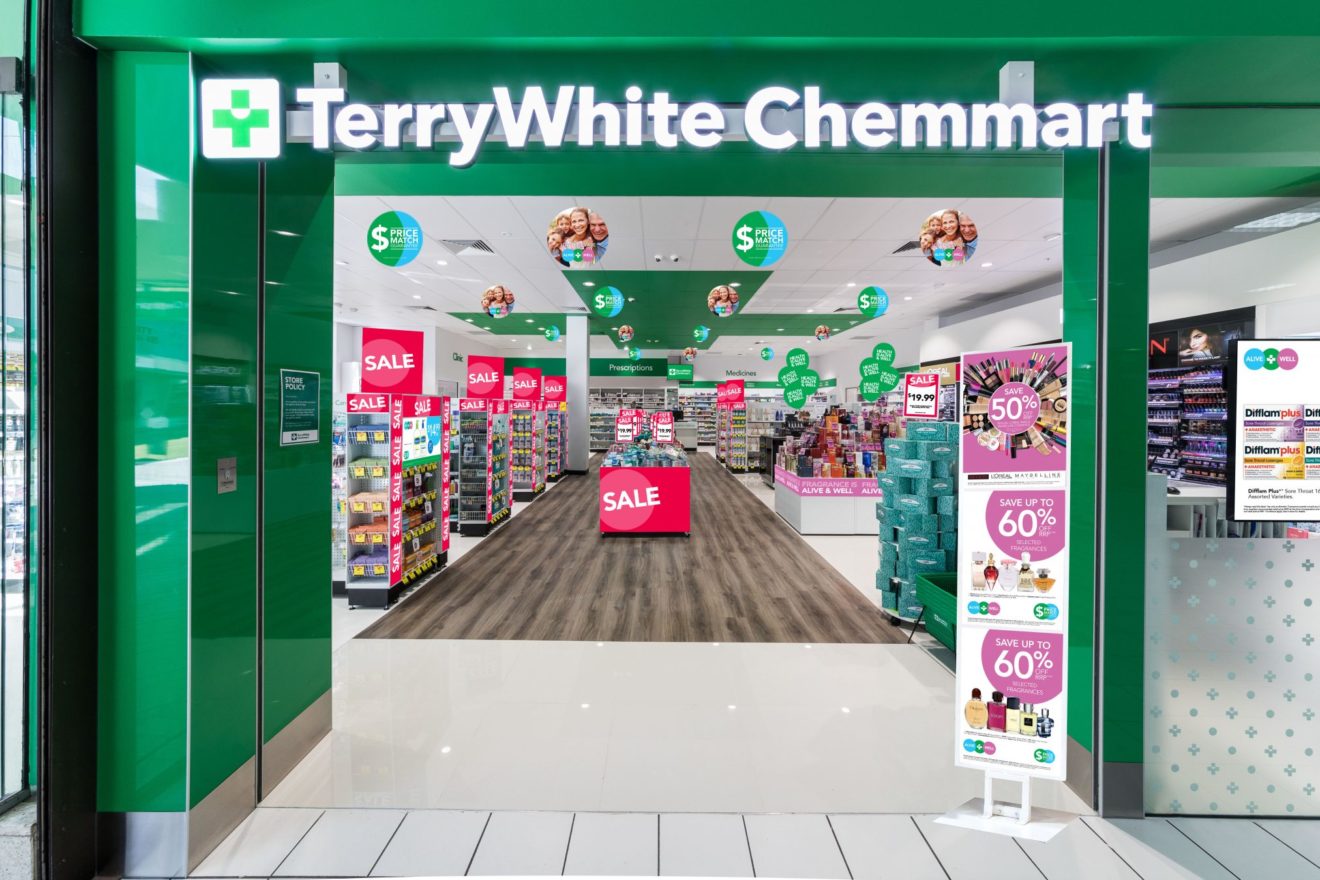
    TerryWhite Chemmart (TWC) announced Duncan Phillips as the new chief executive of the pharmacy retailer on Tuesday, following Anthony White’s decision to step down after 11 years at the helm.

    White said in a statement on Tuesday that it has been “an absolute privilege” to lead the company but that the time is right for fresh leadership. He will remain with the business, moving into the role of executive director of pharmacy network development, which includes more than 450 pharmacies across Australia.

    “I’m very fortunate to have worked with so many talented pharmacy owners and the dedicated team at the support centre over the years,” White said.

    “It’s been an absolute privilege and I look forward to supporting the further
    development of the network in my new role. In particular, it’s been great working closely with Duncan on a wide range of initiatives to grow the Group substantially over this period and I wish him every success in the future.”

    White ic credited for leading TWC through a dramatic period of change and growth including the network rebrand and sale to EBOS Group.

    White’s successor Duncan Phillips, who takes up the role effective immediately, has up to now held the chief operating officer role at TWC.

    The retailer said in a statement that Phillips brings both domestic and international experience as well as strong industry contacts.

    The company said its core focus now is building further value for network partners.

    Chief executive of EBOS Group John Cullity paid tribute to White on Tuesday.

    “Anthony has decided after 11 exciting and demanding years as CEO for TWC that it’s time for a change. He has worked tirelessly in his tenure as CEO and leaves the TWC network in great shape and on the cusp of further growth” Cullity said.

    Ebos Group took full ownership of Terry White Group in December 2018.

  • Kia Seltos SUV Pre-Bookings To Start

    Kia Seltos SUV Pre-Bookings To Start

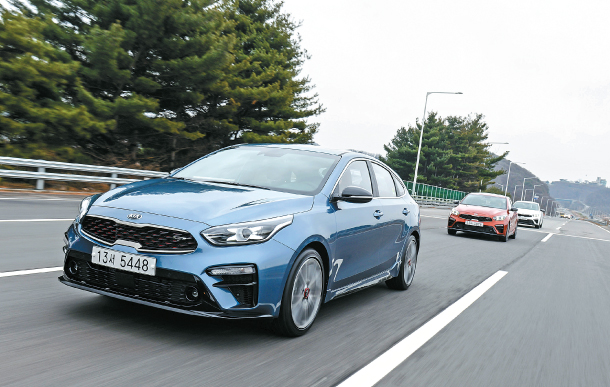
    Kia Motor India has revealed that pre-bookings for the Seltos SUV will start from July 16, 2019. The bookings will start online as also across its 206 sales points in India. The company has started its innings in India with 265 touchpoints across 160 cities, thus enabling customers from across the country to gain access to its product. The pre-bookings for the Kia Seltos SUV will be made for a token amount of ₹ 25,000. The Seltos will be launched in two trims GT Line and Tech Line and there will be five variants on offer.

    Manohar Bhat, Vice President and Head – Sales and Marketing, Kia Motors India said, “The Kia Seltos has been built from ground-up, keeping Indian customers in mind and is equipped to redefine the segment. I am proud of the hard-work and dedication put in by all our team in the development of the Seltos, and that has paid off in the way the car has come about to be. We are confident that the customers will be equally delighted by the specifications combination and our wide-spread network of 265 touchpoints in 160 cities that will instill confidence and recognition of the brand. We can’t wait for India to experience the stylish Seltos.”

    Under the hood, the Kia Seltos will get the third generation Smartstream engine that will come in three iterations: 1.5-litre petrol, 1.5-litre diesel and the 1.4-litre turbo petrol. There will also be three 3 automatic transmission options alongside the 6-speed manual transmission options – 7DCT, IVT, and 6 AT . The vehicle also sports 3 traction modes – Mud, Snow/Wet and Sand, for a greater grip and control on all surfaces.

    Visually, the Kia Seltos gets the brand’s signature Tiger Nose grille with chrome surrounds, flanked by inverted L-shaped LED headlamps with LED daytime running lights. The SUV also gets a muscular bumper with another set of LED DRLs with chrome bezels, a wide central airdam, and silver skid plate. The top-end model will also get a set of new diamond cut alloy wheels, with the shark-fin antenna and silver roof rails. The rear features a pair of sharp-looking LED taillamps and a beefy rear bumper with brushed silver styling element and a large diffuser.

    There are a host of segment first features that have been included in the Kia Seltos and yes, the list is an exhaustive one. We already told you about the trim levels, it also gets a first in segment 10.25-inch touchscreen infotainment system with navigation. Adding to the premiumness, is an 8-speaker sound system by Bose. Kia has also provided an air purifier which has been placed between the front two seats and provides for an AC vent for rear seat passengers.

    In terms of features, the Seltos will also come with connected technology, which Kia calls UVO, which can be controlled a segment-first 10.25-inch touchscreen infotainment system. The SUV also comes with an 8-speaker sound system by Bose, a 360-degree surround camera, and a 7-inch colour TFT unit for the instrument console. With UVO, you can use your phone to operate the car’s ignition, AC controls and more. UVO can also be accessed via a dedicated button on the IRVM, which also has dedicated roadside assistance and SOS buttons that alert the dedicated call centre- in case of an emergency. Safety features include 6 airbags, ABS with EBD, ESC, HAC, VSM and is built using advanced high strength steel (AHSS).

  • Precision marketing set to surge in Apac

    Precision marketing set to surge in Apac

    Asia Pacific is poised for growth in data-driven marketing (“precision marketing”) given the increasing base of 2 billion online users and expected rise of advertising budgets in the next five to 10 years.

    The conclusions arise from the latest report by research company Nielsen, A Digital Giant Awakens, which surveyed marketing leaders across Asia-Pacific markets on their next-level strategy and implementation road-map, revealing investments in precision marketing are likely to increase in the next year from 14 per cent of marketing budgets to about one-fifth of spends (19 per cent) going beyond social, search and mobile toward newer applications.

    In the next six months the top three platforms where advertisers across the Asia Pacific region will be allocating their marketing spends are Facebook/Instagram (60 per cent), Google/Youtube (43 per cent) and mobile (42 per cent). Meanwhile, investments in advanced applications are increasingly gaining pace, particularly for data-science/modelling (36 per cent), high-quality third party data (32 per cent) and analytics to measure ROI (28 per cent).

    The survey, conducted across top leading advertisers in the region, found precision marketing is enabling advertisers to understand consumers’ purchase journeys, personalised communications and consumer profiling.

    Key factors accelerating the progress of precision marketing include better quality and reliability of data, clear demonstration of ROI for advertisers and further education to stay ahead in the game.

    “With advancements in technology and popularity of digital media there is tremendous headroom for growth in precision marketing across Asia Pacific,” said Nielsen’s MD media North Asia Ranjeet Laungani. “Precision marketing is capable of driving marketing applications out of predictive analytics and forecasting results and it is strongly recommended for advertisers to consider in their repertoire of new-age tools.”

    The report spotlights Data Management Platforms (DMPs) as pivotal technology enablers for advertisers to successfully implement precision marketing in their overall strategy. Such platforms manage and unify multiple streams of disparate consumer data and assist in consumer profiling and targeted messaging, thereby limiting spends on media waste.

    The challenge for advertisers remains to show quick wins during early stages of DMP engagement.

    Data science and analytic prowess are top attribute advertisers in Asia Pacific look for while evaluating a data management platform.

    “Currently the space is under-invested, however, broadening expert ecosystems, presence of higher quality datasets, and presenting more success stories will drive up confidence and adoption in the industry,” added Laungani.

    “The void in awareness and education can be filled by agencies, media owners and advertisers by maintaining an eye on the long-term and short-term potential of precision marketing.”

  • Triumph Mumbai Dealer Demo Bikes On Sale With Hefty Discounts

    Triumph Mumbai Dealer Demo Bikes On Sale With Hefty Discounts

    Triumph Motorcycle India’s Mumbai dealer is offering its demo bike line-up to potential customers at heavy discounts. The bikes range from the Triumph Bonneville T100, Street Twin, Street Triple, Tiger XCx, and more. The catch though is the manufacturing year for these bikes that were produced in 2017 or 2018, and have a few kilometres on the odometer. The Mumbai dealer is the latest of the Triumph outlets to retail its demo bikes. The Delhi and Jaipur showrooms announced similar discounts on their demo motorcycles few weeks ago. In addition, the Pune dealership has a few demo motorcycles on sale including the Speedmaster, Bonneville T120 and the Street Twin from MY2018.

    The Mumbai dealership is selling the 2018 Triumph Tiger XCX for ₹ 12.5 lakh, while the Tiger XRx is priced at ₹ 12 lakh. Both the bikes have clocked 11,500 km and 7500 km respectively on the odometer.  The 2018 Bonneville T120 has 2266 km on the odometer and is being sold at an on-road price of ₹ 9.5 lakhs. The Triumph Bonneville Speed Master with 2800 km has been priced at ₹ 10.50 lakh, while the 2018 Street Twin with 1401 km can be yours for ₹ 8.4 lakh. The 2017 Triumph Bonneville T100 is being sold at price of ₹ 7.5 lakh.

    There’s a completely new 2018 Triumph Street Scrambler as well with 0 km on the odometer available for ₹ 10.5 lakh. Lastly, the 2018 Street Triple RS is available for ₹ 11.25 lakh, while the Street Triple S with 2540 km can be yours for ₹ 8.5 lakh (all prices, on-road Mumbai). There are limited units of these motorcycles on sale with one or two examples of each at best. The discounts range anything between ₹ 1.5 to ₹ 4 lakh depending on the model, and makes for a good bargain.

    The pricing, dealerships say, has been depreciated taking into account the usage and the present condition. The demo bikes though are unregistered and customers will be the first owners of the motorcycles on paper. The motorcycles also get the two-year standard Triumph warranty as standard that covers unlimited kilometres, which can be extended to an additional two years. The warranty is applicable at all of the brand’s global dealerships and is transferrable as well.

    That said, the condition of the bikes including cosmetic and mechanical damage and the subsequent repairs, if need be, still remain a concern. Demo bikes are usually ridden by prospective customers and can be subjected to use and abuse by multiple riders. Then, there are also concerns of the market value of these bikes that is likely to affect customers that paid full price for their respective motorcycles. A number of Triumph customers that carandbike spoke to remained unaffected though. The customers said that since the demo bikes have likely seen more wear and tear then all-new motorcycles, the pricing in the used market will remain different.

    With the overall market slowdown in the auto sector, the sale of demo bikes could be to liquidate assets that will help dealers stay afloat. The auto industry is collectively witnessing a slowdown in sales across all segments, and dealers have been affected by the slow moving inventory. The second half of the year though is expected to see a growth in volumes across all segments.

  • Tesla Cuts Price Of Model 3

    Tesla Cuts Price Of Model 3

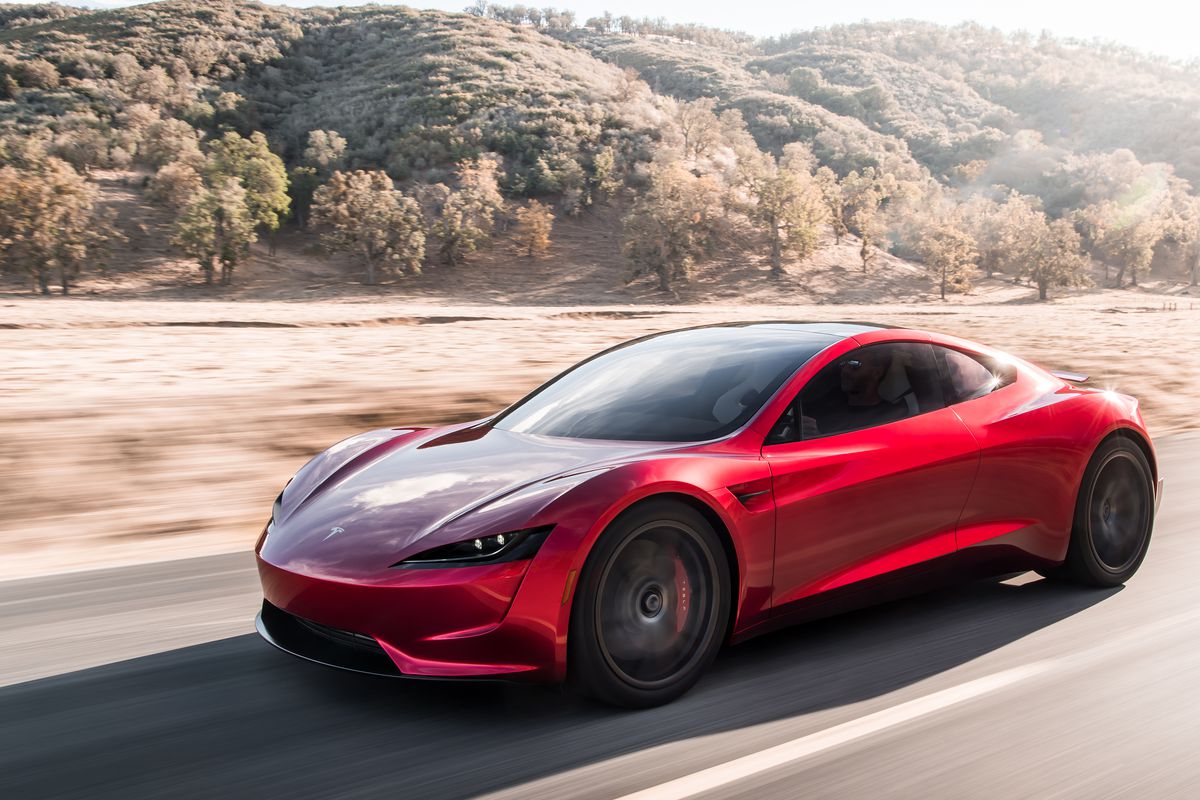
    U.S. electric vehicle maker Tesla has lowered the price of its mass-market Model 3 and raised the prices of its premium Model X and S cars.

    The starting price of the Model 3 is now $30,315, from $32,225, Tesla’s website showed on Tuesday. The top-of-the-range Model X now begins at $75,315, rather than $71,325, while the Model S rises to $70,115 from $65,125.

    The prices include potential incentives and petrol savings of $9,875, Tesla said on its website.

    Earlier this month, Tesla said deliveries of all three of its models in the second quarter of this year rose 51% from the previous quarter to a record 95,200 vehicles. The Model 3 accounted for about 80% of the total, underscoring the vehicle’s role as the linchpin of Tesla’s growth strategy.

    The automaker said it expected production and deliveries to continue growing in Q3.

    On Tuesday, Tesla also changed its prices in China, the world’s largest market for electric vehicles.

    Its website showed the Model 3 starting price is now 355,900 yuan ($51,780), down from 421,000 yuan. It lifted the Model X to 790,900 yuan and Model S to 776,900.

    Tesla is building a factory in Shanghai. In May it said it will set a starting price of 328,000 yuan for Model 3 vehicles built at the new factory.

  • Toyota’s War With Dealer Over Recalls Cost It $16 Million

    Toyota’s War With Dealer Over Recalls Cost It $16 Million

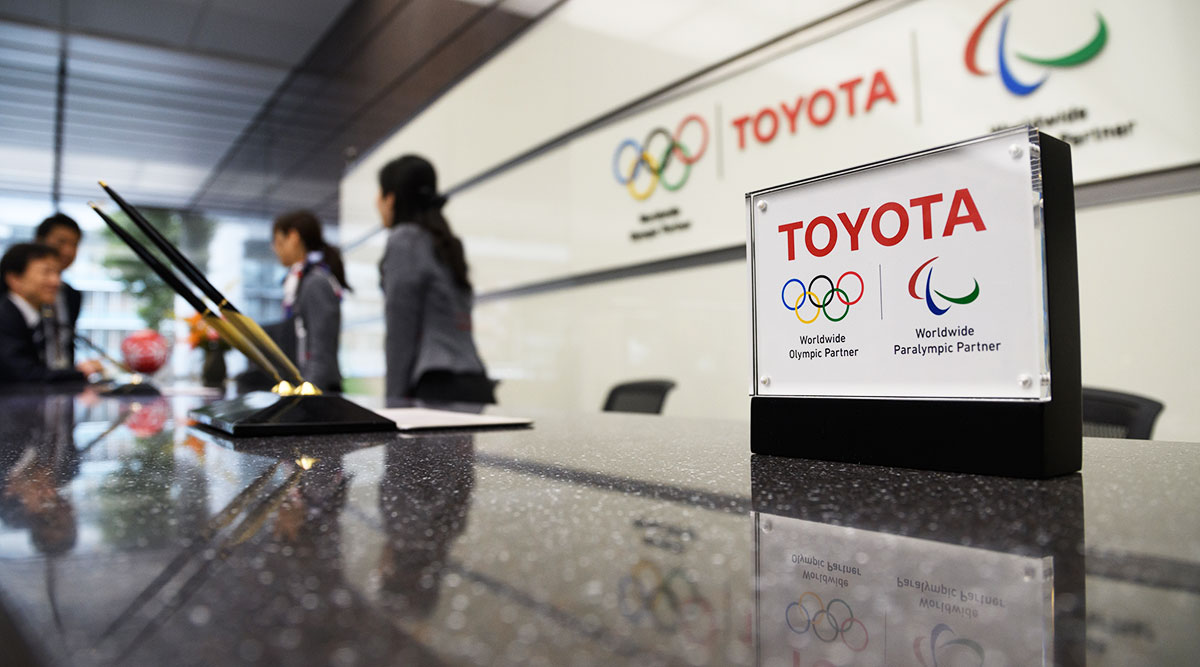
    Toyota Motor Corp. must pay $15.8 million to a California dealer who accused it of retaliating against him because he had developed safety-recall software that was costing the automaker millions of dollars in car repairs.

    A state court jury in Santa Ana on Monday found Toyota liable for unfair interference in a contract Roger Hogan’s two dealerships had with the automaker. But the jury found Toyota didn’t intend to deceive the dealerships by hiding material facts, and as a result didn’t have to pay punitive damages.

    “Other dealerships should be aware that Toyota cannot mishandle safety issues and cannot retaliate against dealerships for their commitment to safety without consequences,” said Amnon Siegel, Hogan’s lawyer. “This jury has put its foot down and said there will be consequences.”

    The owner of Capistrano Toyota and Claremont Toyota accused the Japanese carmaker of concealing that it was planning to oust him from its franchise system as far back as January 2011 while he was investing millions of dollars to expand and renovate his dealerships.

    Hogan claimed that his Autovation program, which he started in 2011 after a massive recall related to complaints about sudden acceleration, was much more efficient than Toyota’s own system in identifying and contacting customers whose vehicles hadn’t had repairs done.

    According to Hogan, Toyota wanted to kill his program, which was also used by other Toyota dealers, and oust him because it was costing the carmaker too much money to fix all the cars Autovation identified.

    “I still have these hundred cars sitting in my lot that I can’t sell,” Hogan said after the verdict. “Even though we prevailed, I still have a hundred vehicles and I will not sell these cars. They’re still unsafe. The jury saw that we did the right thing by stop selling those cars. They understood that they’re still dangerous.”

    Toyota noted the jury discounted $2.3 million from its judgment because it found the dealerships weren’t blameless either and engaged in misconduct.

    “While we respect the jury’s decision, we remain confident the evidence and testimony clearly demonstrated that Toyota abided by its contractual obligations to the Hogan dealerships and has been transparent with its dealers, regulators and customers regarding the vehicle issues raised at trial,” the company said in an emailed statement. “We will consider our options moving forward.”

    At the trial, Toyota denied the allegations and argued that Hogan brought the lawsuit because the carmaker didn’t want to go along with the succession plan for his dealerships. The Autovation program was a for-profit side business Hogan was running in violation of his agreements with Toyota, the automaker’s lawyer said.

  • Lady Gaga launches beauty brand Haus Laboratories

    Lady Gaga launches beauty brand Haus Laboratories

    Lady Gaga’s makeup brand “Haus Laboratories” will be available for pre-order on July 15.

    The beauty brand is also the first to be sold exclusively on Amazon, according to Business of Fashion.

    Lip gloss will retail for US$16, and makeup kits for US$49.

    Haus Laboratories was unveiled in a video released this week, narrated by Lady Gaga, and featuring her and other models seemingly wearing makeup from the brand.

    The singer said she “never felt beautiful” when she was younger, and “struggled to find a sense of both inner and outer beauty”. However, she eventually “discovered the power of makeup.”

    “I remember watching my mother put her makeup on every morning, basking in the glow of her power to put on her bravest face as the hard working woman she was,” Gaga wrote on Instagram.

    “I then began to experiment with makeup as a way to make my dreams of being as strong as my mother become true.”

    “Sometimes beauty doesn’t come naturally from within. But I’m so grateful that makeup inspired a bravery in me I didn’t know I had.” she wrote.

    “They say beauty is in the eye of the beholder, but at Haus Laboratories, we say beauty is how you see yourself,” she continued.

  • Amorepacific opens Sulwhasoo Universe at Hainan

    Amorepacific opens Sulwhasoo Universe at Hainan

    Korean beauty firm Amorepacific has launched a new pop-up store, “Sulwhasoo Universe”.

    The firm hosted an event at the China Duty Free Group (CDFG) Sanya International Duty-Free Shopping Complex – the world’s largest duty-free store – to celebrate the opening on July 6. The event also served to mark with the 40th year anniversary of CDFG.

    Sulwhasoo Universe is a global pop-up store campaign to mark the launch of the Sulwhasoo First Care Activating Serum EX “Star Collection”. The brand opened its first pop-up store in Korea on May 15, following it up with a string of other stores in eleven major cities around the world.

    Open until July 31, the Sulwhasoo Universe pop-up store presents content based on an observatory-inspired concept to deliver a brand story behind the serum, a signature Sulwhasoo product.

  • VIPshop buys Chinese outlet malls

    VIPshop buys Chinese outlet malls

    Discount e-commerce platform Vipshop has acquired a chain of Chinese outlet malls.

    The online business has paid RMB290 million (US$42 million) for Shan Shan, extending its offline footprint.

    The Tencent and JD-backed site has been making strong moves to trade offline since opening a store in Beijing last October, and has gone on to launch retail outlets in Guangzhou, Changsha, Shenyang, Tianjin, and Hefei. The new acquisition adds five outlet malls to VIPShop’s network in Taiyuan, Harbin, Zhengzhou, Nanchang, and Ningbo, with five more outlets in the works.

    “This represents another milestone in our efforts to explore online and offline integration in our core business,” said Vipshop founder Eric Shen. “Through this highly strategic transaction, we will gain presence in the offline outlet business in China, which further enhances our ecosystem and fortifies our leading position in China’s discount retail segment.”

    Vipshop’s first 2019 financial quarter saw it take in RMB21.3 billion (US$3.1 billion) in revenues, providing a net income of RMB872.3 million ($127 million).

  • iPhone loyalty drops to its lowest level in a long time as users flock to Samsung

    iPhone loyalty drops to its lowest level in a long time as users flock to Samsung

    Like many other major mobile device vendors, from Samsung to LG, Apple has seen its sales numbers decline recently, a trend that’s unlikely to be reversed anytime soon. But the Cupertino-based tech giant has largely relied on two things when maintaining a positive outlook. Namely, profit margins and loyalty rates.

    While companies like Samsung and Huawei still have a long way to go until catching up with Apple’s major cash cow, a new report compiled by BankMyCell suggests brand loyalty among iPhone owners might not be as impressive right now as just a couple of years back.

    Before sinking our teeth into this data collected from over 38,000 people in the last nine months, we should probably highlight brand and OS loyalty are significantly harder to measure objectively and accurately than things like shipment figures and profit margins. That’s why staggering differences can sometimes be found between similar reports released just six months apart.

    Case in point, iPhone loyalty sits at 73 percent today, according to BankMyCell, compared to 91 percent back in January, as per research conducted by CIRP (Consumer Intelligence Research Partners). Essentially, these numbers vary widely depending on who you ask and especially the sample size of your survey. Although the 38,000 aforementioned people represent a small piece of the US trade-in market, CIRP extrapolated its figures from a sample of only 500.

    With all that out of the way, let’s see if we can understand exactly what that 73 percent rate means. Basically, it means only 73 percent of those who traded in their iPhones since October 2018 chose a new model from Apple, with the other 27 percent instead picking an Android device. If that doesn’t sound too bad, you may want to contrast the number with the 92.3 percent loyalty rate of Samsung smartphone users.

    What’s even worse for Apple is that a whopping 18 percent of iPhone trade-ins migrated to a Samsung handset in June 2019 alone, presumably contributing to the box-office success of the Galaxy S10 family. Meanwhile, by using a combination of first and third-party data, BankMyCell claims iPhone loyalty has fallen to its lowest level in no less than eight years. The slide from as recently as 2017 is outright shocking, as 92 percent of iPhone users expected to stick with Apple just two years ago.

    While things might not be as bad in reality as this new report suggests, the enthusiasm of long-time iPhone owners to immediately upgrade to the next version has undoubtedly declined in recent years to a greater or lesser extent. You don’t have to dig very deep for a reason either, as the iPhone X, XS, XS Max, and XR have all racked up sales below expectations, failing to impress the masses with their designs and largely lacking groundbreaking new features.

    Of course, competition has also stiffened, as Samsung and other top Android brands have managed to make headlines with sleeker high-end designs and excellent price/quality ratios. Apple may need a major redesign to bring iPhone loyalty rates and sales numbers back up, but alas, it looks like we’ll have to wait until 2020 for that to happen.

    In the meantime, this fall’s iPhone 11 lineup will try to stand out primarily with a bunch of camera enhancements, although the new shooter arrangement remains just divisive enough to pose a big problem for Apple in terms of mainstream popularity.

  • Sephora Takashimaya reopens with a gold-member concierge service

    Sephora Takashimaya reopens with a gold-member concierge service

    Sephora Takashimaya has reopened after a two-month renovation with a concierge service for gold members.

    The beauty retailer’s new store has also elevated its in-store experience by integrating both technology and more of a human touch.

    Touted as “the store that spoils you”, the outlet offers Sephora Singapore’s newest brands and product lines. Jo Malone London, Aerin, Miller Harris and Loewe will be exclusively available at Sephora Takashimaya.

    A new fragrance discovery bar offers a curation of both niche and popular scents for perfume lovers.

    Personalised consultations are available at the six-seater beauty studio, using the retailer’s unique Skincredible app. Combining a survey and a skin scan, the consultation service curates product recommendations for shoppers.

    However, the biggest innovation a Gold Member Concierge service, for the top tier of Sephora Takashimaya’s loyalty program members (those who spend more than S$1500 annually).

    The personal-shopper experience can be booked online and begins the moment customers step into the store.

    The 60-minute session starts with a welcoming drink, hand towels and hand massage treatment, followed by free hair and makeup touch-ups, and an analysis of skin health. A guided shopping spree follows, before customers can skip checkout queues using a dedicated Gold members facility.

    The service ends with the customer’s shopping bags carried to their car.

  • E-commerce, international sales help boost Uniqlo parent’s Q3 results

    E-commerce, international sales help boost Uniqlo parent’s Q3 results

    Uniqlo owner Fast Retailing’s healthy online sales and strong performance in overseas markets, particularly in China, have helped boost its third quarter results.

    The Japanese retailer said its online sales saw a 16.1 per cent year-on-year increase in the three months to May 31 to ¥19.0 billion ($176.1 million), increasing their proportion of total sales from 7.8 per cent to 9.1 per cent.

    For the three months from March to May 2019, Uniqlo’s international segment reported strong results, with revenue expanding 15.3 per cent year-on-year and operating profit expanding 14.9 per cent year-on-year over that period.

    Uniqlo continued to achieve significant year-on-year growth in both revenue and profit in Mainland China, and achieved double-digit growth in both revenue and profit in Southeast Asia and Oceania on the back of strong sales of its summer range.

    But Fast Retailing’s less-than-stellar domestic sales have overshadowed the company’s strong performance in its e-commerce and international segments, indicating that Japan’s market still has a huge influence on the retailer’s results.

    The company’s domestic sales saw a 0.5 per cent decline brought about by shifting a sales event to June.

    On the profit front, the retailer’s operating profit declined by 7.5 per cent year-on-year on the back of a higher selling, general and administrative expense ratio, and a lower gross profit margin, which was dampened by its decision to bring forward discounting of leftover Spring Summer inventory.

    China continues to be one of the main engines driving overseas expansion, with sales in the country rising in the double digits.

    The retailer said Uniqlo so far hasn’t been hurt by the trade war between the US and China, and sales there were strong even in the face of a weaker yuan.

    Uniqlo Europe reported a decline in profit caused by unseasonal weather patterns and political uncertainty. However, within that region, Russia continued to perform strongly and report expanding revenue and profit.

    In terms of new-store activity, Uniqlo opened its first store in the Netherlands in Amsterdam in September 2018, as well as its biggest Southeast Asian global flagship store in Manila, Philippines in October 2018, and its first store in Denmark in Copenhagen in April 2019.

    Fast Retailing said it is planning to focus its efforts on expanding its global e-commerce operation and its Uniqlo international and GU casual fashion brands to meet its medium-term vision to become the world’s number one apparel retailer.

  • Hong Kong Customs smash two counterfeit cosmetics rings

    Hong Kong Customs smash two counterfeit cosmetics rings

    Hong Kong Customs officers have smashed two counterfeit-cosmetics rings selling makeup and skincare products.

    In a five-day-long anti-counterfeiting operation last week, 12 people were arrested after seven retail stores and three warehouses were raided across the territory. Some 6400 items of suspected counterfeit cosmetics were seized with a market value estimated at HK$590,000.

    The raids followed routine patrols where Customs officers discovered shops selling suspected counterfeit goods.

    “After an in-depth investigation with the assistance of trademark owners, Customs officers took enforcement action in various districts during the above-mentioned period,” a Customs spokesperson said.

    Six retail shops in Causeway Bay, Yau Ma Tei and Sheung Shui were raided first resulting in the seizure of about 1400 counterfeit items. After further investigation, Customs then focused on two suppliers distributing suspected counterfeit cosmetics and skin care products. A retail shop in Sheung Shui and three storage facilities of the two suppliers located in Yuen Long and Fanling were raided. About 5000 items were seized across those locations.

    The products seized included toner, lotion, moisturising gel and sunscreen. Seven of the people arrested were men and five were women. They comprised five directors, one shop owner and six salespersons, all aged between 23 and 46.

    “Investigation is ongoing and all arrested persons have been released on bail pending further investigation,” the spokesperson said.

    Divisional Commander (IP general investigation) of Customs, Peggy Tam, said Customs has been taking stringent enforcement actions against the sale of counterfeit goods. She warned traders to be cautious and prudent in merchandising since the sale of counterfeit goods is a serious crime and offenders are liable to criminal sanctions. She also appealed to consumers to procure goods at reputable shops and to check with the trademark owners or their authorised agents if the authenticity of a product is in doubt.

    Under the Trade Descriptions Ordinance, any person who sells or possesses for sale any goods with a forged trademark commits an offence. The maximum penalty upon conviction is a fine of $500,000 and imprisonment for five years.