Blog

  • Levi Strauss Asia sales Books good Sales Numbers

    Levi Strauss Asia sales Books good Sales Numbers

    Levi Strauss Asia sales grew 12 per cent in the second quarter (on a constant-currency basis) with strong performance across both wholesale and direct-to-consumer channels.

    Globally, the denim-led lifestyle-fashion retailer achieved 9-per-cent growth on a constant-currency basis, however second-quarter income fell by US$49 million, largely due to $29 million in costs relating to the company’s IPO.

    Gross profit for the second quarter rose 4 per cent to $700 million.

    “Our second quarter and first half results reflect the continued strength of our diversified business model as we delivered broad-based growth across all brands, regions and key product categories despite a challenging retail and macroeconomic environment,” said Levi Strauss & Co president and CEO Chip Bergh.

    “For both periods, the Levi’s brand grew in all three regions across men’s, women’s, tops and bottoms and maintained its position at the centre of culture through iconic products and consumer experiences.”

    In Asia, revenue growth was broad-based across the region’s markets. The region’s operating income grew 4 per cent on a reported basis and 15 per cent on a constant-currency basis, reflecting higher revenues partially offset by a decline in gross margin and higher direct-to-consumer costs.

    Globally, sales by the company’s direct-to-consumer business grew by 9 per cent in the second quarter, primarily due to performance and expansion of the retail network and e-commerce growth. The company had 78 more company-operated stores at the end of the second quarter of this year than it did 12 months earlier. The company’s wholesale business grew reported revenues by 3 per cent, reflecting growth in all the regions.

  • Lazada to launch its first Mid-Year Festival

    Lazada to launch its first Mid-Year Festival

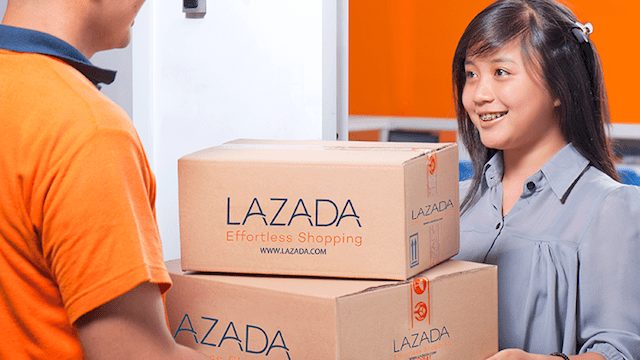
    Following its new theme ‘Go Where Your Heart Beats’, the festival will launch across all six of its markets in Southeast Asia for 24 hours. Lazada held its first Lazada Mid-Year Festival on July 12.

    Consumers will get access to a wide assortment of product deals on Lazada including branded goods and new arrivals. Other benefits during the festival include free shipping deals with participating sellers, and give-away vouchers.

    “Introducing our new Mid-Year Festival during a traditionally quieter shopping season presents more chances in a year for us to bring excitement to shoppers and provide our sellers more opportunities to boost their performance,” said Jing Yin, president of Lazada Group.

    As part of Lazada’s new Mid-Year Festival, the e-commerce company is expanding its ‘Shoppertainment’ strategy with its first region-wide live-streamed game show “Guess It” across six countries. The 30-minute in-app show combines a gameshow concept with professionally-generated live-streamed content.

    A local personality will play host, giving away clues for viewers to guess the price of products.=

    A total of 672 Guess It episodes across the region will feature more than 4000 items from a variety of sellers, with a focus on newly-launched and special edition products.

    Lazada’s live-streamed game show has already resulted in 68,000 new live-streaming account followers in the Philippines, 10 times the number of viewers per average livestream session in Thailand, and double the number per average livestream session in Singapore to-date.

    “Our professionally-generated Guess It content offers a new way to feature brands and sellers, while increasing in-app consumer dwell time and purchase,” said Mary Zhou, CMO of Lazada Group.

    “This is a result of a holistic approach to our shoppertainment strategy – tying in a seller collaboration approach and integrating seamlessly with our payments and customer engagement priorities.”

  • New app blocks spam calls to your Apple iPhone

    Considering that 50% of the calls you receive on your smartphone this year could be from spammers trying to scam you, would you pay $3.99 a month to make the insanity stop? That’s how much a new app called Firewall charges to block spammers and scammers without these calls even reaching your voice mail. And the app provides users with an unlimited supply of fake numbers to trick spammer’s Caller ID if you decide to return a call.
    The Firewall website offers a two-week free trial for iOS users (an Android version is being prepped and you can arrange to be notified via email when it is ready). It uses the whitelist approach, which it says is the only way to guarantee that 100% of unwanted calls are blocked. Users will prepare the list of numbers that are allowed to go through, including the numbers on their contacts list.
    Subscribers forward their phone number to Firewall. When they receive an incoming call, Firewall determines whether it should go through to their phone or go to Firewall’s own voice mail feature. This determination is based on a member’s whitelist and Firewall’s multiple databases of known phone numbers used by spammers. If a call goes to Firewall’s voice mail, users get to read a transcription of the message left by the unknown caller just in case they want to call them back. If the subscriber does decide to return a call, Firewall will give them a fake number that will show up on the other party’s screen. And if members don’t want future calls from a particular number to be screened, that number can be easily added to their whitelist. If a subscriber is expecting an important call, Firewall can be paused for 10, 30 or 60 minutes with the tap of a button.
    Google gives Pixel, Moto G7, and Motorola One users the option of using the Call Screen feature. When a call comes in from an unknown number, those with these Android handsets can have Google Assistant answer a call while they read a transcription of the conversation in real time on the phone (or adjust the volume to hear the conversation between the Assistant and the caller). Users can join in the call at any time. And iOS 13 will be adding a new “Silence unknown callers” toggle that when enabled, will only ring through calls from numbers in iPhone users’ contacts list, email and Messages apps. For many smartphone owners, these features might be enough to help them combat spam calls without having to make monthly payments. But for those who want,/need the extra protection of using Firewall’s databases, fake numbers and voice mailbox, the service is now available.
    Firewall works with all four major U.S. carriers. But members do need to be mindful of the possibility that they will end up screening legitimate calls from companies not on their whitelist.
  • Mercedes-Benz Introduces Offers Across SUV Range

    Mercedes-Benz Introduces Offers Across SUV Range

    German auto giant Mercedes-Benz completes 25 years in India this year, and as part of its 25th year celebration, the car maker is has announced a number of offers for customers. The manufacturer has introduced offers across its SUV range bringing 25 per cent of additional benefits to the vehicles. The offers are available on the Mercedes-Benz GLC, GLE and the range-topping GLS SUVs, while the entry-level GLA and the sedans have been given a miss for now. The promotional scheme includes 25 per cent more value on interest rates, insurance, service packages, extended warranty and accessories.

    Earlier this year, Mercedes-Benz had organised the 2019 summer camp, offering 25 per cent rebate on select parts for periodic maintenance, applicable for customers who have owned a Mercedes for over five years. The company intended to reach out to 7000 customers this year as part of the service camp. Going forward, it is likely that the company will introduce more offers throughout its vehicle range.There is not discount on the entry-level Mercedes-Benz GLA SUV.

    Mercedes-Benz entered the Indian market in 1994 and was one of the first luxury car makers to establish presence in recent times. The company is headquartered in Chakan, near Pune, where it has an assembly facility as well with the cars being brought via the Completely Knocked Down (CKD) route. The company has invested over ₹ 1000 crore in its operations in India over the years. Over 100,000 cars have been produced at the Chakan plant.

    Mercedes-Benz currently dominates the luxury car market in the country for the fourth consecutive year in terms of volumes. The company is aiming to retain the position and has consistently introduced new products soon after their global launch. The brand is now being spearheaded by Martin Schwenk, Managing Director and CEO, who replaced Roland Folger in the second half of 2018. Earlier this year, Santosh Iyer took the role of Vice President, Sales & Marketing at Mercedes-Benz India, and took charge from July 1, 2019, aiming to grow the luxury brand even further. The automaker has 10 car launches planned for this year, which was kicked off with the V-Class MPV in January.

  • E-Commerce Giant Lazada Joins Mobile Game EvergleamHill

    E-Commerce Giant Lazada Joins Mobile Game EvergleamHill

    HotNow, the retail marketing platform has announced the soft launch of Evergleam Hill, a casual mobile game where users mine their way to discounts, vouchers, and giveaways. After months of testing, the soft launch version is now available on both the Android Google Play and Apple App Stores, having successfully accrued over 3000 downloads in the past few weeks without any marketing efforts. The game includes new merchant partners including Southeast Asian e-commerce giant Lazada and leading Thai coffee chain D’Oro Coffee.

    Developed as HotNow’s flagship game for its proprietary in-game advertising solution, HotPlay, Evergleam Hill has seen approximately one thousand coupon downloads by avid consumers in the past few weeks. To date, the coupons on the game hold a total discount value exceeding THB 2.5 million (US$80,000), highlighting the benefits of HotPlay as merchants have been able to measurably engage with an ever-growing consumer base by effectively bridging virtual gameplay with real-world rewards.

    Nithinan Boonyawattanapisut, CEO and Co-Founder of HotNow said, “Following a rigorous testing phase with the help of a dedicated gamer community, we are thrilled to celebrate this milestone in the development of Evergleam Hill as we welcome new merchant partners onboard. By successfully bridging the worlds of gaming, retail, and virtual currencies, we’ve been able to leverage the existing synergies within these industries to the benefit of our merchant partners and users alike”.

    Set in the eponymous mining village, Evergleam Hill is a mobile role-playing game where players are rewarded with branded prizes, discounts, and promotions with real-world value from participating merchant partners. As a highly interactive game with stunning visuals, players currently have the opportunity to mine their gold chunks for HOT tokens by exchanging them at the game’s bank, the First Bank of Evergleam Hill. HOT tokens can then be used to purchase in-game items. Further updates to the game’s infrastructure will see branded coupons and discounts from retail partners sold within an in-game marketplace which can then be used in real-world transactions at partnering brick-and-mortar retailers. Users will also be able to sell these coupons and discounts to other players through the game’s marketplace in the near future.

    Benjamin Scherrey, Group CTO of HotNow said, “As we work towards the full global launch of Evergleam Hill, it’s important to recognise that our HotPlay platform offers a new, unprecedented form of mobile advertising that is truly the first of its kind. We are excited to be working with these merchants who have taken a progressive approach to consumer engagement and we look forward to supporting them along with our community of game developers as we work to revolutionise the in-game advertising landscape”.

    Participating retail partners at this time are local to Thailand, including American ice cream chain, Baskin-Robbins; Thailand’s coffee chain, D’Oro Coffee; and globally-recognised fast food chain and donut brand, Mister Donut. Apart from food and beverage discounts, Evergleam Hill now features discount coupons from Lazada along with a coupon for a free one-night stay worth THB 6,799 from five-star beachfront resort U Pattaya.

  • Eventbrite ‘Buy on Facebook’ launches in Singapore

    Eventbrite ‘Buy on Facebook’ launches in Singapore

    Eventbrite Singapore has launched local ‘Buy On Facebook’ integration.

    The integration will allow event creators and attendees to more easily sell and buy tickets directly through the social media.

    ‘Buy on Facebook’ streamlines the ticket-purchasing process, allowing event attendees to secure a ticket with just two taps, and without having to leave Facebook.

    Since its launched, the integration has been found to drive 20-per-cent more paid ticket sales and twice the number of registrations for free tickets.

    When event-goers purchase a ticket on Facebook, their attendance can be shared with friends with a single tap, expanding the event’s reach and generating more of a buzz.

    “Hosting our myriad events and workshops on Facebook enables our page followers to register with one quick click,” said Angie Chew, Brahm Centre’s founder, a customer of Eventbrite for four years.

    ‘Buy on Facebook’ integration is also now available in Hong Kong, Australia, New Zealand, the US and Canada.

  • BMW Shows Off One-Off X7 Pick Up

    BMW Shows Off One-Off X7 Pick Up

    We’ve just about seen everything now. At this year’s BMW Motorrad Days, in addition to many bike highlights, a true one-off – the BMW X7 Pick-up. The conversion from SUV to pickup was performed by BMW Group vocational trainees in cooperation with the Concept Vehicle Construction and Model Technology divisions at the BMW Munich plant. Of course it is based on the BMW X7, and gets the 340 horsepower churning engine on the xDrive40i. The X7 pick up gets a handcrafted loading area boasting of fine-polished wood finish, a height-adjustable two-level air suspension and numerous high-class equipment details make this BMW X7 Pick-up an ideal companion for the diverse day-to-day uses and more.

    Behind the passenger cabin providing five persons, the BMW X7 Pick-up offers a generous loading area. The length of the loading space varies from 140 cm (closed) to 200 cm (open). Thanks to the intelligent use of CFRP on roof components, rear doors and the rear lid, it was possible to further reduce weight by 200 kg vs. the production model, despite a 10 cm longer body. The combination of honey-coloured teakwood and the BMW Individual colour Tanzanite Blue metallic – an exclusive navy blue finish that develops extra depth when exposed to sunlight – was inspired by yachting sports and creates a sophisticated look.

    In just ten months, the twelve trainees from the occupational sectors body and vehicle mechanics, vehicle mechatronics and technical model construction turned a concept into a fully functional, road-legal automobile in show car quality. The trainees were free to decide on conception and implementation, but had to forgo the additional expert assistance normally provided in concept car construction. The BMW X7 Pick-up is a one-off and series production is not planned for this product.

  • BMW CEO Harald Krueger To Step Down From Board

    BMW CEO Harald Krueger To Step Down From Board

    The Chairman of the Board of Management of BMW AG, Harald Kruger, gave notice that he will not seek a second term of office. The Supervisory Board will address the matter of a successor during its next meeting on 18 July 2019. Until a decision has been made, Harald Kruger will hold his position as Chairman of the Board of Management. Harald Kruger assumed the position of Chairman of the Board of Management of BMW AG from Dr Norbert Reithofer on 13 May 2015.

    Under his leadership, the company put forward its new strategy which enabled the BMW Group to actively shape the transformation of the industry and the transition towards sustainable mobility of the future. With the largest model roll-out in the company’s history, vehicle deliveries reached new all-time highs, while at the same time the company systematically expanded its electromobility strategy. By 2023, the BMW Group will have 25 electrified models on the roads.

    As Chairman, Kruger further strengthened the significance of strategic partnerships – particularly in the area of breakthrough technologies such as highly automated driving. Additionally, the BMW Group has successfully merged its mobility services under a new entity. Moreover, the BMW Group significantly increased its role as a global player and, as the first international company, will be able to increase its share in its Chinese Joint Venture, BMW Brilliance Automotive, to 75%.

    Kruger said, “The BMW Group has been my professional home for more than 27 years. After more than ten years in the Board of Management, more than four of which as the CEO of the BMW Group, I would like to pursue new professional endeavours and leverage my diverse international experience for new projects and ventures. Over the last years, the automotive industry has been shaped by enormous changes, which have brought about more transformation than in the previous 30 years. This has demanded tremendous efforts from every employee within the company. For their outstanding commitment, I would like to personally thank each and every one of them. It has always been a true honour for me to work with this tremendous team and to set the BMW Group on a path towards a successful future during the most significant transformation of this industry.”

  • Walmart China to invest US$1.2 billion in supply chain logistics

    Walmart China to invest US$1.2 billion in supply chain logistics

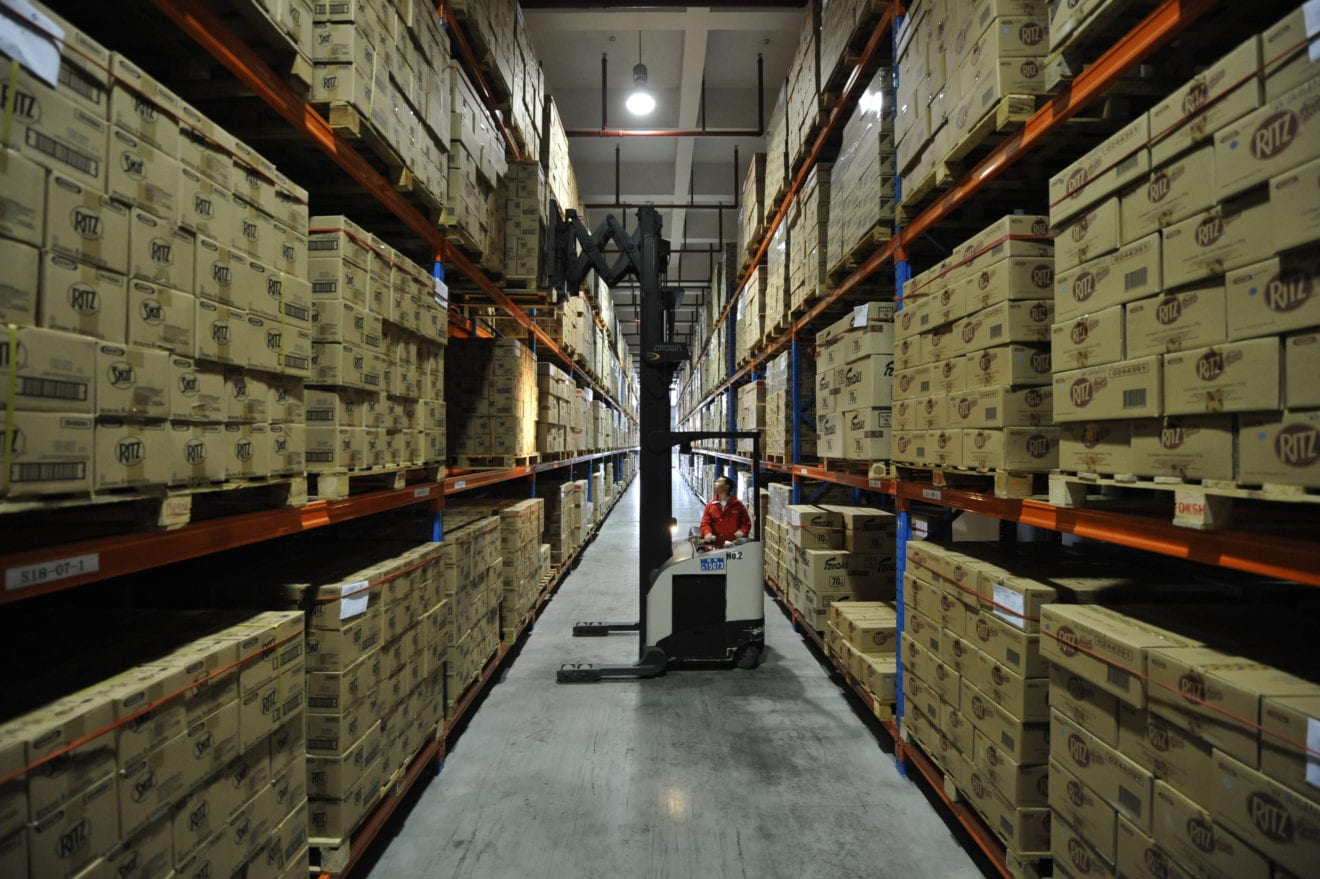
    Walmart China plans to increase investment in its supply-chain logistics by about US$1.2 billion, building or upgrading more than 10 logistics distribution centres over the next 10 to 20 years.

    In March, Walmart completed its first customised perishable-food distribution centre, the South China Fresh Food Distribution Center, serving more than 100 stores in Guangdong and Guangxi, with daily distributing capacity of up to 165,000 cases of products. That centre cost RMB 700 million (US$101.6 million) to complete.

    This is Walmart China’s first distribution centre specially designed and built according to leading international standards – it was the first facility in Mainland China to pass the Brand Reputation through Compliance (BRCGS) Warehousing and Distribution Global Standard Certification. At 33,700sqm, it is the largest, multi-temperature perishable distribution centre in the domestic retail industry, capable of storing and processing more than 4000 kinds of temperature-regulated, refrigerated or frozen goods simultaneously.

    Ryan McDaniel, senior VP of Walmart China Supply Chain, says opening the South China Fresh Food Distribution Center increased the cold-chain storage area serving Guangdong and Guangxi to meet the ever-growing customer demand for fresh goods.

    Other innovations include a scattered-sorting solution that provides the flexible distribution needed by community stores, and streamlining processes to reduce inventory during trial operations, saving about 50 per cent of space and improving efficiency by nearly 300 per cent.

    The new centre is configured with advanced temperature-control hardware. The cold storage in the reservoir area is designed to control temperature variables in the receiving and delivery area by using a combination of highly sealed doors, and saves more than 330,000 kilowatt-hours per year.

    In the transportation stage of the cold chain, Walmart requires that goods be cooled before they are loaded into temperature-regulated trucks. The pre-cooling temperature is then checked by a “transportation monitoring system” and the container is only loaded once the temperature meets the set level. All shipping vehicles that serve Walmart have devices onboard that monitor the temperature in the vehicle along the delivery route to ensure that the fresh produce is protected and arrives at the store on time.

    Walmart says it also allocates quality inspection personnel at the distribution centre to increase compliance and safeguard the quality and safety of food products. A quality testing laboratory has been set up in the distribution centre to conduct front-line inspections on issues like food legal and regulatory compliance and agricultural pesticide residues. The data from these tests is shared with all stores nationwide.

    Last year, Walmart China’s dry warehouses and fresh-food distribution centres dispatched more than 300,000 vehicles to its stores, chalking up more than 80 million kilometres of driving distance and delivering more than 1 million boxes of goods per day.

  • Tidal launches Credits feature to highlight the people behind your favorite music

    Tidal launches Credits feature to highlight the people behind your favorite music

    Tidal has just announced it’s doing something nice for those behind the music industry who aren’t in the spotlight: songwriters, producers, engineers, band members and studio musicians, background vocalists, and programmers.

    The music streaming service launched a new Credits feature that will highlight those persons who contribute to the success of a song or album. Users of the music streaming service will be able to filter the tracklist according to these persons’ roles on tracks (i.e. composer or producer), release date, track title, or artist.

    Not everyone who contributes to the success of a song or album is given the proper credit, which is why TIDAL is introducing its new interactive Credits feature — to highlight those important behind-the-scenes contributors, while also displaying the other projects on which they’ve worked.

    The Credits feature comes with different role categories which can be used to filter your favorite music: songwriter, production, musician, and misc. The default setting to sort a tracklist is by popularity, but users will be able to change that.

  • Mobvoi video teaser tips a July 10th unveiling of the TicWatch Pro LTE

    Mobvoi video teaser tips a July 10th unveiling of the TicWatch Pro LTE

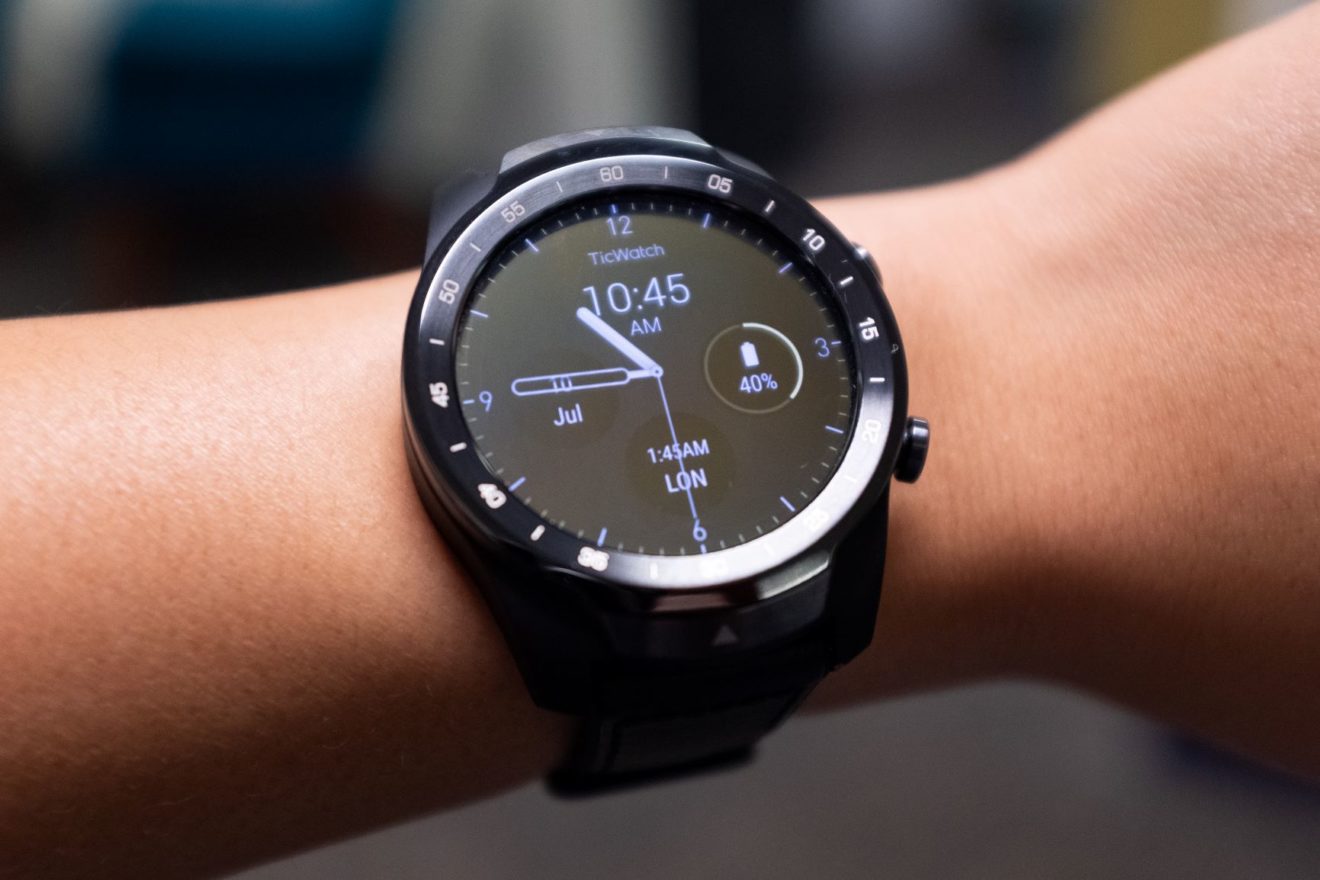
    Watchmaker Mobvoi tweeted a video teaser revealing that a new smartwatch is coming on July 10th. Using adjectives in the video like “fast,” and “powerful,” this could be the LTE version of the company’s TicWatch Pro. After all, the tweet includes hashtags like #TicWatch

    The TicWatch Pro features an AMOLED screen with an LCD overlay. In Smart Mode, the AMOLED screen is employed and the timepiece is used as a smartwatch running Wear OS. In this mode, the battery lasts for 2 to 5 days between charges. In Essential Mode, the LCD screen shows the time, date, steps taken and the wearer’s heart rate. The brighter it is outside, the easier it is to read this display. In this mode, the battery lasts as long as 30-days on a single charge.

    Last month, Mobvoi posted a web page for an LTE enabled version of the TicWatch Pro but quickly took it down. But if this video teaser has anything to do with such a device, it could be introduced next week.

    The TicWatch Pro is $249.99, but an LTE version is sure to cost more. Whatever Mobvoi plans on releasing, you might be able to earn an early bird discount on the product. Click on this link and submit your email address. On July 10th you will receive an email with an early bird code that just might allow you to buy the new watch at a discounted price.

    The current non-LTE version of the TicWatch Pro is powered by the Snapdragon Wear 2100 chipset. It features a 1.39-inch display with a 400 x 400 resolution and a super-twisted nematic monochrome passive-matrix liquid crystal display. It is equipped with 512MB of memory and 4GB of storage and has NFC so that users can cover a purchase at the cash register with Google Pay. A 415mAh battery is included. The video’s mention of a big boost could be a hint that the new model will sport the more powerful Snapdragon Wear 3100 chipset.

  • Judge’s ruling is bad for Qualcomm

    Judge’s ruling is bad for Qualcomm

    Back in May, Judge Lucy Koh ruled that Qualcomm’s business practices are anti-competitive. The judge, already known for presiding over the iconic Apple v. Samsung patent trial sat through the FTC v. Qualcomm non-jury trial held earlier this year. Judge Koh found that the chipmaker’s business practices violated antitrust laws. These included Qualcomm’s “no license, no chips” policy and its failure to license standard-essential patents to competitors at a fair, reasonable and non-discriminatory (FRAND) manner. These are patents that companies need to license so that their products can meet technical standards. Qualcomm was also called out by Judge Koh for charging royalties based on the retail price of a phone instead of just the cost of its chips.

    Of course, Qualcomm says that it will appeal the decision since it requires the company to renegotiate its contracts and licensing agreements with manufacturers. Qualcomm is also complaining that all of these negotiations can make it difficult for it to complete talks with phone producers who want to purchase Qualcomm’s 5G modem chips. And the ruling would force the company to work out deals with its rivals over licensing of its standard-essential patents.

    Qualcomm also is seeking a stay of the decision until it exhausts the appeals process. This way it doesn’t have to go through the whole exhaustive renegotiation process and then reverse the new deals if it wins on appeal. Even though that might make sense to some, Judge Koh has denied Qualcomm’s request. A spokesman for the chipmaker says that it will immediately request a stay from the 9th U.S. Circuit Court of Appeals.

    The FTC v. Qualcomm trial was held in January and featured testimony from employees of several phone manufacturers. Many testified about Qualcomm’s onerous terms for licensing its IP and how it bases the royalties it charges manufacturers on the entire retail price tag of a phone. So instead of paying a percentage of a $20-$40 part for each unit sold, phone manufacturers were charged a percentage of retail prices amounting to $400 and up for each phone rung up with a Qualcomm part. This is the difference between the chipmaker receiving dollars per phone or pennies per phone.

    One of those who took the stand was Apple supply chain executive Tony Blevins. At the time, Apple and Qualcomm were not on speaking terms and both companies had filed multiple suits against each other. But that all changed in April after closing arguments were heard in a trial that pitted Apple against Qualcomm. A settlement was announced that resulted in Apple paying Qualcomm an undisclosed amount (believed to be as much as $4.5 billion) and in return, Apple received a licensing agreement for six years (with a two-year option) and a multi-year chip supply agreement. In addition, both sides dropped all lawsuits filed against each other.

    One phone manufacturer happy with Tuesday’s decision is LG. It doesn’t want to see Koh’s decision stayed because it is currently negotiating a licensing and chip supply deal with Qualcomm and is worried that it might be forced to sign another “unfair” deal with the company. And needless to say, the FTC was also against a ruling that would stay the decision.

    Unless the decision has stayed, LG and other phone manufacturers will probably be working out new deals with Qualcomm while the appeals process goes on. It could take more than a year before a final decision is rendered by an appellate court. Wall Street weighed in with its decision and in after-hours trading on Wednesday (the market closed regular trading early for the July 4th holiday), the stock dropped by $2.49 or 3.25% to $76.63.

  • Courts opens first IoT store at Funan mall, Singapore

    Courts opens first IoT store at Funan mall, Singapore

    Courts Singapore has opened its first Internet of Things store at Funan mall.

    The 12,000sqft store houses Google’s first experience zone in Asia and another from Samsung.

    Consumers can try Google’s entire range of products in Singapore, from smartphones to the recently launched Nest Hub smart display, which is similar to a smart speaker but with a screen.

    Ben Tan, Courts Singapore country CEO, shared with The Straits Times that 80 per cent of the products on sale are compatible with smart-home platforms such as the one anchored by Google Assistant, Google’s artificial intelligence-powered voice-assistant software.

    “The number of smart products available here that work with Google Assistant has increased by 200 per cent this year on year,” Tan said.

    At the Samsung experiential zone at the Courts Singapore Funan mall store, consumers can try out an integrated smart home.

    They can open a door using a digital lock, see notifications from a security camera on a smart Samsung television and issue voice commands to smart home appliances such as washing machines and fridges.

    According to Tan, Courts will offer more services to go along with smart home, such as setting up the devices and educating users on how to control their smart gadgets.

  • Huawei opens flagship store outside of China

    Huawei opens flagship store outside of China

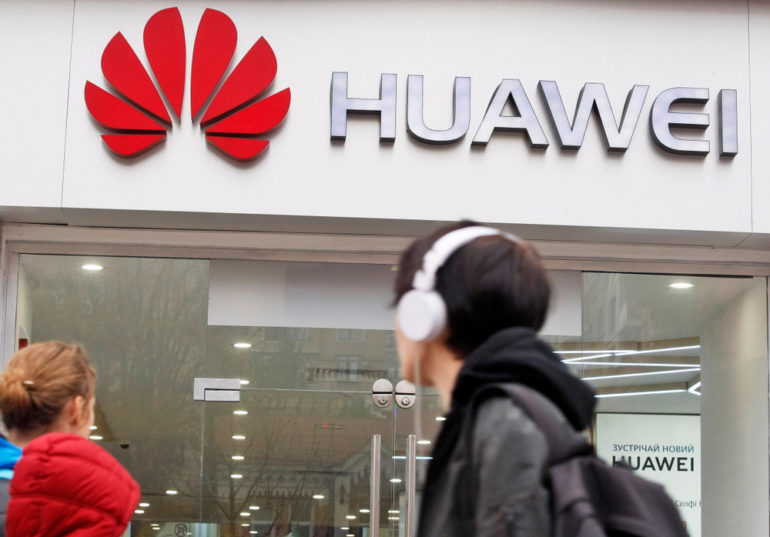
    Chinese tech firm Huawei has launched its largest international flagship store in Madrid.

    The new centrally located 1100sqm store showcases the company’s 5G and AI technologies as well as its range of smartphones and computers. More than 1000 people attended the launch.

    Huawei recently cooperated with Vodafone Espana to roll out the first commercial 5G service in Spain, which is now offering 5G roaming in four European countries. Huawei has already provided equipment for Britain’s new 5G network.

    The Chinese firm has already won 50 5G contracts around the world, but is at the centre of controversy in the US and Australia, among other markets, over allegations its systems can be used by Chinese government agencies to spy on users.

  • Hong Kong’s retail leasing market easing

    Hong Kong’s retail leasing market easing

    Hong Kong’s retail leasing market is showing signs of slowing in tandem with easing retail sales.

    According to real estate advisor Savills says shopping-mall rents changed little in the second quarter, while prime streetfront retail rents fell by 1.9 per cent.

    Savills does not expect any “big headline deals” in retail rentals during the second half of this year.

    “The market lacks the momentum for active growth with unstable external factors having a powerful effect,” said Nick Bradstreet, MD and head of leasing.

    Hong Kong retail sales are down 1.8 per cent during the first five months of this year. Over a similar time frame, prime shopping street rents fell by 1.2 per cent quarter on quarter, with Central district dropping the most, by 3.8 per cent.

    In the major shopping-mall segment, base rents remained generally steady. This was helped by deals with major food-and-beverage tenancies at the newly opened OP Mall in Tsuen Wan:  Ruby Tuesday taking 5000sqft of space and Hadilao Hotpot 8000sqft at HK$400,000 per month.

    The lull in Hong Kong’s retail leasing market comes at a time shopping-centre landlords and retailers are reviewing their offer to shoppers.

    Savills says new market trends are emerging rapidly in Hong Kong and Southeast Asia: brands are turning to augmented reality (AR) to enhance the customer experience and retailers are thinking of new green initiatives with consumers responding positively.

    “Despite the slowdown in retail figures, we see that new technologies are being adapted to upgrade the customer experience, changing the retail landscape,” said Bradstreet.

    AR examples include an Ikea app which allows users to ‘place’ 3D furniture in their homes to scale, Benefit Cosmetics is encouraging customers to try on different eyebrow shapes before they shape their real ones; and MAC has launched an AR Beauty Try-On campaign.

    On the green front, the use of banana leaves for packaging vegetables and other fresh produce was initiated by Rimping Supermarket in Thailand, and then adapted by major supermarkets in Vietnam and Indonesia (including Big C, Lotte Mart and Bintang). Although still in its testing phase, the idea is being well received by shoppers and retailers have reported a boost in sales for products packaged this way.

    Simon Smith, senior director, research & consultancy at Savills, said trade tensions are hitting businesses across southern China and consumers are spending less on big ticket items as a result.

    “Landlords today seem to be more flexible when renewing existing tenants and are open to reducing rents if necessary.”