Blog

  • Resintech Subsidiary Secures RM41 Million for Hostel and Retail Project in Selangor

    Resintech Subsidiary Secures RM41 Million for Hostel and Retail Project in Selangor

    Johan Panglima (M) Sdn Bhd, a subsidiary of Malaysia-based plastic pipe and fitting manufacturer Resintech Bhd, has secured financing totaling RM41 million from Alliance Islamic Bank Bhd. These funds are designated for the redemption of land and to partially finance a new hostel and retail complex in Selangor.

    The financing facilities, structured as commodity murabahah term financing, will cover 80 percent of the construction expenses for the planned development. The project includes a total of 158 hostel units, four retail shops, a canteen, and various other communal amenities.

    Project Details and Financial Impact

    According to a filing with Bursa Malaysia, the financing specifically targets the redemption of four land parcels situated in Mukim Telok Panglima Garang, located in Kuala Langat, Selangor. The new development will contribute to the local retail and accommodation landscape with its blend of commercial and residential facilities.

    Resintech stated that the acceptance of these facilities is expected to increase the group’s gearing ratio for the financial year ending March 31, 2027 (FY2027). The company also clarified that the financing does not involve the issuance of new ordinary shares, therefore having no impact on its issued share capital or the shareholdings of its directors and major shareholders.

    Board Approves Financing Terms

    Resintech’s board of directors has evaluated the terms of the financing and concluded that its acceptance is in the best interest of the Resintech group. The company confirmed that no directors, major shareholders, or any connected persons have a direct or indirect interest in these facilities.

    Furthermore, the financing arrangements are not subject to the approval of Resintech’s shareholders or any regulatory authorities. The project represents a strategic move for the subsidiary into the real estate development sector, leveraging the current market for both student accommodation and local retail services.

    Questions & Answers

    What is the purpose of the RM41 million financing secured by Resintech’s subsidiary?
    The financing is intended to redeem four parcels of land in Selangor and to part-finance 80 percent of the construction cost for a new hostel and retail development.

    What will the proposed development by Johan Panglima (M) Sdn Bhd include?
    The development will feature 158 hostel units, four retail shops, a canteen, and other associated facilities.

    How will this financing impact Resintech Bhd’s financial position?
    Resintech expects the financing facilities to increase the group’s gearing ratio for the financial year ending March 31, 2027. It will not affect the company’s issued share capital or shareholder structures.

  • Burger Revolution: Global Brands and Local Hotspots Lock Horns in Chinas Fast-Food Boom

    Burger Revolution: Global Brands and Local Hotspots Lock Horns in Chinas Fast-Food Boom

    The fast-food landscape in China is witnessing a dramatic shift as the burger market, once a niche segment ruled by Western giants like McDonald’s and KFC, is now attracting everyone from multinational restaurant chains to local hotpot outlets and coffee brands. The humble burger has become a hot commodity among budget-conscious consumers and smaller households, making it a fierce point of competition in the nation’s fast-food sector.

    China’s Growing Appetite for Burgers

    Yum China’s innovative Pizza Hut Burger Bar concept, offering a burger counter within an existing Pizza Hut restaurant, quickly expanded to over 200 locations within six months. By the end of 2026, the company plans to have 500-600 such outlets, accounting for roughly 10% of the total Pizza Hut store network.

    This burger boom mirrors broader changes in China’s consumption trends. Smaller household sizes and economic uncertainty are causing consumers to opt for low-cost, portable meals, consequently transforming burgers from a niche Western import into one of the most competitive segments in China’s restaurant market.

    As a result, brands are racing to capitalize on this trend. Last month, hotpot chain Haidilao diversified into the burger market with Huanxianbao, or “Fresh Burger,” a chain offering burgers along with pizza, pasta, and fried chicken. Similarly, coffee chain M Stand has begun to introduce burger-focused outlets in certain cities.

    The Economics of Burgers

    China’s Western fast-food market, valued at 499.65 billion yuan (US$74.1 billion) in 2025, is expected to reach 587.09 billion yuan by 2027. According to a survey, burgers were the top preference among consumers, with 55% of respondents selecting them. The burger category, worth $18.4 billion in 2025, is projected to grow by 8.7% annually through 2035.

    Burgers offer a value-for-money choice as consumers remain cautious about their spending. They provide a less costly alternative to full-service restaurant meals while still satisfying as a substantial meal, making them a popular choice among students and single-person households.

    Burgers also align with demographic changes, with rising numbers of smaller families, single-person households, and young urban workers driving demand for convenient individual meals. Pizza Hut, for instance, added burgers to its menu in 2024 and by 2025, burgers accounted for a considerable share of the company’s sales.

    The burger trend is not only bringing in domestic chains like Tasiting but also international brands. Notably, when U.S. chain Five Guys launched in Beijing, customers were willing to wait over two hours to be served. Wendy’s also announced plans to enter China and open up to 1,000 franchised restaurants over the next decade.

    Questions & Answers

    Why are burgers becoming popular in China?
    Economic uncertainty and smaller household sizes have led to a preference for low-cost, portable meals like burgers. These changes in consumption habits are turning burgers from a niche Western import into a highly competitive segment of China’s restaurant market.

    Who are the major players in China’s fast-food burger market?
    While Western giants like McDonald’s, KFC, and Burger King initially dominated the market, local brands like Haidilao and international brands like Five Guys are now entering the fray.

    What does the rising popularity of burgers represent?
    The growing demand for burgers reflects broader shifts in China’s consumer behavior, such as the preference for lower-cost, convenient meals that offer good value for money. It also aligns with demographic changes, including the rise in single-person households and small families.

  • Cosco Shipping Sets Sights on Southeast Asia: Plans Expansion in Vietnam and Indonesia Amid Growing Trade Demand

    Cosco Shipping Sets Sights on Southeast Asia: Plans Expansion in Vietnam and Indonesia Amid Growing Trade Demand

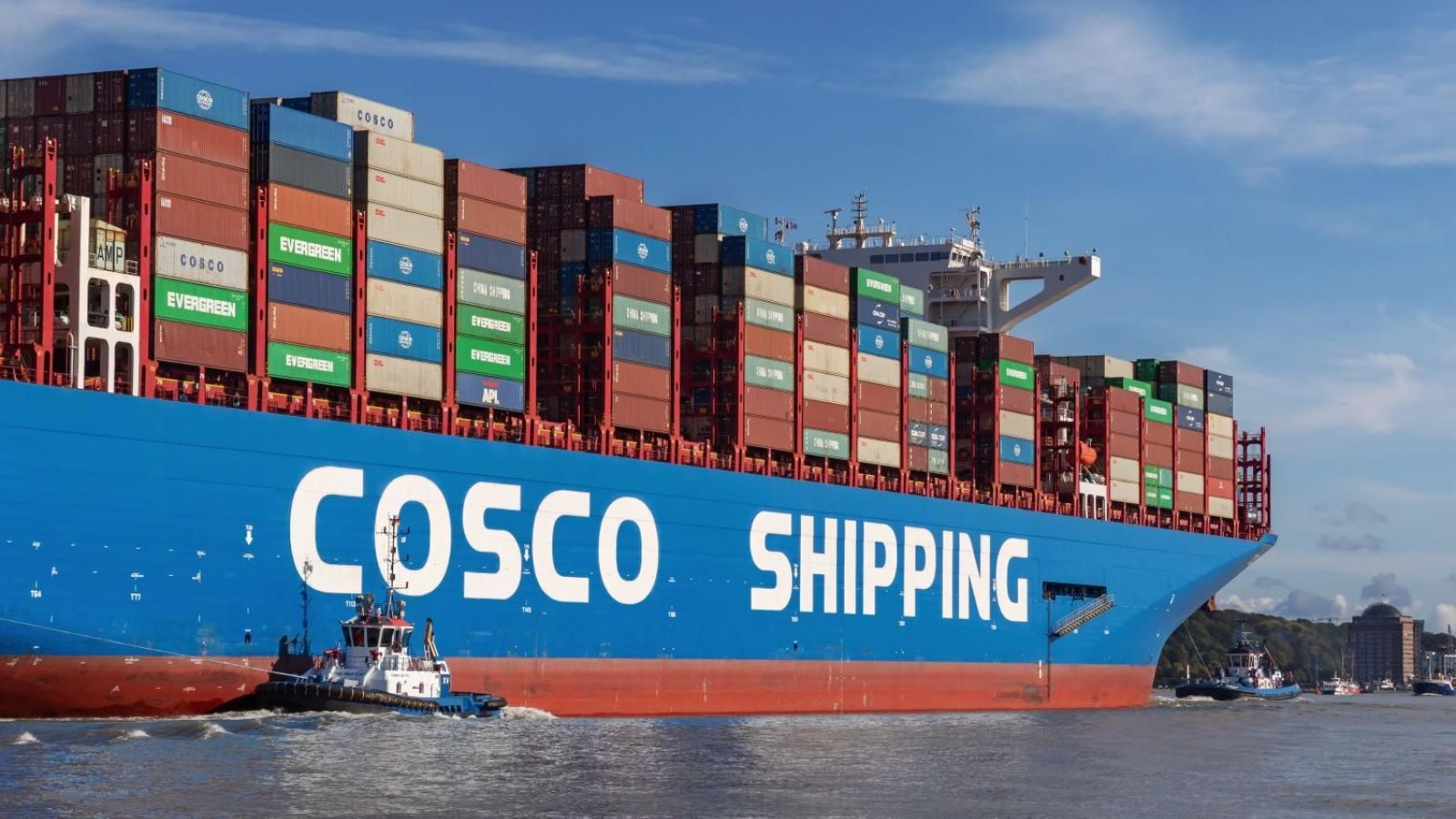
    Cosco Shipping International (Singapore) is setting sights on increased investment in Vietnam, Malaysia, and Indonesia within the next three to five years, in anticipation of a surge in Southeast Asian trade. The firm’s president, Jiang Kai, expresses a robust sense of assurance in the potential of the Southeast Asian market.

    Cosco Shipping International, the logistic subsidiary of the Chinese state-owned maritime behemoth China Cosco Shipping Corporation, is currently listed in Singapore. The company generates its consolidated revenue primarily from its operations in Singapore and Malaysia, with the city-state contributing to approximately 87% of the total. The firm also has a vested interest in logistical enterprises in Indonesia and Vietnam, along with a share in a dry-bulk shipping associate that operates throughout the region. These affiliated firms provide about one-fourth of the group’s pre-tax profit, as witnessed in the latest financial results for the first half of 2026.

    Resilience Amid Global Trade Uncertainties

    Global trade has witnessed a few turbulent years, with factors such as U.S. tariffs and geopolitical instabilities in Ukraine and Iran causing disruptions in shipping routes and supply chains. However, manufacturing activities continue to show resilience in Southeast Asia, notes Jiang. There is also an observed revival in the region’s dry-bulk shipping market, which deals in the transportation of industrial raw materials like coal and iron ore, as manufacturing activities gain traction.

    The demand for specialized cargo shipping, catering to industrial machinery, vehicles, and new energy equipment, is also on the rise, mirroring the region’s progression. “The expansion in Southeast Asia’s shipping industry has resulted in a steady surge in logistics demand,” says Jiang. He adds that many Chinese manufacturing firms, when exploring overseas markets, often consider Southeast Asia as a preferred manufacturing base, a trend that spells long-term benefits for Cosco.

    In the first half of the year, Cosco Shipping International recorded a 6% rise in revenue to SGD96.8 million (US$76 million), propelled by increased contributions from logistics, ship repair, and marine engineering. The company is also expanding its footprint in Singapore. One of its prominent ongoing projects is the Jurong Island Logistics Hub Phase II.

    This project, the company’s most significant investment in Singapore, promises enhanced integrated logistics services and is projected to be completed in the fourth quarter of this year.

    Questions & Answers

    What is Cosco Shipping International’s plan over the next three to five years?
    They are planning to increase investment in Vietnam, Malaysia, and Indonesia in anticipation of a surge in Southeast Asian trade.

    What is the primary source of Cosco Shipping International’s consolidated revenue?
    The majority of the company’s consolidated revenue comes from operations in Singapore and Malaysia, with Singapore contributing about 87%.

    What trends are observed in the Southeast Asian dry-bulk shipping market?
    There is a recovery observed in Southeast Asia’s dry-bulk shipping market, with increasing demand for the transportation of industrial inputs such as coal and iron ore, as manufacturing activity strengthens.

  • Singapore’s Rubber King Dynasty Sells Prime District Plot for $453M, Paving Way for Residential Development

    Singapore’s Rubber King Dynasty Sells Prime District Plot for $453M, Paving Way for Residential Development

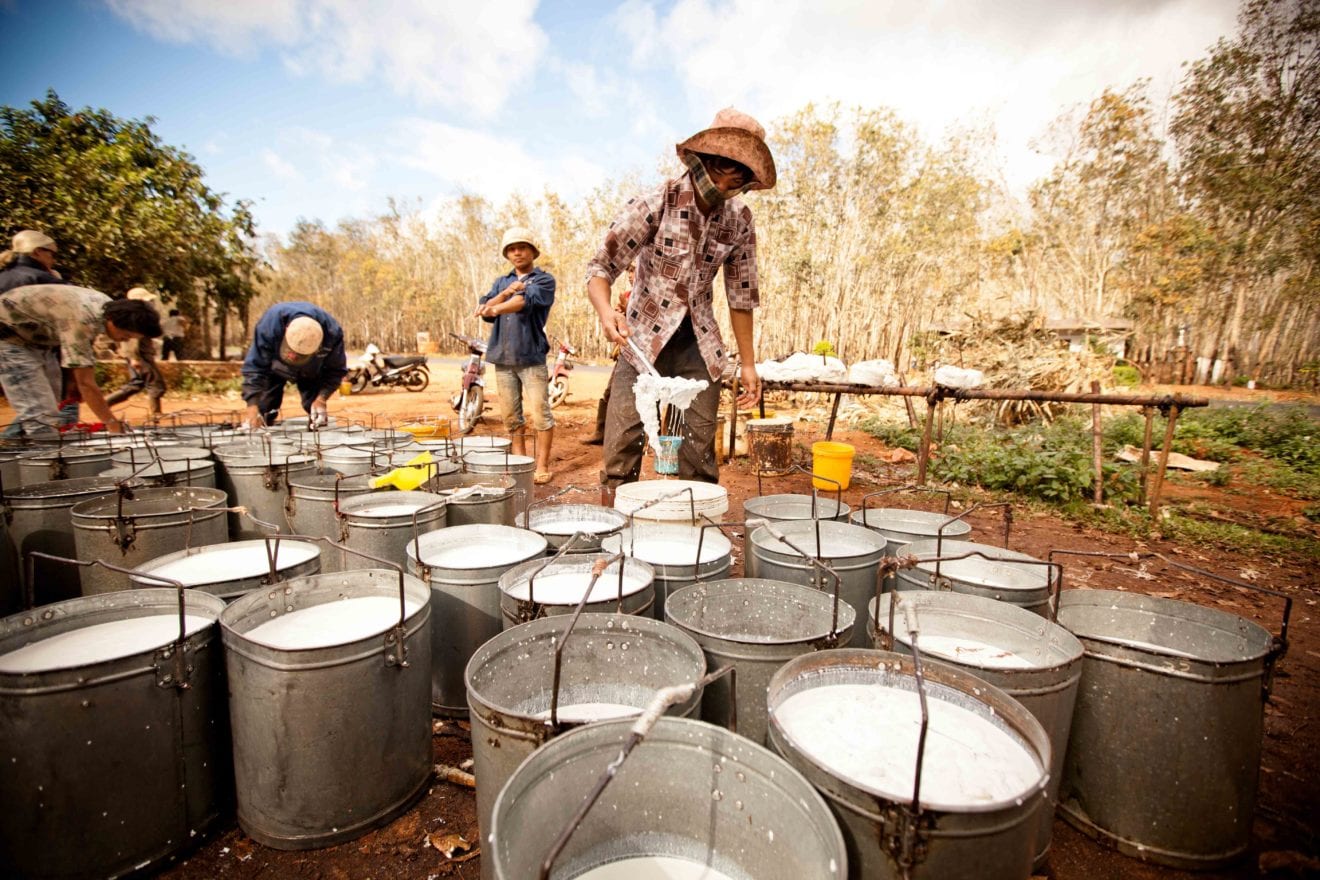
    A piece of land in Singapore, associated with the family of the city’s late “rubber king,” Lee Kong Chian, has been sold for S$578 million (US$453 million). The 18,860-square-meter property, located at 8 Thomson Lane, was sold bearing a 105-year leasehold tenure. Currently, the site is earmarked for hotel use under the Urban Redevelopment Authority’s Master Plan 2025. However, the selling party, Chequers Properties, has allegedly secured preliminary approval to transform the site into a residential development.

    Details of the Purchase

    The buyer of the property is a joint venture spearheaded by Sustained Land, a residential developer based in Singapore and created by magnate Douglas Ong. The venture also includes the construction firm Kay Lim Realty. The plot is situated in Singapore’s prime District 11, in close proximity to the Singapore Polo Club, United Square’s retail outlets, the Novena medical cluster, and various educational institutions such as St Joseph’s Institution International and CHIJ Secondary (Toa Payoh). Additionally, it is near the Toa Payoh MRT station and the future Mount Pleasant MRT station.

    Previously, the site was the location of a historic country bungalow that later evolved into a hotel and resort before becoming the campus of EtonHouse International School, which shut its doors in 2023.

    Late ‘Rubber King’ and his Legacy

    The late Lee Kong Chian, famously known as the “rubber king,” founded Lee Rubber Company, a small rubber smokehouse that he developed into a multi-million dollar empire. His pursuits later expanded into the banking sector, where he led the merger of three banks, forming OCBC Bank in 1932, which now stands as Southeast Asia’s second-largest bank in terms of assets.

    Earlier this year, one of Lee’s grandsons reportedly purchased a bungalow on Barker Road for S$43.2 million. Another grandson bought two vertically stacked units at the Seven Palms Sentosa Cove condominium, totaling S$23.9 million, not long before that. The Lee family was listed as the 11th richest family in Singapore, with an estimated net worth of US$7.75 billion, by Forbes in September of last year.

    Questions & Answers

    What is the significance of the site sold?
    The site sold by the Lee family, located at 8 Thomson Lane, is of great historical significance as it housed a historic country bungalow that was later transformed into a hotel and resort before becoming an international school campus.

    Who are the buyers of the property?
    The land was purchased by a joint venture led by Singapore-based residential developer Sustained Land, owned by business tycoon Douglas Ong, and also includes construction firm Kay Lim Realty.

    What was Lee Kong Chian known for?
    Lee Kong Chian was known as the “rubber king” for founding the Lee Rubber Company, which turned into a multi-million dollar business. He later expanded his business into the banking sector and led the merger forming OCBC Bank.

  • Thailand Struggles with Lowest Economic Growth Amid Southeast Asian Titans: Rising Energy Prices Blamed

    Thailand Struggles with Lowest Economic Growth Amid Southeast Asian Titans: Rising Energy Prices Blamed

    Thailand’s economy, one of the six largest in Southeast Asia, experienced sluggish growth in the second quarter, trailing behind its regional counterparts. The meager 1.9% growth rate, as compared to the first quarter’s 2.8% expansion, was largely influenced by surging energy prices that counterbalanced the benefits of increased investment and government stimulus.

    The National Economic and Social Development Council revealed these figures, highlighting Thailand’s struggle to keep pace with the rest of the ASEAN economies. Regional frontrunners included Vietnam with an impressive 8.39% growth, followed by Singapore (5.9%), Malaysia (5.8%), and Indonesia (5.29%). The Philippines also outperformed Thailand, reporting a growth of 2.3%.

    Government Initiatives and External Factors Impact Growth

    Despite the Thai government’s attempts to bolster the economy with 400 billion baht in emergency loans, facilitating cash handouts and energy-transition projects, economic growth remained stagnant. The country’s prime minister, Anutin Charnvirakul, has been grappling with this economic slowdown amidst a complex interplay of domestic and international factors.

    Being heavily dependent on the Middle East for its oil and gas needs, Thailand’s economy has been significantly impacted by disruptions in supply chains stemming from the Iran war. This external pressure has been further compounded by weakened domestic demand and a dip in tourism, two of Thailand’s main GDP contributors. Increased energy costs have put a strain on household spending and business activities, resulting in subdued economic activity throughout the second quarter.

    Future Projections and Comparative Analysis

    Predictions from the National Economic and Social Development Council indicate a slight improvement in the economy, with an expected growth range of 2% to 2.5% in 2026. The Bank of Thailand shares a similar sentiment, stating that the economy hit its lowest point in the second quarter and is likely to rebound in the third, thanks to easing Middle East tensions and the implementation of government stimulus measures.

    In comparison, other Southeast Asian economies have set more ambitious targets. Vietnam is eyeing a 10% GDP growth this year, while Singapore has revised its forecast to 4.5%-5.5%, surged by a strong second-quarter performance.

    Questions & Answers

    What factors contributed to Thailand’s slow economic growth in the second quarter?
    Higher energy prices, disruptions in oil and gas supply from the Middle East, and decreased domestic demand and tourism have contributed to Thailand’s slow growth.

    What measures has the Thai government taken to boost the economy?
    The government has initiated an emergency borrowing of 400 billion baht to fund cash handouts and energy-transition projects.

    What are the growth projections for Thailand’s economy in 2026?
    The National Economic and Social Development Council predicts that the economy will grow between 2% to 2.5% in 2026.

  • South Koreans Bid Farewell to Dog Meat Tradition Ahead of Nationwide Ban

    South Koreans Bid Farewell to Dog Meat Tradition Ahead of Nationwide Ban

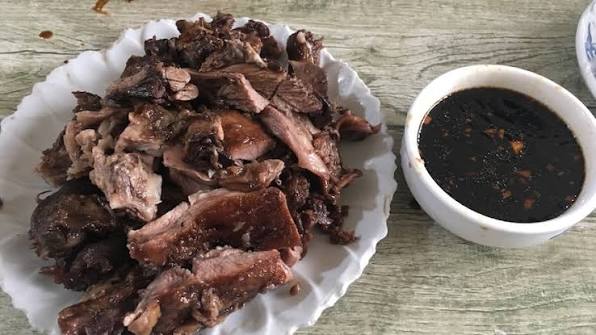
    Historically, the three warmest days of summer were the busiest times for South Korea’s dog meat eateries, with customers seeking traditional foods reputed to boost stamina during the intense heat. However, on the third of the hottest days, known as “boknal,” in 2026, a sense of finality was felt. This marked the last boknal before the total ban on breeding, slaughtering, and selling dogs for meat, which is set to be fully implemented in February 2027.

    At the Moran Market in Seongnam, once the country’s most prominent center for dog meat, lunch-goers continued to flock to the alleys filled with restaurants. Yet, many of these eateries have transitioned to serving other options like black goat stew, and the majority of customers who still ordered “bosintang” or dog meat stew, were predominantly elderly.

    Changing Times

    Kim Yong-book, the head of the Moran Market Merchants’ Association, lamented the decline. Kim, who has been working in the area near Seoul for over 40 years, described it as now being “a town of old people.” The ban marks a significant shift in South Korean culture, reflecting changing attitudes towards animal welfare as pet ownership increases.

    A 2024 survey showed that over 90% of 2,000 respondents had no intention of eating dog meat in the future, and over 80% supported the ban. Almost 95% stated they hadn’t eaten dog meat in the preceding year.

    The ban’s implementation will impact over 5,600 businesses, according to government data. However, officials have noted that most dog farms had already ceased operations in anticipation of the upcoming 2027 deadline.

    The Uncertain Road Ahead

    While some, like restaurant owner and former merchants’ association chairman Lee Kang-chun, agree with the ban considering South Korea’s global image and evolving societal attitudes, they also feel a sense of melancholy. Lee finds it particularly distressing when elderly customers, who believe the dish restores strength, leave his restaurant disappointed after traveling long distances only to find no dog meat available.

    Despite increasing supply costs and dwindling profits, Lee continues to serve the dish primarily for his loyal customers. He believes the authorities should provide more assistance to elderly vendors transitioning to new business models. Many Moran Market restaurants have switched to serving black goat stew, marketed as a health food, but owners report that the transition has been challenging and the new dish hasn’t compensated for the lost dog meat sales.

    Questions & Answers

    What is behind the shift away from dog meat consumption in South Korea?
    The shift away from dog meat consumption in South Korea is largely due to changing attitudes towards animal welfare and an increase in pet ownership.

    When will the ban on breeding, slaughtering, and selling dogs for meat be fully enforced?
    The ban will be fully enforced from February 2027.

    What is the impact of the ban on dog meat-related businesses in South Korea?
    Over 5,600 businesses are expected to be affected by the ban, with most dog farms already having ceased operations ahead of the 2027 deadline.

  • Shein’s Hong Kong IPO Slashes Valuation to $25 Billion amid E-commerce Regulatory Challenges

    Shein’s Hong Kong IPO Slashes Valuation to $25 Billion amid E-commerce Regulatory Challenges

    Online fast-fashion retailer Shein is expected to have a company valuation of roughly $25 billion in its upcoming Hong Kong initial public offering (IPO), a significant decrease from its earlier valuation of approximately $100 billion four years ago. This change comes amid a slowdown in the company’s growth.

    Sources familiar with the situation have indicated that the current valuation of Shein, a company that made its name selling affordable clothing such as $5 dresses and $10 jeans, potentially lies between $25 billion and $28 billion. This represents a decrease from the initially projected valuation of $30 billion to $40 billion earlier this month.

    The Impact of Market Changes

    This reduction in valuation can be attributed to significant shifts in Shein’s most prominent markets, including an increased crackdown on e-commerce platforms selling inexpensive Chinese-manufactured goods. This has negatively affected the company’s growth prospects.

    Shein, which was established in China in 2012 and now sells to customers in approximately 160 countries, is poised to launch its eagerly-anticipated IPO this week.

    The company is reportedly planning to issue up to 8% of its total shares in the IPO. Should the company be valued at $25 billion, this would equate to an offering size of up to $2 billion.

    Economic Factors and Valuation

    Shein’s net income in 2025 stood at $2.06 billion, indicating that a $25 billion valuation would result in investors valuing the company at around 12 times its earnings.

    However, several factors have led to a decrease in Shein’s valuation. Slower growth, increased trade costs, tighter regulatory scrutiny, and heightened competition have all contributed to a decrease in investor appetite for the company.

    Shein’s net revenue saw a growth rate of 41.1% in 2023 and 20.7% in 2024. However, growth slowed dramatically to just 8% last year, resulting in total revenue of $41.8 billion. In the first quarter of this year, revenue growth was a mere 1.1% due to the impact of US customs duties and tariffs implemented in May last year.

    Questions & Answers

    What is the expected valuation of Shein in its upcoming Hong Kong IPO?
    The expected valuation of Shein in its upcoming Hong Kong IPO is around $25 billion.

    What factors have contributed to a decrease in Shein’s valuation?
    Factors such as slower growth, higher trade costs, increased regulatory scrutiny, and intensified competition have contributed to a decreased valuation.

    What was Shein’s net income in 2025, and what does this mean for its valuation?
    Shein’s net income in 2025 was $2.06 billion. If the company is valued at $25 billion, this would mean investors value Shein at around 12 times its earnings.

  • Googles Largest Global Store Debuts in Tokyo: A Fusion of Retail, Tech Experience, and Customer Service

    Googles Largest Global Store Debuts in Tokyo: A Fusion of Retail, Tech Experience, and Customer Service

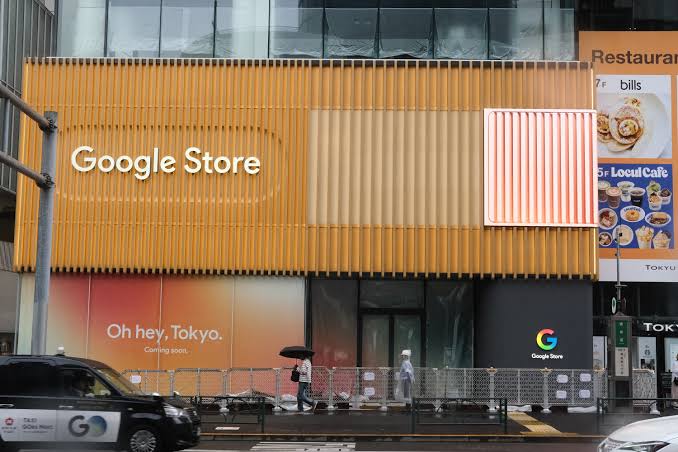
    Google has launched its first direct-to-consumer store outside of the United States, situated in Tokyo. Marrying product sales, hands-on experiences, and customer service, this concept provides a comprehensive retail experience for both potential customers and tech enthusiasts alike.

    Google’s Innovations on Display

    The location, known as Google Store Omotesando, opened its doors on August 13th at Tokyu Plaza Omotesando ‘Omokado’. The establishment is Google’s 11th store worldwide and stands out as its most significant. Spanning three floors, it serves as a platform to showcase Google’s latest hardware devices. The store features the Pixel 11 series smartphone, Pixel Watch, Fitbit wearables, Google Home devices, and other related accessories.

    Google Store Omotesando’s design transcends traditional retail boundaries by offering customers the chance to directly interact with Google’s innovative technology and AI capabilities. The store’s second floor comprises the Pixel Studio, an interactive area that allows visitors to delve into an array of AI-powered experiences. One of the store’s distinguishing features is Project Genie, a research prototype capable of generating 3D virtual worlds from textual prompts.

    The new outlet also functions as a pick-up point for online purchases made through Google Store, thereby bridging the gap between physical and online retail experiences.

    A Milestone for Google in Japan

    The opening of the store coincides with the 25th anniversary of Google’s operations in Japan. Google first ventured overseas in 2001, setting up its inaugural office in Tokyo. This latest addition to its global retail presence underscores the significance of the Japanese market in Google’s ongoing growth strategy.

    Questions & Answers

    What is unique about the new Google Store in Tokyo?
    The store merges product sales, hands-on experiences, and customer service. It also allows visitors to interact with Google’s technology and AI capabilities.

    What products are available in the Google Store Omotesando?
    The store showcases Google’s newest hardware, including the Pixel 11 series smartphone, Pixel Watch, Fitbit wearables, and Google Home devices and accessories.

    What milestone does the opening of Google’s Tokyo store represent?
    The opening marks the 25th anniversary of Google’s operations in Japan, illustrating the importance of the Japanese market to the company.

  • Indonesia Welcomes First Miniso Friends Store featuring Unique Collectibles and IP-Exclusive Products

    Indonesia Welcomes First Miniso Friends Store featuring Unique Collectibles and IP-Exclusive Products

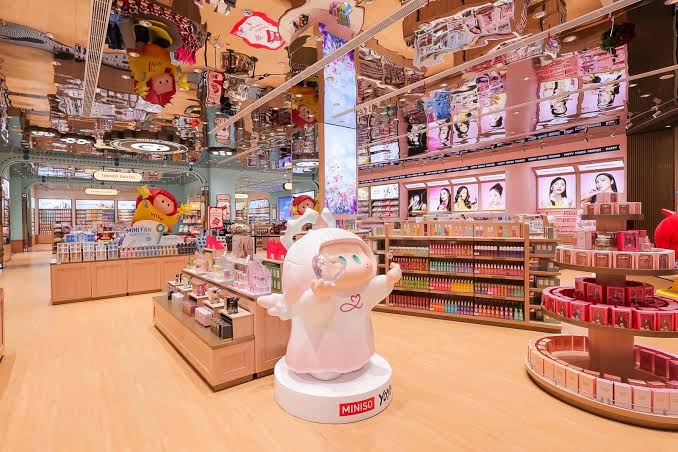
    Miniso, a renowned global retailer, has unveiled its inaugural Miniso Friends shop in Indonesia, located at Summarecon Mall Bekasi. The store marks the debut of their larger, more expanded retail concept in the Greater Jakarta region.

    The establishment is spread across approximately 1500sqm, occupying both the Ground Floor and Basement 1 of the shopping mall. The Ground Floor features a wide array of collectibles, such as blind boxes, plush toys, and licensed merchandise. Conversely, the basement level provides a more comprehensive collection of lifestyle, home, and everyday products.

    Miniso reports that about 60% of the store’s offerings are exclusive, first-launch, or limited-edition intellectual property (IP) products. The introductory collection includes an exciting array of products such as the One Piece 3.0, Persona, and the Sanrio Racing blind box series. Additionally, the shop carries merchandised products featuring esteemed brands like Sanrio, Disney, Harry Potter, and Spider-Man.

    Interactive Experiences and IP-Led Retailing

    Miniso’s new retail concept expertly blends retail with interactive experiences. This allows the company to showcase its burgeoning portfolio of licensed and collectible items in a more spacious setting. The opening also coincided with a YoYo-themed exhibition held at the mall’s central atrium, titled ‘YoYo’s Holiday Fun Starts at Miniso’. This initiative marked the character’s first significant introduction to the Indonesian market and continued until August 23rd.

    The recent unveiling in Indonesia comes as Miniso continues to expand its larger-format concepts across Asia. In addition to the Indonesian store, the company also recently brought its premium retail concept to Macau with the opening of its first Miniso Land store. This move cemented the retailer’s commitment to growing its IP-led retail network throughout the region.

    Questions & Answers

    What is the new retail concept introduced by Miniso?
    Miniso’s new retail concept integrates retail with interactive experiences, offering a more spacious area to display its increasing portfolio of licensed and collectible items.

    What is the percentage of exclusive, first-launch, or limited-edition IP products in the new store?
    Around 60% of the new store’s offerings are exclusive, first-launch, or limited-edition intellectual property (IP) products.

    What are some of the brands featured in the inaugural collection of the Miniso Friends store in Indonesia?
    The introductory collection includes a wide variety of products featuring globally recognized brands like Sanrio, Disney, Harry Potter, and Spider-Man.

  • Ferrero Boosts US Breakfast Presence with Purely Elizabeth Acquisition

    Ferrero Boosts US Breakfast Presence with Purely Elizabeth Acquisition

    The Ferrero Group, an international confectionery company, has confirmed its plans to acquire Purely Elizabeth, a wellness brand from the U.S. that has gained significant recognition in the health-conscious food sector. The move by Ferrero is aimed to further solidify their standing in the American breakfast market.

    The collaboration with Purely Elizabeth will allow Ferrero to extend its consumer reach through a blend of continued product innovation, enhanced operational abilities, and wider distribution. These initiatives will guide the next growth stage of the Purely Elizabeth brand.

    Implications for Ferrero’s U.S. Market Presence

    Giovanni Ferrero, president of Ferrero International SA, expressed his satisfaction with this addition to Ferrero’s expanding U.S. portfolio, citing Purely Elizabeth’s impressive range of high-quality, palatable products.

    He further asserted that this deal amplifies Ferrero’s recent acquisition of WK Kellogg Co, strengthening both its influence in American breakfast consumption and its foothold in the health-centered food market.

    Purely Elizabeth, established in 2009, has witnessed its sales more than double in the last two years. This success has been primarily fueled by its innovative collection of granola, oatmeal, and cereals, and its venture into the rapidly expanding protein market.

    Elizabeth Stein, founder and CEO of Purely Elizabeth, expressed her pride in the brand’s evolution over the past 17 years. She emphasized that partnering with Ferrero is the result of finding a collaborator who recognizes the unique essence of the Purely Elizabeth brand and shares a mutual commitment to quality, innovation, and sustainable growth.

    Upon merging, Purely Elizabeth will operate as an independent brand within the Ferrero Group. Stein will maintain her position alongside the current leadership team.

    Aligning with Consumer Preferences

    Lapo Civiletti, president of Ferrero Ice Cream and WK Kellogg Co, praised Purely Elizabeth’s knack for creating premium products that align with changing consumer preferences. He emphasized that this makes it a perfect addition to Ferrero’s portfolio and aligns with the company’s strategy of investing in high-growth categories.

    Civiletti emphasized Ferrero’s anticipation to support the continued growth of Purely Elizabeth while preserving the entrepreneurial spirit that has contributed to its success.

    The finalization of this transaction is anticipated in the following months, pending customary closing conditions and regulatory approvals.

    Questions & Answers

    What does the acquisition of Purely Elizabeth mean for the Ferrero Group?
    The acquisition allows Ferrero to strengthen its presence in the American breakfast market and expand its reach within the health-conscious food sector, aligning with evolving consumer preferences.

    What will happen to Purely Elizabeth post-acquisition?
    Purely Elizabeth will operate as an independent brand within the Ferrero Group. The current CEO, Elizabeth Stein, will continue in her role alongside the existing leadership team.

    What makes Purely Elizabeth a good fit for Ferrero’s portfolio?
    Purely Elizabeth’s ability to stay in tune with changing consumer tastes through its premium product range makes it a complementary addition to Ferrero’s portfolio. It aligns with Ferrero’s strategy of investing in high-growth categories.

  • Decoding the Future of Adult Beverages: Upcoming Trends Tailoring Consumer Choices

    Decoding the Future of Adult Beverages: Upcoming Trends Tailoring Consumer Choices

    The consumer preferences in the alcohol sector are shifting as individuals become more deliberate in their alcohol consumption habits, according to recent studies. Factors such as moderation, social occasions, value, convenience, and brand trust are major influences on customer behavior and the variety of products in the category.

    Changes in Consumption Habits

    There is a rising trend of moderation in alcohol consumption as customers are becoming more mindful of their spending and alcohol intake. In fact, total beverage alcohol (TBA) volumes in the 15 largest markets, including Australia, the US, Canada, Mexico, Brazil, France, Germany, Italy, Spain, the UK, South Africa, China, India, Japan, and Taiwan, saw a 3% decline last year after a 2% drop in 2024. It appears that consumers are opting to drink less per occasion, with the average number of alcoholic beverages consumed dropping from 4.4 in March 2024 to 3.9 in March this year. Despite this, global consumption volume remains more than 30% above the levels recorded in 2000.

    These figures suggest that this trend of moderation is becoming a permanent fixture in customer behavior, rather than a temporary or trend-driven phenomenon. However, this pattern varies across different generations. For instance, only the boomer generation has shown a decrease in participation, frequency and intensity of alcohol consumption, driven by factors such as cost, fewer social occasions, and a desire for moderation. On the other hand, the proportion of Gen Z individuals in the drinking population has risen from 13% to 17%, with above-average participation noted in India and the US.

    Catering to Evolving Preferences

    Social occasions continue to be a significant driver of alcohol consumption, with 35% of consumers citing them as their main reason for drinking. Moreover, 52% of consumers prioritize flavor when choosing ready-to-drink (RTD) beverages. Over the past decade, product innovation has contributed to over half of the growth in beverage alcohol retail value, enhancing the demand for products like canned cocktails, hard seltzers, flavored malt beverages, and no- or low-alcohol products.

    Trust in a brand also plays a crucial role in consumers’ willingness to experiment with new products. A staggering 77% of global consumers are more likely to trust a new product if it comes from a brand they are familiar with.

    The beer category, encompassing both traditional beer and other beer-related products, has seen its share of total alcohol servings increase from approximately 46% in 2019 to over 50% in 2026, a trend projected to continue until 2035. Demand for social experiences, convenience, affordability, and new formats has led to beer alone increasing its share from around 44% to 47%.

    Questions & Answers

    What factors are influencing consumer behavior in the alcohol category?
    Factors such as moderation, social occasions, value, convenience, and trust in the brand are some of the key influences on consumer behavior in the alcohol category.

    How has alcohol consumption changed across different generations?
    While the boomer generation has shown a decrease in alcohol consumption due to factors like cost and a preference for moderation, the Gen Z population has seen a rise in alcohol consumption, with particularly high participation in India and the US.

    What role does brand trust play in the alcohol category?
    Brand trust significantly influences a consumer’s willingness to try new products. Around 77% of global consumers are more likely to trust a new product if it comes from a brand they are familiar with.

  • MilkLab Unveils New Lactose-Free Milk at Woolworths: A Revolution in Dairy Digestibility and Taste

    MilkLab Unveils New Lactose-Free Milk at Woolworths: A Revolution in Dairy Digestibility and Taste

    MilkLab, a subsidiary of Noumi, has launched a new reformulated lactose-free milk at Woolworths in response to increasing consumer preference for lighter, easily digestible dairy options.

    Advanced Filtration for Healthier Milk

    MilkLab’s innovative product uses ultrafiltration technology, which processes milk through fine membranes. This concentrates the milk’s natural protein and fat content while lowering the levels of lactose sugar. The end product contains 9 grams of sugar per serving, marking a 25 per cent reduction compared to the average 12 grams found in conventional dairy milk. Beyond simply reducing sugar, this process also enhances the milk’s texture and its ability to produce foam in hot coffee.

    Natalie Latimore, MilkLab’s head of marketing, emphasizes the brand’s commitment to continuous product development, “Innovation at MilkLab is more than just getting it ‘good enough’. Rather, we strive for perfection. MilkLab’s success depends on close collaboration with roasters, baristas, and our retail partners. This ensures that by the time our product reaches the consumer’s cup or shopping cart, it has been refined to the highest standard.”

    Long-term Development for Superior Lactose-free Milk

    The new lactose-free milk is the culmination of a three-year development process involving 12 rounds of trial formulations. The process included consumer testing in conjunction with Deakin University and validation testing in association with commercial coffee roasters.

    MilkLab’s Lactose-Free 1L milk is now available in a long-life format at Woolworths stores and is also being supplied to commercial cafes throughout the country.

    In other company news, Noumi, MilkLab’s parent company, transitioned to private ownership last month following an agreement with its largest shareholder to purchase all remaining shares.

    Questions & Answers

    What is unique about MilkLab’s lactose-free milk?
    MilkLab’s lactose-free milk uses ultrafiltration technology to concentrate natural protein and fat while reducing lactose sugar, providing a healthier, easily digestible dairy option.

    How much sugar does MilkLab’s lactose-free milk contain?
    MilkLab’s lactose-free milk contains 9 grams of sugar per serving, which is 25 per cent less than the average 12 grams found in standard dairy milk.

    Where is MilkLab’s Lactose-Free 1L milk available?
    MilkLab’s Lactose-Free 1L milk is currently available in Woolworths stores in a long-life format and is also being distributed to commercial cafes nationwide.

  • Indian Investment Data Shows 50:50 Equity-Debt Portfolios Offer Better Risk-Adjusted Returns over 100% Equity

    Indian Investment Data Shows 50:50 Equity-Debt Portfolios Offer Better Risk-Adjusted Returns over 100% Equity

    Indian investors seeking optimal portfolio strategies should look beyond absolute returns, as new data suggests a balanced approach offers better risk-adjusted performance. A 20-year analysis, using India’s Nifty 100 TRI for equity and the CRISIL Short Term Bond Fund Index for fixed income, indicates that while all-equity portfolios yielded higher overall gains, a 50:50 blend of equity and debt provided more stable returns relative to the volatility experienced.

    The study, compiled from UTI Mutual Fund data, highlights that purely equity-focused portfolios, though delivering greater long-term returns (e.g., ₹1 lakh growing to ₹10.5 lakh over 20 years), also carried significantly higher risk. For instance, over a one-year period, a 100% equity portfolio saw a 3.6% loss, while a 50:50 balanced portfolio gained 1.1%, and fixed income returned 5.8%.

    Volatility Versus Absolute Returns

    When comparing absolute returns, the 100% equity portfolio consistently outperformed over longer durations. Over 20 years, it recorded a 12.5% Compound Annual Growth Rate (CAGR), compared to 10.9% for the 50:50 balanced portfolio and 7.2% for 100% fixed income. This trend held true for 10-year, 5-year, and 3-year periods as well, where equity maintained its lead.

    However, volatility tells a different story. Measured by standard deviation, the equity portfolio exhibited substantially greater fluctuations. Over two decades, its standard deviation was 20.9%, dwarfing the 10.3% of the 50:50 portfolio and the mere 3.2% of the fixed income portfolio. This indicates that while equity offered higher potential gains, it also came with considerable unpredictability.

    Understanding Risk-Adjusted Performance

    To provide a clearer picture for investors, the analysis introduced risk-adjusted returns, calculated by dividing the CAGR by the annualised standard deviation. This metric reveals how much return a portfolio generated for the level of risk it undertook. On this front, the 50:50 balanced and 100% fixed income portfolios consistently surpassed the 100% equity option across all timeframes.

    For example, over 20 years, the 100% equity portfolio had a risk-adjusted return of 0.60, while the 50:50 balanced portfolio achieved 1.0, and fixed income reached 2.2. This signifies that for every unit of risk taken, the diversified and fixed income portfolios delivered more return. This insight is crucial for long-term investors, emphasising that a higher absolute return doesn’t necessarily equate to a more efficient or less volatile investment journey.

    Questions & Answers

    What is the key finding regarding 100% equity portfolios in India?
    The data shows that 100% equity portfolios delivered higher absolute returns over longer periods (up to 20 years) but also carried significantly higher volatility and lower risk-adjusted returns compared to balanced or fixed-income portfolios.

    How did a 50:50 balanced portfolio perform in terms of risk-adjusted returns?
    A 50:50 balanced portfolio consistently showed higher risk-adjusted returns than a 100% equity portfolio across all periods, indicating that it generated more return relative to the volatility recorded.

    What indices were used to represent equity and fixed income in the analysis?
    The Nifty 100 TRI was used to represent equity, and the CRISIL Short Term Bond Fund Index was used to represent fixed income or debt in the Indian market analysis.

  • Ombak KLCC Mall to Ignite Kuala Lumpur Retail Scene with Grand Opening

    Ombak KLCC Mall to Ignite Kuala Lumpur Retail Scene with Grand Opening

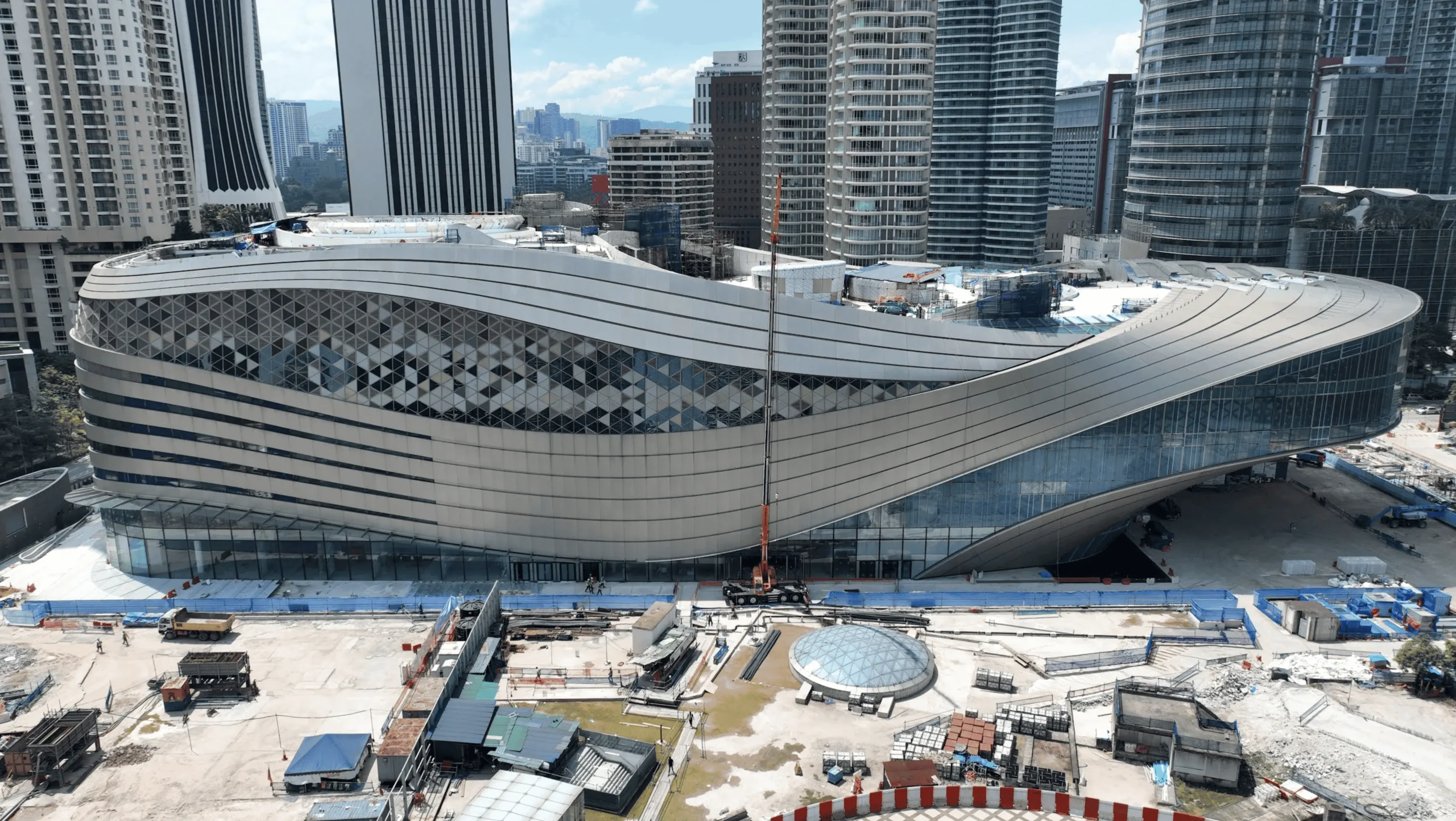
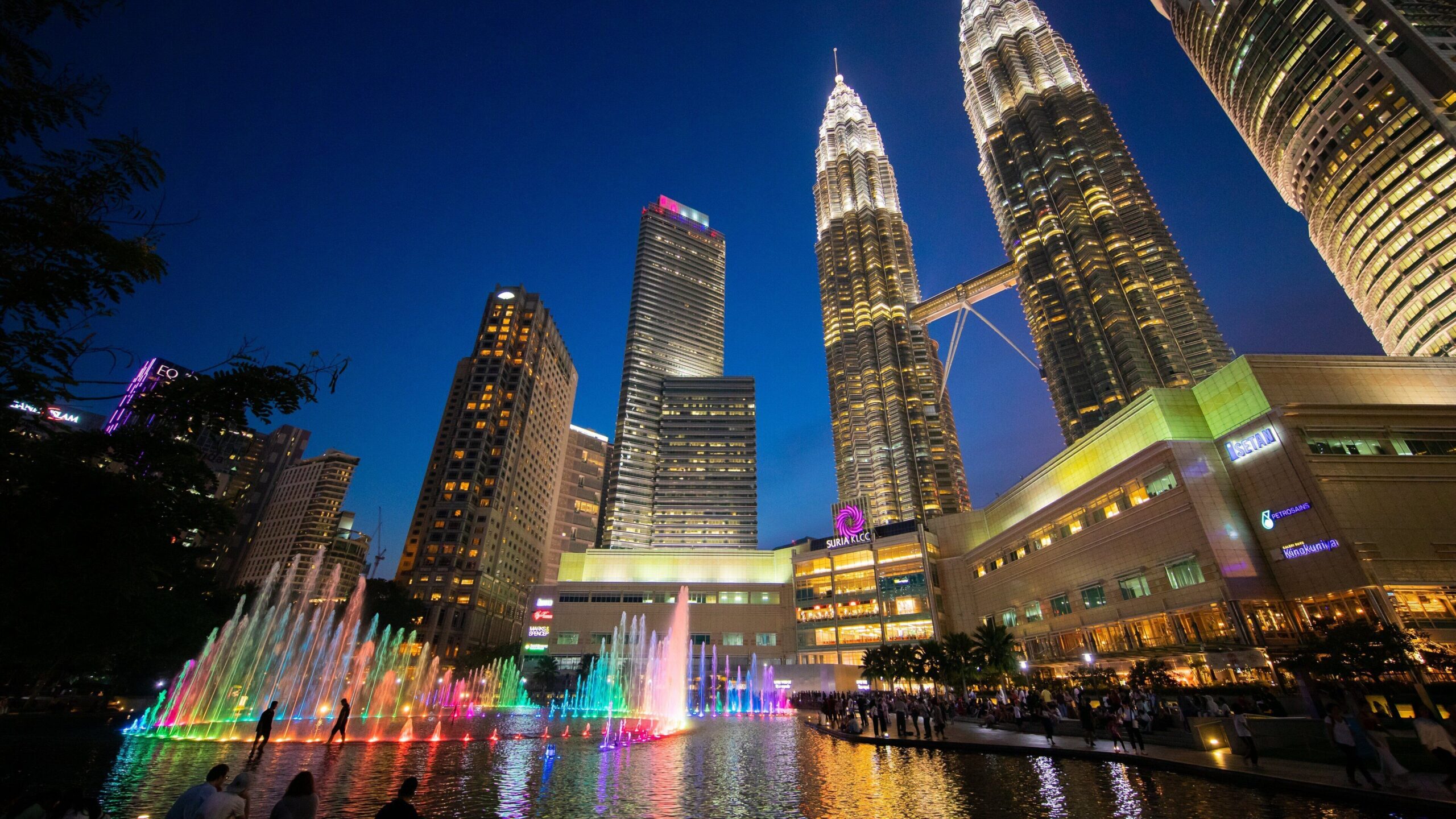
    The retail market of Kuala Lumpur is poised to welcome another addition. Ombak KLCC, a new shopping complex, is slated to commence operations from August 21 in the KLCC precinct.

    The project, sprawled across 420,000 square feet, will serve as a host for approximately 120 retail and food & beverage outlets. The tenant composition is diverse, accommodating a range of sectors from coffee and dining to lifestyle, technology, and convenience.

    Moreover, the mall is set to be the fresh location for Galeri Petronas, which will be transitioning from its current position in Suria KLCC. The gallery will open in separate stages, marking a phased transition.

    More than just retail

    Apart from the retail component, Ombak KLCC has a broader appeal with additional features planned to enhance the overall visitor experience. A rooftop garden and open-air plaza have been incorporated in the design, purposed for staging events and facilitating leisure activities. The shopping center is also connected to the wider KLCC precinct, ensuring seamless access to KLCC Park and nearby public transportation links.

    Ombak KLCC is also preparing for a grand inauguration by lining up some significant pop-up attractions. Both Nintendo Pop-Up Store and Pokémon Center Pop-Up Store are slated to be operational from September 12 until the end of the year.

    Questions & Answers

    What is the expected date of Ombak KLCC’s opening?
    Ombak KLCC is scheduled to open on August 21.

    What kind of tenants will Ombak KLCC house?
    Ombak KLCC will house a mixture of retail and food & beverage outlets spanning various sectors like coffee, dining, lifestyle, technology, and convenience.

    What are some special features of Ombak KLCC?
    Apart from retail stores, Ombak KLCC features a rooftop garden and an open-air plaza designed for events and leisure activities. It is also linked to the wider KLCC precinct, including KLCC Park and nearby public transport connections.

  • New Home for Luxury: Van Cleef & Arpels Unveils Stunning Alexandra House Boutique in Hong Kong

    New Home for Luxury: Van Cleef & Arpels Unveils Stunning Alexandra House Boutique in Hong Kong

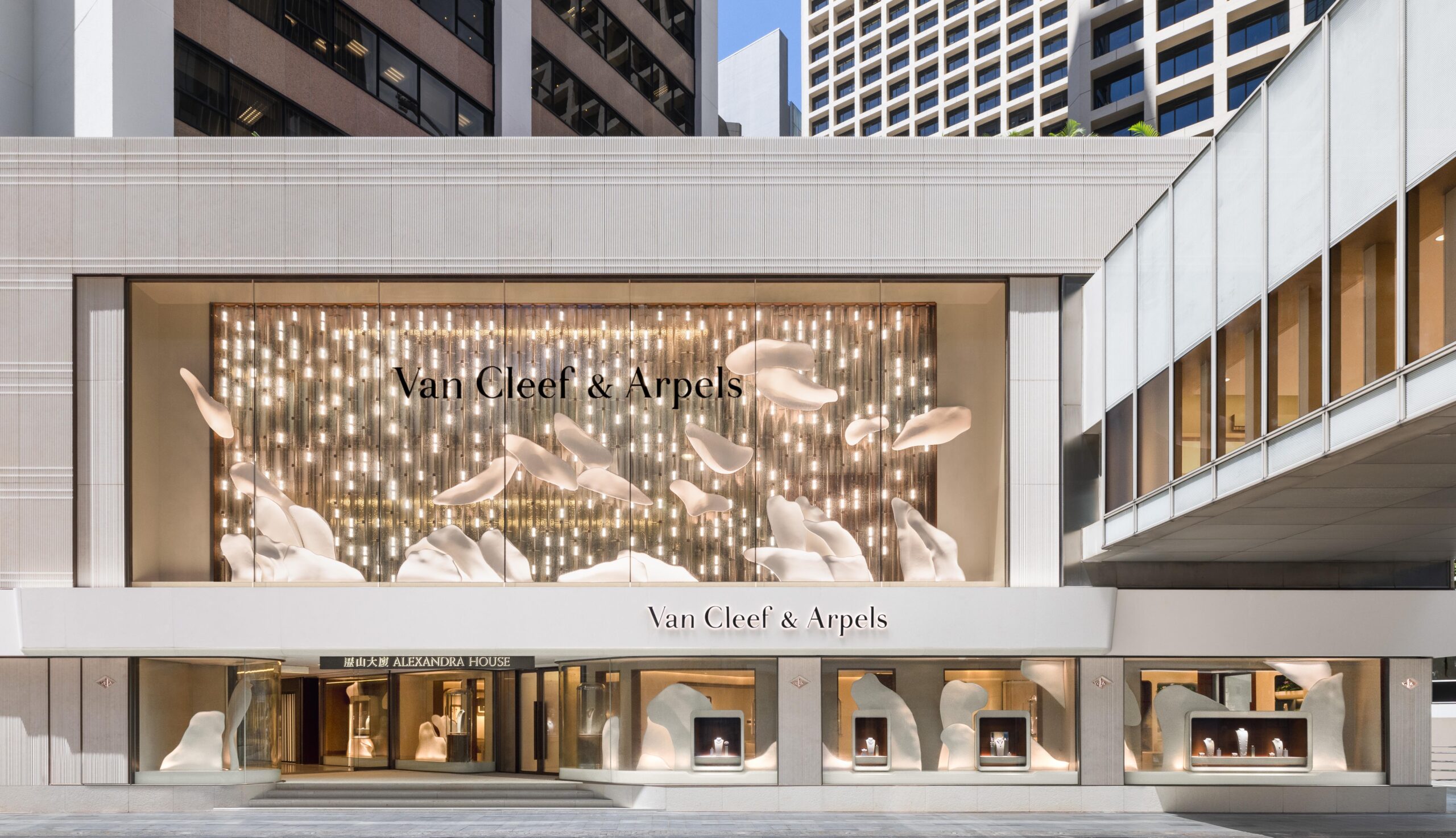
    Van Cleef & Arpels, a luxury French jewelry, watch, and perfume company, has recently relocated its Hong Kong boutique from Landmark Prince’s to Alexandra House. The new two-story space spans an expansive 564 square meters and is a marvelous blend of nature and architecture, designed by the acclaimed Studio Jouin Manku.

    The Interior Design

    Upon entering the boutique, visitors are welcomed by an oak-paneled circular room on the ground floor. The centerpiece is a grand staircase, masterfully crafted from light limestone and oak. Display cases and glass columns feature the maison’s exquisite High Jewelry, Jewelry, and Watchmaking collections. A dedicated heritage room, which will host four exhibitions each year, is also located on the ground floor.

    The upper floor houses salons dedicated to watchmaking, fragrance, and private appointments. The watchmaking salon boasts a relaxing palette of midnight blue, beige, and wood tones. The fragrance salon, inspired by traditional perfume organs, showcases the Collection Extraordinaire in alcoves.

    Unique Features of the Boutique

    Unique to this boutique is a tea ceremony space, featuring rose-coloured stone derived from locally sourced mineral powder. This innovative element is a result of research conducted in collaboration with L’École, School of Jewellery Arts, in Hong Kong.

    A well-crafted event space at the foot of the central staircase is designed to host a variety of occasions. The ceiling of the event space showcases a pattern inspired by the white petal motifs on the boutique’s façade, and is hand-embroidered entirely by French artisans.

    Van Cleef & Arpels has been a fixture in Hong Kong since 1981 when Jacques Arpels initiated the opening of the brand’s first boutiques in the city.

    Questions & Answers

    When did Van Cleef & Arpels first establish its presence in Hong Kong?
    Van Cleef & Arpels first entered the Hong Kong market in 1981.

    What are some unique design elements of the new boutique?
    Some unique design elements include a tea ceremony space featuring locally sourced rose-coloured stone, a heritage room for exhibitions, and the ceiling of the event space which showcases a white petal motif hand-embroidered by French artisans.

    Which collections are showcased in the new boutique?
    The new boutique showcases the maison’s High Jewelry, Jewelry, and Watchmaking collections, as well as the Collection Extraordinaire in the fragrance salon.