Blog

  • McDonald’s and Red Bull Gear Up to Energize the Market with New Dragonberry Energizer Drink

    McDonald’s and Red Bull Gear Up to Energize the Market with New Dragonberry Energizer Drink

    McDonald’s USA has joined forces with Red Bull in a groundbreaking venture into the energy drink market, launching an innovative fruity energy beverage. This marks a key development for the fast-food chain, as it branches out into new product categories.

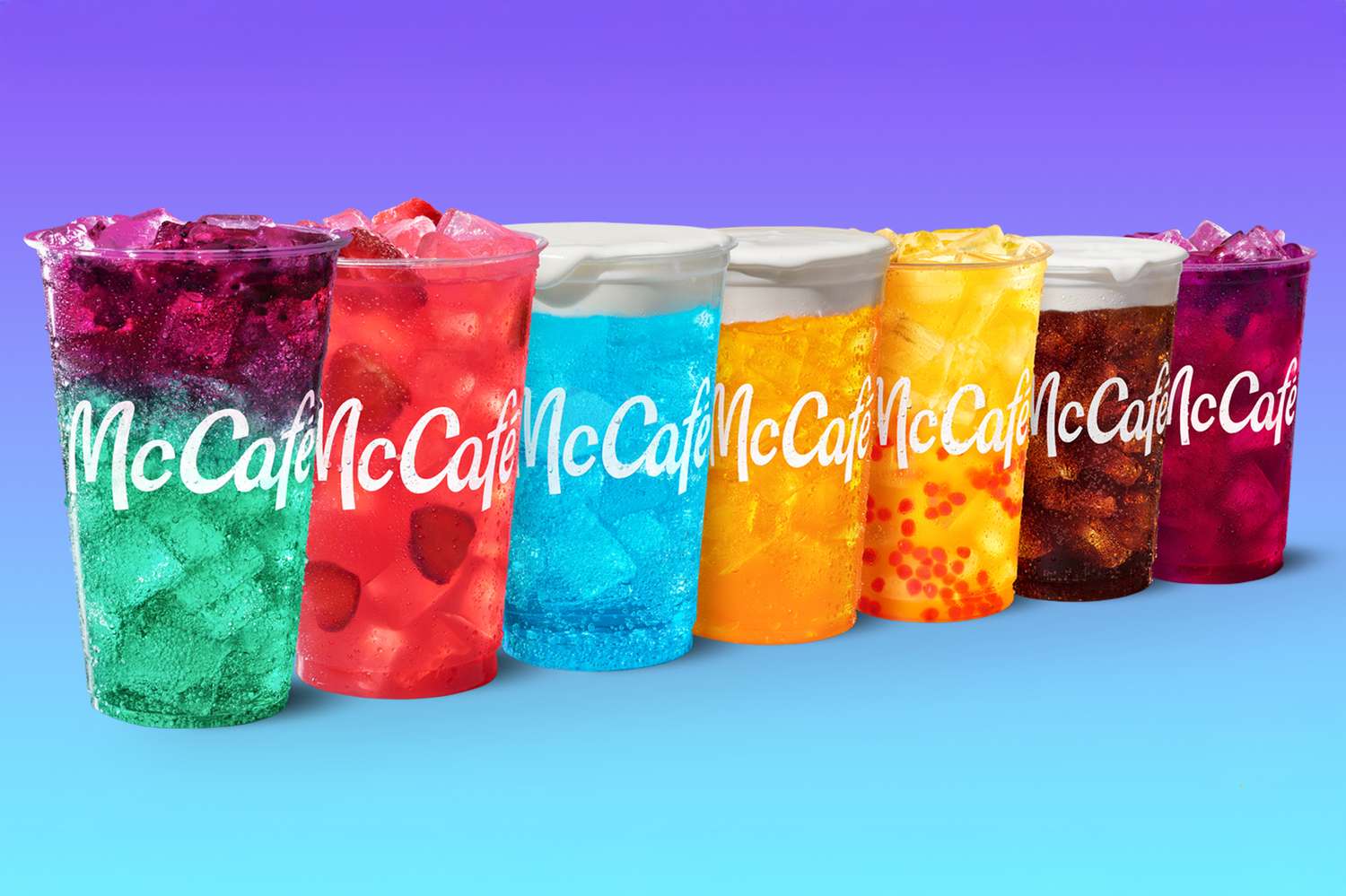
    Their latest offering, named ‘Red Bull Dragonberry Energizer’, is a unique blend of a classic Red Bull energy drink base, freeze-dried dragonfruit, and blue raspberry syrup. The beverage has been designed with customer preferences in mind, offering the option to customize it with a Red Bull Zero base for those seeking a lower-sugar alternative. The drink is also available in a 248ml can size.

    In line with the launch of the energy drink, McDonald’s is also augmenting its ‘crafted soda’ lineup. The new addition, called Vanilla Swirl, is a cold-foam vanilla additive designed to be paired with the existing Coca-Cola product range. Furthermore, McDonald’s is catering to health-conscious consumers with low-sugar beverage options, including Fanta, Diet Dr Pepper, Dr Pepper Zero Sugar, and Sprite Zero Sugar.

    Alyssa Buetikofer, CMO and CCO for McDonald’s US, expressed her excitement about these newly launched beverages. She stated, “Our crafted sodas and refreshers have been met with increasing enthusiasm, as consumers seek greater variety and options for every occasion. Our US customers gave the Red Bull Dragonberry Energizer rave reviews during initial testing, so we are thrilled to roll it out nationally to satisfy our customers’ energy needs.”

    The development of these innovative products follows a successful trial period in selected regional markets and strengthens McDonald’s existing range of specialized cold beverages. The Red Bull Dragonberry Energizer is slated for nationwide release across McDonald’s outlets on August 17.

    Questions & Answers

    What is the new beverage introduced by McDonald’s in collaboration with Red Bull?
    The new beverage is called the ‘Red Bull Dragonberry Energizer’, which is a blend of a classic Red Bull energy drink base, blue raspberry syrup, and freeze-dried dragonfruit.

    What other drinks are being introduced by McDonald’s alongside the energy drink?
    McDonald’s is also expanding its ‘crafted soda’ lineup with the addition of Vanilla Swirl, a cold-foam vanilla additive intended to complement the existing Coca-Cola product range. It is also offering lower-sugar alternatives such as Fanta, Diet Dr Pepper, Dr Pepper Zero Sugar, and Sprite Zero Sugar.

    When is the Red Bull Dragonberry Energizer expected to launch?
    The Red Bull Dragonberry Energizer is scheduled to launch in McDonald’s restaurants across the US on August 17.
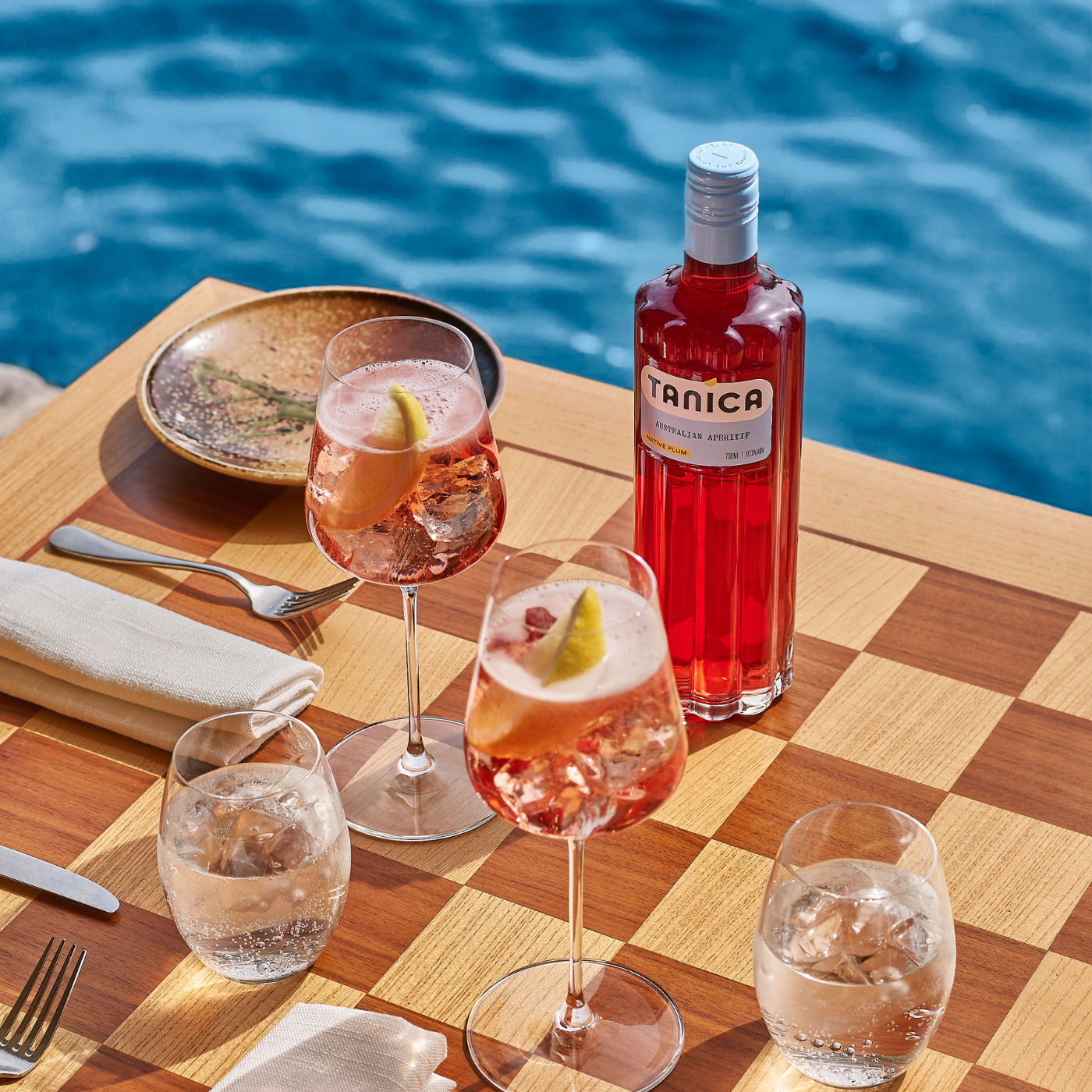
  • Australian Aperitif Brand Tanica Gears Up for Massive Expansion: Fundraising for RTD Rollout and Increased Asian-Pacific Exports

    Australian Aperitif Brand Tanica Gears Up for Massive Expansion: Fundraising for RTD Rollout and Increased Asian-Pacific Exports

    Australian aperitif manufacturer, Tanica, is aiming to raise capital in order to launch a ready-to-drink product line, amplify production, and increase its export operations throughout the Asia-Pacific region.

    This fundraising effort comes as Tanica moves into the season where spritz drinks are most popular, following its national distribution deal with Iconic Beverages two months ago to speed up its country-wide growth. In the last two years, Tanica has seen a 159 per cent increase in sales, while the gross profit has surged by 171 per cent in the prior year.

    A Local Alternative

    Adriane McDermott, the Founder and CEO, stated that the firm is increasingly establishing itself as a domestic alternative in a market still largely controlled by traditional imported goods, with over 70 per cent of aperitif sales in Australia being imported from Italy.

    She questioned why their best times with friends should be marked by imported summers, when their coastal lifestyle and native flavours narrate a tale that is uniquely Australian.

    She explained that her ambition with Tanica is to kindle a new admiration for what is available in their own backyard, offering the spritz a fresh position globally. One that is produced, tastes, and feels genuinely Australian.

    According to Tanica, the impending raise will finance its marketing and production augmentation, as well as its ready-to-drink product push in anticipation of the summer season. The funds will also aid the brand’s path to profitability over the next year and a half by assisting it in increasing distribution by four to five times and evaluating export possibilities in the US and Asia-Pacific region.

    Rebrand & Resurgence

    In November, McDermott reinvented the brand’s identity, focusing on its coastal lifestyle positioning and local flavours following the withdrawal of funding from the Distill Ventures program. Since then, Tanica products have been featured in over 150 bars across the nation, recording a repeat order rate of 68 per cent among customers, with online sales making up 17 per cent.

    The window for expressing interest in the capital raise is currently open, with early registrants receiving priority access when the offer begins on August 25.

    Questions & Answers

    What is Tanica’s aim with the capital raise?
    The capital raise aims to develop a ready-to-drink range, double production, and expand exports across the Asia-Pacific region.

    What significant growth has Tanica experienced in recent years?
    In the past two years, Tanica has recorded a 159 per cent increase in sales and a 171 per cent rise in gross profit over the previous year.

    What is the primary objective of Tanica’s rebranding?
    The primary objective of the rebranding is to emphasise Tanica’s coastal lifestyle positioning and native flavours, differentiating it as a locally-produced alternative in a market dominated by imports.

  • Woolworth’s Axes Farmers Own Brand: A Disappointment for Dairy Farmers Nationwide

    Woolworth’s Axes Farmers Own Brand: A Disappointment for Dairy Farmers Nationwide

    Woolworths, the acclaimed supermarket chain, is gradually discontinuing its Farmers’ Own milk brand. This specialized product line will be eliminated from all national supermarkets as the existing contracts with suppliers reach their conclusion.

    The Farmers’ Own brand has already been removed from the supermarket shelves in South Australia. It is set to vanish from the stores in Western Australia, Queensland, New South Wales, and Victoria by the upcoming year.

    The Brand’s History and Evolution

    Farmers’ Own was first introduced to the market in 2013 as an initiative to aid and support Australian dairy farmers. It offered a platform for suppliers to negotiate better deals, thus fostering a stronger Australian dairy market.

    Tim Bale, a dairy farmer who was pivotal in establishing the brand, expressed his disappointment at its phasing out, observing that consumers are now left with the difficult choice between supporting local farmers and opting for cheaper milk alternatives.

    According to Bale, declining sales and limited marketing efforts made the brand increasingly challenging to sustain. An oversupply in the dairy market also exerted additional strain on processors and farmers.

    The Supermarket’s Response

    In response to the forthcoming end of the Farmers’ Own brand, Woolworths stated that they had recently consulted with the dairy suppliers about the impending contract expirations. The supermarket will honour existing contracts, and some suppliers have the option to extend their contracts for an additional year. Woolworths has not revealed why they have chosen to discontinue the brand.

    Questions & Answers

    What is the reason behind Woolworths phasing out the Farmers’ Own brand?
    The exact reason is not disclosed by Woolworths. However, declining sales and limited marketing, along with an oversupply in the dairy market, are cited as possible contributors.

    What was the purpose of the Farmers’ Own brand?
    Introduced in 2013, the Farmers’ Own brand was an initiative to support Australian dairy farmers by providing them with a platform to negotiate better terms with suppliers.

    What will happen to the existing contracts with dairy suppliers?
    Woolworths has affirmed that they will honour existing agreements, and some suppliers have the option to extend their contracts for an additional year.

  • Brownes Dairy Refreshes White Milk Packaging with Contemporary Artwork for 140th Anniversary

    Brownes Dairy Refreshes White Milk Packaging with Contemporary Artwork for 140th Anniversary

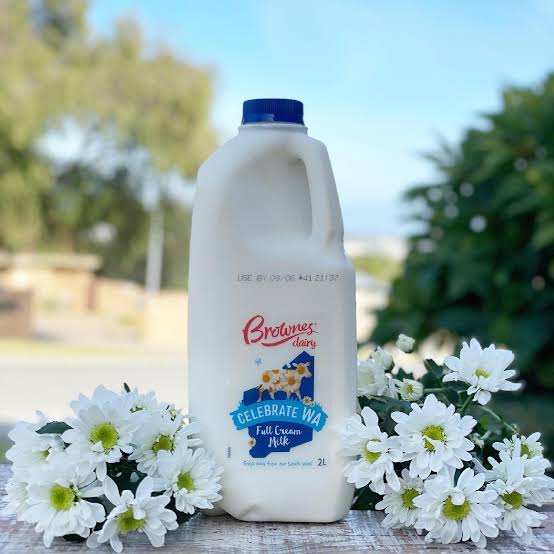
    Western Australia’s Brownes Dairy has embarked on a redesign of its white milk range’s packaging to coincide with a significant milestone- 140 years of operations.

    The new packaging has been brought to life by local artist Jordan Lee, who swapped traditional agricultural imagery for more contemporary, abstract botanical artwork. This design was inspired by the natural flora and landscapes of the South West region of Western Australia, an area from which Brownes Dairy sources its raw milk supplies.

    In a remarkable achievement, the company’s white milk range has secured its highest market share in three years, maintaining its position as the state’s leading branded white milk option. The revamped packaging now offers even clearer nutritional labelling, showcased on refreshed bottles and cartons.

    Nicole Ohm, the Head of Marketing at Brownes Dairy, shared insights behind the redesign. “Every day, our dedicated dairy farmers in the South West tirelessly supply us with top-quality products for Western Australian families. This significant redesign is a strategic business effort to increase premium value in our local agricultural sector”, she explained.

    In an effort to keep operational costs in check and prevent inventory wastage, the company rolled out the new packaging in phases starting last month. The launch began with the 2L and 3L milk bottle formats, with plans to update the carton product line soon.

    Ohm elaborated on the thought process behind the aesthetic of the packaging, saying, “We wanted to create the most beautiful, premium design in the market to show that 100% fresh, nutritionally rich Western Australian dairy is always worth paying for, more so when it directly supports our local farming communities.”

    This development comes after the company was put up for sale last year due to a Chinese lender calling in a $200 million loan.

    Questions & Answers

    What is the major change in Brownes Dairy’s white milk range packaging redesign?
    The major change is the shift from traditional agricultural imagery to contemporary, abstract botanical artwork that reflects the natural landscapes and flora of Western Australia’s South West region.

    Who was responsible for the creation of the new packaging design?
    The new packaging design was created by Western Australian artist Jordan Lee.

    What was the rationale behind the redesign of Brownes Dairy’s milk range packaging?
    The redesign aims to show that 100% fresh, nutritionally rich Western Australian dairy is always worth investing in, as well as to support local farming communities. It also marks the company’s 140th year of operations.

  • Booming Demand Boosts Hotel Room Rates in HCMC by 20% in Second Quarter

    Booming Demand Boosts Hotel Room Rates in HCMC by 20% in Second Quarter

    The average price of hotel rooms in Ho Chi Minh City (HCMC) experienced a 20% increase on a year-by-year basis in the second quarter, reaching VND2.4 million (US$92) per night as a result of robust demand. This surge in demand was largely fueled by international tourists, businesses, and attendees of Meetings, Incentives, Conferences, and Exhibitions.

    Hotel Supply and Demand

    The number of available rooms largely remained consistent at approximately 17,000, with minor increases due to the expansion of some three-star hotels. The market is predominantly seeing upgrades rather than new developments. Despite a 4% decrease in the number of flights to the city, driven by increased fuel costs and airfares, the number of international visitors soared by 50% to 6.4 million in the first six months of the year.

    Luxurious accommodations have maintained a steady demand from international tourists and business customers. The lack of new supply has meant that existing hotels have not faced significant competitive pressure. Average rates for four-star hotels were approximately VND3.5 million with an occupancy rate of 72%-78%. Five-star hotels had an average rate of VND5 million per night and a consistently high occupancy of 75%-80%.

    Future Outlook of the Hotel Industry

    The hotel industry’s future looks promising, supported by growing international visitor numbers and the revival of tourism across the Asia-Pacific. However, not all hotels may benefit from the limited supply as customers increasingly prioritize brands and service quality. Older establishments, self-operated hotels, and those lacking sufficient investment could face increased pressure. To remain competitive, these hotels may need to undergo renovation or repositioning.

    Looking towards the future, the market is expected to attract more international brands. By 2029, nearly 900 new rooms within four- and five-star hotels are projected to be added, mostly in the former District 1. However, in the short term, the supply is expected to remain unchanged, allowing existing hotels to maintain occupancy and room rates.

    In the years 2027-2028, upscale brands such as Nobu Hotel, Four Points by Sheraton, and JW Marriott are anticipated to establish a presence in HCMC. The city hopes to attract 61 million visitors and generate approximately VND330 trillion in tourism revenues in 2026.

    Questions & Answers

    What led to the increase in average hotel room rates in HCMC?
    The hike in hotel room rates can be attributed to a surge in demand from international tourists, businesses, and Meetings, Incentives, Conferences, and Exhibitions attendees.

    What is the expected trend for hotel room supply in HCMC?
    The supply of hotel rooms is expected to remain steady in the short term. However, by 2029, nearly 900 new rooms within four- and five-star hotels are projected to be added.

    What challenges could hotels in HCMC potentially face in the future?
    Older establishments, self-operated hotels, and those lacking sufficient investment could face increased competition as customers increasingly prioritize brands and service quality. These hotels may need to undergo renovation or repositioning to remain competitive.

  • Ice Cream Industry Pivots: Healthier Ingredients and Smaller Portions for Guiltless Indulgence

    Ice Cream Industry Pivots: Healthier Ingredients and Smaller Portions for Guiltless Indulgence

    In the backdrop of soaring summer temperatures, ice cream companies are experiencing a surge in sales. However, they are concurrently strategizing for a future delineated by health-conscious consumers. There is a burgeoning demand for healthier food alternatives, and a rise in GLP-1 drugs that suppress appetite, which has prompted ice cream manufacturers to adjust their production methods. They are striving to reduce portion sizes, enhance protein content, and purify their ingredients lists.

    Adapting to Changing Consumer Preferences

    Despite a minor decline in U.S. ice cream sales volumes, manufacturers are optimistic about the future. They believe consumers will continue to enjoy ice cream, albeit with stipulations. Modern consumers crave indulgence, but they prefer indulgence that comes with lower calorie content, increased protein, and an uncomplicated list of ingredients. Ice cream companies are seeing a shift towards “wellness indulgence.”

    Companies like Blue Bunny, owned by Ferrero, are reporting strong demand for their lower-calorie products. They are also making efforts to exclude certain ingredients from their products, like high-fructose corn syrup and artificial coloring and flavoring. This transition reflects a broader industry-wide challenge, as evolving eating habits dictate what consumers expect from their foods.

    The Emergence of Wellness-Oriented Offerings

    Magnum Ice Cream Company, known for brands like Magnum and Ben & Jerry’s, has fast-tracked its focus on wellness, driven by the positive growth of Yasso, its frozen Greek yogurt brand. Consumers are increasingly seeking products that balance indulgence with factors such as higher protein content, fewer calories, and controlled portion sizes.

    Nearly 16 million Americans are consuming GLP-1 drugs, and this number is expected to rise significantly by the end of the decade. This has led companies to reformulate their products to incorporate more protein, fiber, and nutritional benefits. The challenge for ice cream companies lies in retaining the appeal of ice cream as a treat while catering to consumers who consider nutritional value as important as taste.

    Brands like Halo Top, which offers a similar ice cream experience with half the calories of leading competitors, have seen a significant increase in sales over the last two years. The brand is focusing on offering flavors that consumers crave, coupled with a good source of protein and fewer calories than traditional ice cream.

    The wellness trend is not restricted to the U.S., raising questions about how ice cream brands can stay relevant as global eating habits evolve. Companies worldwide are recognizing the growing demand for smaller portions, premium products, and lower-calorie alternatives that align with health and wellness goals.

    Questions & Answers

    What changes are ice cream companies making to adapt to consumer health preferences?
    They are reducing portion sizes, increasing the protein content of their products, and cleaning up their ingredients lists.

    What is the wellness trend in the ice cream industry?
    The wellness trend involves creating ice cream products that offer indulgence but with fewer calories, more protein, and simpler ingredients.

    How have consumer preferences impacted the ice cream market?
    Healthier consumer preferences have led to a slight decline in sales, a surge in demand for healthier alternatives, and a shift in production methods to accommodate these preferences.

  • 7Up Shakes Up the Soda Scene: Unveils Lime-Forward Flavor and Bold New Identity After 15 Years

    7Up Shakes Up the Soda Scene: Unveils Lime-Forward Flavor and Bold New Identity After 15 Years

    7Up, owned by Keurig Dr Pepper (KDP), has undertaken its most significant brand renovation in over 15 years. The company has given a fresh identity to the 7Up brand, which is valued at US$5 billion in the lemon-lime category.

    A New Identity

    7Up is revising its soda recipe, emphasizing the lime flavor to appeal to younger consumers who prefer citrus-flavored beverages. The move comes as competition in the citrus soda market continues to intensify. Since its launch in 1929 as the Original Uncola, 7Up has been positioning itself as an alternative to traditional sodas. The recent brand refresh aims to return to these founding principles.

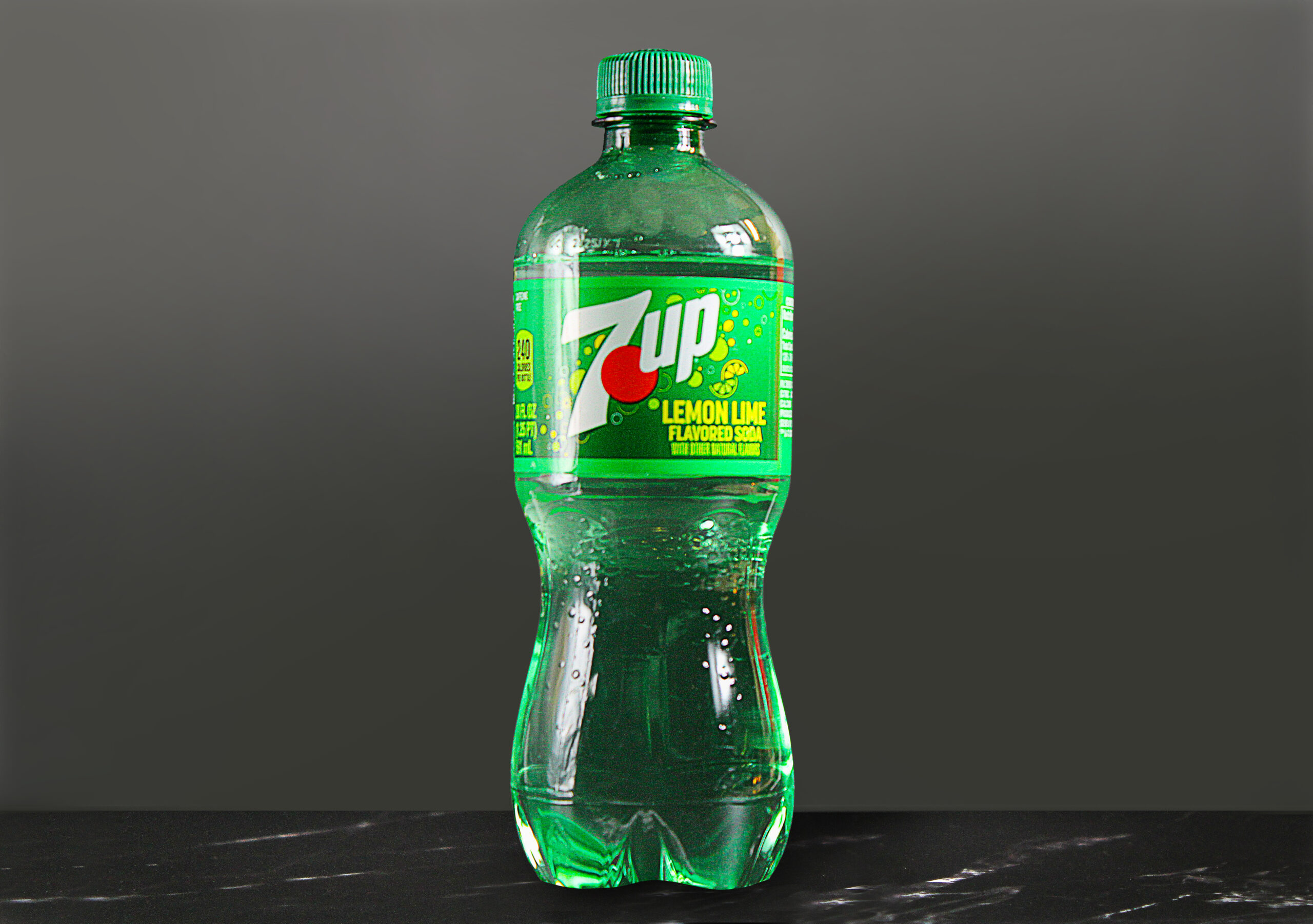
    The revamped recipe will be utilized across Regular, Zero Sugar, Cherry, and Cherry Zero Sugar product lines starting from mid-August in North America. The new face of the 7Up brand involves a refreshed visual identity characterized by a vertical logo, more vibrant colors, and a new Lime Lemon tag.

    Strategies for Engaging Consumers

    Drew Panayiotou, the chief marketing and innovation officer at Keurig Dr Pepper, referred to the brand makeover as a “bold reinvention” designed to appeal to a new generation of consumers. The flavor modification is the first step in this process.

    “By giving lime the spotlight, we’re rewriting the rules of the lemon-lime category,” Panayiotou said. “We are transforming a beloved heritage brand into a modern disruptor – delivering a sharper visual identity, a more refreshing taste experience, and a distinct position that attracts new users and deepens brand loyalty.”

    To further bolster the brand’s new image, a multi-platform marketing campaign dubbed ‘Flip the Sip’ will roll out. The campaign will leverage social storytelling, cultural moments, and in-store experiences to celebrate the unexpected.

    Questions & Answers

    What is the objective of the 7Up brand refresh?
    The brand refresh aims to appeal to younger consumers who prefer citrus-flavored sodas amidst growing competition in the market.

    What changes will be implemented in the 7Up product line?
    The revamped recipe will be used across Regular, Zero Sugar, Cherry, and Cherry Zero Sugar products and will emphasize the lime flavor. The brand will also feature a refreshed visual identity with a vertical logo, brighter colors, and a new Lime Lemon tag.

    What is the ‘Flip the Sip’ campaign?
    The ‘Flip the Sip’ campaign is a multi-platform marketing initiative that will use social storytelling, cultural moments, and in-store experiences to reinforce the brand’s new identity.

  • Shein Stumbles in UK Copyright Court Battle Against Temu amid IPO Plans

    Shein Stumbles in UK Copyright Court Battle Against Temu amid IPO Plans

    Online fast-fashion retailer Shein recently suffered a defeat in a London court case against rival company Temu. The lawsuit, which was based on allegations of copyright infringement, ended in a ruling that could potentially benefit online marketplaces that host third-party sellers.

    Ruling Details

    In this first round in a series of legal battles taking place in London, Shein had accused Temu of violating their copyright on a large scale. They claimed that Temu, which is owned by PDD Holdings, had used Shein’s branded clothing images to leverage the reputation of a more recognized competitor. Shein is currently aiming for a valuation exceeding US$30 billion in an upcoming Hong Kong initial public offering (IPO).

    Despite Shein’s claims, Judge Kelyn Bacon dismissed the notion that Temu had infringed on Shein’s copyright. Furthermore, she stated that even if there had been any infringement, Temu would not be liable. Initially, Shein had argued that Temu had reproduced its product photos but had not pursued this claim at the trial. The judge noted that this was because Temu’s servers are located outside the United Kingdom, and any reproduction would consequently also be outside the UK.

    A representative from Shein expressed disappointment, stating that while there was no question about Shein’s ownership of the photos in question, Temu had managed to avoid liability in the UK because their servers are based in Ireland. Temu has yet to comment.

    Global Legal Battle

    This case is just one piece in the larger legal confrontation between Shein and Temu. Both companies have experienced rapid international expansion, offering affordable clothing, accessories, and gadgets to consumers.

    Judge Bacon’s written ruling rejected the idea that Temu enabled the violation of Shein’s copyright by allowing merchants to upload photos to its website. Instead, she pointed out that Temu “prohibits merchants from uploading infringing content.”

    Crucially, she also ruled that had there been any copyright infringement, Temu could have invoked the hosting defense. This is because it serves solely as an “intermediary” and did not possess the necessary awareness of any infringement. She stated that Temu did not have actual knowledge of the infringements or was aware of any facts or circumstances that would make the infringements apparent.

    On a final note, Judge Bacon upheld Temu’s counterclaim, which sought damages for the removal of listings when Shein obtained an injunction regarding images for which it did not own the copyright.

    Questions & Answers

    What was the basis of Shein’s lawsuit against Temu?
    Shein accused Temu of violating its copyright on a large scale and claimed that Temu had used Shein’s images to leverage the reputation of a more established competitor.

    Did the judge find Temu guilty of copyright infringement?
    No, the judge rejected Shein’s argument that Temu had infringed on its copyright and said that even if infringement had occurred, Temu would not be liable.

    What are the implications of this ruling for online marketplaces?
    This ruling could potentially benefit online marketplaces that host third-party sellers, as it emphasizes the intermediary nature of their role and the potential for the so-called hosting defense.

  • Starbucks Korea Hit Hard by Backlash over Controversial Marketing Campaign

    Starbucks Korea Hit Hard by Backlash over Controversial Marketing Campaign

    In the second quarter, Starbucks Korea’s operator, SCK Company, suffered an operating loss due to a decrease in sales. This followed negative reactions to an ill-received marketing campaign and the suspension of its high-profile summer promotion.

    The operating loss for the second quarter amounted to 18.4 billion won (US$13.4 million), in contrast to the 40.3 billion won operating profit registered in the same period the previous year and the 29.3 billion won profit of the preceding quarter.

    The summer promotional campaign, regularly held in June by SCK, the Starbucks Korea operator, was conspicuously absent this year. This decision was confirmed during an earnings announcement made by E-Mart, SCK’s parent company.

    In a related incident in May, Starbucks Korea came under fire for their ‘Tank Day’ tumbler campaign, which coincided with May 18, triggering criticism for its inappropriate reference to the 1980 Gwangju pro-democracy uprising. In response to the public outcry, Starbucks Korea suspended the campaign and issued an apology.

    As a result of the controversy, the Shinsegae Group, the parent company of Starbucks Korea, dismissed the head of Starbucks Korea. Following this, the group reported a “very significant” drop in sales. They further addressed the issue by implementing historical awareness and social sensitivity training for their staff.

    Despite these events, E-Mart did not directly attribute the controversy or the subsequent calls for a boycott as the immediate cause for the decline experienced in the quarter.

    Questions & Answers

    What was the operating loss of Starbucks Korea’s operator, SCK Company, in the second quarter?
    The operating loss of SCK Company in the second quarter was 18.4 billion won (US$13.4 million).

    What was the controversy regarding Starbucks Korea’s marketing campaign?
    The ‘Tank Day’ tumbler campaign by Starbucks Korea faced criticism for its inappropriate reference to the 1980 Gwangju pro-democracy uprising, leading to public outcry and a subsequent boycott.

    How did the parent company of Starbucks Korea respond to the controversy?
    The Shinsegae Group, the parent company of Starbucks Korea, dismissed the head of Starbucks Korea following the controversy. They also reported a significant drop in sales and initiated historical awareness and social sensitivity training for their staff.

  • Uniqlo Expands Global Reach with Debut Flagship Store in Kyoto

    Uniqlo Expands Global Reach with Debut Flagship Store in Kyoto

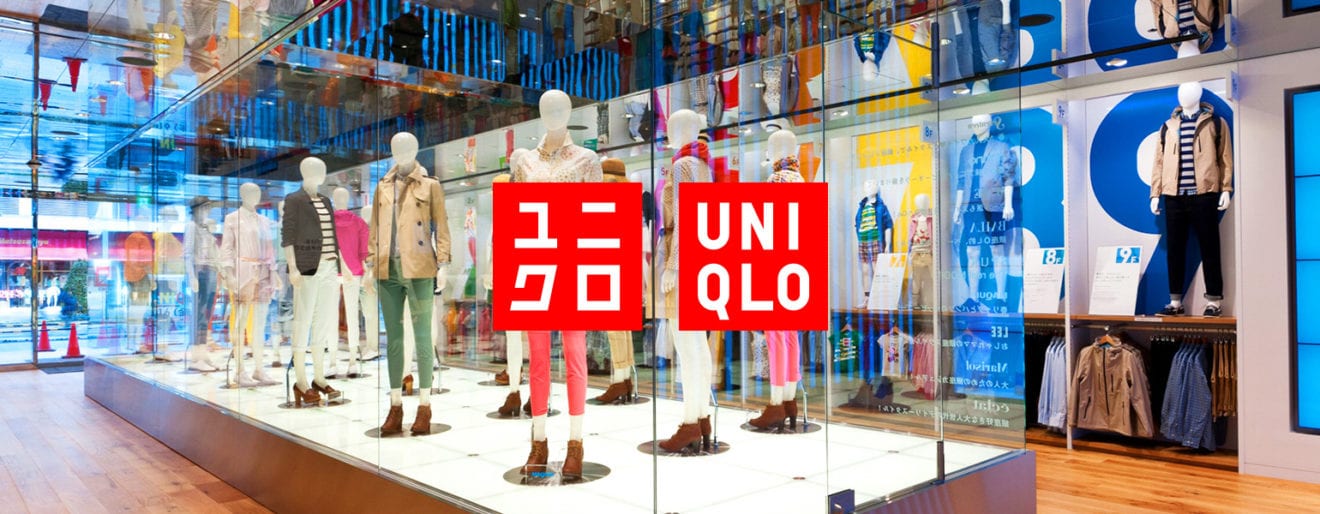
    Uniqlo, the renowned global retail brand, is expanding its presence in Kyoto by launching its pioneering global flagship store in the city. The strategic decision aims to leverage the city’s high domestic and international visitor traffic.

    The Kyoto-based Uniqlo store, spanning an impressive 3200 square meters, is set to open its doors on November 6th. The launch follows a comprehensive renovation of Uniqlo’s existing Kawaramachi store, which is currently the largest retail outlet for the brand in Kyoto.

    The Store’s Unique Layout

    Uniqlo’s new flagship store is a multi-level marvel with three airy floors above ground and a spacious basement level. It will offer a comprehensive range of LifeWear products, catering to men, women, children, and infants.

    Uniqlo is intentionally blending the brand’s LifeWear concept and service offerings with the rich traditions and cultural elements of Kyoto. The retailer’s primary aim is to mirror the city’s burgeoning popularity as an international destination.

    In a statement, Uniqlo expressed its aspiration to build a long-lasting relationship with its customers by offering them a shopping experience steeped in the multifaceted appeal of Kyoto. The brand aims at sharing Kyoto’s inherited traditions and evolving charm through their store, targeting a global audience.

    Global Expansion Plans

    Uniqlo’s decision to open a flagship store in Kyoto aligns with its ongoing efforts to penetrate international markets. As a part of its global expansion strategy, the brand reportedly plans a significant boost in its presence in India. The move involves a five-fold increase in its store network in the country, expanding from its current count to over 100 stores within the next five years. The primary focus of this ambitious expansion will be New Delhi and other major Indian cities.

    Questions & Answers

    What is the significance of Uniqlo’s new store in Kyoto?
    The global flagship store in Kyoto represents a strategic expansion in a city with high domestic and international visitor traffic. It also reflects Uniqlo’s aim to integrate local culture and traditions into its store concept.

    What can customers expect from the new Uniqlo store in Kyoto?
    Customers can look forward to a comprehensive range of Uniqlo’s LifeWear products across various categories — men, women, kids, and babies. Additionally, the store seeks to provide a unique shopping experience that blends the brand’s concept with Kyoto’s cultural elements.

    What are Uniqlo’s future expansion plans?
    Uniqlo plans to significantly enhance its presence in India, targeting a five-fold increase in its store network within the next five years. The expansion will primarily focus on New Delhi and other major cities in India.

  • Thai Shoppers Tighten Budgets: A Dive into Declining Spending-per-Bill Index

    Thai Shoppers Tighten Budgets: A Dive into Declining Spending-per-Bill Index

    In July, a decrease in consumer spending was observed among Thai shoppers, with the spending-per-bill index falling by 8.1 points to 47.0 from the previous month. The spending-per-bill component saw the greatest decrease among the main measures of the government’s Retail Sentiment Index.

    While the frequency of shopping only declined marginally (0.4 points), indicating that consumers continued to visit stores almost as regularly, the marked decrease in the spending-per-bill index illustrates a reduction in the quantity of items purchased. Households are limiting their spending to essential goods, removing less necessary items from their lists.

    Shift in Purchasing Habits

    There is also a noticeable shift towards less expensive brands or store-brand products, with discretionary and lifestyle purchases being avoided. This behavior indicates a strain on finances rather than a mere change in shopping locations. Despite the ongoing need for everyday goods, tighter budgets are resulting in both reduced quantities and lower value purchases.

    In July 2026, Thailand’s Consumer Price Index was reported to be 102.10, marking a 1.95% increase in headline inflation year-on-year from 100.15 the previous year.

    Impact of Government Stimulus Program

    In the same month, the government continued its Thais Help Thais Plus 60/40 stimulus program, with the total expenditure remaining similar to June’s figure, at roughly 43 billion baht, or about US$1.29 billion. Approximately 25.78-26 million people availed of the program, with average spending of around 1,600-1,700 baht per person.

    However, this cash injection was insufficient to counter the underlying weakness in household income. In June, the program’s inaugural month, consumers increased their spending to utilize unused entitlements. By July, users were more familiar with the program and began to distribute their spending more evenly.

    Following the use of the support for basic necessities, households had limited personal spending power for other product categories, thereby restricting the program’s wider economic impact.

    Adding to the pressure in July were heavy rains and floods in several regions, which resulted in decreased visitor numbers to medium-sized and large shopping centers.

    Questions & Answers

    What was the key reason for the decrease in the Thai spending-per-bill index in July?
    The primary reason was that households were limiting their purchases to essential goods and removing less necessary items from their shopping lists.

    How did the government’s stimulus program impact consumer spending in Thailand?
    The Thais Help Thais Plus 60/40 stimulus program helped sustain spending levels to some extent, but it was not enough to fully counter the underlying weakness in household income.

    What additional factors affected consumer spending and retail visits in July?
    Heavy rains and floods in several regions decreased the number of visitors to medium-sized and large shopping centers, thereby impacting consumer spending.

  • Vietnam’s 2026 GDP Forecast Soars to 8% Amid Robust Economic Performance: Citi Analysis

    Vietnam’s 2026 GDP Forecast Soars to 8% Amid Robust Economic Performance: Citi Analysis

    Citi Research has increased its prediction for Vietnam’s GDP growth in 2026 to approximately 8%, motivated by the country’s better-than-predicted economic performance and sturdy exports. This new forecast was announced during Citi’s economic prospect seminars held for their clients in Hanoi and Ho Chi Minh City on August 11 and 12.

    In the second quarter, Vietnam’s GDP experienced a year-on-year growth of 8.5%, a significant increase from the 7.9% growth in the first quarter. This robust performance has led Citi to adjust its annual forecast upwards to about 8%, a notable change given the previous downscale to the low-7% range following the energy-price shock earlier in March.

    Exports and Trade Relations

    Despite various predictions, Vietnam’s exports have shown more resilience than anticipated. The U.S. alone constitutes about 30% of Vietnam’s exports, with the electronics sector reaping the benefits of considerable global investment in artificial intelligence and digital infrastructure. While exports to the U.S. have decelerated since their peak in 2025, the growth remains significant.

    Trade relations with China have also seen an upswing. Vietnam’s exports of electronics and components to China have sped up, and imports of electronic inputs, energy, and chemicals have increased. This indicates a deeper integration into regional manufacturing and electronics supply chains.

    Domestic Demand and Inflation

    Domestic demand has served to balance out external pressures and those related to energy. Real retail sales dipped in early Q2 due to increasing fuel prices but later regained traction as the prices stabilized. Investment in public infrastructure has stayed strong, while the production of construction materials has continued to grow at a double-digit rate, albeit slower than in Q1.

    However, inflation continues to pose a potential risk. Consumer price inflation reached a high of 4.7% year-on-year in June. Citi anticipates that inflation may have reached its apex, considering the dip in oil prices and government steps to steady fuel costs. However, it could remain above the 4.5% target in the short term.

    Minh Ngo, Citi Country Officer and Banking Head for Vietnam, praised the country’s resilience in the face of a volatile global environment. He emphasized that Vietnam’s expanding trade ties, deeper immersion in global supply chains, and continuous infrastructure investment provide a robust foundation for long-term growth. He assured of Citi’s dedication towards helping clients adapt to changing market trends, access international capital, and seize new cross-border opportunities.

    Questions & Answers

    What has led to the rise in Vietnam’s GDP forecast for 2026?
    This is due to the country’s better-than-expected economic performance and resilient exports.

    How has domestic demand contributed to Vietnam’s economy?
    Domestic demand has proved crucial in offsetting external pressures and those related to energy. Real retail sales have recovered, and investment in public infrastructure remains solid.

    What are the key risks to Vietnam’s economy?
    Potential risks include renewed energy price volatility, weaker global demand, changing international trade conditions, and possible disruption to hydropower generation associated with El Niño.

  • Vietnam Gasoline Prices Drop as Global Oil Market Reacts to Strait of Hormuz Developments

    Vietnam Gasoline Prices Drop as Global Oil Market Reacts to Strait of Hormuz Developments

    On Thursday, gasoline prices in Vietnam experienced a modest decline compared to the previous week. The widely used E10 RON95 gasoline dipped by 0.94%, bringing the price down to VND22,110 (approximately US$0.85) per liter. There was a slightly larger drop in E5 RON92 prices, which fell by 2.26% to VND21,230. Similarly, the cost of diesel also decreased, albeit by a smaller margin of 1.13%, to VND27,230.

    Global Influence on Fuel Prices

    The Ministries of Industry and Trade and Finance in Vietnam have commented that this fluctuation in fuel prices aligns with global petroleum market trends. These markets have been recently impacted by events such as negotiations over the reopening of the Strait of Hormuz and lower demand growth forecasts for oil, released by OPEC and the International Energy Agency. The global price of RON95 gasoline decreased almost 2% to $111.7 per barrel, while diesel prices fell 1.1% to $151 per barrel.

    The Ministries also highlighted that following this latest adjustment, the cost of gasoline in Vietnam remains significantly lower than in neighboring countries, with prices ranging from VND4,600-VND22,000 per liter less.

    Comparative Fuel Prices in the Region

    When compared to the gasoline prices in nearby countries, the lower costs in Vietnam become evident. Cambodia and Thailand have gasoline prices ranging from VND26,800-VND28,400 per liter, significantly higher than in Vietnam. The disparity widens further when looking at China, where the prices exceed VND32,000 per liter, and Laos where prices surpass VND44,000 per liter.

    Questions & Answers

    What is the new price of E10 RON95 gasoline in Vietnam?
    The new price of E10 RON95 in Vietnam is VND22,110 (US$0.85) per liter.

    How have global events influenced the recent fuel price changes in Vietnam?
    Negotiations over the reopening of the Strait of Hormuz and lower oil demand growth forecasts from OPEC and the International Energy Agency have influenced the recent decrease in fuel prices in Vietnam.

    How do fuel prices in Vietnam compare to those in neighboring countries?
    Fuel prices in Vietnam are significantly lower than in neighboring countries, with gasoline prices ranging from VND4,600-VND22,000 per liter less than in countries like Cambodia, Thailand, China, and Laos.

  • Satur: South Korean Fashion Sensation Makes a Stylish Debut in Thailand

    Satur: South Korean Fashion Sensation Makes a Stylish Debut in Thailand

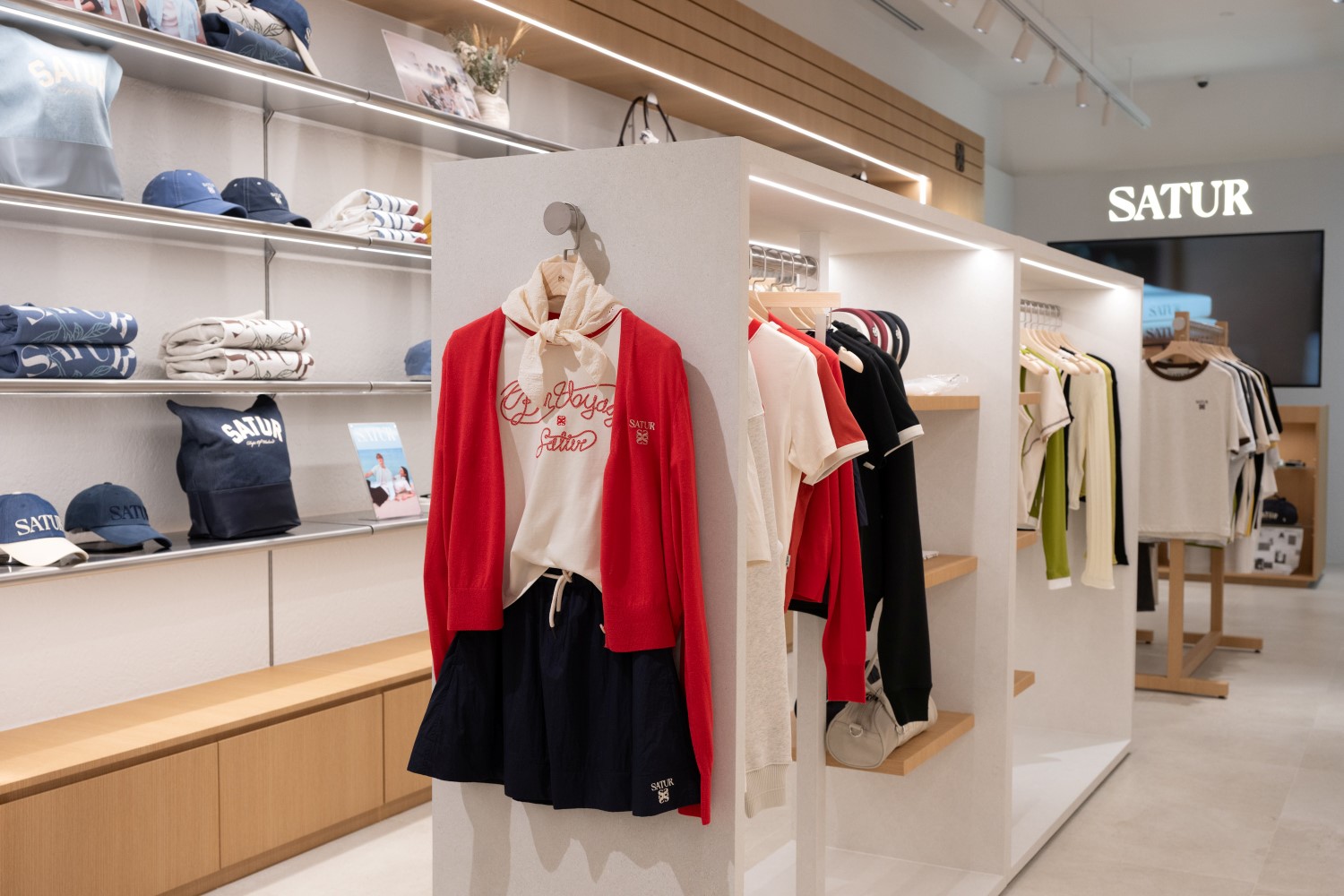
    South Korean fashion house, Satur, has announced its expansion into the Thai market, with its first flagship store opening in Central Ladprao. This move was made feasible through an exclusive partnership with the Jaspal Group, a renowned lifestyle and fashion conglomerate.

    About Satur

    Established in 2020 in Seoul by designer Son Ho-chul, Satur represents the leisurely and effortless spirit synonymous with Saturdays. The brand has garnered a reputation for its gender-neutral everyday wear, modern streetwear silhouettes, and resort-contemporary aesthetics. Its unique designs and fashion-forward approach has solidified Satur as a prominent player in the fashion industry.

    Jaspal Group’s CEO, Damien Corcoran, states that this strategic move aligns perfectly with their company’s ambition to evolve into a regional hub for fashion and lifestyle brands. Corcoran expressed his eagerness to introduce innovative and engaging brands from around the world to Thai consumers.

    He further stated, “Our mission is to leverage our strengths in nurturing and expanding our own brands, while also acting as a forward-thinking partner for international brands aiming to diversify their opportunities in Thailand and across the region.”

    Questions & Answers

    What is the South Korean fashion label that is expanding into Thailand?
    Satur, a fashion and lifestyle brand established in Seoul in 2020, is expanding into Thailand.

    Who is the exclusive distributor for Satur in the Thai market?
    The Jaspal Group will serve as Satur’s exclusive distributor in the Thai market.

    What kind of fashion does Satur offer?
    Satur is known for its gender-neutral everyday wear, modern streetwear silhouettes, and resort-contemporary aesthetics.

  • Samsonite Secures 85% Stake in Celebrity-Founded Béis: Spearheading Digital Growth with $178.5M Deal

    Samsonite Secures 85% Stake in Celebrity-Founded Béis: Spearheading Digital Growth with $178.5M Deal

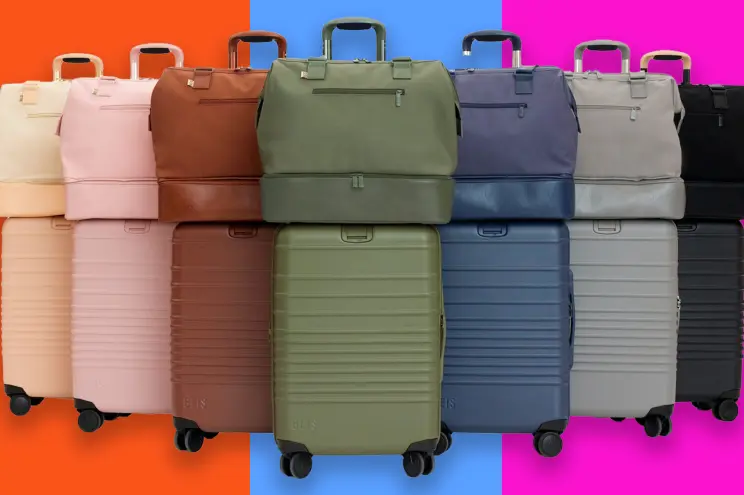
    Global luggage leader, Samsonite Group, recently announced a deal to acquire the travel brand, Béis. This California-based company, established by the Canadian actor Shay Mitchell, will sell 85 percent of its stake to Samsonite for a whopping US$178.5 million. The agreement is slated to culminate in the fourth quarter of 2026, pending the necessary approvals.

    Social Media Alignment and Future Prospects

    Samsonite, listed on the Hong Kong Exchange, shares that Béis’ combined user following, which numbers more than two million across TikTok and Instagram, matches their aim of boosting digital fluency. Samsonite’s CEO, Kyle Gendreau, extends a warm welcome to Béis, expressing his enthusiasm about the valuable addition to their family of inventive and influential brands.

    Gendreau foresees a wealth of opportunities to expedite Béis’ long-term expansion while retaining the brand’s entrepreneurial spirit, inventiveness, and robust identity that have been instrumental in its success since inception.

    From Dream to Reality

    Béis was conceived by Shay Mitchell, best known for her role in the long-standing drama series ‘Pretty Little Liars’, with the vision of offering affordable and functional luggage. Mitchell, who currently holds the position of chief creative officer at Béis, considers this development as the realization of a dream.

    Mitchell takes pride in her small but capable team’s achievement over the past eight years, expressing that joining forces with Samsonite Group allows them to dream bigger. She views Samsonite as the ideal partner, where their strengths complement each other, offering Béis avenues for growth that would have been impossible single-handedly.

    In 2025, Béis reportedly raked in about $210 million in revenue. With this acquisition, Samsonite intends to proliferate its footprint into fresh international markets. Béis’ existing leadership team will continue in their roles, with Mitchell holding onto a 15 percent stake. Beach House Group, Béis’ majority shareholder, will sell its stake as part of the deal.

    Questions & Answers

    What is the stake that Samsonite Group is acquiring in Béis?
    Samsonite Group is acquiring an 85 percent stake in Béis.

    Who is the founder of Béis and what role does she currently hold in the company?
    Béis was founded by Canadian actor Shay Mitchell, who serves as the company’s chief creative officer.

    What is Samsonite’s plan for Béis following the acquisition?
    Samsonite plans to extend Béis’ reach into new international markets while preserving the brand’s identity and creativity.