Blog

  • Wealthy Hong Kong Citizens Prioritize Travel Over Real Estate: A Paradigm Shift in Life Goals

    Wealthy Hong Kong Citizens Prioritize Travel Over Real Estate: A Paradigm Shift in Life Goals

    For affluent Hong Kong residents, the allure of real estate doesn’t hold the same level of appeal as it once did, according to a recent study. Interestingly, travel appears to be taking precedence over traditional investments like property. Only a quarter of those surveyed ranked buying a house as a significant life goal, putting it in seventh place.

    Travel as a Form of Investment

    The study interestingly revealed that immersive travel experiences were a priority for almost half of the wealthy respondents, ranking second only to early retirement. The study polled 1,058 affluent Hong Kong residents aged 30 and above, each with at least HKD1 million of investable assets.

    The report revealed that for a majority of high-net-worth individuals (HNWIs) polled, travel was not just a leisure activity but a means to “build intangible capital, broaden outlook and sustain long-term well-being”. This sentiment was shared by almost three-quarters of the HNWIs who took part in the survey.

    Among wealthy parents, there was a clear trend towards valuing overseas travel as a significant component of their child’s educational investments. It was considered more valuable than tutoring or extracurricular activities.

    The Waning Influence of Real Estate

    Despite the shifting perspective towards real estate, it’s important to acknowledge the historical importance of the sector for Hong Kong households. In the early 21st century, real estate contributed to more than 30% of the city’s GDP. However, it’s influence has been waning, declining to about 21% in 2021.

    As affluent residents shift their financial focus towards travel, the amount they are willing to spend on it is rising. On average, HNWIs planned to spend HKD345,000 on travel this year. This figure is significantly higher than the average of all respondents, though it falls below the peak recorded in 2024 when post-pandemic outbound tourism was notably popular.

    Furthermore, two-thirds of HNWIs reported that their travel expenditures exceeded their daily living expenses, including dining, entertainment, and other forms of lifestyle consumption.

    Questions & Answers

    What is the emerging trend among affluent Hong Kong residents according to the study?
    Travel is emerging as a preferred form of investment among affluent Hong Kong residents, with immersive travel experiences ranking high on their list of priorities.

    How did real estate rank in the life goals of wealthy Hong Kong residents?
    Only 24% of the respondents chose buying their first home or owning a dream home as one of their life goals, making it the seventh most popular life goal.

    Are high-net-worth individuals spending more on travel compared to daily living expenses?
    Yes, two-thirds of high-net-worth individuals reported spending more on travel than on daily living expenses like dining, entertainment, and lifestyle consumption.

  • Amazon Tycoon Jeff Bezos Sets Sights on Premier League Glory with Liverpool Stake Acquisition

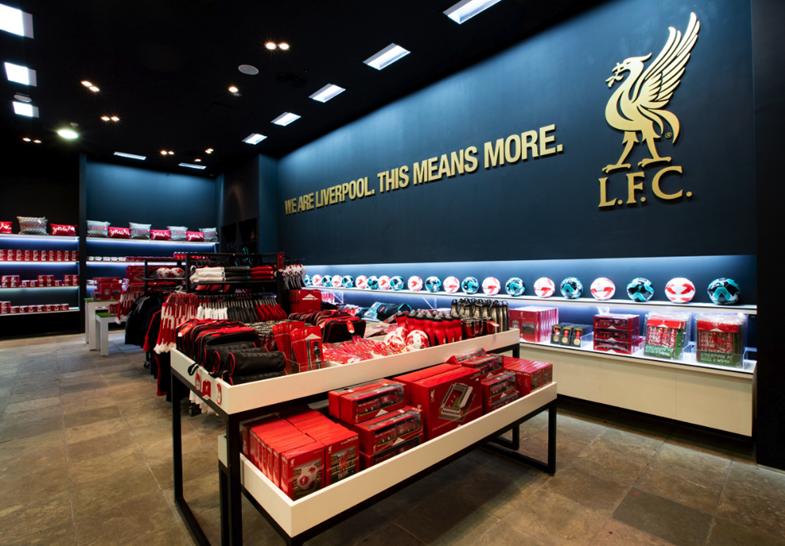
    Amazon Tycoon Jeff Bezos Sets Sights on Premier League Glory with Liverpool Stake Acquisition

    A consortium spearheaded by Jeff Bezos, Amazon’s founder, is on the brink of securing a one-third stake in Premier League team Liverpool. The consortium is reportedly being directed by Amit Bhatia, who is the son-in-law of steel tycoon Lakshmi Mittal and previously held shares in the English Championship club Queens Park Rangers. Alongside Bezos and Bhatia, the group of investors also boasts Eduardo Saverin, a co-founder of Facebook.

    A Strategic Minority Investment

    Last month, a spokesperson from Liverpool’s current owner, Fenway Sports Group (FSG), confirmed that a consortium managed by Amit Bhatia is contemplating a strategic minority investment in Liverpool Football Club. The proposed investment would value the club around GBP 4.4 billion (US$5.9 billion), which would mark one of the largest evaluations in a football club deal to date.

    FSG has been probing potential outside investments in recent years, while maintaining command of the club. If the proposed valuation is finalized, it would highlight the substantial growth of Liverpool’s value during FSG’s 16-year tenure.

    Transformative Times for Liverpool

    This potential investment emerges at a time of considerable transformation for Liverpool, both on and off the football pitch. Despite significant expenditure on new players, the club only managed a fifth-place finish in the Premier League last season. In response, they have replaced Dutch manager Arne Slot with former Bournemouth boss Andoni Iraola, hoping to revamp their fortunes. Additionally, the club’s influential Egyptian forward, Mohamed Salah, has also left the team.

    Michael Edwards, who was instrumental in shaping the Liverpool squad that clinched their first domestic league title in 30 years in 2020, stepped down as the chief executive officer of football at Fenway Sports Group in July.

    Despite the changes, Liverpool remains one of the most successful and valuable clubs in global football, with a massive fan base that stretches around the world. The team has an impressive record, with 20 English league titles, six European Cups, eight FA Cups, a record ten League Cups, and one FIFA Club World Cup to their name.

    Questions & Answers

    Who is leading the consortium potentially acquiring a stake in Liverpool Football Club?
    The consortium is led by Jeff Bezos, founder of Amazon, and includes Amit Bhatia and Eduardo Saverin.

    What is the potential valuation of Liverpool Football Club following this investment?
    The investment could potentially value the club at approximately GBP 4.4 billion (US$5.9 billion).

    What significant changes have occurred at Liverpool recently?
    Liverpool has seen several changes, including finishing fifth in the Premier League last season, parting ways with manager Arne Slot, and losing key player Mohamed Salah.

  • DayOne Data Centers Eyes $5B US IPO Amid Booming AI Infrastructure Demand

    DayOne Data Centers Eyes $5B US IPO Amid Booming AI Infrastructure Demand

    DayOne Data Centers, the Singapore-based data center operator, has announced its plans to file for a U.S. initial public offering (IPO). The move comes as the firm aims to raise approximately $5 billion, given the increasing demand for AI infrastructure.

    Anticipated Launch and Funding

    Founded in 2022, the company intends to list its shares as early as the next quarter. This move follows the successful closure of a $4.5 billion Series C funding round in June. The round was primarily led by Coatue Management and Hillhouse, two of DayOne’s largest shareholders. Newcomers ACHI Capital Partners and the Indonesia Investment Authority also contributed to the funding round.

    The newly secured funds are expected to boost DayOne’s expansion plans in critical markets. The company is particularly keen on enhancing its presence in Singapore, Malaysia, Indonesia, Thailand, Japan, Hong Kong, Finland, and Spain.

    Assets and Future Plans

    At present, DayOne has secured over 1.5 gigawatts of bookings for capacity across Asia-Pacific and Europe. Its prominent investor base includes China’s GDS Holdings, SoftBank Vision Fund, and Citadel’s Ken Griffin.

    DayOne’s assets portfolio comprises approximately 480 megawatts of data center capacity either currently in service or under construction. It also has a further 590 MW reserved for future development across key locations in Hong Kong, Indonesia, Japan, Malaysia, and Singapore.

    The rise of artificial intelligence (AI) has sparked considerable investor interest in data centers. For instance, Australia’s Firmus Technologies recently reported receiving commitments for a $2 billion investment round.

    As the industry continues to grow, other data center operators like Switch and Nscale are also preparing for their U.S. IPOs in 2026.

    Questions & Answers

    What is the purpose of DayOne Data Centers’ IPO?
    The company is aiming to raise approximately $5 billion amid the growing demand for AI infrastructure.

    Who led the recent Series C funding round for DayOne?
    The round was led by Coatue Management and Hillhouse, two of DayOne’s largest shareholders.

    What is the current status of DayOne’s assets portfolio?
    DayOne presently has around 480 megawatts of data center capacity that are in service or under construction, with an additional 590 MW reserved for future expansion.

  • Sustainable Snacking: Aussie Trial Launches KitKat Bars in Recycled Packaging

    Sustainable Snacking: Aussie Trial Launches KitKat Bars in Recycled Packaging

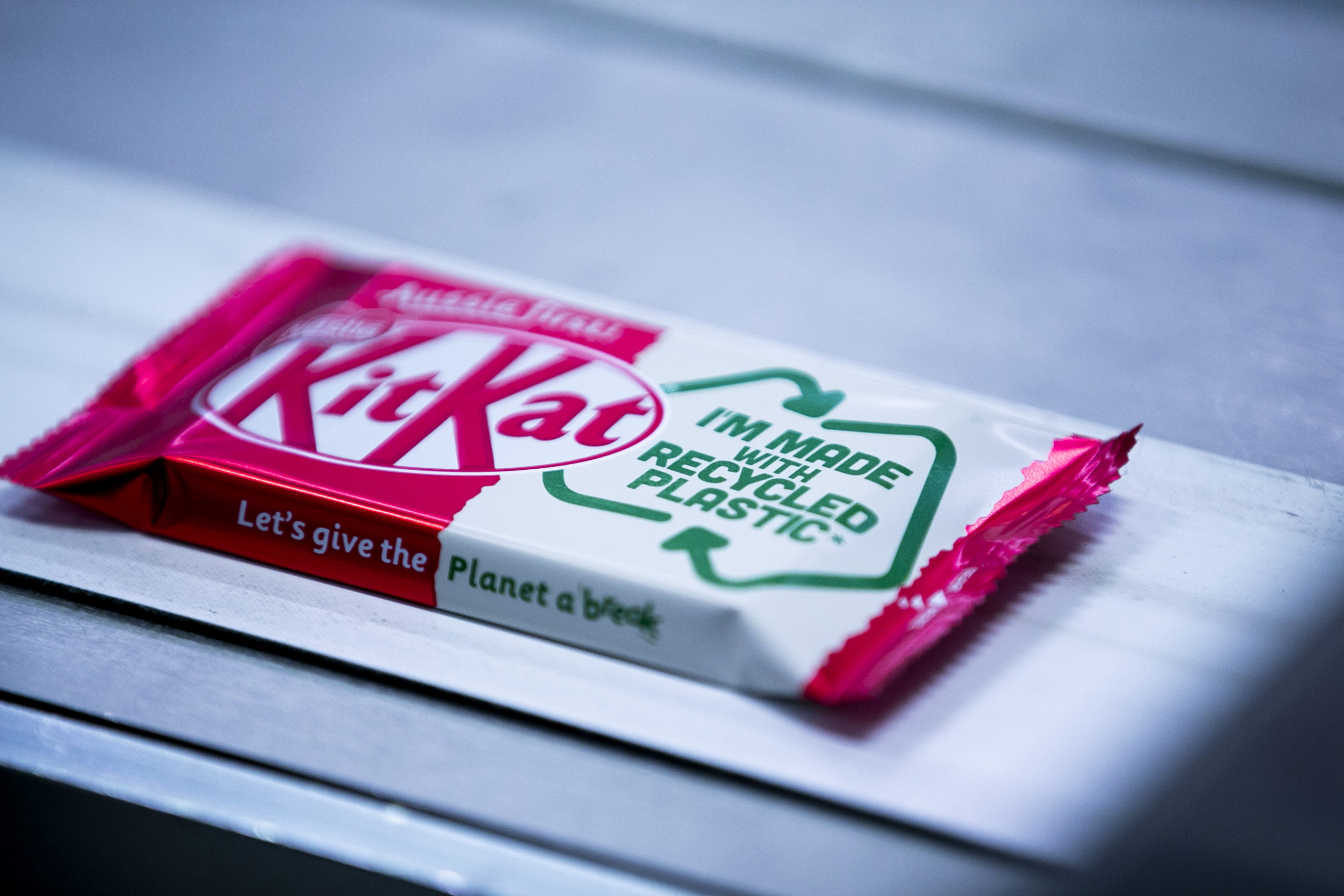
    A unique production run of the popular KitKat 4 Finger chocolate bars is now available in Australia, with the chocolate bars enclosed in wrappers made from locally recycled polypropylene (PP). This initiative is part of an experimental collaboration between Viva Energy and Nestlé, where soft plastic pyrolysis oil is transformed into food-grade recycled polypropylene.

    Recycling Plastic into Edible Packaging

    The experimental journey commenced in Victoria and extended across the entire production chain. Viva Energy processed over 9.5 tonnes of pyrolysis oil from plastics at its Geelong Refinery last year. This led to the creation of approximately 5 tonnes of recycled PP. The recycled PP was then used to fabricate seven million ISCC-certified KitKat wrappers in March, a joint venture involving Taghleef Industries and Amcor. The KitKat 4 Finger bars now on the market are encased in these environmentally friendly wrappers.

    The pyrolysis oil derived from plastic was imported from Alterra in the United States for the trial, as Australia lacked the necessary materials at a commercial scale. To ensure the origin and journey of the recycled material were traceable, ISCC certification was implemented across the production chain.

    The Geelong Refinery and the connected polymers plant, both owned by Viva Energy, are the only facilities in Australia with the capability to convert waste soft plastics into food-grade plastic feedstock chemically.

    Creating a Circular Plastics Economy

    Viva Energy’s executive GM energy and infrastructure, Bill Patterson, emphasized that the trial had proven that soft plastics pyrolysis oil could be used as a feedstock. This demonstrated the potential of adapting existing industrial infrastructure to support a circular plastics economy.

    This trial project stemmed from a partnership formed in 2022 between Viva Energy and Nestlé, when the companies first used recycled soft plastic packaging for KitKat 4 Finger bars. Andrew Lawrey, Nestlé Oceania confectionery GM, expressed that the trial could provide valuable insights into the design of future packaging and commercial-scale recycling processes.

    This ambitious plan’s successful implementation will rely on the domestic supply of feedstock, efficient collection and sorting systems, robust recycling infrastructure, and a comprehensive producer responsibility scheme.

    Viva Energy and Cleanaway are currently conducting a feasibility study on a large-scale plastics recycling project. The Front-End Engineering and Design phase is anticipated to commence after the Australian Government finalizes the details regarding its packaging reforms.

    Questions & Answers

    What material are the new KitKat 4 Finger wrappers made from?
    The wrappers are made from locally recycled polypropylene.

    Why was the pyrolysis oil for the trial imported from the US?
    The necessary materials for producing pyrolysis oil were not available at a commercial scale in Australia.

    What could be the impact of this trial on future packaging design and recycling processes?
    The trial could lead to more sustainable packaging design and improved commercial-scale recycling processes.

  • Mid-Autumn Festival Mooncakes Soar in Price: Navigate the 20% Hike in this Popular Traditional Treat

    Mid-Autumn Festival Mooncakes Soar in Price: Navigate the 20% Hike in this Popular Traditional Treat

    Mooncakes, a beloved traditional treat during the mid-autumn festival, have seen a noticeable rise in price this year. The increase, ranging from 3 to 20 percent, is attributed to heightened costs for ingredients, labor, and packaging. As a result, consumers have found themselves paying more for the festive delicacies.

    The Price of Tradition

    Hoa, a resident of HCMC’s Gia Dinh Ward, was taken aback when she discovered that a pack of four mooncakes, which she purchased last year for VND700,000, is now priced between VND830,000-850,000 in many stores. Shockingly, some vendors even charge up to VND1 million for the same box.

    Locally-made mooncakes from small bakeries and shops are equally affected. Consumers can expect to pay 7-8% more for cakes with traditional fillings such as red bean, taro, and lotus seed paste. For mooncakes with mixed fillings, the price hike reaches 10%.

    Tran Tien Dung, proprietor of a long-standing mooncake bakery in HCMC’s Cau Kieu Ward, admitted to increasing his prices by 15% in response to a 30-40% surge in the cost of ingredients and labor.

    However, it appears larger manufacturers have taken a more conservative approach. KIDO, for instance, has only implemented a 3-5% price increase for some mooncake varieties, leaving the rest of its offerings at their original price.

    Online Shopping and Consumer Caution

    As the festival approaches, selling mooncakes online has become a widespread practice. Online offerings often include non-traditional fillings, such as tiramisu or molten salted egg. These mooncakes, often marketed as homemade, can be found at half or even a quarter of the price set by physical stores.

    However, the HCMC Department of Food Safety has advised consumers to be cautious when buying online. They stress the importance of purchasing from sellers who clearly state their production facilities and ingredient sources.

    Questions & Answers

    Why have mooncake prices increased?
    Prices have risen due to increased costs for ingredients, labor, and packaging.

    How much have prices increased for traditional filling mooncakes?
    Mooncakes with traditional fillings have seen a price increase of 7-8% this year.

    What advice has been given for buying mooncakes online?
    The HCMC Department of Food Safety recommends buying from sellers who clearly state their production facilities and ingredient sources.

  • Cambodia’s Trade Flourishes: $44B Turnover in 7 Months Marks 21.3% YoY Growth

    Cambodia’s Trade Flourishes: $44B Turnover in 7 Months Marks 21.3% YoY Growth

    Cambodia’s trade activity demonstrated remarkable growth in the first seven months of 2026, with a 21.3% increase in year-on-year total trade, reaching $44.07 billion. This surge came alongside a widening trade gap of $2.44 billion, a rise from the previous year’s deficit of $1.99 billion.

    This surge is attributed to an uptick in both exports and imports, which rose by 21.3% and 21.4% respectively. According to recent data from Cambodia’s General Department of Customs and Excise (GDCE), exports amounted to $20.81 billion, while imports were slightly higher, totaling $23.26 billion.

    Cambodia’s Trade Relations

    The data further revealed that China remained Cambodia’s most valuable trading partner. Trade activities between the two nations escalated by 23.9%, amassing $13.63 billion. Exports to China saw a 24.2% increase, translating to $1.1 billion, which indicates a robust demand for Cambodian goods. On the other hand, imports from China also saw a boost, rising by 23.8% to reach $12.52 billion.

    Apart from China, Cambodia also enjoyed a profitable trade surplus with the United States. Bilateral trade with the U.S. soared by 32.2%, amounting to $9.42 billion. This surge was primarily driven by a 30.6% increase in Cambodian exports to the U.S., particularly in sectors such as garments, footwear, and other manufactured products, which totaled $9.05 billion. Simultaneously, imports from the U.S. more than doubled, showcasing an 87% rise and hinting towards an expansion of bilateral trade relations.

    Trade activity with Vietnam also saw an enhancement, growing by 8.2% to reach $5.35 billion. Exports to Vietnam rose by 12.4%, yielding $2.73 billion, while imports amounted to $2.62 billion, showing a 4.2% increase.

    Questions & Answers

    What is the total value of Cambodia’s trade in the first seven months of 2026?
    The total value of Cambodia’s trade in the first seven months of 2026 is $44.07 billion, marking a 21.3% increase from the previous year.

    Who are Cambodia’s main trading partners?
    Cambodia’s main trading partners are China, the United States, and Vietnam.

    What factors contributed to the surge in bilateral trade between Cambodia and the U.S.?
    The surge in bilateral trade between Cambodia and the U.S. is largely attributed to a significant increase in Cambodian exports, particularly in garments, footwear, and other manufactured products.

  • Telkom Finalizes $4.8 Billion Spinoff of InfraNexia Network Assets, Paving Way for Enhanced Connectivity Services

    Telkom Finalizes $4.8 Billion Spinoff of InfraNexia Network Assets, Paving Way for Enhanced Connectivity Services

    Telkom Indonesia has disclosed the completion of its two-step division of network infrastructure assets into its operational subsidiary, InfraNexia. The entire transaction, amounting to IDR 85.7 trillion (equivalent to USD 4.8 billion), was first proposed in September 2025 and received shareholder approval in December of the same year.

    Phase Breakdown

    The initial stage of the spinoff was settled in January 2026. This entailed transferring over half of Telkom’s fiber network infrastructure, including elements contributing to access, aggregation, backbone, and other supporting segments, to lay the groundwork for InfraNexia’s operational activity. In the second stage, InfraNexia has taken over 90% of Telkom’s network infrastructure assets and business portfolio, thus expanding its operational capacity.

    Despite the division, Telkom will maintain a 99.9% share in InfraNexia, enabling it to operate as a wholly-owned subsidiary that offers neutral wholesale connectivity services. InfraNexia will now manage approximately 112,000 km of fiber-optic networks throughout Indonesia, of which 26,000 km are domestic subsea cables spread across the archipelago.

    Future Developments

    Lukman Hakim Abd. Rauf, President Director of InfraNexia, articulated that with the growing integration of assets, the company aims to enhance its primary services, including 5G backhaul, wholesale network, and FTTx, as well as passive infrastructure sharing. Lukman also anticipates that these advancements will set up InfraNexia to back the expansion of AI, cloud services, and data centers in Indonesia.

    Dian Siswarini, President Director of Telkom, emphasized that the InfraNexia spinoff is a significant move towards expediting Telkom Group’s business transformation as part of its TLKM 30 strategy. This strategy targets the monetization of high-value infrastructure assets like data centers, towers, and fiber networks to stimulate new growth possibilities for the future. She expressed confidence that the establishment of InfraNexia would enable the company to deliver faster, more reliable, and superior quality services to enhance customer experience.

    Questions & Answers

    What is the total transaction value of the spinoff?
    The total transaction value of the spinoff is IDR 85.7 trillion, which is approximately USD 4.8 billion.

    What will InfraNexia focus on enhancing post the spinoff?
    InfraNexia plans to strengthen its primary services, such as 5G backhaul, wholesale network, and FTTx, alongside passive infrastructure sharing.

    How will InfraNexia support the growth of AI, cloud services, and data centers in Indonesia?
    With an increasingly integrated asset base and a robust network infrastructure, InfraNexia is poised to provide the necessary connectivity and infrastructure support for the growth of AI, cloud services, and data centers in Indonesia.

  • Vietnam’s Pepper Exports Soar Past $1B in First 7 Months, Up 10.1% YoY

    Vietnam’s Pepper Exports Soar Past $1B in First 7 Months, Up 10.1% YoY

    In the first seven months of this year, Vietnam experienced a significant boost in its pepper export industry, achieving a total value of US$1.08 billion, which reflects a 10.1% increase from the same period last year. According to data from the Vietnam Pepper and Spice Association, the quantity of exported pepper reached a total of 168,429 tonnes, marking a 16.1% growth year-on-year.

    Global Markets for Vietnamese Pepper

    Asia continued to be the leading buyer of Vietnamese pepper, with imports totalling 76,845 tonnes. This figure represents a 12.3% increase from the previous year and accounts for 45.6% of Vietnam’s total pepper exports. Meanwhile, exports to America surged by 34% to 45,470 tonnes, and exports to Europe grew by 7.5%, reaching 36,140 tonnes. Africa also saw a 10% rise in imports, with a total of 9,964 tonnes.

    Within these regions, the U.S. remained the largest single market, with imports totalling 40,712 tonnes, reflecting a 31.8% increase year-on-year. Following closely behind, China imported 17,110 tonnes, marking a notable 55.8% growth. Other significant importers included the Netherlands and Thailand, which imported 6,136 tonnes and 6,913 tonnes, respectively. However, not all markets showed growth; exports to Germany and India declined by 18.1% and 26.4% respectively.

    On the other hand, Vietnam’s pepper imports reached a total of 48,812 tonnes, valued at $279.3 million. This represents a substantial increase of 55.1% in volume and 43% in value compared to the previous year. The leading supplier was Cambodia, which accounted for a staggering 52.1% of all inbound pepper, with imports increasing by 256.9% to a total of 25,413 tonnes.

    Vietnamese Pepper Industry’s Future Outlook

    Le Viet Anh, chairman of the Vietnam Pepper and Spice Association, anticipates that pepper prices will remain stable in the foreseeable future, assuming there are no major geopolitical disruptions. Despite facing increasing competition for land and stringent regulations, particularly the European Union Deforestation Regulation, the Vietnamese pepper industry remains optimistic.

    The association has suggested that the industry should shift its focus from expanding production to enhancing the quality, branding, and value addition of its products. In response to this, companies are being encouraged to increase investments in certified raw materials, strengthen collaborations with farmers, improve pesticide residue controls, enhance traceability systems, and fulfil all technical standards required by importing markets.

    Moreover, embracing sustainable practices such as regenerative agriculture, circular economy models, lower carbon emissions, and smarter water usage is recommended. These measures align with the rising trend of green consumption and can contribute to the industry’s resilience and future success.

    Questions & Answers

    What was the total value of Vietnam’s exported pepper in the first seven months of this year?
    The total value was US$1.08 billion, a 10.1% increase from the same period last year.

    Which countries are the largest importers of Vietnamese pepper?
    The U.S. and China are the largest importers, with the U.S. importing 40,712 tonnes and China importing 17,110 tonnes in the first seven months of this year.

    What future strategies are being proposed for the Vietnamese pepper industry?
    The Vietnam Pepper and Spice Association recommends enhancing the quality and branding of products, improving controls and traceability systems, fulfilling importing market standards, and embracing sustainable practices.

  • Golden Gaytime and Cinnabon Blend Nostalgia and Indulgence in New Frozen Treat for Australia

    Golden Gaytime and Cinnabon Blend Nostalgia and Indulgence in New Frozen Treat for Australia

    Golden Gaytime, a well-loved brand belonging to Streets Ice Cream, has teamed up with the renowned bakery chain, Cinnabon, to debut a co-branded frozen dessert in Australia. Named “Junior,” this innovative dessert fuses Cinnabon’s signature cinnamon and cream cheese flavors with Golden Gaytime’s chocolate coating and biscuit crumb outer layer.

    Meeting Consumer Demands with a Sweet Collaboration

    The launch of this novel frozen treat is in response to the increasing consumer preference for nostalgic food combinations and rich, indulgent products. The promotional campaign for the dessert humorously portrays a fictional romance between the two brands. This unique narrative is designed to not just attract but also engage consumers, sparking conversations and fueling a sense of camaraderie among fans.

    The single-serving of this dessert will be available at petrol stations and convenience stores across Australia. Furthermore, a four-pack variant of the treat is slated for release on August 24 in supermarkets throughout the country.

    Kalli Swaik, the Managing Director for Streets Ice Cream ANZ, said, “Golden Gaytime has always maintained a light-hearted brand image, so representing this collaboration as a love story seemed like the perfect way to generate buzz.”

    Cinnabon’s Growth Strategy

    For Cinnabon, which operates over 2,400 bakeries in 65 countries worldwide, this project aligns with its ongoing multi-channel licensing strategy. The bakery chain emphasizes on extending its growth beyond physical outlets by infiltrating commercial grocery channels.

    In a similar vein, Streets Ice Cream also previously partnered with home fragrance brand Dusk, broadening their product range to include home fragrances, bath, and personal care products.

    Questions & Answers

    What unique features does the new dessert from Golden Gaytime and Cinnabon offer?
    The dessert combines Cinnabon’s cinnamon and cream cheese flavors with Golden Gaytime’s chocolate coating and biscuit crumb outer layer.

    Where can consumers purchase this new frozen treat?
    The dessert can be purchased at petrol stations and convenience stores across Australia, and a four-pack variant will be available in supermarkets from August 24.

    What is Cinnabon’s approach towards growth?
    Cinnabon focuses on driving growth outside its physical storefronts by entering commercial grocery channels as a part of its multi-channel licensing strategy.

  • Coca-Cola Europacific Partners Teams Up with Visy for Sustainable, Efficient Freight Transport Deal

    Coca-Cola Europacific Partners Teams Up with Visy for Sustainable, Efficient Freight Transport Deal

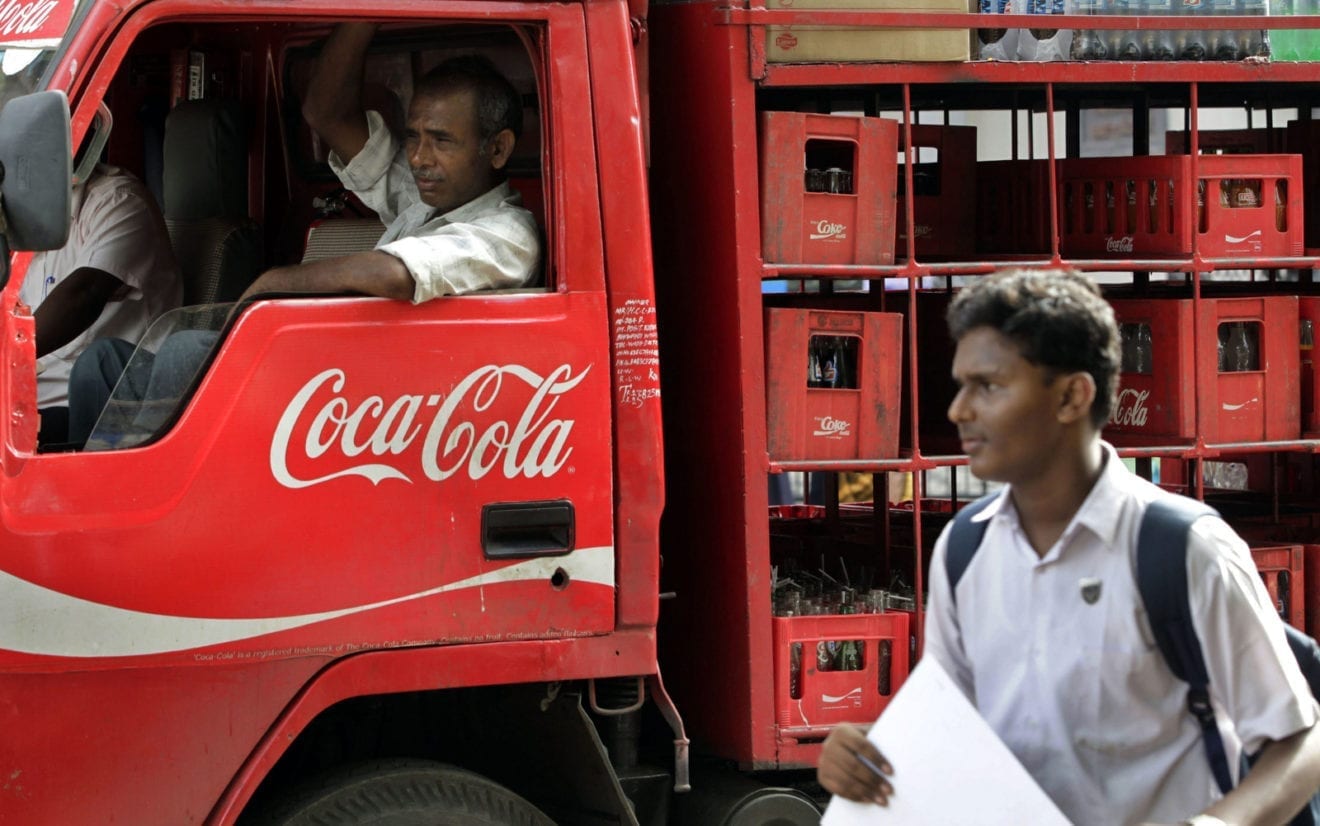
    Coca-Cola Europacific Partners (CCEP) in the Australia Pacific region has formed a strategic partnership with Visy to oversee freight transport on select national transit paths.

    Partnership Details

    Within the framework of Visy’s national fleet network, CCEP is set to reap the benefits of dependable capacity, operational adaptability, and state-of-the-art transport facilities. This includes access to Volvo FH600 prime movers and high-capacity 36-pallet trailer configurations.

    These uniquely configured trailers enable CCEP to transport 6% more goods per journey compared to the standard 34-pallet configurations, thus reducing the total number of road trips. The incorporation of Euro 6 engines is anticipated to decrease CCEP’s freight fuel consumption by 5%.

    Tim Chapman from CCEP Australia Pacific stated the importance of having the right partners across their supply chain, given the company’s role in manufacturing and moving some of Australia’s favorite beverages on a daily basis. He noted that Visy Logistics provides the necessary scale and linehaul ability to support this, while also granting access to higher-capacity equipment for a more efficient and sustainable supply chain.

    The partnership agreement includes plans for dedicated CCEP branding to be displayed on select Visy Logistics trailers as they transport goods interstate.

    Partnership Goals

    The collaboration aims to ensure stable, efficient product distribution for the beverage distributor, while also addressing corporate supply chain sustainability goals through the use of modernized freight equipment.

    Wayne Boxshall, president of Visy Logistics Australia, spoke about the partnership reflecting the robustness of their transport capabilities and their consistent delivery of high-quality results for their clientele.

    Visy made headlines earlier this year with the announcement of its investment in a new packaging hub in Devonport, which will supply cardboard packaging throughout Tasmania.

    Questions & Answers

    What benefits will CCEP gain from its strategic partnership with Visy?
    CCEP will gain reliable capacity, operational flexibility, and access to modern transport facilities, including high-capacity trailers and Euro 6 engines, which are expected to decrease CCEP’s freight fuel consumption by 5%.

    How will the partnership affect product distribution?
    The partnership aims to ensure consistent, efficient product distribution for CCEP, while addressing corporate supply chain sustainability targets through modernised freight equipment.

    What future plans does the partnership include?
    The agreement includes plans for dedicated CCEP branding to be displayed on select Visy Logistics trailers as they transport goods interstate.

  • Avian Flu Outbreak: Mandatory Lockdown for Victorias Poultry Farms to Protect Public Health

    Avian Flu Outbreak: Mandatory Lockdown for Victorias Poultry Farms to Protect Public Health

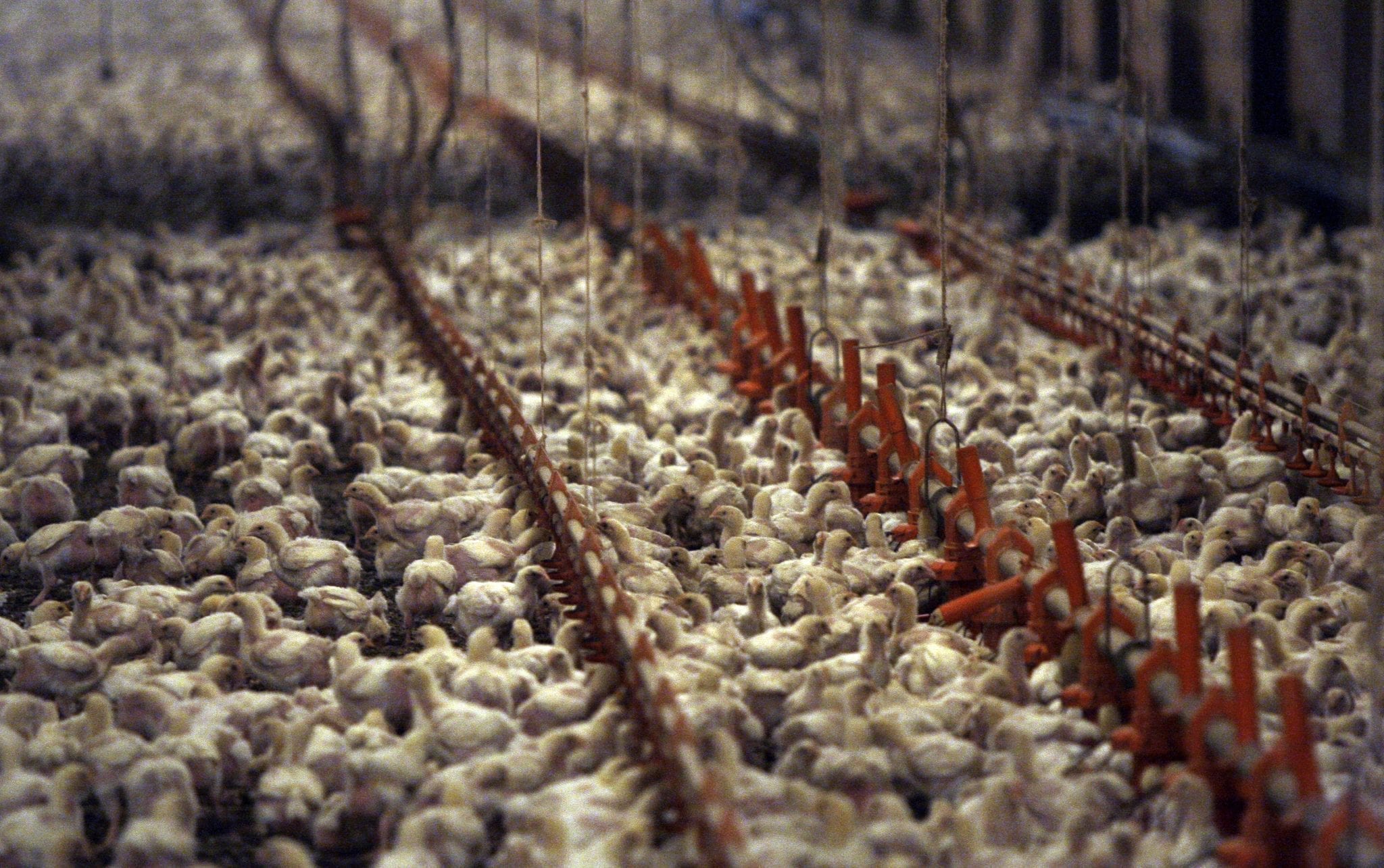
    The state of Victoria has implemented a compulsory housing mandate for certain chicken flocks due to the ongoing detection of H5N1 avian influenza in newly affected areas. This regulation will be in force for 14 days, until August 21, and will pertain to individuals, households, and businesses that own 50 or more chickens in metropolitan Melbourne, coastal regions, and neighbouring zones. The regulation stipulates that chickens must be housed or confined in a way that prevents them from interacting with wild birds or other wildlife off the premises.

    Mitigating the Risk of Disease Spread

    According to the Victorian Government, this action is designed to decrease the likelihood of the virus infiltrating chicken flocks. In areas not included in the local government’s mandate, while confinement is not obligatory, it is suggested where feasible. The goal is to ensure that farm animals are not in contact with wild fauna.

    Victoria’s chief veterinary officer, Graeme Cook, mentioned that the spread of bird flu in Yambuk, Apollo Bay, and Clyde necessitates an increased response in some areas. Beth Cookson, Australia’s chief veterinary officer, stated that testing had identified an additional 20 H5 positive cases in Victoria, all in larger crested terns from the Portland and Nelson regions. So far, Australia has documented 175 confirmed or probable positive detections. No occurrences have been reported in poultry or Australia’s agricultural production system, and the risk to humans remains very low.

    Repercussions of the Avian Influenza Outbreak

    Following the detection of H5 in a migratory bird near Esperance, a prominent poultry company decided to place its Western Australian operations into lockdown in June. The avian influenza outbreak has also led to disruptions in poultry exhibitions. The Royal Adelaide Show has called off its bird and poultry displays planned for the upcoming month, and the Victorian Government is contemplating comparable steps with the Royal Melbourne Show.

    In the meantime, the ACCC has permitted farmers to keep their chickens indoors, allowing them to continue using free-range egg cartons while avian influenza controls are operational. Victoria is the first Australian state to implement a compulsory chicken housing mandate.

    Questions & Answers

    What is the purpose of the mandatory housing requirement for poultry in Victoria?
    The requirement is designed to prevent contact between poultry and wild birds or wildlife, reducing the risk of avian influenza infiltrating poultry flocks.

    Who does this requirement apply to?
    The requirement applies to individuals, households, and businesses that own 50 or more chickens in metropolitan Melbourne, coastal regions, and some neighbouring areas.

    What measures are being taken regarding poultry exhibitions?
    The Royal Adelaide Show cancelled its bird and poultry displays, and the Victorian Government is considering similar actions with the Royal Melbourne Show.

  • Fast-fashion Giant Shein Eyes Hong Kong IPO Amid Revenue Challenges, Targeting $30-$40 Billion Valuation

    Fast-fashion Giant Shein Eyes Hong Kong IPO Amid Revenue Challenges, Targeting $30-$40 Billion Valuation

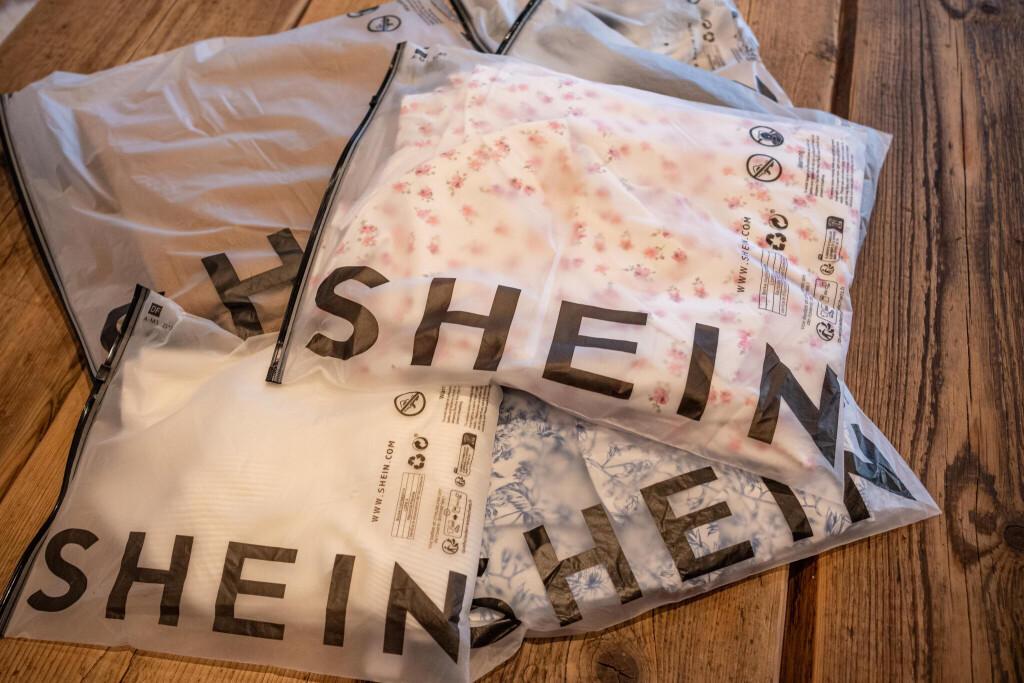
    Fast-fashion online retailer Shein is preparing to debut its Initial Public Offering (IPO) in Hong Kong as early as next Wednesday, according to individuals privy to the matter.

    The Singapore-based enterprise has engaged in marketing its share offering to potential investors this week, per a source who is familiar with these marketing strategies. When approached for a comment, Shein chose not to respond immediately.

    In its projected IPO, Shein is aiming for a valuation within the range of US$30 billion to $40 billion.

    Facing Market Challenges

    The much-anticipated IPO comes amidst a backdrop of toughening market conditions, including decelerating revenue growth and weaker core earnings, both of which are impacting Shein’s business operations. There are also concerns that its swift expansion may be hitting obstacles due to rising trade costs, increased regulatory scrutiny, and growing competition in the global e-commerce sector.

    Renowned for selling affordable clothing items such as $5 dresses and $10 jeans to customers in approximately 160 nations, Shein reported a quarterly loss of $99 million after the US retracted an import duty exemption on small parcels, in addition to a $328 million fair-value charge on convertible redeemable preferred shares due to an accounting change.

    Discrepancy in Valuation

    The valuation target set by the company for the IPO marks a significant shift from preceding private fundraising rounds which pegged Shein at $98.2 billion in 2022. However, this value declined to $64 billion in 2023 and April 2024.

    Questions & Answers

    What is Shein’s targeted valuation for its IPO?
    Shein is aiming for a valuation between US$30 billion and $40 billion for its IPO.

    What factors have led to concerns about Shein’s rapid expansion?
    Rising trade costs, increased regulatory scrutiny, and growing competition in the global e-commerce sector have raised concerns about Shein’s quick growth.

    What changes in Shein’s valuation have been observed in recent years?
    Shein was valued at $98.2 billion in 2022 in private fundraising rounds, but this figure fell to $64 billion in 2023 and April 2024.

  • Misto Holdings Powers Rapid Expansion of JuunJ in Greater China with Samsung C&T Partnership

    Misto Holdings Powers Rapid Expansion of JuunJ in Greater China with Samsung C&T Partnership

    Misto Holdings is moving forward with the broadening of Korean designer brand JuunJ throughout Greater China. This expansive action comes on the heels of the premier flagship store’s grand opening in Beijing’s Sanlitun Taikoo Li on August 4th.

    A Robust Partnership

    The expansion is facilitated through a partnership between Misto and Samsung C&T Fashion Division, which is slated to manage JuunJ’s distribution across Greater China for the next decade through its subsidiaries in Shanghai and Hong Kong.

    The Beijing store marks the second location of JuunJ brought to life by Misto in the area, following the debut of another store in Chengdu Taikoo Li in Sichuan province just last month.

    Misto’s approach to this expansion is a comprehensive blend of physical retail, digital marketing, and localized brand management. They utilize their extensive experience in supporting Korean fashion brands in China to make this venture a success.

    Strengthening Presence

    “JuunJ is among the leading global designer brands of Samsung C&T Fashion Division, and our focus is on ensuring that its distinct brand value and creative identity reach consumers across Greater China,” shared a spokesperson for Misto Holdings. “In collaboration with Samsung C&T Fashion Division, we are committed to augmenting JuunJ’s regional presence while simultaneously broadening our collection of premium global fashion brands.”

    As Misto continues to leverage the solid momentum from a strong first quarter, this move comes at an opportune time. In May, the South Korean fashion and golf group reported an impressive revenue of KRW1.3 trillion (US$864.9 million), showing a 4.2% growth year on year, thanks to the significant demand for golf equipment and K-fashion brands.

    Questions & Answers

    What is the significance of Misto Holdings’ expansion?
    The expansion is a strategic move to broaden the Korean designer brand JuunJ’s presence throughout Greater China, utilizing a blend of physical and digital strategies.

    What role is Samsung C&T Fashion Division playing in this expansion?
    Samsung C&T Fashion Division is partnering with Misto Holdings to manage JuunJ’s distribution across Greater China through its subsidiaries in Shanghai and Hong Kong.

    How is Misto Holdings’ performance in the first quarter of the year?
    Misto Holdings reported solid first-quarter momentum with a revenue of KRW1.3 trillion (US$864.9 million), a 4.2% increase year on year, driven by the high demand for golf equipment and K-fashion brands.

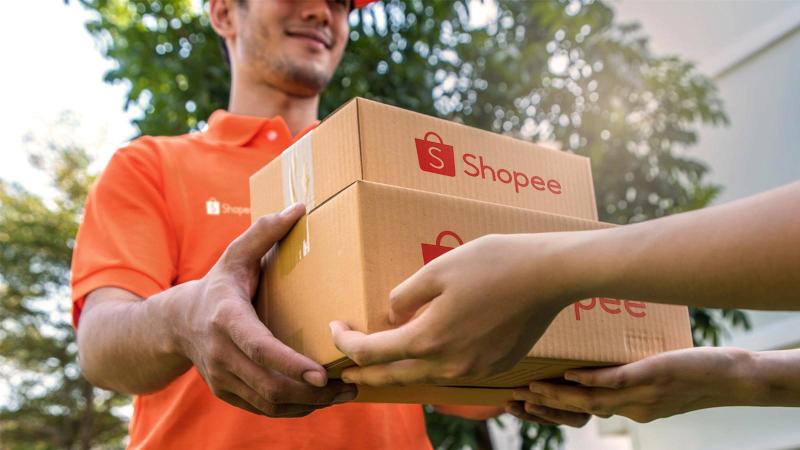
  • Sea Limited Triumphs with Shopee Revenue Skyrocketing 50% in Q2

    Sea Limited Triumphs with Shopee Revenue Skyrocketing 50% in Q2

    Sea Limited, a Singaporean company, experienced robust sales and profit growth during the second quarter of this year. The growth was fuelled by a strong performance across the company’s three main divisions.

    The company, which is listed in the US, reported a revenue increase of 48.1 percent, bringing it to a total of $7.8 billion for the quarter ending June 30. The gross profit saw a parallel rise, soaring 47.3 percent to reach $3.5 billion. The net income also exhibited growth, registering a 10.6 percent increase to $458.1 million.

    Divisional Performance and Future Outlook

    Shopee, one of Sea Limited’s consumer platforms, reported a revenue rise of 48.2 percent, bringing its total to $5.6 billion. The core marketplace revenue, which primarily comprises transaction-based fees and advertising revenues, also saw a significant increase of 65.6 percent. The gross orders for the quarter rose by 27 percent to 4.2 billion, with the gross merchandise value increasing by 28.4 percent.

    Sea Limited’s financial services division, Monee, also witnessed remarkable growth with a 58.9 percent sales increase, which amounts to $1.4 billion in revenue. In the online gaming sector, Garena, another division of Sea Limited, rose by 33.5 percent, bringing its revenue to $746.6 million.

    According to Sea’s chairman and CEO, Forrest Li, the strong momentum from the first quarter was carried forward into the second quarter. Li is optimistic about the future, stating that due to the improving operational efficiency and growing scale, Shopee is projected to achieve an adjusted EBITDA of $1 billion for the full year.

    Questions & Answers

    What was the percentage increase in Sea Limited’s revenue for the second quarter?
    Sea Limited’s revenue increased by 48.1 percent in the second quarter of this year.

    What is the projected adjusted EBITDA for Shopee for the full year?
    Shopee is projected to achieve an adjusted EBITDA of $1 billion for the full year.

    What was the percentage increase in sales for the financial services division, Monee?
    Monee witnessed a 58.9 percent increase in sales during the second quarter.

  • Stealthy Watermarks: Anthropics New Technique for Marking AI-Generated Text

    Stealthy Watermarks: Anthropics New Technique for Marking AI-Generated Text

    Anthropic, a pioneering company in the field of Artificial Intelligence (AI), has now started including unique, invisible watermarks on AI-generated text by their most recent models. This comes as a response to the European Union’s AI Act that came into effect on August 2, mandating transparency for AI-produced content.

    Invisible Watermarks in AI-Generated Text: The New Norm

    As outlined in an update on Anthropic’s official support page, all new Claude models introduced post August 2 will incorporate a system known as “machine-readable marking” from their inception. These watermarks, while imperceptible to human users, would be incorporated directly into the generated text by any supported Claude model.

    These markers don’t affect the meaning, quality, or readability of the AI’s response, and yet remain part of the text, enabling them to move along with the text even when it’s copied, pasted, or edited elsewhere. It’s important to note that these watermarks will be applied at the model level, which implies that they will be present irrespective of the Claude product or platform the text originates from.

    Universally Applicable Watermarks

    The invisible watermark will be seamlessly embedded into any text generated, remaining undetectable by users. The company maintains that this marking system will have no impact on the nature or quality of the AI’s response. This system is not only applicable to Claude but also extends to the Claude API, Claude Code, Claude Cowork, and Claude Tag, as well as all platforms utilizing these AI tools.

    Questions & Answers

    What is the purpose of the invisible watermark in AI-generated text?
    The invisible watermark is intended to provide transparency for AI-generated content, as required by the European Union’s AI Act.

    Will the invisible watermark change the quality or readability of the AI’s response?
    According to Anthropic, these watermarks won’t affect the meaning, quality, or readability of the AI’s response.

    Are the watermarks included only in Claude’s AI-generated text?
    No, the watermarks will be applied at the model level, implying that they will be included in any text produced by Claude, the Claude API, Claude Code, Claude Cowork, and Claude Tag, as well as all platforms that use these AI tools.