Blog

  • Instagram’s standalone Direct app is Obsolete

    Instagram’s standalone Direct app is Obsolete

    Facebook has a habit of frequently testing changes (both big and small) for its extensive library of crazy popular social networking services, but while most new features added to Instagram tend to stick, enriching the app’s functionality or expanding its reach, others never get to see daylight or move past the public testing phase.

    Instagram Direct is part of the latter category, reportedly “going away” some time “in the coming month” after making a limited global debut way back in December 2017. This was actually a standalone app rather than something built directly into the main Instagram interface, but technically, the thing never got a proper, wide-scale release. Instagram (or rather Facebook) also didn’t do much to promote the service, which essentially cloned one of the core features of arch-rival Snapchat.

    Namely, Instagram Direct was largely focused on enabling message exchanges between users, with Instagram friends instantly added to one’s list upon signing up and, of course, support for fun face filters to spice up your photos and videos. If that sounds useful in any way, fret not, as Instagram Direct conversations will automatically move to the main Instagram app, where you’ll be able to continue enjoying the same messaging features as before. After all, private messaging has been supported by Instagram since 2013.

    As the company was quick to highlight in a short statement after the imminent death of the standalone Direct experience ironically started making the Twitter rounds, Instagram Direct will remain the “best place for fun conversations with your friends.” Just not in a separate app, whose tests are being “rolled back” after merely exceeding a million Android installs in Google Play and receiving largely mediocre iOS user reviews.

  • Major Update to mobile YouTube app makes life easier

    Major Update to mobile YouTube app makes life easier

    A server-side update is being sent out to the mobile YouTube app. It doesn’t contain a major change, but for those who like to view streaming YouTube videos in fullscreen (which is done by holding the phone in landscape orientation), it does help correct a minor annoyance.

    Before the update, let’s say you were viewing a video in landscape mode and wanted to share it with someone, or give it a thumbs up or down, or even add the video to a playlist. You would have to make the switch from landscape to portrait in order to find the appropriate icon to tap on. Then, when ready to view another video, you would have to turn the phone back to landscape mode. But the powers that be at Google recognized the inherent dangers involved when a phone owner keeps changing the orientation of his device; such a move can lead to a fumble resulting in the handset kissing the asphalt or another hard surface. It is also just plain inconvenient.

    Still, it isn’t a big deal, but as Android users know, Google loves to correct minor pain points. So the update adds the bar containing the thumbs up, thumbs down, share and save icons to the YouTube UI in the landscape. To view it, simply scroll up on the screen in fullscreen mode. You will see three recommended videos overlayed on top of the screen, and directly underneath is the bar with the aforementioned icons. Note that the up and down thumbs still show how many times a video was “liked” or “disliked.”

    >The change appears on version 14.18.56 of the YouTube app for Android. Not only might it save you from dropping your phone (even surehanded NFL running backs fumble the ball without contact every now and then), over the course of a year it just might save you a few minutes of time.

  • Hyundai India Ties Up With ALD Automotive India

    Hyundai India Ties Up With ALD Automotive India

    Hyundai Motor India has announced a collaboration with ALD Automotive India to provide its cars on lease. Hyundai aims to make car owning experience more economical and is targeting to provide its cars on lease to salaried individuals, working professionals, small and medium enterprises, corporates and public sector. In the first phase, the Korean carmaker has started its operations in Delhi-NCR, Mumbai, Chennai, Hyderabad, and Bangalore.

    Speaking on the Hyundai’s lease offering S.J. Ha, Executive Director, Sales &Marketing, Hyundai Motor India said, “Indian automotive industry is at the cusp of transformation. As a smart mobility solutions provider, we at Hyundai understand the needs of our evolving customers and are committed to making ‘Shared Mobility’ accessible. The vehicle leasing business is rapidly picking pace in India and offers great prospects. We are extremely happy with our collaboration with ALD Automotive and together we will leverage our strengths to create Unique, Smart and Brilliant ownership experience for our customers.”

    Commenting on the same development, Suvajit Karmakar, Chief Executive Officer & Whole-time Director, ALD Automotive India said, “We are extremely proud and excited to announce this partnership with Hyundai. I am confident that this association will make us explore newer product and service offerings and take Car Leasing to the next level in the Indian car market. This will further reinforce our position as a leader and we look forward to a mutually beneficial relationship with Hyundai.”

    Hyundai will provide its entire product line-up on monthly lease rent. The benefits of leasing to the customers include no upfront cost, no financial risk, efficient tax management, easy upgrade and no maintenance and insurance hassles. The leased vehicle will be available for a minimum period of two years going up to five years depending on the city and model.

  • Honda Files Patents For Variable Riding Position

    Honda Files Patents For Variable Riding Position

    Honda has filed a series of patent applications in Japan for what seems to be a new technology offering two different riding positions on the same motorcycle. The patent images show a Honda CBR1000RR which can have two different riding positions – an aggressive and sporty riding position, as well as a more upright and relaxed riding position. The key elements in the technology are the ability to move the bars and the screen, which provides the ability to raise the handlebars from the normal clip-on height because they are attached to extended tubes that run parallel with the fork legs.

    According to the patent application, the position can be changed by the press of a button. Also movable is the windscreen, which is also a simple operation. The top section of the front fairing is attached to a scissor-style frame that easily allows the rider to move the screen upward and into a more vertical position, if needed, for a more touring friendly riding position from an aggressive, sporty riding position. What is clear from the patent drawings is that this is not a complex mechanism that will require a ground-up re-engineering of the bike.

    It’s still not clear whether Honda will actually introduce a future CBR1000RR Fireblade with this new innovative technology, or if there will be an altogether new model which will showcase this variable riding position. Either ways, expect some sort of concept bike which Honda is likely to display, either later this year, or at one of the motorcycle shows next year which will showcase this unique new feature.

  • India’s handset market slumps 25% in Q1

    India’s handset market slumps 25% in Q1

    India’s mobile device market slumped 25% year-on-year during the first quarter of 2019 due to a collapse in the feature phone segment, according to CyberMedia Research (CMR).

    The research firm estimates that feature phone shipments shrank by around 49% during the quarter, while smartphone shipments grew by 10%.

    4G-enabled handsets represented 66% of total devices shipped during the quarter, with 2G-only devices accounting for the remainder.

    “The overall market decline was on expected lines for Q1 2019. The above industry average stock build-up at the end of the previous quarter resulted in lower shipments. Also, the recent change in eCommerce rules in India impacted the online dependent players,” CMR Industry Intelligence Group lead analyst Narinder Kumar said.

    Samsung led the overall mobile market during the quarter with a 22% market share, but China’s Xiaomi led the smartphone market with a 30% share to Samsung’s 27%. Xiaomi also continued to rule the low-cost segment for devices below 7,000 rupees with a 41% market share, while Samsung topped the mid-range 7,000 rupees to 25,000 rupee segment.

    The top five leaderboards was rounded out by LYF (13% market share), Vivo (6%) and Lava (6%).

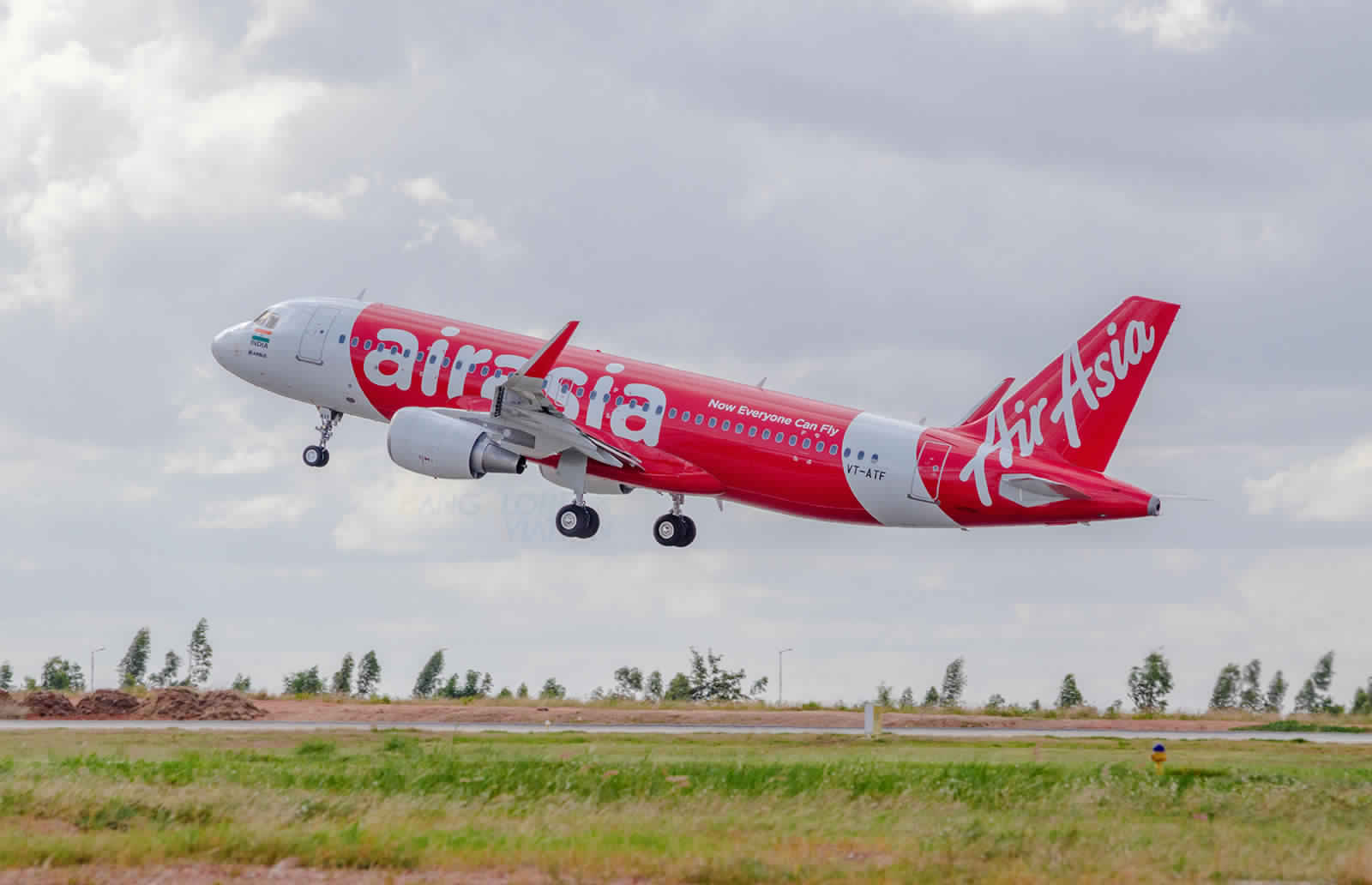
  • AirAsia 3.0 to help save cost and enhance revenue

    AirAsia 3.0 to help save cost and enhance revenue

    After two years of working closely with Google and other data companies, AirAsia expects cost savings and revenue enhancement beginning next year. Group CEO Tan Sri Tony Fernandes told a group of analysts during AirAsia 3.0 investor day that he expected about 4% less fuel burnt after crunching numbers and using the right aircraft for specific routes. With hundreds and hundreds of other fuel initiatives including spare parts, he is looking at 10% to 15% cost savings by the end of 2020.

    All these initiatives to save costs and enhance revenue are part of the airline’s move towards digitization, which also allows it to be creative in its delivery and offering as well as personalize and segmentize its product offerings. This is made possible by analyzing all the data that it has.

    “On the revenue side, with all the rich data we have, we are able to serve customers better in terms of personalizing all that. We have never done promos, as we normally send e-mails, but now we will be much more proactive in filling up the planes.

    “We also now have the ability to dynamically adjust fares on the spot and all this will help us maximize revenue and save costs,’’ he added.

    As part of the AirAsia 3.0 initiative, the plan is to make the entire journey nicer and comfortable for the traveler while various new initiatives will be introduced.

    An analyst said in a report the AirAsia 3.0 plan would solidify the airline’s business via predictive maintenance, which would result in cost savings by FY20. It will enhance the online user experience by transforming AirAsia.com into all-in-one travel and lifestyle marketplace, facilitated by its mobile payment facility BIGPay.

    The carrier’s cargo arm would cover more networks while eliminating the layers in air cargo fulfillment process, the analyst said.

    Another research house said it “does not expect material earnings contribution in the near term from the implementation of the new business platforms.’’

    A foreign brokerage added that “near-term losses from these new initiatives, which are likely to drag already-thin margins in the core airlines business.’’

    AirAsia, according to Fernandes, has come a long way and was the first to revolutionize the way people travel low cost and used the Internet to sell tickets. But that did not come without skepticism and ridicule.

    Eighteen years on, AirAsia is Asia’s largest low-cost carrier that prides on online options to reach out to travelers. It has flown more than 500 million people and has 260 planes on leaseback arrangements to save cost. Ancillary income accounted for 9% of revenue back in 2008 but now it makes up 21%, or RM2bil, of revenue.

    Fernandes still sets sights on China and is working with a new partner to return to Vietnam. He is also bullish that AirAsia’s Indonesian and Philippine operations will be profitable soon.

    AirAsia group is expected to release its first-quarter 2019 results on May 29. A local research house has forecast core net profit of RM147mil (minus 59% year-on-year).

    “Management has done a good job to retain high load factors in first-quarter 2019. However, yields were exceptionally challenging in Malaysia, India, and Thailand due to softer consumer demand and stiffer competition.

    “We are also concerned on the group’s financial year 2019 growth plan to deploy a net addition of 18 aircraft. There has been no aircraft addition in first-quarter 2019, which implies that all the aircraft will be deployed in the subsequent quarters. We deem this as excessive under the current market conditions,” the research house said.


  • AirAsia Opens Jakarta-Phuket Route

    AirAsia Opens Jakarta-Phuket Route

    “Currently the traveling trend continues to increase especially in the youth market, hence demand to open unique routes is increasing as well,” said AirAsia Indonesia president director Dendy Kurniawan.

    Phuket is one of Thailand’s biggest islands in the southern side and boasts various destinations, such as Phi Phi Island, Big Buddha statue in Chalong and Phuket Old Town. The carrier is currently offering promotional fares from Rp 583,000 (US$40.35) one way that can be booked until May 26 for a travel period between July 2 and Oct. 25.

    Other direct flights served by AirAsia from Thailand to Indonesia are Jakarta-Bangkok, Medan-Bangkok and Denpasar-Bangkok.

  • Zara’s local profit after E-commerce Launch

    Zara’s local profit after E-commerce Launch

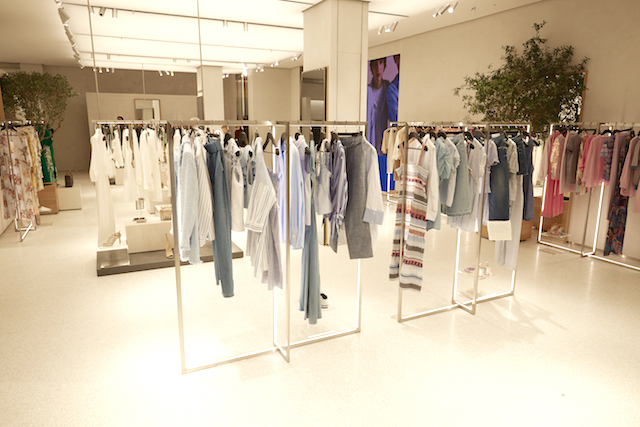
    Inditex Group’s Australian business, Group Zara Australia, posted a 35 percent increase in net profit for the year ending January 31, 2019, lifting the figure from $8.9 million to $12 million, according to documents lodged with the Australian Securities & Investments Commission.

    This came off the back of strong sales growth, with Zara’s full-year revenue in Australia grew 10.5 percent to $311.7 million, up from $282 million in the previous corresponding period.

    This is due in part to the launch of Zara’s local e-commerce site in Australia and New Zealand in 2018, which opened up a new sales channel for the business and gave more customers the ability to shop with the fashion brand.

    Zara’s parent company Inditex launched online stores in a further 106 markets in November last year, which led to a group-wide online sales increase of 27 percent to $5.19 billion (€3.2 billion) – contributing 12 percent of group net sales for the year.

    Zara had 21 stores in Australia on January 31, 2019, including 19 Zara and two Zara Home stores.

    In a statement about its full-year earnings, Inditex highlighted the growing risk fast fashion brands face of being perceived by stakeholders, including customers, employees, shareholders, suppliers and society in general, as unsustainable.

    The retail giant noted that it was ranked as the ‘most sustainable company in the global retailing industry’ by the Dow Jones Sustainability Index for the third straight year based on the progress it has made in its environmental strategic plan and laid out various initiatives it is undertaking to lessen its impact on the planet.

    These include gaining greater control over the materials used in the creation of its products, reducing the amount of water used in its supply chain and using energy efficiently.

    Additionally, in September of last year, Inditex piloted an at-home pick-up service for recycled garments in China, an initiative that is already operating in Spain, though has yet to make it to Australian shores.

    Inditex is far from the only fashion retailer tackling the issue of sustainability. The Iconic recently launching Considered, an initiative that allows customers to more easily filter products based on their own personal values, such as sustainable materials, eco-production, fair production, animal-friendly, and community engagement.

    Swedish fashion retailer H&M has also committed to add more information to its website to allow customers to understand where its products come from – a move to create greater product transparency.

  • Fendi Open Flagship Store in Queensland

    Fendi Open Flagship Store in Queensland

    Italian fashion house Fendi unveiled its first flagship store in Queensland on Thursday, becoming the latest in a series of global luxury brands to set up shop in the Sunshine State.

    The store, located in Vicinity Centres’ QueensPlaza shopping center in Brisbane, features high-end details such as stone walls, marble inlay and gold accents throughout. It is the brand’s 7th location in Australia.

    Fendi is the latest international luxury brand to arrive at QueensPlaza in recent months, following the addition of Saint Laurent earlier this year and Dior at the end of 2018. The shopping center now offers 10 luxury brands, including Chanel, Zimmermann, Scanlan Theodore and Camilla, capping off a $36 million development by Vicinity.

    Earlier in the week, QueensPlaza also welcomed the new luxury dining venue Stanton Cafe and Bar. Seating 180 and offering breakfast, lunch and dinner, the restaurant is an Instagram-worthy hot spot overlooking Queen Street Mall and with views of the CBD.

    Designed by award-winning interior designer Melissa Collison, the restaurant features an eclectic style with 1940s chandeliers, antique furniture, hand-woven Persian rugs, and bespoke wallpaper. Hatted head chef Daniel Jones and Dean Blanchard and their team oversee the menu.

    In addition to offering shoppers a place to relax, Stanton Cafe and Bar will also be hosting a range of masterclasses to educate and entertain, with topics ranging from champagne tasting to Napoli pizza making and barista classes.

    Customers can also download an app that they can use to place their food or coffee order before they arrive and pay for their order.

  • DBS Chief Information Officer Retires

    DBS Chief Information Officer Retires

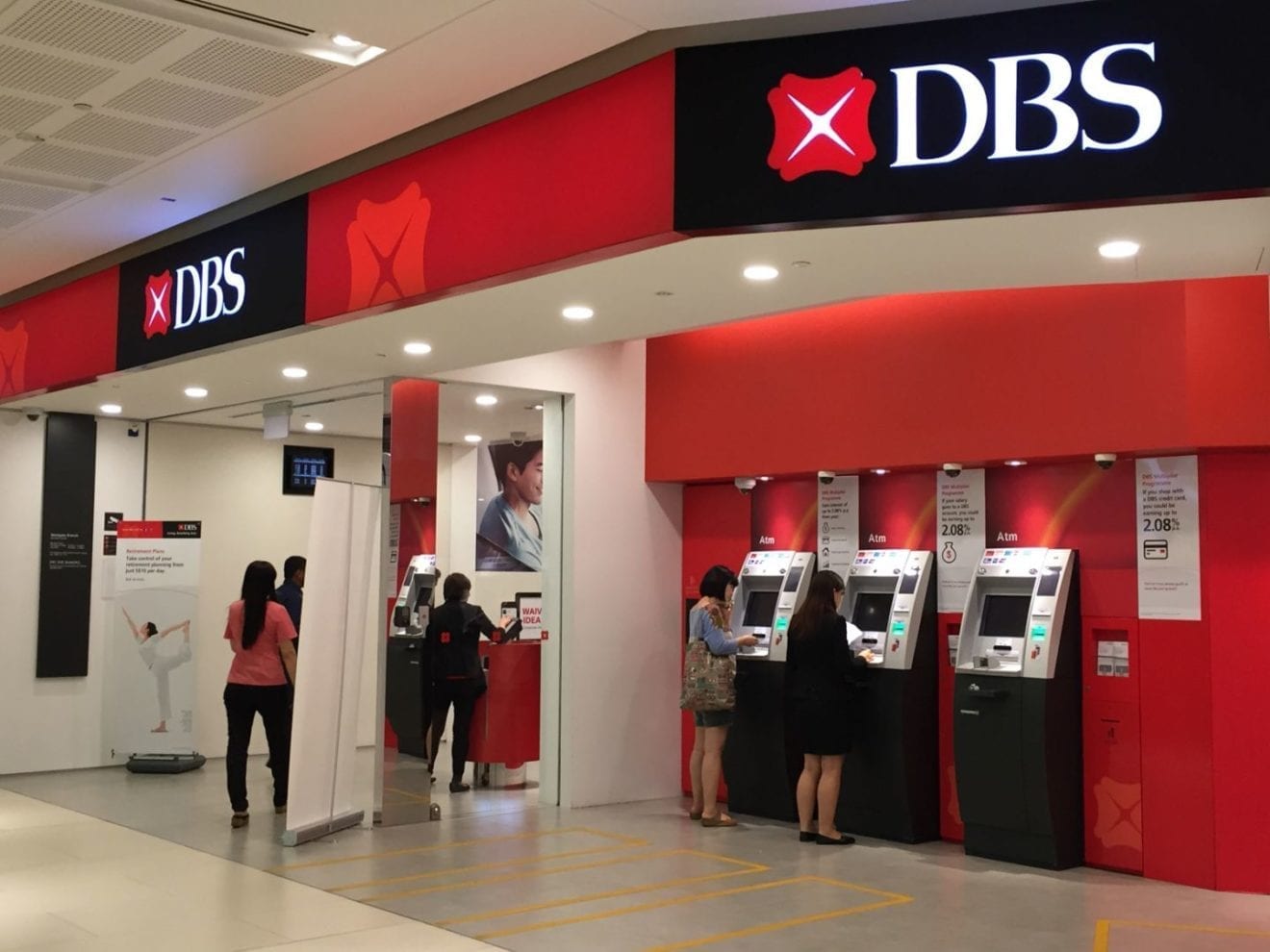
    DBS’ Chief Information Officer and Head Of Group Technology and Operations, is leaving the bank.  DBS has confirmed that its group head of technology and operations David Gledhill is departing effective from 1 August. He will return to the United Kingdom, according to his announcement on LinkedIn. The 57-year-old is a British citizen calls his departure a soft Glexit.

    After 29 years in Asia and 11 years at DBS, we decided it’s finally time to move on and replant our roots back in the U.K. So, after almost two years of planning, today we announced my retirement from DBS, and the Packers moved in at home,» Gledhill said in a LinkedIn post.

    Gledhill said he will stay connected with DBS in a part-time advisory role. Also an independent director with Singapore Airlines, Gledhill said he will also be back in Singapore every three months. Before joining DBS in 2008, Gledhill worked at J.P. Morgan for 20 years, holding senior regional positions in technology and operations.

    A DBS spokesperson said that Gledhill has been a leading figure in the bank’s transformation. He has been responsible for standardizing the bank’s systems, creating reliability and resilience, and most recently, taking DBS down the path of agile and cloud.

    Gledhill will be succeeded by Jimmy Ng, who has been deputy group head of technology and operations at DBS since January 2018. Having joined DBS in 2009, Ng started his career briefly as a system analyst in Singtel before joining the technology audit function in J.P. Morgan.

    He subsequently worked in various functions including operations, risk management and product control at ABN Amro.

  • Restaurant Brands International eyes massive China expansion

    Restaurant Brands International eyes massive China expansion

    Restaurant Brands International, parent of the Burger King, Tim Hortons and Popeyes Louisiana Kitchen brands, is eyeing significant expansion in China despite current trade tensions.

    The firm is aiming to surpass 40,000 locations in the territory within 10 years, making the firm one of the world’s largest restaurant chains.

    “Our view is that we want to be there, and we will be there for the long term,” said company CEO Jose Cil. “It’s an amazing consumption market, growing tremendously.”

    The firm is making its intentions known in an atmosphere of a deteriorating trade relationship between China and the US. Before tensions heightened last week, China was already on track to experience its worst GDP growth in 29 years.

    Restaurant Brands is aiming to launch 1500 Tim Hortons locations within China within the next decade as the brand’s growth is slowing in its home Canadian market. There are currently just four Tim Hortons in the territory, compared to more than 1000 Burger King restaurants.

  • Japan to create 10b 14-digit mobile numbers by 2021

    Japan to create 10b 14-digit mobile numbers by 2021

    Japan’s communications ministry plans to create around 10 billion 14-digit phone numbers in anticipation of the 5G era.

    The 14-digit numbers starting with the code 020 will be introduced by 2021 at the latest.

    The current stock of 11 digit mobile numbers is expected to run out as early as the 2022 financial year.

    In response, a panel of experts has proposed to introduce the new numbers once the necessary preparations are complete, and Japan’s big three mobile operators NTT Docomo, KDDI and SoftBank have agreed to the proposal.

    Now the ministry has announced it will draft a report on the matter as early as June and aims to complete a ministerial ordinance by the end of the year.

    New numbers will be allocated to the operators early if they complete the necessary upgrades ahead of schedule, the report states.

    Japan currently uses 11 digit numbers starting with 090, 080 and 070 for mobile phones, and with 020 for IoT devices.

  • J.P. Morgan Invests In Indian Fintech

    J.P. Morgan Invests In Indian Fintech

    J.P. Morgan has invested in a fintech player in the business payments based in India.  To help its clients experience clearer electronic invoice presentation and quicker reconciliation, the U.S. financial group invested an undisclosed sum in India-based Global PayEx, a player in the Electronics Invoice Presentment & Payment (EIPP) and business-to-business (B2B) payments space.

    «At J.P. Morgan, we continue to invest in innovation to help our clients optimize and simplify their payment operations,» said Sridhar Kanthadai, Head of Wholesale Payments for the Asia Pacific at J.P. Morgan in a media statement on Monday.

    The investment by J.P. Morgan extends the fintech’s footprint in the Far East, Middle East, Europe, and the United States, said Brij Sharma, CEO, Global PayEx. Its cloud-based platform – Freepay – facilitates the electronic sharing of invoices, handling of payments and comprehensive management of transaction information between B2B buyers and sellers.

    Operational for more than three years, Freepay improves working capital efficiency by digitizing all processes in the order-to-cash cycle such as invoicing, dynamic credit and trade terms support, credit/debit notes, instantly applicable cash discounts, full document support for payment decisions including ePoD, and analytics-driven dunning.

  • Startup Offers Bank Cash Points as ATMs

    Startup Offers Bank Cash Points as ATMs

    A Singapore fintech turns brick-and-mortar shops into alternative ATMs, potentially saving banks millions of dollars in maintaining their cash logistics. Banks can now tap on SoCash’s apps and existing brick and mortar point-of-sales to save on the huge costs associated with maintaining ATMs and the physical circulation of cash.

    So let’s say there are 3,000 ATMs in Singapore and they hold anywhere between S$150,000 to S$200,000 overnight. That’s a minimum of S$450 million of liquidity that is stuck in these machines, says SoCash founder Hari Sivan.

    The inefficiencies of leaving cash in ATMs has been bugging Singapore’s banks, which typically spend $200 million a year on ATM maintenance, logistics, insurance, counting and cleaning cash, and other expenses just to maintain the circulation of physical cash, the fintech firm estimates.

    With SoCash, banks pay only a transaction fee and a platform fee. Currently, banks using SoCash’s service include DBS, POSB, Standard Chartered and ICBC. With cash points set up in 1,300 locations in Singapore, the startup processes close to 200,000 transactions per month.

    Retailers are paid a fixed fee per transaction by SoCash, letting them tap on the store’s pool of cash earnings to generate a revenue stream while saving themselves the hassle of having to deposit their cash earnings at a physical branch, Sivan explains.

    This cash withdrawal service also helps the participating shops to generate walk-ins and push in-store promotions on the app’s platform.

    Once a user opens the Socash app, scans a QR code and inputs the withdrawal amount,  he or she can collect the cash from the cashier at a chosen cash point, such as a 7-Eleven. The user’s bank account is then debited while the retailer’s account is credited by the participating bank.

    Sivan, who spent about 13 years in the banking industry, is planning its Series B fundraising round in the next few weeks.

  • UOB Outlines Growth Priorities

    UOB Outlines Growth Priorities

    Amid rising global trade tensions and concerns over a synchronized global slowdown, UOB wants to focus on three areas for growth. UOB wants to focus on regional connectivity, ecosystem partnerships, and strong balance sheet/quality earnings to harness growth, the bank said at its Corporate Day held in Singapore on Wednesday.

    In such an environment, it is even more important that we focus on the fundamentals and not lose sight of our main objectives, UOB’s chief executive Wee Ee Cheong underlined.

    In his keynote address, he added that with rising global trade tensions and concerns over a synchronized global slowdown, it was essential that the bank focused on its key priorities.

    At UOB, this rests on our consistent approach of putting our customers at the center, he said. The Corporate Day covered how UOB will continue to build on its regional operating model, to invest at scale in digital and new technology, to equip its people for the future and to drive productivity and performance.

    Currently, the bank has more than 40 percent of group operating profit derived outside of Singapore. Of this, close to 80 percent comes from operations in Southeast Asia and Greater China. «We expect these numbers to go up as we strengthen our regional connectivity, collaborate in win-win partnerships to tap intra-regional flows and the region’s rising affluence for growth,» Wee added.

    Southeast Asia has the third largest population globally, after China and India. The region also has a young population, with 384 million people below 35 years old.

    Given Southeast Asia’s prospects, the bank will continue to make significant investments in developing its digital capabilities to make banking simpler, smarter and safer across all its network. «Throughout the region, we have invested in an omnichannel approach: engaging our customers across a range of touchpoints that best suit them – offline or online, physical or digital or a combination. This is because we know that digital is not the only way that our customers want to be served,» Wee said.

    The impact of UOB’s omnichannel approach is enhanced by the ecosystems which the bank has forged with like-minded partners for the customer’s benefit.