Blog

  • OCBC Eases Digital Onboarding With Instant Approvals

    OCBC Eases Digital Onboarding With Instant Approvals

    The bank’s consumer banking products can now be applied for, approved and used instantly. OCBC Bank is making getting a card or loan more accessible and convenient by enabling digital applications and instant approval and use of its key consumer banking products. The bank said that by leveraging national data repository MyInfo as well as its own real-time digital KYC and credit assessment systems, it can offer customers bank cards, OCBC ExtraCash personal loans, and OCBC EasiCredit lines instantly.

    This is a natural progression of our pursuit of the new digital – to provide instant, embedded and frictionless access to all our products and services for the convenience of customers, enabling them to start a banking relationship with us seamlessly and instantly, Dennis Tan, OCBC Bank’s Head of Consumer Financial Services Singapore, said in a statement.

    He added that the bank would extend instant approval to secured lending products such as home and car loans in the near future.

    This is the latest in a series of digital innovations OCBC Bank, Singapore’s longest-established bank, has rolled out to enable instant, hassle-free and secure access to its core products. According to the bank, OCBC 360 accounts have grown three-fold since digital applications and instant approvals were allowed for bank accounts in June 2018, with one in three OCBC 360 accounts now acquired digitally.

    I expect that one in every two OCBC Bank customers to be on-boarded digitally by 2020, Tan said.

    To apply for a banking product, one should select the «Use MyInfo» option, log in using SingPass and allow OCBC to retrieve personal details, such as proof of income and home address. There is no need to submit any additional documentation – the customer only needs to review the pre-filled fields of the application form and submit it for instant approval.

    According to the bank, its agents acquire the majority of their customers at public roadshows, so digitalizing card applications is crucial in alleviating customer pain points, which include the hassle of paper applications, waiting days for approval and receiving the physical card.

  • Apple Pay focussing on wider NFC adoption

    Apple Pay focussing on wider NFC adoption

    Apple has been trying to replace your wallet with your iPhone for years now. Despite the relatively wide adoption of Apple Pay (at least in the States), however, it’s still not abundant enough to make you think twice about leaving your wallet at home. One of the main reasons for that is that Apple, in its typical fashion, has restrained the things developers can use the available hardware and software for. But it seems that might be changing very soon.

    Apple recently announced changes coming to the way NFC can be used on its iPhones in combination with Apple Pay during a conference for electronic transactions. Called Transact, the conference was held in Las Vegas in late April and was host to a rare Apple presentation that’s not during one of the company’s own events.

    Apple is looking to make it easier for businesses to integrate NFC payments into the Apple Pay ecosystem. To do that, it is going to allow its Core NFC framework to work with multiple NFC formats. Currently, Apple only supports one format called NFC Data Exchange Format. Three new formats are expected to be added with the release of iOS 13. These changes, among many others, will likely become official during Apple’s Worldwide Developers Conference 2019 that starts on June 3.

    But NFC formats don’t matter to users, they care about what that means for the way they use their devices. There will be some noticeable improvements in that area if Apple’s plans come to fruition. The company’s goal is to make paying for almost everything as easy and convenient as possible. Let’s take a look at what’s its vision.One example given at the presentation was the so-called micro-mobility, which is a fancy term for all the scooter-renting services like Bird and Lime. Right now, each of those comes with its own app that you can use not only to locate a scooter but mostly to pay for your time using it. Needing an app and an account adds friction, as experts call it, which reduces the number of people that use the service. Apple is working in cooperation with some of these companies to remove that extra step. In the future, tapping on the NFC chip of the scooter will allow you to rent it straight from Apple Pay. This will not only make it easier for non-frequent users to rent scooters but will also improve security, as you’re not sharing payment information with yet another entity.

    And then there are parking meters. The ones that allow mobile payments come with their own app as well. Similar to the scooter approach, Apple aims to cut out the unnecessary step of installing and logging into various apps (companies still get their money, after all) by handling everything within Apple Pay. The same technology can be applied to almost anything, from vending machines to public transport and all sorts of venues that you need to pay to get into.

    But NFC is not only useful for payments, but it can also carry all sorts of information. A few companies are already partnering with Apple to streamline the sign-up process for their loyalty programs by using NFC instead of paper forms people need to fill out.

    Once the ball starts rolling, we’ll likely see more and more businesses joining Apple’s initiative. This move will strengthen its ecosystem and tie down iPhone users to the brand even more than they already are. Hopefully, it will also nudge Google to put more effort into its own Google Pay.

  • Alibaba buys into furniture chain Macalline

    Alibaba buys into furniture chain Macalline

    Alibaba has invested US$640 million in Red Star Macalline Group, the largest furniture retail chain in China. Signalling a renewed interest in the home improvement business, Alibaba made the investment in the form of convertible bonds issued by Macalline’s controlling shareholder. The transaction will see Alibaba taking a 10 per cent shareholding of Macalline’s Shanghai listing if fully converted. Alibaba has also taken 3.7 per cent of Macalline’s Hong Kong-traded shares.

    The investment will see emerging cooperation in the furnishings business between the two parties, a move that follows several other plays into the lucrative sector by the e-commerce giant.

    Macalline currently has 364 stores in almost 200 cities.

  • Huawei is now looking to capture the 5G chipset market

    Huawei is now looking to capture the 5G chipset market

    While Huawei and 70 of its affiliated companies now need U.S. government approval to buy parts from the U.S., the company doesn’t have to worry about accessing SoCs from San Diego based Qualcomm. That’s because Huawei designs its own chips for the firm’s high-end handsets. The next such chip, the Hi-Silicon Kirin 985, is due out in the second half of this year. The Kirin 985 is designed for Huawei’s 4G LTE phones. However, the chip can be outfitted with Huawei’s own Balong 5G modem; this will allow phones powered by the Kirin 985 to connect to mobile 5G sub 6GHz networks.

    The Kirin 985 chipset with the 5G Balong modem will first appear on the Huawei Mate 30 line due out in the fourth quarter of this year. The chip will be manufactured by TSMC using the 7nm+ mode, with trial production runs scheduled for this quarter. By the third quarter of this year, the Kirin 985 should be rolling off of TSMC’s assembly lines in volume.

    Following the release of the Kirin 985, Huawei is expected to introduce 5G SoCs that comes with an integrated 5G modem. These chips are expected to roll out sometime between late 2019 and early 2020. Early next year, Huawei is also planning on offering chips that will be used on smartphones supporting mmWave 5G connectivity. The latter uses very high-frequency radio signals in the 24GHz to the 90GHz range. While mmWave 5G speeds could be faster than those achieved over sub 6GHz airwaves, the wavelengths are shorter. As a result, it will take less time to build out a nationwide 5G network using sub 6GHz. This is why T-Mobile expects to be first in the states with a coast-to-coast 5G platform next year using sub 6GHz only.

    Huawei’s Hi-Silicon unit plans to compete with Qualcomm to become one of the top two suppliers of 5G SoCs to phone manufacturers. The report notes that MediaTek will have a 5G chipset for sub 6GHz smartphones before the end of this year. It also expects Apple to design a 5G SoC in time for the launch of the 2020 iPhone models.

    Huawei’s road map is not unique. Other global chip designers are said to be creating chipsets for mobile devices that can be produced with a 4G or 5G modem chip as the slow migration from 4G to 5G begins. These firms will start offering 5G SoCs with integrated 5G modem chips as well as chips supporting mmWave 5G next year.

    Interestingly, Huawei offered to sell Apple its Balong 5G modem chip last month. This came at a time when Apple was unsure about which company it would source the component from. Due to its legal battles with Qualcomm, Apple appeared committed to using 5G modem chips that were being developed by Intel. Still, there were questions about whether Intel could deliver them in time for a 2020 launch, which led Apple to talk with Samsung and MediaTek. Finally, the company reached a settlement with Qualcomm that included a multi-year supply deal for the chipmaker’s 5G smartphone modem.

    Huawei’s first 5G phone, barring any Galaxy Fold-like delays, will be the Mate X. This is a foldable phone that folds out instead of in like Samsung’s device does. The Mate X will use the same Kirin 980 SoC found on the current P30 line but will include a 5G Balong 5000 modem chip. The $2,600 device will probably not be seen in the U.S. since President Trump is expected to sign order soon that will ban Huawei products from entering the states.

  • E-commerce Boom in Vietnam: The Rising Tiger

    E-commerce Boom in Vietnam: The Rising Tiger

    Vietnam can be truly called a land of opportunity for domestic and foreign e-commerce companies. Its young population, high Internet penetration rate and rising smartphone penetration rates play the key role here, making the country one of the most promising for e-commerce activities in the region.

    South-East Asia’s Surge in E-commerce

    According to the report Asia-Pacific B2C E-Commerce Market, over one half of total global online retail sales happens in the Asia-Pacific region. Based on the analyses it is concluded that over 50% of all the online shopping for retail goods and services takes place in the Asia Pacific region, and South-East Asia accounts for about 40% of the e-commerce market of the region.

    Southeast Asia is definitely a new big e-commerce hit, and the region is currently a very attractive market for big players involved globally in the e-commerce sector and smaller local companies. At a reflection point of Internet penetration and mobile devices rapid spread, the population of Southeast Asia is quickly adapting its behaviors to take advantage of new purchasing products and services online opportunities.

    According to the latest e-Conomy Southeast Asia 2018 report from Google and Singapore-based Temasek, the digital economy in Southeast Asia is on track to hit $240 billion by 2025, which is $40 billion more than previous estimates. The key factors are the most engaged mobile internet users in the world, as well as industries like ecommerce, online media, online travel and ride-sharing, which grew at never-before-seen rates.

    Flourishing Market

    There are currently 35.4 million e-commerce users in Vietnam, with an additional 6.6 million users to be shopping online by 2021. These 42 million e-commerce users will represent 58% of the total population. That’s why there is no wonder that throughout the last 5 years Vietnam is showing a constant rise in percentage of online shopping transactions.

    E-commerce market value in Vietnam from 2014 to 2020 (in billion U.S. dollars)

    Vietnam e-commerce Association (VECOM) reported that Vietnam’s e-commerce

    growth rate of some specific areas is explosive. For the online retail area, information from thousands of e-commerce websites showed that revenue growth rate in 2017 increased by 35%. For the payment area, the national Payment Corporation of Vietnam (NAPAS), in 2017, the volume of online domestic card transactions increased about 50% compared to 2016, while transaction value increased to 75%. For the online marketing area, the growth rate of some affiliate marketing companies in 2017 reached from 100% -200%.

    Vietnam’s e-commerce market has witnessed high growth rate since 2013, with online sales increasing from US$2.2 billion in 2013 to US$6.2 billion in 2017, averaging an annual growth rate of 20%. Little surprise there, as affiliate marketing sales constituted about 15% of the total sales, which sounds quite intriguing. About 80% of local brands rely on affiliate programs.

    The most popular products sold online included clothing, footwear and domestic (59%), electronic devices (47%), and household appliances (47%), among others, while payment and delivery methods have been used flexibly by enterprises.

    Moreover, the government has stepped in to try and usher in a new era of commerce. Vietnam’s legal framework and policies, especially Decree No.52 on e-commerce, have played a key role in creating favorable conditions for high growth rate of the retail e-commerce market.

    The decree aims to ensure fairness between e-commerce and traditional commerce, of which enterprises operating in e-commerce must comply with laws and regulations in equal to that of traditional one.

    Local Players Hit It Big

    Vietnamese e-commerce platforms Tiki, Thegioididong and Sendo entered the list of ten most visited sites in Southeast Asia by iPrice Group. Tiki, Thegioididong and Sendo ranked sixth, seventh and eighth, respectively, by average monthly web traffic. The top two leading positions took international corporations Lazada and Shopee, respectively.

    According to iPrice’s data on the Vietnamese market, Tiki, Thegioididong and Sendo made huge improvements in 2018 leading to attracting both user traffic and investment.

    Tiki is the fastest-growing retail company in Vietnam and has all the chances to be an industry winner. Their monthly website traffic increased by 80% within only six months, which took them from the fourth highest position among e-commerce websites in Vietnam to second place by December and the first place by monthly visits in April 2019, leaving international corporation Lazada on the second place.

    Similarly, Sendo.vn also grew by 55% in monthly website traffic within a period of six months and maintained a healthy fifth place in Vietnam, one rank behind Thegioididong. No wonder, it’s affiliate program is also one of the most rewarding in terms of revenue for the publishers.

    The most surprising entry to this list was Thegioididong. With focus on only one product category – electronic devices, the retail company still managed to gain an average of 29 million visits per month, according to the report.

    Although the leaders of the market are still Lazada and Shopee, which operate successfully in multiple markets, the three Vietnamese e-commerce companies’ inclusion is very remarkable, and is definitely a strong evidence of the size and potential of e-commerce in Vietnam.

    Affiliate Marketing Opportunities

    E-commerce success brings also a bunch of great affiliate-marketing offers. Sendo is definitely one of the most attractive ones. Up to now, more than 80,000 shops have been operating on Sendo.vn, offering a diverse range of products with over 5 million products from clothes to tech accessories. In 2018, Sendo.vn, the e-commerce subsidiary of FPT Corporation, also received $51 million from the Japanese SBI Holdings and other investors. After several effective improvements backed by investments, it is not hard to assume the retail will keep growing for sure.

    Besides from solely local market players, big international companies such as Lazada or Shopee are definitely still in the top in terms of revenue.

    Lazada is the pioneer e-commerce store in Southeast Asia. Present in Indonesia, Malaysia, Philippines, Singapore, Thailand and Vietnam it brings over 135,000 local and international sellers and more than 3000 brands online to serve more than 560 million customers which are increasing by the day. To counter Shopee’s expansion in Southeast Asia, Alibaba decided to invest another US$2 billion in Lazada to improve the company’s competitiveness, which actually gained the goal.

    Anyone who wants to eat a piece of pie and promote the Vientamese e-commerce giants like Lazada, Shopee, and Sendo, can join their official affiliate programs at Indoleads.com, one of the leading affiliate networks in Asia-Pacific.

    Investing paradise

    Vietnam is a true hotspot for investors from around the world. The burgeoning eCommerce market in Vietnam has attracted major investors from Japan, Germany, the United States, Korea, China, and Singapore. With six companies invested in Vietnam’s eCommerce market (BEENOS, CyberAgent Ventures, econtext Asia, SBI Holdings, Sumitomo Corporation, Trancosmos), Japan tops the list of foreign countries with the highest number of investors in Vietnam. In 2017, Japan invested a total of $9.1 billion in Vietnam, taking over Korea ($8.5 billion) and ranked as the largest foreign direct investment (FDI) country in Vietnam. The largest investors in Vietnam’s eCommerce market also include tech giants, venture capital firms and investment companies such as Alibaba, Tencent, Temasek Holdings, Dragon Capital and IDG Ventures Vietnam. Besides, Germany and the US are two countries outside of Asia that are actively invested in Vietnam’s eCommerce market.

    Forecasts

    With an explosive 33% compounded annual growth rate over the past two years, Vietnam ranks high among the fastest-growing e-commerce markets in the region. Its market has a great potential and it has already proved it within the last couple of years, so there is definitely no point in being skeptical. Based in the US Frost & Sullivan consulting firm forecasted that the E-Commerce market in Vietnam will reach a value of $3.7 billion by 2030. According to the Department of E-Commerce and Digital Economy, by 2020 an average online spending per person will reach US$350 annually.

    This e-commerce surge might be a great opportunity for many international and local players, as well as affiliate marketers. Indoleads.com, one of the leading affiliate platforms in South-East Asia, has an access to 500+ direct affiliate programs from over 60 countries around the globe that opens up a geography for local players to Asian, Brazil, US, UK markets.

    The key point of success of such worldwide e-commerce leaders like Zalora, Americanas, Amazon, Shein, Ssence, AliExpress, Lazada, Shein, Tokopedia, is affiliate sales. Register at Indoleads.com as a publisher to be a part of these top affiliate programs.

     

  • Kerry Logistics Extends into Coffee Trading and Distribution

    Kerry Logistics Extends into Coffee Trading and Distribution

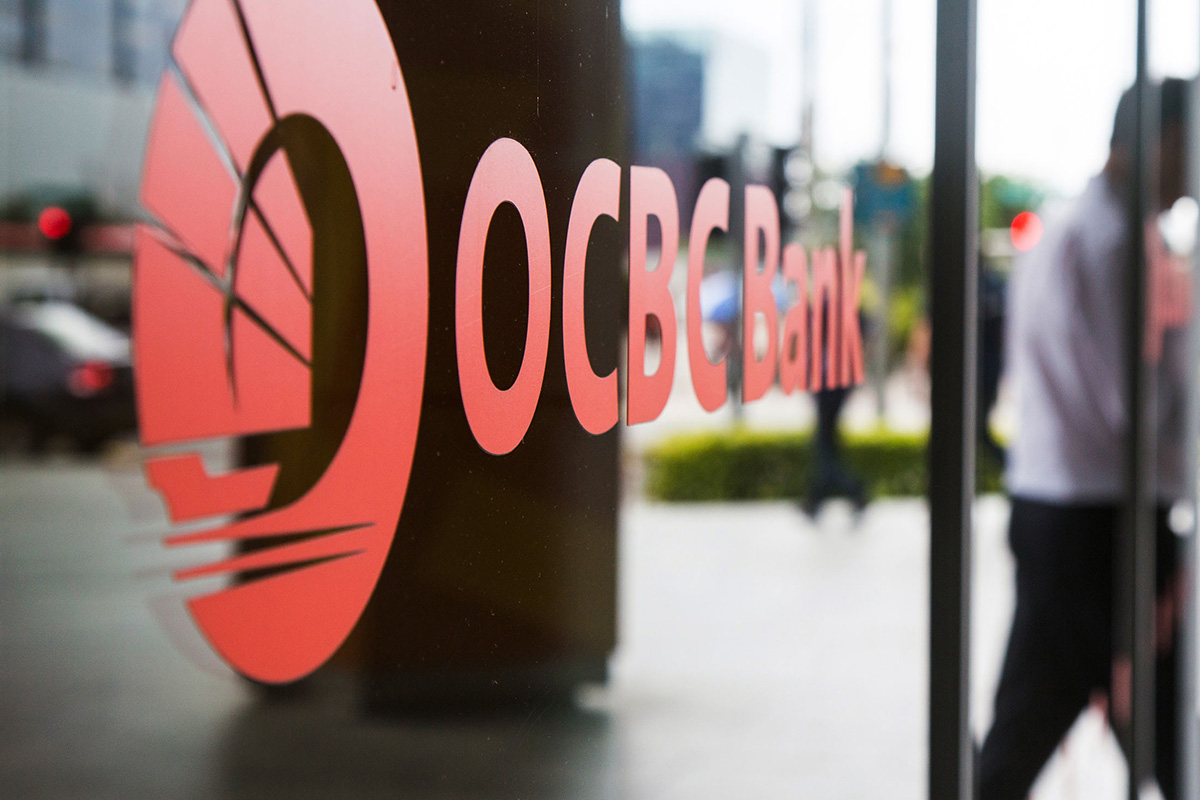
    Kerry Logistics Network Limited (‘Kerry Logistics’; Stock Code 0636.HK) announced the establishment of Kerry Coffee (Hong Kong) Limited (‘Kerry Coffee’) to extend its business into the trading of coffee and related products, as well as to further deepen its partnership with Italian coffee group illycaffè.

    Kerry Coffee will be the sole distributor of illycaffè’s complete product range in Hong Kong and Macau, including the iperEspresso coffee machines, capsules, coffee beans, and other coffee-making equipment and accessories.

    Kerry Logistics has been enjoying a partnership with illycaffè since 2017, providing total integrated logistics solutions for illycaffè and acting as the sole distributor of iperEspresso coffee machines and capsules in Hong Kong.

    The launch of Kerry Coffee will consolidate illycaffè’s entire product selection under one operator in Hong Kong to facilitate brand building and market penetration.

    It will also mark the expansion of Kerry Logistics’ food services business to capitalise on the growing coffee culture in the territory.

    Robert Berger, Executive Director – Fashion & Lifestyle of Kerry Logistics (Hong Kong), said, “We are thrilled to take our collaboration with illycaffè a step further.

    “The establishment of Kerry Coffee and the consolidation of illycaffè’s full product range under the new company will enhance the cost-efficiency of the sales and distribution operation, and enable illycaffè to increase its market share and brand recognition in Hong Kong and Macau.

    “The development also enriches Kerry Logistics’ food services business and allows greater product diversification to serve HORECA and club customers in Hong Kong and Macau.”

    Embodying the distinctive coffee culture in Italy, illycaffè is one of the world’s most global coffee brands.

    Kerry Coffee will provide total logistics solutions, sales, and marketing to ride on the flourishing coffee culture in Hong Kong and Macau, solidify the market position of the illy brand and establish Kerry Coffee as a major player in the coffee market.

  • Ducati First Quarter 2019 Sales Up Worldwide

    Ducati First Quarter 2019 Sales Up Worldwide

    Ducati has reported a five percent increase in sales worldwide in the first quarter of 2019. In all, Ducati delivered 12,541 motorcycles in the period from January to March 2019, compared to 11,949 motorcycles moved in the first quarter of 2018. And that’s not all; most segments from the Italian manufacturer showed growth in the first quarter, but the Hypermotard and Multistrada range showed the most growth, with sales increasing 18.6 percent. With 4,113 units sold in the first quarter, the Hypermotard and Multistrada are the company’s bestselling models.

    The Ducati Scrambler range continues to be a major revenue generator for the firm and already accounts for more than a quarter of Ducati’s overall sales. And in Q1 of 2019, sales of the Scrambler range shot up just short of 15 percent. Sales in the naked line-up, which includes the Monster and Diavel family, dipped slightly from 2018, by 1.13 percent. The Ducati Diavel 1260 has been introduced in 2019, but that hasn’t seemed to have enthused sales in the segment so far.

    Ducati’s superbike sales have dipped slightly, despite the introduction of the Panigale V4 line-up, and recorded a slip of 13.5 percent compared to the first quarter of 2018. In all, Ducati sold almost 600 more units in the first quarter of this year. With a naked V4 in the making, it remains to be seen how the upcoming new model will be received by the market. Based on the sales trend in the first quarter, it appears the neo-retro models in the Scrambler line-up will continue to be an important segment for Ducati, and could well display more volumes as the year progresses.

  • Singapore’s First On-Demand Rental Marketplace ‘MyRent’ Launches

    Singapore’s First On-Demand Rental Marketplace ‘MyRent’ Launches

    MyRent, Singapore’s first peer-to-peer on-demand rental marketplace, has formally launched. MyRent allows Singaporeans to rent items including photography and sporting equipment to seasonal apparel and video games. For Singaporean consumers, you can now, for the first time, rent a Canon EOS 550D for as low as S$5 / day; a DJI Spark Drone for S$6 / day; a Nintendo Switch for S$8 / day and Ski Jackets for as low as $5 / day — these are just some of the current listings on MyRent. Meanwhile, Singaporeans can now avail of a safe rental platform and build up a community of sharing with the security of Lender Protection Guarantee.

    MyRent has been developed to address a shift in consumer behaviour, with an increasing number of people opting to rent items and engage in a sharing economy — rather than purchasing products for their own use. Since its soft launch in December 2018, MyRent now has more than 2,000 registered users in Singapore alone, with over 800 active listings.

    Ishwar Dhanuka, CEO and Co-founder of MyRent said: “The idea behind MyRent is to primarily allow users to own experiences instead of things. We want to decentralize ownership, and create a win-win for both listers and renters — where the former can earn money by renting what they own and rarely use, while the latter can rent a product without actually having to pay the full amount to use it. Simply put, why buy something when you can rent it?”

    According to a study jointly published by Google and Temasek, Singapore’s e-commerce market is valued at over US$1 billion. Of this, online shopping comprised 2.1 percent of all retail sales in 2015, but is projected to soar to US$5.4 billion by 2025. Meanwhile, peer-to-peer retail platforms have gained popularity in the industry, with platforms like MyRent shifting focus towards providing consumers with experience versus the traditional ownership of goods. With evolving consumer spending habits and increasing awareness of sustainability, Singaporeans are less likely to purchase seasonal one-off items for a quick getaway or a new hobby. MyRent has a good opportunity to capitalize on the Singapore market, with over 4 million people using e-commerce to purchase products.

    “Imagine being able to get the latest GoPro for all your vacations without being dragged down by huge upfront costs,” said Ishwar. “By purchasing an item, you’re essentially signing a long-term contract for using it. With short-term rentals, you get the flexibility of using the latest technologies and paying only per use!”

    “MyRent is currently the most affordable and efficient platform for me. Before I joined, customers would only come across my website by using search engines, so partnering with this rental platform has afforded me increased exposure,” said Maureen Knight, who rents out winter wear on MyRent.

    Sean Eng, a merchant who uses the rental platform, said: “Before our partnership with MyRent, customers had to pay a deposit to rent one of our GoPros for their holidays — which they were hesitant to do. With MyRent, we’ve now been able to get rid of the deposit requirement, so customers are happier and more than willing to rent with us via this platform.”

    “Tennis rackets usually retail for more than $200, so I worry about losing these items when I rent them out,” said Wayne Ko, who used to rent his items from a consumer marketplace. “I’m glad I switched to MyRent, because with their Lender Protection Guarantee, I know that I’m covered in case something happens to one of my rackets.”

    To be a mobile-first marketplace that gives both listers and renters convenience and on-the-go accessibility, MyRent is focused on being accessible everywhere — either via their web portal, or through a dedicated app that is available for both iOS and Android users. To further add to a seamless experience, MyRent is working on reducing the time it takes to list items on their platform, to less than a minute. It is the brainchild of three co-founders, each with their own experiences of growing and working in a variety of startups, including companies such as Funding Societies, and PropertyGuru.

    MyRent plans to make its peer-to-peer rental platform available in more markets, with a Malaysian release date slated for end-2019. It is also exploring merchant partnerships to help stores rent out unused inventory, and ecosystem partnerships (insurance, logistics sector), and is looking into the possibility of adding a delivery option in the future.


  • DJI Osmo Action Camera Captures Every Adventure in Stunning 4K Detail

    DJI Osmo Action Camera Captures Every Adventure in Stunning 4K Detail

    DJI, the world’s leader in civilian drones and creative camera technology, building on its heritage of advanced image stabilization, takes a bold new direction with the Osmo Action camera. Utilizing DJI’s unparalleled experience with capturing smooth and stable videos in the most demanding environments, Osmo Action is as rugged as it is sophisticated, opening worlds of creative potential for professionals and adventure seekers alike.

    “DJI has always pushed the limits of technology, and the content creators who love our products made clear they wanted us to push the limits of their creative potential too. Osmo Action is our cutting-edge answer to what the creative community demands. Exceptional image quality and stabilization in a unique and durable new form factor, with dual color screens and seamless software integration. For all types of creators who push their gear to the limits, Osmo Action sets the new standard,” said Roger Luo, DJI President. “Whether you are capturing aerial content with Mavic 2, incredibly smooth content with Osmo Pocket, or heart-racing footage with Osmo Action, DJI offers a full suite of products for your creative needs.”

    Rugged construction and intuitive design

    A compact yet durable design makes Osmo Action the ideal camera for life’s adventures. Constructed to handle extreme conditions with ease, Osmo Action is dustproof, shockproof[1], waterproof[2] and has the ability to operate in sub-freezing temperatures[3]. Osmo Action utilizes color screens on both the front and back, a unique design feature that allows for more convenient scene composition while on the move. The 2.25-inch rear touchscreen employs a water and fingerprint repelling coating, and the 1.4-inch front screen makes vlogging and selfies easier than ever before. With a brightness of 750-nits, Osmo Action can be used in harsh lighting conditions including direct sunlight.

    Osmo Action’s interactive user interface, Action OS, combines a streamlined and functional physical design with flexible operation. Power on, initiate recording, and rotate through the video and photo capture modes in the blink of an eye with three dedicated buttons. Never miss a moment with the help of SnapShot, which allows Osmo Action to turn on and begin recording in under two seconds by pressing the shutter button once.

    Advanced technology with exceptional image quality

    A 1/2.3-inch sensor records 12-megapixel photos and 4K video up to 60fps at 100Mbps in stunning detail, assuring high-quality footage. A three-glass aspherical lens design records low-distortion content and aids in reducing warping effects for improved scenes. The lens cap is finished with two layers of anti-fingerprint coating to keep the shot clean during use, as well as an anti-reflective coating to reduce the unwanted effects of lens glare, giving users more flexibility to shoot in bright conditions.

    Incorporating over a decade of experience creating three-axis mechanical gimbals, Osmo Action is the first DJI handheld camera to include RockSteady, DJI’s Electronic Image Stabilization (EIS) technology. High-performance stabilization algorithms work in conjunction with EIS to record every movement in smooth, stable, high-quality video, even when recording 4K/60fps. Additionally, Osmo Action is capable of High Dynamic Range (HDR) video in 4K/30fps, delivering an additional three stops of dynamic range to the scene, natural transitions between light and dark areas, and rich details that are often lost in complex lighting conditions. Osmo Action has a removable battery with a run time of 93 minutes recording at 4K/30fps with RockSteady enabled, and 135 minutes recording at 1080p/30fps without RockSteady. Dual microphones let users take advantage of Osmo Action’s Voice Control, and a speaker ensures outstanding playback quality.

    Creative, intelligent features

    A staple in DJI’s product lineup, Osmo Action offers a wide variety of highly creative features built into the camera which users can access with a few simple taps. While recording, choose between:

    • Slo-mo: 8x slow motion in 1080p 240fps or 4x slow motion in 1080p 120fps creates a visually appealing effect when documenting action-packed scenes.
    • Timelapse: If the user is looking to turn minutes into seconds, Timelapse is perfect for capturing unique content with the effect of the world moving faster.
    • Custom Exposure settings: Shoot for the stars with manual and semi-automatic settings that allow up to 120 seconds of exposure, perfect for capturing the night sky.

    Unlocking Osmo Action’s full potential[4]

    Using the recently released DJI Mimo app, connect Osmo Action to your mobile device with Wi-Fi or Bluetooth for added functionality, including a live feed of the camera, multiple story templates, in-app quick editing, and more. An ecosystem of accessories helps unleash all the possibilities of Osmo Action including:

    • Camera Frame Kit: Included with Osmo Action, the Camera Frame Kit offers a universal mount for additional accessories and a window for the LED indicator to show camera status in real time while protecting the device.
    • Adhesive Mounts: Attach Osmo Action to flat or curved surfaces including skateboards, bikes, helmets, and more to capture fast-paced moments. Both the curved and flat adhesive mounts are included with Osmo Action.
    • Waterproof Case: The waterproof case protects the device at depths down to 60 meters while providing a clear image using high-strength glass.
    • 3.5mm Adapter: The 3.5mm adapter offers users the ability to connect an external mic for professional sound recording.
    • Extension Rod: Capture unique angles using the Extension Rod, which features a rotatable phone holder and a ¼-inch screw adapter.
    • Floating Handle: The Floating Handle offers a comfortable grip for Osmo Action and keeps it floating when shooting in water.
    • Filters: Osmo Action comes with Neutral Density (ND), Polarizer, and underwater filters. ND filters (ND4, ND8, ND16, and ND32) reduce light exposure in various environments, while Polarizer filters reduce reflections and increase color saturation for a more appealing image. Orange Seawater and Purple Freshwater filters restore the natural color of underwater scenes.
    • Charging Hub: Charge up to three batteries simultaneously in less than 130 minutes.

    Price and Availability

    Osmo Action retails for $2,999 HKD and will start shipping immediately after the announcement on May 16 at store.dji.com and from authorized dealers on May 22. For more information on all the new features and capabilities of Osmo Action, please visit https://www.dji.com/osmo-action.

    DJI Care Refresh

    DJI Care Refresh is now available for Osmo Action. For an additional $299 HKD, DJI Care Refresh offers comprehensive coverage as well as up to two replacement units within one year. Receive your replacement even sooner with DJI Care Refresh Express. DJI Care Refresh also includes VIP after-sales support and free two-way shipping. For a full list of details, please visit https://www.dji.com/service/djicare-refresh.

  • SKT to provide first 5G live TV sports broadcast

    SKT to provide first 5G live TV sports broadcast

    SK Telecom has revealed plans to offer the world’s first live TV sports broadcast using a 5G network for the SK Telecom Open 2019 golf tournament.

    The tournament, which will be held as part of the KPGA Korean Tour, will be live broadcast on JTBC’s dedicated Golf TV channel and OTT video service oksuku using SK Telecom’s 5G network.

    The tournament, which commences today, will be broadcast live for selected areas using 5G coverage deployed for the third, fourth and ninth holes of the course.

    The company will also temporarily create a special section on the oksuku OTT platform to offer 5G-based live streaming and related video clips of the golf tournament.

    “As 5G-based live broadcasting is subject to no physical constraints, it can be widely utilized in areas including sporting events and on-site news reports,” SK Telecom VP and head of 5GX media business group Kim Hyuk said.

    “SK Telecom will continue to work closely with broadcasting networks to contribute to the advancement of the broadcasting system through 5G technologies.”

    The agreement follows soon after SK Telecom signed agreements with South Korea’s top three terrestrial television broadcasters to jointly develop a live broadcasting system based on the operator’s 5G network.

  • Trump signs order paving way for Huawei ban

    Trump signs order paving way for Huawei ban

    US president Donald Trump has signed an executive order paving the way for banning Chinese vendors including Huawei from supplying equipment for US telecommunications networks.

    The executive order declares a national emergency to give Trump the authority to regulate commerce and directs the Commerce Department to draw up an enforcement plan within 150 days.

    It has been designed to protect US telecommunications supply chain from foreign adversaries. While the order does not specifically name any countries or companies, it has been specifically promoted by members of Congress as being aimed at companies including Huawei, which has been labeled a security threat by US officials.

    The US government has been pressuring allies to prohibit Chinese vendors from supplying equipment for 5G rollouts, citing concerns that their equipment could be used by the Chinese government to spy on the communications of foreign nations. Countries including Australia have already yielded to this pressure.

    Meanwhile, Huawei, which has repeatedly denied any allegations that its equipment could be used this way, has separately revealed it is willing to sign no-spying pacts with governments to alleviate these concerns.

    The agreements, which could be negotiated with nation states including the UK, would involve the company committing to meet no-spy, no-backdoors standards.

    But Reuters cited comments from the German government pointing out that there is no indication that the Chinese government itself is offering such an agreement.

  • Ooredoo Myanmar signs 5G agreement with ZTE

    Ooredoo Myanmar signs 5G agreement with ZTE

    Ooredoo Myanmar has signed an agreement with ZTE to collaborate on 5G network deployment as part of the operator’s network modernization program.

    The two companies have signed a memorandum of understanding that will cover Ooredoo Myanmar’s 5G evolution from trials through to commercial deployment.

    During the first stage of the partnership, Ooredoo Myanmar and ZTE will evaluate potential test environments for Ooredoo’s 5G network. The network tests will be used to evaluate the performance of the 5G network ahead of commercial deployments.

    “It is a great pleasure to announce our MOU with ZTE Corporation, one of the leaders in advanced telecommunications technology,” Ooredoo Myanmar acting CEO Alok Verma said.

    “Ooredoo is the first telecom operator in Myanmar to launch initiatives towards 5G development, recognizing the potential of 5G, which will unlock the next generation of wireless technology with high speeds, ultra-low latency and greater capacities, unleashing new possibilities in mobility, manufacturing, healthcare, transportation and several other industries.”

    Ooredoo Myanmar’s parent company Ooredoo launched what it claims as the first live 5G network in Qatar during May last year. The company plans to arrange more 5G trials and commercial launches across its operating companies around the world over the next few months.

  • WBA identifies connected vehicle use cases

    WBA identifies connected vehicle use cases

    Connected vehicles are not just the technologies of the future – there are significant revenue generation opportunities available today, according to the Wireless Broadband Alliance (WBA).

    In a new whitepaper, the WBA identified a number of use cases for automobile manufacturers and service providers that are already being used to generate revenues.

    The use cases specifically take advantage of telematics services – which the majority of automobile makers already have built into new vehicles – combined with Wi-Fi connectivity.

    These use cases include applying predictive analytics to information already collected by telematics systems to preempt vehicle recalls, which is an issue that costs the vehicle industry more than $9 billion annually.

    Other examples include predictive maintenance through the use of diagnostic trouble codes uploaded over time, the ability to address software bugs and security vulnerabilities through over-the-air firmware upgrades, and applications including advanced driver assistance or public safety services.

    “The connected vehicle market will experience explosive growth over the next few years, and Wi-Fi plays a significant role in creating key monetization opportunities, while also enhancing and improving vehicle maintenance and driver safety for connected cars,” WBA GM Tiago Rodrigues said.

    “While much of the focus today is given to how 5G will impact connected cars, we want to reinforce the message that Wi-Fi is here now, and it is capable of supporting connected vehicle use cases today.”

    The whitepaper also explores the process of developing use cases for the connected cars of tomorrow combining both cellular and Wi-Fi for seamless connectivity.

    “We are eager to engage with others in the connected vehicle ecosystem to develop future opportunities for Wi-Fi and connected cars, particularly as we prepare for Wi-Fi 6 and the new opportunities it will support,” Rodrigues said.

  • HGC expands collaboration with Salesforce, Enxoo

    HGC expands collaboration with Salesforce, Enxoo

    Hong Kong’s Hutchison Global Communications (HGC) has expanded its partnerships with customer relationship management company Salesforce and Salesforce platinum partner Enxoo to accelerate its digital transformation.

    HGC plans to use the collaboration to develop a streamlined customer journey across the sales cycle, product catalog, pricing tools, quotations and order management.

    The company will be able to take advantage of a set of open ad modular tools that will allow for greater flexibility when responding to customer needs.

    This includes the Salesforce Einstein AI platform, which HGC plans to use to make proactive decisions to serve customers better and maintain long-term customer loyalty.

    In addition, omnichannel tools will allow HGC to more quickly respond to requests for quotes for complex enterprise solutions, and to provide customers with self-service and procurement automation capabilities.

    HGC chief digital officer Jacqueline Teo added that the automated solutions will also support the creation of targeted marketing and engagement programs and to generate more meaningful insights about customers, which will eventually facilitate the expansion of HGC’s product and service portfolio.

    “We are passionate in delivering a new level of personalization, new ways of engagement for our customers, and in supporting our staff to embrace digitalization,” she said.

    “At every step of our digitalization journey, HGC will strive to optimize our services and solutions and to equip ourselves to meet dynamic market needs in the digital era. In future, we will continue to further expand our ecosystem for much better customer experience.”

  • New Spotify subscribers get 3 months of Premium Music for Less than a Dollar

    New Spotify subscribers get 3 months of Premium Music for Less than a Dollar

    With a whopping 100 million paying subscribers under its belt, Spotify is unlikely to be worried about rival music streaming platforms from Pandora or Amazon, which have been frequently treating new users to killer introductory deals of late to try to catch up to the global market leader. But you can never be too careful when it comes to the competition in such a crowded industry, especially given the impressive growth rate also reported by Apple Music in the past few years.

    Enter a top-notch new offer for Spotify Premium users who have never tried the service before, including all the usual perks and benefits at a highly unusual $0.99 price. That will cover a full three months of unlimited, on-demand music streaming with no ad interruptions, high-quality audio functionality, and offline listening support as long as you sign up by June 30.

    Once your promotional period is up, you will be charged the typical $9.99 a month to continue using the Premium service, although you can cancel your subscription at any time and go back to the free tier with shuffle play-only support or try out a different platform. The terms and conditions of the new deal are relatively straightforward, and if the whole thing sounds familiar, that’s probably because Spotify has been running similar sales before.

    Just like back then, the extended 90-day trial promotion excludes previous Unlimited subscribers, as well as folks who’ve already taken advantage of 30 or 60-day free trial offers.  Last but not least, students have until June 30 to claim three months of Spotify Premium, as well as Hulu and Showtime, at a measly $0.99 total, followed by the same amazing bundle available for $4.99 each month. Apple Music obviously can’t touch these deals.