Blog

  • Amazon accelerates Australian Online Fashion Offerings

    Amazon accelerates Australian Online Fashion Offerings

    Amazon Australia has been connecting with fashionistas in Sydney this week, where thousands of designers, retailers, celebrities and fans have gathered to see the latest looks at the Mercedes-Benz Fashion Week Australia (MBFWA).

    As an official sponsor of the event, along with the likes of Moet & Chandon, Swarovski and Superga, Amazon has built an Instagram-worthy pop-up at Carriageworks.

    Visitors can try on some of the local brands available on Amazon and capture the perfect ‘selfie moment’ against four different backdrops, including a mint green oasis based on the products available through Amazon’s Travel range, a Bonds jungle, and a resort-style changing room.

    Amazon said the activation is designed to provide a memorable and educational experience for both industry and consumer guests.

    “We are really excited to be a part of the Mercedes Benz Fashion Week, alongside established and emerging brands,” Angela Langmann, head of Amazon Fashion, said in a statement.

    Since launching in December 2017, Amazon Fashion has rapidly grown its range. It now has tens of millions of products across clothing, shoes and accessories from over 1000 brands.

    In addition, the number of Australian brands on the platform has quadrupled from 33 to 150, with that number continuing to grow, according to Langmann.

    “At Amazon Fashion we celebrate local Aussie brands and build a shopping experience that helps our customers discover emerging and established Australian brands,” she said.

    Some of the more established Australian fashion brands on the platform include Talulah, Stevie May, Senso, Oroton, Three of Something, Finders, Bendon, Review and Lorna Jane, alongside small and medium-sized local businesses like sunglasses brand Local Supply, hat brand Will & Bear and footwear brand Wild Rhino.

    “One of the most powerful things about Amazon Fashion is that a customer can shop from major brands like Calvin Klein and Levis, buy from small and medium-sized local businesses like Local Supply, Will & Bear and Wild Rhino and from more established Aussie brands like Talulah, Stevie May, Senso, Oroton, Three of Something, Finders, Bendon, Review and Lorna Jane,” Langmann said.

    In terms of what’s next for Amazon Fashion in Australia, Langmann said the company is constantly looking for new ways to innovate within the fashion space and is exploring various avenues.

    In the US, the e-commerce giant has launched services like Prime Wardrobe, which gives customers seven days to order clothes and shoes and try them on at home, before they need to pay for the items they want to keep.

    This service so far is not available in Australia.

  • Steam Link launches on iOS and Apple TV

    Steam Link launches on iOS and Apple TV

    Due to violating many of App Store’s guidelines, Valve’s Steam Link app was rejected by Apple last year, so Android users were the only ones to be able to bring desktop gaming to their smartphones and tablets.

    Well, it looks like Apple and Valve managed to address all the issues so that gamers could enjoy their library of games on iPhone, iPad, and Apple TV. Steam Link for iOS is now available for download via App Store and enables Steam users to play their games on their mobile devices while connected to their computers.

    You just need to pair an MFI or Steam controller to your device, connect to a computer running Steam on the same local network, and you should be ready to play any game from your Steam library.

    Now, it’s worth mentioning that Steam Link requires an iPhone or iPad running iOS 10 or higher, a computer running Steam (Windows, Mac, or Linux). According to Valve, for best performance, you need to connect your computer using Ethernet to your 5GHz Wi-Fi router, then connect your iOS device to the same 5GHz band of your Wi-Fi network. Also, make sure that you’re not too far away from your router when playing games.

  • Google to measure Fashion Industrie’s environmental impact

    Google to measure Fashion Industrie’s environmental impact

    Google has announced a new pilot project to help fashion brands measure the environmental impact associated with the production of their raw materials, including water and pesticide usage in the production of cotton, and deforestation to make viscose.

    The pilot project, announced at Copenhagen Fashion Summit on Wednesday, will see the tech giant partner with leading sustainable fashion brand, Stella McCartney.

    “At Stella McCartney we have been continuously focusing on looking at responsible and sustainable ways to conduct ourselves in fashion, it is at the heart of what we do,” Stella McCartney said in a statement about the pilot project.

    “We are trying our best – we aren’t perfect, but we are opening a conversation that hasn’t really been had in the history of fashion.”

    The fashion industry is considered to be one of the most polluting industries on the planet, accounting for 20 percent of wastewater and 10 percent of carbon emissions globally, according to a 2018 report by the United Nations.

    Another report by Boston Consulting Group and Global Fashion Agenda found that much of this impact occurs at the raw materials stage in the production process, where brands have little to no visibility.

    Indeed, while a growing number of brands are taking important steps to reduce plastic waste in their packaging and launch takeback schemes to keep old clothing, shoes, and accessories out of a landfill, few have been able to make a difference at the source.

    “This is an industry-wide problem, where supply chains are highly fragmented and with little transparency,” Nick Martin, head of retail at Google Cloud, said in a statement.

    But the tech giant believes it can put its data collection and analysis expertise to good use in this space.

    The company is now building a tool on Google Cloud that uses machine learning to give brands a more comprehensive view into their supply chain, particularly at the level of raw material production, known within the industry as ‘Tier 4’.

    The tool will include data sources that allow companies to better measure the environmental impact of their raw materials, including air pollution, greenhouse gas emissions, land use and water scarcity.

    “Our goal is not only to be able to determine the impact of producing these raw materials but also compare the impacts of these in different regions where they are produced,” Martin said.

    “We’ll be looking initially at cotton and viscose, each chosen due to the scale of their production, data availability and impact considerations.”

    Google noted that cotton accounts for 25 percent of all fibers used by the fashion industry, and its production is a big driver of water and pesticide use. Viscose production is smaller but growing in demand, and has links to the destruction of forests – some endangered – which are critical in mitigating carbon emissions.

    Based on the effectiveness of the pilot, Google is considering possibilities for expansion into a wider variety of key textiles in the market down the line.

    “This is the first phase of our experiment. We are actively working with fashion brands, experts, NGOs and industry bodies with the ambition of creating an open industry-wide tool, and plan to continue driving collaboration with other key players – large and small,” Martin said.

    Google developed the tool after working with Current Global, an innovation consultancy that helps brands become more sustainable.

  • BMW X5 2019 Launched In India

    BMW X5 2019 Launched In India

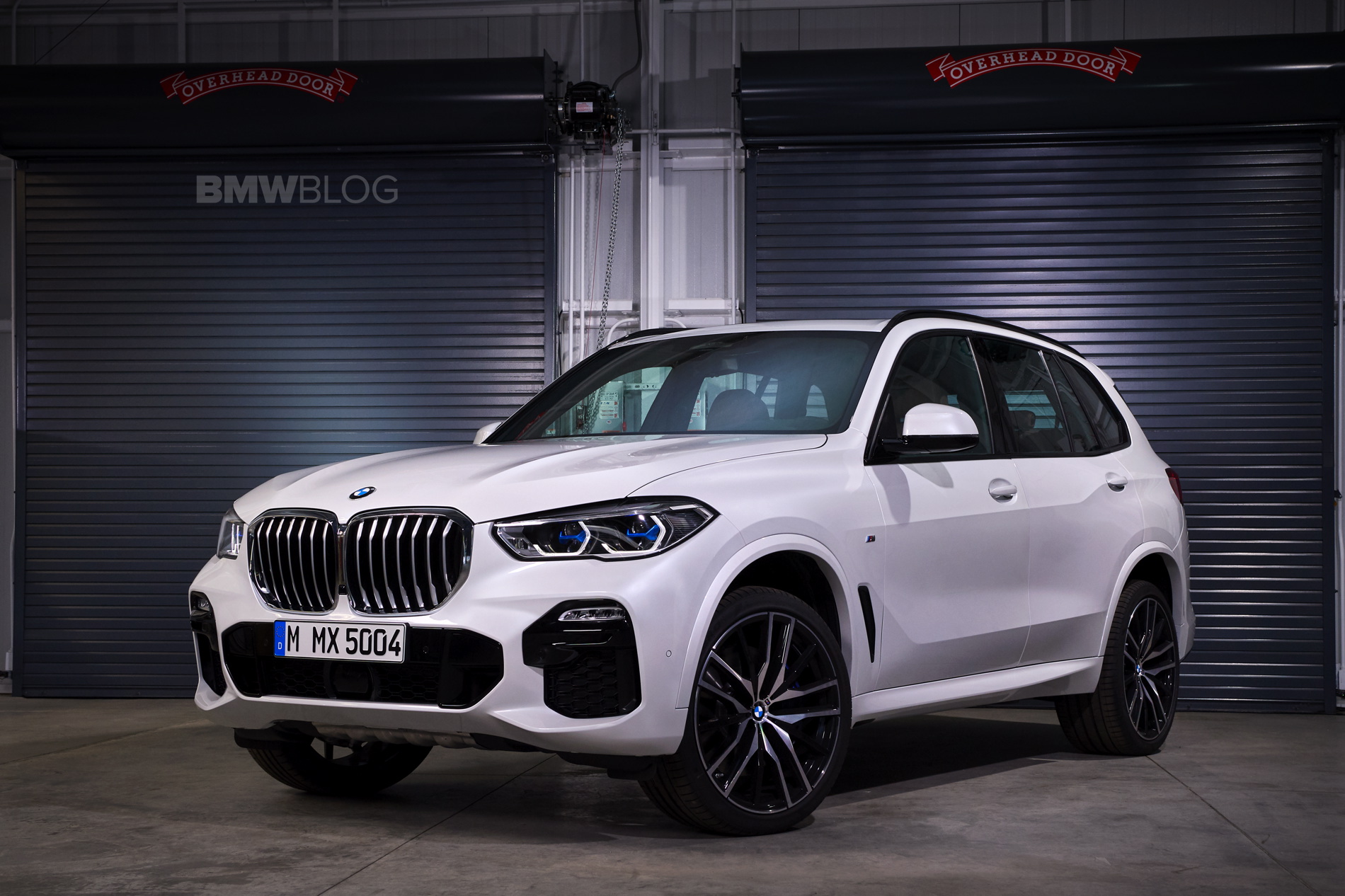
    BMW has launched the new generation of the X5 in India and prices for the SUV start at ₹ 72.90 lakh (ex-showroom India). The company has stated that it will launch 12 new models in the country in 2019 and the new-gen X5 is one among them. The all-new BMW X5 is available in two diesel models – BMW X5 xDrive30d Sport and BMW X5 xDrive30d xLine. The petrol variant BMW X5 xDrive 40i M Sport has also been launched at ₹ 82.40 lakh, however, it will go on sale later in 2019. The price for the new X5 tops out at ₹ 82.40 Lakh.

    Internally codenamed G05, the fourth generation BMW X5 is now based on the CLAR platform that also underpins the 5 Series, 7 Series and the X3 in the automaker’s line-up. The SUV is now larger and more feature-loaded than its predecessor while maintaining the sporty character of the older models. The BMW X5 has been a popular seller for BMW in India but the new gen model has become longer, taller and wider compared to its predecessor.

    It’s the largest X5 ever and this fourth-generation model is 35 mm longer, 32 mm wider and 11 mm taller than its predecessor. The space between the wheels too has increased and it now gains 42 mm on that front and it now stands at 2975 mm. Despite the new model getting bigger, the boot space remains the same at 645 litres that expands to 1,640 liters when the rear seat is folded.

    What’s also different is the way the X5 looks now. The fourth generation BMW X5 gets substantial upgrades on the design and feature front. The signature Kidney grille has grown larger and more imposing on the SUV, while the headlamps are all-LED with X-shaped inserts and get the new adaptive LED DRLs. The front bumper has been reworked and gets larger vents and LED fog lights. The new X5 looks more agile than ever but retains the same silhouette as the older model. The wide LED taillights with the 3D signature add to the distinctive look of the SUV, while the model now gets 21-inch wheels as an option.

    The cabin though is all familiar, in-line with other BMW models and gets the digital instrument console called the BMW Live Cockpit Professional display; along with a floating infotainment screen, updated iDrive along with Apple CarPlay and Android Auto compatibility. Like the other BMW models, you also get gesture and voice commands, as well as a customizable display. The cabin is covered in leather upholstery, while the feature list includes four-zone climate control, wireless charging, screens for rear seat passengers, a panoramic sunroof, welcome carpet light, ambient lighting, and a revised gear-selector lever.

    2019 BMW X5 Key Features

    • Live Cockpit Professional Display
    • Digital Instrument Console
    • Floating Infotainment Screen
    • Updated iDrive System
    • Gesture Control
    • Voice Command
    • Four Zone Climate Control
    • Wireless Charging
    • Rear Passenger Screen
    • Panoramic Sunroof
    • Ambiente Lighting
    The BMW X5 is powered by a 3.0-liter turbo diesel motor.

    Power will come from the 3.0-liter turbo diesel motor tuned for 261 bhp and 620 Nm of peak torque and the BMW X5 can clock triple-digit speeds in 6.5 seconds. The petrol will also be offered soon but for now, there’s just the diesel on offer. The new BMW X5 faces competition from the likes of the Mercedes-Benz GLE,n Volvo XC90, Range Rover Velar, Porsche Cayenne and the Audi Q7.

  • Bern’s Intersport partners with Suning in China

    Bern’s Intersport partners with Suning in China

    Bern retailer network Intersport has entered into a franchise agreement with major Chinese omnichannel retailer Suning.

    The move gives Intersport a more significant presence in the huge Chinese sports market both in the offline and online arenas. It enables Suning to launch Intersport stores in specified provinces and municipalities in China, distributing Intersport products within the territory.

    “Intersport’s global expansion is progressing,” said Intersport International CEO Steve Evers. “We are proud to announce our partnership with Suning, the leading Chinese retailer, to boost our sports retailing business in this rapidly growing market. This alliance of two strong partners with complementary businesses and competencies will form the basis for long-term success in the Chinese sports retail market.”

    “Football, fitness, and a penchant for a healthy lifestyle are increasingly popular in China,” said Suning VP Gary Gong. “For this reason, Suning took the strategic decision to extend its retail business into the sports equipment market.”

    Suning has 12,871 stores in more than 600 cities in China. Its e-commerce platform claims more than 407 million registered users.

  • Malaysian bubble-tea chain Tealive Eying IPO

    Malaysian bubble-tea chain Tealive Eying IPO

    Loob Holding, parent of Malaysian bubble-tea chain Tealive, is preparing an IPO in Malaysia with a view to raising MYR300 million (US$72 million).

    The firm, which operates more than 200 food-and-beverage outlets in the territory, has reportedly hired advisors to facilitate the process and is seeking a valuation of up to MYR1 billion.

    “We have engaged corporate advisers for this exercise,” said Loo’s CEO Bryan Loo. “We cannot confirm the valuation sought nor the IPO portion, pending final recommendations from our advisers.”

    New listings have been slow off the mark this year, with only $9.4 million in first-time sales so far compared to $47.8 million during the same period last year. Several retail businesses are expected to list shortly, including Malaysia KFC operator QSR Brands and home improvement chain Mr DIY.

  • McDonald’s Philippines Planning 50 Restaurant Openings

    McDonald’s Philippines Planning 50 Restaurant Openings

    McDonald’s Philippines is expanding, with new stores and branch upgrades unfolding this year along with menu additions.

    There are currently around 650 McDonald’s restaurants in the territory, 61 of which opened last year.

    “We’re continuing our aggressive expansion,” said McDonald’s MD Margot Torres. “In terms of new stores, we’re looking at about 50.”

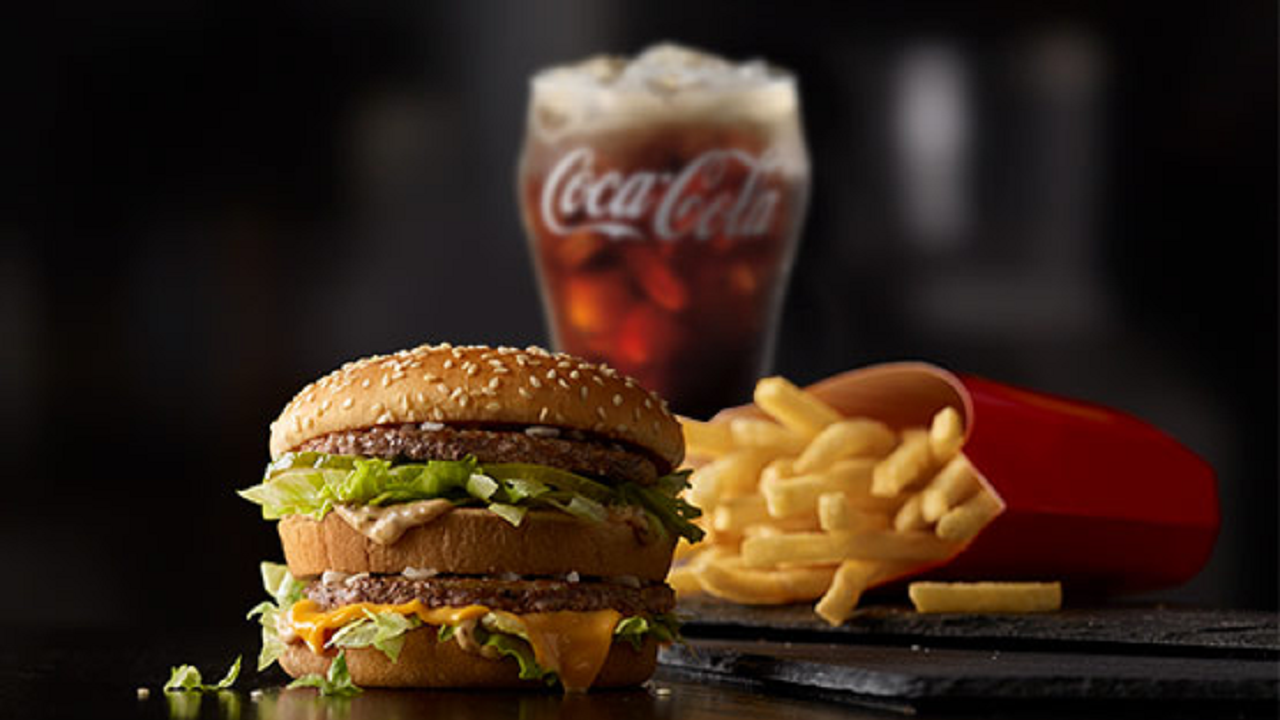
    The firm’s outlets will be upgraded to the McDonald’s Nxtgen system, featuring a touch-screen service allowing customers to place orders without interacting with a cashier. The Nxtgen kiosks also allow customers to customize their orders and access additional offerings.

    An estimated 70 per cent of stores are expected to receive the upgrade by 2021

  • Dome Cafe Singapore Closing Doors

    Dome Cafe Singapore Closing Doors

    The last Dome Cafe Singapore cafe is to close next month. The Australian casual-bistro concept which specializes in light meals and coffee will exit Singapore after 20 years on June 23 when the last outlet, at Parkway Parade, shuts its doors.

    Opened in 1993, under a Singaporean joint venture called Dome Holding, it was one of the first cafes serving specialty coffee on the island.

    A second outlet opened five months later, and by 1996, there were five Dome Singapore cafes.

    In the same year, Suntec Investment acquired a 51 percent stake in Dome Holding, forming Suntec Dome Holding and by 2009 the chain had grown to 10.

    “The food and beverage scene has evolved tremendously since the first Dome Cafe opened in Singapore more than 20 years ago,” said Rebecca Lim, Suntec F&B Holdings MD in a statement.

    “As a group, we have to progress with the times to stay relevant in this competitive industry. We will be channeling our resources to concepts that are aligned with the interests and welfare of the customers we serve.”

    Dome Cafe has more than 100 outlets internationally.

  • Van Heusen India opens Flagship Store in Mumbai

    Van Heusen India opens Flagship Store in Mumbai

    Indian formal wear brand Van Heusen has opened a new upscale fashion store in Bandra.

    With the launch of the new Linking Road store, Van Heusen India now operates 16 stores in Mumbai. The expansive store is spread across 2200sqft, offering an array of wardrobe options for both men and women ranging from corporate suits to fashion jackets, casual work-wear to club wear

    “Van Heusen has over the last decade carved a niche for itself as a renowned fashion brand with a strong presence across leading cities and towns of India,” said the firm’s COO Abhay Bahugune. “Today, Van Heusen enjoys a high recall value and is perceived as a brand that provides power dressing to young professionals.”

  • Alibaba not affected by the Trade War

    Alibaba not affected by the Trade War

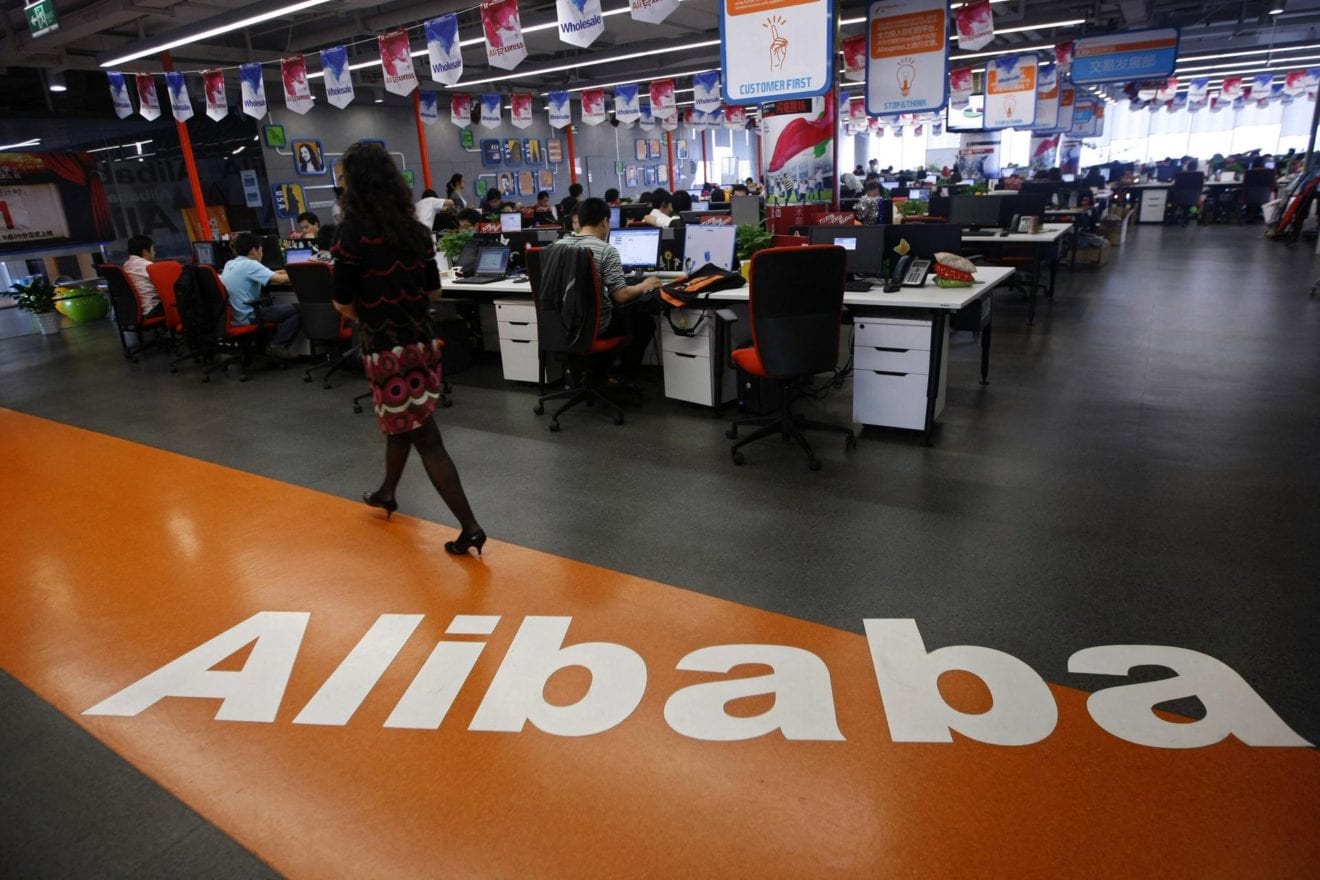
    Alibaba executive chairman Joe Tsai told analysts the company’s position as “China’s number-one platform for overseas brands” puts it on the right side of the trade war between the US and China.

    While discussing the group’s recent full-year results, which saw Alibaba grow revenue 51 per cent during the year to March 31, 2019, to US$56.2 billion (RMB376.8 billion) and net income 31 per cent to $13.1 billion (RMB80.2 billion), Tsai said he wanted to address the “elephant in the room”.

    “First, the reduction of the US trade deficit. China’s commitment to purchase more American products means China will over the next several years become a net importing country,” Tsai said.

    “We are the platform of choice for global producers of products and brands selling into China because we have the reach and deep insights on over 650 million active Chinese consumers on our platform. The scale and effectiveness of our access to Chinese consumers is simply unrivaled.”

    Alibaba’s active customers grew to 654 million over the year to March 31- an increase of 104 million year on year.

    Tsai said the ongoing trade negotiations also create an opportunity for other markets to do more foreign business within China, satisfying growing demand from the Chinese public as the country’s economy shifts from an “export economy to a domestic consumption economy”.

    “As we look at the evolution of the Chinese economy, Alibaba is on the right side of all of the issues,” Tsai said.

    Alibaba was recently ranked as the world’s most valuable retail brand outside of the US by research firm Kantar earlier this week, which valued the brand at US$131.2 billion, up 48 per cent on last year.

    Partly, this was due to the group’s New Retail strategy, which this year saw Alibaba partner with Starbucks to enable on-demand coffee delivery across 35 cities throughout China.

    “If you want to see the future of retail, look to China,” the report said.

    “In many ways, it is leading the world… Chinese consumers are using mobile in every aspect of their lives.”

  • The world’s first 1TB microSD card is on Sale

    The world’s first 1TB microSD card is on Sale

    Just in case you needed further proof the mobile tech industry is making incredible progress at breakneck speed nowadays, you might recall Samsung’s first ever “terabyte-ready” phone was only unveiled last fall. The Galaxy Note 9 offered 512 gigs of internal storage space, supporting up to 512 more by accommodating a new first-party microSD card option.

    But then the Galaxy S10+ took things to the next level in a special Performance Edition, starting at a full terabyte of digital hoarding room while naturally also supporting external expansion. And now there’s an easy way to make the ultra-high-end model a two terabyte device with the help of the world’s first 1TB memory card. This comes from SanDisk (who else?), finally going on sale today in the US after a formal announcement several months back.

    By “easy”, of course, we don’t mean it’s affordable by any stretch of the imagination to obtain a phone capable of storing 2TB of data in total. In addition to the $1,600 you need to pay for an unlocked S10+ Performance Edition, the 1TB SanDisk Extreme UHS-I microSD card will cost you an extra $449.99 right now. Believe it or not, that’s actually 50 bucks lower than the recommended price point initially announced by SanDisk. At the same time, it’s a whopping $250 more than what the memory-specialized company typically charges for a 512 gig Extreme model.

    Naturally, speeds are just as important as capacity, and unsurprisingly, this bad boy shines in that particular department as well, with up to 160MB/s read and maximum 90MB/s write velocity. Both Full HD and 4K Ultra HD video clips are supported, although you’ll have to capture quite a lot of high-quality footage to exceed the internal limit of a 1TB, 512GB, or even 256GB high-end smartphone.

    Available from SanDisk’s own website and B&H Photo Video at the time of this writing, the 1TB Extreme microSD card is also listed as “currently unavailable” on Amazon and “sold out” at Best Buy, where it’s actually priced at $429.99 after a $70 discount.

  • Turning data into information in the age of IoT

    Turning data into information in the age of IoT

    If you think about what your home was like even just a few years ago, life was very different.

    Think about what grocery shopping was like. You’d open your fridge door to check out what’s missing, scribble down on a notebook a shopping list of what you need, turn off the aircon and switch on the alarm before you left the house and leave.

    Now, your smart fridge automatically knows when you’re running low on milk and will order the specific brand and size that you prefer and have it delivered to your front door. Left home and forgot to switch the aircon or alarm on or off? Simply view the app on your smartphone and tap your appliances on or off.

    Known as the Internet of Things (IoT), people are consuming information from more connected devices and as a result, marketing practices are rapidly changing. Retailers need to learn how to speak to customers through more channels than before.

    As IRI’s product solution director Adam Fisher explains, while more devices are creating more communication, marketers are getting blocked where they weren’t before. What happens when your fridge starts ordering groceries for you? Where a marketer could previously capture customers at the shelf in a grocery store, they now need to work out how to get your attention when the fridge automatically orders milk to your doorstep.

    “From a marketer’s standpoint, there are so many devices vying for people’s attention —How do you get the right person’s attention at the right time?” Fisher says.

    According to Fisher, one of the biggest challenges for retailers is knowing how to turn all the data into actionable information.

    “It’s knowing how do I bring [the information] in, how do I make sense of it, but on top of that, how do I know when I need to do something when it’s signalling something?” he points out.

    Marketing automation can give brands more insights and data into how people are responding to these different channels and how they should be approached, suggests Fisher. It’s one of the biggest trends in retail today

    and can help businesses engage with their customers by programmatically finding the optimal marketing and promotional activities for defined customer segments.

    A major benefit of IoT is the fact that based on all this new information from devices, brands and retailers are able to bring products to market faster, allowing them to keep up with the ever-changing retail landscape.

    However, it is vital that businesses have the right infrastructure in place in order to deliver real business growth.

    Fisher says: “It is important that they have the technology and right partner in place. In order to do this, brands and retailers will have to combine mobile and cloud technology infrastructure and go entirely digital to build a new business model by connecting people, things, processes, and data to keep up with technological innovation. That is the essence of what we do at IRI, is connecting the dots to help make faster and stronger business decisions.”

  • Triumph’s First Electric Motorcycle Will Be The TE-1 Project

    Triumph’s First Electric Motorcycle Will Be The TE-1 Project

    Triumph Motorcycles could well be the newest player among premium motorcycle brands to get on to the electric motorcycle game after Harley-Davidson’s LiveWire electric motorcycle project. The British motorcycle brand has announced a new project called the TE-1 which is a collaboration between Triumph, Williams Advanced Engineering, Integral Powertrain Ltd’s e-Drive Division, and WMG at the University of Warwick. Additionally, the group will receive funding from the UK Government’s Department for Business, Energy and Industrial Strategy (BEIS) and the Office for Low Emission Vehicles (OLEV). The actual model development is still some time away, but it is an important announcement nevertheless and will bring in exciting times in the electric motorcycle space in future.

    “This new collaboration represents an exciting opportunity for Triumph and its partners to be leaders in the technology that will enable the electrification of motorcycles, which is driven by customers striving to reduce their environmental impact, combined with the desire for more economical transportation, and changing legislation. Project Triumph TE-1 is one part of our electric motorcycle strategy, focused on delivering what riders want and expect from their Triumph, which is the perfect balance of handling, performance, and usability,” said Nick Bloor, Triumph CEO.

    Triumph Motorcycles will lead the TE-1 project, providing expertise in chassis development and overall motorcycle engineering. Williams Advanced Engineering will provide lightweight battery design and integration capability for the project, while Integral Powertrain’s e-Drive Division will lead the development of the in-house electric motor with a silicon carbide inverter. WMG at the University of Warwick will help provide commercialization as well as modeling and simulations that will be based on future market needs.

    “Our future product strategy is focused on delivering the most suitable engine platforms for the changing landscape of customer needs, and we see a Triumph electric powertrain as a significant requirement alongside our signature twin and triple cylinder engines,” said Steve Sargent, Triumph’s Chief Product Officer.

    The TE-1 project will eventually lead to new model development, but that is still a few years away. The first phase will focus on delivering powertrain solutions in two years’ time before any specific model development takes place. What is clear is that electric motorcycles certainly seem to be taking off in earnest, and it probably won’t be too long before you get to see an electric Triumph in production form.

  • The Galaxy Note 10 Will be Sold in 6 Colors

    The Galaxy Note 10 Will be Sold in 6 Colors

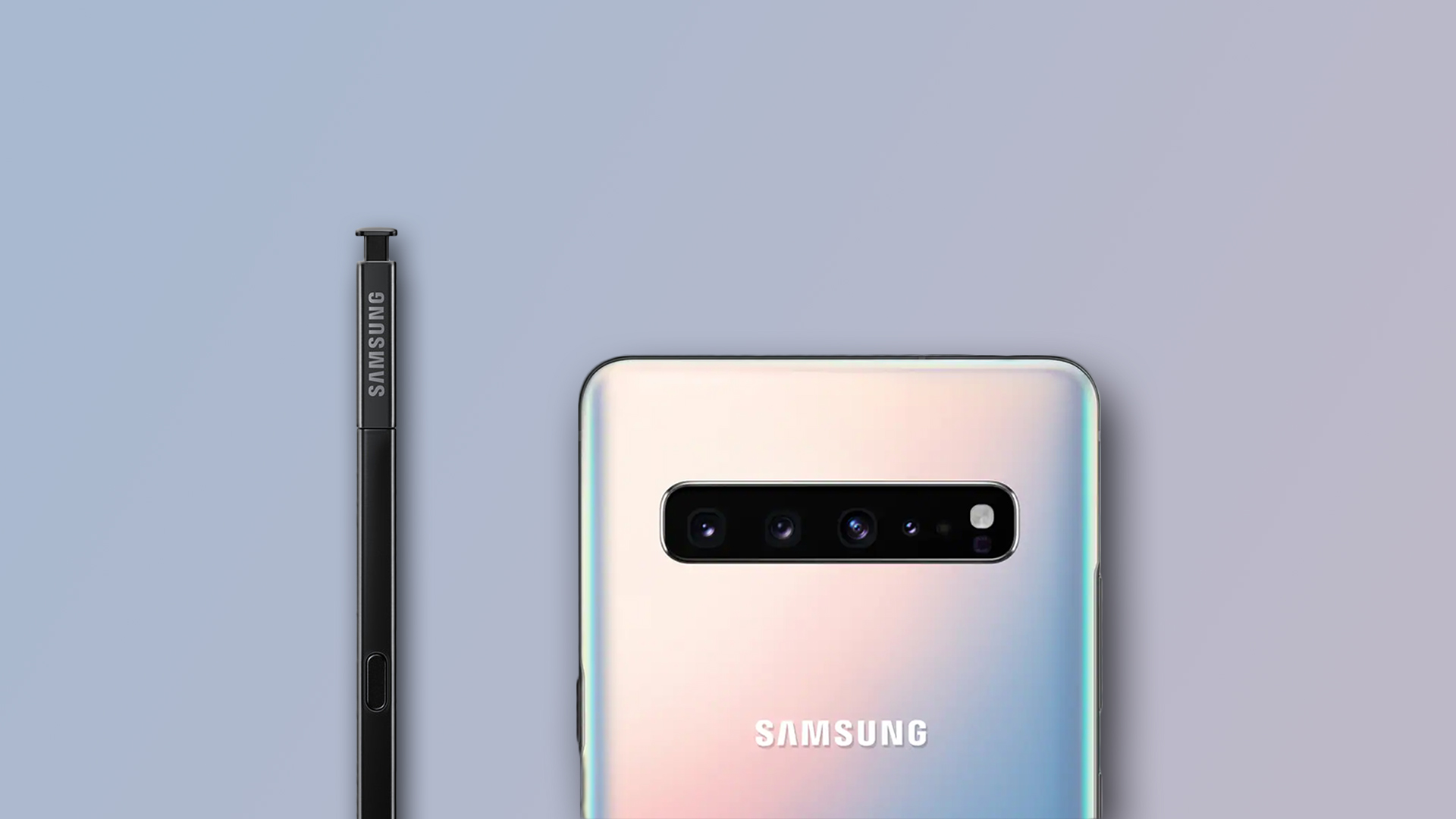
    The Galaxy Note 10 will arrive this summer packed full of flagship features and specs, and according to MySmartPrice, Samsung hopes to pair all of this with an extensive range of colors. The Galaxy Note 8 and Galaxy Note 9 both launched initially in a range of four colors which were subject to availability. But with this year’s Galaxy Note 10, Samsung is reportedly preparing a grand total of five finishes that’ll include both old and new colors.

    Borrowing from the Galaxy S10 that Samsung released earlier this year, the Galaxy Note 10 will reportedly be available in Prism Black, Prism White, and Flaming Pink upon launch. It’s unclear if other Galaxy S10 colors will be used at a later date, but the possibility certainly exists.

    Like the Galaxy Note 9 that precedes it, Samsung’s next flagship is also set to be sold in a Cloud Silver finish. Completing the lineup will apparently be an all-new red color. Curiously, Samsung was planning a red variant of the Galaxy S10 but ultimately scrapped it ahead of launch.

    As per usual, the availability of the Galaxy Note 10 colors mentioned above will vary by market and storage configuration. Moreover, it’s worth pointing out the fact that Samsung could still choose to cancel or delay certain finishes prior to the flagship’s announcement. Nevertheless, as things stand the Prism Black, Prism White, Flamingo Pink, and Cloud Silver versions are set to be sold internationally, while the red model will be available in just a handful of markets.

    Following in the footsteps of the Galaxy S10 series, the Galaxy Note 10 is expected to arrive powered by Qualcomm’s Snapdragon 855 in the US and the Exynos 9820 over in Europe and many other markets.

    Presumably, these high-end chipsets will arrive paired with 8GB of RAM and 128GB of storage as standard. However, if this configuration isn’t sufficient, other variants with up to 12GB of RAM and 1TB of storage are extremely likely. Accompanying all of this should be Android 9 Pie paired with Samsung’s One UI custom interface and a large 6.3-inch curved AMOLED display. Speaking of which, this is expected to retain the slim bezels and punch hole found on the Galaxy S10 line. Over on the rear of the Galaxy Note 10 is expected to set a minimum of three rear cameras rather than the two found on last year’s model. There is, however, a strong possibility Samsung will add a fourth camera to the setup.

    If this happens, consumers can expect to find a 12-megapixel variable aperture camera accompanied by a second 12-megapixel sensor paired with a 2x telephoto zoom lens. The flagship is also set to benefit from a 16-megapixel ultra-wide-angle camera that’ll give users the ability to capture more in their photos, and a dedicated Time-of-Flight sensor which should provide depth data for improved bokeh imagery and more accurate AR content.

    In addition to the regular Galaxy Note 10, which itself will also be accompanied by a 5G variant, Samsung is reportedly preparing a Galaxy Note 10 Pro and Note 10 Pro 5G. These two devices are set to look identical to the regular Galaxy Note 10 models, but will apparently feature massive 6.7-inch AMOLED displays and huge 4,500mAh batteries.

    Rumor has it the smartphones will also feature two front-facing cameras and potentially more storage and RAM as standard.

  • Sigma chairman Resigns after remuneration protest

    Sigma chairman Resigns after remuneration protest

    Brian Jamieson, chairman of Sigma Healthcare, has said he intends to step down within the next 12 months after shareholders protested the remuneration report at Sigma’s annual general meeting on Wednesday.

    Shareholders delivered an 18 percent vote against the report during the meeting, while also opting to re-elect Jamieson, as well as David Manuel, as directors.

    The vote signalled shareholders’ frustration over Sigma’s decision to reject a takeover offer by rival healthcare business Australian Pharmaceutical Industries, as well as a protest against the remuneration report itself, which included bonuses for board members in a year that has seen Sigma’s share price fall from 80 cents per share in June 2018 to 53 cents per share.

    “This has been a defining year for Sigma,” Jamieson told shareholders at the business’s AGM.

    Over the course of the year, Sigma walked away from a supply contract with Chemist Warehouse Group, causing a major fall in the business’s share price hasn’t been recovered.

    Sigma also walked away from the proposed merger with API, which Jamieson told shareholders was “somewhat opportunistic, with Sigma at its most vulnerable” after dropping the Chemist Warehouse Group supply contract.

    “To agree to proceed may have been the easy decision, but our detailed analysis supported our view that it was not the right decision for mid to long-term shareholder value,” Jamieson said.