Blog

  • Google Assistant finally gets the celebrity voice

    Google Assistant finally gets the celebrity voice

    Back at Google I/O in May of 2018, Google promised users a special treat with Google Assistant — the addition of John Legend’s voice as an option for Google Home products and the Assistant on your phone. We’re now just about one month away from Google I/O 2019 and that promise has finally become a reality.

    All you have to do to get John Legend’s voice is to ask your Assistant to “talk like John Legend.” After that, you’ll have John Legend’s voice for a limited selection of things like giving weather updates, answering questions, and telling jokes, while “the regular Assistant” does everything else. We tested it out for a couple minutes and the general voice does sound like John Legend, even if it is a bit robotic, and there are fun Easter eggs to find, like when you ask “Do you like Chrissy Teigen?” or “What’s your middle name?” or “What’s your favorite song?” or “Serenade me.” In generally, questions about music will get something good from the voice.

    The one thing to remember is that Google has said this special voice will only be available for a limited time, although there’s no indication what that actually means. However, it seems like John Legend won’t be the only celebrity voice for the Google Assistant because this is Google’s way of showing off its WaveNet voice synthesis engine. The idea is that with a certain amount of data, it can impersonate anyone, so maybe at next month’s Google I/O we’ll hear about new voices in the works.

    https://www.youtube.com/watch?v=AgHghcYqeto&feature=youtu.be

  • WhatsApp is now rolling out a renewed privacy feature

    WhatsApp is now rolling out a renewed privacy feature

    Groups are a vital part of WhatsApp, although as the Facebook-owned messaging platform has grown in popularity so has the number of unwanted group chats. But today, after testing them for a while on iOS, WhatsApp is rolling out new privacy settings which should help control this.

    Until now, group admins could add any WhatsApp user to a group without needing their consent – the only requirement being that the user is a contact in the admin’s phone. As part of this latest rollout, though, WhatsApp users will now be able to choose which people can add them to groups.

    In order to access the new feature, users need to simply head over to the Settings menu within WhatsApp and tap Accounts. Then a quick tap on Privacy and later Groups will present users with the choice of three options: ‘Everyone,’ ‘My Contacts,’ or ‘Nobody.’ Each one is pretty self-explanatory with ‘Nobody’ meaning users will have to approve every single group with ‘Everyone’ allows users to leave their group invitations completely open, as they are today.

    WhatsApp’s latest privacy feature will begin rollout out today to a select number of users before expanding globally across the coming weeks.

  • Bajaj Launches CT100 And Discover 125 With CBS

    Bajaj Launches CT100 And Discover 125 With CBS

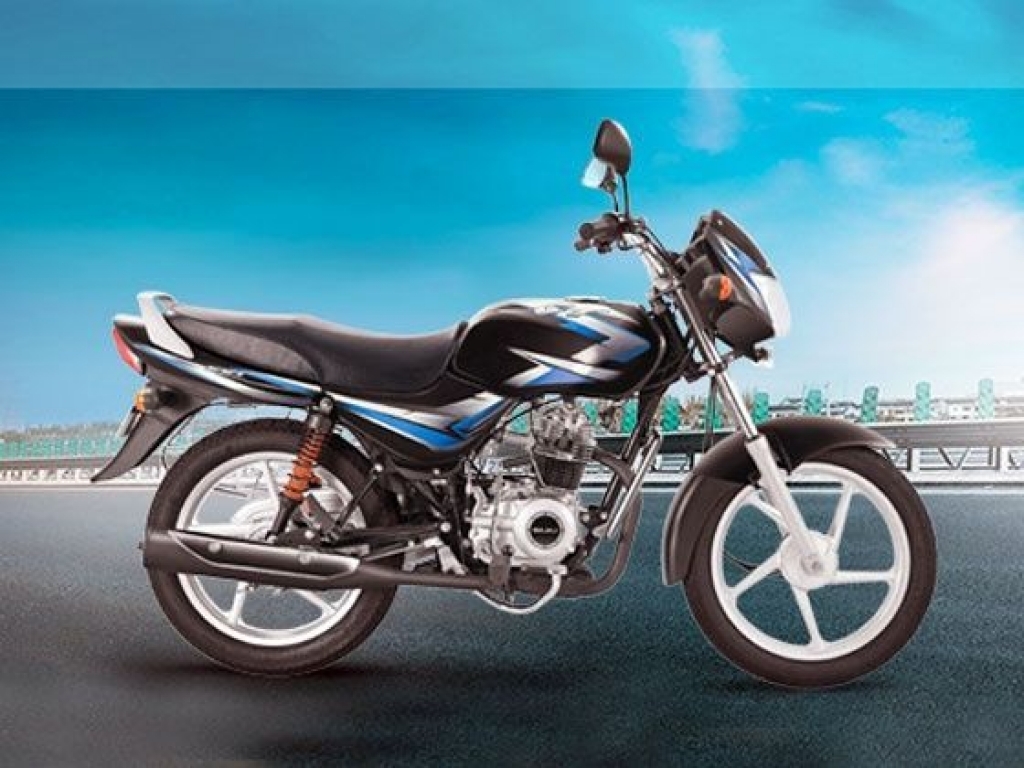
    Bajaj Auto has introduced combined braking system on the Bajaj CT100 and the Bajaj Discover 125, in accordance with the law of all two-wheelers in India needing to have either CBS or ABS compulsorily after 1 April, 2019. The Bajaj CT100 will be available in three variants which are spoke, alloy, and alloys with electric start. The spoke model is priced at ₹ 33,152 while the alloy model is priced at ₹ 35,936 and the top model with alloys and electric start is priced at ₹ 41,587. The overall hike in prices of the CT100 ranges from ₹ 700 to ₹ 1,100.

    The Bajaj Discover 125 is available in two variants which are disc and drum. The drum variant of the Discover 125 with CBS is priced at ₹ 58,000 and the disc variant of the CBS is priced at ₹ 61,500. Both variants get a price hike of ₹ 800 and ₹ 2,000 respectively. Apart from the addition of combined braking system on both motorcycles, everything else remains the same.

    Bajaj had a decent FY2019, reporting a growth of 25 per cent in total sales for the financial year 2018-19. The company sold 50, 19,503 units (motorcycles + commercial vehicles), as opposed to 40, 06,791 units sold during FY2017-18. This was also a new milestone for the company recording its highest ever sales in a fiscal. The company’s domestic sales for the year stood at 29, 40,773 units, growing by 25 per cent over 23, 44,214 units sold during the previous year.

  • BMW F 850 RS Patented In Brazil

    BMW F 850 RS Patented In Brazil

    BMW Motorrad has applied for a patent for the F 850 RS in Brazil with the National Institute of Industrial Property (INP). Yes! It spawns from the company’s F 850 GS motorcycle but while the GS is an off-road biased model, the F 850 RS will be a tarmac loving sport-touring machine, somewhat similar to the BMW S 1000 XR. The F 850 RS began life as the stunning 9Cento concept which was showcased in May 2018 at the Concorso d’Eleganza Villa d’Este in Italy which had a rather sexy, head-turning design. In fact, the production version of the 9Cento concept was spied testing sometime in November 2018 and then, it was rumoured to be called the F 850 GT, but a leaked dealer brochure confirmed the name of the new motorcycle as the F 850 ₹

    The patent image shows that the overall look and design of the F 850 RS will be quite similar to the 9Cento concept. And the engine on the F 850 RS will be the same as the one on the F 850 GS, which is a 853 cc parallel-twin, liquid-cooled motor making 93 bhp of max power and 92 Nm of peak torque while being paired to a six-speed gearbox. Expect the engine to be tuned differently for on-road touring. Also, the RS could be wearing thicker on-road rubber with alloys instead of spoked rims and dual-purpose tyres that the F 850 GS is shod with. We expect the BMW F 850 RS to be unveiled at the 2019 EICMA Motorcycle Show in November this year. Once it is internationally launched, we expect BMW Motorrad to eventually bring the F 850 RS to India sometime later in 2020 as well.

  • Walmart partners with Google for voice shopping

    Walmart partners with Google for voice shopping

    US retail giant Walmart and tech company Google have collaborated on voice technology to assist customers with grocery shopping.

    Starting this month, Walmart Voice Order will allow consumers to order groceries through Google Assistant by saying, “Hey Google, talk to Walmart”.  Google Assistant will then follow the orders directly and add grocery items to their Walmart Grocery cart.

    “We continue to innovate for the future and look to technology to make great services even better in the future. Introducing: Walmart Voice Order,” said Tom Ward, senior vice president, Digital Operations, Walmart US.

    “With the new voice ordering capabilities we’re building across platforms with partners like Google, we’re helping customers simply say the word to have Walmart help them shop … literally.”

    “Best of all, customers can be extra confident that we can quickly and accurately identify the items they are asking for with the help of information from their prior purchases with us. The more you use it, the better we’ll get,” added Ward.

    When shoppers say “add milk to my cart,” the Google Assistant will add the specific milk brand the customer usually buys, meaning there is no need to continually repeat the brand, volume and whether it’s a low fat or whole milk.

    Shoppers can use Walmart Voice Order on Smart Displays like Google Home Hub, Android phones, iPhones, watches, etc.

    “We know when using voice technology, customers like to add items to their cart one at a time over a few days – not complete their shopping for the week all at once. So, this capability aligns with the way customers shop. We can’t wait to hear what they think about it and how it’s making shopping easier for them,” Ward explained.

    Walmart, Amazon competes in the US grocery sector

    Walmart’s latest move comes in light of Amazon’s plans to slash prices at Whole Foods Market and to give major discounts to Amazon Prime members. Amazon also offers voice-activated shopping using its own Alexa-enabled devices, which dominates the US smart speaker market, with 67 per cent market share in 2018.

    “We still don’t see a lot of people shopping and buying with smart speakers yet, but this may change if more lower-cost models begin to incorporate screens. We’re also likely to see people doing more things with their voice assistants as they find their way into cars and other home-based devices,” said analyst Victoria Petrock.

    There are still a minimum number of shoppers who are using speakers to shop. Voice commerce in 2018 accounted for approximately 0.4 per cent of US e-commerce sales. Analysts expect it to increase in the next few years.

  • Hyundai’s Virtual Cockpit Concept Gets Steering-Mounted Touchscreens

    Hyundai’s Virtual Cockpit Concept Gets Steering-Mounted Touchscreens

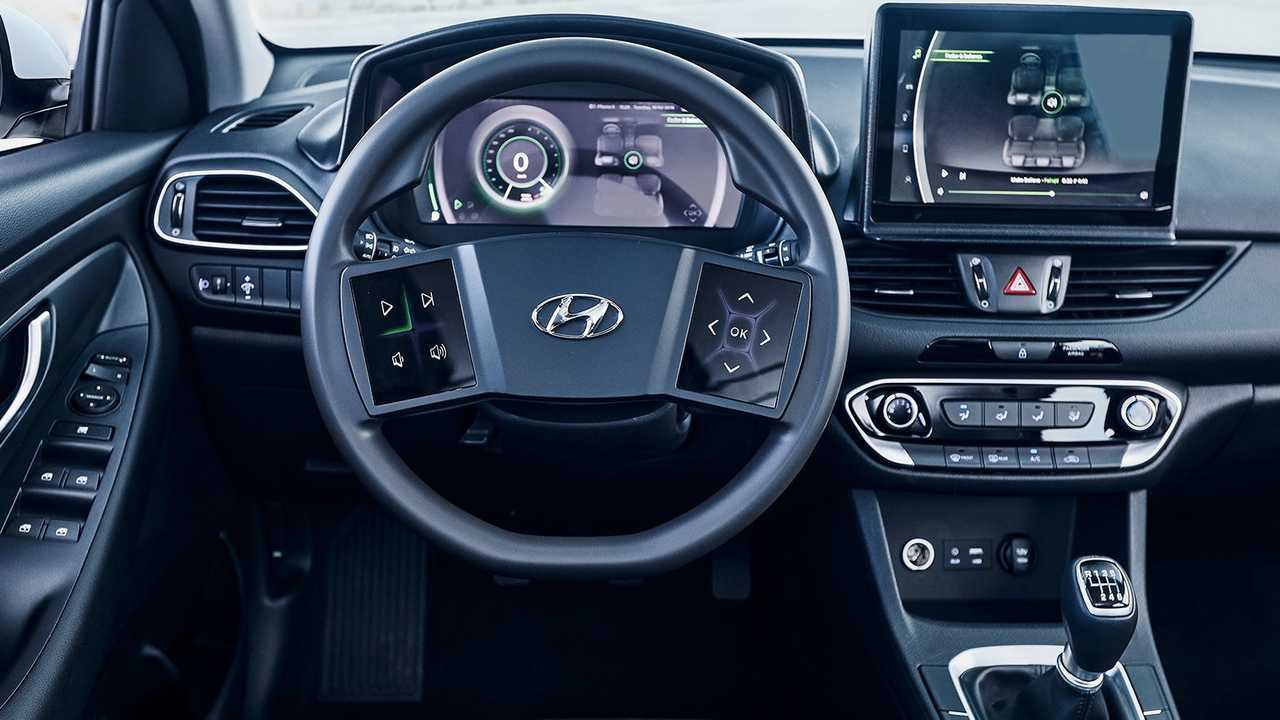
    The Hyundai i30 with the new virtual cockpit comes with a new steering wheel that comes with wide bridges one either side to house the two vertical displays. The touchscreen offers the driver controls to the music system, menu and mode change among others. In fact, the display even comes with a new, freely configurable icon design for easier understanding and two actuator modules underneath the surface allowing for a stronger and more consistent haptic feedback which optimises the usability for the driver. Hyundai focused on improving the existing concept of touch displays with haptic feedback on the steering wheel, similar to the centre display. The centre display can be used to control the car’s features like climate control, speaker setting and much more.

    As for the instrument cluster, it comes with a multi-layer display (MLD) that is claimed to come with a new, very natural way of attention control. Unlike regular displays, the MLD consists of two displays, which are stacked behind each other at a distance of 6mm that offer visual 3D effects – While one part of the graphic is shown on the front display and the other part on the rear display. In the area where the graphics overlap, the impression of an object in space is created. Regina Kaiser also said that “We are doing research on the learnability, intuition and potential driver distraction of the virtual cockpit.” In fact, the company study revealed that Hyundai’s new cockpit is significantly below the limits of the globally acknowledged motor vehicle safety associations AAM and NHTSA.

    Hyundai says that to date, the company’s steering wheels and cockpits have undergone a major development process and the technology continues to evolve. “We are continuously working on new technologies that make our cars perfectly intuitive and user-friendly”, said Regina Kaiser. While the cockpit is still in the early prototype stage, the company says that it’s nonetheless an important milestone and fairly advanced compared to the existing technology, parts of which we’ll be seeing in some of the future models from Hyundai.

  • Rolls-Royce Appoints Jozef Kaban As The Head Of Design

    Rolls-Royce Appoints Jozef Kaban As The Head Of Design

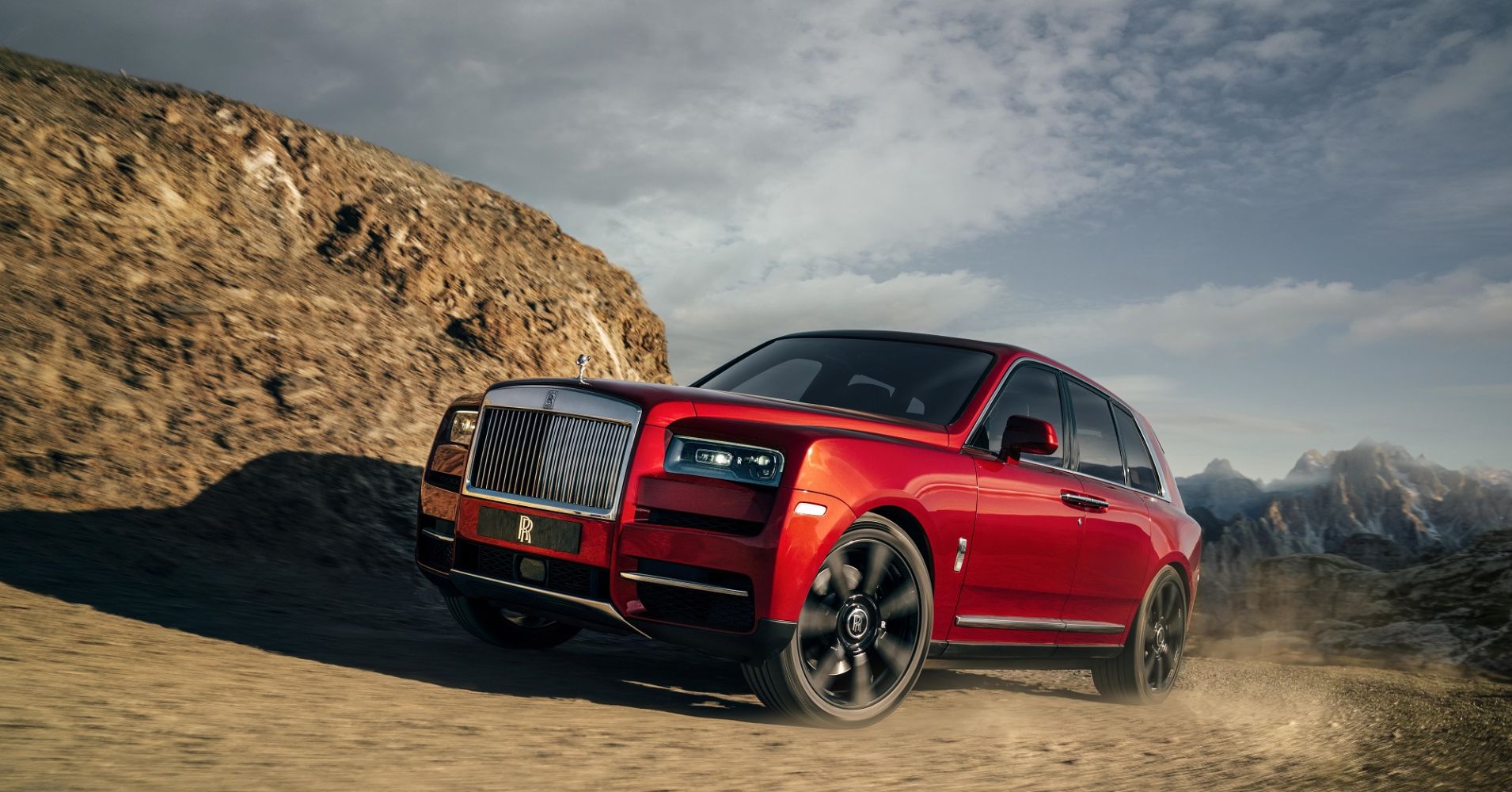
    Rolls-Royce Motor Cars has appointed Jozef Kaban as the new design chief. 46-year-old Kaban who was earlier the Head of Design Studio at its parent company- BMW started working with the Group two years back in 2017. Kaban started his career as a car designer with the Volkswagen Group after he graduated from the Royal College of Art, London in 1997 and in 1998 he got the project lead for the iconic Bugatti Veyron.

    On Kaban’s joining, Torsten Muller-Otvos, Chief Executive Officer, Rolls-Royce Motor Cars said, “I am delighted to announce that Jozef Kaban has been appointed Head of Design. He is an exceptionally talented designer with a strong track record and a wide breadth of ability. It is testament to the success of our business that, as the world’s leading luxury house, we are able to attract the world’s very best design talent.” He continued, “This is an exciting time for our brand and I look forward to welcoming Jozef to the Rolls-Royce family.”

    Prior to joining the BMW Group, Kaban worked as a lead designer of Exterior roles, first at Audi AG and then Skoda Auto.

  • 2019 BMW Z4 Teased Ahead Of Its India Launch

    2019 BMW Z4 Teased Ahead Of Its India Launch

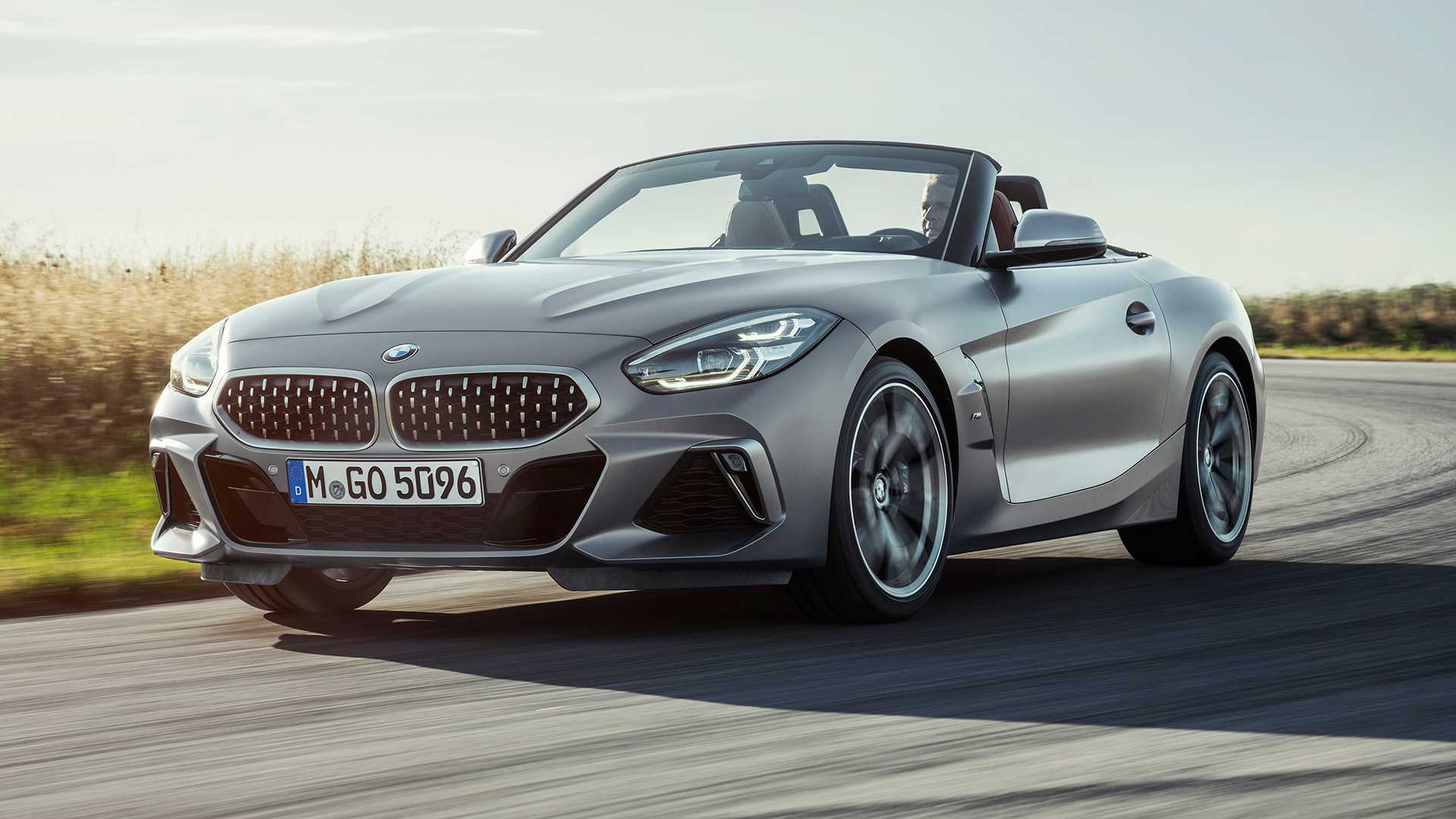
    The all-new third-generation BMW Z4 was revealed globally last year and is one of the 12 new models which BMW has planned to launch in India this year. The new Z4 has also been spied before in India and the new teaser reaffirms it being one of the models in the pipeline. BMW India took to Twitter and Instagram to tease the third-generation Z4 and has hinted about its launch which could be sooner than you can guess and the company is planning to unfold it today.

    The test mule which underwent the homologation process was the Z4 M40i variant which is most likely to be the one for India. It is powered by a 3.0-litre, twin-turbo, inline six-cylinder engine which churns out 340 bhp and takes 4.6 seconds to clock triple-digit speed. Its top speed is electronically limited to 250 kmph. The Z4 will also feature sports suspension with electronically controlled dampers, M-Sport brakes and an electronically controlled M-Sport differential in the rear-mounted transmission. The car also has 50-50 weight distribution.

    The new BMW Z4 is quite close to its concept design and has retained the new conjoined Kidney Grille which we have also seen on the 8-Series. In fact, the fascia overall is related to quite an extent sporting the almost identical headlamp cluster with typical BMW daytime running lights. The rear of the car, however, is discrete and looks very similar to the outgoing model. The cabin is similar to what we have seen in the M-Sport variants of BMWs. You get a three-spoke steering wheel, a very typical BMW centre console and a central tunnel with a silver finish too. The silver or brushed accents also continue on the steering wheel and on the dashboard. You also get an all-digital instrument cluster panel.

    The new BMW Z4 is expected to cost around ₹ 1 Crore and will take on an array of different drop tops. Obvious rivals for the Z4 are the Porsche 718 Boxster, the Jaguar F-Type 2.0 Roadster and the Mercedes-AMG SLC43. However, it will also go up against slightly more relaxed cabriolets like the C-Class cabriolet and the Audi A5 Cabriolet.

  • Ford Unveils Their Puma Crossover

    Ford Unveils Their Puma Crossover

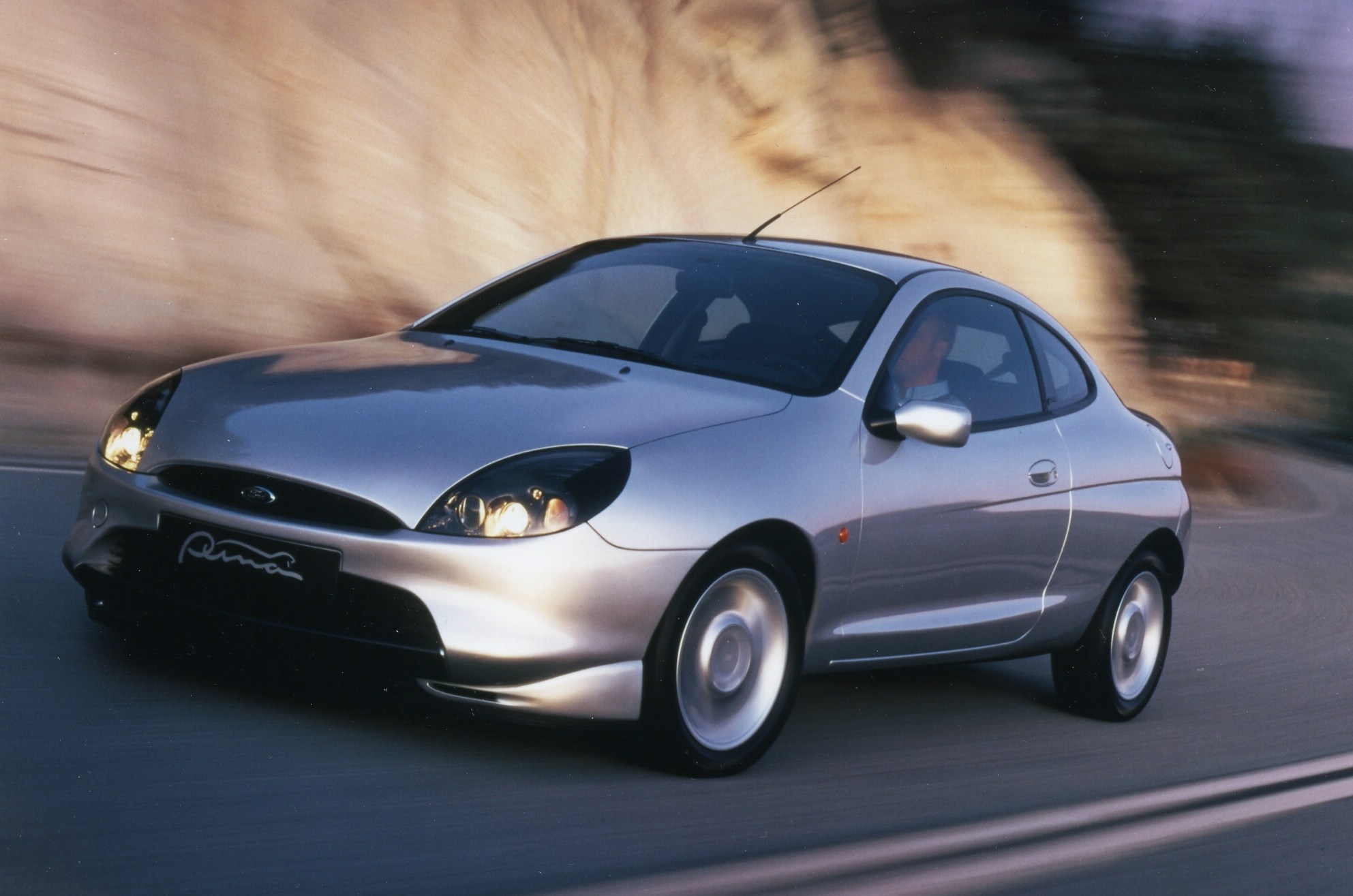
    Ford has revealed the first image of the Puma – an SUV-inspired compact crossover and the company says that it comes with hybrid technology. The Puma will go on sale in the global markets by the end of 2019 and will be manufactured at the company’s Craiova Assembly Plant, Romania, following nearly 1.5 billion Euros investment since 2008.

    The first image of the Ford Puma reveals its styling cues and we can see the distinctive wing-top mounted headlamps and the curves on the side of the car which brings out the athletic side of the car and also showcases the aerodynamic ability too. The company has not said much about the ride height but does mention that the luggage capacity is 456 litres.

    The company says that discussions with customers have led to it providing for flexible luggage space. The Puma’s innovative rear stowage can swallow small furniture and the company says that the versatile storage compartment is capable of comfortably accommodating two golf bags in an upright position.

    Under the hood is Ford’s 1-litre, 3 cylinder EcoBoost Hybrid technology which delivers 153 bhp and a belt-driven integrated starter/generator (BISG) enables recovery and storage of energy usually lost during braking and coasting to charge a 48 volt lithium-ion air-cooled battery pack.

    The BISG also integrates with the engine and uses the stored energy to provide torque substitution – which reduces the amount of work required from the petrol engine to maximise fuel savings, and torque supplementation – which increases the total torque available from the powertrain for optimised performance.

    The Puma joins Ford’s expanding line-up of SUV and SUV-inspired crossover models in Europe, including the Fiesta Active, Focus Active, EcoSport, Kuga, Edge, and the all-new Explorer Plug-In Hybrid among others. The SUVs now account for more than one in five Ford vehicles sold in Europe, and sales rose more than 19 per cent in 2018.

  • Motorola’s preparing an insane looking quadruple-camera phone

    Motorola’s preparing an insane looking quadruple-camera phone

    Just two days after the design of Motorola’s first ever triple-camera smartphone was revealed, tipster Steve Hemmerstoffer is back with yet another Motorola-branded device. This time, though, it sports a whopping four rear cameras and presents a very unique design.

    Over the past couple of years, Motorola has developed two clear design languages – Moto smartphones boast circle-shaped camera modules on the rear while One-branded devices feature vertical camera setups in the corner. But this yet-to-be-named model doesn’t fit in anywhere.

    Rather than adopting Motorola’s usual camera setups, the smartphone boasts an array of sensors which are arranged into a square – some could argue that the device resembles Huawei’s Mate 20 Pro because of this. These cameras sit directly above a large Motorola logo and, together, are contained within a large rectangular bump.

    This huge camera module sits in the center of the phone’s rear panel, which itself may be carved out of brushed aluminum rather than glass. The cameras are accompanied by a dual-LED flash and ‘48MP’ branding which suggests the primary sensor will sport a 48-megapixel resolution, like the one expected on the Motorola One Vision.

    Details about the remaining cameras remain unclear at the moment, but Motorola could potentially fit the phone with a wide-angle camera and a telephoto alternative. The remaining fourth camera could then be one of three: a depth sensor, a monochrome sensor, or a Time-of-Flight sensor.

    Yes, there’s a headphone jack too

    Like the Motorola One Vision and One Vision Plus which have already leaked, this Motorola device sports a large 6.2-inch display. There are, however, some very important changes.

    At first glance, the most noticeable difference is the lack of a cutout in the top-left corner. On the One Vision devices, Motorola uses this to house the selfie camera but on this particular smartphone, the Lenovo-owned brand has reverted back to the trusty U-shaped notch. This is paired with thin side bezels, a slightly thicker one above the display, and a larger chin below which is home to the Motorola branding. Also present is an in-display fingerprint scanner.

    Another key difference that may not be as noticeable in the renders is the different aspect ratio. The upcoming Motorola One devices sport extra-tall 21:9 displays, but this smartphone appears to boast a much more traditional 19:9 panel. This results in a device which is slightly wider but much shorter.

    Elsewhere, users can expect a USB Type-C port and a 3.5mm headphone jack along the bottom. Up top sits a SIM card tray and a speaker, while along the right side of the frame is a volume rocker and a power button. The left side of the phone is bare.

    This could be an iPhone XR & Galaxy S10e competitor

    This unknown Motorola smartphone will presumably be announced sometime later this quarter alongside the brand’s other devices – it’s currently working on the two One Vision devices mentioned above in addition to the Moto Z4 and Moto Z4 Play.

    The internal specifications of this device currently remain a mystery, but the 48-megapixel resolution of the rear camera does give us an indication of how the phone will be positioned. After all, this sensor has become popular among mid-range devices lately and is even expected to make its way into the OnePlus 7.

    This factor, combined with everything else the smartphone has to offer suggests it could be positioned as a Galaxy S10e and iPhone XR competitor, or perhaps just below these models at a cost of around $600 to $650. A premium model designed to compete with the Galaxy S10+ and iPhone XS Max does seem unlikely, though, considering Motorola exited that segment last year.
  • Google will allow Pixel owners to customize the icons

    Google will allow Pixel owners to customize the icons

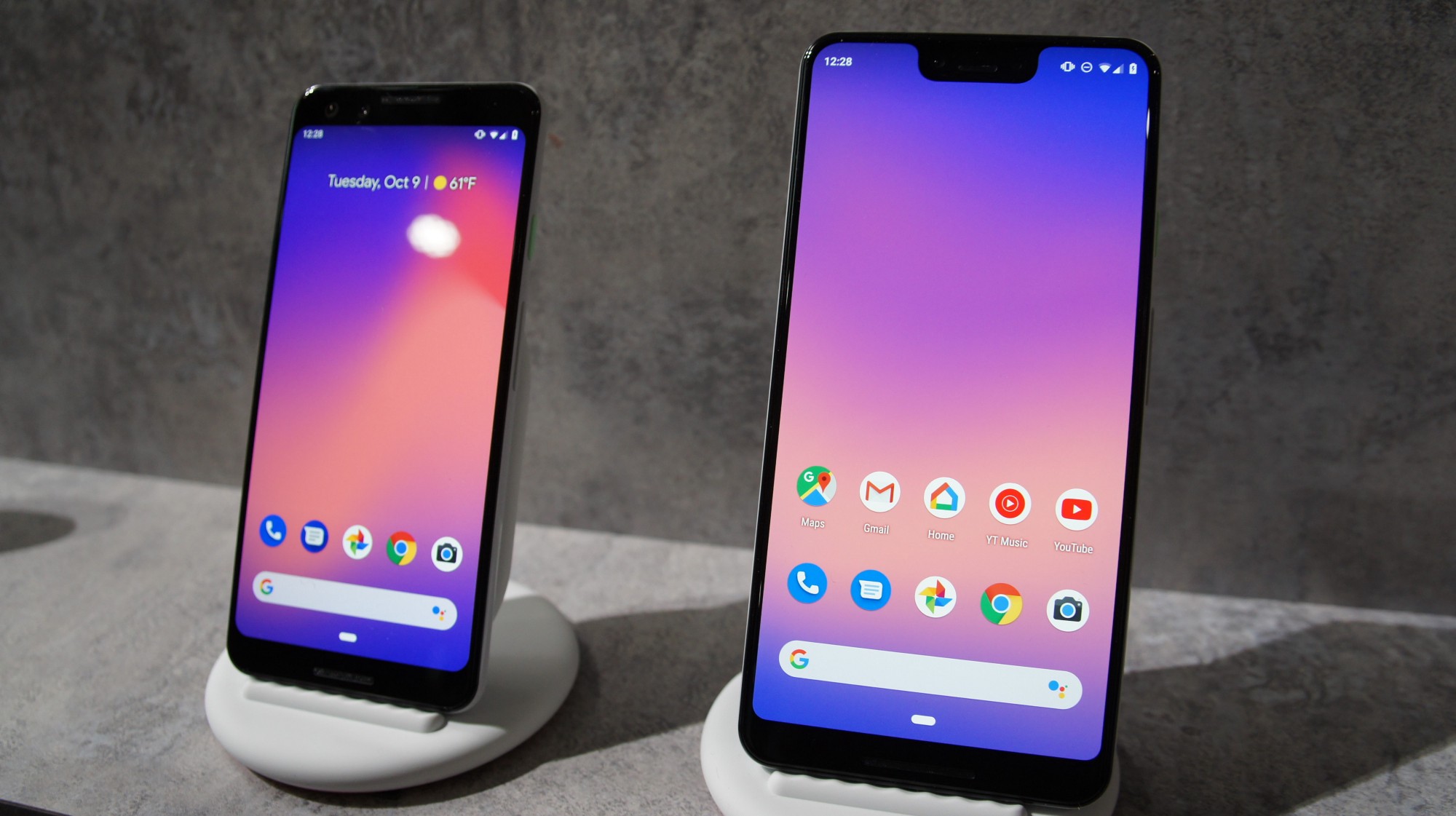
    It appears that Pixel users will soon get more customization options for their phones. XDA opened the product image for the Google Pixel 3 XL in the Android Q Beta 2 update revealing that a future app called Pixel Themes will eventually be listed in the Google Play Store. The themes will allow users to change the colors, icon shapes and fonts used on Pixel handsets.

    Right now, Pixel Themes is a “stub,” or an empty shell of an app already pre-installed in the Google Play Store. This is done so that when the time is right, the app can be instantly launched in the Play Store. There was some code found in the stub that contains previews of what each theme will look like. Three different themes were discovered:

    • Anthony: Rounded or Squircle shaped icons, Black accent, Rubik font.
    • Johanna: Filled icons, Green accent, Arvo and Lato font.
    • Reiko: Circular/Teardrop shaped icons, Purple accent, Arbutus font.

    These are the customization overlays that will be available from the Pixel Themes app

    When the app is ready to launch, you’ll find it in the Google Play Store right here. Until that day comes, clicking on this link will show you nothing more than an error message. And we would be remiss if we didn’t point out that Pixel Themes will use overlays to make the changes based on the theme selected. It also appears that Pixel users will get a small selection of new wallpapers to choose from once this app officially is released.

    With the app, users will be able to change icon shapes in additional locations related to the Settings, SystemUI, and Android framework. That can be seen from the image below.

  • Changing of guard at Spark

    Changing of guard at Spark

    New Zealand incumbent Spark announced that its managing director Simon Moutter (pictured) has resigned from the telco. Moutter will leave the positions of MD and a director of the company from July 1. Jolie Hodson, currently customer director at Spark, will take over as chief executive.

    Spark chair Justine Smyth said the company has been undertaken succession plan from within the business by giving potential internal candidates opportunities over time to demonstrate they have the right leadership capabilities.

    “Jolie is an accomplished leader with a strong record of delivering results and managing complex business units and to be able to appoint an executive of Jolie’s calibre and experience is a testament to the quality of the talent within the company,” she said.

    She has led major programmes related to Spark’s business transformation and has been a key driver of the company’s growth strategies in business cloud and IT services. Her most recent role has been customer director, with responsibilities across Spark’s consumer and retail operations, large corporate and government customers, and cloud services businesses.

    Previously, she was CEO of the former Spark Digital unit and chief financial officer.

    Smyth said Moutter became MD in 2012 and had done so in the expectation of a likely five- to seven-year tenure.

    “In almost every respect, Spark today is a vastly different company to the one that Simon re-joined in 2012. We are New Zealand’s leader in wireless communications, with a rejuvenated mobile business across both Spark and Skinny brands, a promising IoT business and a determination to be at the forefront of 5G,” she said.

    In 2014, Moutter led the transition of Spark changing its name from Telecom. He had helped the telco transform in many other ways including improving diversity and inclusion in the workplace, Smyth said.

    Moutter has also recently driven an “agile” restructure of Spark and an aggressive drive into sports content and streaming.

    This will be the second time Moutter has left the telco.

    Moutter served as chief operating officer between 2003 and 2008 before leaving to become chief executive of Auckland Airport.

    Moutter returned to Spark in 2012 to take the top job with the expectation that he help turn around the company after a demerger of Chorus in 2011.

    “I’ve given my absolute best to putting Spark onto a positive track over the last seven years, so the company can fully deliver on its purpose to ‘help all of New Zealand win big in a digital world,” he said.

    “I feel it’s the right time to pass the leadership baton on.”

    Moutter said he hadn’t made any decision about what he will do after he finish at Spark, other than spend the first couple of months with his family.

  • Call Screen support is officially coming to Motorola One

    Call Screen support is officially coming to Motorola One

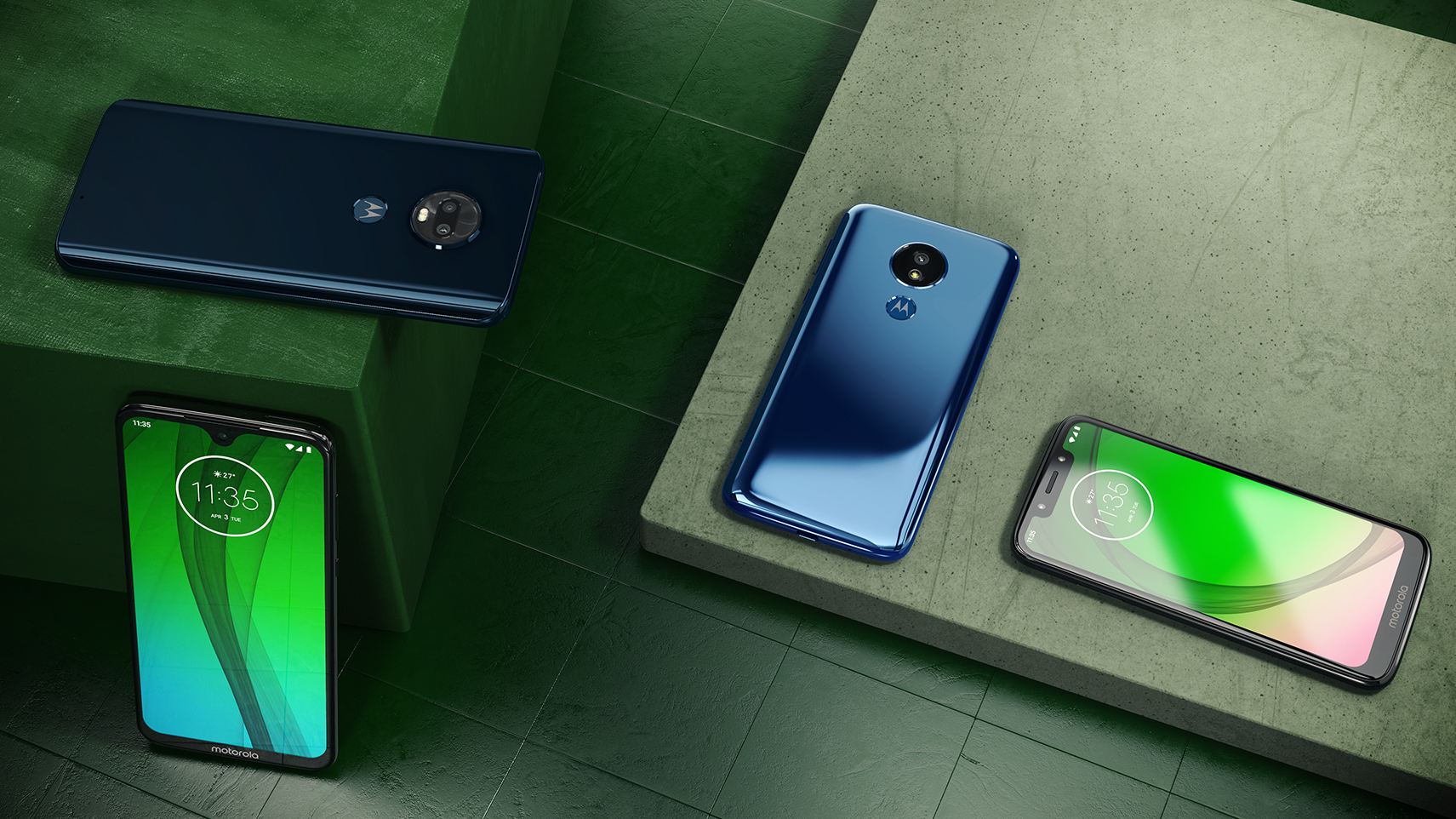
    Motorola has today announced that Google’s Call Screen feature is coming to the Moto G7 family and the Motorola One lineup. Until today, the feature was exclusively available on Google’s Pixel smartphones.

    Call Screen basically lets you use the Google Assistant to screen incoming phone calls, with the idea being that it’ll help avoid any scammers or unwanted callers. If you choose to use the feature, the Google Assistant will first ask callers why they are calling and relay the ongoing conversation in real-time on the screen. If you wish to answer the call yourself, you can do so at any time. Alternatively, you can choose to hang up or select another response such as “Is it urgent?” or “Tell me more.”

    Motorola says that it already “began rolling out,” although it didn’t specify when or how long it will take. Nevertheless, these things typically take a couple of weeks before everyone receives the update so if you own a Moto G7, Moto G7 Power, Moto G7 Play, Motorola One, or Motorola One Power be sure to be on the lookout.

    This feature’s release was hinted at as recently as yesterday by an update to Google’s Phone app. It also contained references to support for Nokia smartphones, which means these devices will likely be the next ones to receive the feature. However, as things stand, nothing has been announced officially.

  • Consolidation to accelerate in APAC pay TV market

    Consolidation to accelerate in APAC pay TV market

    The Asia-Pacific pay TV market is set to experience a period of accelerated consolidation in the face of deteriorating subscriber and revenue growth, according to research from Media Partners Asia.

    The latest edition of the research and consulting group’s Pay TV Networks Channel Database finds that aggregate revenues across 13 of Asia’s major pay TV networks grew by a mere 1% in 2018 to around $4.9 billion. This compares to a 5% growth in 2017.

    Meanwhile aggregate ebitda across the 13 operators declined by 5% for the second straight year to $900 million.

    “Consumer demand for traditional pay-TV has been impacted forever by high-speed broadband, which is driving rapid increases in online video consumption as well as piracy,” Media Partners Asia executive director Vivek Couto said.

    “These trends have intensified downward pressure across Asia’s pay-TV ecosystem, especially in Southeast Asia, led by Singapore and Malaysia, alongside secular shifts in

    Australia and New Zealand. This will accelerate consolidation as well as major shifts in how channels and content are marketed and sold.”

    The company is predicting that a wave of consolidation will sweep Asia-Pacific over the next year.

    “Future consolidation and rationalization will be defined by global moves and M&A possibilities involving large assets in India,” Couto said.

    “Major players such as Discovery, CBS, Viacom, A+E, Sony and Universal are now competing for the consumer wallet with an increasingly scalable Disney and a newly integrated WarnerMedia within AT&T.”

  • Philippines’ House to hold common tower hearing

    Philippines’ House to hold common tower hearing

    A Philippines’ House of Representatives committee will next week hold a hearing on the government’s common tower policy to address the industry opposition and potential legal hurdles of the proposal.

    The House Committee on ICT will look into the status of the Department of ICT’s common tower policy during a hearing scheduled for Monday, committee chairman Victor Yap told.

    Representatives of Globe Telecom and PLDT, the National Telecommunications Commission, the Department of ICT and the Philippines Competition Commission are all expected to attend.

    Under the proposed policy, tower companies will be allowed to build and operate common telecom towers that can be leased to operators. The DICT has signed agreements with a number of tower companies ahead of the introduction of the policy.

    As well as helping to improve the Philippines’ telecommunications infrastructure, the common tower policy is aimed at allowing the market’s upcoming third operator Mislatel more quickly deploy a mobile network.

    But Globe and PLDT have objected to the draft terms, which had proposed that the number of cell site builders be restricted to two registered tower providers.

    According to the operators, this could lead to an infringement of the rights to own and establish cell sites that is stipulated in their legislative franchises.