Blog

  • Cineleisure mall unveils new retail concept

    Cineleisure mall unveils new retail concept

    Cineleisure mall has unveiled its new look, welcoming three new tenants. Targeting youth, the revamped mall gets interiors fitted with concrete juxtaposed against rustic wood timber, with a blend of earthy hues and cool steel palettes.

    The mall also extends its mix of food, fashion, and entertainment choices.

    Three new concepts are added this month including Tenkaichi Japanese BBQ and Shabu Shabu, The Alley Luxe, and Amazing Castle.

    New tenants

    Making its debut in Singapore, Taiwanese bubble tea chain The Alley is set to feature its first-ever premium lifestyle cafe concept The Alley Luxe. The outlet will offer the brand’s beverages alongside European-inspired foods such as croissants and cruffins.

    Japanese restaurant Tenkaichi Japanese BBQ & Shabu Shabu will offer a premium buffet, along with Donburi sets.

    As the first of its kind in Singapore and in Asia, Amazing Castle is a kingdom-themed entertainment play centre consisting of nine different activity stages.

    Based on the legend of a fairy kingdom being attacked by invaders, each activity stage features a physically interactive game for participants to confront challenges and ‘fight off invaders’.

    New redemption

    Cineleisure has also launched the Cathay Lifestyle Mall Redemption Mobile app, which allows shoppers to make redemptions seamlessly anywhere, anytime.

    Shoppers who spend a minimum amount at the mall have to photograph their receipt and upload via the app. Once verified, e-vouchers will be sent to the shopper for use at participating shops.

  • V2X apps to drive $1.2b market by 2022

    V2X apps to drive $1.2b market by 2022

    The latest SNS Telecom & IT research, V2X (Vehicle-to-Everything) Communications Ecosystem: 2019 – 2030 – Opportunities, Challenges, Strategies & Forecasts, suggests that global spending on V2X (Vehicle-to-Everything) communications technology – based on both IEEE 802.11p and C-V2X (Cellular V2X) standards – will reach $1.2 billion annually by the end of 2022.

    V2X communications technology allows vehicles to directly communicate with each other, roadside infrastructure, and other road users to deliver an array of benefits in the form of road safety, traffic efficiency, smart mobility, environmental sustainability, and driver convenience.

    V2X is also helping pave the way for fully autonomous driving through its unique non line-of-sight sensing capability which allows vehicles to detect potential hazards, traffic, and road conditions from longer distances and sooner than other in-vehicle sensors such as cameras, radar, and LiDAR (Light Detection and Ranging).

    Adoption on track

    Although legacy V2I (Vehicle-to-Infrastructure) technologies are currently in operational use worldwide for ETC (Electronic Toll Collection) and relatively simple V2I applications, advanced V2X systems – capable of supporting V2V (Vehicle-to-Vehicle), V2I and other forms of V2X communications – are beginning to gain broad commercial acceptance with two competing technologies vying for the attention of automakers and regulators. These are the commercially mature IEEE 802.11p/DSRC (Dedicated Short Range Communications) standard, and the relatively new 3GPP-defined C-V2X (Cellular V2X) technology which has a forward evolutionary path towards 5G.

    With an initial focus on road safety and traffic efficiency applications, Toyota and General Motors (GM) have already equipped some of their vehicle models with IEEE 802.11p-based V2X technology in Japan and North America.

    Volkswagen will begin deploying IEEE 802.11p on volume models in Europe starting from 2019, while Geely and Ford plan to integrate C-V2X in their new vehicles by 2021 and 2022 respectively.

    Luxury automakers – including BMW, Daimler, Volkswagen’s subsidiary Audi, and Volvo Cars – already deliver certain V2X-type applications through wide-area cellular connectivity and supporting infrastructure such as appropriately equipped roadwork trailers.

    Challenges ahead

    Despite the ongoing 802.11p/DSRC versus C-V2X debate, regulatory uncertainty and other challenges, global spending on V2X communications technology is expected to grow at a CAGR of more than 170% between 2019 and 2022. SNS Telecom & IT predicts that by the end of 2022, V2X will account for a market worth $1.2 billion, with an installed base of nearly 6 Million V2X-equipped vehicles worldwide.

    The report noted that despite the ongoing 802.11p/DSRC versus C-V2X debate, regulatory uncertainty and other challenges, global spending on V2X communications technology is expected to grow at a CAGR of more than 170% between 2019 and 2022. SNS Telecom & IT predicts that by the end of 2022, V2X will account for a market worth $1.2 billion, with an installed base of nearly 6 Million V2X-equipped vehicles worldwide.

    While Toyota and other Dedicated Short Range Communications (DSRC) proponents are pushing ahead with their plans to roll out IEEE 802.11p in North America, Europe and Japan, pre-commercial C-V2X deployments have recently gained considerable momentum, spearheaded by cellular industry giants such as Qualcomm and Huawei – with support from automakers including Ford, BMW, Daimler, Groupe PSA, SAIC, Geely, Volkswagen’s luxury brand Audi, and Jaguar Land Rover (JLR).

    Regional markets are also visibly divided with the Chinese Government backing C-V2X, Europe leaning towards IEEE 802.11p through its recently published delegated act on C-ITS (Cooperative Intelligent Transport Systems), and heated debates ensuing in the United States as a result of the 5GAA’s waiver request to allow C-V2X deployments in the 5.9-GHz band.

    Betting on the future

    As a result, a number of automotive OEMs are beginning to adopt a flexible approach by choosing to deploy different technologies in different regions as they commit to V2X. For example, although GM has equipped its Cadillac CTS sedan vehicles with IEEE 802.11p in North America, the automaker is actively working with business partners to prepare for C-V2X deployment in China.

    Besides becoming a standard safety feature on an increasing number of vehicles, V2X communications technology – through its unique non line-of-sight sensing capability – will play a critical role in ensuring the safe and efficient operation of autonomous driving systems, particularly with the commercialization of next-generation V2X standards, specifically 5G-V2X and IEEE 802.11bd.

    The globally harmonized 5.9-GHz band continues to remain the preferred spectrum for V2X communications technology, with the exception of Japan – where the national regulator has allocated a single 9 MHz channel in the frequency range 755.5 – 764.5 MHz for safety-related applications based on V2V and V2I communications.

    Early discussions are ongoing for the potential use of new bands, most notably in the 3.4 – 3.8 GHz and 5.9 – 7.2 GHz frequency ranges, as well as millimeter wave spectrum for LOS (Line-of-Sight) and high data rate V2X applications. Recent field trials using 39-GHz spectrum in the United States have demonstrated that millimeter propagations for V2V communications can work well in the distance range of 100 meters, without advanced beamforming techniques.

  • AlipayHK Collaborates with McDonald’s Hong Kong to Steer Digital Transformation

    AlipayHK Collaborates with McDonald’s Hong Kong to Steer Digital Transformation

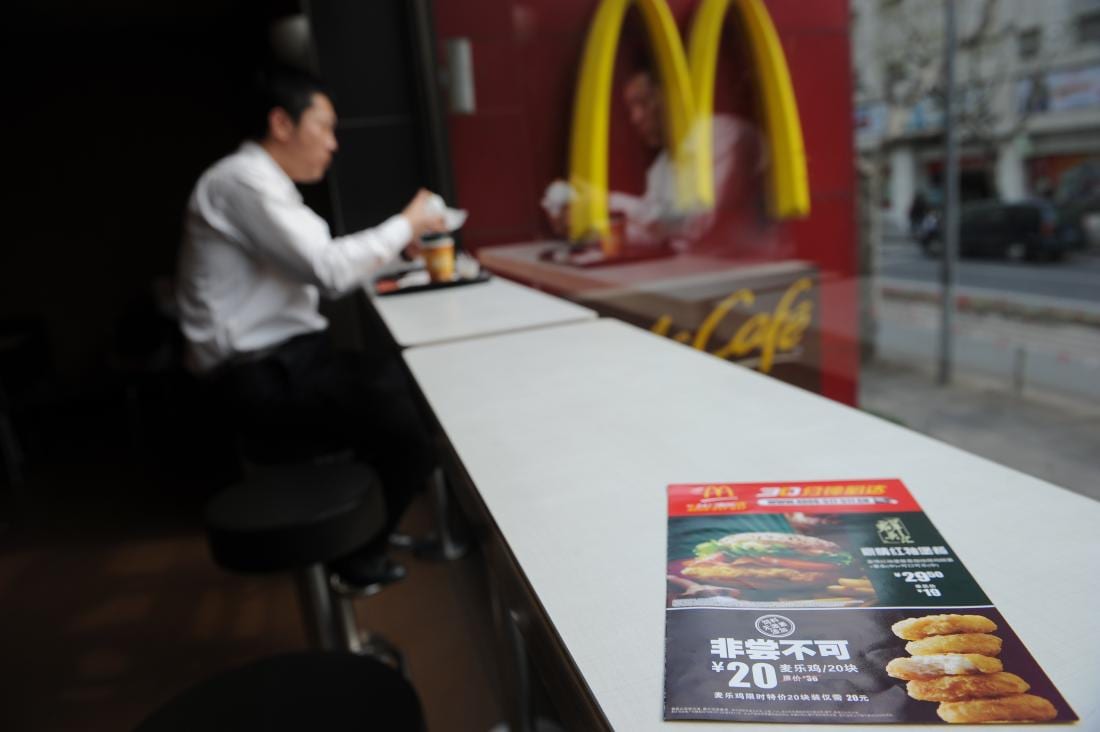
    With ubiquitous popularity on cashless payment services, AlipayHK has partnered with a plethora of merchants to engage users to harness the convenience of mobile payment. Today AlipayHK has collaborated with McDonald’s Hong Kong to steer profound digital transformation in catering industry – of which AlipayHK users can use the e-wallets to order gourmet food and pay in McDonald’s App on smartphones. Along with enhanced mobile ordering features in McDonald’s App, AlipayHK users can tap and swipe to enjoy “Exclusive rewards on delicacies”. Be familiar with QR code-based payment system to reap incredible rewards!

    First e-wallet integrated in McDonald’s App for mobile ordering and grab delicious deals

    With the advent of mobile payment services and big data analytics, restaurants are going full steam on digitalization craze. It is a prominent trend for the food and beverage sector to pursue digital transformation to boost operational efficiency, delivering customers seamless shopping and dining experience. Over the past year, AlipayHK has partnered with numerous merchants and restaurants to offer customers electronic coupons and stamps endlessly and to go green by using digital coupons. With McDonald’s launch of self-service ordering kiosks and mobile ordering, customers have appreciated the novelty and convenience of ordering scrumptious foods anywhere.

    It is an unrivalled convenience and unparalleled experience for AlipayHK customers to use the e-wallets integrated in McDonald’s App for placing orders.AlipayHK has strived to foster brand new consuming trend by embracing mobile wallet services – powered by futuristic technology – in Hongkongers’ daily lives. It has co-operated with McDonald’s to roll out “Exclusive rewards on delicacies” in McDoanld’s restaurants citywide, fostering mobile ordering and checkout as well as forging mobile payment as most preferred payment tool in Hong Kong.

    Ms. Jennifer Tan, Chief Executive Officer of Alipay Payment Services (HK) Limited, said, “AlipayHK expects that mobile payment services are geared to extensive and in-depth applications and development through the latest co-operation with McDonald’s Hong Kong. Currently, Alipay customers can use the e-wallets to make payment in nearly 10,000 restaurants. In collaboration with McDonald’s Hong Kong, AlipayHK hopes the initiative will help spearhead and incentivize more restaurants to engage in digital transformation in food and beverage sector. It will surely let customers gain bespoke experience and amazing convenience on mobile ordering and payment, turning the concept of smart living a reality.”

    Ms. Randy Lai, Chief Executive Officer of McDonald’s Hong Kong, said, “We have been committed to expanding our electronic payment platform to give customers’ unparalleled experience with McDonald’s in recent years. Since our collaboration with AlipayHK last year, customers have greatly enjoyed various special and incredible offers. To enhance co-operation, AlipayHK e-wallet is available in McDonald’s App for mobile ordering and payment from today, along with paying with credit cards and cash. I would like to express my sincere gratitude to AlipayHK for giving full support to McDonald’s Hong Kong and a wide array of exclusive offers to our customers. We will be dedicated to bringing our customers the next generation of premium restaurant experience.”

    AlipayHK debuts virtual KOL AliSa and leads Hong Kong people to immerse in smart living

    AlipayHK officially debuted its first beloved virtual KOL “AliSa” to bring Hong Kong people close together to explore future living. The well-loved virtual character AliSa literally means “happiness” and “pleasure” in Hebrew language. The beloved and delightful AliSa has truly lived up to make your life hassle free with cheers and fun everyday.

  • Fashion Brand Alexander McQueen joins Tmall

    Fashion Brand Alexander McQueen joins Tmall

    British fashion house Alexander McQueen — known for its unique tailoring and audacious designs — has soft-launched a virtual store on the Tmall Luxury Pavilion, Alibaba Group’s platform for luxury and premium brands.

    It will be the first online store in China that’s directly run by the house itself, rather than through a local partner, giving it full creative control over the look and feel of the site, the Pavilion said.

    The luxury brand was founded in 1992 by the late Lee Alexander McQueen, known for combining a respect for traditional craftsmanship with provocative, darkly romantic designs. Today, his eponymous label remains hugely influential, seen as synonymous with modern British couture. Following his death in 2010, Sarah Burton was appointed creative director of the house. Burton, who worked alongside McQueen for 14 years, currently oversees the creative direction of all the brand’s collections.

    The Alexander McQueen brand oversees a network of 73 directly operated brick-and-mortar boutiques, as well as several franchises and specialty stores worldwide, with flagships stores due to open in Shanghai and Hong Kong in 2019, per its parent Kering Group.

    The Tmall Luxury Pavilion Alexander McQueen store will officially launch on April 16, featuring items that incorporate images from the John Daekin Archive as part of the designs. The archive manages the work of John Daekin, the 20th-century British photographer who captured the lives of his artist and poet friends in London’s bohemia, Soho.

    Alexander McQueen is the third Kering-owned luxury brand to join the Pavilion, following Hong Kong-based jeweller Qeelin and Italian fashion house Bottega Veneta. Launched in 2017, Tmall Luxury Pavilion now offers more than 100 brands, ranging from apparel and beauty items to watches and luxury cars, including Valentino, Burberry, Tod’s, Versace, Stella McCartney, Moschino, Giuseppe Zanotti, MCM, La Mer, Maserati, LVMH-owned Rimowa, Guerlain, Givenchy, Tag Heuer and Zenith.

    Sherry Lang, MD of Tmall’s luxury division, said the Pavilion helps maisons and premium brands engage with China’s younger generation of consumers, delivering the same brand exclusivity and tailored shopping experience online that they would get in a brick-and-mortar store.

    “We also want to help luxury brands expand their reach in smaller cities and rural areas, where purchasing power is growing, but offer limited access to luxury goods,” said Lang. “The Pavilion is well-positioned to fill that gap.”

    The growth of the Pavilion comes as Chinese consumers drive global high-end spending, with Mainland China’s luxury sales growing 20 per cent to €23 billion ($25.8 billion) last year, according to Bain & Co. The consulting firm forecasts that by 2025, Chinese consumers will account for 46 per cent of the global market, up from 33 per cent last year.

  • Vietnam Airlines, Jetstar to sell million tickets during month-end holidays

    Vietnam Airlines, Jetstar to sell million tickets during month-end holidays

    Vietnam Airlines and Jetstar Pacific will sell nearly one million seats on 4,700 domestic and international flights during the Reunification Day (April 30) and Labour Day (May 1) holidays from April 26 to May 5.

    Vietnam Airlines will sell nearly 800,000 of them, 78,000 more than last year.

    The State-owned carrier will focus on services from Hà Nội, HCM City, Đà Nẵng, Phú Quốc, and Nha Trang domestically and the Japan, South Korea, Thailand, and Cambodia sectors.

    It owns a 70 per cent stake in Jetstar.

    The two airlines have urged passengers to plan their travel early, use online check-in services and kiosks at airports to save time.

    They should buy their tickets at www.vietnamairlines.com and www.jetstar.com/vn or from their offices and official agents, and request invoices to ensure they are not deceived by fake tickets or high fares.


  • Lexus Vietnam introduces new Lexus RC 2019

    Lexus Vietnam introduces new Lexus RC 2019

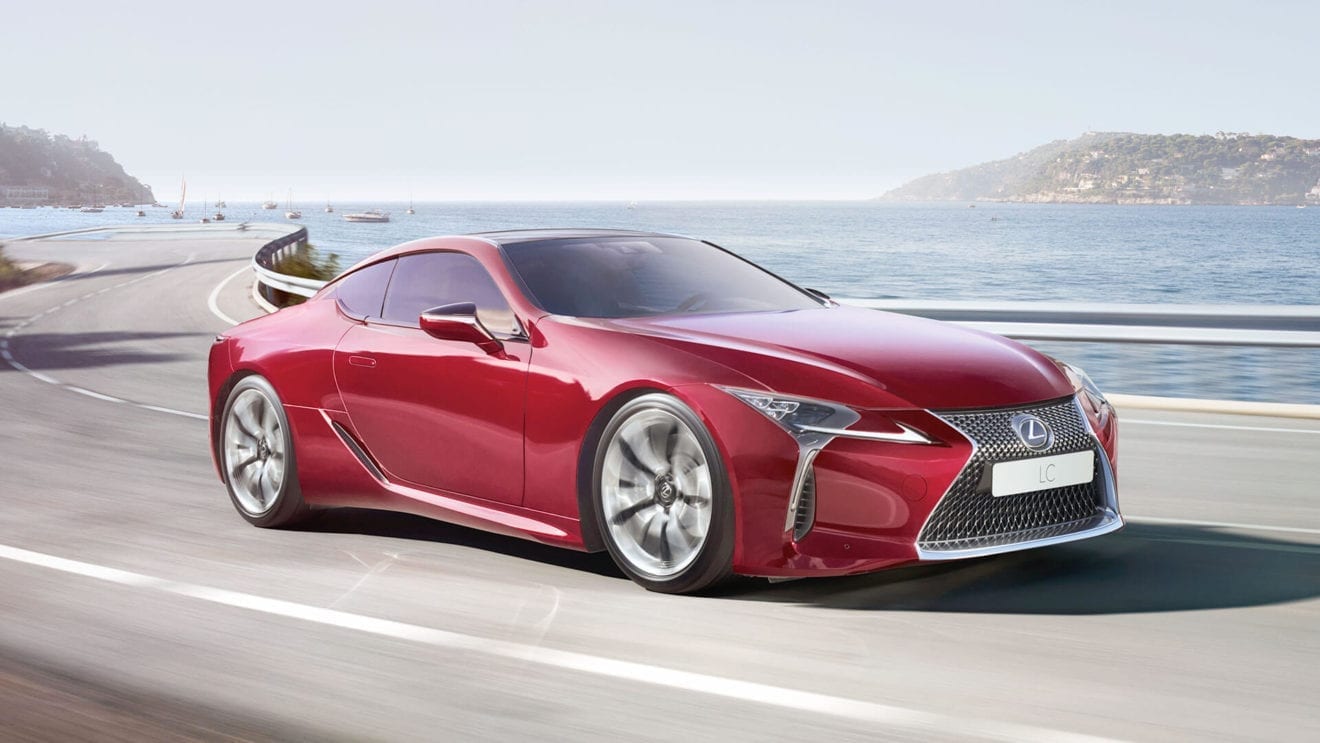
    Lexus Vietnam on Monday introduced new Lexus RC 2019 – a luxury sports coupé.

    Taking the driving concept of “sharper and more graceful” that defined the LC, Lexus engineers have succeeded in making the new RC fun to drive by focusing their attention on details.

    The new Lexus RC300 2019 will be available in two Lexus dealers of Thăng Long in Hà Nội and Saigon in HCM City since April 2019.

    The Lexux RC 300 costs up to VNĐ 3.3 billion (US$142,200).

  • Counterfeit goods seized in Stanley retail raids

    Counterfeit goods seized in Stanley retail raids

    Hong Kong Customs seized about 1300 fake branded items with a street value estimated at $600,000 during Stanley retail raids yesterday.

    The raid followed an earlier patrol where officers found suspected counterfeit goods were being sold at retail shops in the seaside suburb.

    The goods seized included handbags, leather products and clothing.

    A Customs spokesperson said that with the assistance of trademark owner, Customs officers took enforcement action, raiding two retail shops and one storage facility in the district.

    One man and two women were arrested – a shop owner and two salespersons, all aged between 34 and 47.

    The investigation is ongoing.

    Customs has previously said it will continue to step up inspection and enforcement to combat the sale of counterfeit goods and the number of raids in the territory has increased this year.

    “Customs reminds traders to be cautious and prudent in merchandising since the sale of counterfeit goods is a serious crime and offenders are liable to criminal liability,” said the spokesperson.

    Under the Trade Descriptions Ordinance, any person who sells or possesses for sale any goods with a forged trademark commits an offence. The maximum penalty upon conviction is a fine of $500,000 and imprisonment for five years.

  • Electricity hike hits industry hard

    Electricity hike hits industry hard

    Vietnamese manufacturers are set to increase their selling prices following the 8.36 per cent hike in electricity price that launched from March 20.

    Việt Nam Cement Industry Corporation (VICEM) Bút Sơn announced it would increase the price of its cement by VNĐ30,000 (US$1.29) per tonne immediately after the power price increase.

    Đỗ Tiến Trinh, VICEM Bút Sơn’s general director, said that in addition to the electricity tariff hike of 8.36 per cent, the price of coal sold to cement producers also increased by 2.3 to 5.8 per cent depending on the kind of coals.

    The coal price increase came because electricity accounts for 10 per cent of production cost. In addition, the Việt Nam National Coal and Minerals Industry Holding Group (Vinacomin) has not provided enough coal to cement producers, making them import the product at high prices.

    Trinh said the firm could not afford to offset the rise in input costs and had to increase retail prices to ensure sustainable production.

    VICEM Tam Điệp Company also had the same increase in the selling price.

    According to Phạm Văn Minh, the company’s general director, no business wants to increase retail prices, but electricity and coal make up a big portion of input material costs for cement production.

    Công Thanh Cement Joint Stock Company in the central region did not raise its retail prices but is charging distributors VNĐ30,000 more per tonne.

    Nguyễn Quang Cung, chairman of Việt Nam Cement Association said cement producers were not surprised by the power tariff hike and had been preparing for the change.

    Its calculations showed if the electricity price was increased by 8.36 per cent, cement production cost would rise by VNĐ14,000 to VNĐ15,000 per tonne.

    Steel producers also said they would increase their selling prices.

    SSE Steel Company said it doubled its steel selling price to VNĐ200,000 per tonne, while Thái Nguyên Steel and Iron Corporation (Tisco) increased its selling prices by VNĐ150,000 to VNĐ200,000 per tonnes.

    The Việt Nam Steel Association said it was unavoidable for steel producers to raise their prices as power accounted for 8 to 9 per cent of total production costs. In addition, the import prices of iron ore and steel billets were also rising this year, affecting steel production costs.

    Nguyễn Anh Tuấn, head of the Electricity Regulatory Authority of Việt Nam (ERAV) under the Ministry of Industry and Trade (MoIT) told a press meeting last week that there were about 1.4 million manufacturing businesses in Việt Nam who spend on average VNĐ12.39 million per month on electricity. The average increase in their power bills would be VNĐ870,000 a month.

    While electricity prices have almost doubled in the last decade, the MoIT said Việt Nam’s electricity prices were 8.1 per cent lower than that of China and India, 18 per cent lower than Laos and 26.5 per cent lower than Indonesia. Even with the latest increase, the prices would only be on par with China and India.

    “Việt Nam’s electricity prices are lower than other countries. It is the reason that foreign investors are not interested in investing in electricity projects in the country,” said deputy minister Hoàng Quốc Vượng.

    However, chief economist of the Bank for Investment and Development of Việt Nam (BIDV) Cấn Văn Lực suggested the Government needs to eliminate cross-subsidising mechanisms for units using electricity.

    At present, industrial sectors consuming large amounts of electricity, accounting for 55 per cent of electricity density, such as cement, iron and steel, are being compensated for electricity prices and only subject to the lowest price of 6.8 cents per kWh. Meanwhile, electricity costs households 8.7 cents per kWh.

    “Currently, consumers using electricity for domestic use as well as service enterprises are compensating a certain amount for industrial production enterprises – that is unfair. When there is fairness, people and businesses will agree and are willing to pay more reasonable electricity prices,” Lực said.

    Read more at https://vietnamnews.vn/economy/507842/electricity-hike-hits-industry-hard.html#CEgTqP3b4CrxPzgm.99

  • Insurance industry growth surges 17% in Q1

    Insurance industry growth surges 17% in Q1

    Việt Nam’s insurance industry maintained positive growth in the first quarter of this year, with total premiums surging by 17 per cent year-on-year, according to reports from the General Statistics Office.

    Life insurance surged by 23 per cent, while non-life insurance increased by 9 per cent.

    According to the Ministry of Finance’s Insurance Supervisory Authority (ISA), the insurance industry is targeting a growth rate of 20 per cent this year.

    Experts remain upbeat about the industry’s health in the coming years, forecasting that it will maintain an annual growth rate of 10-20 per cent. Many banks that co-operate with insurers to provide bancassurance products even expect an annual growth rate of up to 30-40 per cent.

    The fast-growing domestic insurance market should thrive thanks to rising living standards and a high gross domestic product (GDP) growth of more than 6 per cent annually over the next three years, experts said.

    The growth potential is great as the country has one of the world’s lowest life insurance penetration levels at less than 1 per cent of GDP. The average insurance premium in Việt Nam stands at US$30, much lower than the global average of $595 and Southeast Asia’s average of $74.

    To maintain high growth, Deputy Finance Minister Huỳnh Quang Hải said the Insurance Association of Vietnam (IAV), in conjunction with other relevant agencies, must raise awareness about insurance.

    IAV also needs to promote closer co-operation among insurers so that businesses can join hands to build and fine-tune the industry’s databases, which will improve the quality of their services, thereby raising their financial capability and competitiveness, Hải said.

    Hải also told insurers to work with IAV and the Ministry of Finance to develop a new insurance business law to contribute to the development of the local insurance market.

    The ISA reported that the country has 64 insurance companies, including 30 non-life insurers, 18 life insurers, two reinsurance companies and 14 insurance brokerage companies.

    There are up to 850 non-life insurance products and 450 life insurance products sold on the Vietnamese market.

    Read more at https://vietnamnews.vn/economy/518204/insurance-industry-growth-surges-17-in-q1.html#lVqMUB0GwB3zyHU6.99

  • How to get leg up on e-tail with digital POP displays

    How to get leg up on e-tail with digital POP displays

    If there’s anything we’ve learned from the “retail apocalypse,” it’s that consumer shopping habits are changing, and fast. More consumers are making purchases online today than ever before, but surprisingly, several still prefer to shop in-store for a range of goods – mostly because of the immediacy factor, shipping savings and a chance to test drive products before purchase. While no one can predict the future, one thing is certain – to stay afloat, traditional brick-and-mortar stores will need to rethink their approach to the in-store experience. Embracing digital point-of-purchase (POP) displays is one strategy, helping retailers attract and engage customers as well as earn their loyalty.  
    POP signage, both digital and static, has not only been shown to catch the consumer’s eye but also to improve the brand experience and ultimately influence purchasing decisions. In a recent report, 62% of shoppers expressed an increased likelihood to search for a product advertised on a POP display during a future visit, with 43% also noting they’d be more likely to purchase it right away. With technology advancing at breakneck speeds and the cost of screens coming down, the digital POP display in particular is quickly becoming more appealing. Here are 5 ways retailers can improve the in-store customer experience this year using digital POP displays:
    1. Make a lasting impression with moving images
    Capturing the attention of consumers amidst everyday distractions is more difficult than ever, but digital POP displays can help retailers break through the noise with moving imagery. Moving imagery in digital signage has proven to be more than two times as effective at yielding an emotional response than static images and also corresponds to greater recall, which can help boost brand loyalty and ultimately revenue.
    1. Encourage relevant impulse purchases
    Digital POP displays help automate the delivery of “in the moment” ads, promos and other content that can improve the consumer’s day-to-day. For example, a digital promo showcasing “50 percent off all jackets” or a “buy one, get one free” offer for a warm beverage on a cold, rainy day can encourage unplanned purchases based on real-time conditions catered to the shopper. This sort of promo is easy to launch on in-store displays with APIs from digital signage providers having made the integration of real-time data into displays simpler and more efficient.
    1. Get interactive
    Digital POP displays can help you create unique experiences that can’t be found elsewhere, which is important, considering 89% of companies expect to compete on the basis of customer experience.  From a virtual dressing room to on-demand assistance and beyond, touchscreen technology can be used to help stores better engage with customers, so that they leave with a more positive brand association.  
    1. Enhance audience targeting with real-time data
    Today’s digital POP displays easily integrate with measurement tools to provide a clearer overview of audience demographics as well as the types of promotions that might appeal to them. This data can be used to display product information or promos that the customer might find useful. In terms of ROI, measurement technology can also provide insight into how many people on average checked out a particular display as well as the duration of each view. It can also be used to generate reports showing correlations between the number of promo plays and total sales of promoted goods.
    1. Highlight loyalty programs
    Today’s consumer is willing to exchange data for deals, with 77% of consumers reporting that loyalty programs make them more likely to be a repeat customer according to Bond Brand Loyalty’s “The Loyalty Report 2018.”This trend has created a loyalty program fever pitch among retailers. Marketing loyalty and membership programs via in-store digital POP displays can help draw attention to related promotions, and also trigger the delivery of relevant creative to individual consumers whenever they scan their card or enter their phone number in-store.
    For retailers investigating digital POP displays as a way to improve their in-store experience and their customer interactions, there are a host of screens and software available that make it easy to deploy and automate the population of content across displays. But, don’t treat this as a technology-only project. Focusing on the shopper experience that you want to deliver or enhance should also be a priority. It’s important to budget for a content strategy and ongoing content production tailored to the context of these screens versus repurposing TV or web content.
    In today’s shifting market, it’s never been more crucial for retailers to put themselves in the shoes of the modern consumer and think outside the box; digital POP displays offer a smart and flexible way to ensure your brand isn’t left in the dust.
  • Millennials in Singapore eshew power and famefor self-fulfillment and caring for the community

    Millennials in Singapore eshew power and famefor self-fulfillment and caring for the community

    The majority of Singapore millennials are extremely passionate about social causes such as human rights, poverty and helping the elderly, and prefer to gain life experiences when they have the financial means, rather than physical possessions.

    These key insights of millennials were revealed in the inaugural annual FRANK by OCBC survey, the FRANKly Asked Questions, which aims to understand and track four psychographic variables – values, attitudes, interests and desired experiences – of millennials over time. Conducted between January and February 2019, 866 students and young working adults aged 16 to 29 years old were asked a total of 50 questions in an online survey. Forty-five per cent of the respondents were students from all Singapore universities and polytechnics.¹

    An integrated banking programme for millennials in Singapore

    OCBC Bank created the FRANK by OCBC banking programme in 2011. It remains the only programme which provides millennials with banking products and solutions designed for them as they go through milestones in life as tertiary students, to entering the workforce as young professionals. FRANK by OCBC offers millennials deposit accounts, credit and debit cards, insurance, investment products and study loans. The other programme activities in place today include:

    • Financial literacy seminars organised regularly for FRANK by OCBC customers to learn how to invest and manage their finances
    • Helping youths give back to the community

    o   Organising youth dives to clean up the reefs of plastic waste

    o   Supporting campus programmes such as at Prinsep Street Residences, where SMU students organise overseas Community Involvement Programmes and programmes to support the elderly in the Bras Basah area

    • Helping youths prepare for future careers

    o   FRANKpreneurship – learning human-centred design and start-up business principles as they are mentored by The Open Vault at OCBC and different teams in OCBC Bank to tackle real banking challenges

    Insights from the FRANKly Asked Questions survey will help FRANK by OCBC develop more comprehensive programmes on financial literacy and beyond to meet millennials’ holistic needs. They will include:

    • Helping youths to build their wealth

    o   Looking to introduce new investment and insurance products which will be affordable for youths

    o   Organising financial seminars with partners such as SGX to learn the basics of investing

    • Helping youths to raise awareness of environmental issues

    o   Supporting #noplastics initiatives by distributing reusable tote bags at the NUS FRANK store and Cheers and FairPrice outlets at NUS

    Mr Dennis Tan, OCBC Bank’s Head of Consumer Financial Services Singapore, said: “The ‘FRANKly Asked Questions’ is the first FRANK by OCBC survey that we will be conducting annually. The survey has revealed insights into the psyche of millennials today and the values and attitudes they hold dear. In addition to the deep and rich insights that we already have from banking with one in two youths in Singapore, this enables us to tailor products and services that they will find useful at every stage of their lives and help achieve their aspirations.”

    Key Insights from FRANKly Asked Questions (see attached slides)

    Youths are motivated to discover their inner selves, care for their family and society, and are less likely to be materialistic in nature

    o   86% of millennials are motivated to understand their inner selves, compared to being famous (32%)

    o   3 in 4 millennials are concerned about their parents’ finances for retirement, and find it important to help others

    o   Less than half of millennials want to gain physical possessions when they have the money

    They understand the importance of a well-rounded education, value work-life balance at the workplace, and are practical

    o   82% of millennials feel that internships and working experience is crucial; 73% agree that getting a degree is a necessity

    o   Work-life balance is their top consideration for an ideal job

    o   83% of millennials want to secure a job with regular income, rather than start a family (46%) or start a business (37%)

    o   70% of millennials will only consider marriage once their career is stable

    They are generally positive in their financial attitudes, but more could be done to keep them informed and educated about investments and insurance

    o   41% of millennials struggle to stick to their saving plan

    o   While 69% of millennials want to start buying insurance policies and 71% want to start investing, less than half of millennials consider themselves knowledgeable about insurance and investments

    They are interested in bigger societal issues and new technologies, but are less interested in entrepreneurship and freelancing

    o   The top 5 most important social causes millennials care about are human rights (82%), poverty (81%), the environment (79%), helping the elderly (79%) and mental health awareness (79%)

    o   Millennials are more excited about the Internet of Things (73%) and Artificial Intelligence (62%) than going cashless (59%) or self-driving cars (57%)

    o   Less than half of millennials are interested in starting a business in the next five years, or being a freelancer

    They value gaining life experiences to value-add to themselves, and are constantly seeking to broaden their horizons and skillsets

    o   82% of millennials say gaining life experiences will be a priority when they have the financial means

    o   82% want to maintain relevant skillsets, which is their top motivation for pursuing higher education

    o   76% like to try new and different things, and half of them often try out new and trendy restaurants

    New ‘borderless’ FRANK Store at NUS

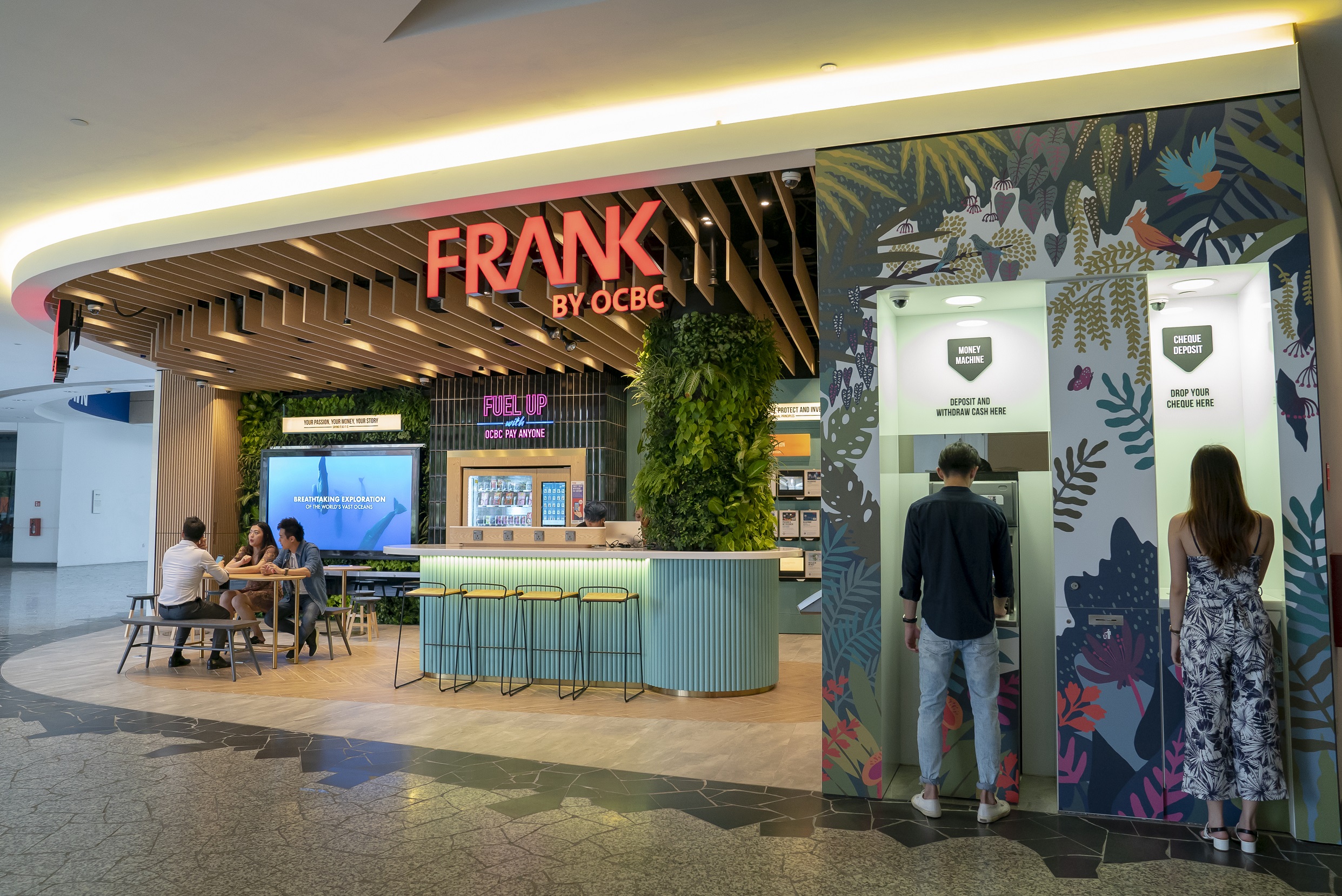
    The survey comes on the heels of the opening of the fourth and newest FRANK by OCBC Store at the National University of Singapore (NUS) last month. Taking over the space at the Stephen Riady Centre at University Town (UTown), which was previously a sports shop, OCBC Bank won a public tender for the space by offering to build a bank branch to offer students an essential service, and at the same time, add vibrancy to UTown through the creative design and use of the space. Occupying an area of 947 square feet, the FRANK by OCBC Store at NUS is a testament to the deep knowledge and insights FRANK by OCBC boasts in understanding the interests of millennials and integrating banking and financial literacy into their lives to make it accessible and relatable. The new FRANK by OCBC Store integrates features that are desired by millennials – borderless and digital interactions, environmental sustainability and a casual setting for banking.

    Like all other FRANK by OCBC Stores, the Store at NUS is designed differently from a traditional bank branch, making it attractive for students to come into the Store to take their time to browse and ask questions about banking products and services, play games or catch up with their friends over coffee.

    The new Store at NUS is Singapore’s first borderless and open-concept bank branch that does not utilise shutters or barriers after operating hours, and has no teller counters.

    Students interact with banking staff – known as FRANK Ambassadors – at the store’s collaboration areas, and can access the store round-the-clock to study or to get snacks at the cashless vending machine using the OCBC Pay Anyone mobile payments app. A ‘Future of Banking Zone’ highlights new mobile and Internet banking features on the latest iPads and iPhones, and enables students to try out digital banking services, including interacting with chatbot ‘Emma’ about study loans.

    The other FRANK by OCBC stores are located at Singapore Management University, Nanyang Technological University and orchardgateway mall.

  • Cole Haan Launches GRANDPRØ TURF SNEAKER Collection for Spring 2019

    Cole Haan Launches GRANDPRØ TURF SNEAKER Collection for Spring 2019

    Cole Haan, the innovative American lifestyle brand and retailer, will be introducing its newest dual gender collection, GRANDPRØ TURF, for Spring 2019. Providing the same featherweight construction as the top-selling GRANDPRØ TENNIS SNEAKER, the GRANDPRØ TURF SNEAKER offers retro style in a sports-inspired silhouette with versatile capability to be dressed up or worn casually.

    An instant classic with featherweight construction & retro T-toe styling

    Minimal, lightweight construction means everything you need and nothing you don’t, as the ultralight Grand foam allows you to move effortlessly. Craft, style and engineering combine to deliver Cole Haan’s operating system for footwear, Grand.ØS. Designed to drastically reduce weight, the Grand.ØS technology mimics the foot’s natural flexibility, offers dynamic breathability and provides responsive cushioning for maximum comfort.

    With silhouettes for both men and women, the GRANDPRØ TURF  features Cole Haan’s proprietary Grand.ØS energy foam integrated throughout the shoe and is fitted with a lightweight, injection-molded EVA sole for flexible ease. With the Grand.ØS technology, the sneaker allows for high rebound and lightweight cushioning that complements the natural running gait cycle of your foot.

    With a classic pivot point integrated onto its forefoot tread pattern, the GRANDPRØ TURF is paired with a rubber bottom for comfort and dual colour contrast effect. For retro finish, the sneaker features waxed handstitch detailing and classic T-toe styling in mixed material accents/full grain leather and crafted.

    The GRANDPRØ TURF collection is now available in Cole Haan Paragon and Suntec City stores.

  • Volkswagen Teases Electric SUV

    Volkswagen Teases Electric SUV

    Volkswagen is all set to bring in the ID. ROOMZZ1 concept at the Auto Shanghai 2019. The ID. ROOMMZZ1 is the next member of the ID family and gives us a glimpse into the company’s upcoming version of a zero emission SUV.

    The production version based on the ID ROOMMZZ1 will first make its debut in the Chinese market in 2021 after which the model will be brought into other global markets. Just like the compact I.D.1, the I.D. CROZZ1, the I.D. BUZZ1, the I.D. VIZZION1 and the I.D. BUGGY1 before it, the sixth member of the fully electric family is based on the modular electric drive matrix and comes laden with innovations.

    The I.D. ROOMZZ1 gets variability in terms of vehicle interior, boasting of new seat configurations, high-quality materials and customizable light. It also gets the IQ.DRIVE systems which will drive the I.D ROOMZZ1. There’s a I.D. Pilot mode too in which the vehicle can be driven autonomously without an active driver which basically hints at a level 4 autonomous vehicle.

    There’s not much information yet about the what powers the ID ROOMZZ1, and what user experience will be like. We will know more about this, once the company showcases the car at the 2019 Auto Shanghai.

  • Liquid Group partners Changi Airport to roll out world’s first integrated QR Platform

    Liquid Group partners Changi Airport to roll out world’s first integrated QR Platform

    Liquid Group is pleased to announce today that it has entered into an agreement with Changi Airport Group to roll out the integrated acceptance of multiple major QR payment apps by merchants located across all four terminals at Changi Airport.

    The integrated payment platform by Liquid Group will allow retailers at Changi Airport to accept e-wallets such as GrabPay, Liquid Pay, Singtel Dash, Ezi Wallet and PayNow QR bank payment apps, as well as international payment app partners such as WeChat Pay, UnionPay and Alipay.

    Liquid Group’s payment platform will roll out a unified point-of-sales (POS) for QR payments that enable merchants to accept multiple local and international QR payment apps using a single device. Furthermore, with a standardized merchant workflow, participating Changi Airport retailers can accept multiple QR payment apps without additional infrastructure, integration or cashier training when Liquid Group and Changi Airport expand the network to include additional local, overseas and card scheme QR payment apps.

    The platform also enables Changi Airport to launch multiple marketing campaigns with participating payment apps without the need for additional cashier training or verification during checkout.  This provides for a frictionless user experience.

    “Changi Airport strives to continually enhance our passenger’s shopping experience. With the rise in QR payments, launching Liquid Group’s unified QR payment platform not only provides a frictionless payment experience, it will also provide more partnership opportunities with local and overseas e-wallet issuers. In addition, the unified QR payment platform will improve our tenant’s productivity in the areas of staff training, reporting and settlement for QR payments. We are pleased to partner Liquid Group to introduce this convenient payment option at Changi Airport.” – Ms Teo Chew Hoon, Group Senior Vice President at Changi Airport Group

    “Alipay welcomes this initiative and looks forward to further improving the user experience for our consumers at Changi Airport.” – Ms Cherry Huang, General Manager, Alipay South & South East Asia

    “At Grab, we are about providing real choices and more convenience to our customers. As travel gets bigger in Southeast Asia, we are pleased to have GrabPay accepted at all merchants in Changi Airport. Our users from across the region who are already using GrabPay to pay for their transport, food and other daily needs, can now enjoy the same seamless payment experience at the airport and have more opportunities to accumulate GrabRewards points for perks and benefits.” – Mr Gary Wong, Head of GrabPay Singapore

    Changi is the world’s seventh busiest airport for international traffic with over 65 million passenger movements. With the rapid proliferation of QR mobile payment apps across ASEAN, North Asia and South Asia, Liquid Group’s payment platform will enable Changi Airport to spearhead the seamless acceptance of such apps and offer deals to shoppers from different countries.  Retailers and consumers can look forward to an exciting and innovative e-payment journey ahead at Changi Airport.

    This is also in line with the Government’s Smart Nation objective to provide an open, accessible and interoperable national e-payment infrastructure, as well as the adoption of SGQR as the single, standardised QR code for e-payments in Singapore.

    “As one of the world’s leading airports, WeChat Pay is both excited and proud to be part of Changi Airport’s efforts to enhance its merchants’ payment experience. We believe this initiative will help Changi’s merchants gain greater access to the billion users that are active on the WeChat platform” – Team of WeChat Pay, Southeast Asia

    “We’re excited to have Dash accepted at the many merchants in Changi Airport, bringing even more dining and retail choices to our customers. This is an especially perfect fit for us, as we continue to expand our VIA cross-border mobile payment alliance and connect more merchants to travellers. Overseas customers that are part of VIA would be able to enjoy the ease, familiarity and convenience of using their local wallets at Changi Airport, greatly enhancing their retail experience.” – Mr Gilbert Chuah, Head of mCommerce at Singtel

    “The use of QR Code for payments is gaining momentum in Singapore and all across Asia. According to The Future of Payments Study conducted by UnionPay International and Nielsen last year, QR was the most widely-adopted mobile payment method among Singapore consumers, with two-thirds of Singaporeans having used it at least once in the past three months. With the integrated QR and Marketing Platform for merchants at all Changi Airport terminals, we believe that more travellers and Singaporeans alike will get to enjoy greater convenience and ease of payments with UnionPay QR Code, to further heighten their shopping experience at the world’s best airport.” – Mr Wenhui Yang, General Manager, UnionPay International South East Asia

    Jeremy Tan, Founder and CEO of Liquid Group, said: “Promoting the interoperability of mobile payment services is a fundamental part of advancing a cashless society. We are delighted to roll out the largest open QR payment platform at Changi Airport, which provides a unified point-of-sale for the wide range of QR payment apps available. Our vision is to expand this network across the region and create a cross-border platform to facilitate large-scale QR payment transactions and accelerate the adoption of QR payment apps.”

    The roll-out of the new payment platform will be in phases, with the first phase slated to commence in the 1st half of 2019.

  • TomTom IQ Maps Makes Global Premiere In India With MG Hector

    TomTom IQ Maps Makes Global Premiere In India With MG Hector

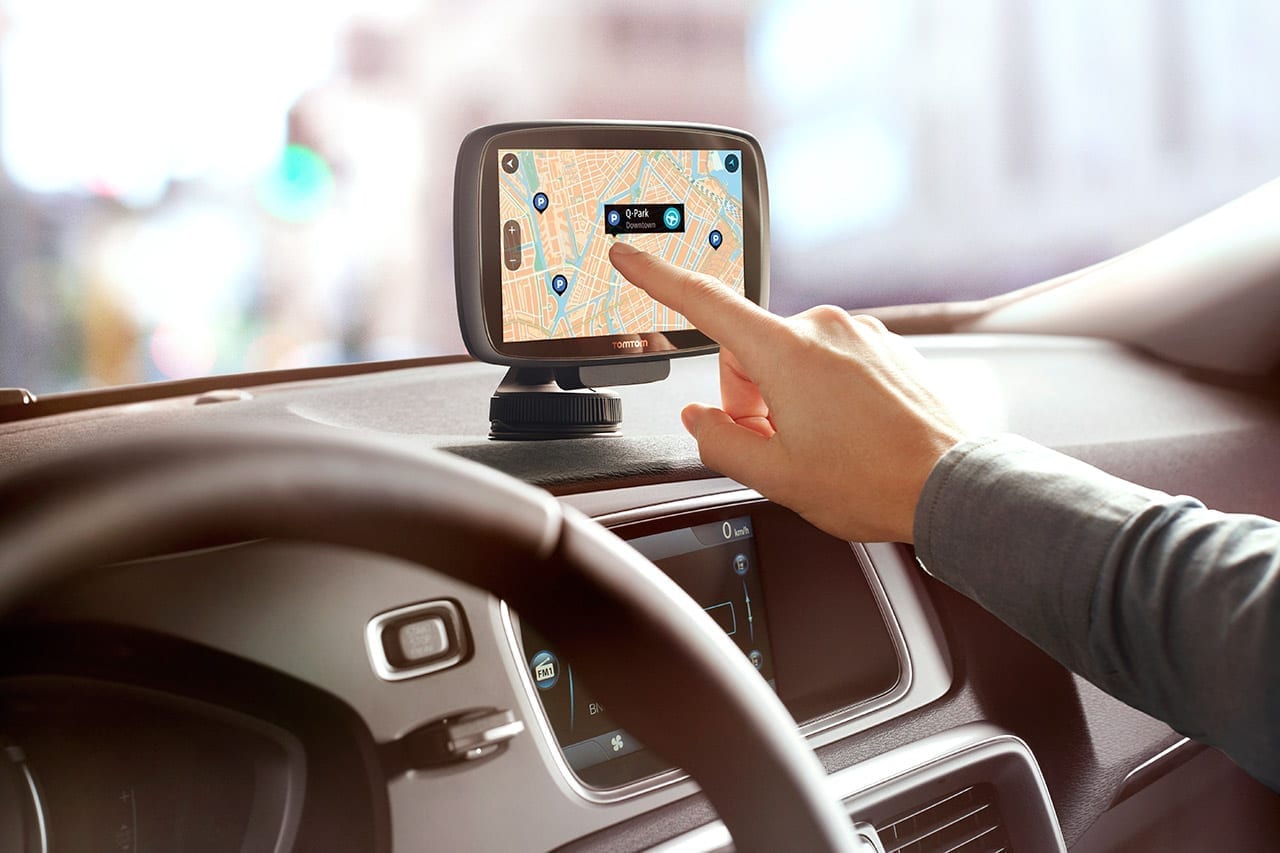
    The MG Hector is still a few weeks away from hitting the market but the SAIC-owned brand has taken the wraps off the car’s connectivity and IT services. In a bid to offer a first-in-segment connected car, the MGHector sees the company bring several big names in IT and services together to create its i-smart platform. Besides Microsoft, Cisco, Nuance et al, there is also the world’s leading name in navigation systems – TomTom. And a unique offering from the Netherlands based player is an immediate area-only self-updating new navigation system called IQ Maps. Speaking carandbike Tsjerk-Friso Roelfzema, VP Automotive – Europe & Asia, TomTom said, “You don’t have to do anything, plug in a new CD or DVD, a USB, or go to a dealer. It’s automatically updated in the background, and not just only automatically updated, but only what is relevant to the driver. So we are here in Delhi today, you don’t want to have the updates of your map let’s say in Pune, it’s not relevant. So we update what is relevant to you.”

    TomTom’s self-updating new navigation system called IQ Maps will be introduced with the MG Hector

    The IQ Maps idea is simple. The car will have embedded maps for the whole country as is. But these maps get outdated quickly; especially in a country like India here our road systems are constantly undergoing detours or changes due to fresh construction or improvements in infrastructure. IQ Maps helps the car to provide you with updated and current maps, without worrying about those kinds of changes. And yes the system is in-dash – and will work through the big 10.4″ screen on MG’s i-smart unit.

    It also gives you real-time traffic updates, and will reroute your guidance if there is a traffic jam for instance. It also takes into account any last minute road closures or other changes like say, construction activity. The map is updated accordingly, and is fed with a combination of live and historical data inputs to achieve its levels of accuracy. This has been made possible not just because of the innovation at TomTom’s research centres in Europe and also in Pune, India.

    Of course the enabler here is also the vehicle itself, which would have to provide connectivity, since this is an in-car navigation system and not an external device or phone app. And that connectivity on the MG Hector will come courtesy the embedded eSim card the car will have from the start. This in turn will provide data services to not just update maps and conduct live searches for destinations or points of interest, but also stream music, browse the net or access your email. The eSim will also be the way to contact MG’s call centre where a concierge service can hep you find destinations, or more importantly provide first response in the case of an emergency. And the good news is MG has said the data plan for the buyer if the car will be free.

    TomTom plans to develop the product further both in terms of offering even more layers of sophistication, and also see if it can be offered in standalone navigation devices or as a phone app. But there is another potential area where it could be even more relevant. Roelfzema says, “It is very important today in normal navigation, but especially when you talk about autonomous driving, you really want to know if the road has changed if your car is driving itself. And that’s really important. We need to see when the rest is following, but it is a very exciting moment also for us.”