Blog

  • Global Condom Shortage Looms as Leading Manufacturer Karex Bhd Raises Prices Amid Iran War Supply Chain Disruptions

    Global Condom Shortage Looms as Leading Manufacturer Karex Bhd Raises Prices Amid Iran War Supply Chain Disruptions

    Karex Bhd, the globally recognized top producer of condoms and supplier to major brands like Durex, has recently announced plans to increase prices by 20% to 30%. This price hike is a possible response to the ongoing supply chain disruptions, which could extend further depending on the duration of the Iran conflict.

    Increasing Demand and Costs

    The Malaysia-based company’s CEO, Goh Miah Kiat, shared that the current situation is precarious, with high prices being a significant concern. Goh stated that the company has no choice but to pass on these additional costs to the customers. An unexpected surge in demand for condoms, exacerbated by increased freight costs and shipping delays, has left many clients with unusually low stockpiles.

    Karex, the producer of over 5 billion condoms a year, supplies to leading brands like Trojan and Durex, as well as state health systems such as the NHS in Britain and the United Nations’ global aid programs.

    Supply Chain Bottlenecks

    The condom manufacturer is just one amongst numerous other companies, including medical glove makers, that are bracing themselves for supply chain bottlenecks. The ongoing conflict in Iran is straining energy and petrochemical flows from the Middle East, leading to procurement disruptions of raw materials.

    Since the commencement of the conflict in late February, Karex has witnessed cost increases for a variety of materials. These include synthetic rubber and nitrile used in condom manufacturing, packaging supplies, and lubricants such as aluminium foils and silicone oil.

    Boosting Output in Response to Rising Demand

    Despite these challenges, Karex has assured that it has sufficient supplies for the coming months. The company is also planning to increase output in response to the growing demand. The global stockpiles of condoms have witnessed a significant decrease following substantial spending cuts in foreign aid, particularly from the U.S. Agency for International Development in the previous year.

    Goh noted that demand for condoms has risen approximately 30% this year, with shipping disruptions further straining the supply. Shipments to areas like Europe and the United States now take almost two months to arrive, as compared to a month previously.

    Goh expressed concern over the high demand for condoms in developing countries where the local stock is insufficient due to extended product delivery times.

    Questions & Answers

    How much is Karex planning to raise its prices by?
    Karex has plans to increase its prices by 20% to 30% due to ongoing supply chain disruptions and rising operational costs.

    What has caused the rise in demand for condoms?
    The demand for condoms has surged due to rising freight costs and shipping delays which have resulted in lower stockpiles for many of Karex’s customers.

    How is the Iran conflict affecting Karex’s operations?
    The Iran conflict has strained the procurement of raw materials, leading to supply chain disruptions. This has caused a significant increase in the cost of materials like synthetic rubber, nitrile, packaging supplies, and lubricants which are essential in condom manufacturing.
  • Miniso Founder Guofu Ye Doubles Down: Plans to Boost Stake by $6.4M Amid Company’s Rapid Growth

    Miniso Founder Guofu Ye Doubles Down: Plans to Boost Stake by $6.4M Amid Company’s Rapid Growth

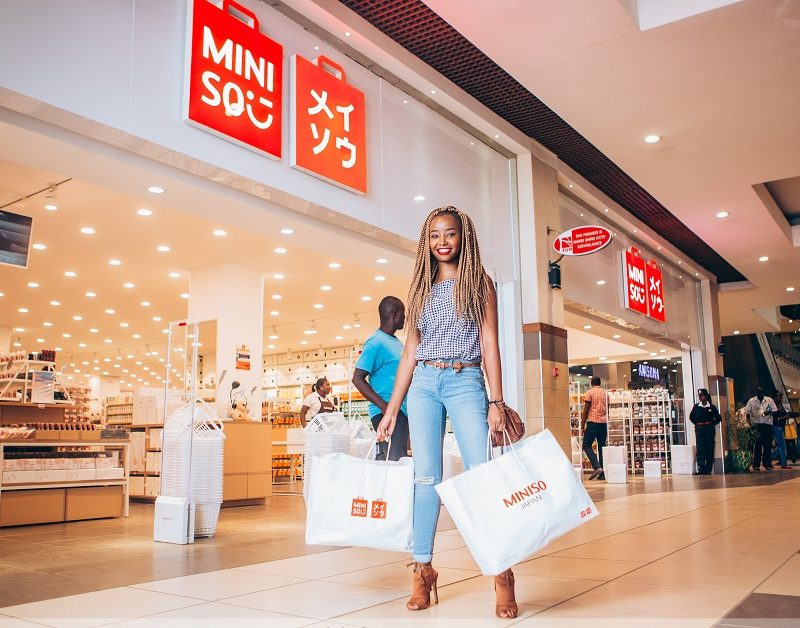
    Guofu Ye, the founder of retailing company Miniso Group Holding, is planning to augment his ownership in the business by a minimum of HK$50 million (US$6.4 million). Over the course of the next year, Ye intends to elevate his shareholding by purchasing more company shares. This includes American Depositary Shares (ADSs) and ordinary shares that are publicly listed on the Hong Kong Stock Exchange.

    The method of transactions will vary, being made either on the open market or via private transactions. These transactions will be conducted directly or through entities that Ye controls, with all purchases funded by his personal finances.

    Ye is presently a majority stakeholder in Miniso, holding approximately 63.7% of the company’s shares, not including treasury shares.

    Reflecting on Miniso’s trajectory and performance in recent years, Ye stated that these elements have confirmed the company’s strategic direction and the team’s exceptional execution capabilities. He expressed his firm belief in Miniso’s ongoing growth and demonstrated his commitment through this proactive investment decision.

    However, with the company yet to release its financial results for the first quarter ending on March 31, Ye is bound by trading blackout restrictions and director securities transaction restrictions. He will initiate his plan to increase his shareholding following the end of this blackout period, which will occur post the disclosure of the company’s first-quarter results. Ye reassured that he would not have access to any significant non-public information during this period.

    The specifics regarding the timing, cost, and volume of each purchase will be ascertained based on the prevailing market conditions at the time.

    In the previous year, Miniso reported a substantial 26.2% surge in revenue, and the total number of stores climbed to 8,485.

    Questions & Answers

    What is the intended increase in Guofu Ye’s stake in Miniso Group Holding?
    Guofu Ye plans to increase his stake by at least HK$50 million (US$6.4 million).

    How will Ye execute the purchases for this increased stake?
    Purchases will be made either on the open market or via private transactions, directly or through entities controlled by Ye.

    What are Miniso’s recent performance indicators?
    In the previous year, Miniso reported a 26.2% increase in revenue and the number of stores rose to 8,485.

  • Matin Kim in Partnership with Musinsa Launches Flagship Store in Tokyo’s Fashion Hub

    Matin Kim in Partnership with Musinsa Launches Flagship Store in Tokyo’s Fashion Hub

    Matin Kim, a renowned fashion brand from South Korea, is set to expand its presence in Japan with the inauguration of a flagship store in Tokyo. The move is a part of the brand’s continuing collaboration with Musinsa.

    A New Addition to Tokyo’s Fashion Scene

    The upcoming store will be situated in Harajuku, a neighborhood widely known for its vibrant fashion culture. Spanning two floors, the outlet will occupy roughly 195 square meters. Slated to open its doors on April 26th, the new location marks Matin Kim’s third establishment in Japan, following the successful launches in Shibuya and Nagoya.

    Unlike its previous outlets located in shopping malls, this new store stands out as Matin Kim’s first standalone store in the country. The brand perceives this as a significant progression and intends to utilize the venue as a platform to exhibit its unique identity and innovative approach to fashion design.

    Offering an Enhanced Shopping Experience

    Apart from showcasing its extensive array of regular products, the store will feature Matin Kim’s latest Spring/Summer 2026 collection and exclusive limited-edition items. Additionally, the brand plans to enrich the customer experience by hosting a variety of experiential events and other engaging activities.

    Matin Kim, a portfolio brand of Hago Haus, a premier brand incubator in South Korea, currently boasts approximately 70 stores at both domestic and international locations.

    In November of 2024, Matin Kim entered into an exclusive agency agreement with Musinsa for the Japanese market. This led to the opening of its first permanent store in Japan at Miyashita Park in Shibuya, Tokyo, in April last year.

    Questions & Answers

    What is unique about Matin Kim’s new store in Tokyo?
    The new store, located in the Harajuku district, is the brand’s first standalone store in Japan. It will also serve as a showcase for the brand’s identity and creative vision.

    What can shoppers expect at the new Matin Kim store?
    Shoppers can look forward to a wide range of products, including Matin Kim’s latest Spring/Summer 2026 collection and exclusive limited-edition items. The store will also host experiential events and other activities to enhance the shopping experience.

    What is Matin Kim’s history in Japan?
    Matin Kim entered the Japanese market in November 2024, in partnership with Musinsa. The brand opened its first permanent store in Japan at Miyashita Park in Tokyo’s Shibuya in April the following year. The Harajuku store is the brand’s third in Japan.

  • Unprecedented Dip in Vietnam’s Gasoline Prices: Lowest Rate Since March Amid Falling Global Petroleum Market

    Unprecedented Dip in Vietnam’s Gasoline Prices: Lowest Rate Since March Amid Falling Global Petroleum Market

    On Thursday afternoon, gasoline prices in Vietnam plunged to their lowest levels since March 5, marking the fifth consecutive session of declines. The most commonly used fuel, RON95, dipped 0.69% to VND22,880 (US$0.87) per liter.

    Fuel Price Drops

    Biofuel E5 RON92 experienced a decline of 0.45%, bringing its price down to VND21,830 per liter. Diesel prices also fell significantly, with a decrease of 4.17% to VND26,690.

    Global Factors Influencing Prices

    The international petroleum market has been impacted by ongoing conflicts in the Middle East over the past two days. The peace negotiations between the United States and Iran have made little headway, and tensions have risen in the Strait of Hormuz, leading to global fluctuations in fuel prices. Globally, the price of RON95 has increased by 0.5%, while diesel prices have dropped by 3.8%.

    Government Interventions

    In an effort to control prices, the Vietnamese government has eliminated several taxes on gasoline, including the environmental protection tax, special consumption tax, and value-added tax.

    Presently, import tariffs on petroleum and blending materials are set at 0%. However, this measure is slated to expire on April 30. The Ministry of Finance is currently proposing an extension of this tax reduction until June 30.

    Questions & Answers

    What is the current price of the most commonly used fuel, RON95, in Vietnam?
    The current price of RON95 in Vietnam is VND22,880 (US$0.87) per liter, following a decline of 0.69%.

    What global factors are currently affecting petroleum prices?
    Ongoing conflicts in the Middle East and the escalating tensions in the Strait of Hormuz following stalled peace negotiations between the United States and Iran are currently impacting petroleum prices.

    What measures has the Vietnamese government taken to control gasoline prices?
    To control gasoline prices, the government has abolished several taxes, including the environmental protection tax, special consumption tax, and value-added tax. Additionally, the Ministry of Finance is proposing an extension of the 0% import tariff on petroleum and blending materials until June 30.

  • Satorisan Marches into China: Spanish Footwear Brand Expands Asian Presence

    Satorisan Marches into China: Spanish Footwear Brand Expands Asian Presence

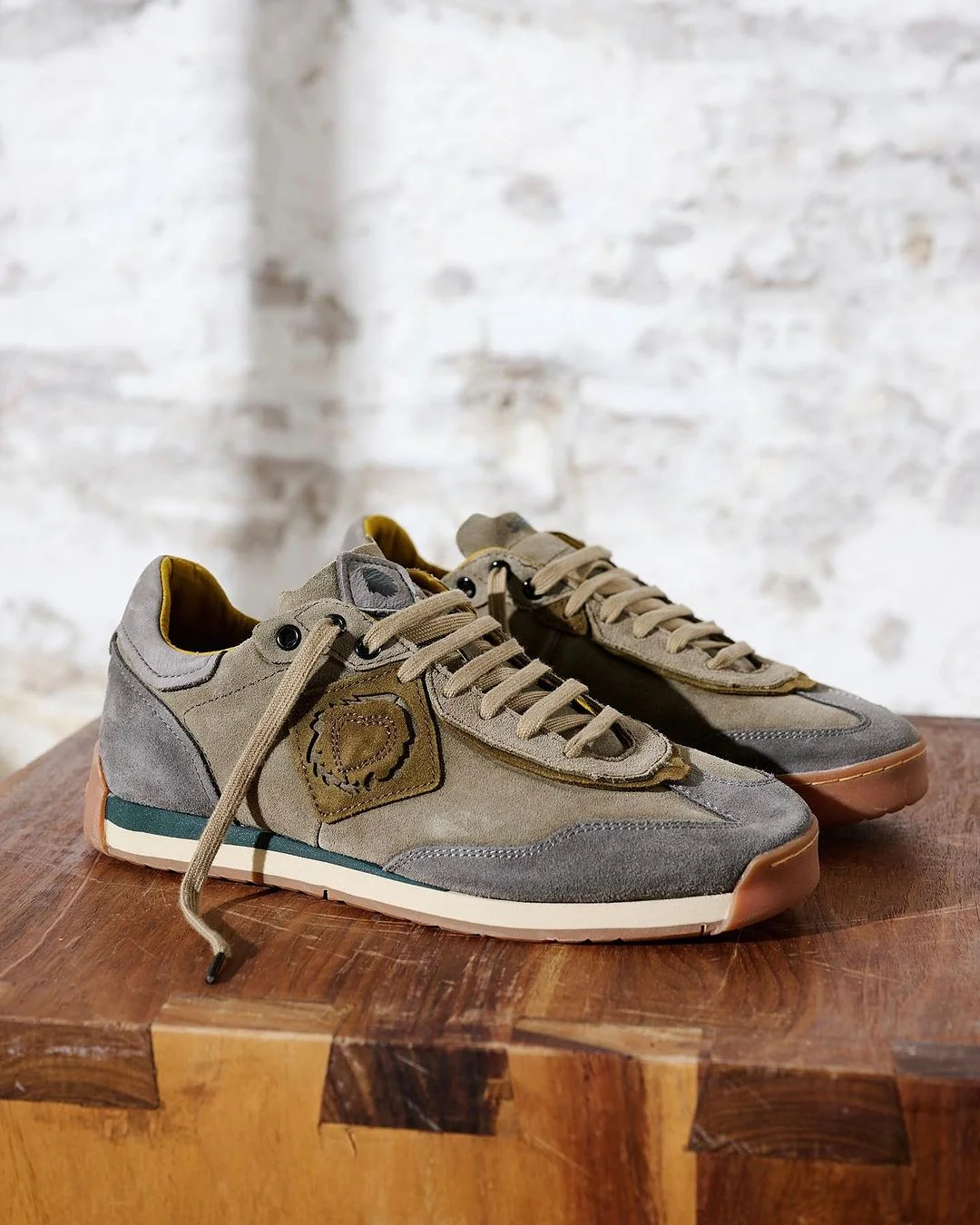
    Recognized as an influential player in the footwear industry, Spain’s Satorisan has successfully broken into the Chinese market. This strategic move is part of their ongoing venture to expand their reach across Asia, following a solid foundation laid in Europe and South Korea.

    Satorisan was established in 2010 by Alejandro Monzó Tadeo, who has over two decades of experience in the active footwear industry. Since its inception, the brand has witnessed steady growth, with sales surpassing 1.6 million pairs in over 100 countries worldwide.

    Satorisan’s Debut in China

    Satorisan unveiled its presence in China through a showroom presentation of their Fall/Winter 2026 collection at Shanghai Fashion Week. The brand also launched its official account on Xiaohongshu, a popular social media and e-commerce platform in China, marking its initial entry into this vast market.

    International Growth Strategy

    Satorisan has been working consistently on their international growth strategy. In Spain, the brand operates flagship stores under the ‘Satori Home’ concept. Their Valencia store, located at Calle Sorní 25, exemplifies this concept. Established in 2016 within a renovated modernist building, it serves as both a retail store and a showroom, hosting events and community-led initiatives.

    Entering the Competitive Chinese Market

    China’s footwear market is highly competitive, with both local and global brands vying for consumers’ attention. By entering this market, Satorisan positions itself among these contenders, aiming to meet the growing demand for comfortable, lifestyle-oriented footwear.

    Questions & Answers

    What is Satorisan’s background?
    Satorisan was founded in 2010 by Alejandro Monzó Tadeo, a veteran in the active footwear industry. It has witnessed steady growth, with sales surpassing 1.6 million pairs in over 100 countries.

    How has Satorisan entered the Chinese market?
    Satorisan made its debut in China through a showroom presentation at Shanghai Fashion Week and by launching an official account on Xiaohongshu, a popular social media and e-commerce platform in China.

    What kind of competition does Satorisan face in the Chinese market?
    The Chinese footwear market is highly competitive, with both local and international brands targeting consumers. Satorisan, with its focus on comfortable, lifestyle-oriented footwear, is positioning itself to meet this robust demand.

  • Experience Luxury Reimagined: Hermès Unveils Its Revitalized Boutique at Elements Mall, Hong Kong

    Experience Luxury Reimagined: Hermès Unveils Its Revitalized Boutique at Elements Mall, Hong Kong

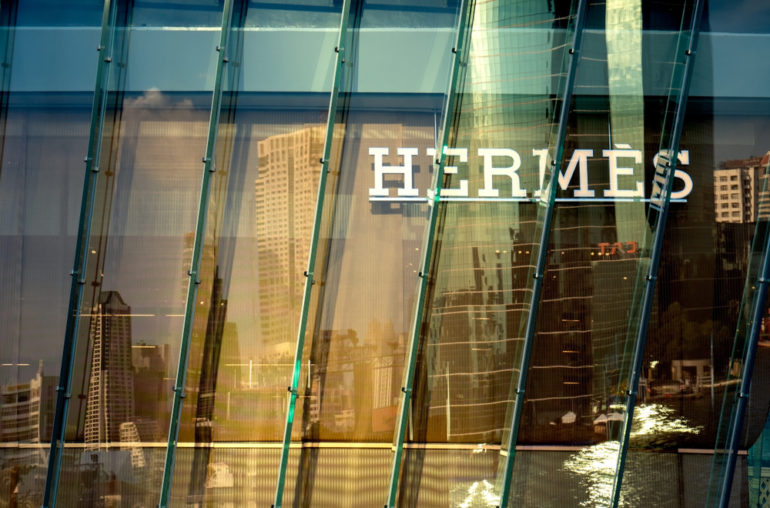
    Following a comprehensive redesign and expansion, the Hermès store located at Elements mall is once again open for business. The refreshed retail space is a significant upgrade from its original construction in 2009.

    Store Design

    The store revamp was spearheaded by RDAI, presenting a unique concept inspired by nature and Chinese cosmology. The design of the store’s façade is particularly eye-catching, featuring ceramic tiles shaped like feathers in a nod to the mythical phoenix. This theme is extended to the display windows, which are adorned with whimsical landscapes designed by artist Claire Detallante.

    Store Layout

    Inside the boutique, the retail sections are strategically planned and organized. A mosaic flooring pathway guides customers through various collections, from silk and home goods to jewelry and watches positioned at the rear of the store.

    The store layout strategically segregates merchandise based on gender, with women’s ready-to-wear, leather goods, and beauty products located on one side, while men’s items are presented in a separately defined section, differentiated by contrasting materials and colors.

    Art and Craftsmanship

    The store also serves as a mini-gallery, displaying various artworks from the Emile Hermès collection and the Hermès Collection of Contemporary Photographs. Art pieces from other renowned artists, including Aline Honoré, Luciano Perna, and Denis Polge, are also showcased throughout the store.

    In the words of the luxury house: “We invite our customers to visit our newly renovated, light-filled store and discover timeless creations and craftsmanship in a bold new setting.”

    Questions & Answers

    When did the Hermès store at Elements mall first open?
    The Hermès store at Elements mall first opened in 2009.

    What is the main concept behind the store’s redesign?
    The redesign presents a concept inspired by nature and Chinese cosmology, featuring a façade that references a phoenix and display windows that showcase illustrated fantasy landscapes.

    What collections can customers expect to find in the store?
    Customers can explore various collections, such as silk and home goods, jewelry and watches, women’s ready-to-wear, leather goods, beauty products, and men’s items.

  • Iconic Brunch Spot Penny University Bids Farewell to Jalan Klapa Outlet Amid F&B Industry Challenges

    Iconic Brunch Spot Penny University Bids Farewell to Jalan Klapa Outlet Amid F&B Industry Challenges

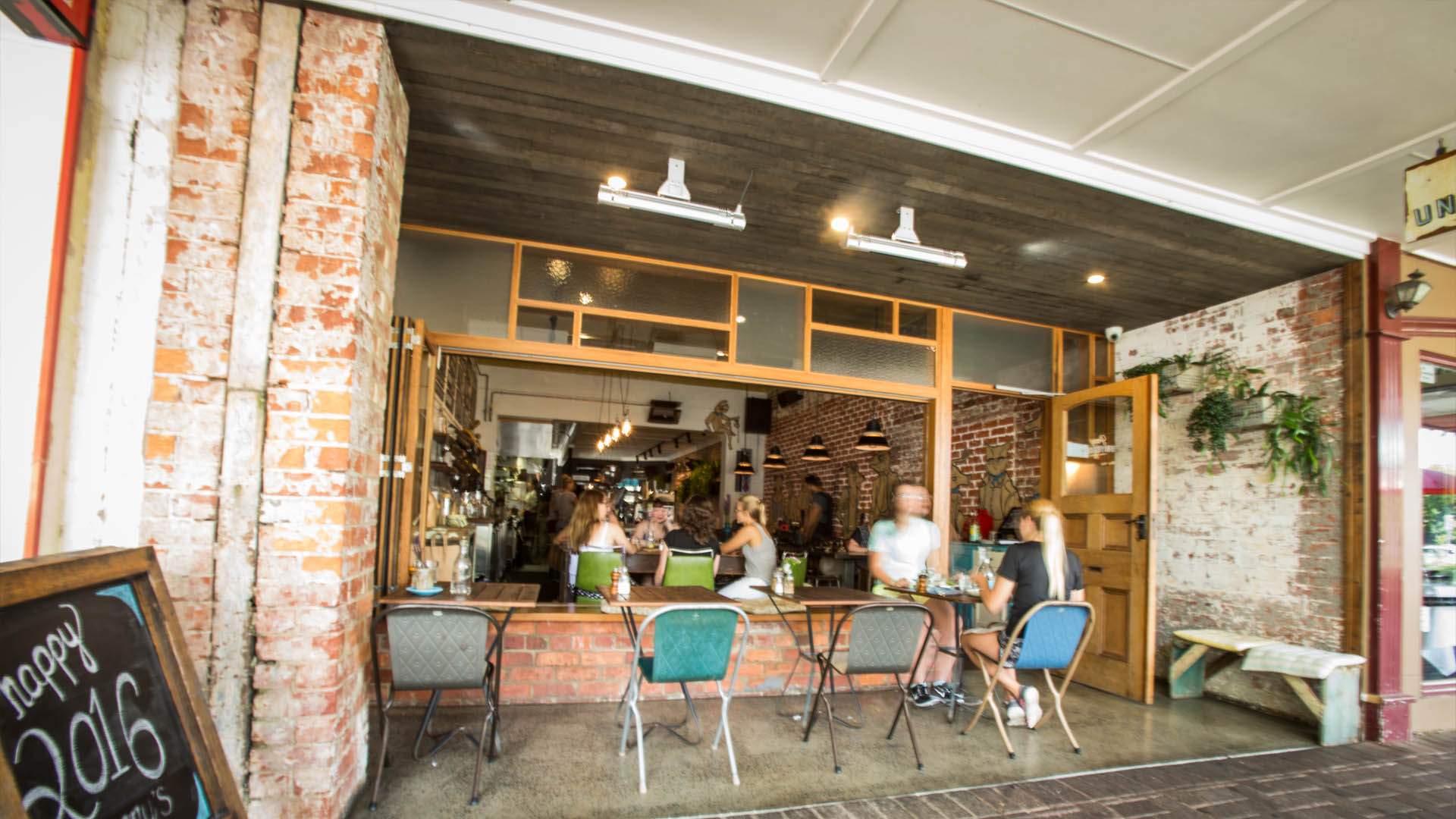
    Singapore-based Halal brunch café, Penny University, has announced the closure of its Jalan Klapa outlet. The doors will shut for the last time on May 3, following a challenging four-year period due to unfavorable conditions within the food and beverage industry.

    Established Reputation

    The café was established in 2012 on the East Coast and quickly garnered a reputation for its distinctive coffee and brunch selections. In 2022, after a successful decade at the original location, it moved to Jalan Klapa in Kampong Glam.

    In a post on Instagram, Penny University characterized its tenure at Jalan Klapa as an exciting journey. It emphasized how the café remained true to its commitment to serving quality coffee and brunch, while simultaneously building strong relationships with the local community. The café also expressed delight in the increase in its international clientele, describing them as a delightful crowd.

    Business Challenges

    The café acknowledged facing economic difficulties in the food and beverage sector, stating these as the reason behind the closure. “The economic conditions can be unforgiving, and we haven’t been an exception. The challenges in the F&B sector necessitate that we bid farewell to our time at Jalan Klapa,” the café shared in their post.

    They went on to express their sorrow at the closure but also their joy and gratitude for having had the opportunity to serve the patrons at this location. The café shared its intentions to use the closure period to recharge and reassess their next steps.

    Remaining Operations

    Despite the closure of the Jalan Klapa outlet, the café’s other outlet, located at Wisma Geylang Serai and opened in 2024, will continue to operate.

    During their tenure at Kampong Glam, Penny University had been a community hub, hosting events centred around the community like crochet sessions, art workshops, and book club meetings.

    Questions & Answers

    Why is Penny University closing its Jalan Klapa outlet?
    The café cited economic challenges within the food and beverage sector as the reason for the closure.

    When is the Jalan Klapa outlet closing?
    The Jalan Klapa outlet is set to close on May 3.

    Will the café’s other outlets remain open?
    Yes, the café’s Wisma Geylang Serai outlet, which opened in 2024, will continue operations.

  • Southeast Asia’s First Tokenized Gold Fund: OCBC Launches GOLDX Token on Ethereum and Solana Blockchains

    Southeast Asia’s First Tokenized Gold Fund: OCBC Launches GOLDX Token on Ethereum and Solana Blockchains

    OCBC, in collaboration with its asset management arm, Lion Global Investors, and digital asset exchange DigiFT, have recently introduced the OCBC-LionGlobal Physical Gold Fund Token (GOLDX token). Notably, this is Southeast Asia’s first tokenised physical gold fund that is accessible on a public blockchain. The GOLDX token is issued on two different blockchains – Ethereum and Solana.

    Investing in GOLDX Tokens

    The new DigiFT platform allows various institutional investors, such as banks, hedge funds, and asset managers, as well as accredited corporate investors, to subscribe to the GOLDX token. They can do this using either stablecoins or fiat currencies. As per the statement, these tokens will be directly delivered to the investors’ blockchain wallets. They can then be redeemed for either stablecoins or fiat currencies.

    Regulatory Framework and Assurance

    The issuance of the GOLDX token is regulated, and the process is anchored by three entities which are regulated by the Monetary Authority of Singapore (MAS), namely OCBC, Lion Global Investors, and DigiFT. Together, these entities provide strong governance, institutional-grade risk management controls, and transparent, verifiable asset backing. Thus, investors can be assured of the safety of their investment while still reaping the benefits of the efficiency and interoperability that are inherent to public-blockchain-based RWAs.

    Exposure to Gold Fund Performance

    The GOLDX token provides regulated, on-chain exposure to the LionGlobal Singapore Physical Gold Fund (Underlying Fund) that is managed by Lion Global Investors. Amid the ongoing geopolitical and economic uncertainties, the Underlying Fund has shown immense growth, with S$669.4 million (US$525.9 million) in assets under management as of 16 April 2026, only four months after its inception.

    OCBC’s Role in the GOLDX Token

    OCBC was the originator of the GOLDX token’s issuance and led its structuring, shaping the product architecture and commercial framework. The bank collaborated with DigiFT to facilitate the tokenisation and digital distribution of the token. Simultaneously, Lion Global Investors supplied the necessary investment framework and governance for the Underlying Fund.

    Prospective Demand

    The GOLDX token is anticipated to attract significant demand from participants within the Web3 ecosystem, including family offices and high-net-worth individuals operating within decentralized, blockchain-based environments. This group possesses considerable capital in stablecoins in Asia, much of which is currently unutilised.

    Questions & Answers

    What is the GOLDX token?
    The GOLDX token is Southeast Asia’s first tokenised physical gold fund available on a public blockchain. It is issued on both the Ethereum and Solana blockchains.

    Who can invest in the GOLDX token?
    The DigiFT platform allows various institutional investors, such as banks, hedge funds, asset managers, as well as accredited corporate investors to subscribe to the GOLDX token using either stablecoins or fiat currencies.

    How is the issuance of the GOLDX token regulated?
    The issuance of the GOLDX token is regulated by three entities which are governed by the Monetary Authority of Singapore (MAS): OCBC, Lion Global Investors, and DigiFT. This ensures strong governance and transparency, offering assurance to investors.

  • Expanding Real-Time Payments: ClearBank Joins Forces with Tazapay to Boost Fintech Connectivity in Asia and Europe

    Expanding Real-Time Payments: ClearBank Joins Forces with Tazapay to Boost Fintech Connectivity in Asia and Europe

    ClearBank, a prominent banking institution, has recently teamed up with Tazapay, a Singapore-based cross-border payments platform experiencing rapid growth. The move is a strategic effort to fortify payment processes between Asia and Europe.

    Notable Milestone for ClearBank and Tazapay

    This partnership signifies a notable landmark for both companies. ClearBank is now providing services to its first client from Singapore and its fifth non-resident customer from Asia this year. This trend underscores the escalating demand for instantaneous clearing abilities across the UK and Europe, particularly among regulated fintech companies.

    As part of the agreement, ClearBank will facilitate Tazapay’s access to UK and European payment channels, thereby enabling real-time settlements and compliant fiat interoperability. This integration will considerably augment Tazapay’s capability to serve its worldwide clientele by linking its platform to vital European payment corridors with the reliability of a bank.

    Tazapay’s Rapid Growth and Diverse Offerings

    Tazapay, headquartered in Singapore, has swiftly expanded its operations to support merchants and platforms in over 170 countries. Their services include access to over 80 local payment methods, multicurrency virtual accounts, and local payout capabilities in more than 100 markets. With an annual payment volume in the billions of dollars, Tazapay has witnessed a triple-digit surge in growth year-on-year.

    The union with ClearBank will see the integration of ClearBank’s cloud-based clearing infrastructure into Tazapay’s single-API payments platform. This will pave the way for more streamlined and compliant cross-border transactions while improving the pace and efficiency of international money transfers.

    Aligning with Tazapay’s International Expansion Plans

    This alliance also resonates with Tazapay’s wider global expansion strategy as the company holds regulatory licenses in Singapore, the United States, Canada, and Australia. It is also in the process of securing additional approvals across Europe, the UAE, and Hong Kong.

    Mark Fairless, ClearBank’s CEO, views the partnership as a strategic opportunity to support an internationally growing business while simultaneously bolstering the bank’s presence in Asia. He stressed that a combined focus on innovation and robust regulatory standards is crucial for a sustainable collaboration.

    Echoing similar sentiments, Tazapay’s CEO and co-founder, Rahul Shinghal, sees the agreement as a critical milestone in the company’s global growth trajectory. He pointed out ClearBank’s instant payment capabilities, comprehensive scheme access, and reliability as pivotal factors in choosing the partner. He also added that the company anticipates the relationship to escalate as transaction volumes surge.

    This partnership mirrors a larger trend in global payments where there is an increase in alliances between fintech firms and infrastructure providers to deliver quicker, more compliant cross-border solutions. As the demand for real-time, transparent payment systems continues to soar, collaborations like these are set to become central in shaping the future of international commerce.

    Questions & Answers

    What is the significance of the ClearBank and Tazapay partnership?
    The partnership signifies a critical milestone for both ClearBank and Tazapay. It helps ClearBank extend its services to its first client from Singapore and fifth non-resident customer from Asia this year. For Tazapay, it provides access to UK and European payment channels, enabling real-time settlements and compliant fiat interoperability.

    How does the partnership align with Tazapay’s global expansion strategy?
    Tazapay already holds regulatory licenses in Singapore, the US, Canada, and Australia, and is in the process of securing additional approvals across Europe, the UAE, and Hong Kong. The partnership with ClearBank aligns with Tazapay’s broader international expansion strategy and helps enhance its global reach.

    What is the broader trend reflected by this partnership?
    This partnership mirrors a larger trend in global payments where fintech firms and infrastructure providers are increasingly collaborating to offer quicker, more compliant cross-border solutions. Such alliances are likely to play a central role in shaping the future of international commerce.

  • Standard Chartered Welcomes Doris Wong as New Head of Coverage for Greater China and North Asia

    Standard Chartered Welcomes Doris Wong as New Head of Coverage for Greater China and North Asia

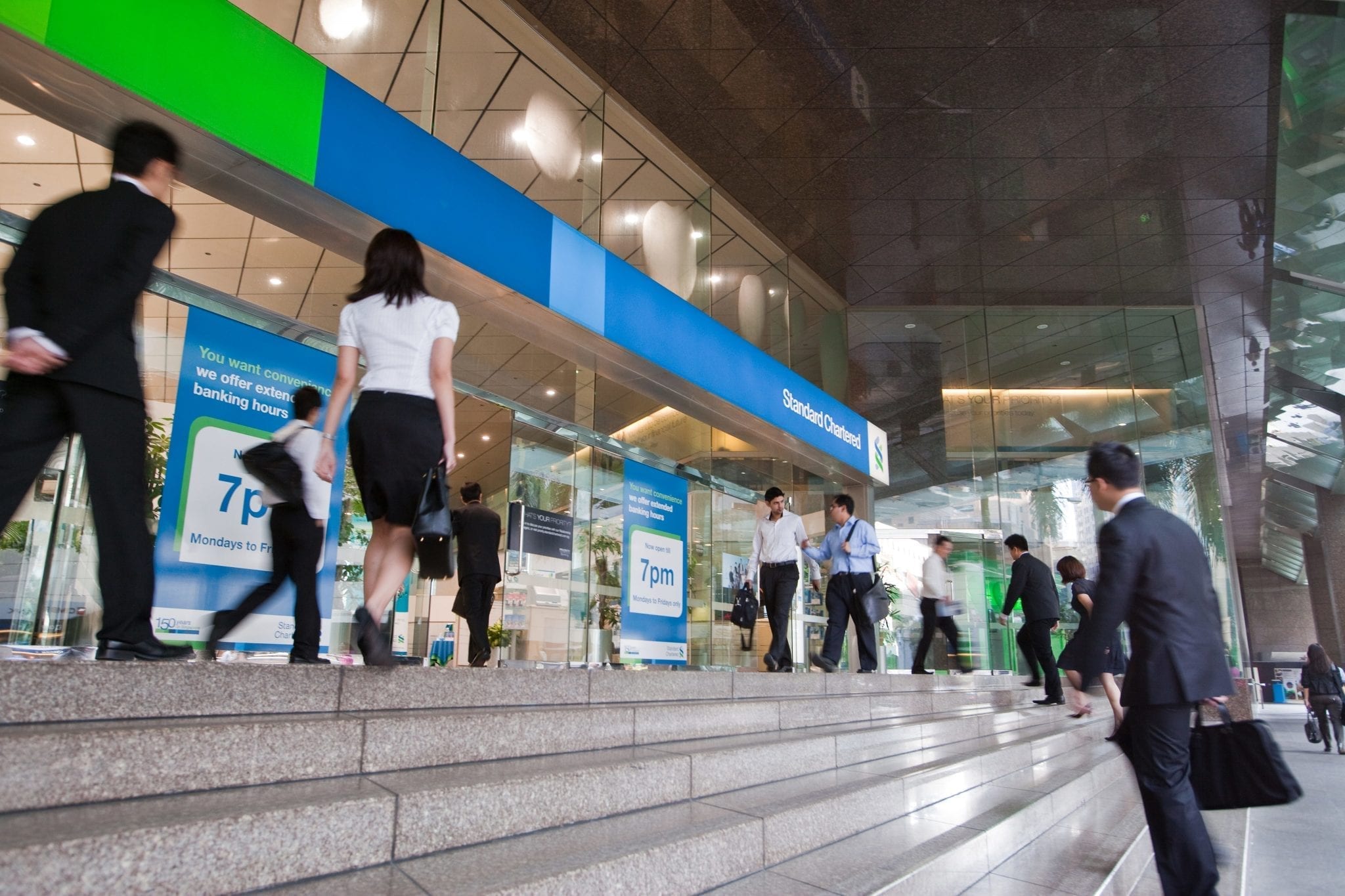
    Standard Chartered has welcomed Doris Wong to the company in the role of Head of Coverage for Greater China and North Asia (GCNA). Wong’s employment will be effective beginning on June 1.

    Working from Hong Kong, Wong will be a member of the Client Coverage Management Team. She will be answering directly to Roberto Hoornweg, the CEO of Corporate & Investment Bank, in his temporary position as Global Head of Client Coverage. From July, Wong will report to Jan Metzger, the incoming Global Head of Coverage Banking. Furthermore, Wong will also have a dual reporting line to Mary Huen, the CEO of Hong Kong and GCNA.

    Wong is a seasoned banker who brings a plethora of experience alongside profound client relationships. She joins Standard Chartered after a tenure of almost 18 years with HSBC. In her most recent position with HSBC, Wong was the Head of Corporate Coverage, Global Banking, Hong Kong, where she served as the senior coverage banker for recognised Hong Kong-listed companies from a variety of key sectors. These sectors included real estate, energy, infrastructure, telecommunications and consumer.

    Wong also excelled in leading a variety of critical financing mandates which covered capital markets transactions, project financing, structured financing, and syndicated loans. Among her earlier roles with HSBC, Wong was the Regional Head of Wholesale Portfolio Management for Asia Pacific, where she was entrusted with monitoring risk-weighted assets across the Credit, Lending and Trade books.

    Questions & Answers

    What is Doris Wong’s new role at Standard Chartered?
    Doris Wong has been appointed as the Head of Coverage for Greater China and North Asia (GCNA) at Standard Chartered, effective June 1.

    What experience does Wong bring to her new position at Standard Chartered?
    Wong brings with her almost 18 years of experience with HSBC, where she was recently the Head of Corporate Coverage, Global Banking, Hong Kong. She has worked with well-established Hong Kong-listed companies across key sectors and has led a variety of core financing mandates.

    To whom will Wong report in her new role at Standard Chartered?
    Wong will initially report to Roberto Hoornweg, the CEO of Corporate & Investment Bank, in his interim role as Global Head of Client Coverage. From July, she will report to Jan Metzger, the incoming Global Head of Coverage Banking. She will also have a dual reporting line to Mary Huen, the CEO of Hong Kong and GCNA.

  • HSBC Strengthens Asian Market Strategy with Appointment of Desmond Kuang as Chief Investment Officer

    HSBC Strengthens Asian Market Strategy with Appointment of Desmond Kuang as Chief Investment Officer

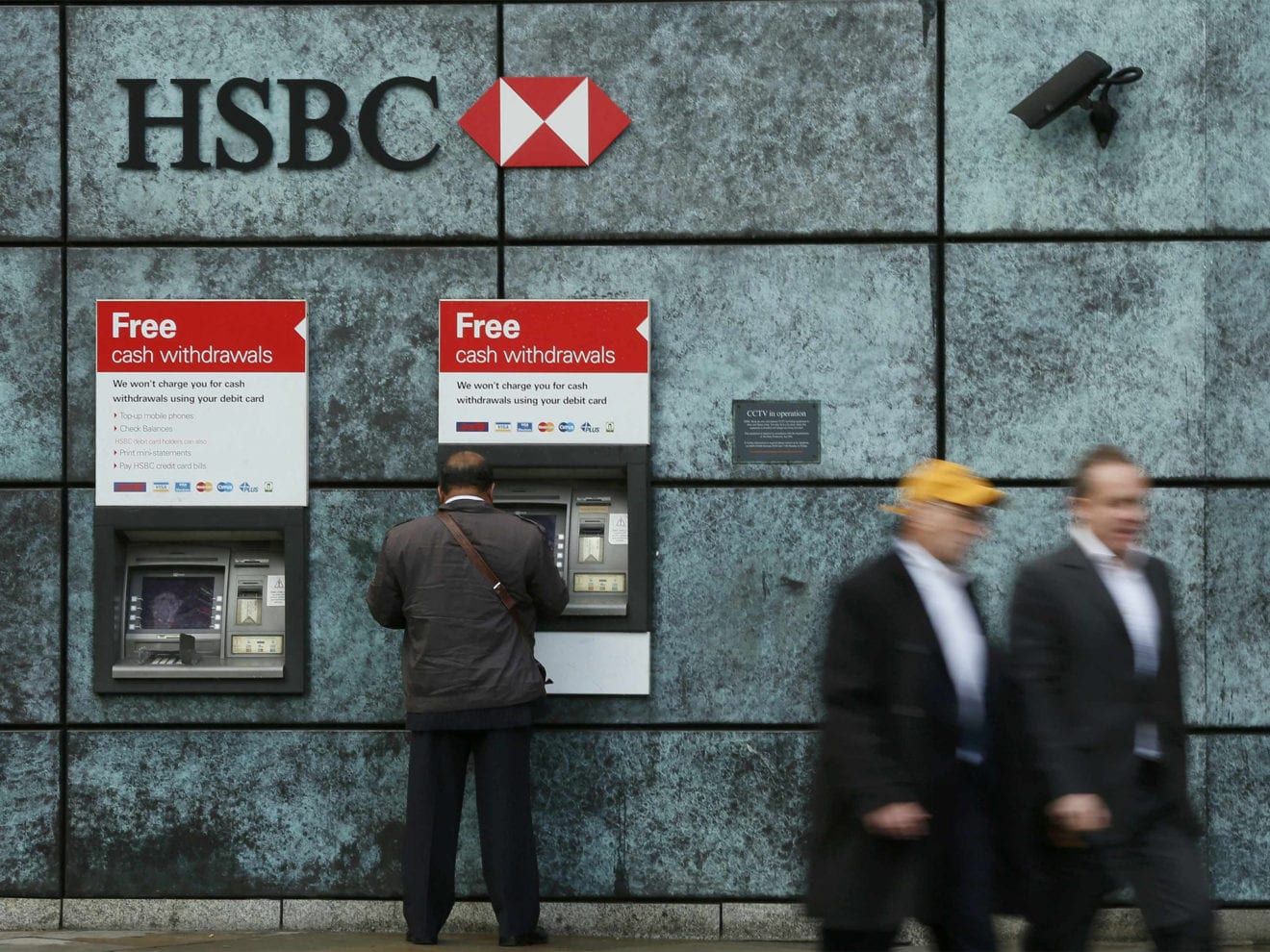
    HSBC has recently publicized the appointment of Desmond Kuang to the position of Chief Investment Officer for Asia, in its Private Bank and Premier Wealth division. Kuang will officially take over his new role, based in Singapore, on July 6, 2026.

    Regional Appointment

    This appointment is a strategy by HSBC to bolster the delivery of investment insights and strategies to the Private Banking and Premier clients across Asia. HSBC’s choice of Singapore for this role is strategic, as the city-state is one of the essential international wealth hubs for the bank, with robust connectivity across Asia. In this capacity, Kuang will be collaborating extensively with teams and clients across multiple markets in Asia.

    Role and Responsibilities

    In his new role, Kuang will be responsible for crafting regional investment strategies and themes across all asset classes. His target audience will be the private banking and premier clients in the region, excluding Hong Kong.

    Experience and Expertise

    Kuang has a robust 20-year career in the banking industry, during which he held several leadership positions in the asset management and investment research sectors. He is currently serving as the Chief Investment Officer for China and Interim Head of Wealth and Premier Solutions in China.

    Before joining HSBC, Kuang demonstrated his portfolio management skills at Income Partners Asset Management. He later ascended to the role of General Manager and Head of Investment in Mainland China.

    Questions & Answers

    Who has HSBC appointed as the new Chief Investment Officer for Asia?
    Desmond Kuang has been appointed as the Chief Investment Officer for Asia at HSBC.

    What will be the primary responsibility of Desmond Kuang in his new role?
    Desmond Kuang will be responsible for crafting regional investment strategies and themes across all asset classes for the private banking and premier clients in Asia, excluding Hong Kong.

    What is the relevance of Singapore in this appointment?
    Singapore is considered one of the key international wealth hubs for HSBC, with robust connectivity across Asia, making it an appropriate base for this role.

  • Stacked Store Revolutionizes Singapore Retail With First Standalone Shop: A Blend of Unique Brands, Immersive Experience & Dynamic Events

    Stacked Store Revolutionizes Singapore Retail With First Standalone Shop: A Blend of Unique Brands, Immersive Experience & Dynamic Events

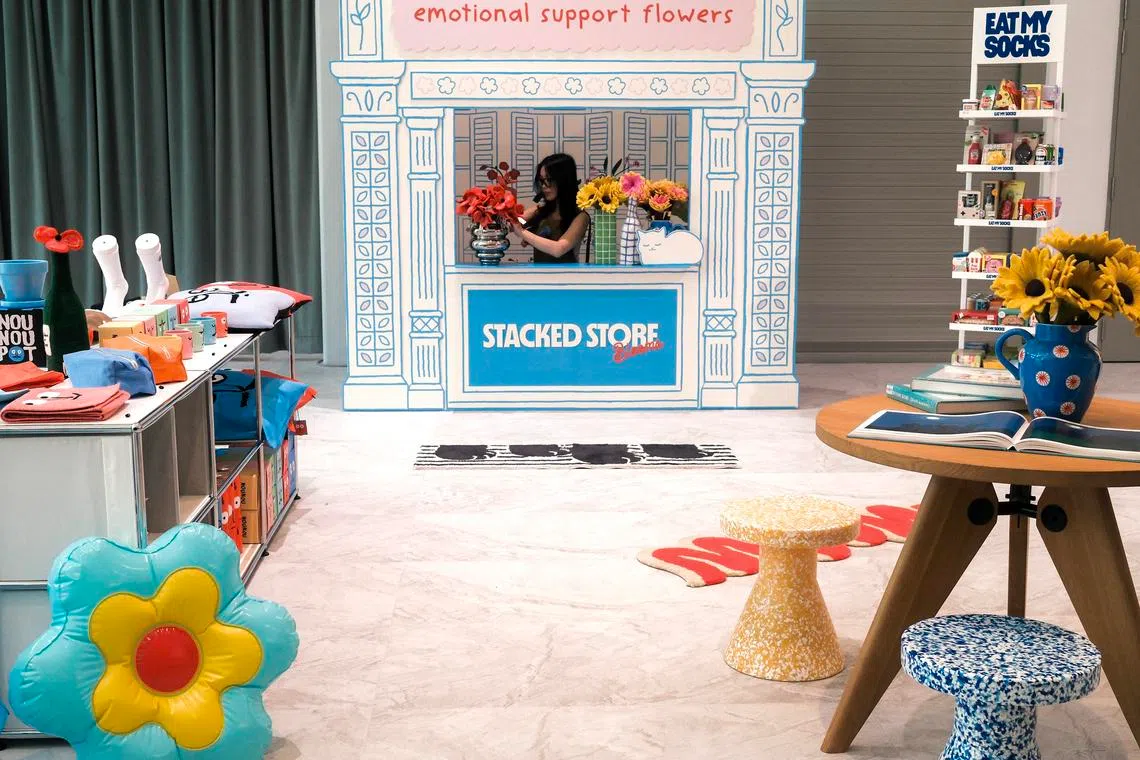
    Stacked Store is set to launch its inaugural independent retail establishment in Singapore’s New Bahru district on May 16, broadening its physical presence following its predominant operation as an online platform.

    A New Take on Retail

    Sited within The Factory, this establishment is envisaged as a hybrid of retail and exploration. It showcases an expertly curated assortment of independent brands, unique home decor items, and design-centric products that ordinary mass-market stores seldom offer.

    The interior design follows a bare, industrial style, with the primary structure of the space made up of raw scaffolding. This contrasting backdrop is designed to accentuate the products on display while promoting a more leisurely, tactile shopping experience.

    Unique Features

    One of the primary attractions is the brand’s trademark living room setting, which has been reimagined for the new location in partnership with W Atelier.

    However, the venue is not just for shopping. It also serves as a platform for engaging customers with the brand. Stacked Store intends to organize workshops, collaborative pop-up events, and exclusive product launches. It also plans to debut its forthcoming in-house brand.

    Expanding Physical Presence

    Earlier this month, the retailer broadened its offline footprint by opening the IMBA Store – the exclusive gift shop for interactive exhibitions at Gardens by the Bay.

    Questions & Answers

    What is the concept behind the new Stacked Store location in Singapore’s New Bahru district?
    The new location is a hybrid of retail and discovery, offering a curated selection of independent brands and unique home decor items. The store is designed to provide a leisurely, tactile shopping experience.

    What unique features does the Stacked Store offer?
    The store houses a reimagined version of the brand’s signature living room setting. It will also serve as a platform for brand engagement, hosting workshops, collaborative pop-ups, exclusive product launches, and unveiling its in-house brand.

    Has Stacked Store expanded its physical presence in other ways?
    Yes, the retailer launched the IMBA Store, the official gift shop for interactive exhibitions at Gardens by the Bay, earlier this month to broaden its offline presence.

  • DFI Retail Group Sees Robust Sales Boost Driven by Beauty and Health Segment Amid Global Challenges

    DFI Retail Group Sees Robust Sales Boost Driven by Beauty and Health Segment Amid Global Challenges

    The Hong Kong-based DFI Retail Group has recently announced a steady increase in sales for the first quarter of the year, primarily fueled by their health and beauty sector.

    Driving Growth with Health and Beauty

    Excluding cigarette sales, the DFI Retail Group reports a 4% sales rise on a year-on-year basis, using a constant currency, and a 3% increase on a like-for-like (LFL) basis. The health and beauty division is credited with a large part of this growth, with a 7% boost in LFL sales, thanks to increased transaction counts and larger basket sizes.

    In Hong Kong, Mannings saw notable growth due to a surge in tourist store sales, driven by an uptick in visitor arrivals. Similarly, Guardian’s sales in Southeast Asia reflected a robust performance in the wellness category. Standout growth was seen in Indonesia and Vietnam, which delivered double-digit LFL sales growth due to increased customer traffic.

    Divisional Performance and Growth

    Excluding cigarette sales, the convenience division, which includes 7-Eleven, saw a 2% growth on a LFL basis. Sales at 7-Eleven increased by 3% in both Hong Kong and Singapore, while sales in South China remained stable.

    The food division showed signs of improvement, with a reported 1% sales increase in Hong Kong. Home furnishings (Ikea) also showed positive trends, with a 4% growth. Both Hong Kong and Taiwan saw mid-single-digit LFL sales growth, owing to Chinese New Year promotions. Meanwhile, Indonesia bolstered its omnichannel strategy with robust online sales growth.

    Profit Growth Despite Market Challenges

    Operating profit from continuing businesses, excluding impacts from the divestment of the Singapore food business and the closure of Mannings China, grew by 12%. The underlying profit from ongoing businesses significantly increased by 49%.

    Despite a dynamic trading environment and increasing geopolitical uncertainties, DFI management stated the group remained resilient. This resilience was attributed to sourcing improvements and cost optimization, which supported price competitiveness and mitigated the impact of oil price volatility.

    DFI confirmed its full-year guidance of an underlying profit in the range of US$270 million to $300 million, supported by an organic revenue growth of approximately 2-3%.

    Questions & Answers

    What division drove the most growth for DFI Retail Group in the first quarter?
    The health and beauty division was the primary driver of growth in the first quarter, with a 7% increase in LFL sales.

    How did geopolitical uncertainties impact DFI Retail Group’s performance?
    Despite geopolitical uncertainties, DFI remained resilient due to sourcing improvements and cost optimization, which helped maintain price competitiveness and minimize the impact of oil price volatility.

    What is the projected full-year guidance for DFI’s underlying profit?
    DFI’s projected full-year guidance for underlying profit is in the range of US$270 million to $300 million, supported by an expected organic revenue growth of about 2-3%.

  • Moncler Group Soars in Asia: China and Korea Power Double-Digit Growth

    Moncler Group Soars in Asia: China and Korea Power Double-Digit Growth

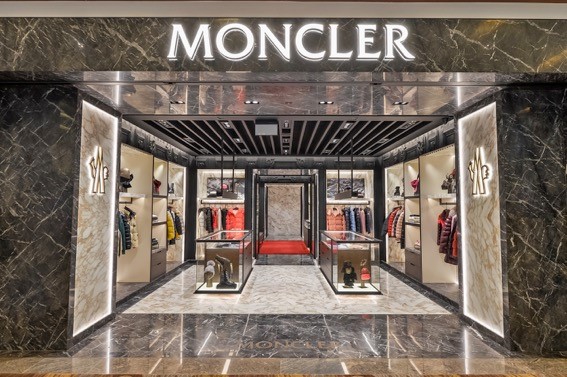
    Moncler Group, the parent company of Moncler and Stone Island, has announced a robust first quarter. The company’s earnings were primarily driven by sales in Asia.

    First Quarter Sales Surge

    The group registered a substantial $1.03 billion in sales during the first quarter. It reported double-digit growth for both of its brands, leading to an overall year-on-year increase of 12 per cent.

    The Asian Market Triumphs

    In Asia, Moncler’s sales grew by an impressive 22 per cent. Moncler attributes this significant increase to strong performances in China and South Korea. However, the sales in Europe, the Middle East, and Africa experienced a minor dip of one per cent year-on-year.

    Brand Performance

    The Moncler brand was the group’s star performer with $900 million in sales. This was propelled by a 14 per cent rise in direct-to-consumer traffic. Stone Island, on the other hand, contributed a solid $134 million to the total sales.

    The Asian market continues to escalate its share of Moncler’s brand revenue. It now represents 56.5 per cent of total sales, marking a 3.7 per cent annual increase.

    Moncler Group’s Future Outlook

    Remo Ruffini, executive chairman of Moncler Group, expressed the company’s anticipation for the future. He stated that the first quarter not only demonstrated strong revenue performance but also the depth of relationships that their brands continue to build with their global community.

    Despite a global context shaped by conflicts and instability, both Moncler and Stone Island have exhibited considerable energy and cultural relevance.

    Ruffini also touched on the appointment of Bartolomeo Rongone as the group’s CEO that was announced earlier this year. He highlighted this as part of the group’s “next phase.” He further reiterated the group’s commitment to remain adaptable and responsive, guided by a clear strategic vision, in the face of an increasingly complex external environment.

    Questions & Answers

    What were the first quarter sales for Moncler Group?
    Moncler Group reported $1.03 billion in sales during the first quarter.

    Which market led the sales for Moncler Group?
    The Asian market led the sales for Moncler Group, with a 22 per cent growth.

    How does the Moncler brand perform in comparison to Stone Island?
    The Moncler brand outperformed Stone Island, with a contribution of $900 million in sales, as compared to Stone Island’s $134 million.

  • Songmont’s Fusion of Old and New: Grand Reopening of Shanghai Flagship Store Reveals Exciting Redesign

    Songmont’s Fusion of Old and New: Grand Reopening of Shanghai Flagship Store Reveals Exciting Redesign

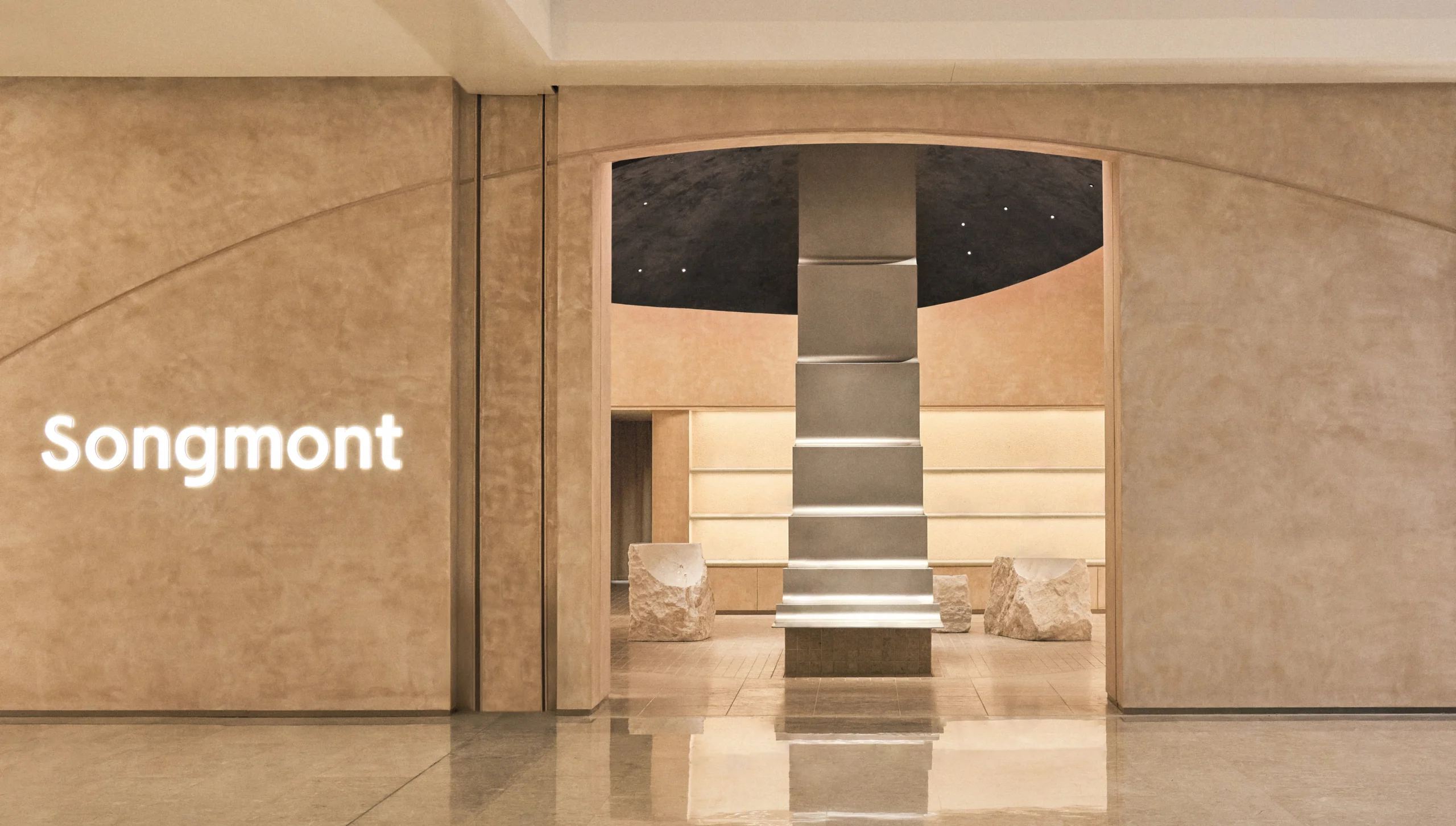
    Songmont, a premium designer brand based in China, has recently unveiled its revamped flagship store located in Shanghai. The store’s redesign showcases a unique blend of original and novel elements aimed at enhancing the layout and shopping experience for its customers.

    The Concept Behind the Revamp

    The original design concept for the store, known as ‘Windy Mountain Valley’, was a nod to the picturesque landscapes sculpted by wind and terrain. This concept is retained in the redesigned space, still encapsulating the harmony of nature and design.

    The updated store retains elements from its initial design while introducing new features that add more depth and definition to the space.

    Balancing Old and New

    Having been a part of the company’s journey for over five years, the flagship store in Shanghai holds significant importance for Songmont. The revamped store is not just about bringing in new elements but also about preserving the old, creating a unique blend of old and new.

    The updated store space now presents a harmonious blend of the familiar, a nod to the store’s past, and the introduction of fresh elements, signaling a warm welcome to new possibilities.

    About Songmont

    Songmont is a designer brand known for its premium leather bags and accessories that are not only functional but also carry a distinctive Eastern-inspired aesthetic. Among its assortment of products are the Luna Bag, Song Bag, Gather Bag, Drippy Tote, and Chocolate Bag. These are often characterized by their convertible designs, offering versatility to their users.

    Questions & Answers

    What is the concept behind the redesign of Songmont’s flagship store in Shanghai?
    The redesign retains the original design concept, ‘Windy Mountain Valley’, while introducing new elements to add more depth and definition to the store layout.

    What does the revamped store represent for Songmont?
    The updated store space presents a harmonious blend of the familiar, a nod to the store’s past, and the introduction of fresh elements, signaling a warm welcome to new possibilities and growth.

    What products does Songmont specialise in?
    Songmont specialises in premium, functional leather bags and accessories featuring Eastern-inspired aesthetics. Their product lineup includes the Luna Bag, Song Bag, Gather Bag, Drippy Tote, and Chocolate Bag, which often feature convertible designs.