Blog

  • KK Mart Announces Massive IPO: A Game-Changer in the Malaysian Convenience Store Industry

    KK Mart Announces Massive IPO: A Game-Changer in the Malaysian Convenience Store Industry

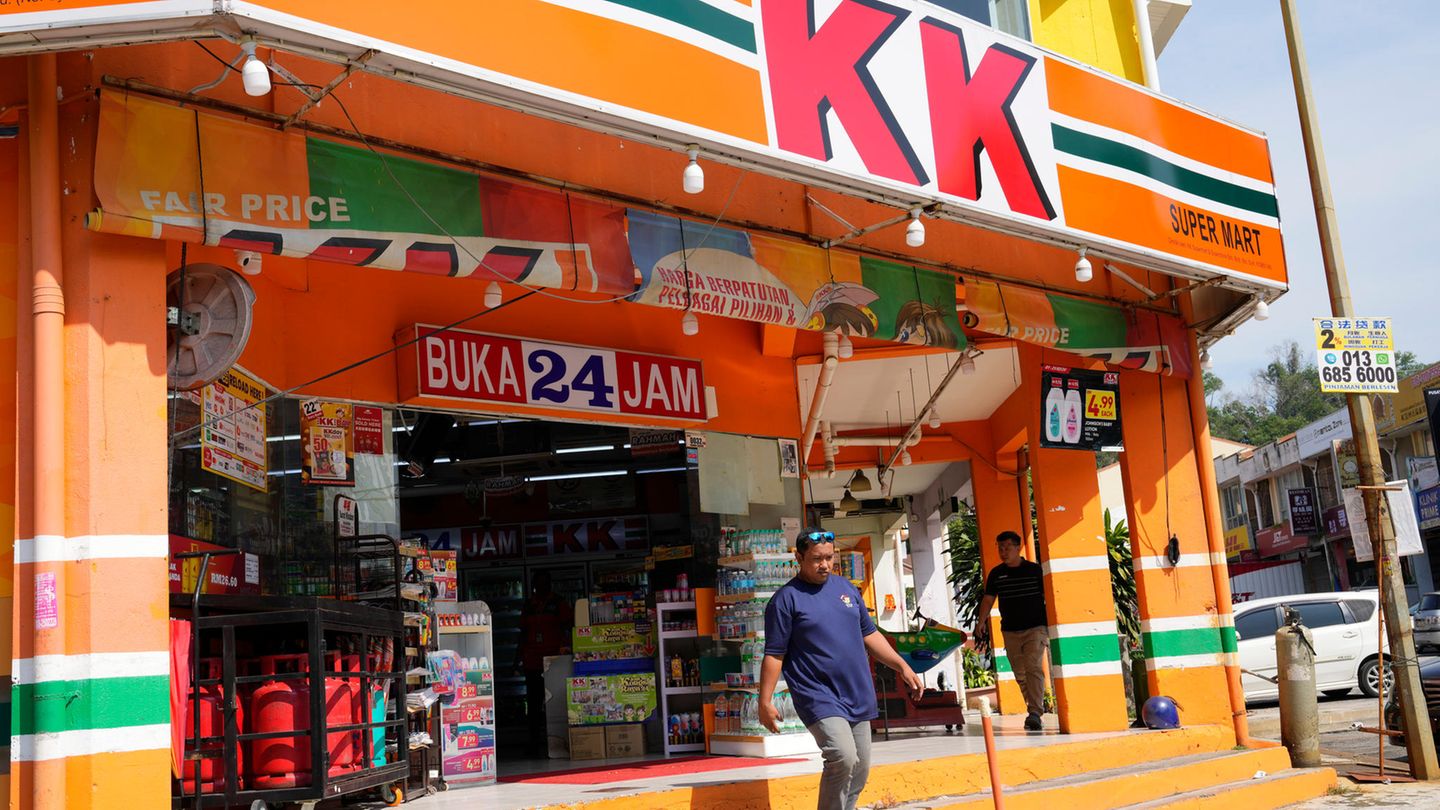
    KK Mart Retail Bhd, the parent company running the KK Super Mart and KK Mart convenience store chain, has revealed plans for an initial public offering (IPO) on Bursa Malaysia. The news came as the company filed a draft prospectus with the Securities Commission Malaysia earlier this week.

    Details of the IPO

    Although the prospectus does not provide specific details about the IPO price, overall fundraising size or listing schedule, it does confirm that the IPO will involve up to 840 million shares. This sum includes the sale of as many as 630 million existing shares, along with the issuing of 210 million new shares.

    Current Operations

    At present, KK Mart operates 996 convenience stores throughout Malaysia. The stores provide customers with everyday essentials and services, such as bill payments and mobile top-ups.

    Use of IPO Proceeds

    The funds raised from the new shares will be allocated to various areas of the business. These include expanding store operations and distribution centers, investing in the digital sphere and IT capabilities, repaying bank loans, and covering the expenses associated with listing.

    The Maybank Investment Bank will serve in multiple roles for this offering, including as the principal advisor, the sole bookrunner, underwriter, and placement agent.

    Questions & Answers

    What is the expected IPO price and total fundraising size for KK Mart Retail Bhd?
    As of now, the company has not disclosed any specific details about the IPO price or the total fundraising size.

    How many convenience stores does KK Mart currently operate?
    KK Mart currently operates 996 convenience stores across Malaysia.

    How will the proceeds from the new shares be used?
    The proceeds from the new shares will be used for expanding store operations and distribution centers, investing in digital and IT capabilities, repaying bank loans, and covering listing-related expenses.

  • Milk Tea Giant Mixue Trims Overseas Presence, Closes 428 Stores – Pursues Optimized Operations in Indonesia and Vietnam

    Milk Tea Giant Mixue Trims Overseas Presence, Closes 428 Stores – Pursues Optimized Operations in Indonesia and Vietnam

    The world’s largest food and beverage chain, China’s Mixue, experienced a decrease in its international outlets in 2021. A significant number of these closures occurred in Indonesia and Vietnam, as the company strived to enhance its operations and efficiency.

    Strategic Store Closures

    While the exact number of closed outlets in Indonesia and Vietnam were not made public by Mixue, the company emphasised in its most recent financial statement a strategy to enhance the performance of their existing stores, to facilitate long-term, sustainable, and stable operations.

    Expansion in Other Territories

    Concurrently, Mixue expanded its reach in other countries including the United States and Kazakhstan, and launched its maiden stores in Malaysia and Thailand under a different brand, Lucky Cup.

    As of the end of last year, Mixue had a global presence with 59,823 outlets, the majority of which, 55,356, were located in mainland China. Indonesia and Vietnam are its two largest overseas markets. As of September 2024, Mixue had 1,304 outlets in Vietnam according to documents filed for its Hong Kong Initial Public Offering (IPO) in early 2025.

    Shifting Retail Strategy

    Mixue is in the process of transitioning from a traditional small-store format to larger outlets in Vietnam. The new locations will feature expanded preparation counters, street-facing storefronts, and more expansive floor areas than their predecessors. The company is also giving preference to prime locations for its outlets.

    The company made its debut in Vietnam in 2018, with an initial focus on Hanoi and the northern provinces. Since then, it has expanded its footprint nationwide. Some of its core offerings include lemonade, ice cream, milk tea, and fruit tea, all priced within an affordable range of VND10,000–30,000.

    Mixue credits its ability to maintain low prices to its control over the supply chain, which extends from raw material production and logistics to research and development and quality control.

    In a 2024 report, it was noted that Mixue has been instrumental in reshaping Vietnam’s milk tea market. The company has played a significant role in growing the affordable beverage segment and pursues an aggressive franchising strategy.

    Future Plans and Financial Performance

    Mixue has expressed plans to continue expanding its presence in Southeast Asia by further enhancing its franchisee network in the region.

    In terms of financial performance, Mixue saw a significant increase in its revenues and net profits last year. Revenues shot up by 35% to RMB33.56 billion (US$4.9 billion), and net profits rose by 33% to RMB5.93 billion.

    Questions & Answers

    What is Mixue’s current strategy in Vietnam?
    Mixue is transitioning from a traditional small-store format to larger outlets, with prime locations, expanded preparation counters, and larger floor areas.

    What are some of Mixue’s key products in Vietnam?
    Mixue’s core offerings in Vietnam include lemonade, ice cream, milk tea, and fruit tea.

    How has Mixue’s financial performance been in recent years?
    In the previous year, Mixue’s revenues increased by 35% to RMB33.56 billion (US$4.9 billion), and net profits rose by 33% to RMB5.93 billion.

  • Chinese Regulator Slaps Billion-Dollar Fines on Food Delivery Giants over Safety Violations

    Chinese Regulator Slaps Billion-Dollar Fines on Food Delivery Giants over Safety Violations

    China’s market regulator recently imposed fines and seizures on seven e-commerce platforms, totaling 3.6 billion yuan (US$527.32 million), for failing to adhere to food delivery safety guidelines. The offenders include prominent companies such as Pinduoduo, Meituan, JD, ByteDance’s Douyin, and Alibaba’s Taobao Shangou.

    Violation of Safety Protocols

    Investigations revealed that these companies did not implement necessary measures to protect consumers. They were also found to be negligent in verifying the licenses and qualifications of online food vendors. The regulator has expressed concern over this lax approach towards consumer safety and vendor credibility.

    Pinduoduo responded to the penalties by stating that the company “sincerely accepts and will resolutely comply” with the regulator’s decision. It also pledged to learn from this episode, standardize its business procedures, and make necessary improvements. However, Meituan, ByteDance, and Alibaba did not respond immediately to requests for comments.

    Intense Competition in China’s Food Delivery Market

    In the past year, food delivery in China has witnessed escalating competition, with e-commerce giants like Alibaba and JD actively trying to gain market share. These companies have been offering attractive discounts and coupons on a wide range of products, including ice cream and takeaway coffees.

    This battle to establish dominance in the ‘instant retail’ domain, where goods are delivered within an hour, has affected profits and attracted regulatory attention. Chinese regulators have repeatedly cautioned against the unhealthy “race-to-the-bottom competition” prevalent among food delivery firms.

    Questions & Answers

    What prompted the fines on the e-commerce platforms?
    The companies violated food delivery safety protocols and failed to verify the qualifications and licenses of online food vendors.

    How have the companies reacted to the fines?
    While Pinduoduo has openly accepted and pledged to comply with the regulator’s decision, Meituan, ByteDance, and Alibaba have not responded immediately to the penalties.

    Has the increased competition in food delivery affected the companies?
    Yes, the escalated competition, epitomized by discounts and coupons, has not only squeezed profits but also attracted regulatory scrutiny due to a “race-to-the-bottom competition” mentality.

  • Ikea’s Savory Surprise: Meatball-Flavored Chupa Chups Coming to Stores Worldwide

    Ikea’s Savory Surprise: Meatball-Flavored Chupa Chups Coming to Stores Worldwide

    Ingka Group has collaborated with confectionery brand Chupa Chups to bring a novel, meatball-inspired treat to Ikea stores across the globe this June. The peculiar confection, which was initially teased as an April Fools’ Day prank, garnered substantial customer interest, promoting the companies to make the concept a reality.

    From April Fool’s Joke to Reality

    On April 1st, the idea of a meatball-flavored lollipop was pitched, amusing customers and sparking curiosity. The response was so positive that the companies decided to turn the playful concept into a limited-edition treat. They plan to produce and distribute one million of these unique lollipops at numerous Ikea locations worldwide.

    The Flavor Inspiration

    The development of this product is in the hands of Chupa Chups. The confection is designed to mimic the taste of Ikea’s renowned Swedish meatballs paired with lingonberry. Rather than serving as a retail item, the lollipop is seen as an engaging extension of Ikea’s food offerings, intending to enhance the customer’s in-store experience.

    Javier Quiñones, commercial manager at Ingka Group, shared his enthusiasm about their partnership with Chupa Chups. He expressed that the lollipop is a delightful interpretation of their original idea and a unique way of celebrating their passion for food. He also noted the power of humor, remarking that even a simple joke could evolve into a tangible product and engage people in unexpected ways.

    Availability

    These intriguing lollipops won’t be up for sale. Instead, Ikea plans to treat customers by offering them as complimentary samples in stores throughout June.

    Questions & Answers

    What is the origin of the meatball-inspired lollipop?
    The concept started as an April Fool’s joke but due to the strong response from customers, the companies decided to make it a reality.

    What flavor will the lollipop have?
    The lollipop, developed by Chupa Chups, is intended to mimic the taste of Ikea’s popular Swedish meatballs coupled with lingonberry.

    Will these lollipops be available for purchase?
    No, they will not be available for sale. The lollipops will be given out as free samples to customers visiting Ikea stores in June.

  • Nutella Unveils Nutty New Flavor Revolution: Introducing Nutella Peanut after Six Decades

    Nutella Unveils Nutty New Flavor Revolution: Introducing Nutella Peanut after Six Decades

    Ferrero, the global confectionery company, has announced an innovative addition to its Nutella product line – Nutella Peanut. This new flavor is the first to be introduced by the brand in over six decades.

    Nutella Peanut: A Groundbreaking Flavor

    Nutella Peanut blends the beloved Nutella cocoa and hazelnut spread with roasted peanuts. Designed for daily consumption, this new blend is perfect for sandwiches and snacks.

    The company notes that the new product maintains the cherished creamy texture of Nutella while incorporating a distinct peanut flavor. Nutella Peanut is currently being introduced across the United States, with promotional events and in-store availability planned.

    Senior Vice President of Spreads for Ferrero North America, Noah Szporn, explained the company’s decision to innovate. “When a jar of Nutella becomes an internet sensation, even making its way into space, it opens a world of possibilities. As such, it was only logical for us to introduce our first new flavor in over 60 years,” said Szporn.

    A Strategic Move for Ferrero

    This launch marks a significant milestone for the global spread brand. Since its inception in 1964, Ferrero has primarily grown its Nutella product line through packaging and format innovations. The introduction of Nutella Peanut is part of the company’s strategic plan to cater to the changing tastes of consumers, especially in the North American market.

    Earlier in the year, Ferrero expanded its offerings with the launch of its frozen bakery range – Nutella Croissant and Nutella Muffin. These items are now accessible to food service partners across Australia.

    Questions & Answers

    What is the new flavor that Ferrero has added to its Nutella range?
    Ferrero has added a new flavor, Nutella Peanut, to its Nutella product line. This is the first new flavor that the brand has introduced in over six decades.

    What does Ferrero’s new Nutella Peanut blend consist of?
    The Nutella Peanut blend consists of the traditional Nutella cocoa and hazelnut spread mixed with roasted peanuts. The company claims the product retains Nutella’s well-loved creamy texture while offering a distinct peanut flavor.

    How does this new product fit into Ferrero’s overall strategy?
    The introduction of Nutella Peanut is part of Ferrero’s strategic plan to respond to evolving consumer tastes. It represents a significant milestone for the brand, which has primarily grown its product line through packaging and format innovations since its foundation in 1964.

  • Comedian Andy Lee Champions Australian Made Products in 40th Anniversary Campaign

    Comedian Andy Lee Champions Australian Made Products in 40th Anniversary Campaign

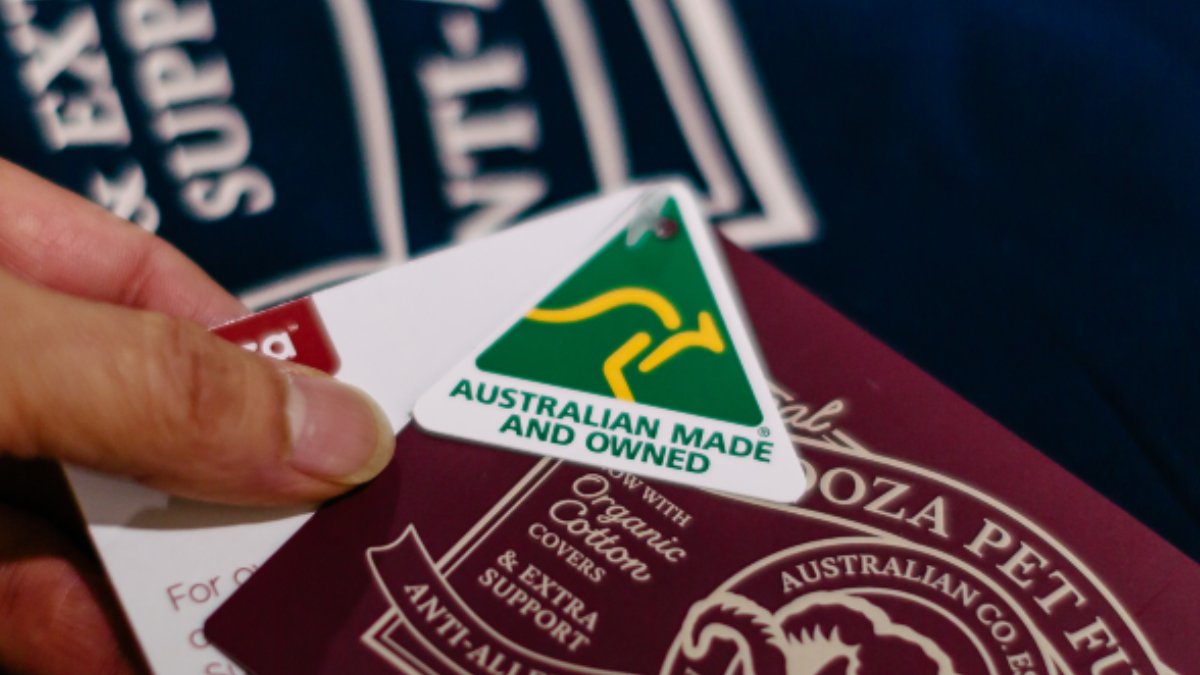
    Australian Made, an organization renowned for promoting and certifying Australian-made products, has recently announced the appointment of Andy Lee as its ambassador for the upcoming Australian Made Week. Scheduled for the week of the 18th to the 24th of May, Australian Made Week aims to encourage consumers to prioritize purchasing products adorned with the Australian Made logo.

    Andy Lee is a comedian, children’s book author, and a member of the renowned comedy duo Hamish & Andy. As an ambassador, Lee’s main role will be to spearhead a campaign promoting the economic benefits of choosing products made within Australia. To emphasize this, he will don the national colours of green and gold throughout the campaign. This year also marks a significant milestone for Australian Made as they celebrate 40 years since the Australian Made logo was first introduced as a national symbol of origin.

    Ben Lazzaro, CEO of Australian Made, revealed that Lee was chosen as the ambassador due to his unwavering support for local manufacturing throughout his career as a business owner and investor.

    Lee expressed his belief that choosing Australian-made products can have far-reaching economic impacts, including supporting local employment and supply chains. He hopes his role will inspire consumers both locally and internationally to support Australian producers.

    Lee said, “Nothing would make me happier than knowing my involvement in Australian Made Week had encouraged people to support our wonderful country and the incredible things our local makers create.”

    Interestingly, a recent survey conducted by Roy Morgan Research indicates a high level of support for domestic production among consumers. According to the survey, 87% of respondents believe buying Australian-made products is important, with 56% stating they ‘often’ or ‘always’ opt for them. Furthermore, an impressive 99% of those surveyed were able to recognize the Australian Made logo.

    Australian Made encourages consumers to prioritize Australian-made products in all their daily purchases. They stress that domestically produced options are available across a wide range of categories, including health and beauty products, industrial materials, furniture, and mattresses.

    In addition to promoting local products, Australian Made Week will also include a host of community activities and a programme recognizing businesses in the certification system used by more than 4500 companies.

    Questions & Answers

    Who has been appointed as the ambassador for Australian Made Week?
    Andy Lee, a comedian and children’s book author, has been appointed as the ambassador for Australian Made Week.

    Why was Andy Lee selected as the ambassador for Australian Made Week?
    Andy Lee was chosen for his long-standing support for local manufacturing and his work as a business owner and investor.

    What are the main objectives of Australian Made Week?
    Australian Made Week aims to promote the economic benefits of choosing domestically produced goods and to encourage consumers to prioritize products bearing the Australian Made logo.

  • Tim Cook Passes the Apple Torch: A New Era Dawns with CEO Transition

    Tim Cook Passes the Apple Torch: A New Era Dawns with CEO Transition

    Speculation has been rife for some time about the imminent departure of Apple CEO Tim Cook from his position. The unexpected announcement of his replacement has therefore caught many by surprise. Despite forecasts suggesting Cook’s remaining tenure might run into a few more years, it now appears his exit is imminent.

    Tim Cook’s New Role

    Tim Cook is slated to relinquish his CEO role later this year after a successful and influential period of leadership at Apple. Starting from September 1, Cook will transition into the position of executive chairman on Apple’s board of directors.

    According to typical patterns, Cook is expected to serve as executive chairman for a substantial period, though his presence at the launch of the iPhone 18 in the upcoming months remains uncertain.

    The decision to appoint Cook’s successor, John Ternus, as the new CEO seems like a well-anticipated move to many. Recently, Ternus has been increasingly in the public eye, having even presented the iPhone Air. Some believe this was a strategic move to familiarize the public with Ternus’s presence during significant product launches.

    Cook’s Farewell Message

    In an internal memo to Apple employees, Cook reflected on his time with the company and the collective accomplishments of the team. He praised the company’s values and expressed his confidence in Apple’s future prospects. This, he noted, influenced his decision to transition to the role of executive chairman and pass on the CEO baton to John Ternus. He affirmed his belief in Ternus’s capability to guide Apple into the future and maintain the company’s core values.

    Cook also expressed his intention to support Ternus and the company in various key areas in his new role and thanked the executive team for their brilliance throughout the years. He concluded by expressing his optimism about the future and inviting all to join him in congratulating Ternus.

    John Ternus’s Response

    In a memo of his own, John Ternus expressed his excitement about his new role as CEO and gratitude for the opportunity to lead the hardware engineering team. He revealed that as he transitions to the CEO role, Tom Marieb will take over as the head of hardware engineering, reporting to Johny Srouji, who is taking on an expanded role of Chief Hardware Officer. Ternus expressed his anticipation for their continued work together and shared his confidence in the team.

    Reflecting on Cook’s Legacy

    Reflecting on Cook’s tenure, it’s astounding to consider the significant impact he has had on Apple and its global user base. Cook’s strategic prowess following the passing of Steve Jobs was instrumental in sustaining the company’s stability and growth.

    Under Cook’s leadership, Apple’s product range has evolved remarkably. The MacBook has become a powerful technological asset, and the iPhone 17 Pro is widely regarded as one of the best flagship smartphones on the market.

    The upcoming launch of the iPhone 18 Pro and the iPhone Ultra later this year will be a poignant moment, given Cook’s absence. The future Apple events are inevitably going to be different, marking a shift in an era in the company’s history.

    Questions & Answers

    Who will replace Tim Cook as CEO of Apple?
    John Ternus has been announced as the successor to Tim Cook as CEO of Apple.

    What will be Tim Cook’s new role at Apple?
    Tim Cook will transition to the role of executive chairman on Apple’s board of directors.

    Who will take over as head of hardware engineering at Apple?
    Tom Marieb will assume the role of head of hardware engineering at Apple as John Ternus transitions to the CEO role.

  • Job Cull at Meta: 8,000 Layoffs Loom as Zuckerberg Pioneers AI Leadership Clone

    Job Cull at Meta: 8,000 Layoffs Loom as Zuckerberg Pioneers AI Leadership Clone

    Many employees at Meta are expected to face job losses, with the first wave of layoffs beginning on May 20, potentially affecting as many as 8,000 roles. However, this initial round of job losses only signifies the start of a broader restructuring effort.

    Continued Layoffs Anticipated

    According to recent reports, Meta’s workforce reduction is far from complete. After the initial elimination of 8,000 positions, which represents approximately 10% of Meta’s global workforce, another round of layoffs is expected to occur in the latter half of 2026.

    The specifics regarding the second round of layoffs, including the exact timing and the number of affected employees, remain uncertain. This lack of detailed information may be due to the unpredictability of advancements in artificial intelligence (AI), a field that could substantially influence Meta’s employment requirements. If AI technology continues to become more effective and powerful, more job cuts could consequently ensue at Meta.

    Reports have indicated that Meta is considering a 20% reduction of its global workforce, suggesting that at least another 8,000 jobs could be eliminated in the second wave of layoffs.

    Industry-Wide Job Losses

    While Meta grapples with impending layoffs and the task of enhancing its AI capabilities, other industry giants are facing similar challenges. Amazon, for example, has recently initiated layoffs affecting 30,000 of its corporate employees, equivalent to 10% of its white-collar workforce.

    According to some tracking tools, more than 73,000 employees have been laid off in 2026 across the industry. This figure nearly reaches half of the total layoffs for the entire year of 2024, despite only the first quarter of 2026 having concluded.

    The Advent of AI Leadership

    Despite the turbulence, a bright future could await those who manage to retain their positions at Meta. Reports suggest that the company is developing an AI clone of its CEO, which would be capable of responding to questions in his distinct voice using his past statements.

    The AI clone project aims to strengthen employee connection with leadership, reflecting the company’s shift towards AI-driven tools rather than focusing solely on its earlier metaverse ambitions. The CEO is said to be directly involved in training his digital counterpart, a concept that could inspire the creation of similar AI personas for influencers and creators.

    Questions & Answers

    Why is Meta laying off a significant portion of its workforce?
    Meta’s layoffs are part of a broader restructuring strategy, potentially influenced by advancements in AI technology, which could transform the company’s employment and operational needs.

    What is the expected number of total layoffs at Meta?
    While exact numbers are not confirmed, reports suggest that Meta is considering a 20% reduction of its global workforce, which could result in about 16,000 job losses.

    What is the purpose of the AI clone of Meta’s CEO?
    The AI clone project aims to strengthen the connection between employees and leadership. The AI clone, trained to respond in the CEO’s voice using his past statements, reflects Meta’s strategic shift towards AI-driven tools.

  • How Online Booking Behavior Is Forcing Hotels To Rethink Pricing Strategy

    How Online Booking Behavior Is Forcing Hotels To Rethink Pricing Strategy

    The way travelers book hotels has changed significantly over the past decade, and the pace of that change shows no signs of slowing. Guests now compare rates across dozens of platforms in minutes, often on mobile devices, often at the last minute. For hotels still relying on weekly rate reviews or static seasonal tariffs, the gap between their pricing approach and the market they are operating in is growing wider.

    Price Transparency Has Shifted the Power Balance

    When a potential guest searches for a room, they are not just looking at your hotel. They are looking at your hotel alongside your competitors, often on the same screen. OTAs and metasearch engines have made rate comparisons effortless. The platforms driving this shift include:

    • OTAs like Booking.com and Expedia, which surface competing properties side by side
    • Metasearch engines like Google Hotels and Trivago, which aggregate rates across channels in real time
    • Direct booking tools that allow guests to cross-check your own website against third-party listings before committing

    A rate set too high relative to comparable properties will show up immediately in search results. A rate set too low might drive bookings, but it can also erode the revenue per available room the property needs to remain profitable. Pricing decisions now need to account for what the wider market is doing in real time, not just what internal targets suggest.

    Booking Windows Are Shrinking

    Consumer behavior has also shifted in terms of when people book. Last-minute reservations, once the exception, are now a routine part of the booking mix. Key patterns shaping this trend include:

    • A significant share of leisure travelers making decisions within a week of arrival, sometimes within 48 hours
    • Mobile search making it easier than ever to compare and book on the same device, in the same session
    • Post-pandemic flexibility leading more travelers to hold off on committing until closer to their trip

    This creates a real problem for any hotel relying on a set-and-forget approach to rates. A room that looked correctly priced three weeks out may be significantly under or overpriced as the arrival date approaches, depending on how demand has developed. Shorter booking windows require more frequent pricing responses, and that is difficult to deliver manually without dedicated staff and real-time data.

    Competitor Rate Visibility Is No Longer Optional

    Rate intelligence, once a tool available mainly to larger hotel groups, is now accessible to properties of all sizes. The question is whether independent hotels are using it. Staying competitive requires a clear view of:

    • What comparable properties are charging on peak nights, weekends, and during local events
    • How competitor rates shift as availability tightens closer to arrival
    • Where your property sits in the search results relative to similarly priced options

    A hotel adjusting prices based on internal assumptions alone, without any view of competitor positioning, is working with incomplete information. Good hotel revenue management is no longer just about yield calculations and forecasting models. It requires a continuous feed of external market data and the ability to act on it quickly.

    Why Static Pricing No Longer Holds Up

    Static pricing made sense when the effort required to change rates was high and competitor visibility was low. Neither of those conditions exists now. The limitations of manual or static approaches include:

    • Rates that stay fixed while demand fluctuates, leaving money on the table during high-demand periods
    • No mechanism to respond when a competitor drops or raises rates around the same dates
    • Staff time consumed by manual rate reviews that could be better spent on guest experience

    A well-structured hotel pricing strategy guide will typically cover the shift from static to dynamic pricing as a foundational step, because the commercial case is clear. Hotels that adjust rates in response to demand signals and competitor moves consistently outperform those that don’t, particularly during periods of fluctuating demand.

    The Case for Automation and Smarter Tools

    Dynamic pricing for hotels is not a new concept, but the practical ability to implement it has improved considerably. Modern hotel pricing software can process multiple inputs automatically, including:

    • Real-time competitor rate data across OTA and direct channels
    • Booking pace against historical pickup patterns
    • Local events, holidays, and demand spikes that affect market rates
    • Channel-specific performance to optimize where bookings come from

    This matters most for independent properties. Large hotel chains have teams of revenue managers and proprietary systems. An independent hotel with one or two staff handling all commercial decisions cannot realistically monitor and respond to market changes manually around the clock. Access to hotel revenue management solutions that automate this process is no longer a luxury reserved for brands with scale. It is increasingly a baseline requirement for any property that wants to compete on price effectively.

    Looking Ahead

    The hotels that will perform well over the next few years are those that treat pricing as a live commercial decision rather than an administrative task. The data is available, the tools exist, and the cost of inaction is measurable in lost revenue and occupancy.

    Pricing strategy in hospitality is no longer something you revisit quarterly. It is something that needs to keep pace with the market, every day.


  • Mangosteen Dethrones Durian: The Fruit Price Shift in Malaysia

    Mangosteen Dethrones Durian: The Fruit Price Shift in Malaysia

    In Malaysia, the locally adored fruit known as Mangosteen, often referred to as the “queen of fruits,” is becoming more costly than durians due to a shift in agricultural trends causing a decrease in supply. Prices for the locally cultivated Mesta variety of mangosteen, also known as the Japanese mangosteen, have risen to approximately RM20 per kilogram. In contrast, the price for the highly popular Musang King durian has fallen to around RM16.80 per kilogram.

    Availability and Promotions

    Numerous durian varieties, such as D13 and Red Prawn, are presently readily available, with prices as low as RM5 per fruit. One fruit seller, Walter Chew, says that they even have “buy one, get one free” promotions going on. According to Chew, the reason behind the decrease in durian prices is due to an increase in supply caused by a “mini season” which started approximately two weeks ago. This season introduces durians from several areas in Johor, Malaysia’s southernmost state.

    In contrast, the local supply of mangosteens has been inconsistent and limited, Chew points out. Another fruit seller, Yong Boon Sing, added that most mangosteens available on the market are now imported from Thailand and Indonesia.

    Changes in Supply due to Farming Shift

    Over the years, the supply of durians in Malaysia has increased as the fruit’s production and economic contribution have grown. In 2025, durian exports to China, the world’s largest durian market, reached a staggering $37.2 million. Malaysian durians are seen as premium produce, commanding much higher prices than those of regional competitors, averaging $12,138 per tonne as compared to $4,239 for Thai and $3,739 for Vietnamese fruits.

    The popularity of durian has also sparked a boost in tourism as more and more travelers plan their trips around harvest seasons, visiting orchards to taste different varieties and partake in experience-driven packages.

    Data has shown that durian plantations in Malaysia expanded from over 163,000 acres in 2016 to more than 227,000 acres by 2024. During this period, yields almost doubled to over 568,000 tonnes. The exponential increase in supply has consequently driven prices down. The Musang King durian, which was once sold for as much as RM100 per kilogram, has seen prices drop by about 80%.

    Mangosteen trees are often grown alongside durians as an additional source of revenue and for creating a more balanced farm ecosystem. As a result, mangosteen has traditionally been available during the durian season, with the two fruits commonly enjoyed together. However, Yong notes that many new durian farm owners have recently cut down mangosteen trees as their foliage can block sunlight and limit rain reaching the durian roots. This has led to a decline in mangosteen production and, subsequently, an increase in prices.

    Nor Sam Alwi, director-general of the Department of Agriculture, stated that mangosteen production declined from 23,297 tonnes in 2020 to 22,073 tonnes in 2023. She attributed this to the crop’s lengthy juvenile phase, which lasts over six years until it reaches full production. This has made it less attractive for investment, especially when compared to more profitable crops like durian.

    Alwi, however, also noted that yields have been impacted by several factors, including weather changes and increased vulnerability to certain physiological disorders. Preliminary data for 2024 indicates a potential recovery in output.

    Chin Nyuk Moy, the president of the Kuala Lumpur Fruit Wholesalers’ Association, stated that the days when mangosteen was readily available during durian season are mostly over. “Some orchards in Raub still grow the Japan variety, but those days are mostly over.”

    Questions & Answers

    Why has there been a decrease in the supply of mangosteens?
    This is mainly due to new durian farm owners cutting down mangosteen trees as their foliage can block sunlight and limit rain from reaching durian roots. Also, the crop’s long juvenile phase discourages investment.

    What is the current situation for durian exports?
    Durian exports, especially to China, are flourishing. In 2025, durian exports to China reached $37.2 million. Malaysian durians are seen as premium produce and command much higher prices than those of regional competitors.

    How has the shift in farming trends affected the prices of durians and mangosteens?
    The increase in durian supply has led to a decrease in prices. In contrast, the decrease in mangosteen production has led to an increase in prices due to its limited availability.

  • Unlocking New Markets: Vietnam Secures Green Light for Pomelo and Lemon Exports to China

    Unlocking New Markets: Vietnam Secures Green Light for Pomelo and Lemon Exports to China

    A recent agreement has paved the way for Vietnamese pomelos and lemons to be exported to China. This phytosanitary requirements protocol was formalized between Vietnam’s Ministry of Agriculture and Environment and the General Administration of Customs of China. The agreement unfolded during a state visit to China by To Lam, who is the Party General Secretary and State President of Vietnam.

    Phytosanitary Requirements and Protocols

    The newly agreed protocol stipulates that all areas cultivating and facilities packaging pomelos and lemons for export to China have to be registered with the Ministry of Agriculture. Furthermore, they must gain approval from both the Ministry and China’s customs. These facilities are mandated to enforce stringent pest control measures to ensure the quality of the produce.

    The cultivation areas are required to adhere to Good Agricultural Practices (GAP) and Integrated Pest Management (IPM) requirements. These requirements demand fruit to be bagged at least 60 days prior to harvest and the use of traps to combat fruit flies.

    The packaging facilities must maintain sanitary conditions and appropriate functional zoning. Fruits are required to be sorted, classified, and cleaned to remove any diseased or pest-infected fruits, as well as any plant debris and soil residues.

    The Impact of the Agreement

    The Ministry has cited this agreement as the result of structured technical negotiations between plant protection and quarantine agencies of both nations. These discussions have been ongoing since 2019.

    The agreement signifies an important shift towards transparent, standards-compliant official export channels and a more sophisticated bilateral cooperation framework, amidst growing Vietnam–China agricultural trade.

    China continues to be a crucial market with strong demand and potential for Vietnamese fruit exports. Building on the success of other exports, pomelos and lemons are expected to increase their market share, consolidate their position, and boost overall export growth.

    The ministry has expressed its commitment to working closely with localities, associations, businesses, and producers to effectively put the protocol into practice. This will include guidelines on regulations, standardizing cultivation areas and packaging facilities, and strengthening inspections to guarantee full compliance with Chinese requirements.

    Vietnam’s Agricultural Advantage

    Pomelos and lemons are among Vietnam’s most successful agricultural products. Vietnam currently cultivates pomelos on approximately 106,000 hectares, positioning itself as a major global producer of the fruit.

    Questions & Answers

    What does the new protocol between Vietnam and China involve?
    The protocol involves the export of Vietnamese pomelos and lemons to China. It stipulates that all cultivation areas and packaging facilities for these fruits must be registered with the Ministry of Agriculture and approved by both the Ministry and China’s customs.

    What requirements must the Vietnamese farms and packaging facilities meet under the new protocol?
    The farms must adhere to Good Agricultural Practices (GAP) and Integrated Pest Management (IPM) requirements, which includes bagging fruit 60 days before harvest and using traps for fruit flies. The packaging facilities must maintain cleanliness and appropriate functional zoning.

    How will this protocol impact the Vietnam-China agricultural trade?
    The protocol signifies a shift towards transparent, standards-compliant official export channels and provides a more sophisticated bilateral cooperation framework. It is expected to boost the market share of Vietnamese pomelos and lemons in China and strengthen the overall growth of fruit exports from Vietnam to China.

  • Air India Appeals to Tata, Singapore Airlines for Bailout Amid $2.4B Loss Crisis

    Air India Appeals to Tata, Singapore Airlines for Bailout Amid $2.4B Loss Crisis

    Air India has reported an annual deficit surpassing INR220 billion ($2.4 billion), a more substantial loss than initially anticipated. This unexpected financial setback has led the airline to seek monetary aid from its stakeholders.

    Fiscal Losses and Contributing Factors

    The fiscal loss was recorded for the financial year ending March 31. This period was characterized by various unfortunate incidents such as the deadly crash of a Boeing 787 Dreamliner, the shutting down of Pakistani airspace for Indian airlines, and escalating conflict in the Middle East.

    Air India’s principal owner, Tata Group, and minority shareholder Singapore Airlines, which holds a 25.1% stake, are currently engaged in discussions to infuse new capital into the struggling airline. However, the exact amount being deliberated remains undisclosed and may not completely address the airline’s financial needs. This shortfall might necessitate Air India to seek additional avenues for funding.

    Critical Period for Air India

    The unprecedented loss arrives at a critical juncture for Air India. The company’s CEO, Campbell Wilson, announced his intention to resign later in 2026. The airline was designated the least safe in the most recent annual audit by the aviation regulator, despite ambitious expansion plans. The carrier has also grappled with efforts to enhance service standards and yields.

    Air India began the fiscal year on a more positive note, with operating profits reported in early April 2025. Nevertheless, circumstances took a downward turn following the closure of Pakistani airspace to Indian airlines after a short-lived conflict in May. This situation necessitated longer routes to the United States and Europe. Subsequently, the fatal Dreamliner crash in June, which resulted in more than 240 casualties, further disrupted operations, compelling the airline to reduce both international and domestic services.

    External Pressures

    The airline also faced external pressures such as punitive tariffs imposed by the U.S. President on India and stricter controls on foreign worker visas. Air India found itself among the most adversely impacted foreign carriers due to the escalating tensions in the Middle East. This crisis disrupted flights to Europe and the U.S., requiring longer and costlier routes amidst rising jet fuel prices.

    Singapore Airlines, which acquired its minority stake following the merger of its local affiliate Vistara with Air India in 2024, has also faced a negative impact on its earnings due to the airline’s declining performance.

    Questions & Answers

    What is the extent of Air India’s annual loss?
    Air India has reported an annual loss of over INR220 billion ($2.4 billion).

    What factors have contributed to Air India’s substantial loss?
    Several factors have contributed to this loss, including an unexpected Boeing 787 Dreamliner crash, the closure of Pakistani airspace to Indian airlines, conflict in the Middle East, and punitive tariffs imposed by the U.S. President on India.

    What steps are being taken to mitigate the loss?
    The principal owner, Tata Group, and Singapore Airlines are discussing an infusion of fresh capital. However, the exact amount under consideration remains undisclosed.

  • Reviving the Skies: Malaysia Launches Airfare Discounts & Financial Lifelines to Bolster Aviation Industry

    Reviving the Skies: Malaysia Launches Airfare Discounts & Financial Lifelines to Bolster Aviation Industry

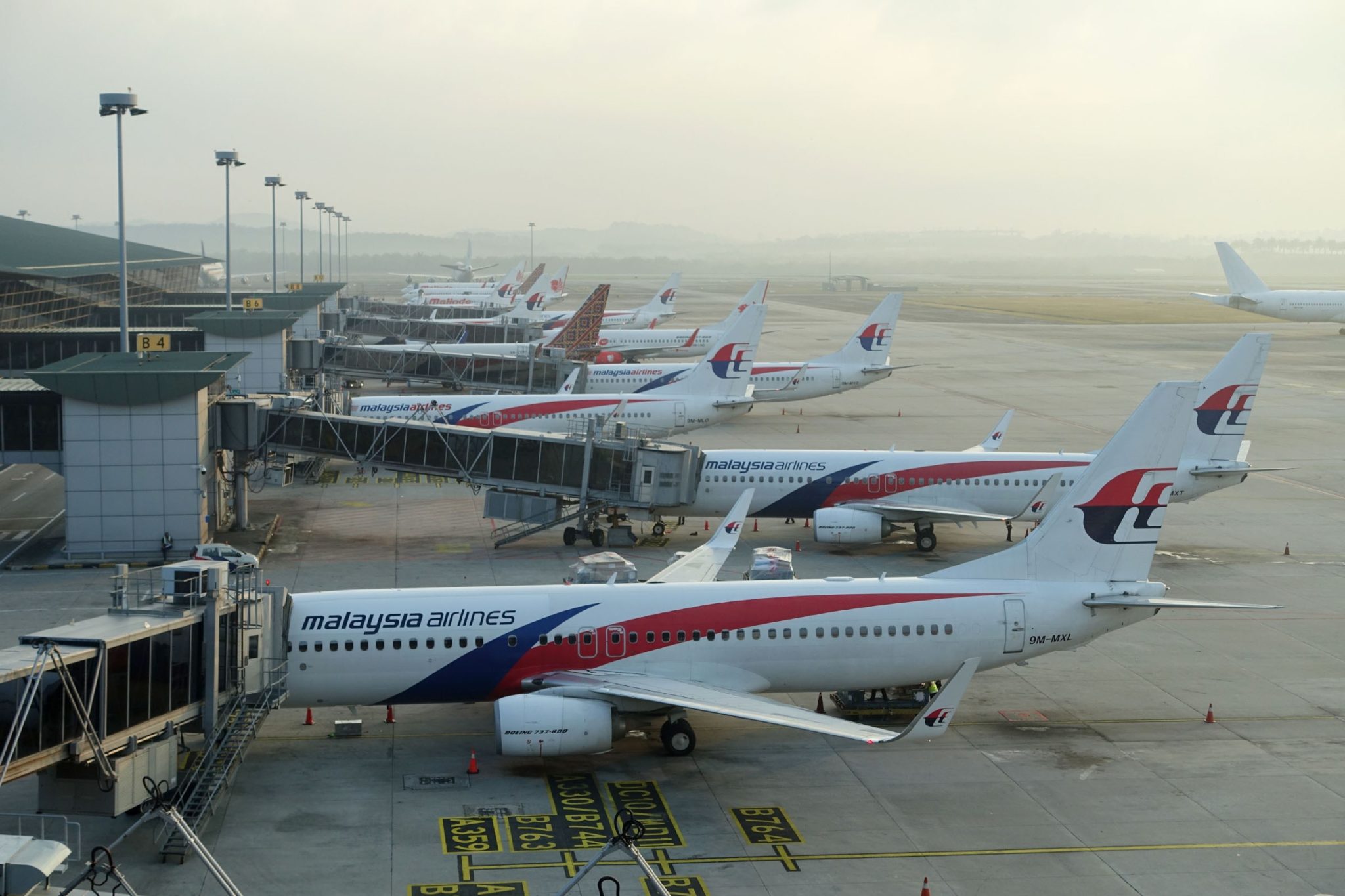
    In response to disruptions caused by the Middle East conflict, Malaysia has devised a financial strategy to support its aviation sector, featuring incentives such as discounted airfares during holiday periods. Travelers flying between Peninsular Malaysia and East Malaysia can look forward to airfare reductions of RM50 during the Gawai and Kaamatan festive seasons.

    Support for Aviation Sector

    The aviation authority has earmarked RM5 million for this initiative, which is projected to benefit approximately 100,000 passengers journeying between May 15 and June 14. In an additional effort to alleviate pressure on airlines, the Civil Aviation Authority of Malaysia plans to extend payment deadlines for aviation-related charges. From May 1, carriers will be granted up to 60 days to settle these dues.

    Maintaining Connectivity

    Anthony Loke, Malaysia’s Transport Minister, emphasized the importance of these measures in maintaining the country’s connectivity. According to him, as many as 75% of daily flights were cancelled at one point, potentially undermining trust in Malaysia’s tourism sector and the wider economy. He warned of potential losses ranging from RM15 to RM150 billion (US$3.8 to US$38 billion) this year if no countermeasures are taken.

    Loke also stated that these decisions were reached after thorough discussions between the Transport Ministry and industry stakeholders. The goal of these deliberations was to lessen financial burdens while ensuring the continuity of services.

    Lastly, he assured the public that the government will continue to liaise closely with all relevant bodies to ensure the resilience and responsiveness of Malaysia’s aviation sector.

    Questions & Answers

    What are some of the measures Malaysia has introduced to support its aviation sector?
    Malaysia has introduced a number of measures, including discounted airfares during holiday periods and extending payment deadlines for aviation-related charges.

    Who is expected to benefit from the discounted airfares?
    Approximately 100,000 passengers traveling between Peninsular Malaysia and East Malaysia during the Gawai and Kaamatan festive periods are expected to benefit from the discounted airfares.

    What is the potential economic impact of the disruptions in the aviation sector?
    According to Transport Minister Anthony Loke, without the introduction of these measures, Malaysia’s economy could face losses ranging from RM15 to RM150 billion (US$3.8 to US$38 billion) this year.

  • Revolutionizing Beverage Discovery: Starbucks Tests ChatGPT for Personalized Drink Recommendations

    Revolutionizing Beverage Discovery: Starbucks Tests ChatGPT for Personalized Drink Recommendations

    Starbucks is testing an innovative feature, ChatGPT beta, which allows customers to explore and customize their drinks through interactive prompts. This latest feature, which was rolled out this week, provides consumers with personalized beverage recommendations based on their mood, preferences, or situations, with the optional use of image inputs to further tailor the suggestions.

    The ChatGPT tool signifies a shift from traditional menu browsing to a more user-friendly, intention-based interaction. The platform allows customers to customize their order, select a store, and initiate an order. The final checkout can be completed via either the Starbucks app or their website.

    Reimagining the Ordering Process

    The addition of the ChatGPT beta feature to the Starbucks digital ordering process reflects the company’s commitment to making online ordering more instinctive and emotionally engaging. The aim is to transform the beverage selection process into an enjoyable journey of discovery, rather than a mere transactional search.

    Paul Riedel, Senior Vice President of Digital and Loyalty for Starbucks, stated, “Our goal is to engage with customers at the point of inspiration and make it as simple as possible for them to find a beverage that resonates with them.” He further added, “The introduction of the Starbucks app into ChatGPT is a significant move towards making this a reality, in a manner that is uniquely Starbucks – welcoming, warm, and steeped in creativity.”

    Stages of Development

    Starbucks is presenting this beta version as an initial testing phase. The development and enhancement of this feature will rely heavily on feedback from users.

    Questions & Answers

    What is the purpose of the new ChatGPT beta feature launched by Starbucks?
    It allows customers to discover and customise their beverages based on their preferences, moods, or occasions through interactive prompts.

    How does Starbucks view the new feature?
    Starbucks views the new tool as a shift from conventional menu browsing to a more user-friendly, intention-based interaction. It aims to make digital ordering more instinctive and emotionally engaging.

    What will determine the further development of the ChatGPT beta feature?
    The further development and improvement of the ChatGPT beta feature will depend on the feedback received from its users.

  • Vietnam Witnesses 4-Week Diesel Price Dip Amid Global Crude Oil Declines

    Vietnam Witnesses 4-Week Diesel Price Dip Amid Global Crude Oil Declines

    On Thursday, diesel prices in Vietnam experienced a significant drop of 5.8%, reaching VND31,040 (US$1.18) per liter. This is the lowest price point for diesel since March 20. Conversely, gasoline prices saw a minor increase. The most commonly used fuel, RON95, rose by 0.93% to VND23,760, while biofuel E5 RON92 saw a 1.12% increase to VND22,590.

    Global Crude Oil Benchmarks

    Internationally, there was a decline in the prices of the two primary crude oil benchmarks by 0.3% early Thursday. The Brent crude went for $94.6 per barrel, while U.S. WTI crude fell to $90.9. These price reductions occurred in response to investors’ expectation of a potential peace agreement between the United States and Iran.

    Fuel Subsidies in Vietnam

    The Vietnamese government maintained its fuel subsidy during this adjustment period, with VND400 per liter allocated for diesel and VND800 per liter or kilogram for gasoline and mazut. In addition, the government provided an extra VND8 trillion from the state budget as an advance for the subsidy fund.

    Government Tax Waivers

    In an effort to control inflation, lawmakers sanctioned tax waivers on fuel from April 16 to June 30. These waivers, which included the environmental protection tax, value-added tax, and special consumption tax, are anticipated to reduce state revenue by an average of VND7.3 trillion monthly.

    Although this will impact state revenue, the government dubbed this as a “special fiscal measure applied in exceptional circumstances.” This action is intended to lessen the effects of energy price variations and to help maintain macroeconomic stability and social security.

    Questions & Answers

    Why did diesel prices drop in Vietnam?
    Diesel prices in Vietnam fell by 5.8% due to fluctuations in the global market, coupled with the national fuel subsidy.

    How did the Vietnamese government respond to these changes in fuel prices?
    The Vietnamese government subsidized fuel during this adjustment period and allocated extra funds from the state budget for the subsidy fund.

    What are the expected impacts of the tax waivers approved by the lawmakers?
    The tax waivers on fuel are expected to decrease state revenue by an average of VND7.3 trillion per month. However, they aim to control inflation and maintain macroeconomic stability and social security.