Blog

  • Global Hotel Giant Booking.com Hit by Customer Data Breach: Is Your Information Safe?

    Global Hotel Giant Booking.com Hit by Customer Data Breach: Is Your Information Safe?

    Travel booking platform, Booking.com, recently experienced a data breach, potentially exposing user data to unauthorized individuals. This discovery was made following the observation of suspicious activities related to several reservations. The compromised data might consist of booking details, user names, email addresses, phone numbers, and other information shared by customers during their booking process.

    Despite the security breach, the Netherland-based company assured its users that their financial data and home addresses were not compromised. The company said, “We have dedicated teams and employ machine learning tools to monitor, detect, and block suspicious activity around the clock. We are continuously working to enhance the robust security measures we have in place.”

    Scale of the Breach

    Booking.com, being one of the largest hotel reservation platforms globally, did not reveal more information about the extent of the breach, including the number of users affected.

    There have been reports from some customers who claim to have received phishing messages through WhatsApp that contained their booking details and personal information. This suggests that the hackers could be using the stolen data to target Booking.com customers.

    In response to this issue, Booking.com took immediate action to contain the situation and issued new PINs to users with reservations. They also cautioned their customers to stay alert to suspicious emails or phone calls pretending to be from the properties or the platform itself. The company emphasized that they would never ask for credit card details through an email, phone call, text message, or WhatsApp.

    History of Cybersecurity Challenges

    The recent breach is one of many cybercrime attempts targeting Booking.com, which has been dealing with an increase in scams on its platform. Fraudsters, posing as legitimate entities, have been known to ask for payment details under the guise of pre-authorization or trip verification, leading to sizeable unauthorized charges.

    A similar incident happened in 2018 when attackers used phishing techniques to gain login credentials from hotel employees in the United Arab Emirates. This breach allowed them to access booking information of over 4,000 users on the platform.

    Despite these security challenges, Booking.com has recorded a high number of bookings. Since 2010, it has facilitated reservations for about 6.8 billion customers, making it one of the leading players in the travel and hospitality industry.

    Questions & Answers

    What kind of customer information was potentially exposed in the data breach?
    Email addresses, phone numbers, booking details, and any other information shared by the customers during the booking process might have been compromised.

    What steps has Booking.com taken in response to the data breach?
    Booking.com has issued new PINs to affected users and taken immediate action to contain the issue. They have also warned their customers to be wary of suspicious communication that could be impersonating the platform or associated properties.

    Has Booking.com experienced cybersecurity issues in the past?
    Yes, Booking.com has faced challenges with cybercrime in the past. For instance, in 2018, attackers used phishing techniques to access the booking information of more than 4,000 users on the platform.


  • Beatrice Monguidi Steps Up as New CEO of LVMH’s Rimowa: A New Chapter for the Luxury Luggage Brand

    Beatrice Monguidi Steps Up as New CEO of LVMH’s Rimowa: A New Chapter for the Luxury Luggage Brand

    Beatrice Monguidi has been named the new CEO of Rimowa, the renowned suitcase brand, by LVMH. She will officially assume her duties starting June 1. Monguidi will directly report to Pietro Beccari, who holds the dual roles of Chairman and CEO of both the LVMH Fashion Group and luxury fashion house Louis Vuitton.

    Experience and Expertise

    Monguidi’s appointment is indicative of LVMH’s strategy to leverage internal talent, recognising her vast experience across several of the group’s premier brands. Her professional journey includes stints at Fendi and Christian Dior Couture, both high-profile LVMH companies.

    In her most recent role, Monguidi excelled as the Zone President for EMEA (Europe, Middle East, and Africa) at Louis Vuitton. She was responsible for supervising one of the brand’s most intricate regions. Her efforts to cultivate a culture centred around people while maintaining robust commercial performance and operational discipline across varied markets did not go unnoticed.

    Beccari lauded Monguidi’s leadership skills, stating, “Monguidi has demonstrated a remarkable ability to unite and guide teams towards common goals within the multifaceted and complex EMEA ecosystem. Her commitment to the collective and to nurturing talent makes her the perfect fit to steer Rimowa’s vision into the future.”

    LVMH’s Current Financial Standing

    Monguidi’s appointment coincides with the release of LVMH’s first-quarter revenue report. The figures reflect a revenue of €19.1 billion (US$22.4 billion), marking a 6% decline. This drop is attributed to ongoing geopolitical tensions impacting trade. However, the brand’s strong performance in key markets, notably the US and Asia, helped mitigate the disruption caused by larger economic instability and conflict in the Middle East.

    Questions & Answers

    Who has been appointed as the new CEO of Rimowa?
    Beatrice Monguidi has been appointed as the new CEO of Rimowa.

    Who will Beatrice Monguidi report to in her new role?
    She will report to Pietro Beccari, the Chairman and CEO of the LVMH Fashion Group and Louis Vuitton.

    What is LVMH’s latest reported revenue?
    LVMH’s latest reported revenue for the first quarter is €19.1 billion or US$22.4 billion.

  • Birkenstock Bolsters Japanese Presence with Grand Opening of Osaka Flagship Store

    Birkenstock Bolsters Japanese Presence with Grand Opening of Osaka Flagship Store

    Birkenstock, the renowned footwear brand, has broadened its retail footprint in Japan with the inauguration of a grand flagship outlet in the Shinsaibashi district of Osaka.

    The new store is spread across two floors, following the lead of previous concept stores that were launched in Harajuku, Shinjuku, and Nagoya. This new addition raises the tally of permanent, directly operated Birkenstock stores in Japan to 12.

    Located in Shinsaibashi, the outlet stands as one of the largest street-level retail spaces for the brand in the country.

    Store Design and Features

    The design of the store is based on a minimalist interior concept that places a premium on product display and materials used. The interior is decked out predominantly in white, offset by earthy wall finishes. The design elements subtly reference the brand’s signature cork footbed structure.

    The ground floor of the store is dedicated to the Care Essentials range, setting up an interactive space for customers to sample foot and body care merchandise. The upper floor showcases the brand’s comprehensive footwear collection. This includes staple sandal designs, clogs, shoes, boots, and the latest additions for the season.

    Questions & Answers

    Where is Birkenstock’s newest store located?
    The newest Birkenstock store is located in the Shinsaibashi district of Osaka, Japan.

    How many directly operated Birkenstock stores are there in Japan now?
    With the opening of the new store in Shinsaibashi, the total number of directly operated Birkenstock stores in Japan has risen to 12.

    What is unique about the design of the new Birkenstock store?
    The design of the new Birkenstock store is based on a stripped-back interior concept, featuring a predominately white palette contrasted with earthy wall finishes. It also incorporates design elements referencing Birkenstock’s signature cork footbed structure.

  • Hermès Soars with Robust Q1 Sales Amid Global Economic Uncertainties: A Revealing Peek into Luxury Fashion Resilience

    Hermès Soars with Robust Q1 Sales Amid Global Economic Uncertainties: A Revealing Peek into Luxury Fashion Resilience

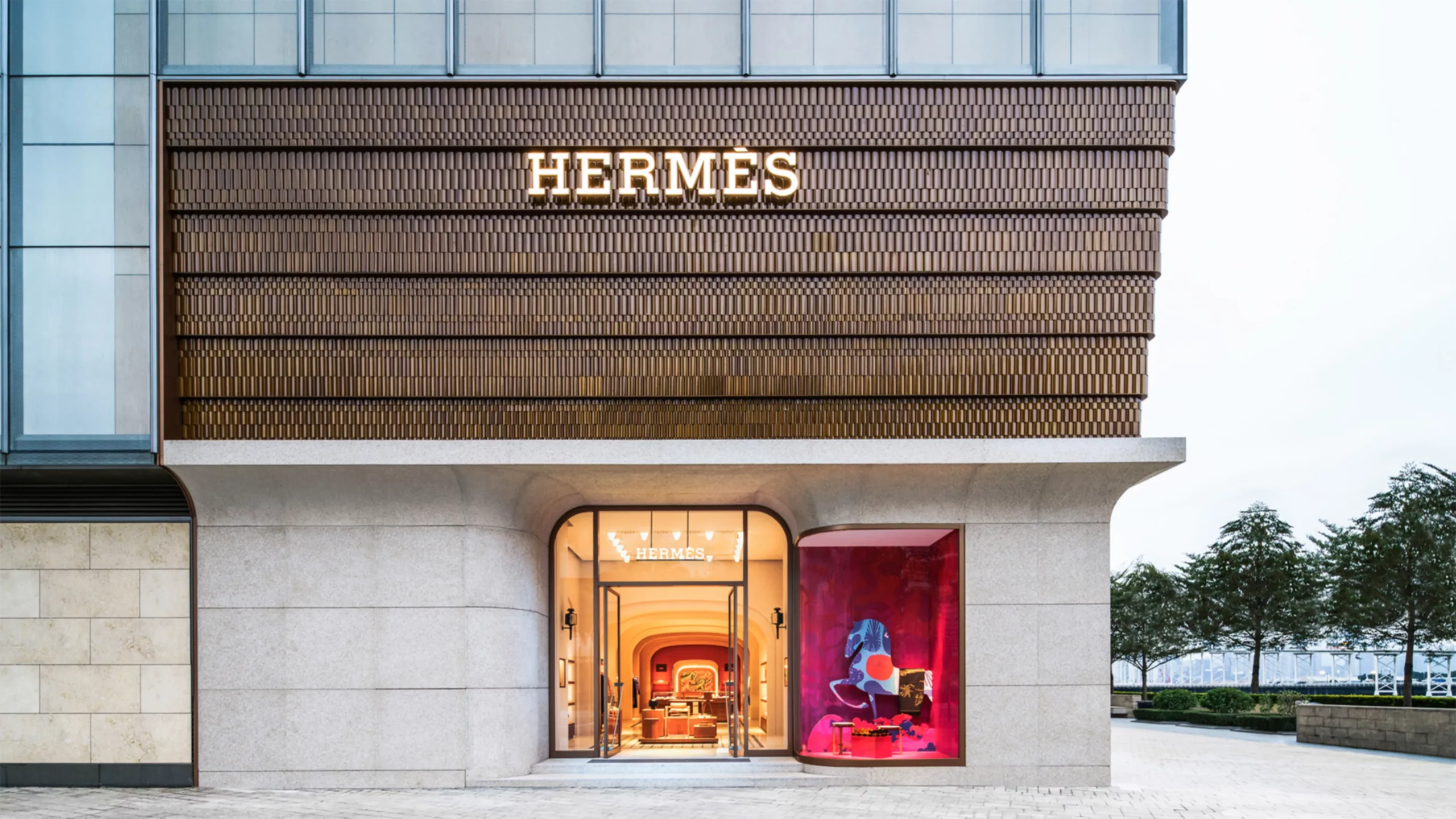
    Despite geopolitical tensions affecting the Middle East, Hermès, the renowned French luxury fashion brand, has reported a strong performance in its Q1 sales. The company’s consolidated revenue stood at €4.1 billion (US$4.8 billion) for the quarter ending March 31, marking a 6% increase at constant exchange rates. However, on a reported basis, revenue dipped by 1% due to the adverse effects of currency fluctuations.

    Regional Performance

    The company attributed much of its growth to impressive gains in Japan, the Americas, and Europe, excluding France. Japan saw a 10% increase in sales, while the Americas and Europe, excluding France, each reported a 17% and 10% sales increase, respectively.

    Sales in Asia, excluding Japan, also rose slightly by 2%, with Greater China maintaining its marginal growth. However, France’s revenue decreased by 3%, a decline influenced by a reduced tourist flow, particularly in March. This downturn is mainly linked to the unfolding situation in the Middle East.

    The Middle East, classified under the ‘Other’ region in the company’s report, experienced a 6% decline in sales. The geopolitical developments in countries such as the UAE, Kuwait, Qatar, and Bahrain have had a significant impact on the region’s performance.

    Sales Channels

    Despite these challenging conditions, sales in the group’s stores increased by 7%. In contrast, wholesale activity was significantly affected, recording lower sales to concession stores, especially in the Middle East and airports.

    According to Axel Dumas, Executive Chairman of Hermès, the brand remains steadfast in its long-term strategy, even amidst a tense geopolitical environment. The company’s abundant creativity, unwavering quality standards, and loyal customer base enable Hermès to continue its profitable growth trajectory into 2026 with confidence. He further emphasized that the fundamentals of the Hermès model are a distinguishing strength more than ever.

    In the medium term, the group has confirmed its goal to achieve revenue growth at constant exchange rates. This is notwithstanding the persistent economic, geopolitical, and monetary uncertainties that pervade the global landscape.

    Questions & Answers

    What were Hermès’ consolidated revenue figures for Q1?
    The consolidated revenue for Hermès in Q1 stood at €4.1 billion (US$4.8 billion), marking a 6% increase at constant exchange rates.

    Which regions reported the most growth for Hermès?
    The regions that reported the most growth for Hermès were Japan, the Americas, and Europe (excluding France), with sales increases of 10%, 17%, and 10% respectively.

    How did the geopolitical situation affect Hermès’ sales in the Middle East?
    The geopolitical situation in the Middle East led to a 6% decline in Hermès’ sales in the region. This was particularly notable in countries such as the UAE, Kuwait, Qatar, and Bahrain.

  • Gucci’s Rebranding Challenge: Kering CEO Maps Out Strategy for Sophisticated Chinese Luxury Market

    Gucci’s Rebranding Challenge: Kering CEO Maps Out Strategy for Sophisticated Chinese Luxury Market

    Kering’s flagship brand, Gucci, is focusing on rebuilding its market position in China following years of stagnation. The luxury company’s complacency resulted in an underwhelming retail experience and poorly situated stores, according to Kering CEO Luca de Meo.

    China: A Changed Landscape

    China has been a significant growth driver for the global luxury sector, worth approximately US$400 billion, for over a decade. Gucci, like many of its competitors, capitalized on this expanding market. However, the brand failed to take advantage of a brief shopping surge following the pandemic and couldn’t recover when Chinese consumer spending slowed.

    De Meo, speaking at Kering’s first investor day since he assumed his role in September, expressed that Gucci needs to reevaluate its strategy in China. He emphasized the necessity to cater to the discerning clientele with high-quality retail experiences and to move away from relying on off-price outlets offering goods at discounted rates.

    “Gucci needs a comeback,” de Meo asserted, criticizing the brand’s previous approach to China as an easy revenue source.

    The Evolving Chinese Consumer

    The retail landscape in China has transformed significantly over the years. De Meo noted that Chinese consumers are now motivated by quality, design, and experience rather than logo-driven purchases, a trend seen in markets like Japan, South Korea, and Europe.

    The CEO stressed the importance of a consistent brand message and an enhanced in-store experience to revive growth in China. Kering also revealed plans to acquire a minority stake in the Shanghai-based Icicle Fashion Group.

    Learning from the Auto Industry

    De Meo, who previously served as CEO of Renault, drew parallels between the luxury sector and the auto industry. He warned luxury brands not to underestimate domestic competition and acknowledged China’s innovative capabilities.

    Other brands in Kering’s luxury portfolio, such as Bottega Veneta and Saint Laurent, have already begun reaping the benefits of a more finely-tuned China strategy. However, he indicated that Gucci’s recovery would be a more prolonged process.

    “For Gucci, the verdict is still out. This transformation won’t be instantaneous, but we anticipate seeing measurable progress within the next few months to a year,” he stated.

    Questions & Answers

    What is Kering’s plan for Gucci in China?
    Kering plans to reinvent Gucci in China by focusing on higher quality retail experiences and catering to discerning clientele. The company is moving away from off-price outlets and is focusing on a consistent brand message and enhanced in-store experience.

    How has consumer behavior changed in China’s luxury market?
    Chinese consumers are now motivated by quality, design, and experience rather than logo-driven purchases. This shift mirrors trends seen in other markets such as Japan, South Korea, and Europe.

    How long will Gucci’s recovery take according to Kering’s CEO?
    Kering’s CEO, Luca de Meo, anticipates that Gucci’s recovery in China will be a prolonged process, with measurable progress expected within the next few months to a year.

  • Fly to Vietnam with Vietjet and enjoy free checked baggage plus a gold giveaway

    Fly to Vietnam with Vietjet and enjoy free checked baggage plus a gold giveaway

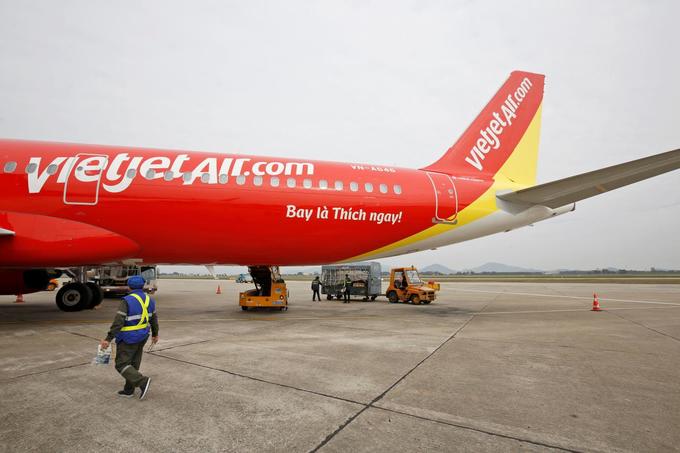
    Vietjet is giving international travellers more reasons to visit Vietnam this season, with a limited-time promotion offering 20kg of free checked baggage on eligible direct international flights between Vietnam and selected overseas destinations.

    Available for bookings made until 22 March 2026 , the promotion applies to passengers who book or modify tickets and complete payment within the campaign period. Travellers who purchase eligible Eco-class tickets and select the 20kg checked baggage option during booking will receive the baggage allowance at no additional charge.

    For travellers in Singapore, the promotion applies to Vietjet’s direct flights between Singapore and Ho Chi Minh City, Hanoi, Da Nang, and Phu Quoc, for travel from 5 May to 5 June 2026.

    In addition, from now until 19 May 2026, passengers who book tickets will also receive an entry code to take part in Vietjet’s “Fly Vietjet, Strike Gold” lucky draw (Please refer here for details), with the grand prize of one tael of gold (37.5 grams of 99.99% gold), alongside other attractive prizes.

    With Vietjet’s growing international network, travellers can conveniently fly to Vietnam and experience the country’s vibrant culture, rich culinary heritage, and diverse landscapes. For Singapore travellers, the direct connectivity to key Vietnamese destinations makes it easier than ever to plan everything from city breaks and beach escapes to longer regional holidays.

    On board, passengers can enjoy a range of fresh and hot meals, including popular Vietnamese favourites such as Pho, Vietnamese banh mi, and iced milk coffee, alongside international dishes. The experience is delivered by Vietjet’s friendly flight crews on a modern fleet.

    Bookings can be made via www.vietjetair.com, the Vietjet Air mobile app, as well as through online travel agencies, local and international travel agents, and GDS channels.

    Terms and conditions apply. Passengers may select only one baggage package per booking. The promotion applies only to the 20kg checked baggage option and does not apply as a price deduction to other checked baggage packages.

  • Vietjet to launch direct Singapore–Nha Trang flights, opening access to Vietnam’s coastal getaway

    Vietjet to launch direct Singapore–Nha Trang flights, opening access to Vietnam’s coastal getaway

    Vietjet will launch a new direct service between Nha Trang and Singapore from 1 June 2026, further expanding air connectivity between Singapore and Vietnam’s popular coastal destinations. The service marks Vietjet’s fifth direct route between the two countries, joining its existing connections to Ho Chi Minh City, Hanoi, Da Nang and Phu Quoc, further enhancing connectivity, tourism, and trade between the two countries and across Southeast Asia.

    Travellers from Singapore will soon have direct access to Nha Trang, a beachside city along Vietnam’s south-central coast known for its long coastline, island-hopping experiences, and growing resort scene. The route will operate four times weekly on Mondays, Wednesdays, Fridays, and Sundays, providing a new direct link between Singapore and one of Vietnam’s most established coastal destinations in just approximately two hours and fifteen minutes for a convenient short-haul getaway.

    New route schedule (24-hour format, all in local time):Flight VJ912 from Singapore (SIN) to Nha Trang (CXR): Departure at 15:15, and arrival at 16:35.
    Flight VJ917 from Nha Trang (CXR) to Singapore (SIN): Departure at 10:25, and arrival at 13:40.

    To mark the launch, Vietjet is offering promotional fares across its direct flight network between Vietnam and Singapore, including the newly introduced Nha Trang route, with Eco-class tickets from SGD86 one-way (all-inclusive of taxes and fees) and will receive 20kg of complimentary checked baggage, while SkyBoss fares are available at an instant 20 per cent discount (*). The promotion runs from 16 March until 20 March 2026 (GMT +8) via the Vietjet website and mobile app, for travel between 1 April 2026 and 31 March 2027 (**).

    Vietnam has consistently ranked among Singaporeans’ preferred regional destinations due to its diverse landscapes, strong culinary culture, and short travel times. Located along Vietnam’s south-central coast, Nha Trang is widely known for its clear waters, offshore islands, and vibrant marine ecosystem. Visitors are drawn to its turquoise bays and island excursions, while the city’s beachfront promenade, seafood culture, and surrounding natural landscapes have made it one of Vietnam’s most established resort destinations. The city also serves as a gateway to nearby attractions, including waterfalls, fishing villages, and cultural sites that reflect the region’s Cham heritage.

    Separately, Vietjet will also introduce a Da Nang–Jakarta route beginning 29 April 2026, operating five flights per week. The new service will connect Vietnam’s central coastal city of Da Nang with Indonesia’s capital, further strengthening regional tourism and business links across Southeast Asia.

    Passengers flying with Vietjet can expect a range of onboard dining options featuring Vietnamese favourites such as Pho, Banh mi, and Vietnamese iced coffee, alongside the airline’s SkyJoy loyalty program which allows travellers to earn and redeem points across more than 250 partner brands.

    (*) Terms and conditions. More details can be found here

    (**) Travel periods may vary by route, blackout dates apply, and public holidays are excluded

  • AI-Empowered Cyberattacks Prompt Businesses to Revamp Cybersecurity Tactics: Insights from Kaspersky

    AI-Empowered Cyberattacks Prompt Businesses to Revamp Cybersecurity Tactics: Insights from Kaspersky

    The integration of artificial intelligence (AI) technologies is necessitating a significant shift in business cybersecurity protocols. The evolving landscape of cyber threats is becoming increasingly complex due to the swift adoption of AI. Previously, successful cyberattacks required substantial planning and advanced technical proficiency, but AI has streamlined the process, decreasing the entry-level threshold for novice cyber threats.

    The Impact of AI on Cyber Threats

    AI has revolutionized the modus operandi of experienced cyber attackers, offering them speed and efficiency. Furthermore, it has also armed less skilled individuals with new capabilities. Vladislav Tushkanov, group manager at an AI technology research center, explains that AI technology allows both skilled and unskilled individuals to expedite their operations. Novice cyber attackers, who were previously required to spend extensive amounts of time learning programming, can now efficiently execute cyber threats.

    AI is being employed to create sophisticated phishing emails, imitated voices, images, and videos that are convincing and challenging to identify. Deepfakes have become an emerging hazard in the corporate world. An engineering firm in the UK reportedly suffered a loss of approximately US$25 million in 2024 when an employee was tricked into transferring funds due to a deepfake video call.

    AI’s capabilities extend beyond deepfakes and can support various stages of cyberattacks, such as reconnaissance, message customization, and evading detection by security systems.

    AI: A Double-edged Sword

    According to recent research, 72% of businesses express grave concerns regarding cyber attackers’ utilization of AI. Traditional defensive measures struggle to counter rapidly evolving and unpredictable threats. Simultaneously, AI proves to be an essential asset for bolstering cybersecurity. It allows organizations to detect threats with greater speed, mechanize aspects of the response procedure, and improve predictive abilities, thereby shifting from a reactive to a proactive security strategy.

    “To effectively manage the increasing number of alerts and to prevent analysts from becoming overwhelmed, machine learning is essential. It copes efficiently with these tasks and allows professionals to focus on complex or business-critical tasks,” Tushkanov said.

    However, the successful incorporation of AI in cybersecurity involves more than just technology. Businesses also require skilled personnel, practical implementation experience, and a solid data foundation.

    The Role of AI in Incident Investigation and Decision Making

    According to sources, AI is currently used to analyze and classify around 460,000 malware samples daily. This, combined with proprietary data, processing methods, and model training infrastructure, forms the foundation of increasingly complex cybersecurity strategies.

    Despite the significant advances of AI, it is not yet equipped to replace human expertise in incident investigation and decision-making processes. Risk assessments and response strategies still heavily depend on professional judgment. “At this point, the human role remains essential,” Tushkanov said, implying that while AI systems might support decision-making in the future, they cannot replace the need for human expertise.

    Questions & Answers

    Q: How has AI impacted cyber threats?
    A: AI has streamlined the process of executing cyber threats, reducing the need for substantial planning and advanced technical skills. It has made it easier for less experienced individuals to launch successful cyberattacks.

    Q: What is the role of AI in cybersecurity?
    A: AI plays a crucial role in enhancing cybersecurity. It allows organizations to detect threats quickly, automate parts of the response process, and enhance predictive capabilities.

    Q: Can AI replace human expertise in incident investigation and decision-making?
    A: Currently, AI cannot replace the need for human judgment in risk assessment and response strategy formulation. Despite the significant advances in AI, human expertise remains essential in incident investigation and decision-making processes.

  • J&T Express Skyrockets: Q1 Parcel Volume Soars by 26.2% Globally, Promising Stunning 80% Surge in Southeast Asia

    J&T Express Skyrockets: Q1 Parcel Volume Soars by 26.2% Globally, Promising Stunning 80% Surge in Southeast Asia

    Global logistics service provider, J&T Global Express Limited (J&T Express), recently reported their first quarter business performance ending March 31, 2026. The firm highlighted a significant increase in total parcel volume, reaching 8.326 billion, a 26.2% year-on-year (YoY) rise. The average daily parcel volume hit a high of 92.5 million with non-China parcels accounting for 35.1% of the total, demonstrating a 4.3 percentage point rise on a quarter-on-quarter basis. The company’s key performance indicators displayed continuous improvement, signifying J&T Express’s successful expansion and effective operational management across international markets.

    Southeast Asia: A Hub of Strong Growth

    As a preeminent logistics provider in Southeast Asia, J&T Express experienced robust growth during the first quarter, with parcel volume in the region surging 79.9% YoY to 2.768 billion. The average daily parcel volume reached 30.8 million, with peak daily volume surpassing 47 million. This exceptional growth is indicative of the company’s increasing operational efficiency in the region and its deepening collaboration with leading e-commerce platforms. Other contributing factors include an escalating market demand and a surge in business due to the Ramadan shopping season. Additionally, to accommodate increasing demand, the firm expanded its regional capacity increasing the number of its line-haul vehicles to 6,200 and automated sorting lines from 64 to 73, thereby enhancing processing efficiency.

    Adapting to Change: The China Market

    In China, J&T Express responded effectively to industry transformations by adapting its strategies and refining its management. The parcel volume in the market reached 5.404 billion, an 8.4% YoY increase, with an average daily parcel volume of 60 million. The growth in this market mirrors the overall industry performance and indicates a recovery from previous quarters.

    Expansion in Other Global Markets

    In other international markets, J&T Express displayed strong growth, with parcel volume reaching 154 million, a 100.5% YoY increase, and an average daily parcel volume of 1.7 million during the first quarter. Latin America, in particular, demonstrated significant consumer potential. To seize emerging opportunities within e-commerce and logistics, the company partnered with numerous global cross-border e-commerce platforms and local partners. To support the business expansion, J&T Express added 400 outlets and 5 sorting centers in the first quarter. The company’s mature operating experience in China and Southeast Asia continues to bolster its business expansion in other markets.

    Charles Hou, Group Vice President of J&T Express, shared his optimism about the company’s robust start to 2026. He emphasized their successful efforts in seizing growth opportunities, strengthening infrastructure, and improving operational efficiency in Southeast Asia and other markets. He also acknowledged the sustained parcel volume growth in China, supported by network optimization and refined management.

    Questions & Answers

    How did J&T Express perform in the first quarter of 2026?

    J&T Express demonstrated significant growth in the first quarter of 2026, with a 26.2% YoY increase in total parcel volume, reaching 8.326 billion.

    What strategies did J&T Express use to boost growth in Southeast Asia?

    J&T Express expanded its regional capacity, deepened its cooperation with major e-commerce platforms, and took advantage of the surge in market demand and the Ramadan shopping season to enhance growth in Southeast Asia.

    How did J&T Express adapt to changes in the China market?

    In China, J&T Express proactively adjusted its strategies and improved its network efficiency and client structure through refined management, resulting in an 8.4% YoY increase in parcel volume.

  • Vietnam’s Dragon Fruit Exports Soar: Thailand and Middle East Demand Spikes in 2026

    Vietnam’s Dragon Fruit Exports Soar: Thailand and Middle East Demand Spikes in 2026

    The initial two months of 2026 witnessed a 14% annual increase in Vietnam’s dragon fruit exports, amounting to US$108.5 million. This surge was primarily driven by a significant hike in deliveries to Thailand and the Middle East.

    Vietnam’s Dragon Fruit Export Market

    Cargo to Thailand experienced an over 2.7-fold increase, amounting to $9.2 million, while shipments to the United Arab Emirates grew by 57% to reach a value of $3.3 million.

    China, however, retained its position as the largest buyer, accounting for $66.5 million of all exports, marking a 5% increase in comparison to previous years. On the other hand, demand from the U.S. saw a considerable decrease, falling by 39% to a value of $4 million.

    These figures from the initial two months of the year could indicate a resurgence of shipments, pointing towards a potential recovery following a period of sustained decline.

    Historical Trends in Dragon Fruit Exports

    Between 2014 and 2018, the annual worth of dragon fruit exports consistently exceeded $1 billion. However, shifts in consumption patterns and increased competition led to a steady decline in the succeeding years.

    The total worth of exports in the first 11 months of the previous year stood at $485.2 million, corresponding to the lowest recorded value since 2014.

    Production and Supply Factors

    Dragon fruit in Vietnam is predominantly harvested between May and September, although some off-season cultivation occurs in January and February. However, supply has been falling in recent years as farmers have transitioned towards more profitable crops.

    Adverse weather conditions have also negatively impacted yield. Widespread flooding towards the end of last year resulted in fungal diseases in plants, significantly affecting dragon fruit production, particularly in Binh Thuan Province, a key cultivation region.

    As a consequence of dwindling supply, farm-gate prices have seen a rise. During the first two months of this year, white-fleshed dragon fruit was sold for VND10,000-15,000 (US$0.38-0.57) per kilogram, and the red-fleshed variety was priced at VND15,000-25,000.

    Questions & Answers

    What led to the surge in Vietnam’s dragon fruit exports in early 2026?
    A significant hike in deliveries to Thailand and the Middle East primarily drove the increase in exports.

    Which is the largest market for Vietnam’s dragon fruit exports?
    China is the largest market, accounting for $66.5 million of all exports.

    What are the factors impacting the supply of dragon fruit in Vietnam?
    A shift by farmers towards more profitable crops and adverse weather conditions causing fungal diseases in plants have led to a decline in dragon fruit supply.

  • Vietnam Gold Rates Surge as Global Bullion Takes a Dip: U.S.-Iran Peace Talks Light Up Market Optimism

    Vietnam Gold Rates Surge as Global Bullion Takes a Dip: U.S.-Iran Peace Talks Light Up Market Optimism

    On Wednesday, there was an uptick in Vietnam’s gold prices as global bullion rates experienced a slight decrease. The gold bar price from Saigon Jewelry Company witnessed an increase of 0.87%, reaching VND174.5 million (US$6,626.79) per tael. This valuation was shared by other sellers in the market.

    Gold Ring Prices

    The increase in gold prices was not limited to gold bars alone. Gold ring prices also saw an increase, valuing at VND174.2 million per tael. To clarify, a tael equals to 37.5 grams or 1.2 ounces.

    Global Gold Prices

    On the international front, gold prices experienced a slight decrease on Wednesday. This followed an earlier one-month high, as the US dollar began to regain its strength. The possibility of another round of peace dialogues between the United States and Iran also contributed to an increased risk appetite.

    Spot gold decreased by 0.3%, standing at $4,828.07 per ounce after hitting its highest peak since March 18th earlier in the day. Meanwhile, U.S. gold futures for June delivery, remained steady at $4,851.30.

    Effect of Middle East Headlines

    Gold prices have been fluctuating in response to recent events in the Middle East, with hopes that the United States and Iran will soon engage in peace talks.

    There are indications that discussions to end the ongoing conflict in Iran could recommence in Pakistan in the next two days. This follows the recent unsuccessful negotiations, leading to the imposition of a blockade on Iranian ports by Washington.

    Week’s Gold Price Performance

    Despite the minor drawdown, gold prices have increased by 1.6% this week on the back of renewed optimism regarding peace talks between the U.S. and Iran.

    Questions & Answers

    What caused the increase in Vietnam’s gold prices?
    The increase was due to a decrease in global bullion rates.

    What were the gold prices for Saigon Jewelry Company and gold rings respectively?
    The gold bar price from Saigon Jewelry Company reached VND174.5 million (US$6,626.79) per tael, while gold ring prices valued at VND174.2 million per tael.

    What has been the week’s overall performance for gold prices?
    Despite a slight pullback, gold prices have increased by 1.6% this week on the back of renewed optimism regarding peace talks between the U.S. and Iran.

  • Score a 30% Discount on Malaysia’s Domestic Train Routes Starting April 15!

    Score a 30% Discount on Malaysia’s Domestic Train Routes Starting April 15!

    In an effort to promote increased use of trains amidst surging fuel costs, Malaysia has implemented a 30% fare reduction on weekdays for its Electric Train Service and Ekspres Rakyat Timuran routes. This incentive is applicable for journeys between Johor Bahru Central and Tumpat in Kelantan, beginning from Wednesday, as announced by Transport Minister Anthony Loke.

    Exclusions and Discounts

    The KTM Shuttle Tebrau, which operates between Singapore and Malaysia, is not included in this discount scheme. The move is in line with the government’s objective to establish rail as the main mode of transport while concurrently lowering commuting costs.

    The discounted fares will be accessible from Monday to Thursday, excluding school holidays and public holidays. To avail of the discount, passengers are required to purchase tickets utilizing a promotional code. This code will be announced by the national rail operator, Keretapi Tanah Melayu Berhad, between April 15 and 30, valid for travel from April 15 to October 14. However, these discounted rates will not be applicable for business and first-class passengers.

    The Electric Rail Link service is also encompassed by this initiative, with two new monthly passes offering up to 90% discounts. Civil servants residing or working in Putrajaya, as well as Malaysians employed at Kuala Lumpur International Airport Terminals 1 and 2, are eligible for these passes.

    Impacts of Middle East Conflicts

    The stakes of fluctuating prices are high due to ongoing conflicts in the Middle East, a concern which the Malaysian government has raised with its citizens. Home Affairs Minister Saifuddin Nasution Ismail voiced the government’s primary challenge – preparing the public to accept the impending economic hardships.

    The government’s main priority is to protect the welfare of Malaysians and shield them from the full brunt of external economic shocks, whilst maintaining economic stability. Simultaneously, he highlighted potential risks such as disruptions to energy supplies and escalating costs.

    Despite being one of the largest oil and gas producers in the Asia-Pacific region and the world’s fifth largest exporter of liquefied natural gas in 2023, Malaysia continues to be significantly dependent on fossil fuels like coal for electricity generation.

    Questions & Answers

    What is the purpose of the fare discount?
    The fare discount aims to promote the increased use of trains amidst rising fuel costs and make rail the main mode of transport in Malaysia.

    Who can avail of the fare discount?
    Passengers travelling between Monday and Thursday, excluding school and public holidays, on the Electric Train Service and Ekspres Rakyat Timuran routes can avail of the fare discount. However, it does not apply to business and first-class passengers.

    What are the potential risks of the Middle East conflicts to Malaysia?
    The potential risks include disruptions to energy supplies and rising costs, which could have significant impacts on the Malaysian economy and its citizens.

  • Kering’s Revenue on the Upswing: Luxury Brand’s Road to Recovery Gains Momentum

    Kering’s Revenue on the Upswing: Luxury Brand’s Road to Recovery Gains Momentum

    Kering, the luxury conglomerate that owns brands such as Gucci and Balenciaga, has noted a sequential improvement in its revenue for the first quarter, indicating that the company’s recovery is gaining momentum.

    Quarterly Revenue Trends

    The company reported a revenue of €3.568 billion (US$4.2 billion) for the quarter that concluded on March 31. This figure represents a 6% decline year-on-year on a reported basis, but remained steady on a comparable basis.

    The fashion and leather goods segment, however, witnessed a 9% reduction in sales as per reports, and a 3% drop on a comparable basis. Brands like Saint Laurent, Bottega Veneta, Balenciaga, and Brioni showcased year-on-year growth during the quarter, with North America emerging as a significant influencer of this positive trend.

    Brand Performance

    Gucci, one of Kering’s prime assets, saw a 14% dip in revenue on a reported basis, and an 8% decrease on a comparable basis. Despite a promising 8% increase in North America, declining trends in Asia-Pacific (Apac) and Western Europe overshadowed its performance.

    On the other hand, Kering’s jewelry section reported a 14% increase in sales on a reported basis and a 22% surge on a comparable basis. This rise was attributed to strong performance across key regions, with Japan and Apac leading the demand.

    Kering Eyewear also experienced growth, with a 3% increase in sales on a reported basis and a 7% increase on a comparable basis.

    CEO’s Statement

    Kering’s CEO, Luca de Meo, highlighted that the stabilizing revenue signals an essential first step towards the group’s recovery. He further added, “Nearly all our Houses delivered growth during the quarter, with a particularly strong contribution from jewelry. Gucci remains our top priority. A comprehensive turnaround is underway, with decisive actions across client, distribution, and, above all, the offer.”

    Attention to Conflict Zones

    The luxury group acknowledged the ongoing conflict in the Middle East as an area of ‘heightened attention.’ The region, with around 1100 employees and 79 stores, accounts for approximately 5% of total retail revenue. The first quarter saw an 11% decline in retail revenue in the region, following growth in the initial two months. Despite temporary disruptions in some areas, the entire retail network is currently operational, as per the company’s statement.

    Questions & Answers

    What was the overall revenue of Kering for the first quarter?
    The overall revenue for the first quarter was €3.568 billion (US$4.2 billion).

    Which brand under Kering saw significant growth in this quarter?
    The brands Saint Laurent, Bottega Veneta, Balenciaga, and Brioni reported year-on-year growth in the quarter.

    How has the conflict in the Middle East affected Kering’s retail revenue in the region?
    There was an 11% decline in retail revenue in the Middle East in the first quarter.

  • Bonia Transforms Shopping Experience with Innovative Store Design in Kuala Lumpur

    Bonia Transforms Shopping Experience with Innovative Store Design in Kuala Lumpur

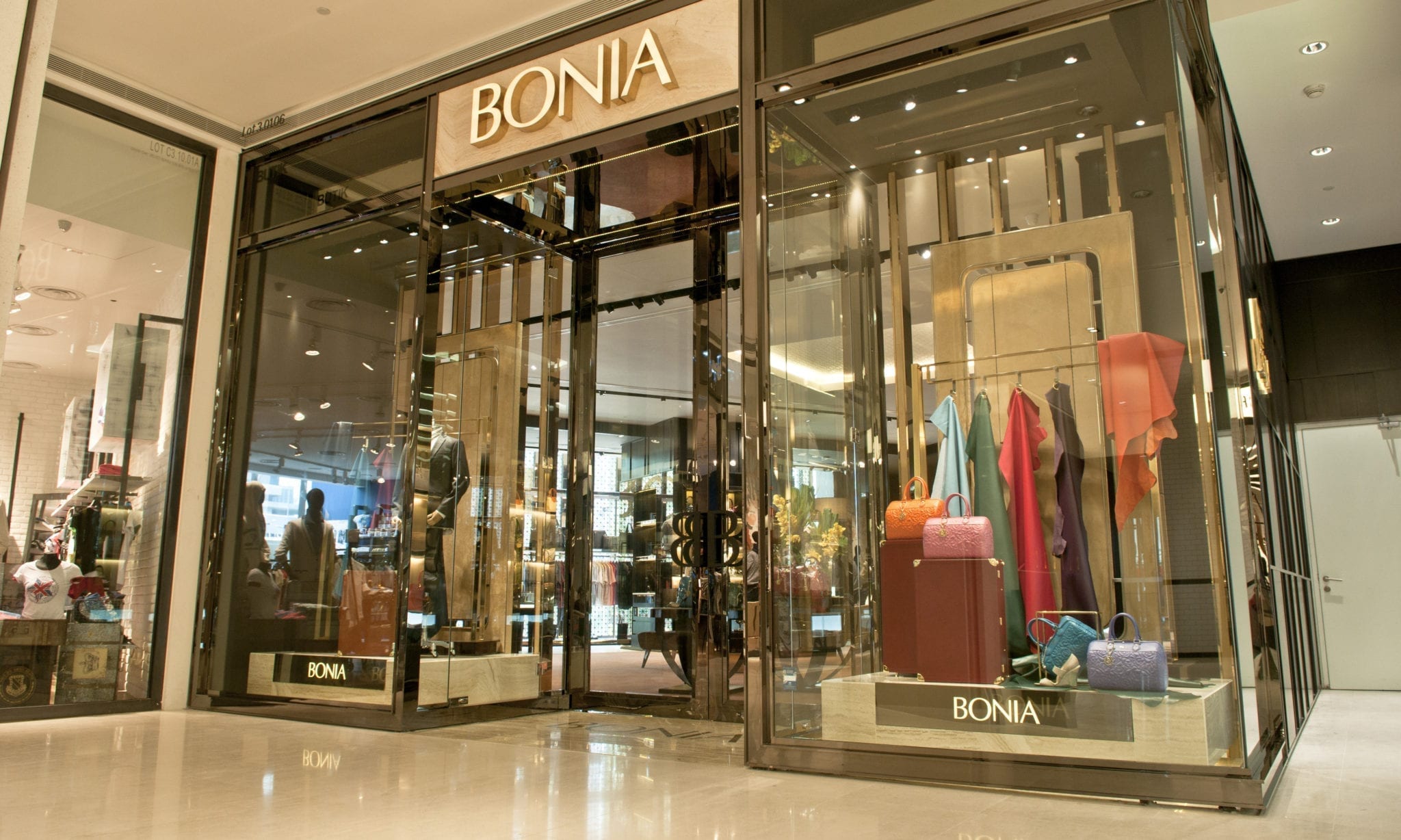
    Malaysia’s lifestyle brand Bonia has launched a flagship store in Kuala Lumpur, revealing a unique retail concept that combines customer engagement and innovative spatial design.

    Exterior and Interior Design

    The new store boasts a colonnade-style exterior adorned with red brick tiles, reminiscent of traditional street architecture. Inside, the space showcases a layout composed of four interconnected rooms, each revolving around a major display area. This design offers a more immersive and easily navigable shopping experience to the customers.

    Distinct Functional Spaces

    Each room within the store is assigned a unique function. Some of the areas draw inspiration from different environments, such as a library, dressing room, and lounge. The transition between these distinct spaces is marked by varying color schemes, including hues of red, orange, and terracotta.

    A New Retail Concept

    Bonia’s concept aims to make the retail environment more interactive. This is achieved by merging product presentations with flexible design elements. The brand’s focus on creating a dynamic and engaging retail experience is clearly reflected in this innovative approach.

    The opening of the Kuala Lumpur store comes in the wake of Bonia’s international expansions, notably in Vietnam. However, the company had to withdraw a joint venture in the country earlier, following a provision for losses amounting to US$1.3 million.

    Questions & Answers

    What is the unique concept of Bonia’s new store in Kuala Lumpur?
    The store integrates customer engagement with innovative spatial design, creating a dynamic and immersive shopping experience.

    How is the interior of the Bonia store structured?
    The store’s interior comprises four interconnected rooms, each assigned a unique function and theme. The rooms are designed to resemble a library, dressing room, and lounge, among others.

    What led to Bonia’s earlier withdrawal from a joint venture in Vietnam?
    Bonia had to exit a joint venture in Vietnam due to a provision for losses which amounted to US$1.3 million.

  • Temu Bolsters Global IP Protection: Joins IACC in Fight Against Counterfeiting and Piracy

    Temu Bolsters Global IP Protection: Joins IACC in Fight Against Counterfeiting and Piracy

    Temu, a global e-commerce platform based in Boston, has recently become a member of the International AntiCounterfeiting Coalition (IACC) in a bid to bolster its intellectual property protection efforts while simultaneously widening its global presence.

    Joining Forces with the IACC

    By partnering with IACC, Temu is joining a robust network of over 250 companies and organizations spanning across more than 40 countries, all diligently working to combat counterfeiting and piracy. This membership is a step forward for Temu in its broader intellectual property enforcement program, a program that has seen significant growth since its inception in 2022.

    According to a representative from Temu, “Safeguarding intellectual property is a critical aspect of creating a marketplace that is trustworthy for both consumers and brands. By becoming a part of the IACC, we are reaffirming our dedication to IP protection. We are eager to engage in productive collaborations with our counterparts in the industry as well as other stakeholders.”

    Collaborative Approach to Counterfeiting

    As part of its role in the IACC, Temu will be actively working in cross-industry groups and forging collaborations with brands, associations, and enforcement agencies. This initiative comes on the back of an earlier partnership between Temu and the IACC, which was formalized last year.

    Bob Barchiesi, the President of the IACC, expressed his views on the issue of counterfeiting by saying, “To tackle counterfeiting effectively, a coordinated effort across industries is essential. The IACC serves to bring all stakeholders to the same table to align their efforts and share best practices. We are excited for Temu’s active involvement in our network as we strive to create a safer and more trusted online ecosystem globally.”

    Comprehensive Enforcement System

    Temu’s enforcement system covers the entire platform lifecycle, including the vetting of sellers, pre-listing screening, and persistent monitoring. The company asserts that over 99.9% of takedown requests are addressed within a span of three business days. In 2024, Temu launched its Brand Guardian Initiative, which now offers support to more than 1500 brands.

    Presently, Temu operates in over 90 markets, bridging the gap between consumers and manufacturers, brands, and sellers worldwide as it continues to expand both its platform and compliance capabilities.

    Questions & Answers

    What is the main reason behind Temu’s membership in the IACC?
    Temu has joined the IACC to strengthen its intellectual property protection efforts and further expand its global presence.

    How will Temu’s membership with the IACC benefit its fight against counterfeiting?
    Joining the IACC allows Temu to collaborate with over 250 companies and organizations across more than 40 countries, sharing best practices and aligning efforts to combat counterfeiting and piracy on a global scale.

    What is Temu’s approach to enforcing intellectual property rights on its platform?
    Temu’s enforcement system spans the entirety of its platform’s lifecycle, including thorough vetting of sellers, pre-listing screening, and continuous monitoring. Additionally, it asserts a quick response time to takedown requests and has introduced the Brand Guardian Initiative to further support brands.