Blog

  • Domino’s China Soars High: Record Revenue and Aggressive Expansion Mark FY25 Success

    Domino’s China Soars High: Record Revenue and Aggressive Expansion Mark FY25 Success

    DPC Dash, the firm in charge of Domino’s operations in China, has noted a substantial revenue increase as well as an ambitious expansion of stores across the country for the fiscal year 2025. The firm’s recorded revenue growth constituted a 24.8% increase year-over-year, amounting to RMB 5.38 billion (approximately US$778 million).

    Consolidating and Expanding Market Presence

    The company has persistently followed a strategic ‘Go Deeper, Go Broader’ approach, emphasizing its expansion into new markets and simultaneously fortifying its foothold in already established markets. Aileen Wang, CEO of DPC Dash, reiterated the firm’s strategic approach during an earnings call, where she noted the company’s disciplined expansion strategy of broadening its reach into new markets and deepening penetration in already existing ones.

    According to Wang, DPC Dash has noticed impressive performance in newly established stores in emerging markets. The daily sales of these stores have surpassed historical averages, clearly reflecting the attractive economic aspects of each unit and the capital efficiency of their developmental model.

    Record Breaking Expansion

    Last year, DPC Dash launched an impressive 307 new stores, extending its reach to 21 fresh cities and bringing the total count of its network to 1315 stores across 60 cities. Notably, the company recorded positive same-store sales growth throughout the year in Tier 1 cities. Furthermore, as of January 31, the company held all top positions in global Domino’s records for the first 30-day sales of new stores.

    DPC Dash’s CFO, Helen Wu, stated that the company has managed to leverage its scale and efficiency gains to strengthen profitability and establish a solid foundation for sustainable, long-term success.

    Loyalty Program Success and Future Goals

    DPC Dash also reported a strong engagement with its loyalty program, noting that the program’s membership increased by 45.3%, from 24.5 million in 2024 to 35.6 million last year.

    Looking forward, DPC Dash anticipates the opening of approximately 350 new stores in the fiscal year 2026. As of March 20, the company had already opened 140 new stores, with 14 under construction and 65 under contract for future development.

    Questions & Answers

    What was the percentage increase in DPC Dash’s revenue year-over-year?
    DPC Dash recorded a 24.8% increase in its revenue year-over-year.

    How many new stores did DPC Dash open in 2025 and in how many new cities?
    DPC Dash opened 307 new stores in 2025, expanding into 21 new cities.

    What is the projected number of new stores DPC Dash plans to open in 2026?
    DPC Dash plans to open approximately 350 new stores in 2026.

  • Miniso’s Shanghai Pop-Up Brings Blackpink’s Jennie Ruby Experience to Life: Exclusive Merchandise and More

    Miniso’s Shanghai Pop-Up Brings Blackpink’s Jennie Ruby Experience to Life: Exclusive Merchandise and More

    Miniso, the Japanese-inspired variety store, recently launched its premier Jennie Ruby pop-up store in Shanghai, offering fans a unique retail experience that’s linked with Blackpink member Jennie’s solo album Ruby.

    Location and Concept

    This pop-up store is located in the bustling central atrium of Grand Gateway Plaza and will continue to operate until April 19th. The store’s aesthetic, featuring a bold red and black design, is a direct reflection of the album’s visual theme.

    Beyond its vibrant design, the pop-up store opens its doors to a myriad of fashion-inspired displays, collectible items, stationery, and lifestyle products. It offers more than 70 stock-keeping units (SKUs), including exclusive loungewear that has been specifically designed for the pop-up.

    Expansion to Beijing and Guangzhou

    After the successful launch in Shanghai, Miniso further broadened its horizons by extending the pop-up concept to Beijing and Guangzhou. These additional locations will operate until April 21st, at the Miniso Land Chaoyang Avenue Park store in Beijing, and the Beijing Road flagship store in Guangzhou.

    Miniso’s Strategy

    This collaboration is an integral part of Miniso’s strategy to establish partnerships with celebrity IPs. This strategy has been proven successful in past initiatives such as the Enhypen collection, which was targeted at engaging younger consumers and creating unique and experiential retail opportunities.

    Questions & Answers

    What is the concept of the Jennie Ruby pop-up store?
    The Jennie Ruby pop-up store offers fans a retail experience that is linked to Blackpink member Jennie’s solo album Ruby. It features a red and black design reflecting the album’s visual theme and offers more than 70 SKUs, including exclusive loungewear.

    After its Shanghai launch, where has Miniso expanded the pop-up concept?
    After launching in Shanghai, the pop-up concept was expanded to Beijing and Guangzhou.

    What is the purpose of Miniso’s collaborations with celebrity IPs?
    Miniso collaborates with celebrity IPs as part of its strategy to engage younger consumers and create unique, experiential retail opportunities.

  • Best AliExpress Extensions: Which Ones Are Actually Worth Using?

    Best AliExpress Extensions: Which Ones Are Actually Worth Using?

    Shopping on AliExpress is not just about finding the cheapest listing anymore. A low price alone does not tell you much. The real question is whether the discount is genuine, whether the seller is trustworthy, whether the same item is available elsewhere for less, and whether you are missing better deals, hidden coupons, or a stronger alternative listing.

    That is why AliExpress browser extensions are still useful. A good extension will not magically make every purchase perfect, but it can help you shop more carefully and avoid some very common mistakes. You can check whether a price was recently increased before a sale, compare similar listings, evaluate the store behind the product, and sometimes uncover discounts you would not have seen otherwise.

    There are plenty of AliExpress extensions available, but they do not all solve the same problem. Some are built around price history. Others focus on coupons, product research, or seller analysis. The best one for most people is usually the tool that combines the most helpful features without becoming overloaded or difficult to use. Below is a practical ranking of five popular AliExpress extensions, starting with the strongest all-around option.

    How these extensions were ranked

    When comparing tools like these, the feature list alone is not enough. What matters more is how useful the extension is in real shopping situations.

    The most important criteria are fairly simple. First, price history matters because it helps you understand whether a discount is real or only looks good on the surface. Second, seller analysis matters because a cheap product is rarely a good deal if the store is unreliable. Third, coupon support can be useful, especially during sales, but it is only one piece of the puzzle. Fourth, similar product comparison can save money because the same item often appears in multiple listings with different prices and shipping conditions. And finally, usability matters. An extension can have many functions, but if it feels cluttered or inconvenient, most people will stop using it.

    With that in mind, here are the best AliExpress extensions worth considering.

    1. AliHelper

    AliHelper takes the top spot because it offers the best balance of features for everyday AliExpress shopping. Instead of focusing on only one part of the buying process, it brings together price tracking, seller checks, reviews, coupons, and parcel tracking in one place. That makes it a strong option for people who want one extension that covers most of the basics well.

    Its biggest advantage is that it feels practical. Many shoppers do not want to install separate tools for price history, seller reliability, delivery tracking, and discounts. They want one assistant that helps them make better decisions before checkout. This free extension for AliExpress fits that role very well.

    One of the most useful features is price history. This matters more than people sometimes realize. On marketplaces like AliExpress, a discount can look impressive while actually being less attractive than it appears. A price chart gives context. It helps you decide whether this is a genuinely good moment to buy or whether it makes more sense to wait.

    Seller checking is another important strength. The same product is often listed by multiple stores, and the cheapest option is not always the smartest one. A slightly higher price from a more established seller with better trust signals can easily be the safer purchase. AliHelper helps make that comparison easier.

    It is also helpful that the extension covers more than just pre-purchase analysis. Reviews, coupons, and parcel tracking all add to the experience, especially for people who order from AliExpress regularly and do not want to keep switching between tools.

    AliHelper may not be the absolute most specialized tool in every narrow category, but as an all-purpose extension, it is the most balanced option in this ranking. For most users, that matters more than having a highly specialized feature they only use occasionally.

    Who it is best for: people who want one reliable, all-in-one AliExpress shopping assistant.

    2. AliTools

    AliTools is one of the most recognizable AliExpress extensions, and it earns second place because it offers a wide range of useful shopping features. It combines price history, promo code discovery, seller ratings, similar product suggestions, image search, and parcel tracking in one extension.

    Its biggest appeal is breadth. AliTools is built for users who want more than the basics. If you enjoy comparing listings, searching for alternatives, and checking for additional discounts before you buy, it gives you plenty to work with.

    The image search feature is especially useful in certain situations. For example, if you find a product on another website, in social media, or in an ad, you may want to see whether a similar item is available on AliExpress for less. That is not something everyone uses every day, but when needed, it can be genuinely valuable.

    AliTools also does a good job for people who shop actively during promotional periods. Promo code discovery and discount support become more helpful when there are several overlapping offers and you do not want to test them manually.

    So why is it not number one? Mainly because AliHelper feels slightly more balanced and straightforward for the average shopper. AliTools is excellent, but it can feel a little more feature-heavy. Some users will love that. Others may prefer something a bit simpler and more streamlined.

    Still, if you like having more tools at your fingertips and want a broader shopping assistant, AliTools is one of the strongest options available.

    Who it is best for: shoppers who want a powerful extension with a wide feature set, including image search and strong comparison tools.

    3. AliRadar

    AliRadar earns third place because it is especially useful for shoppers who care about the fundamentals: price history, seller reliability, price drop alerts, and similar product suggestions. It is less about doing everything and more about helping users make safer, smarter buying decisions.

    That narrower focus is actually one of its strengths. Instead of trying to become an all-in-one platform for every shopping scenario, AliRadar concentrates on the features that matter most when you are deciding whether to trust a listing.

    Its price tracking tools are valuable because timing often matters on AliExpress. If a product has recently become more expensive, or if its current discount is not as impressive as it looks, you want to know that before placing an order. AliRadar helps provide that context.

    It is also strong when it comes to seller checks. This is important because two listings can look almost identical while the stores behind them are very different in reliability and reputation. A good extension should help reduce that uncertainty.

    The price drop alert feature is another reason AliRadar stands out. Not every purchase needs to happen immediately. Sometimes the smartest move is simply to watch a listing and wait for a better moment. For shoppers who are patient and willing to track products over time, this can be especially useful.

    AliRadar ranks below AliHelper and AliTools mostly because it feels a bit narrower overall. It is very good at what it focuses on, but it is not quite as broad as the two higher-ranked options.

    Who it is best for: shoppers who care most about price transparency and seller trustworthiness.

    4. AliExpress Coupon Finder

    AliExpress Coupon Finder is more specialized than the top three tools in this ranking. Its main job is exactly what the name suggests: finding discounts and coupons for the product you are viewing. If your main priority is saving as much as possible at checkout, this kind of extension can be very useful.

    That specialization is both its strength and its limitation.

    The biggest advantage is convenience. AliExpress often has several kinds of discounts active at the same time, including seller coupons, store offers, platform-wide codes, and event-based promotions. Checking them manually can be tedious. A coupon-focused extension helps simplify that final step and can sometimes save you money you would otherwise miss.

    At the same time, coupons are only part of the buying decision. Before worrying about promo codes, most shoppers should first understand whether the listing is reliable, whether the price is fair, and whether a better offer exists elsewhere. That is where broader tools tend to be more useful overall.

    This is why AliExpress Coupon Finder is not ranked higher. It is not a weak extension. It is simply more specialized. For some users, that will be perfect. For others, it will feel incomplete without a separate price or seller analysis tool.

    If you already know how to evaluate products and stores on your own and mostly want help squeezing out extra discounts before checkout, it can be a smart addition.

    Who it is best for: shoppers whose main priority is finding and applying the best available coupons.

    5. AliPrice

    AliPrice rounds out this list as a feature-rich extension with strong tools for price tracking, image search, coupon discovery, and product comparison. It is a capable option, especially for users who like researching listings in more detail before making a decision.

    Its most interesting strength is that it often feels broader than a standard shopping helper. In addition to helping with ordinary purchases, it can appeal to people who like comparing suppliers, researching alternatives, and digging deeper into how listings differ from one another.

    That makes it especially useful for shoppers who do not just want to check one product and buy it. Instead, they want to explore similar listings, compare stores, and search visually for matching products across the platform.

    The reason it ranks fifth is not that it lacks value. It is more that its focus can feel slightly more advanced than what the average AliExpress shopper needs day to day. For users who want something very simple and immediately practical, the higher-ranked tools may feel more intuitive.

    Still, for people who enjoy a more research-oriented approach to shopping, AliPrice can be a very solid choice.

    Who it is best for: users who like in-depth product comparison, image search, and more advanced shopping research.

    Which AliExpress extension should you choose?

    The best choice depends on how you shop.

    If you want one extension that covers nearly everything most people need, AliHelper is the best overall option. It is balanced, practical, and well suited to everyday shopping.

    If you want a broader feature set and like having more tools available, AliTools is a strong alternative.

    If your focus is on price history and seller trust, AliRadar is a very sensible choice.

    If you mainly care about discounts at checkout, AliExpress Coupon Finder is the most targeted solution.

    And if you enjoy deeper product research, AliPrice is worth considering.
  • Singapore Sees First Gasoline Price Drop in Weeks as Global Oil Tumbles

    Singapore Sees First Gasoline Price Drop in Weeks as Global Oil Tumbles

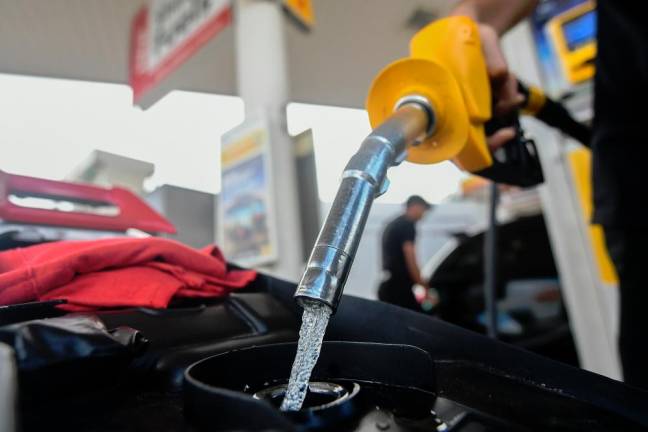
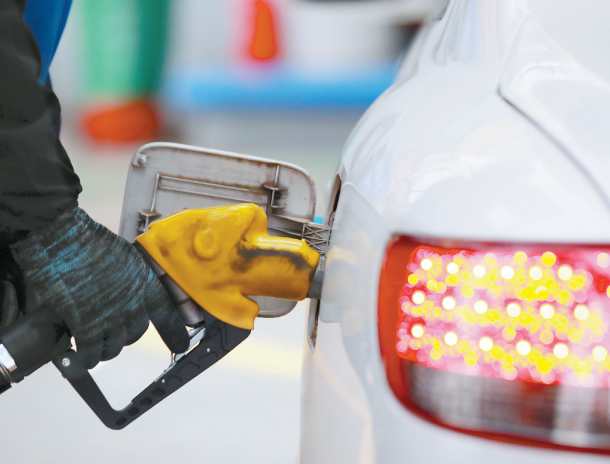
    In a surprising turn of events, gasoline prices in Singapore have seen a drop for the first time in nearly three weeks. Shell, one of the leading retailers, has become the pioneer in cutting its rates.

    As of Wednesday afternoon, Shell was selling 95-octane petrol at a 1.44% reduced rate, which translates to SGD3.42 (US$2.67) per liter. This move has set them apart from other companies such as Caltex, Esso, and Sinopec which have opted to maintain their rates at SGD3.47. Despite the reduction in petrol prices, Shell has increased its diesel price by a significant 5.3%, hiking it up to SGD3.93.

    Global Oil Prices and International Relations

    Interestingly, this development has coincided with a fall in global oil prices. The Brent benchmark, for instance, slipped below $100 at the time of writing. This was largely attributed to an announcement from Iran stating that “non-hostile vessels” could safely navigate through the Strait of Hormuz, provided they liaised with its authorities.

    Simultaneously, U.S. President Donald Trump has reversed his earlier threats aimed at Iran’s power grid. He recently stated that the U.S. and Iran had engaged in “very good and productive” conversations.

    Trends in Diesel Prices

    According to Tom Kloza, a prominent energy adviser at Gulf Oil, diesel prices have been climbing at a steeper rate than petrol prices. This is party due to a squeeze on supply, even before any conflict. He stated, “The world was well supplied with petrol on Feb 28, but it was not well-supplied on these middle distillates like diesel, gasoil, marine fuel, and jet fuel.”

    Questions & Answers

    Why did Shell reduce its petrol prices?
    Shell reduced its petrol prices due to the recent fall in global oil prices.

    Why have diesel prices been climbing faster than petrol prices?
    Diesel prices have been rising faster than petrol prices due to a tight supply of diesel and other middle distillates like gasoil, marine fuel, and jet fuel.

    What was the reason behind the recent drop in global oil prices?
    Global oil prices fell after Iran assured the safe passage of “non-hostile vessels” through the Strait of Hormuz, given they coordinated with Iranian authorities. This, coupled with U.S. President Donald Trump stepping back from threats to target Iran’s power grid, eased tensions and led to the drop in oil prices.

  • “Tiger Triumphs over Puma: Singapore Regulators Dismiss Trademark Dispute Over ‘Big Cat’ Logos”

    “Tiger Triumphs over Puma: Singapore Regulators Dismiss Trademark Dispute Over ‘Big Cat’ Logos”

    In a recent trademark dispute involving two sportswear brands, Puma and Sun Day Red by Tiger Woods, both known for their “big cat” logos, Singapore regulators have concluded that there is no risk of causing confusion among consumers. The controversy was brought to an end by the Intellectual Property Office of Singapore (Ipos).

    Trademark Dispute Settlement

    The dispute was sparked by Sun Day Red’s trademark application, which was met with opposition from Puma. The trademarks, both featuring “big cat” designs, were scrutinized following an application submitted by Sun Day Red on January 18, 2024. Puma declared its opposition to the application just 11 days later.

    According to Ipos, the onus was on Puma to prove the likelihood of confusion between the two marks. To successfully oppose the trademark application, Puma needed to show similarities in the design of the logos, as well as in the goods and services associated with each logo.

    Brand Backgrounds

    The brand Sun Day Red was founded in 2024, with golf legend Tiger Woods and TaylorMade Golf as its creators. The brand name was inspired by Woods’ tradition of wearing red during the final rounds of golf tournaments. Puma, however, has been a staple in Singapore since 2007, when it set up its Southeast Asia hub in the city-state.

    In its defense, Sun Day Red argued that the animals depicted in the competing trademarks were distinct, highlighting that its logo features a tiger, indicated by a stripe pattern, whereas Puma’s logo is based on the animal of the same name.

    Regulator’s Ruling

    Upon reviewing the evidence presented by both parties, Ipos determined that the competing marks had significant visual differences. “The competing marks differ in terms of composition, shape, features, and movement, and these differences influence the consumer’s overall impression of the marks,” Ipos stated.

    In relation to the potential confusion among consumers, Ipos clarified that, due to the visual dissimilarities and the level of attention typically given during the purchasing process, consumers were unlikely to mistake one brand for the other.

    Questions & Answers

    What was the basis of the trademark dispute between Puma and Sun Day Red?
    The dispute centered around the “big cat” logos used by both brands, with Puma opposing Sun Day Red’s trademark application.

    Which factors did Ipos consider in resolving the trademark dispute?
    Ipos evaluated the visual similarities between the logos, the goods and services associated with each logo, and the potential for consumer confusion.

    What were the final conclusions of Ipos regarding the trademark dispute?
    Ipos concluded that the logos were visually different and that consumers would not likely confuse one brand for the other due to these differences and the degree of attention involved in the purchasing process.

  • Domino’s China Ignites Growth with Aggressive Store Expansion: A Story of Record Revenues and National Penetration

    Domino’s China Ignites Growth with Aggressive Store Expansion: A Story of Record Revenues and National Penetration

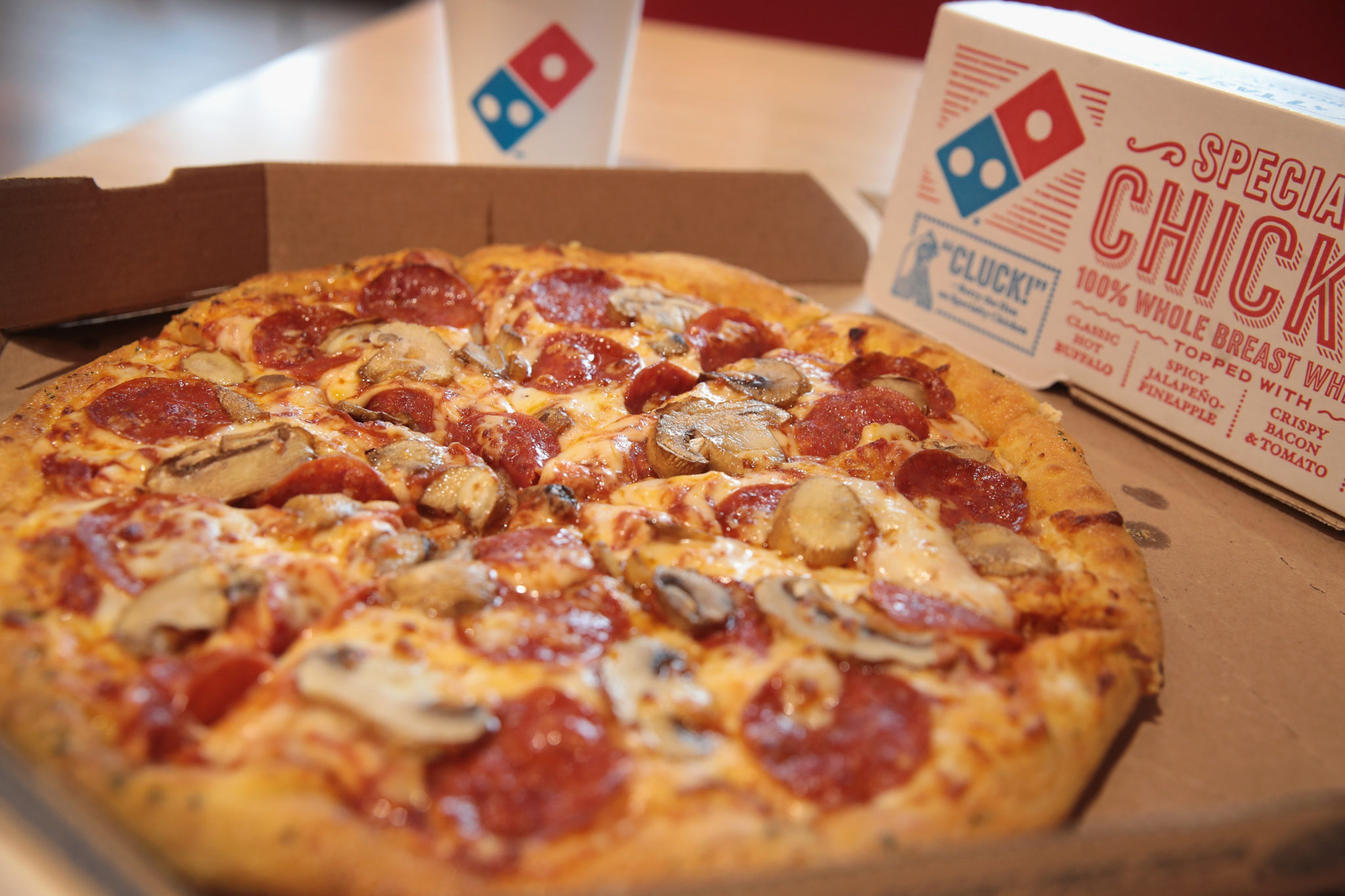
    DPC Dash, the franchisee responsible for operating Domino’s outlets across China, has announced significant revenue growth and an ambitious store expansion campaign throughout the country in 2025.

    Impressive Revenue Growth

    DPC Dash declared a 24.8% rise in revenue on a year-over-year basis, amounting to RMB 5.38 billion, equivalent to approximately US$778 million. This robust growth is a testament to the company’s thriving operations and successful market strategies.

    ‘Go Deeper, Go Broader’

    In terms of expansion, the company has continued to adopt a disciplined strategy titled ‘Go Deeper, Go Broader’. This strategy involves penetrating deeper into existing cities while also stretching out to new locations. Aileen Wang, CEO of DPC Dash, confirmed this during the earnings call, stating that the company had effectively extended its infiltration in existing cities and extended its footprint to new areas.

    Strong performance was observed in the newly opened stores within these growth markets. These outlets have recorded average daily sales that surpass the historical averages, thereby illustrating the appealing unit economics and capital efficiency of the franchise’s development model.

    Aggressive Expansion and Store Performance

    DPC Dash launched 307 additional stores in 2025, thereby entering 21 new cities and expanding its network to a total of 1315 stores across 60 cities. The franchise’s Tier 1 city markets witnessed positive same-store sales growth throughout the year. Furthermore, the first 30-day sales records of new stores held all top spots globally within Domino’s records as of the end of January.

    Helen Wu, CFO of DPC Dash, highlighted the company’s gains in efficiency and the benefits of scale, stating that these elements have enhanced profitability and laid a robust foundation for long-lasting, sustainable success.

    Loyalty Program and Future Plans

    DPC Dash also reported a surge in engagement in its loyalty program, which grew by 45.3% in 2025, up from 24.5 million members in 2024 to 35.6 million members.

    Looking forward, DPC Dash plans to inaugurate approximately 350 new stores in the fiscal year 2026. As of March 20, the company has already opened 140 new stores, with 14 under construction and 65 signed for future development.

    Questions & Answers

    What is DPC Dash’s ‘Go Deeper, Go Broader’ strategy?
    This is a disciplined expansion plan that focuses on deepening the penetration into existing cities and extending reach into new markets.

    What is the overall growth of DPC Dash’s loyalty program?
    The company’s loyalty program grew by 45.3% in 2025, reaching a total of 35.6 million members.

    What are the future expansion plans of DPC Dash?
    DPC Dash plans to open approximately 350 new stores in the fiscal year 2026, with a significant number already opened, under construction or assigned for future development.

  • Gap Eyes China Expansion: Plans 50 New Stores, Hong Kong Comeback and Australia Re-Entry

    Gap Eyes China Expansion: Plans 50 New Stores, Hong Kong Comeback and Australia Re-Entry

    Gap, the prominent American clothing retailer, is said to be significantly expanding its footprint in Greater China. The company’s plans include opening 50 fresh storefronts throughout mainland China during the current year, as well as reestablishing its presence in Hong Kong.

    This expansion initiative follows in the wake of Gap’s first-ever quarterly break-even performance in China. This success has been credited to Baozun, the local operator who assumed control of the business in 2022. Under Baozun’s leadership, the company completed a comprehensive overhaul of its supply chains, merchandising, and digital channels.

    The forthcoming new stores are not confined to the established business hubs of Shanghai and Beijing. Indeed, locations span from tier-one cities to tier-three cities, broadening the brand’s geographical reach.

    Baozun has set a target of approximately 30% annual growth over the coming two years. The strategy for achieving this ambitious goal blends physical retail development with a fortified online presence.

    Vincent Qiu, the chairman and CEO of Baozun, has publically expressed the brand’s readiness to “accelerate the business and scale it to a bigger size” within the next three-year period.

    In addition to its expansion in Greater China, Gap is also gearing up to make a return to the Australian market. The company will do so through a collaborative partnership with Myer. Despite forming part of its wider international strategy, this Australian venture remains secondary to Gap’s primary focus on Greater China.

    Questions & Answers

    What plans does Gap have for expansion in Greater China?
    Gap plans to open 50 new stores across mainland China this year and re-enter the Hong Kong market.

    What is Baozun’s growth target for the next two years?
    Baozun aims to achieve around 30% annual growth over the next two years by combining physical retail expansion with a stronger online presence.

    Is Gap planning to re-enter any other markets?
    Yes, Gap is preparing to re-enter the Australian market through a partnership with Myer as part of its broader international strategy. However, this remains secondary to the company’s focus on Greater China.

  • H&M: Shrinking Store Network Hits Sales, But Profits Skyrocket Amid Optimized Portfolio

    H&M: Shrinking Store Network Hits Sales, But Profits Skyrocket Amid Optimized Portfolio

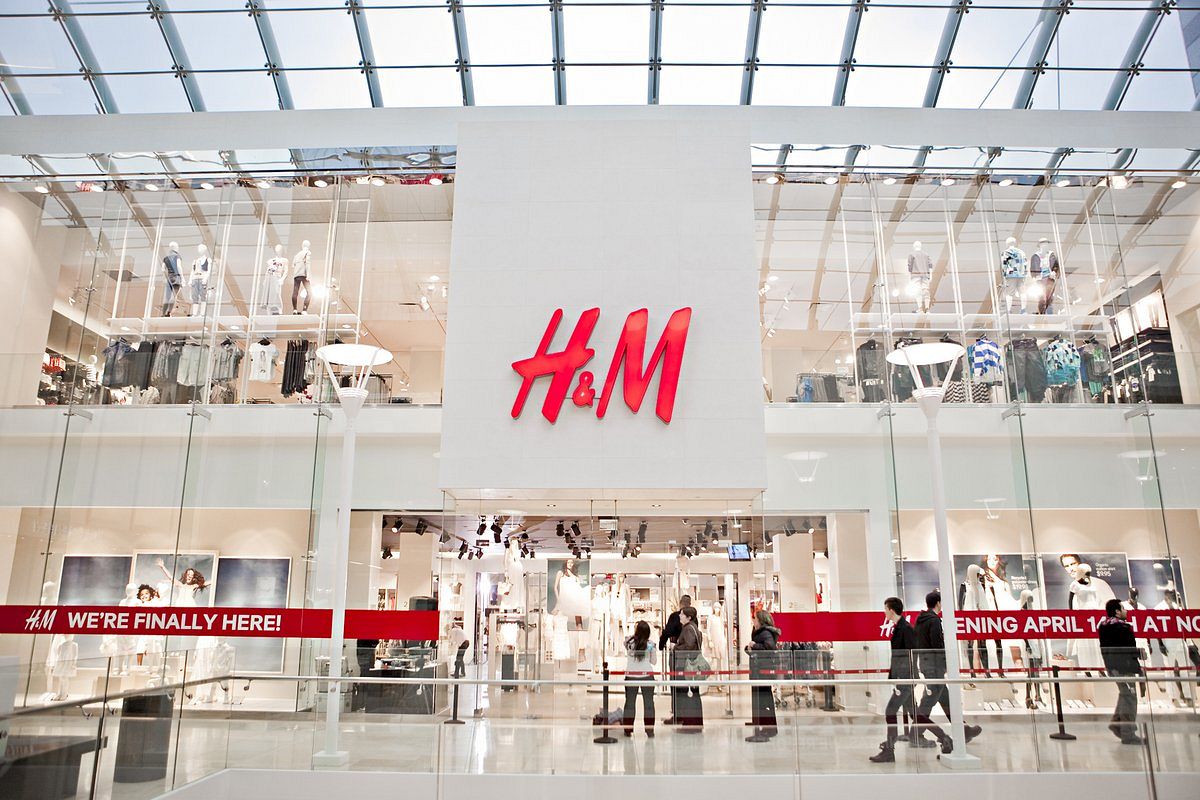
    In the first fiscal quarter, Swedish fashion powerhouse H&M witnessed a decrease in sales, corresponding with a reduction in the total number of store locations.

    Sales Performance

    By the end of the quarter, which concluded on February 28, net sales were reported to be SEK49.6 billion (US$5.2 billion)—a 1% year-on-year decrease in constant currency. The company saw a 4% reduction in stores, or 163 fewer outlets, compared with the same timeline last year. The global store count was noted to be 4050 as of February 28.

    H&M is undertaking steps to strengthen its long-term position and further enhance profitability through the optimization of its store portfolio. Actions include the renovation of existing stores, the opening of new outlets, and closure of others.

    However, reported net sales witnessed a 10% decrease, largely due to currency translation. The quarter began with a weak December, with a noticeable demand drop after November’s Black Friday trading. However, a positive sales trend emerged towards the end of the quarter, driven by the successful reception of the spring collections.

    Regional Sales Performance

    Sales in Asia, Oceania, Africa, and the Americas fell 3% when calculated in constant currency. In Western and Eastern Europe, sales were down by 1%, whereas Southern Europe saw a sales increase of 3%. Sales performance in the Nordics remained steady.

    Gross margin rose from 49.1% to 50.7% during the quarter. The operating profit saw a significant boost with an increase of 26%, amounting to SEK1.512 billion. Profit for the period also grew by 21.5% to SEK704 million. CEO Daniel Ervér attributed the strengthened profitability to good cost control and an improved gross margin, despite cautious consumption and large currency translation effects.

    Ervér also stressed the significance of flexibility in the current challenging macroeconomic environment, which is marked by increased geopolitical uncertainty.

    Future Expectations and Concerns

    H&M anticipates a 1% increase in sales in constant currency for March in the current quarter. The company is closely observing the developments in the Middle East, along with the potential implications on global trade. The Middle Eastern markets, which are managed through franchise partners, account for a minor portion of H&M’s sales.

    Questions & Answers

    What was the net sales value for H&M in the first fiscal quarter?
    The net sales value was SEK49.6 billion (US$5.2 billion).

    What changes are being undertaken within H&M’s store portfolio?
    Actions include updating existing stores, opening new ones, and closing some outlets.

    What is the anticipated sales increase for March in the current quarter?
    H&M expects a 1% increase in sales for March in the current quarter.

  • Meituan Faces Second Quarter Loss Amid Intense Food Delivery Competition in China

    Meituan Faces Second Quarter Loss Amid Intense Food Delivery Competition in China

    In a fiercely competitive market, Chinese food delivery titan Meituan has reported a second consecutive quarterly loss, slightly missing projected revenue growth. Over the past year, the company has weathered intense competition sparked by aggressive subsidy tactics in China’s burgeoning one-hour delivery sector.

    The Rivals and the Battle

    The company’s profit margins and revenue growth have faced significant challenges following the emergence of ‘instant retail’ platforms introduced by e-commerce behemoths Taobao and JD, both subsidiaries of Alibaba, in early 2025. Instant retail, also known as quick commerce, is characterized by online orders—typically food, bubble tea, or daily essentials—delivered to customers within an hour.

    A Glimmer of Hope in 2026

    Despite the tough conditions, the early months of 2026 have shown promising signs that the cutthroat price competition in the instant retail sector may be easing. This phenomenon, which has been disparaged by Chinese regulators as a destructive ‘race to the bottom’, has begun to show signs of abating.

    Meituan’s Financial Status

    Meituan’s revenue for the quarter ending December 31 amounted to 92.1 billion yuan (US$13.3 billion), marking a 4.1% increase over the previous year. This figure fell slightly short of the 92.2 billion yuan forecasted by industry analysts. Meanwhile, the company’s adjusted net loss narrowed to 15.1 billion yuan from 16 billion yuan in the previous quarter. A year earlier, Meituan had reported a profit of 9.8 billion yuan.

    Regulatory Guidance and Market Health

    During a post-earnings call with analysts, Meituan’s CEO, Wang Xing, stated that the regulatory guidance regarding the price war in the instant retail sector is “already quite clear.” He also noted that regulators strongly oppose the relentless ‘neijuan’, or involution, competition and are focused on fostering a healthy, orderly market. The term ‘neijuan’ represents a form of competition where entities are forced to engage in increasingly intense rivalry that yields minimal benefits.

    In the wake of a state media editorial calling for an end to China’s food delivery price wars being republished by Chinese regulators, Meituan’s shares experienced a significant 14% surge. Industry observers viewed this as a sign of official approval.

    Questions & Answers

    What is the instant retail or quick commerce model?
    This refers to online purchases, often consisting of food, bubble tea, and daily necessities, which are delivered to customers within 60 minutes.

    What is meant by ‘neijuan’ competition?
    ‘Neijuan’, or involution, indicates a situation where individuals or companies are compelled into increasingly intense competition that offers little benefits.

    How did the market respond to regulatory intervention in the price war?
    Following a state media editorial urging an end to the food delivery price wars being republished by Chinese regulators, Meituan’s shares saw a significant 14% increase, signaling market approval of regulatory intervention.

  • Malaysia Slashes Subsidized Fuel Quota Amidst Escalating Global Oil Prices

    Malaysia Slashes Subsidized Fuel Quota Amidst Escalating Global Oil Prices

    In response to the recent spike in global oil prices, the Malaysian government has made the decision to decrease the monthly quota for subsidized RON95 fuel from 300 liters to 200 liters, with the policy effective from April.

    Reasons for the Reduction

    This reduction has been deemed necessary due to increases in the government’s subsidy bill. Malaysian Prime Minister Anwar Ibrahim has warned that, if global crude prices continue to remain above $110 per barrel, the subsidy bill could escalate to RM24 billion (US$6 billion) this year.

    Subsidized by the government, RON95 fuel is sold at a fixed price of RM1.99 per liter in Malaysia to ensure affordability for lower-income groups. Currently, eligible individuals can purchase up to 300 liters per month, after which they are charged at market rates. These rates have recently seen an increase from RM3.27 to RM3.87 per liter for the week of March 26 to April 1.

    The unsubsidized price of this fuel has also seen two increases since March 11, resulting in a combined increase of 45%. The latest weekly adjustment has also seen an increase in the pump price for RON97 to RM5.15 per liter, marking an overall increase of 58.46% since March 11, while diesel has seen an increase to RM5.52 per liter, up 76.92% over the same period.

    Global Oil Supply Disruptions

    This decision comes at a time when the global oil supply has been disrupted due to conflicts in the Middle East, specifically in the Strait of Hormuz, a crucial route that typically carries around 20% of the world’s oil flows.

    Brent crude has experienced a drop to $94.49 per barrel after peaking at nearly $120 earlier this month. However, it still remains more than 33% higher than before the conflict began in late February. Despite being an oil producer, Malaysia isn’t exempt from these shifts in the oil market, as it imports a significant proportion of its oil, nearly half of which comes via the affected route.

    In a recent social media post, Anwar noted that Malaysia exported approximately $5.5 billion in crude oil last year but imported nearly $12.6 billion. Furthermore, the country’s monthly subsidy bill for petrol and diesel has seen a significant surge from RM700 million to RM4 billion.

    Possible Implications

    While higher global prices may increase government income and benefit the national oil firm Petroliam Nasional, sustained volatility could lead to inflationary pressures and add to the fiscal burden of fuel subsidies. Announcing the weekly price adjustments, Malaysia’s Ministry of Finance declared the government’s ongoing commitment to protecting the public from rising costs and maintaining the subsidized RON95 prices at RM1.99 per liter.

    Analysts have suggested that tightening the subsidy quota could be a practical option to alleviate pressure on government funds, along with another possibility of increasing the subsidized fuel price to RM2.05 per liter.

    Questions & Answers

    What are some of the reasons for the reduction in subsidized RON95 fuel?
    This reduction has been deemed necessary due to increases in the government’s subsidy bill. If global crude prices continue to remain above $110 per barrel, the subsidy bill could escalate to RM24 billion (US$6 billion) this year.

    How has the global oil supply been disrupted?
    The global oil supply has been disrupted due to conflicts in the Middle East, specifically in the Strait of Hormuz, a crucial route that typically carries around 20% of the world’s oil flows.

    What could be some potential implications of this situation?
    While higher global prices may increase government income and benefit the national oil firm Petroliam Nasional, sustained volatility could lead to inflationary pressures and add to the fiscal burden of fuel subsidies.

  • Asia’s War-Driven Price Surge: From Instant Noodles to Cosmetics, Consumers Brace for Impact

    Asia’s War-Driven Price Surge: From Instant Noodles to Cosmetics, Consumers Brace for Impact

    As the conflict in Iran intensifies, both consumers and businesses across Asia are bracing for a potential crisis. The war is causing a squeeze in oil and plastics supplies, leading to an increase in prices on a broad range of products, from ramen noodles to cosmetics.

    Impact on Plastic Industries

    Choi Gun-soo, manager of a 57-year-old South Korean factory producing plastic films, gives an insight into the harsh realities of the situation. The factory, which caters to farmers for crop coverage and television manufacturers, is dealing with a substantial hike in raw material prices and shortages. Some suppliers have escalated prices by as much as 50%, while others have completely run out of stock. The next couple of weeks are likely to be critical; if the shortage of raw materials continues, it will force a systematic shutdown of the machinery.

    While the company has previously managed to survive oil shocks and the Covid-19 pandemic, the current crisis due to the Iran war is unparalleled. Choi shares that they have reduced their production to merely 20-30% of the regular output, marking the first time they have been hit this severely.

    The Strait of Hormuz: A Key Factor

    A vital cog in the supply chain disruption is the Strait of Hormuz, a narrow water channel off Iran’s southern coast. Around one-fifth of the world’s oil and liquefied natural gas usually passes through this strait. Asia, which is heavily dependent on crude oil, gas, fuel, and fertilizer from the Middle East, is most susceptible to supply disruptions.

    Currently, the most critical shortages are in oil derivatives like naphtha, predominantly sourced from the Gulf and used in refineries across Asia to produce plastics and other petrochemicals. These materials are integral to almost every manufactured product.

    Soaring Prices

    Prices for essentials of modern life, including plastic and rubber, are reaching record highs. South Korea’s Samyang Foods, the manufacturer of the renowned spicy Buldak instant ramen noodles, warns of a potential shortage of packaging materials and increased costs due to the ongoing conflict.

    Rival ramen producer Nongshim is preparing for the possibility of prolonged warfare by maintaining two to three months’ worth of packaging material inventory.

    The Cosmetic Industry’s Struggle

    Yonwoo, a container producer for L’Oreal and K-beauty firms like Amorepacific, is scrambling to secure stocks of plastic resin, a key material in manufacturing pots used for skincare and cosmetics. The company fears little visibility on material supply beyond June.

    Global Impact

    The conflict has instigated fuel shortages worldwide, with businesses ranging from airlines to supermarkets and used car dealers struggling with challenges such as rising costs, weakening demand, and disrupted supply chains.

    In Japan, department store operator Takashimaya has expressed concern that if the crisis persists, it could lead to price increases and supply issues spreading to clothing and household appliances.

    China’s Struggle with Raw Material Shortages

    China, the world’s largest synthetic rubber producer, is also feeling the strain. Shortages of naphtha, essential for synthetic rubber production, are impacting the supply chain and forcing manufacturers of goods like tires and gloves to consider raising prices or shifting to natural rubber.

    Effect on the Toy Industry

    Liu Chaonan, who owns a toy company that supplies to major U.S. retailer Walmart, revealed the escalating raw materials costs are taking a toll on the toy industry.

    Panic Buying due to Supply Concerns

    The crisis has also led to panic buying among consumers, resulting in them hoarding goods like garbage bags. With supermarkets reporting shortages and limiting purchases, consumers like South Korean student Ryu June-ho are buying in bulk in anticipation of price hikes.

    Questions & Answers

    What factors are contributing to the increased prices of goods in Asia?
    Increased goods prices in Asia are primarily due to the ongoing conflict in Iran, which is causing disruptions in oil and plastic supplies.

    How is the conflict in Iran affecting industries in Asia?
    The conflict is causing a crisis in various industries, including food, cosmetics, and manufacturing, due to increased raw material costs and supply shortages.

    How are consumers reacting to the escalating prices and supply shortages?
    Consumers are reacting with panic, leading to hoarding of goods such as garbage bags and ramen noodles in anticipation of further price increases and shortages.

  • Daiso to Close Another Singapore Store in Four Months: An 18-Year Legacy Ends

    Daiso to Close Another Singapore Store in Four Months: An 18-Year Legacy Ends

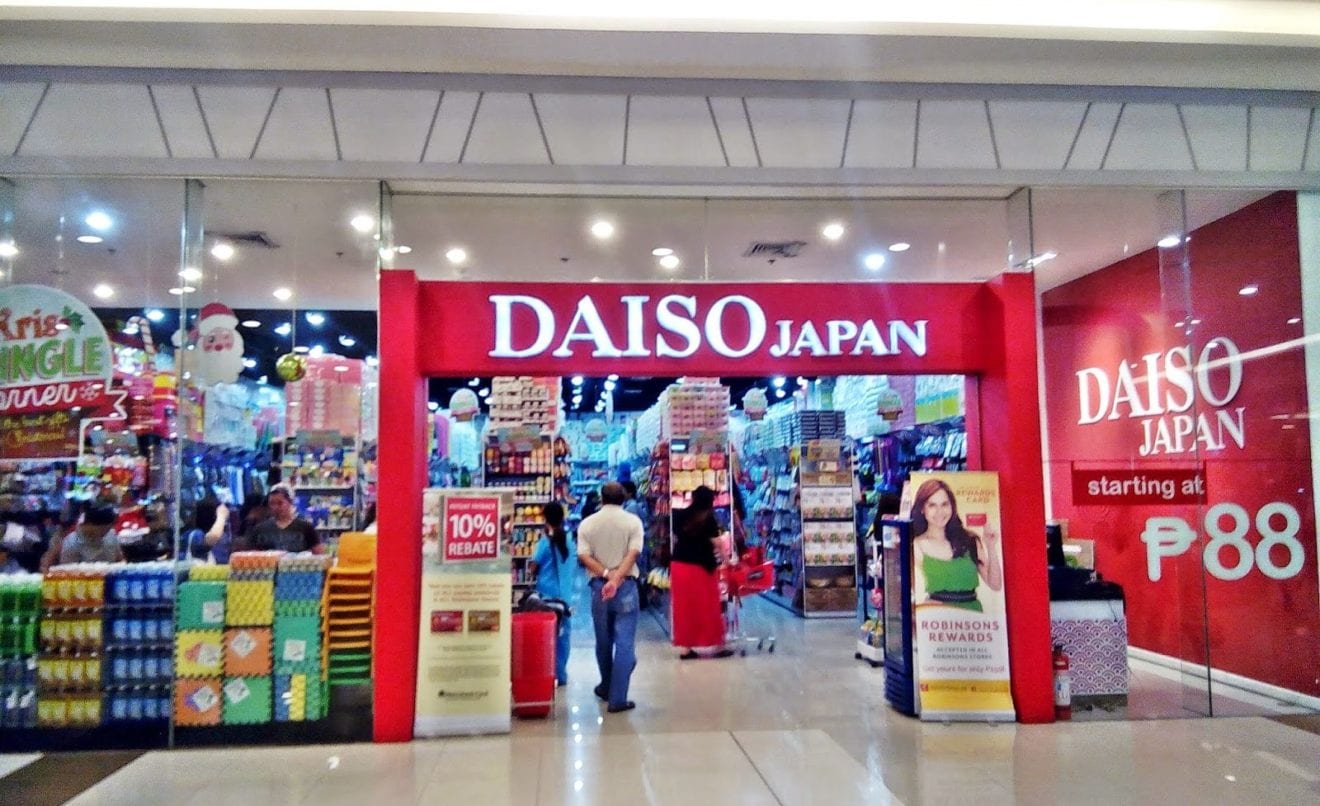
    Daiso, a well-known Japanese retail chain offering a variety of economical household items, is preparing to shutter its second store in a span of four months after a lengthy 18 years of operation. The Daiso Sembawang Shopping Centre location is scheduled to cease operations beginning April 6, 2026, according to an announcement from Daiso Singapore. The company has not provided an explanation for the impending closure.

    A Look at the Store’s History

    The Daiso Sembawang Shopping Centre first opened its doors in 2008 and underwent a significant expansion in 2021. This expansion introduced the Threeppy concept store, specializing in an array of “cute and fashionable” products.

    The upcoming closure of this location follows on the heels of two other recent closures — the Daiso outlets at the 100 AM mall, which closed in January, and the Kinex location in Tanjong Katong, which shuttered last July.

    Daiso’s Presence in Singapore

    As of March 26, Daiso maintains a notable presence in Singapore. The retail chain, renowned for its flat SGD2 (US$1.56) price point on its most affordable items, operates a total of 33 stores throughout the country. Daiso’s pricing can reach up to SGD20 for specialized items, with these prices not inclusive of tax.

    Daiso’s product line is diverse, encompassing a wide range of goods, from housewares, toys and stationery to decorations and gifts.

    Questions & Answers

    Why is Daiso closing its Sembawang Shopping Centre location?
    The company has not yet released a statement regarding the reason for the store’s impending closure.

    When did the Daiso Sembawang Shopping Centre location first open?
    The store first opened in 2008 and expanded in 2021 to include the Threeppy concept store.

    How many Daiso stores are in operation in Singapore as of March 26?
    As of this date, there are 33 Daiso retail stores in operation across Singapore.

  • Vietnam Experiences Significant Fuel Price Drop Amidst Global Declines and Tax Adjustments

    Vietnam Experiences Significant Fuel Price Drop Amidst Global Declines and Tax Adjustments

    In a notable development, gasoline prices in Vietnam saw a significant drop ranging from 6.47% to 18.8% late on Thursday. The widely used RON95 fuel recorded the highest decrease of 18.8%, reducing its price from Wednesday to VND24,330 (equivalent to US$0.92) per litre.

    Decrease in other fuel prices

    Along with RON95, other fuels also witnessed a price drop. Biofuel E5 RON92 plunged 16.9%, bringing its price down to VND28,070 per litre. Diesel, another essential fuel, recorded a 6.47% decrease to VND35,440 per litre.

    Global fuel price trend

    The decline in Vietnam’s fuel prices aligns with the global trend. Internationally, RON95 gasoline decreased by 7.4% from Wednesday, reaching $135.6 per barrel, and diesel fell 6.5% to $204.6 per barrel. These global price changes were reported by the Ministry of Industry and Trade and the Ministry of Finance.

    Tax Changes Influence

    However, the global price drop is not the sole cause for the fall in Vietnam’s fuel prices. A series of tax adjustments implemented late on Thursday also contributed to the decrease in local rates. The environmental protection tax on gasoline, excluding ethanol, diesel, and aviation fuel, has been reduced to zero from the previous VND1,500–2,000, as per a decision of the Prime Minister.

    Additionally, the excise tax on all types of gasoline and the value-added tax on gasoline, diesel, and aviation fuel have been modified, with the former being cut to 0% from an earlier 10%.

    Local Fuel Market Situation

    Despite the ongoing conflict in the Middle East, which has put added pressure on the domestic fuel market, the local fuel supply in Vietnam remains stable, according to an earlier statement by the trade ministry.

    Questions & Answers

    What was the percentage decrease in the price of RON95 fuel in Vietnam?
    The price of RON95 fuel in Vietnam decreased by 18.8%.

    What other factors contributed to the decrease in fuel prices apart from the global price drop?
    A series of tax adjustments, including a reduction in the environmental protection tax and excise tax on gasoline, also influenced the decrease in fuel prices.

    Despite the conflict in the Middle East, how is the domestic fuel supply in Vietnam?
    Despite the escalating conflict in the Middle East, the domestic fuel supply in Vietnam remains secure and stable.

  • Gold Prices Tumble Worldwide Amid Oil-Inflated Inflation Fears: How Vietnam is Weathering the Precious Metal Dip

    Gold Prices Tumble Worldwide Amid Oil-Inflated Inflation Fears: How Vietnam is Weathering the Precious Metal Dip

    On Thursday afternoon, gold prices in Vietnam reflected a downward trend, triggered by a global market decline for the precious metal. This drop is linked to fears that escalating oil prices would cause a surge in inflation.

    Gold Bar and Ring Prices Drop

    The Saigon Jewelry Company reported a 1.15% decrease in the price of their gold bars, now valued at VND171.5 million, or US$6,508.79 per tael. To clarify, a tael is equivalent to 37.5 grams or 1.2 ounces.

    In addition, there was a similar 1.15% decrease in the price of gold rings, bringing the associated cost to VND171.3 million per tael. Despite these recent drops, gold prices have seen an overall increase of 12.2% since the start of the year.

    Global Gold Price Decline

    On the international stage, gold prices also fell on Thursday. There are heightened expectations of imminent U.S. Federal Reserve rate hikes this year, primarily sparked by rising oil prices causing concerns about inflation. Investors also awaited clarity on efforts to de-escalate situations in the Middle East.

    Spot gold, in particular, experienced a drop of 1.2%, reducing its price to $4,451.47 per ounce. Concurrently, U.S. gold futures for April delivery saw a decrease of 2.3%, to $4,448.

    According to Ilya Spivak, head of global macro at Tastylive, these changes can be attributed to an acceleration of the perception that inflation, potentially triggered by ongoing conflict, will prompt a response from central banks, leading to higher interest rates.

    Impact on Crude Oil Prices

    Furthermore, Brent crude futures have risen above $100 per barrel due to concerns that ongoing conflict in the Middle East may continue to disrupt energy flows.

    Questions & Answers

    What caused the recent decrease in gold prices in Vietnam?
    The reduction in gold prices can be attributed to concerns that escalating oil costs could lead to inflation, influencing global gold markets.

    How has the ongoing Middle Eastern conflict affected gold and oil prices?
    The ongoing conflict has elevated concerns about potential disruption in energy flows. As a result, Brent crude futures have increased, while anticipation of these disruptions has contributed to a fall in gold prices.

    What are the potential impacts of rising inflation on global gold markets?
    Rising inflation can lead to an increase in interest rates as a reactive measure from central banks, which can result in a decline in gold prices.

  • Billionaires’ Battle: India’s Race to Revolutionize Weight-Loss Drugs with Affordable Alternatives

    Billionaires’ Battle: India’s Race to Revolutionize Weight-Loss Drugs with Affordable Alternatives

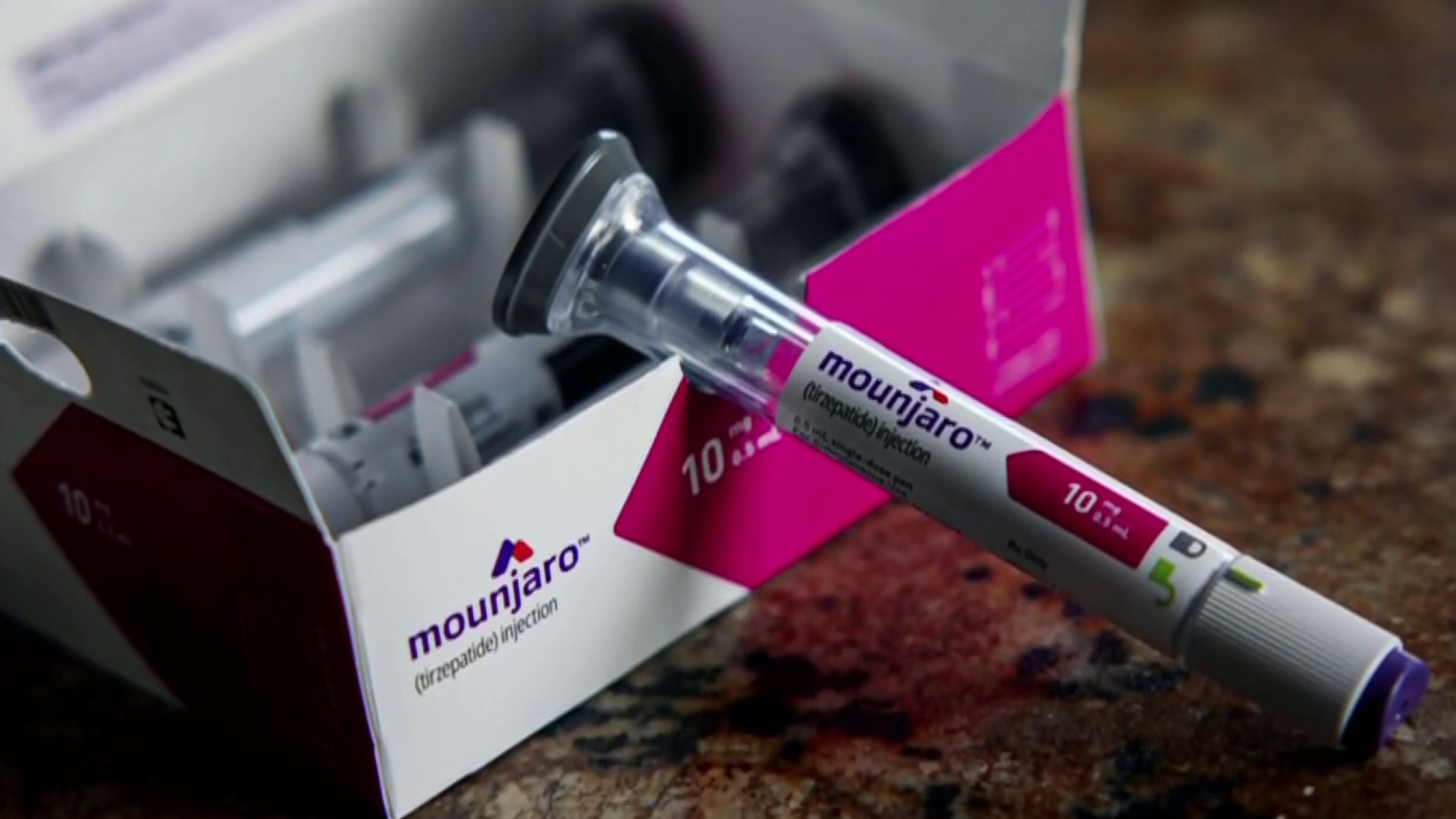
    Indian billionaires are vying to introduce cost-effective medications for diabetes and obesity in response to the escalating demand for reasonably priced alternatives to the well-known weight-loss drug, Ozempic. Sun Pharmaceutical Industries, established by billionaire Dilip Shanghvi, has recently released weight-loss pen injections under the Noveltreat and Sematrinity brands.

    Competitive Pricing

    Priced at approximately INR3,600 (US$38.3) per month for the lowest dose, Noveltreat competes directly with higher-priced options. Sematrinity offers a similarly affordable alternative at INR3,000 monthly, less than half the cost of Ozempic and Wegovy, notable weight-control medications manufactured by the Denmark-based company, Novo Nordisk.

    Kirti Ganorkar, Sun Pharmaceutical’s Managing Director stated, “With the launch of Noveltreat and Sematrinity, we are striving to offer a high-quality, cost-effective therapy to a broader patient demographic in India.”

    Expanding Treatment Options

    Dr. Reddy’s Laboratories, the brainchild of billionaires Satish Reddy and G. V. Prasad, has also launched Obeda, an injectable drug for managing type 2 diabetes, priced at INR4,200 per month. In addition to Obeda, the firm plans to create an integrated care ecosystem including metabolic centres aimed at enhancing diabetes treatment and associated metabolic conditions.

    Erez Israeli, CEO of Dr. Reddy’s, expressed that Obeda reinforces the company’s vision of “ensuring advanced diabetes treatments are not only accessible but affordable.”

    Similarly, Torrent Pharmaceuticals, led by billionaire brothers Sudhir Mehta and Samir Mehta, has introduced both injectable and oral weight-loss drugs under the Sembolic and Semalix brands, priced at INR3,999 per month.

    CEO Amal Kelshikar said, “Our entry into the GLP-1 therapy segment reflects Torrent’s commitment to expanding treatment options available to healthcare professionals managing complex metabolic conditions at affordable prices.”

    The Market Landscape

    A study conducted in 2023 by the Indian Council of Medical Research revealed that over 100 million people in India have diabetes, and the World Health Organization estimates that approximately 8% of the population is obese.

    These companies are part of a larger group of at least eight significant pharmaceutical manufacturers that have introduced semaglutide copies. The market has quickly become competitive, with research firms estimating that up to 40 companies could eventually enter the segment.

    As a result, a price war is predicted, with analysts projecting that intense price competition could reduce the cost of some weight-loss drugs in India by up to 90%. Investment bank Jefferies referred to the development as a “magic pill moment” for India, predicting the market could grow to $1 billion.

    India, often referred to as the “pharmacy of the world,” is now emerging as a crucial low-cost supplier in the global fight against obesity, much like its past role in reducing the cost of HIV treatments and expanding access worldwide.

    Regulatory Oversight

    The increase in new product launches has led to heightened scrutiny from regulatory bodies. Concerns have been raised about the availability of generic versions of weight-loss drugs through various channels, such as retail pharmacies, online platforms, wholesalers, and wellness clinics.

    The Ministry of Health in India has cautioned that these drugs, when used without proper medical supervision, could potentially lead to serious adverse effects and related health risks. The ministry has also imposed restrictions on marketing such drugs, banning indirect promotional activities that could mislead consumers or promote off-label usage.

    There are concerns that patients may view these weight-loss drugs as a “magic pill” solution and may rely on them indefinitely. Mumbai-based diabetologist Rahul Baxi cautioned that these medications are not a substitute for a proper diet or lifestyle change.

    Questions & Answers

    What is the price of the new weight-loss medications?
    Noveltreat is priced at approximately INR3,600 (US$38.3) a month, while Sematrinity costs INR3,000 a month. Obeda, a diabetes medication, is priced at INR4,200 a month.

    Is there a predicted price war in the pharmaceutical industry?
    Yes, analysts project intense price competition could decrease the cost of some weight-loss drugs in India by up to 90%.

    What are the concerns raised by the Ministry of Health in India?
    The Ministry of Health has raised concerns about the availability of generic weight-loss drugs without proper medical supervision, which could potentially lead to serious adverse effects and health risks. It has also expressed worry about potentially misleading or indirect promotional activities for these drugs.