Blog

  • Revolutionizing Logistics: FedEx Unveils Expanded Taiwan Hub, Boosting APAC Supply Chain Capabilities

    Revolutionizing Logistics: FedEx Unveils Expanded Taiwan Hub, Boosting APAC Supply Chain Capabilities

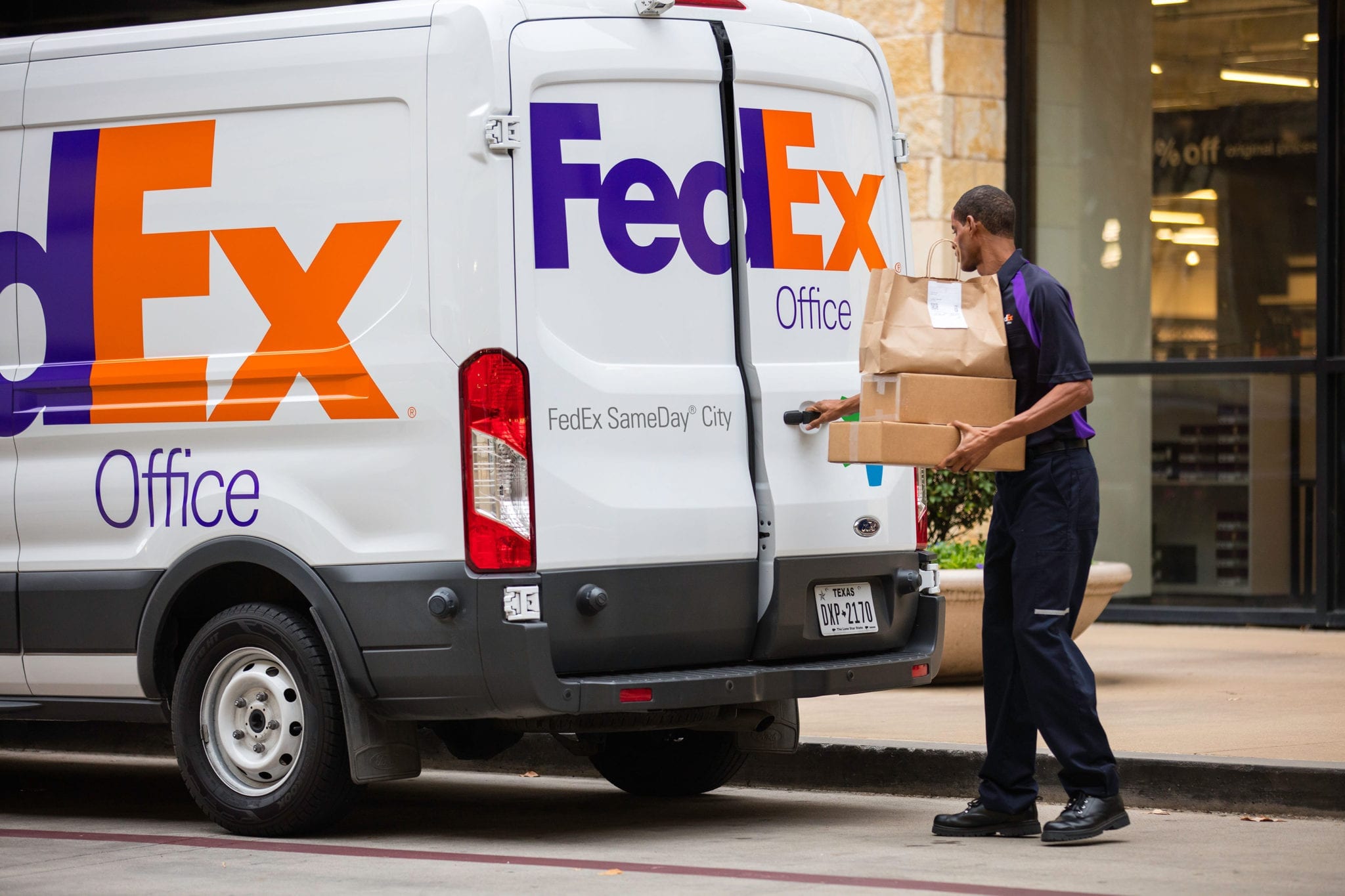
    FedEx, a leading express transportation company worldwide, is bolstering its Asia Pacific network by unveiling its recently expanded Transhipment Centre at Taoyuan International Airport. This development symbolizes FedEx’s most substantial investment in Taiwan throughout its 35 years of presence. The expansion greatly optimizes the centre’s sorting capacity, catering to the escalating logistics demands originating from high-tech, semiconductor, and e-commerce industries within Taiwan and the broader APAC region.

    Overview of the New Facility

    The freshly expanded facility is twice the size of the previous location, covering approximately 19,000 square meters. It integrates an advanced automated sorting system capable of handling up to 9,000 packages every hour. The efficiency of the new facility outmatches the previous one, with imports being 2.5 times more efficient and exports 1.2 times more efficient. Enhanced abilities to manage express parcels, freight, and specialized shipments, including hazardous materials and cold-chain goods, bolster operational safety and supply-chain resilience. This development contributes significantly to businesses engaging in cross-border shipping by promising greater speed and reliability.

    Supporting Technological Advancements

    The new facility mirrors the rising significance of the APAC region as a global technology force. The region is responsible for over 80% of the global semiconductor production. The rapid progression in AI and other burgeoning technologies is spurring the need for a logistics infrastructure that can seamlessly connect technology hubs, manufacturing centers, and high-growth markets.

    Shipping high-value, time-sensitive products such as semiconductors and precision instruments compels exceptional reliability, real-time visibility, and strict security throughout the shipping process. FedEx addresses these prerequisites by incorporating FedEx Surround® Monitoring and Intervention, and SenseAware ID sensor technology into its cross-border shipping.

    Investment in Trade Support

    Salil Chari, the regional president of Asia Pacific for FedEx, commented on the need for a robust logistics network in a world where economies are becoming more interconnected through trade and investment. The expansion of the Taiwan Transhipment Centre showcases FedEx’s dedication to develop a logistics infrastructure that delivers agility, speed, and reliability that customers need to strengthen their supply chains and expand their reach across emerging markets.

    With 40 weekly flights linking Taiwan to the United States, Europe, and other Asia Pacific markets, the new facility upgrades FedEx’s network capabilities. Businesses can tap into intra-Asia’s trade growth and access new opportunities in Europe and the US.

    In line with FedEx’s 2025 network enhancements, this investment strengthens intra-Asia trade corridors. New flight routes connecting South Korea with Vietnam and Taiwan have improved transit times for high-tech and e-commerce shipments. Also, extended connectivity between the FedEx Asia Pacific Hub in Guangzhou with key Southeast Asian markets has further boosted FedEx’s value proposition.

    To meet the growing demand along the Asia-Europe trade lane, FedEx has added five weekly flights connecting the Asia-Pacific to its European hub in Paris, making the total weekly frequencies 26. These network investments enable more flexible and efficient cross-border movement of goods, helping reduce trade barriers and accelerate access to international opportunities for small and medium-sized enterprises (SMEs) across APAC.

    Supporting Asia-Pacific’s growth as a global trade engine, FedEx continues to invest in air networks, logistics infrastructure, and smart digital solutions that aid businesses to flourish along the world’s most dynamic trade corridors.

    Questions & Answers

    Q: What capacity does the new automated sorting system at FedEx’s expanded Transhipment Centre have?
    A: The advanced automated sorting system at the center can process up to 9,000 packages per hour.

    Q: How does the new Transhipment Centre support high-tech supply chains?
    A: The facility can handle the movement of high-value, time-sensitive products like semiconductors and precision instruments with exceptional reliability, real-time visibility, and strict security.

    Q: What are FedEx’s plans to support intra-Asia trade growth?
    A: FedEx is planning more direct flights within Asia, connecting South Korea with Vietnam and Taiwan. It has also expanded connectivity between the FedEx Asia Pacific Hub in Guangzhou and key Southeast Asian markets.
  • Digital Assets Maintain Strong Long-Term Prospects, Asserts Sygnum Co-Founder

    Digital Assets Maintain Strong Long-Term Prospects, Asserts Sygnum Co-Founder

    Sygnum, a regulated digital asset bank, was conceived with a dual vision between Singapore and Switzerland. Gerald Goh, co-founder and CEO of Sygnum Asia-Pacific, has been a key player in establishing this transcontinental structure since 2017. Even with the fluctuating state of crypto markets, Goh reports a robust demand. According to Sygnum’s recent survey, digital assets are becoming increasingly popular among high net worth individuals (HNWIs) in Asia.

    Origins of Sygnum

    The concept of Sygnum saw its inception in Singapore in 2017 during the Singapore Fintech Festival. Goh, along with his three co-founders Luka Müller, Manuel Krieger and Mathias Imbach, were united by a shared vision: to provide a trustworthy platform for global access to digital assets.

    The founders envisioned Sygnum as a bridge between Singapore and Switzerland, two of the world’s most innovative and forward-thinking financial centers. Their goal was to leverage the openness of these regulatory environments to integrate digital assets into the financial services sector. However, they were unsure which jurisdiction would pioneer the regulation of digital assets.

    Dual Incorporation Strategy

    As a result, the founders decided to simultaneously incorporate Sygnum in both Singapore and Switzerland. This decision proved to be a prudent one, as it allowed them to engage with both regulatory environments from the outset. From its inception, Sygnum has had a strong presence in the Asia-Pacific region.

    Goh explains that the dual structure was driven by the recognition of Singapore and Switzerland as trusted financial hubs in their respective regions. The Swiss base was intended to serve Europe, while the Singapore base would cater to the Asia-Pacific region. The founders saw this as a strategic combination of the best of both worlds, given that both the Swiss Financial Market Supervisory Authority (FINMA) and the Monetary Authority of Singapore (MAS) were among the earliest regulators to recognize the potential of blockchain technology.

    Market Orientation

    While Sygnum Asia appears to be more consumer-focused (B2C), its Swiss counterpart is more oriented towards serving businesses (B2B). In Singapore, Sygnum utilizes both B2C and B2B channels, but Goh acknowledges the current tilt towards B2C. The company has more direct clients than banking partners in Singapore, whereas in Switzerland, Sygnum collaborates with over 20 Swiss banks and is a leading provider of B2B services.

    Goh believes that the slower institutional adoption of crypto in Singapore is due to the cautious approach of regulated intermediaries in the region. Despite years of engagement with local banks and external asset managers, the momentum to launch regulated digital asset services has been somewhat subdued compared to other regions.

    Questions & Answers

    How did the concept of Sygnum come into being?
    The idea for Sygnum was conceived during the 2017 Singapore Fintech Festival. The co-founders envisioned a platform that would offer global access to digital assets in a trusted manner.

    What was the rationale behind incorporating Sygnum in both Singapore and Switzerland?
    The decision to incorporate in both jurisdictions was driven by the recognition of Singapore and Switzerland as leading, innovative financial hubs. The dual structure allowed Sygnum to engage proactively with the regulatory environments of both regions.

    Why is institutional adoption of crypto slower in Singapore?
    The slower adoption rate is attributed to the cautious approach of regulated intermediaries in Singapore. Despite ongoing engagement with local banks and external asset managers, the pace to launch regulated digital asset services has been more measured than in other regions.

  • UBS Wins U.S. National Charter: Broadening Services for Wealth Management Clients

    UBS Wins U.S. National Charter: Broadening Services for Wealth Management Clients

    UBS is set to transform its U.S. entity, UBS Bank USA, into a nationally chartered bank following approval from U.S. regulatory bodies. The announcement was made via LinkedIn by Rob Karofsky, President of UBS Americas.

    A Significant Milestone for UBS

    Karofsky hailed this development as a significant achievement, reinforcing the bank’s enduring dedication to the U.S. market and its ongoing efforts to bolster the bank’s position as a global leader in wealth management.

    Expansion of Banking Services on The Horizon

    The new charter will empower UBS to broaden its banking services for its U.S. wealth management clientele. The bank plans to introduce payment services along with checking and savings accounts, among other offerings. The LinkedIn post emphasized that the new charter would reinforce the U.S. banking platform, improve client and financial advisor services, and put the bank in a favourable position for further expansion, all while upholding UBS’s high standards.

    The U.S. as a Crucial Market for Growth

    This move is part of a multi-year strategy by UBS to launch new products, systems, and technologies. The ambition is to create a state-of-the-art core banking platform with a focus on digitalization and artificial intelligence capabilities.

    UBS acknowledges the immense potential of the U.S. market. Despite U.S. clients having significant deposits, they often turn to other financial institutions for regular banking services. By enriching its service portfolio, UBS aims to deepen client relationships and fortify the position of its financial advisors.

    Questions & Answers

    What changes can UBS’s U.S. clients expect following this development?
    Clients can anticipate a wider array of banking services from UBS, including payment services and checking and saving accounts.

    What is UBS’s long-term goal with this transformation?
    UBS aims to fortify its position as a global wealth management leader, deepen client relationships, strengthen the role of its financial advisors, and establish a modern, digital, and AI-driven core banking platform.

    How does UBS view the U.S. market?
    UBS sees the U.S. market as crucial for its growth and plans to capitalize on its potential by expanding its service offerings to U.S. clients.

  • Vietjet announces major U.S. agreements worth over US$6.3 billion

    Vietjet announces major U.S. agreements worth over US$6.3 billion

    Vietjet has signed multiple strategic agreements with leading U.S. corporations and financial institutions, with a total value exceeding US$6.3 billion (approx. SGD7.99 billion). The signing ceremony took place in the presence of Vietnam’s General Secretary To Lam, alongside senior Vietnamese and U.S. government officials in Washington, D.C., where General Secretary To Lam attended the opening session of the United States-led Board of Peace, an international body established to support peace, stability, and reconstruction in Gaza, at the invitation of U.S. President Donald Trump.

    The event comes amid continued momentum in Vietnam–U.S. relations, particularly across the economic, financial, and technology sectors. On this occasion, the State Bank of Vietnam and the U.S. Department of the Treasury also issued a joint statement reaffirming their commitment to enhanced cooperation under the Vietnam–U.S. Macroeconomic and Financial Policy Dialogue framework.

    As Vietjet continues to expand its international network, the strengthened fleet and financing capacity also support growth in high-demand regional markets, including Singapore where Vietjet currently operates direct routes linking Singapore with Hanoi, Ho Chi Minh City, Da Nang and Phu Quoc.

    US$5.4 Billion (Approx. SGD6.85 Billion) Engine and Maintenance Services Agreement with Pratt & Whitney

    Vietjet and Pratt & Whitney, an RTX business, a global leader in aircraft engines and engine services headquartered in the United States, signed an agreement covering the selection of Pratt & Whitney GTFTM engines, and comprehensive maintenance services for 44 A321NEO and A321XLR aircraft. The total estimated value of the contract is approximately US$5.4 billion (approx. SGD6.85 billion).

    Under the agreement, Pratt & Whitney will provide new-generation engines to optimise operational performance, reduce operating costs, and lower emissions, advancing Vietjet’s sustainable development and green transition strategy.

    Boeing 737-8 Aircraft Financing Agreement with U.S. Partner

    Vietjet also signed an aircraft financing agreement with Griffin Global Asset Management to finance six Boeing 737-8 aircraft, valued at approximately US$965 million (approx. SGD1.22 billion) at list prices.

    The agreement marks a significant step in Vietjet’s strategy to diversify international funding sources while strengthening its financial capacity and capital structure in line with global standards.

    A Milestone in Vietnam–U.S. Aviation and Economic Cooperation

    With a combined value exceeding US$6.3 billion (approx. SGD7.99 billion), the agreements carry significance beyond their commercial impact. They support deeper collaboration in technology and finance, contribute to job creation, and strengthen value chain integration between the two economies.

    Vietjet Managing Director Nguyen Thanh Son said: “These agreements in the United States reflect Vietjet’s strong commitment to expanding the scale of international partnerships and developing a modern, sustainable fleet. They provide a solid foundation to enhance our financial strength, elevate operational standards, and support long-term growth for the aviation industry in Vietnam and globally.”

    The strategic agreements signed in Washington, D.C. reinforce Vietjet’s long-term vision as a dynamic, globally integrated aviation group with strong international competitiveness.

    They also contribute to advancing the Vietnam–U.S. Comprehensive Strategic Partnership by promoting capital flows, technology collaboration, and value chain integration in a new phase of economic development.

  • Human Made Expands Asian Footprint with Tokyo Mega-Store and Exciting Bangkok Debut

    Human Made Expands Asian Footprint with Tokyo Mega-Store and Exciting Bangkok Debut

    Japanese fashion label Human Made is increasing its presence in Asia with the impending launch of its most spacious flagship store in Tokyo, as well as its debut store in Thailand.

    Branching Out into Thailand

    Human Made is slated to introduce its first Thailand-based store in Bangkok on March 28, located in Central Embassy. This move marks the brand’s premiere entry into the Thai market.

    The Bangkok store will provide a fusion of fundamental merchandise and location-specific releases. Among the exclusive offerings include a collection embellished with an elephant graphic, a nod to the country’s national symbol, complemented by Muay Thai shorts and limited-edition items adorned with the brand’s iconic heart design.

    In addition to the retail aspect, the brand will also be extending its culinary venture by opening a new branch of Curry Up, a curry restaurant under the Human Made banner, adjacent to the store.

    Establishing a Larger Presence in Japan

    Simultaneously, back in its home country, Japan, Human Made is preparing to unveil Human Made Tokyo. This will be the brand’s most expansive flagship store, boasting a floor area of 59 square meters. The launch is set to take place in the Harajuku district around August to September of the current year.

    Questions & Answers

    Where will the largest Human Made flagship store be located?
    The largest Human Made flagship store will be located in Tokyo, specifically in the Harajuku district.

    What are some of the exclusive offerings that will be available at the Bangkok store?
    The Bangkok store will offer a collection featuring an elephant graphic, Muay Thai shorts, and limited-edition pieces incorporating the brand’s signature heart motif.

    What additional venture will Human Made be introducing in Bangkok alongside its retail store?
    Alongside its retail store in Bangkok, Human Made will be introducing a new branch of Curry Up, a curry restaurant operated by the brand.

  • Miniso Launches First Immersive ‘Miniso Friends’ Concept Store in Malaysia, Shaking Up Retail Experience

    Miniso Launches First Immersive ‘Miniso Friends’ Concept Store in Malaysia, Shaking Up Retail Experience

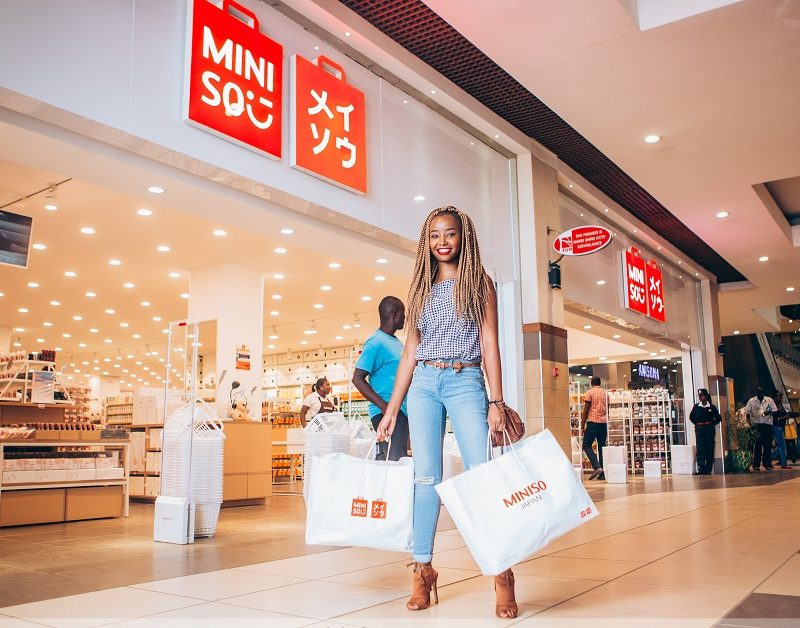
    Miniso, a prominent retail brand, has launched its inaugural Miniso Friends concept store in Malaysia. This move aligns with the company’s pursuit to enlarge its unique intellectual property (IP) driven retail model and immersive shopping experiences across the Southeast Asia region.

    Store Location and Size

    The new Miniso Friends store is situated in LaLaport BBCC, a popular shopping destination. The store spans approximately 14,000 square feet, making it one of Miniso’s most substantial outlets in the Malaysian market.

    Intellectual Property Focus

    Miniso’s concept store strongly revolves around intellectual property (IP). About 62 per cent of its 6,500 products are associated with licensed characters and in-house creations. This strategic product combination is part of Miniso’s plan to captivate more customers and escalate sales by leveraging character storytelling and brand partnerships.

    Among the notable franchises featured in the store is Stitch, along with Miniso’s own intellectual property, YoYo.

    Customer Engagement

    In an effort to bolster customer engagement, the store’s design includes large installations and interactive photo zones to enhance the overall shopping experience. This concept specifically aims to appeal to younger consumers, particularly those from Generation Z, who tend to favour immersive and socially shareable retail spaces.

    This grand opening comes on the heels of Miniso’s first introduction of its Miniso Land concept in Malaysia earlier in the month.

    Questions & Answers

    What is the focus of the new Miniso Friends concept store in Malaysia?
    The new Miniso Friends concept store in Malaysia emphasizes on intellectual property, with about 62% of its products linked to licensed and in-house characters.

    What elements does the store incorporate to enhance customer engagement?
    The store includes large installations and interactive photo zones to augment the shopping experience, specifically targeting younger consumers who prefer immersive and socially shareable retail spaces.

    How does this opening fit into Miniso’s broader strategy?
    The opening of the Miniso Friends concept store aligns with the company’s strategy to expand its unique intellectual property-driven retail model and immersive shopping experiences across Southeast Asia.

  • Grab Seals $600M Deal for Foodpanda Taiwan, Marks Historic Expansion Beyond Southeast Asia

    Grab Seals $600M Deal for Foodpanda Taiwan, Marks Historic Expansion Beyond Southeast Asia

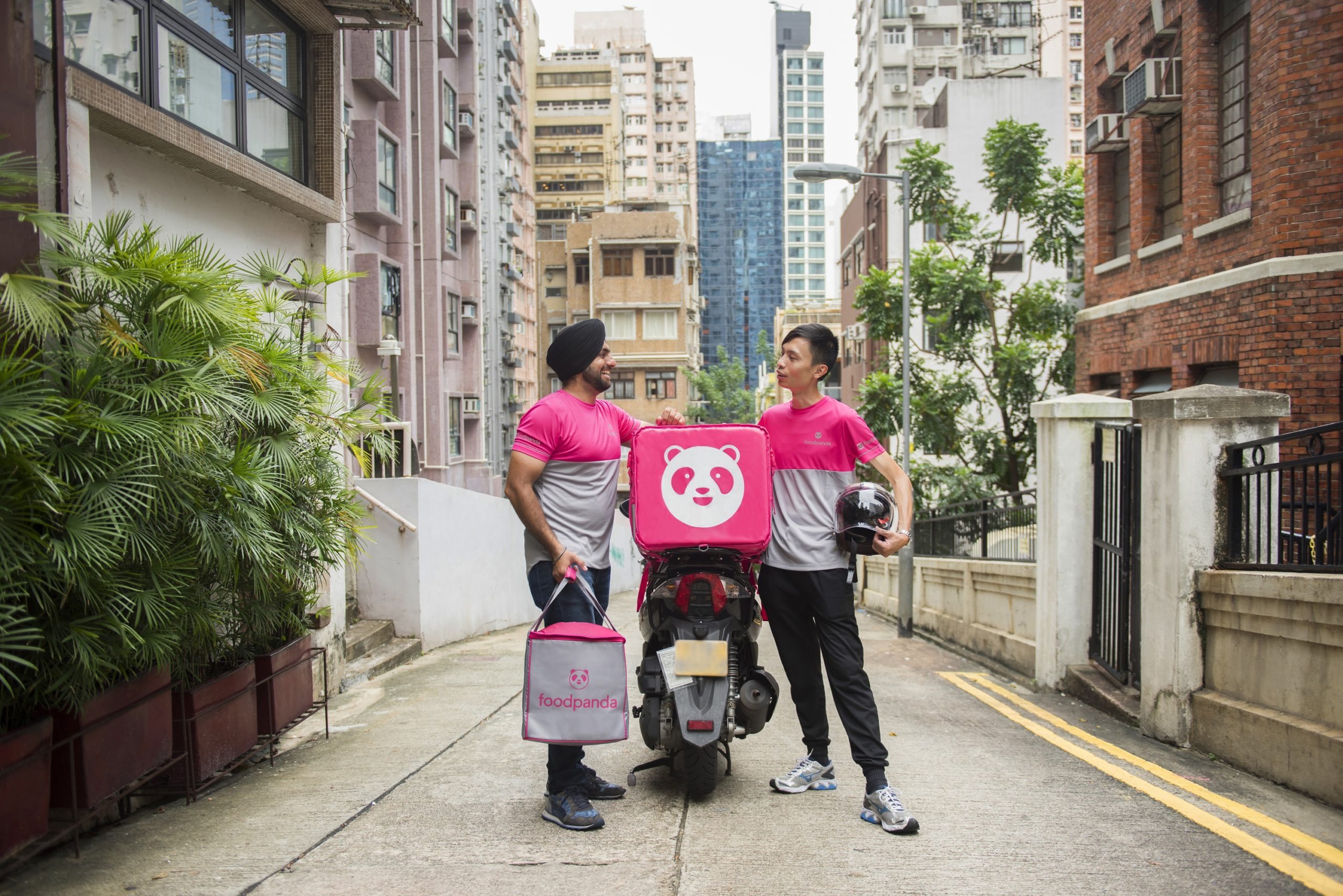
    The Singapore-founded super app, Grab, has declared its venture beyond Southeast Asia with a proposed acquisition of Foodpanda’s Taiwan operation, owned by Delivery Hero, for a cash sum of US$600 million. This acquisition is anticipated to conclude in the second half of the current year, pending regulatory approvals, and will be conducted on a cash-free, debt-free basis.

    Integrating Foodpanda

    Following the acquisition, Grab intends to incorporate Foodpanda Taiwan into its extensive delivery ecosystem. The company has plans to introduce its AI-driven logistics, mapping, and personalisation tools to improve service quality for consumers, merchants, and delivery associates. The aim is to deliver these improvements by leveraging its advanced technology and extensive experience in managing complex delivery logistics for densely populated and high-traffic cities.

    An Exciting Expansion

    The acquisition signifies Grab’s initial expansion outside Southeast Asia, making Taiwan the company’s ninth market. Anthony Tan, Group CEO and co-founder of Grab, expressed his enthusiasm for the expansion, stating that their experience in Southeast Asia makes Taiwan a logical next step. He also commented on how their expertise in dealing with complex delivery logistics in bustling cities is perfectly tailored for Taiwan’s thriving urban centres.

    Upon completion of the acquisition, Grab will be operational in 21 cities across Taiwan. It’s worth noting that Foodpanda Taiwan reported approximately US$1.8 billion in Gross Merchandise Value (GMV) last year, and was profitable on an adjusted EBITDA basis, excluding group costs from Delivery Hero.

    Continuity and Transition

    Until the deal is finalised, Delivery Hero will proceed with the regular operation of Foodpanda Taiwan. Grab has outlined plans to shift users, merchant partners, and driver partners over to the Grab app by the start of next year. The strategy aims to ensure a smooth transition while consolidating its position in the Taiwanese delivery market.

    Questions & Answers

    What is Grab’s plan following the acquisition of Foodpanda Taiwan?
    Grab intends to incorporate Foodpanda Taiwan into its delivery ecosystem and introduce its AI-powered logistics, mapping, and personalisation tools to enhance service quality for consumers, merchants, and delivery associates.

    How does Grab view its expansion into Taiwan?
    Anthony Tan, Group CEO and co-founder of Grab, considers the expansion into Taiwan as a logical next step, given their experience in Southeast Asia. He also mentioned that their expertise in managing complex delivery logistics is well-suited for Taiwan’s bustling urban centres.

    What are the plans for Foodpanda Taiwan users and partners after the acquisition?
    Grab plans to migrate users, merchant partners, and driver partners over to the Grab app by the start of next year. The aim is to ensure a smooth transition and strengthen its position in the Taiwanese delivery market.

  • AliExpress Takes Steps to Align with EU Regulations amidst Scrutiny over Sale of Unsafe and Counterfeit Products

    AliExpress Takes Steps to Align with EU Regulations amidst Scrutiny over Sale of Unsafe and Counterfeit Products

    In response to heightened scrutiny by the European Union (EU), Chinese e-commerce platform AliExpress has announced enhanced measures to ensure compliance with the bloc’s regulations. This move comes as the EU intensifies its focus on rapidly expanding online platforms like AliExpress, Temu, and Shein, all of which offer inexpensive products manufactured in China to the EU market duty-free. This is due to a waiver on low-value e-commerce packages, a privilege now under review.

    Scrutiny and Investigations

    AliExpress, which operates under the umbrella of Alibaba and sells products in over 200 countries, has been under the EU Commission’s microscope since March 2024. The company acquiesced to legally binding commitments in June the same year, promising to strengthen its regulatory oversight.

    However, a high-profile incident in November, in which AliExpress was found to be selling inappropriate dolls, led to the platform banning the China-based seller responsible for the products.

    Eric Pelletier, Alibaba’s head of international government affairs, assured European lawmakers that AliExpress is taking significant steps to ensure compliance with the bloc’s regulations. He announced plans to decrease the visibility of adult products by default, and acknowledged that further work was needed in several areas. These include preventing the relisting of illegal products, strengthening penalties, and expediting the removal of non-compliant sellers.

    Responses and Future Plans

    Christel Schaldemose, an EU lawmaker and lead rapporteur on the Digital Services Act, expressed skepticism about the effectiveness of AliExpress’s systems. Schaldemose underscored safety as her main concern, but also highlighted the issue of unfair competition faced by companies adhering to EU regulations.

    The number of low-value e-commerce packages entering the EU saw a 26% increase last year, reaching 5.8 billion. In an attempt to level the playing field with domestic retailers, the bloc plans to introduce fees on these shipments.

    Questions & Answers

    What measures is AliExpress taking to strengthen its regulatory compliance in the EU?
    AliExpress has committed to enhancing its controls, including decreasing the visibility of adult products by default, preventing the relisting of illegal items, strengthening penalties, and expediting the removal of non-compliant sellers.

    Why is the EU increasing its scrutiny of online platforms like AliExpress?
    The EU is concerned about safety issues, the sale of counterfeit items, and unfair competition towards companies that comply with the bloc’s rules.

    What is the EU’s plan regarding low-value e-commerce packages?
    The EU plans to introduce fees on these shipments to promote fair competition with domestic retailers.

  • Vietjet named “Global Best Place to Work” at the World HRD Congress & Awards 2026

    Vietjet named “Global Best Place to Work” at the World HRD Congress & Awards 2026

    Vietjet has been honoured with three prestigious international accolades, including “Global Best Place to Work in 2026,” “Diversity Impact Award,” and “Global Best Employer Brand,” at the World HRD Congress & Awards 2026. The recognition reinforces Vietjet’s people-driven values and commitment to service quality. The airline connects Singapore with Vietnam through four direct services to Hanoi, Ho Chi Minh City, Da Nang and Phu Quoc, alongside an extensive network across Vietnam and the Asia-Pacific region.

    For the first time, the World HRD Congress & Awards recognised Vietjet as a “Global Best Place to Work” and presented the airline with the “Diversity Impact Award,” highlighting its progress in talent development and in building a corporate culture aligned with international standards. Together, these accolades reflect Vietjet’s commitment to putting people at the center of its ESG strategy and sustainable growth.

    Today, Vietjet employs more than 9,000 people, including over 1,000 international employees from 68 countries/territories. This multicultural workforce reflects an open and inclusive environment that embodies the global vision of the new-age airline. Vietjet’s sustainable HR strategy is anchored in policies that promote equal opportunities, respect diversity, and strengthen inclusion across the organisation, from flight operations and engineering to services and corporate functions. Employees are empowered to grow based on merit and results, with their voices valued heard and contributions recognised in a transparent, professional setting.

    Vietjet has been previously named a “Best Place to Work” multiple times in Vietnam and across Asia, and has also received top honours from Skytrax, AirlineRatings, and World Travel Awards. Guided by the belief that people drive sustainable growth, the airline continues to position itself as a launchpad for careers, supporting its mission to connect the world through trust, opportunity, and ambition.

    Established in 1992, the World HRD Congress ranks among the world’s largest events on HR and professional development. It brings together senior leaders and experts from over 133 countries to network and celebrate organisations leading in people-focused strategies. Awards are judged by a panel of renowned international experts. This year’s HRD Congress & Awards was held in Mumbai, India.

  • Unilever Courts McCormick for Potential Mega-Deal: A $33 Billion Foods Business at Stake

    Unilever Courts McCormick for Potential Mega-Deal: A $33 Billion Foods Business at Stake

    Unilever, a multinational consumer goods corporation, has confirmed that it is in discussions with McCormick & Company regarding the potential sale of its food division. The company has made this admission in response to ongoing rumours about the possible transaction, but has also made it clear that the completion of the deal is not guaranteed.

    Value of Unilever’s Food Business

    Unilever’s food business, which comprises around a quarter of the corporation’s annual revenue, is considered to be a very appealing acquisition. Brands like Hellmann’s, Colman’s, and Knorr form its diverse portfolio. If McCormick & Company were to acquire this business, it would represent the most costly purchase in their 137-year history.

    The food business is seen as a robust entity with a strong financial profile. The company’s management is confident about the future prospects of the food division, citing the presence of several market-leading brands in burgeoning categories as significant strengths.

    Unilever’s Future Growth Priorities

    In the company’s 2025 financial results report, Fernando Fernandez, the newly appointed CEO of Unilever, outlined the corporation’s objectives. Under his leadership, Unilever plans to build a future-oriented brand portfolio that focuses on beauty, wellbeing, and personal care. Premium segments and digital commerce will be the areas of priority. The company aims to root its growth in the US and India markets.

    Bloomberg has estimated the value of Unilever’s Food Business to be around $33 billion, which is more than double the market cap of McCormick, which stands at $14.5 billion.

    Questions & Answers

    What is the estimated value of Unilever’s Food Business?
    The estimated value of Unilever’s Food Business is $33 billion, according to Bloomberg.

    What brands are part of Unilever’s Food Business?
    Unilever’s Food Business includes brands such as Hellmann’s, Colman’s, and Knorr.

    What are Unilever’s growth priorities as set out by its new CEO?
    Unilever’s new CEO, Fernando Fernandez, has identified the development of a future-oriented brand portfolio focusing on beauty, wellbeing, and personal care as a major priority. The company also plans to prioritize premium segments, digital commerce, and growth in the US and India markets.

  • Subway Accelerates Expansion in Taiwan with New Master Franchise Partnership with Yellowstone Investment

    Subway Accelerates Expansion in Taiwan with New Master Franchise Partnership with Yellowstone Investment

    Subway, an international quick-service food brand, has recently reached an agreement with Yellowstone Investment to be its primary franchise partner in Taiwan. Their strategic plan is to drive the growth of the brand across the island over the next ten years.

    Subway’s Expansion Plan

    According to their new partnership, Yellowstone Investment will supervise the growth and management of Subway’s restaurant chain in Taiwan. The company will be using its knowledge of the local market to bolster Subway’s expansion in both urban areas and the suburbs.

    The president of Subway Asia Pacific, Joseph Hsu, expressed his confidence in the partnership with Yellowstone, stating that their data-driven approach will ensure the brand’s further expansion and long-term success. Subway has already earned recognition and trust from the Taiwanese market, paving the way for future growth.

    Yellowstone’s Contributions

    Yellowstone Investment, under the leadership of President and CEO John Huang and Co-founder Chester Tang, brings to the table years of experience in real estate investment, large-scale business development, and multi-unit food operations.

    According to Huang, Taiwan’s growing demand for fresh, healthier dining options creates an excellent opportunity for Subway to build on its solid foundation. By integrating local insights and using a disciplined strategy for development, the company plans on thoughtfully expanding the Subway brand across Taiwan.

    Subway’s Strategy in Asia Pacific

    The master franchising agreement signifies Subway’s dedication to adopting a strategic and locally-informed approach to its expansion in the Asia Pacific region. This joint venture is a testament to Subway’s commitment to understanding and adapting to the unique needs of every market it enters.

    Questions & Answers

    What is the purpose of the partnership between Subway and Yellowstone Investment?
    The partnership aims to accelerate the growth of Subway’s brand across Taiwan over the next decade, with Yellowstone overseeing the management and development of Subway’s restaurant network in the region.

    What does Yellowstone Investment bring to the table?
    Yellowstone Investment, led by John Huang and Chester Tang, contributes years of experience in real estate investment, multi-unit food operations, and large-scale business development. Their local market expertise will be invaluable in expanding Subway in Taiwan.

    What is Subway’s strategy for expansion in the Asia Pacific region?
    Subway’s strategy for expansion in the Asia Pacific region is based on strategic, locally informed decisions. The company commits to understanding and adapting to the unique needs of each market, as demonstrated in their partnership with Yellowstone Investment in Taiwan.

  • South Korean Scent Sensation Tamburins Unveils Fairy-tale Flagship Store in Daikanyama, Tokyo

    South Korean Scent Sensation Tamburins Unveils Fairy-tale Flagship Store in Daikanyama, Tokyo

    Tamburins, a prominent fragrance brand based in South Korea, has recently inaugurated its latest flagship store in Daikanyama, marking its fifth establishment in Tokyo.

    A Modern-Day Wonderland

    The two-story venue is designed to resemble a whimsical fairytale, complete with a 13-meter tall sculpture of a dachshund dog. The brand invites customers to immerse themselves in a unique and sensory-rich environment that blends scent and spatial design. The store’s launch also includes the release of an exclusive egg perfume and other special gift items.

    Tamburins was established in Seoul in 2017. Initially launched as a beauty-focused offshoot of Iicombined – the parent organization of the renowned eyewear brand, Gentle Monster, the brand has flourished under the leadership of Hankook Kim. Its first flagship store was opened in the Sinsa-dong district of Seoul.

    Store Features and Product Range

    The store boasts an array of features designed to enhance the shopping experience. This includes a photo booth for customers to capture their visit, a relaxing lounge area for them to unwind, and ample display spaces. The company affirms that the flagship store carries the complete range of Tamburins products.

    Questions & Answers

    What is the concept behind the design of Tamburins’ newest store?
    The Daikanyama flagship store is designed to resemble a whimsical fairytale, with a 13-metre tall sculpture of a dachshund dog.

    What unique features does the Daikanyama flagship store offer?
    Besides its unique design, the store includes a photo booth, a lounge space, and large display areas to enhance the shopping experience.

    What is special about the launch of the new Tamburins store?
    The store’s launch includes the release of an exclusive egg perfume and other special gift items.

  • Aigner Teams Up with Melchers to Conquer China’s Luxury Market: Unveiling Flagship Store on Tmall

    Aigner Teams Up with Melchers to Conquer China’s Luxury Market: Unveiling Flagship Store on Tmall

    German luxury leather goods brand, Aigner, has entered into a collaboration with Melchers China to bolster its presence in mainland China.

    Partnership Details

    As per the arrangement, Melchers China will handle all facets of Aigner’s local retail and e-commerce ventures. The partnership will officially kick-off with the unveiling of Aigner’s flagship store on the Luxury Pavilion of Tmall, which is a part of the Alibaba Group’s luxury segment. This platform has evolved into a significant entry-point for international brands seeking to make inroads into the Chinese marketplace.

    In addition to this, the cooperation will concentrate on enhancing Aigner’s presence on notable platforms such as Xiaohongshu (also known as Little Red Book) and WeChat.

    Claus Toxvig, the CEO of Melchers China, expressed his enthusiasm about the partnership. He stated that the shared values of both organizations, such as Aigner’s heritage, artisanship, and timeless style, align seamlessly with Melchers’ brand building approach in China. Their collective goal is to lay a robust foundation for sustained success and foster meaningful relationships with the Chinese consumer base.

    About Aigner

    Established in Munich in 1965 by Etienne Aigner, the brand has scaled globally, showcasing its collections at Milan Fashion Week and establishing its presence across Europe, Asia, and the Middle East. Aigner places emphasis on durability and contemporary design.

    Questions & Answers

    What is the purpose of Aigner’s partnership with Melchers China?
    The partnership aims to boost Aigner’s local retail and e-commerce presence in mainland China.

    Where will the launch of this partnership take place?
    The partnership will be inaugurated with the launch of Aigner’s flagship store on Alibaba Group’s Tmall Luxury Pavilion.

    What values do Aigner and Melchers China share?
    Both companies value heritage, craftsmanship, timeless style, and a focused approach to brand-building in China.

  • Nanamica Breaks into China’s Fashion Scene: Japanese Brand Launches First Store in Shanghai

    Nanamica Breaks into China’s Fashion Scene: Japanese Brand Launches First Store in Shanghai

    Renowned Japanese fashion label, Nanamica, has announced the inauguration of a new retail outlet in Shanghai, China. This is set to be the brand’s second international presence.

    The shop is strategically situated on Wukang Road, a bustling area within Shanghai’s Xuhui district. The location’s existing architecture is expected to harmoniously blend with the brand’s contemporary, minimalist aesthetics.

    Nanamica is recognized for its unique blend of attire that impeccably combines fashion with functionality. The brand prides itself on its versatile offerings that effortlessly “transcend genre, age, and gender”, setting it apart in the global fashion industry.

    The company expressed its vision for the newly launched Nanamica Wukang branch. It aims to provide a unique space where customers can experience the brand’s ethos in line with the local cultural backdrop and creative ambiance.

    As part of its consumer-centric approach, Nanamica has a clear message for its customers: the brand is determined to create garments that can be worn and cherished for an extended period. The company values longevity, coupling it with style and comfort.

    Nanamica has a strong retail presence, with stores operating in various locations such as Daikanyama, Kobe, Fukuoka, Kyoto, New York, and now making its mark in Shanghai.

    Questions & Answers

    What is the vision for the new Nanamica store in Shanghai?
    The vision for the new Nanamica Wukang store is to provide a space where customers can experience the brand’s ethos in a setting that harmonizes with the local cultural backdrop and creative ambiance.

    What is unique about Nanamica’s range of clothing?
    Nanamica’s clothing range is unique in its combination of fashion and functionality, offering versatile designs that transcend genre, age, and gender.

    Where else does Nanamica have store locations?
    In addition to its new Shanghai location, Nanamica operates stores in Daikanyama, Kobe, Fukuoka, Kyoto, and New York.

  • Young Malaysians Ensnared in Debt: The Rising Peril of ‘Buy Now, Pay Later’ Services

    Young Malaysians Ensnared in Debt: The Rising Peril of ‘Buy Now, Pay Later’ Services

    More young Malaysians are finding themselves caught in the cycle of debt as the burden of financial obligations – largely from credit card loans – weighs heavy on their incomes. Among them is 29-year-old Chan Jun Hong, who spends almost MYR3,000 (US$763) each month to service his debts, accounting for over 60% of his salary.

    The Debt Trap

    Chan Jun Hong shares that a significant portion of his income is allocated to repay personal loans he took out a year or two ago. It was a decision made out of convenience, as he was offered the loans, and used them to spend recklessly. Today, he regrets this decision. He also admits to having a sizable amount of debt from the use of “Buy Now, Pay Later” services and credit cards for everyday necessities. His situation deteriorated to the point where he sought help from a debt consolidation service provider, who advised him to take a single extensive loan to pay off all his various debts simultaneously.

    His predicament is not unique. Many young Malaysians are grappling with debts, primarily due to a lack of financial literacy in the face of a surge of credit services targeted at the youth. In Malaysia, about 40% of “Buy Now, Pay Later” transactions are made by those aged 30 and below. This statistic highlights an alarming trend of younger consumers becoming overly dependent on credit for daily expenses.

    Rise of “Buy Now, Pay Later” Services

    “Buy Now, Pay Later” is a financial service that allows consumers to purchase products either interest-free or with a certain percentage of interest, with payment due the following month. A survey involving over 21,000 active “Buy Now, Pay Later” users in 2024 revealed that 69% of users solely depend on this financial tool for their financial support.

    However, this reliance on credit purchases for daily needs has consequences, which many young Malaysians are now realizing. One 29-year-old, using the pseudonym Nixie, revealed that he typically starts the month with no more than MYR1,000 in his bank account, as most of his income goes towards debt repayment. Nixie often resorts to “Buy Now, Pay Later” services due to his tendency to make impulsive purchases of non-essential items, such as collectibles, when they are on sale.

    As an electrical engineer, Nixie can only afford to make minimum monthly payments of between MYR500 and MYR900 on his credit card debt. His outstanding balance has remained at around 90% of its limit for nearly a year, accruing more interest. Nixie shares his growing unease about his financial future, fearing he may be stuck paying the debt for years due to the increasing credit card interest.

    The Hidden Risks

    Financial analysts point out that while bank loans come with clearly documented commitments, the risks of a “Buy Now, Pay Later” scheme aren’t always apparent at the start.

    The number of “Buy Now, Pay Later” users rose from 2.6 million in 2023 to 7.5 million last year. This trend could be risky as financial obligations can often accumulate quietly. Alvin Tan Chin Cherng, Financial Planning Association of Malaysia president, mentioned that such collective repayments could consume a disproportionate share of one’s monthly income, and most people don’t see it coming.

    Many young Malaysians remain ignorant of their credit scores, and missed or late “Buy Now, Pay Later” payments could affect a person’s ability to secure a housing loan or car financing in the future.

    Easy Spending and Consequences

    Financial planner Gunaseelan Kannan also expressed concern over the rise of these services, citing its easy-spending design, which for many youths feels less like borrowing and more like delaying payment.

    The simple approval process, minimal checks, and the seemingly small installments make it very attractive. However, those small installments can quickly add up and affect monthly cash flow. Many young people are still building their financial habits, so without proper budgeting or financial literacy, it can slowly turn into a debt cycle.

    A 29-year-old customer service worker known as Chan admitted that he had never heard of financial strategies. He struggles to manage his spending habits which are affecting his financial stability. He is now juggling his finances while repaying a personal loan taken to settle previous debts.

    Questions & Answers

    What are the causes of the increasing debt among young Malaysians?
    The rise in debt among young Malaysians is mainly attributed to the ease of access to credit services, particularly “Buy Now, Pay Later” schemes, and a lack of financial literacy.

    What are the consequences of the growing reliance on “Buy Now, Pay Later” services?
    The consequences include the accumulation of debts that can consume a significant proportion of one’s income, causing financial instability. Missed or late payments can also negatively impact credit scores, which could affect a person’s ability to secure future loans.

    What is the solution to this growing problem?
    Better financial education is one solution to tackle this issue. Young people need to understand the importance of budgeting, managing their spending habits, and the implications of credit scores. It’s also important to consider the regulation of credit services to ensure they don’t exploit the lack of financial literacy among young people.