Blog

  • Mideast Strife Spurs Safe Haven Flows: DBS Reports Investor Shift Amid Iran Conflict

    Mideast Strife Spurs Safe Haven Flows: DBS Reports Investor Shift Amid Iran Conflict

    As the conflict in the Middle East escalates, DBS, a Singapore-based bank, is observing a significant rise in safe haven flows, leading to an increase in deposit growth. However, this development could also lead to a downward trend in Singapore’s interest rates. Market volatility, while potentially beneficial for trading income, may adversely impact investor sentiment and activities in wealth management.

    DBS addressed the potential risks that could arise from the increased turbulence in the Middle East, asserting that it employs a robust system of frameworks and processes to monitor and manage potential risks. This system encompasses stringent customer selection, proactive risk scenario planning, early warning indicators, watchlisting, and regular stress testing.

    DBS reassured that despite the unpredictable outcome of the ongoing events in the Middle East, their robust liquidity, solid capital position, and comprehensive general allowance buffers, in combination with their proven adaptability, will allow them to effectively navigate the risks and seize potential opportunities.

    Questions & Answers

    What is the impact of the Middle East conflict on DBS?
    DBS is seeing an increase in safe haven flows leading to deposit growth. However, they also foresee potential downward pressure on Singapore’s interest rates and note that market volatility could affect wealth management activity and investor sentiment.

    What measures does DBS take to manage potential risks?
    DBS employs a comprehensive system that includes rigorous customer selection, proactive risk scenario planning supported by early warning indicators, watchlisting, and regular stress testing to monitor and manage potential risks.

    How is DBS positioned to handle the uncertain outcome of the Middle East conflict?
    DBS reassures that its robust liquidity, solid capital position, and substantial general allowance buffers, coupled with their proven agility, will place them in a strong position to navigate risks and capitalize on opportunities arising from the situation.

  • Unprepared for Tomorrow: Majority of Asia’s Wealthiest Lack Legacy Plans, HSBC Life Report Reveals

    Unprepared for Tomorrow: Majority of Asia’s Wealthiest Lack Legacy Plans, HSBC Life Report Reveals

    A report by HSBC Life reveals that a significant percentage of Asian high net worth individuals (HNWIs) do not have legacy plans in place, thereby exposing substantial wealth to potential vulnerabilities. This lack of planning is especially prevalent among those in Greater China.

    Survey Findings

    The HSBC Life report, which surveyed 900 HNWIs across nine markets in Asia and the Middle East, including Taiwan, Hong Kong, mainland China, Singapore, Indonesia, Malaysia, Thailand, India, and the UAE, found that approximately 60% of HNWIs in Asia lack legacy plans. Greater China’s HNWIs were the least prepared. Only 24% of HNWIs in Taiwan, 26% in Hong Kong, and 36% in mainland China had official legacy plans. Southeast Asia performed better, with Thailand leading the pack at 57%.

    Surprisingly, the report found that economic or financial market volatility was the primary motivator for implementing legacy plans for 45% of respondents. This outweighed traditional incentives like age or lifestyle milestones.

    Life Insurance as Legacy Solution

    The survey results indicated that life insurance was the favored legacy solution among participants, with 87% choosing it over other options such as wills (82%) or family trusts (76%).

    Edward Moncreiffe, the CEO of insurance at HSBC Group, commented on the matter, stating that the surveyed HNWIs are not only inadequately protecting their future wealth but are also missing out on potential wealth diversification and growth.

    Questions & Answers

    What percentage of high net worth individuals in Asia have a legacy plan in place?
    Less than 40% of high net worth individuals in Asia have a legacy plan according to the HSBC Life report.

    Which region had the least prepared HNWIs in terms of legacy planning?
    High net worth individuals in Greater China were the least prepared for legacy planning.

    What was the preferred legacy solution among the surveyed HNWIs?
    Life insurance emerged as the preferred legacy solution, surpassing other options like wills and family trusts.

  • PDD Holdings Misses Revenue Target Amid China’s Competitive Market and Global Uncertainty

    PDD Holdings Misses Revenue Target Amid China’s Competitive Market and Global Uncertainty

    PDD Holdings, the parent company of Temu, failed to meet its quarterly revenue and profit forecasts this Wednesday. The company highlighted the increasing domestic competition coupled with worldwide uncertainty as factors that will continue to impact operations.

    Despite Temu’s robust international growth, its business model, which centers around delivering inexpensive goods such as clothing, electronics, and homewares directly from China, is grappling with rising regulatory pressures in major markets.

    Regulatory Changes and Challenges

    PDD’s co-CEO, Chen Lei, during a post-earnings call with analysts, acknowledged the ongoing changes in the regulatory landscape. “Trade policies, taxation, data regulations, product compliance requirements, and other regulatory frameworks are undergoing significant shifts across different countries and regions, inevitably leading to more challenges and uncertainty,” stated Lei.

    Commenting on the situation, Liu Jun, PDD Holdings’ VP of Finance, stressed the need for continuous exploration and investment to meet evolving consumer needs.

    The company’s shares listed in the U.S. witnessed a rise of more than 7% after Chinese regulators and state media indicated an end to the price war. Bo Pei, an analyst at Tiger Securities, said this scenario strengthens PDD’s perception as a company undergoing a structural shift rather than merely steering through a cyclical slowdown.

    Pei added that successful execution could bolster long-term monetization and worldwide scalability. However, it would reduce short-term earnings visibility due to uncertainties and the extended timeline associated with reaping returns from these investments.

    Financial Performance and Future Prospects

    PDD’s quarterly net income decreased by approximately 11% to 24.5 billion yuan compared to the previous year. Its adjusted profit of 17.69 yuan per American Depositary Share fell short of the projected 20.76 yuan, influenced by rising operating expenses.

    The company posted a revenue of 123.9 billion yuan (US$17.96 billion) for the fourth quarter, slightly below analysts’ average estimate of 124.4 billion yuan.

    Impacts of Economic Uncertainty

    Growth on the Chinese Pinduoduo platform, which Temu is a part of, has cooled as consumers curbed discretionary spending due to broader economic instability. China’s wavering recovery and fragile household confidence have caused a decline in spending, even on discount-focused platforms.

    Temu’s business model, based on duty waivers on low-value parcels in numerous jurisdictions, has provoked criticism from retailers in countries like Germany and Argentina. They argue that companies like Temu, Shein, and Alibaba’s AliExpress maintain an unfair price benefit.

    Raids and Investigations

    Temu has been subjected to raids and investigations in several countries, encompassing Ireland, Turkey, and Nigeria, in recent months. Despite this, the company has consistently maintained its adherence to the laws and regulations in the markets it operates.

    Significant regulatory changes were introduced last year when the U.S. abolished the duty-free exemption on parcels valued under $800. Similarly, the EU has agreed to end its duty-free allowance on parcels under 150 euros ($176) from July this year.

    Questions & Answers

    What challenges are impacting PDD Holdings’ performance?
    Increasing domestic competition, global uncertainty, and changing regulatory environments pose significant challenges for PDD Holdings.

    What strategic steps is PDD Holdings taking to meet evolving consumer needs?
    PDD Holdings is focusing on continuous exploration and investment to cater to changing consumer demands, aiming to bolster its future monetization and worldwide scalability.

    What changes in international trade policies are affecting PDD Holdings’ business model?
    The abolishment of the duty-free exemption on low-value parcels by the U.S. and the EU’s upcoming termination of its duty-free allowance significantly impact PDD Holdings’ business model, which relies heavily on such waivers.

  • Danone Dives into Functional Nutrition with $1.6Bn Huel Acquisition: A Power Move in Global Health Market

    Danone Dives into Functional Nutrition with $1.6Bn Huel Acquisition: A Power Move in Global Health Market

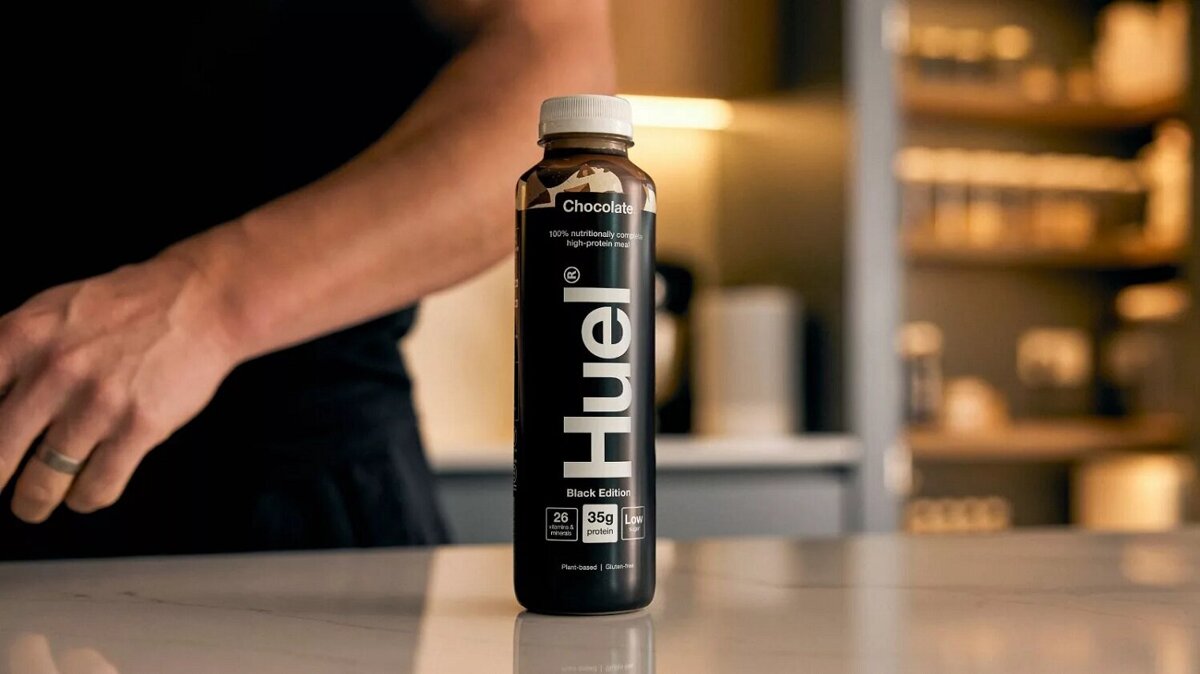
    Danone, the global leader in food and beverages, recently made public its purchase of UK-based nutrition drink company, Huel, for a staggering $1.65 billion.

    Huel: Convenience in Every Sip

    Huel, established in the year 2015, has staked its reputation on supplying “nutritionally complete” ingredients in its products. As a convenience beverage, Huel has earned the loyalty of consumers over the years. Moreover, the company has expanded its product range to include meals, bars and health supplements.

    New Horizons for Danone

    By acquiring Huel, Danone aims to explore the functional nutrition space further. Danone CEO, Antoine de Saint-Affrique, expressed his excitement over the acquisition and the potential it holds. He said, “We are delighted to welcome Huel and the Huel team into the Danone family. We look forward to learning from one another and unlocking new opportunities and growth for both businesses.” The deal is still subject to closing conditions, including regulatory approvals.

    Huel’s Excitement Over the Acquisition

    On the other hand, Huel’s CEO, James McMaster, showed eagerness at the prospect of joining Danone. McMaster stated, “We are so excited to be joining Danone, and today marks the next step for Huel. We’ve spent 10 years building a brand with a positive impact on people’s health. With Danone, we will now have the infrastructure, distribution, and R&D capability to go further, into new markets and to more people, as demand for convenient, complete nutrition continues to grow.”

    The CEO expressed pride in what the team has achieved so far and looks forward to the exciting journey ahead with Danone.

    Questions & Answers

    What is Huel and when was it founded?
    Huel is a UK-based company, founded in 2015, that specializes in the production of a “nutritionally complete” convenience beverage. Over the years, it has expanded its range to include meals, bars, and supplements.

    What is the significance of the deal between Danone and Huel?
    This acquisition allows Danone to make further inroads into the functional nutrition space. It also provides Huel with the necessary resources to expand its reach, go into new markets and cater to the growing demand for convenient, complete nutrition.

    What are the next steps for Huel and Danone?
    The transaction is still subject to closing conditions, including regulatory approvals. Once these are met, both companies look forward to learning from each other and unlocking new growth and opportunities.

  • Experience Ultimate Luxury: 2026 Mercedes-Maybach S-Class Unveiled with Enhanced V8 Power and Stellar Tech Upgrades

    Experience Ultimate Luxury: 2026 Mercedes-Maybach S-Class Unveiled with Enhanced V8 Power and Stellar Tech Upgrades

    Several months after the reveal of the updated S-Class, Mercedes-Benz has now launched the 2026 Maybach S-Class. The flagship luxury limousine comes with a series of subtle design revisions, enhanced features, and technology upgrades. It will also boast a more robust V8 engine, while the V12 engine remains available in the S 680 variant and will be accessible only in certain markets.

    Exterior Design and Features

    The 2026 Maybach S-Class underwent modest style modifications. The front grille has been enlarged by 20% and is now surrounded by an illuminated frame. Other radiant elements include the Maybach inscription, the C-pillar emblem, and the bonnet-mounted Mercedes-Benz star in certain markets.

    The headlights now showcase a tri-star LED light signature complemented by rose-gold accents, while the tail-lights reflect this three-pointed star pattern. New forged alloy wheel designs have been introduced by Mercedes-Maybach, including ones with self-leveling center caps that keep the Mercedes-Benz logo upright while on the move.

    The expanded Manufaktur program has introduced new paint options, including the Nautical Blue metallic for the Night Series package.

    Interior Enhancements

    In keeping with Maybach tradition, the focus continues to be on rear-seat comfort, with improvements in material quality and layout. The updated model also introduces the new Mercedes-Benz Operating System (MB.OS) in a Maybach, coupled with the latest iteration of the MBUX infotainment system.

    The MBUX Superscreen merges the central and passenger displays under a single glass panel and showcases Maybach-specific graphics with rose-gold accents. Rear passengers are treated to twin 13.1-inch displays, executive seating, a refrigerated compartment, and signature elements such as silver-plated champagne flutes.

    Mercedes-Benz has also unveiled new interior themes, featuring open-pore wood trims and a leather upholstery option crafted from sustainable materials. The ambient lighting has been upgraded with various themes and deeper integration with in-car functions.

    Technology and Performance Upgrades

    The enhanced S-Class introduces MB.OS, which reportedly offers a more sophisticated digital experience with AI-based features. The new virtual assistant supports more natural voice interactions and can access multiple integrated services. Parking systems have also seen improvements, supporting angled parking and enhanced 360-degree visualization.

    The 2026 Maybach S-Class lineup features upgraded six- and eight-cylinder engines with hybrid assistance. The Maybach S 580 is powered by a modified 4.0-litre V8 engine generating 530 bhp, coupled with a mild-hybrid system that offers an additional boost. The peak torque exceeds 750 Nm, with an added electric boost, and power is distributed to all four wheels through the standard 4MATIC system.

    The plug-in hybrid S 580 e pairs a six-cylinder petrol engine with an electric motor, offering an electric-only range of up to 100 km.

    The top-tier S 680 model, available in select markets, maintains the 6.0-litre twin-turbo V12 engine, producing over 600 bhp, making it one of the few luxury sedans globally to house a V12 engine.

    The S 580 performance stats reveal a 0-100 kmph acceleration in 4.5 seconds, with a top speed electronically restricted to 250 kmph.

    The Maybach Night Series S-Class

    The Maybach Night Series S-Class is essentially a package that adds a darker theme to the S-Class. This package offers a variety of subdued exterior finishes, including shades of grey, black, and white, along with a two-tone obsidian black and Mojave silver option. For the first time, buyers can select a new Nautic Blue metallic paint.

    Consistent with this theme, typical chrome elements are replaced with dark chrome details. The car rides on a set of black alloy wheels optimized for aerodynamics and adorned with Maybach logos. The Night Series extends its unique identity to the interior, offering a choice between black Maybach Exclusive Nappa leather and a Manufaktur deep white-and-black pearl interior.

    The new Maybach S-Class will be available to order in select European markets from March 25, 2026. The updated Maybach S-Class is expected to arrive in India following the standard S-Class, with a launch anticipated sometime in 2027.
    It is expected that, like the current model, the Maybach S 580 will be locally assembled. Prices are predicted to exceed Rs 3 crore, given the technology and feature upgrades. For comparison, the current Maybach S-Class starts from Rs 2.80 crore (ex-showroom).

    Questions & Answers

    What new features does the 2026 Maybach S-Class have?
    The 2026 Maybach S-Class comes with subtle styling modifications, improved materials and layout in the cabin, a more powerful V8 engine, and a host of technology upgrades, including the new Mercedes-Benz Operating System (MB.OS) in a Maybach for the first time.

    What is the performance of the 2026 Maybach S 580?
    The 2026 Maybach S 580 is powered by a modified 4.0-litre V8 engine delivering 530 bhp. It has a peak torque of over 750 Nm and can accelerate from 0-100 kmph in 4.5 seconds, with a top speed electronically limited to 250 kmph.

    When will the 2026 Maybach S-Class be available?
    The new Maybach S-Class will be available to order in select European markets from March 25, 2026. It is expected to arrive in India following the standard S-Class, with a launch anticipated sometime in 2027.
  • Avocadoria Spreads its Avocado Delights to Bangkok: Dessert Chain’s Third Global Leap

    Avocadoria Spreads its Avocado Delights to Bangkok: Dessert Chain’s Third Global Leap

    Avocadoria, a dessert chain based in the Philippines, is breaking into the Thai market, further broadening its international reach. This will be the third overseas venture for the brand, following its successful introductions in Singapore and the United Arab Emirates.

    Avocadoria has joined forces with local franchise group J&G Green Delights to launch its debut store in Bangkok. The new location is situated within Rama 9 Mall and offers a variety of avocado-centric desserts. Among the offerings are parfaits, popsicles, ice cream, shakes, and cheesecakes, all with a unique avocado twist.

    Success Story of Avocadoria

    Avocadoria was established in 2019 by Czarina Jagto-Sevilla. In a relatively short span of time, the brand has seen impressive growth, boasting 263 branches globally. Its signature item is the “Lover” series. This is a soft-serve ice cream concoction, featuring layers of cream, biscuits, tapioca pearls, nuts, seeds, and of course, fresh avocado.

    The Bangkok branch will also showcase other flavours like Pistachio Knafeh, Avocado Biscoff, and Naked Avocado Light Ice Cream. Additionally, customers can choose from six different types of avocado shake, each with the option of adding personalized toppings.

    Aligning with Local Food Culture

    Jagto-Sevilla expressed that the expansion into Thailand aligns well with Avocadoria’s brand positioning, given the country’s rich food culture. She emphasized that this move represents more than just growth for the company. It is an opportunity to share their story and their culture, all while bringing moments of joy to consumers through their unique desserts.

    Questions & Answers

    What is Avocadoria?
    Avocadoria is a dessert chain based in the Philippines that specializes in avocado-based desserts such as parfaits, popsicles, ice cream, shakes, and cheesecakes.

    Where has Avocadoria expanded to?
    Avocadoria has recently expanded into Thailand, which marks its third international market after Singapore and the United Arab Emirates.

    What is the signature dessert of Avocadoria?
    The brand’s signature dessert is the “Lover” series, a soft-serve ice cream layered with cream, biscuits, tapioca pearls, nuts, seeds, and fresh avocado.

  • Miniso Unveils First-of-its-Kind ‘Miniso Friends’ Store in Malaysia: A New Era of IP-led Retail Experience

    Miniso Unveils First-of-its-Kind ‘Miniso Friends’ Store in Malaysia: A New Era of IP-led Retail Experience

    Miniso, a leading retailer, has unveiled its inaugural ‘Miniso Friends’ concept store in Malaysia. This move aligns with the company’s initiative to expand its intellectual property-centered retail and experiential schemes throughout Southeast Asia.

    Store Location and Details

    The brand-new store is situated at LaLaport BBCC, with a sprawling area of about 14,000 square feet, making it one of Miniso’s most spacious outlets in the market. The concept primarily revolves around intellectual property (IP). Approximately 62% of the store’s 6500 products are affiliated with licensed and proprietary characters.

    The Product Strategy

    The product range is key to Miniso’s strategy, aiming to attract a larger audience and stimulate sales through character narratives and brand collaborations. The store showcases renowned franchises such as Stitch, along with Miniso’s own IP, YoYo.

    Enhancing Customer Experience

    The store’s design is conceived to amplify customer engagement. To augment the shopping experience, the store incorporates grand installations and interactive photo zones. This concept is particularly aimed at younger shoppers, especially Generation Z, who have a fondness for immersive and shareable retail spaces.

    Expansion Plans

    The rollout of this store comes close on the heels of Miniso’s debut of its first ‘Miniso Land’ concept in Malaysia earlier in the month.

    Questions & Answers

    What is unique about Miniso’s new concept store in Malaysia?
    The ‘Miniso Friends’ concept store is unique as it is focused on intellectual property with around 62% of its products linked to licensed and proprietary characters.

    How does Miniso plan to enhance customer engagement at the new store?
    Miniso aims to boost customer engagement by introducing large installations and interactive photo zones at the new store, thereby improving the overall shopping experience.

    Who is the target demographic for the Miniso Friends concept store?
    The Miniso Friends concept store specifically targets younger shoppers, particularly from Generation Z, who are known to appreciate immersive and shareable retail spaces.

  • Google Messages Ends QR Code Pairing: What it Means for Your Web Setup

    Google Messages Ends QR Code Pairing: What it Means for Your Web Setup

    Google Messages is set to eliminate its QR code pairing feature for the web, opting instead for Google Account log-in as the sole method of access. The change will enhance the stability and functionality of the Google Messages for Web feature.

    Google Messages: An Evolution

    Google Messages for Web is a popular and convenient feature, allowing users to send and receive texts from their computers, thus eliminating the need to constantly check their phones. Up till now, the feature offered two ways to connect to a computer: scanning a QR code with a phone or logging in through a Google Account.

    The QR code method, which has been part of the feature since its launch, is quite straightforward. Users open the app and scan the QR code displayed on their computer screens. This method requires neither passwords nor accounts, simplifying the connection process.

    A Shift in The Connection Process

    However, Google has decided that the QR code pairing method is insufficient and will cease to be an option. Instead, Google Account log-in will become the only way to access the Messages feature on the web.

    While this change may seem like a minor adjustment, its impact is significant. When a Messages session is linked to a Google Account rather than just a phone, the connection becomes more stable. Currently, if a phone loses signal or restarts, the web session can be disrupted. However, account-based sessions are more resilient to these problems.

    Fostering Device-to-Device Continuity

    This modification aligns with Google’s recent focus on strengthening its apps around the Google Account. The tech giant is striving to achieve the seamless, device-to-device continuity Apple has enjoyed with iMessage for years. This shift in Google Messages for Web brings the feature closer to this goal, transforming it from a remote display for a phone into an independent application.

    Questions & Answers

    What is the main change announced for Google Messages for Web?
    Google has decided to remove the option to access Google Messages for Web via QR code, shifting to Google Account log-in as the sole method of access.

    How does this change affect the stability of the Messages feature?
    When a Messages session is linked to a Google Account rather than a phone, the connection becomes more stable and resilient to disruptions like signal loss or phone restarts.

    What is the broader strategy behind this change?
    This change aligns with Google’s efforts to foster seamless, device-to-device continuity across its applications, similar to what Apple offers with iMessage.

  • Singapore’s Kelly Jie Seafood Honors Head Chef’s 20-year Service with Coveted Rolex Surprise

    Singapore’s Kelly Jie Seafood Honors Head Chef’s 20-year Service with Coveted Rolex Surprise

    Kelly Jie Seafood, a renowned dining establishment in Singapore, recently celebrated the long-standing commitment and expertise of their head chef by presenting him with a Rolex wristwatch. The timepiece was a token of gratitude for his relentless dedication and tireless service of 20 years.

    A video was shared on the restaurant’s social media platforms, capturing the unforgettable moment the head chef was gifted the luxury watch. He had always expressed a desire to own a Rolex, but had never personally purchased one. In response to his unfulfilled wish, the restaurant decided to surprise him and presented him with the coveted watch.

    The chef was taken aback when he discovered a Rolex box inside a paper bag, a reaction that echoed his surprise and delight. Overwhelmed by the unexpected present, he humorously enquired, “Is this really for me? Are you playing a practical joke on me?”

    When urged to try on his new watch, he jovially declined, stating his wrists were greasy from his culinary work. He was then provided with a sanitizer to clean his hands. On eventually draping the watch on his wrist, his face shone with a radiant and heartwarming smile.

    Through the post, Kelly Jie Seafood emphasized the invaluable contribution of the head chef in shaping the restaurant’s journey since its inception in 2006. He had provided steadfast guidance during the restaurant’s most daunting periods.

    The caption of the post read, “20 years of not just work, but also of unwavering loyalty, trust, and heartfelt dedication. We are grateful for your youthful energy, your strength, and your devotion to this place. Our success today is a testament to your efforts.”

    The touching post has garnered widespread attention, attracting thousands of views and comments. Several observers noted that the gift was a Rolex GMT-Master, with an estimated worth ranging from S$16,000 to S$30,000 (US$12,500 to US$23,450).

    Formerly operating under the name TPY Mellben Seafood, the establishment was founded by Kelly Soon, a celebrated television personality from the 1980s, fondly referred to as the ‘Anita Mui of Singapore’. The restaurant is famed for its zi char-style crab dishes and is currently under the proprietorship of the founder’s daughters, Rachel and Zara Lim.

    Questions & Answers

    What prompted Kelly Jie Seafood to gift their head chef a Rolex watch?
    The restaurant wanted to acknowledge the chef’s hard work, dedication, and 20 years of service, and knew he had always wanted a Rolex watch but never purchased one for himself.

    How did the chef react to receiving the Rolex?
    The chef was visibly surprised and joyful. Initially, he humorously asked if it was a prank, but when he put the watch on, his face lit up with happiness.

    How has the head chef contributed to Kelly Jie Seafood’s success?
    The head chef has been with the restaurant since its opening in 2006 and has guided it through some of its most challenging periods. His loyalty, trust, and dedication have been instrumental in its success.

  • U.S. Dollar Stumbles Against Vietnamese Dong Amidst Global Currency Fluctuations

    U.S. Dollar Stumbles Against Vietnamese Dong Amidst Global Currency Fluctuations

    On Wednesday morning, the U.S. dollar depreciated against the Vietnamese dong while primarily remaining stable against other significant counterparts. Vietcombank marked the greenback at VND26,359, a marginal 0.02% dip from the previous day. Simultaneously, the currency experienced a more noticeable 0.56% decline to approximately VND27,204 in the underground economy.

    Comparison with International Currencies

    The U.S. dollar index, assessing the greenback’s performance versus a selection of six currencies, saw a minor 0.1% drop, standing at 99.126. Meanwhile, the euro saw a slight increment, rising 0.1% to $1.1619, with most other currency pairs enduring no change. The British pound also experienced a 0.1% rise to $1.3428, whereas the New Zealand dollar remained steady at $0.5834.

    In the case of the yen, the U.S. dollar stayed constant at 158.645 yen. However, the Australian dollar initially dropped by as much as 0.2% to $0.6983 before recovering to its original level.

    Financial Analyst’s Insight

    Chris Weston, the Chief Research Officer at Pepperstone Group Ltd in Melbourne, shared his insights on the matter. He noted, “With ongoing discussions between the U.S. and its allies and Iran, including hints of high-level negotiations and temporary truce suggestions, there’s an undeniable sense of exhaustion setting in among those closely following each new development.”

    Questions & Answers

    What has been the trend in the U.S. dollar’s performance against the Vietnamese dong?
    On Wednesday morning, the U.S. dollar saw a depreciation against the Vietnamese dong. Vietcombank pegged the greenback at VND26,359, marking a 0.02% dip from Tuesday’s rate.

    How did the U.S. dollar fare against other prominent international currencies?
    The U.S. dollar primarily remained steady against other significant counterparts, with a minor drop against the euro and a rise against the British pound. It held stable against the New Zealand dollar and the yen, while it experienced an initial drop against the Australian dollar before reverting to its original level.

    What is the sentiment among financial analysts regarding the U.S. dollar’s performance?
    Financial analysts, such as Chris Weston, the Chief Research Officer at Pepperstone Group Ltd in Melbourne, suggest that those tracking every new headline and development are beginning to feel a sense of exhaustion due to the ongoing global discussions, especially those involving the U.S., its allies, and Iran.

  • Gold Prices Soar in Vietnam Amid Global Bullion Boom and Middle East De-Escalation Hopes

    Gold Prices Soar in Vietnam Amid Global Bullion Boom and Middle East De-Escalation Hopes

    Gold prices in Vietnam saw a significant increase on Wednesday morning, corresponding with a rise in global bullion rates. The price of a gold bar from the Saigon Jewelry Company witnessed a 2.82% increase, reaching VND175 million (US$6,642.88) per tael. Other vendors adjusted their prices similarly in line with this increase.

    Vietnam’s Gold Market

    In Vietnam, local gold prices are approximately VND29 million per tael higher than global rates, highlighting the uniqueness of the Vietnamese market. The price of gold rings has also risen by approximately the same rate, reaching VND174.8 million per tael. It should be noted that a tael is equivalent to 37.5 grams or 1.2 ounces.

    Global Gold Market

    On Wednesday, the global gold market also saw an increase of over 2%. This increase was driven by a softer dollar value and a decrease in oil prices, which alleviated concerns surrounding high inflation and increased global interest rates. Spot gold experienced a 2.5% increase to $4,587.09 per ounce, while U.S. gold futures for April delivery saw a 4.2% gain to $4,586.10.

    The easing of the dollar has made gold priced in greenbacks cheaper for those holding other currencies. Christopher Wong, a strategist at OCBC, stated that the easing of the dollar strength has allowed for the reassertion of safe-haven demand. He further emphasized that gold has not lost its appeal as a secure investment, contrary to what some may believe.

    The Future of Gold

    Wong also suggested that the value of gold will likely remain sensitive to the Federal Reserve’s policy path expectations, the value of the USD, and geopolitical developments in the near term. However, he also postulates that the recent rebound suggests that any declines in the value of gold may continue to find support unless real yields shift significantly higher.

    Questions & Answers

    What caused the rise in gold prices in Vietnam?
    The rise in gold prices in Vietnam is primarily due to the surge in global bullion rates.

    How does the value of the USD affect gold prices?
    The value of the USD has a significant impact on gold prices. When the USD weakens, gold prices often increase as gold becomes more affordable for those holding other currencies.

    Is gold still considered a safe investment?
    Yes, according to Christopher Wong, a strategist at OCBC, gold has not lost its safe-haven appeal and remains a secure investment option.

  • Revolutionizing IT Stability: How 24/7 Monitoring Shields Japanese Firms from Downtime Risks

    Revolutionizing IT Stability: How 24/7 Monitoring Shields Japanese Firms from Downtime Risks

    The necessity for constant system monitoring is gaining traction among Japanese businesses, as it plays a crucial role in ensuring IT operations run smoothly and minimizes the chances of service disruptions. As dependence on digital infrastructures grows, it’s essential to maintain consistent system performance. This rings true for a variety of sectors, from e-commerce platforms to manufacturing systems and financial services, all of which demand nearly uninterrupted availability.

    24/7 Monitoring: The New Norm

    To cater to this demand, organizations are opting for round-the-clock monitoring strategies aimed at fostering stable, secure, and responsive systems. Continuous monitoring enables the early detection of potential problems, which can help to decrease service interruptions and uphold performance standards.

    Enterprise systems these days are often spread across intricate environments that mesh cloud infrastructure, databases, applications, and integrated services. In such landscapes, even minor unresolved issues can escalate into significant operational problems if not attended to promptly.

    A 24/7 monitoring setup offers real-time insights into system health and performance, fostering speedy detection and response to arising issues. Advantages of this approach commonly include early problem detection, less downtime, and enhanced system performance. These factors can facilitate smoother operations as businesses expand their digital services.

    The Digital Transformation Wave

    As the digital transformation journey advances, Japanese businesses are growing more reliant on robust IT systems. Reports predict that Japan’s expenditure on digital transformation will surpass US$73 billion by 2027, mirroring the increasing demand for stable and efficiently managed infrastructure.

    The rise in real-time platforms and hybrid cloud environments usage has led to monitoring solutions becoming a core part of IT operations.

    The Impact of System Downtime

    System downtime can have operational and financial repercussions. In sectors like finance, e-commerce, and manufacturing, even minor disruptions can influence transactions, delay processes, and affect user experience.

    Industry estimates point out that downtime cost for large corporations can be substantial, depending on the scale of the system and business model. Beyond direct financial damage, downtime can interrupt revenue streams, impede productivity, damage reputation, disappoint customers, and necessitate additional recovery efforts.

    For corporations managing environments that mix legacy systems with modern cloud platforms, minimizing disruption risks is an ongoing concern.

    Continuous Monitoring: A Risk Management Strategy

    Continuous monitoring is a strategy embraced to manage these risks. Monitoring systems typically offer real-time data and trigger alerts when irregular activity is detected, allowing technical teams to respond promptly.

    Typical practices include performance tracking, automated alerts, predictive analysis, and incident response mechanisms. Collectively, these functions reinforce system reliability and help manage operational risks.

    An all-encompassing monitoring strategy may encompass infrastructure, applications, security, and incident management. These elements are often merged to support overall system availability.

    Certain businesses collaborate with external service providers to oversee monitoring and related operations.

    Questions & Answers

    What is the role of continuous monitoring in modern businesses?
    Continuous monitoring plays a crucial role in modern businesses, enabling early detection of potential issues which can reduce service interruptions and maintain performance standards.

    What is the predicted expenditure of Japan on digital transformation by 2027?
    Japan’s expenditure on digital transformation is projected to exceed US$73 billion by 2027.

    What are the implications of system downtime?
    System downtime can have significant operational and financial implications, including interrupted transactions, delayed processes, poor user experience, revenue losses, reduced productivity, reputational damage, and additional recovery efforts.

  • Grab Acquires Foodpanda Taiwan in $600M Deal: A Bold Leap in Global Expansion Strategy

    Grab Acquires Foodpanda Taiwan in $600M Deal: A Bold Leap in Global Expansion Strategy

    In an ambitious move towards global expansion, Grab, Southeast Asia’s leading ride-hailing and delivery company, has announced its first venture beyond its home territory. The Singapore-based firm will acquire the Taiwan branch of Delivery Hero’s Foodpanda service in a cash transaction amounting to $600 million.

    Acquiring a Strong Foothold in Taiwan

    By acquiring Foodpanda Taiwan, Grab gains a significant operational presence outside of Southeast Asia. This acquisition is seen as a strategic part of Grab’s broader expansion plan, which is primarily focused on artificial intelligence, introducing new services, and making selective overseas deals.

    Grab’s group CEO and co-founder, Anthony Tan, believes that the company’s vast experience in the Southeast Asian market will be a perfect match for the Taiwanese market. “This is a natural next step for Grab,” he said.

    Deal Details and Future Prospects

    The expected completion of the deal, which is subject to regulatory approval and other closing conditions, is slated for the latter half of 2026. The venture is anticipated to contribute at least $60 million in incremental adjusted core earnings (EBITDA) by 2028.

    In Taiwan, Foodpanda generated around $1.8 billion in gross merchandise value in 2025 and was profitable before Delivery Hero group cost allocations.

    Earlier this year, it was reported that Grab has set targets for its revenue growth, aiming for more than 20% annually over the next three years. The company also plans to triple its EBITDA to $1.5 billion by 2028.

    Grab also reaffirmed its 2026 adjusted EBITDA guidance of $700 million to $720 million. The acquisition is projected to enhance its 2026 group revenue forecast, which currently stands between $4.04 billion and $4.10 billion.

    The company plans to complete the migration of users, merchants, and drivers to the Grab application by early 2027.

    Delivery Hero’s Strategic Move

    The CEO of Delivery Hero, Niklas Oestberg, stated that the sale of the Taiwan branch is a crucial first step in reviewing the group’s activities strategically. The proceeds from the deal will be used to pay off the company’s debts.

    Despite facing criticism from shareholders, most notably Aspex Management, for the company’s perceived slow progress in strategic review and a near one-third decrease in share value, Delivery Hero’s shares rose nearly 11% following the announcement of the deal.

    Aspex Management released a statement saying that while divesting assets is a positive step, more needs to be done for Delivery Hero to regain trust from capital markets, particularly as it continues to accumulate regulatory fines and inefficiently manage capital.

    Questions & Answers

    What will be the value of the acquisition deal between Grab and Foodpanda Taiwan?
    Grab will pay $600 million in cash to acquire Foodpanda Taiwan.

    When is Grab expected to complete the migration of users, merchants, and drivers to its app?
    The migration process is expected to be completed by early 2027.

    What will be the use of the proceeds from the sale of Foodpanda Taiwan?
    Delivery Hero plans to use the proceeds from the sale to repay its debts.

  • Maersk Enhances E-Commerce Capabilities with State-of-the-Art, Fully Automated Distribution Centre in Singapore

    Maersk Enhances E-Commerce Capabilities with State-of-the-Art, Fully Automated Distribution Centre in Singapore

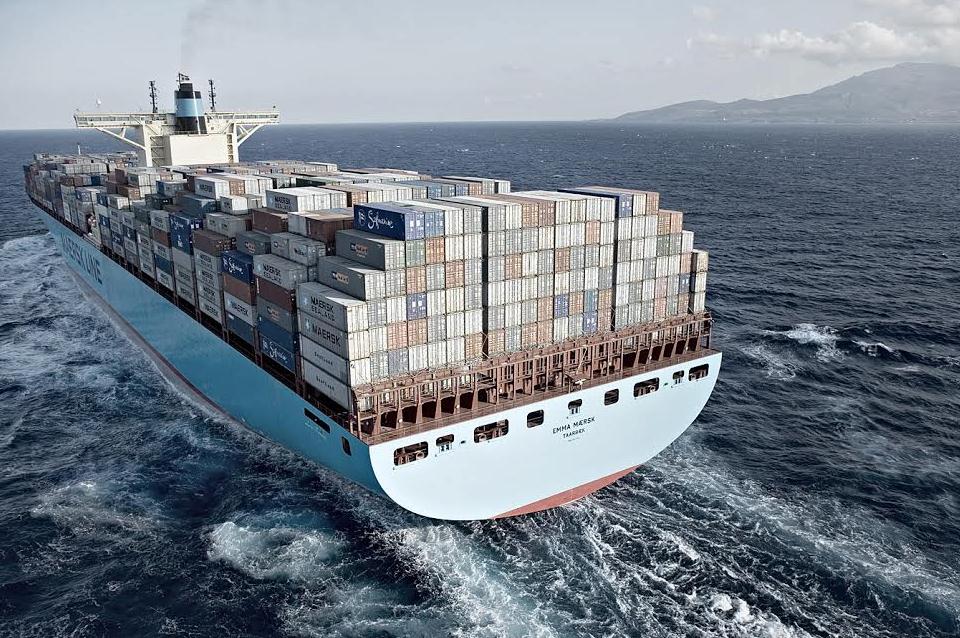
    A.P. Moller – Maersk (Maersk) has officially unveiled its World Gateway II: a state-of-the-art, fully automated global and regional distribution centre in Singapore. Stretching over 1.1 million square feet, the facility marks a significant expansion in Maersk’s contract logistics and e-commerce capabilities in the Asia Pacific region.

    Singapore: A Prime Location

    The Singapore Government backed the establishment of World Gateway II, which is poised to cater to the rapidly growing needs of companies that utilize Singapore as a regional or global distribution hub. Singapore’s strategic location and reputation as a top logistics centre make it an ideal choice for business-to-business (B2B) and business-to-consumer (B2C) e-commerce fulfilment across Asia Pacific.

    The new centre will handle a diverse range of products from various sectors, including lifestyle, fast-moving consumer goods (FMCG), retail, wellness, and technology. Its proximity to major transport infrastructure, such as the Tuas Port and Changi Airport, facilitates efficient overseas cargo distribution. Additionally, it lies a short distance from Maersk’s existing 1.0 million square feet World Gateway regional distribution centre.

    Efficiency and Scale through Advanced Automation

    The facility boasts leading-edge automation technologies such as a Multi-Shuttle System, Automated Storage and Retrieval System (ASRS), Autonomous Case-handling Robots (ACR), and Autonomous Mobile Robots (AMRs). These systems increase efficiency by reducing manual handling, thereby enhancing order fulfilment speed, shortening lead times, and improving accuracy.

    Investment and Job Creation

    Maersk has invested over S$200 million in the development of World Gateway II, which currently stands at approximately 70% occupancy. When fully operational, the facility is expected to create around 500 jobs that leverage advanced digital and automation capabilities.

    World Gateway II: Key Features

    The facility is designed with an 11-metre clear height per floor to support dense storage and advanced automation. It also features ample loading bays and rooftop container parking to cater to peak season demand.

    Its strategic location is only 16.8 kilometres from Tuas Mega Port and 42.6 kilometres from Changi Airport. Furthermore, the facility offers customs bonded, zero-GST warehouse storage, real-time shipment tracking, and full visibility of goods flow through an end-to-end transport management system.

    Additional offerings include various value-added services such as labelling, coding, bundling, kitting, and repacking. Moreover, the facility has an integrated Warehouse Management System (WMS) that enhances accuracy, visibility, and agility by integrating with customer systems.

    Finally, World Gateway II adheres to top-tier security standards and is LEED Platinum & Green Mark Platinum certified. The facility optimizes energy and water use with features such as solar panels, smart LED lighting, and energy-efficient insulation.

    Questions & Answers

    What is the significance of Maersk’s World Gateway II distribution centre?
    World Gateway II marks a significant expansion of Maersk’s contract logistics and e-commerce capabilities in the Asia Pacific region. Its strategic location in Singapore, a key logistics hub, makes it ideal for B2B and B2C e-commerce fulfilment across the region.

    What advanced technologies does the World Gateway II distribution centre employ?
    The facility uses a range of cutting-edge automation technologies such as a Multi-Shuttle System, Automated Storage and Retrieval System (ASRS), Autonomous Case-handling Robots (ACR), and Autonomous Mobile Robots (AMRs). These technologies enhance efficiency by reducing manual handling and improving order fulfilment speed and accuracy.

    What impact does the World Gateway II have on job creation in Singapore?
    Once fully operational, the World Gateway II distribution centre is expected to create approximately 500 jobs that leverage advanced digital and automation capabilities.

  • DHL Express and Malaysia Aviation Group Join Forces for Eco-Friendly Sky: Aiming to Cut Emissions with Sustainable Aviation Fuel

    DHL Express and Malaysia Aviation Group Join Forces for Eco-Friendly Sky: Aiming to Cut Emissions with Sustainable Aviation Fuel

    DHL Express has entered into a contract with Malaysia Aviation Group (MAG), the parent firm of Malaysia Airlines, to employ DHL’s GoGreen Plus service. The arrangement will allow MAG to decrease the greenhouse gas emissions connected to its punctual international shipments by investing in environmentally friendly aviation fuel (SAF) utilized within DHL’s airspace. The partnership is expected to reduce approximately 300 tons of lifecycle carbon dioxide equivalent (CO₂e) emissions by 2026, compared to the previous year.

    Supporting Emissions Reduction

    “SAF is presently one of the most advanced lower-carbon solutions for decreasing lifecycle emissions from long-distance air transport,” observed Julian Neo, Managing Director of DHL Express Malaysia and Brunei. “It is rewarding to see an esteemed national carrier like MAG bolster its stance in the lower-carbon aviation fuel landscape and inspire broader sector adoption. This partnership reaffirms our commitment to assisting the sustainability objectives of businesses through carbon-reduced logistics.”

    The GoGreen Plus service, initiated in 2023, lets customers use SAF to diminish indirect Scope 3 emissions in their value chain resulting from upstream and downstream transportation and distribution. The service is facilitated by multiple SAF agreements DHL has established with various partners.

    SAF, produced from renewable sources like used cooking oil and other residues, can lessen lifecycle greenhouse gas emissions by roughly 80 percent compared to traditional jet fuel. DHL’s GoGreen Plus service operates on a ‘book & claim’ model, allowing DHL to directly substitute fossil fuels with sustainable fuels within the logistic company’s network.

    Strengthening Sustainability

    MAG’s adoption of GoGreen Plus applies to both incoming and outgoing air freight handled by DHL Express throughout the United States, Europe, and Asia Pacific. This supports MAG’s corporate sustainability strategy by addressing the lifecycle emissions related to its international logistics activities and supports its wider push to promote SAF adoption across all passenger and cargo operations.

    As an aviation group managing both airline and air cargo businesses, MAG continues to identify scalable SAF solutions across consumer and commercial sectors, reinforcing its ongoing dedication to lower-carbon air transport solutions.

    Since 2021, MAG has operated flights powered by SAF for both passenger and cargo services, thereby building operational readiness and strengthening infrastructure integration across its network. This foundation is now allowing the Group to increase SAF usage in support of lower-carbon air freight solutions for corporate clients.

    Fostering Regional Growth

    In an effort to foster regional ecosystem development, MAG carried out a two-week SAF uplift on the Kuala Lumpur–London route in 2025 to evaluate Malaysia’s local supply chain preparedness at KLIA. This provided crucial groundwork for future SAF adoption. Simultaneously, the Group continues to collaborate with industry partners and local feedstock suppliers to explore avenues for domestic SAF production, thereby promoting commercially viable SAF solutions for passenger, corporate travel, and cargo operations.

    “SAF remains one of the most important components in aviation’s transition to net-zero by 2050. Scaling SAF requires coordinated action across the entire value chain—from policy to production to infrastructure and demand creation,” expressed Philip See, Group Chief Sustainability Officer of MAG. “Our partnership with DHL Express indicates the growing momentum for market-based solutions such as book-and-claim mechanisms that can quicken SAF uptake beyond regulatory mandates. We are committed to playing our part—not merely through operational adoption across our network, but by fostering ecosystem development in Malaysia and the region to enable progress towards a credible and scalable pathway for a lower-carbon aviation industry.”

    Questions & Answers

    What is the partnership between DHL Express and MAG aiming to achieve?
    This partnership aims to significantly reduce greenhouse gas emissions from international shipments by investing in sustainable aviation fuel (SAF) within DHL’s airspace.

    What is the GoGreen Plus service?
    Launched by DHL Express in 2023, GoGreen Plus is a service that allows customers to use SAF to reduce their indirect Scope 3 emissions, which arise from transportation and distribution activities.

    What actions has MAG taken to support lower-carbon air transport solutions?
    MAG has committed to the use of SAF across its passenger and cargo operations. It has also collaborated with industry partners and local suppliers to explore avenues for domestic SAF production, and invested in assessing and preparing local supply chains.