Blog

  • Adidas China to open 2,000 new stores by 2020

    Adidas China to open 2,000 new stores by 2020

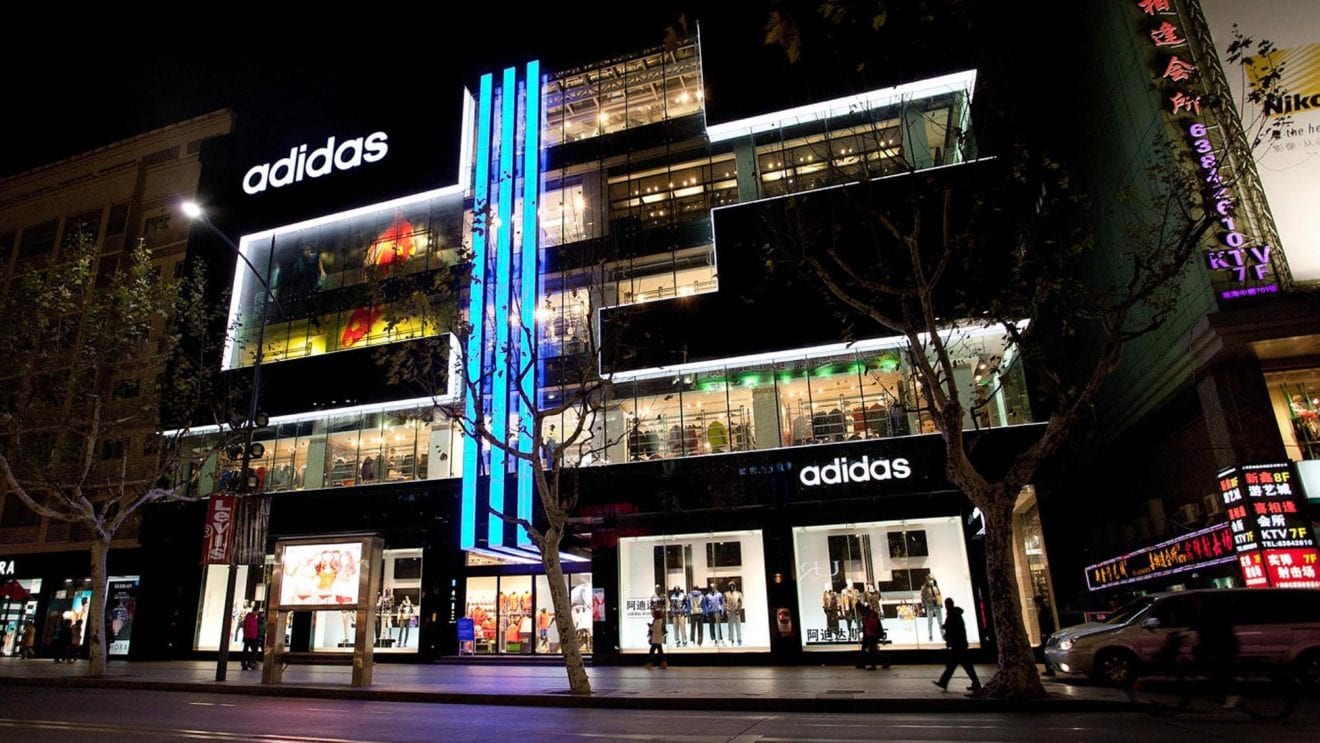
    Adidas AG plans to open 2,000 new stores in China by 2020, after the sports group’s business in the Asian nation grew nearly 30% last year, making it the second-largest market in the world after Western Europe.

    According to local media reports, Adidas AG – which covers Reebok, TaylorMade and Reebok-CCM Hockey, as well as the its namesake Adidas – is eyeing 12,000 stores in China by 2020, adding to the 10,000 stores it already has there.

    Adidas’s Reebok brand also plans to open 500 new stores in China by 2020, as per reports.

    In 2016, Adidas recorded sales of 3 billion euros ($3.26 billion) in China on the back of updated products, new stores (Adidas opened 1,000 stores in the country), and the development of e-commerce.

    Colin Currie, managing director of Adidas in China told China Daily that round 50% of the group’s revenue comes from 23 major cities in China. Adidas is present in more than 1,000 cities, and in therefore, wants to open stores across 2,000 cities in China.

    “We believe smaller cities will give us 50% of our growth in the coming years,” Currie said.

    Moving forward, Adidas CEO Kasper Rorsted also said on a recent visit to China in late April that e-commerce would be a huge driver for its business going forward in China.

    “China has one of the most sophisticated e-commerce and digital landscapes in the world, which we plan to make extensive use of,” said Rorsted.
    Adidas sold 43 million euros worth of product over China’s Singles Day last year. Rorsted said Adidas is intent on learning how to connect its physical locations to digital channels, for a smoother customer experience.

  • Robi completes LTE trial in Dhaka

    Robi completes LTE trial in Dhaka

    Bangladesh’s Robi Axiata is gearing up to launch 4G services after completing a successful trial of the technology in conjunction with Ericsson.

    The operator conducted an LTE demonstration using a combination of 1800-MHz and 2100-MHz spectrum in Bangladesh’s capital Dhaka, achieving download speeds of over 90Mbps.

    Ericsson provided cutting-edge base station, radio units and baseband technologies for the trial, the companies said.

    The demonstration was also intended to explore how the technology can help facilitate adoption of high-speed broadband applications including HDTV and videoconferencing.

    “Although there are some barriers to the adoption of 4G/LTE technology such as low penetration of compatible smartphones, we recognize and appreciate our customers’ growing demand for high speed internet which can only be served using this technology,” Robi Axiata CEO Mahtab Uddin Ahmed said.

    “Unfortunately, we feel the licensing framework proposed by the government make the business case for 4G unviable in Bangladesh. However, we are very keen on introducing this technology in our telecom market considering the customers’ interest… We hope the government will kindly consider revising the licensing framework to make it more enabling for 4G business.”

    Last month, Bangladesh’s regulator prepared its guidelines for the proposed 4G licensing regime for the nation.

    These include requiring operators to pay a 15% gross revenue share – compared to 5.5% for 2G and 3G services – as well as a 150 million taka ($1.8 million) 15-year license fee and a further 75 million taka in annual fees.

    Bangladesh is the only country among its neighbors to have yet to introduce 4G services.

  • Chinese digital payments reach nearly $2.9tr in 2016

    Chinese digital payments reach nearly $2.9tr in 2016

    Alipay and WeChat Pay enabled $2.9 trillion in Chinese digital payments in 2016, up twenty-fold increase in the past four years, according to a new UN study.

    The data show that digital payments, using existing platforms and networks, provide access to a wider range of digital financial services, expanding financial inclusion and economic opportunity throughout China and neighboring countries.

    In India, both Ant Financial and Tencent have bought into the Indian mobile payments market, which is enjoying rapid growth under new regulation.

    Ant Financial and Alibaba invested up to $900 million in PayTM, as well as sharing staff and technical expertise. The result: PayTM has grown from 5 million to around 200 million users in just the last few years.

    Indonesia was the fastest-growing m-commerce market in the world in 2016, the report showsexpanding 155% from January 2016 to January 2017.

    Some of this growth may be due to the release in 2015 of BBM Pay’s Instant Mobile Payments. The popular BBM chat app has over 55 million users in Indonesia and continues to develop.

    The new report by the UN-based Better Than Cash Alliance contains key lessons to help other countries include more people in the economy by transitioning from cash to digital payments.

    This shift could increase GDP across developing economies by 6% by 2025, adding US$3.7 trillion and 95 million jobs, according to a McKinsey Global Institute report.

    “Social networks and e-commerce platforms are growing in every economy, whether large or small,” said Ruth Goodwin-Groen, Managing Director at the Better Than Cash Alliance.

    “In China digital payments are thriving from these channels, bringing millions of people into the economy. This matters because we know that when people – especially women – gain access to financial services, they are able to save, build assets, weather financial shocks, and have a better chance to improve their lives.”

  • DHL launches e-commerce services in Malaysia

    DHL launches e-commerce services in Malaysia

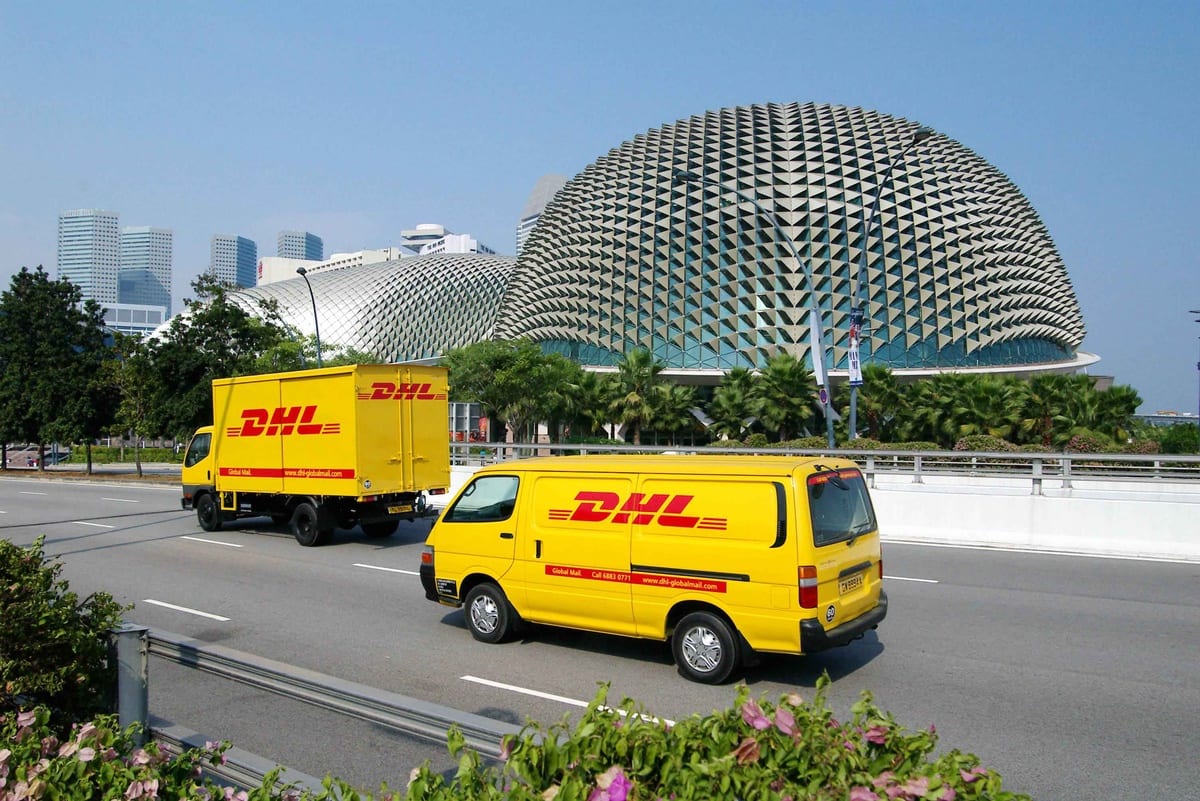
    DHL e-Commerce has launched its domestic delivery operations in Malaysia, as online shopping gets set to grow rapidly in the Asian nation.

    The investment, from the German-based division of global logistics company Deutsche Post DHL Group, includes a 48,000-square foot distribution centre in Puchong, depots in other critical urban areas such as Penang, Johor Bahru, Cheras and Puchong, and a fleet of 2-wheel and 4-wheel vehicles.

    According to a press release, DHL’s end-to-end domestic delivery solutions will offer pick-up services, track and trace, reverse logistics, cash on delivery with daily remittance and call centre capabilities for deliveries within Malaysia. DHL aims to provide timely delivery and predictive, secure delivery, it said in a statement.

    “E-commerce has become a way of life for Malaysians, with 47% already using their smartphones to shop online,” said Malcolm Monteiro, CEO, Asia Pacific, DHL e-Commerce.

    “Approximately 7 million are already shopping online every month, and with the industry expected to grow to €1bn by 2020 in Malaysia and globally to $1trn in the same year, businesses need high-quality logistics solutions to leverage this immense growth and meet the rapidly changing needs of online shoppers. This makes the need for a tailored e-commerce delivery service greater than ever before.”

    The Malaysian government has more recently been driving e-commerce growth through schemes such as the National E-commerce Strategic Roadmap and the new Digital Free Trade Zone, added Monteiro.
    “Logistics is a key component of this ecosystem, and e-commerce is a vital component of the growth agenda, so we will continue to invest in e-commerce here and worldwide,” he said.

    The Malaysia debut comes as DHL continues to expand its reach in Asia. In March, the company opened a new Fulfillment Centre in Hong Kong, adding to its global fulfillment network in U.S, Mexico, India, Europe and Australia.

    Elsewhere, in December 2016, the firm launched DHL Express Thailand, in a bid to capitalise on the nation’s growing e-commerce business.

  • Peugeot gears up with nuTonomy for self-driving car test

    Peugeot gears up with nuTonomy for self-driving car test

    French carmaker Peugeot is partnering with Boston, Massachusetts-based tech firm nuTonomy to test self-driving cars in Singapore. NuTonomy’s software, sensors and computing platforms will be installed in Peugeot 3008 models as part of plans to develop the technology needed for large fleets of autonomous cars, PSA and nuTonomy said in a statement on Wednesday.

    The latest PSA Group project seeks to work on “level 5” autonomous capable vehicles, which require no driver input, and will allow both companies to study how an “on-demand autonomous vehicle mobility service” performs, they said.

    The combination is the latest between technology and automotive companies after Daimler, which owns Mercedes-Benz, last month unveiled an autonomous cars development partnership with supplier Robert Bosch, while BMW has announced an alliance with chip maker Intel and Israel’s Mobileye.

    Autonomous driving in urban areas requires a more radical approach to vehicle design, particularly for software and sensors, to help a car navigate inner city obstacles, said Anne Laliron, Head of the Business Lab at PSA Group.

    “That is the reason we jump on the opportunity to work with nuTonomy,” Laliron told.

    PSA Group will use the project to learn about what components make sense, and which suppliers are available, Laliron said.

    Following the initial phase of this partnership, the companies will consider expanding their on-road AV testing initiative to other major cities.

    nuTonomy, a software company founded by Massachusetts Institute of Technology (MIT) academics and McKinsey management consultants was the first to begin on the road testing of driverless taxi services in Singapore last year.

    It raised $16 million last May in a funding round led by Highland Capital Partners and has backing from Singapore government authorities and Samsung Ventures, among others.

  • Cisco to buy Viptela for $610m

    Cisco to buy Viptela for $610m

    Cisco’s has announced plans to acquire Viptela and combine the San-Jose-based vendor’s SD-WAN technology with its own efforts, moving further toward a software model that produces more reliably recurring revenue.

    SD-WAN is emerging as this year’s big networking, taking the fabric of software defined networking and turning it into an enterprise-focused product.

    SD-WANs promise to redefine the way enterprises build and operate their wide area networks, making it easier to to hook up branch locations, data centers, and company headquarters with flexible infrastructure.

    Cisco will be paying $610 million in cash and assumed equity awards for the acquisition. Viptela’s talent will join the company’s Enterprise Routing team, working with them to enhance Cisco’s SD-WAN technology with their own.  The deal is expected to close in the second half of 2017.

  • More AirAsia flights take off from secondary hub

    More AirAsia flights take off from secondary hub

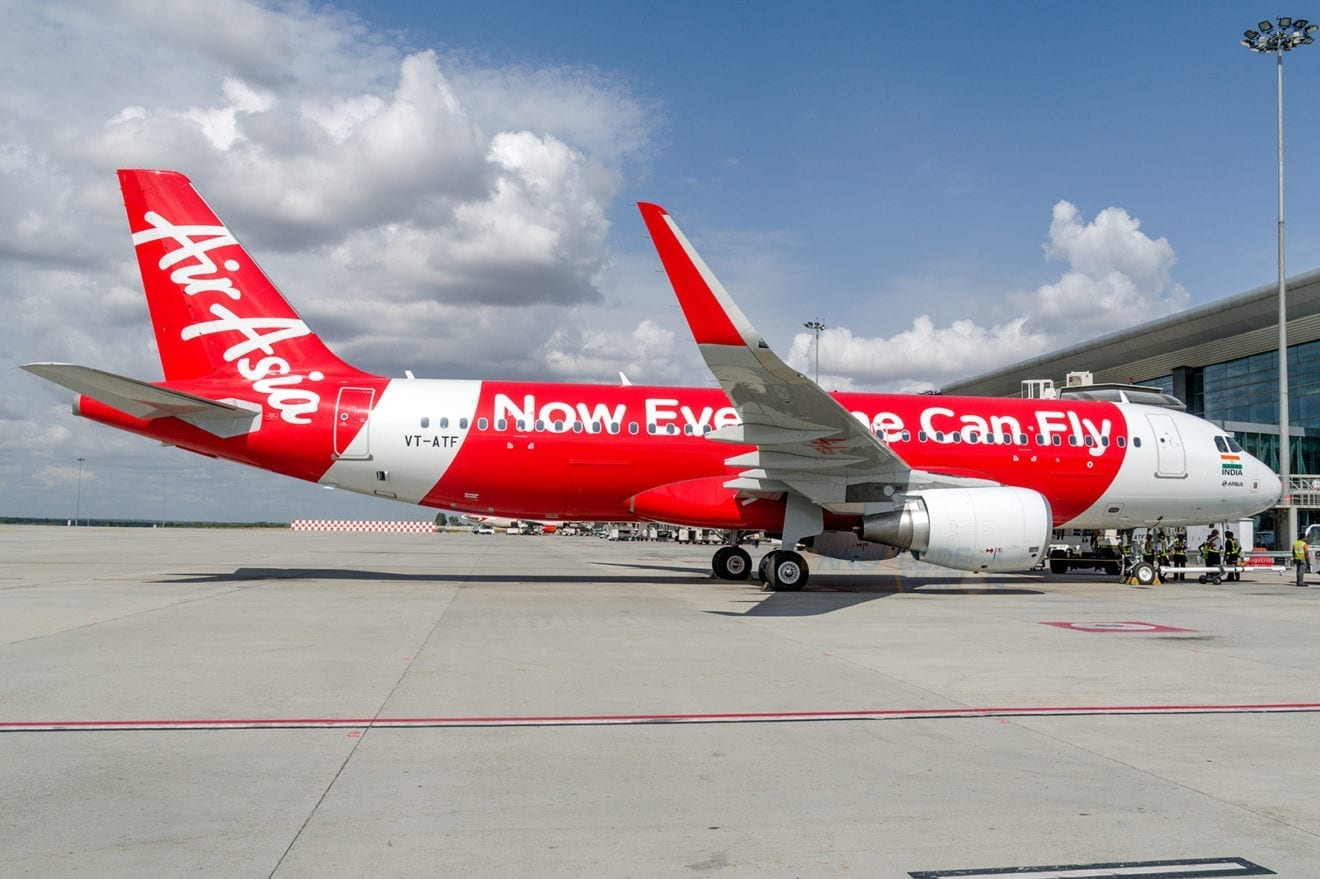
    AirAsia has unveiled more domestic routes from its secondary hubs in Malaysia as well as several new connections to China and India launching this year.

    The Malaysian LCC commenced a Kuala Lumpur-Bhubaneswar (India) flight on April 26, the first international airline to fly into the east Indian city and capital of Odisha, which Malaysian agents expect to spur FIT demand.

    “Prior to the opening of this route, travellers from Bhubaneswar and surrounding areas would have to take flights from Chennai, Mumbai or Kolkata to travel to Malaysia,” A Aruldas, managing director of Tourland Travel, said. “The new flights are also timely with Malaysia’s relaxation of the visa facility for Indian tourists.”

    Come August 9, AirAsia will begin a thrice-weekly service connecting Langkawi to Shenzhen for the first time and four-times weekly flights between Langkawi and Kuching that same day.

    Other new domestic routes include the inaugural Johor Bahru-Langkawi service launched since April 28, in addition to the upcoming Johor Bahru-Kuala Terengganu flights commencing June 22.

  • Efacec Handling Solutions is now Consoveyo

    Efacec Handling Solutions is now Consoveyo

    Consoveyo, a global expert for automated material handling and storage systems, officially announces its name change. Formerly known as Efacec Handling Solutions S.A. (EHS), Consoveyo previously belonged to the Efacec Group, the largest Portuguese corporation in the field of electromechanics and electronics, with a strong presence across various international markets.

    Acquired by the international technology group, Körber AG, Consoveyo has been part of the Group’s Business Area Logistics Systems since September 2015. All subsidiaries under the company in Europe and Asia will now bear its new name. In Southeast Asia, Consoveyo Singapore Pte. Ltd. will continue to provide automated systems support to its customers in the region.

    Alluding to the Portuguese words, ‘aconselhar’ (for consulting), ‘consenso’ (for consent), and ‘consolidar’ (for strengthening and reinforcing), Consoveyo pays homage to the company’s origins in Porto, Portugal, and underlines the company’s competencies and engineering expertise. Consoveyo is also associated to the word ‘convey’ in English, which describes the act of transporting products, communicating, and advising. The new name aims to bind Consoveyo together with the other brand names within the Business Area Logistics Systems, to achieve better synergy within the Körber Group.

    With more than 30 years of experience, Consoveyo is a global leader for automated material handling and storage systems. The company will continue to supply its customers in Europe and Asia with automated systems for intralogistics.

    “The name change symbolizes an important milestone of our integration into the Business Area Logistics Systems and the Körber Group,” Jorge Couto, Chief Sales Officer at Consoveyo, explained. “Being part of this economically strong and successful Group provides Consoveyo with sustainable and comprehensive future growth prospects – both as a business and as an employer. Our staff are excited about the prospects of this new chapter, where we can leverage on the Group’s international customer network, technologies, and the know-how of our sister companies within the Körber Logistics Systems, all while giving back by supporting them with Consoveyo’s solutions and business relations.”

  • Chow Tai Fook to open its first branded boutique in the US

    Chow Tai Fook to open its first branded boutique in the US

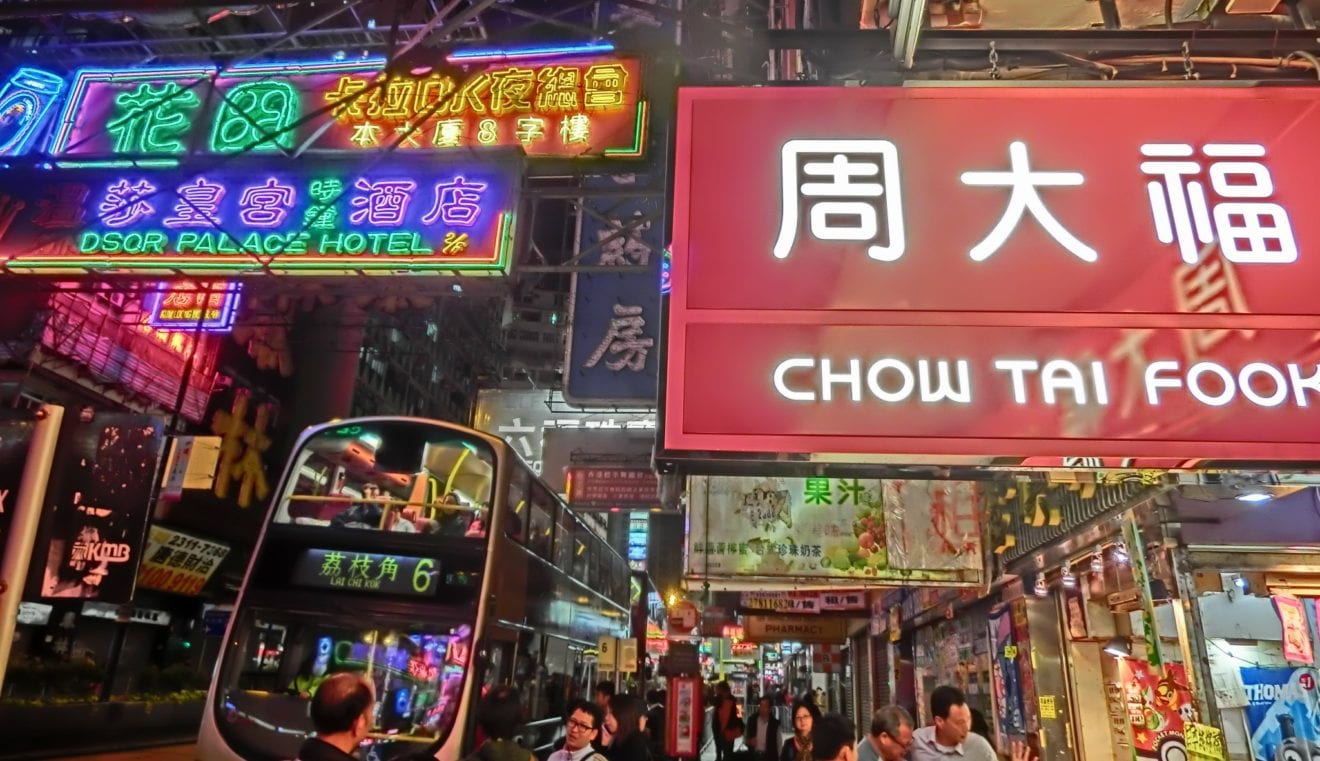
    With Hong Kong-listed jeweler Chow Tai Fook recently laying claim to the world’s most expensive cut diamond ever—sold at a Sotheby’s auction on April 4—the increasingly iconic Jewellery Group this week announced the further expansion of its global footprint, with the opening of its second American retail outlet, and the company’s first own-branded boutique in the United States.

    Chow Tai Fook, who last November opened its first stateside store in Macy’s NYC, revealed on Monday that the second store will be opening in the heart of Honolulu, Hawaii, situated at T Galleria by DFS. The LVMH-owned duty-free retailer rebranded its worldwide T Galleria stores back in 2013, with the hope of attracting China’s increasingly sophisticated millennial consumers—and chose its Hawaii location in which to announce the renaming of its non-airport Galleria locations. Four years on, and the duty-free mall will next month be the location for the opening of Chow Tai Fook’s 970-square-foot-store, looking to capture the attention of wealthy travelers visiting the surrounding luxury resorts and beaches.

    With Chinese tourists recently reported as the only group of travelers for whom Donald Trump’s presidency has made it more likely than ever for them to visit the United States, the current political climate encourages luxury outlets to increasingly target Chinese consumers from within America. The Chow Tai Fook Jewellery Group currently boasts an extensive network consisting of over 2,300 retail points globally, with more than 2,000 jewelry and luxury watch outlets in Greater China.

    According to company Managing Director, Kent Wong, Chow Tai Fook will be “looking to capture the vast growth potential of leisure spending in the Hawaii market” and take advantage of the Hawaiian capital of Honolulu as both a popular holiday location, and a frequent luxury honeymoon and wedding destination. Aiming to entice consumers from both home and abroad with the opening of their first ever own-branded boutique in the United States, the agreement signed with the world’s leading luxury travel retailer promises the support of T Galleria’s 50 years of experience in the Hawaiian market.

    The news, however, comes after reports earlier this year of Chow Tai Fook choosing to target younger consumers within China, opening outlets stocking jewelry at about a third of the price of that sold at the company’s flagship Chow Tai Fook-branded stores. With jewelry at these outlets sold at an average price of 2,000 RMB ($291), Chow Tai Fook seem to be turning their attention overseas to the more affluent Chinese traveler. The Chow Tai Fook boutique in Haiwaii will offer a range of luxury products including gem-set jewelry, fixed-price gold products and platinum and karat gold jewelry, alongside exclusive collections such as Oriental Blessings and Jardin Magique. The store will also stock exclusive wedding jewelry.

    After the announcement of the store this Monday, there won’t be long to wait before the Jewellery Group can begin to determine whether its changing marketing strategy will pay off—Chow Tai Fook’s Hawaiian boutique will open this May at T Galleria, Honolulu.

  • Axiata taps Thaicom satellite to connect remote areas of Indonesia

    Axiata taps Thaicom satellite to connect remote areas of Indonesia

    The deal allows Axiata Business Services to purchase the remaining capacity on the IPSTAR-1 broadband satellite so that its operating company, PT XL Axiata Tbk (XL), can deliver more than one gigabit per second of High Throughput Satellite (HTS) capacity for broadband services in Indonesia.

    Axiata Business Services will use up to seven Ku-band shaped and spot beams on IPSTAR-1 located at 119.5 degree east to provide services including broadband access directly to residential and enterprise premises.

    “We are leveraging Thaicom’s capabilities in Asia to grow our enterprise business quickly and flexibly while providing reliable broadband services to all potential customers, regardless of location,” said Axiata group chief business operations officer Asri Hassan Sabri.

    “Where terrestrial-based connectivity is limited or unavailable, HTS connectivity serves as an enabler to unlock the digital ecosystem for new market opportunities,” he said. “As the world’s first-ever HTS, launched in 2005, Thaicom’s IPSTAR helps us connect users in remote and underserved areas of Indonesia cost-effectively. We are confident that the partnership will enable us to continue to grow our business faster without infrastructure limitations.”

    XL chief executive Dian Siswarini noted that many areas and islands in Indonesia are still without Internet access.

    “We believe the availability of HTS will help us to cover these unserved areas with considerable economic potential. On top of that, it will enable us to support the local community’s economic growth and the Indonesian government’s vision to accelerate the national development of digital economy across Indonesia.”

    Thaicom chief commercial officer Patompob Suwansiri thanked Axiata for its “trust” in inking the deal.

    “We are committed to working with leading mobile-network operators throughout Asia-Pacific to facilitate the growth of wireless broadband and other digital services in remote and underserved areas.”

  • Indonesia records inflation of 0.09% in April

    Indonesia records inflation of 0.09% in April

    After seeing deflation a month earlier owing to the harvest season, the country recorded monthly inflation of 0.09 percent in April on account of increases in the prices of most commodities.

    Inflation in April brought annual inflation to 4.17 percent year-on-year (yoy), the Central Statistics Agency (BPS) announced on Tuesday.

    “I think inflation at 0.09 percent in April remained in line with what the government is trying to manage because there will be bigger challenges in May and June,” said BPS head Suhariyanto in a press conference.

    The agency warned prices of food commodities could increase in May due to rising demand during Ramadhan.

    In June, Suhariyanto said, prices would rise as an effect of the second hike of electricity rates for 900 volt-ampere (VA) capacity in May.

    “The electricity rate increase will occur in May, but the impact will only be seen in June because most customers of 900 VA are post-paid type rather than prepaid,” he said.

    The price increases in April occurred in administered prices, particularly electricity and fuel, as well as in a number of food commodities such as garlic, chicken, tomato and dogfruit.

    Meanwhile, price decreases in April were seen in major food commodities such as red and green chili, rice, sugar, beef and chicken eggs. (bbn)

  • International Flight Services Launched in Terminal 3, Soekarno Hatta

    International Flight Services Launched in Terminal 3, Soekarno Hatta

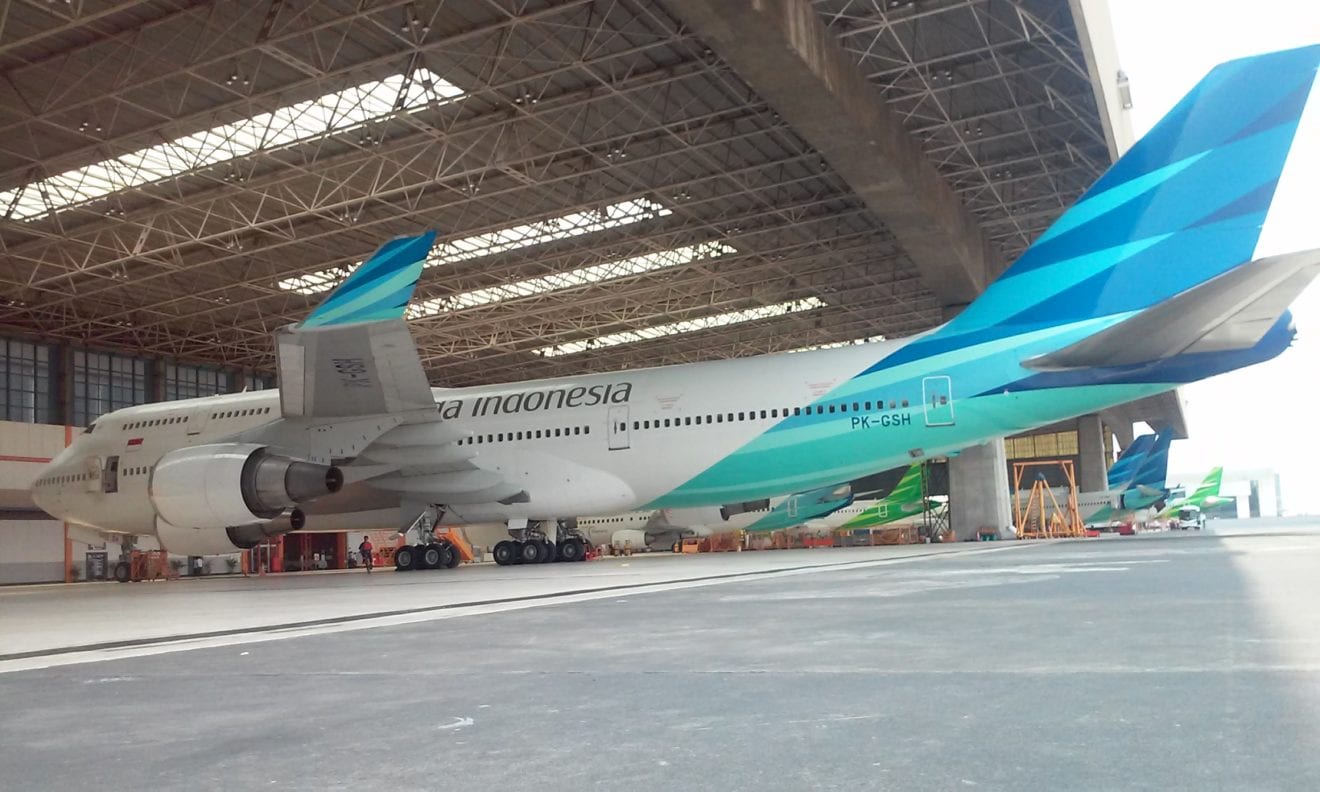
    President & CEO Garuda Indonesia Pahala N Mansury and President & CEO of Angkasa Pura II Muhammad Awaluddin inaugurated Garuda Indonesia international flight operations service at Terminal 3 of Soekarno-Hatta Airport, Tangerang on Monday (1/5) by releasing flight GA 820 route Jakarta – Kuala Lumpur and welcoming the arrival of flight GA 823 route Singapore – Jakarta.

    Flight GA 820 from Jakarta to Kuala Lumpur destination, departed at 08.35 Local Time, while the arrival of flight GA 823 route Singapore – Jakarta landed at 08.15 Local Time. Both direct flights were greeted and released by the President & CEO from Garuda Indonesia and AP II.

    President Director & CEO Garuda Indonesia Pahala N Mansury said the official operation of Garuda Indonesia international flight service at Terminal 3 of Soekarno-Hatta Airport marked the companies ongoing effort to enhance service excellence commitment and increase the convenience of all passengers in enjoying Garuda Indonesia flight service.

    “We would also like to extend our greatest appreciation and gratitude to Angkasa Pura II who successfully provided an international airport service with modern facilities which surely will further support the operational service services that we provide to all passengers.”

    “With the vision of Garuda Indonesia-based Indonesian hospitality service that is also aligned with Angkasa Pura II’s vision of making Soekarno-Hatta the best smart-connected airport in the region, Garuda is optimistic that the presence of this international Terminal 3 service will not only be a concrete step towards the development of competitive infrastructure and transportation services Global, but also a milestone for the development of national tourism aspects in the eyes of the world,” concluded Pahala.

    Meanwhile, President Director of Angkasa Pura II Muhammad Awaluddin expressed “We are grateful for the support of the public, Ministry of Transportation, especially the Directorate General for Air Transportation and other stakeholders at Soekarno-Hatta Airport so that on May 1, 2017, international route flights can be served through Terminal 3 Where this special first stage is operated by Garuda Indonesia,” he explained.

    “AP II is optimistic that the operation of international flights in Terminal 3 can further make Soekarno-Hatta Airport one of the supporters of tourism growth, in addition to the increase of Indonesia’s economy,” said Muhammad Awaluddin.

    On the other hand, Angkasa Pura II completes the operation of international flights in Terminal 3 with facilities supporting parking facilities that can accommodate about 1,200 private vehicles for regular parking. Then as a form of familiarization of the service users towards the building of International Terminal 3 parking, for seven days or starting from 1-7 May 2017 regular parking users will be free of vehicle parking fee.

    As for the parking of the vehicle, Angkasa Pura II also provides 2 parking garage area that is East Inap Parking and West Inap Parking located in the office area in the middle of the airport area where passengers who want to invite the vehicle can make reservations first through the smartphone application “Orangapark Parking” which can be downloaded through Google Play.

    In addition, on 1-7 May 2017 all tenants including food and beverages in the area of Terminal 3 International in cooperation with Angkasa Pura II will be granted an additional 10% discount to all airline passengers or airport visitors, excluding any existing discounts.

    In line with Garuda Indonesia’s international flight service to Terminal 3 of Soekarno-Hatta Airport, Garuda Indonesia is optimistic that it will further strengthen the 5-star service and increase the capacity of pre-light and post-flight services provided to all passengers.

    International flight services in Terminal 3, Garuda Indonesia will further expand the capacity of its pre-post flight service to all users of the service users. At Terminal 3 later, Garuda Indonesia will operate 26 check-in counters as well as a significant increase in executive lounge capacity with an area of 2,100 m2 comprising 350 seats for business class and 56 seats for first class.
  • Cebu Pacific issues travel advisory related to Asean summit

    Cebu Pacific issues travel advisory related to Asean summit

    In light of the 30th Asean Summit and Related Meetings which will be held in Manila from April 26 to 29, 2017, Cebu Pacific and Cebgo reminded all passengers flying out on these dates to plan their routes going to the Ninoy Aquino International Airport (NAIA). The carrier issued the advisory as several roads in Pasay City, especially those leading to NAIA Terminals 3 and 4, will be closed.

    Aside from this, the period from April 29 to May 1, 2017 is also Labor Day weekend. Malacañang, by virtue of Memorandum Circular 18 issued on April 21, suspended classes at all levels and work in the government and private sector on April 28, Friday, in line with the Philippines’ hosting of the Asean Summit. Passengers traveling to and from Manila from April 28-30, 2017 who wish to change their flight schedules may rebook their flights for free within 30 days. Guests flying out this weekend are advised to be at the airport early to process pre-departure requirements and avoid long lines at the check-in, security and immigration counters. Cebu Pacific’s domestic check-in counters are open three hours before the scheduled time of departure and four hours for international flights.

    All check-in counters will close 45 minutes before the scheduled time of flights, except those exiting the Middle East (one hour) and Shanghai (50 minutes). For international flights, web check-in is available from seven days up to four hours before scheduled flight departure. Those taking domestic flights can do web check-in up to one hour before their scheduled departure.

    Self Check-in Kiosks. Passengers at NAIA Terminals 3 and 4 and selected domestic airports can use these kiosks to check-in their flights eight hours up to one hour before the scheduled flight departure. Domestic web or mobile check-in guests with check-in luggage can drop these off at the bag drop counter at least 45 minutes before the flight, except those exiting the Middle East (one hour) and Shanghai (50 minutes).

    International web or mobile check-in guests still need to show up at check-in or bag drop counter at least one hour before the flight to present valid travel documents. For more information on the Asean 2017 calendar of events, traffic advisories and rerouting, visit https://www.asean2017.ph, or at the official Facebook page “Asean 2017” of the Asean 2017 Chairmanship in the Philippines.

  • Hong Kong Investor Expresses Investment Commitment to Jokowi

    Hong Kong Investor Expresses Investment Commitment to Jokowi

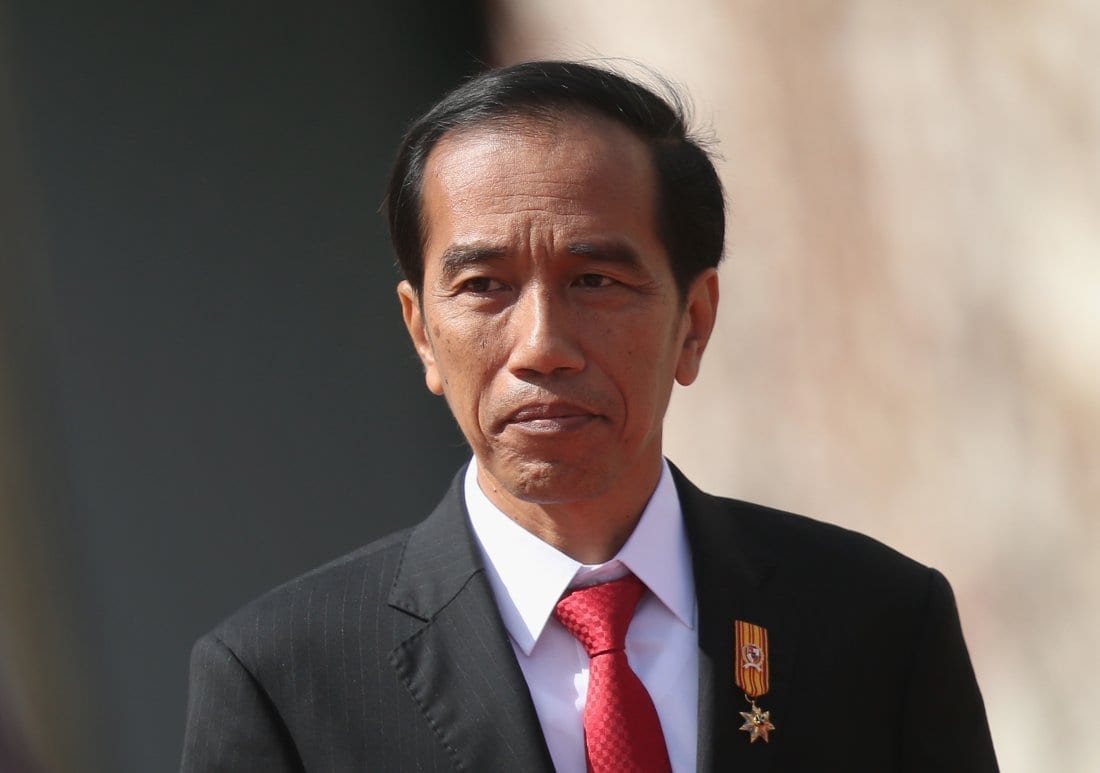
    During a meeting with President Joko Widodo or Jokowi at Conrad Hotel in Hong Kong, CK Hutchison Holdings Limited owner Li Ka-Shing expressed investment commitment in Indonesia.

    “CK Hutchison Holdings Limited is one of the largest companies listed in the Hong Kong Stock Exchange,” Foreign Minister Retno Marsudi said in a press release on Monday, May 1, 2017.

    CK Hutchison Holdings Limited is one of the largest container terminal operators in the world with a total investment of US$10 billion. Retno explained that the company views Indonesia as a country with a huge potential. Therefore, Li Ka-Shing expressed his commitment to increasing the company’s investment in Indonesia.

    “A commitment to increasing investment in Indonesia has been made,” Retno added.

    During the meeting, President Jokowi also elaborated a number Indonesian government plans to improve the economic growth.

    “Indonesia’s economic reform was one of the topics raised by President Jokowi,” Retno said. “President Jokowi also explained Indonesia’s infrastructure development plans.”

    In addition to Retno, attending the meeting were Trade Minister Enggartiasto Lukita, Cabinet Secretary Pramono Anung, and Investment Coordinating Board head Thomas Lembong.

  • Healthy living tops Indian consumers’ list of goals and aspirations

    Healthy living tops Indian consumers’ list of goals and aspirations

    It seems the pursuit of a healthier lifestyle is a nationwide obsession in India as healthy living tops the list of consumers goals and aspirations. New research from global market intelligence agency Mintel reveals that nearly half (48%) of consumers in India aim to live a healthier lifestyle, followed by better time management (30%), improving relationships with family and friends (25%), and travelling (24%).

    Further down on the agenda, just 8% of consumers say they wish to get married in the next three years, rising to less than three in 10 (27%) of those who are still single. Meanwhile, just 5% of consumers say they’d like to have a child, making this the lowest priority on the list of consumer’s goals and aspirations.

    Close to three in four (72%) Indian consumers report increased happiness as their motivation for leading a healthy lifestyle, while over half say that they aim to live healthily in order to look better (56%) and to feel better (53%). Additionally, two in five (41%) say they aim to lead a healthy lifestyle in order to live longer, while just 10% wish to do so to manage their health conditions. Currently, over half (52%) of Indian adults say they eat a healthy diet as part of their healthy living habits.

    Ranjana Sundaresan, Senior Research Analyst at Mintel, said: “Many Indians believe leading a healthy lifestyle will have a knock-off effect on their personal happiness. There has been quite a bit of publicity regarding the rise in lifestyle diseases among Indians, and, thus, growing awareness of the importance of being healthy.”

    While healthy living tops the list of consumers’ aspirations, it seems few are taking steps towards living a healthier life. Just one in three (34%) say they are always trying new things to improve their health, while one in four (26%) say they research health concerns and 10% say they research or think about health a lot but rarely make changes. This opens up quite a bit of opportunity for companies to offer consumers convenient solutions that could encourage making that change.

    Research from Mintel indicates that the food industry has already taken steps to appeal to consumers changing demands. According to Mintel Global New Products Database (GNPD), “natural” was the second largest claim carried on food launches in India last year, behind “suitable for” claims, accounting for 28% of all food product launches in 2016, up from 22% in 2012.

    As a result between 2012 and 2016, India had the highest number of food product launches carrying a natural claim in Asia and was the fifth largest market for these launches globally, accounting for 6% of the world’s food launches labelled as ‘natural’.

    Indeed, while India is leading the charge with Asia’s natural food production, Mintel research reveals that one in five (19%) Indian consumers say they would like to see a wider variety of natural snacks. Furthermore, as many as half (47%) of those who snack think it is important for snacks to be healthy.

    And it seems that consumers in India are willing to pay more for healthier snack options as two in five (39%) Indians who snack are willing to pay extra for fruit or vegetable snacks, while one in four (25%) would pay more for snacks with added nutrition.

    “It is known worldwide that healthy and natural foods tend to be more expensive, and many think twice before making a purchase. However, powered by higher disposable income and increasing health consciousness, India’s growing middle-class urban population is now more willing to pay the additional cost for healthier options.” Ranjana concludes. Ranjana concludes.