Blog

  • Digitalisation tops agenda on opening day of Sea Asia 2017

    Digitalisation tops agenda on opening day of Sea Asia 2017

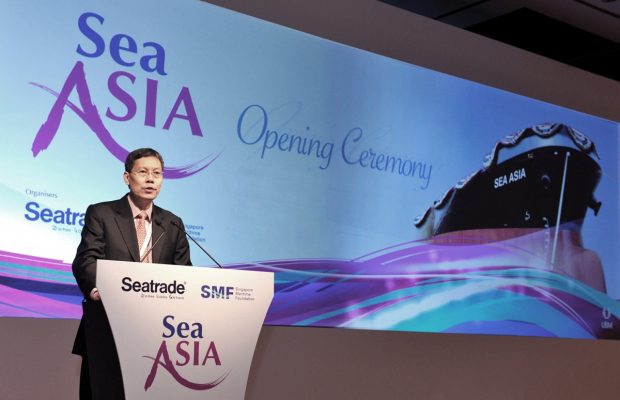
    Industry leaders kicked off discussions at the sixth edition of Sea Asia with a focus on digitalisation and the need for industry players to embrace this new reality in order to remain competitive in today’s market environment. In particular, industry leaders emphasised that there needs to be a change in mindset towards one that is more receptive to digital transformations in the industry.

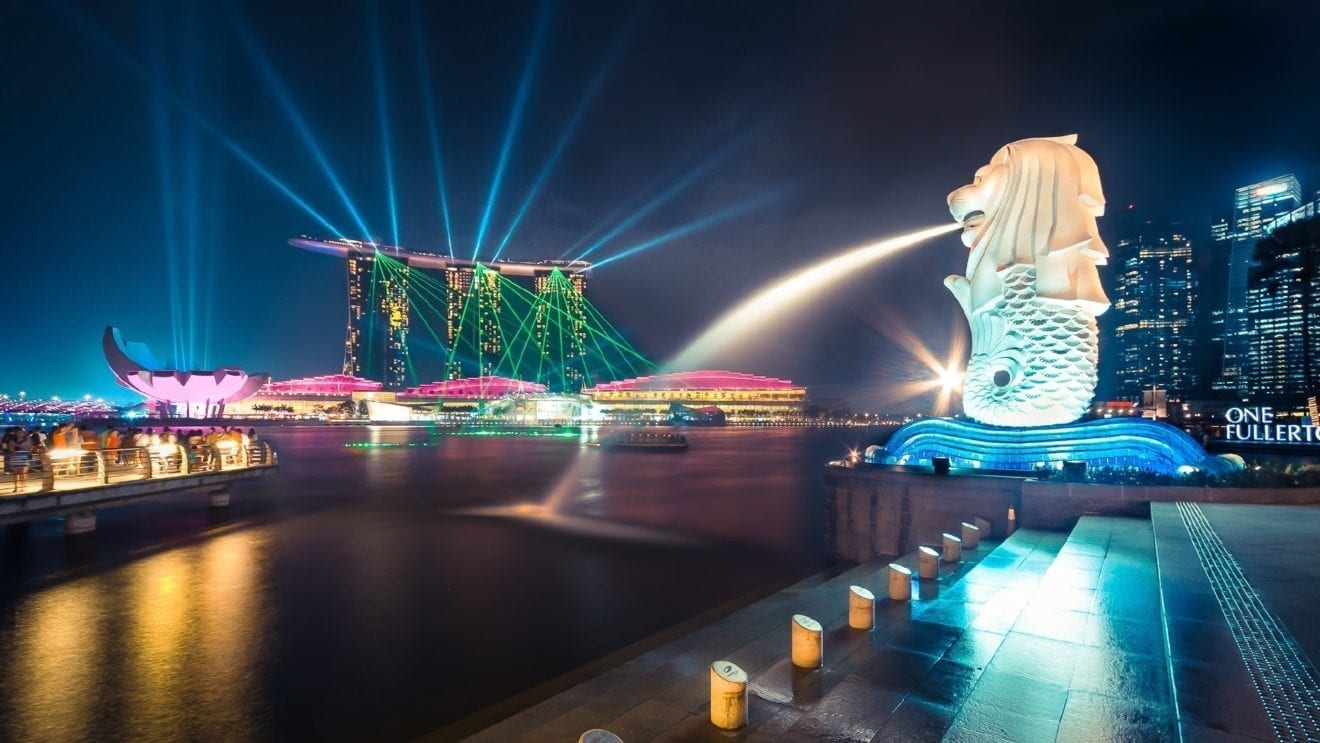
    Taking place in Singapore until Thursday, 27 April, Sea Asia 2017 brings together leaders of the maritime and offshore industries to discuss, debate and analyse challenges and opportunities facing the sector.

    Speaking at the opening ceremony, Coordinating Minister for Infrastructure and Minister for Transport, Khaw Boon Wan, said that with the advent of digitalisation in the industry, the Government is taking steps to help companies in Singapore develop capabilities to succeed in the future.

    For example, the Maritime and Port Authority of Singapore’s (MPA) enhanced Maritime Cluster Fund now provides more co-funding for companies that want to use technology to optimise their processes or transform their business models.

    Khaw also highlighted the importance of preparing the local workforce for transformations driven by digitalisation in the industry, adding that the jobs of tomorrow will be markedly different from today.

    “We have to ensure that our maritime manpower is equipped to handle transformation, and for some of them, to drive the transformation,” said Khaw.

    Experts on the panel of the Sea Asia Global Forum commented on the need to provide an enabling environment that allows for the maritime workforce to learn and be comfortable with the idea of digitalisation in the industry.

    “When it comes to digitalisation, the word to think about is not disruption, but transformation. There are many opportunities that come with the transformations that digitalisation brings to the industry and hence, we have to learn to change the way we’re thinking about it. The maritime industry needs to create an environment that allows for its people to experiment with new technologies and learn how to use them.

    “It’s all about changing people’s mindsets on digitalisation and making them confident that they can work with the changes,” said Piyush Gupta, CEO of DBS Group who was one of the panellists of the Sea Asia Global Forum.

    Despite this, industry leaders still recognise the ongoing need for a more human element in the industry.

    Oskar Levander, VP Innovation, Engineering & Technology – Marine, Rolls-Royce, said at ‘The Fourth Industrial Revolution: Threat or Opportunity?’ session: “Digitalisation is changing everything in the industry, from the way ships are run to how business models are shaped. With digitalisation, I believe there will eventually be remote and autonomous shipping; but this is not to say that all ships will be unmanned and that no crew is needed.”

    With expanded technology also comes added risk — another factor companies need to consider when adopting a more digital approach.

    Speaking at the same session, Michael Montoya, chief cybersecurity advisor, Microsoft Asia, said: “Companies must embrace technology… but as you expand your digital footprint, you do open yourself to risks in the form of cybersecurity. However, there are ways to protect yourself from that risk, and there are smart ways that you can implement that will allow you to continue on that maturity journey to put much better services and systems in place.”

    The industry leaders also highlighted the importance of coming together to discuss and analyse new trends such as digitalisation at a regional platform such as Sea Asia.

    Seatrade chairman Chris Hayman said: “Since the first event in 2007, Sea Asia has trebled in size and we are expecting more than 16,000 participants from around 80 countries for this year’s edition.

    “This event gives us all the opportunity to hear from the leaders of the industry in this region, and their counterparts from around the world,” he said.

  • AIS moves to enable VoLTE peering

    AIS moves to enable VoLTE peering

    Thailand’s AIS has deployed technology to enable it to offer VoLTE peering between the company and other operators in the region.

    AIS has extended its deployment of Metaswitch’s Perimeta session border controllers from its 3G to its 4G network.

    The operator has also deployed the Metaview Service Assurance Server (SAS) to support improved service delivery to its more than 40 million subscribers.

    SAS is designed to facilitate troubleshooting and remediation to resolve problems in service delivery and help ensure that SLAs are being met even in virtualized enivornments.

    “VoLTE peering offered by our own network and others will enable rapid proliferation of VoLTE services in the SEA region,” AIS CTO Kriengsak Wanichnatee commented.

    “Perimeta’s high performance, unsurpassed stability and seamless interoperability with third-party products made our decision to deploy it on our 4G VoLTE network extremely easy. This extension of Perimeta’s role in our network confirms that the platform gives us the confidence and capabilities to rapidly deploy new services and scale quickly as our subscriber base grows.”

  • AirAsia 1Q passengers top 15m

    AirAsia 1Q passengers top 15m

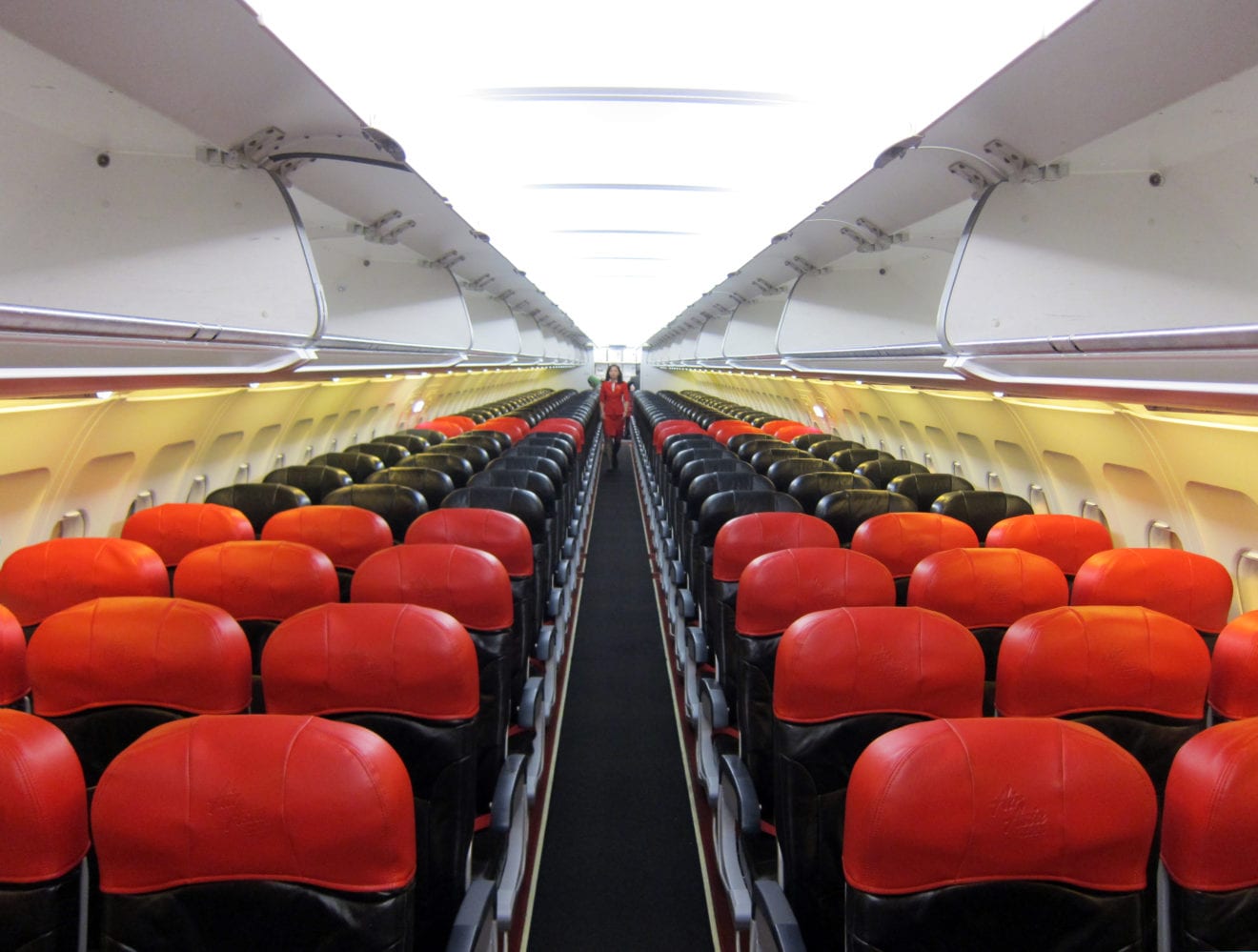
    AirAsia Bhd reported a 9% increase in the number of passengers carried at 15.23 million in the first quarter ended March 31, 2017 (1Q17) from 13.94 million a year earlier as the budget airline’s capacity and load factor rose.

    In a statement late yesterday, AirAsia said capacity rose 5% to 17.13 million seats from 16.29 million. The number of passengers carried and capacity translated into a higher load factor at 89% versus 86%, according to AirAsia.

    “In 1Q17, the group posted load factor of 89%, up three percentage points from the same period last year. The total number of passengers carried increased 9% year-on-year to 15.23 million, well ahead of the 5% increase in seat capacity.

    “At the end of the quarter under review, the group’s total fleet size stood at 176 aircraft (180 including two A320 aircraft novated from MAA (Malaysia AirAsia) to Asia Aviation Capital and subsequently leased to a third party airline and two A320 aircraft delivered to AirAsia Japan but yet to commence operations),” AirAsia said.

  • Singapore to help SMEs compete in the global marketplace

    Singapore to help SMEs compete in the global marketplace

    Finance Minister Heng Swee Keat’s Budget 2017 has placed a strong emphasis on helping businesses stay competitive and grow in an increasingly global marketplace.

    Helping Singapore SMEs Go Digital

    Mr Heng has emphasized the importance of digital capability as the Singapore economy continues to mature. He says it is essential that SMEs in particular embrace the digital age and adopt new and innovative digital solutions. Digital technology has the power to transform all businesses, but many SMEs lack the capability to use digital technology.
    The new Go Digital Programme is a government ‘leg up’ for SMEs and an exciting new addition to a series of strategies to strengthen small and medium-sized businesses in Singapore. More than $80 million will be made available from the government to fund these initiatives.

    Industry Digital Plans

    Industry Digital Plans will be provided by the government to help businesses use technology at each stage of their growth. Sectors targeted by the Go Digital Programme include retail, wholesale trade, food services, logistics, security and cleaning. Mr Heng indicated that he felt these sectors were the ones where digital technology could make the biggest difference to productivity levels.
    Network of SME Centres.

    Start-ups and SMEs can seek basic ICT help in person from SME centres, where advisors can offer help with everyday technology solutions. If businesses need more specialist advice, specialist advice will be made available from new SME Technology Hubs, which are being set up by IMDA and will complement existing SME Centres. SMEs can also seek advice and funding support for pilot ICT solutions already in place.
    Corporations have also been included in the Go Digital Programme. There is support available for them to help them adopt impactful and interoperable digital solutions.

    Cybersecurity Measures

    Mr Heng recognises that SMEs need to strengthen their data and cybersecurity, so the Cyber Security Agency of Singapore will be working with professional bodies to help increase cybersecurity and ensure business networks function smoothly.
    The Singapore government is also keen to promote innovation in technology, and will be creating Regulatory Sandboxes where rules and regulation is suspended, so companies can experiment with FinTech platforms like City Index and self-driving vehicles.

    Technology Innovation

    A Tech Access Initiative is designed to help small companies build prototype products. The Agency for Science, Technology and Research (A*STAR) will work with companies, providing access to its advanced machine tools so small businesses can prototype and test. SMEs will also have access to the Headstart programme so they can co-develop intellectual property licences.
    Most analysts and the majority of SMEs have welcomed the digital initiatives, as they say it fills a gap in the ecosystem, but some experts believe the measures don’t go far enough. However, these changes are definitely a step in the right direction, and with a strong network of SME centres in place throughout Singapore, thousands of small and medium-sized businesses now have access to help as they work to digitise their businesses.

  • Global shopping center completions rise, led by China

    Global shopping center completions rise, led by China

    CBRE’s annual study of global retail development found that builders completed 12.5 million sq. m. of shopping centers globally last year, up 11.4% from 2015. China dominated the top ten most active global markets with seven Chinese cities making the list. Melbourne ranked number ten—the only non-Chinese city in Asia Pacific to have made the top ten.

    Developers completed more retail centers across the globe last year than in 2015, yet momentum appeared to wane in many countries as retailers strive to find the right balance of brick-and-mortar and e-commerce operations.

    “In the omnichannel era, retailers are focused on ensuring that they have the optimal mix of brick-and-mortar stores and e-commerce operations, so they are using sophisticated analytics and market knowledge to choose the best store sites rather than the most store sites,” said Anthony Buono, Chairman of CBRE’s Global Retail Executive Committee.

    Meanwhile, construction activity overall has slowed in many markets amidst a more cautious approach by investors and occupiers. The global pipeline of retail centers under construction declined by 22% y-o-y to 33.5 million sq. m. at the end of last year, according to the CBRE report.

    The Asia Pacific region, particularly China, remains the global hotspot for retail construction totaling 26.6 million sq. m.—79% of the global total. Of this, China accounted for 19.7 million sq. m.

    More than 90% of Asia Pacific cities hosted large-scale retail construction in 2016 compared to 56% of cities in the Americas and 14% in Europe, the Middle East and Africa.

    “The Chinese retail market is showing some signs of recovery. Leasing demand is stabilizing despite oversupply concerns,” said Joel Stephen, Senior Director, Advisory & Transactions, Retail, CBRE Asia. “Retail markets are thriving across Asia Pacific, with strong demand supporting construction in markets like Melbourne, Brisbane and Ho Chi Minh City.”

    China’s largest volumes of retail space under construction are in Shenzhen and Shanghai, which together account for about 40% of the pipeline in China. Elsewhere, retail construction remained relatively limited in India, especially tier-one cities like New Delhi and Mumbai, whilst major retail markets in Asia such as Tokyo, Hong Kong and Seoul, are all anticipating mix-used development in their CBD locations.

  • Robots outgrowing factory roles in China

    Robots outgrowing factory roles in China

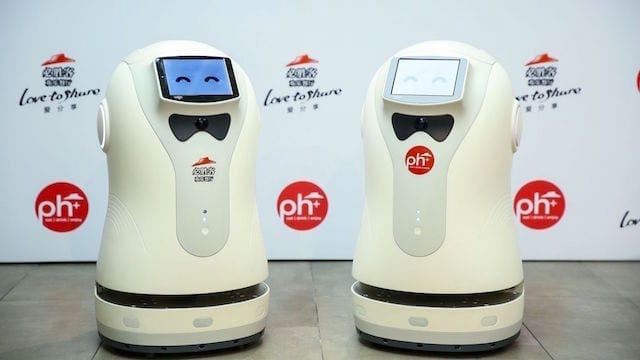
    While it has become common to see robots on factory assembly lines, in China the machines have already begun providing the elderly with care and helping raise children at daycare centres.

    At one of China’s largest daycare centres, in Sanhe, Hubei province, three white and round-bodied robots help give classes.

    The children, aged around four or five, each approach Keeko the robot, and speak to it, which then arranges what the children told it to musically narrate the story.

    At the centre, where the children can also learn kung-fu and calligraphy, the goal is to “combine tradition with modern advancements”, one of the professors, Gao Haiyan.

    Keeko also dances with the children, solves mathematical problems and supports artificial intelligence so that it can even understand in the future.

    “If everyone said negative things to it, Keeko would think they were correct, which would not be good for the kids, therefore we intervene a lot to make the lessons as positive as possible,” said Chen Xiaodong, official at Xiamen Zhitong, the firm that made Keeko.

    Keeko’s role in helping educate children contrasts to that of a robot known as A-Tai, which is 1200km away in the eastern city of Hangzhou.

    A-Tai is in charge of taking care of the elderly at an age care home with more than 1300 old people.

    It is slightly taller than Keeko, is equipped with two blue antennas and is capable of singing traditional Chinese opera, known to be popular among elderly Chinese people, can also make calls to residents’ relatives, and remind the residents to take their medicine.

    Its designer, Shen Jianchun, believes that someday his robots will replace the nurses at such institutions.

    Although China entered the realm of robot manufacturing later than other countries, it has quickly become the world leader, mainly through the Made in China 2025 campaign, which hopes to spur China to become the leader in all areas of technology production and development.

    In 2016, China installed 90,000 new robots – a third of all robots in the world – in factories, a 30 per cent increase from 2015.

  • Banks are closing branches all over the world, but why not in Hong Kong?

    Banks are closing branches all over the world, but why not in Hong Kong?

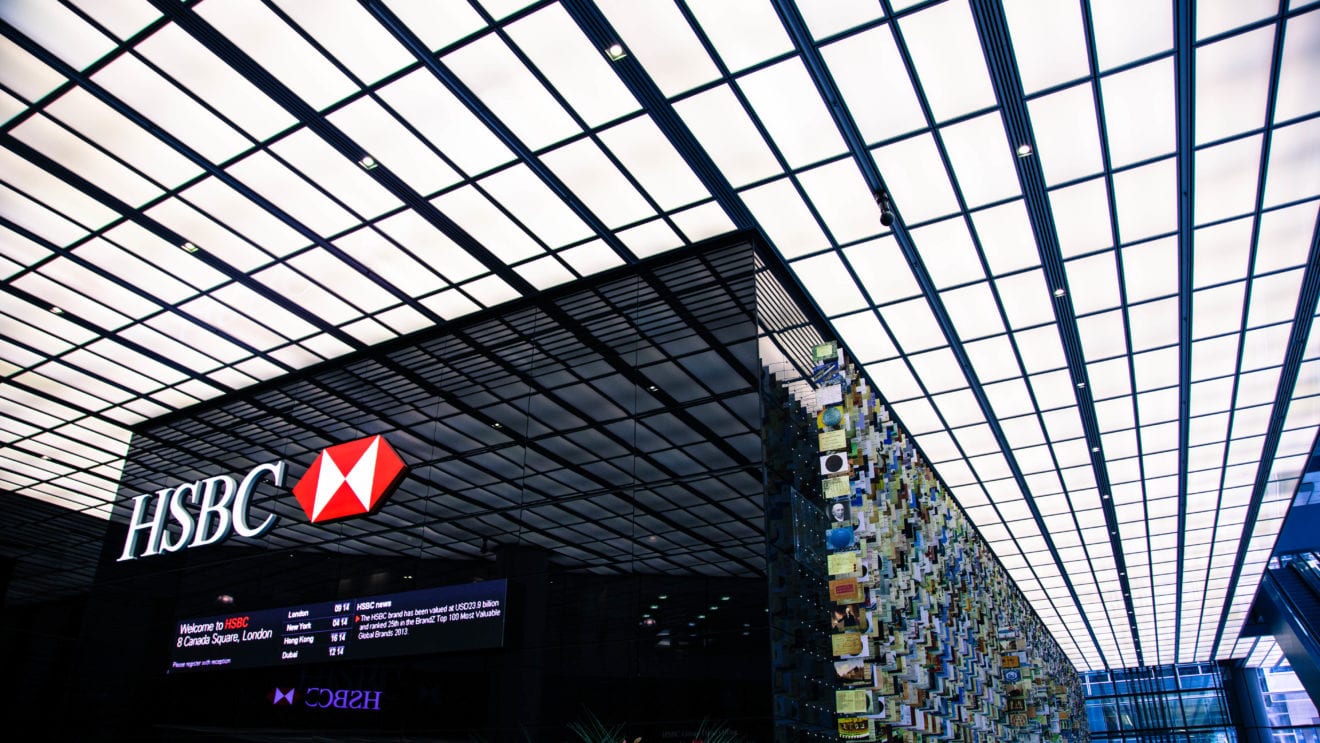
    Retail banking in Hong Kong seems resilient if you look at the number of outlets. Elsewhere in the world, bank branches have been closing; in Hong Kong, by and large, they have stayed open.

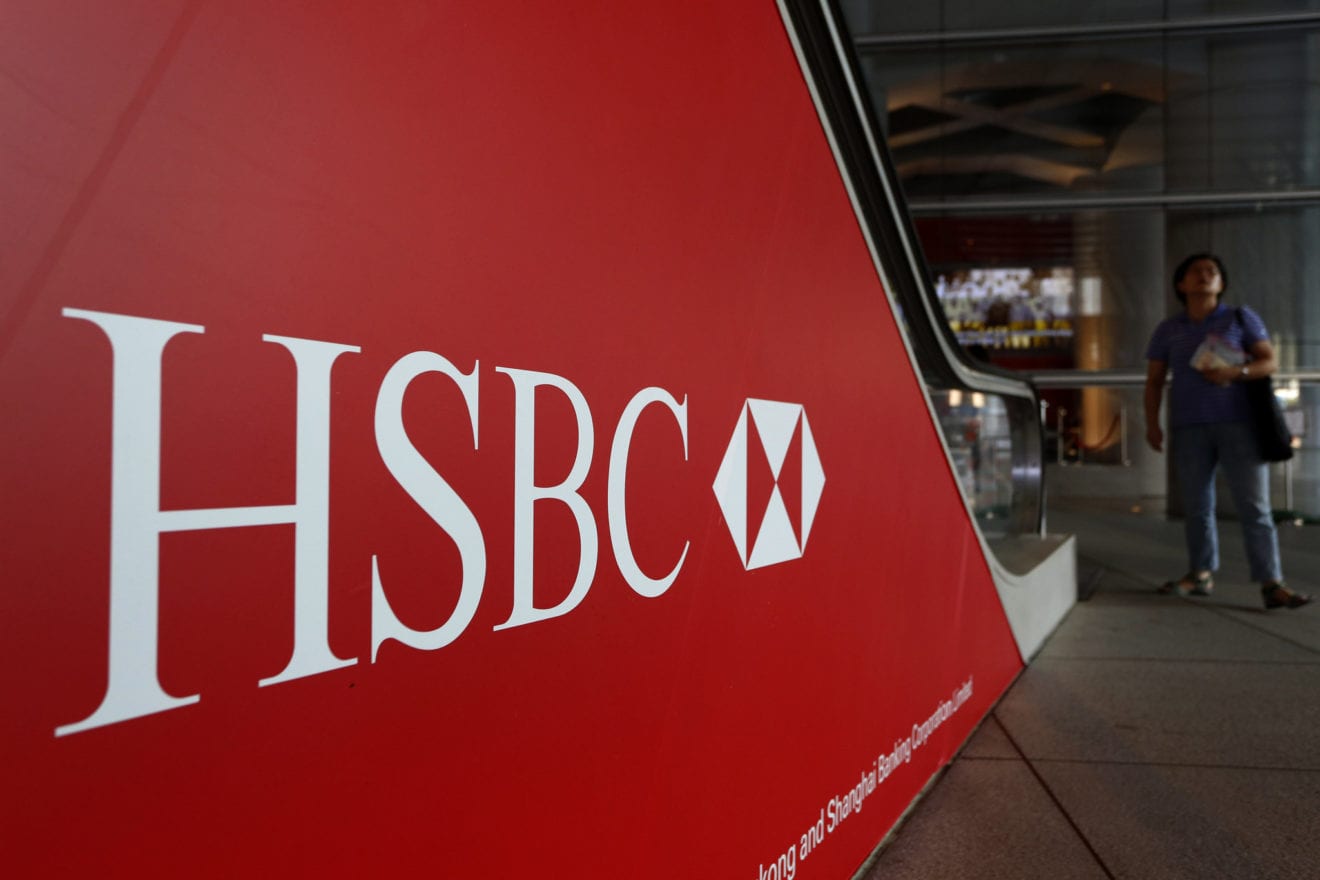
    HSBC will have halved its UK presence compared to 2011 by the end of this year, but a spokesman for the bank said in January that there was no programme of branch closures in Hong Kong

    Meanwhile, earlier this month, Citi announced that it would close 80 per cent of its branches in Korea, a move that has not been replicated in Hong Kong to anywhere near the same extent. In both cases the move towards digitisation was given as a reason.

    The slower take up of digital services by Hong Kong residents is at least part of the reason why there have not been similar closures in Hong Kong.

    “While we see that a growing number of basic transactions like payments are shifting to online and mobile channels, our customers continue to use branches for wealth management and mortgage services which need more personalised support,” said Greg Hingston, HSBC’s head of retail banking and wealth management Hong Kong.

    “Also there are still segments of the population that don’t use digital banking and … we continue to invest in outlets to serve these customers.” This has had positive consequences for employment in Hong Kong.

    “In the Netherlands, ING laid off 1,000 staff as they moved to more digital operations. Because there has not been the same take up of digital in Hong Kong, we have not seen any significant decline in branch headcount,” said Maggie Li, associate director of banking and financial services at Randstad Hong Kong.

    “In fact at the moment in Hong Kong digitisation means that banks are hiring more staff as they adjust to the changes.”

    However, there are reasons for branches remaining open in Hong Kong above the digital dimension.

    “In Hong Kong it is also important to note that the degree of customer account concentration per branch is very high and our network is very productive, unlike other markets where [it] is much lower,” said Hingston.

    Hong Kong’s sky high housing prices are a factor in this too.

    “Mortgages in Hong Kong are much larger than mortgages elsewhere, and if a bank were to close branches, losing a small fraction of this business would still be a significant sum,” said Keith Pogson, senior partner for financial services at EY.

    Branch closures have been seen in less profitable areas, and last year, BEA closed all 22 branches of its East Asia Securities outlets.

    Customer behaviour is also playing a role.

    “In Hong Kong when customers are choosing a bank, the convenience of its location – usually how close it is to their place of work rather than where they live – is an important aspect, and so that is another reason why branches are staying open,” said Pogson.

    Hong Kong’s banking regulator is also keen for banks to maintain a physical presence.

    “The HKMA attaches great importance to the accessibility of basic banking services to the general public, and has been encouraging the banking industry to put the spirit of financial inclusion into practice when developing their banking networks,” a HKMA spokeswoman said.

    The spokeswoman added that there were even plans afoot for more bank branches to open. “Three note-issuing banks and five retail banks plan to open about 10 branches and deploy one mobile branch in the next 12 months or so to provide basic banking services for the residents in remote areas and public housing estates,” she said.

    Branches are becoming more about selling additional services to clients, and not just offering transactions

    Keith Pogson, senior partner for financial services at EY

    Nonetheless, bank branches in Hong Kong are starting to change.

    “Branches are becoming more about selling additional services to clients, and not just offering transactions,” said Pogson.

    “This means that there has been some change in the people employed in branches, as banks look to raise branch staff’s capabilities to offer more.”

    There are also now indications that banks are starting to adapt their offerings, and a number are exploring wholly digital branches.

    Other adaptations may even involve some closures or “rationalisations”.

    “Going forward, Bank of China Hong Kong will continue to explore the feasibility of using innovative forms of banking service delivery channels and to rationalise its branch network to provide customers with banking convenience beyond conventional branch services,” said a spokeswoman for the bank.

    As Hong Kong consumers gradually become more willing to use technology, and technology provided by the banks improves, then the pace of such changes may accelerate.

  • Tesla must complete brake fix to regain top safety rating

    Tesla must complete brake fix to regain top safety rating

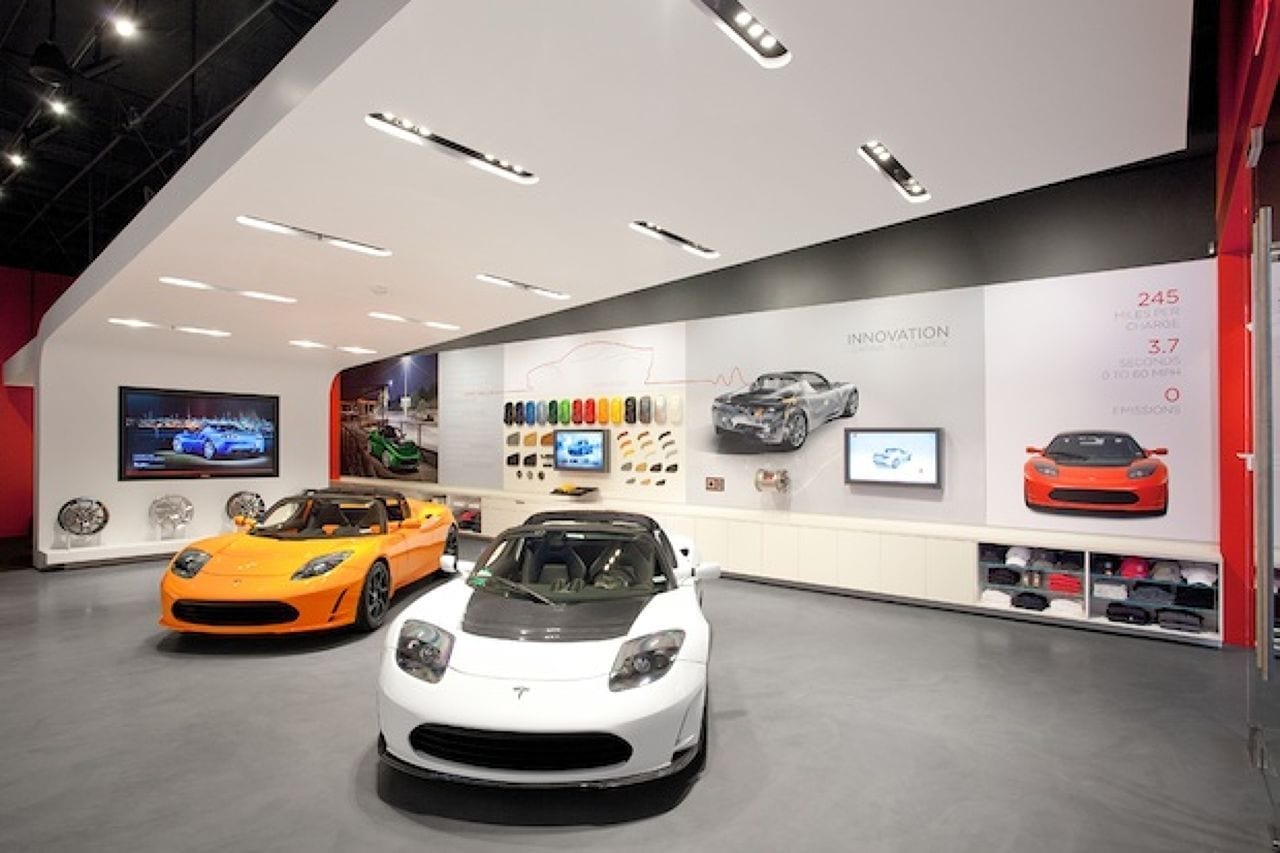
    Tesla needs to complete fixing its Model S sedan emergency braking system to regain Consumer Reports’ top safety rating, the magazine said on Friday, noting that a recent update by the luxury electric car maker was not enough.

    The magazine, which provides an annual rating of vehicles sold in the United States, said on Wednesday the sedan had lost its top ranking in the ultra-luxury car category for failing to install the feature that it had promised to owners as standard equipment.

    The Model S fell to third place in Consumer Reports’ ratings behind the Lexus LS made by Toyota Motor Corp and the BMW 7 Series.

    Consumer Reports said both Tesla models previously came with standard automatic emergency braking (AEB), a feature that helps reduce accidents. The software issue affects more recent vehicles built since late October 2016.

    The magazine said Friday that the Model S sedan it owns had received an automatic emergency braking software update Thursday, but the new version only operates up to 28 miles per hour (45 km).

    That is far less than the current 90 mile per hour limit for the prior Tesla AEB system included on vehicles built before late October.

    The magazine cited a statement from Tesla that “over the next several weeks” the car maker would increase the speed limit “until it is the most capable of any vehicle in the world.”

    The California automaker last week recalled 53,000 Model S and Model X vehicles to fix an unrelated parking brake issue.

    Earlier this month, Tesla briefly edged out General Motors Co to become the most valuable U.S. car maker.

  • Lenovo Set To Open Retail Stores In Asia Pacific, Gaming Brand Push

    Lenovo Set To Open Retail Stores In Asia Pacific, Gaming Brand Push

    Lenovo has said that they are looking to establish over 100 Lenovo gaming stores in the Asia Pacific region, it’s not known if or when any Australian stores will be established.

    Currently JB Hi Fi has an exclusive deal with Harvey Norman who are not seen as a destination for hard core gamers. The decision to go exclusive with the mass retailer was made by Brandan Lau the Director of Consumer PC’s at Lenovo Australia.

    Initially JB Hi Fi was going to range Lenovo gaming products but dropped the Chinese brand in favour of staying with the Alienware brand from Dell, which has been highly successful for the retailer.

    According to Lenovo sources in Hong Kong, the new Asia Pacific stores will sell a range of gaming products including workstations, notebooks, accessories including mouse and keyboards as well as gaming bags.

    We also understand that the Company who are successful direct sell operators in Australia, are also looking to sell their B2B PC range which includes Think Pads and 2 in 1 products via the new stores.

    Currently Lau is banking on heavy discounting to drive consumer PC sales while at the same time investing in extensive direct sell marketing in mass newspapers and online, for Lenovo PC products a move that has not gone unnoticed by Lenovo consumer PC retail partners.

    The Company are also major partners with Amazon.

    Combined Lenovo’s consumer and enterprise product lines each contributes 50% of Lenovo’s PC sales in Asia Pacific with the Chinese Company set to shortly market a 25th anniversary range of ‘Think’ enterprise products to lift awareness of their enterprise offering.

    What Lenovo are looking to achieve with their direct sell retail format, according to sources, is uptake for a new gaming brand called Legion. All their new gaming products including a new range that will be released at IFA in Germany in September will be branded Legion.

    Ivan Cheung Asia Pacific President at Lenovo said recently that excluding Japan and China that gaming products made up 75% of the Asia Pacific’s overall consumer PC sales, Retail News understands that this is not the case in Australia due in part to Lau’s decision to consolidate his gaming sales primarily via Harvey Norman.

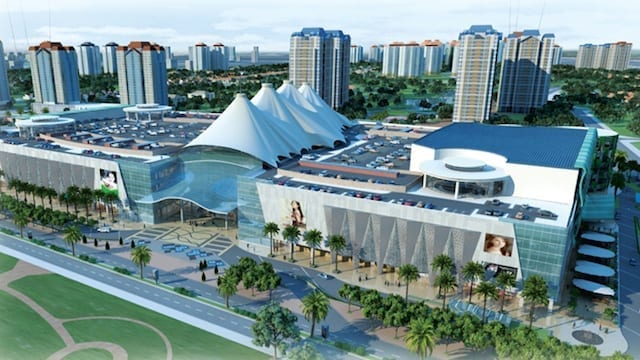
  • Funan woos consumers with cutting edge showsuite ahead of 2019 opening

    Funan woos consumers with cutting edge showsuite ahead of 2019 opening

    The public can get a preview from this Sunday of what to expect when Funan mall opens its doors in the final quarter of 2019.

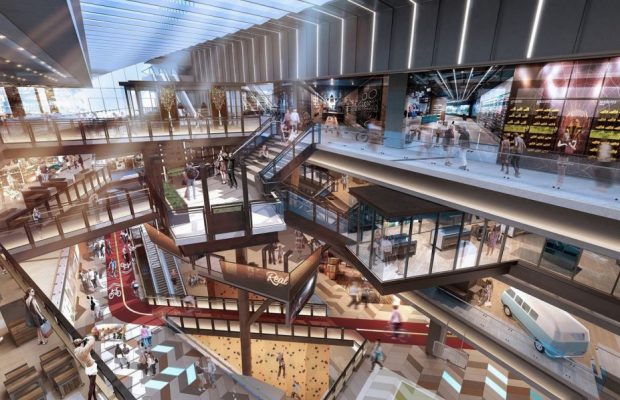
    Funan, an integrated development redeveloped from the former Funan DigitaLife Mall in the heart of Singapore’s Civic & Cultural District, has scored a retail sector-first with a one-of-a-kind experiential showsuite, landlord CapitaLand Mall Trust said at the launch of the suite yesterday.

    Located at the junction of High Street and Hill Street, the two-storey showsuite brings to life a new live-work-play paradigm with cutting-edge immersive virtual reality simulation technology.

    It incorporates design elements reflective of Funan’s centerpiece “Tree of Life”, a wood-and-steel structure extending from Basement 2 to Level 4 that will house a variety of open platforms and studios that promote new forms of retail, experimentation and social learning, CapitaLand Mall Trust said.

    The showsuite will open to the public daily from 11am to 9pm, from this Sunday, which coincides with this month’s edition of car-free Sunday SG in the Civic District.

    In conjunction with opening festivities, visitors can expect activities that include watercolouring and terrarium workshops, conversations with creative entrepreneurs, and an exclusive InstaMeet helmed by popular Instagrammer Yafiq Yusman, known for his unique perspective on architectural photography on the social media site.

    “Funan sets out to be an aspirational and experiential space that fosters collaboration among complementary partners, to spark inspiration and discovery for consumers.

    “And this commitment to break new ground has been carried through to the way Funan’s showsuite is designed — accessible, community-centric and experiential,” said Mr Wilson Tan, CEO of CapitaLand Mall Trust Management.

    With a project development expenditure of S$560 million, Funan will have a total gross floor area of 887,000 sq ft, including 500,000 sq ft for retail, 266,000 sq ft for offices and 121,000 sq ft for 279 apartment units.

    Funan has received commitments for about 25 per cent of its total retail net lettable area of 324,000 square feet, the landlord said.

    Local theatre company W!ld Rice’s 380-seat theatre spanning 18,000 sq ft will be Singapore’s first theatre venue within a commercial complex that is designed, managed and programmed by a theatre company.

    Some of the other key tenants at the new Funan include IT retailers Newstead Technologies and AddOn Systems, supermarket chain FairPrice Finest, cinema operator Golden Village, Kopitiam food court and rock climbing facility Climb Central.

    Well-known photography store TK Foto will have a dedicated test zone for drone filming.

    Funan, which will have one floor entirely dedicated to IT, aims to merge smart shopping technologies such as drive-through collection for products ordered online, a pick-up concierge and a basement storage facility for retailers.

    In a separate announcement yesterday, Challenger Technologies said it will open its flagship store at Bugis Junction Basement 1 this weekend. Challenger, the largest homegrown IT products and services provider in Singapore, had closed its 53,000 sq ft flagship megastore at Funan DigitaLife Mall in late 2015 after CapitaLand Mall Trust said it would redevelop the mall.

    The new 14,000 sq ft flagship brings the total number of Challenger stores in Singapore to 40. The flagship store offers a smart, interactive experience featuring 15 lifestyle concept zones backed by data analytics to guide shoppers in their purchases. The integrated retail space, with carefully curated merchandise, experiential areas and engaging displays, aims to draw shoppers in to explore and experience before making an informed purchase, Challenger said.

  • Accolade to showcase new Aussie wines in Singapore

    Accolade to showcase new Aussie wines in Singapore

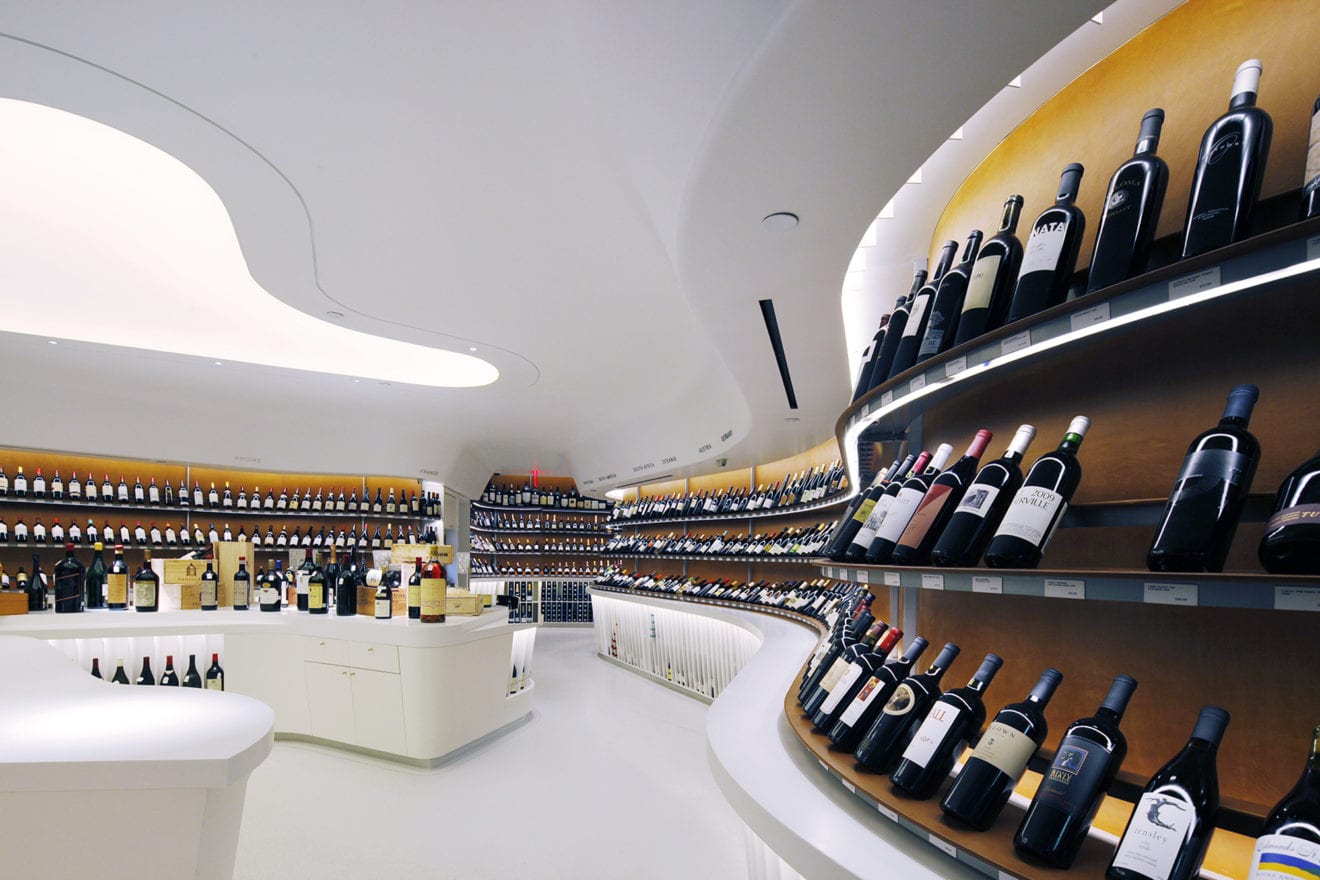
    Accolade Wines will be introducing an enhanced portfolio to visitors at the upcoming TFWA Asia Pacific Exhibition (Basement 2, J5) following the acquisition of six wine brands from Australia: Petaluma, Croser, St Hallett, Knappstein, Stonier and Tatachilla.

    These newly introduced brands reside in some of Australia’s most renowned wine regions, including Adelaide Hills, the Barossa Valley, McLaren Vale and the Mornington Peninsula.

    Rupert Firbank, Commercial Director, Accolade Wines, comments: “We have been experiencing significant growth in global travel retail and domestic markets over the past six years.

    “This has been supported through the acquisition of up-and-coming brands that have allowed us to expand our global footprint and add a great breadth to our portfolio.

    HARDYS APPROACHES 165TH BIRTHDAY

    “Our previous acquisitions of Geyser Peak in the United States, Grant Burge Wines in Australia, Mud House in New Zealand and Vina Anakena in Chile have been hugely successful, so we are confident that these new additions will add another dimension for our customers.

    “TFWA Asia Pacific Exhibition & Conference is the ideal opportunity to introduce these new wines to our Asian partners.

    “Being able to sit down face-to-face with them makes a big difference in being able to fully explain the story behind each brand. We invite visitors to the show to come and experience our exciting new wines and our current brands, most notably Hardys wine which is fast approaching its 165th birthday.

  • HSBC takes the long view with Guangdong strategy

    HSBC takes the long view with Guangdong strategy

    After two years of ploughing to become a universal bank in China’s southern Guangdong province that also serves the surrounding region, there is little sign of a full yield in near sight for HSBC Holdings. But HSBC stresses that it always knew the road to harvest would be long and treacherous, and is reiterating its commitment by pumping in more resources to expand services and hiring more staff this year.

    This is despite the fact that the lender made a loss of US$72 million in retail banking and wealth management in China last year. “The [Pearl River Delta] plan is on track,” said Kevin Martin, HSBC’s Asia-Pacific head of retail banking and wealth management. “What we’ve said is that in Guangdong we want to be a full universal bank. We feel that we are able to compete on the ground there, using digital capabilities, to bank the communities in Guangzhou and Shenzhen, and also the surrounds.” In fact, it was these efforts and investments to build out the Guangdong and Pearl River Delta plan that led to the loss last year. “It [the loss] largely reflects investment,” Martin said. “If you look at the underlying HSBC business in China retail, it is profitable. But as you invest into the future, your earnings are a tail.”

    HSBC’s choice of Guangdong and the Pearl River Delta to front its China strategy is hardly surprising, given their proximity to Hong Kong, which benefits the bank as far as Chinese consumers’ recognition of the HSBC brand goes. The bank, first called Hongkong and Shanghai Bank, was established 152 years ago in Hong Kong and a month later in Shanghai.

    “Guangdong residents don’t consider us to be the Bank of China, but when they look at their international needs… they know us and that we are well placed to meet those needs. And obviously for those who come to Hong Kong regularly, it makes sense,” Martin said. In Guangdong, HSBC has expanded its premier offering to mass affluent customers, grown out its mortgage book (though this has been affected by the Guangdong government’s cooling measures) and in December last year announced it would launch credit cards.

    Martin said there were currently 150,000 HSBC credit cards in the market by the end of April, or 5 per cent of the three-million-card target it aims to issue over three to five years that he announced in December when the card was launched. Currently, 600 million to 700 million credit cards are issued in China.

  • Illva Saronno brands in the spotlight in Singapore

    Illva Saronno brands in the spotlight in Singapore

    Italy’s Illva Saronno returns to this year’s TFWA Asia Pacific Exhibition & Conference with the aim of consolidating its brand presence and meeting new clients.

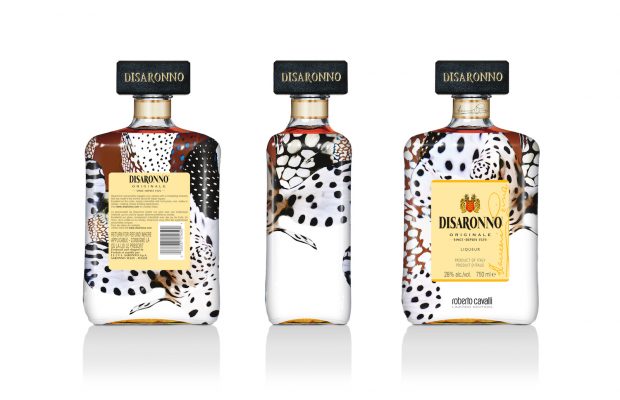
    The brand’s main focus will be on its trademark Disaronno, which is also available as a limited edition with the Disaronno wears Etro bottling.

    Each year, Disaronno forges a partnership with an Italian fashion designer to produce a bespoke bottle. This year’s upcoming collaboration remains under wraps for now, says the brand.

    Also on display will be new packaging for acclaimed coffee liqueur Tia Maria, which is backed by a cerebral marketing campaign fusing traditional marketing with neuroscience and psychology to test customers’ reactions to products and brands.

    Meanwhile, Italian aperitif Rabarbaro Zucca, which is made from an infusion of rhubarb rootstocks and a secret collection of rare herbs, will also be presented to buyers.b

    Zucca is prepared using the root of the true Chinese rhubarb, which grows in mountainous regions of the Gangsu province.

    DISARONNO RISERVA

    Furthermore, Disaronno Riserva – a blend of Disaronno Originale and blended Scotch whisky from the Highland and Speyside Islands – will be presented to buyers.

    The limited edition, which features an eye-catching bottle design, marries the fluid in oak barrels that contained Marsala wine reserves, with Illva Saronno believing the product is particularly well suited for buyers in Asia Pacific.

    Wines from Duca di Salaparuta and Florio will also be showcased, including Duca Enrico, made from Nero d’Avola grapes harvested in an area of south-western Sicily that benefits from a unique relationship between its micro-climate, vines and land.

    Domenico Toni, International Sales Director, Illva Saronno comments: “Asia Pacific is still a very new region for us, and we have been slowly introducing our brands over the past year.

    “We are planning on greatly building our business there, in both travel retail and domestic, over the next 5 years, so the TFWA Asia Pacific Exhibition & Conference is a vital resource for us to accomplish our goals.

    “We first exhibited at the show last year, and received plenty of interest from buyers. We have high hopes that this year will be even more successful for us.”

    Visitors to the TFWA Asia Pacific Exhibition & Conference can sample Disaronno’s famous Disaronno Sours cocktail at the TFWA Asia Pacific bar, situated on level 4 of the convention centre, from Monday to Wednesday at selected times.

  • Growing Internet café lures Chinese company

    Growing Internet café lures Chinese company

    Chinese computer-peripherals firm Shenzhen Rapoo Technology (Rapoo) is penetrating the growing local Internet Café (iCafé) sector to secure a dominant position in the market.

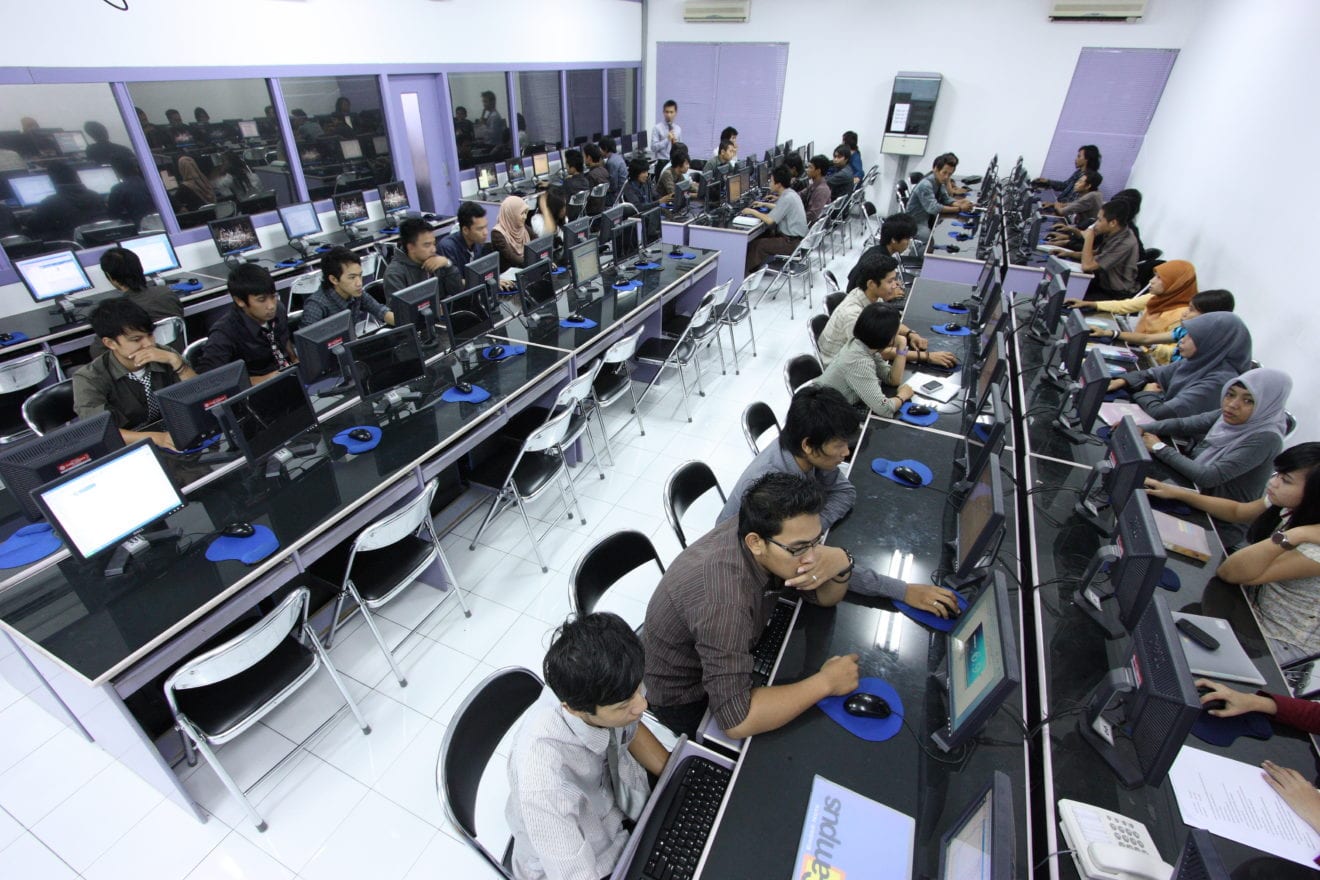
    The iCafé business is a growing industry here, according to Rapoo Philippines Retail Sales Manager Lem Estiva.

    “A lot of well-known i Cafes, like The Net.Com (TNC) and WarGods, have started expanding and actually franchising,” Estiva told the BusinessMirror on the sidelines of the company’s gaming peripherals launching in early April. “So it’s really a growing business.”

    He said the growth prompted the firm to introduce its gaming peripherals in Manila. He added the series of gaming peripherals they brought into the local market are categorically divided for two types of markets: retail and iCafés.

    “We have entry-level gaming peripherals targetting basically the iCafés for that,” Estiva said. “Meanwhile, the midrange and high-end level —that would be for personal use—target the retail market.”

    A little late

    ESTIVA disclosed they tried to reach out to some of the big local iCafés, including TNC and Mineski Corp. for possible partnerships. However, Estiva said they were a little bit too late.

    “We’ve been communicating with them, I guess for the last several months,” he said.

    Estiva added there was discussion before at the possibility of Rapoo being an original equipment manufacturer for TNC.

    “We provide them the products and have them rebrand it,” Estiva said. “Apparently, we came in a little too late.” Estiva, however, said they are “very hopeful” they can “eventually find other partners”. The Rapoo executive said they are also planning to form their own local eSports team before the year ends.

    “That’s one of our plans this year. I have quite a number of [team] names in my head,” Estiva said. “But I’m keeping them a secret.”

    Since 2014 Rapoo has been signing with teams and athletes, mostly from China, in various eSports titles, including “League of Legends” and “Dota 2”.

    Estiva said some of the iCafé operators already have First-Person Shooter and Dota 2 teams.

    “Usually they discuss with sponsors during the last quarter of the year about partnerships,” he said. “And we just came in the second quarter of this year.” Estiva said he expects the sponsorship by Rapoo starts next year.

    Peripherals

    Rapoo, which has market capitalization of $1.1 billion, began selling in the Philippines a series of wireless mice and keyboards in 2013.

    Last month the company has brought into the country its gaming peripheral series under a subbrand called “VPRO”.

    It is selling two gaming headphone models, which costs P1,515 and P2,945 each. Rapoo has four models of mice to cater to Filipino gamers with prices ranging from P1,245 to P2,190. Three of the four models are for entry-level users that are designed for ambidextrous gamers.

    For its gaming keyboard series, Rapoo VPRO brought nine different models in the Philippine market with prices ranging at a low of P1,265 and P6,730.

    Different league

    ACCORDING to Estiva, the company has an edge against competitors because of its pricing structure. “There are competitors, but we are on a different league. Some of them would be very expensive and for a new brand in the local market, we must have something different to offer on the table,” he said.

    Estiva said Rapoo is “very comparable in terms of design and durability with a very popular [brand].”

    “But it’s competitor’s product expensive,” he said. “So we come up with something similar but with an affordable price.”

    Estiva said Rappoo offers customers a direct product replacement if the products bought were deemed defective within its one-year warranty period.

    Estiva said Rapoo has its own dedicated research and development (R&D) team to ensure their products are of high quality—a way to defy the common Filipino notion that China-made products are substandard ones.

    “That’s why we have an R&D team to check all the products, because we know the reputation [here] of made in China products,” he said. “And because we are competing with other brands who have been in the business for years, we are not going to grow, or worse, we are going to die if we don’t actually provide very good products to the public.”

    Estiva said Rapoo aims to have its brand to be known as “something that would live for a long life”.

    Top three

    AT present Rapoo has two authorized distributors of its products in the Philippines: Techtron Systems Corp. and Philteq Enterprise Inc., according to Estiva. He said a third distributor is currently out of the question, as it could affect the retail price of Rapoo products in the market.

    “Probably the two distributors are enough. Because in the case of Techtron, they handle pretty much the bigger types of resellers and then Philteq would handle the growing ones or those in the mobile business,” he said.

    “So, I think we have pretty much a good balance with those two distributors. Having three would probably create a price war with the resellers,” he added.

    Rapoo Regional Sales Director Johnson Zhang said Rapoo is top three in the Philippine market, traling behind Taiwan-based firm A4Tech Co. Ltd. and Swiss company Logitech International SA. “We are trying our best to get more market share in the market,” Zhang told the BusinessMirror.

    Rapoo Philippines Country Manager Aileen Chua said the company’s revenue from the local market grew by 30 percent in 2016 from 2015. However, Chua did not disclose the company’s top line in the previous fiscal year.

    Plans

    Even with a 30-percent growth, Chua said she sees Rapoo could still perform better in the country, as much of their sales operations are focused in Luzon, particularly in Metro Manila.

    “We feel that we have penetrated Metro Manila well. However for provincial [operations], we are kind of poor in that aspect, because we don’t have the dedicated manpower assigned in those areas of the Visayas and Mindanao,” she said. “Hopefully, this year we could put up some people there who can help us promote the brand.”

    Zhang said the Philippines stands out compared to other countries in the Asia-Pacific region where Rapoo distributes its products.

    “The Philippines is performing quite good compared to most of the countries [where Rapoo is]. It performed very well,” Zhang said. “I think it’s because we have a very strong local team, and because of our quality products and cost-effective performance.”

    Estiva added the Philippines is better than other countries where Rapoo distributes its products in terms of sales target, revenue and market visibility.

    Zhang said Rapoo is currently developing its first wireless mechanical keyboard to be at par with other competitors. He said the company plans to launch it by the end of the year.

    “A lot of other brands are developing wireless gaming [peripherals], so we are also developing the same.”

    Estiva added the firm also plans to introduce in the country its product line for unmanned aerial vehicles or commonly known as a “drone”. According to him, the company has already introduced its drone called “Xiro” in the world market.

  • SM Investments Corporation announces key organizational changes

    SM Investments Corporation announces key organizational changes

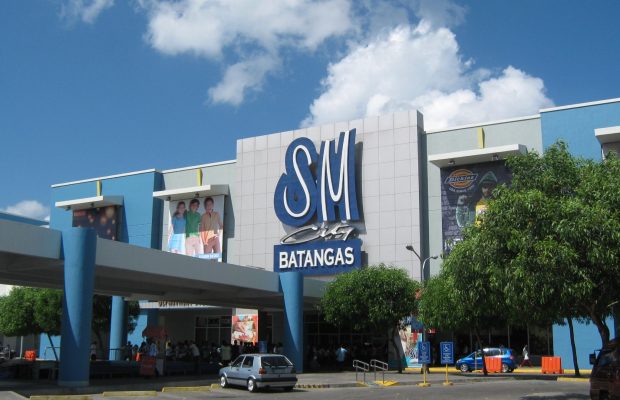
    The Board has already conferred upon Mr. Henry Sy, Sr. the role of Chairman Emeritus, in recognition of his role as the founder of SM and all of its core businesses. Mr. Sy, who is a multiawarded entrepreneur and philanthropist, opened the first ShoeMart store in 1958, a business now simply known as SM, and fostered it to become one of the largest holding companies in the country.

    SM has likewise evolved into a dynamic and highly synergistic group of businesses with market leading positions in retail, banking and property development as well as a growing portfolio of other investments that can capture the high growth opportunities in the emerging Philippine economy.

    Board Changes

    Mr. Jose T. Sio was appointed to succeed Mr. Sy as the Chairman of the Board. Mr. Sio, as SM’s Chief Financial Officer for 26 years, was highly instrumental in supporting the phenomenal growth of SM and its subsidiaries. He instilled strict financial discipline across all businesses that later helped the company achieve optimal results even as the whole group maintained a sound and stable financial position. Mr. Sio was a senior partner at Sycip Gorres Velayo & Co prior to joining SM on November 1990.

    New members of the board include Mr. Frederic C. DyBuncio as Director and Mr. Alfredo Pascual as Independent Director replacing Mr. Ah Doo Lim who joined the Board in 2008 and has served the full term as an independent director.

    Mr. DyBuncio brings with him a wealth of experience in banking where he spent over 20 years with JP Morgan Chase and its predecessor companies. He was assigned to various places apart from the Philippines such as New York, Seoul, Bangkok, and Hong Kong and held various executive positions where he gained substantial professional experience in the areas of credit, relationship management and origination, investment banking, capital markets, and general management.

    Mr. Alfredo Pascual just completed his six-year term as President of the University of the Philippines (UP). Prior to his involvement in the academe, he worked at the Asian Development Bank (ADB) for 19 years in such positions as Director for Private Sector Operations, Director for Infrastructure Finance, and Advisor for Public-Private Partnership.

    Mr. Pascual was also among the pioneers in investment banking in the Philippines having held executive positions in State Investment House, Inc., First Metro Investment Corporation, Philippine Pacific Capital Corporation now known as RCBC Capital, and Bancom Development Corporation which eventually merged with Union Bank.

    Management Appointment

    Mr. DyBuncio will assume the role of President of SM Investments in place of Mr. Harley T. Sy who will remain as Executive Director of the Board. Mr. DyBuncio joined SM in 2011 as Senior Vice President and eventually as Executive Vice President handling the company’s portfolio investments. This portfolio has since grown to include Belle Corp., Atlas Mining, the Net Buildings, CityMalls, MyTown, and most recently, 2Go.

    These changes affirm the continuing role of professionals in executing the larger vision of SM while further strengthening the group’s good governance and sustainability practices.