Blog

  • CTM, csl launch VoLTE roaming between Hong Kong and Macau

    CTM, csl launch VoLTE roaming between Hong Kong and Macau

    Hong Kong’s csl, Macau’s CTM and PCCW Global have jointly launched the first service offering end to end VoLTE and video over LTE calling services between Hong Kong and Macau.

    The new service will be available to mobile customers of the csl, 1O1O and CTM brands at no extra charge. It makes use of csl sister company PCCW Global’s high-speed IP connection between the two markets.

    CTM and csl jointly launched he Call Macau Home Pass voice, data, SMS and video call roaming service last year. The service has a monthly fee of HK$138 ($17.75) or a daily fee of HK$38.

    “CTM was the first telco in Macau launching the VoLTE and ViLTE services last year. This year, we are delighted to have achieved new breakthroughs in the service level through the collaboration with and PCCW Global on a broader horizon,” CTM CEO Vandy Poon said.

    “Upcoming, we will continue to develop our local and roaming services to facilitate Macau’s trade and economic exchange with foreign countries and to promote the diversified development of the Macau economy as well as the enhancement of our customer experience.”

    Former monopoly CTM still dominates the Macau mobile market. Earlier this month, the Macau Business Daily published a collective statement from the operator’s rivals calling on the MSAR government to even the playing field by reducing the cost of leased line access and creating conditions that would encourage investments in competing network infrastructure.

  • Month-long Orchard fiesta to woo shoppers

    Month-long Orchard fiesta to woo shoppers

    Visitors to Orchard Road can get a street-side taste of Keng Eng Kee Seafood’s coffee ribs or salted egg chicken burger and tempura kimchi popiah from Good Chance Popiah this weekend as part of a month-long event which was launched yesterday.

    Called Fiesta on a Great Street, it features pop-up events, shopping promotions and lucky draws.

    For example, shoppers who spend $300 or more can redeem shopping vouchers at any of seven participating malls.

    Kicking off the event is the Local Gourmet Fiesta outside Shaw House, which ends tomorrow.

    Six food and beverage establishments, including Baker’s Oven Patiseries, are taking part in the event and 20 per cent of sales proceeds will go to the Singapore Red Cross. Chefs will also hold master classes.

    Patient service officer Rina Cheo, 61, bought popiah at the fiesta during her lunch break yesterday. “Good, traditional food is sometimes difficult to find. It’s good that they brought it here,” she said.

    There will also be pop-ups at Takashimaya Shopping Centre and Hotel Jen Orchardgateway.

    Organised by the Orchard Road Business Association (Orba), the fiesta aims to draw more people to the shopping district.

    The association also previously organised pedestrian nights, where a 660m stretch of the shopping strip was closed to traffic on the first Saturday evening of each month.

    The pilot initiative had its last run in February last year.

    Orchard Road has been in the spotlight recently, following Minister for Trade and Industry (Industry) S. Iswaran’s announcement on April 13 that the shopping belt could become fully pedestrianised as part of bold plans to transform the precinct into a distinctive shopping and lifestyle destination.

    Speaking at a tourism industry conference then, he said reclaiming the road would create “a multipurpose space where diverse and larger-scale experiential concepts can be introduced”. This comes amid a tepid retail scene, despite efforts like having car-free weekends and cash grants for malls to build underground linkways.

    Last year, retail sales excluding motor vehicles fell 2.6 per cent from the year before, according to figures from the Department of Statistics. In 2015, retail sales had slipped 1.2 per cent from the year before.

    Orba chairman Mark Shaw said events such as Fiesta on a Great Street fit in well with such rejuvenation plans for Orchard Road.

    “The semi-pedestrianisation would mean a lot more event space on Orchard Road so we could do this on a larger scale,” he said.

    “If it works out well, we’d love to expand it to other locations,” he added. “Hopefully this can make it onto our calendar.”

  • Web retailers join hands for membership programme

    Web retailers join hands for membership programme

    In anticipation of the launch of Amazon here, online shopping site Lazada and online supermarket RedMart teamed up with other online services here to launch a membership programme yesterday.

    And retail experts said such moves could work in favour of e-commerce sites.

    The programme, called LiveUp, offers users benefits such as rebates and discounts for Netflix, Uber, UberEats and Taobao Collection.

    Currently, new users will get a 60-day trial. Subsequently, membership costs $28.80 a year for a limited time. Its usual annual membership fee is $49.90.

    Among the benefits are a six- month Netflix subscription, 10 per cent rebate on Lazada, and $10 off every 10th ride on Uber for up to 12 times a year. More partners are expected to come on board.

    The announcement comes after tech news site TechCrunch reported last month that Amazon’s launch here has been delayed to “later this year”, instead of the first quarter as earlier planned.

    60 days of trial period for new users

    $28.80 annual membership fee for a limited time

    $49.90 regular annual membership fee

    While Amazon has yet to make a formal announcement on its plans in Singapore, it is expected to set up a warehouse here for faster shipping and easier returns.

    Yesterday, Lazada Singapore chief executive officer Alexis Lanternier told The Straits Times he believes the LiveUp membership programme will put up a strong competition against the incoming e-commerce giant, which is likely to also offer its Prime membership here.

    In the United States, it costs US$99 a year and offers perks such as free two-day or same-day shipping, streaming of movies, TV shows and music, and unlimited cloud storage for photos.

    Mr Lanternier said: “We have a head start at Lazada as we’ve been here for a longer time… But the membership programme is something that Amazon is strong in, and we didn’t have.”

    “It’s something we wanted to do because it makes sense for our customers, but we also want to give Amazon no chance, so we are bringing something to the table.”

    Mr Lanternier previously headed Amazon France’s video games and software division.

    In 2015, e-commerce was worth US$1 billion (S$1.4 billion and made up 2.1 per cent of retail sales in Singapore, and could increase to US$5.4 billion and 6.7 per cent by 2025, according to a report released by Temasek and Google last year.

    Retail experts told ST that the pre-emptive move to stave off Amazon’s move into Singapore could work.

    Senior lecturer of marketing Geoffrey Da Silva, from Singapore Management University, said: “It’s a lock-in strategy to build a loyal base of customers, and whoever is the first to do it will be the winner.”

    Singapore Polytechnic senior retail lecturer Sarah Lim said the fact that established tech companies here have banded together gives them a good chance of fending off the competition.

    She added: “I wouldn’t be surprised if other retailers are also looking to retain or recapture their market because by the time Amazon arrives, it would be too late to react.”

  • Swine sector in the Philippines set to grow

    Swine sector in the Philippines set to grow

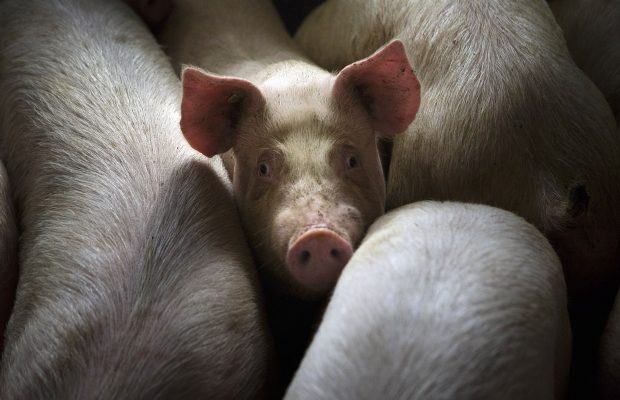
    The Philippines is undeniably one of the more interesting countries in Asia. With over a 100 million souls and a rapidly developing economy, there is a constant demand for pig meat and pork. What are the opportunities for the Philippines?

    The swine industry of the Philippines is one where jobs and economic opportunity seem guaranteed for the next decade for those who want to commit to a career or investment in modern pig production and processing. Demand is growing, in line with population and income (and tourism), and meat consumption is expected to grow in parallel. And, on the supply side, there is a deficit in pork and pig meat for the processing industry at the moment. The industry is a ‘hot zone’ for an expanding and growing supply chain from farm to fork (genetics, AI, feed, animal health, and equipment) and for foreign suppliers and importers/processors of pork.

    Second largest economic activity

    The swine sector is the second largest economic activity in the Philippines’ agricultural sector. Domestic pig production has been rising in both backyard and modern commercial farms. In 2016 (July 1), the total hog inventory in the Philippines was reported to be almost 12.5 million head – an increase of 1.4% compared with 2015.

    Backyard farms accounted for 64% of these animals and commercial farms made up 36% of the total hog population. Approximately 35% of the total breeding herd (1.68 million sows or 560,000 head) were on commercial farms (July 1 census 2016).

    The total breeding herd increased by 2.6% in 2016 and by 5.3% in 2015. The key regions for pig production are Central Luzon and Calabarzon which, together, account for almost two thirds of all commercial pig production. This proportion falls to around 30% of all pigs when backyard pig production is considered since these smaller units are spread more evenly around the Philippines. Although a lot of domestic pig meat is sold through wet markets there is a growing and vibrant meat processing sector which serves foodservice, retail and export customers. The Philippines’ Association of Meat Processors (Pampi) has around 50 company-members and claims that they account for more than P300 billion in revenues (US$ 6 billion) and provide jobs to more than 300,000 Filipinos.

    Investments are evident

    Investment in new production and processing capacity is evident. A recent example of this is the announcements by PIC of a new sire and dam line nucleus facility on the main island of Luzon, Hormel/San Miguel’s US$ 1.2 billion investment in doubling its meat processing capacity (to 120,000 tonnes) at General Trias, Cavite and the Charoen Pokphand Group’s (CP Group) plan to invest around US$ 2 billion on swine and poultry production in the Philippines in the next 5 years.

    However, it’s not all plain sailing since the domestic swine industry has a record of low productivity and has only recently begun expanding albeit the majority of local producers (mainly backyard and small farmers) are unlikely to be part of ‘commercialisation’. A particular challenge for the Philippines is the high feed and energy prices that are prevalent: these affect all producers and contribute to a relatively high cost of production for the domestic industry (estimated at US$ 1.80 per kg).

    San Miguel is one of the country’s largest conglomerates and meatpackers. The company aims to double its processing capacity in General Trias province. Photo: Vincent ter Beek

    Although the Philippines has some significant export markets (mainly Middle East) pig meat imports have grown to meet these export customers’ needs (up by circa 12% from the EU in 2016) and this may put some parts of the local supply chain under significant cost pressure in the future. The meat processing sector complains that locally produced raw pig meat does not meet its quality or presentation requirements and those imports of suitable pig meat are the only way that it can satisfy its export and domestic customers and this may be the main reason why new investments in integrated production and processing capacity are being seen.

    Reports of corruption and irregularities in customs processing are not uncommon as are complaints about unwieldy and bureaucratic SPS procedures and this may also be encouraging domestic investment. Lastly, the ever present threat of typhoons can seriously disrupt local production and this aspect of the weather’s behaviour affects decisions on location for new capacity.

    Hog Industry Roadmap

    Under the auspices of the Bureau of Animal Industry (BAI) the swine industry’s supply chain has signed up to a ‘Hog Industry Roadmap’ which describes the major challenges facing the domestic industry and the way to meet them over the next decade.

    This 26 page ‘action plan’ is most interesting and has been put together after consultations with commercial businesses and, if carried through, signals significant changes for local producers, their supply chain, and the value chain for pig meat in the Philippines. This plan envisages a growth of per capita consumption of pork in the Philippines from 14.9 kg/capita in 2015 to 16.4 kg/capita in 2017. This is relatively modest but still implies a growth of +30% in the domestic herd. The technical KPIs for production are also targets for improvement in the roadmap.

    The number of pigs sold/sow/year is required to increase from 18.8 in 2015 to 30 in 2027, and the FCR needs to shrink from 3.7 to 2.27 in the next decade. A final, ambitious, target worth mentioning is to get carcass meat production per sow per year up from 1.7578 tonnes to 3.5445 tonnes in ten years. That’s an improvement of just over 100%. It’s easy to see why these target figures imply that the Philippines is a ‘hot zone’ for investments in modern pig production.

    The Philippines at a glance

    The Philippine archipelago is made up of 7,107 islands. Together, the total area is 298,170 km2, which makes the country slightly smaller than Poland or Italy. The country’s capital Manila has about 13 million inhabitants; the economy’s growth rate is around 6% per year (2011-2015). The Philippines has a tropical marine climate with a northeast monsoon from November to April and a southwest monsoon between May and October. The country is usually affected by 15 typhoons and directly struck by five to six cyclonic storms each year. About 41% of the country is used for agriculture. Currently, the Philippines has a population of roughly 101 million, which grows 1.6% per year.

    Big challenges

    In conclusion, the Philippines is, classically, facing some big challenges if it wants to supply itself with more pig meat but it’s also clear that this is a country where opportunities beckon – and where the local industry has ambitions.

    These challenges and the potential to grow have not gone unnoticed by the local supply chain. The investment decisions of the CP Group and others noted earlier are a sign that moves are afoot to develop the pig and pig meat industry but there are other straws in the wind.

    A recent announcement of new power supply agreements between Aboitz Power Corporation and four of the largest members of Pampi; Foodsphere (CDO), Virginia Food, LIIP Food Processors (Century Pacific) and GenOSI (McDonald’s) is more evidence that wheels are turning and investments are being made. These major businesses need reliable and competitive power supplies to support their growing meat processing operations.

    That Hog Industry Roadmap for 2017-2027 has an ambitious vision – a sustainable and globally-competitive hog industry by the year 2027. The Philippines is one country where we can expect plenty of action for the swine industry in the years ahead.

  • Retail brands from China defying stereotype

    Retail brands from China defying stereotype

    When Chinese sportswear brand Li Ning set up shop in Singapore in 2009, it took one month to sell its first badminton racket.

    Former world No.1 shuttler Lin Dan may have endorsed the brand, but in the eyes of Singaporeans, one detail stood out: that it is a brand from China.

    “Initially, they doubted the quality of the product. My own kids told me they prefer Nike and Adidas as these brands were better,” said Mr Mahendar Kapoor, managing director of Sunlight Group, the sole distributor for Li Ning in Asia.

    Its retail shop at Ion Orchard, Li Ning’s first store outside of China, closed in 2014.

    But today, the firm distributes Li Ning products to close to 70 retailers here, and sells 3,000 to 4,000 rackets a month.

    6,500 China firms in Singapore

    Last year, there were some 6,500 firms from China in Singapore, almost twice the number in 2011. They are involved in various sectors, from construction and insurance to transport and food and beverage.

    Chinese construction firms started building up a presence here in the 1990s. Some of the notable contracts landed by them include a $100 million project to expand Nanyang Technological University’s teaching facilities, and a $705 million job to build the Universal Studios theme park on Sentosa.

    In recent years, a crop of restaurant chains from China have sprouted here, including the popular Sichuan hotpot chain Hai Di Lao. At least three opened last year: hotpot chain Spicy House in Riverside Point, Shi Miao Dao Yunnan Rice Noodles in VivoCity and Riverside Grilled Fish in Raffles City.

    Chinese firms have also made their presence felt on the road, with Mobike and Ofo bike-sharing firms entering the market early this year.

    In shopping malls, streetwear brand Hotwind and fashion label Urban Revivo set up stores in the past six months. Retail analysts expect more Chinese retailers to join the fray this year.

    Melissa Lin

    “Once people started using our products, they realised the quality is comparable with those from other parts of the world,” said Mr Kapoor.

    As more retail brands from China make their way here, they find themselves having to fight the perception that their products are of poorer quality – never mind that China has long been the factory of the world where products from iPhones to Uniqlo clothing are made. Some consumers worry, for instance, that Chinese brands lack a rigorous supervisory process.

    But Chinese retailers interviewed by The Sunday Times said they have quality control checks in place.

    Streetwear brand Hotwind opened at 313@Somerset last November, while fashion label Urban Revivo opened in Raffles City in January this year. These are their first stores outside of China.

    Hotwind vice-president White Wang recalled how a business associate from Singapore told him not to include Chinese characters in the shop’s signboard. But Mr Wang did, placing Hotwind’s English and Chinese names side by side.

    “He told me Singaporeans don’t think highly of Chinese brands,” said Mr Wang, who is from Shanghai. “But we are a Chinese brand, we can’t run away from this.”

    It is a prejudice that Hotwind, which sells clothing, shoes and accessories, aims to change by ensuring its products are of a high quality, said Mr Wang.

    “In China, we didn’t do much advertising but we now have over 900 stores. People find out about us mainly via word-of-mouth so it’s a testament to our quality,” he said. “I’m confident Hotwind will take off here once we open more shops.”

    He aims to have three to five stores here by the end of the year.

    Urban Revivo, which has more than 150 stores in China, said China-based production has changed “quite a lot” over the past 10 years. “People are surprised when they realise how the quality (of Chinese brands) has improved,” said its international marketing manager Federica Rubeo.

    “We’re proud of our Chinese heritage,” she added.

    Meanwhile, Chinese fashion retailer Yishion, which entered the Singapore market in 2013, now has nine outlets here. It has more than 8,000 outlets globally, including more than 7,000 in China.

    It sends all its manufactured garments to quality control laboratories in China to ensure they meet the required standard, before they are shipped to distributors worldwide.

    “Our quality is good, that’s why our prices are not low-end, but more of the mid-range,” said its general manager Raymond Shen, 33.

    Its clothing designs vary from market to market. In China, its customers are in their teens or 20s, but in Singapore, they tend to be middle-aged women, so the designs here tend to be more conservative, he said.

    Then there is lifestyle brand Miniso. Its founders are a Japanese and a Chinese, but it markets itself as a Japanese brand. “We consider ourselves to be more of a Japanese brand as our product design and product concept is from Japan while manufacturing is carried out in China,” said its assistant marketing manager June Ng.

    Miniso has more than 2,000 outlets globally, including more than 1,000 in China, 26 in Singapore and four in Japan.

    Student Jamaine Loo, 23, feels that China-made items are “inferior in terms of quality”. “Unless I’m buying something to use once and then throw away, I won’t buy something China-made, especially if the price isn’t cheap,” she said.

    But procurement executive Eileen Tan, 27, who bought a $15 pair of sunglasses from Hotwind, said it did not matter to her where a brand is from. “Nowadays, a lot of things are made in China anyway. As long as the quality of the item doesn’t look very cheap to me, it’s okay,” she said.

    Cushman & Wakefield Singapore research head Christine Li expects more Chinese brands to open here in the next 12 months.

    These brands are looking to expand overseas, as many are shunned by consumers in China who typically prefer Western brands, she said. And Singapore is an obvious choice, given its status as a gateway to the region.

    “Their brand presence in prime shopping centres here could be seen as an indicator of quality and prestige, which will make it easier for Chinese brands to expand in domestic and international markets in future,” said Ms Li.

    Both Hotwind and Urban Revivo said they intend to use Singapore as a springboard to other South-east Asian nations such as Malaysia, Thailand and Indonesia. Hotwind is opening a store in Kuala Lumpur next month.

    Hotwind’s Mr Wang said: “Having a shop in Singapore increases our brand value in the eyes of consumers.”


  • Appetite in Europe, Philippines may boost Vietnam’s 2017 rice exports

    Appetite in Europe, Philippines may boost Vietnam’s 2017 rice exports

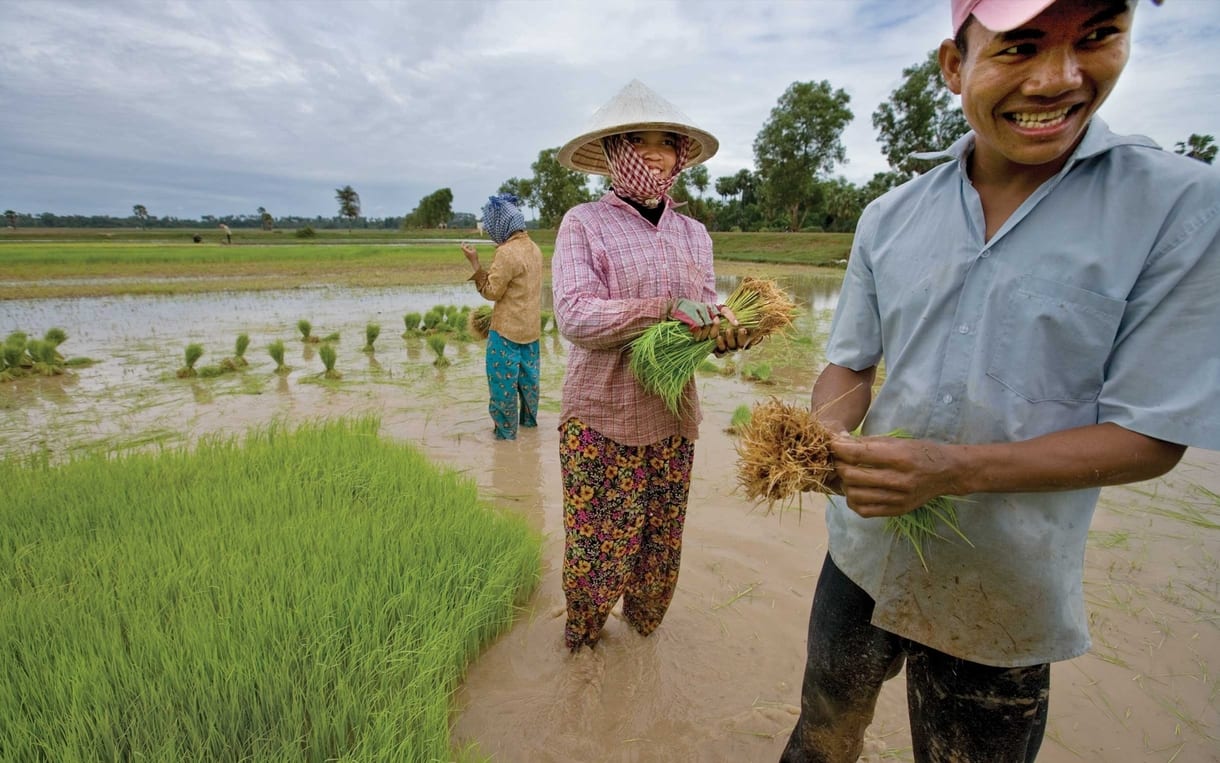
    Vietnam’s global rice export ranking this year is expected to remain unchanged, trailing behind Thailand and India. Preferential import taxes in Eastern European countries and an extended rice supply agreement with the Philippines may help boost Vietnam’s rice exports this year by around 9 percent to 6 million tons, a U.S. Department of Agriculture attache said.

    The 2017 forecast, up from the 5.5 million tons shipped last year, leaves Vietnam’s global rice export ranking unchanged in third place, trailing Thailand and India, according to USDA projections.

    Vietnam can benefit from preferential import duties in Russia, Belarus, Kazakhstan, Armenia and Kyrgyzstan after the Vietnam-Eurasia Economic Union Free Trade Agreement came into effect in October 2016, the USDA attache said in a report released on Tuesday.

    It also cited a rice trade agreement renewed in January, under which Vietnam can supply up to 1.5 million tons annually to the Philippines from 2017-2018.

    Rice exports to China, the biggest buyer of Vietnamese rice, are also expected to stay strong, now that China has approved 22 Vietnamese export firms, the report said.

    In a separate report released on Wednesday, the U.N. Food and Agriculture Organization also forecast Vietnam’s rice exports this year to jump 11 percent from 2016 to 6.9 million tons, citing demand from the Philippines and China.

    Exports slow

    Despite a positive outlook, Vietnamese export businesses said rice sales to eastern European countries have not been made easier because countries such as Russia often require high-quality grain.

    “There may be preferential import duties, but the cost to process rice and keep it pest-free would be higher than paying the import tariffs,” a Ho Chi Minh City-based exporter told VnExpress International.

    Asked about the Philippines, he said there were mixed reports, with some saying Manila was going to buy soon, while others said the National Food Authority, the country’s logistics agency in charge of importing rice, has not finalized any purchasing plans.

    Vietnam’s first-quarter rice exports fell 17.5 percent from a year ago to 1.29 million tons, extending a decline seen since May 2016, even though demand from China, Singapore and the Ivory Coast pushed March shipments alone to 550,700 tons, the highest monthly figure in a year, Vietnam Customs data shows.

    China is projected to import 5 million tons of rice in the 2016/2017 marketing year ending June 2017, up 4 percent from the previous year, a USDA report said in January.

    China bought 1.74 million tons of Vietnamese rice in 2016, down 17.5 percent from the previous year, based on customs data. The statistics did not include an estimated 1.5 million tons sold across the land border, according to a Vietnamese industry analyst.

    Shipments to the Philippines last year plunged 65 percent from 2015 to 396,000 tons, based on customs data.

    Vietnam is projected to export around 5 million tons this year, the Vietnam Food Association has said. Last year, the Southeast Asian nation shipped 4.8 million tons, the lowest since 2008, due to rising competition and growing production in key regional buyers, as well as higher stocks in Africa.

    In 2016, rice slipped to the third-biggest earner among Vietnam’s agro-exports, after seafood and fruit.

    Thinner stocks

    With rising exports expected in 2017, Vietnam’s stocks could drop to 1 million tons at the year-end from 1.42 million tons last year, the USDA report said, adding that output and domestic consumption would remain steady.

    Vietnam’s 2017 milled rice output is projected at 28.1 million tons, 0.7 percent up from last year due to higher yields, and domestic consumption and residual would edge up 0.4 percent to a combined 22.8 million tons.

    While per capita consumption has been easing thanks to rising incomes, there is “higher use of rice in home-made animal and aquaculture-feeds, and growth in the food processing sector, especially in the beer and rice wine industries,” the report said.

  • Vietnam’s biggest taxi firms blame Uber, Grab for losing business

    Vietnam’s biggest taxi firms blame Uber, Grab for losing business

    The traditional taxi companies describe the competition as ‘harsh’ and ‘unfair’. Vietnam’s major taxi company Mai Linh has reported the worst business in five years while another big player Vinasun projected a 50-percent drop in profit this year, and the two blamed competition with ride-hailing apps.

    Despite arriving late in Vietnam’s taxi market, Uber and Grab have been winning significant footholds for their fare transparency, quality of service and fashionable technology.

    The unlisted Ho Chi Minh City-based Mai Linh said its transport business lost nearly VND84 billion ($3.7 million) last year, after making a profit of VND325 million in 2015.

    The company’s net profit last year, plunged nearly 70 percent in the same period to VND43 billion, the firm’s financial report showed.

    Ho Huy, chairman of the company’s management board, said Uber and Grab were key reasons to have made 2016 a difficult year for Mai Linh and other traditional taxi firms.

    He said the market has seen “harsh competition”, with unfair taxation. Uber, for example, was paying a 3-percent value added tax, while taxi firms said they have to pay a 10-percent VAT and 20 percent corporate income tax. Uber now keeps 20 percent revenue of a ride and sends 80 percent to the driver.

    Huy also blamed Uber and Grab for worsening traffic in Ho Chi Minh City by adding 25,000 cars to the streets in recent years.

    Vinasun, also based in Ho Chi Minh City, said competition with ride-hailing apps has made it lower the profit target for 2017, the third cut in a row.

    Vinasun’s gross profit is now projected at VND205 billion, down 48 percent from 2016, based on the company’s plan to be submitted to the shareholder meeting scheduled late this month.

    But the blaming has received little support from the public, as many people said they were unhappy with poor and unreliable services provided by taxi firms, such as drivers refusing to serve short distance or failing to show up regardless of clients’ booking.

  • P&G to invest US$100mn in a new Singapore E-center

    P&G to invest US$100mn in a new Singapore E-center

    Procter & Gamble, in partnership with the Singapore Economic Development Board, established its first digital innovation center in Singapore alongside guest-of-honor, S Iswaran, Minister for Trade and Industry (Industry), announcing an investment of over US$100 million over the next five years to support this E-Center. The launch reaffirmed P&G’s commitment to Singapore and aim to strengthen Singapore’s standing as a leading digital and e-Commerce hub in the world.

    The E-Center – P&G’s first outside the United States of America – will be pivotal to its undertaking of end-to-end digital innovation across three core areas: Supply Chain Management, e-Analytics and e-Business. In the area of Supply Chain Management, termed “i-Supply”, the E-Center will focus on transforming P&G’s supply chain end-to-end, enabling greater accuracy, visibility and more efficient processes.

    The e-Business unit aims to translate digital strategies into scalable plans for the region, and to leverage new digital channels to innovate and improve business models. Through its focus on e-Analytics, the E-Center will also leverage predictive analytics and big data to optimize product distribution and marketing strategy.

    With the launch, P&G will be training 40 employees in the first year to take on digital-related roles in these three capability areas. Through the E-Center, P&G will also expand its partnerships with local Small and Medium Enterprises (SMEs) and start-ups to strengthen digital capabilities and co-develop new digital solutions. To bolster the inauguration of the E-Center, P&G also hosted the second edition of its leadership development program – P&G Leadership College – for SMEs in collaboration with SPRING Singapore.

  • Major Vietnamese sugar firms in merger talks

    Major Vietnamese sugar firms in merger talks

    Once established, the new company, will be the biggest sugar firm on Vietnam’s stock market. Thanh Thanh Cong Tay Ninh Joint Stock Company, a subsidiary of Thanh Thanh Cong Group, and Bien Hoa Sugar Joint Stock Company are planning to merge.

    Thanh Thanh Cong Tay Ninh’s board of directors will submit the plan for approval at a snap company general meeting set for late May or early June.

    The board plans to ask shareholders to agree to issue new shares to replace all of Bien Hoa Sugar’s shares on the stock market.

    Following the merger, the new company’s market capitalization will be an estimated VND10 trillion ($440 million).

    Thanh Thanh Cong Tay Ninh and Bien Hoa are currently among the largest listed sugar companies in Vietnam.

    At the end of 2016, Thanh Thanh Cong Tay Ninh had total assets of more than VND7.3 trillion ($321.2 million) and equity of nearly VND3 trillion ($132 million), while Bien Hoa had over VND6 trillion and roughly VND2.28 trillion.

    The current market capitalization of Thanh Thanh Cong Tay Ninh is VND6.2 trillion, while Bien Hoa’s is estimated at VND3.7 trillion.

    Bien Hoa Sugar shares were up 4.58 percent to VND13,700 at the end of Thursday’s trading session, while Thanh Thanh Cong Tay Ninh’s were down 0.2 percent at VND24,450.

  • ANZ sells retail business in Vietnam to South Korea’s Shinhan

    ANZ sells retail business in Vietnam to South Korea’s Shinhan

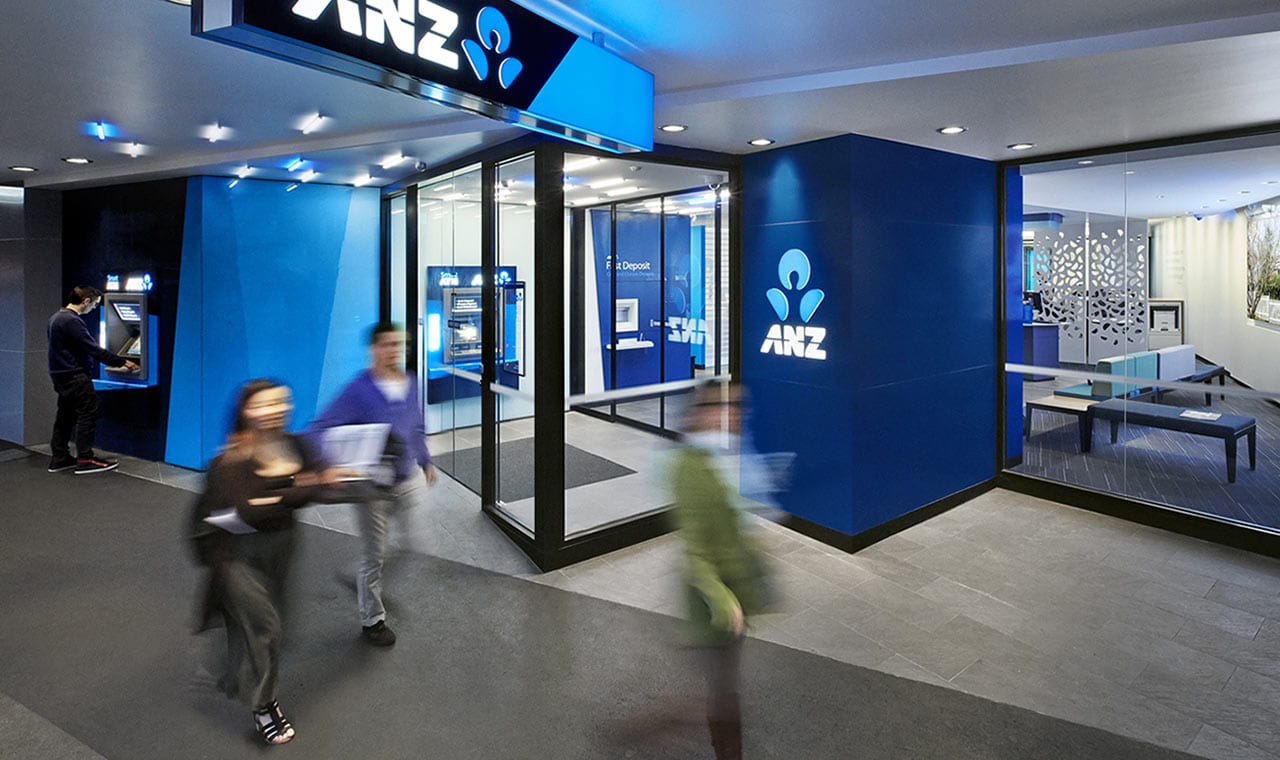
    The Australian bank said it will focus on its institutional banking, its biggest business in the region. Australian lender ANZ has announced to sell its retail business in Vietnam to South Korea’s Shinhan to focus resources on institutional banking.

    The bank has entered an agreement to transfer all eight branches, including retail staff in Hanoi and Ho Chi Minh City, to Shinhan Bank Vietnam, part of the Seoul-based Shinhan Financial Group, Farhan Faruqui, ANZ international group executive, said in a statement on Friday.

    Faruqui said the sale will allow the bank to focus resources on institutional banking, its “largest business in Asia.”

    “We will be maintaining our presence through our institutional bank in Vietnam which will continue to support our corporate clients in the Greater Mekong Region,” he said.

    ANZ’s institutional bank has a presence in 15 different markets in Asia and was ranked as one of the top four corporate banks in the region by market intelligence provider Greenwich Associates in 2016.

    ANZ’s retail business serves 125,000 customers in Vietnam, and includes $241.2 million in lending assets and $603 million in deposits. The Southeast Asian country’s economy has one the world’s fastest growing rates.

    ANZ said the transfer is subject to regulatory approval and expected to complete by year end.

    Rumors about the sale have been circulating since late last year after the bank sold its wealth management and retail business in Singapore, Hong Kong and three other Asian markets to Singaporean DBS for nearly $80 million above book value.

    Vietnam’s credit growth this year is targeted at 18 percent to facilitate the country’s annual economic expansion of 6.7 percent, the central bank has said. Last year the economy grew 6.21 percent from 2015, the slowest in two years, even though the banking sector posted an annual credit growth of 18.39 percent.

  • VW brand recovery helps to power Volkswagen profit rise

    VW brand recovery helps to power Volkswagen profit rise

    Volkswagen reported a 28 percent jump in first-quarter operating profit, helped by a return to earnings growth at its core VW brand which has struggled to recover from the German carmaker’s diesel emissions scandal.

    Group operating profit came to 4.4 billion euros ($4.7 billion) in the three months to the end of March, compared with 3.4 billion in the year-earlier period, Volkswagen said on Tuesday as it published key financial figures ahead of schedule.

    Although the group has bounced back from the scandal and overtook Japan’s Toyota (7203.T) last year to become the world’s biggest selling carmaker, analysts view a turnaround at the VW brand as key to its prospects.

    Volkswagen said on Tuesday that first-quarter operating earnings at the VW brand came to around 900 million euros, up from 73 million in the year-earlier period.

    “Causal factors for the Volkswagen Brand result include the success of new model introductions, particularly the Tiguan, and a strong financial performance in the West European market,” Volkswagen said in a statement.

    “Optimized fixed costs also positively affected the result,” it added.

    DZ Bank analyst Michael Punzet, who has a “hold” recommendation on VW’s stock, said he had expected the brand’s operating profit to come to around 500 million euros.

    Volkswagen said its other brands, which include Audi and Skoda, also contributed to the good performance but did not provide details. E

    It said it still expected to report a full-year group return on sales of between 6 and 7 percent this year.

    “If Q2 continues to do well, we expect VW to increase its full-year guidance in summer,” said Evercore ISI analyst Arndt Ellinghorst, who had expected first-quarter group operating profit of around 3.8 billion euros.

  • DHL to provide in-plant logistics for Jaguar Land Rover’s new factory

    DHL to provide in-plant logistics for Jaguar Land Rover’s new factory

    DHL has been appointed to manage in-plant logistics for Jaguar Land Rover’s new manufacturing plant in Itatiaia, Brazil. Under the new contract DHL Supply Chain will oversee all aspects of the supply chain, from warehousing through to sequenced track-side delivery. The scope of work also includes the delivery of sub-assembled kits to the production line, streamlining the manufacturing process.

    “We’re delighted to have secured this new contract with Jaguar Land Rover which builds on our long-standing relationship,” said DHL Supply Chain’s Director of Business Development for Brazil, Miquele Lioi. “Our proposal was built on three key pillars: unrivalled sector expertise, derived from managing more than 250 automotive logistics operations worldwide; our strong presence in the Itatiaia region and a clear focus on delivering efficiency and control.”

    Goods arriving at the warehouse will be stored in 8,500 pallet locations where DHL will sort, move and sequence parts, as well as sub-assemble kits of up to 25 components, before shipping in sequence to the assembly line.

    “In these challenging times, the automotive industry has proved that it can reinvent itself by identifying new market approaches, such as Jaguar Land Rover’s new plant in Brazil. In this case, sound logistics planning and a safe and efficient execution are critical to achieving business success,” added Lioi.

  • AirAsia announces Maldives and Macau promo flights

    AirAsia announces Maldives and Macau promo flights

    Low-cost carrier AirAsia will offer promotional, all-in-one way flights, to Maldives and Macau for one month, from as low as RM169 and RM129 respectively.

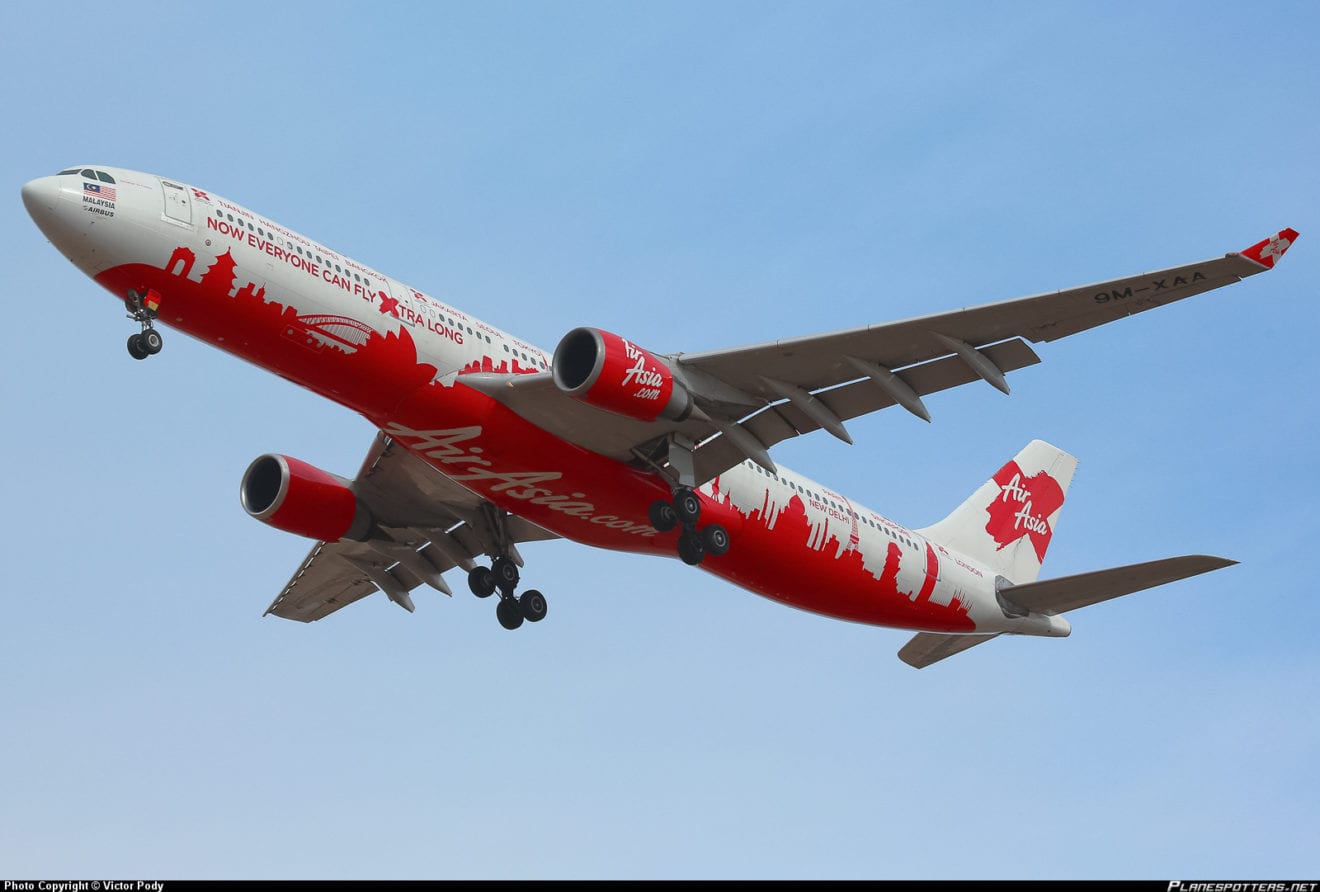
    In a statement today, AirAsia Bhd said the Airbus A330 would fly directly to both destinations from tomorrow until May 18, 2017.

    Bookings can be made from today until April 23, 2017.

    Head of Commercial Spencer Lee said the promotion to increase the capacity by deploying its Airbus A330 for one month was to improve the travel options for guests heading to these two destinations.

    “This Airbus A330 will provide an increase of 197 seats per flight. We urge guests to use this opportunity and grab the hot deals.

    “We are also pleased to increase our connectivity with additional flight frequencies to various destinations such as Kaohsiung, Siem Reap, Da Nang, Hanoi, Pontianak and Semarang,” he added.

    AirAsia would gradually increase its flight frequency from Kuala Lumpur to Kaohsiung (seven times weekly), Siem Reap (14 times weekly), Da Nang (10 times weekly), Hanoi (11 times weekly), Pontianak (seven times weekly) and Semarang (seven times weekly).

    AirAsia’s new routes from Kuala Lumpur-Bhubaneswar, Johor Baru-Tawau, Johor Baru-Langkawi and Kuching to Pontianak are also open for sale now.

  • ICONSIAM together with the Chaipattana Foundation and Allied Organizations

    ICONSIAM together with the Chaipattana Foundation and Allied Organizations

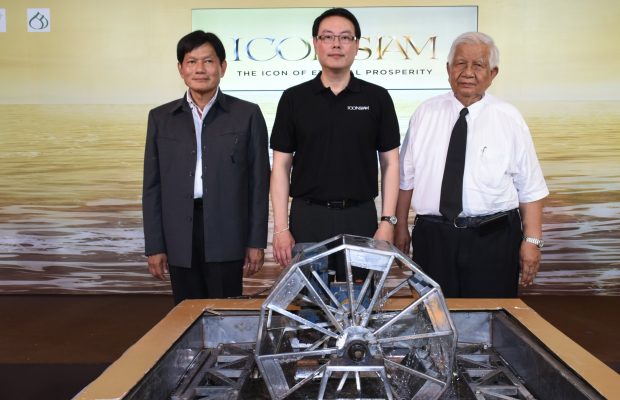
    ICONSIAM together with the Chaipattana Foundation and Allied Organizations kicked off “Preserving and Improving Chao Phraya River with a Sustainable Water Management” Project. The objectives of the project are to proceed on the late King’s Philosophy related to wastewater management, and to engage and raise awareness of local people living along the Chao Phraya River for reviving and conserving natural resources and the environment, leading to sustainable living.

    Supoj Chaiwatsirikul, Managing Director of ICONSIAM Company Limited, stated that “ICONSIAM’s policy is stressed on taking corporate responsibility and being one driving force towards the positive impact on the society, environment and culture.
    We also focus on the sustainable socio-economic development, assuring the local communities along the Chao Phraya River can live harmoniously and proudly with nature. Constantly, we are committed to carry on our three key pillars: to support the communities nearby, to inherit Thai cultures and traditions, and to take care of the environment of the waterfront communities along the Chao Phraya River.

    Recently, ICONSIAM, the Chaipattana Foundation and our alliances have launched the “Preserving and Improving Chao Phraya River with a Sustainable Water Management” project with an aim to preserve natural resources and environment of the Chao Phraya River by targeting on seven canals in three Bangkok districts – Klong San, Taling Chan and Bangkok

    Prof. Dr. Kasem Chankaew, an Environmental Specialist of the Chaipattana Foundation and Director of the Royally-initiated Laem Phak Bia Environmental Research and Development Project, explained that the Chaipattana Foundation has carried on the Late King Bhumibol Adulyadej’s initiative on wastewater treatment as said on his royal speech that “…the nature-supporting-nature process,  the simple, affordable & practical technology that people can easily adapt, low-cost mechanical devices..” in  every project the Chaipattana Foundation has developed including this one. There are 2 types of natural and simple wastewater treatment techniques which are 1) Oxidation Pond Treatment System; the digestion of organic matter through the use of microorganisms and 2) Grass Filtration System; contaminants are trapped through the grass that  absorbs toxins back into the system.

    The aforementioned project has already commenced its first initiative in Klong San district from early March 2017 at Wat Thong Phleng canal and Somdej Chao Phraya canal as the 2nd one. Following the role model project are the other 5 canals which are Wat Suwan canal and San canal in Klong San district, Wat Thong canal in Bangkok Noi district, Lad Mayom canal and Mahasawat canal in Taling Chan district to explore the physical characteristics of each area in order to properly plan for the most suitable wastewater treatment method of those areas. All of these projects are expected to be completed by 2017 with the objectives to improve the water quality, conserve and enhance the balance of the ecosystem. Additionally, the project focuses on engaging local people living along the Chao Phraya River’s awareness of reviving and conserving natural resources and the environment as well as serves as a pioneering role model aiming at developing sustainable environment in the Chao Phraya River communities in other areas.


  • HKBN profit falls 66% in 1H17

    HKBN profit falls 66% in 1H17

    HKBN has reported a 66% decline in net profit for the first quarter of 2017 to HK$46 million ($5.9 million), due in part to investments associated with the operator’s entry into the mobile market as an MVNO.

    But revenue grew 25% to HK$1.53 billion as the company accelerated growth in both its residential and enterprise businesses.

    HKBN said that since the beginning of the financial year, the Hong Kong operator’s residential focus has shifted from subscriber to revenue growth.

    The company traded off a slowdown in broadband net additions – to 21,000 from 38,000 in the same quarter a year earlier – for an improvement in ARPU to HK$192 from HK$166 over the same period.

    Residential revenue accordingly grew 5% year-on-year to HK$941 million, with HKBN increasing its market share to around 37.6% by end-December, from 37.2% as of August 31.

    Enterprise business revenue meanwhile more than doubled to HK$569 million, as a result of the HK$650 million acquisition of New World Telecom (NWT) in March last year. HKBN recorded 1,000 enterprise net additions to take its total base to 51,000, while ARPU was flat at HK$1,467.

    “This interim results mark the beginning of our quad-play harvest,” HKBN CEO William Yeung said.

    “We have a monthly billing relationship with over 870,000 broadband households, representing over one-third of Hong Kong households. We will continue to leverage this to expand from our double-play centric business on broadband and fixed voice to quad-play, which includes OTT and mobile service offerings.”