Blog

  • Chinese supermarkets pull Brazil meat from shelves as food safety fears grow

    Chinese supermarkets pull Brazil meat from shelves as food safety fears grow

    Some of China’s largest food suppliers have pulled Brazilian beef and poultry from their shelves in the first concrete sign that a deepening scandal over Brazil’s meat processing industry is hitting business in its top export market.

    The moves by Sun Art Retail Group, China’s biggest hypermarket chain, and the Chinese arms of global retail giants Wal-Mart Stores and Metro AG come days after China temporarily suspended Brazilian meat imports. Safety fears over Brazilian meat have grown since police accused inspectors in the world’s biggest exporter of beef and poultry of taking bribes to allow sales of rotten and salmonella-tainted meats.

    A spokeswoman for Sun Art Retail, which operates 400 Chinese hypermarkets, said on Wednesday the chain had removed beef supplied by top Brazilian exporters BRF SA and JBS SA from its shelves from Monday. Brazilian beef accounts for less than 10% of Sun Art’s beef supply, she said. Wal-Mart has also removed Brazilian meat products from its stores, a person familiar with the matter said. He declined to be quoted because of the sensitivity of the matter.

    Germany’s Metro has withdrawn Brazilian chicken legs and wings from its Chinese stores, said a manager, who declined to be named as he was not allowed to speak to media. The retailer, with 84 stores in China, does not sell Brazilian beef. JD.com, one of China’s biggest online retailers, said in an emailed statement it had also removed all listings for imported Brazilian meat and is reviewing orders in process.

    While Brazilian officials sought late on Tuesday to reassure consumers that the investigation had revealed only isolated incidents of sanitary problems, the reaction by Chinese retailers suggests that the probe could have far-reaching repercussions for the world’s top meat exporter. Chinese consumers appeared largely unconcerned or unaware of the scandal in Brazil, with few people commenting on the issue on the country’s vibrant social media networks.

    But the country has been hit by its own safety scandals in the past, making retailers sensitive to any potential risks.

    “We removed the product already on March 20,” said Sun Art’s spokeswoman, noting it was ahead of the Chinese government’s first official comment on the issue. Brazil is the top supplier of beef to China, accounting for about 31 percent of its imports in the first half of 2016. Much of it is used in canteens and foodservice and branded Brazilian beef is less prominent in supermarkets than Australian beef.

    Importers are expected to wait a few more days before seeking out alternative supplies, which will likely be more costly than Brazil’s. “It’s a 45-day lead-time to get any product here. What if they lift the ban by the end of the week?” said an industry source who declined to be identified. Hong Kong, the second-biggest buyer of Brazilian meat in 2016, has also issued a ban on imports, following similar steps by Japan, Canada, Mexico and Switzerland.

    Major Hong Kong supermarket chain PARKnSHOP said it had removed Brazilian pork, beef and chicken from shelves. “To cater for the needs of customers, we will increase the supply of meat and poultry products from other countries,” it said in a statement, without elaborating.

  • Vietnam confectionery booming

    Vietnam confectionery booming

    Market observers see a positive outlook in the long term for Vietnamese confectionery exports.

    Their optimism is based on a steady double-digit growth in export value for several years and an upward tick in investment and production expansion by local firms.

    According to the Business Monitor International (BMI), the nation’s confectionery sector has experienced a relatively high and stable growth rate and it is forecast to earn revenues of VNĐ40 trillion (US$1.8 billion) in 2018.

    China, the United States and Cambodia were the top three importers of Vietnamese confectionery last year, followed by Japan and South Korea. China is set to maintain its leading position this year, with import growth estimated at over 40 per cent.

    Confectionery exports went up 15 per cent year-on-year in 2016 with an export value of $532 million, the Ministry of Industry and Trade (MoIT) estimates. The export value in 2015 was $463 million.

    The growth in exports and better prospects seen have spurred investment in the industry, the MoIT has said.

    To promote co-operation between Vietnamese enterprises and experienced international confectioners, the German Bakers’ Confederation and the organising committee of the international trade fair for bakery, confectionery and snacks (IBA 2018) are treating Vietnamese enterprises as significant partners, according to the Đầu Tư (Investment) newspaper.

    The IBA has been a rendezvous for experts in the bakery, pastries, and snack industries since 1949. It is a platform for innovation and provides a complete overview of all novelties in the market. IBA 2018 will take place from September 15-20 in Munich, Germany.

    Nguyễn Trung Chính, representative of the GHM Company in Việt Nam, an affiliate of Munich-based GHM Gesellschaft für Handwerksmessen mbH, said Vietnamese confectionery products are capturing the attention of foreign investors.

    “In early April, GHM General Director Diether Dohr will come to Việt Nam to meet with local confectionery companies, and introduce them to German manufacturers and importers,” Chính said.

    Foreign rivals

    With improved quality, modern packaging and a more diverse range of products, the Vietnamese confectionery industry is developing strongly, especially in the premium segment.

    Statistics compiled by the MoIT show that imported confectionery now accounts for 30 per cent of the market share. In 2016, Việt Nam’s confectionery imports reached over $250 million, up 20 per cent year-on-year.

    A representative of the Phú Hưng Securities Corporation told Đầu Tư that the confectionery industry is not just looking at huge export potential, but also a surge in import earnings.

    “With a large and young population, Việt Nam’s average confectionery consumption is currently about 2 kilogrammes per person per year (lower than the world average of 3 kilogrammes per person per year). Confectionery consumption among the 65 per cent of the population that live in rural areas, which means that that there are plenty of market opportunities for both confectionery makers and traders, ” he said.

    Confectioners like Bibica Corporation, which has popular brands like Hura, Choco Bella, Orienko, Zoo, are trying to maintain and strengthen their market position.

    Besides building a new plant in Hưng Yên province, Bibica is preparing to operate its $12 million cupcake production line.

    The company has also implemented a $3.3 million project to produce the Hifat soft candy and has another project worth over $670,000 to produce round cakes.

    The Hải Hà Confectionery Joint Stock Company, another well-known firm, is building a new factory with a daily capacity of about 62 tonnes a day in Bắc Ninh Province.

    Vũ Quốc Tuấn, deputy manager of external relations and internal communications department with confectioner Mondelez Kinh Đô Việt Nam, said that imported candy has triggered fierce competition in the country’s confectionery market.

    He said: “This is the necessary motivation for local manufacturers to invest more in new production technology, improve product variety and enhance product quality, serving the diverse demands of demand of domestic and international consumers.”

  • Bad record for Bonjour Holdings

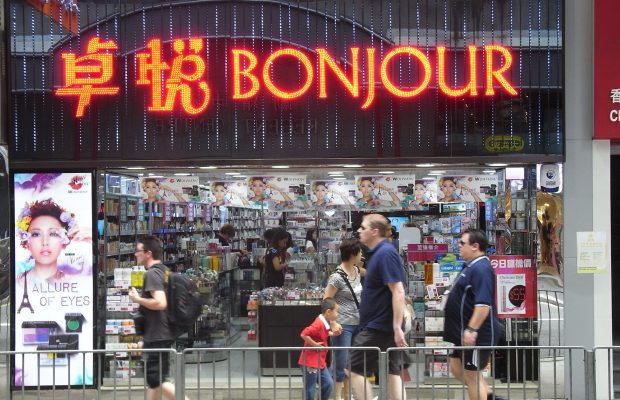
    Bad record for Bonjour Holdings

    Tumbling turnover and gross profit margin have flipped an operating profit to a loss for beauty and healthcare retailer Bonjour Holdings.

    Its turnover for last year fell 12.8 per cent to HK$1.995 billion (US$256.8 million), while its gross profit margin dropped from 41.8 to 38.1 per cent. This gave the group a loss of HK$77.9 million compared to a profit of HK$50.7 million in 2015.

    During the year, the group rationalised its retail network from 47 to 42 outlets.

    Hong Kong and Macau retail sales fell for the second straight year, the company’s audited results show.

    Same-store sales fell 10.1 per cent despite the average sales value per transaction for mainland tourists rising by 7 per cent. However, the total number of mainland customers dropped by double digits last year. The company says the drop in its total number of customers contributed about 9 per cent of the overall retail decline during the year.

    Bonjour says an enormous demand continued for Korean beauty and skincare products in Hong Kong’s retail market. Because of this, the group has formed dedicated procurement team to explore this trend.

    During the year, Bonjour continued to introduce a variety of mass Korean beauty products to keep the market competitive and to offset the negative impacts of the falling sales of Western and Japanese premium brands.

    Meanwhile, the group has been increasing awareness of its brand through online platforms. It partnered with Tmall and WeChat during the year to broaden its touch points with target consumers.

    “Additionally, with the rapid rise of live-streaming and photo-sharing apps, video and photo content and key opinion leaders (KOL), partnerships has taken up a significant role in our marketing campaigns,” says Bonjour. “Online image sharing has become a critical element for us to communicate with our target consumers.”

    Delivery service

    The group partnered with Alipay in two one-day events during the year, “2016 Carnival All the Way” and “Double Eleven”. The group also cooperated with China Post Cross-border eCommerce (CPCBE) to launch the cross-border shopping platform www.bonjourO2O.com (BonjourO2O). With its direct delivery service, customers can buy overseas items not available in Bonjour’s mainland stores.

    Online retail sales last year reached HK$40.1 million, up 7.4 per cent from 2015.

    At the end of the year, the group had 42 stores in Hong Kong, Macau and Guangzhou. During the year, sales continued to decline in the face of “sky-high” rents. While rents have been adjusting over the past two years, the reduction has not been fully reflected in the company’s income statements as it is usually locked into leases with a three-year term. The company is able to renew only about a third of its agreements each year.

    “We believe that stabilising sales along with falling rents should help improve our profitability gradually,” says the group.

    Bonjour currently distributes 180 international cosmetic, skincare and healthcare products including Dr Schafter, Suisse Reborn, WowWow and Yumei. During the year the company adjusted the product mix, increasing international parallel-import products and mid-to-lower-priced trendy products while cutting back on higher-priced exclusive products.

  • CIMB-Alipay mobile wallet provides Chinese tourists a more seamless payment experience

    CIMB-Alipay mobile wallet provides Chinese tourists a more seamless payment experience

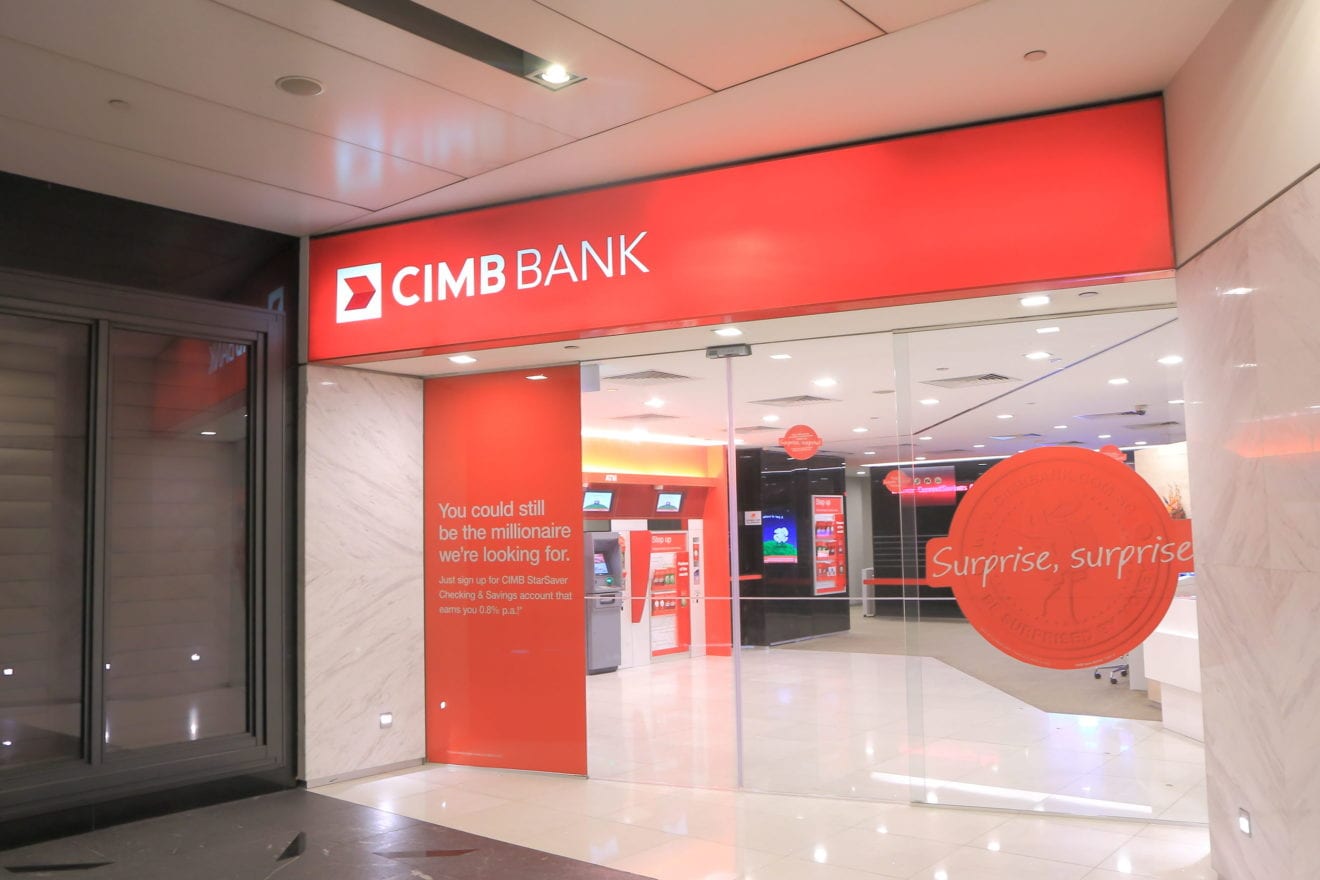
    CIMB Bank Bhd (CIMB Bank) and Ant Financial Services Group (Ant Financial), the parent company of Alipay, the world’s largest online and mobile payment platform, yesterday announced a collaboration to enable the Alipay mobile wallet in Malaysia as an alternative cashless payment for Chinese tourists.

    CIMB Bank will act as the settlement and merchant acquirer bank to facilitate Alipay payments in Malaysia, to enable Chinese visitors to pay for their transactions in renminbi without concern about exchange rates, through a simple barcode-scanning method that they are used to in China.

    Douglas Feagin, Senior vice president of Ant Financial said, “We are pleased to work with a leading financial institution in Malaysia and Asean such as CIMB Bank to bring the convenience of the Alipay service to our users wherever and whenever they need them. We see CIMB Bank, with its extensive merchant network, as the perfect collaboration partner to provide our payment solutions to Chinese travellers in this region.”

    Tengku Dato’ Sri Zafrul Aziz, group chief executive, CIMB Group said, “The entry of Alipay marks a notable milestone in the growth of mobile wallet payment services in Malaysia. We are excited to work with Alipay to provide Chinese tourists a convenient and secure payment experience while in Malaysia and we target to go live with our merchants by May 2017, having received Bank Negara approval just recently.

    “CIMB’s leading edge expertise in transaction banking is not only supporting Malaysia’s drive for a safe and secure cashless society, but also providing our customers with a seamless banking experience within Asean.”

    Earlier on, an exchange of Memorandum of Understanding (MOU) took place between CIMB Bank and Ant Financial to officiate the collaboration. Ant Financial was represented by Douglas Feagin while CIMB Group was represented by Tengku Dato’ Sri Zafrul Aziz.

    Witnessing the MOU exchange were Dato’ Sri Najib Razak, Prime Minister of Malaysia; Jack Ma, executive chairman, Alibaba Group; Dato’ Sri Nazir Razak, chairman, CIMB Group and Lucy Peng, chairman, Ant Financial.

    Thus far, CIMB is collaborating with Genting Malaysia Berhad, Digi Telecommunications Sdn Bhd, YTL Corporation Berhad and Maxincome Resources Sdn Bhd (which operates the FamilyMart convenience store chain) to be the pioneer merchants to accept Alipay mobile wallet payments in Malaysia.

    Alipay merchants in Malaysia will have the opportunity to deepen their wallet share from Chinese travellers, by providing an alternative payment channel to current cash or dual-currency credit card facilities.

    Genting Malaysia Berhad’s leading integrated resort, Resorts World Genting will be the first merchant working with CIMB to incorporate Alipay as an alternative payment channel for its customers. The award winning resort will have the world’s first Twentieth Century Fox Theme Park, the brand new SkyAvenue mall’s food and beverage and retail outlets, and also hotels under its RM10.4 billion Genting Integrated Tourism Plan.

    Digi Telecommunications Sdn Bhd will enable tourists from China to enjoy the convenience of paying for Digi mobile and data plans through the Alipay mobile wallet, enabling them to stay connected while they are in Malaysia. The Alipay mobile wallet provides customers payment convenience in line with Digi’s strategy to bring a seamless digital experience to its customers.

    YTL Corporation Berhad is looking into welcoming acceptance of Alipay mobile wallet with CIMB, especially for YTL Hotels & Properties, the hospitality arm of YTL Corporation Berhad, YTL Hotels & Properties owns and manages a prestigious collection of award-winning resorts, hotels, boutique experiences and spa villages; as well as Hutong @ Lot 10, and Starhill Gallery in Kuala Lumpur, where many Chinese tourists frequent whenever they visit Malaysia.

    FamilyMart will enable Alipay acceptance in three of its current outlets, located in Wisma Lim Foo Yong, Mid Valley, and KLIA 2, in its continuous efforts to bring more convenience to its shoppers. FamilyMart, which originates from Japan, is the first convenience store chain in Malaysia to bring mobile payment and Alipay to Chinese tourists. The chain targets to open 300 stores in five years.

  • Noodle firm earnings plunge

    Noodle firm earnings plunge

    Colusa-Miliket Foodstuff Joint Stock Company’s (Miliket) audited financial report for 2016 showed a 40 per cent drop in pre-tax earnings compared with the previous year, indicating a loss of market share.

    The report showed revenue of VNĐ461 billion (US$20.7 million) and pre-tax earnings of VNĐ25 billion ($1.12 million), declining by 3.5 per cent and 39 per cent, respectively, from 2015, and currently the lowest since 2012.

    The noodle company’s market share reduced to only 2-4 per cent in total.

    In 2016, despite the company’s effort to introduce a new line of products with better packaging and another line with flavour diversity, it failed to attract customers and accumulated 15 per cent more inactive stock compared with 2015.

    The stock of VNĐ23.3 billion ($1.04 million) caused the company’s liabilities to increase from VNĐ61.1 billion ($2.74 million) to VNĐ72.8 billion ($3.27 million).

    In total, Miliket’s total capital in 2016 was VNĐ196 billion ($8.8 million), with cash flow of VNĐ122.3 billion ($5.5 million).

    According to financial experts, the company will soon be depleted of cash if it fails to increase quantity consumed.

    At present, Miliket’s instant noodles is in the lowest price bracket on the market, at VNĐ3,000 ($0.13) per package. This allows the company to focus on low income customers and cheap restaurant chains, both market segments neglected by larger companies.

    Miliket is one among several large noodle producers on the scene in Việt Nam today facing challenges. Other brands such as Acecook, Masan and Asia Food are also facing problems generating revenue.

    Although Acecook holds nearly 50 per cent of domestic market share, it experienced continuous drop in earnings between 2013 and 2015, whereas Masan’s 2016 revenue dropped by 20 per cent from the previous year.

    According to the World Instant Noodles Association, the amount of instant noodles consumed annually in Việt Nam has gradually declined since 2013, from 5.2 billion packages to 4.8 billion in 2015. The country has the fourth largest quantity of instant noodles consumed per annum.
    Read more at https://vietnamnews.vn/economy/373605/noodle-firm-earnings-plunge.html#ZMULl4oFsddSQVRI.99

  • APEJ consumers more wary of sharing personal data

    APEJ consumers more wary of sharing personal data

    Almost four in five (78%) of consumers in the APEJ region will not choose to purchase from a brand again if their data had been used without knowledge, according to the latest SAP Hybris Consumer Insight survey

    Despite that fact that more than 83% of respondents are willing to share at least some form of personal information with brands, APEJ consumers (67%) expect brands to protect their interest when using their personal data.

    Consumers also want transparency in data usage (52%) and want brands to ensure customer privacy in the event of criminal investigations (47%).

    Nicholas Kontopoulos, Global Vice President of Fast Growth Markets Marketing at SAP Hybris, said APAC accounts for half of the world’s total 3.6 billion internet users and the fastest growing region, accounting for 70 percent of total growth in global internet users in 2016.

    “This rapid growth of the internet, mobile phones, and other digital technologies has created opportunities and challenges for millions of consumers and brands in the region,” he said.

    The SAP Hybris survey found that APAC consumers are most comfortable with sharing the email addresses (58%), shopping history and preferences (49%), and mobile numbers (36%) with brands. However, while these allow brands to create personalized customer experience for the consumers, usage of consumer data has to be approached with extra caution.

    APAC consumers also have higher expectations. Over 80% of respondents in APAC indicated that they expect brands to respond to their queries within 24 hours, and 56% expect responses within three hours, setting that as the baseline expectations on the speed of response.

    Thailand and China are the most demanding markets in the region, with almost 1 in 2 (48%) expecting brands to respond to their queries within the hour. More than half (56%) of consumers from these two countries also indicated that there will not use of brand again if it makes a mistake twice.

    “With customer expectations higher than ever due with digitization, the pressure is on for marketers to keep up with tech-savvy, always-on consumers—or risk getting trampled by the competition,” Kontopoulos said.

    “In addition to speed and timeliness, relevance and personalisation of content served to consumers have also become key measures of success for brands attempting to connect with customers.”

  • Indian cellcos told to re-verify all customers

    Indian cellcos told to re-verify all customers

    The Indian government has instructed the nation’s mobile operators to re-verify all their mobile subscribers with a system that uses biometric authentication by next February.

    All existing subscribers will need to be re-verified using the Aadhaar-based system, which includes a unique identifying number and biometric data.

    Both prepaid and postpaid subscribers will need to be registered under the new system, and all licensees will need to inform existing subscribers about the requirement through advertisements in print and electronic media as well as SMS.

    The new requirement stems from a Supreme Court order in February that requires operators to complete the verification system for existing subscribers within one year.

    Operators plan to use and share a common device ecosystem for the verification process and will work on mechanisms to limit public inconvenience.

    But the Cellular Operators’ Association of India (COAI), the peak body for India’s GSM operators, has complained that the re-verification exercise will cost 10 billion rupees in infrastructure and training costs, and these expenses will need to be borne by operators.

    COAI also indicated it may need to seek an extension from regulator Trai if its members are not able to complete the process of re-verifying millions of subscribers within a year.

  • Lazada brings Alibaba’s biggest bazaar to Singaporean shoppers

    Lazada brings Alibaba’s biggest bazaar to Singaporean shoppers

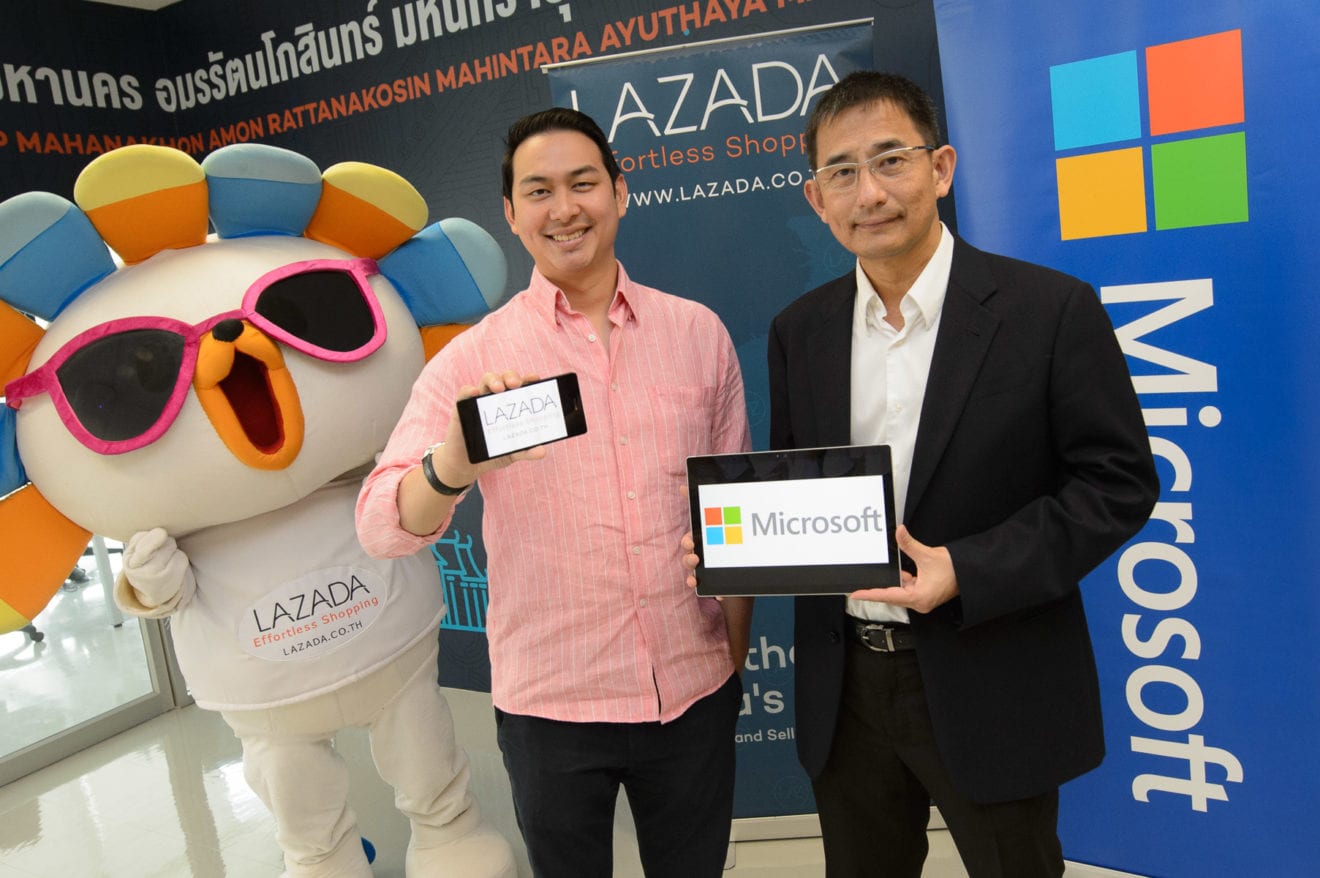
    China’s Alibaba Group has teamed up with online retailer Lazada to bring popular shopping site Taobao to Singapore, in a move to deepen the reach of the Chinese e-commerce giant into Asia ahead of US rival Amazon.

    Last year, Alibaba made headlines with a US$1 billion (S$1.4 billion) deal for control of Lazada, giving the Chinese retailer greater access to South-east Asia and closer to a goal of shedding its home-market reliance.

    The dedicated online store, Taobao Collection, went live this week, and links shoppers in Singapore directly to Taobao through Lazada’s website (taobao.lazada.sg).

    The collection targets shoppers in Singapore who want to shop directly from Taobao and are more comfortable with a local connection.

    Some 400,000 items, from electronics to home products, will be specially curated for the Singapore market, Mr Alexis Lanternier, CEO of Lazada Singapore told TODAY.

    The customised range is selected based on top selling products and customer reviews, from the existing line-up of about 1.5 billion offerings on the Taobao website, he said.

    The idea, according to Mr Lanternier, is to address some of the challenges that shoppers here face while shopping from Taobao, such as lowering shipping fees. By doing away with external agents, Taobao Collection is able to offer a flat delivery rate of S$2.99 per order.

    “Lazada is aiming at solving difficulties that currently exist when shopping from Taobao, enabling an effortless way for them to shop. The site will be translated into English (from Chinese) and shoppers don’t have to worry about shipping, payment methods and returns. Shoppers can also track their orders end-to-end on Lazada and can shop exactly as they would on Lazada Singapore,” Mr Lanternier said.

    Taobao’s entry into Singapore, according to industry players, is likely to have far-reaching implications even as it expands the playing field for e-commerce and creates a more dynamic landscape for retailers.

    “It will definitely require online retailers to continuously think on their feet to come up with new and fresh offerings, in order to keep their customers engaged. To ultimately drive Singapore’s weakening retail sector, online and offline retailers should synergise with — instead of cannibalise — each other,” said Mr Hyun Wook Cho, Qoo10 Singapore country manager.

    With more than 2.5 million registered users in Singapore, however, Qoo10 remains confident of its future prospects as an online shopping platform for Singaporeans, as it offers affordable products and understands the local market.

    “Singaporeans are highly savvy online shoppers who no longer only go for attractive prices, but also look for value-added services to have enjoyable shopping experiences,” Mr Cho added, highlighting the company’s interactive Live10 app which serves as a community chatroom where users can broadcast live demos or shopping tips to their followers.

    Meanwhile, avid shoppers in Singapore welcomed Alibaba’s move to bring its largest shopping platform much closer.

    “We now hope to have access to Taobao products much faster and expect them to be cheaper with no agents in between. Earlier, it used to take almost a month to get the products,” said 19-year-old Siglap resident Mr Nguyen Duc Thanh who buys electronic products for himself and others from Taobao at least once a month.

    “I would want to shop more now that Taobao is easily accessible through Lazada. I have always wanted to do so but given the language and other issues (related to agents), I was hesitant,” said Dakota resident Mr Andrew Fang, 30, who is keen on buying more home products.
    According to Qoo10’s Mr Cho, e-commerce players who successfully create lasting experiences that resonate with their user bases will be the ones to survive today’s increasingly competitive landscape.

  • UOB AM Goes For Tech Growth

    UOB AM Goes For Tech Growth

    Singapore’s UOB Asset Management has partnered with a prominent U.S fund manager to tap into the current enthusiasm around all things tech.

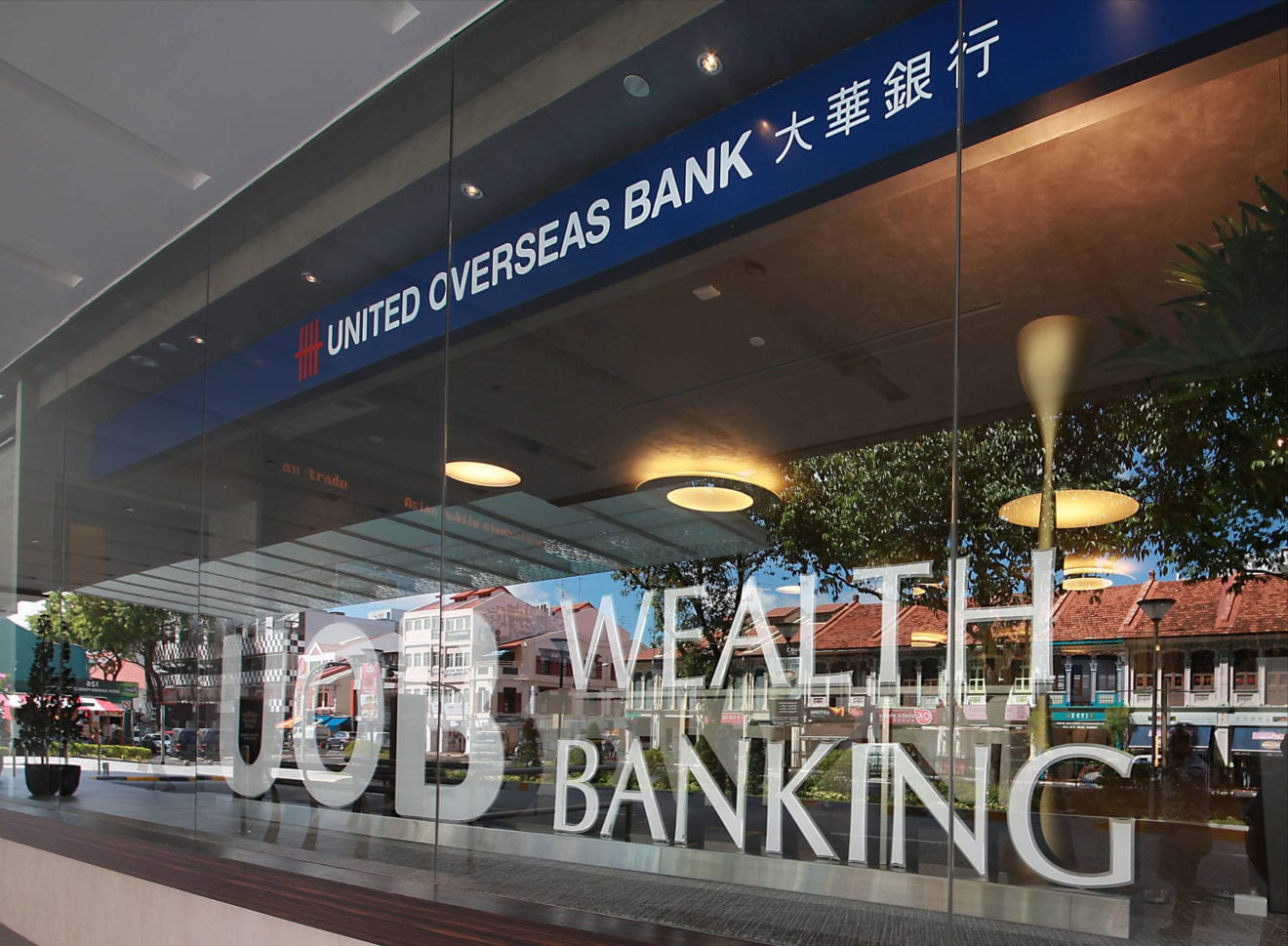
    UOB Asset Management (UOBAM) has partnered US-based T. Rowe Price International Ltd. (T. Rowe Price) to offer retail investors in Singapore the opportunity to tap the long-term growth prospects arising from technology and innovation.

    Under the partnership, UOBAM will invest in T. Rowe Price’s Global Technology Equity Strategy (the Strategy) through the United Global Technology Fund. This is the first time retail investors in Singapore would be able to invest in T. Rowe Price’s highly-rated technology portfolio.

    Exponential Growth

    In the ten years between February 2007 and February 2017, the Strategy has seen annualised returns of 15.39 per cent versus the benchmark MSCI All Country World Index Information Technology’s 9.08 per cent over the same period.

    «The role of technology has grown exponentially over the past decades to become an essential part of global economies and industries. I am pleased to bring on board T. Rowe Price, an accomplished partner with extensive experience in investing in the technology sector,» said Thio Boon Kiat, CEO, UOBAM.

    T. Rowe Price has been managing dedicated technology portfolios since 2000. As at 31 December 2016, the Strategy has $5.6 billion of assets under management.

  • AirAsia ready to make Clark International Airport its operations center again

    AirAsia ready to make Clark International Airport its operations center again

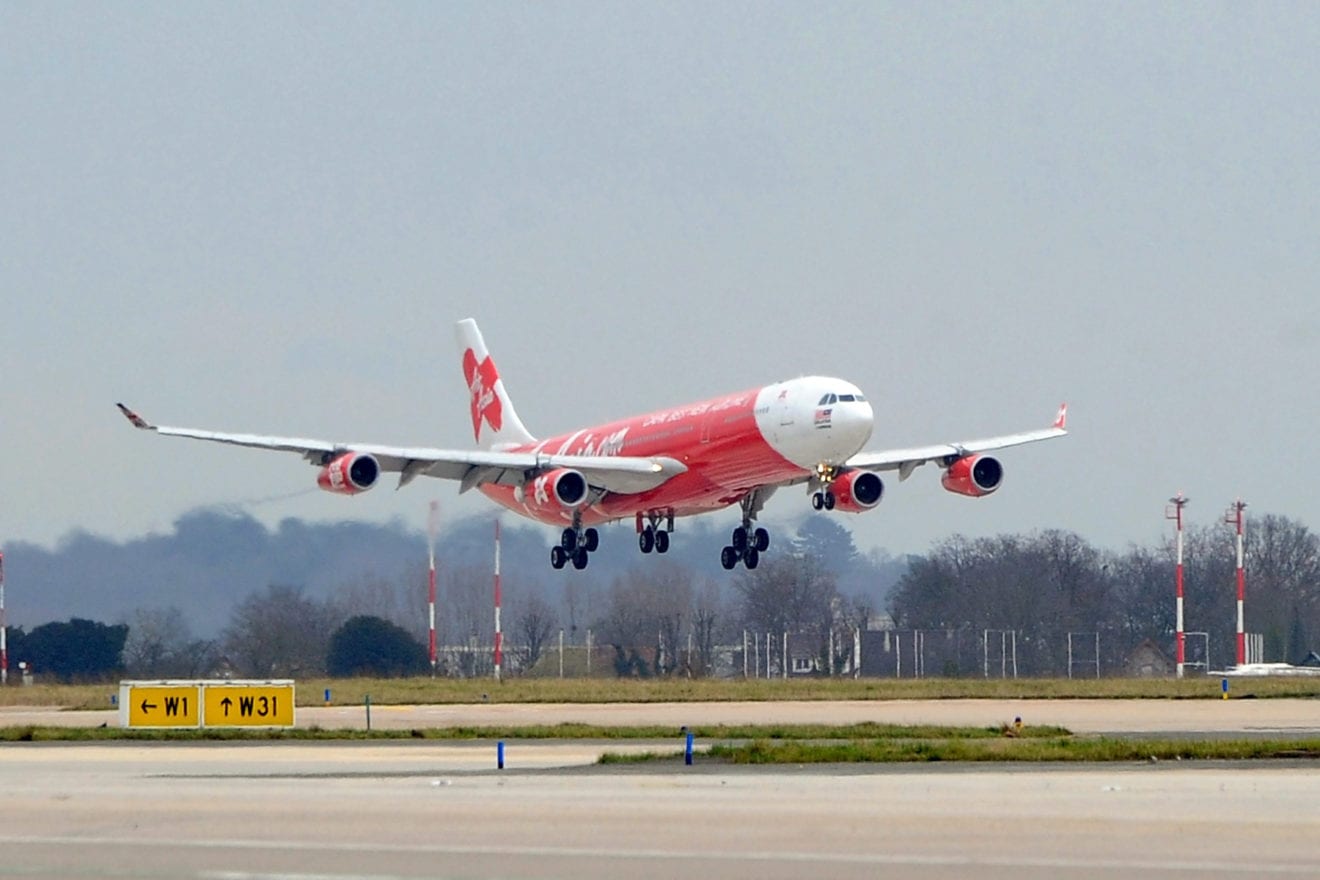
    Five years ago today, the Filipino subsidiary of Southeast Asia’s largest low-cost carrier graced the skies of the Clark International Airport with its signature red planes en route to the island of Kalibo, Aklan.

    A year after however, it decided to leave the north, and focus on the capital to support its then-newly acquired company’s dwindling operations.

    Now that its top line is stabilizing—thanks to years spent in increasing efficiencies, cost rationalizations and a management revamp—it is ready to go back to its birthplace, and once again help spur tourism and trade in the north.

    “We are thrilled to be painting Clark’s skies red again,” Philippines AirAsia CEO Dexter M. Comendador said during the inaugural flight of its Clark-Kalibo route on Monday. “We are now building Clark again.”

    He said his group, born in Clark in 2012, sees the airport as the only area left where it could expand its operations near Manila, whose main international gateway is riddled with slot constraints and air-traffic congestion.

    “AirAsia believes in Clark. We established our base of operations here, and launched commercial flights in 2012 with only two planes, and now, we have a fleet of 14 jets. We aim to expand and grow our operations here in the next five years,” Comendador said. “We can only expand here in Clark.” After launching thrice-weekly flights from Clark to Kalibo, the airline will also start flying to Davao from Clark on April 22.

    “AirAsia was with us in the past, but it decided to move to Manila in recent years. During its stay here, it contributed a lot in terms of passenger volume, specifically in 2013, when we posted a record of about 1.3 million passengers,” Clark International Airport Corp. President Alexander S. Cauguiran said. “I hope it could stay for good here at Clark. Hopefully, AirAsia will not only be flying domestic here, but also to major cities in Asia.”

    Comendador vowed to connect Clark to other major Philippine destinations, like Cebu and Puerto Princesa, when the time is ripe. The company will also launch international services to East Asia.

    “I will try to connect to our present international destinations, like Taipei, China and Korea,” he said. “We are growing the airport to prepare it as one of our central hubs.”

    Clark is seen as the immediate saving grace for the Ninoy Aquino International Airport, which has been operating at overcapacity for almost two years now.

    But local carriers have shied away from launching flights or expanding their operations in Clark due to the lack of full-service facilities, its distance from the capital and the dearth in mass transit going to Manila, among others.

    The government has programmed a P2.8-billion budget for the expansion of the airport, which will open its new terminal four years from now.

    Several groups have offered to develop Clark through unsolicited proposals.

    Claiming its P187-billion offer is “fully compliant” with the requirements of the build-operate-transfer law, the consortium of Filinvest Development Corp. and JG Summit Holdings Inc.’s proposal involves the modernization of the airport under a five-decade concession, and will start with an initial capacity for 8 million passengers per year.

    Its proposal, based on the Aeroport de Paris master plan prepared for Clark in 2015, also allows the airport to expand its terminals and runways to easily accommodate for traffic growth over the next 50 years.

    The P250-billion proposal of GMR-Megawide Cebu Airport Corp. involves the development of the airport in six phases, leading to a total annual passenger capacity of 100 million per year.

    Under a 50-year development plan, it aims to build two terminals and three runways, two of which will be independent in an 850,000-square-meter land. The plan also involves the construction of an integrated railway connection from Manila, similar to the one in Delhi, India.

    This unsolicited offer is at no cost to the government, will not require any subsidy, guarantee or mandatory movement of airlines from Naia to Clark.

    Instead, the proponent “committed to pay the government annually a share of the airport revenues over the concession period.”

    Metro Pacific Investments Corp. is also readying its own unsolicited proposal, even as it waits for a public tender to take place.

    The government wants to place contract to develop Clark under public bidding. It will be done through the Public-Private Partnership (PPP) scheme. The website of the agency, however, did not enumerate the specific details of the contract.

    Clark Civil Aviation Complex, located within the Clark Freeport Zone in Pampanga, covers an area of approximately 2,367 hectares with a 3,200-meter long runway and associated taxiways, aircraft parking apron, a passenger terminal building and related facilities. It has two runways in parallel configuration.

    The airport logged in a total of 6,205 international and domestic flights with 950,732 passengers for local and foreign routes in 2016.

    Although underutilized, Clark has a local catchment area with an estimated population of 23 million. It also serves passengers from Manila, and those with connecting flights from Cebu, Davao, and other local destinations.

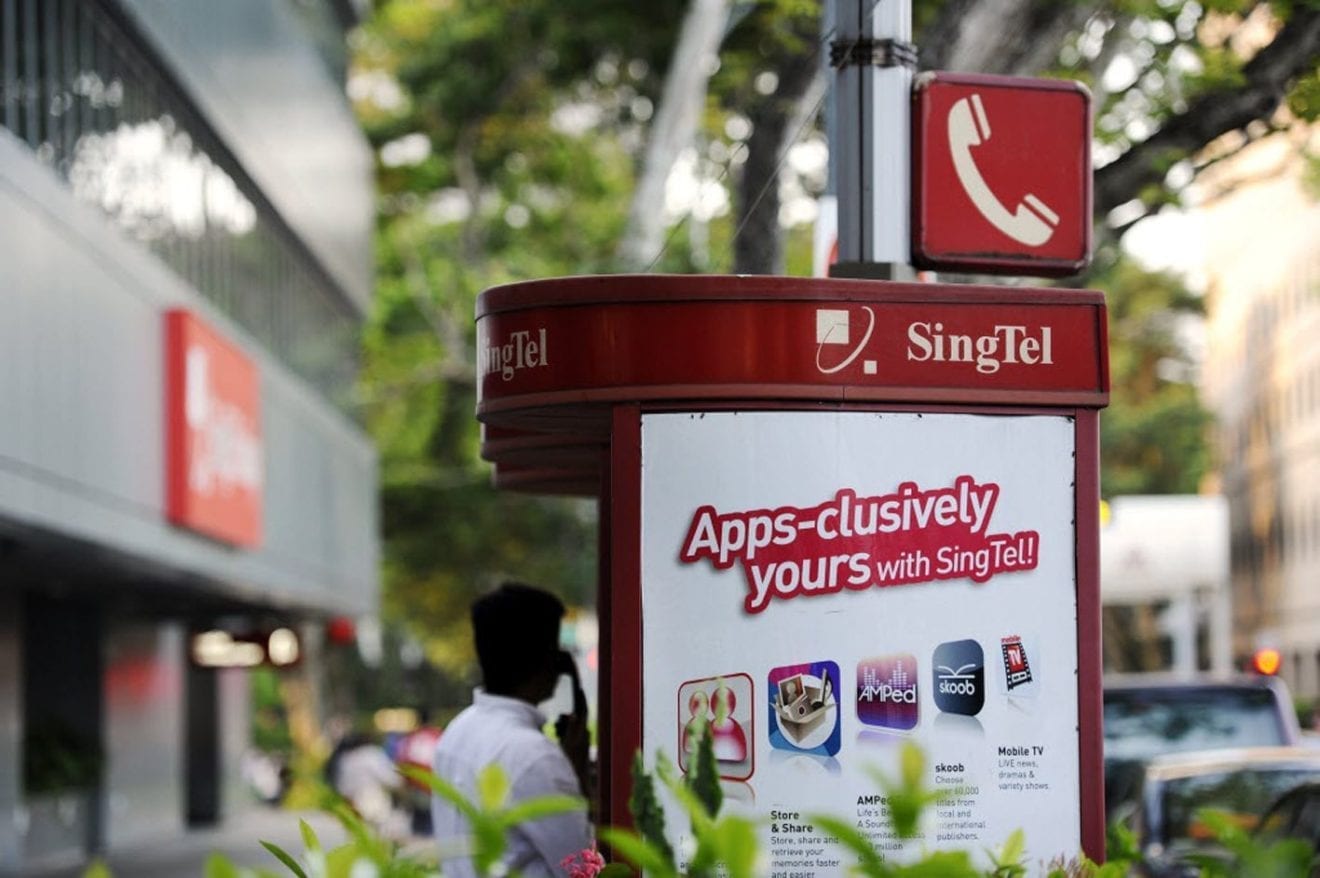
  • Singtel, Telkomsel enter mobile money alliance

    Singtel, Telkomsel enter mobile money alliance

    Singapore’s Singtel and Indonesia’s Telkomsel have teamed up to launch a real-time mobile remittance service to Indonesia.

    The new service is being offered by SingCash under the Singtel Dash brand. It will allow customers in Singapore to send money to the state-owned PT Pos Indonesia’s 4,500 cash-out points across the nation.

    The initiative marks the first collaboration between Singtel and Telkomsel on a mobile money initiative.

    The agreement is expected to be expanded in the future to cover more cash pick-up points, and to support mobile remittance directly to Telkomsel’s TCash mobile wallet from Singtel mobile wallets.

    According to the Embassy of the Republic of Indonesia in Singapore, there are 200,000 Indonesians living and working in Singapore, and outward remittance from Singapore to Indonesia totals more than $409 million per year.

    “Telkomsel’s partnership in Singtel’s remittance service is one effort to support our government in promoting financial inclusion for Indonesian people, especially the unbanked segment,” Telkomsel CEO Ririek Adriansyah said.

    “Foreign remittance enables them to improve their quality of life as well as provide an opportunity to begin saving for the future. We believe every little effort to promote financial inclusion will also accelerate the growth of Indonesia’s economy.”

  • Sesco introduces payment kiosks

    Sesco introduces payment kiosks

    Sarawak Energy’s operation and retail arm Syarikat Sesco Bhd (Sesco) introduced payment kiosks to members of public on Wednesday.

    According to a press release, the latest initiative from the state utility company is part of its continuous innovation and to further enhance customer services for the better.

    The introduction of payment kiosk machines will be an additional payment channel, allowing for real-time payment updates and it will be available at Sesco counters for added customer convenience.

    Through the kiosks, customers can make single or multiple payments (up to five bills) per transaction and also pay for collateral deposits. Payments can be made either by cash, cheque or any credit card issued by banks in Malaysia. Customers can also perform bill enquiries and print e-bills.

    This will provide an additional option for customers who can also choose from channels such as the “SEBCares” mobile app where customers can view and pay their electricity bills via online banking, credit or debit card or auto pay.

    Sarawak Energy Group chief executive officer (CEO) Sharbini Suhaili who officiated at theevent  at Wisma Sesco here on Wednesday congratulated the Retail team for applying technological advancement and innovation to enhance customer experience.

    “Please continue to innovate to improve on customers’ touch points especially through new technology,” he said.

    “This is an example of how we can simplify processes to deliver with speed and precision. Sometimes the simplest idea can bring meaningful change. Let us walk the extra mile to delight the customers and surpass expectations.”

    Adding on, Sesco chief executive officer Lau Kim Swee explained that the kiosk was part of the Retail team’s long-term vision for counter-less transactions.

    “Our customer service principle has evolved from merely providing services to delivering a truly outstanding customer experience. In doing so, we are always finding ways to implement initiatives that make it easier for our customer to do business with us. We constantly seek customers’ feedback and this payment kiosk is one of the requests made by our customers,” he said.

    In a briefing before the launch, vice-president for retail Yusri Safri gave an update on the company’s various customer service initiatives.

    “By introducing the kiosk, we will be able to reduce customers’ queuing time at the counters and enable the front-liners to focus more on handling other complex transactions and enquiries. We hope to extend this facility to the smaller counters in rural areas so customers can enjoy similar convenience as experienced in urban areas.

    “We are also looking into the idea of having the kiosks placed at strategic locations such as shopping malls for better customer convenience,” Yusri said, adding that this would extend the time customers could use the kiosks past traditional office hours.

    Also in attendance were Sarawak Energy Group chief operating officer Lu Yew Hung, executive vice-president for corporate services Aisah Eden and other members of the executive committee, senior management and staff.

    So far, four kiosks have been installed at Wisma Sesco and Pending in Kuching and another two at the Sibu office. Ten more kiosks will be installed in stages at Sri Aman, Sarikei, Sibu Civic Centre, Bintulu, and Miri counters as well as at UTC Kuching, UTC Sibu and UTC Miri.

    Apart from the services mentioned, the company is also looking at accepting payment through the kiosk for non-energy bills, electricity bill instalments, arrears bills and arrears instalments as well as payments for third-party bills in the next phase.

  • Beumer will be providing information on intralogistics solutions for e-commerce

    Beumer will be providing information on intralogistics solutions for e-commerce

    The Beumer Group will be presenting its high level of expertise in sortation and distribution systems to visitors at ProMAT in Chicago (3 to 6 April). Among other things, this includes tilt-tray and cross-belt sorters, which are distinguished by their high energy efficiency. As an example, these are used to provide sustainable support to mail order companies and service providers.

    At ProMat, the Beumer Group will be providing information on their fully automated high-performance sorting systems such as cross-belt and tilt-tray sorters. Small and large packages, product trays and even products in bags can be sorted quickly and carefully with these systems. They ensure the rapid availability of goods and therefore provide a high level of benefit for the end user. At the same time, these sorting systems require low maintenance, due partly to the non-contact power transmission. In addition, both the cross-belt and the tilt-tray sorter are extremely energy-efficient. The system integrator equips courier, post and parcel services and distribution centers worldwide with these systems.

    The Beumer Group supports its customers from the planning stage right through to commissioning. Users can also secure a competitive advantage and be prepared for future growth in their own mail order company.

  • Flipkart to acquire eBay India

    Flipkart to acquire eBay India

    Three days after closing a funding round of US$1 billion, Flipkart is taking steps to acquire eBay India.

    Insiders say eBay India will be folded into Flipkart, reports start-up specialist publication E27.

    After Flipkart, Amazon, Shopclues, PayTM and Snapdeal, eBay is India’s six-largest e-commerce company.
    Flipkart’s latest funding round involved eBay, Microsoft and Tencent Holdings, setting its value at US$10 billion, up from US$5.39 billion last month.

    Launched in 2007, Flipkart is battling against Amazon to dominate the e-commerce market in India. Amazon arrived in India in 2012, ending Flipkart’s five years of supremacy.

    In 2014, Flipkart raised US$1 billion, a record for an Indian company, from such investors as Accel Partners, Russia’s DST Global and Tiger Global.

  • Singapore operators to switch off 2G from Sunday

    Singapore operators to switch off 2G from Sunday

    Singapore’s mobile operators will commence the process of switching off their 2G networks on Sunday as part of a scheduled sunsetting of the aging networking technology.

    Operators M1, Singtel and StarHub plan to conduct the switch-off in stages, and complete the process by April 18Singapore’s mobile operators will commence the process of switching off their 2G networks on Sunday as part of a scheduled sunsetting of the aging networking technology.

    Operators M1, Singtel and StarHub plan to conduct the switch-off in stages, and complete the process by April 18.

    As part of an agreement with regulator the Infocomm Media Development Authority (IMDA), operators are giving 2G users the ability to retain their numbers and subscription plans on 3G and 4G networks at no additional cost or requirement to re-contract.

    The IMDA has urged the nation’s remaining 2G-only users to switch to a 3G or 4G handset by this time.

    The regulator is holding information sessions for seniors wishing to learn how to use smartphones as part of the transition process, and has also worked with the operators to ensure that handset models costing below S$50 ($36) are available for the holdouts.

    The IMDA banned the sale of all 2G-only devices from January as part of the switch-off process, which is aimed at allowing 2G spectrum to be re-allocated for advanced mobile services.

    Singtel’s wholly-owned Australian subsidiary Optus is meanwhile following its parent in switching off 2G. Optus announced it will commence a staggered shutdown process from April 3, starting in the states of the Northern Territory and Western Australia..

    As part of an agreement with regulator the Infocomm Media Development Authority (IMDA), operators are giving 2G users the ability to retain their numbers and subscription plans on 3G and 4G networks at no additional cost or requirement to re-contract.

    The IMDA has urged the nation’s remaining 2G-only users to switch to a 3G or 4G handset by this time.

    The regulator is holding information sessions for seniors wishing to learn how to use smartphones as part of the transition process, and has also worked with the operators to ensure that handset models costing below S$50 ($36) are available for the holdouts.

    The IMDA banned the sale of all 2G-only devices from January as part of the switch-off process, which is aimed at allowing 2G spectrum to be re-allocated for advanced mobile services.

    Singtel’s wholly-owned Australian subsidiary Optus is meanwhile following its parent in switching off 2G. Optus announced it will commence a staggered shutdown process from April 3, starting in the states of the Northern Territory and Western Australia.