Blog

  • Ericsson to book up to $1.7b in charges in Q1

    Ericsson to book up to $1.7b in charges in Q1

    Ericsson has announced plans for a major strategic refocus after allocating up to $1.7 billion in provisions, writedowns and restructuring charges for the first quarter.

    The company announced it will take provisions of around 7 billion to 9 billion krona ($792.8 million to $1.02 billion) during the first quarter, triggered by “recent negative developments related to certain large customer projects.”

    Ericsson did not provide further details of the reason for the provision, which has raised the eyebrows of investment analysts.

    In addition, the company will write down assets during the first quarter that will have an estimated impact on operating income of 3 billion to 4 billlion krona ($339.8 million to $453.1 million), and has allocated around 2 billion krona for restructuring charges for the period.

    As a result of the challenges it is facing, Ericsson said it will pursue a more focused business strategy to restore profitability and healthy operating margins, focused on leveraging the potential of 5G, IoT and cloud.

    Ericsson’s portfolio will be reduced to fewer areas, and the company will be more focused on developing solutions combining products and services. The company aims to simplify its organizations structure and accelerate its R&D investments in certain core areas.

    “For some time Ericsson has been challenged on both technology and market leadership and the group strategy has not yielded expected returns,” Ericsson CEO Börje Ekholm said.

    “In our strategy review we have listened carefully to customers around the world and made an in-depth analysis of our portfolio and performance. To enable us to immediately take action and move with speed in execution we are today outlining our path to restoring profitability and to lead with innovation and best in class solutions in areas we have decided to focus on.”

    Focus areas will include networks and network rollouts, digital services, the IoT, managed services as well as ICT cloud infrastructure hardware.

  • Frette China opens Shanghai flagship

    Frette China opens Shanghai flagship

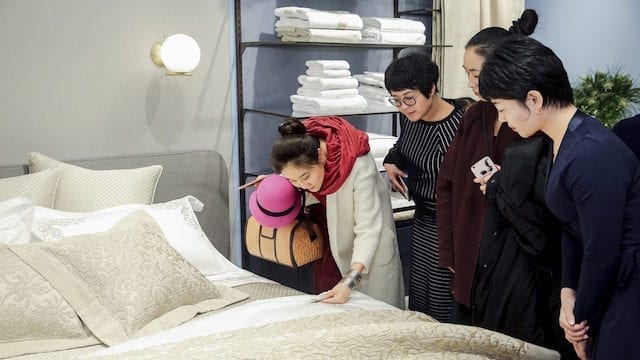
    Frette China has opened its first flagship store, in Shanghai’s Puxi district.

    In the five-level Plaza 66 shopping centre and designed by New York architectural firm Kohn Pedersen Fox, the Frette boutique covers 230 sqm.

    It offers classic and seasonal collections of bed linen and towels, as well as accessories.

    Frette was established in Grenoble, France, in 1860. It relocated to Concorezzo, Italy, in 1865 and now has its headquarters in Monza. It specialises in luxury home furnishings, including bedding and towels, and provides linen to such hotels as Raffles Hotel Singapore, The Four Seasons, The Peninsula Hong Kong and The Ritz London.

    Frette China Shanghai


    While the company has 25 stores across Asia, it regards the market as “significantly underdeveloped”.

    “We’ve opened flagships in Taiwan and Hong Kong, but have really only just started in Southeast Asia,” says CEO Herve Martin. “Until now, we haven’t been present at all in China and Japan.

    “In my eyes, China is the place of the moment and will play a major role in the coming decades — not just in the luxury business industries, but in all industries. China is at the forefront of world evolution. Now is the right time to build up here.”

    After Shanghai he expects there may be a demand to open in Beijing, and the company’s mid-term goals could possibly also include Chengdu, Guangzhou and Shenzhen.

  • ‘Korean Chaos’ Worries the Fashion Industry

    ‘Korean Chaos’ Worries the Fashion Industry

    SE“The last four or five months have been complete chaos,” admits Jung Kuho, executive director of Seoul Fashion Week. “Everyone is so concerned with politics and the economy that they don’t want to spend their money. You don’t buy luxury goods when there’s this much uncertainty.”

    Seoul is home to one of the most important luxury goods markets in the world, an entertainment industry that dominates Asian culture, beauty brands with global reach and a fashion week that sits firmly on the international calendar. But as editors, buyers and street style stars gather for Seoul Fashion Week, the collections this season will be overshadowed by serious political and economic upheaval.

    In October, a major corruption scandal in South Korea led to public outcry and widespread street protests which resulted in the recent impeachment of the country’s president Park Geun-hye. Now, in the wake of counter-protests and other domestic instability, a diplomatic crisis with China has emerged. One result of these crises is that related security concerns are deterring both local and foreign shoppers.

    According to Bain & Company, sales of luxury goods in Seoul reached $7.6 billion last year. To put that into perspective, it means that luxury sales in the South Korean capital alone are not far off those for the entire Middle East region (at $8.7 billion). Clearly there is a lot at stake.

    But last month, Global Blue reported that in January alone, travel retail sales in Seoul declined by an alarming 19 percent year-on-year and by 15 percent year-on-year for January and February combined. Earlier this month, shares of companies trading in cosmetics and travel dropped sharply in Seoul and, in January, the Baidu Index reported a 25 percent decline in growth for Korean beauty brands in China.

    Between a rock and a hard place

    At the beginning of March, the first pieces of a US-built missile defence system designed to ward off a threat from North Korea arrived at the Osan Air Base in South Korea. It is called the Terminal High Altitude Area Defense system (Thaad) and China has been particularly vocal in its opposition to it. The reason for this appears to be related to Thaad’s tracking devices, which have the potential to follow China’s missile systems and would give the United States an advantage in any potential conflict.

    Since the official launch of the programme, the Chinese government has retaliated to what it sees as a military threat by putting economic pressure on Korean firms. Dozens of supermarkets owned by the Lotte luxury department store group have been shuttered across China on the pretext of fire safety; Chinese visitors have been stopped from visiting South Korea in groups; K-Pop bands have been restricted from airing on Chinese television; licences for South Korean video games have been frozen; and even imports of 19 Korean cosmetics products have been refused on ambiguous-sounding quality-control issues.

    “The temperature that is felt within China can only be measured by those within the region,” says Inhae Yeo, the director of Oikonomos Fashion Consulting, “But here on the Korean side, there are constant media reports about it and on the Chinese government banning large groups of tourists travelling to Korea.”

    China has used these tactics to turn the popularity of Korean products into a method to spark anti-Korea sentiment. The Hallyu wave of Korean culture has been flooding China since 2010, helping to make everything from Korean shoes and lipstick to musicians and actors popular. But now, because of the restrictions on Korean imports in China, the media and ordinary Chinese citizens are being compelled to take a stand against Korean products in the name of patriotism.

    Luxury sales in the South Korean capital alone are not far off those for the entire Middle East region.

    This is proving problematic for Seoul as China is South Korea’s largest trading partner, with exports to the country worth $142 billion in 2014, and cultural products hitting a record $5.3 billion in sales the same year. So understandably, the Korean fashion and beauty industries have become increasingly reliant on both sales in China and the constant influx of Chinese tourists who fly to Seoul primarily to shop for Korean products and international luxury brands.

    “At the present, a wide range of Korean industries — not just beauty and fashion — have started to suffer from this strong Chinese national action,” says Julia Juyeon Kang, the editor-in-chief of Elle Korea. “Experts are saying that whether it continues or not depends on our new next government, which can negotiate between China and US.”

    Seoul Fashion Week’s Jung agrees: “I don’t think the numbers will pick up until May when we have an election and hopefully then we will get back on the right track,” he says.

    Domestic instability upsets retail

    Compounding upon the dramatic drop in their largest customer-base, fashion brands in South Korea have also been dealing with a major political fallout. On March 10, Park Geun-hye became the first president of South Korea to be forcibly removed from office. Park was accused of colluding with controversial figure Choi Soon-sil, the founder of the Church of Eternal Life, to extort millions of dollars in bribes from major South Korean firms and allowing Choi to interfere in government matters.

    The impeachment was preceded by months of protests both for and against President Park, which led to the closure of businesses, shopping malls and restaurants around Seoul as the public took to the streets. This unrest was undoubtedly another factor in China’s reluctance to allow its citizens to travel to Korea, partly for their safety but also because it is an example of the kind of public demonstration that Beijing both fears and detests.

    Meanwhile China is showing no sign of backing down its call for protests against South Korea, which are apparently erupting around the country with videos of bloggers destroying Korean goods going viral and the state-run Global Times running anti-Korea editorials. “We will not sacrifice the national interest for Korean cosmetics,” says one. “We should start increasing sanctions toward Seoul in an orderly way, comprehensively lower the level of Sino-South Korean exchanges [and] roll back all privileges that Seoul has gained from China,” says another.

    But can this newfound Chinese antipathy for Korean brands really last? And how widespread is it? There have been suggestions in the Korean press that some of these protests have been staged or at least exaggerated by the Chinese media.

    But if they are real and indeed grow, will loyal consumers remain undeterred in the long run?  Korean beauty brands saw an 84 percent year-on-year Baidu Index growth in December 2016, a rate more than double that of Western, Chinese, or Japanese rivals. That growth did sharply decline as the crisis took hold in January, falling below Japanese brands, but nonetheless it has managed to stay ahead of other competitors.

    China is showing no sign of backing down its call for protests against South Korea.

    “Chinese consumers have continued to show a high interest in Korean brands throughout the dispute,” says Liz Flora, the editor of Asia-Pacific research for business intelligence centre L2.

    “But of course, boycotts in the name of nationalism can have a significant impact on brands’ sales — we saw this in the case of China’s anti-Japan boycotts in 2012, and Korean sales are certainly taking a hit. But Japan was able to bounce back after about a year, and saw a massive influx of Chinese tourists in 2015 thanks to the declining value of the yen. This shows Chinese consumers will be nationalist in their consumption habits to a point, but price advantages and higher quality will ultimately win them over.”

    However, it is important to remember that Korean beauty brands are in a significantly more powerful position than their fashion counterparts. “Sure, Korean fashion is not yet as popular as Korean beauty [but] within the fashion industry, the delicate designer brands which are hard to find and more difficult for the Chinese to copy, are still highly valued,” says Park Yeon-joo from the Council of Fashion Designers of Korea.

    “But due to the restriction order, numerous events related to Korean fashion have been cancelled. So, yes, the chances of Korean fashion brands expanding into the Chinese market have now decreased. Therefore, we’re decreasing the dependency on the Chinese market, and focusing on the so-called ‘Post-China market’ of Vietnam, Indonesia, Thailand, and so on.”

    According to Yeo of Oikonomos, the continued professionalisation of South Korea’s fashion market and the role of the government will be key to its resilience in the face of recent challenges.

    “Fashion is a very complicated industry and there are layers and layers of strategies as well as key points that need to be addressed and developed. This is only possible when experts with experience can come together,” she says, referring to the need to build “network infrastructure” between the public and private sectors.

    The sting of anti-corruption legislation

    In addition to the current political and diplomatic crises, fashion brands in South Korea have other reasons to be worried. The country’s new anti-graft law, popularly known as the Kim Young-ran Act, took effect at the end of September 2016 and has had a marked effect on the luxury goods market.

    In an effort to stamp out corruption, this new law bars public servants, government officials and others from accepting gifts worth more than $45 and is being seriously enforced. Members of the fashion community are becoming increasingly concerned because some brands — both local and international — have become reliant on luxury gift-giving for a significant proportion of their profits.

    “I do think that the decrease of Chinese tourists is the main reason for the decline in sales we are seeing, but the anti-graft law has also had a huge impact on Korean society, which conventionally gives and takes gifts,” says Kang of Elle. “I’ve heard a PR person from one of the big French luxury house saying that some of the low-priced products like ties and scarves are still selling well but high-priced bags are selling very little.”

    Bom Lee, the editor-in-chief of Dazed Digital Korea goes one step further, insisting that this new law bears the most responsibility for the recent drop in sales in Seoul. “The Kim Young-ran law has caused at least 50 percent of the problem,” he says. “Thaad, the presidential impeachment and tension with North Korea are responsible for the other 50 percent. But I hope that the sensitive issue with Thaad will fade as soon as possible.”

    The anti-corruption law has certainly come at a sensitive time, while the presidential scandal makes the likelihood of it being repealed very slim. Members of the fashion industry are still pinning their hopes for a return to normalcy on the upcoming election that will lead to a recovery in sales.  But this relies on the assumption that the political and diplomatic events that provoked the crisis are temporary in nature and can be solved with the arrival of a new president in May. And that the underlying economy is in good shape — as assertion which some economists dispute.

    “Well, we have a lot Chinese buyers coming to Seoul Fashion Week now and they are confident that their customers will continue buying Korean fashion because a new president will solve the Thaad dispute,” says Jung. “But maybe this incident has taught us an important lesson that in future years we need to be more prepared for these types of event, and not be so reliant on China ever again.”


  • DHL eCommerce Enables Singapore e-Commerce Retailers to Reach Out to the US Market

    DHL eCommerce Enables Singapore e-Commerce Retailers to Reach Out to the US Market

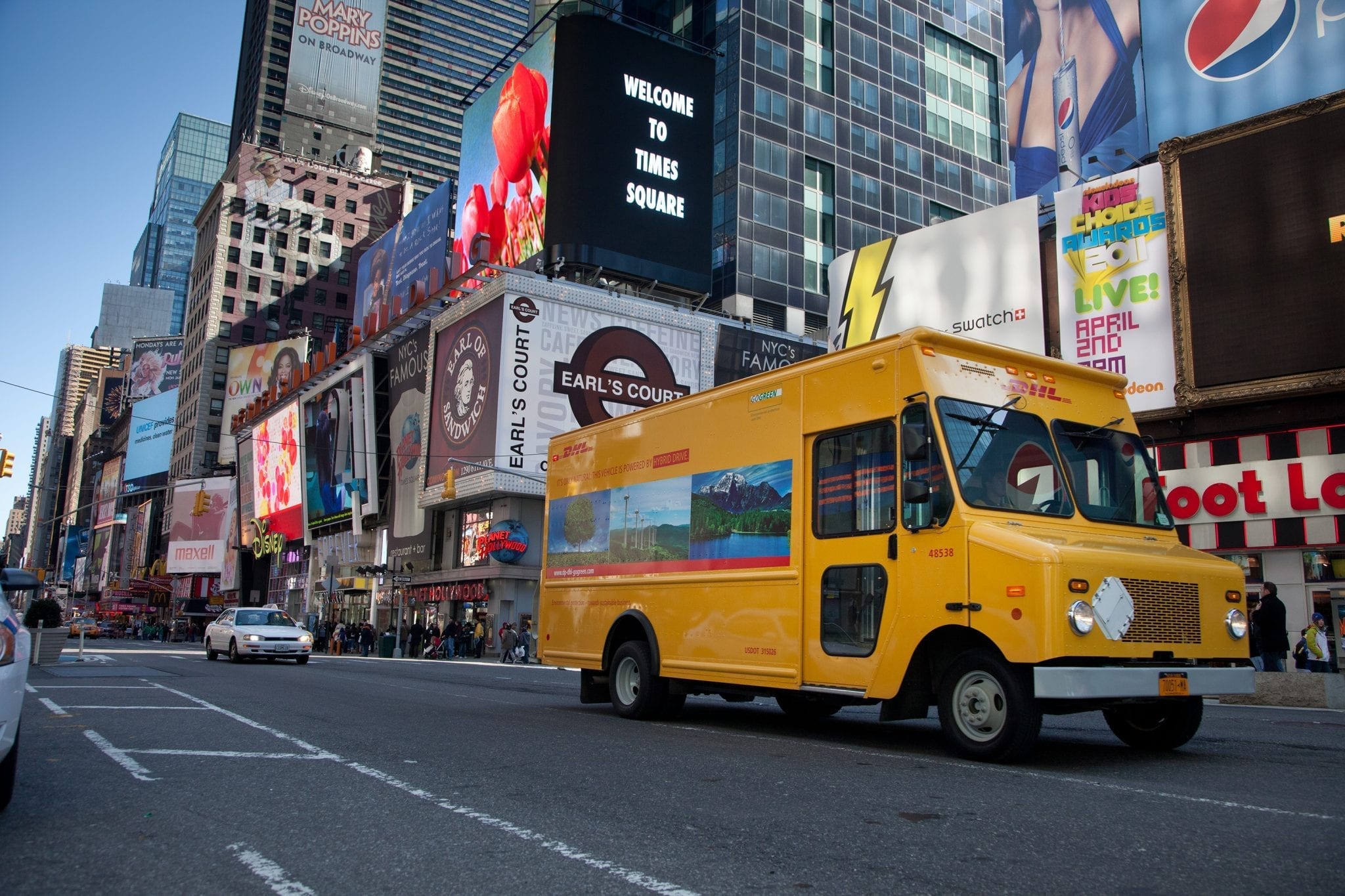
    DHL eCommerce, a division of the world’s leading logistics company Deutsche Post DHL Group, has launched a new commercial international shipping product facilitating Singapore-based e-tailers, online merchants, manufacturers, and traditional ‘brick and mortar’ retailers to ship their products to consumers in the U.S. using the reliable DHL network in a simple and cost-effective manner.

    Parcel International Direct U.S. is geared towards the burgeoning e-commerce market and seeks to respond to the growing appetite for cross-border e-commerce in the Americas region, allowing businesses to ship products up to 6.5 kg to their customers across the U.S.DHL Logo


    With 71% of retailers and 76% of manufacturers expecting the share of cross-border revenue to grow in the future[1], Parcel International Direct U.S. aims to enable Singaporean retailers to grow their business in the U.S. market with ease.

    The cross-border market is the newest blue chip of the digital retail industry and shows great promise, projected to grow at a rate of 25% annually between 2015 and 2020. This growth will bring the value of the market from USD300 Billion in 2015 to 900 billion in 2020 — almost triple in a matter of half a decade.[2]

    The product offers simple and cost-effective international shipping option with end-to-end tracking and a competitive transit time of 4-6 business days. Through IT integration, the DHL eCommerce Web Portal enables e-tailers to seamlessly integrate their orders into the DHL network by preparing orders for shipping individually or in bulk, track and generate reports all from a single portal. This product follows the company’s launch of Parcel International Direct Australia in October 2016.

    “DHL eCommerce aims to provide best-in-class e-commerce logistics for both merchants and end consumers through high quality, cost-efficient logistics solutions as well as a positive delivery experience. We want to enable local businesses to reach their international consumers with ease and allow them to fully leverage the massive potential that e-commerce brings,” said Sham Alexandra, Managing Director, DHL eCommerce Singapore. “Through Parcel International Direct U.S., we enable retailers in Singapore to expand beyond borders and reach out to the huge consumer market potential in the U.S.”

  • Market readies for a year of record IPOs

    Market readies for a year of record IPOs

    Last week, Korea’s largest mobile game developer, Netmarble, applied for its highly anticipated public listing on the Korea Exchange.

    The IPO has generated buzz not only because of the promising investment it’s set to raise but also because it will be the first major mobile game developer to list on the Korean market’s main index, the Kospi. Investors are already speculating that Netmarble could raise as much as 2.7 trillion won ($2.4 billion) by the time it debuts, likely in early May. The company is selling 17 million shares at a price band of 121,000 won to 157,000 won per share, and if it succeeds, Netmarble’s value is expected to be 13.3 trillion won.

    This would make the IPO the most lucrative so far on the Korean market since 2010 when Samsung Life Insurance raised 4.9 trillion won. Netmarble has the potential to even exceed rival NCsoft, which currently holds the largest market capitalization among Korean game companies with 6.4 trillion won as of Friday.

    Netmarble is certainly not the first company to go public this year, but its listing is sending positive vibes in the local market for other major companies that are also planning IPOs this year. The Korea Exchange is expecting 2017 to have the highest number of IPOs and biggest amount of investment raised in seven years.

    Last year, 13 newly-listed companies, including major industry players like drug maker Samsung Biologics and construction equipment supplier Doosan Bobcat, were able to collectively raise 4.3 trillion won. This year, the market expects more than 20 companies to raise between 10 and 13 trillion won. Whether the value hits its peak depends on whether Lotte successfully lists its hotel business, the de facto holding company of Korea’s fifth-largest conglomerate.

    The last time such a large number of companies went public was 2010, when 22 companies listed on the Kospi and raised 8.7 trillion won. But since peaking seven years ago, the number of IPOs has largely been falling, as weak economic growth has also limited upward momentum on the stock market.

    Expectations are high for a rebound this year. Starting with Netmarble, major companies including ING Life Insurance, E-Land Retail and two major state-run energy companies are lining up for a public debut on Seoul’s main bourse.

    Year of the IPO

    While last year’s IPOs were mostly concentrated on biopharmaceutical and health care companies, Park Jong-seon, an analyst at Eugene Investment & Securities, believes 2017 will be the year of energy and IT.

    So far this year, two companies have already succeeded in listing on the Kospi. Hojeon, a supplier of sportswear and outdoor outfits for global brands like Nike and The North Face, was the first to list on the index this year. It went public on Feb. 2, raising 41.6 billion won. A medical device manufacturer, Dentium, went public on March 15 and raised 81.4 billion won.

    But the big ones like Netmarble are expected to be concentrated in May, including ING Life Insurance, Korea South-East Power, Korea East-West Power and shoe retailer ABC Mart.

    ING Life Insurance is in a unique position considering that if it succeeds, it will be the first case of a company entirely owned by a private equity fund listing on the Korean stock exchange. In June 2014, the government relaxed regulations to allow private equity funds to recollect their investment through IPOs in hopes of boosting the merger and acquisition market.

    In 2013, the Dutch life insurer sold its 100 percent stake in the Korean branch that was first founded in 1991 to MBK Partners. The IPO is expected to raise 1 trillion won.

    Also debuting in May are Korea South-East Power and Korea East-West Power. This will be the first listing of a state-run energy company in seven years since Korea District Heating Corporation. They will mark the beginning of a government plan to list eight state-run energy companies by 2020. The country’s deputy finance minister, Jo Kyu-hong, said in January that the IPO of the energy companies was necessary to secure investment for long-term projects that will reduce carbon emission by 25 percent.

    Each of the two energy companies is hoping to raise roughly 1 trillion won.

    Korea’s largest shoe retailer, ABC Mart, is expected to try for an IPO by May. The company received a preliminary evaluation approval in November that is only effective for six months. The market estimates ABC Mart Korea will raise between 200 and 300 billion won.

    This isn’t the first time the shoe retailer has shot for an IPO. Its first attempt was in 2008, but the company walked back from it as the global crisis unfolded with the bankruptcy of Lehman Brothers. The retailer then tried again in 2011 but had to back out due to a scuffle between the then-Korean CEO and management of Japan’s ABC Mart.

    Last year, ABC Mart Korea made their latest attempt. The company was hoping to go public within the last three months of 2016 but had to again push that back because of unfavorable market conditions, including a bearish stock market and weak consumption that affected sales.

    Public offerings on the Kospi’s little cousin, the tech-heavy Kosdaq, are also improving this year.

    The market expects the Kosdaq to raise the largest amount of investment from IPOs, between 3 and 4 trillion won. Last year, 70 companies succeeded in listing on the secondary index. This year, that figure is expected to increase to 100 or so, including several attractive companies that investors have been anticipating.

    One of them is CJ E&M’s entertainment production affiliate Studio Dragon, which was responsible for several hit shows, including the recent television drama “Guardian: The Lonely and Great God,” which saw high ratings both here and abroad including in China.

    The production company, in which CJ E&M holds a dominating stake of 91 percent, has been preparing for its IPO since the third quarter of last year. Although the exact date of the launch hasn’t been set, once it goes public, the valuation of the company is estimated to be 600 billion won.

    “Until the end of the first half, there will be abundant IPO choices, while in the second half, the market will be more stabilized,” said Choi Jong-kyeong, an analyst at BNK Securities. “Many of the companies are those that have postponed past attempts and are taking another shot.”

    Choi said IPO activity is higher on the Kosdaq because large companies trying to list on the Kospi usually pull back when they are face situations that lead to a lower offering price. They especially have reservations because they usually have larger cash holdings than smaller companies.

    In just the first three months, 11 companies have been listed on the stock market.

    Debut from abroad

    Even foreign companies are gearing up to list on the Korean stock market, a trend that started to gain momentum last year.

    Chinese companies, especially, are making moves despite tension between China and Korea over deployment of a controversial American missile shield in Korea. Korean brokerage firms have increased their marketing efforts in China as managing IPOs for Chinese clients has proven more lucrative than working for local companies. Underwriters usually get 1 to 2 percent commission from a successful IPO, but in the case of Chinese clients, the average rate goes up to 5 percent.

    Last year, 6 out of 10 foreign companies that were listed on the stock market were Chinese. This year, more than 10 to 13 foreign companies are said to be preparing for a Korean IPO. Of that, 60 percent is said to be Chinese.

    But it’s not all about China. Last year, American cosmetics company Englewood Lab listed on the Kosdaq in October. It was the second company from the United States to be listed on the Korean stock market after Access Bio in 2015.

    Among the Korean underwriters, Shinhan Investment is said to be the most aggressive, leading the IPO of five foreign companies and trying to get them listed by the first half. Most of the companies Shinhan Investment is managing are Chinese, including health care companies Triplex International Biosciences and Hong Kong-based Kang Fu International Medical.

    Yuanta Securities Korea is another brokerage firm aggressively pursuing the underwriting of Chinese IPOs, marketing its strength as a Taipei-based company. This year, the brokerage firm is working with two Chinese companies, one of which is a major oolong tea manufacturer. The Taipei-based company entered the Korean market by acquiring Tongyang Securities in 2014.

    The nation’s first underwriter of a Chinese company, Shinyoung Securities, is planning to apply for preliminary evaluation of a Chinese company.

    Daishin Securities has recently made changes within its organization to expand its portfolio of foreign IPOs. Although it has no past experience underwriting Chinese companies, it has created teams that will be in charge of foreign IPOs and hire Chinese experts.

    “The biggest obstacle for Chinese companies getting listed on the Korean stock market has been the low perception of Chinese companies or the ‘China discount,’” Choi of BNK Securities said.

    The China discount refers to Chinese companies being traded on the Korean stock market at a lower value despite strong performances because of mistrust from Korean investors.

    “In fact, some of the companies being traded on the local stock market have shown strong profitability,” Choi said.

    Rothwell International, which was listed last year, had an operating profit rate of 22.3 percent last year and Heng Sheng Holding Group had 19.6 percent.

    Riding a wave of good feelings

    This year’s rising excitement in IPOs is largely contributed by improvements in market conditions and eased regulations from the government. The Korean government has been encouraging more companies to secure investment by going public.

    The positive sentiment surrounding IPOs boosted the Kospi to its highest in nearly six years. When compared to the beginning of the year, the index has risen 7 percent as of Friday. The Kosdaq, on the other hand, has fallen over the same period by 3.8 percent.

    This is a stark contrast to the past couple of years when movement on the Kospi was limited, and investors have been less aggressive in pursuing IPO shares.

    Lee Eun-tae, president of the Kospi market, cited IPO activity as the reason behind Seoul’s main bourse breaking free from its up-and-down fluctuation during a press conference in February.

    “Last year, despite uncertainty in the local economy, low growth and the global IPO market shrinking, IPOs on the Kospi continued to expand,” Lee said. “IPOs raised the largest amount since 2010.”

    Additionally, the government last year changed regulations to allow even small companies with deficits to apply for an IPO when it meets so-called Tesla requirements of high potential and exceptional technology, in reference to the California-based electric car company.

    “Tesla, which is now the world’s major electric vehicle maker, was able to grow based on an IPO on the Nasdaq even when it suffered losses,” said Yim Jong-yong, chairman of the Financial Services Commission, during a press conference last October. “In order to foster future growth industries through the capital market, we need to allow these companies to be listed if the companies’ deficits have been created in the process of building up growth potential, such as expanding production bases or investing in R&D.”

    But not every IPO is expected to go through smooth sailing. One such company is Lotte. The market has been waiting for the public listing of Hotel Lotte since October 2015, when the conglomerate’s chairman, Shin Dong-bin, publicly announced it would try to improve transparency by offering up the hotel unit, the de facto holding company of Lotte.

    However, the retail giant has faced numerous controversies that have forced Lotte to repeatedly push back its IPO attempts. Last October, Shin again announced the group’s intention of listing the hotel business. But it was one of the Korean companies swept up in the bribery scandal that brought down President Park Geun-hye.

    The market expects Lotte’s latest IPO attempt in the second half might raise more than 3 trillion won. But at this stage, with the retail giant under investigation for bribery, it is unclear if that will be possible.

    E-Land Retail, which owns two major retailers, NewCore Outlets and NC Department Store, submitted a preliminary evaluation on Dec. 28, but the Korea Exchange has yet to approve it. One of the biggest issues the company faces is controversy over unpaid payments to its part-time employees in the retail group’s food business division. The company is estimated to owe nearly 8.4 billion won in unpaid wages including overtime pay. On top of that, E-Land has been selling off its assets, including 180 billion won worth of real estate in the first two months of this year, in hopes of improving its balance sheet.

    But with the company at risk of having its credit score downgraded, it is unclear if E-Land Retail will reach its goal of listing within the first half of this year.

    On the Kosdaq, the biopharmaceutical company Celltrion Healthcare is expected to be the biggest IPO on the index this year. The company was planning to apply for an IPO next month but is being audited by the Korean Institute of Certified Public Accountants on suspicion that the company overstated 10 billion won profit of its Rituximab biosimilar Truximain 2015.

    The market estimates that if the company goes public, the IPO will raise maximum 1 trillion won.

     

  • Apple opens new stores in China, Germany

    Apple opens new stores in China, Germany

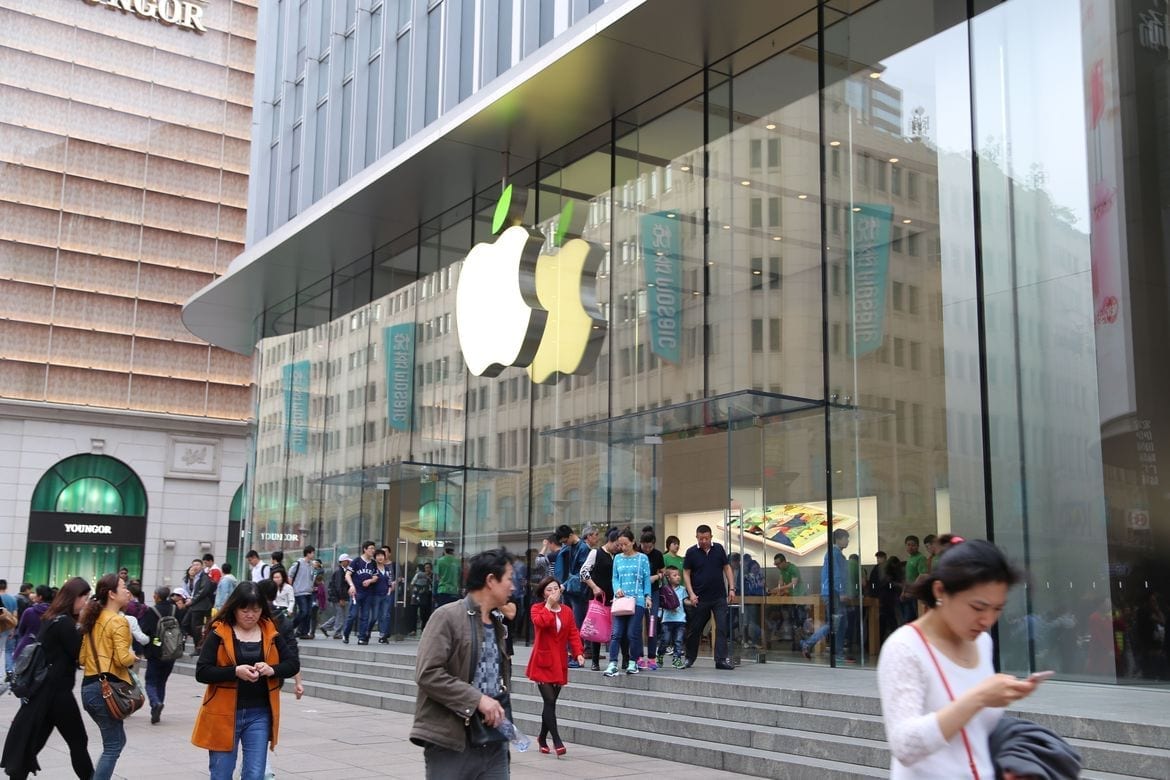
    While Apple’s retail team is currently remodelling all its stores, the company expanded its reach with three new stores in China, Germany and the US. More than 350 store employees at the new stores in Nanjing (China), Cologne (Germany) and Miami (US) welcomed thousands of customers at the grand openings. “Each store complements the local architecture, from the restored facade in Schildergasse to the 90-by-30-foot glass entryway of Apple Nanjing,” the company said in a statement on Saturday. For the first time in each city, customers can explore The Forum — a place where the local community can gather and learn.

    All the three stores also feature The Boardroom — a space for local entrepreneurs, developers and business customers to get hands-on advice and training. On March 12, Apple reopened its store in St. Johns Town Center in Florida — the 35th store company updated to its latest design in the US. Apple opened its first store on May 15, 2001, at the Tysons Corner Center mall, Virginia.


  • M&S launches boutique concept in Malaysia

    M&S launches boutique concept in Malaysia

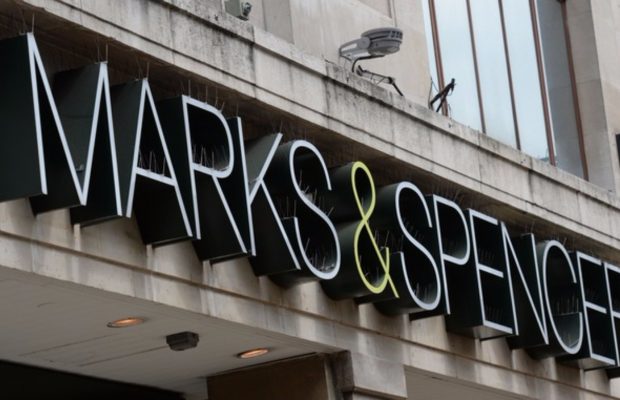
    Marks & Spencer (M&S) has launched a premium boutique concept in Kuala Lumpur, in Sunway Velocity Mall.

    M&S Malaysia

    Covering more than 10,600 sqft (985 sqm), the M&S boutique concept – the first of its kind in Malaysia – features large mirrors and seasonal imagery. A welcome zone at the entrance showcases the season’s trends, and boutique displays allow customers to see the range of styles, fits and outfit ideas available.

    M&S Malaysia 3

    As well as offering the UK retailer’s clothing and accessories across womenswear, menswear, childrenswear, lingerie and toiletries, the boutique has a food hall featuring more than 800 lines plus an in-store bakery with Coffee-To-Go, offering coffee and tea alongside breads and pastries baked on-site.

  • How Alibaba’s Jack Ma Is Building a Truly Global Retail Empire

    How Alibaba’s Jack Ma Is Building a Truly Global Retail Empire

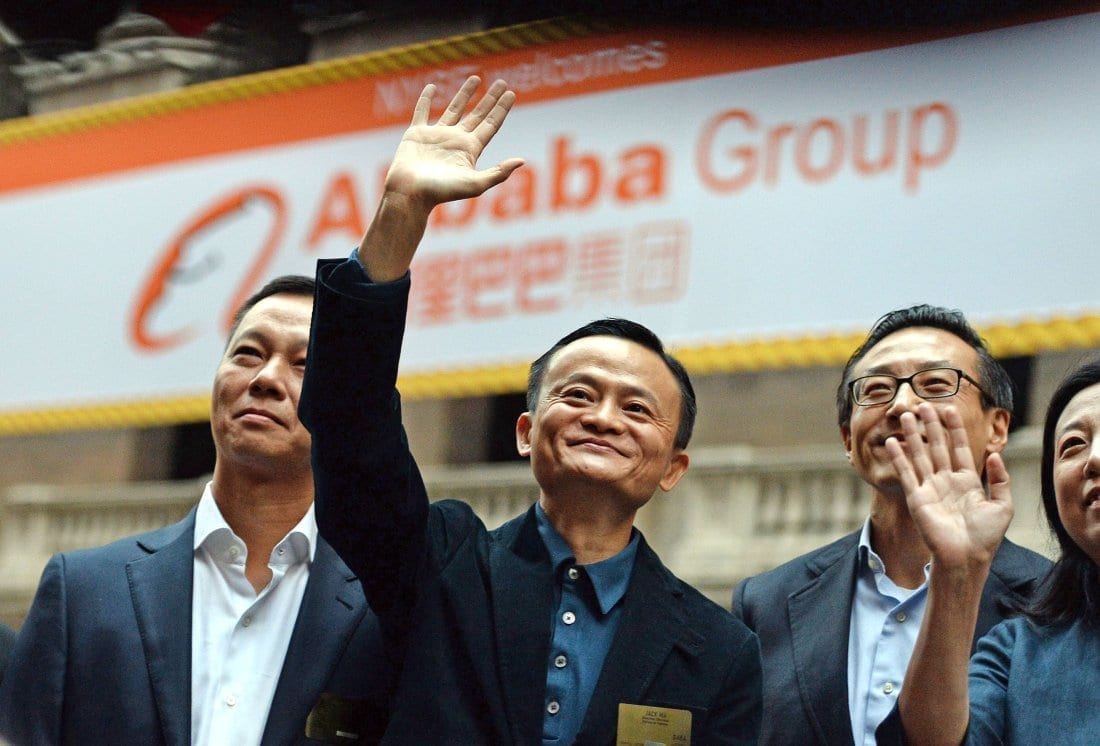
    Jack Ma is one of China’s richest men, with a fortune valued at nearly $30 billion. As executive chairman of Alibaba Group, he leads the dominant force in Chinese e-commerce, a company with a market value of $264 billion and some 450 million customers. A global ambassador for Chinese business, he spent 800 hours aloft last year—­visiting princes, Presidents, and Prime Ministers and lots of mere businesspeople too. “A professional pilot cannot travel that much, or so I’m told,” he boasts.

    Even so, the rich and powerful people who meet with Ma tend to come away from the experience with a fresh nugget of information, either about him or about the still poorly understood digital conglomerate he started with a bunch of friends 18 years ago in the provincial coastal city of Hangzhou. Jim Kim, a physician who is the president of the World Bank, met Ma four years ago over a dinner lasting more than three hours and was startled to find the billionaire wearing sandals, holding Buddhist prayer beads, and sitting cross-legged on his chair. Kim was so taken with Ma’s passion for facilitating global trade by focusing on small-business people that he’s rethinking his international development organization’s approach.

    Others are moved by Ma’s humanity. Jean Liu, president of Chinese ride-hailing startup Didi Chuxing, has known Ma for years and considers him a mentor. (Alibaba is a Didi shareholder.) She recently learned, through family connections rather than from Ma, about how he repeatedly visited a seamstress he had met after learning she was ill. Says Liu: “He genuinely cares about the people around him.”

    Then there’s the President of the United States, who met Ma for the first time a few weeks before his Inauguration. “Trump didn’t know that much about Alibaba,” reports company president ­Michael Evans, a former Goldman Sachs banker and Asia hand who helped set up the powwow. “He was fascinated to hear that Chinese consumers are interested in buying from U.S. small businesses. I don’t think that had occurred to him.” Ma used the sit-down to make a bold promise—that Alibaba would help create 1 million jobs in the U.S. over five years. The pronouncement was music to the President-elect’s ears. “It was a great meeting,” he declared before the cameras in the lobby of Trump Tower, a beaming Ma beside him. “Jack and I are going to do some great things.”

    President Trump isn’t the only one who could stand to learn more about Alibaba. Despite its heft in China and the blockbuster 2014 public offering that raised $25 billion on the New York Stock Exchange and introduced Alibaba to Western investors, Ma’s company remains a mystery to most non-Chinese. There’s a simple reason for that: Few outside the world’s second-largest economy are Alibaba customers. Ma is aware of this knowledge gap. It’s part of what drives him to keep logging frequent-flier miles to educate people about his company and his plans.

    To realize his vision—which relies on technology to buy, sell, finance, and deliver goods on Alibaba’s digital platforms around the world—Ma has been busily recasting himself of late as a global leader. Already he is the first Chinese business executive who can claim to have transcended his homeland for the world stage. In his travels, Ma promotes the lowering of trade barriers, touts his own brand of philanthropy, and supports causes such as primary-school education. His version of globalization is carefully calibrated and expansive enough to be consistent with the goals of his own President, Xi Jinping, as well as with Trump’s America-first positioning.

    As with so many effective leaders, Ma’s motives are complex. China is already a huge consumer market and one that’s still growing fast, but Ma knows that eventually he will need to conquer new territories for Alibaba to continue on its current trajectory. Like other Chinese champions, Alibaba has thrived at home while foreign competitors have thus far been stymied from entering his turf. If that changes, foreign markets will be even more crucial. Ma also needs for ­Alibaba—plagued by criticism over the profusion of counterfeit wares for sale on its sites—to develop a reputation as trusted around the world as Jack Ma is cherished by his fellow bold-faced names.

    Ma’s opportunity is unique. After centuries of stagnation, his country has recently reassumed its position as a world leader—just as Alibaba, one of its marquee corporate names, has joined the ranks of world-beating companies. With characteristic intuition, Ma, 52, seems to realize that this is his moment to go beyond merely being famous and take his place among the globe’s revered business leaders.

    -Fortune

  • Malaysian stocks likely to inch higher next week

    Malaysian stocks likely to inch higher next week

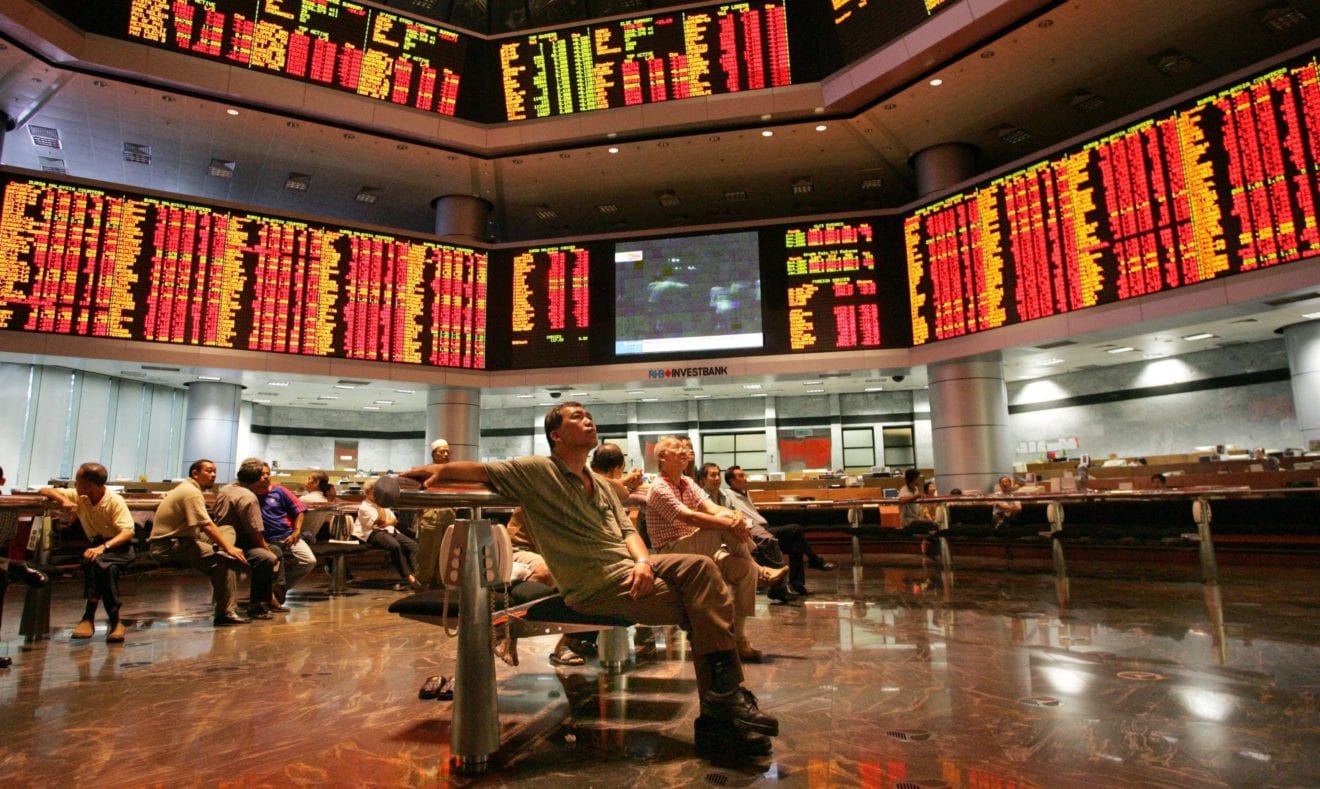
    Bursa Malaysia is likely to trend higher next week, with the benchmark index inching towards the 1,780-level, supported by positive local economic news and the return of calmness after the sharp drop on Wall Street early last week.

    Affin Hwang Investment Bank Vice-President and Head of Retail Research, Datuk Dr Nazri Khan Adam Khan, said FTSE Bursa Malaysia KLCI (FBM KLCI) maintained its bullishness and stayed in higher territory as equity bulls remained largely unfazed by the increases in the US interest rate.

    “For the year-to-date, FBM KLCI recorded a total gain of 116 points, or 7.1 per cent, signalling more resilience and upside in the near term despite imminent Federal Reserve rate increases and doubts on US President Donald Trump’s fiscal reforms,” he told Bernama.

    On the local news, he said, Prime Minister Datuk Seri Najib Tun Razak’s statement that Malaysia gross domestic product would be higher than 4.2 per cent this year should be supportive for market sentiment.

    Nazri said this showed that the economy was growing more than double the rates the International Monetary Fund had predicted for advanced economies while showing that Malaysia was firmly on the path to become a high-income nation.

    On the technical front, he said, immediate uptrend supports for the index were at 1,700 and 1,730.

    However, a convincing breach above 1,760 resistance would mean that the FBM KLCI would aim for the 1,780 and 1,800 levels.

    On a week-to-week basis, the FBM KLCI increased 0.55 of-a-point to 1,745.75 from 1,745.20 last Friday.

    The FBM Emas Index rose 24.52 points to 12,365.86, FBMT 100 Index was up 20.7 points to 12,017.00 and the FBM Emas Syariah Index gained 45.52 points to 12,772.75.

    On a sectoral basis, the Finance Index added 8.08 points to 15,748.07 and the Industrial Index rose 8.43 points to 3,272.24.

    The Plantation Index was 4.94 points weaker at 8,156.67.

    Weekly turnover surged to 22.23 billion units worth RM15.24 billion from 19.39 billion units worth RM17.22 billion last week.

    Main Market volume narrowed to 14.74 billion shares valued at RM15.16 billion from 15.10 billion shares valued at RM16.53 billion previously.

    Warrant turnover rose to 1.23 billion units worth RM149.62 million from 1.22 billion units worth RM148.94 million last week.

    The ACE Market increased to 5.98 billion shares worth RM897.82 million from 3.0 billion shares worth RM523.39 million previously.


  • Booths grocery products head to Malaysia

    Booths grocery products head to Malaysia

    Rather than head south in its home market, the upmarket northern England Booths grocery chain has opted instead for a JV in Malaysia.

    The family-owned retailer, which launched in Blackpool in 1847, has partnered with Hong Kong-listed retailer Dairy Farm, owned by Jardine Matheson, to sell 40 of its best-selling products, including chutneys, jams and puddings, in 19 shops across Malaysia.

    Chairman Edwin Booth, part of the fifth generation of the family to be involved in the firm, says Booths’ heritage gives people “a great deal of reassurance”.

    Booths has 34 stores across England’s north, mainly medium-sized supermarkets. Each store has its own identity, reflecting its location. Its JV in Malaysia is its first overseas foray.

    Staff members are given extensive product training to help them deliver a “friendly and informed” shopping experience, says the company.

  • Sales slide continues for Japanese retailers

    Sales slide continues for Japanese retailers

    The supermarket and department-store sales slide in Japan continued last month, say industry bodies.

    There was little impact yet from the Premium Friday campaign launched last month by the government and business community to encourage people to spend more with Japanese retailers by letting workers finish work early on the last Friday of every month, reports Japan Today.

    Supermarket sales fell 3.3 per cent from a year earlier, down for the third straight month. This is partly because of weak sales of clothing and household products, says the Japan Chain Stores Association. Overall sales at 9464 supermarkets run by 57 companies totalled ¥961.62 billion (US$872.9 billion).

    While sales of clothing dropped 9 per cent, household products including pharmaceuticals and furniture declined 4 per cent, says the association.

    Department-store sales slid 1.7 per cent, falling for the 12th consecutive month, says the Japan Department Stores Association. Overall sales at 234 stores run by 81 companies totalled ¥433.67 billion.

    Sales of clothing dropped 4.5 per cent, while sales of household items and food fell 8.6 and 0.8 per cent respectively, says the association.

    Both associations say the month’s weak retail sales were also affected by one less trading day in February last year, a leap year.

    While the Premium Friday campaign helped push up sales at department stores in large cities, it had little impact on supermarket sales, the associations say.

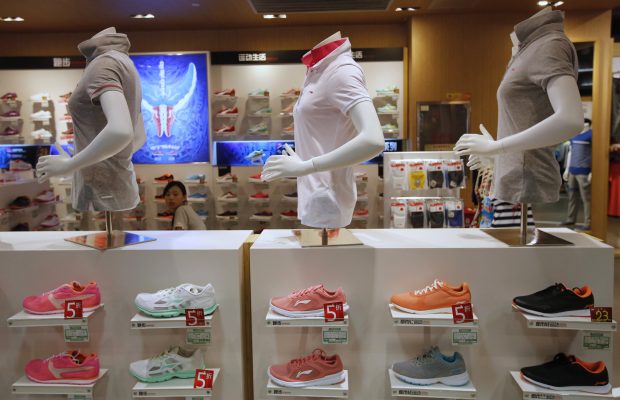
  • Li Ning e-commerce sales leap 90pc

    Li Ning e-commerce sales leap 90pc

    Li Ning e-commerce sales soared 90 per cent last year, driving an overall 13 per cent gain.

    The Chinese sportswear company closed the year with CNY8.015 billion (US$1.165 billion) in sales, while its gross margin grew 1.2 points to 46.2 per cent. Its net income also increased, reaching US$144.5 million, compared to $116.2 million the previous year.

    Footwear again led sales, up 15.7 per cent to $569.378 million, while apparel sales rose 12.7 per cent to $512.875 million and equipment/accessories followed with 4.9 per cent growth to $67.369 million.

    In contrast, sales for third-party brands such as Aigle, Kason and Lotto, slumped by 23.6 per cent to $11.957 million.
    Internationally, sales for the Li Ning brand itself grew by 36.4 per cent, reaching $29.356 million – just 2.6 per cent of the brand’s overall revenue.

    At December 31, Li Ning had 6440 stores, up 5 per cent on the previous year. These comprise 4829 franchised stores (up 4.6 per cent) and 1611 (up 6.3 per cent) run directly.

    In its annual report, the company says that while its business covers 44 countries, it believes that developing Asian countries will be crucial. “Cross-border e-commerce will remain our international team’s main focus this year.”

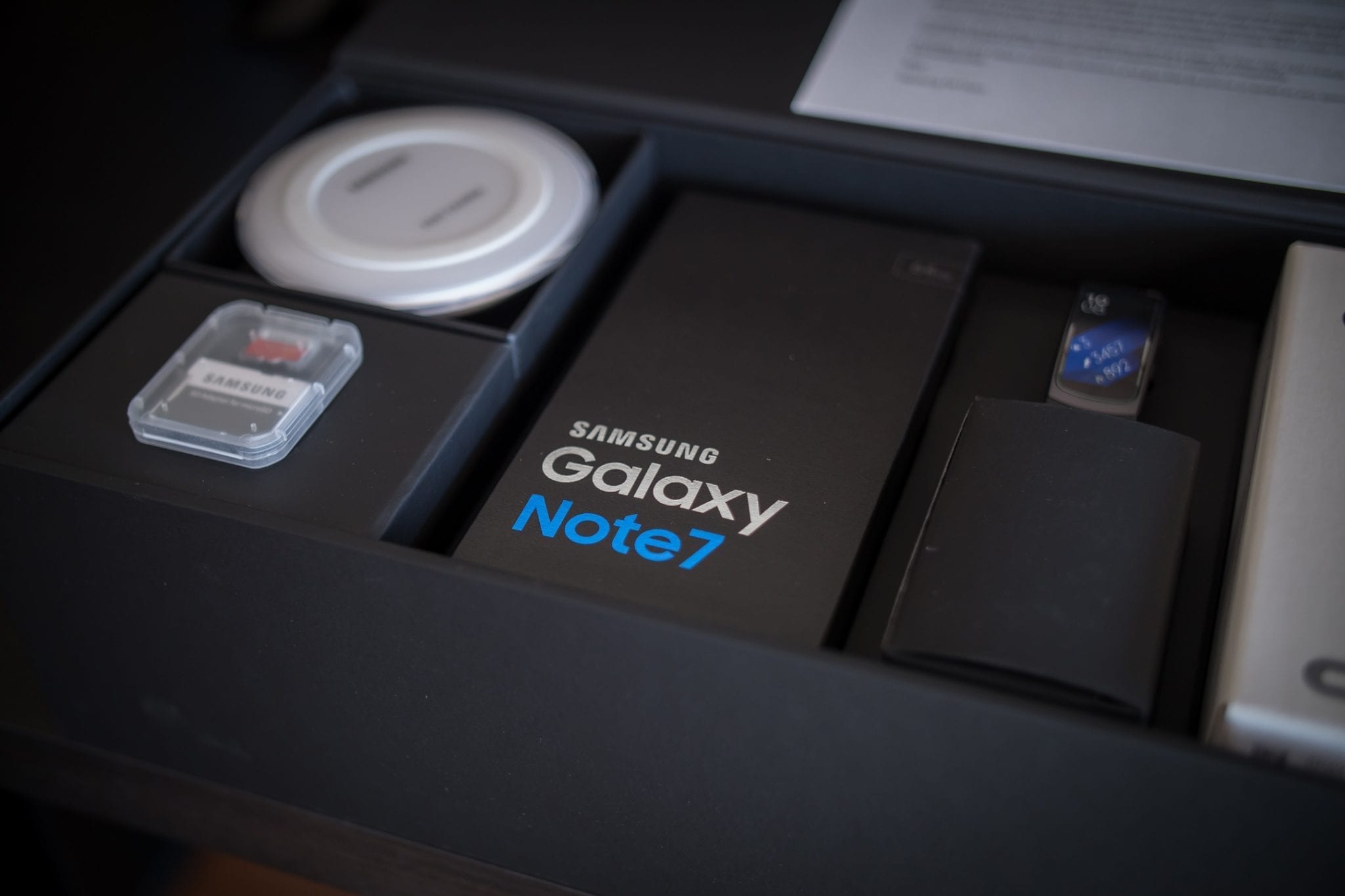
  • Samsung says to sell refurbished Galaxy Note 7s

    Samsung says to sell refurbished Galaxy Note 7s

    Analysis from Samsung and independent researchers found no other problems in the Note 7 devices except the batteries. Tech giant Samsung Electronics said late on Monday that it plans to sell refurbished versions of the Galaxy Note 7 smartphones, the model pulled from markets last year due to fire-prone batteries.

    Samsung’s Note 7s were permanently scrapped in October following a global recall, roughly two months from the launch of the near-$900 devices, after some phones self-combusted. A subsequent probe found manufacturing problems in batteries supplied by two different companies – Samsung SDI Co Ltd and Amperex Technology.


    Analysis from Samsung and independent researchers found no other problems in the Note 7 devices except the batteries, raising speculation that Samsung will recoup some of its losses by selling refurbished Note 7s.

    A person familiar with the matter told in January that it was considering the possibility of selling refurbished versions of the device or reusing some parts.

    Samsung’s announcement that revamped Note 7s will go back on sale, however, surprised some with the timing – just days before it launches its new S8 smartphone on Wednesday in the United States, its first new premium phone since the debacle last year.

    Samsung, under huge pressure to turn its image around after the burning battery scandal, had previously not commented on its plans for recovered phones.

    “Regarding the Galaxy Note 7 devices as refurbished phones or rental phones, applicability is dependent upon consultations with regulatory authorities and carriers as well as due consideration of local demand,” Samsung said in a statement, adding the firm will pick the markets and release dates for refurbished Note 7s accordingly.

    The company estimated it took a $5.5 billion profit hit over three quarters from the Note 7’s troubles. It had sold more than 3 million Note 7s before taking the phones off the market.

    The company also plans to recover and use or sell reusable components such as chips and camera modules and extract rare metals such as copper, gold, nickel and silver from Note 7 devices it opts not to sell as refurbished products.

    The firm had been under pressure from environment rights group Greenpeace and others to come up with environmentally friendly ways to deal with the recovered Note 7s. Greenpeace said in a separate statement on Monday that it welcomed Samsung’s decision and the firm should carry out its plans in a verifiable manner.

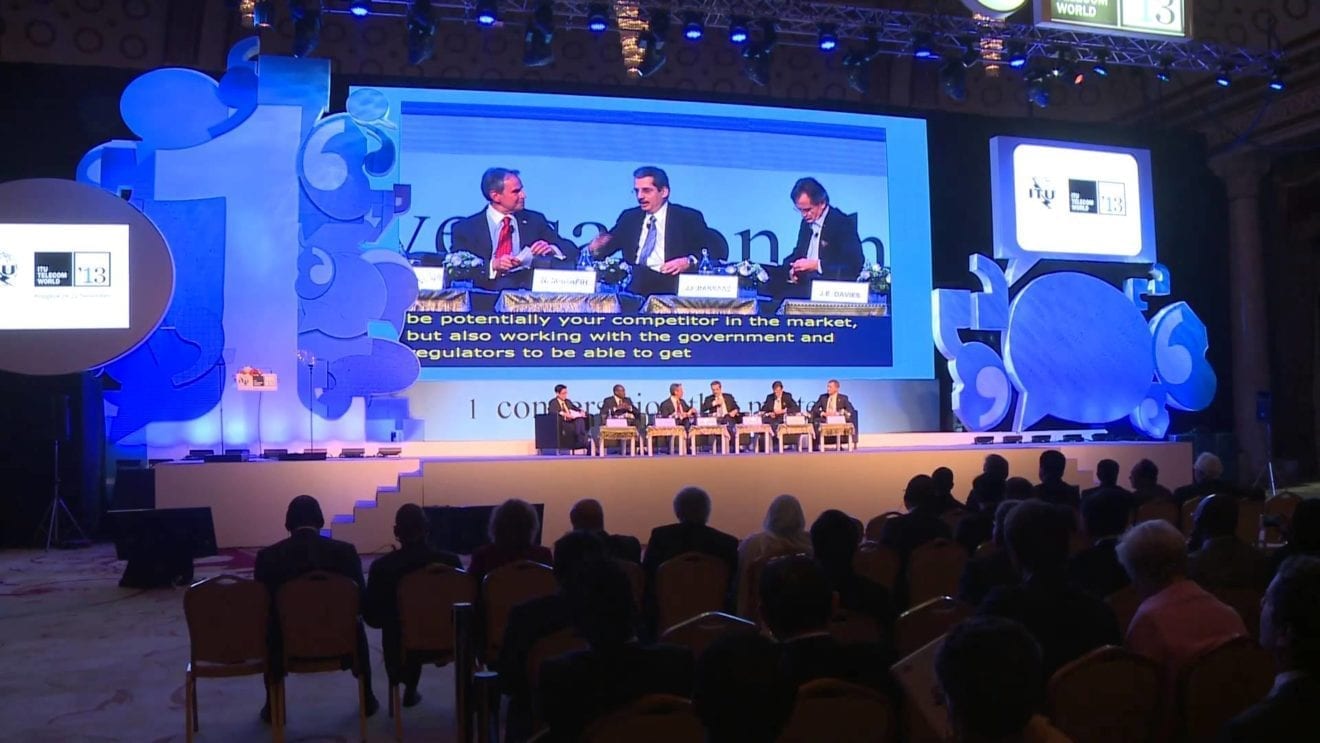
  • ITU to hold summit on AI for social good

    ITU to hold summit on AI for social good

    Can artificial intelligence (AI) help resolve global challenges such as poverty, hunger, health, education, equality and environmental protection?

    The International Telecommunications Union (ITU) is hosting the AI for Good Global Summit in Geneva this June.

    The summit, to be held in partnership with UN agencies, including OHCHR, UNESCO, UNICEF, UNICRI, UNIDO, UNITAR and UN Global Pulse, will evaluate opportunities presented by AI and how it can benefit humanity.

    It seeks to convene representatives of government, industry, UN agencies, civil society, and the AI research community to explore the latest developments in AI and their implications for regulation, ethics and security and privacy.

    Breakout sessions will invite participants to collaborate and propose strategies for the development of AI applications and systems to promote sustainable living, reduce poverty and deliver citizen-centric public services.

    “As the UN specialized agency for information and communication technologies, ITU aims to guide AI innovation towards the achievement of the UN Sustainable Development Goals,” said ITU Secretary-General Houlin Zhao. “We are providing a neutral platform for international dialogue to build a common understanding of the capabilities of emerging AI technologies.”

    Some of the confirmed speakers include Peter Norvig, Director of Research at Google; Peter Lee , Corporate Vice President of Microsoft AI and Research at Microsoft; Jing Wang, Senior VP and Head of Research at Baidu; Manuela Veloso, Professor in Computer Science and Robotics at Carnegie Mellon University; and Gary Marcus, Professor of Psychology and Neural Science at New York University.

    Marcus Shingles, CEO of XPRIZE, said that with the acceleration and democratization of AI, the organizers recognize the tremendous opportunity for an emerging generation of problem solvers to tackle global challenges.

    “We are seeing teams use AI as an underlying tool across a variety of domains, from creating personalized learning experiences for children with no access to formal education in Tanzania, to empowering consumers to make healthcare decisions with a medical Tricorder device, to guiding advanced and autonomous robotic vehicles to explore the deep sea or to find their way to the lunar surface,” he said.

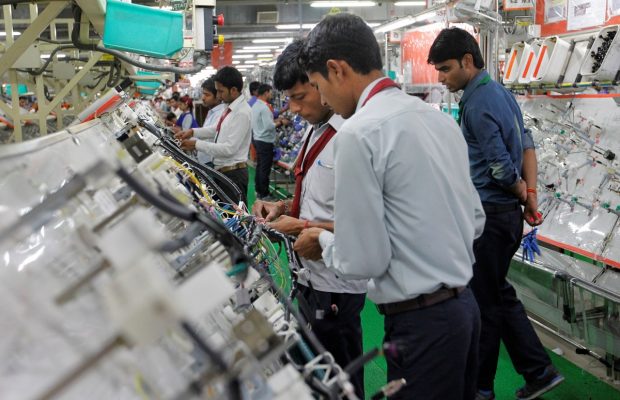
  • India’s Motherson Sumi buys Finland’s PKC Group for $619 million

    India’s Motherson Sumi buys Finland’s PKC Group for $619 million

    Indian auto parts maker Motherson Sumi Systems Ltd said on Monday it had completed the buyout of Finland’s PKC Group for 571 million euros ($619.4 million).

    Motherson is now the controlling shareholder of PKC Group, holding 93.75 percent of PKC’s outstanding shares and stock options.

    “There is a great synergy between MSSL & PKC and a complementary geographical presence to serve the customers in all regions,” Motherson said in a statement.

    Shares of Motherson, which have gained 12 percent since the deal was made public on Jan. 20, were trading slightly higher on Monday.