Blog

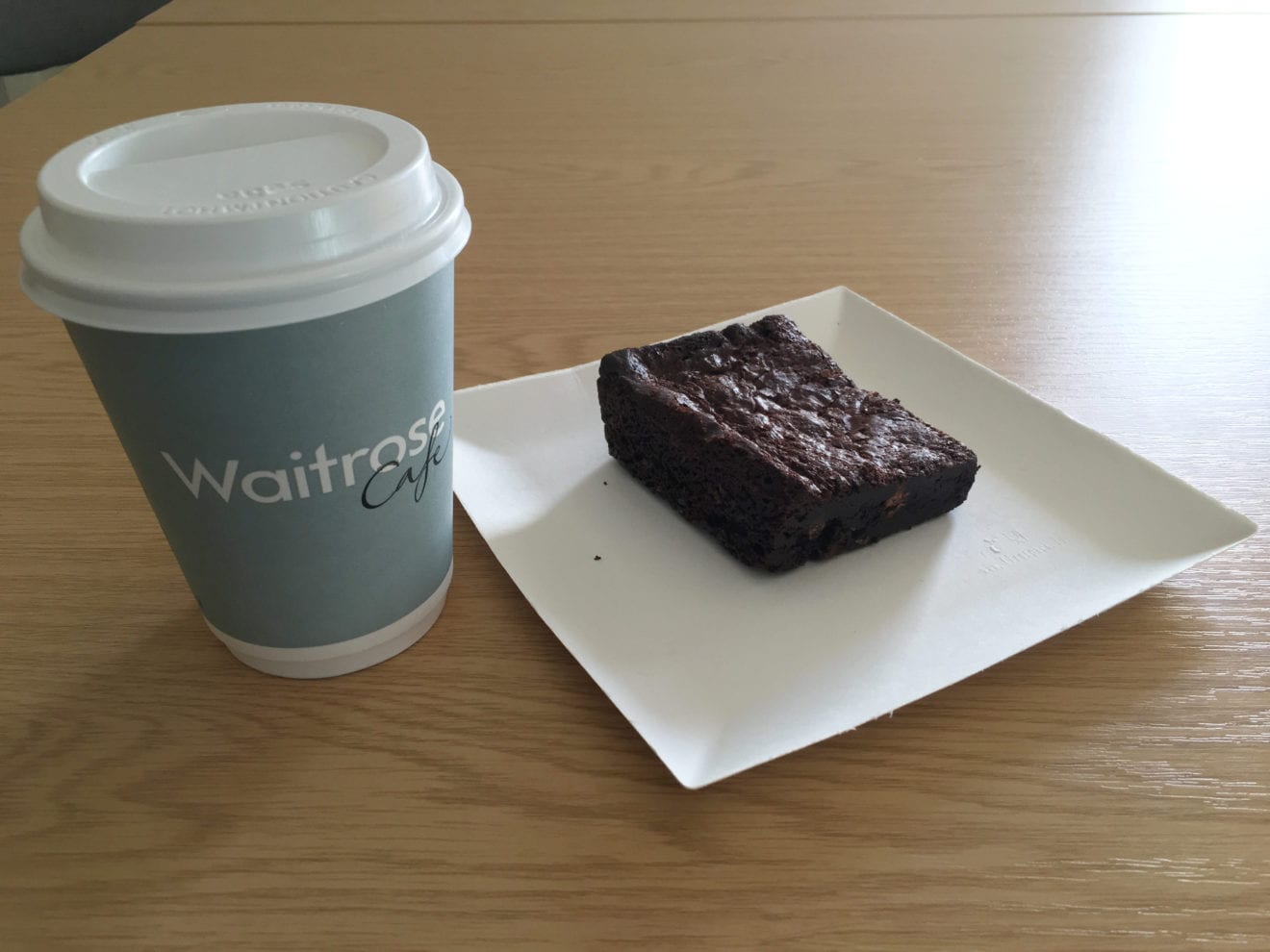
  • Waitrose café replaces China cups and plates with paper crockery

    Waitrose café replaces China cups and plates with paper crockery

    Waitrose customers have furious to boycott a store over its plan to ditch china plates and replace them with paper crockery. Clients of a branch of the general store in Chichester, West Sussex, have apparently complained to administration in what has been named the most middle class row ever.

    As though that wasn’t sufficiently horrifying, the branch additionally picked to swap out its couches for wooden seats.

    The issues all started when the bistro moved from inside the Waitrose grocery store to the adjacent building, which previously housed a Costa espresso.

    Because of reasons of convenience, the café started to serve its hot beverages in paper glasses and replaced its “shocking” couches with simple to-clean plastic seats.

    A cafe staff part said that a dishwasher would need to be introduced at the new site before china mugs could be used.

    A Waitrose representative said: ‘The criticism of our clients is importent to us and the remarks we have gotten will shape any future arrangement.’

  • Citi’s exec sees clear focus on target clients

    Citi’s exec sees clear focus on target clients

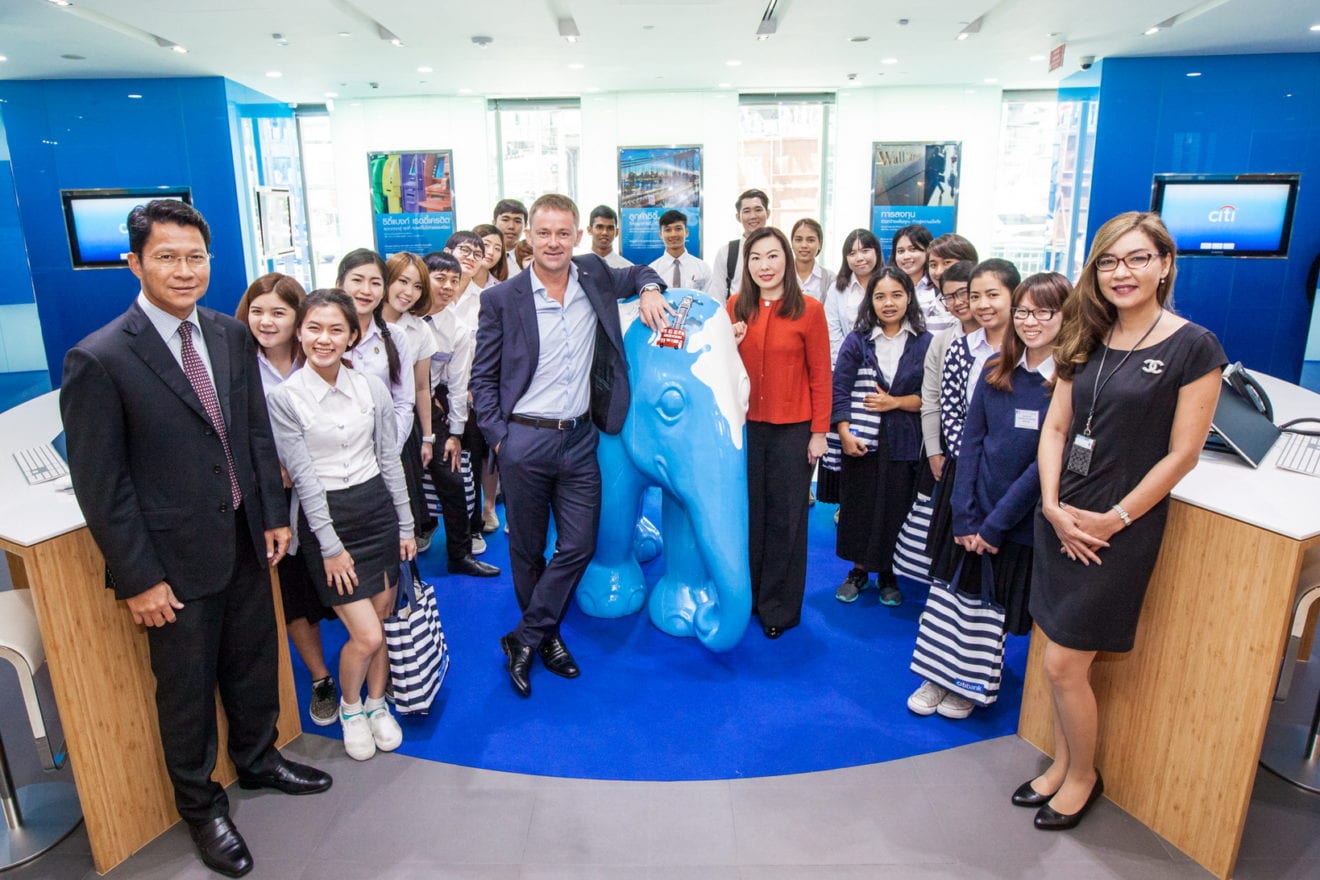
    Vira-anong Phutrakul was promoted to the post of consumer business manager in November, making her the first local executive to lead Citi Thailand’s consumer-banking business, overseeing functions including credit cards and loans, retail-banking wealth management, e-business and consumer lending.

    The bank has set itself a challenging growth target of 10-15 per cent in terms of customer numbers and revenue, given the prevailing economic conditions, she said.

    To achieve the high growth target, the strategy this year is to make Citi Thailand the bank for its main target segment, that is, people with a family, those doing business overseas and/or who are globally minded, she explained.

    In Thailand, Citi has a customer base of almost 1 million accounts, comprising credit-card holders, personal borrowers and wealth-management customers.

    Wealth-management clients have total assets under management of around US$1 billion (Bt35.7 billion).

    The executive said individual investment provided the main potential growth area for Citi Thailand, as credit cards were the mode of transaction payment for this type of business.

    As a global bank, Citi has the strength to serve globally minded consumers and the Bank of Thailand last year allowed individuals to invest in offshore markets, she said.

    The bank will be the first commercial bank in the Kingdom to offer an offshore-investment service to retail investors, with the facility set to become available this quarter.

    Citi Thailand will also launch a new mobile-banking service for retail customers, through which they can buy offshore mutual funds.

    “We and six fund managers globally will announce the service in the next two weeks, which will be offered to Citigold customers who have assets under management of Bt3 million,” she said.

    The bank has seen a growing trend of retail customers allocating investment to the offshore market, Vira-anong said, adding that the trend of borderless investment should be an opportunity for wealth-management at Citi this year.

    Wealth-management business is forecast to grow by 10-15 per cent after launching the offshore mutual-fund service.

    The bank will also upgrade all benefits offered via its existing products this year, in order to gain market share and ensure that growth in both credit cards and personal loans outpaces the industry, even though double-digit expansion in these areas might not be possible, she explained.

    The loan portfolio at Citi Thailand stood at around $2 billion at the end of last year.

    Meanwhile, Phatra Securities yesterday announced wealth-management services for “mass affluent” customers with the launch of Phatra Edge.

    “Over the last 15 years, Phatra has offered its expertise in wealth management for high-net-worth individuals and therefore has a good understanding of their needs,” said Kulnan Tsanthaiwo, managing director of the company’s Private Client Group.

    “The number of ‘mass affluent’ individuals [with at least Bt2 million in investable assets] in Thailand is growing continuously, and these persons tend to place great importance on financial planning,” she said, adding that these clients need to optimise their money by investing.

    “White-collar workers, employees paying income tax of 20 per cent or more, and people who invest in LTF/RMF [long-term equity fund/retirement mutual fund] products need help and advice with their investments, and Phatra Edge offers a complete range of features and services to help our clients achieve their life goals,” the managing director said.
  • Car wash more than just a job for Minds trainees

    Car wash more than just a job for Minds trainees

    For 15 years, Ms Lim Sock Leng, who has intellectual disabilities, has been travelling from her home in Woodlands to a car wash in the southern part of Singapore for work. The trip takes her more than an hour, but she looks forward to seeing her friends at the car wash each day.

    “The customers buy drinks and food and I’ve friends here. I’m not bored,” she told The Straits Times, a big grin on her face.

    Ms Lim, who is in her 30s, is one of 30 trainees with intellectual disabilities who have found work at the car wash opened by the Movement for the Intellectually Disabled of Singapore (Minds) in 2001.

    Minds chief executive Keh Eng Song said: “I think it is very successful that we’ve sustained Minds Wash for 15 years.”

    This is something that the voluntary welfare organisation could not have done without the support of SPC, which provides Minds with the car wash facilities, he added.

    Minds Wash was started in 2001 at a BP petrol station in Pasir Panjang with funds from Merrill Lynch.

    Three years later, SPC acquired BP’s retail network in Singapore.

    In 2007, SPC moved Minds Wash from Pasir Panjang to Telok Blangah “where the station is more prominently located and in clear view of the customers”, said SPC managing director Xia Hongwei.

    “Since 2004, SPC has been providing the venue to Minds Wash at no cost, with the aim of helping them integrate into society and encourage their development as independent and self-supportive individuals,” he said.

    In 2001, the aim of Minds Wash was to increase public awareness and social acceptance of the group. Then, the car wash serviced 14 cars a day on weekdays.

    Today, it services an average of 70 customers a day and Minds Wash project officer George Koh estimated that 80 per cent are regular clients who come by with food and drinks for the trainees with intellectual disabilities.

    This helps Minds pay the trainees allowances of $250 to $350 per month. Any leftover funds are channelled to the other 1,100 trainees in Minds’ three vocational centres.

    Retiree Yat Ah Kwok, 66, has been visiting Minds Wash weekly from his home in Punggol since he stumbled upon it four years ago while pumping petrol. Now, this is the only car wash he visits because he wants to support the cause.

    “I won’t go to other places. These people are all my friends. I’ve also told my friends who live nearby to wash their cars here,” he said.

    Asked if Minds will consider opening another car wash, Mr Keh said he would do so if any other kiosk wants to provide Minds with the space. He said Minds wants its trainees to go out of the sheltered workshops if possible.

    “And if you ask me, this is much better than public education, public awareness, exhibitions and roadshow. You actually experience people with intellectual disabilities doing the work, you experience their capabilities,” he added.

    “That’s why we always remind them to smile!”

  • Will *Scape 2.0 be youth haven at last?

    Will *Scape 2.0 be youth haven at last?

    *Scape, a youth hangout which opened next to Orchard Cineleisure just six years ago, has been given a $2.5 million makeover.

    After completing the revamp late last year, it now offers facilities such as a 100-seater indoor gallery to host film screenings, recitals and talks. It also has an outdoor stage with seating areas for music and other performances, and a walkway to showcase street performances and wall art.

    A new hub where media groups can gather to hotdesk or run events is also ready. The Singapore Film Society and media community group Project Unsung Heroes have started using the space.

    Events slated for this month include open mike sessions at the outdoor bandstand this Saturday, and an interactive play that explores mental disorders at the media hub the following weekend.

    Plans for the makeover of the five-storey hub and outdoor space, which also houses shops and restaurants, were first announced in 2014 by the Ministry of Culture, Community and Youth (MCCY).

    “*Scape, conceived by youth 10 years ago and opened in 2010, is a popular youth hangout,” said then MCCY Minister Lawrence Wong of the hub run by a non-profit organisation of the same name. “But the youth landscape has evolved over the years and we need to keep up with the changes,” he added.

    While *Scape has seen footfall pick up by 8 to 10 per cent a year, its average monthly footfall of 492,000 is lower than that at other malls, which can be over a million.

    *Scape also offers affordable retail spaces to encourage young entrepreneurs. And interest groups also use the space for sports, performing and visual arts, and projects.

    The mall has 70 youth start-ups, 73 institutional and commercial tenants and seven interest groups.

    While *Scape’s focus has been on developing young people in areas such as music, media and dance, its executive director, Christopher Pragasam, said last year it plans to move towards providing them with more platforms for volunteerism.

    For instance, it has a workshop this month to help youth understand the strengths of different communities and use these resources to create projects for social good.

    Some observers say it has had limited success because of its lack of focus. “It suffers from an identity crisis and is trying to do everything at once, from retail to entrepreneurship to arts and media to community service,” said Mr Delane Lim, chief executive of Agape Group Holdings, a youth training and development consultancy.

    He said spaces elsewhere, such as the Youth Square in Hong Kong and Youth Hub in South Africa, are more of a hit because they are commercially run by youth entrepreneurs: “They do get government funding but when they run the place themselves, they bring in fresh ideas and have more say in shaping the space for their peers.”

    *Scape is overseen by MCCY and its team reports to a board of directors made up of government representatives and leaders from the private and public sectors. There was a change in some board members in October last year.

    Ms Elim Chew, founder of fashion chain 77th Street and a former director on the board, said: “With the new board and expertise, I am sure they will bring in even more relevant programmes.”

    Student Magdalene Low, 18, who hangs out at *Scape with her friends once a week during school holidays, said: “There is some good food there but the shops are not very attractive… It offers the space dancers need to practise but, overall, with all the new shopping malls next door, it’s becoming dull and needs to keep up.”

  • General Motors China Sales Up 7.3 Percent In January 2016

    General Motors China Sales Up 7.3 Percent In January 2016

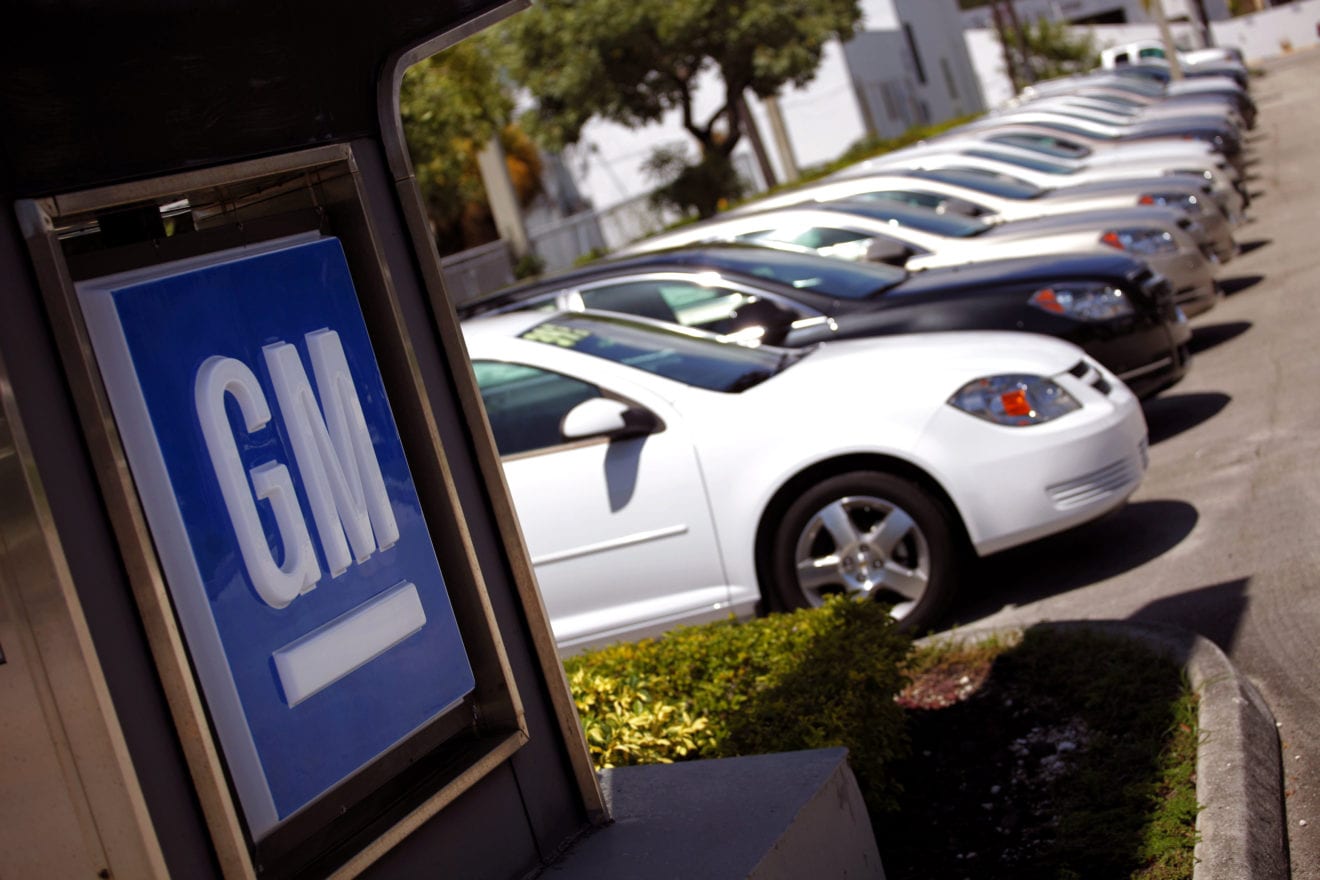
    General Motors and its joint venture partners in China reported 421,023 new retail vehicle sales during January 2016, a 7.3 percent increase on a year-over-year basis.

    “This year, GM and our joint ventures will continue to offer an unmatched choice of products across market segments along with new services to meet the needs of China’s car buyers,” said GM Executive Vice President and GM China President Matt Tsien. “Our new models, such as the Cadillac CT6 and Chevrolet Malibu XL, will be strong additions to our portfolio.”

    Increasing demand for SUVs and luxury vehicles continued to support GM’s robust sales last month. The Buick Envision and Baojun 560 led the growth in sales of GM’s SUVs in January, with demand growing 188 percent-year-over-year.

    Chevrolet

    Chevrolet sales in January declined 27 percent year-over-year to 56,133 units.

    The automaker attributes the drop to the end of the fuel economy subsidy for the Sail. Chevrolet sales are expected to improve with the arrival of several new models in 2016, including the Malibu XL on February 27.

    Buick

    Buick sales in January grew 39 percent year-over-year to 138,907 units.

    Sales of the brand exceeded 130,000 units for the first time, led by the Excelle GT and Envision SUV. Sales of the Envision more than doubled on a year-over-year basis.

    Cadillac

    Cadillac sales luxury cars increased 16 percent from a year earlier to 8,337 units, making January the sixth consecutive month of double-digit sales growth.

    Sales of the ATS-L advanced 14 percent. The Cadillac CT6 full-size prestige sedan is the full-size top-of-the-range prestige sedan was launched on January 27th and is offered at Cadillac dealerships across China. It is first model manufactured at SAIC-GM’s new Cadillac plant in Shanghai.

    Baojun

    Sales of Baojun vehicles jumped 101 percent from a year earlier to 78,367 units.

    The Baojun 730 MPV and Baojun 560 SUV led their respective segments, while the 2016 Baojun 630 family sedan with enhanced styling and upgraded performance was launched at the end of last month at a lower price.

    Wuling

    Wuling sales in the Chinese domestic market decreased 17 percent from a year earlier in January to 139,227 units. The brand was impacted by continued contraction of the mini-commercial vehicle market.

  • Tokyu Hands pops up in KL

    Tokyu Hands pops up in KL

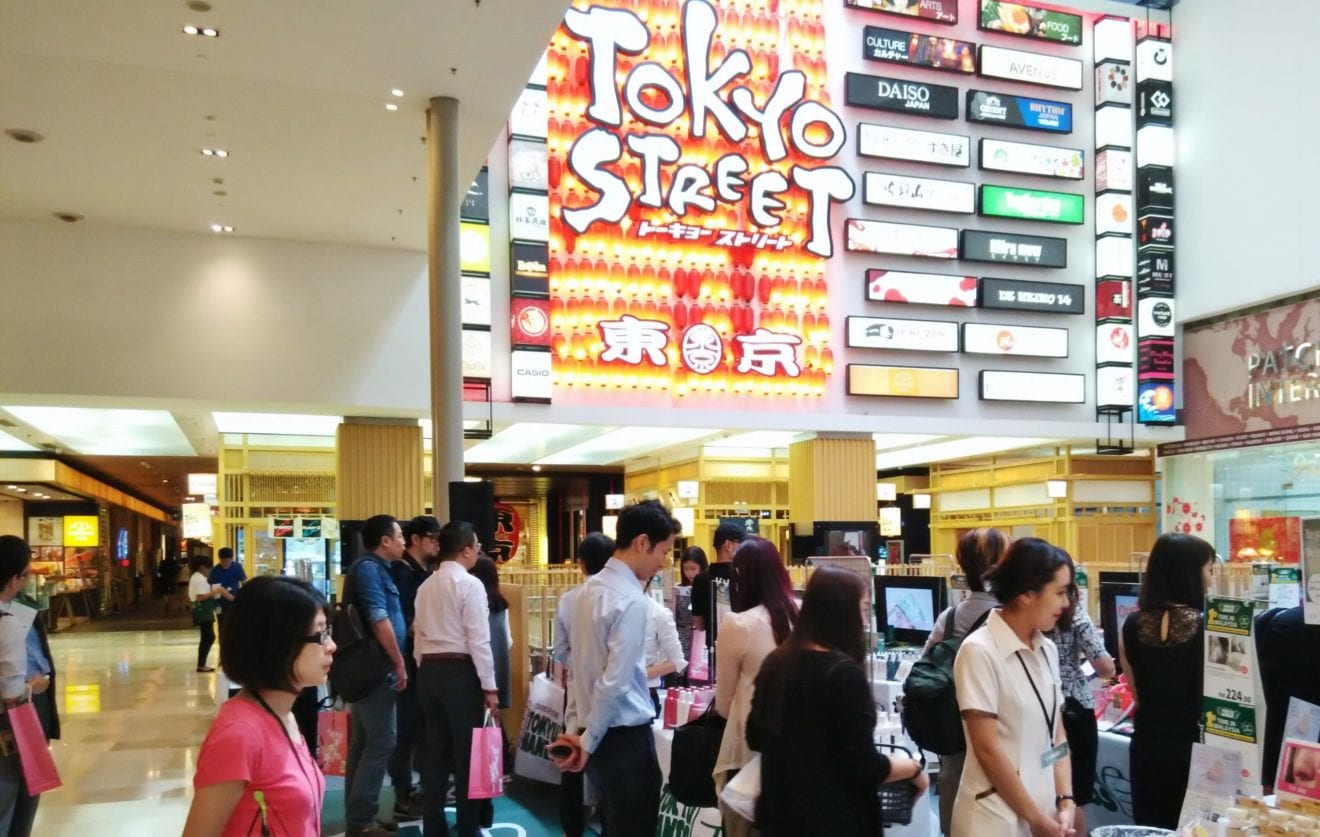
    Innovative Japanese lifestyle store Tokyu Hands is testing the Malaysian market through a pop-up store in Kuala Lumpur.

    Open for two weeks until February 3, the pop-up store at Tokyo Street in the Pavilion shopping centre in downtown Kuala Lumpur is introducing more than 500 lifestyle products to Malaysia. The items range from household, stationery, skincare and cosmetics products to items that are particularly Japanese.

    Tokyu Hands GM Shinji Fujikawa says the company wants to explore the retail market and understand consumer trends in Malaysia, reports The Star.

    “This will be a great platform to build our brand.”

    pavilion-tokyu-hands-live-demostration

    Store manager Takuya Furumaki says it is also a good opportunity for the brand to gauge the viability of its products.

    “As Malaysians are quite familiar with Japanese culture, we are confident our products will do well.”

    Tokyu Hands opened its first store in Shibuya, Tokyo, in 1976. It now has 40 stores throughout Japan, plus a presence in Singapore and Taiwan.

    At the pop-up store’s launch, guests learned more about some of its stock through demonstrations and presentations featuring the most popular or useful items favoured by Japanese buyers, according to Tokyu Hands International Business Division buyer Marie Kusumoto.

    Pavilion Kuala Lumpur marketing director Kung Suan Ai says that shoppers at Tokyu Hands do not just buy a product.

    “You buy into an experience that enriches your life.”

  • Less than Half of Filipinos are Fully Satisfied with the Valentine’s Day Gifts they Receive

    Less than Half of Filipinos are Fully Satisfied with the Valentine’s Day Gifts they Receive

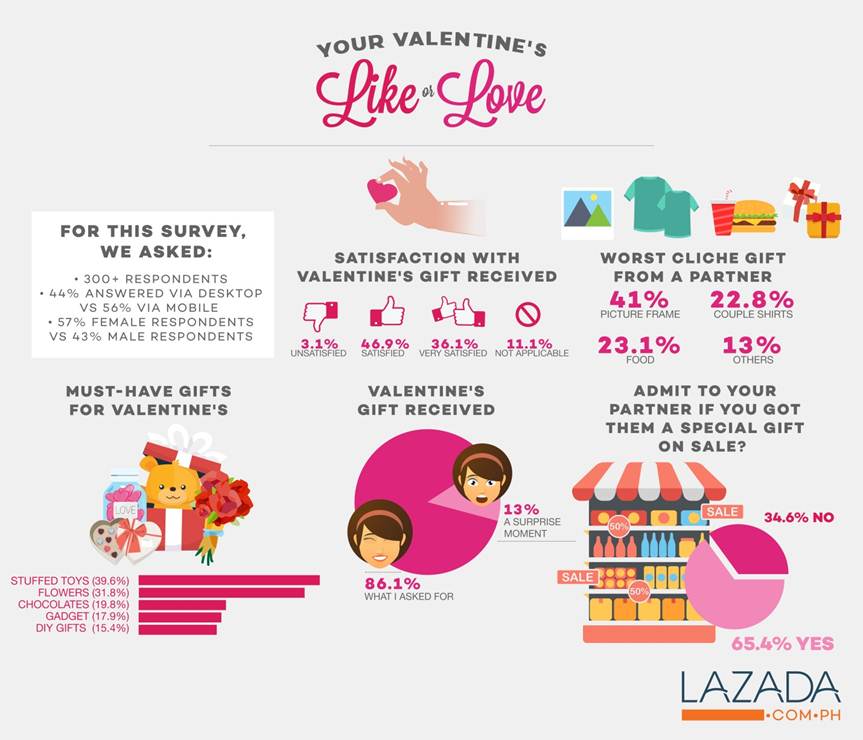
    In an online survey of over 300 respondents, only a third (36%) of Filipinos are really happy with their Valentine’s Day gifts. Less than half (46%) said that they were satisfied while 3% expressed absolute dissatisfaction.

    The survey, conducted by Lazada, explored the processes and reasons for the lack of contentment over Valentine’s Day gifts.

    Avoid Cliché’s but Never Forget the Essentials

    Almost one in four respondents (23%) expressed that chocolates and couple’s shirts are cliché, but the most cliché gifts are picture frames with over 40% of people agreeing they are passé.

    On the other hand, over 30% of respondents agree that flowers are a must have, beating out chocolates (19%), stuffed toys (9.6%). Surprisingly, more and more people (15%) see gadgets as an essential gift for the month of romance.

    image002

    Ask and You Shall Receive

    It seems surprise gifts are falling out of fashion as an overwhelming 86% of respondents prefer to express to their partners what they want. This transparency between couples extends to finding deals. 65% of respondents said they don’t mind sharing that they got their gifts on sale. The implicit learning is that if you get your partner the gift they want, it doesn’t matter if you got it on discount.

    Digital Love
    The survey also explored love in the digital space. Overtly expressing affection over social media or “Online PDA” seems acceptable with 52% of respondents saying they practice social media PDA themselves. 

    However, when it comes to meeting love interests online, half of the respondents had hesitations with online dating. 51% agreed with the statement:  “Online shopping never hurt anyone, people do.” Talk about #hugot.

    image001

    Love to Shop and Shop to Love

    As our Valentine’s Day gifting habits evolve and improve, it is important for Filipinos to discover more convenient and cost effective ways to find the perfect gift. That’s why Lazada’s Valentine’s Day promo makes it the perfect place to get the gifts your partner wants in ways you can easily afford.

  • BrewDog launches Hong Kong bar and eatery

    BrewDog launches Hong Kong bar and eatery

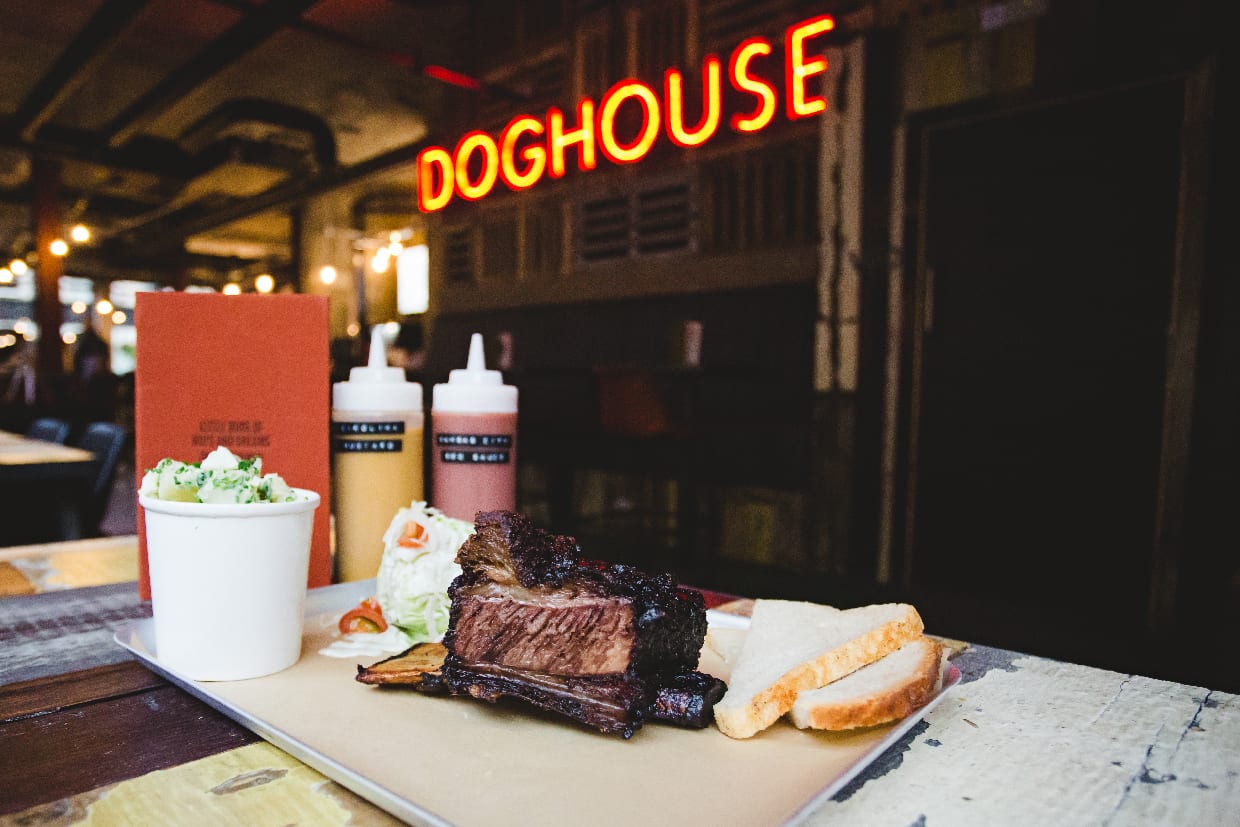
    Maverick beer maker BrewDog has opened the doors to its latest bar, promising Hong Kong residents and visitors a “mega soul food menu” alongside a line-up of craft ales. The Aberdeenshire brewer, founded in 2007 by business partners James Watt and Martin Dickie, now runs more than 40 bars in the UK and overseas, as well as exporting to 55 countries.

    The opening of the Hong Kong outpost marks BrewDog’s second bar in Asia, following the launch of BrewDog Rappongi in Tokyo.

    Locally sourced beers from artisan brewers Young Master, Moonzen and Kowloon Bay Brewery will feature alongside BrewDog stalwarts such as Punk IPA.

    Watt said: “Hong Kong is an incredibly multicultural, fast-paced assault on the senses.”


  • Baccarat crystal opens in Beijing

    Baccarat crystal opens in Beijing

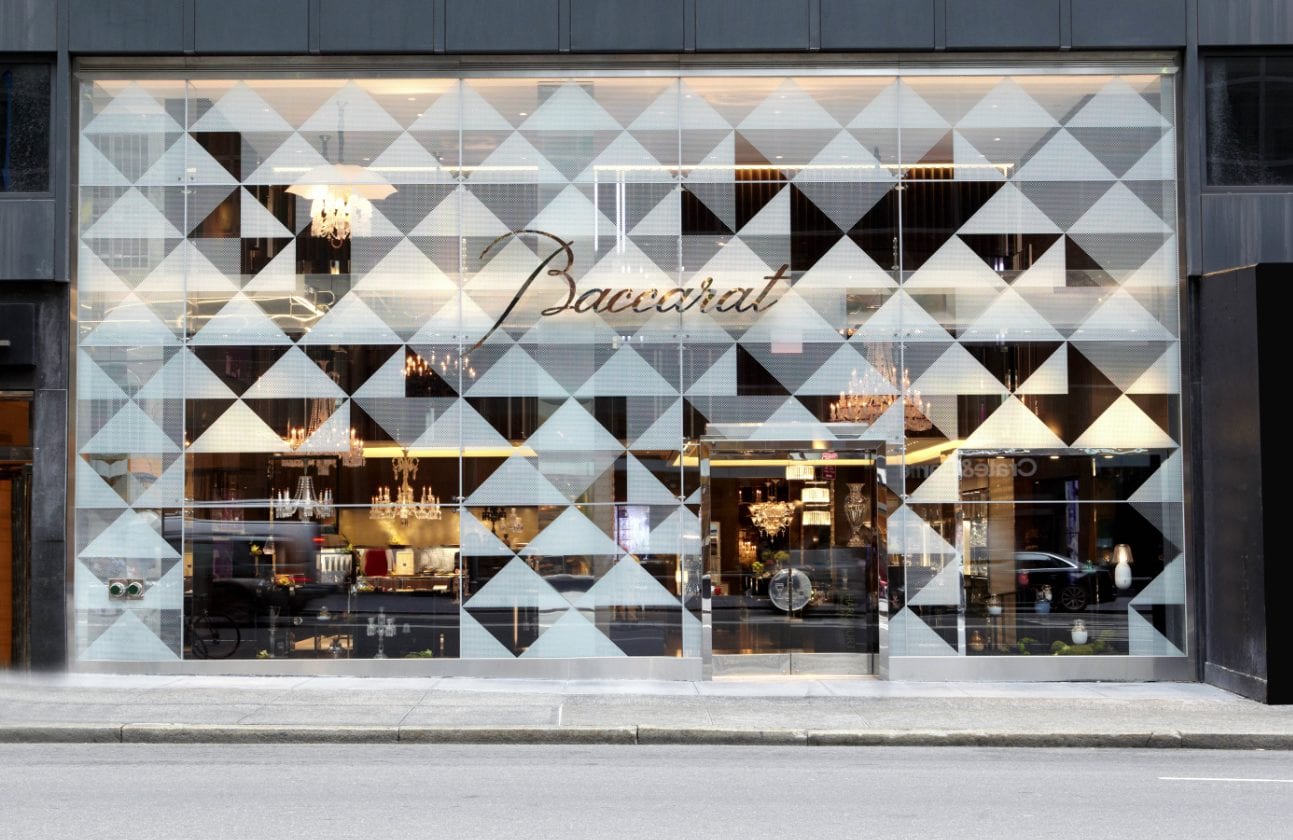
    French fine crystal manufacturer Baccarat has opened its first Chinese flagship store, in Beijing’s China Central Place complex.

    A stainless-steel mirror at its storefront draws attention to the two-storey boutique outlet, designed byGilles & Boissier of France.

    Attending the opening ceremony were Baccarat crystal global CEO Daniela Riccardi and Beijing Guohua Real Estate chairman Fang Chao. Singer Lin Yi Lun was among the guests. The Beijing opening follows the company launching a luxury hotel in New York last year to mark its 250th anniversary.

    Baccarat’s history goes back 200 years, and it represents the French art of living, according to theChina Central Place website. The new store offers an extensive product display, and includes many elements of the Baccarat flagship store in Paris, including a bar. Its decor also combines French and Chinese elements, with a Zenith 64-light chandelier illuminating the crystal works on display.

    Baccarat store Beijing


    Some of the products being offered are limited edition, including the Sun Mirror designed by Georges Chevalier in 1948, a set of crystal chess pieces by Oki Sato, founder of the Japanese design studioNendo, vases by Dutch designer Marcel Wanders, and panthers by French sculptor Jan Tésar.

    Baccarat’s store is on the ground floor of China Central Place, which is in the Trade Center in Jianguo Road, Chaoyang District. Among its international brands the mall also features Apple, Meissen, Rimowa and Tesla.

  • Garuda Indonesia to set up new company for non-core units

    Garuda Indonesia to set up new company for non-core units

    Garuda Indonesia (GA, Jakarta Soekarno-Hatta) is planning to establish a new holding company to contain subsidiaries that do not contribute to its core business.

    Airline president Arif Wibowo told the Asia Nikkei newspaper that the plan has already secured shareholder approval – including that from the Ministry of Transportation – with a proposal set to be submitted to the Ministry of State Enterprises in the middle of the year.

    “We hope this will increase the company’s leverage, as each business unit will have clearer management and they can develop more specific focuses,” he said.

    Garuda currently operates five subsidiaries including: budget carrier Citilink (QG, Surabaya); PT Aero Wisata which deals with travel, hotel, transportation and catering services; PT Abacus Distribution Systems Indonesia which handles GDS services; PT Garuda Maintenance Facility Aero Asia (GMFAA) which deals with aircraft MRO; and PT Aero Systems Indonesia which is an IT solutions provider.

  • Bali welcomes tourists with typical souvenirs for Chinese New Year

    Bali welcomes tourists with typical souvenirs for Chinese New Year

    Balis entrepreneurs and craftsmen are ready to offer some unique and affordable souvenirs to foreign tourists who plan on celebrating the upcoming Chinese New Year in the Island of God.

    “Various typical Chinese New Year souvenirs are especially being offered to the tourists from China and Hong Kong,” Ni Nyoman Sukiati, a Balinese craftswoman, stated here on Thursday.

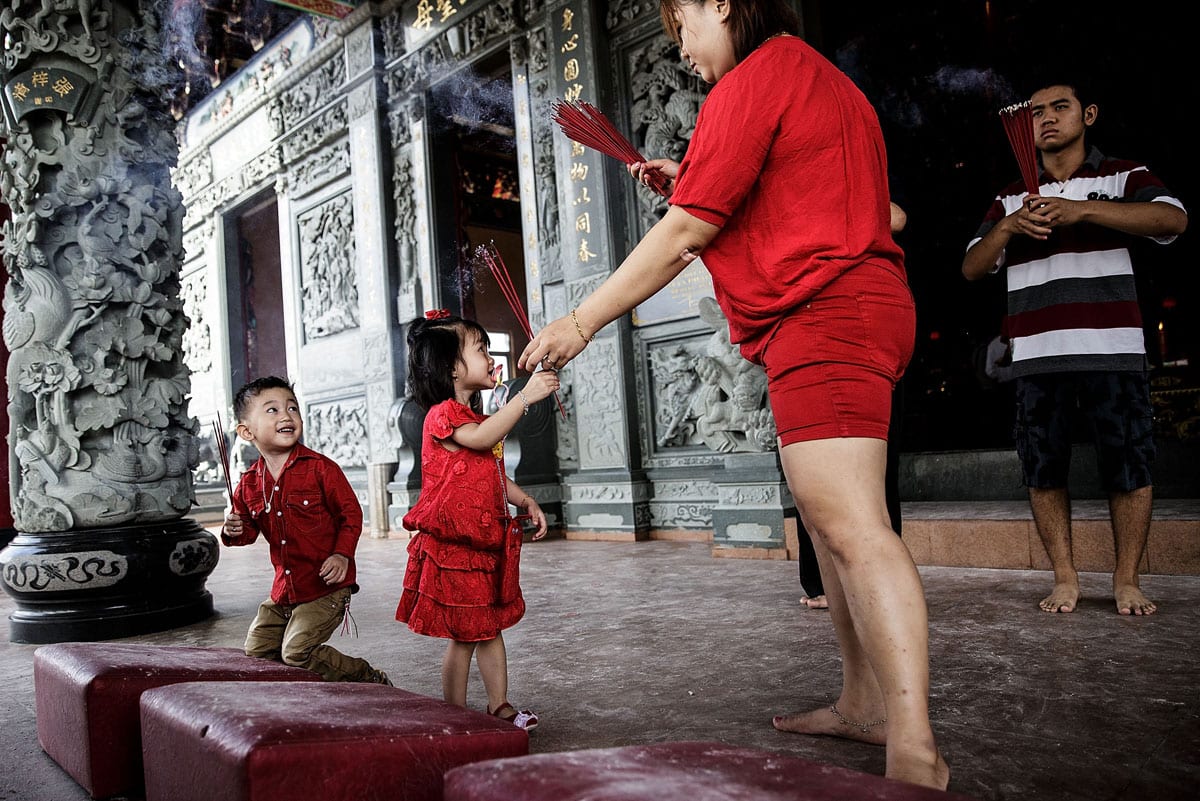
    To welcome the upcoming Lunar Year 2016, various souvenirs, such as wall decorations, hanging lanterns bearing Chinese characters, and porcelain god statues are on sale at some supermarkets, shops, and tourism sites.

    Sukiati believes that the number of Chinese tourists visiting Bali will increase following the implementation of the visa-free policy for several countries, including China.

    “Chinese tourists, who spend their holidays here in Bali, will certainly want to buy some Balinese souvenirs,” she remarked.

    Beside the Chinese souvenirs, Balinese craftsmen have created some unique and creative merchandise, such as bracelets, necklaces, and brooches, which are also considered as the main export commodities to be shipped to some destination countries such as the United States, Australia, Singapore, Hong Kong, Japan, and Europe.

    Based on data from the Central Statistics Agency (BPS) of Bali, the realization of non-oil products and handicrafts during 2015 reached US$498.6 million, a decrease of 7.02 percent compared to US$536.3 million in 2014.

  • Australia, Indonesia boosting tourism and economic growth

    Australia, Indonesia boosting tourism and economic growth

    Australia is expanding efforts to encourage two-way tourism between Australia and Indonesia as a key driver of shared economic growth and more knowledge of each others country.

    Australian Ambassador to Indonesia Paul Grigson said tourism powers economies and supports communities.

    “We want to increase tourism in both directions. The Indonesian Government has already recognised the potential economic boost a strong tourism industry can deliver,” the ambassador was quoted as saying by the Australian Embassy here on its website.

    According to the ambassador, Australian tourism can help Indonesia realise that vision. More than a million Australians visit Indonesia every year. Australian tourists contribute 18 trillion IDR (AUD$1.8 billion) a year to the Indonesian economy, Ambassador Grigson said on Tuesday.

    He said as Indonesia seeks to develop its tourism industry beyond Bali, ease of travel is integral to its success. Indonesia has already experienced a 19 per cent increase in tourists from countries which were granted visa free access in 2015.

    “A quarter of all tourists to Bali are Australian. We want to see more Australians come to Indonesia and experience sunrise at Mount Bromo, taste the spices of Padang and watch the sunset at Borobudur,” Grigson told Indonesian tourism industry representatives in a speech in Jakarta.

    Beyond these economic benefits, tourism builds links between people. It challenges stereotypes. It opens up new worlds and greater understanding.

    “I want more Indonesians to visit Australia.We have world class cuisine, galleries and unique experiences. With famous wildlife, fabulous wine and fantastic weather, Australia beats any other destination,” he said.

    Australia was the tenth most popular destination for Indonesian tourists in 2014 with a total of 149,800 visitors, up 7.6 per cent from 2013.

    More Indonesians travelling to Australia will make expanded flight routes between Australia and Indonesia more viable in the long-term, bringing benefits to both our economies.

    “Indonesian investors may also be missing out on opportunities to capitalise on some of the major tourism infrastructure projects currently underway in Australia. In 2014 alone, investment in the Australian tourism industry was valued at $53.7 billion,” he said.

    He added that the more Australians and Indonesians experience each others countries, the deeper their connections become.

    “The tourism industry is integral to the prosperity of both our countries. Now is the time for us to reach out to each other as neighbours and shape our futures together,” Grigson said.

  • Starwood Hotels & Resorts to Debut Ultra-Luxury St. Regis Brand in Jakarta

    Starwood Hotels & Resorts to Debut Ultra-Luxury St. Regis Brand in Jakarta

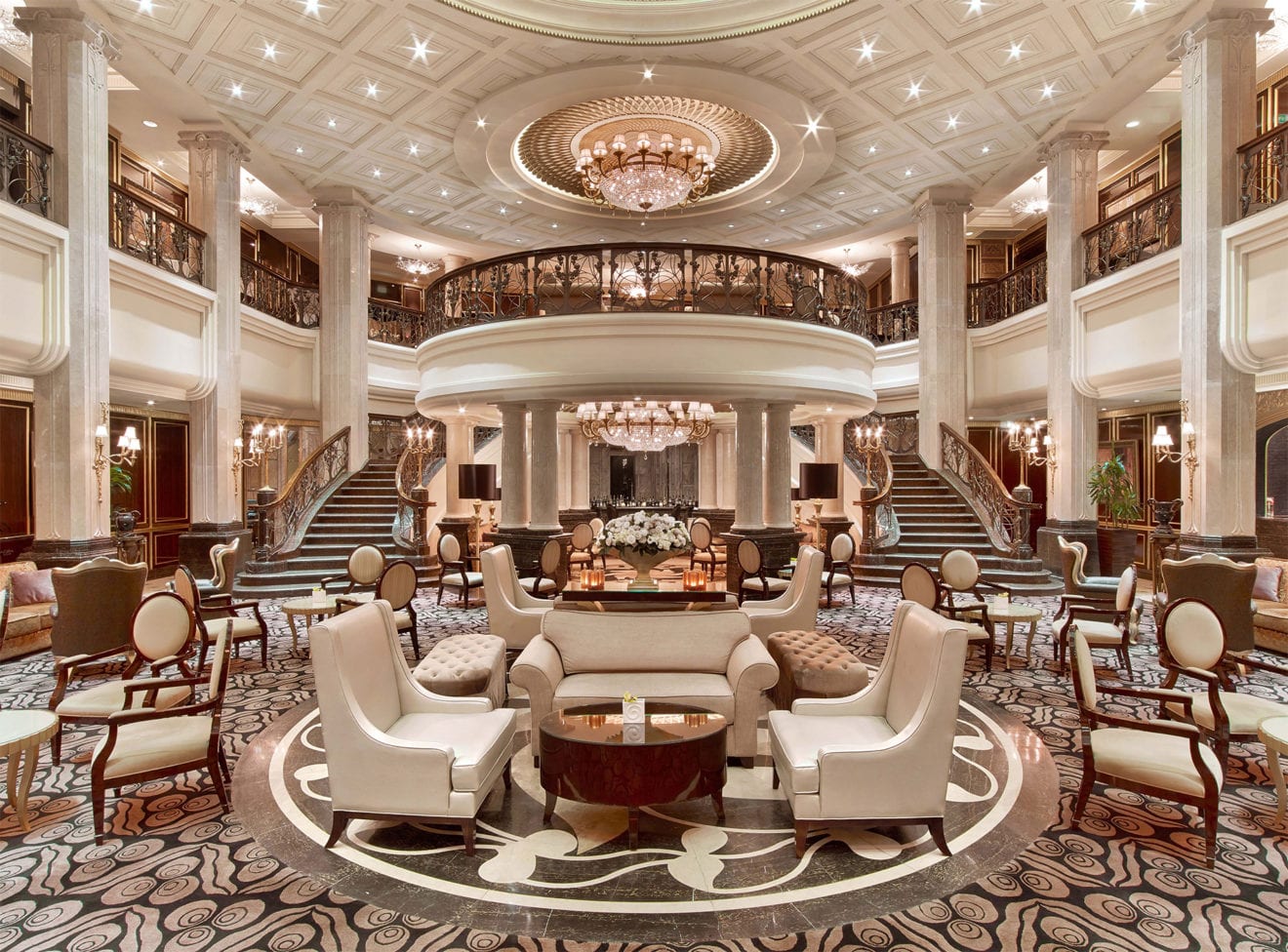
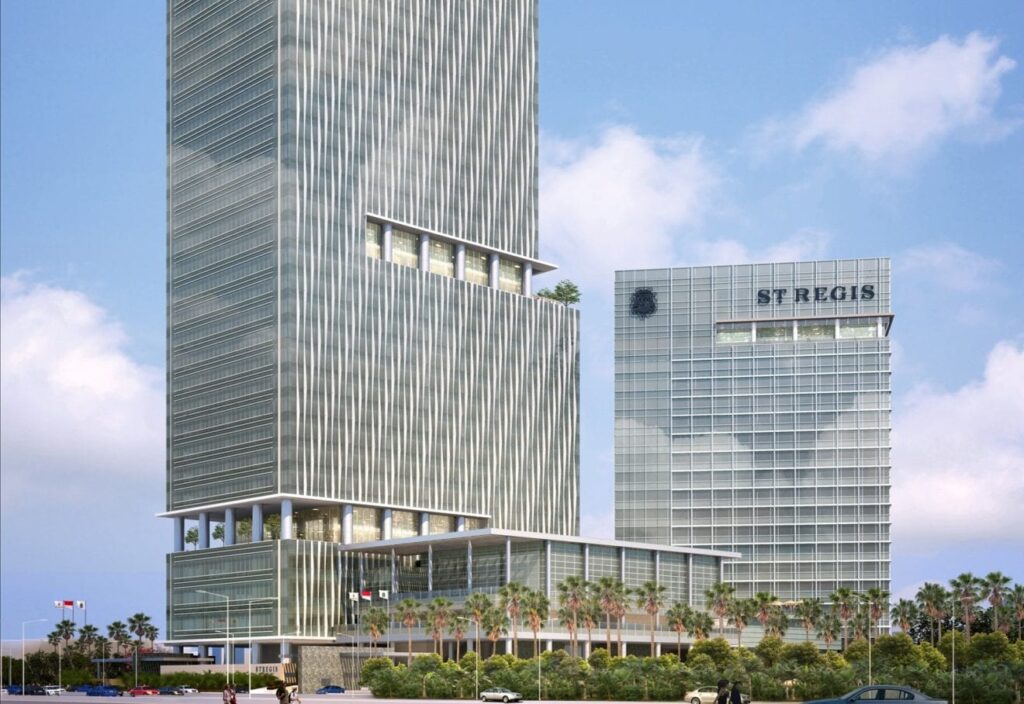
    Starwood Hotels & Resorts Worldwide announced today that the company has reached a management agreement with Rajawali Property Group to open The St. Regis Jakarta and The Residences at The St. Regis Jakarta. Centrally located on Jalan H.R. Rasuna Said, Kuninganin in South Jakarta, the hotel and residences will be part of a new mixed-use development, which will also feature a commercial office tower that will serve as the headquarters of Rajawali Property Group. Slated to open in 2019, The St. Regis Jakarta and The Residences at The St. Regis Jakarta are poised to become the premium address for well-heeled travelers and residents.

    “The St. Regis Jakarta and The Residences at The St. Regis Jakarta are a great testament to the growing wealth and appetite for luxury in Indonesia’s capital,” said Stephen Ho, President, Starwood Hotels & Resorts Asia Pacific. “We are delighted to foster our relationship with Rajawali Property Group by bringing the St. Regis brand’s bespoke service, contemporary design and refined elegance to the ever-bustling city of Jakarta.”

    Shirley Tan, CEO of Rajawali Property Group, added, “Jakarta currently features some upscale residences that are located above or next to hotels, but few offer the heights of refinement tied to the St. Regis name. Today’s signing with Starwood is part of Rajawali’s greater residential strategy to develop a collection of truly branded residences with unique ownership privileges in Southeast Asia, including The Residences at The St. Regis Langkawi in 2016 and The Residences at The St. Regis Jakarta in 2019.”

    The St. Regis Jakarta will offer 280 luxuriously-appointed guestrooms and suites, all bearing elements of the brand’s rich heritage infused with modern inspiration. The hotel will feature four distinctive restaurants, including an all-day dining venue, a fine dining restaurant, The Deli, and the signature St. Regis bar. For meetings and events, the hotel will offer expansive function space that spans 3,600 square meters. Guests will also be able to indulge in world-class leisure facilities, including a spa with six treatment rooms, a fitness center and a swimming pool. To further enhance the guest experience, The St. Regis Jakarta will provide signature St. Regis Butler Service, offering guests 24-hour anticipatory service that customizes each stay to specific needs, tastes and preferences, allowing guests to savor the rarest luxuries of all time.

    153053019

    Following the success of the residences at St. Regis hotels in Singapore and Bangkok, and the soon-to-open St. Regis Kuala Lumpur, The Residences at The St. Regis Jakarta will set new standards for luxury living in Jakarta. Located in a separate tower adjacent to the hotel, the 164 branded residences will offer homeowners and investors refined luxury and privacy, with each home expressing a sense of intimacy, grandeur and panoramic views of the vast city skyline.

    The Residences at The St. Regis Jakarta will feature three types of apartments: a 3-bedroom Sky Residence occupying 355 to 373 square meters; the Sky Villa, a 750 square meter, 4-bedroom unit; and the Sky Palace, featuring over 1,250 square meters. Residents will enjoy exclusive concierge service, a multi-function room and wine room, private garden pool, private dining and library lounge, fitness center and dedicated car parking space. Residence owners will also be able to enjoy the renowned St. Regis services at their doorstep, including St. Regis Butler Service, as well as access the hotel’s fitness and dining facilities.

    “Starwood is pleased to expand its portfolio of St. Regis residences in Asia Pacific, as we see strong continued growth opportunities in this area,” said Rajit Sukumaran, Senior Vice President, Acquisition & Development, Starwood Hotels & Resorts, Asia Pacific. “The Residences at The St. Regis Jakarta will cater to the lifestyle needs of the increasingly affluent and appeal to luxury property investors, while remaining deeply rooted in St. Regis’ distinctive legacy of uncompromising elegance and the ability to provide the finest experiences imaginable.”

    st-regis-jakarta-indonesia-landscape

    The announcement further strengthens the partnership between Starwood and Rajawali Property Group, which currently owns eight Starwood properties, with a total of more than 1,500 rooms throughout Malaysia and Indonesia. This distinguished portfolio includes The St. Regis Bali Resort and the all-suite St. Regis Langkawi Resort. The latter is on track to open in April 2016, as part of an integrated complex comprising The Westin Langkawi Resort & Spa and the ultra-modern Langkawi International Convention Centre (LICC), both owned by Rajawali Property Group.

    Starwood currently operates 18 hotels in Indonesia, five of which are located in Jakarta. The company is accelerating its growth in the country and is on track to open 13 additional hotels in the next three years. In addition to The St. Regis Jakarta, Starwood’s pipeline also includes Aloft hotels in Kebon Jeruk and Wahid Haysyim, The Westin Jakarta and W Jakarta.

  • Indonesia studying Trans-Pacific Partnership Agreement

    Indonesia studying Trans-Pacific Partnership Agreement

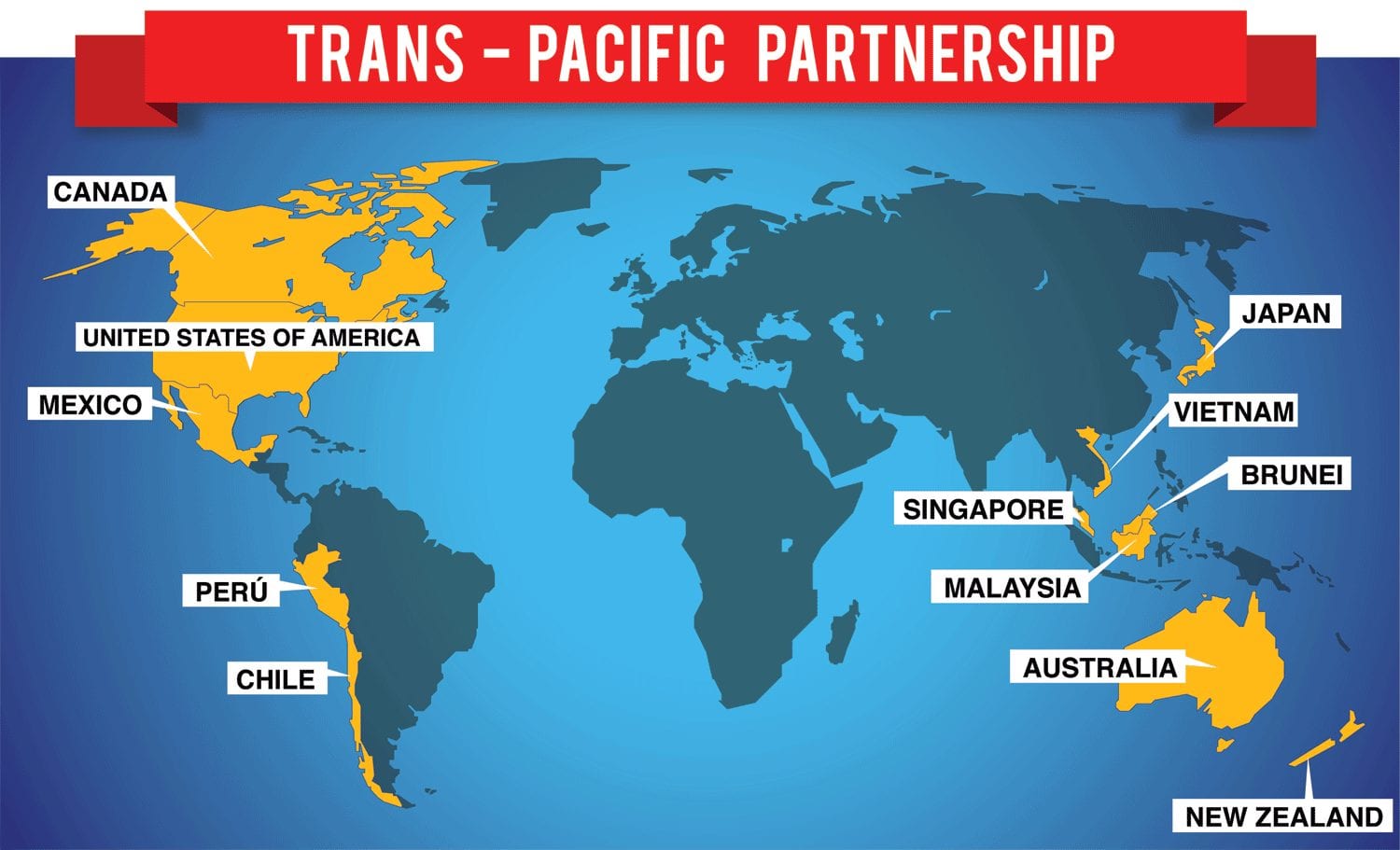
    Indonesia is studying 6,000 pages of the Trans-Pacific Partnership Agreement to see possible impacts on domestic industries if it finally decides to join it.

    “There are 30 sub-sectors involved in the 6,000 page agreement that have to be studied one by one,” Director General of Resilience and International Industrial Access Development of the Ministry of Industry, Achmad Sigit Deiwahjono, said here Thursday.

    The focus of the study was not put on the policy of domestic content (TKDN) which is not allowed in the agreement, he said.

    The government hoped the TKDN would not be abolished if Indonesia later joins the TPP, he said.

    He would negotiate so that the TKDN would remain, but the portion would be divided for the interest of the TPP, he said.

    “Indonesia wishes it (TKDN) would be exempted, for example, by allowing the TKDN to some value of the project,” he said.

    He did not know when the study would be finished, and he also did not know if Indonesia would finally join it or not, Sigit said.

    “We will still study it. It is not yet finished,” he added.

  • Indonesia’s growth in 2015 slows for fifth consecutive year

    Indonesia’s growth in 2015 slows for fifth consecutive year

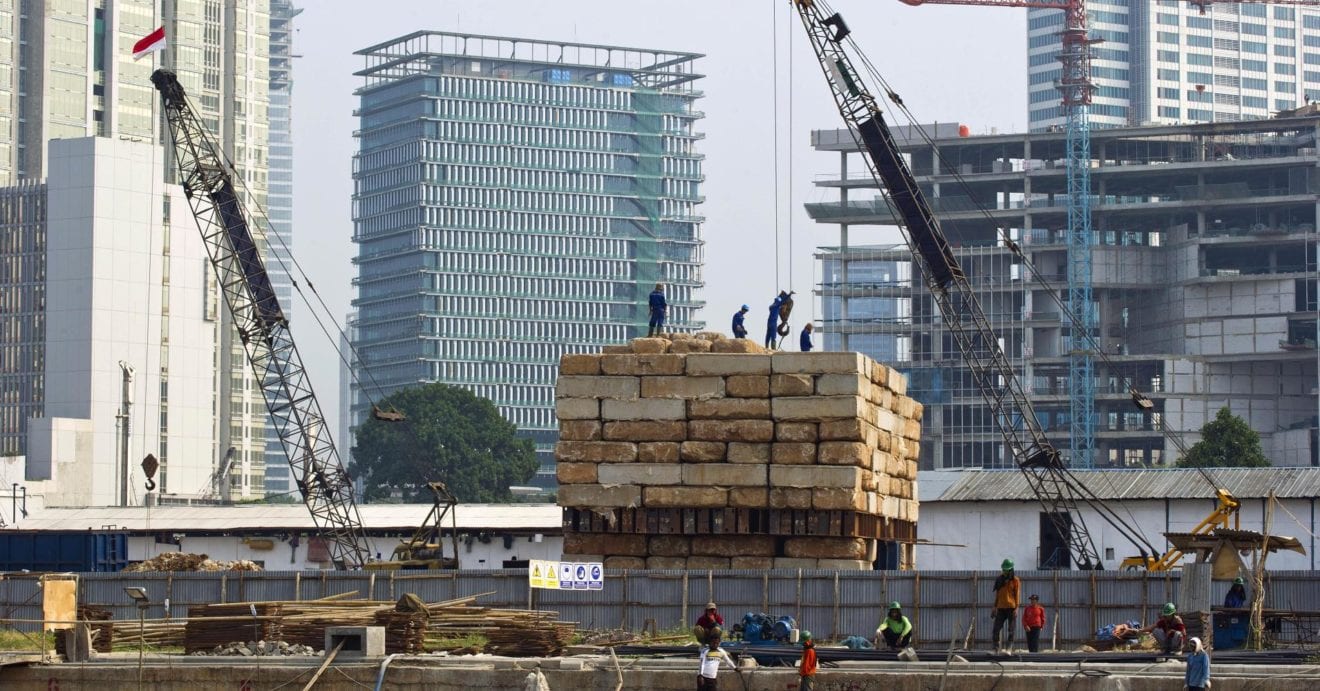
    Growth in South East Asia’s largest economy, Indonesia, has come in at 4.76% for 2015, marking the fifth consecutive yearly decline. Weaker commodity prices and consumer spending, together with a slowdown in its key trading partner, China, has hurt growth. Towards the end of last year, however, the economy expanded by just over 5%, boosted by government spending. President Joko Widodo had promised to lift annual growth to 7% on average.

    However, the country has seen an average of just under 6% growth over the past decade and analysts have said growth is unlikely to improve for some time.

    “The fourth quarter data is a positive surprise,” economist Tony Nash told.

    “But unfortunately the uptick will likely be short lived. We expect deterioration in the first quarter and it’ll be tough to regain growth momentum before 2017,” he added.

    Mr Widodo made his promise to raise growth when his five-year term began in 2014, but he has faced problems boosting government spending and has seen several large infrastructure projects delayed.

    A $5.5bn high-speed railway project, funded by China, was signed last year and is scheduled to be up and running by 2019.

    But the project has faced widespread objections from transport experts and its long-term viability has been questioned.

    Mr Widodo has also faced international condemnation for the country’s man-made forest fires, which have caused serious economic and environmental damage.

    In December, the World Bank said Indonesia’s forest fires last year had likely cost the country more than twice the amount spent on reconstruction efforts after the 2004 Aceh tsunami.

    In its quarterly report, the bank said the fires had cost some 221tn Indonesian rupiah ($15.72bn; £10.5bn).

    It added that regional and global costs would be much higher.