Blog

  • Wyndham Hotel Group Introduces Days Inn brand to Indonesia

    Wyndham Hotel Group Introduces Days Inn brand to Indonesia

    Continuing its robust expansion in South East Asia, Wyndham Hotel Group today announced the opening of its first Days Inn® hotel in Indonesia, the 119-room Days Hotel & Suites Jakarta Airport.

    Located in the capital of Jakarta at the site of the former Padjadjaran Suites, the hotel is the eighth property to open under the Days Inn® brand flag in South East Asia and the Pacific Rim region. It is owned by PT Graha Bandung Sentosa, an affiliate of the Sun Motor Group, and managed by PT Wyndham Hotel Management, an Indonesian subsidiary of Wyndham Hotel Group. The hotel is the second to be opened by Sun Motor Group and Wyndham in Indonesia in just over a month, the first being the 271-room Ramada Bali Sunset Road Kuta.

    Said Barry Robinson, President and Managing Director of Wyndham Hotel Group South East Asia and Pacific Rim, “We are looking to introduce more affordable business hotels in prime locations across the region and Days Hotel & Suites Jakarta Airport will be a valuable addition to our portfolio in Indonesia targeting business travellers and leisure makers on transit. Indonesia represents a tremendous opportunity for Wyndham, with its growing middle class who have demonstrated an increased demand for globally-known and value-driven brands such as Days Inn.”

    Situated just 5.3km from Soekarno-Hatta Intl Airport in the Cenkarang district of West Jakarta, the Days Hotel & Suites Jakarta Airport is a full service property catering to business and leisure travellers. The hotel will undergo light renovations to offer tastefully designed guestrooms and suites complemented with an all-day dining restaurant, a lobby lounge and bar, as well as eight meeting rooms with banqueting services.

    Additional facilities include a rooftop pool, a spa and wellness centre, high speed Wi-Fi access throughout the hotel and complimentary airport shuttle bus transfers.

    Hartono Hosea, Director at the Sun Motor Group commented “Wyndham Hotel Group’s extensive global distribution, flexibility and management expertise will definitely help to solidify our position as a market leader in Indonesia. The hotel will greatly complement our Bali property and will set the standard for hospitality in Asia.”

    Days Inn® is a globally recognised brand with nearly 1,800 economy to upper-midscale hotels located around the world. Most offer free Wi-Fi, complimentary DayBreak® continental breakfast, meeting rooms, banquet facilities, copy and fax services, fitness centres and more. All Days Inn hotels in Indonesia participate in Wyndham Rewards®, the simple-to-use, revolutionary loyalty program from Wyndham Hotel Group that offers members a generous points earning structure along with a flat, free-night redemption rate.

  • Telkom Indonesia Blocking Netflix For Pornographic Content

    Telkom Indonesia Blocking Netflix For Pornographic Content

    News of the service’s entry was quickly embraced by social media by Indonesia’s young and urban population who were familiar with the service due to pop culture references, as well as Netflix’s award-winning productions.

    Netflix has indicated that it is willing to adhere to Indonesia’s laws and regulations, but it believes that it doesn’t have to follow the same procedures as cable networks.

    Be that as it may, it’s hard to imagine that the decision wasn’t also influenced by a desire to protect the company’s own business interests. Uber argued that it does not own any vehicles, but eventually said it will set up a subsidiary to better comply with local regulations.

    Regardless, many worry that Telkom’s move suggests that a blanket ban on Netflix is imminent.

    Some Telkom competitors were capitalising on the ban Thursday, promoting their Netflix packages in a bid to lure Telkom customers angered by the move. The ministry now monitors websites and blocks content on a case-by-case basis.

    Arif Prabowo, Telkom’s vice president for corporate communications said in a statement that Netflix needed to adjust to Indonesia’s regulations-namely a 2009 film law. With technological advancement comes both increased access to tools such as virtual private networks, and the debate on censorship.

    On the other hand, Netflix is also posing a threat to Telkom’s pay TV business, which is jointly operated with an Indonesian conglomerate.

  • Catch the Thrilling Action at Singapore Airshow 2016

    Catch the Thrilling Action at Singapore Airshow 2016

    The Singapore Airshow will once again feature spectacular flying displays, and also one of the widest range of business, commercial, and military aircraft at the static aircraft display area that will captivate and thrill visitors at the Changi Exhibition Centre (CEC) during its public weekend on 20 and 21 February 2016.

    In addition, there will also be a host of fun activities for fans of all ages and interests, while cosplayers in their fantastic costumes, and the Singapore Airshow’s official mascots, Captain Leo and his best friend Captain Leonette, will be on hand to greet visitors and have their photos taken.

    Breathtaking Aerial Stunts

    One of the key highlights in the aerobatic flying display will be the Republic of Singapore Air Force’s integrated aerial display team, comprising an F-15SG fighter jet and an AH-64D Apache attack helicopter. They will perform three integrated and eight solo manoeuvres, demonstrating power and agility. Their routine includes the Vertical Punch, a new manoeuvre that is being performed for the first time: The Apache AH-64D attack helicopter will pull up to the skies, and flip around as if performing an aerial ballet, before meeting the F-15SG flying in from the opposite direction. The F-15SG fighter jet will then punch through the clouds in a spectacular vertical climb.

    The exhilarating line-up for this year’s aerobatic flying display will also see the return of the Black Eagles from the Republic of Korea Air Force, known for their jaw-dropping aerobatic stunts. The Black Eagles will be looking to surpass their breathtaking performance in 2014 by bedazzling the crowds at Singapore Airshow 2016 with 3 more manoeuvres added to their repertoire.

    In addition, some of the magnificent aircraft that will take to the skies include the French Air Force’s Dassault Rafale, the U.S. Air Force’s C-17 Globemaster III and F-16C/D Fighting Falcon, and the Su-30MKM from the Royal Malaysia Air Force.

    The Singapore Airshow...epa04068174 An aerial display of the Rep

    Get up close and personal with the latest aircraft

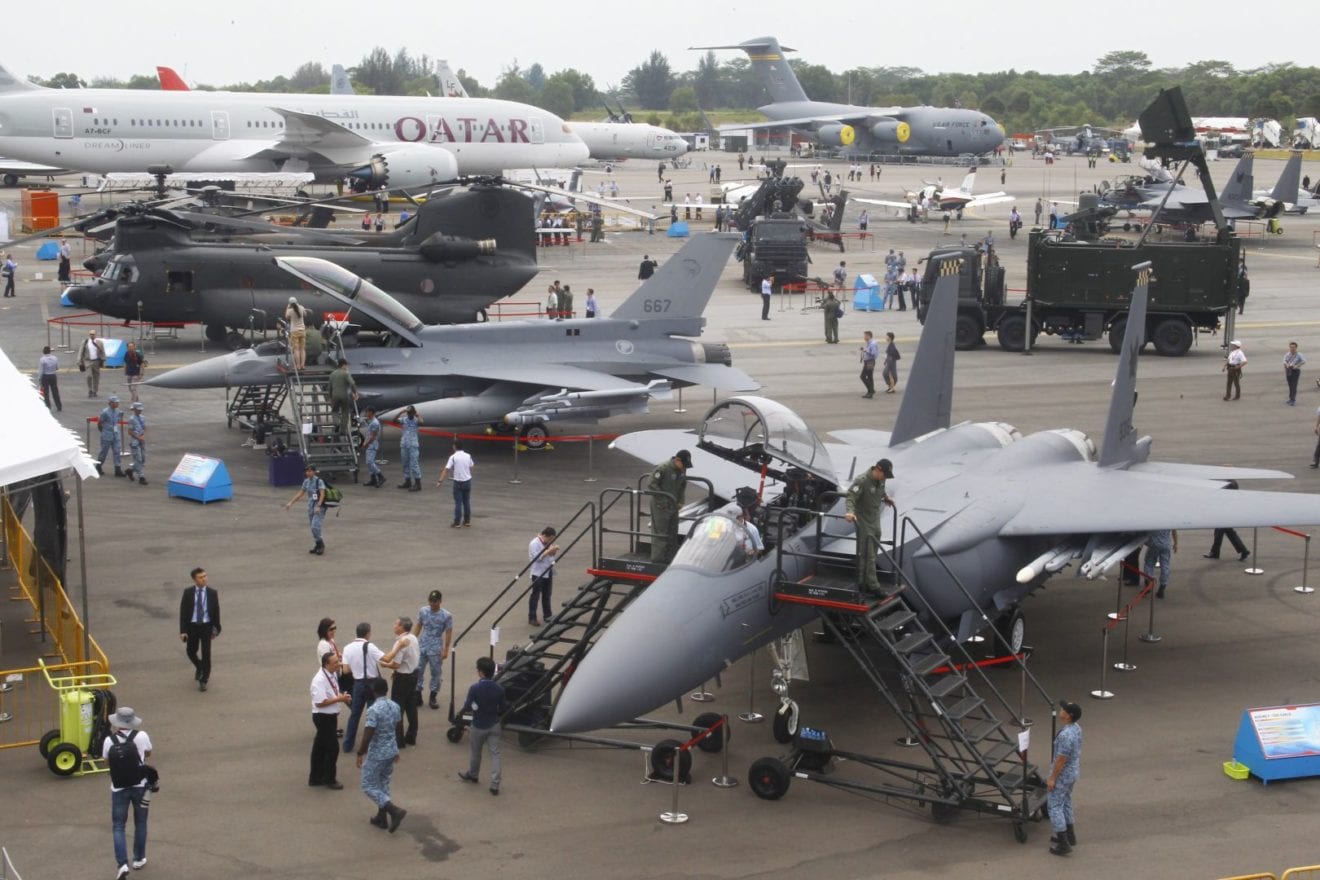
    The Republic of Singapore Air Force Black Knights will showcase one of their F-16C aircraft, in its gleaming crescent and stars livery, at the static aircraft display. Aviation fans should not miss this rare opportunity to get up close and personal with the aircraft. Other key highlights of the static aircraft display include two USAF F-22 stealth fighters and the Airbus A400M – a modern military transport plane using the latest fly-by-wire flight control system – all of which will be taking part at the Singapore Airshow for the first time. Visitors can also look forward to some of the latest luxury business jets from Bombardier, Embraer and Gulfstream as well as other new aircraft and helicopter models such as Airbus H145 and Bell 505, all also appearing for the first time at the Singapore Airshow.

    Young and aspiring pilots will have the opportunity to meet and interact with the men and women who have chosen a career in the skies at the Meet-the-Pilots sessions. In addition, The Captain’s Den, a new e-store which offers a wide range of Singapore Airshow memorabilia has been launched. The popular Captain Leo and Captain Leonette plush toys, Singapore Airshow’s official mascots, and an expanded range of Singapore Airshow-themed gifts including model planes, umbrellas, mugs and caps is available for purchase at The Captain’s Den, and on-site during the Singapore Airshow.

    Mr Leck Chet Lam, Managing Director of Experia Events, said: “The Singapore Airshow has always been an exhilarating experience that offers something for fans of all ages and interests. We are putting the final touches on this year’s public day activities to provide even more engaging moments and look forward to welcoming returning and new visitors alike to the Singapore Airshow.”

    Ticketing and Event Information

    Tickets to Singapore Airshow 2016 can be purchased through the official agent, SISTIC, at www.sistic.com.sg, via the ticketing hotline at 6348-5555 or at any SISTIC authorised outlets. Group packages can only be purchased from the SISTIC website or via its ticketing hotline. Ticket sales will not be available on-site at Changi Exhibition Centre during the Singapore Airshow. Public day ticket holders are advised to visit www.singaporeairshow.com for the latest updates on the event, including traffic and transportation arrangements.

  • Amazon sales hits $100 billion

    Amazon sales hits $100 billion

    With total revenue growth of 22 per cent during its final quarter, Amazon has emerged as one of the clear winners in the battle for holiday spend.

    Even in its more mature home market, Amazon sales rose by 24 per cent, making it responsible for 22.6 per cent of all online retail spend in the US over the final quarter of the year.

    These impressive figures are accompanied by another achievement: Amazon has now comfortably passed the $100 billion annual sales mark. Taking some $107 billion in its latest fiscal year confirms Amazon’s status as an online behemoth.

    Fortunately for Amazon, this stellar topline performance has been joined by a continued improvement in profitability – something that has previously eluded the group. Across the year as a whole operating income was up by an impressive 1154 per cent, which helped turn a net loss of $241 million in the prior year into a net profit of $596 million this time around.

    That noted, by comparative retail standards Amazon’s level of profitability is still painfully weak. For every dollar the company takes, it makes just 0.75 of a cent in profit. However, this is a conscious decision by a company that uses a large chunk of its revenues to invest back into generating future growth. Clearly this is a strategy that is working, and it is one that is accepted by the market. That it is, makes life much more challenging for traditional players like Walmart which are much more constrained in terms of the degree to which they can erode profitability in order to boost their own online operations.

    Once again, one of the standout areas for Amazon has been Prime, where membership continues to grow strongly. In addition to the direct revenue it brings via the associated membership fees, Prime has also proved to be an important way of locking in customer loyalty. This is important because while Amazon is still a destination of choice for many online shoppers, it faces increasing levels of competition from both traditional retailers moving more aggressively into eCommerce and from new online startups. This is something underlined by the fact that despite its strong growth, Amazon’s share of all eCommerce sales in the US has fallen over the past five years.

    Creating an ecosystem of services and benefits, which include free delivery and access to special discounts and promotions, keeps Amazon top of mind by making it an integrated part of consumers lives. Arguably it also gives the company a whole host of ways in which it can increase its share of wallet from consumers, including via the sale of digital content and services.

    Despite its high share of online across many of the geographies in which it is established, Amazon’s actual share of many individual categories remains fairly low. This is especially so for areas such as grocery where, in share terms, Amazon remains an extremely small player. This demonstrates the extent to which Amazon has significant future headroom for growth, especially as it deepens its expertise and offer across key products.

    The warning for other retailers is that even as it passes the $100 billion milestone, Amazon is still only getting started.

  • The guy who built the Kindle is leading Amazon’s retail plans

    The guy who built the Kindle is leading Amazon’s retail plans

    Amazon’s long-time executive Steve Kessel is in charge of running the company’s new retail business, according to a report by Re/code’s Jason Del Ray.

    Kessel joined Amazon in 1999 and was part of the team that built the original Kindle. He’s known to be close with Amazon CEO Jeff Bezos, as he was one of the 10 people who directly reported to him before leaving for a sabbatical in 2012.

    In early 2015, Kessel returned to Amazon, but his role has been unclear until now. Re/code says he’s been working on this project secretly for a long time.

    Amazon’s retail ambitions were first revealed in November 2015 when it opened its first brick-and-mortar bookstore in downtown Seattle.

    Aside from the bookstore, Kessel’s team is also planning to open physical stores that sell things other than books, although it’s unclear what they will be. Another idea it’s testing is a store without a payments gateway, allowing the customer to pay with a smartphone app instead.

    Amazon is planning to open a new bookstore in Southern California, based on the job listings spotted by Re/code. One of the jobs says it’ll be in La Jolla or San Diego, the report said.

    The news comes on the heels of a report that said Amazon could soon open 300 to 400 additional bookstores. Although the mall CEO who made those statements backpedaled Wednesday, saying his comments were “not intended to represent Amazon’s plan,” it’s seems clear that Amazon is getting serious about the retail space.

  • DHL launches S$10m innovation centre in Singapore

    DHL launches S$10m innovation centre in Singapore

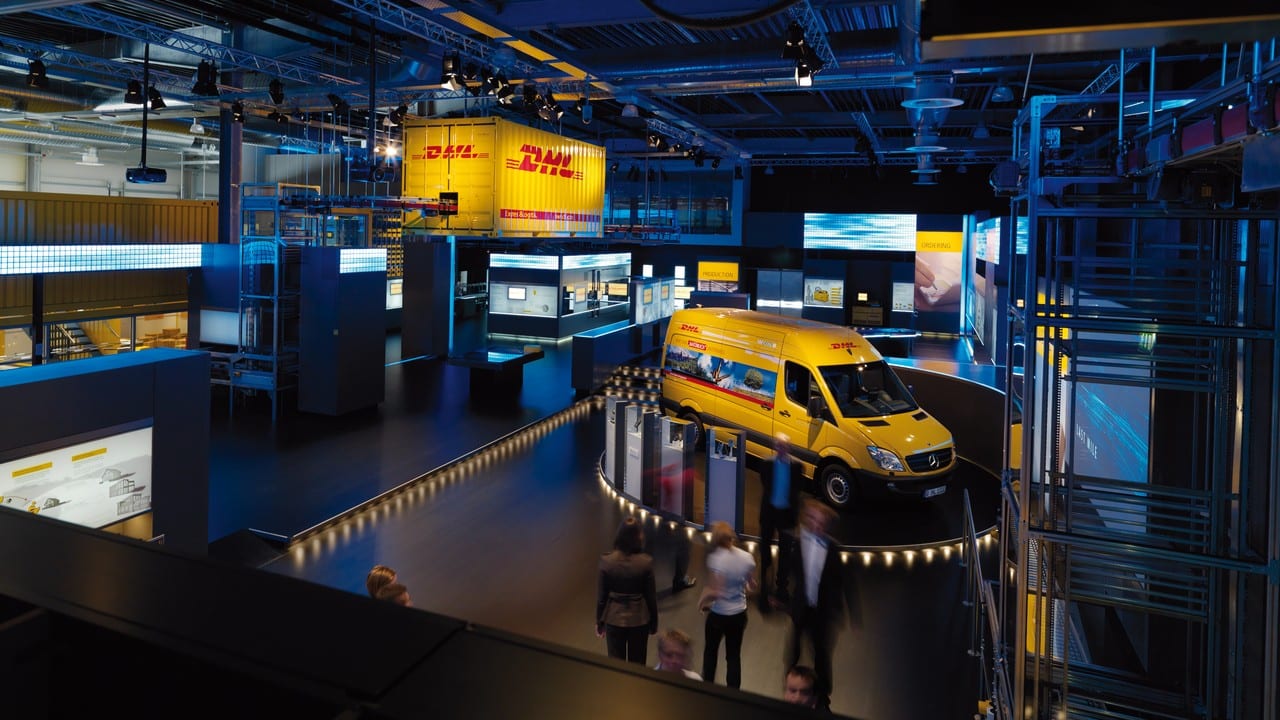
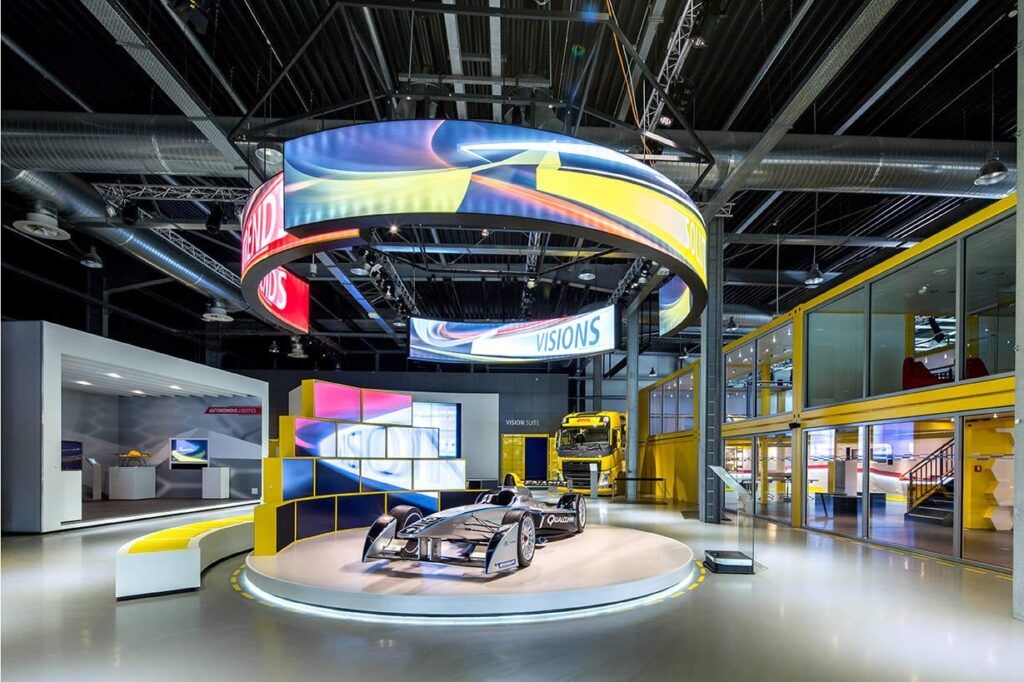
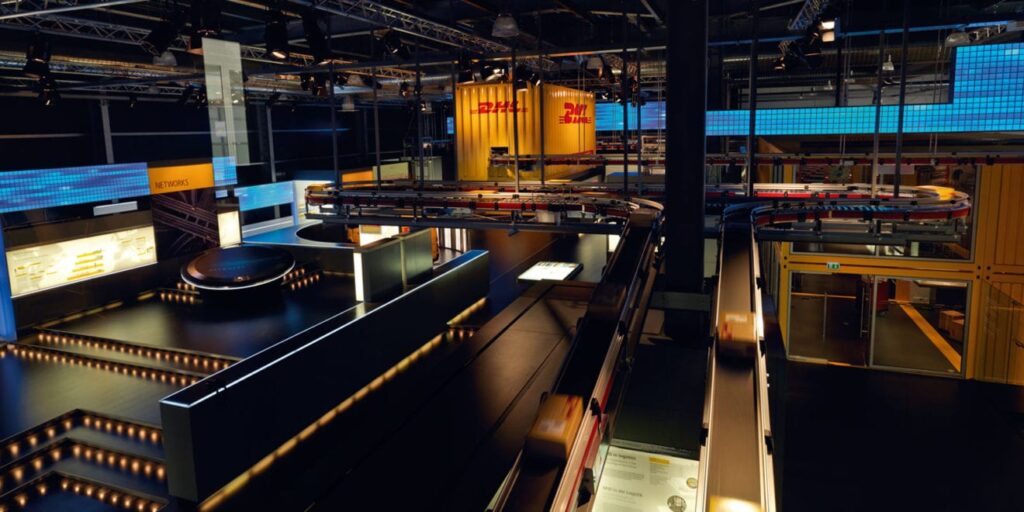
    DHL  launched its Asia Pacific Innovation Centre (APIC) in Singapore, its first innovation centre outside of Germany.

    Located at DHL’s Supply Chain Advanced Regional Centre building at Tampines LogisPark, the S$10 million facility is also the company’s first dedicated centre for innovation logistics services in the Asia Pacific region.

    DHL-Innovation-Center-1_xlarge

    APIC showcases technologies that will transform logistics operations, such as driverless shuttles for faster and more efficient transportation, and drones for the delivery of time-critical goods such as medicines. It was launched with the support of the Economic Development Board (EDB), the company said.

    Additionally, APIC also serves as a regional platform for collaborative innovation between DHL and its partners. The centre will also drive research initiatives that focuses on emerging trends in Asian logistics and economic activity. For instance, DHL’s Chief Commercial Officer Bill Meahl cited growing opportunities in e-commerce as well as growth in markets like India and China.

    There are also guided tours, innovation workshops and forums available for visitors to the facility, it added.

    DHL_pics_1600x800_01

    Said Mr Lee Eng Keat, Director, Logistics and Natural Resources at EDB: “The launch of the APIC is another important step towards enhancing Singapore’s value-adding role in the realm of global supply chain solutions.

    “With DHL as a strategic partner in this journey, Singapore is well positioned to serve the needs and harness the opportunities presented by the dynamic supply chain landscape and emerging technology and trends globally.”

  • “IKEA Effect” Hits South Korea with Boom in Furniture Retail Market in 2015

    “IKEA Effect” Hits South Korea with Boom in Furniture Retail Market in 2015

    The furniture market in South Korea has seen a surge in sales since IKEA entered the retail sector last year, stimulating consumer tastes for trendy home furnishings and competing with local retailers, South Korean news agency Yonhap reported on Monday.“The rising interest in home interior items has boosted demand for new furniture, driving up sales of furniture makers,” said Kim Kwang-seop, an official at Statistics Korea.

    According to Statistics Korea, retail furniture sales have jumped 7 percent since 2014 – the highest growth rate since almost a decade ago – with five trillion won ($4.15 billion) in earnings in 2015.

    Though local South Korean furniture retailers initially voiced concerns about losing business to the Swedish-headquartered furniture conglomerate that set up base in the outskirts of suburban Seoul in January 2015, the healthy competition has been a boom for the industry, according to Yonhap, which terms the industry’s revival the “IKEA effect.”

    The five largest home furnishing retailers – including Hanssem, Hyundai Livart and Enex – reported a 20 percent upsurge in sales in 2015, with experts also attributing the consumer boom to aggressive advertising by retailers through showrooms in major cities as well as the rising popularity of home renovation TV shows.

    IKEA, which has earned $308 million since its launch and has had over 6.7 million visitors, now plans to open up five more stores by 2020, according to Yonhap.

  • Super retail network adds speed for Pizza Hut Hong Kong

    Super retail network adds speed for Pizza Hut Hong Kong

    Pizza Hut Hong Kong has is implementing a super retail network solution from Hutchison Global Communications to connect more than 100 outlets to the company’s data centers.

    Pizza Hut says the solution – a next generation metro Ethernet data capability characterised by bandwidth of up to 10Gbps and super-low latency of less than one millisecond – has enabled it to accelerate online ordering via mobile apps, the website and phone calls.

    The orders are sent to HQ which then tasks outlets closest to delivery locations.

    Super retail network (SRN) runs over a dedicated optical private network, eliminating bandwidth bottleneck issues.

    MPLS and VLAN technology and automatic network-level failover, provide high level security.

    Based on a dual-core network design, SRN delivers full core network resilience and allows quick access to company applications such as those for point of sale and online catalogue functionality.

    Howard Wong, Pizza Hut information technology director, says deployment of HGC’s SRN enabled the company to shorten the time it takes to process online ordering and boosts the restaurant’s overall operational efficiency.

    The offering also provides the capacity to expand the company’s armoury of in-store applications.

    Hutchison Telecommunications Hong Kong Holdings, of which Hutchison Global Communications is the fixed line division, says it is creating vertical retail solutions based on the next generation network’s capabilities.

  • Singapore firms capitalise on opportunity in China market

    Singapore firms capitalise on opportunity in China market

    China’s economic growth may have been at its weakest rate in a quarter of a century last year, but some Singaporean firms with operations there are finding pockets of opportunity as the world’s No 2 economy matures from one based on industry to one fuelled by consumption.

    Among them, warehouse operator Global Logistic Properties (GLP) yesterday reported a 64 per cent rise in third-quarter net profit to US$184 million (S$257.4 million), helped by a strong performance from its China operations, while CapitaLand Retail China Trust (CRCT) — the first China shopping mall real estate investment trust in Singapore — said its distributable income for the quarter ended December rose 6.5 per cent to S$21.8 million, highlighting China’s growing urban population and rising retail sales.

    Singapore-headquartered GLP, which operates warehouses in China, Japan, Brazil and the United States, said its China earnings were up 50 per cent on higher asset values, growth in rent, new leases and renewed lease contracts.

    Analysts expect the company to continue to benefit from demand for logistics facilities due to booming e-commerce, as well as the Chinese government’s attempts to guide its economy to a more sustainable path led by domestic consumption.

    “Within China, the domestic economy is being stoked by increasing urbanisation. There are geographies within the country that are growing well above the national average, particularly in Tier 2 and Tier 3 cities,” said Barclays senior regional economist Leong Wai Ho. “Logistics is one area of growth there. Logistics hubs have moved westwards. There’s been continuous investment in the sector itself,” he added.

    China’s growth has been steadily falling for the past half-decade as Beijing attempts to wean the economy away from exports and infrastructure investment and towards domestic consumption and services. The economy grew 6.9 per cent last year, its slowest expansion in 25 years.

    Chinese equities are slumping, too — the Shanghai Composite Index is down about 21.5 per cent this year. The yuan has weakened steadily since Beijing devalued the currency in August.

    The country on Wednesday announced an economic growth target of 6.5 per cent to 7 per cent this year.

    But the Chinese stock-market swings and capital outflows do not reflect trends in the economy, which is still expanding well amid efforts to rebalance growth, according to the head of the European Bank for Reconstruction and Development (EBRD).

    “The stock market issue, the currency issue in China, is a bit divorced actually from economic issues,” the EBRD’s president, Suma Chakrabarti, told Bloomberg in an interview on Monday. While the advance in China’s gross domestic product has slowed, 6.5 per cent “growth in the world’s second-biggest economy is pretty good actually for the rest of us”.

  • Is HK still a ‘cool’ place for luxury shopping?

    Is HK still a ‘cool’ place for luxury shopping?

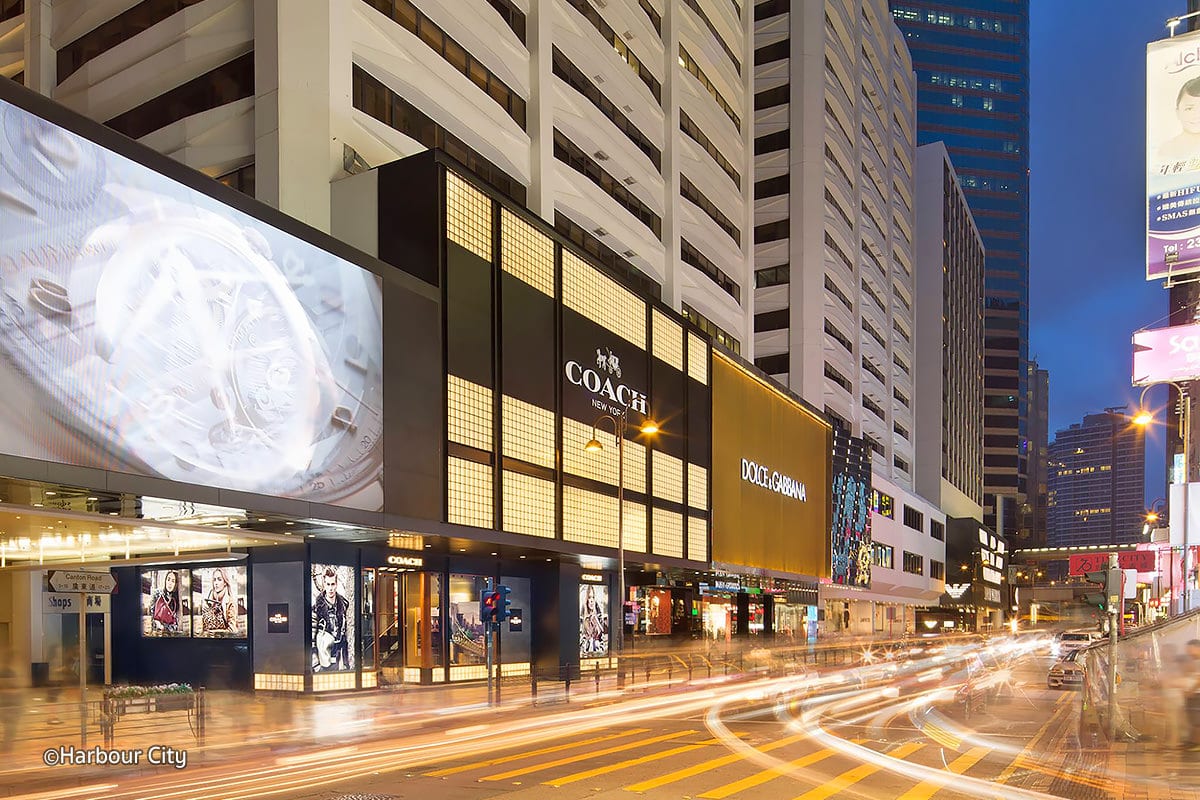
    Retailers in Hong Kong preparing to welcome Chinese mainland tourists over the Lunar New Year festive period face a real crisis: Canny shoppers don’t think the special administrative region is cool enough.

    HSBC’s global co-head of consumer and retail research, Erwan Rambourg, said luxury goods are now cheaper in other markets, bringing the wealthy, sophisticated Chinese travelers to places such as Japan, Korea, and Australia.

    “There were a lot of attractions in Hong Kong for mainlanders to come in and purchase here,” Rambourg told CNBC’s “Squawk Box”. “It used to be cheaper than a lot of other places in the region. That’s not the case anymore, given the strength of the Hong Kong dollar.”

    The Hong Kong dollar is pegged to the U.S. dollar, which implies if the latter strengthens, the former follows.

    “Price arbitrage doesn’t work anymore [in Hong Kong],” Rambourg said. “It’s actually cheaper to buy in Seoul, in Tokyo, and elsewhere.”

    Between Hong Kong and Japan, and the strength of their respective currencies, he said “the difference is you reclaim VAT [Value-added tax] when you go to Japan,” which makes luxury goods slightly cheaper there.

    Retail sales were also battered in Hong Kong as a result of lower consumer spending, mostly from mainland Chinese tourists. Sales were down 8.5 percent on-year in December to HK$43.7 billion ($5.62 billion) in value terms, the biggest percentage decline since January 2015. In volume terms, sales declined by 6.1 percent.

    Hong Kong’s lack of entertainment and diversity outside of shopping is also an issue as it sends wealthy tourists to other, more exciting locations, added Rambourg.

    A quick look at tourism numbers in Hong Kong show tourist arrivals fell 2.5 percent in 2015 to 59.32 million.

    Chinese mainlanders, who comprise a bulk of Asia’s luxury consumers, purchase mostly personal items such as handbags and apparels, according to David Dubois, an assistant professor of marketing at business school INSEAD.

    “This is because of the importance of luxury as a social signal, which puts focus on a product’s conspicuous features – example, it’s logo,” Dubois told CNBC by email. “The strong gift-giving culture also fuels such a drive for highly recognizable goods.”

    Rambourg noted in a recent report there are several factors that propel Chinese shoppers to make their luxury purchases abroad, instead of at home. Consumption taxes, moves in the foreign exchange market, and price differences in different geographies for a single product are motivations for travel.

    Most luxury companies have wide pricing discrepancies, the report noted, and on average, prices in mainland China are at a 37 percent premium compared to euro zone prices.

    For example, data compiled by HSBC show a Hermes plain silk twill tie costs 160 Euros ($177.69) in France and Italy; it costs 1,600 Yuan in China ($243.37) – a 36.9 percent premium -, $180 in the United States, 25,920 yen ($219.74) in Japan, and HK$1,650 ($211.79) in Hong Kong.

    HSBC also calculated how different products cost across regions relative to the euro. Here’s how a few of them stack up:

    Many brands are dealing with price gaps through new products whose prices will not vary much among regions. “The Prada brand, for instance, is set to launch collections for the spring, which will have prices in mainland China at a [estimated] 10 [percent] premium to Italy vs. a current [estimate of] 40 [percent],” the HSBC report said.

    There are non-economic considerations too.

    Easing of travel regulations, authenticity of the product, validation – such as buying a Hermes tie in Paris instead of Kunming – and perception that in-store experience will be better also factor in, the HSBC report noted.

    But overall luxury consumption in China, Dubois said, has slowed in the last two years over weaker growth prospects while luxury consumers from newer engines of growth such as Malaysia, Vietnam, and Thailand are emerging with better access to luxury products.

    “This was expected as there is a well-known correlation between GDP growth and luxury consumption,” he said.

  • China’s Alibaba seeks sporting gold

    China’s Alibaba seeks sporting gold

    Chinese e-commerce giant Alibaba is looking to turn its hundreds of millions of users into sportsmen as it seeks to cash in on the country’s growing sporting market, an executive said.

    The comments by Zhang Dazhong, chief executive of its Alisports unit, come as Chinese football clubs rank second only to English in spending during the winter transfer window and President Xi Jinping harbours dreams of winning a World Cup, and with the country set to host the 2022 Winter Olympics.

    Alibaba, which owns a 37 per cent stake in Asian football champions Guangzhou Evergrande Taobao, launched Alisports in September to develop the sporting economy in “an innovative way with digital thinking”, according to its website.

    “Alibaba would like to convert their nearly 500 million people or users into sportsmen and to utilise its strengths to help them,” Zhang told Hong Kong’s South China Morning Post newspaper.

    “Consumption power in China is huge and gigantic — the consumption of sport is about to burst in China,” he said.

    Alibaba in December agreed to buy the English-language newspaper in Hong Kong for USD 266 million.

    In the months since its establishment, Alisports has signed deals to stream NFL American football games in China, sponsor FIFA’s Club World Cup, and partnerships with both world amateur boxing body AIBA and the governing organisation for basketball FIBA.

    Zhang also met with football agent Jorge Mendes and his client, former Chelsea manager Jose Mourinho, in Shanghai last month to discuss partnerships, the SCMP said.

    adidas-Women_running

    The Chinese government said in 2014 that it aimed to grow the country’s sports market to more than five trillion yuan (USD 760 billion) by 2025 to become “a vital driver for sustainable economic and social development”.

    Many Chinese companies are seeking to ride the wave, with high-profile deals including property behemoth Wanda’s acquisition of Swiss sports marketing group Infront and a share of Spanish football club Atletico Madrid, as well a consortium led by state-backed China Media Capital buying a USD 400 million stake in Premier League giants Manchester City.

    But Zhang told the SCMP that Alisports would prefer to sponsor a big league as a whole: “It’s not our direction to buy a club or team, but to create a platform for clubs and teams.”

    Alibaba’s sports drive can help modernise the industry in China and fulfil Xi’s hopes for the country to qualify for a World Cup, host one and win one, he added.

    “I believe the World Cup will definitely come to China sooner or later. With the emergence of Alisport (that) dream… will come even earlier,” the paper quoted him as saying.

  • How South Korea is hurting European shares

    How South Korea is hurting European shares

    Seoul hosts largest and most liquid market in the world for options on single stocks. What links a European benchmark equity index, the Hong Kong dollar and a group of blue-chip Chinese stocks? Apart from the early-year pain shared by investors in all three, Seoul may not be the first answer that springs to mind. But it appears South Korea’s outsized derivatives market, dominated by retail investors, has a lot to answer for.

    Korea hosts the largest and most liquid market in the world for options on single stocks — bigger than the US, even, according to bankers — and retail interest in derivatives does not stop there. In what looks like the latest example of a “butterfly effect” in global markets, last year Korean investors bought record amounts of so-called “autocallables” — a structured product offering an attractive yield. About $40bn are outstanding.

    Markets Insight

    This year stock market losses have forced the sellers of those deals to hedge their exposure — that has damped volatility for Euro Stoxx-linked products, pressured the tightly-pegged Hong Kong dollar and crushed the Hang Seng China Enterprises Index. On Wednesday for example, the sliding oil price prompted a weakening of stocks across Asia. While in mainland China benchmark indices closed 0.4 per cent lower, the HSCEI — consisting of many of the same stocks — dropped 2.5 per cent.

    Autocallables contain features that have blown up previous products, from “target redemption forwards” — once dubbed kill-you-later-accumulators — to “knock-in-knock-out”, or Kiko, deals. Asian investors have reason to know: the former blew a $2bn hole in the balance sheet of Citic, China’s foremost conglomerate in 2008. And Kikos caused such problems for Korean companies that had wrongly hedged the South Korean won that regulators in 2009 had to stress test banks to gauge the depth of the issue.

    Since these autocallables are two- or three-year deals, and most were sold last year, the final reckoning over who has lost what is some way off. The area of interest for now is their effect on other markets.

    The products in essence sell volatility. They work by offering investors a “worst of” basket of two or three reference securities — typically indices. The sales pitch is that investors get a yield on top of their capital if the reference securities stay within a specified range. If they rally above it, investors are “knocked out” and get their money back with a bonus. If it falls below a specified point — usually between 40 and 50 per cent of the level, when the product was sold — they are “knocked in” and lose some capital.

    Holders can be made whole if the index recovers all lost ground before the autocallable ends — hence it being difficult to gauge losses at this point. However, the nearer an index falls to that strike price, the more product sellers have to hedge, which they do via selling futures. This is what is weighing on the HSCEI, which was a popular inclusion in the first half of last year because of China’s soaring markets. But it is now down 46 per cent from its May 2015 peak — putting it right in the zone where issuer hedging will be at its highest.

    Hong Kong indices are even more popular in Korean products because of the 32-year unchanged link between the Hong Kong dollar and its US counterpart. So imagine the fear among Korean sellers of autocallables last month on seeing the Hong Kong currency suddenly spike higher after Chinese authorities quashed speculative shorts in the offshore renminbi market. The result was additional weakening pressure on the Hong Kong dollar as Korean groups rushed to hedge.

    “The bottom line remains that investors should be aware of this additional market dynamic that could drive Hong Kong dollar volatility, forwards and swaps higher,” says William Chan, head of Asia-Pacific equity derivatives research at Bank of America Merrill Lynch.

    Before the financial crisis, most autocallables would have referenced South Korea’s benchmark Kospi Composite. But as the autocallables market grew and volatility in Korea stayed low, issuers had to look elsewhere. The Euro Stoxx 600 is down about 20 per cent from last year’s peak. In the current febrile environment, that could be enough to see Korean issuers wanting to hedge early — reportedly suppressing volatility in two- and three-year options.

    Korea’s derivatives habit does not yet look big enough to cause systemic stresses. But as an example of the unexpected and little-explored links between markets, it should be watched closely.

  • Jakarta Economy Slows Down in 2015

    Jakarta Economy Slows Down in 2015

    Data from the Central Bureau Statistics (BPS) of Jakarta revealed that the Jakarta economy grew by 5.88 percent, slower than in the previous year at 5.91 percent. The economic growth was measured based on the regional gross domestic product (GDP).

    “The regional GDP per capita in Jakarta last year reached Rp194.87 million or US$14,570,” BPS Jakarta head Syech Suhaimi said on Friday, February 5, 2016.

    From the production, Suhaimi explained, the highest growth was achieved by the financial services sector at 10.72 percent. From the spending, the household consumption gained the highest growth by 5.04 percent.

    The Jakarta economy structure is currently dominated by three sectors, namely car and motorcycle reparations (16.65 percent), the processing industry (13.84 percent), and construction (13.16 percent).

    The Capital’s economic growth had been slowing down over the last three years. In 2013, the Jakarta economy grew by 6.07 percent, and dropped to 5.91 percent in 2014.

    “The trend continues to decrease. Since 2011, the government and the business community have been watching this trend,” he said.

  • Amber Road and USFIA Facilitate Educational Seminar in Hong Kong

    Amber Road and USFIA Facilitate Educational Seminar in Hong Kong

    Supply chain leaders and service providers will convene again on March 1, 2016 in Hong Kong to provide major brands, manufacturers, retailers, agents and suppliers insight into the challenges and strategies to prepare for increased globalization of supplier bases and retail channels – spurred by many factors including preferential trade agreements.

    “We chose Hong Kong as the location for this event again this year because of its prominence as Asia’s major sourcing hub,” said Thomas Ng, General Manager, Supply Chain Solutions for Amber Road.

    This year’s keynote speaker is Therese Randazzo, U.S. Customs and Border Protection Attaché, Hong Kong. Ms. Randazzo will share her deep customs and trade expertise with the attendees, but also focus in her presentation on the progress of the ACE Single Window initiative for US customs entry.

    Amber Road and US Fashion Industry Association have teamed to deliver a full-day agenda with six panel discussions that address global trade policy, product testing regulations, China customs, social compliance and supply chain visibility. Each panel will include speakers from industry organizations along with of the industry’s leading service providers and consulting firms. Along with the support of USFIA, PwC Worldtrade Management Services (Shanghai), Worldwide Responsible Accredited Production (WRAP), APL Logistics, Asia Inspection, and Amber Road are sponsoring this educational forum.

    The event is open to any retailer, brand, manufacturer or supplier working in the compliance, global trade, logistics, sourcing, commercialization and management team for a cost of $1,600/HKD and lunch will be provided.

    Amber Road is offering limited discounts and free passes to its customers and its close connections in the industry.

  • Slower sales for Chinese New Year goodies, Chinatown retailers say

    Slower sales for Chinese New Year goodies, Chinatown retailers say

    Food takes centrestage during Chinese New Year, like most festive celebrations. But in the lead up to the occasion this year, retailers selling festive goodies say business is more lacklustre compared to 2015.

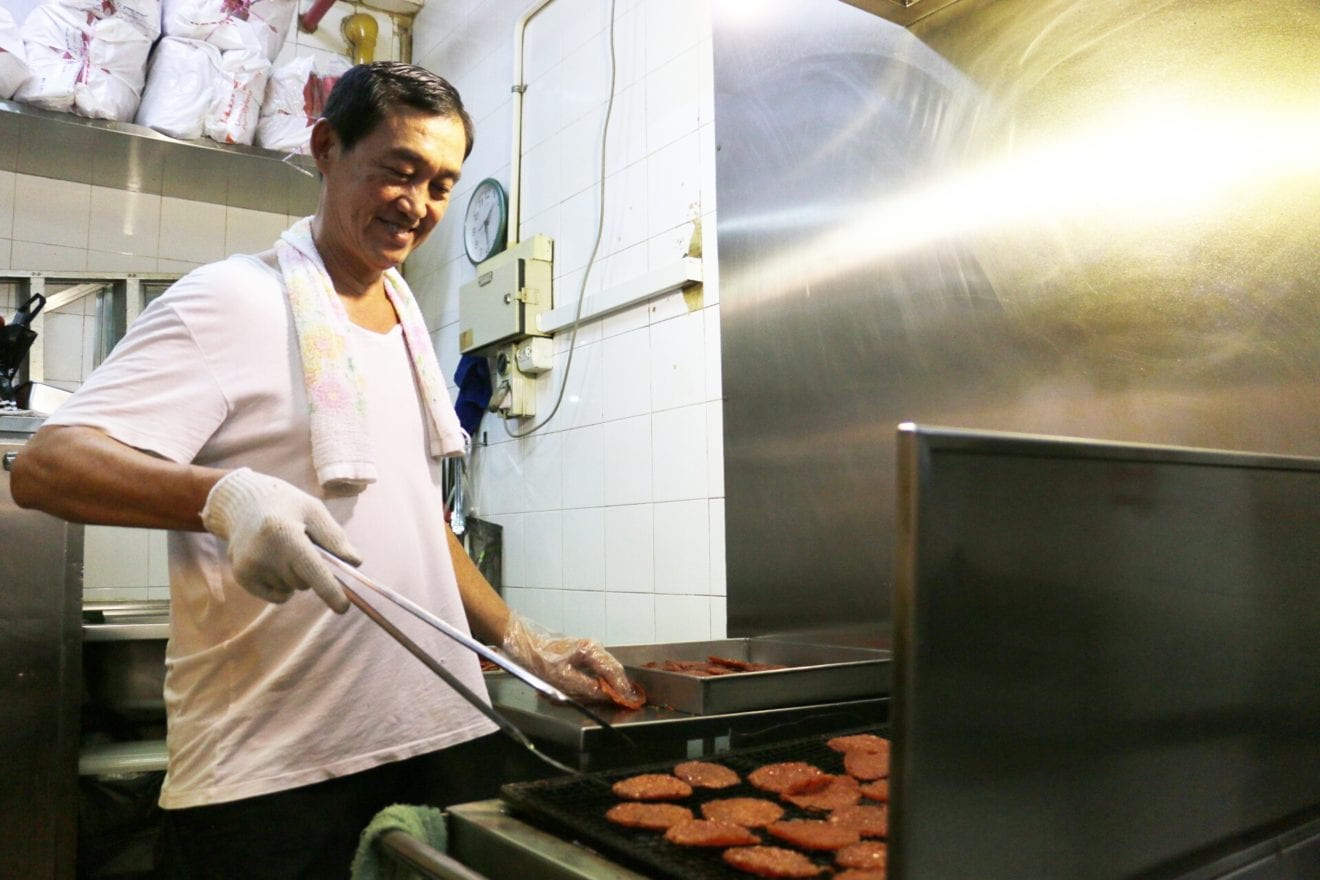
    Family-run bak kwa (sliced barbecued pork) stall Bee Kim Heng has seen festive retail sales drop by 10 to 20 per cent compared to last year. Based at People’s Park Food Centre, Bee Kim Heng – which is run by Mr Teo Ah Thin, 81 – has been in operation for almost 50 years.

    “We suspect it’s the economy, it’s because of the retrenchments that are going around in the market,” said Mr Damien Teo, who helps his father out during busy periods like Chinese New Year.

    Mr Teo, who is in his 30s, added: “A lot of our business is very dependent on regular customers. Some of the regular customers, for example – in the year before, they’d buy 3kg, maybe 5kg. This year, some of them have cut down in terms of the quantity they buy. They just want to save up a bit, I guess.”

    Similarly, fruit and nut supplier Tian Ran has experienced a 30 per cent drop in sales for the festive period. “A lot of people of browsing and tasting, but fewer are buying. I think it’s due to the bad economic situation,” said a Tian Ran employee, who only wanted to be known as Mr Fang.

    Mr Fang has been selling peanuts and melon seeds – traditional Chinese New Year snacks – for the past eight years. While this year’s takings are poorer than last year, the 40 year-old said he feels things are not as bad as in the aftermath of the 2008 global financial crisis.

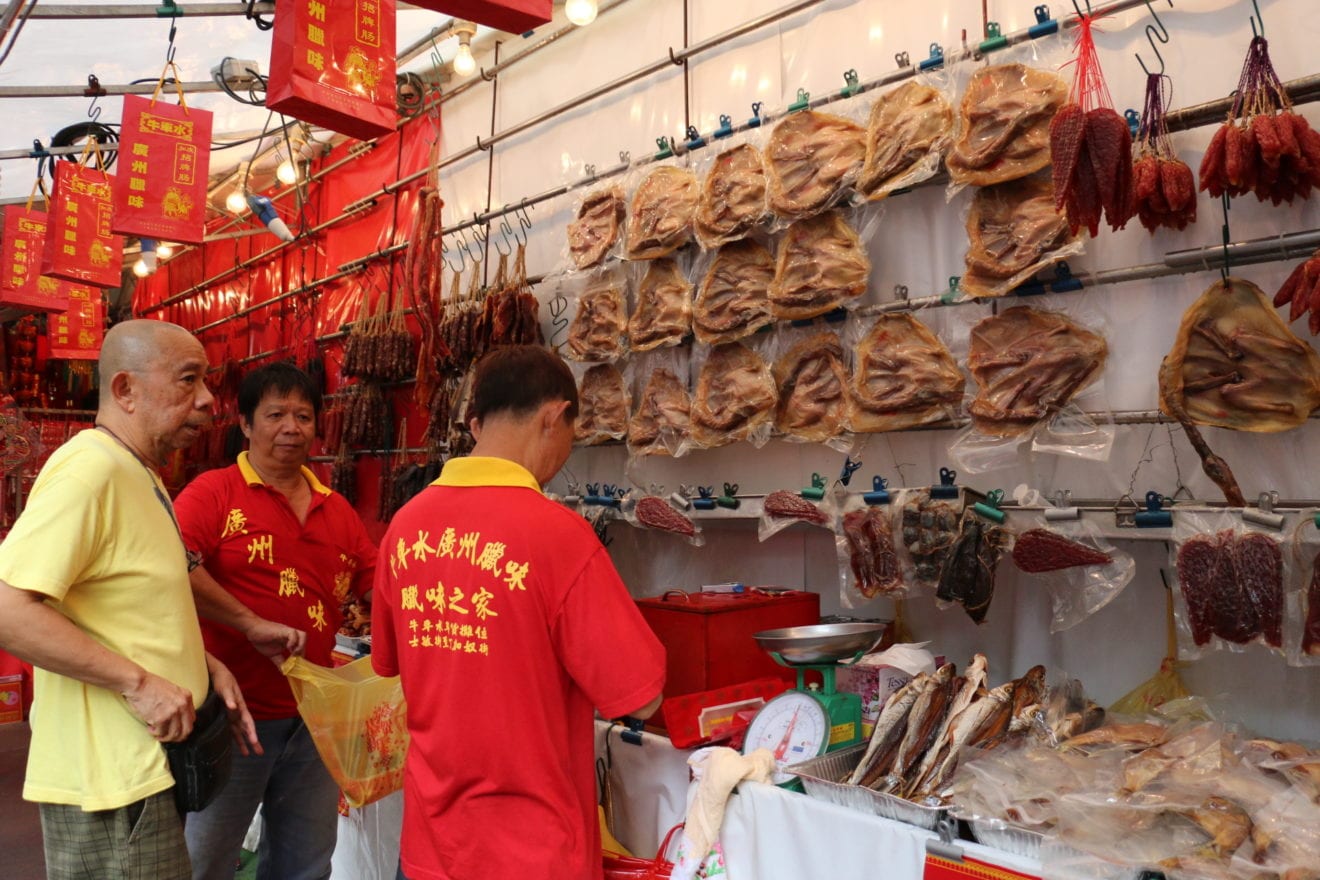
    Less than a few hundred metres away, in the annual Chinatown Festive Street Bazaar, employees running a temporary waxed meat stall also opined that buying sentiment is poor.

    “We’re mainly in distribution, but we have set up a stall at this bazaar for many years. This year, sales are down about 30 per cent,” said a stall employee, who only gave his name as Mr Liang.

    The 56-year-old who been in the business for 30 years, believes that caused shoppers have held back due to the rainy weather, and a poorer economic climate.

    A MIXED PICTURE, OVERALL?

    Outside of the Chinatown area – the epicentre of Chinese New Year shopping – other consumer businesses appear to be faring a little better.

    For example, Paradise Group, which will have over 20 restaurants in operation on the first and second day of the Chinese New Year period, told Channel NewsAsia these restaurants are already 80 to 90 per cent booked for the first day.

    Hotel Fort Canning also expects to “sell-out for the season”, as it caters to both foreign visitors and local staycationers. In an email reply, a hotel spokesperson said: “Demand for our rooms are typically higher during this extended period of festivities and the hotel usually runs at full capacity.”

    Meanwhile, online travel agency ZUJI has recorded a 17 per cent year-on-year increase in staycation hotel bookings during the Chinese New Year period, with an average spend of S$190 to S$220 per night.

    “We’re also seeing more 4-star hotels being booked on ZUJI this year, as compared to last year which had an almost even split of both 4 and 5-stars bookings. This could possibly be due to Singapore travellers being more budget conscious,” said Ms Chua Hui Wan, CEO of ZUJI Singapore.