Blog

  • Chinese shoppers in South Korea shun luxury for local brands

    Chinese shoppers in South Korea shun luxury for local brands

    Chinese visitors to South Korea are buying less from global luxury mainstays like Louis Vuitton and Chanel in favor of cheaper homegrown brands, as young, independent travelers make up a bigger share of tourists.

    Lured by the “Korean Wave” of culture exports, from soap operas and K-pop music to food and fashion, price-conscious younger Chinese visitors are seeking a more authentic and less expensive shopping experience.

    South Korea trails only Thailand as an overseas destination for Chinese travelers, whose heavy retail spending has helped make South Korea the world’s largest duty free shopping market.

    The emphasis on value will put further pressure on global luxury retailers already grappling with slowing sales in China after years of skyrocketing growth, as a government crackdown on graft and lavish spending bites.

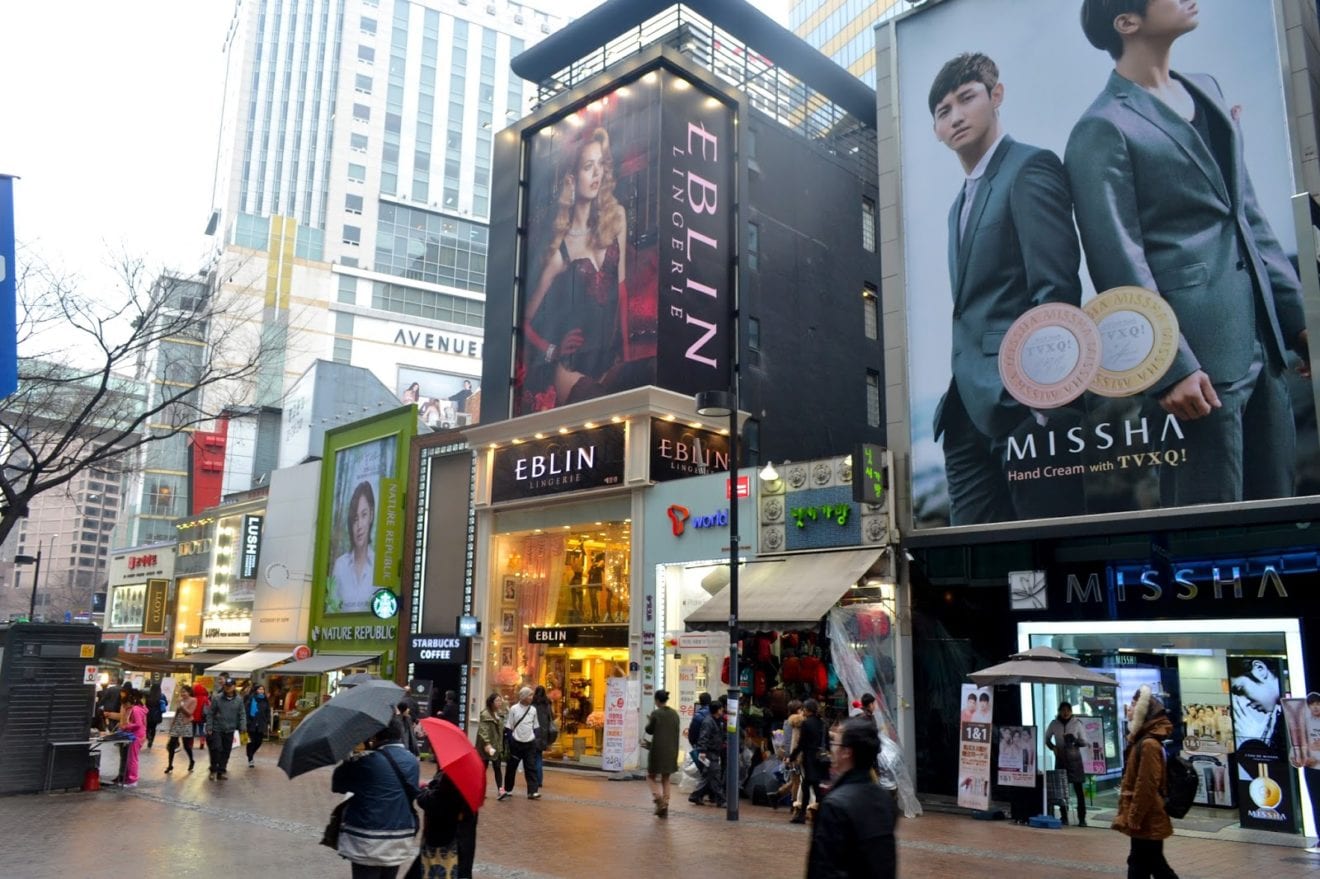
    “You can buy those big brands everywhere, and it is actually cheaper to buy those brands in other countries compared to the prices in South Korea,” said 21-year-old Zhu Xin, who was shopping at the Stylenanda store in Hongdae, a Seoul neighborhood popular with young adults.

    “Now that we are here, we should buy local brands,” she said.

    Average prices on best-selling items from global luxury brands in South Korea are cheaper than they are in mainland China, but still cost more than in Europe, Singapore and Dubai, according to HSBC data.

    At downtown Seoul duty free shops run by Hotel Lotte’s, Lotte Duty Free and the Samsung Group’s Hotel Shilla, LG Household & Healthcare’s Whoo and Amorepacific’s Sulwhasoo cosmetics were the top-selling brands in 2015, overtaking Louis Vuitton, Chanel and Richemont’s Cartier, store data shows.

    “This doesn’t necessarily imply that luxury retailers have to launch cheaper stuff but it does necessarily imply that they have to be more relevant at every price point,” said Erwan Rambourg, an analyst at HSBC in Hong Kong.

    The number of Chinese tourists to South Korea dipped 2.3 percent in 2015 to about 6 million due to the deadly Middle East Respiratory Syndrome (MERS) outbreak. However, brokerage CLSA says Chinese inbound traffic growth rebounded from September and should jump by 28 percent in 2016. The South Korean government expects a record 8 million Chinese visitors this year.

    NEW GENERATION

    Chinese tourists to South Korea are getting younger: the share of those in their 20s and 30s rose to 46.1 percent last year, from 40.9 percent in 2013, according to the government-run Korea Culture and Tourism Institute.

    While older Chinese tourists typically travel in groups where they are ferried between shops catering to them, Chinese millennials tend to be better-informed about what they want, travel independently and spend less on shopping.

    “I use my mobile phone to research what products to buy in South Korea,” said 20-year-old Chinese tourist Liu Yuting. “Many Chinese girls like South Korean products, because most of them are cheap and cute.”

    At Lotte Department Stores, a chain owned by Lotte Shopping Co Ltd, average spending per Chinese visitor fell to 500,000 won ($412) in 2015 from 900,000 won in 2013, although the surge in overall visitors made up the difference, an official with the chain said.

    “Whereas past generations blindly purchased luxury goods, the younger generations have a more price-conscious consumption pattern,” KB Investment & Securities analyst Yang Ji-hye said.

  • H&M expected to account for 10 per cent of Hang Lung Properties

    H&M expected to account for 10 per cent of Hang Lung Properties

    Fast fashion chain H&M is estimated to contribute 10 per cent of Hang Lung Properties’ rental income in Hong Kong this year but the developer faces a decline in retail rents in the mainland.

    The US investment bank estimated the developer’s rental income in Hong Kong would edge up 4 per cent to HK$3.7 billion this year.

    H&M alone would boost Hang Lung Hong Kong rental income by 3 per cent, it said.

    The Swedish fast fashion chain opened two outlets at two shopping malls owned by Hang Lung Properties in three months.

    The chain opened its largest flagship store in Asia, with shop area of 47,000 square feet, at Hang Lung Centre in Causeway Bay at a monthly rent of HK$11 million, or HK$213 per square foot in early November, according to market sources.

    The chain also opened a 55,000 square feet shop at Gala Plaza in Mong Kok in January at an estimated monthly rent of HK$9 million, or HK$194 per sq ft, people familiar with the deal say.

    However, the developer, which owns eight shopping malls on the mainland, would see its retail rental on the mainland fall 7.3 per cent from last year to HK$3.88 billion this year, Morgan Stanley said. It owns shopping malls in Shanghai, Shenyang, Wuxi, Dalian, Tianjin and Jinan.

    Morgan Stanley attributed the fall in mainland rental income to negative rental reversions in second-tier malls and said renovation of Hang Lung’s two Shanghai malls could affect sales.

    In Shanghai, renovation at Plaza 66 started in September and is scheduled for completion by mid-2017, while Grand Gateway 66 will start refurbishment later this year.

    “The two Shanghai malls accounted for 50 per cent of mainland rental income in the financial year 2015,” Morgan Stanley said in a report.

    No new mall opening until 2018 would also affect short-term revenues and earings per share growth.

    The next mall due to open will be Spring City 66 in Kunming, which is scheduled for completion in 2018.

    In addition, rental income at Forum 66 in Shenyang fell 21 per cent year on year in the second half of 2015 and Center 66 Wuxi registered a fall of 37 per cent.

    Both malls saw negative rental reversion and retail sales declined 3 per cent year on year , it said.

    Morgan Stanley said it expected Hang Lung Properties’ core earnings would fall 6.6 per cent to HK$4.09 billion this year.

  • A jar of British fresh air sells for 80 pounds in China

    A jar of British fresh air sells for 80 pounds in China

    A British businessman is shipping something insanely unique to China and making fortune out of it. It might sound insane for some but not for Leo De Watts, who is believed to have made thousands of pounds by exporting fresh British air to China. Report suggests that the elite and well to do Chinese customers are more than happy to buy fresh air for a cost of £80 per jar. The business started off just a week back has till date sold more than 200 jars of fresh air, which, considering the nature of the business, is a huge success.

    The 27 year old Leo De Watts collects his ‘raw material’ from British countryside and ships to Beijing and Shanghai which are among the most polluted cities in the World. Wealthy Chinese are willing to buy packaged fresh air despite the fact that each jar could only offer them a few seconds of fresh air.

    The air products that are put on sale include fresh air collected from Dorset, Somerset and Wales, each one having unique qualities, Leo De Watts claims in his website. Fresh air jars are been branded under the label Aethaer. His website says: “Aethaer is filtered organically by nature as it flows between the leaves of woodland trees, absorbs pristine water as it passes over babbling brooks and forest streams, and is lovingly caressed as it rolls over and between mineral rich rock formations, after which it is blown up over vistas of untouched beauty to where the Aethaer is collected and bottled.”

    There are many who buys the product just to treasure it as a memorabilia. Makeshift nets are used to collect the air which are later packaged using a process Watts describes as ‘air farming’. Watts is planning launch a ‘Chinese New Year special’ fresh air pack which contains 15 jars and sells for £888.


  • Alibaba and Amazon China gear up for the Chinese New Year

    Alibaba and Amazon China gear up for the Chinese New Year

    Feb. 8 will be the most important holiday this year in China, as it marks the Chinese New Year. Family members will come together to celebrate with holiday feasts and most workers will enjoy a one-week vacation, many returning to their rural homes from big cities for the festivities. A lack of delivery personnel during this period is leading many sellers on China’s biggest e-commerce marketplaces to shut down, but Amazon China says it will keep delivering in big cities.

    Many merchants on Alibaba Group Holding Ltd.’s marketplaces Taobao and Tmall have announced that they will stop taking orders Feb. 4-Feb. 14 because shipping companies are unable to deliver orders.

    But Alibaba, whose online marketplaces account for more than three-quarter of online retail purchases in China, organized a major promotion in advance of the New Year’s vacation, the Ali Chinese New Year Shopping Festival, which lasted from Jan. 17-23.

    Alibaba reports consumers purchased 2.1 billion holiday items from its websites during the sale, mostly food and gifts. 15% of the orders came from rural residents, a focus of the promotion, and sales at the 12,000 Taobao service centers in rural areas were 331% higher than average, the company says.

    “By hosting this online shopping event, we enabled rural customers to access an extensive range of New Year goods from home and abroad, while making agriculture products from rural China more available among urban customers.” Alibaba Group CEO Daniel Zhang said at the event kickoff meeting.

    Meanwhile, Amazon China, No. 5 in the Internet Retailer 2015 China 500, says it will continue to fulfill orders during the holiday period in 20 big Chinese cities, including Beijing, Tianjin and Shanghai. In fact, the largest overseas e-retailer operating in China says it will extend delivery hours to midnight during the holiday in order to allow Chinese online shoppers to get their orders on time.

    Amazon China operates 13 fulfillment centers in China and employs its own fulfillment staff. The subsidiary of Amazon.com Inc. offers same-day delivery in 123 Chinese cities and second-day delivery in over 1,400 Chinese cities and towns.

    For a fuller report on the openings for foreign companies to sell online in China, see “Open Door Policy” in the November 2015 issue of Internet Retailer magazine.

  • Pertamina Woos Myanmar Retail Fuel Business

    Pertamina Woos Myanmar Retail Fuel Business

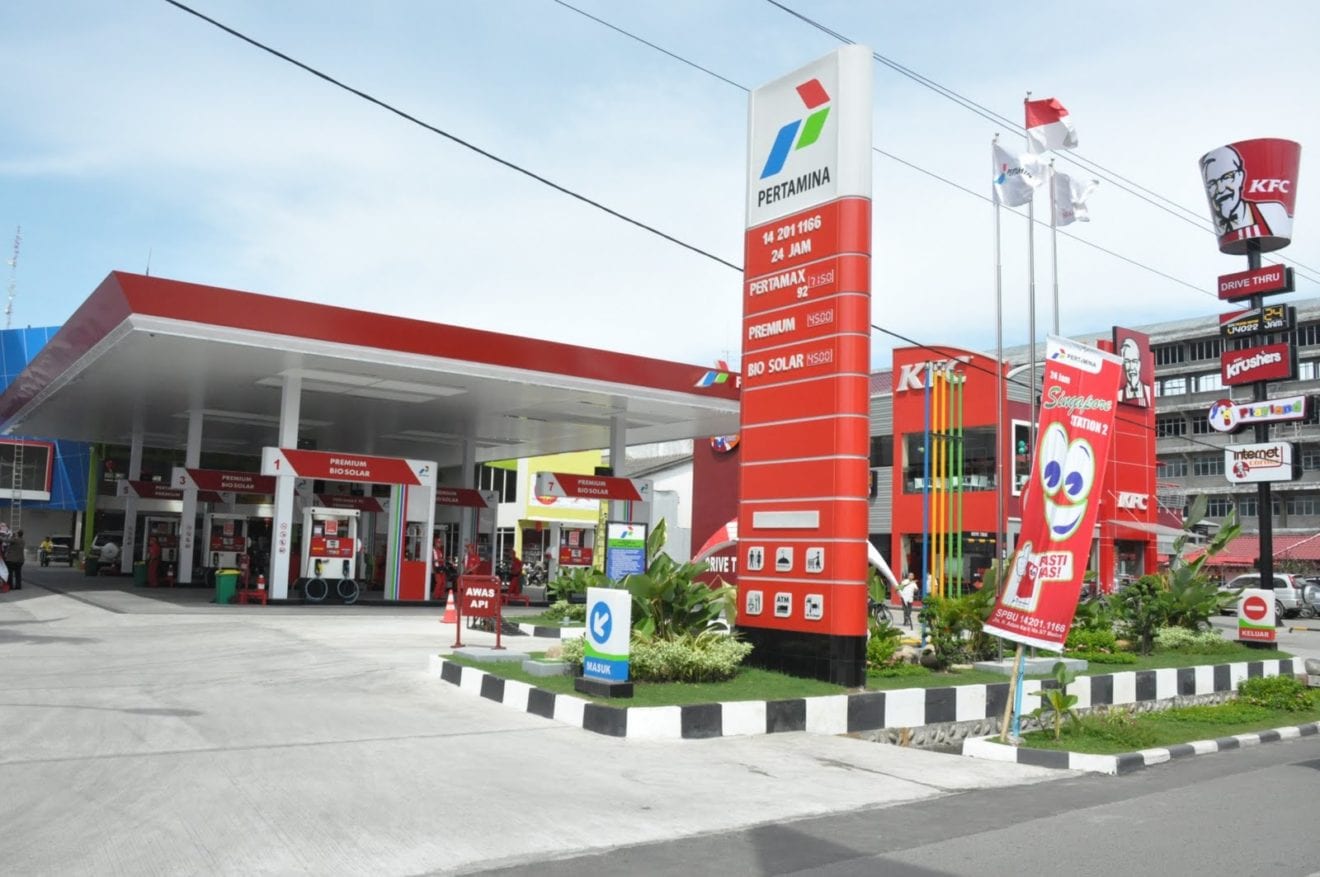
    Under the bidding proposal, Pertamina and MPPE would establish a joint venture to sell co-branded oil fuels.

    Pertamina would operate 18 fuel depots and 12 fuel stations across the Mekong country through the joint venture, Ahmad said.

    “We would invest $33 million for the project,” he said, adding that the deal would also open an opportunity for Pertamina to sell fuel to other independent fuel stations across Myanmar.

    Pertamina is also considering an offer from a Cambodia firm to sell fuel in the country. In Cambodia, Pertamina could sell its fuel under Pertamina brands and operate its own fuel station, but it could not have a fuel depot, Ahmad said.

    The state energy company have been trying to expand its downstream business abroad, in particular in the Southeast Asian countries.

    “Our targets is the developing countries because it’s easier to secure permits there compared to the more developed countries,” Ahmad said.

    Rini Soemarno, the State-Owned Enterprise Minister, said earlier that she targeted Pertamina to branch out to at least one of the Mekong countries by 2018.

    Pertamina has Pertamina International Timor, a joint venture with 4-Consortio Timor Progresso, to sell oil fuel, lubricants and liquefied petroleum gas in Timor Leste.

    The state energy company virtually controls Indonesia’s retail oil fuel market, thanks to its vast distribution network across the archipelago. That despite the government has opened the sector to foreign firms like Dutch’s Shell, Malaysia’s Petronas and French’s Total for more than a decade.

  • Alarming fall in holiday restaurant bookings

    Alarming fall in holiday restaurant bookings

    Fewer people are planning to eat out on the eve of the Lunar New Year, a restaurateur said. The bill per table is expected to be about HK$4,800 on the eve of the holiday down from HK$5,300 last year Hong Kong Federation of Restaurants and Related Trades chairman Simon Wong Ka-wo said.

    He also described a drop in reservations as “alarming.”

    Wong added: “We annually see an 8 to 10 percent increase in reservations, but this year we are seeing a drop of around 5 percent.

    “This is due to a drop in consumption, with many consumers opting for cheaper meals.” Wong said owners have adopted a conservative approach in ordering their supplies after noticing that overall consumption has been affected by the mainland’s economic slowdown.

    Association for Catering Services Management chairman Yeung Wai-sing feared that some restaurants may have to close as sales are expected to drop further after the holiday is over.

    “This is likely to happen in April when the spring dinners of companies are over and the so-called off- season begins,” Yeung said. “I will not be surprised if some restaurants close down then.”

    Hong Kong Inbound Tour Operators Association chairman Ricky Tse Kam-ting said the weaker economic outlook is also based on the 60 percent plunge in mainland tour groups for this Lunar New Year.

    “This is the coldest year I have experienced in the industry. The figures might be shocking to you but the estimation is pretty conservative,” Tse said.

    “We had around 400 to 500 groups in the past but only around 100 groups this year.”

    The number of mainland arrivals was 45.62 million last year 2.9 percent lower compared with 2014, according to the Immigration Department. Many mainlanders are now heading for Japan and South Korea due to the exchange rate, while the younger ones prefer Europe, Tse said.

    “Most of the visitors are middle-aged or older they have already visited Hong Kong and are looking for something new,” he said.

    “Social media plays a big role with the younger generation. They see pictures and news about other countries and it is understandable that they want to go beyond [Hong Kong].”

    A jewelry retailer also claimed that this is “the most difficult” year. Government data showed total retail sales in December last year dropped 6.1 percent, and the value of sales of jewelry, watches, clocks and valuable gifts shrunk 17 percent.

    Jimmy Tang Kui-ming, chief of Prince Jewellery and Watch, expects sales in February to drop 20 percent from last year.

    “The devaluation of the yuan, the stock market plunge and decreasing home prices are like a trio hitting the retail sector,” he said.

  • Airport Authority Hong Kong opens Midfield Concourse retail outlets

    Airport Authority Hong Kong opens Midfield Concourse retail outlets

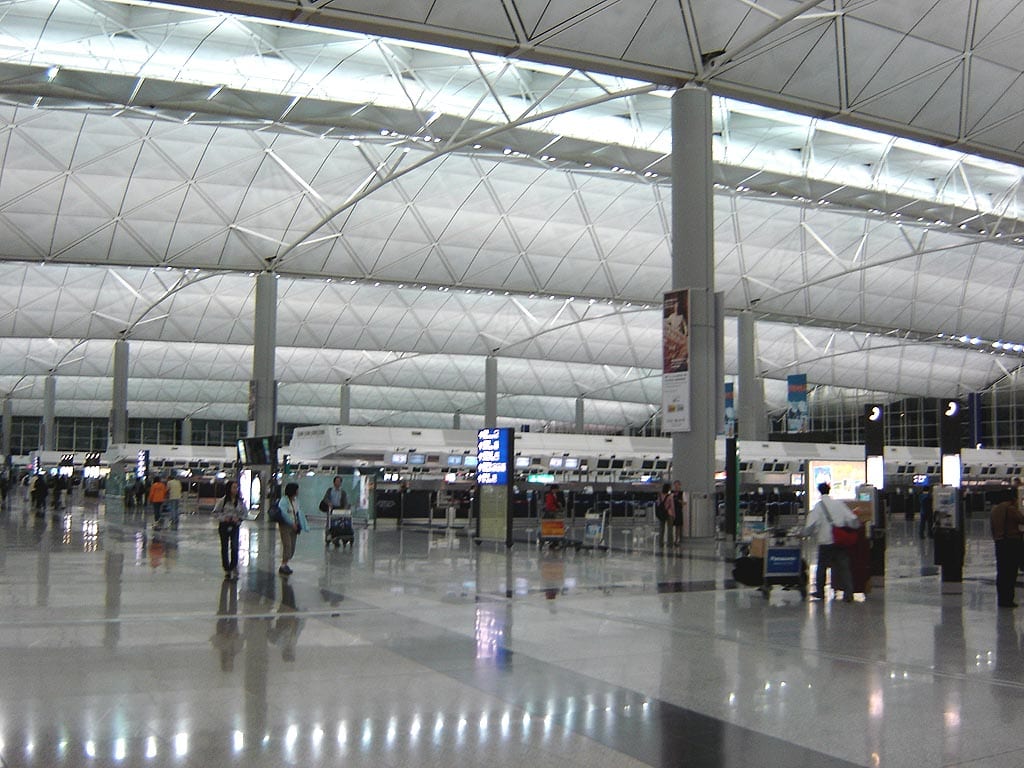
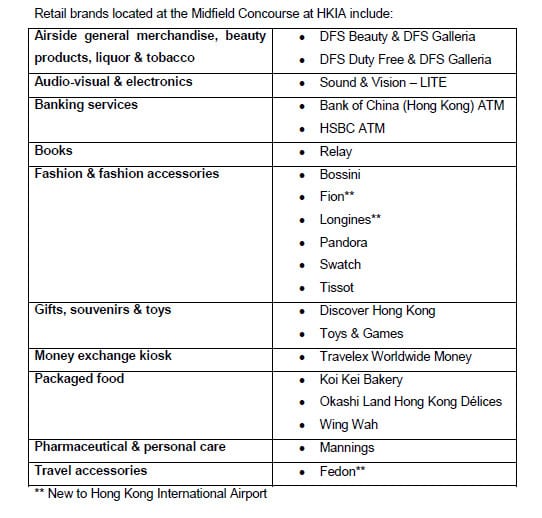
    Airport Authority Hong Kong (AAHK) has welcomed nine newly-opened retail shops and a café to the recently-inaugurated Midfield Concourse at Hong Kong International airport. In addition to the new shops outposts there are also outposts and a money-exchange kiosk.

    Positioned as a one-stop shopping destination, the Midfield Concourse offers a range of products and services catering to travellers’ needs. Travellers can find liquor and tobacco; beauty products; fashion and fashion accessories; audio-visual and electronics; packaged food; gifts, souvenirs and toys; and pharmaceutical and personal care items in the 105,000 sq m concourse.

    Soon to be opened are eight retail and three catering outlets. DFS Group will introduce a new multi-category store concept. These new DFS outlets at the Midfield Concourse will offer an abundance of brands for better shopping convenience, according to AAHK. The catering outlets will offer café and casual-dining options to departing passengers who have limited time before boarding. The Midfield Concourse also marks fast-food company MX’s first entry to HKIA.

    “The Midfield Concourse will be able to serve an additional 10 million annual passengers in order to meet the increasing passenger volume at HKIA,” said Airport Authority Hong Kong executive commercial director Cissy Chan. “We are proud to offer extended retail and catering options throughout the concourse, which will let the passengers have a pleasant and enjoyable last-minute shopping and dining experience.”

    Photo of

  • Perennial hints at changes afoot at Capitol Singapore

    Perennial hints at changes afoot at Capitol Singapore

    Some changes could be afoot at Capitol Singapore after it has been hit with a depressed retail environment. Landlord Perennial Real Estate on Friday (Feb 5) said it is looking at ways to help tenants.

    CEO of Perennial Real Estate Holdings Pua Seck Guan, said: “The retail sector is not easy now, because a lot of retailers are faced with the problem of labour shortage and also in this volatile market.

    “As a landlord, we therefore have to adopt a strategy to find the right tenant and a win-win rental structure, and some of the rentals we may have to get it on a turnover basis rather than insist on a very high base rent.”

    The announcement comes as Capitol Singapore integrated development is edging closer to completion. The 157-room The Patina hotel has been completed, although it has not yet opened its doors. Meanwhile, the luxury Eden Residences expects to receive its Temporary Occupation License by end-February. The retail complex has been opening in phases since May 2015.

    Concerns about Capitol’s retail tenants aside, Perennial presented a strong report card for the three months to December at a briefing on Friday, with net profit almost doubling up 93 per cent to S$41.1 million.

    Property consultant, Chestertons, said Capitol could get a boost when the hotel starts operating. “One potential catalyst that might come out for Capitol’s retail centre would be the opening of Patina Hotel,” said managing director of Chestertons Donald Han.

    “The Patina is almost ready to open its doors and it would welcome high-end or business tourists. So effectively, that could be a crowd puller to be able to support some of the high -end offering in Capitol. This year might potentially might see some footfall traffic. I think it might see higher occupancy settling in, as the year moves on. ”

    Turning to its other Singapore properties, Perennial said it hopes to start selling office space and medical suites at TripleOne Somerset sometime in the second quarter, and it is awaiting final approval to do the same for AXA Tower.

    Perennial’s other properties in Singapore include Chinatown Point and CHIJMES. The Singapore properties account for 21 per cent of the group’s total assets, behind China whichs accounts for around 73 per cent.

  • Vietnam’s retail sector to see M&A frenzy riding on free trade pacts

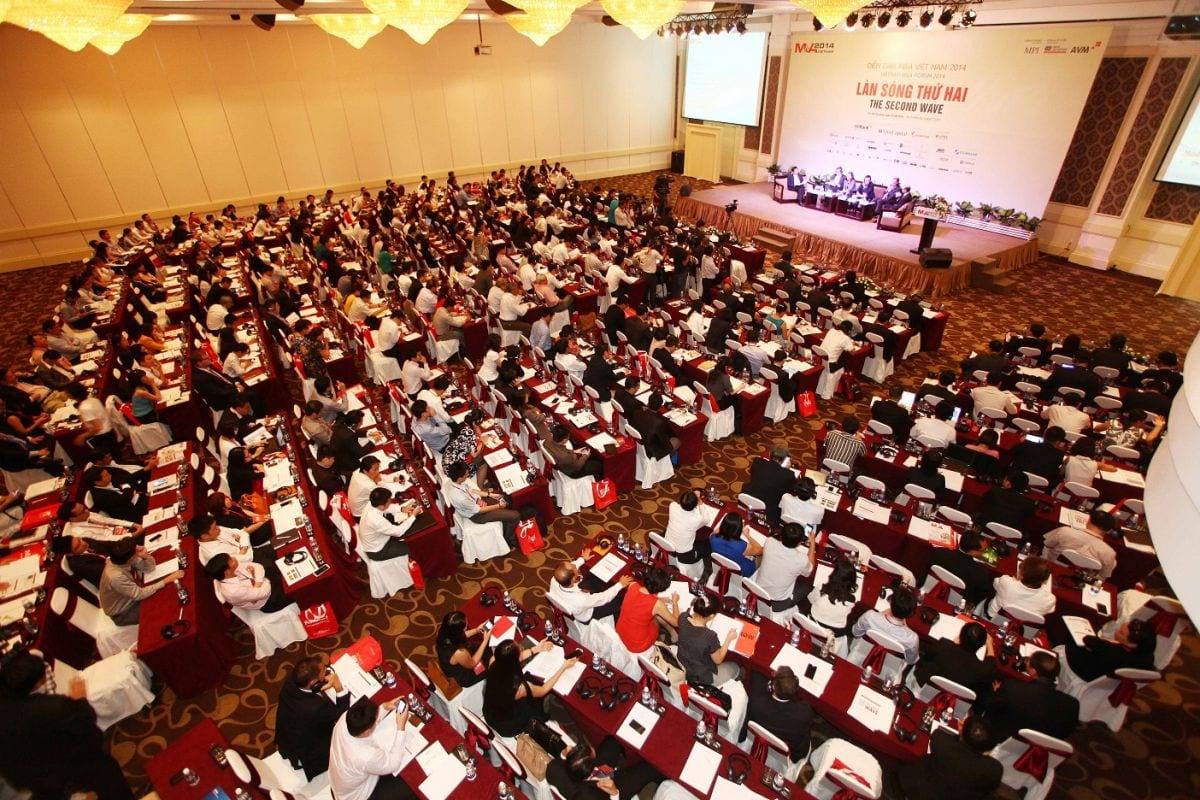
    Vietnam’s retail sector to see M&A frenzy riding on free trade pacts

    The sector has turned attractive due to the free trade pacts the country has reached, as part of WTO, according to a government report.

    When Vietnam negotiated to join the WTO, it committed to let investors establish 100 per cent foreign-owned retail businesses from January 2015. In addition, the report attributed the increasing number of retail M&A deals to deeper integration of the country through the Trans-Pacific Partnership (TPP) and the ASEAN Economic Community (AEC), which will see tax exemption for thousands of commodities delivered into each member state.

    “Systematic retail chains account for only 25 per cent of the total market share, while it is 33 per cent in the Philippines, 34 per cent in Thailand, 51 per cent in China, 60 per cent in Malaysia and as much as 90 per cent in Singapore,” the report cited.

    The government expects that with the free flow of goods, human and capital resources within the region, Vietnam’s retail market will become more competitive.

    It projects that the market share will touch 45 per cent by 2020, proving Vietnam to be fertile ground for retail investment.

    Thai retailers are probably the most aggressive in building their presence in Vietnam. Central Group made a debut in 2015 with the acquisition of a 49 per cent stake in electronics stores Nguyen Kim, then later in the year, Berli Jucker, whose parent TCC Holding paid for Metro Cash&Carry in Vietnam, announced its keenness to acquire Big C supermarket operations of French player Groupe Casino. Other interested bidders are Singapore’s Dairy Farm and South Korea’s Lotte Shopping.

    “Both of the two new potential investors are financially strong,” said the report, “Dairy Farm is the second largest retailer in Singapore and Hong Kong, owning popular brands of Cold Storage, Guardian, Wellcome Giant and Hero.” Its revenue hit $13 billion in 2014.

    Meanwhile, Lotte Shopping is South Korea’s biggest retailer with $23 billion turnover in the same year.

    According to the report, Japanese retailing firm AEON, which acquired local peers Fivimart and Citimart last year, is also keen on the deal.

    This year might also be strategic for Japan’s 7-Eleven, as the chain is planning to open its first stores in Vietnam in April 2017.

    “Not only foreign retail giants use M&A deals to enter the market, Vingroup has also, through the M&A route, forayed into the retail industry,” the report said.

    The country’s largest homegrown retailer, Vingroup took over Vinatexmart and Maximark in 2015.

  • TSS Revs up the Bangkok Auto Salon

    TSS Revs up the Bangkok Auto Salon

    Thailand Super Series (TSS) is thinking big these days so it was no surprise that its booth at the 3rd Bangkok International Auto Salon last week was packed out with ambition, menace and muscle. The biggest motorsport series in Thailand was right under the spotlights.

    Leading out the display was the monstrous Camaro GT3 of Vattana Motorsport, the big machine raced by Czech former F1 driver Tomáš Enge to double victory last December in Bangsaen. Next up was the unique ‘Australian V8 Supercar’ Holden that is raced by Craig Corliss. The New Zealander bagged a sensational win in the car (which was shipped to Australia at the end of last year for a total rebuild) at the season opener and he has his eye on the title.

    Then there was the Porsche 997 GT3 Cup of Sarun Sereethoranakul, the drift star turned circuit racer is the joint Super Car championship leader after the first round thanks to two consistent drives and he’s another aiming for the title. Not to be missed was the high-tech Audi R8 LMS Cup of Henk Kiks, the B-Quik Racing machine dazzling onlookers in its customary yellow and black colours, while the booth was wrapped up by the first car to be built for the series’ new ‘Racing Academy’ that aims to teach drivers the art of racing.

    ‘TCR Thailand’ promises to be one of the most exciting new categories to be introduced to Thai motorsport in recent years and the build up to the launch of the series in 2016 is well underway. In Buriram Khun David Sonenscher, CEO of Motorsport Asia, the promoter of TCR Asia Series, explained the exiting new concept in full detail during a well-attended Q&A session.

    Super Car Class 2-GTM regular Khun Paul Kanjanapas has officially launched his team for the 2015 championship with a new title sponsor and a new supporting crew during a prestigious mall ceremony and he has ambitions to keep improving as he undertakes a full season of top level racing.
    Finally, in amongst the many motorsport industry companies supporting the new breed of state-of-the-art racecars in TSS is MCS. Khun Jerome van Gool, President of Worldwide Operations, was in Buriram at the season opener to keep an eye on the Ferrari and Porsche entries from Singha Motorsport Team Thailand and A Motorsport, respectively.

    TSS in the spotlights at the Auto Salon

    TSS had an imposing presence at the 3rd Bangkok International Auto Salon, ASEAN’s biggest tuning and modified car show, which ran from Wednesday to Sunday last week at Muang Thong Thani’s Impact Exhibition Center.

    The strategically located official TSS booth packed a real punch with four stunning ‘Super Car’ machines on display, each one residing at the top the horsepower stakes – as well as at the business end of the racing grids. The TSS display was certainly one of the most popular with visitors to the show over the five days.

    VIP guest during the show’s official opening ceremony was TSS Vice President Khun Preeda Tantemsapya and he reckoned it was a natural ‘fit’ for the series to be seen at this glamorous event. “The reason for being here is that the Auto Salon is mainly about modification and all the cars in TSS are modified to a certain extent as far as the regulations allow them to,” he said.

    “We bring the cars to show so people who are interested in high performance cars and parts see that we exist in Thailand we have top racecars from all over the world in TSS,” Khun Preeda explained. “As we can see we have an Australian V8 Super Car on show all the way to Porsche and Camaro GT3 cars. We hope our display will encourage people to learn more about what we are and become interested in TSS.”

    Khun Preeda also reckoned that is was important for TSS to support this budding show, which is just three editions old but already growing rapidly in stature, not just here in Thailand, but right across the whole of South East Asia.

    Leading out the power packed display was the monstrous Chevrolet Camaro GT3, which is entered in Super Car Class 1-GT3 by Reiter Vattana Motorsport. Former F1 driver Khun Tomáš Enge raced to a superb double victory in the big black Reiter Engineering-built machine in Bangsaen last December and he was straight back onto the front running pace during the season opener in May. The Czech will be targeting more victories in the Camaro when TSS returns to Buriram for Round 3 & 4 at the end of this month.

    Next up was the unique ‘Australian V8 Supercar’ Holden Commodore VE that is raced by Craig Khun Corliss. The New Zealander bagged a sensational Super Car Class 2-GTM win in the big lurid-green car (which was in fact shipped to Australia after Bangsaen for a total rebuild in time for 2015) at the season opener and he’s another driver that has his eye on the title.

    Then there was the striking #55 Porsche 997 GT3 Cup of Khun Sarun Sereethoranakul. The ‘drifting’ star turned circuit racer is already the joint Super Car Class 2-GTM championship leader after the first rounds of the year thanks to two very consistent drives onto the podium and he’s another driver aiming for the title.
 
Then there was the high-tech #26 Audi R8 LMS Cup of Henk Kiks, the B-Quik Racing machine dazzling visitors to the booth in its customary standout yellow and black colours. The Dutchman had a tough start to the season in May but he’s ready to bounce back when racing resumes at the end of the month.

    The booth, laid out in the form of a ‘racing grid’, was completed by a Honda Jazz, the car that will form the backbone of the new TSS Racing Academy (TRA). That was one of a batch of eight examples that have already arrived at the school and which will initially operate from the Pathum Thani Speedway. More ‘learner’ racecars are following. The show was an ideal way to raise the Academy’s profile and plenty of interest followed the Jazz’s public debut.

    Khun Preeda reckoned the Auto Salon was the perfect event to use to bring the TRA to public attention for the first time. “We want people to learn about the TSS Racing Academy which we will launch [this coming weekend] with a soft opening,” he said. “So by having the car on our booth now we have a very good sense that the Academy exists although we won’t fully promote it yet but will wait until we have had a run in, got the concept full honed and then in a few months time we will officially launch it. By carefully honing it we should be able to create a good and solid foundation.”

    The presence of TSS racecars at the show didn’t stop with the official booth either; in fact there were machines from right across the series’ multiple categories on display throughout the Auto Salon. On the official Toyota booth, for example, was the Super Car Class 2-GTM ‘86’ of Khun Nattavude Charoensukhawatana. This car has a superb pedigree, winning the 2013 Drivers’ title while finishing runner up last year.
 
Next door on the Mazda booth the Innovation Motorsports-run cars from Super Production took pride of place. The new Mazda2 turbodiesel hatchback, which debuted at the season opener back in May, sat alongside the brand-new sedan version, which will be seen in TSS for the first time when the racing action resumes at the end of this month. Joining them was the sleek Mazda RX-8 that Khun Michael Freeman ran in Super Car Class 2-GTM at Bangsaen last December.

    Appearing in the big racing car display in the Challenger Hall was the Porsche 997 GT3 Cup of TSS President, Khun Sontaya Kunplome. He’s had a cracking start to the season and two strong results in Buriram in May have put him in command in the points’ standings in Super Car Class 3-GTC.

    H.Drive Racing hosted the new Porsche 991 GT3 Cup that Khun Pitsanu Sirimongkolkasem is using for his graduation year in Super Car. It’s the first of the new ‘991 generation’ to arrive on the racetrack in Thailand and is quite unmistakable as it’s wrapped in a striking gold livery. Alongside the #90 Porsche on the H.Drive stand was the Honda Civic FD that the same driver used to win Super 2000’s ultra-competitive Class B title last year; it was shown in the colours it ran in at Bangsaen last December where Khun Pitsanu wrapped up that title.

    The official Singha booth showcased a real line up of winners from Super Car and Super 2000. Leading the charge were the two Ferrari 458 Challenge machines of reigning Super Car Class 2-GTM champion Khun Voravud Bhirombhakdi and Singha Motorsport Team Thailand’s newest signing, hotshot youngster Khun Kantasak Kusiri.

    The two Prancing Horse machines were complimented by a trio of the team’s Honda Civic FDs, including the examples of Khun Kittipol Pramoj Na Ayudhya and Khun Thamrong Mahadumrongkul, two fast-emerging front-runners in the highly competitive world of Super 2000.

    Finally, the Ginetta G55 of Khun Naputt Assakul made a piece of history at the season opener when it gave the tiny British marque its first ever win in Thailand, the victory coming in Super Car Class 3-GTC. That noteworthy achievement was celebrated at the show as the black and gold car, with its long sweeping bonnet and its compact low-slung glasshouse, was on display in front of visitors.
  • Lotte aims for $109m with new Osaka DWT store

    Lotte aims for $109m with new Osaka DWT store

    This new store will have a sales turnover target of W130bn ($109m) in the first year and will also complement Lotte’s existing small joint-venture retail presences at Kansai Airport and also at the Tokyo Ginza Mitsukoshi downtown store – as reported back in September 2014.

    Lotte Duty Free said it will now open its Osaka downtown duty free shop next year, as it also unveiled the basic details yesterday at a press conference alongside its partner, New Kansai International Airport Company and KAA, its Kansai Airport Agency retail subsidiary company.

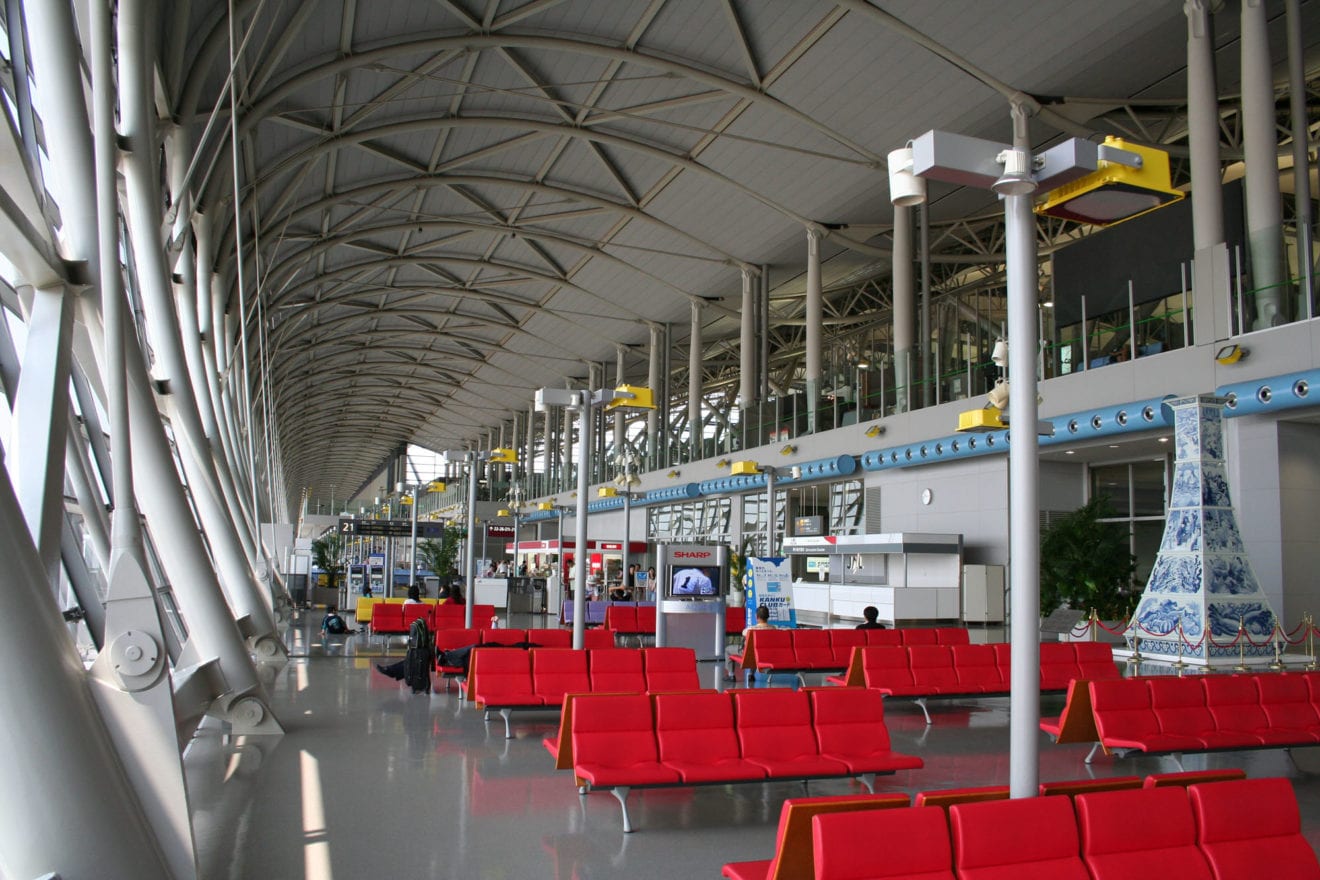
    The new 4,400sq m store will be located on the sixth and seventh floors of the Big Camera Namba, in Namba, Osaka and will feature ‘global luxury brands, cosmetics, perfumes, fashion accessories’.

    Lotte said that the attraction of Osaka’s Namba district is its large transient population where shopping malls and restaurants that tourists prefer are ‘concentrated’.

    For its part, the NKIAC Company said it is working with Lotte because it is a major player. The company said: “Lotte Duty Free is the leading duty free company in Korea; [it] is equipped with the successful know-how and experience in operating downtown duty free shops as a global top three duty free shop [player]; and is the duty free shop brand which Asian customers like the most.”

    Sunwook Jang, President of Lotte Duty Free added: “Based on the successful experience to operate the duty free shops in Korea, we are expanding our shops in Asian countries like Japan, Thailand and Indonesia.

    “We will do our best to globalize the Korean duty free shop by global expansion, to help the Korean brands to expand overseas and to induce foreign tourists to Korea by making connection with the stores in Korea.

  • HSBC Singapore plans to transfer retail, wealth business to local subsidiary

    HSBC Singapore plans to transfer retail, wealth business to local subsidiary

    The Hongkong and Shanghai Banking Corporation (HSBC) Singapore is planning to transfer its retail banking and wealth management (RBWM) division to a locally incorporated subsidiary named HSBC Bank (Singapore).

    Expected to become operational from 9 May this year, the subsidiary will be responsible for managing all the accounts, assets and security arrangements associated with the RBWM unit.

    The transfer of operations is subject to regulatory and court approvals.

    HSBC Bank (Singapore) will possess a full bank license with qualifying full bank privileges, which will allow the subsidiary to open more branches than other foreign banks, straitstimes reported.

    The move follows an announcement by the Monetary Authority of Singapore (MAS) in April last year that HSBC is considered one of seven domestic systemically important banks in Singapore, according to media sources.

    According to MAS, banks with a significant retail presence must locally incorporate their retail operations, a move that could help the Singapore financial system to function properly.

    HSBC Singapore CEO Guy Harvey-Samuel was quoted by Channel NewsAsia as saying: “The transfer of our retail banking and wealth management business in Singapore to a locally incorporated subsidiary reflects the success, scale of growth and significance of our retail business in this market.”

    HSBC’s other activities including commercial banking, private banking and global banking will continue to operate under the existing Singapore branch.

    “Singapore is a top-seven priority country for the HSBC Group globally and we will continue to invest in our business here. We are excited about new opportunities to further expand our presence,” Harvey-Samuel was quoted by straitstimes.

  • Cold Weather Bears Down Once Again on Laos

    Cold Weather Bears Down Once Again on Laos

    Laos is bracing for another potentially devastating cold snap following one in January that brought a rare snowfall to the tropical nation and was blamed for the deaths of thousands of livestock and fish, government meteorologists said on Thursday.

    The Lao Department of Meteorology and Hydrology predicted today that the western Houaphan and Xiengkhouang provinces and the central Xaisomboun province could see lows reaching four degrees Celsius over Feb. 5 to 8.

    “The temperature will drop throughout the country, especially in the north and northeast, Xaysomboun and the areas of the plateaus,” weather forecasting and aeronautical meteorology division chief  Vanhdy Douangmala, told RFA’s Lao Service. “Other parts of the country will also face cold weather.

    Weather in the Vientiane is expected to be cloudy and cold, and a resident of the capital city told RFA that the temperature was already dropping.

    Laos was hit with unusually cold weather and a rare snowfall on Jan. 24-25. The temperature in Houaphan province hit 1.5 degrees Celsius and was blamed for the deaths of more than 1000 cattle. The cold was also blamed for killing three tons of fish in ponds in Xiengkhouang province.

    People bundle up

    “From 24-25 January, it was so cold that people couldn’t go out,” the Vientiane resident said. “We just stayed home and sat in front of our stove. I have never seen it freeze like this before. I had to wear three sweaters and many retail shops were closed.”

    The Lao government is campaigning to raise funds to aid rural people suffering the cold weather and is opening bank accounts for donations, according to information from the government office.

    It is difficult to determine if the bitter cold set records in the secretive nation, but the average low temperature in Vientiane hovers around 16.5 degrees Celsius in January and 19 degrees in February.

    Cold hits Asia

    In Vietnam, authorities said more than 8900 cattle died during a cold snap that damaged 6000 hectares of  rice paddy and more than 4600 hectares of vegetable plots.

    Many parts of Asia have been hit with rare cold weather which is being blamed for more than 65 deaths, and disrupted transportation, according to the Associated Press.

    Subfreezing temperatures in North Korea’s northern provinces this month caused water main pipes to freeze and burst, cutting off tap water to local residents, sources inside the country told RFA.

    Meteorologists blame the intense cold on a polar vortex – the large area of low pressure and cold air surrounding both of the earth’s poles. While the vortex always exists near the poles it tends to weaken in summer and strengthens in winter. Many times during winter in the northern hemisphere, however, the polar vortex will expand, sending cold air southward with the jet stream.

  • Saté Kampar Opens Next Week

    Saté Kampar Opens Next Week

    East Passyunk Avenue has very little to do with Asian cooking. Besides two Chinese-American take-out joints, Bing Bing Dim Sum is as “Far East” as Passyunk goes, operating under deliberately inauthentic pretenses. Saté Kampar (1837 East Passyunk Avenue) is Malaysian through and through, and conversely, authenticity runs through its veins.

    Ange and John Branca are officially opening Saté Kampar next Wednesday, February 10 — a date decided by Ange’s grand aunt. “She decides the opening date. That’s also a way of involving her. Everyone in my family contributed to the restaurant in one way or another.”

    The Brancas’ restaurant is a family affair, Ange’s godmother was a recipe writer and preservationist, her aunts and uncles were restaurant owners back home, though owning a restaurant is a little different in Malaysia. “It’s more casual, a communal effort. If one member of the family cooks, then they cook for the whole town.”

    Ange wants to do the same for Philly. Born in Kampar (she visits often), Ange and her family moved to Kuala Lumpur when she was two years old. She received her college degree in Scotland, moved to the States to pursue a career in business accounting, and met her husband, John, rock climbing at her brother-in-law’s gym. After climbing to the top the corporate ladder at Deloitte and IBM, Ange decided to retire to pursue her dream of owning her own Malaysian restaurant in Philadelphia.

    “I wanted to do something that isn’t work, something I’m passionate about. When I retired I wanted to bring home the idea of family, my background, this food.”

    And she really brought it home. Almost everything in the restaurant is imported from Malaysia, from the marble-topped custom tables typical of a Malaysian restaurant, to an ornate wooden cabinet in the front of the restaurant, containing Malaysian goodies available for retail purchase. Plates and silverware are common to that of the markets and carts that line the streets back home. A mural by Jared Bader depicts a street food scene on Jalan Alor in Malaysia’s capital Kuala Lumpur. “We wanted to bring the street food scene inside.”

    The restaurant’s namesake item, saté — skewered and grilled marinated meats — will be flamed over custom grills loaded with coconut shell briquettes (again, imported from Malaysia). And since southeast Asia has an enormous Muslim population, there will be a separate halal grill for practicing guests searching for a taste of home. But while saté is the focus, the rest of the menu is meant for sharing. Back in December, the Brancas gave Eater a sneak peek of those share items as preliminary guidance for a cuisine mostly unfamiliar to those that stroll the Avenue known primarily for French and Italian restaurants. With a new cuisine, comes a new education, and the Brancas are ready to teach.

    Despite being BYOB, Saté Kampar will offer specialty drinks at the bar: pulled teas, “kopitiam” (traditional coffee house drinks), mix-your-own Ribena sodas, Milo (a regionally popular chocolate malt drink), and most impressively, freshly-hallowed coconuts, poked with straws.

    Stay tuned for pictures and menus, and mark your calendars for next Wednesday’s unveiling. With Perla’s impending opening just down the street, East Passyunk’s dining scene is primed for a heavy dose of diversity.

  • China Jo-Jo Drugstores launches remote hospital network in Zhejiang

    China Jo-Jo Drugstores launches remote hospital network in Zhejiang

    China Jo-Jo Drugstores has launched the first Internet-based Remote Hospital Network platform in Zhejiang Province, China.

    The virtual physician platform will be offered onsite at its retail pharmacy locations.

    This would allow the company to partner with virtually any accredited physician or hospital in providing medical consultation to customers who would then have immediate access to printed prescriptions and pharmacy dispensary services at the drugstores.

    China Jo-Jo said it is currently in discussion to secure exclusivity for the Internet hospital platform in Zhejiang province and is in negotiations with an accredited regional hospital to provide physician services on the platform through a profit sharing agreement.

    Lei Liu, Chairman and CEO of China Jo-Jo, said roughly 90 percent of China’s pharmacy prescriptions are handled by hospital dispensaries. The goal of the program is to increase transaction volume at China’s Jo-Jo retail locations while driving healthcare reform and innovation in the retail and online pharmacy business in China.

    “In alignment with the recent healthcare reform in China, we continue to meet the needs of consumers by increasing products and services that expand prescription dispensary services from the hospital system into local communities,” he said in a news release. “As the Chinese government pushes for healthcare reform we will continue to provide ways to increase access and to provide competitive pricing for prescription drugs, especially for residents who do not live in major cities.”