Blog

  • Anytime Fitness and Dancing Crab win big at the FLA Awards 2015

    Anytime Fitness and Dancing Crab win big at the FLA Awards 2015

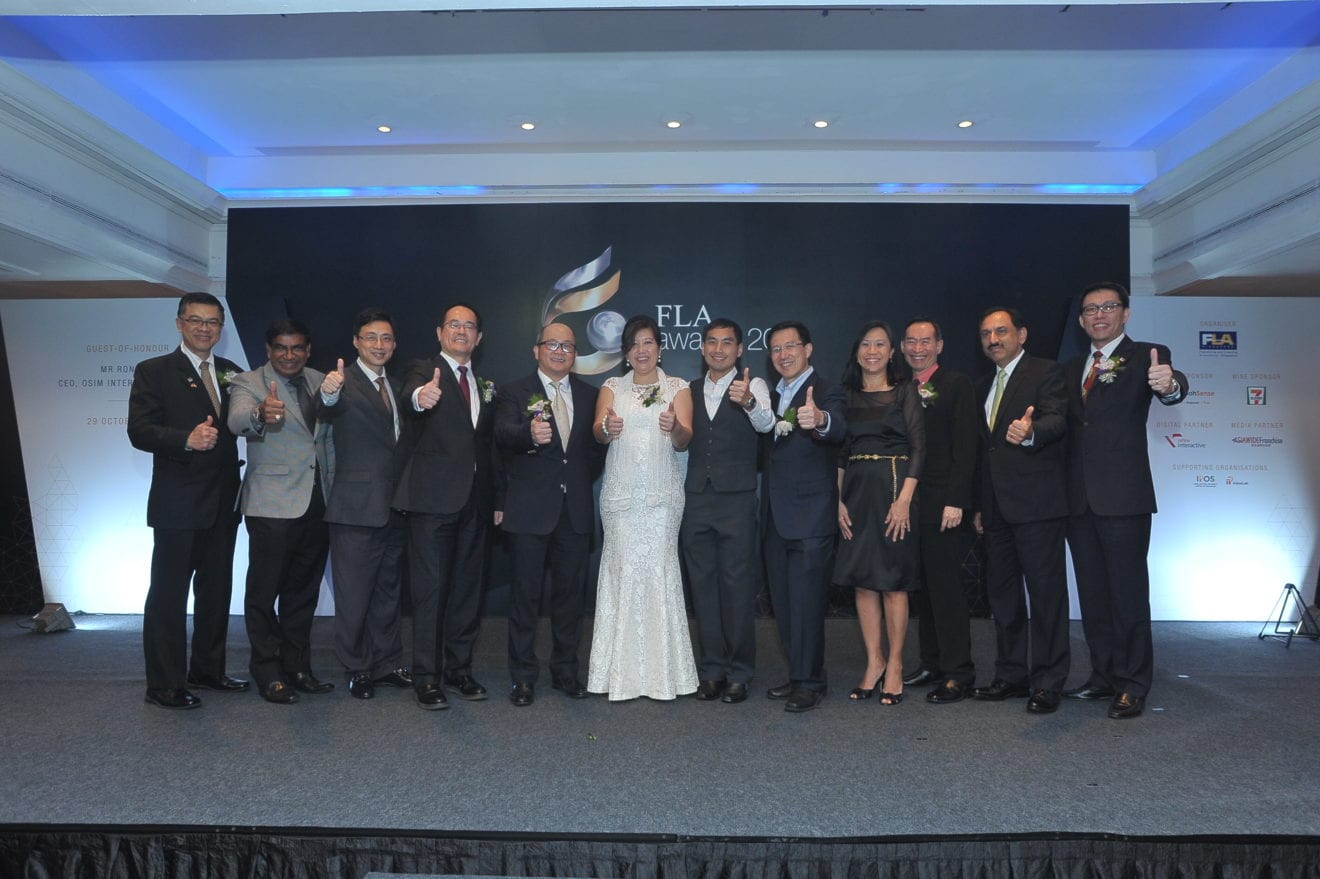
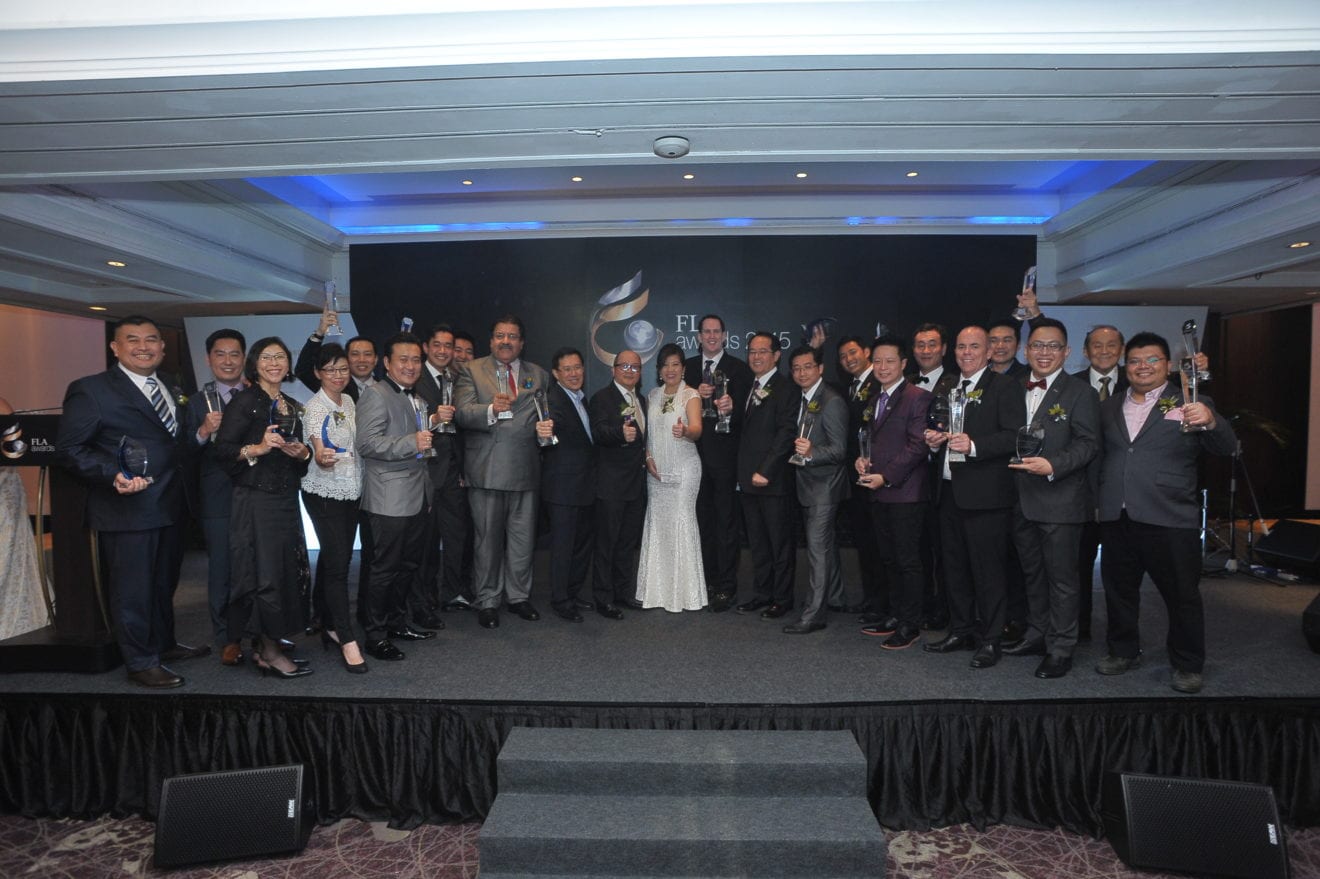
    The crème de la crème of the franchising and licensing industry were recognised and awarded at the annual regional Franchising & Licensing Association (FLA)Awards 2015 held at the Marina Mandarin hotel. This year, the Awards saw a 20% increase in entries with an upward trend in participants hailing from unconventional sectors, such as property, retail and health & fitness, even as veteran industries, such as F&B and education remained strong in the franchising & licensing playing field.

    Anytime Fitness bagged the top prize for two award categories, mainly top ‘Franchisor of the Year’ and ‘International Franchisor of the Year’, reflecting the growth and popularity of unconventional industries within the franchising and licensing scene. At the same time, traditional industries like the Food & Beverage sector remained strong, with Louisiana-style eatery, Dancing Crab, being crowned the overall winner in the ‘Promising Franchisor of the Year’ category.

    Other winners include 7-Eleven, Kumon, Pezzo, Seoul Garden and ECG Property Services. 

    Group Photo_All Winners

  • FamilyMart-Uny seal merger

    FamilyMart-Uny seal merger

    A merger of Japan’s third and fourth-ranked convenience store operators is set to create a “third force” in Japanese retailing behind Seven & I and Aeon.

    The FamilyMart-Uny merger terms have now been agreed and the two companies are now working towards an implementation date of September 2016.

    FamilyMart will soak up smaller Uny, which operates the Circle K Sunkus convenience store network in Japan. A new holding company will be created, 30 per cent owned by Japanese trading house Itochu, which currently owns three per cent of Uny and is FamilyMart’s single largest shareholder.

    Once merged, the new business will turn over around US$42.2 billion from some 18,000 stores, a network larger than current second placed Lawson and on a par with Seven Eleven Japan.

    The merger has already taken some eight years to negotiate making it nine years by the time the merged entity begins trading. It was back in 2007 when FamilyMart first approached Uny, an offer initially rebuffed.

    Some details have yet to be finalised – or announced – such as the future of Uny’s 230 or so general merchandise stores in what will essentially become a convenience store operator.

    Uny president Norio Sako says there will be some store closures, decided “on their individual merits”.

    There is also no final agreement yet on whether a single operating brand will be adopted.

  • Asos China braces for losses

    Asos China braces for losses

    Online fashion retailer Asos is budgeting for losses as it breaks into the China market.

    Announcing a pretax profit of £47.5 million for the year to August 31, the company offered an overview of its future plans geographically, including a lessened focus on the Australian market.

    New CEO Nick Beighton said China was a “key market” for Asos moving forward but the company was still in startup mode there.

    “It’s all about planting the seeds for future growth.”

    He said Asos expects losses of £5 to £7 million over the next 12 months in China as it builds its offer.

    In the year ahead, Asos will be focusing more on the UK – which remains its biggest market, Europe, the US and China.

    Last year, global sales rose 17 per cent to £1.12 billion. UK sales rose 27 per cent while international sales were up 11 per cent.

    Beighton said the online retailer’s mission to be the number one fashion destination for twenty-somethings, remains the same. The new CEO won’t be changing the Asos culture or the way the business does things, but he acknowledged the world Asos plays in is changing fast.

    “It’s more about mobile, it’s more about social, it’s more about content,” he said.

    The online retailer’s strategy is made up of four key pillars: great fashion at a great price, be awesome on mobile and, deliver engaging content and experience, supported by best in class service (ie. a friction-free experience from logistics through to customer care).

    “This really has been another year of mobile,” Beighton said.

    “In the last 12 months mobile penetration has increased throughout our business. In August 60 per cent of our global traffic came from mobile devices alone.” He added, just in the UK in August, 50 per cent of orders – not traffic – came from mobile devices.

  • Indonesia Wants More Tourists from Malaysia, Singapore

    Indonesia Wants More Tourists from Malaysia, Singapore

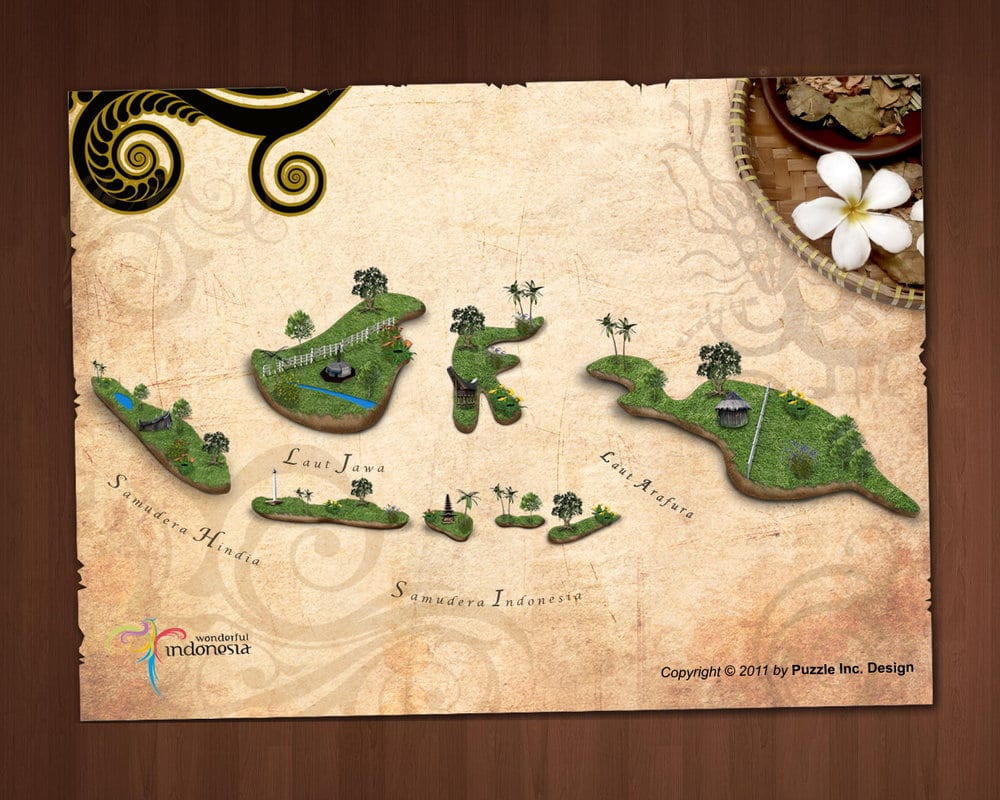
    For 2019, Indonesia wants to have 3.7 million Singaporeans to visit. From Malaysia, the government is targeting to 3.2 million travelers.

    Wonderful Indonesia on Thursday, October 29, quoted Tourism Ministry’s deputy of International tourism marketing that the ministry will hold a number of promotional campaigns in Singapore and Malaysia in November 2015.

    The events include the ‘Wonderful Indonesia’ campaign at the Singapore West Gate Shopping Mall from November 1-8, the Sales Mission MICE (November 18), the Halal Fair International 2015 (December 3-6), The Special Destination Sales Mission in Malaysia (November 24), Consumer Selling campaign in Melaka (November 27-29 November), and many more.

    Right now, Indonesia is on promoting its tourism in Singapore through the Indonesia Food Festival 2015 held from October 20 to November 14 November. At least 30 Indonesian dishes are being promoted to the international community, particularly to Singaporeans.

  • Missha Barcelona debut

    Missha Barcelona debut

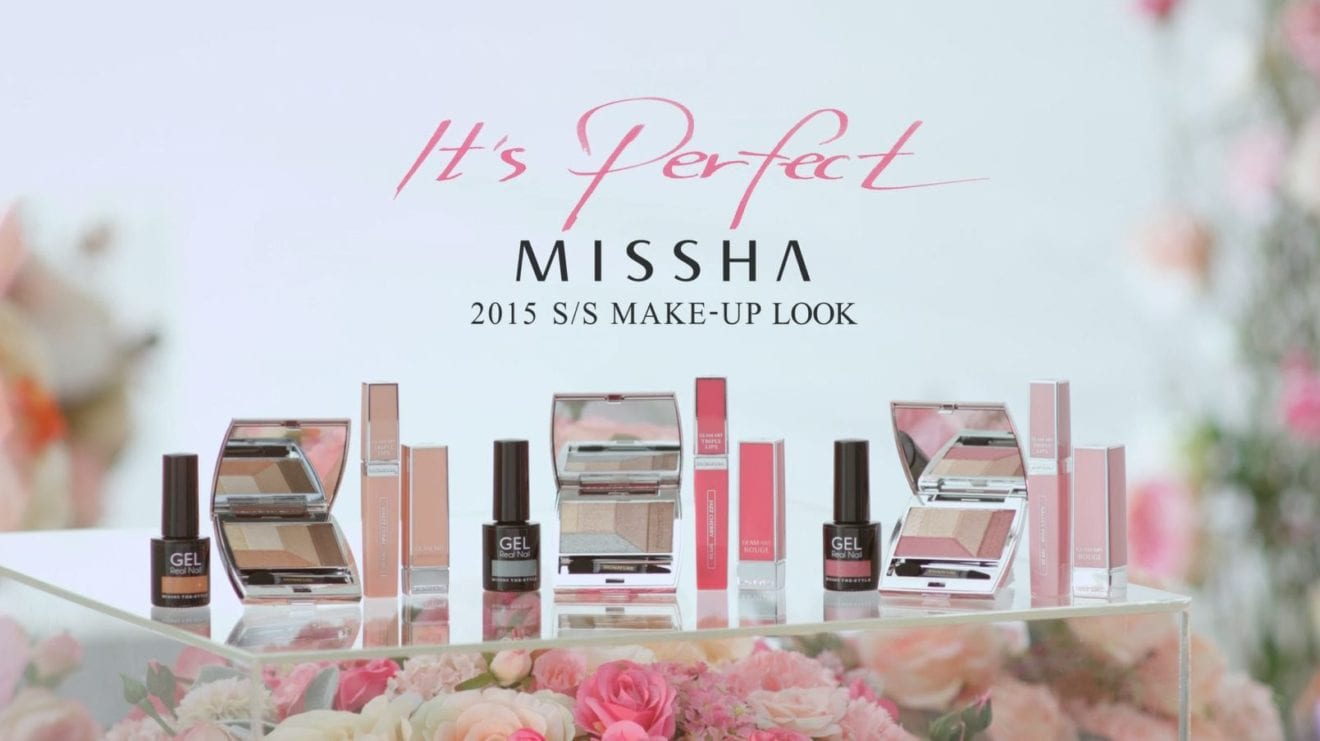
    South Korean cosmetics brand Missha has opened a new store in Barcelona, Spain.

    The new Missha Barcelona store marks the Able C&C-owned brand’s second European market, after it opened a store in Ingolstadt in Germany in February.

    Missha is the first Korean cosmetic brand to open a retail store in Spain.

    While Missha had ‘shop in shop’ stores in Seville and Madrid, the Barcelona store is its first stand alone shop in Spain.

    Missha management say they chose Barcelona as the location for the newest European store because Spain is the fifth largest cosmetics market in Europe.

    “Since the economic slump, the demand for middle-low priced cosmetics has risen. Imports of Korean cosmetics have been increasing, which made us decide to branch out to Spain,” said a spokesman.

    Missha currently manages 2100 stores in 30 countries, and is considering opening more stores in Berlin and Munich, Germany.

  • Worldhotels Touches Down at Five-star Sama-Sama Hotel Kuala Lumpur International Airport

    Worldhotels Touches Down at Five-star Sama-Sama Hotel Kuala Lumpur International Airport

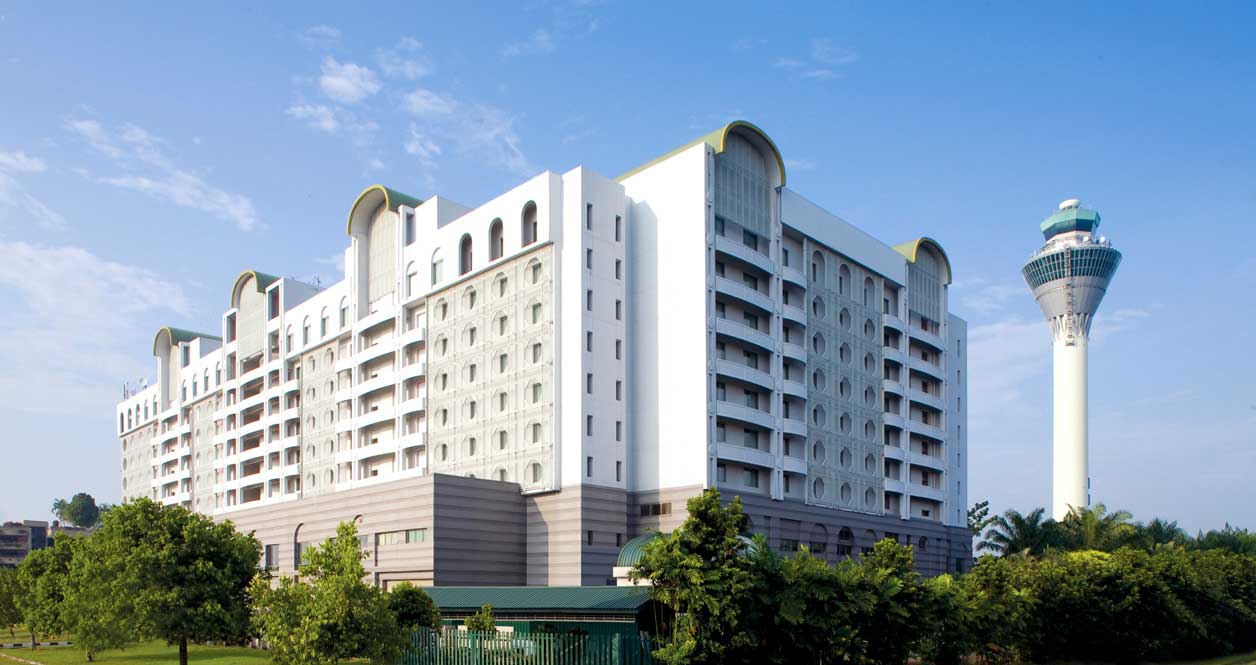
    Well-poised to take contemporary convenience and comfort to greater heights, Sama-Sama Hotel has joined the ranks of 450 independent hotels worldwide to fly the Worldhotels’ flag. Occupying a strategic location adjacent to the Kuala Lumpur International Airport, the award-winning hotel epitomises unsurpassed Asian hospitality that complements the best in proximity, convenience and comfort, perfectly suited for the needs of discerning travellers with business and leisure pursuits alike.

    Sama-Sama Hotel is connected by a sheltered sky bridge to the main terminal building of the Kuala Lumpur International Airport (KLIA) which houses the Arrival and Departure Halls. A dedicated check-in counter at the airport ensures a hassle-free and quick check-in for visitors right from their arrival, making the hotel a perfect base for transit air travellers with long hours in between flights and those with early morning departures or late night arrivals. The hotel also operates a complimentary 24-hour buggy shuttle service that runs between the airport and the hotel for added convenience.

    Service philosophy rooted in warm Malaysian hospitality

    Service at Sama-Sama Hotel is inspired by the melding of Malaysia’s rich tapestry of cultures into a harmonious collective. The name “Sama-Sama”, meaning “togetherness” in the Malay language, is a testament to the hotel’s commitment in delivering warm, personalised and memorable Sama-Sama experience to its guests – a guiding philosophy deeply rooted in the works of the team. The hotel’s logo aptly illustrates two hands coming together, a symbol of the inclusiveness of the nation’s diverse people and cultural heritage.

    Designed for the ultimate in comfort and peace of mind

    Guests visiting the capital city can touch down in five-star comfort and retreat into any of 442 non-smoking accommodations, including four types of suites.

    Designed for a revitalising stay and a comfortable work environment, the elegantly styled and soundproofed rooms and suites feature perspectives of lush greenery, along with thoughtful, contemporary amenities including high-speed Internet connectivity, touch-screen control panels, LCD televisions, video-on-demand, and a spacious work desk, among others.

    Guests staying in the suite categories enjoy exclusive access to the hotel’s Premier Lounge which offers a host of additional privileges.

    Elite functions space meets leading edge technology

    Totaling almost 2,800 square metres of function space, Sama-Sama Hotel boasts excellent facilities for conferences and events, including 10 superbly-appointed multifunctional rooms that accommodate up to 1,700 delegates, as well as an auditorium with a capacity of 180. Alongside a spacious foyer, high-speed Internet access and leading edge audiovisual equipment, the hotel plays host to a wide range of international conferences, seminars, exhibitions and gala dinners.

    First-class facilities reinvigorate weary minds and souls

    Enjoy quiet sanctuaries to relax at Sama-Sama Hotel with its comprehensive wellness facilities. Sweat it out at the tennis court or shape up at any time of the day and night at the 24-hour health club comprising gymnasium, jacuzzi, steam room and sauna. Relax with a refreshing dip in the outdoor pool, or pamper oneself at Tamara Spa, where a range of indulgent treatments and therapies beckons.

    Three dining establishments invite guests to savour delectable dining options including scrumptious buffet of Asian, International and Fushion specialties at Degrees, the hotel’s all-day dining restaurant; unwinding with a cocktail amid soothing music while staying up-to-date with flight information at Palmz Lounge; or gather for a good game of darts and snooker with delightful appetisers and entréesprepared in an open bar kitchen at Travellers’ Bar & Grill.

    “As an organisation which represents a curated collection of unique hotels, Worldhotels connects today’s more independently minded travellers to the world’s finest hotels, and we are thrilled at the addition of yet another remarkable affiliate in Sama-Sama Hotel,” remarks Roland Jegge, Worldhotels Executive Vice President Asia Pacific.

    “This addition illustrates the strategic importance we attach to our continual expansion across the Asia Pacific region. With 45 years of experience in the global field, we look forward to realising the full potential of Sama-Sama Hotel’s unique resources and positioning.”

  • Chinese tourism drives record result for McArthurGlen

    Chinese tourism drives record result for McArthurGlen

    Chinese travellers are discovering the thrill of shopping at one of McArthurGlen’s 21 Designer Outlets, all near important tourist destinations across eight countries in Europe and most recently, a new centre in Canada.

    Sales by Chinese shoppers at McArthurGlen’s Designer Outlets have increased more than 7 fold over the past four year years (2010-2014); as they discover the most sought-after European fashion and international luxury brands. McArthurGlen offers tax free shopping alongside year-round savings of 30-70% in stunning and vibrant shopping environments which take inspiration from local design and architecture.

    McArthurGlen’s Designer Outlets offer the largest choice of luxury and premium lifestyle brands in the European outlet market. The centres are home to nearly 3,000 stores and 900 brands. At the same time, the centres are part of the local tourism fabric, within easy reach of major European city centres by shuttle bus or public transport, including: Vienna and Salzburg in Austria; Luxembourg, near our centre in Belgium; Lille and Reims (the Champagne region) in France; Berlin and Hamburg in Germany; Athens in Greece; Düsseldorf, near Roermond, our centre in Holland; Florence, Milan, Naples, Rome and Venice in Italy; and Bath, Cardiff, London, Manchester, Nottingham and York in the UK.

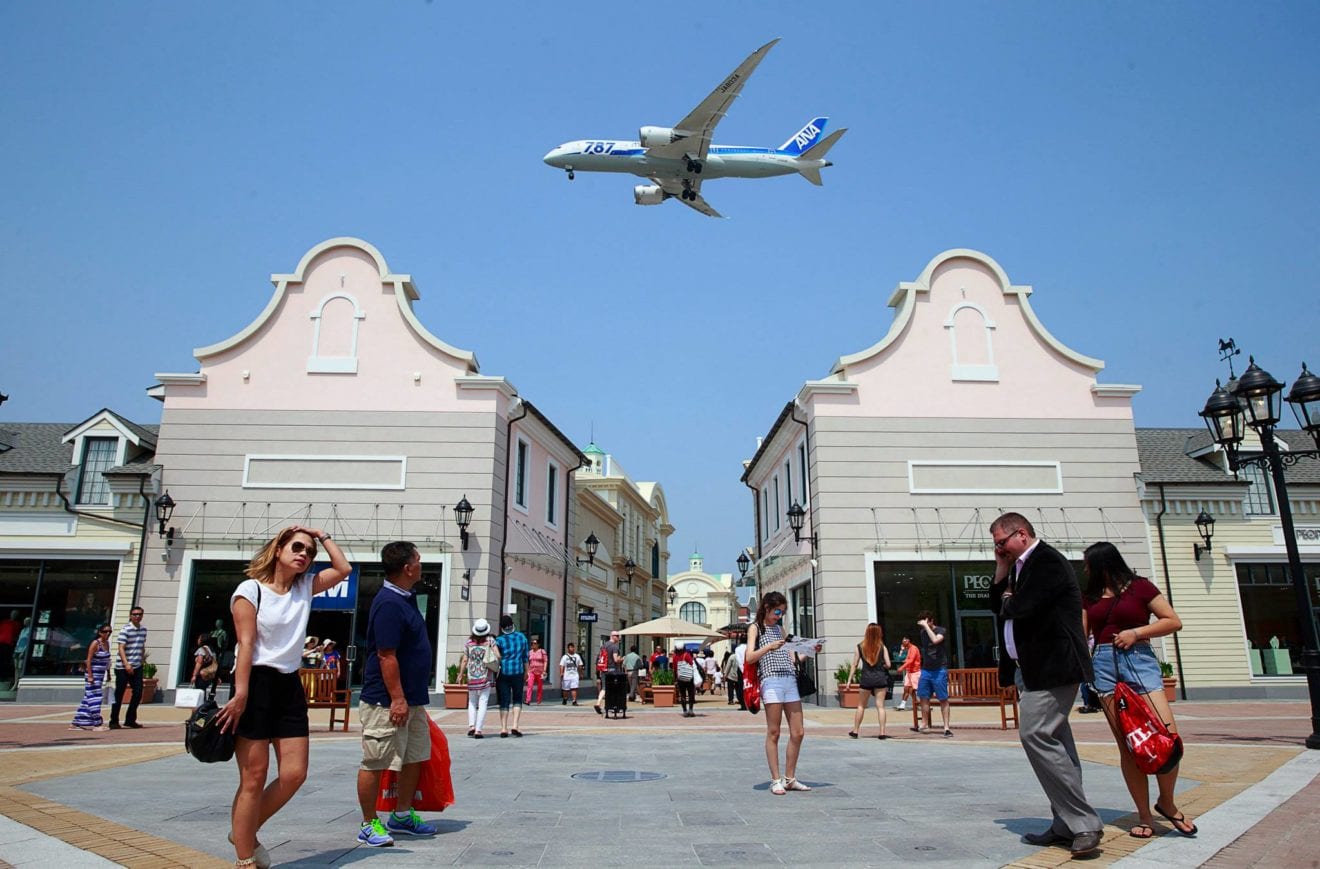
    In July 2015 we opened our first centre outside Europe, in Vancouver. The centre is built adjacent to Vancouver’s International Airport and we have just recently celebrated our millionth visitor at the centre.

    Shaeren McKenzie, Group Marketing Director, says: “Our McArthurGlen Designer Outlets offer the finest European shopping experience. Shoppers can find the top international luxury names alongside premium niche brands worn by the fashion crowd, all with year-round savings of 30-70%. We also enhance our customers’ shopping experience with exclusive events, offering special promotions.”

    Anthony Rippingale, Head of Tourism, McArthurGlen, adds: “We are heading for yet another record year at our 21 Designer Outlets, welcoming more Chinese shoppers than ever before. As the biggest operator of designer outlets in Europe, our Chinese customers have always been extremely important to us, and even more so now given that they account for nearly one in four euros spent by our international shoppers, and rising. We have also just had our most successful Golden Week ever.”

    The look and feel of McArthurGlen’s Designer Outlets reflect the luxury and premium brands that we represent: show-stopping sculptures by famous artists, dancing fountains, green walls made from thousands of plants, piazzas and porticoes, as well as a wide range of cafes for a refreshing cup of tea and restaurants for a leisurely lunch or a quick snack, with al fresco seating for the warmer months.

    Spending by our Chinese customers is growing faster than any other nationality visiting our Designer Outlets. Sales to Chinese travellers increased by 80 per cent in the first nine months of 2015, compared with the same period last year. Some of the biggest rises were at our five Italian centres (which include Italy’s largest designer outlet, Serravalle, near Milan), with sales up 95 per cent in the first nine months of 2015.

    The favourite brands of Chinese shoppers at our centres are, in particular, the most-loved names in international luxury, as well as niche local brands popular with the local fashion and style crowd, whether Dsquared2, Agnona or Patrizia Pepe in Italy, or Jil Sander, Karl Lagerfeld or Marc Cain in Northern Europe.

    We look to engage with our Chinese customers while they plan their trip to Europe, whether through our office in Beijing, or through social media in China (including Weibo and WeChat) and our centre websites which are available in Chinese.

    Once Chinese shoppers arrive in Europe, our centres offer Chinese-language maps and guides, while UnionPay is accepted in most stores. Our most popular Designer Outlets offer special promotions, including limited-edition gifts and additional savings, during key Chinese holidays, namely Golden Week and Chinese New Year.

  • Yum China to split from parent

    Yum China to split from parent

    US fast food giant Yum! Brands is to spin off its troubled Chinese operation into a separate business.

    The new company will be called Yum China.

    The move will strengthen the parent company which will retain 41,000 restaurants trading under the KFC, Pizza Hut and Taco Bell brands in 125 countries – and which will no loger be saddled with the ongoing losses from the Chinese operations. Nearly all of its restaurants will be operated by franchisees.

    “Following the separation, each standalone company will be able to intensify focus on its distinct commercial priorities, allocate its own resources to meet the needs of its business, and pursue distinct capital structures and capital allocation strategies,” said Yum CEO, Greg Creed in a statement.

    “This will provide a clear investment thesis and visibility to attract a long-term investor base suited to each business.”

    The likely interpretation of that statement is that Yum China will seek local investors or possibly a joint venture partner to help bring the business back on track.

    Yum China has 6900 KFC and Pizza Hut restaurants, but has struggled for more than two years after high profile food safety scares involving suppliers.

    Mid last year, a Chinese TV network screened footage of a supplier mixing allegedly expired meat with fresh meat. The company, a subsidiary of OSI Group, was a minor supplier to Yum! and its contract was cancelled immediately. But the TV news footage was sufficient to spook Chinese customers, many of whom stopped eating at KFC China outlets.

  • Axiata’s Indonesia unit plans RM1.4bil sukuk programme

    Axiata’s Indonesia unit plans RM1.4bil sukuk programme

    Axiata Group Bhd’s Indonesian unit, PT XL Axiata Tbk, plans to establish a five trillion rupiah (RM1.4bil) sukuk programme to optimise its balance sheet and improve its capital efficiency.

    In a filing with Bursa Malaysia, Axiata said the sukuk programme would be established under a two-year shelf registration programme.

    The first tranche or Shelf Sukuk Ijarah I XL Axiata Tranche I Year 2015 will see the issuance of up to 1.5 trillion rupiah based on the syariah principle of Ijarah, with the payment of Ujrah to be made quarterly in arrears.

    The Tranche I sukuk will have four series, with Series A having a maturity of 370 calendar days, Series B (three years), Series C (five years) and Series D (seven years).

    The net proceeds from Tranche I sukuk are to be utilised for working capital purposes to support PT XL Axiata’s business activity in terms of 2G radio frequency fee payment to the Government for the period of December 2015 to  December 2016.

    The Tranche I sukuk has been assigned a rating of AAA(idn) by PT Fitch Ratings Indonesia.

    A major cellular provider in Indonesia, PT XL Axiata is 66.43% owned by Axiata through Axiata Investments (Indonesia) Sdn Bhd, and currently serves 62.9 million subscribers.

  • Bright spots on the retail property horizon

    Bright spots on the retail property horizon

    Singapore’s retail market has been experiencing a drop in sales values. Tourism arrivals and the ongoing labour shortage against the backdrop of an additional reduction in the foreign dependency ratio effective July 2013 are considered some of the key drivers behind this, along with weaker economic sentiment.

    However, the outlook is not all doom and gloom.

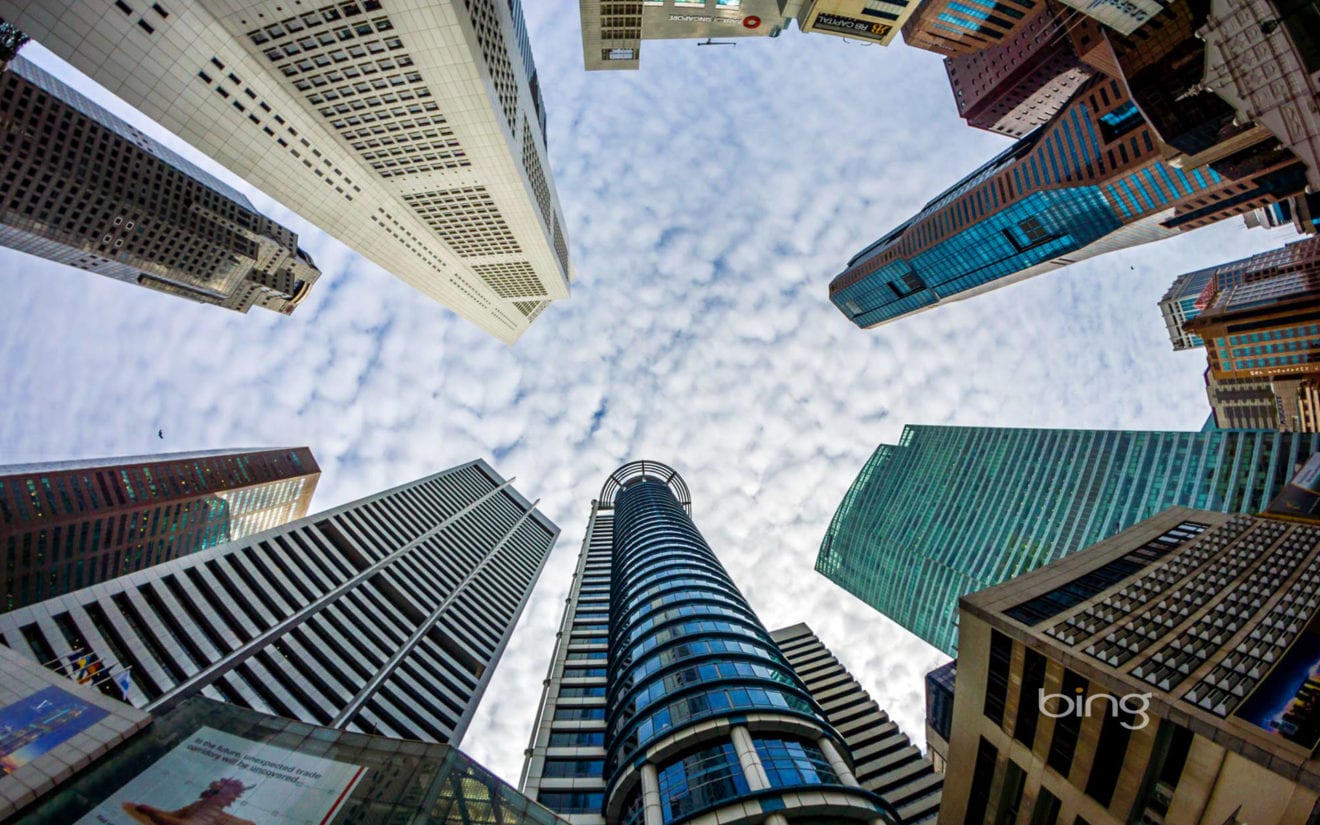
    One bright spot is mixed-use developments within the Central Business District that are proving to be very popular among retailers. Offering offices, residences, hotels and retail podiums within landmark new developments in prime CBD locations such as South Beach, Tanjong Pagar Centre and Downtown Gallery (part of a mixed-use property) has been extremely popular with retailers, given the enormous current catchment and the forecast catchment growth in line with the “Live, Work, Play” guidelines.

    Changing consumer attitudes and preferences are other positive aspects of the retail scene and one that is very popular is the healthy lifestyle theme. Taking the CBD as an example, we have seen a huge influx of gym operators – from large-format mega gyms to more bespoke fitness boutiques. This is being followed by growth in the sports apparel market and healthy food options as people take note of their lifestyle choices.

    BACK TO BASICS

    For the retail market to bounce back we need to not only look forward, but also look back at the underlying principles of retailing. While the global retail environment is moving at a frantic pace, the adage of “location, location, location” is still salient today. The key in all retail markets is ensuring that the retail offer is suitable for the catchment profile of its location: Are the customers looking for ease- of-convenience retail or the experience of a retail destination and does the tenant mix reflect this?

    Given the number of retail malls in Singapore and the difficulties highlighted, retail locations that do not meet these parameters or are secondary in doing so are likely to face further difficulties with increased voids (empty shops) and downward pressure on rentals given the large amount of retail space available and economic headwinds.

    During difficult retail cycles, new trends often arise as landlords seek to address occupancy levels and adapt their retail offerings. Over the past few years, we have seen an increase in pop-up stores, where retailers are able to occupy space on short-term agreements. These pop-ups allow existing retailers to experiment and new retailers to test products without the financial commitment that a standard lease requires. Trends like this are beneficial to the marketplace as they create differentiation and attract consumers to retail locations. Voids breed voids so temporary stores are an important option for landlords, and this is something that JLL envisages growing as traditional lease occupancy rates fall in certain locations.

    TENANT MIX IS KEY

    Ultimately, a key aspect in creating successful retail locations is a strong, differentiated and relevant tenant mix. Singapore has seen numerous new-to-market brands and this trend looks set to continue, with JLL working with many such operators.

    Alongside sourcing the correct real estate, one key factor for any new-to- market brand is the rent and lease terms. JLL is seeing a correction in rents in response to market conditions but in some cases lease terms remain prohibitively rigid.

    Creating flagship stores requires high capital expenditure, which must be depreciated and as such longer lease terms are required; redevelopment, relocation and performance clauses make this depreciation difficult in some cases and impossible in others. While this is not reflective of the entire marketplace, increased flexibility in lease terms is equally important for short-term temporary leases as it is to attract the world’s leading retailers – which is key for a vibrant and differentiated retail market.

    With the exception of true convenience locations, malls can no longer just be places to purchase goods. A successful retail tenant mix must also allow social interaction and enrichment to encourage repeat visits, increased dwell time and subsequent increased retail spending.

    Flexibility to attract leading international retailers, temporary stores, new start-ups and more social interaction often comes at the expense of immediate rental values. For such exercises, a long-term view is required as the upfront cost of repositioning/amending the tenant mix must be balanced against sustaining a long-term income and the overall increased appeal of retail locations.

    Tourism arrivals and economic conditions are undoubtedly affecting retailers’ sales but from a real estate perspective, retailers and their business models are also adapting to changing consumer behaviour and market sentiment.

    One outcome of ever-changing technology is that many retailers are reducing their footprint as a result of e-commerce. Historically, increasing the number of stores was one of the key weapons of a retailer in raising market share by presenting its brand to consumers in numerous locations. A strong online presence now allows retailers to ensure that their brand is never out of consumers’ minds and consumers can research, browse and purchase on the go, which ultimately means certain retailers require fewer stores than before.

    Physical stores do continue, however, to play a very important role in brand building, service, loyalty and, of course, point of sale, but their nature is adapting. JLL is seeing an increase in “brand pavilions/flagship stores” that are used by retailers to showcase the very best of the brand and are located in the prime retail locations. These stores are used alongside an online presence to build brand positioning and awareness and they allow customers to feel and try products. In many cases, the newest technology – think virtual fitting, 3D printing, etc – is utilised to maximise consumer experiences. As a result, JLL foresees demand for prime retail space growing to meet these requirements, although this is complicated by the small size of the Singapore prime market.

    To summarise, the Singapore market has been experiencing difficult times with a drop in sales volumes and the impact upon real estate is being exaggerated by the frenetic pace of change in retail itself. The most successful landlords and retailers will be those able to embrace these changes and JLL expects to see some exciting changes in the future. We do, however, foresee further downward pressure on rentals and an increase in vacancy levels in certain locations as retailers downsize their store numbers.
  • Siam Makro eager to open first store in Myanmar

    Siam Makro eager to open first store in Myanmar

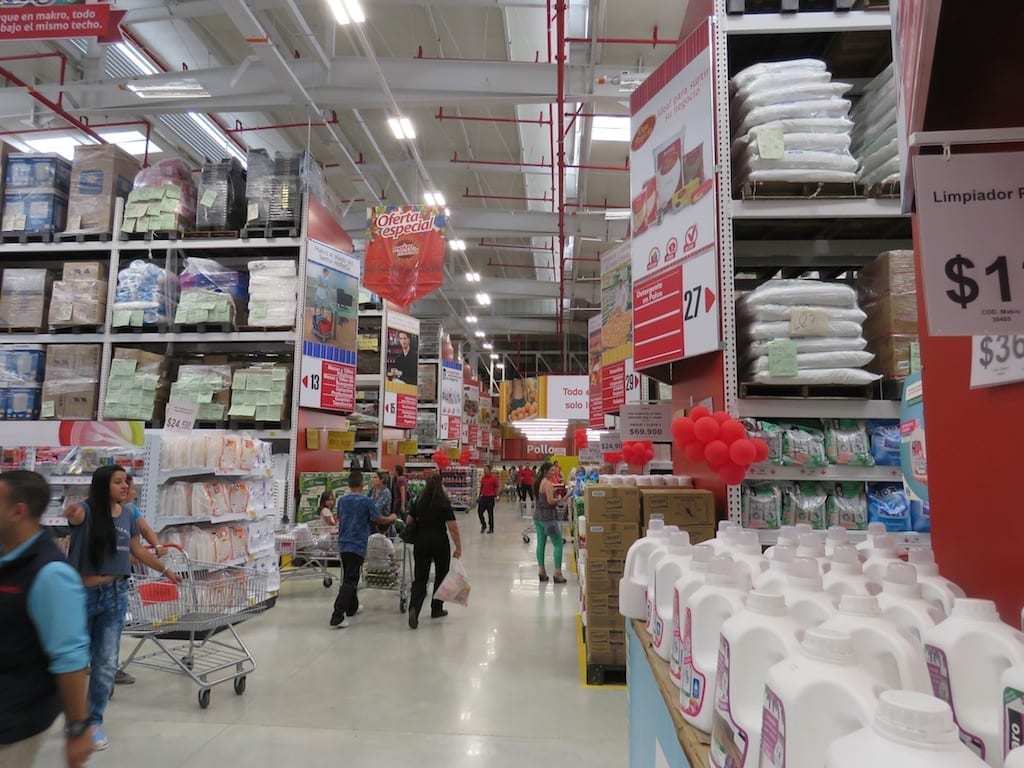
    Siam Makro Plc, the operator of Makro cash-and-carry stores under Charoen Pokphan Group, is keen to expand its retail business in Myanmar in the near future.

    Chief executive Suchada Ithijarukul yesterday said the company had met the Thai ambassador in Yangon to explore market opportunities in Myanmar.

    “We have conducted a feasibility study on Makro’s market opportunities in many Asean countries, with Myanmar, Vietnam and Indonesia being the priority destinations,” she said.

    Siam Makro is studying Myanmar consumer behaviour and foreign investment laws. If the regulations are clear, it is ready to open its first store immediately.

    According to an executive of ABC Group, operator of Myanmar’s second-largest convenience store chain, so far the Myanmar government has not allowed foreign retailers to invest in the country by themselves.

    Foreigners will be allowed to invest in supermarkets and hypermarkets next year but will have to form joint ventures with Myanmar companies.

    “The retail landscape in Myanmar will drastically change and new retail plazas will be gradually opened in the near future,” said Wichai Kanrahong, a counsellor at the Thai embassy in Yangon.

    About 80% of products are imported from countries including Thailand.

    “With the connected border and many Myanmar workers in Thailand, Myanmar people are quite familiar with Thai brands,” Mr Wichai said.

    Mrs Suchada said Makro’s business format allowed it to open anywhere because it has various store types.

    “The boom of tourism in Myanmar is also an opportunity for Makro,” she said.

    Makro has already opened branches in border towns near Myanmar.

    It has also conducted a feasibility study to expand into Indonesia and Vietnam, which have big populations. Laos and Cambodia are seen as second-tier countries.

    Mrs Suchada said the company would keep investing in Thailand by opening two stores in Phrae and Trat by year-end. Each will need an investment of 300 million baht.

    “Though the economy is not good, we are satisfied with our performance in the first nine months,” she said.

  • Shopping mall with e-commerce logistics services to rise in Singapore

    Shopping mall with e-commerce logistics services to rise in Singapore

    Construction is now underway for Singapore’s first shopping mall that offers e-commerce logistics solutions as well.

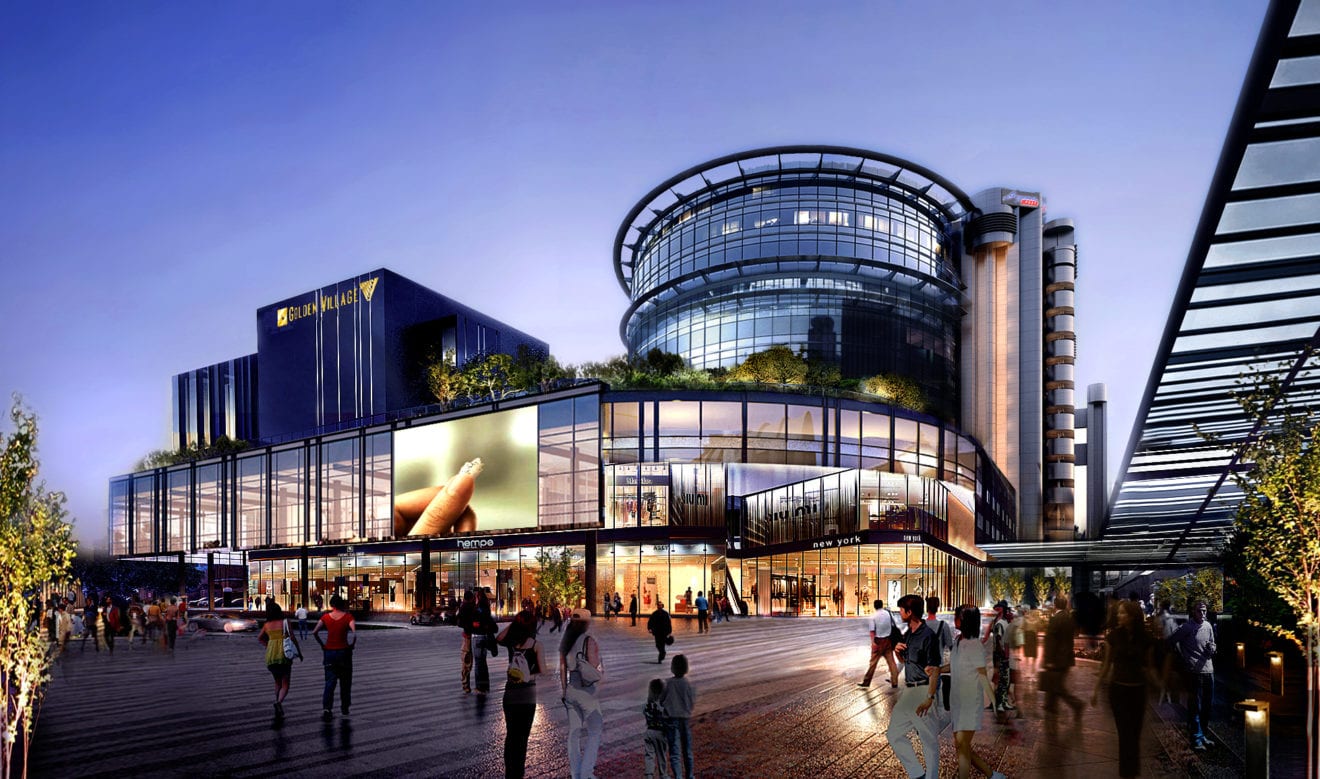
    Scheduled to be completed in mid-2017, the new retail mall will be located at the prent open concourse in front of the SPC, located next to Paya Lebar MRT station.

    The project’s developer, Singapore Post Limited (SingPost), said it will have 25,000 square meters of retail space and will be built at a cost of S$150 million ($107 million), which includes upgrading amenities and façade for the adjoining office building.

    “The redevelopment of the retail mall at SPC is part of our efforts to extract maximum value from our property portfolio and support our accelerated transformation from Singapore mail to global eCommerce logistics,” said Lim Ho Kee, Chairman of SingPost, in a news release.

    As a mall that combines both online and offline shopping, SingPost said shoppers could browse in-store, purchase the product and arrange for delivery of the product directly to the home. They could then continue shopping, watch a movie or have a meal at the mall without having to carry bulky shopping bags. The retailer, on the other hand, could save on storage space in the store as fulfilment would be done at the backend of the warehouse.

    Dr. Wolfgang Baier, Group Chief Executive Officer of SingPost, said the unique and disruptive concept – converging online and offline – was thought of to allow customers to experience both worlds.

    “This is an important shift in mindsets as well as the retail and e-commerce landscapes. The convergence of online and offline will bring exponential benefits to consumers and businesses – therefore we view this as ‘O²’ (O-squared) instead of O2O (Online-to-Offline). The SPC’s O² retail concept puts consumers at the heart of this evolution, allowing them to have greater retail options and more convenience,” he said.

    The new retail mall at SPC will consist of four above-ground levels and one basement, an eight-hall cineplex, SingPost’s flagship post office, retail shops, as well as food and beverage outlets. The mall will also come equipped with three levels of underground car park.

    Under the Urban Redevelopment Authority masterplan 2008, the area around the Paya Lebar MRT station will be developed into a suburban commercial node, while retaining its cultural identity. The new retail mall at SPC will reinforce the plan and add more buzz into the area by introducing the new O² retail experience. It will also  be a smart mall in a Smart Nation, using technology and innovation to support smart living environments while helping businesses to grow.

  • Forrester sees rise in m-payments adoption in Southeast Asia

    Forrester sees rise in m-payments adoption in Southeast Asia

    Revenue prospects for mobile operators, banks, credit card networks, and financial technology startups in Southeast Asia are looking up as mobile payments adoption is expected to rise in the region over the next five years.

    Driving this growth, according to research firm Forrester, is the surge of smartphone penetration in the region, which it forecasts to grow to 230 million units by 2017 from 175 million this year.

    A report released by Forrester recently showed that remittances will continue to spur peer-to-peer (P2P) payment growth in emerging markets, which is setting the stage for digital wallets.  Migrant workers are also increasingly turning to telcos and fintech startups such as Xoom, Remitly, TransferTo, TransferWise, and MatchMove to remit money via their mobile phones.

    Meanwhile, cross-border m-commerce is also driving growth in remote payments as many online consumers are shopping on their mobile devices in countries like Singapore and Malaysia. Cross-border orders using credit cards and PayPal are significant.

    Forrester observed that more players are incorporating features such as coupons and loyalty rewards into their mobile payment systems, which somewhat resemble digital wallets but do not qualify as such — yet.

    “Banks looking to get in on the mobile payment opportunity must decide if they want to build their own mobile payment systems or partner with business/technology vendors. Having a clearly defined mobile payment strategy will protect and deepen the bank’s relationships with both retail and business customers,” the report noted said.

  • Marriott International Asia Pacific Believes its Women Associates “Shape Our Future”

    Marriott International Asia Pacific Believes its Women Associates “Shape Our Future”

    Marriott International Asia Pacific announces its second Women in Leadership Asia Pacific Conference closes today after a resounding past three days of success. The event took place at Marriott International’s recently-opened The Ritz-Carlton Macau and JW Marriott Macau Hotels, and was hosted by Peggy Fang Roe, Chief Sales & Marketing Officer Asia Pacific; and Yibing Mao, General Counsel and Senior Vice President of Asset Management & Financial Analysis Asia Pacific. The conference convened 73 Marriott women executives from across the Asia-Pacific region to bolster their working knowledge and give them an opportunity to network, share insights, and be inspired by each other.

    “Women have always played a pivotal role at Marriott. Even in 1927, our co-founder, Alice S. Marriott, was imperative to Marriott’s success. Marriott International Asia Pacific has a high percentage of women in leadership roles, and a third of our senior executives are women. That makes me very proud and I know that the company is better for it,” said Craig S. Smith, President and Managing Director for Asia Pacific.

    Mr. Smith continued, “However, we are far from being done. Marriott International is committed to encouraging more women to take on leadership roles and we will support our women associates and help them grow personally and professionally. They are vital to Marriott’s future.”

    A series of diverse topics covered over the three days included “The Competitive Advantage of Female Talent,” presented by Mr. Smith; “Pursuing Excellence” by Rajeev Menon, Chief Operations Officer, Asia Pacific (excluding Greater China); and “Building Your Innovation Brand,” presented by Jenny Hsieh, Vice President, Insight, Strategy & Innovation.

    “The company is determined to think forward on how it can continue to mentor and grow women in leadership roles, and I have seen it firsthand since I started at Marriott International over 10 years ago. It is an honor to co-host this year’s conference, continue Alice’s legacy, and do my part in opening doors of opportunity to the women in the company within this region,” said Ms. Roe.

    The annual conference is part of Women’s Leadership Development Initiative, which was founded in 1999 with the aim to increase the presence of women in management or decision-making positions by engaging senior leaders to ensure career development, as well as encouraging current female leaders to drive organizational success.

    Globally, women represent 52% of Marriott International’s staff and nearly 60% of its management roles, with nine women leading divisions worth more than US$100 million annually. Women executives on the rise are offered a wide variety of development programs, including formal mentoring, coaching, leadership training and succession planning.

    In Asia Pacific, close to 40% of the company’s managers are women, with a substantial increase in women General Managers over the past few years.

    Marriott International Asia Pacific has leveraged several programs to identify and develop future women leaders, such as Human Capital Planning, GM Elevate and Asia One-Week Leadership Development Program. In addition to these, Marriott International Asia Pacific launched last year a series called “Evenings of Engagement,” which comprises events across the continent providing networking opportunities for women leaders where they can share stories, discuss experiences and issues, form deeper relationships, and inspire future women leaders.

    In September 2015, Marriott International was named one of the 100 Best Workplaces for Women 2015 by Fortune.com and the Great Place to Work® Institute. Companies were selected based on responses from over 135,000 women in the US on issues such as fairness of promotions, access to information and leadership, and support for personal lives as well as for the level of representation of women in leadership positions.

  • L’Oreal expands Dermacenter concept in Asia

    L’Oreal expands Dermacenter concept in Asia

    With growing concerns of the effects of pollution on the skin in Asia, personalized routines are in demand now more than ever.

    International players like L’Oréal are looking to cater to this trend by developing even more specialized formulations that preserve, heal and improve the health of skin as well as offering services that allow consumers to interact with dermatologists on the go.

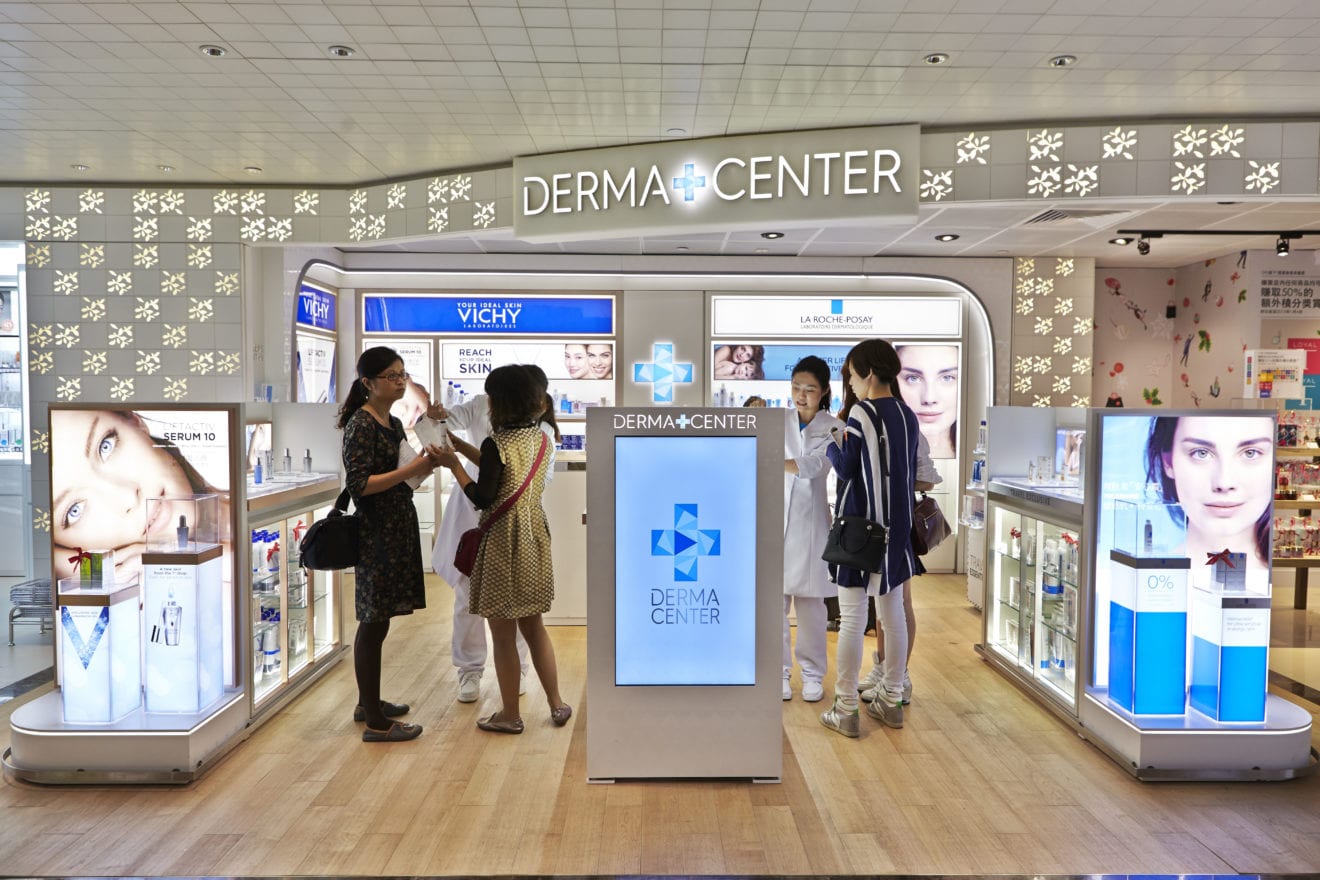
    The global cosmetics player’s first Asia based Dermacenter opened in Hong Kong in 2014 which has led to the launch of several others including; Haitang Bay, Iguazu downtown with London Supply, Bangkok (two stores), Hong Kong-Hysan and Seoul with Lotte Duty Free.

    According to L’Oréal, these stores provide a good opportunity for travelling consumers to gain access to brands like Vichy, Aqualia Thermal and LiftActiv, and La Roche-Posay, Tolériane and Effaclar.

    The Travel Retail Division was expanded in 2013 with company CEO Jean-Paul Agon commenting: “Travel retail is a key channel for winning over one billion new consumers. This market, present around the world, could be considered a ‘sixth continent.’”

    Travel Retail

    L’Oréal has been present in the travel retail market since the 1960s with L’Oréal Luxe, positioning L’Oréal Paris in the space in the last decade, and The Body Shop in the last few few years.

    Travel Retail, which represents all products sold in the travel distribution channel caters to over 2.4 billion international travellers every year, with Beauty occupying the one category in the market, where L’Oreal is seen as a leader in the field, holding a 21.3% market share in 2013.

    “By meeting consumers’ beauty aspirations, whatever their nationalities, beauty rituals or purchasing power, L’Oréal Travel Retail plays a strategic role in conquering new consumers who will pursue their experience with our brands in their home countries,”  Nicolas Hieronimus, president Selective Divisions said in 2014.

    “The launch of Vichy, La Roche-Posay and Kérastase in Travel Retail demonstrates our confidence in the huge potential of this channel. From now on, all of the Group’s major brands will have the opportunity to develop on this ‘sixth continent’.”