Blog

  • Apple’s Tim Cook hearts China

    Apple’s Tim Cook hearts China

    Tim Cook, soft-spoken Southerner that he is, often can be a man of few words. During a conference call with analysts Tuesday afternoon to announce Apple’s strong fourth-quarter results, he dismissed a question from a Goldman Sachs analyst with a terse “I don’t know the answer to that,” followed by silence.

    Asked about China, however, the Apple CEO turned positively rhapsodic. In fact he soliloquized a stem-winder so passionate, its content speaks volumes to the country’s place in Apple’s future.

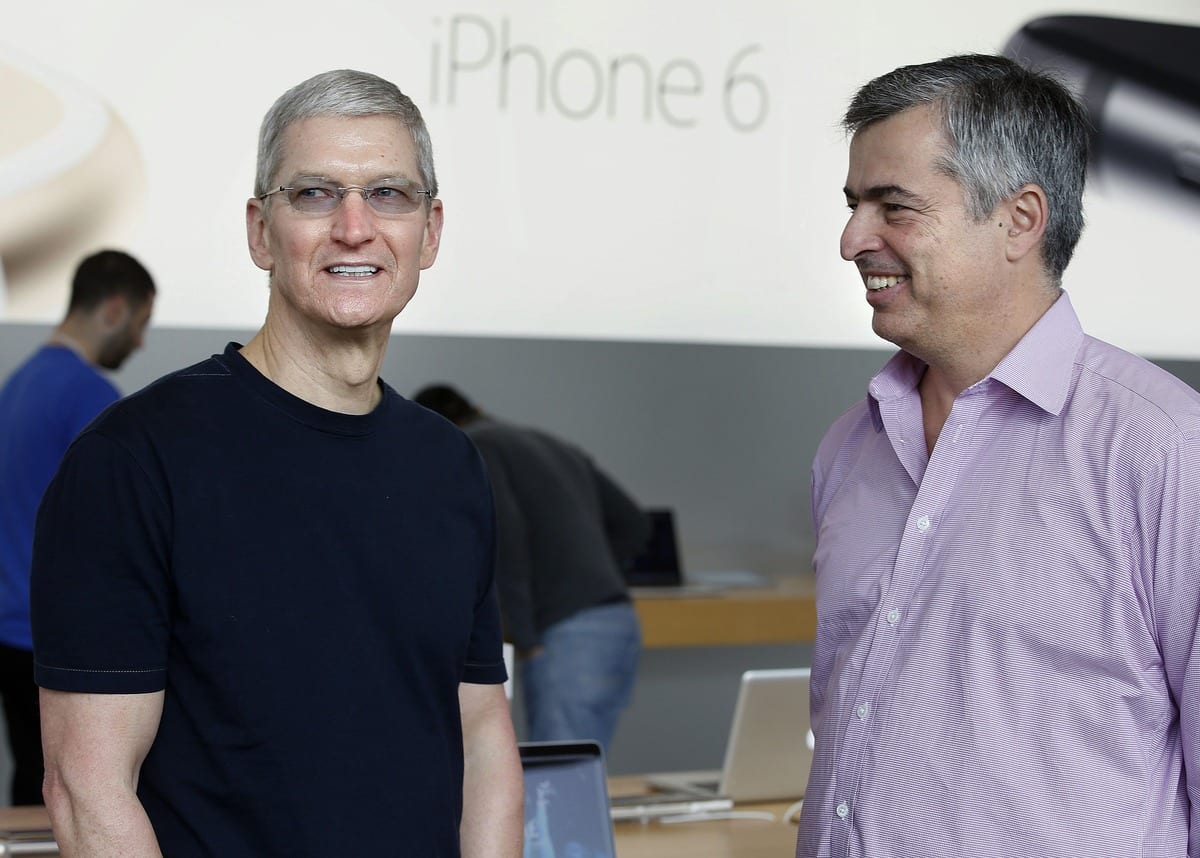
    “We’ve been able to grow without the market growing,” Cook said, after the company announced that sales in what it calls “Greater China” (including Hong Kong and Taiwan) doubled to $12.5 billion in the quarter. “iPhone 6 was the largest-selling phone in mainland China,” he said.

    Then, Cook countered the oodles of commentary calling into question China’s economic growth. “Frankly, if I were to shut off my Web and shut off the TV and just look at how many customers are coming into our stores and coming online, I wouldn’t know there was any economic issue at all in China. I think there’s a misunderstanding, particularly in the Western world, which contributes to the confusion.”

    In fact, Apple recently opened its 25th retail store in China, on the way to 40 soon. Cook said that no matter the near-term gyrations, Apple is in China for good. “We’re investing in China for the decades ahead,” he said. “China will be Apple’s top market in the world. That’s not just for sales. The developer community is growing faster than any country in the world.” Cook was there last week and said he was impressed with the software developers he met. As for the retail customers he encountered? Their enthusiasm was “infectiously contagious.”

    Cook didn’t stop there. “Nobody’s asking me about iPad on the call,” he said, referring to Apple’s tablet computer, whose sales declined 20% from the previous year. “In China, for 68% of the people who bought an iPad, it was the first tablet they had owned, and 40% of those had never owned any Apple product.”

    Apple remains a global juggernaut. It’s easy to see why its CEO, who spent years of his life flying back and forth from California to Apple’s partner factories in China, is bullish on the world’s second biggest economy, short-term issues be damned.

  • Uniqlo Philippines opens in Cebu

    Uniqlo Philippines opens in Cebu

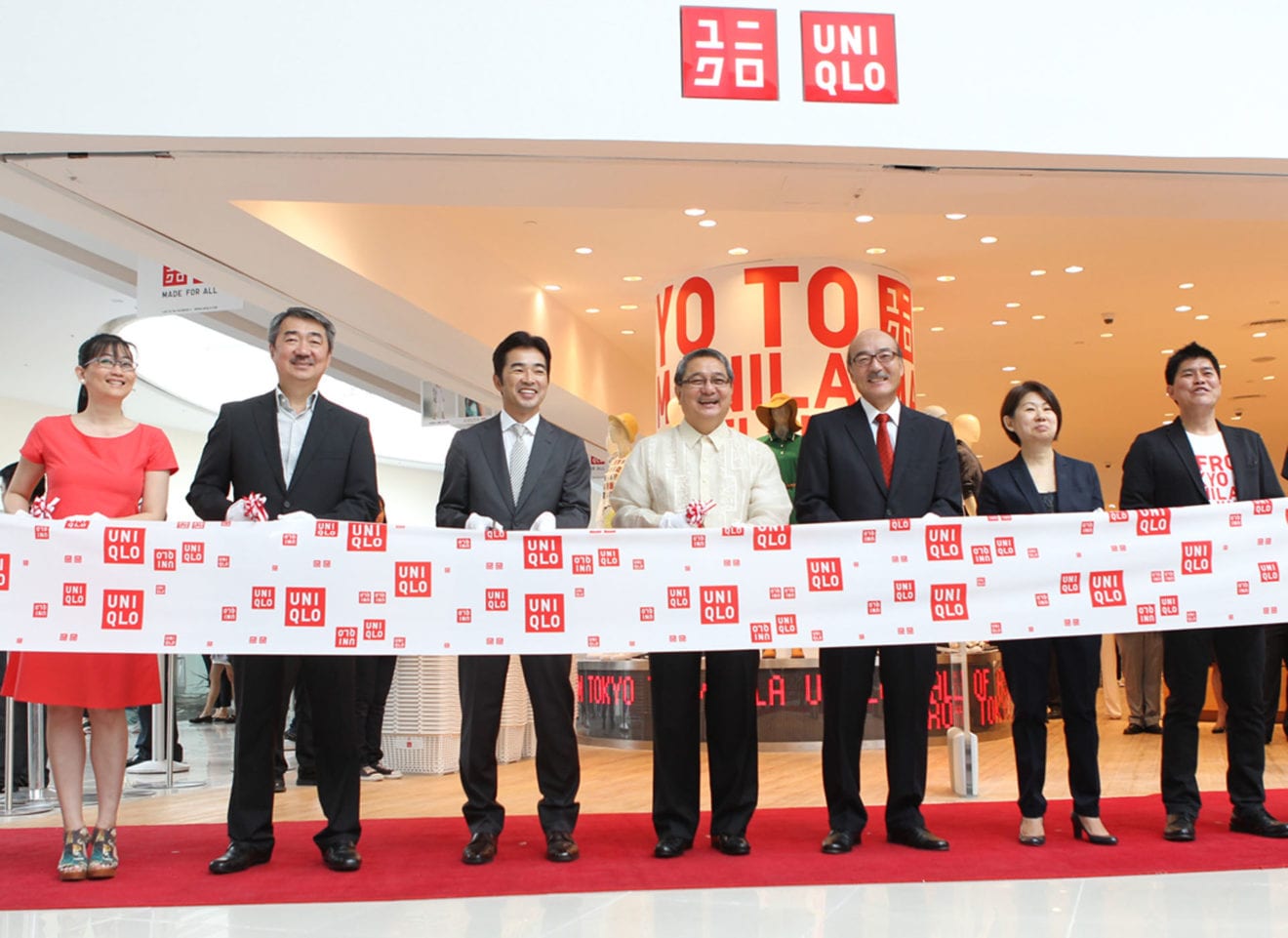
    Uniqlo Philippines will open its first store in Cebu on Friday (October 23).

    The new 1000 sqm store is located in SM City Cebu shopping mall, on the first level of the north wing.

    It will be Uniqlo Philippines’ 25th shop and its first in the Visayas region.

    “We have opened 24 stores in Metro Manila and Luzon, entering the Visayas market is a milestone in our growth strategy,” said Katsumi Kubota, COO of Uniqlo Philippines.

    A second Cebu store will open in November in SM Seaside City Cebu.

    Uniqlo’s Lifewear concept, Simple Made Better, advocates apparel that comes from the Japanese values of simplicity, quality and longevity made with elegance.

  • Western Digital unveils New My Book Pro

    Western Digital unveils New My Book Pro

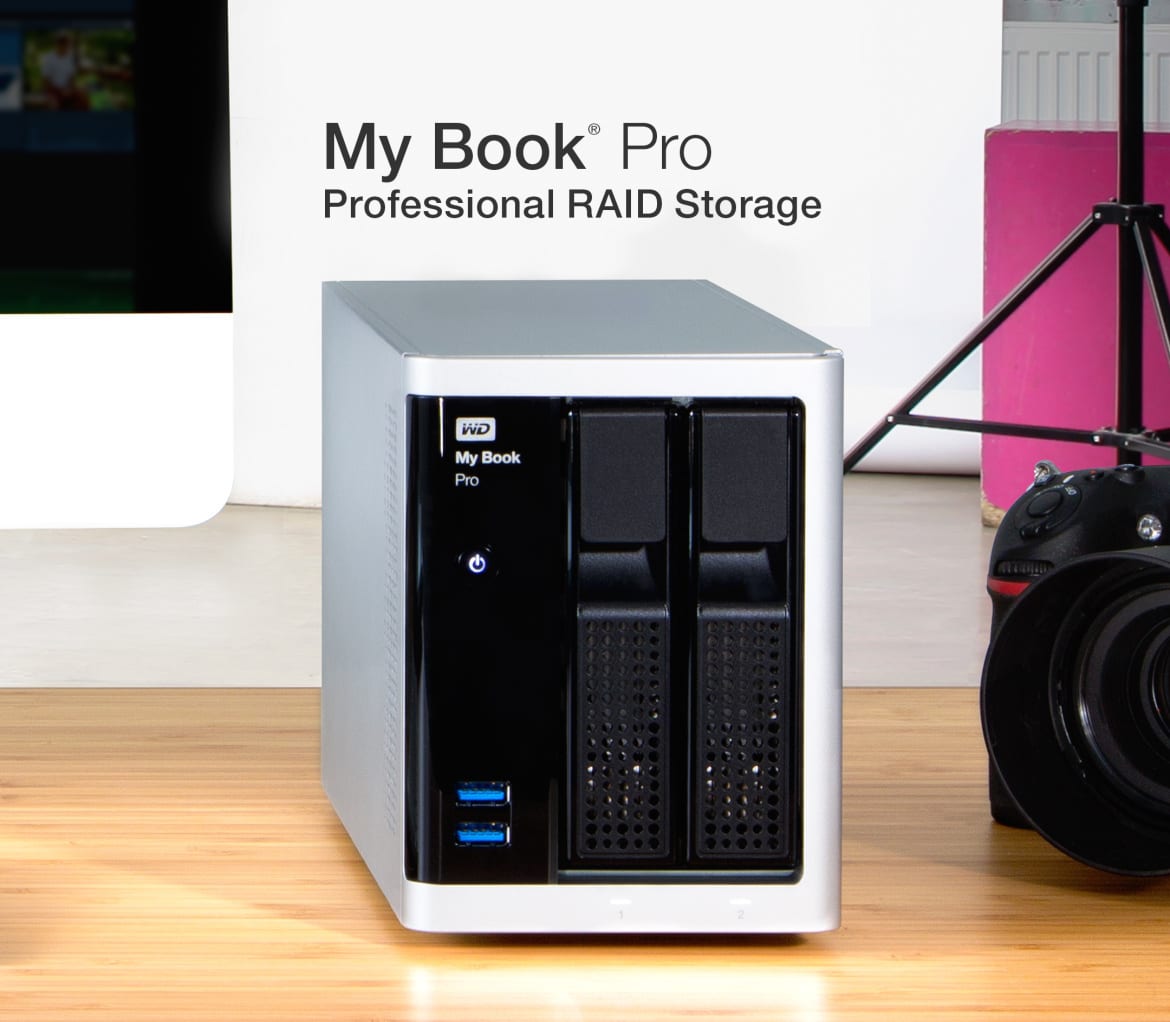
    Designed for professional content creators who need performance and capacity, My Book Pro storage combines the power of dual 20 Gb/s Thunderbolt 2 ports, USB 3.0 compatibility, the peace-of-mind of hardware RAID and the speed of two 7200 RPM WD drives to accelerate creative workflows. With the convenience of two front-access USB ports and the ability to daisy chain up to six Thunderbolt devices, users are able to charge and sync smartphones, tablets or cameras while simultaneously connecting 4K monitors or additional storage devices.

    At any point in time, one’s data could be at risk if not protected. Whether it’s a lost notebook or destructive virus, it’s critical to keep data safe and maintain a backup of important documents and valued content. With three customizable configuration options [RAID 0 (default), RAID 1 and JBOD] offered by the My Book Pro device for keeping content protected, data bottlenecks are reduced and throughput is improved with no impact to your computer’s CPU performance.

    The My Book Pro storage device is protected by a 3-year limited warranty and is available at select retailers and distributed by EA Global Supply Chains Solutions Inc. and Iontech Inc. in the Philippines. Manufacturer’s suggested retail price is P31,490 for the 6TB; P40,490 for the 8TB; P47,990 for the 10TB; and P53,990 for the 12TB variant.

  • Lotte Mart Vietnam in supermarket rollout

    Lotte Mart Vietnam in supermarket rollout

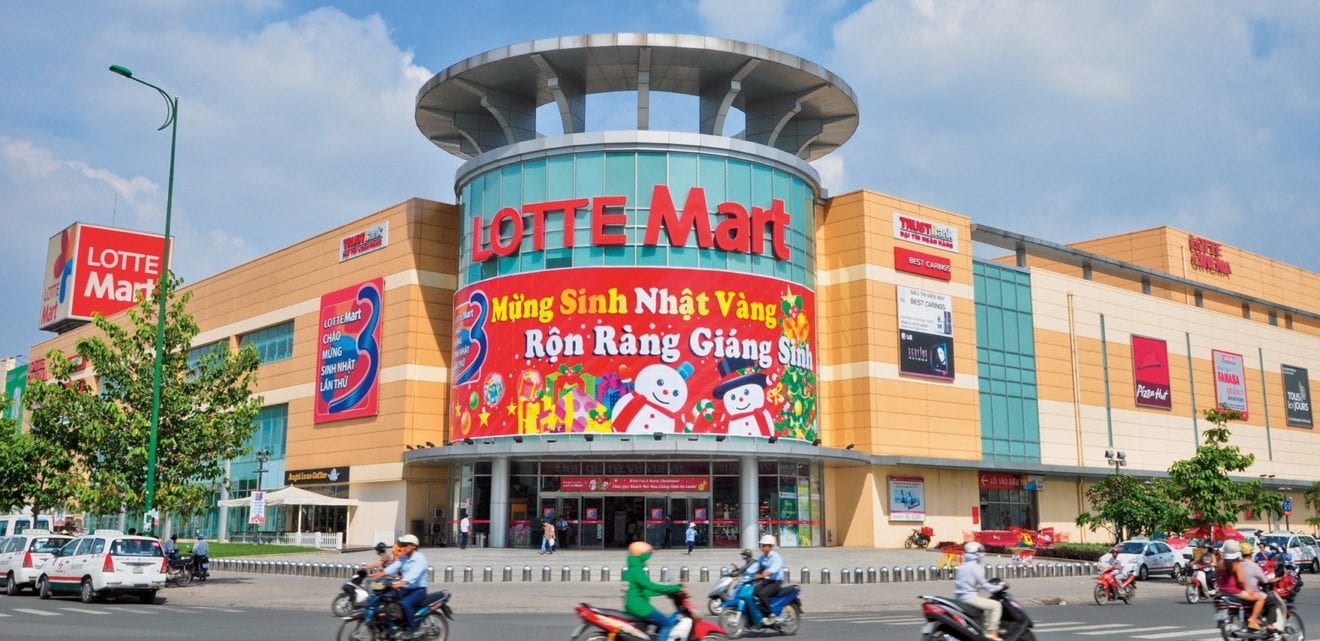
    Lotte Mart Vietnam plans to open 50 new supermarkets by 2020.

    The South Korean company’s Vietnam subsidiary operates just 11 supermarkets currently. Besides opening its own hypermarkets, the company has taken a strategic investment in local grocery retailers Citimart in Ho Chi Minh City and Fivimart in Hanoi which are now being co-branded and essentially operate as large convenience stores.

    Lotte Mart’s plans were revealed by the ViceConsul of the Republic of Korea, Hoong Soon Chang at a scholarship ceremony.

    Lotte also operates hotels in Vietnam, has a growing network of Lotteria fast food restaurants, is making property investments, including a half stake in shopping centre and office tower Diamond Plaza, and runs cinemas there.

    Lotte Mart Vietnam director general Hong Won Sik said the group is planning to boost its investment in the country because of its high growth rate.

    Vietnam’s GDP rose 6.81 per cent during the third quarter of this year, one of the fastest rates in Asia.

    According to Vietnamese news media, Korea is the largest source of foreign investment in Vietnam, with more than 4000 businesses now based there and a capital inflow of US$32.8 billion in the six months to July.

  • Asia Pacific Breweries Singapore ends exclusive business practices after investigation

    Asia Pacific Breweries Singapore ends exclusive business practices after investigation

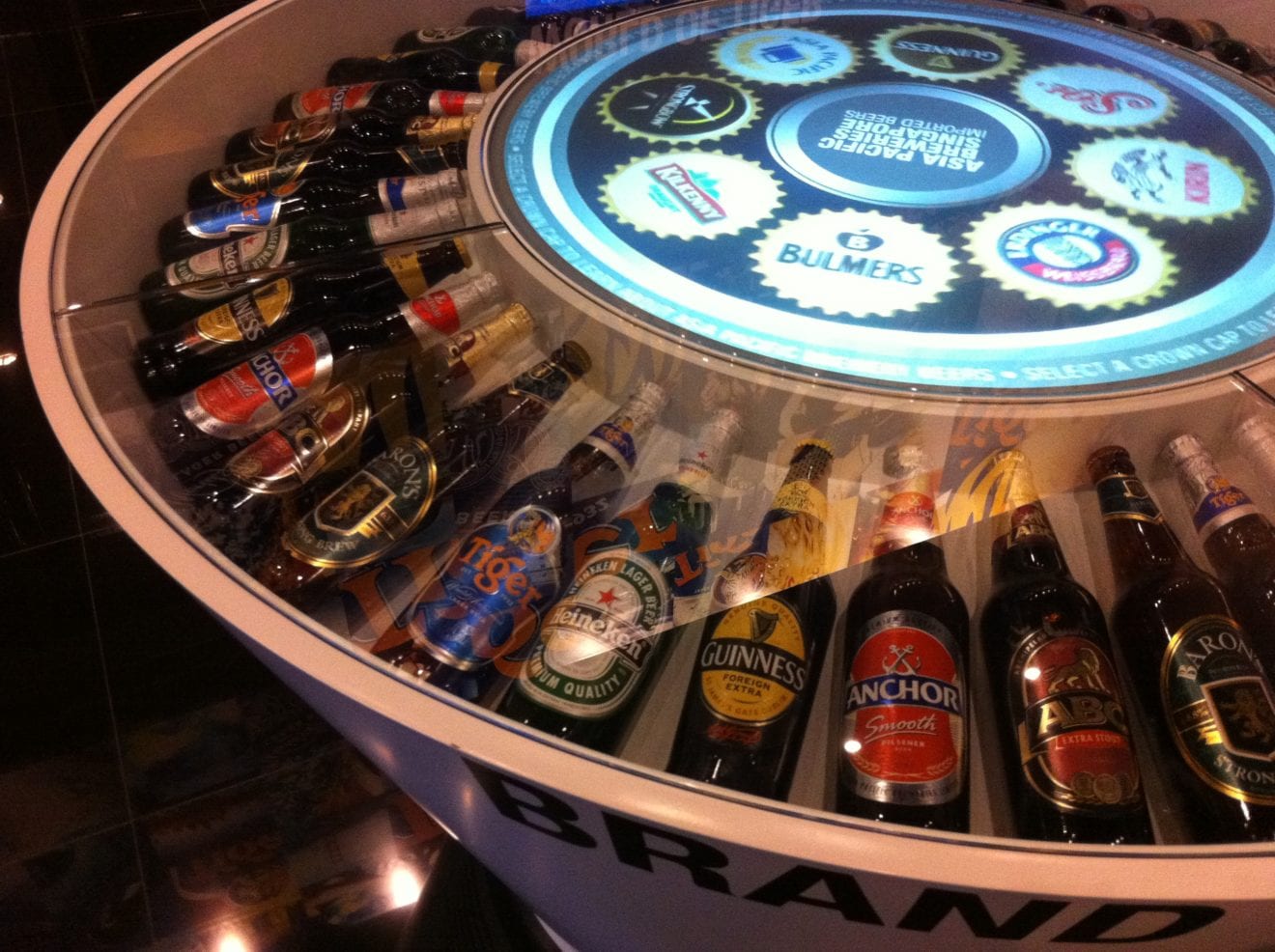
    Asia Pacific Breweries Singapore (APBS) has been found to have prevented retail outlets from selling draught beers from competing suppliers and restricted the choices of these beers available to retailers and consumers, the Competition Commission Singapore (CCS) said in a press statement.

    According to CCS, a dominant firm is prohibited from preventing or impeding its competitors from competing effectively through exclusive business practices.

    APBS has since provided CCS with with a voluntary commitment to cease its outlet-exclusivity practice.

    The change in APBS’s business practices will be applicable to all draught beer contracts entered into with retailers on and after Dec 28, including new and renewal contracts.

    APBS will also be required to provide CCS with documents to show that these changes have taken effect.

    CCS said that it will continue to monitor market practices and reserves the right to investigate any breach of the commitment or any other anti-competitive practices by APBS.

    Mr Toh Han Li, Chief Executive of CCS, said: “The removal of these exclusive business practices will allow beer suppliers to compete on merit in offering their draught beers to retail outlets.

    “This will allow retailers to stock a greater variety of draught beers, leading to a more vibrant market with more choices for consumers , as well as opportunities for existing suppliers and new entrants including microbreweries and craft beer suppliers.”

    APBS responded in a statement today, saying that it notes the CCS announcement on the closure of its investigation, with no finding of liability.

    It added that there is a a wide range of over 300 beer brands available in various forms in Singapore.

    “Draught exclusivity arrangements are not uncommon in the beer industry and competition among suppliers is intense. Retailers always have and continue to have a choice of beer supplier in Singapore,” said Mitchell Leow, head of corporate relations for APBS.

  • Story-i launches into Vietnam

    Story-i launches into Vietnam

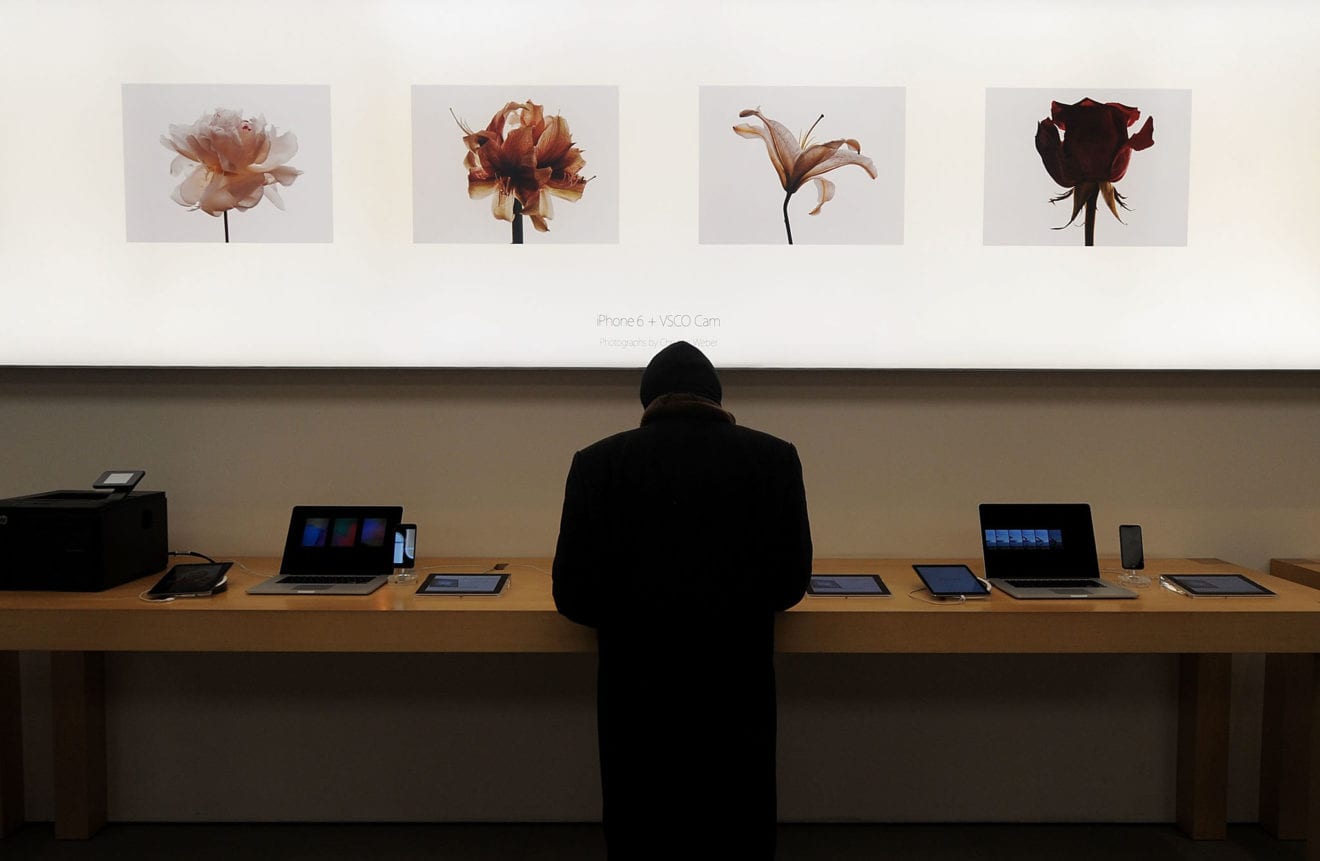
    Apple reseller Story-i has launched in Vietnam hoping to replicate its Indonesian market success.

    The Singapore-headquartered electronic authorised reseller has opened its first Apple Premium Reseller (APR) store in the new SC VivoCity Mall in Ho Chi Minh City in Vietnam.

    The opening of the first store in Vietnam marks Story-i’s 17th outlet. The company owns and operates 16 stores throughout Indonesia, selling Apple, Samsung and Lenovo products.

    Story-i chose Vietnam as its next new market because of its “similar demographic and lifestyle consumer trajectory to Indonesia”.

    Management has identified Vietnam with 92 million population as the next high growth market and aims to open eight more outlets during the next three years.

    Said executive director Michael Chan: “This new store in Vietnam marks the beginning of our growth strategy to penetrate the expanding middle class of Southeast Asia’s population of 600 million. As we have done in Indonesia, we will anchor growth from prominent store locations and drive market penetration with our eCommerce offering.”

    He said the team was focused on rolling out a unique mix of electronic lifestyle products such as Apple and Lenovo as well as its enterprise solution and education services into Vietnam.

    “Our first Vietnam store continues to exceed our expectations for visitation and sales. This bodes well for extending the network through the smaller cities up to the northern capital, Hanoi.”

  • Smoothie King Vietnam expansion plan

    Smoothie King Vietnam expansion plan

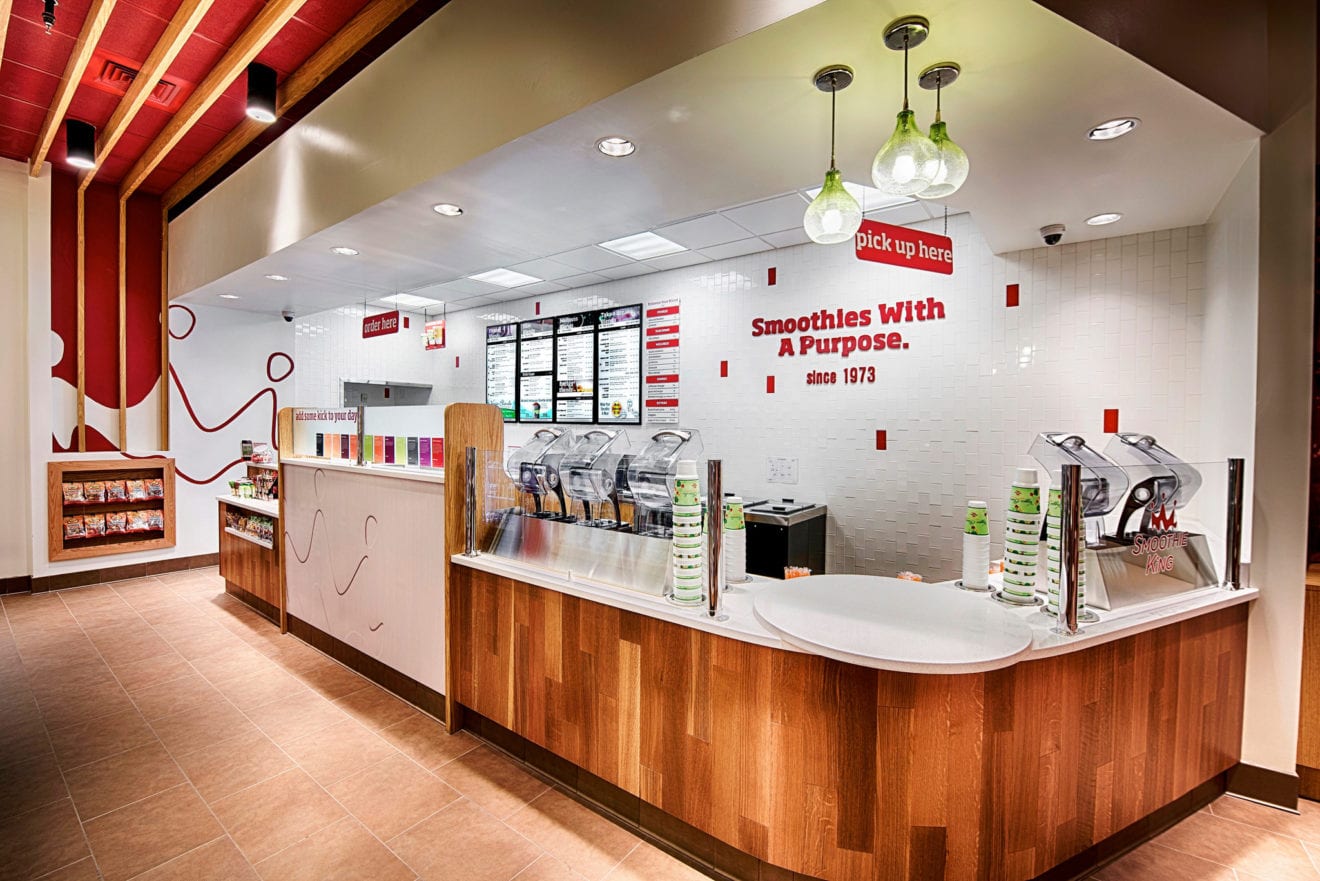
    South Korea’s Shinsegae Group is to buy the Korean network of 105 Smoothie King stores and launch the brand into Vietnam.

    Smoothie King Vietnam will initially be focused on the Ho Chi Minh City and Hanoi markets.

    Based in the southern US city of New Orleans, Smoothie King produces and markets smoothies, juices, sports drinks, energy bars, vitamins and health supplements. It currently boasts more than 700 locations worldwide and is targeting 1000 by the end of 2017.

    The Vietnam news follows an announced expansion into the Middle East earlier this year, commencing in Dubai.

    “This deal is monumental for Smoothie King – and one that we thought long and hard about. I was the master franchisee in Korea and bought the brand in 2012, making growth a primary goal for the company,” said Smoothie King CEO Wan Kim.

    Smoothie King 1

  • Morton’s sky bar officially opens at the IFC Mall

    Morton’s sky bar officially opens at the IFC Mall

    Sip on a mortini and dance the night away to the Sound of Shanghai DJs, bottle service and cocktail promotions from 6:00 – 11:00 p.m. on Thursdays, Fridays and Saturdays at the outdoor rooftop Morton’s Sky Bar in Lujiazui.

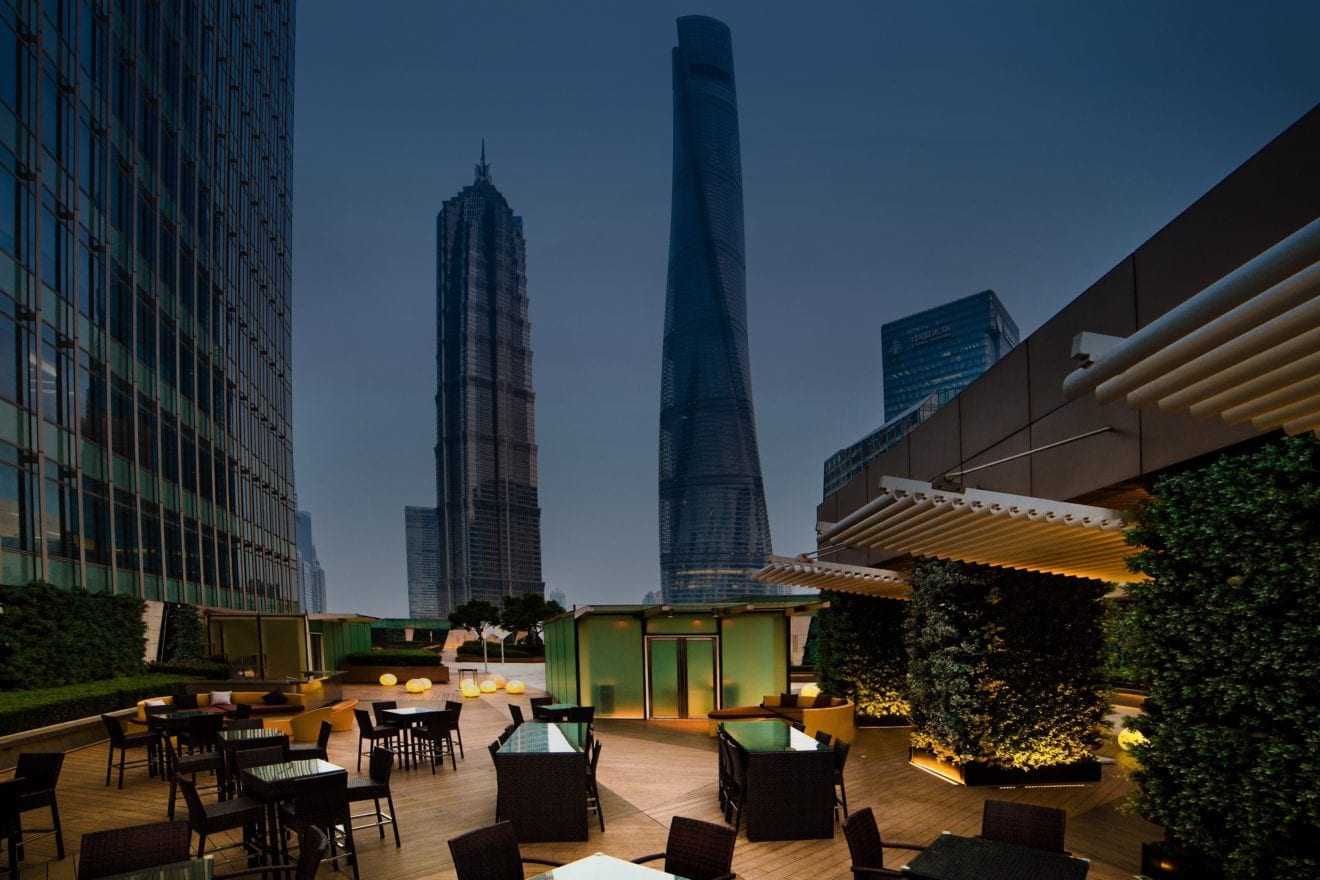
    Located on the 5th floor atop the Shanghai ifc mall, the rooftop terrace of the prestigious Shanghai ifc mall, Morton’s Sky Bar – the only bar atop the ifc mall rooftop, is the newest addition to the biggest Morton’s in the world.

    After stepping inside the Morton’s The Steakhouse, guests are transported to a rich and inviting environment which captures the quintessential American steakhouse experience. With the addition of the Sky Bar, a visit to Morton’s creates a unique opportunity to experience luxury nightlife in Shanghai like never before. With a spectacular view of both the iconic Oriental Pearl and Shanghai Tower – one of the latest additions to the Lujiazui skyline – after-work drinks just got a lot more interesting.

    Morton’s Sky Bar will offer a special drink menu only available on the 5th floor rooftop. For just 68 + 10% rmb per glass, guests can choose from Morton’s premium selection of 10 cocktails. Morton’s featured cocktails highlight a selection of classics cocktails; the sophisticated Cosmopolitan and straight Gin and Tonic are sure to be crowd pleasers.

    In addition, guests can also enjoy premium bottles service on Morton’s Sky Bar rooftop terrace. Purchase a bottle of Grey Goose Vodka, Bombay Sapphire Gin, Glenfiddich 12 Year Scotch Whisky or Moet & Chandon Champagne (prices vary) and Morton’s will sweeten the deal with complimentary mixers and two of Morton’s signature Bar Bites menu items. As an added bonus with bottle service, a bartender will pour and mix the cocktails tableside. For wine enthusiasts, Morton’s Shanghai glass-encased cellar also stocks more than 250 labels available from the world’s finest wineries.

    Legendary Sound of Shanghai DJs Azz and Kadwell will hold it down on the outdoor bar every upcoming Thursday, Friday and Saturday with some mixed-style house music played between 6:30 and 9:30 p.m.

    “After five years of operating in Shanghai, we’re very excited to open the outdoor rooftop terrace with the introduction of Morton’s Sky Bar,” says Frederic Fusseau, General Manager of Morton’s Shanghai Steakhouse. “We expect the popularity of our MORTini nights to spill into the rooftop where partygoers can start the night with drinks and music in our laidback rooftop bar.”

    With a name that has been synonymous with premium dining and cocktails for decades, an evening at the Morton’s Sky Bar atop ifc mall – accompanied by DJ’s and a spectacular view of the city – is sure to be a shanghai hotspot. 

  • Asian retailers called into haze campaign

    Asian retailers called into haze campaign

    As the toxic haze caused by Indonesian forest fires continues to enshroud Singapore and parts of Indonesia and Malaysia, the campaign to boycott brands linked to the fires is widening across Southeast Asia.

    Last week, the Singapore Environment Council (SEC) and Consumers Association of Singapore (Case)reached out to more than 3000 companies to get their commitment and declaration that they procure their wood, paper and/or pulp materials from sustainable sources. These include book stores, supermarkets, other retailers and manufacturers of paper and tissue products.

    Today, Consumers International (CI) has stepped in to ramp up the campaign, encouraging retailers and consumers in Indonesia, Malaysia, Singapore and Thailand to boycott brands and suppliers who have not committed to sourcing from companies who reject supplies from irresponsible forest burning.

    Singapore’s largest supermarket operator, NTUC FairPrice has already recalled stock supplied by Asia Pulp & Paper products due to the paper giant’s role in contributing to the toxic haze.

    Today, CI called on all consumers to stop buying products produced by companies involved in the purchase or sourcing of wood, paper and/or pulp products that cause the haze.

    “The global body is concerned that unlike Singapore, companies in Indonesia, Malaysia and Thailand are not declaring their source of procurement of sustainable wood, paper and/or pulp.

    “Every year people in Indonesia, Singapore and Malaysia are suffering under a thick haze of smog which is caused by the burning of forests for production of pulp, paper and palm oil primarily on the island of Sumatra, in western Indonesia and Borneo. The haze is leaving millions of people at risk of respiratory and other disorders. In addition countries in the region are also suffering economic losses and environmental damage including acid rain formation and other effects.”

    CI says that with a lack of information about which companies’ activities are contributing to the haze, consumers should buy products that carry internationally recognised green labels such as Forest Stewardship Certification (FSC) or other independently verified labels that support sustainable production that does not cause harm to the wellbeing of consumers.

    “CI believes that consumers should send a strong signal to the errant companies through their purchasing power and refuse to support companies which are contributing to this environmental disaster by their irresponsible practices.”

    CI has also requested all governments in the region to take a tough stance against companies responsible for haze.

    CI  is the world federation of consumer groups that, working together with its members, serves as the only independent and authoritative global voice for consumers. It has more than 240 member organisations in 120 countries.

  • “A-very-wear” the first exclusive multi-label fashion pop-up store of Asian designers launched at Siam Center

    “A-very-wear” the first exclusive multi-label fashion pop-up store of Asian designers launched at Siam Center

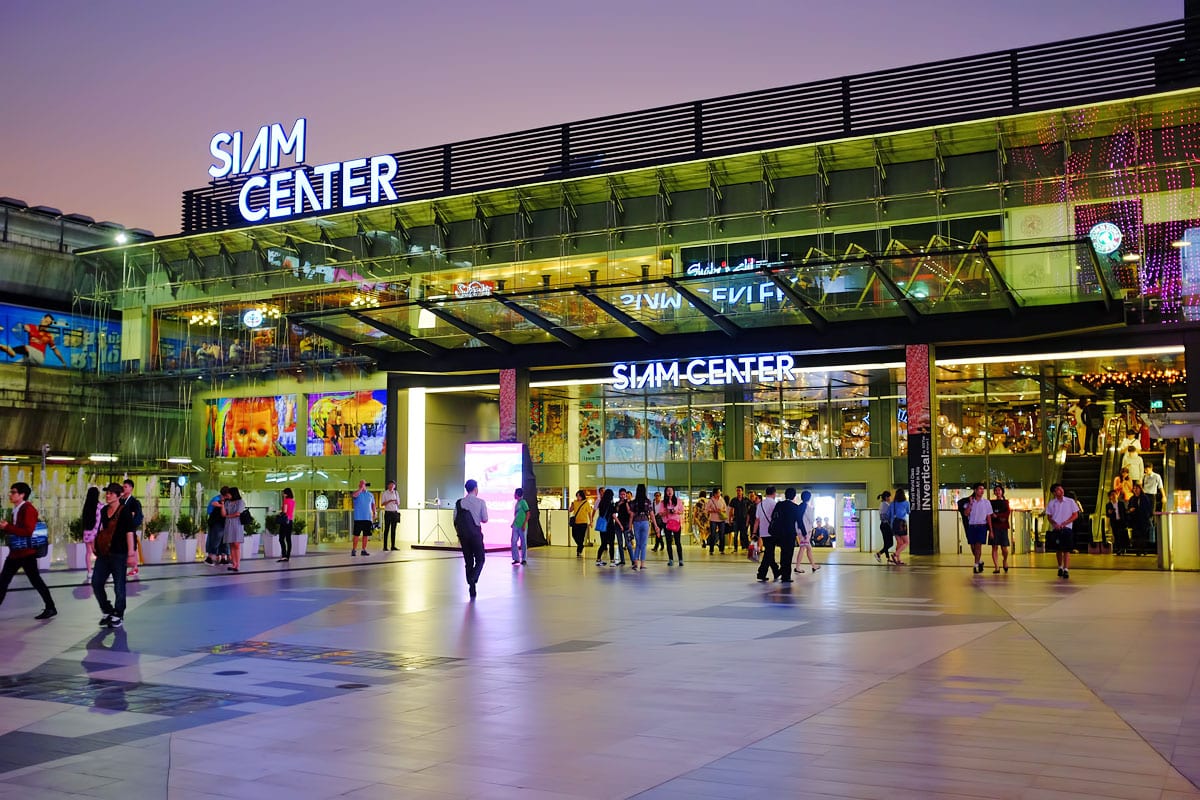
    Siam Center, as the center of endless imagination and creativity in arts, fashion, technology and lifestyle, always captures the latest fashion trends and Influences to bring Thai fashion industry to the next level. The Ideapolis is now debuting “A-very-wear”, the first exclusive multi-label fashion pop-up store of Asian designers launched in Thailand under the motto of “A piece that is very YOU to wear” on the 1st floor of Siam Center.

    Ms.Parisa Chatnilbandhu, Group Senior Vice President – Retail Business Development of Siam Piwat Co., Ltd., said that the fashion industry has grown rapidly in U.S.A., Europe or even Asia. Currently, fashion plays a major role in youngsters’ lifestyle, especially in Asia. As we can see, the Fashion Week in each season in Korea, Japan and Singapore attracted the hipster from around the world, including Thai celebrities who flew to these countries just to buy the fashion items back. Siam Center, in response to this up-and-coming movement and the needs of fashion-forward people, debuts “A-very-wear”, the first exclusive multi-label fashion pop-up store of Asian designers, to bring the ultimate Asian fashion experience to Thailand. Siam Center carefully selects a wide variety of well-designed products and introduces Absolute Siam items, which are exclusively available at Siam Center, to help the fashionistas make the style statement of their own under the motto of “ A piece that is very YOU to wear”.

    Ms. Parisa continued that, to bring a hip spirit to Thai fashionistas, “A-very-wear” carries apparel, accessories, including eyeglasses, watches and many more, of 15 renowned Asian fashion brands from six countries, namely Korea, Japan, Singapore, Hong Kong, Indonesia and Taiwan. Each designer is very popular on social media, with many followers on facebook and Instagram. During the first six months, the hipsters can update the trend from four countries, namely Korea, Japan, Singapore and Taiwan, while the other two, Hong Kong and Indonesia, will join in the next six months.

    During the opening, “A-very-wear” introduces six well-known Korean brands. Fleamadonna, launched in 2007, has bold style and unique characteristic. It was therefore very well received from numerous fashionistas and celebrity fans including Pink, Paris Hilton, Miranda Kerr and Girl’s Generation girl band. Low Classic by Lee Myoung Shin presents the simple and classic ready-to-wear that is perfect for all occasions. Drink Beer Save Water is originated from the fun idea of the designer Jim Park, who thought “Why don’t we drink beer to save the water?” From this extreme idea, he presents the unisex collection under the same name as his brand, which has been growing both male and female fan base.  The clothes reflect their true personality, having fun dressing. That is why the wearers of DBSW always capture attention and stand out of the crowd. Rocket x Lunch is woman’s fashion brand designed by the talented Jin Won Woo. The brand is popular among hipsters for its minimalist style that can be worn on any occasions. It also showcased its creation in “Who’s Next in Paris 2015 Spring Summer” in France.

    A.Bell Korean accessory brand was established in 2010 under the claim of “Made It Korea” to guarantee that every single item is made in Korea. The brand decorates crystal on the bags, necklaces and bangles to create the glamorous and trendy look.  Minuit Moins Sept, another chic Korean accessory brand, has the French name means ‘seven minutes to midnight.’ It indicates the beginning of a new day when good things are about to happen. Adhering to this concept, Minuit Moins Sept creates the accessories that are perfect for both daytime and nighttime. Popular among male and female wearers, the simple yet elegant geometric design are made of silver 925 as the key material, with the key shade of gold, silver, dark blue, red and white.

    Besides Korean brands, the shop carries Singaporean fashion labels. Mash – up, very popular among fashion-forward people in Singapore, is the brainchild of three talented designers. This street fashion brand incorporates the endless inspiration from music, movies and the designers’ travelling experience. With its strong characteristic, the brand had a chance to produce the collaboration with UNIQLO, TOPSHOP, Lomography and Pioneer. Yesah is established by Linda Hao Chinese Singaporean-born designer, who combines her experience in modeling and educational background in fashion. After her education in 2013, she launched this brand, with distinctive characteristic, to serve the lifestyle of confident ladies who enjoy life. It is no wonder why Linda Hao has become the leading figure in Singapore in no time.

    Moreover, “A-Very-Wear” presents hand-made accessory brand from Taiwan like Momo’s march by Christina Lu, Taiwanese American-born designer. The brand puts together a range of materials, such as Russian diamond, brass, seashell, pearl and gemstones, into exquisite accessories under the concept of “Wearable thought”, which are practical for any time of day. YU Square by Ringo Yu is famous for its sewing technique, which integrates the embroidery into the design. Furthermore, the fashionistas can mix and match its colorful blouses, skirts and socks to suit each occasion.

    Normal Timepieces, minimallist-style Japanese watch brand, was brought to life by American designer Ross McBride. Having spent years in Japan, he was influenced by Japanese culture and incorporates it into his creation, which projects simplicity with a great sense of style.

    Unleash your style with chic items, along with Absolute Siam collection, from “A-very-wear” the first exclusive multi-label fashion pop-up store of Asian designers launched in Thailand on the 1st floor of Siam Center.
  • Honestbee secures $15m for Asian expansion

    Honestbee secures $15m for Asian expansion

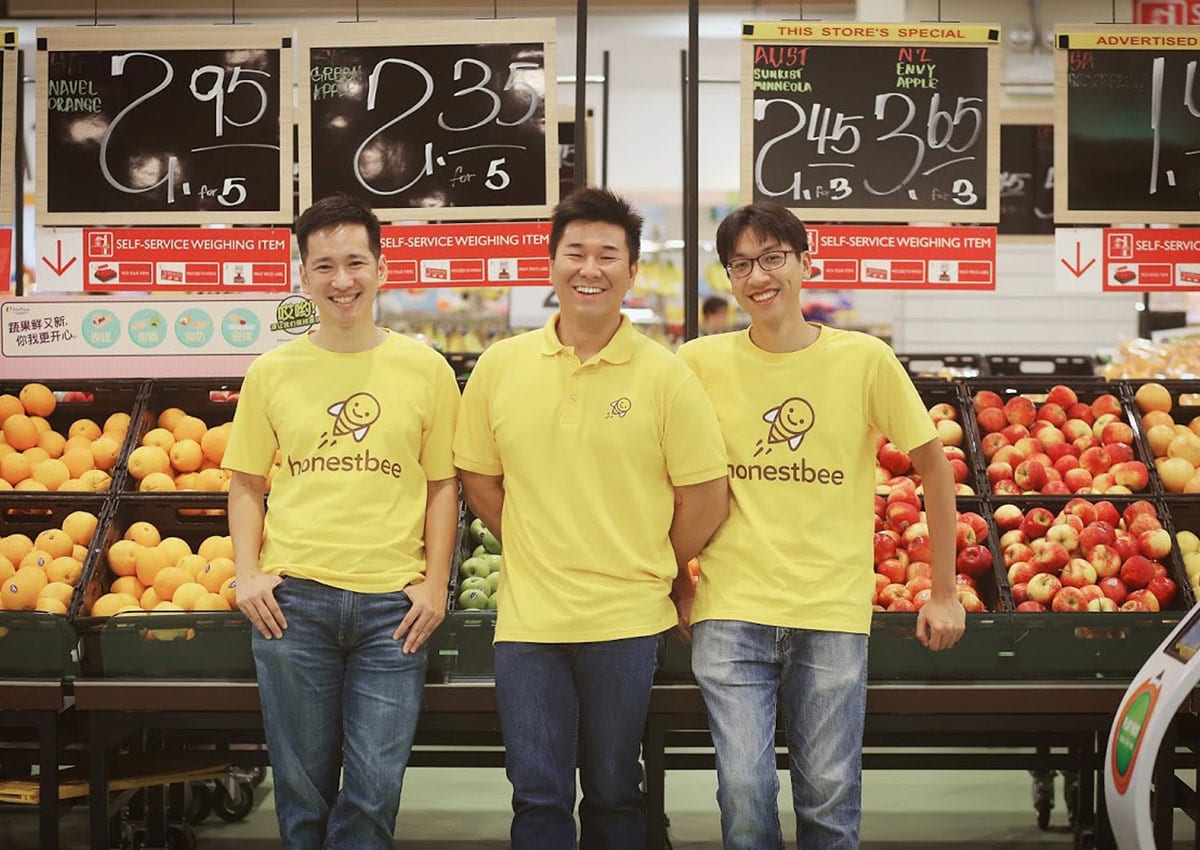
    Honestbee, Singapore’s fast-growing, on-demand grocery concierge and delivery service has raised first round funding of US$15 million.

    And behind the cash are some seriously experienced eCommerce and online business experts, including:

    • Pejman Mar Ventures, early investors in Dropbox, Lending Club and DoorDash.
    • Gideon Yu, former CFO of Facebook and YouTube; co-owner of the San Francisco 49ers.
    • Owen T Van Natta, founding team of Amazon search company A9.com and former COO of Facebook.
    • Steve Chen, Google Ventures advisor, as well as co-founder and former CTO of YouTube.

    Honestbee partners with supermarkets and specialty stores such as NTUC FairPrice, the Pet Lovers Center, and gourmet boutiques and specialty stores, Gastronomia Da Paolo, Mmmm!, The Butcher’s Dog, Crystal Wines, GNC and Four Seasons Organic, in Singapore. This enables these traditional grocery companies to significantly increase their revenue through Honestbee’s on-demand eCommerce platform where they fulfil customers’ orders in as little time as within the next hour.

    “We are very excited and blessed to have been able to attract support from some of the most successful entrepreneurs and investors with unparalleled track records in the world,” said Honestbee co-founder, Isaac Tay.

    “Honestbee will benefit tremendously, as we now have immediate access to the top minds who have built the most valuable technology companies in the world today, such as Amazon, YouTube, Google, Square, Dropbox, DoorDash and Palantir.

    “We started with a mission to create a highly elastic and trained workforce that would bring invaluable convenience to our customers through our concierge and delivery services. Most people in Asia are time-starved due to the demands of their job and a large proportion of the population do not possess their own vehicles. With our on-demand delivery service, time-crunched customers can enjoy the widest choices from their favourite stores, even at the last minute, when they shop through Honestbee,” he said.

    Formation 8, which led the funding round, believes the ‘hyper-local on-demand market’ plays a significant role in the way commerce will evolve.

    “Given the increasing population density across all the key cities in Asia due to job and wealth creation, this is right time and opportunity,” said Formation 8 founder, Brian Koo.

    “Consumers now demand higher levels of access to convenience. With Honestbee’s superior partnership network and its strong focus on building a world class technology company, they will be well-positioned to quickly own this market.”

    Honestbee has expanded its team to almost 100 people in just eight months, and continues to scout the best talent from around the world. With aggressive plans to expand across Asia, Honestbee expects to be in at least six other Tier 1 cities by June 2016.

    Last week, Honestbee launched in Hong Kong, offering a one-stop shop for a range of products to meet the needs of busy customers.

    According to a Goldman Sachs report, the online grocery shopping market in Asia is currently estimated at US$18 billion with online carts typically being 1.8 times larger than store-based retail at checkout.

    The willingness to use digital retailing options in the future is highest in the developing markets, with Asia Pacific at 60 per cent in a recent Nielsen report, signaling the great potential for growth in online grocery delivery services in the region.

    “In light of the potential, however, this space is under-penetrated, with intended providers facing challengers in both services and delivery,” said Tay.

    Honestbee’s solution to these challenges – a model that has proven successful in this sharing economy – is to use someone else’s spare time to shop and deliver groceries, thus freeing up customers to spend their time doing more of what they enjoy.

    “With a crowdsourced workforce, orders are fulfilled by concierge shoppers who shop at top supermarkets and boutiques stores, and a delivery team which brings the orders to customers’ homes, all within-the-next-hour golden time slots of choice. This eliminates the cost of infrastructure building, such as the need for warehousing, additional manpower and equipment. In return, honestbee brings increased efficiency and convenience to customers, as well as improved margins for partners.”

  • Pancake House heads for Dubai

    Pancake House heads for Dubai

    Philippines-based Max’s Group has signed a contract to launch Pancake House in Dubai.

    The QSR and cafe operator will open at least eight Pancake House restaurants in the UAE in partnership with master franchisee Lulu Group.

    Max’s Group is the Philippines’ largest operator of fast food and QSR restaurants, and this week’s deal is one of several to expand into the fast growing Middle East market. Max’s other brands include Max’s Restaurant, Yellow Cab, Krispy Kreme, Jamba Juice, Max’s Corner Bakery, Teriyaki Boy, Dencio’s, Meranti, Le Coeur De France, Maple, Kabisera, Singkit and Sizzlin’ Steak.

    The first eight Pancake House stores will open progressively over the next five years.

    “We are pleased with the opportunity to further broaden our reach in the UAE this time around for Pancake House. We are excited with our partnership with Lulu Group, an established retailer with a storied and rich history of success, to serve our products to the Emiratis,” said Max’s Group president and CEO Robert Trota.

    Lulu Group will operate the Pancake House restaurants under its Tablez Food subsidiary, which already has a strong portfolio of restaurants, cafes and ice cream stores in the UAE and India.

    “At Tablez we have always believed in bringing in unique brands from around the world in the evolving and highly competitive food and beverage sector in the gulf region,” said CEO Shafeena Yusuff Ali.

    “I am excited that UAE and the gulf region is home to a large Filipino community and a brand like Pancake House will be a big hit and also gives us a chance to present this brand to other diverse nationalities residing here.”

    Max’s Group has previously said it wants to open at least 200 stores outside the Philippines by 2020.

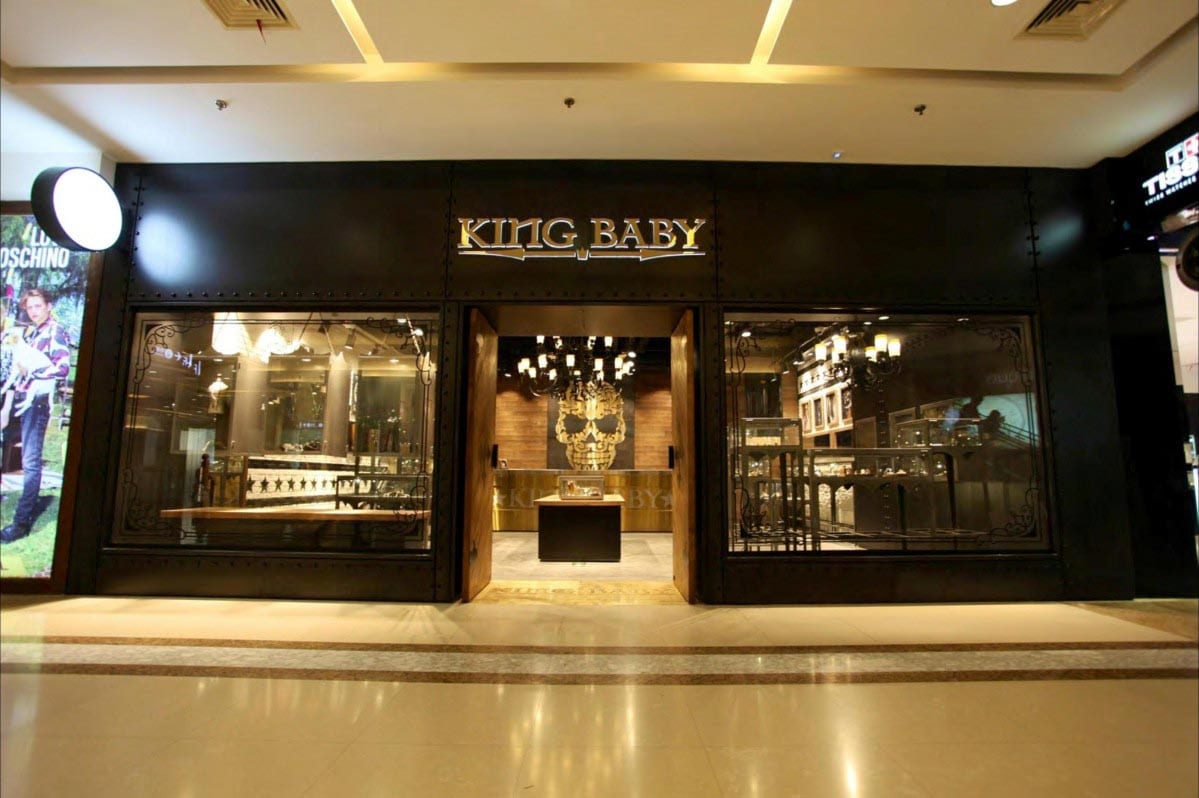
  • King Baby Studio Announces Five New Stores in China

    King Baby Studio Announces Five New Stores in China

    King Baby strengthens its presence in China by opening five brand new stores – for a total of seven – in China. King Baby is one of a handful of brands exporting “hand-made in the USA” products to China.

    About the new King Baby Locations:

    The Grand Gateway 66 (Shanghai) is in the heart of the Shanghai Xujiahui business and shopping district and contains 1.1 million square feet of retail and entertainment space. The mall adds a Western-style experience to the dynamic Xujiahui commercial district and is located above the subway making it a convenient location for customer traffic.

    The Wanda Plaza (Wuhan) is one of the most unique landmarks in the region, the Han street Wanda Plaza is located in the central part of Wuhan’s central culture area, known as the “Pearl of the crown”. Han Street houses shopping malls, restaurants, and cultural and recreational sites. Hanjie Wanda Square is a luxury-shopping plaza which houses international brand stores, world-class boutiques, catering outlets and cinemas. The shopping mall belongs to Wanda Group, which is the biggest shopping mall group in China.

    The Mixc (Hangzhou) is a luxury mall which has been built in a new Hangzhou Central Business District area along the Qianjiang river, which is surrounded by high-end apartment building, office building, service apartment and Hyatt Regency hotel.

    Joy City (Tianjin) opened for business in 2011. Measuring 530,000 m2, this Joy City in Tianjin is located at the convergence of three traditional commercial circles in Tianjin and is a one-stop urban shopping complex covering experiential shopping malls, international A-1 office buildings, hotel-style service apartments and high-grade residences. You can experience high-end services provided by the super five-star IMAX cinema, the all-star theatre skating rink, the role playing center for children (Babyboss) or the exquisite supermarket Ole.

    Hisense Plaza (Changsha) is the joint project of Hisense Plaza and China’s most well-known property developer Huayuan Property. It’s the podium building of “Huayuan-Hua center”’s city complex The project locates in central Changsha and occupies one-kilometer core river view. Hisense Plaza is devoted to becoming the top shopping center in Central China — the total planned area is over 130,000 square meters (the whole building is nearly 200,000 square meters).

    “King Baby is thrilled and excited to have the opportunity to share American handmade jewelry and accessories along with our passion and lifestyle to China. We believe that quality, tradition, and ‘Made in the U.S.A.,’ are worth their weight in gold,” says founder Mitchell Binder.

    King Baby’s collections capture the spirit of Americana with rock n’ roll sex appeal and includes sterling silver pendants, beaded bracelets, earrings, and accessories detailed with fossilized mammoth ivory, locally mined jet and turquoise.

    “Management is confident with the development of King Baby business in China and very happy to see the progress on this market. More stores will open in a near future,” says Mr. Ching, The Retail Group LTD.

    Los Angeles-based King Baby designs, markets and sells premium artisan jewelry. The collection consists of men’s and women’s sterling silver and gold pendants, bracelets, earrings, and accessories. The company has retail stores in Santa Monica, CA, Los Angeles, CA, Nashville, TN, and Las Vegas, NV. In the United States, the company also distributes merchandise to better department stores and boutiques, including, Saks Fifth Avenue, Harvey Nichols, and Kitson. The brand also sells directly and through distributors to better department stores and boutiques worldwide.

  • Hello Kitty, Farewell Rolex as Hong Kong Shoppers Go Downmarket

    Hello Kitty, Farewell Rolex as Hong Kong Shoppers Go Downmarket

    U.S. luxury handbag maker Coach Inc. opened its four-story flagship store in the heart of Hong Kong’s Central district to much fanfare in June 2008, with a celebrity-studded, champagne-fueled party. In August, the company quietly terminated its HK$5.6 million ($723,000) per month lease and Adidas is moving in — paying 23 percent less in rent, according to Colliers International Group Inc.

    This is not an isolated case. Russell Street in Causeway Bay, which boasted the most expensive shop rents in the world until New York’s Fifth Avenue overtook it a year ago, is undergoing a major transformation. A location formerly rented by Emperor Watch & Jewelry Ltd. that sold diamond-studded Cartier watches is now home to discount cosmetics retailer company Bonjour Holdings Ltd. that sells HK$58 packets of Hello Kitty false eyelashes and HK$18 jars of Tiger Balm ointments. Next door, rival Colourmix Cosmetics Co. has moved into a space vacated by Swiss watchmaker Jaeger-LeCoultre.

    As Kering SA’s Gucci, LVMH’s Louis Vuitton, and jewelry chain Chow Tai Fook Jewelry Group Ltd. bargain for lower rents or close stores amid a decline in mainland tourists who had underpinned their sales, mid-tier retailers are filling the gaps. Brands that appeal to the broader market are taking advantage of declining leases to move into some of Hong Kong’s most coveted retail locations.

    “The fallout in the watch and jewelry as well as luxury sector is paving the way for fast fashion brands to expand,” Tom Gaffney, head of retail at Jones Lang LaSalle Inc. in Hong Kong, said in a phone interview.

    Rents Decline

    Retail rents started falling after the city’s appeal as a shopping paradise for mainland tourists was hurt by anti-China protests last year, a slowing mainland economy and Beijing’s austerity and anti-graft campaigns, which have made the Chinese wary of splurging on luxury goods. Hardest hit have been sales of watches and jewelry, where sales have fallen year on year for the past 11 months.

    “Shopping habits are changing; a couple of years ago it was not uncommon to see mainlanders go into watch stores and ask for 10 Rolexes,” said Marcos Chan, head of research for Hong Kong, Taiwan and Macau at CBRE Group Inc. “Now we hardly see people even buying one.”

    While luxury brands are abandoning street-front locations, they are maintaining their presence in high-end malls where monthly rents are lower in part because landlords also receive a portion of sales receipts as part of a tenant’s payment.

    Another source of the slowdown is that Chinese shoppers, who represent 10 percent of global tourism and more than 25 percent of luxury spending, are forsaking Hong Kong in favor of Europe, South Korea and Japan, attracted by weaker currencies and relaxed visa procedures, according to Bloomberg Intelligence. A rising backlash against mainland tourists has also hurt Hong Kong’s appeal, said CBRE’s Chan.

    Jones Lang expects street rents in Central to drop a further 10 percent in 2016 after falling about 20 percent to 30 percent this year, while leases on more than 200,000 square feet of space on Queen’s Road in Central, one of the city’s premier shopping destinations, will become available between now and 2018.

    Just steps from one of Hong Kong’s busiest subway stations in Central, Athens-based affordable fashion brand Folli Follie opened a store in mid-October after luxury watch retailer Carlson moved out.

    Hennes & Mauritz AB is also taking advantage of falling rents to expand. On Oct. 30, it will open a four-story flagship, its largest store in Asia, in Causeway Bay.

    “One part of our expansion strategy is about getting a good and competitive deal,” said Magnus Olsson, the Swedish retailer’s country manager for Greater China, declining to provide rental details. “If we were not happy, we wouldn’t have opened.”

    Helen Mak, senior director of retail services at Colliers, said that while Hong Kong’s superior level of service will continue to attract tourists, they are looking for a different shopping experience on the city’s high streets.

    “In the past, four out of five shops were selling Rolexes,” she said. “In the future, a tourist will expect to see more varieties of retail shops in Hong Kong.”

  • Estee Lauder wants more South Korean web sales

    Estee Lauder wants more South Korean web sales

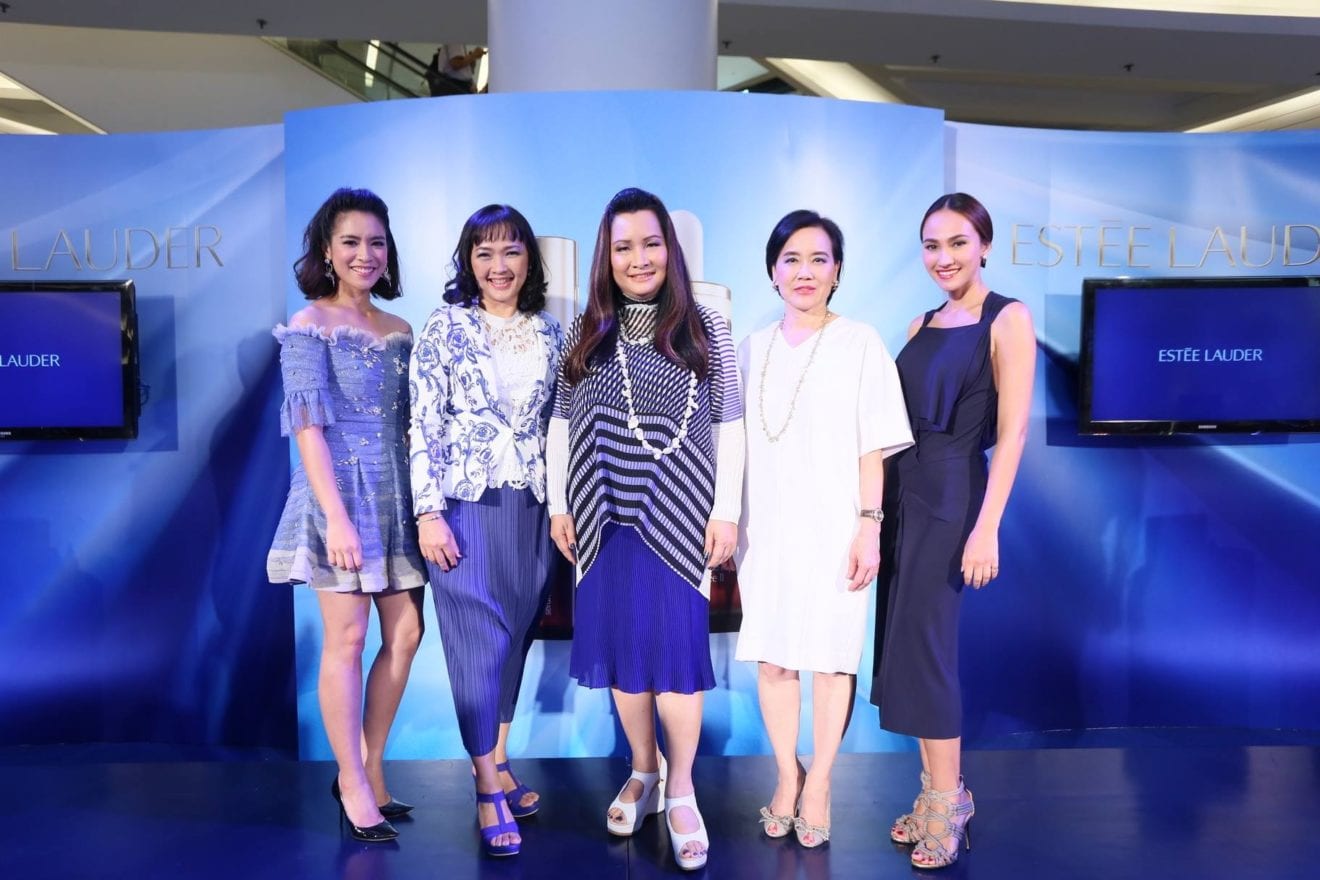
    Estee Lauder has acquired a stake in Korean skincare products maker Have & Be Co. to grow in South Korea’s nearly $600 million online beauty products market. Skincare and fragrance maker Estee Lauder Cos. is making a concerted move to acquire market share in South Korea’s beauty products e-commerce market.

    Estee Lauder, No. 73 in the Internet Retailer 2015 Top 500 Guide, purchased an undisclosed stake in Have & Be Co., a Seoul-based cosmetics and beauty products maker that develops the Dr. Jart+ and Do the Right Thing brands of moisturizers and skin renewal products.

    Have & Be was started online in 2005 by Chinwook Lee, a South Korean dermatologist. Today the company sells online and in stores in 15 countries, including the U.S. In its core market of South Korea, Have & Be has  e-commerce sites for Dr. Jart+ and Do the Right Thing. In the U.S. Have & Be sells through other retail e-commerce sites including Sephora.com.

    Estee Lauder isn’t saying much about how it intends to grow Have & Be Co and Dr. Jart+ online, but Dr. Jart+ will remain a stand-alone e-commerce site. “Dr. Jart+ will remain an independent company and it will not be integrated into any ELC operations, including e-commerce,” says an Estee spokeswoman.

    But growing online in general and in Asia e-commerce markets such as China and South Korea specifically is a top priority for Estee Lauder. For the 2015 fiscal year ended June 30, Estee Lauder disclosed that e-commerce accounted for 8% of all sales of about $10.78 billion and that e-commerce sales increased year over year by 28%. Based on those metrics, Internet Retailer estimates  web sales for Estee Lauder totaled $862.4 million compared with $673.8 million in fiscal 2014.

    In China the overall e-commerce market for skincare product sales is projected to grow 41.7% to an $8.36 billion in 2015 from $5.90 billion in 2014, according to research firm Frost and Sullivan. In comparison, in the more mature and concentrated South Korea e-commerce market, web sales for skin care products will grow more slowly, according to research firm Euromonitor International. This year e-commerce sales for skincare and related products in South Korea will reach $594.8 million, up 8% from $550.0 million in 2014, says Euromonitor.

    In China in fiscal 2015, web sales for Estee Lauder doubled, the company reports. In South Korea Estee Lauder will use its investment in Have & Be to build market share with an established brand, CEO Fabrizio Freda says. “This investment gives our company a strategic opportunity to develop a partnership with one of Korea’s most promising high-growth skin care brands,” he says.