Blog

  • Xiu.com Signs Online Retail MOU With UK Trade & Investment

    Xiu.com Signs Online Retail MOU With UK Trade & Investment

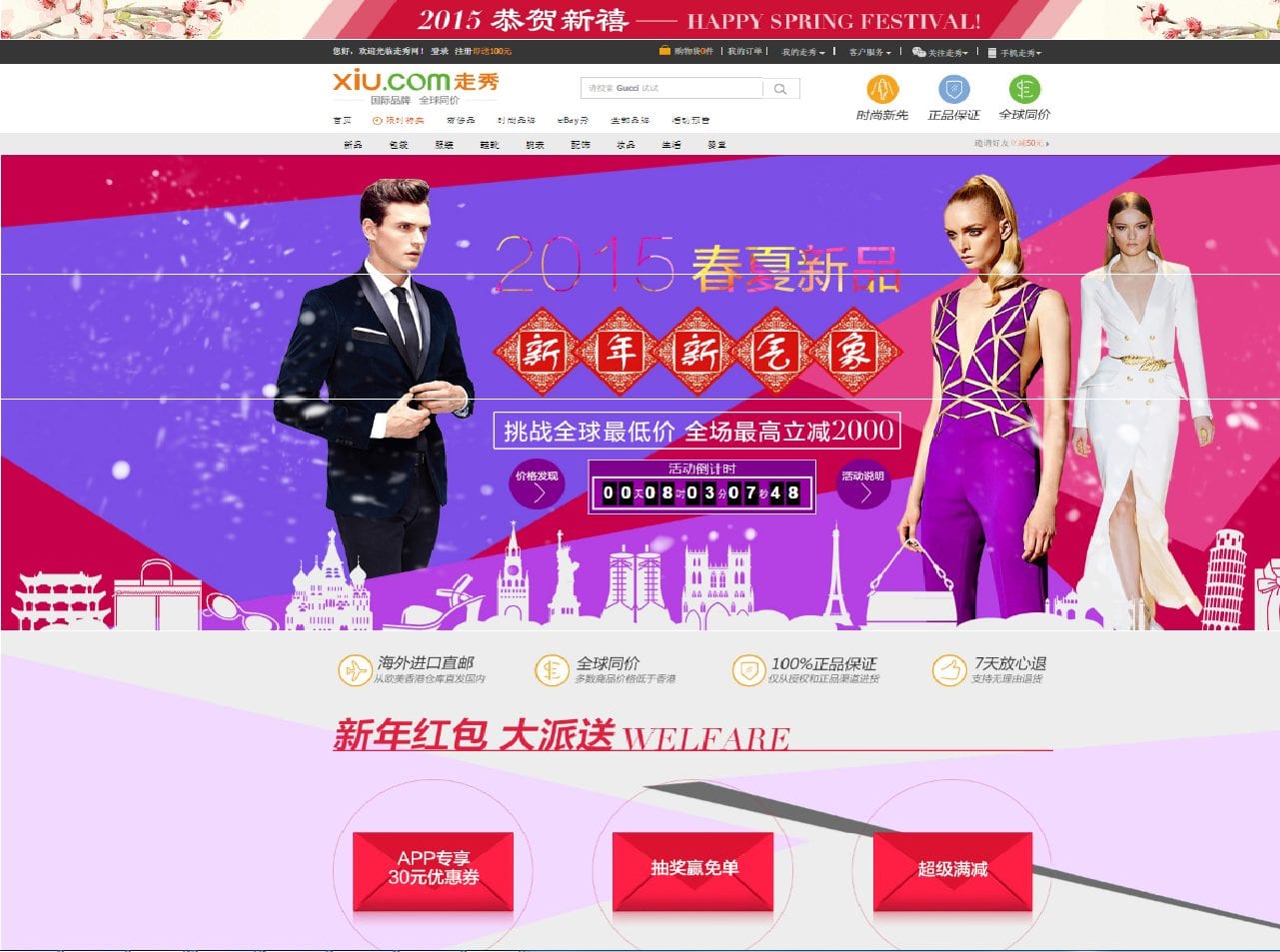
    As a leading Chinese e-commerce company’s representatives and invited by UK Trade & Investment and British Embassy Beijing, Xiu.com’s CEO Ji Wenhong and Director of Overseas Division Summer Lu attended business meeting of the state visit on Oct. 21 and gave a speech at the Sino-UK Retail Summit on Oct. 22.

    Xiu.com has signed a MOU with UK Trade & Investment and provides an e-commerce platform for brands of U.K reaching Chinese consumers.

    Under the agreement, Xiu.com and UKTI work together to help U.K. companies seize the rising opportunity of online shopping in China and globally. Xiu.com also promises to provide U.K. brands a precise online selling solution, which based on numerous operational data collected in the past seven years.

    Several U.K. brands have begun to sell on Xiu.com. Henri Lloyd, an apparel brand specializing in sailing and a sponsor of Formula 1 sailing tour, is among them and it sells products on Xiu.com at the same price in Europe.

    Another example is historic Scottish cashmere brand Johnstons of Elgin, which produces cashmere products for Hermes and Burberry. In China, high end cashmere products cost as much as 10,000 RMB in Chinese stores, on Xiu.com consumers only need to pay about 1,000 RMB for the products of same quality.

    Also, Xiu.com and U.K. government have jointly introduced Cheany, a U.K. shoe brand never sold into China before, to Chinese online shoppers.

    Xiu.com, a partner of UKTI in e-commerce, opened its U.K. office in London in 2014 to connect more U.K. brands.

    Xiu.com also joins “Shopping is Great”, which is part of GREAT Britain Campaign, an initiative that promotes creative ideas from Britain in business innovations. Xiu.com will mark all U.K. products on xiu.com with its LOGO.

    This March, Prince William’s visit to China is one of many activities of GREAT Britain Campaign and Xiu.com delivered a speech at an event organized by U.K. government during Prince William’s visit as well.

    Singles’ Day, the world largest online shopping festival is approaching and Xiu.com is working hard to get the most of it. Maureen Mou, Xiu.com’s Senior Vice president says, more than 600 overseas brands plan to join the promotion on Xiu.com at this year Singles’ Day and promises to sell their products at 20% to 40% discount.
  • FedEx sees record holiday shipments on rising retail

    FedEx sees record holiday shipments on rising retail

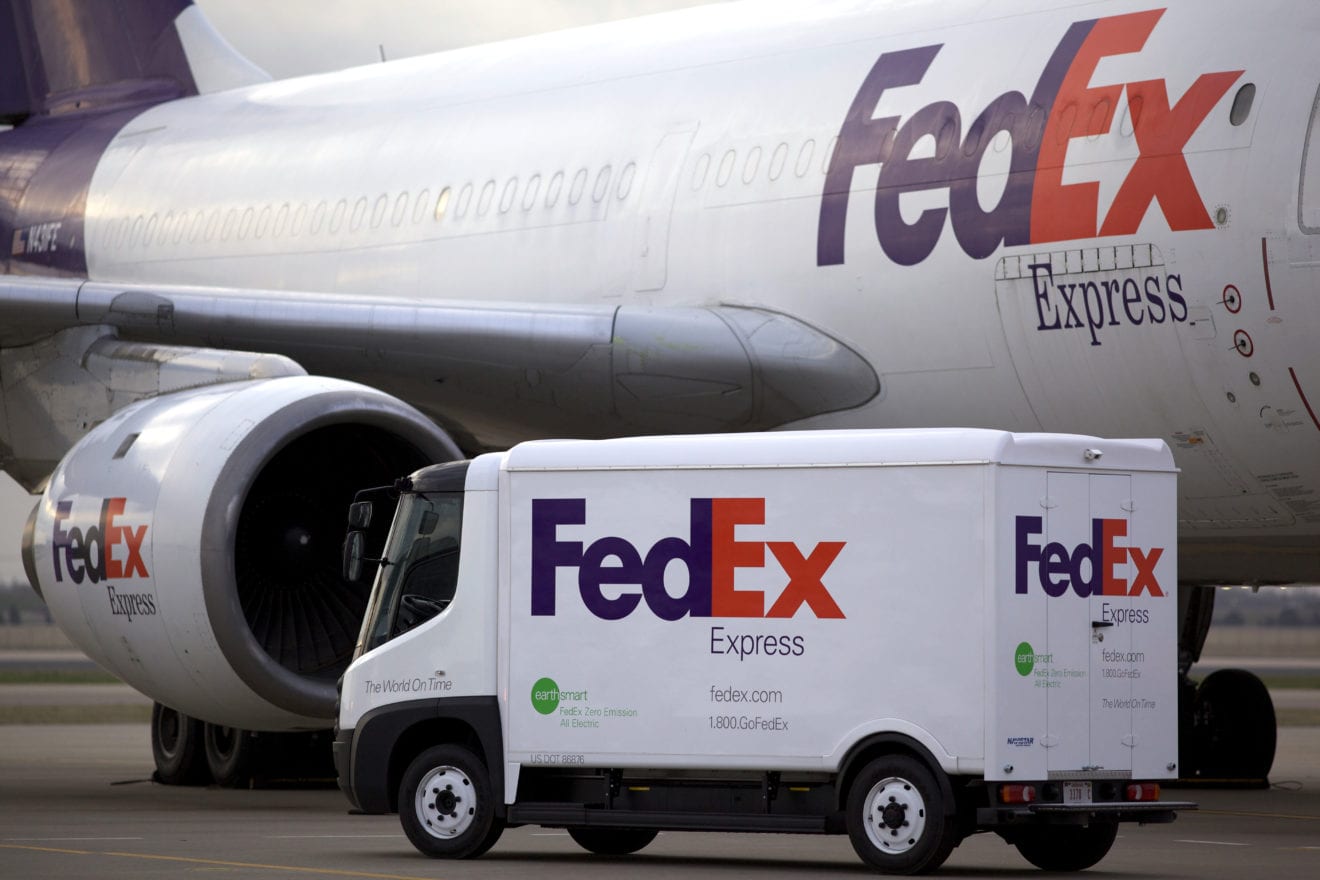
    Package delivery company FedEx Corp said on Monday that it expects to see a record number of shipments during this year’s busy holiday season, driven by rising retail sales and a jump in ecommerce.

    The Memphis-based company said it expects to handle 317 million shipments between Black Friday, traditionally the busiest U.S. shopping day of the year, and Christmas Eve, an increase of 12.4 percent over the previous year.

    “Each year we face a challenge that’s greater and that’s driven by ecommerce,” Patrick Fitzgerald, FedEx senior vice president for integrated marketing and communications told Reuters. “We’ve learned that planning and preparation is key.”

    The National Retail Federation has predicted retail sales in November and December – excluding automobiles, fuel and restaurant sales – will increase 3.7 percent to US$630.5 billion after a 4.1 percent increase last year. The NRF said online retail sales could increase up to 8 percent, to as much as US$105 billion.

    FedEx said that it expects to see three spikes in package volumes during peak season, on Cyber Monday and the first two Mondays in December. The company said its holiday projections are included in its full-year fiscal 2016 earnings guidance of between US$10.40 and US$10.90 per share.

    The rapid rise of ecommerce poses challenges for retailers and package delivery companies alike. In 2013 bad weather and a late surge in online retail packages caught FedEx and main rival United Parcel Service Inc off guard, leaving an estimated 2 million packages undelivered on Christmas Eve, the majority in UPS’ network.

    Last year both companies touted investments in their networks and close collaboration with major retailers to manage package flows during the holidays. UPS ended up over-spending to prepare for package volume spikes that did not materialize, hurting its fourth-quarter earnings. FedEx did not report any problems.

    This year FedEx has invested US$1.6 billion in capacity and automation projects at FedEx Ground to help with peak season.

    FedEx’s Fitzgerald said that if retailers come in way above forecast with a sudden surge in packages, the company may “need to cap volumes” in order to protect its network.

  • Apple’s location for its official Singapore store confirmed?

    Apple’s location for its official Singapore store confirmed?

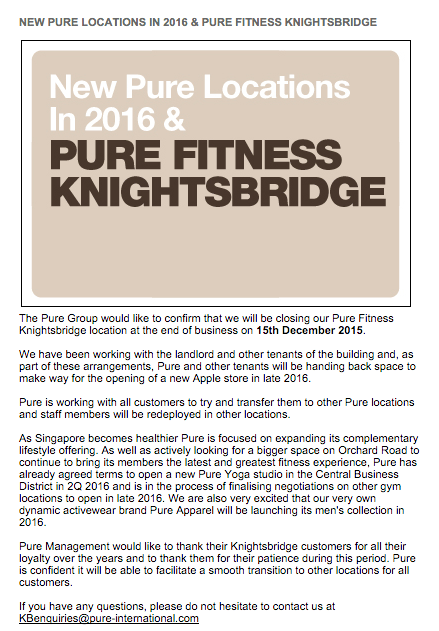
    Apple’s location for its first official store in Singapore might be confirmed in a press release… that was not released by Apple.

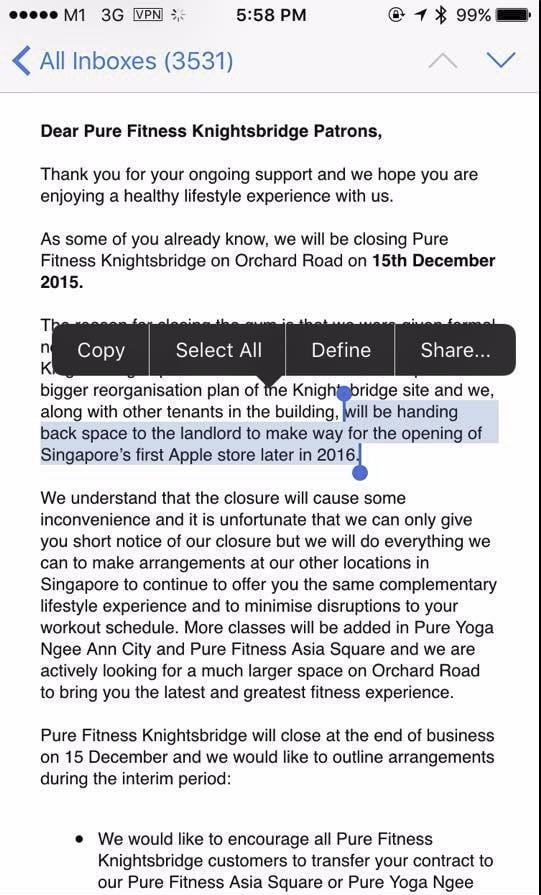
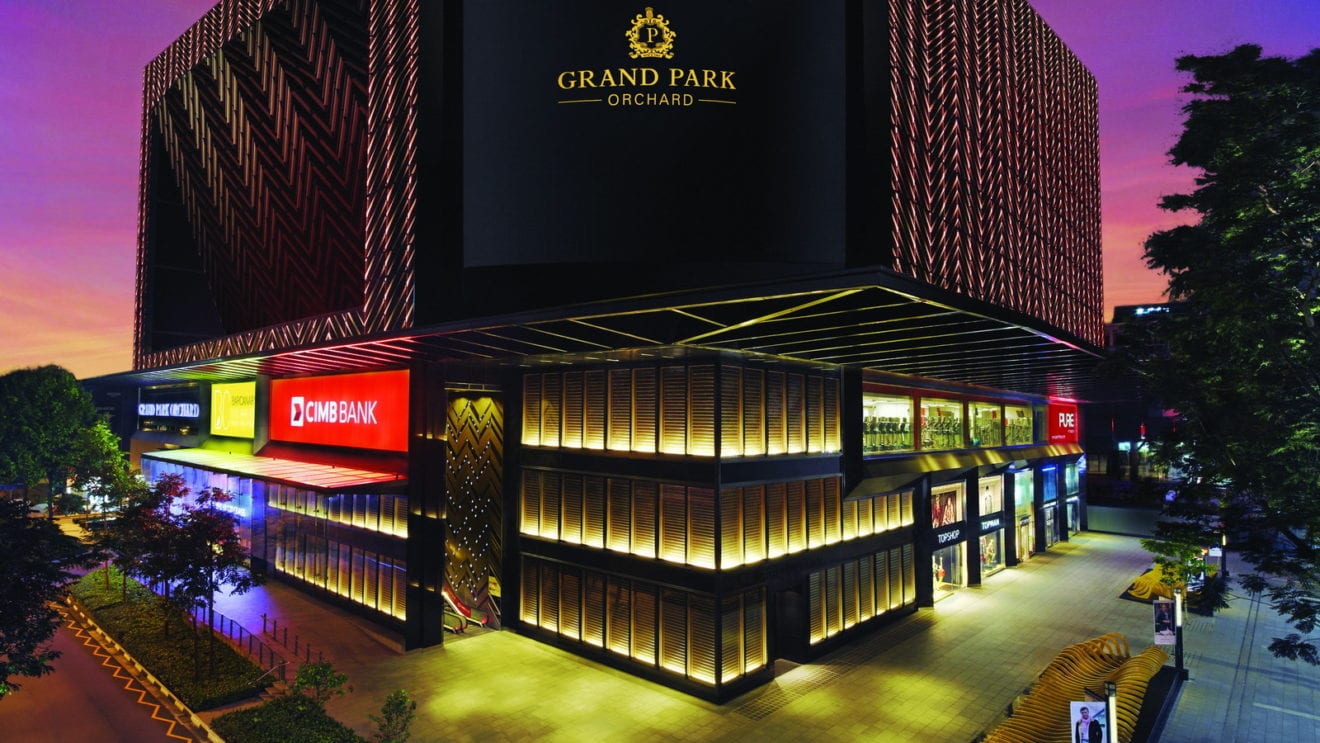
    The announcement started innocently enough: fitness chain Pure Fitness issued a statement saying it will be closing its branch in Knightsbridge, a distinctive retail building in Singapore. Oddly, it mentions in passing that “Pure and other tenants will be handing back space to make way for the opening of a new Apple store in late 2016.”

    We can only guess why Pure Fitness talked about Apple in the press release.knightsbridge

    Earlier, an email was apparently sent out to Pure Fitness customers stating the same news:

    apple pure fitness

    Apple has been seeking a retail space in Singapore for some time. We are reaching out to the company for comment.


  • Lauder starts its own Korean Wave with Dr. Jart+

    Lauder starts its own Korean Wave with Dr. Jart+

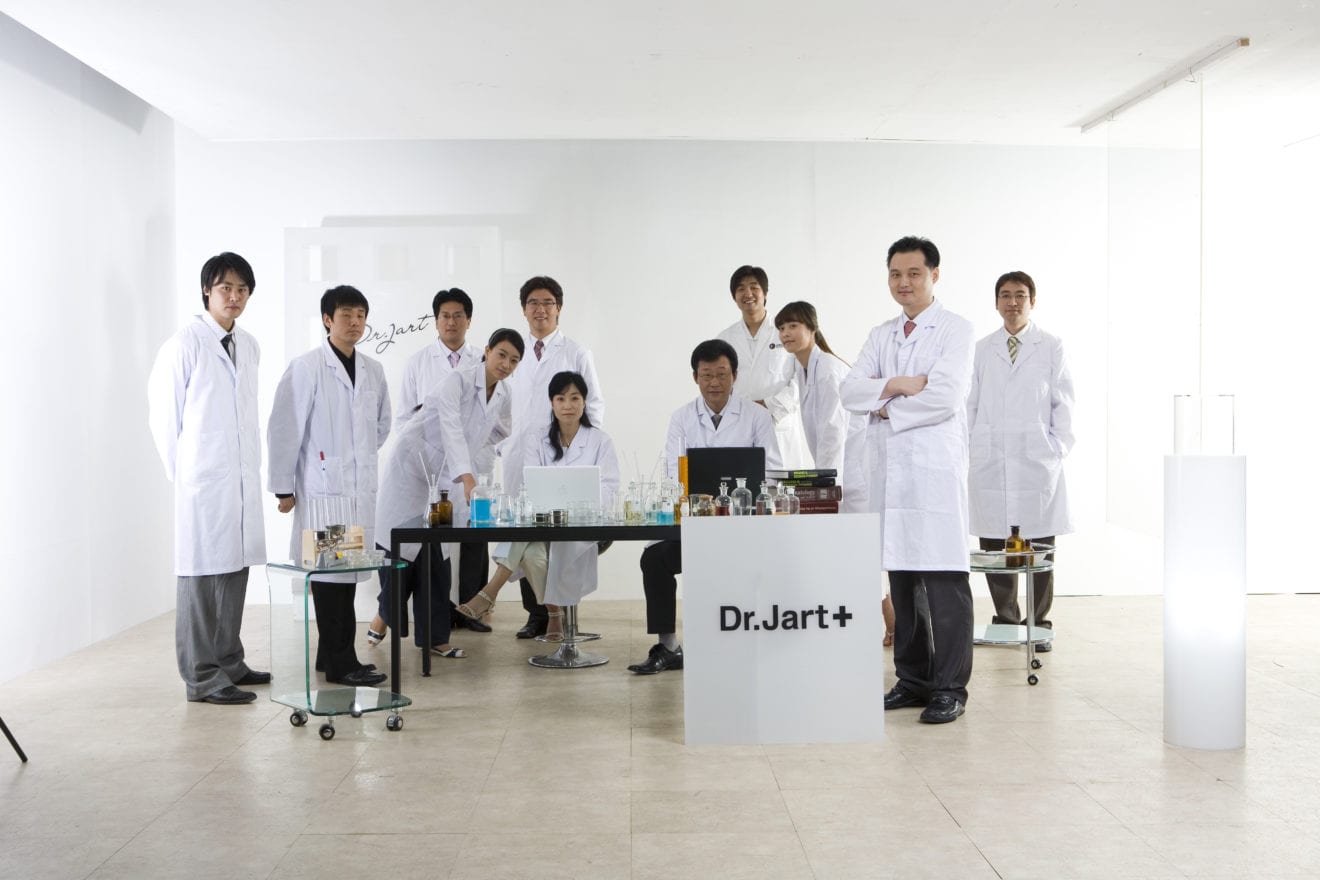
    Estée Lauder Companies has tied up a deal to buy an interest in Have & Be Co, the South Korean company behind skincare brands Dr. Jart+ and men’s-focused Do The Right Thing for an undisclosed amount. The deal is expected to close in December.

    Dr. Jart+ is a Seoul-based, skincare brand first launched online by ChinWook Lee in 2005 which has a particular appeal for millennials, a target for ELC. It has pioneered the proliferation of BB creams across the globe and, today, its BB line is a consumer favourite.

    The brand claims to fuse dermatological science and art – hence its name which is derived from ‘Doctor Joins Art’. It is sold in many countries, but primarily in Asia and the US via department stores, speciality stores as well as e-commerce channels including LVMH’s Sephora.

    Korean beauty brands have been performing extremely well in the domestic and duty free and travel retail channels in the country for a number of years – in many cases much better than products from international houses. Just recently Chanel pulled out of the DF&TR market at Incheon Airport, signalling a likely market shift.

    STRATEGIC PARTNERSHIP

    Fabrizio Freda, President and CEO of ELC says: “This investment gives our company a strategic opportunity to develop a partnership with one of Korea’s most promising high-growth skincare brands.

    “ChinWook Lee and his team have built a successful and exciting brand that is at the forefront of the rapidly-expanding Korean beauty wave. We are pleased to partner with Mr Lee and we look forward to building long-term, strategic relationship with the entire Dr. Jart+ team.”

    ChinWook Lee, Founder and CEO of Have & Be Co, adds: “As the Korean beauty wave continues to flourish globally, we are excited about the additional opportunities, support and guidance that The Estée Lauder Companies will bring to our brands. This is a tremendous moment for the Dr. Jart+ team and for the continued growth of Korean beauty.”

    ELC’s investment also includes an interest in Do The Right Thing (DTRT), a men’s-focused brand fusing Korean cosmetics with a New York style. Founded in 2012, DTRT’s line of cleansers, lotions, moisturisers and serums are sold in Korea through various channels and in the US through Sephora and BirchboxMan.

    “Global consumers look to Korea as a trendsetting market in beauty, and the Dr. Jart+ brand is part of the reason why,” says William P. Lauder, ELC’s Executive Chairman.

  • Indonesia’s Trikomsel says it will likely default on Singapore-issued bonds

    Indonesia’s Trikomsel says it will likely default on Singapore-issued bonds

    Indonesian mobile phone retailer PT Trikomsel Oke Tbk warned on Monday that it will likely default on its S$215 million (US$155 million) bonds, in what would be the first in the Singapore bond market since the global financial crisis.

    The announcement by Trikomsel, which is 19.9 per cent-owned by Japan’s SoftBank Group Corp, could decrease investor appetite for debt issued by Indonesian companies.

    Some Indonesian firms already are under pressure due to the rupiah’s depreciation, sagging domestic economic growth and concern about outflows whenever United States interest rates are hiked. “It will highlight the risks that a number of other Indonesian businesses face and should put pressure on the bonds and equities of other companies with high foreign exchange debt,” said Vaninder Singh, an economist at RBS.

    Indonesia’s sovereign credit default swaps (CDS) underperformed their regional peers on Monday, reflecting some of these concerns. Its five-year contract rose by one basis point versus a general decline in other Asian sovereign CDS.

    Jakarta-based Trikomselhad issued a S$115 million bond due 2016 bearing a 5.25 per cent coupon rate, and a S$100 million bond due 2017 paying 7.875 per cent.

    In a filing to Singapore’s stock exchange on Monday, Trikomsel said that more than 80 per cent of its total debt of around US$460 million, which includes the two Singapore dollar bonds, will fall due in the next two years. “With the depleting and volatile cash flow, the company anticipates that it is unlikely to be in a position to service interest and repay debts as they fall due,” Trikomsel said, adding that it will come up with restructuring proposals in the next 2-3 weeks.

    Trikomsel said its mobile phone sales have been hit by a reduction of the number of its retail shops and increased competition in the market, while the weak rupiah has dampened the purchasing power of consumers.

    Cash flow from operations was negative 53.5 billion rupiah (US$3.9 million) for the six months ended June, Trikomsel said.

    The rupiah has fallen more than 9 per cent against the dollar this year, making it the second-worst performing Asian emerging market currency after Malaysia’s ringgit. markets.

  • Everything you need to know about Indonesian telecoms and ecommerce

    Everything you need to know about Indonesian telecoms and ecommerce

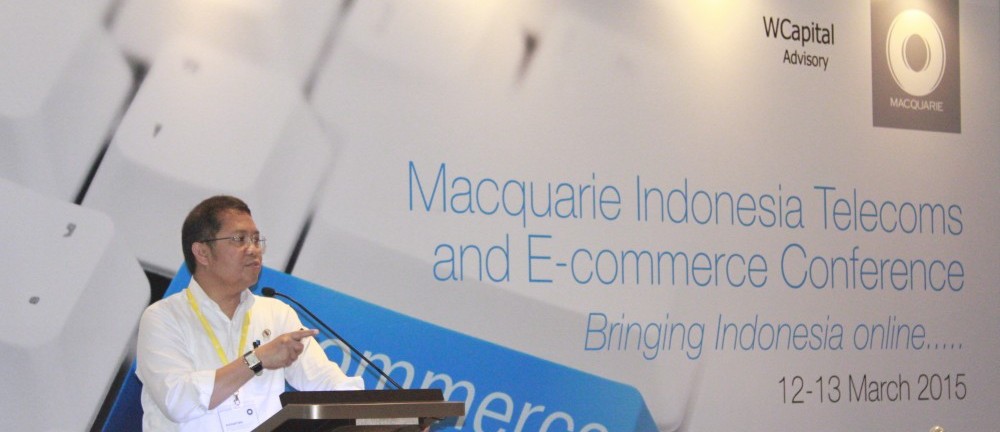
    Macquarie Indonesia, the local branch of the global investment banking and financial services giant, held an invite-only conference for high-profile professionals in the telecoms and ecommerce spaces. No other press were allowed inside the venue at the Ritz Carlton, and the list of speakers included some interesting names, including Indonesia’s tech minister Rudiantara, CEOs from the top three telcos, and a slew of investors, VCs, and startup founders, among others.

    The speakers shared the industry’s latest data and insights about the future of the telco business in Indonesia, as well as the most up-to-date information about the archipelago’s internet users and online shoppers. Based on their findings, here are some insights to keep in mind going forward (Hat tip to Macquarie for providing a post-conference overview).

    A digital explosion is on the horizon in Indonesia

    Mobile data traffic has been growing at around 100 percent year-on-year in recent years, according to the telcos, and looks set to continue in the medium term as we reach an inflection point in the quantity of online content.

    This is helped by rising smartphone adoption in Indonesia, young demographics, and a growing middle income populace. Indonesia’s affinity for social media (it is number four in terms of Facebook usage) is well-acknowledged. However, what is less well-known is the development boom for localized content that helps accelerate web traffic in Indonesia.

    line-vietnam-telcos

    The government looks to give more support

    The Indonesian government claims to be highly supportive in developing the ecommerce industry. It plans to announce an “ecommerce roadmap” this year, which will involve input from nine government ministries. From a telecoms perspective, the government highlights the importance of “industry efficiency,” which in part means allowing mergers and acquisitions to run more smoothly in Indonesia. This, in turn, should improve the sustainability of Indonesia’s ecommerce industry and promote further investment.

    In addition, the tech minister wants to raise US$1 billion for local tech startups to be controlled by a non-state-owned or privately-owned venture capital firm. “I’ve approached the top 20 conglomerates in Indonesia about this issue,” explains minister Rudiantara. “We must have a roadmap for this three to six months from now and the conglomerates would be the ones to choose the VC.”

    The tech minister corrects the media

    Regarding recent media coverage about an imminent rule for locally made 4G smartphones, the minister claims he never said that 40 percent of the 4G mobile handset components will need to be produced locally. According to him, the government has not yet mandated a fixed percentage for the regulation, although Rudiantara says he has been in talks with several local mobile manufacturers regarding their production capacities. He says:

    The decree will go into effect later this year. We welcome input from all stakeholders at this time. Importing these products contributes to our trade deficit. This is a macroeconomic issue that I must address.

    Rudiantara

    The digital ecosystem is still in its early days, but that’s changing quickly

    A clear theme to emerge from the conference was the number of bottlenecks preventing Indonesian ecommerce from rapid acceleration. The key challenges currently include online payments (with credit card penetration still around three percent), weak logistics and infrastructure, shallow human capital, and regulatory uncertainty.

    According to Macquarie, telecom operators and banks are leading the charge in growing the ecosystem by allocating resources. However, the firm asserts that the demand for ecommerce will outpace supply over the next 12 months in Indonesia.

    Eruption of online traffic

    Data now accounts for 25 percent of revenues for the local telecom industry. With online traffic accelerating as demand expands beyond social media and into online retailing, we can see an upside to data-led revenues, especially if operators can execute on content strategies centered around mobile advertising, ecommerce, and mobile money.

    XL Axiata and Indosat appear more advanced in their digital sevices strategy, while Telkomsel will continue to benefit from its competitors’ early findings.

    Indonesia is definitely seeing an ecommerce surge

    Online retail has seen exponential growth the last 12 months with Lazada Indonesia, Tokopedia, BukaLapak, and Zalora currently leading the way in the archipelago.

    Lippo Group’s recent US$500 million investment in MatahariMall potentially places the firm in an advantageous position in the medium-term to capture market share in online retailing. It’s supported largely by Lippo’s strong nationwide footprint and competitive advantage stemming from a sophisticated local supply chain.

  • Doosan, Shinsegae lock horns over urban duty-free license

    Doosan, Shinsegae lock horns over urban duty-free license

    Retail giant Shinsegae and industrial behemoth Doosan Group on Monday locked horns over the special license to run three urban duty-free stores in Seoul.

    With the urban duty-free stores regarded as a lucrative business for the sluggish retail industry, the chiefs of both companies vowed to win the license that could guarantee trillions of won in revenue over the next 10 years.

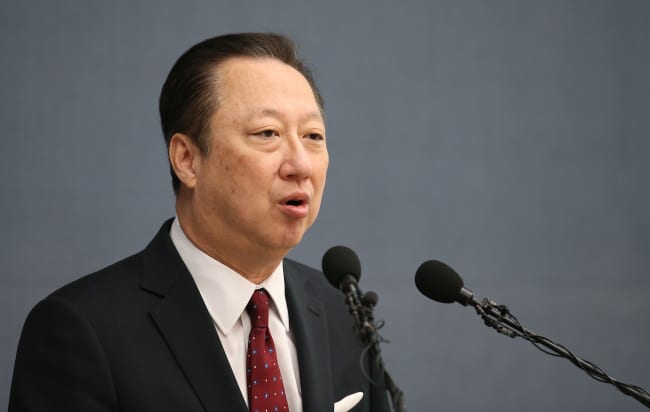
    Doosan Group chairman Park Yong-maan (Yonhap)

    Doonsan Group chairman Park Yong-maan said he would fully leverage his 20-year experience in publishing high-end fashion magazines. “From 1995, I have been deeply engaged in the publication of the Vogue magazine, with my name on the masthead every month,” Park told reporters on Monday.

    “The luxury goods makers know that Doosan has all its takes to create luxury contents, and trust us,” he said, referring to the endorsement of about 400 luxury goods makers — including Louis Vuitton and Ferragamo — for Doosan’s duty-free shop, which was clearly influenced by the Vogue-connection

    Park on Monday also declared the establishment of the Dongdaemun Future Foundation with investment of 10 billion won ($8.8 million) from Doosan Group and an equal amount from his own pocket. He explained that the duty-free store would revitalize the Dongdaemun fashion district with 13 large malls.

    “About 30 percent of the stores are currently empty. But if we get the license to operate a duty-free store we will be able to fill them up, create jobs and attract more foreigners to shop in Seoul’s oldest commercial district,” said Park, who also chairs the Korea Chamber of Commerce and Industry.

    Doosan joined the bidding war in September, citing its 16 years of experience in running Doota shopping mall in central Seoul.

    Its bid comes at a time when the company has been struggling in other businesses — in the first six months, Doosan Corp. marked a loss of 66.9 billion won, while Doosan Heavy Industries, Doosan Infracore and Doosan E&C saw 114 billion won, 34.4 billion won and 86.5 billion won losses, respectively. The retail industry with abundant cash flow is expected to ease the strain, business insiders said.

    Shinsegae, which joined the duty-free industry in 2012 by acquiring Paradise Group based in Busan, also started gearing up for a duty-free store in Seoul.

    Shinsegae DF — which currently operates stores inside Incheon International Airport and Paradise Hotel Busan, and will soon run another on Hainan Island in China — said it will nurture Korean products. The company is planning to create 14-story duty-free store in Mesa shopping mall and Shinsegae Department Store in Myeong-dong, Seoul. The country’s second-largest retailer led by group vice chairman Chung Yong-jin hopes the duty-free store will generate 10 trillion won in sales between 2015 and 2020.

    “With our ample know-how in the high-end retail business we will nurture Korean products as global luxury goods, just as AmorePacific’s Sulwhasoo and fashion accessory maker MCM did,” said Shinsegae DF CEO Sung Young-mok at a press conference which coincided with Doosan’s media briefing.

    Sung also pledged to attract 17 million foreign tourists to downtown Seoul by 2020, up from 9.27 million in 2014. It also vowed to invest 270 billion won into boosting the local economy.

    “We will provide more opportunity to the local producers,” Sung said.

    The customs authorities are expected to begin their field examination around next week, and the announcement of the license winners  is expected around early November.

  • Corner stores still dominate Asia retail

    Corner stores still dominate Asia retail

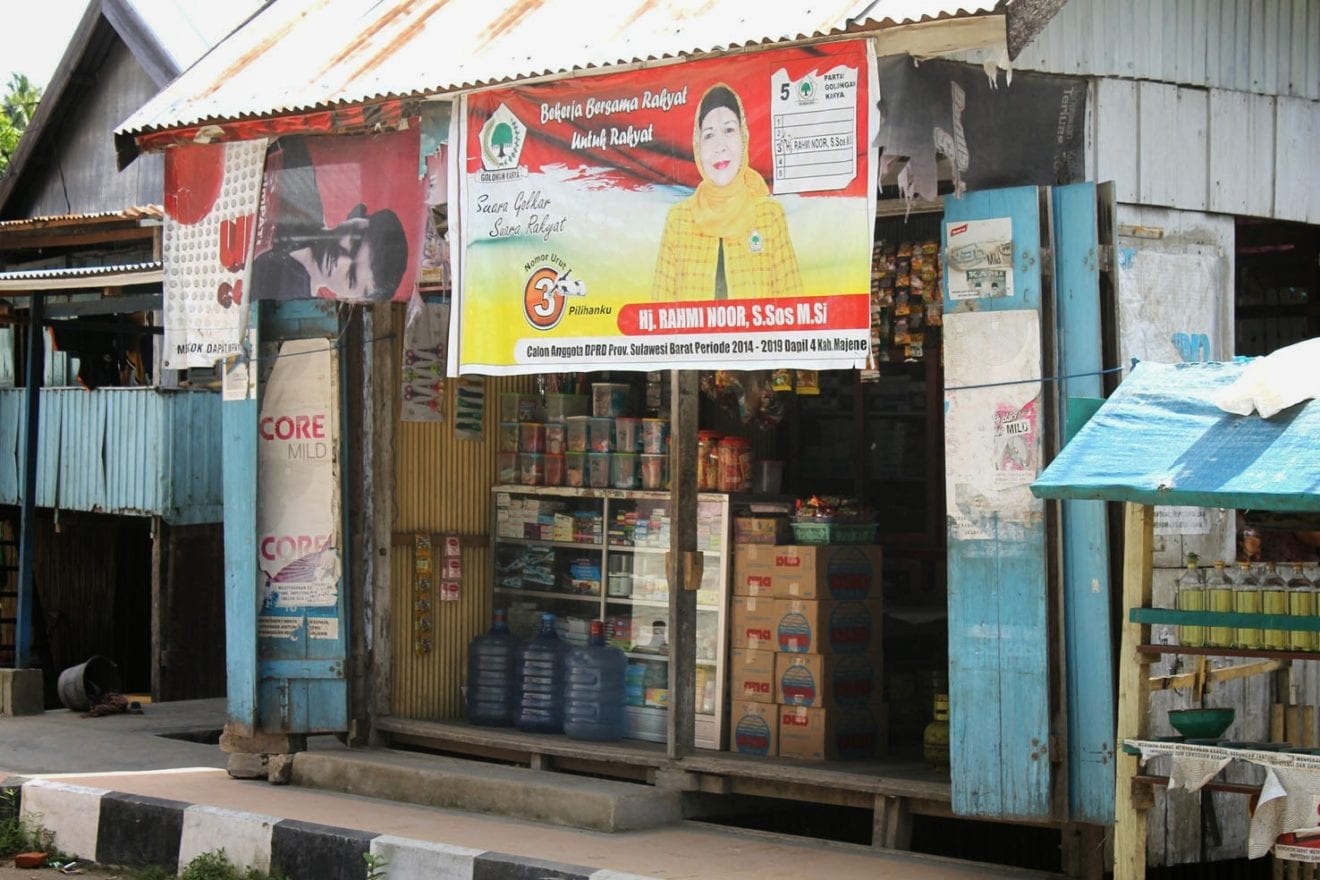
    In Asia retail, the humble corner store is an essential ally to fast-moving consumer goods in the battle for market share and customer loyalty, according to a new report from global performance management company, Nielsen.

    The whitepaper, Maximising Traditions – The Shop. Shopper. Shopkeeper, argues that a better understanding of this fragmented yet ubiquitous traditional trade channel – which comprises more than 5 million outlets in Southeast Asia alone – has the potential to drive sales by putting brands in front of more consumers.

    Nielsen’s research suggests that to better maximise sales, brands should consider a more thorough analysis of their market segmentation, and tap into the understanding of the shopkeeper and shopper.

    Traditional trade channels account for almost half of all grocery sales in Asia and India. In 2014, 47.9 per cent of all retail sales were made through traditional trade channels, compared to 17.2 per cent for supermarkets which account for the second-largest proportion of sales.

    The paper’s author, Connie Cheng, Nielsen’s executive director of shopper solutions for Southeast Asia, North Asia and Pacific, says traditional trade accounts for up to 70 per cent of all retail sales in key markets such as Jakarta, Indonesia, and Ho Chi Minh City, Vietnam.

    “While there’s been a headlong rush into the hypermarket and supermarket retail formats throughout most of Southeast Asia, there are untapped loyalties between brands and consumers shopping at traditional trade stores on every street corner, in every town, village and city,” said Cheng.

    “With almost 50 per cent of retail sales in Asia made at a small, independent grocery store, the research suggests that FMCG brands are leaving money on the table. The key to maximising sales through traditional trade channels is to focus on the relationships between the shopkeeper and the shopper,” she said.

    Maximising Traditions finds that the humble warung in Indonesia, the Philippines’ sari-sari, Malaysia’skedai runcit and Vietnam’s cử a hàng tạp hóa are used by consumers in similar ways. The majority of consumers shop at traditional trade stores for daily meals, snack foods and beverages for immediate consumption, while they are less important for top-up or main shopping trips.

    The whitepaper reveals that the majority of consumers plan their trips to the most conveniently located store in advance, and have a specific brand in mind. Such behaviour highlights opportunities for brands to vary pack formats or leverage loyalty for premium lines to increase basket size.

    When it comes to commonly purchased products, powdered coffee blends, coffee and carbonated drinks top the list in Indonesia, the Philippines and Vietnam, respectively.

    While shoppers clearly tend to view the traditional trade store as an extension of their kitchen pantry, sales of homecare and personal care lines are also common purchases. Laundry items, shampoos, makeup, vitamins, baby-care lines and general household products are the most frequently purchased items at grocery stores in Indonesia, the Philippines and Vietnam.

    The report suggests that marketers need to undertake a more thorough segmentation analysis to maximise market share. Although traditional trade grocery outlets are plentiful in Indonesia, Malaysia, the Philippines, Thailand and Vietnam, the market is fragmented.

    Cheng suggests extending segmentation and tapping shopkeepers for their intimate understanding of hyper-local consumer behaviour.

    “Information on demographics, psychographics and shopper behaviour can help provide actionable information for sales teams,” she adds.

    A better understanding of grocery shoppers can also assist in brand strategy and modelling, potentially unlocking value for brands in regions with a higher average GDP. This may help overcome issues in a fragmented market.

    “There’s an unfortunate and unnecessary disconnect between the desires of brand managers, who may think that bigger is better, and the demands of shoppers utilising Southeast Asia’s most popular channel for purchasing groceries,” continues Cheng.

    “Traditional format stores are as relevant now as they have ever been. By better tapping into consumer behaviour, brands can discover what most Southeast Asians already know; that bigger doesn’t always equate to better.”

  • Ballantine’s teams up with wood sculptor

    Ballantine’s teams up with wood sculptor

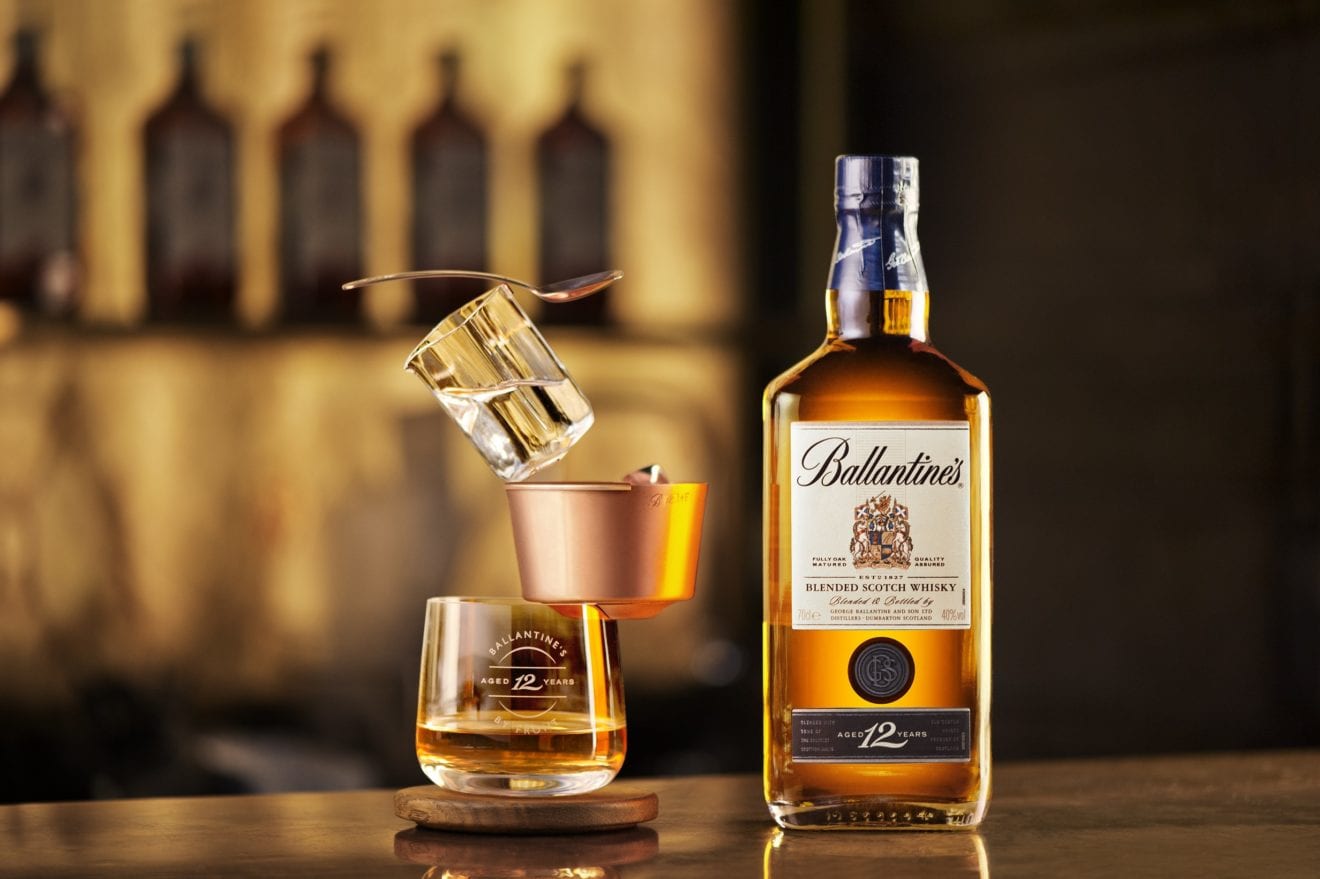
    Pernod Ricard Asia Travel Retail is collaborating with Korean wood artist Lee Sam Woong to launch Ballantine’s 21 Signature Oak Edition, with messaging at every stage of the “Travel Trail”. A full activation strategy will support the launch of the travel retail exclusive blended whisky throughout October and November 2015.

    Korean artist, Lee Sam Woong, who specialises in working with wood, has been commissioned to produce a unique sculpture. Ballantines 21 Signature Oak Edition “pays homage” to the influence of wood during the whiskymaking process.

    The sculpture will be showcased in Korea’s Incheon Airport to drive consumer engagement. Once the activation finishes, it will be used as a prize in a lucky draw for Ballantine’s consumers.

    Pernod Ricard Travel Retail’s “Travel Trail” approach starts with pre-trip awareness through an extensive digital marketing campaign using EDM, Facebook, a dedicated microsite, and advertisements within airport transfers, in-flight media and hotels.

    The journey continues in Hong Kong, Korea JDC, Korea ICN, Japan Haneda Center Stage and Beijing T3 with in-airport visibility and pop-up activity where travellers will be taken through a five stage “multi-sensory” journey.

    At this stage, travellers can “experience the influence of wood maturation” through the original Ballantine’s 21YO blend.

    Finally, volume driving tactics including gifts with purchase, vouchers and a loyalty points programme will create incentive to buy and encourage loyalty and repeat purchase.

    The artist-focused partnership comes the month after Ballantine’s announced a new Artist Series of limited edition bottle designs.

    Ballantine’s 21 Signature Oak is available in travel retail now with an RRP of US$140.

  • Stradivarius China goes online

    Stradivarius China goes online

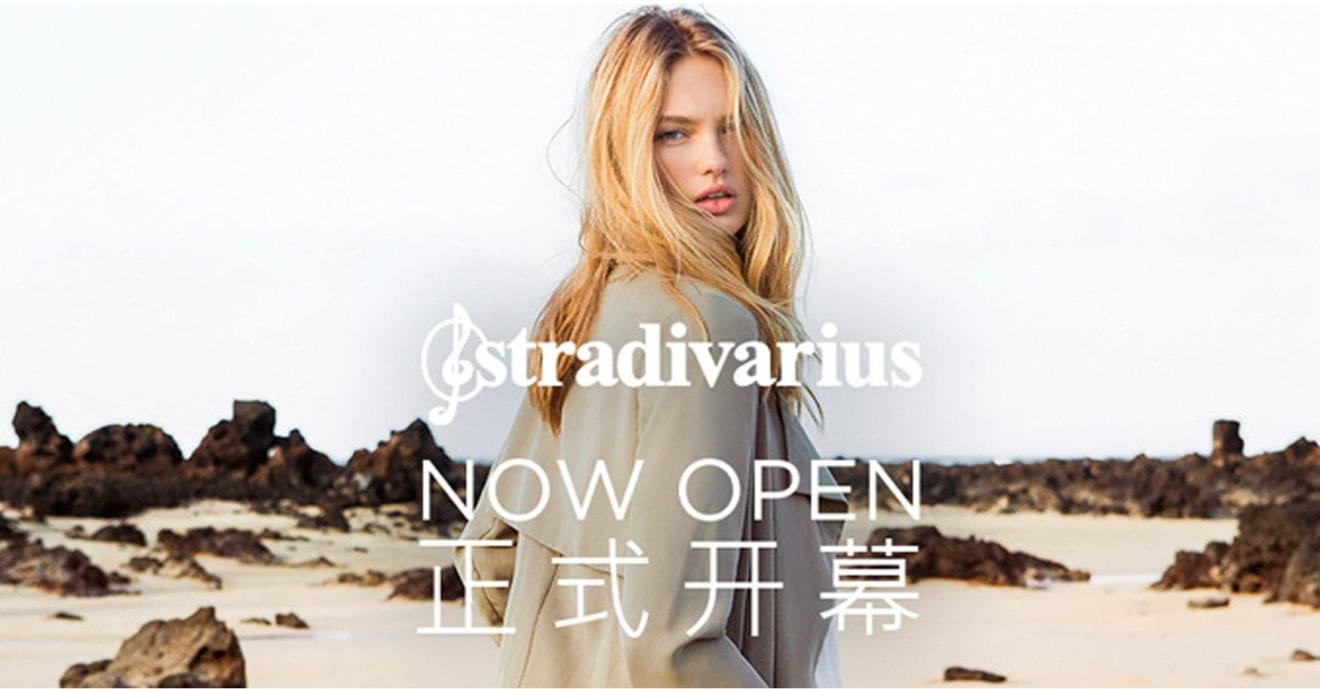
    Inditex brand Stradivarius has opened its own online store in China to complement its existing online store on T-Mall.

    Stradivarius, a sister brand to Zara, has 65 bricks & mortar stores in China. The direct site went live last month, less than six months after the brand made its T-mall eCommerce debut in the world’s most populous country.

    A formal launch event took place at Shanghai’s Union Building, dubbed “The Event Paper: Asia edition”. From its rooftop terrace, the guests were able to enjoy stunning views of the Bund, the Chinese financial capital’s most cosmopolitan district.

    The party was attended by international top model Liu Wen and Cate Underwood, the star of the brand’s FW15 collection campaign.

  • Dermozone eyes $42mn revenue from herbal skincare products

    Dermozone eyes $42mn revenue from herbal skincare products

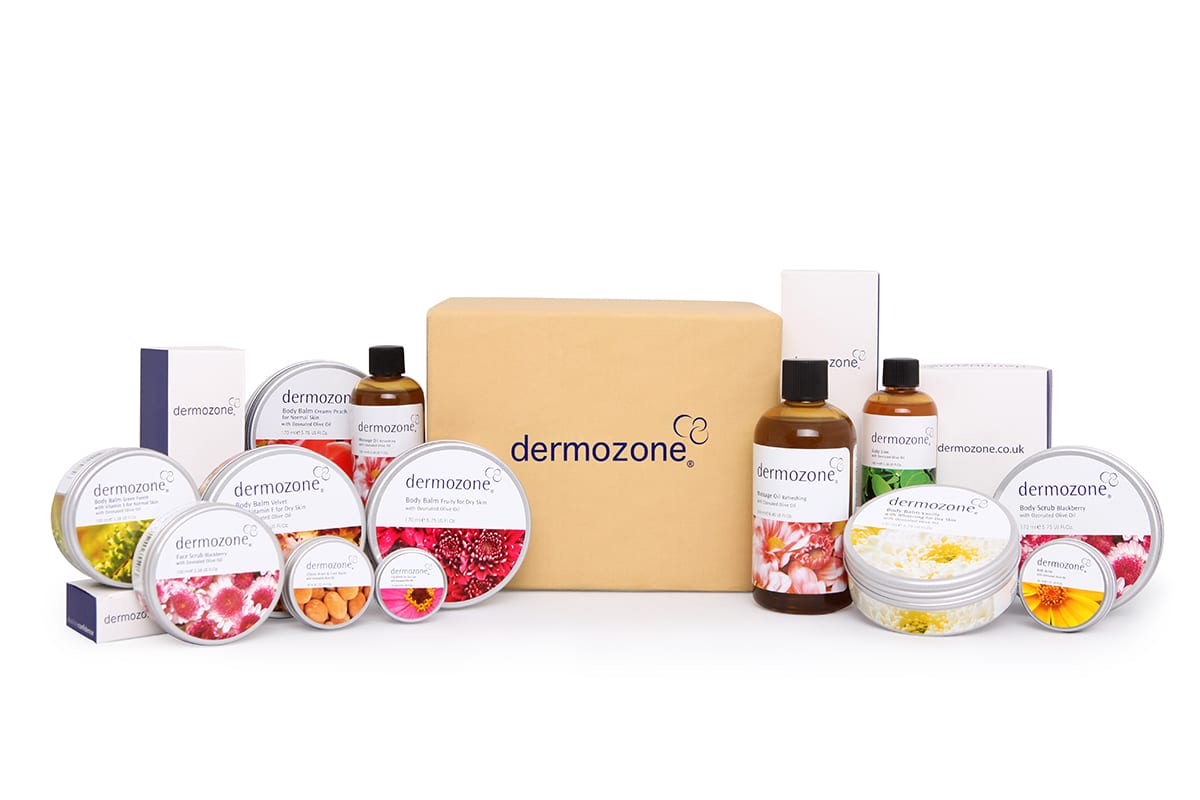
    Indo-Dermozone Herbal, makers of Indonesia-based herbal skin care products Dermozone, today said its target would be to reach 3-4 million households in India for its soon to be launched herbal skincare products with revenue target of $42 million over the next three years.

    “We are launching our herbal skin care products Dermozone in India soon and targets revenue of $42 million over the next three years,” a company’s statement issued here said.

    The company would also be looking at establishing India as a hub for managing all the technology, sales and customer support to other countries as well, it said.

    Dermozone had recently announced its entry into the Indian market by setting up an office in Bengaluru in the name of Indo-Dermozone Herbal Pvt Ltd.

    The company also announced the appointment of Manjunatha K G as the Chief Operation Officer of Indo-Dermozone Herbal, who would lead and oversee the Indian operations.

    Dermozone is globally recognised for its wide range of herbal skin care products especially its flagship brand- MedCare Ozonated olive oil, primarily used for the treatment of acne, fungal infections, dry skin, insect bites, athlete’s foot, eczema, blisters, carbuncles, diabetic wounds, burns.

    “We plan to enter the Indian market and will be soon formally launching our flagship product MedCare Ozonated olive oil,” Dermozone Chairman and CEO K S Dharshan said.

    “We have invested over $4 million over a period of six years in developing MedCare Ozonated olive oil. We have done ample research that suggests a huge market for MedCare in India. Our anticipated revenues from this product alone would be in the region of $22 million in 3 years,” Dharshan added.

    “We are also looking at the option of setting up a manufacturing base in India in the near future based on the ‘Make In India’ policy of the government. A final decision on this will be taken in the first quarter of 2016,” he further added.

    Headquartered in Indonesia, Dermozone has its operations in UK, USA, Japan, Russia, Seoul and China.

  • China wounds Burberry bottom line

    British luxury brand Burberry says Chinese luxury spending patterns have impacted on its sales in the six months to September 30.

    While the brand’s global retail sales rose two per cent to £1.105 billion in the half year, CEO Christopher Bailey described the market as “increasingly challenging” for luxury customers, especially in China.

    “The external environment became more challenging during the half, affecting luxury consumer demand in some of our key markets. In response, we have intensified our focus on driving sales and productivity, while taking swift action on discretionary costs.

    “While mindful of this external volatility, our plans for the festive season position us well to return to a more positive sales trend in the all-important second half. Looking further ahead, we maintain our focus on – and confidence in – the long-term growth opportunities for our business across channels, regions and product categories.”
    Retail revenue was £774 million, up one per cent on a same stores basis.

    But it was a different story in Asia.

    “Asia Pacific delivered a mid single-digit percentage comparable sales decline in the half, impacted by a further year-on-year deceleration in Hong Kong in the second quarter compared to the first, as footfall continued to drop,” the company said in a statement. “Mainland China comparable sales decreased slightly in the half, in the context of weakening consumer sentiment in the market in the second quarter. Excluding Hong Kong and Macau, comparable sales were broadly unchanged year-on-year in the first half.”

    Japan, however, was a standout.

    “Japan saw comparable sales growth well in excess of 50 per cent, albeit off a small base (with total sales now accounting for around two per cent of global retail/wholesale revenue).

    “Good progress was made during the half in expanding our retail presence, with the addition of our sixth free-standing store, in Shinjuku, Tokyo and the opening of a further six department store concessions, bringing the total to 19. We also assumed operation of 10 childrenswear concessions.”

    The company also expanded its beauty distribution, through Sephora globally and with Shiseido in Japan.

  • Ishtara Jewellery plans expansion into Europe

    Ishtara Jewellery plans expansion into Europe

    Ishtara Jewellery, a Singapore business with origins in India, plans to expand within Asia and into Europe and the Middle East.

    MD and owner Parthiban Murugaiyan says Ishtara is marketing Indian-made gold jewellery in Singapore and its sister company Luvenus Jewellery is retailing international brands overseas.

    The company has been importing Indian gold and diamond jewellery into Singapore for 20 years under its previous name India Jewellery Pte Ltd. It has just completed a rebranding.

    Now Ishtara is planning to open retail stores and showrooms in Hong Kong, India – and further afield in Europe and the Middle East. It will also focus on airports, with a Mumbai airport contract already reportedly signed..

    “We are catering to the younger generation of South Asian diaspora with fashionable jewelleries by setting up showrooms and retail outlets globally, especially starting with airports,” Murugaiyan said in an interview.

  • Alibaba seeks Youku Tudou buyout

    Alibaba seeks Youku Tudou buyout

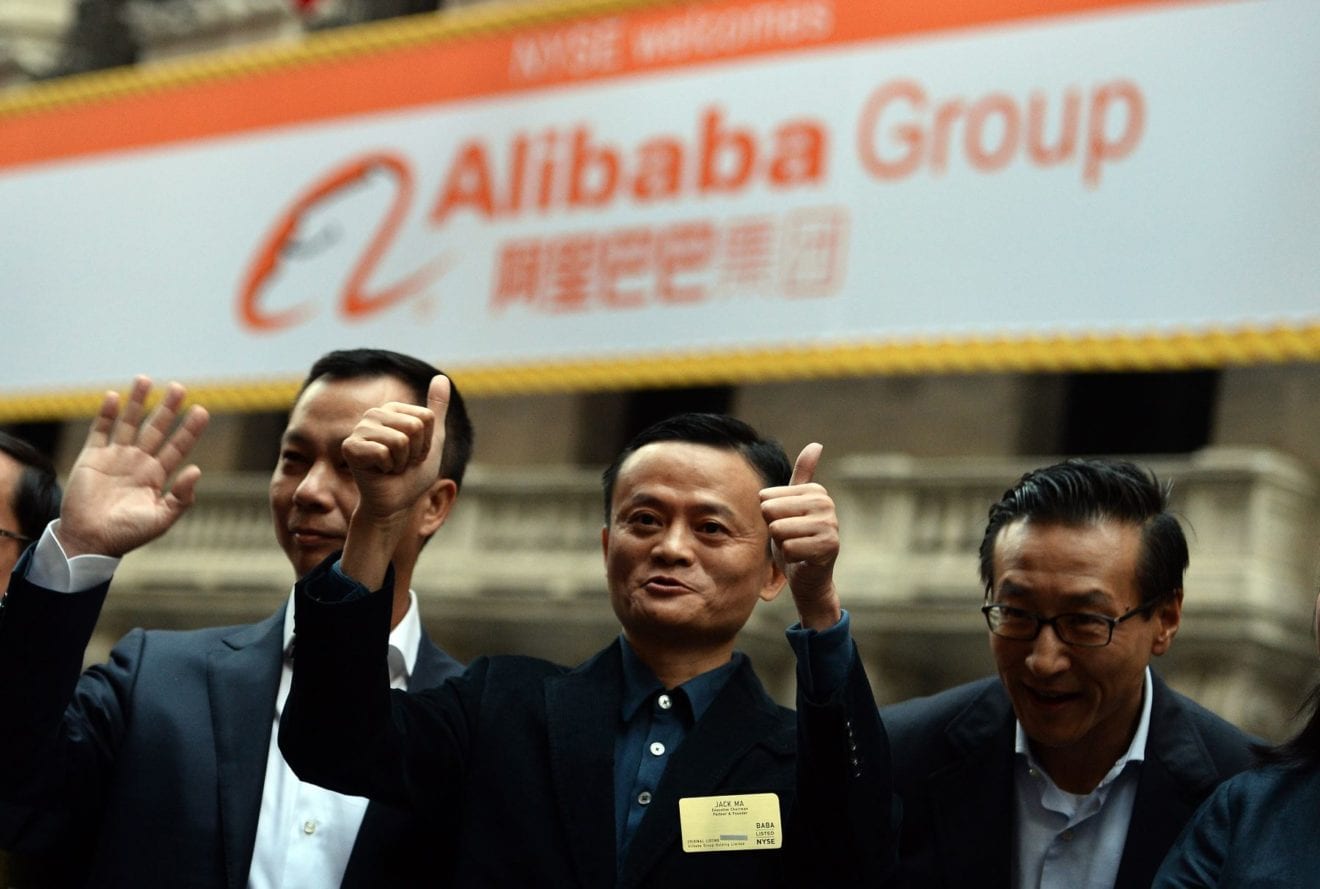
    Alibaba is bidding to buy the remaining shares in Youku Tudou, dubbed ‘China’s Youtube’ in a deal which values the company at US$5.2 billion.

    The eCommerce already owns 18.3 per cent of the online video on demand service and says it will pay cash for the balance from its cash assets.

    Youku Tudou is publicly listed and Alibaba has offered a premium of 30.2 per cent over the pre-offer share price. The bid already has the support of the site’s founder Viktor Koo.

    Alibaba CEO Daniel Zhang said digital products, especially video, “are just as important as physical goods in eCommerce”.

    “Youku’s high-quality video content will be a core component of Alibaba’s digital product offering in the future,” he said.

  • Biggest Ikea in Malaysia to open in Cheras in November

    Biggest Ikea in Malaysia to open in Cheras in November

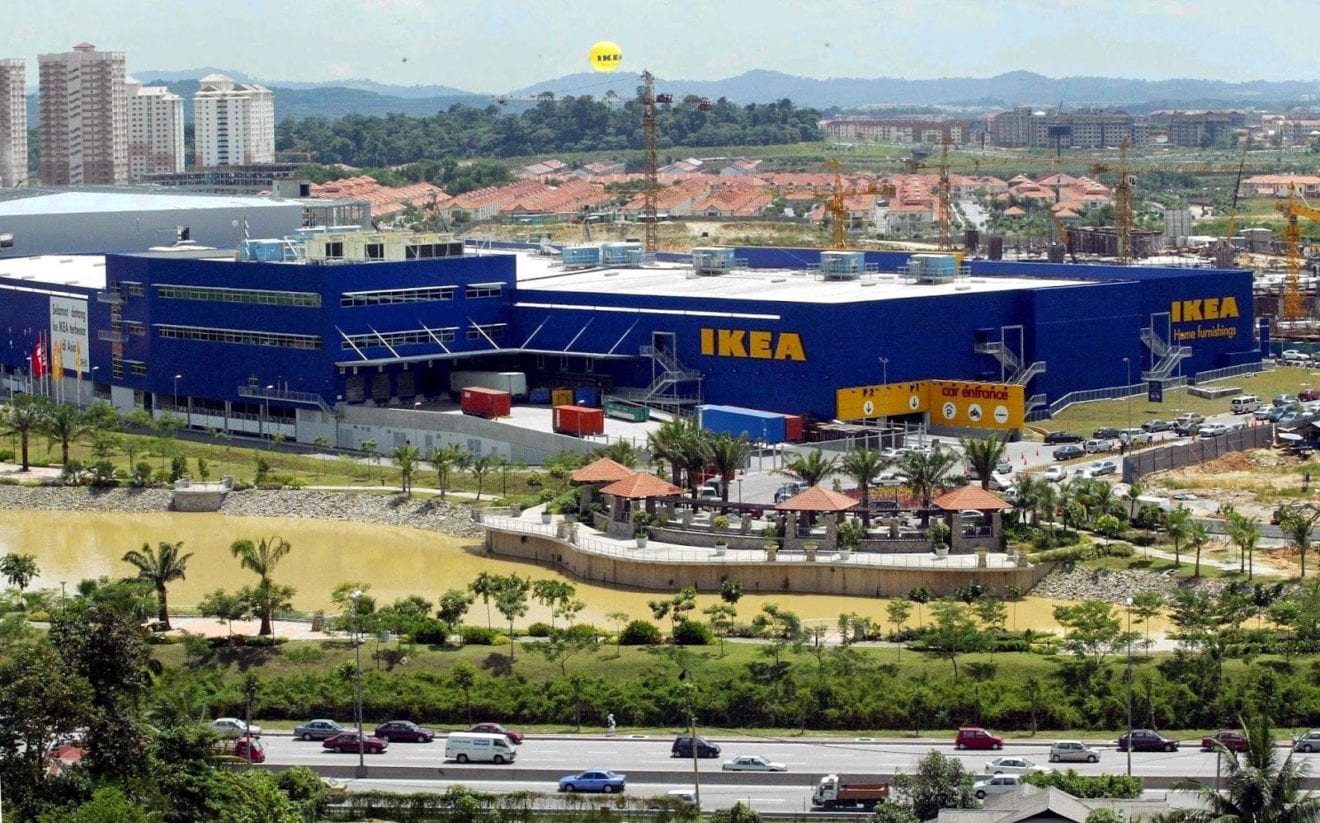
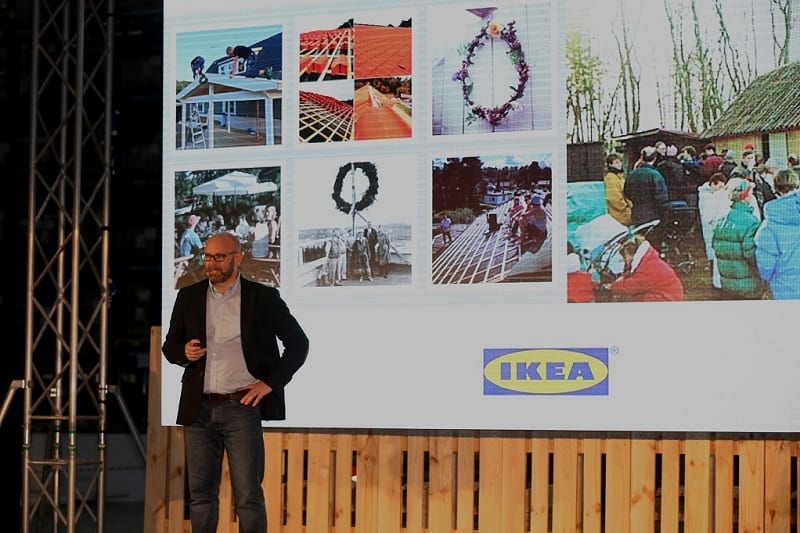
    An artist’s impression of the Ikea store in Cheras. – Pic supplied, September 29, 2015.Ikea Cheras is one step closer to opening its doors as they celebrated the completion of the building with a traditional Swedish thanksgiving event, Roof Capping, yesterday.

    Located in Jalan Cochrane, customers will be able to enjoy Ikea’s distinctive brand of Scandinavian design in a much larger space. Spanning 42,000 square metres, Ikea Cheras is 20% bigger than its Mutiara Damansara store.

    Its location near the city centre as well as major highways and the future Cochrane MRT station also makes it very accessible.

    “Come end November 2015, Ikea Cheras will provide more Malaysians with Swedish home furnishings that are well-designed, functional, affordable and good quality,” said Ikea Malaysia, Singapore and Thailand retail director Mike King at the Roof Capping event.

    The Ikea team is currently in the process of fitting interiors, operational setup and staff training in preparation for its opening.

    To support the project, a recent nationwide recruitment exercise was carried out and met with overwhelming response.

    “With the passionate and committed co-workers we have on-board, this new store ensures more Malaysians will get a chance to enjoy the unique Ikea store experience many have come to know and love,” King said.

    Meanwhile, Bernama reported that the Swedish homefurnishing giant plans to expand further and set up operations in Johor and Penang.

    Ikea Malaysia, Singapore and Thailand retail director Mike King says there are plans to open Ikea stores in Penang and Johor. – Pic supplied, September 29, 2015.Ikea Malaysia, Singapore and Thailand retail director Mike King says there are plans to open Ikea stores in Penang and Johor. – Pic supplied, September 29, 2015.King said the company was currently searching for locations to set up the stores in Johor and Penang.

    “We are working on possible sites for the stores in both states. It is likely to be Johor first and then Penang. I would say that the stores will be opened within this decade,” he said.

    Asked if Ikea also planned to open stores in Sabah and Sarawak, King said the company was always looking at expanding its business but has not made any decisions yet.

    With the opening of Ikea Cheras, Ikea would have five stores in Southeast Asia, with two in Malaysia, two in Singapore and one in Thailand. – September 29, 2015.