Blog

  • Matsumotokiyoshi set to open first drugstore abroad in Bangkok

    Matsumotokiyoshi set to open first drugstore abroad in Bangkok

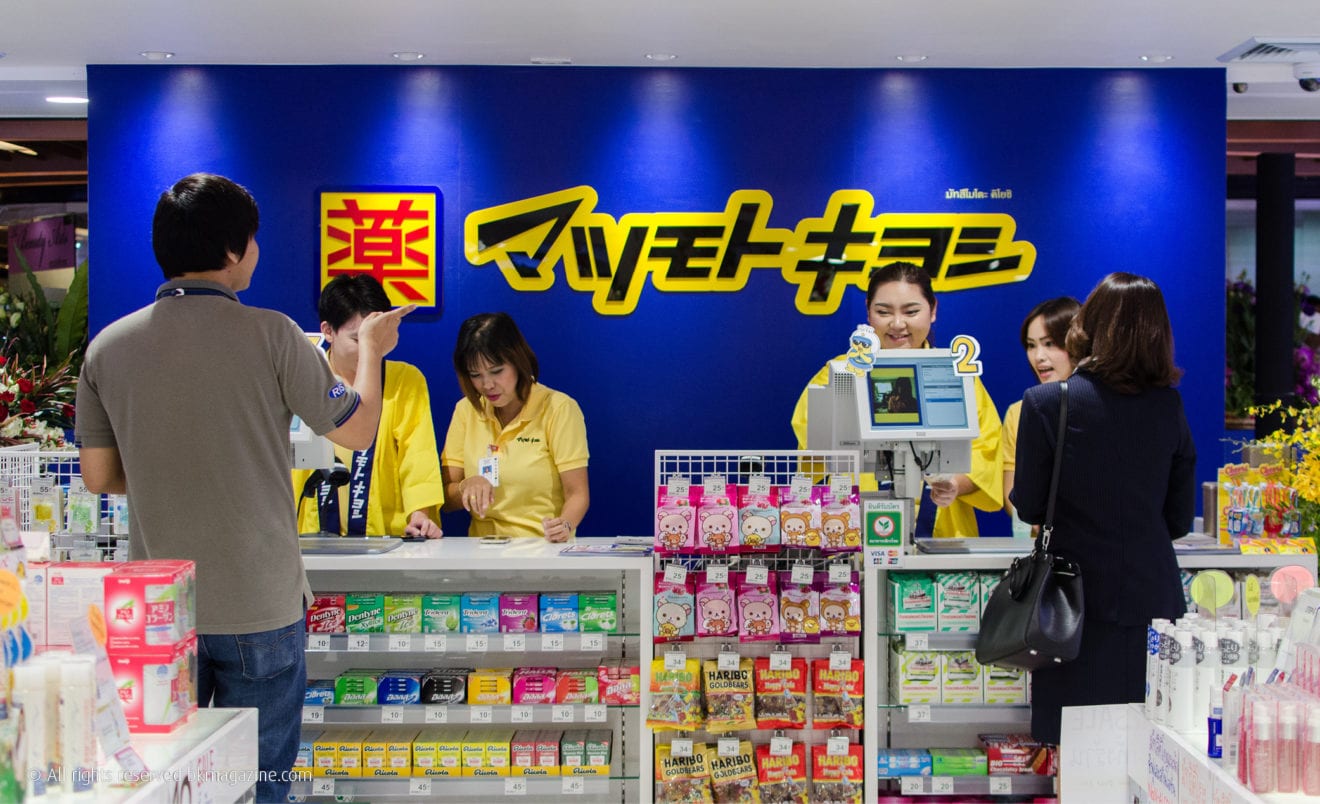
    Japan’s largest drugstore operator, Matsumotokiyoshi, will open a store in Bangkok this week, its first abroad, and a second one by the end of the year, the head of the company’s new joint venture here said Tuesday.

    “We are confident to be successful here,” Junichi Tateno, chief executive officer of Central & Matsumoto Kiyoshi Corp., a joint venture between Matsumotokiyoshi Holdings Co. and Thailand’s Central Food Retail Corp., told a press conference.

    He cited Thailand’s status as Southeast Asia’s leading health-and-beauty market, worth 85 billion baht ($2.4 billion), and one that has been growing steadily despite periods of political instability.

    Noting the Thai people’s fondness for Japanese culture and products, Tateno said the store will initially introduce around 2,000 Japanese health-and-beauty products to Thai customers.

    The new store will be the first to be opened abroad by Matsumotokiyoshi, which has more than 1,500 branches in Japan, since the company was founded 85 years ago.

    Since 2014, the company has done market testing in Central’s 23 supermarkets in Bangkok and other major cities and some 200 daily-use products and cosmetics being sold were received well by customers, according to Tateno.

    He said the marketing data helped the company to cater suitable products for Thai customers.

    Central Food Retail Co., the largest supermarket chain in Thailand with around 150 branches, has a 51 percent stake in the joint venture, with Matsumotokiyoshi holding the remainder of shares.

    The first branch will be opened at Central Plaza Ladprao, offering commodities and beauty products from Japan and other countries. Another will be opened at Central Plaza Pinklao by year-end, with plans to expand to other department stores in the future.

  • Alibaba confounds China slowdown with 32% revenue rise

    Alibaba confounds China slowdown with 32% revenue rise

    The Chinese e-commerce giant Alibaba has reported a stronger than expected 32% rise in second-quarter revenue, even as the value of transactions on its platforms grew at a slower pace.

    Revenue from mobile platforms, an increasingly important area for the company, nearly tripled to $1.66bn (£1.1bn), with mobile gross merchandise volume (GMV) accounting for 62% of total transactions on Alibaba’s China retail marketplaces.

    “Mobile is the trend and Alibaba is capturing that trend,” said Tian Hou, an analyst at TH Capital Research.

    Alibaba’s New York-listed shares were up 10% in premarket trading. Shares of Yahoo, which owns 15% of Alibaba, were up 7%. The total value of transactions on Alibaba’s retail marketplaces in China rose 28% to $112bn, but this was the slowest growth in more than three years.

    The lower GMV growth was not unexpected. In early September, Jane Penner, Alibaba’s head of investor relations, said the total value of transactions during the quarter would be smaller than originally expected due to lower order values. Revenue rose to $3.49bn in the three months to the end of September.

    The jump in revenue added weight to recent comments from Jack Ma, Alibaba’s founder and chairman, that concerns about slowing consumption in China were overdone.

    The earnings report comes about two weeks before Alibaba’s singles day shopping festival on 11 November, which last year netted sales of more than $9bn .

    The company reported net income attributable to shareholders of $3.58bn, or $1.40 per share. Alibaba earned 57 cents per share, beating the average estimate of 54 cents.

    Alibaba, facing increasing competition from its rival JD.com, has been branching out from its core online shopping platforms in an attempt to stem a slowdown in revenue growth. During the quarter, the company invested $4.6bn in Suning Commerce Group in a move to bolster its ability to compete in logistics and electronics – two areas of strength for JD.com.

    The company has also poured more money into ventures outside China, for example by investing in One97 Communications, the parent of the Indian online retailer Paytm, and taking part in a funding round for the Indian e-commerce company Snapdeal.com.

    Alibaba shares closed at $76.35 on Monday, down about 36% from their record high of $120 in November 2014. Yahoo closed at $33.40.

  • Thailand’s first Decathlon store opens in Bangkok

    Thailand’s first Decathlon store opens in Bangkok

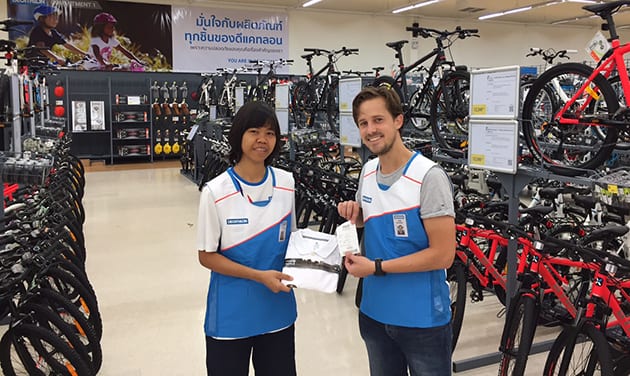
    People in Thailand are particularly passionate about football, water sports, trekking, running, road biking and golf. As of 22 October, they’ll have access to a wide range of technically sophisticated products available in Decathlon stores designed to help them enjoy these sports. Operational in Thailand for around twenty years with its production activities, the company has now swung its distribution arm into action!

    “We’re opening five stores in Bangkok, whose surface areas range from 1,700m2 to 2,700m2. They’re nicely spread out across the capital, including one right in the centre,” explains Decathlon Thailand boss Frédéric Bichet. These stores will be exclusive retailers of Decathlon’s Passion brands.

    Team recruitment based on sporting values
    In order to provide the best possible service for Thai customers, we had to attract new employees who weren’t yet familiar with the company. In total, 120 new team members will be joining the latest stores to serve our customers. So we could share our company values with them, they were recruited locally at sports events, at sales and retail workshops and at interviews with directors appointed to run the new stores.

    Just like the business itself, these teams have a strong international flavour. Decathlon’s new employees have come from Belgium, China, Romania and even Russia, looking to be part of the company’s next growth phase. One of the new store directors is even a former employee of the Thai production office, where he worked for twenty years. “It’s a great asset being able to benefit from all of these viewpoints and experiences brought to us by such international profiles,” insists Frédéric, “and it’s also important for the countries where these employees hail from. It’s proof that it is possible to successfully run this type of international project at Decathlon.”

    Thailand’s first Decathlon store opens in Bangkok

  • How big is Apple’s green initiative in China?

    How big is Apple’s green initiative in China?

    It’s not easy to convey the scale of the two initiatives Apple announced today to reduce its carbon footprint in China—Building 200 megawatts of solar projects in the provinces on its own and partnering with its Asian suppliers to install another 2 gigawatts of new clean energy.

    Apple’s press release offered some helpful analogies.

    —The 40 megawatts of solar projects already completed in the Sichuan Province produce more than the total amount of electricity used by all of Apple’s offices and retail stores in China.

    —The 200 megawatts of solar projects planned for the northern, eastern and southern regions of China will produce enough energy to power 265,000 Chinese homes in a year

    —The combined programs will avoid over 20 million metric tons of greenhouse gas pollution in China between now and 2020, the equivalent of taking nearly 4 million passenger vehicles off the road for a year.

    “Climate change is one of the great challenges of our time, and the time for action is now,” said Tim Cook, Apple’s CEO. “The transition to a new green economy requires innovation, ambition and purpose.”

    It also takes a lot of money. Apple achieved 100% carbon neutrality in its U.S. operations in part by generating its own clean energy and in part by buying credits from other clean energy providers. Now it’s doing the same in China.

    Not every company can afford that. Still, Apple is getting plaudits for leading by example.

    “We need governments and companies to transition us to renewable energy as rapidly as possible,” said Gary Cook of Greenpeace, an organization that played Apple’s scold not that many years ago. “Apple’s announcement today is a major step forward in building a renewably powered supply chain for its products.”

  • iPhone 6s hits store shelves in South Korea

    iPhone 6s hits store shelves in South Korea

    By Kim Seung-yeon

    SEOUL, Oct. 23 (Yonhap) — Apple Inc.’s two latest smartphones went on sale in South Korea on Friday, with the industry poised to keep close tabs on the market for possible overheating on the retail front.

    The country’s three major mobile carriers — SK Telecom Co., KT Corp. and LG Uplus Inc. — released the iPhone 6s and iPhone 6s Plus for sale via their respective retail stores nationwide.

    The iPhone 6s is available for 720,000 won (US$635) for the 16GB model and 1.14 million won for the 128GB, given the subsidy of about 130,000 won, according to the telecom companies.

    The price of the iPhone 6s Plus starts from 999,000 won and runs to 1.26 million won depending on the phone’s storage capacity.

    The mobile carriers each held a launching event for the new iPhone series earlier in the day, offering various promotions and free gifts to woo consumers.

    The release of a new iPhone series usually draws heated interest here among consumers, including Apple loyalists, and the entire industry.

    Huge demand for the new iPhones has been a trigger for the mobile carriers to risk giving large sums of rebates that passed the legal limit in order to steal customers away from rivals.

    In October last year, the government came up with a new handset subsidy law to curb the excessive paybacks. Yet it proved to be less than effective when the iPhone 6 series went on sales later in that month and retail vendors began to splurge subsidies.

    Industry watchers are paying close attention again this time as to how the market will response to the two upgraded iPhones, although many bet that there won’t be as much of a fuss as the previous releases due to tougher market conditions.

    The online presales of the iPhone 6s series, which ran through this week, ended in early closures as they sold out in the first few minutes of the start.

    Of the early purchases, 30.4 percent booked the new rose gold model, while preorders for the silver iPhone 6s Plus came in at mere 0.1 percent, according to one of the mobile carriers.

    Customers form a long queue to buy the new iPhone S6 series on the first day of its release in front of a direct retail store run by South Korean mobile carrier LG Uplus Inc. in Seoul, on Oct. 23, 2015. (Yonhap)

    Customers form a long queue to buy the new iPhone S6 series on the first day of its release in front of a direct retail store run by South Korean mobile carrier LG Uplus Inc. in Seoul, on Oct. 23, 2015.

  • Why a tourist’s death should serve as a wake-up call for HK

    Why a tourist’s death should serve as a wake-up call for HK

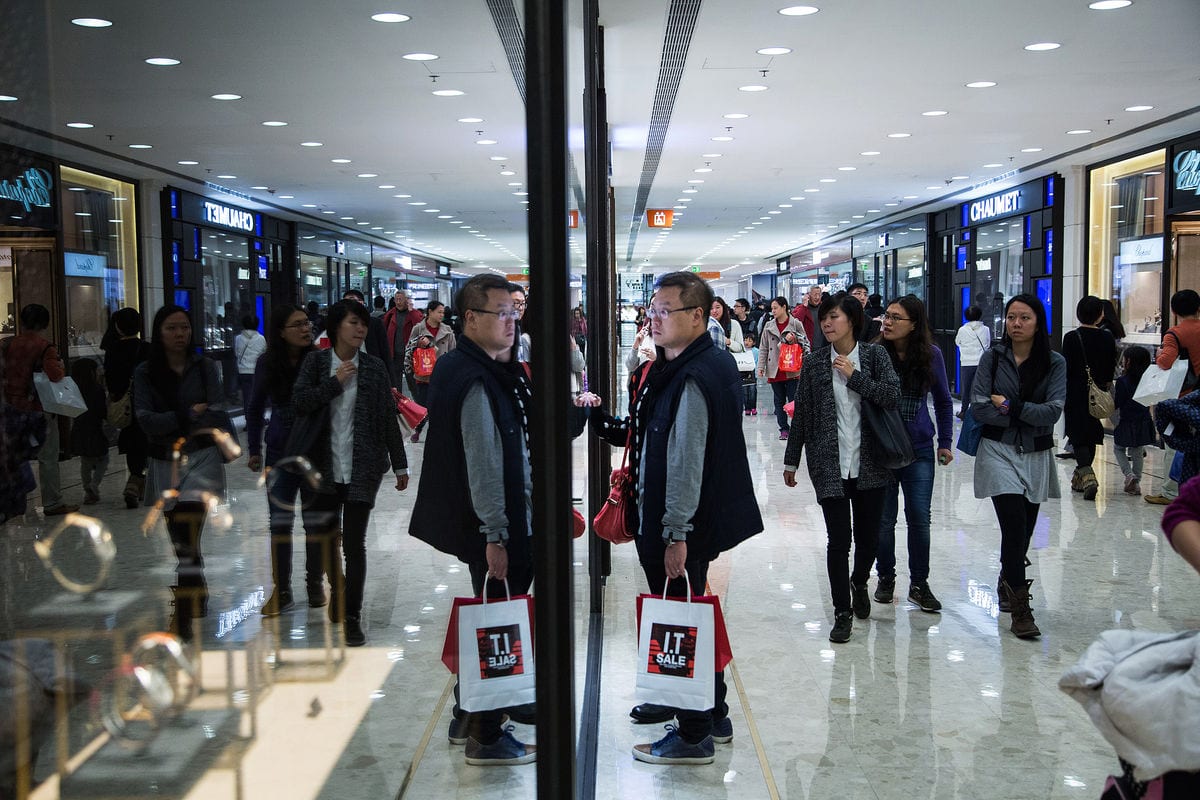
    Hong Kong’s retail and tourism sectors have suffered another setback as mainland media have, with good reason, reportedly widely the tragic death of a Chinese tourist in the city this week.

    Already reeling from slowing sales, the latest negative publicity about a “forced shopping” trip that went horribly wrong for a visitor was something that local tourism-related businesses could ill afford.

    Now, as the damage has already been done, what can Hong Kong do to redress the situation and prevent such incidents from happening again?

    And what are the broader lessons for local tourism authorities?

    On Monday, a mainland visitor was beaten up by a gang of men after he intervened in a brawl between a fellow tour group member and the tour guide.

    In the incident that took place at a jewelry store in Hung Hom, the 53-year-old man stood up in support of a female fellow tourist who was being berated for not making any purchases at the store. 

    Following a loud argument and some scuffles, the man was dragged out of the shop and beaten up by a gang of four men.

    The beating was so severe that the victim, a person named Miao Chunqi, later died in hospital. 

    China’s state media, not surprisingly, has covered the news in detail, portraying it as a reflection of the chaotic Hong Kong tourism market and lack of protection for mainland shoppers.

    The Global Times, for instance, wondered if there is enough rule of law in Hong Kong’s tourism industry.

    Following the earlier scathing criticism over anti-parallel trading protests in Hong Kong, the latest commentary on cross-border shopping issues is bound to put off more mainlanders. 

    While some reports say that the assailants of Maio were from the mainland, Hong Kong’s tourism authorities still cannot avoid facing difficult questions.

    The tragic incident could, in fact, serve a purpose if the government wakes up to the uncomfortable truth regarding many tour groups from China.

    The root of the problem is that some low-quality tour service operators in China have been offering “zero” price tours to Hong Kong to force tour members to spend in specific shops in Hong Kong.

    The tour operators hope to more than make up for the cheap tours by reaping commissions from the retail outlets with which they have prior arrangements.

    While some Chinese tour members know such norms and are willing to spend in the shops they are taken to, some of them resent being put under pressure and refuse to make purchases.

    It is then that conflicts arise with the tour guides and trip organizers, leading to violence in some cases.

    The distorted service chain has been in existence for many years, but authorities in both Hong Kong and China have shown little inclination or courage to tackle the issue.

    One reason why they have been reluctant to shake up things is this: officials fear that disrupting the trade will go against the process of deepening the commercial ties between China and Hong Kong.

    Even after several reports of mainland shoppers being taken for a ride, the Leung Chun-ying administration has failed to act over the issue of errant tour service providers.

    Now, with the shocking case of a tourist’s death following a “forced shopping” trip, one only hopes that it will finally be a wake-up call for the government. 

    The time has come for our chief executive to address the industry problems, fixing things at home as well as putting pressure on Chinese authorities to clamp down on shady tour services firms. 

    The task is not too difficult if Leung musters the will and determination and the political courage to take on some vested interests.

    Is he up to the challenge?


  • Suntec City officially reopens after S$410m revamp

    Suntec City officially reopens after S$410m revamp

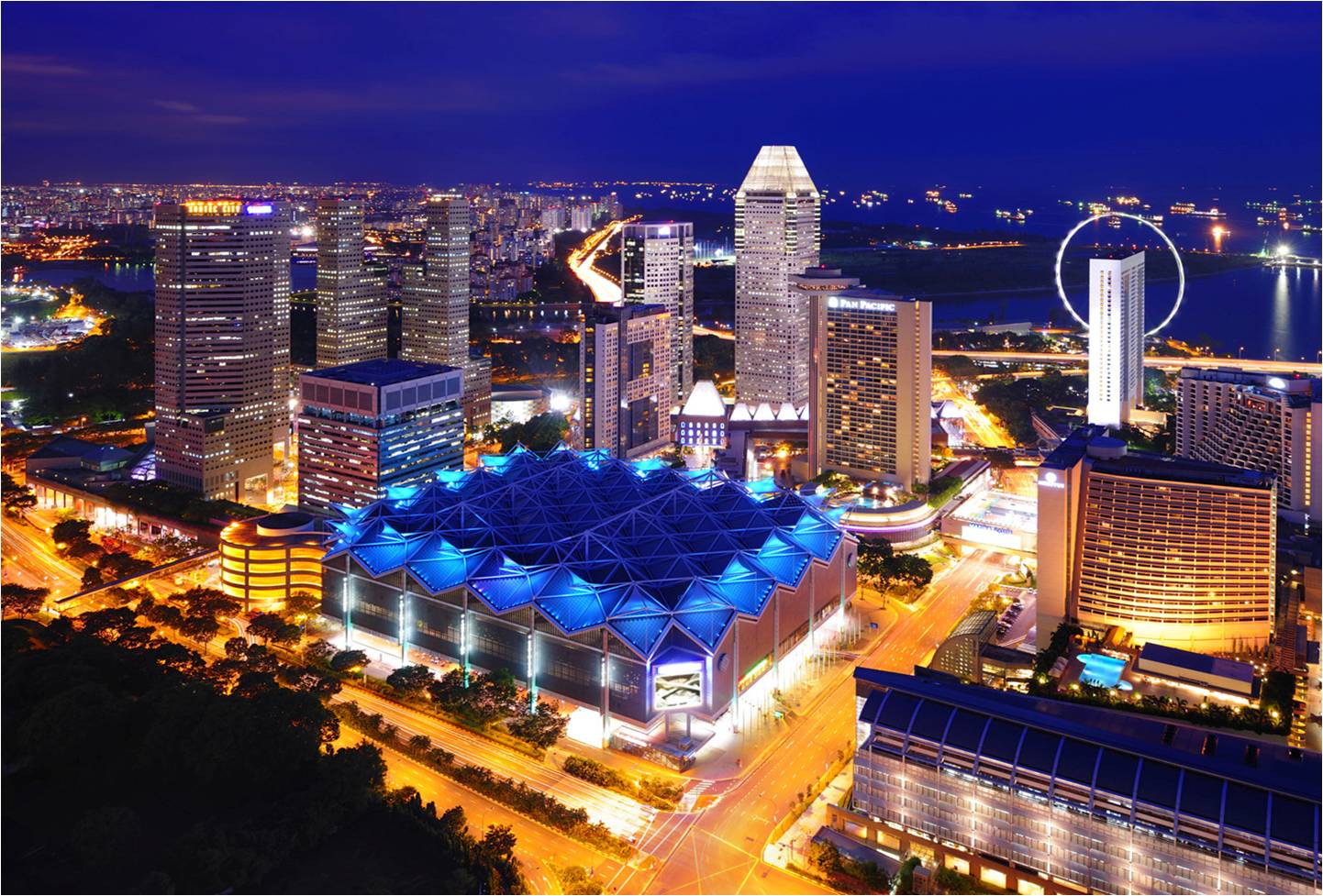
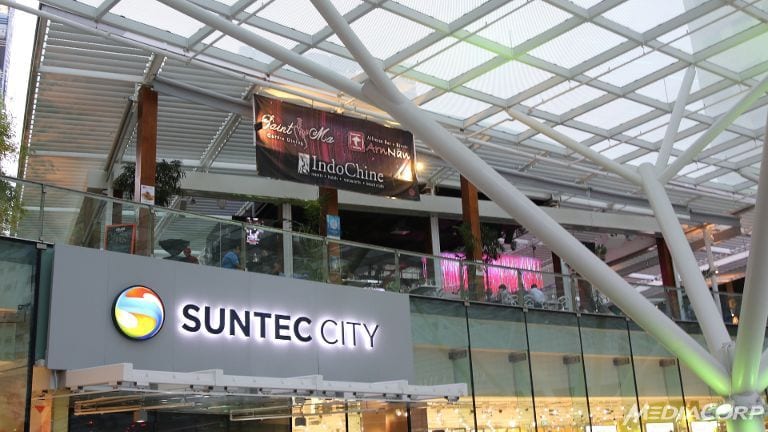
    Suntec City officially reopened on Thursday (Oct 22) following a S$410 million enhancement.

    In a press release, ARA Trust Management (Suntec) Limited, the manager of Suntec REIT, said enhancement works began in June 2012 and were completed in June this year.

    The works involved decanting low-yielding spaces and converting levels one and two of the Suntec Singapore Convention & Exhibition Centre for retail use. The retail footprint now covers close to a million square feet.

    “Today marks an important milestone for Suntec City as we celebrate its official opening,” said Mr Yeo See Kiat, chief executive officer of ARA. “Through this transformation, Suntec City is now a more vibrant and exciting destination with new retail offerings and experiences for everyone.”

    The event was attended by Minister for Social and Family Development Tan Chuan-Jin. To mark the occasion, Suntec REIT chairman Chew Gek Khim presented a cheque donation of S$200,000 towards President’s Challenge 2015 beneficiaries.

  • Has Singapore Finally Become Too Expensive?

    Has Singapore Finally Become Too Expensive?

    Singapore has long been seen as a mecca for high-end shopping. Locals and tourists alike have miles and miles of malls and boutique-lined streets to wander through. Retail refugees from China, the Philippines, Indonesia and Malaysia come to the small city state because they can buy authentic Louis Vuitton, smell real Chanel and eat their fill of those famed Laduree macaroons.

    Something unexpected has been happening more and more over the past couple of years. Foreign visitors have been coming to Singapore’s shopping streets, but they have been keeping their wallets in their pockets.

    A haven for luxury

    Singapore has the world’s third highest per capita GDP, and locals do buy the pricey brands, but luxury boutiques still rely on tourist sales to make their profits and to justify the high cost of leasing or buying retail space in the heart of Singapore.

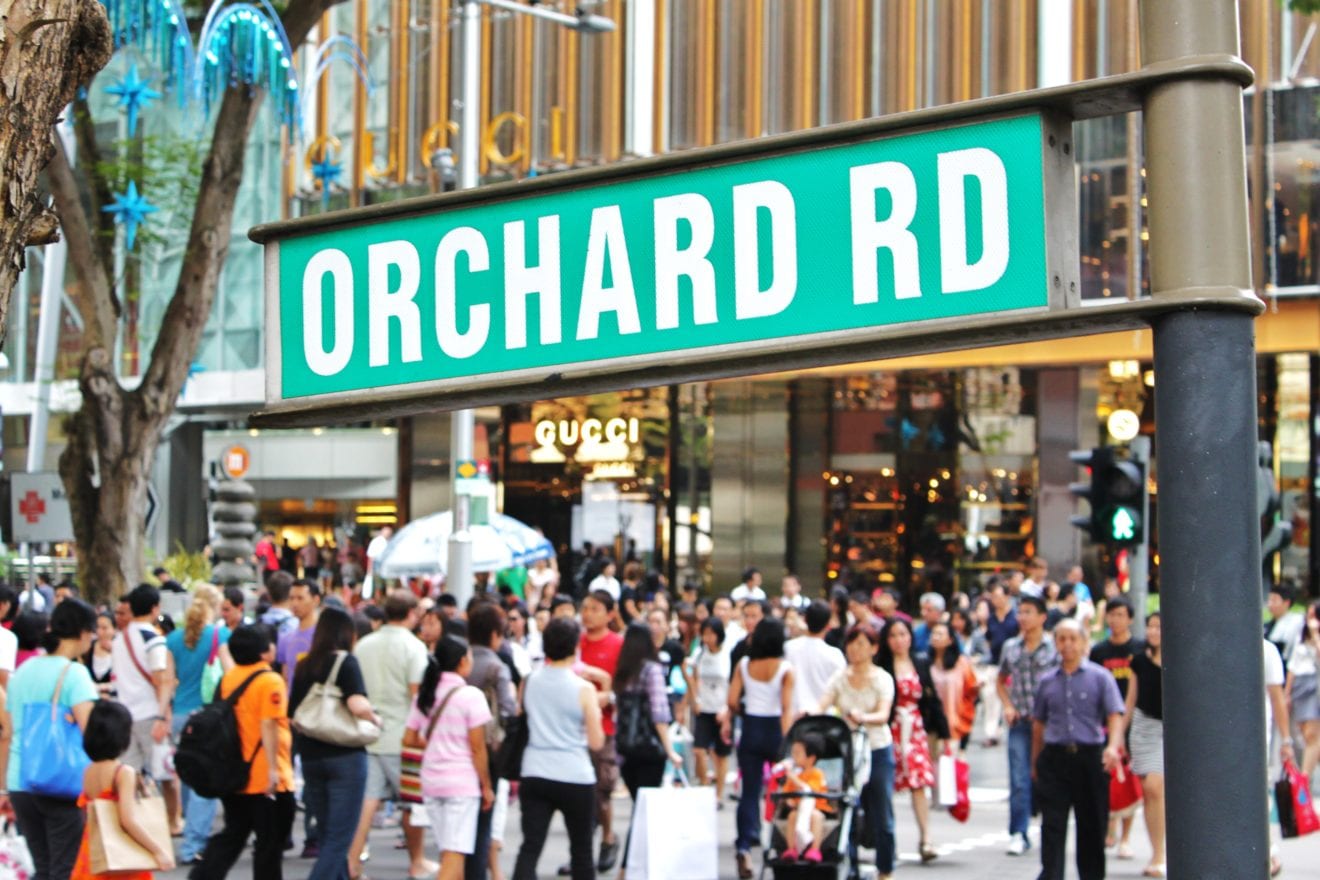
    These boutiques want to be in the heart of the city. That means spending big bucks to get space along Orchard Road, which is the epicenter of Singapore’s tourism scene. According to the Singapore Business Review, up to 80 percent of all luxury items sold in the country are bought in the Orchard Road area.

    Tourists are everywhere on Orchard, but most of them are opting to window shop instead of actually buying.

    Indonesian travelers are usually in the country for other reasons: business, medical tourism or to visit relatives. Some may spend time at boutiques, but this is not the main reason that they are in Singapore. Australians, meanwhile, are stuck with a weakened currency, so shopping with Singapore Dollars is not financially feasible.

    What about discounts?

    Downtown shops have been experimenting with sales and promotions. Some of these are specifically aimed at getting tourists to make purchases. Coach is offering a 10 percent discount at its Orchard Road locations, but Singaporeans don’t qualify for the price break. To get the deal, shoppers have to show their passport to prove that they are foreign visitors.

    Even this hasn’t worked. Tourist shopping statistics have held steady. Visiting buyers currently represent about 35 percent of the total sales for luxury items in Singapore.

    Has Singapore simply become too expensive?

    Yes, Singapore is expensive even if you don’t go there to add to your Vuitton bag collection. But it isn’t really fair to say that the luxury marketplace is struggling because country has become too expensive.

    The biggest expense for most tourists in Singapore is their hotel. Rooms are expensive, and if you are staying in a central location, they can be extremely pricey. At the same time, you can always eat cheaply at hawker centers and get around easily via the awesomely useful public transportation system. Also, if you can escape from Orchard Road, you will find some reasonable (if not cheap) places to shop.

    So while Singapore’s luxury brands are struggling, it is not quite right to say that the city is killing its tourism scene with high prices.

  • China’s 500m middle class consumers

    China’s 500m middle class consumers

    Within the next ten to twenty years there will be 500m middle class consumers in China, according to Jack Ma, and there will be huge opportunities for smaller Western brands to gain a foothold in this market.

    “In the last 20 years China was focused on exporting, in the next 10-20 years China will focus on importing,” the founder of ecommerce giant Alibaba told a business gathering in London. “We’re coming here to help small businesses in the UK, in Europe, to sell to China.”

    To this end the company has made its London office a regional hub and opened offices in Italy, France and Germany.

    Some 5,000 overseas brands from 25 countries are expected to take part in Singles Day, Alibaba’s annual online shopping extravaganza on November 11, which this year will feature 6m products from more than 40,000 merchants and 30,000 brands.

    Last year shoppers from 175 countries placed orders on Alibaba’s platforms during the first 40 minutes, as the company upgraded the event into a global online shopping carnival by helping Chinese shoppers purchase overseas products and overseas buyers acquire goods from China.

    The ecommerce business has announced it will this year be “merging bricks with clicks”. Jeff Zhang, president/China retail marketplaces, explained this was a theme of the 2015 event and “marks the first step in achieving the full integration of the digital economy and physical commerce”.

    Some 180,000 stores in 330 cities across China are using a variety of omnichannel strategies to make shopping more convenient and rewarding.

    So, for example, customers entering one of these stores will get text notifications from their Taobao mobile app and can then scan an event barcode to win discounted e-coupons to redeem on the 11.11 shopping day.

    Leading retail brands – including Suning, Intime and Haier – will have special in-store experience zones where consumers can try out displayed products before scanning the barcodes and purchasing them at the discounted prices reserved for sales on 11 November.

  • Trade Expo Indonesia (TEI) 2015 Opens with 118 Countries Ready to Make Transactions

    Trade Expo Indonesia (TEI) 2015 Opens with 118 Countries Ready to Make Transactions

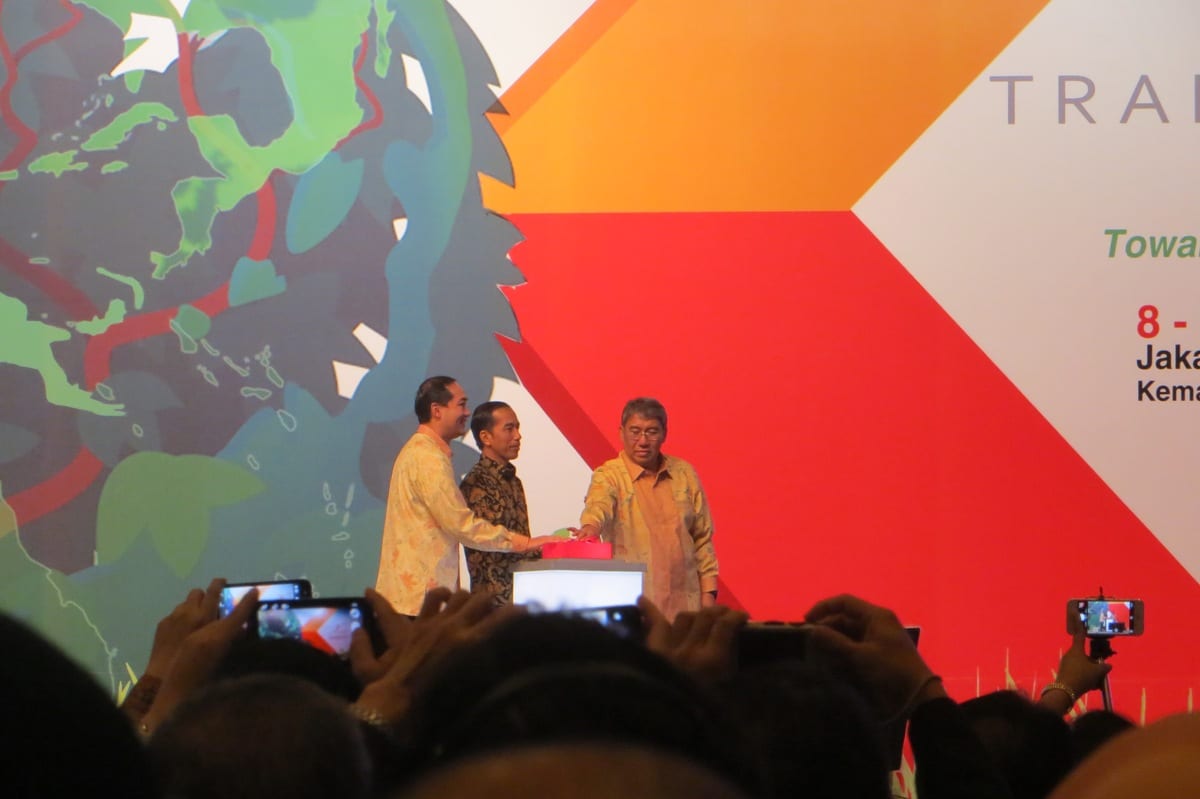
    Indonesia is once again holding its largest international scale trade promotions exhibition, the Trade Expo Indonesia (TEI) 2015. The 30th TEI event will be attended by more than 14 thousand buyers from 118 countries. TEI this year will be carrying the theme “Sourcing at Remarkable Indonesia” and is being held at the Jakarta International Expo (JIExpo) from the 21-25 October, showcasing export oriented products and services.

    The Indonesian Minister of Trade, Thomas Trikasih Lembong, said that TEI was an important instrument for promoting Indonesian exports. “TEI is one of the tools to increase market access and export target market diversification, particularly to nontraditional and emerging markets. The same as last year, TEI this year will focus on Business to Business transactions (B2B),” said Trade Minister Tom at the opening of TEI on Wednesday.

    In order to make TEI become an effective promotional event, the Ministry of Trade is focused on ways to bring in buyers from all over the world. This was done by way of cooperation with the Ministry of Foreign Affairs; through Indonesian representative offices abroad such as Indonesian Embassies, Trade Attaches, Indonesian Trade Promotion Centers (ITPCs); and also through cooperation with the Chambers of Commerce and Industry of friendly countries to spread information abroad about the holding of TEI.

    “Efforts to diversify markets has continuously been carried out by the Ministry of Trade and it seems that now the buyers delegation list comprises mostly of countries from nontraditional markets, including Nigeria, India, Saudi Arabia, Bangladesh, and Malaysia,” said Tom.

    TEI this year will occupy a 50.000 m2 of exhibition space, larger than last year, which only occupied 40,000 m2 with occupancy reaching 99% of the target. The products that will be showcased include manufactured products (automotive products, footwear, textile products, household appliances, building materials, housewares, consumer goods, paper products, health equipment, rubber products, etc.), professional services, furniture, home decorations, processed food, fishery products, agriculture products, and other creative products.

    The “Pride of Indonesia” Pavilion has also returned with local products that are the pride of Indonesia and has been accepted in the global market. There will also be an ASEAN Pavilion set up with an information stand by ASEAN representative countries as well as an ASEAN Economic Community Center (AEC Center) to welcome the implementation of the ASEAN Economic Community (AEC), which will go into effect in December 2015.

    Events at TEI 2015 

    On the first day of TEI 2015, several trade contracts worth more than USD 8 million were already recorded. The signing of trade contracts were conducted between seven Indonesian exporters with five buyers, namely PT. Cipta Panel Buana with Kohnan Shoji Co., Ltd. from Japan, PT. Anggana Catur Prima with JANS Enterprises from the United States, PT. Perkebunan Nusantara VIII with Kong Wooi Fong Tea Merchant Sdn. Bhd from Malaysia, Sinar Sosro with Eastern Cross Trading Pty. Ltd. from Australia, and PT. Inti Bintang Mas Perkasa with Canejava Pty Ltd from Australia.

    TEI 2015 also continuously strives to inform about the latest in developments and regulations of the international export market by holding various activities such as the Trade, Tourism, and Investment (TTI) Seminar to inform exporters, buyers, and investors about taking advantage of international trade and investment opportunities. Regional Discussions will also be held to inform about potential products and foreign market access as well as discuss issues related to international trade.

    Besides that, there will also be a Business Counseling, which is a consultation event facilitated by the Trade Attache and the Head of the Indonesian Trade Promotion Center (ITPC) in order to provide information access and information on penetrating foreign markets for exporters. There will also be a Business Matching to introduce buyers to suitable Indonesian exporters that matches the products the buyers are looking for.

    Moreover, TEI 2015 have also awarded the Primaniyarta Award to 30 Indonesian exporters for various categories, namely 7 companies in the Domestic Capital Investment High-performance Exporter Category, 7 companies in the Foreign Capital Investment High-performance Exporter Category, 6 companies in the Global Brand developers Category, 7 companies in the Superior Potential Exporters Category, and 3 companies in the Exporters of New Market Pioneers Category.

    Afterwards, the presentation of the Primaduta Award to 60 loyal buyers that have been importing Indonesian products. This is a form of appreciation presented by the Government to those who have contributed to increasing Indonesian exports. “We hope that TEI this year will be able to result in even more trade cooperation between Indonesian exporters with buyers so that it could directly contribute to the growth of the national export performance,” said Trade Minister Tom.
  • Dyn Evolves Internet Performance Space with Launch of Internet Intelligence

    Dyn Evolves Internet Performance Space with Launch of Internet Intelligence

    As Singapore gears up to become the world’s first Smart Nation, keeping communities and businesses connected to the Internet is crucial to support better living and working. Likewise, companies are beginning to realise that the performance of the Internet has an impact on their website, app or service and eventually, customer experience, reputation, and revenue. Dyn, the worldwide leader in Internet Performance, announced today availability of Internet Intelligence (II), a SaaS-based product that provides companies with a new and unique view of the Internet by looking at performance between a company’s customers and its Internet assets.

    “The variabilty of the Internet is both good and bad. Every path will eventually have problems, but there are many paths to choose from. Companies need to monitor their options constantly and play the optimisation game. The belief that Internet performance is uncontrollable is a myth. Although the Internet is an unpredictable and complex space, Internet Intelligence allows companies for the first time to monitor, alert and plan for their complex Internet Infrastructure from a single platform,” said Martin Ryan, Vice President and Managing Director Asia Pacific at Dyn.

    As an increasing number of companies migrate to the cloud, the ability to mitigate risk and control cloud becoming a business imperative.

    Almost 40% of organisations in Singapore are using cloud computing; while more than 35% are planning or implementing cloud strategies.

    II enhances availability, reachability, and performance

    Internet Intelligence is a vendor-agnostic SaaS offering that shows a company’s full global cloud provider, Content Delivery Network (CDN) and data centres on one dashboard, allowing IT executives to see how real-time availability, reachability, and performance issues impact their own customers. By alerting issues directly in the dashboard or via email, companies of all sizes and IT sophistication can quickly isolate and fix small issues before they become costly problems.

    “Distil Networks blocks malicious bots from disrupting many of the world’s top websites. To keep companies safe, we need visibility and continuous monitoring of key peering relationships and providers that our customers use,” said Engin Akyol, CTO of Distil Networks. “Dyn’s Internet Intelligence goes beyond anything else on the market because it pinpoints the exact location of an external network issue and allows us to mitigate the situations before they become larger problems.”

    For example:

    • Availability — An hour of downtime costs the average business US$163,000. For a large enterprise, like a consumer streaming movie service, it’s estimated that a recent 42-minute outage cost in excess of US$500,000. Internet Intelligence detects outages and performance problems and directs how to reroute traffic so the effect is minimised or unnoticed for customers.

    Through a consolidated single view across all Internet assets, II allows companies to accurately manage and deploy to their cloud providers, identify issues in real-time while performing root cause analysis of problems and effects and create plans for how to improve and expand their Internet infrastructure – all of which benefit the end-user experience with Managed DNS is increasing focus on cloud computing in Asia Pacific, with 58.6% of organisation decision-makers

    A study conducted by Frost & Sullivan has found identifying it as their #1 priority in the next 12 months.

    • Reachability — Just because a company’s infrastructure is reporting that it is available, this doesn’t mean that customers can reach it. Reachability – whether customers can actually reach your Internet assets – needs to be monitored. In cases where a business is using a single cloud instance, an outage or failure will have a detrimental impact on reachability – and unless businesses are monitoring their reachability and mitigating for failures, they have little choices for rerouting if a disruptive event occurs.
    • Performance — Many businesses use CDNs to accelerate web page load. Amazon calculated that a slowdown of just one second can cost US$1.6 billion in sales per year, 7 percent of annual revenue. Businesses need to quickly recognise Internet inefficiencies and outages to avoid accumulating latencies. II’s real-time dashboard alerts companies when routes rise above expected traffic thresholds for cloud providers, CDNs and data centres to find the root cause of the issue. For CDNs, II also ranks a company’s selected CDN against others so they can choose a better option if available.

    “The recent outages at AWS East and Skype remind us that all Internet assets are vulnerable to variability, and downtime and poor performance can be very costly,” said Robert Mahowald, IDC VP Cloud and SaaS. “Dyn’s Internet Intelligence offerings allow companies to have constant vigilance and employ self-healing Internet Performance strategies that can mitigate the risk of the dynamic Internet.”

    When Internet Intelligence is combined with Dyn’s Traffic Management product for load balancing and geographic routing, companies can make changes to the routes of their traffic, allowing them to provide their customers with the best experience possible.

    II is the newest product within Dyn’s Internet Intelligence product suite, which has been heavily adopted by service providers and some of the largest enterprises, like Visa, TripAdvisor and Ancestry.com.

  • In Asia mom-and-pop stores continue to beat supermarkets

    In Asia mom-and-pop stores continue to beat supermarkets

    In Asia, the traditional ‘mom-and-pop’ stores draws about half of retail sales. This research firm Nielsen reveals the oversight by marketers and brand managers, who may have dismissed the transactional potential of the more traditional trade stores.

    Fast-moving consumer goods vying for market share and customer loyalty ought to look to these traditional stores when it comes to engaging the Asian shopper.

    A better understanding of this fragmented yet ubiquitous traditional trade channel – which comprises more than five million outlets in Southeast Asia alone – has the potential to drive sales by putting brands in front of more consumers.

    Traditional trade channels account for almost half of all grocery sales in Asia. In 2014, 47.9% of all retail sales were made through traditional trade channels, compared to 17.2% for supermarkets which accounts for the second-largest proportion of sales. 

    nielsen-traditional-trade-chart1

    Connie Cheng, executive director of shopper solutions for Southeast Asia, North Asia and Pacific, says traditional trade accounts for up to 70% of all retail sales in key markets such as Jakarta and Ho Chi Minh City.

    “While there’s been a headlong rush into the hypermarket and supermarket retail formats throughout most of Southeast Asia, there are untapped loyalties between brands and consumers shopping at traditional trade stores on every street corner, in every town, village and city,” said Cheng. 

    The who, what and where of traditions

    The research founds that the humble warung in Indonesia, the Philippine sari-sari, Malaysia’s kedai runcit and Vietnam’s cử a hàng tạp hóa are used by consumers in similar ways. The majority of consumers shop at traditional trade stores for daily meals, snack foods and beverages for immediate consumption, while they are less important for top-up or main shopping trips. 

    nielsen-traditional-trade-chart2a

    Majority of consumers plan their trips to the most conveniently located store in advance, and have a specific brand in mind.

    Such behaviour highlights opportunities for brands to vary pack formats or leverage loyalty for premium lines to increase basket size.

    Who are your shoppers?

    When it comes to commonly purchased products, powdered coffee blends, coffee and carbonated drinks top the list in Indonesia, the Philippines and Vietnam, respectively.

    While shoppers clearly tend to view the traditional trade store as an extension of their kitchen pantry, sales of homecare and personal care lines are also common purchases. Laundry items, shampoos, makeup, vitamins, baby-care lines and general household products are the most frequently purchased items at grocery stores in Indonesia, the Philippines and Vietnam.

    Studying segmentation

    Marketers need to undertake a more thorough segmentation analysis to maximise market share. Although traditional trade grocery outlets are plentiful in Indonesia, Malaysia, the Philippines, Thailand and Vietnam, the market is fragmented.

    Cheng suggests extending segmentation and tapping shopkeepers for their intimate understanding of hyper-local consumer behaviour. “Information on demographics, psychographics and shopper behaviour can help provide actionable information for sales teams,” she added.

    A better understanding of grocery shoppers can also assist in brand strategy and modelling, potentially unlocking value for brands in regions with a higher average GDP. This may help overcome issues in a fragmented market.

    There’s a disconnect between the desires of brand managers, who may think that bigger is better, and the demands of shoppers utilising Southeast Asia’s most popular channel for purchasing groceries – the traditional store format.

    “Traditional format stores are as relevant now as they have ever been. By better tapping into consumer behaviour, brands can discover what most Southeast Asians already know; that bigger doesn’t always equate to better,” Cheng added.

  • Hong Kong wine vendors look to beat the retail slump at festival

    Hong Kong wine vendors look to beat the retail slump at festival

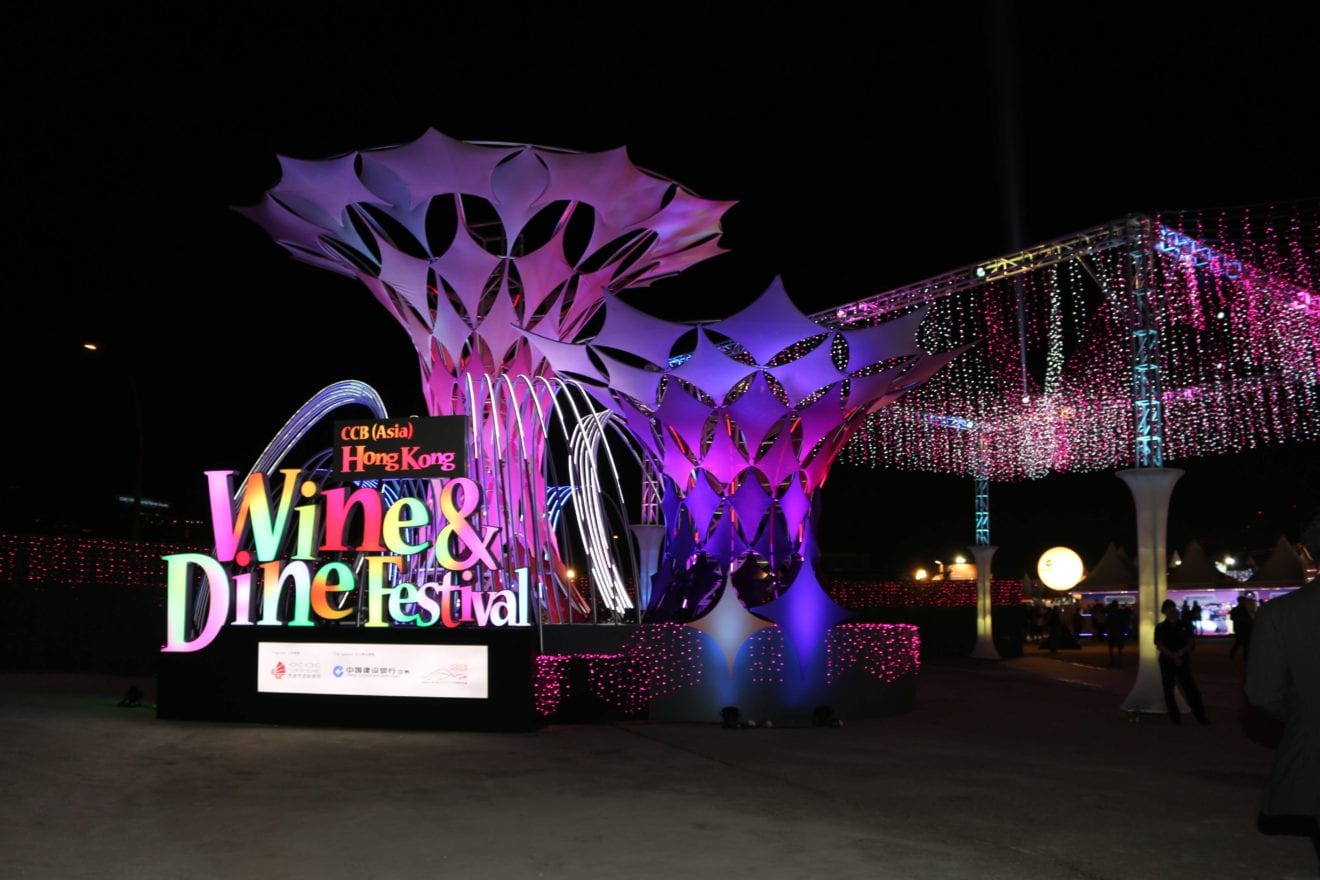
    Vendors of wines and liquors appeared to be undaunted by a retail and tourism slump in Hong Kong as they welcomed the annual Wine and Dine Festival in the Central harbourfront.

    One of the biggest in recent years, the festival this year features 340 stalls and offers a free flow of samples in return for the HK$30 cost of an admission ticket for the event.

    Henry Lum Kai-cheung, 41, general manager of Cheers, a boutique wine and cocktail store that operates both in Hong Kong and on the mainland, said the lacklustre retail performance and slowdown of tourism in the city had not deterred him from setting up a stall this year.

    “Actually 90 per cent of my business in the festival in the past years has been from local residents,” Lum said.

    “Tourists don’t usually buy many bottles here because they would have to carry them back home.”

    Jamie Lo Ching-man, marketing manager of Kiwa, a company that imports spirits from Japan, had similar views.

    “Most of our customers are Hong Kong locals. In fact, this year, we doubled the number of booths in the festival from five to 10 because I think there is huge demand for our wine in the community,” said Lo.

    He was expecting an 80 per cent increase in sales from last year.

    According to Lo, the impact of the economic slowdown is not easily evident from the festival itself because many wine companies in Hong Kong thrive by supplying their products to restaurants in the city.

    “We now have fewer orders from restaurants and business has dropped 20 per cent in that area starting from the middle of this year,” Lo said.

    The festival, which runs for four days till 10pm on Sunday, attracted over 140,000 visitors last year when it was relocated to Kai Tak due to the Occupy protests in nearby Admiralty.

    Despite the withdrawal of 40 exhibitors last year, Lum still had fond memories of his stall’s performance, which greatly surprised him.

    “There was an initial worry, but it ended up becoming a huge success because the organiser waived the admission fee and this attracted many people,” Lum said.

    “If I can reach the same sales volume this year, I’ll be happy.”

    This article appeared in the South China Morning Post print edition as Wine vendors look to beat the retail slump at festival

  • Hamleys to be sold to Chinese footwear retailer

    Hamleys to be sold to Chinese footwear retailer

    Hamleys, the 255-year-old toy retailer, is poised to be sold to a Chinese footwear company for an estimated £100m.

    C.banner International Holdings has confirmed that discussions to buy Hamleys from its French owner are at an “advanced stage”.

    The company released a statement on the Hong Kong Stock Exchange on Thursday afternoon saying it was: “in the process of negotiating and finalising the definitive documentation with a view to entering into a legally binding agreement in the near future.” But it added that no definitive agreement had been entered into.

    The expected sale comes during the state visit to Britain by the Chinese president, Xi Jinping, that sealed £40bn worth of trade deals, including an £18bn investment in the Hinkley Point nuclear plant, controlled by EDF of France.

    Hamleys is best known for its seven-storey flagship store on Regent Street in London, where Father Christmas will soon greet youngsters. The expected move to Chinese ownership is the latest episode in the store’s turbulent recent ownership history, which has seen it pass into Icelandic and then French hands.

    The store has become part of the London tourist trail and is seen as quintessentially British, despite its foreign ownership – a trait it shares with several other local landmarks. Harrods, one of the capital’s other big historic retail brands, is owned by Qatar Holdings; Hong Kong-based Dickson Concepts owns Harvey Nichols; while Royal tailor Gieves & Hawkes is part of Hong Kong-listed Trinity Ltd.

    C.banner International, which specialises in women’s footwear under brands including MIO and Sundance, said it was interested in Hamleys’ strong brand as part of a plan to diversify its business. It also wants to develop a “strategic partnership” to distribute toys and children’s products via British department store House of Fraser – which was bought by Chinese conglomerate Sanpower last year.

    Yuan Yafei, the billionaire chairman of Sanpower, is thought to have family links to C.banner International, which is led by chairman Chen Yixi.

    Hamleys was launched as Noah’s Ark in 1760 by William Hamley, a Cornishman from Bodmin, who stocked tin soldiers, wooden horses and rag dolls.In 1881, a new branch of the shop opened in Regent Street, although at a different location from its current spot.

    The company was once listed on the London Stock Exchange, but was snapped up by Icelandic retail investor Baugur for £59m in 2003. Since then it has passed through a string of foreign owners.

    Icelandic bank Landsbanki took control of the store in 2009 after Baugur got into financial difficulties during the global financial crash. Four years later it was sold on to French retailer Groupe Ludendo, which operates hundreds of toy shops across France, Belgium, Switzerland and Spain.

    Under its series of owners, Hamleys has expanded across the UK – adding stores in cities including Cardiff, Glasgow and Manchester. In recent years it has also expanded overseas, including opening Europe’s largest toystore in Moscow in March. It is said to be considering expansion into the US.

    The revolving door for owners in recent times reflects an uneasy history for the spectacular toy store. In 1931 Hamleys was forced to close. It reopened later that year after being bought out by Walter Lines, co-owner of Tri-ang Toys. Lines was rewarded with a royal warrant from Queen Mary in 1938.

    The Regent Street store was bombed five times during the second world war and staff are said to have served at the shop entrance wearing tin hats during the blitz.

    Hamleys was issued with a second royal warrant by Queen Elizabeth II, who bought toys there for her children in 1955.

  • Hong Kong retail rents will continue to fall in next year

    Hong Kong retail rents will continue to fall in next year

    In more than three decades in Hong Kong’s real estate industry, Sheraton Valuers’ Michael Chik Pa-fai has seen a number of up and down cycles. With retail sales falling, the managing director of the retail property-focused brokerage expects the slump in retail rents to last for at least a year before the market finds its bottom.

    Q: We saw street shop rents falling sharply in Causeway Bay and Central in the last quarter. Will the falls stop?

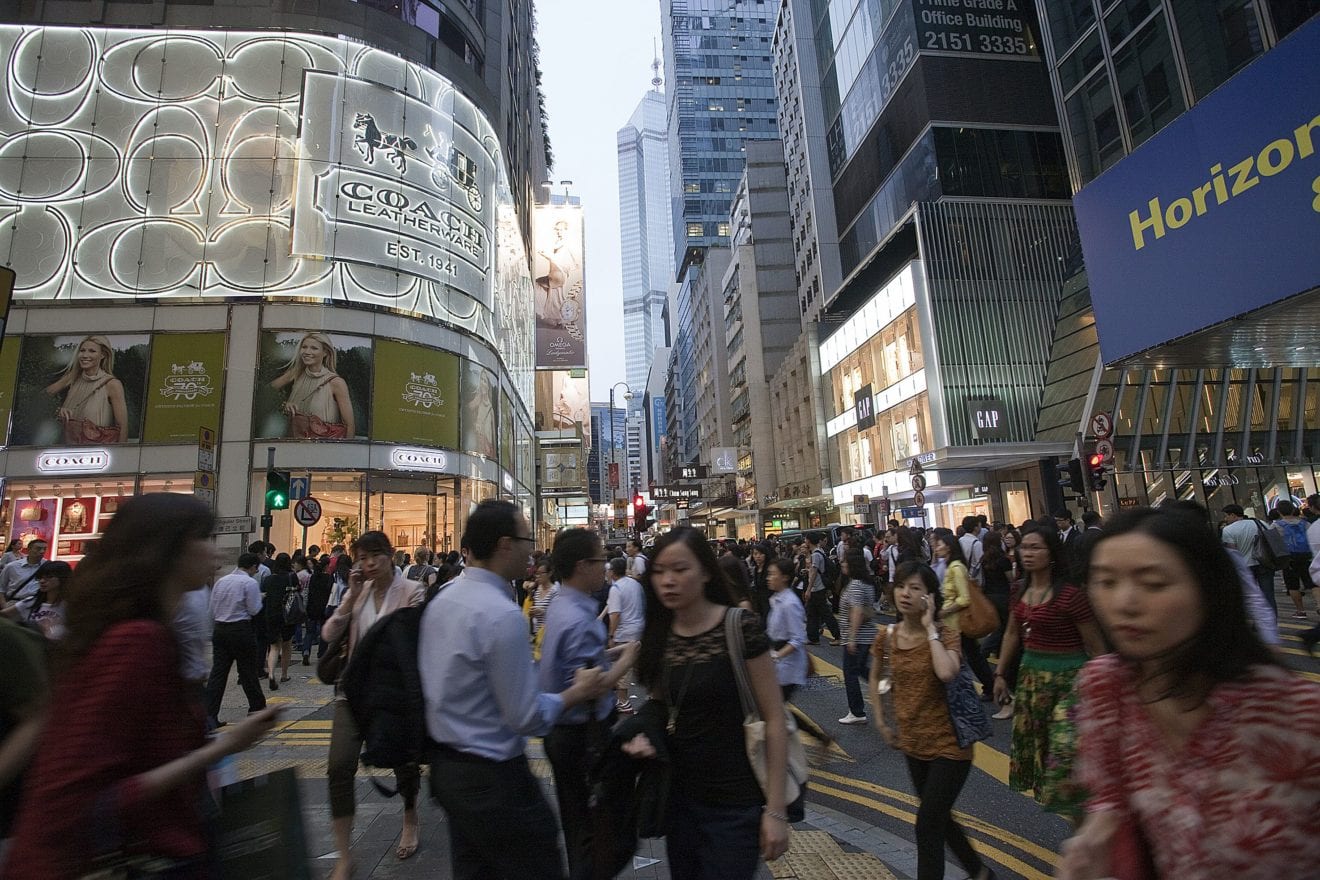
    A: I do not think so. The falling trend began when luxury brand Coach terminated the leasing contract of its Central shop due to slow sales of luxury goods. Adidas will now move into the three-storey shop for lower rent. The fall led to a domino effect and extended the pressure to Causeway Bay in the third quarter, and it will spread to Tsim Sha Tsui soon.

    There are still a number of shops vacant in Causeway Bay, such as those in the second-tier street Percival Street. One landlord of a Percival Street shop wanted to rent out his shop with a monthly asking rent of HK$450,000 in May this year, but no one showed interested. The shop was recently sold and the new owner cut the asking rent to HK$300,000 a month but so far it has not found a tenant.

    In Central’s China Building at 29 Queen’s Road Central, landlord Cheung Kong Property Holdings is still looking for a tenant to fill the vacant space after Italian brand Baldinini left by the end of July. Baldinini rented shops three to five on the ground floor as its Hong Kong flagship store at the beginning of this year. It moved in after Asia Commercial Holdings’ shop that traded Rolex luxury watches moved out.

    Q: Are there any tenants still planning to leave before leases expire?

    A: There are quite a lot. When retail sales were good and mainland tourists rushed to visit Hong Kong, retailers opened more than one shop on one street. Now they are considering closing the worst-performing ones. The lease of Puyi Optical’s shop at 116-120 Canton Road will expire next month. It is understood that it won’t renew the lease because it has another shop on the same street.

    Q: When will the market stabilise?

    A: The pace of rent correction in Causeway Bay is slowing after the recent decline. Rents will start to fall on Canton Road when a number of leases expire at the end of this year and next year. One example is that Asia Commercial Holdings moved into three shops in Manley House at 86-89 Canton Road in 2013 for a monthly rent of about HK$6.3 million. The retailer has been planning to sublet one shop with an asking rent of HK$1.3 million with the aim of reducing rental pressure. But it has yet to find a taker.

    When there is vacant shop, landlords of shops on the street will feel the pressure. New leases for some shops on Canton Road will be 30 per cent below old leases.

    It will take a year to let the market finds its bottom. It will go back to the rental level in 2011. Rents have jumped too fast over the years. Before Asia Commercial moved into the three shops in Manley House, Sa Sa International occupied the shops at a monthly rent of HK$1.59 million. Rents jumped more than fourfold.

    The recent downturn will pull rents down. Rents for this kind of shop will be less than HK$1 million.

    Q: Is it the worst time you have seen?

    A: Definitely not. The worst times were the years between October 1997, when Asia suffered a financial crisis, and 2003, when Hong Kong was hit by the severe acute respiratory syndrome (Sars) outbreak. The whole market picked up in 2004, bolstered by the introduction of the Individual Visit Scheme, announced in 2003, and rents kept rising since then.

    The good news is mid-range brands , which had been forced to move to secondary or tertiary locations to make way for luxury-market retailers, are taking advantage of the current market slowdown for opportunities to return to prime shopping districts. For example, Hong Kong-based cosmetics retailer Bonjour has returned to Russell Street, one of the world’s most expensive shopping streets.

    Q: What is Sheraton Valuers’ background?

    A: Chairman Yam Wing-Yin found the company in 1985. We specialise in the sale and leasing of shops and commercial premises. Our retailer clients include well-known brand names such as Emperor Watch & Jewellery, Chow Tai Fook Jewellery, Prince Jewellery & Watch, Sa Sa and Bonjour.