Blog

  • The new niches in China’s ecommerce market

    The new niches in China’s ecommerce market

    Alibaba’s sales is only 5 percent of total retail in China and JD.com’s sales of electronics products represent about 2 percent to 5 percent of total electronics retail as well, according to Dangdang.com’s CEO Li Guoqing.

    If you only look at the Chinese ecommerce giants’ recent financial report, most people would agree that the competition has settled because Alibaba alone has accounted for about 80 percent of the market share in online shopping sales. The combined sales from Alibaba and JD.com have close to about 90 percent of the Chinese online retail market.

    However, at least one executive of a Chinese e-retailer thinks the position of those leaders is not secure. “The size of the business is not equal to competitive advantage and competitive threshold.  The market will be settled only if the marketing leaders have some unique edges and generate difficult barriers to entry,” says Li Guoqing, cofounder and CEO of Dangdang.com, in a speech in One Thousand Ecommerce Professionals Seminar in China:

    Alibaba’s sales only account for about 5% of retail sales of China and that is not a enough barrier to entry. At same time, JD.com’s electronics sales only represent 2% to 5% sales of electronics products in China. If some companies get a right new business model, there are still plenty of chances to beat those current leaders.

    Li says people seldom know Vipshop, the number 4 internet retailer China 500, and Yhd.com, the number 7 internet retailer China 500, three years ago, but now they have become ecommerce leaders in their categories in China.

    In other words, new horizons may be coming for niches within China’s ecommerce market in the same way that we see companies like Warby Parker and Zappos coming up in the USA. Keep on a lookout for these small well-branded niche companies in China, while you look past the big guys like Alibaba and JD.

  • Singapore’s consumer prices improves slightly in September

    Singapore’s consumer prices improves slightly in September

    Singapore’s consumer price index (CPI) came in at -0.6 percent year on year in September, slightly improved from the 0.8 percent fall in August, largely on account of a stronger pickup in the prices of consumer services and retail items, a joint press release by the Ministry of Trade and Industry (MTI) and the Monetary of Authority of Singapore (MAS)said Friday.

    Services inflation rose to 0.8 percent in September from 0.5 percent in the previous month. This mainly reflected the rise in healthcare services fees and public road transport cost, as the dampening effects of enhanced medical subsidies and SG50-related price promotions dissipated.

    The overall price of retail items was 0.6 percent higher, reversing the 0.6 percent drop in the preceding month, largely due to more costly clothing and footwear and household durables.

    Food inflation edged down to 1.8 percent from 1.9 percent a month earlier, as the increase in the cost of prepared meals moderated slightly.

    Private road transport cost decreased by 3.2 percent, extending the 2.9 percent fall in August, owing to lower Certificate of Entitlement (COE) premiums and petrol pump prices.

    The MAS Core Inflation, which excludes the costs of accommodation and private road transport, increased to 0.6 percent from 0.2 percent in August. This mainly reflected the stronger pickup in the prices of services and retail items, MAS and MTI explained.

    Looking forward, the MAS said external sources of inflation are likely to stay generally benign, given ample supply buffers in the major commodity markets and weak global demand conditions.

    For the full year, core inflation is expected to come in at 0.5 to 1.5 percent in 2016, compared to around 0.5 percent in 2015, said MAS and MTI.

    CPI-All Items inflation could continue to be dampened by lower car prices and imputed rentals on owner-occupied accommodation, amid an expected increase in the supply of COEs and newly-completed housing units.

    Therefore, MAS expects it to be between -0.5 to 0.5 percent in 2016, compared to around -0.5 percent this year.

  • Thai Hubba is building a marketplace of fully-automated offices

    Thai Hubba is building a marketplace of fully-automated offices

    Thai co-working space Hubba has raised a pre-series A funding round, it announced yesterday. The company got US$350,000 in a round led by US-based venture capital firm 500 Startups. The round was joined by 500 Startups’ Southeast Asian fund 500 Durians and Thai fund 500 Tuk Tuks.

    Singapore-based VC Golden Gate Ventures and Thailand-based VC Ardent Capital also participated. Several local angel investors got involved as well, including Computerlogy CEO Vachara Aemavat, Playlab CEO Jakob Lykkegaard Pedersen, and Stock2morrow CEO Piyaphan Wongyara.

    Under the deal, Ruangroj “Krating” Poonpol, venture partner at 500 Tuk Tuks, will join Hubba’s board of directors.

    Hubba’s investors will be working with startups that use the company’s spaces to help mentor them, and even to potentially invest in some of them, Amarit says. The company will also work together with its investors on joint programs and activities going forward.

    Working together

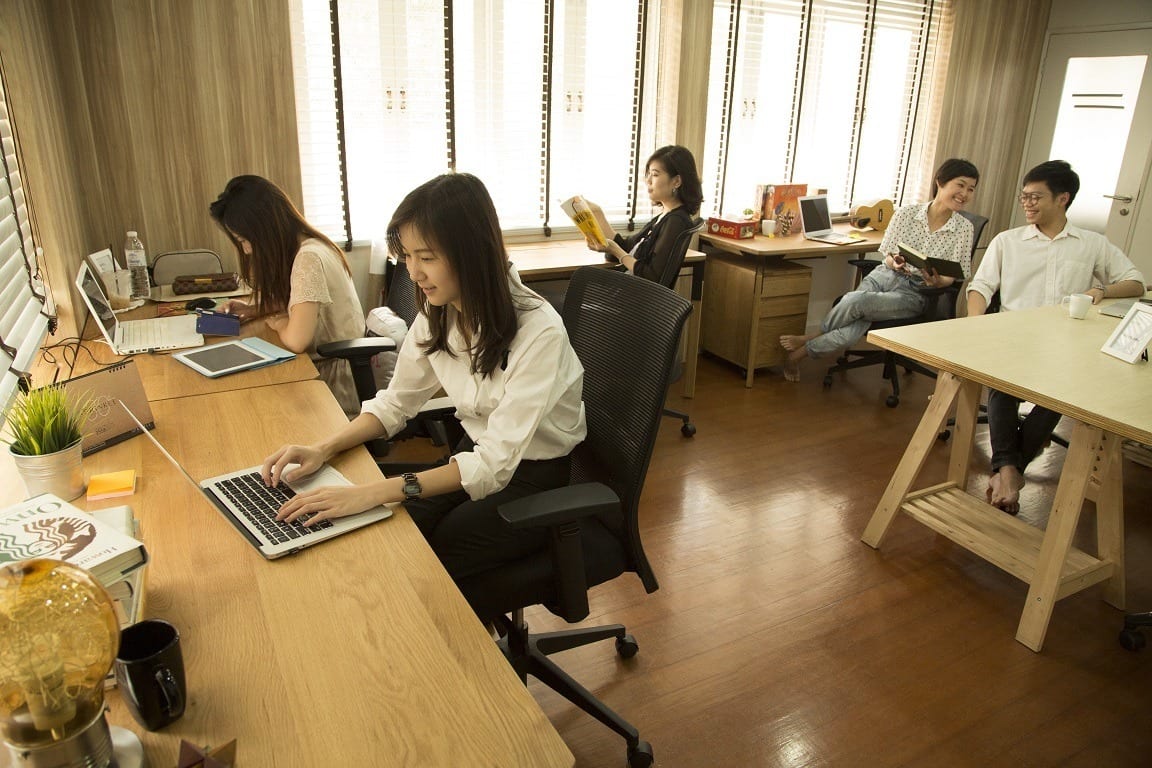
    Hubba was the first co-working space in Thailand, founded by brothers Amarit and Charle Charoenphan in 2012. Today the company has a presence in seven locations and holds minority stakes in other co-working spaces like Punspace in Chiang Mai, Thailand, and Toh Lao in Vientiane, Laos.

    In the last three years, it has worked to build up the country’s startup ecosystem through its co-working space business as well as community activities and events. Last year, it also launched Pah Creative Space, a co-working space for designers and other creative freelancers.

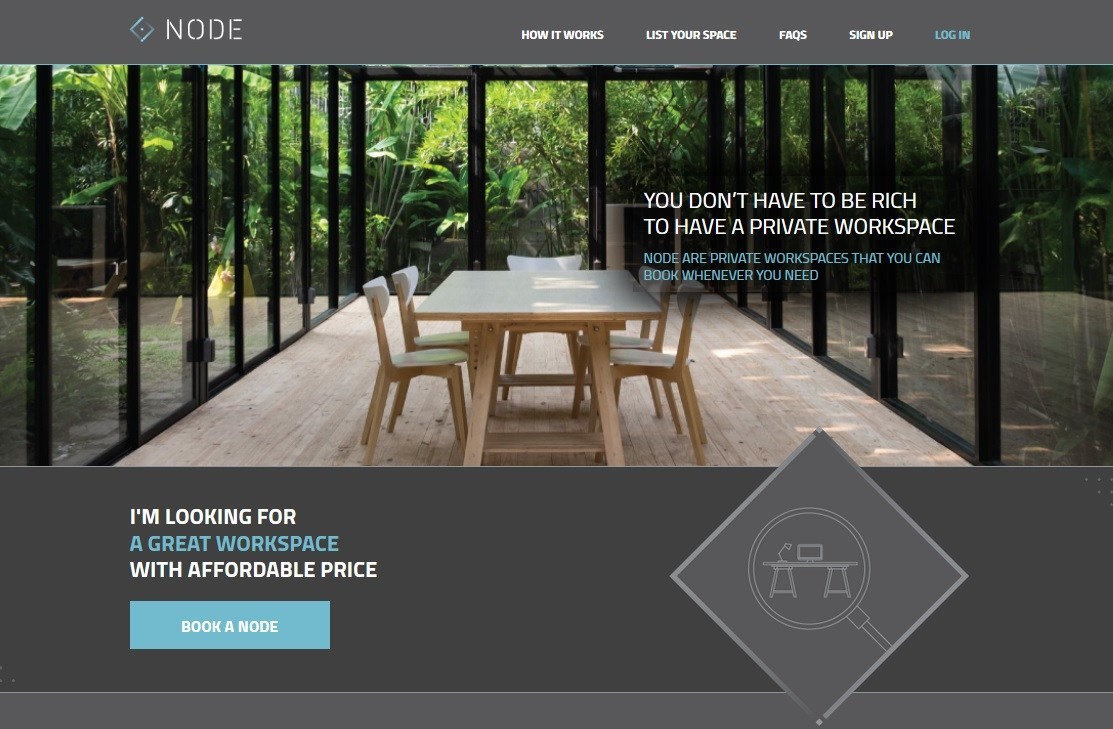
    Hubba will use the new funding to fuel two new projects, Amarit says. One of them is Hubba-to, a planned artisan co-creation community that the company plans to launch in partnership with Thai real-estate developer Sansiri. The other is Node, a prototype for an “automated office” that will “enhance efficiency and reduce unnecessary expense.”

    “It’s going to work like Airbnb for private rooms and office spaces,” Amarit says. Node offers spaces that can be rented out for specific time slots and used for offices, meeting rooms, and so on. Landlords can list their properties on the site and wait for bookings to come. Payment via credit card is handled by the site. The listings include WiFi and amenities such as pens and notepads, and are cleaned by Node staff after use.

    Node (Airbnb for working space) screenshot

    “Our killer feature is that we will have what is called Node Plus,” Amarit explains. “[Those] are spaces that have been fully equipped with IoT (internet of things) and technology that allows spaces to be fully booked on-demand and managed remotely with no need for staff (locks, lights, AC, WiFi, and security).”

    The automation will help keep operating costs and booking fees down, Amarit says. Node takes a 20 to 30 percent commission from property owners.

    Taking the Airbnb approach to professional spaces is an interesting twist on the model used by Wework, the US-based co-working space decacorn, which sub-leases existing office space to entrepreneurs and freelancers.

    “I think everyone in the co-working world is amazed and in awe of Wework and its lofty projections,” Amarit says. “However, I think the markets we work in are definitely different from Wework, so we can’t just clone it. We need to find our own Southeast Asian model and Hubba-to and Node may be the way forward.”

    Hubba expects the funding to give it enough time to pursue “multiple growth trajectories.”

    “We will look to raise again in 2016 as we build traction and momentum for both projects,” he says.

  • Maggi clears lab tests, to begin manufacturing noodles soon

    Maggi clears lab tests, to begin manufacturing noodles soon

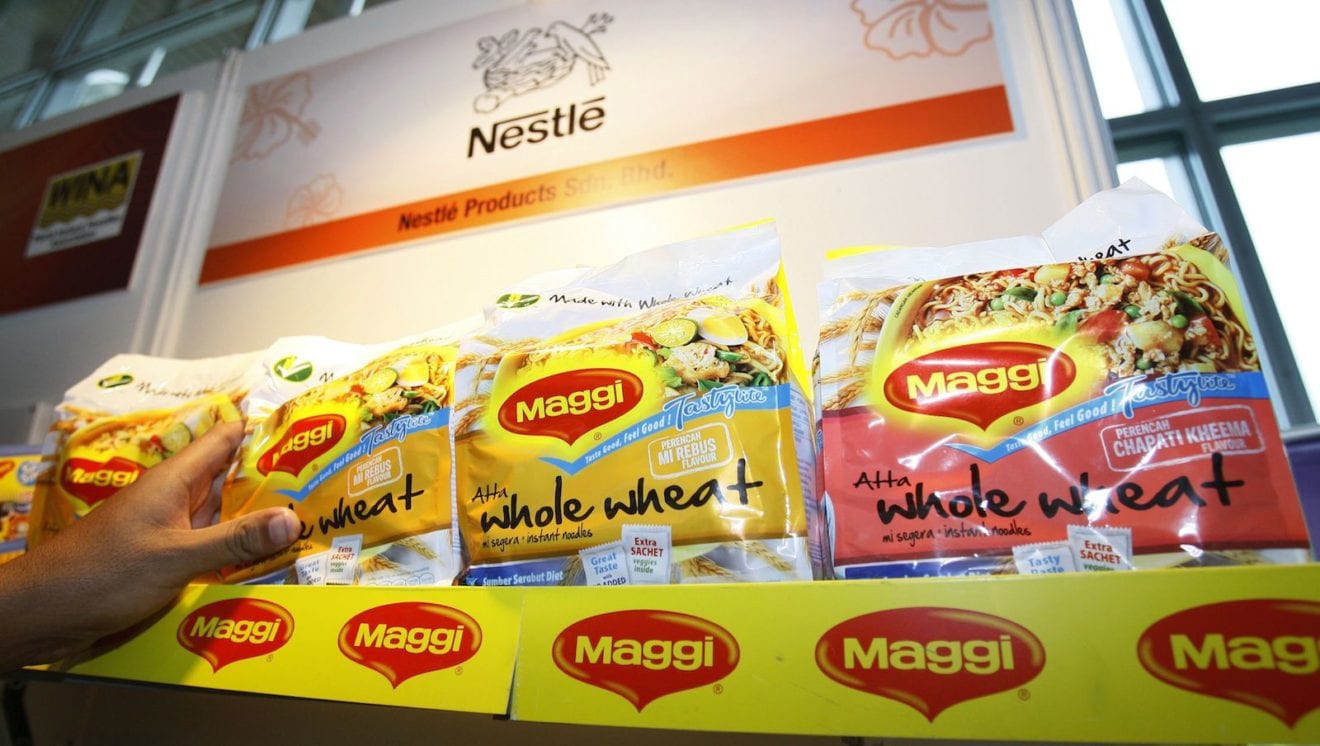
    Nestle India, maker of the country’s highly popular Maggi, on Friday announced all samples of recently-banned instant noodles have cleared the tests conducted by three laboratories as mandated by the Bombay High Court.

    The move will now allow Maggi to be back on the shelves after it was banned over the presence of excess lead since June this year.

    “All the 90 samples, covering six variants, tested by these laboratories are clear with lead much below the permissible limits,” Nestle India said in a statement. “In compliance with the orders of the Bombay High Court, we will now commence manufacture and will start selling only after the newly-manufactured products are also cleared by the designated three laboratories.”

    The company said “it is committed to reintroduce Maggi into the retail market at the earliest”. However, analysts believe it could take up to six months to put back Maggi back on the shelves across India. “One of the challenges for Nestle is to fill up the pipeline again. From the day of production, it could take three to six months to reach out to the retailers in the far flung areas across India,” said Arvind Singhal, chairman of retail consultancy Technopak.

    Various countries, including the US, the UK, Singapore, Australia and others have found Maggi noodles safe for consumption. Nestle claims to have conducted over 3,500 tests representing over 200 million packs in both national as well as international accredited laboratories with all the reports clear. “It is never easy to build the trust again… But an excellent communication plan and a crisp ad campaign could be a way out,” said Srinivas K Reddy, director, center for marketing excellence, Lee Kong Chian School of Business, Singapore Management University.

    Retailers, however, reject the skepticism. “We missed Maggi because our customers missed it a lot,” said Darshana Shah, senior V-P, marketing, HyperCity, retail chain. “Despite the availability of many other brands, no brand was able to fill in the vacuum left by Maggi.”

  • This 22-year-old is building a Go-Jek competitor exclusively for women

    This 22-year-old is building a Go-Jek competitor exclusively for women

    A few months ago, 22-year-old Brian Mulyadi wrapped up his college degree at Boston University and returned to his home country, Indonesia, with a business idea. Things have moved fast since then.

    Brian launched a company called LadyJek – it’s an idea so absurd that I thought it was a joke when I first heard about it. Of course, Brian is serious.

    LadyJek is a motorcycle ride-hailing service exclusive to women. If you’re female, you can order a motorcycle ride through the app, and the rider arriving to pick you up will also be female.

    Yes, LadyJek is very similar to its bigger brothers, Go-Jek and GrabBike – both of which have become popular in Indonesia. Hitching a ride on the back of someone else’s motorcycle is a common form of transportation here. But for a bootstrapped startup to take it up with two well-established players sounds like an impossible battle. Or is it?

    Brandishing pink logos, stylish striped jackets, and pink helmets, LadyJek thinks it can fill a gap the two other services aren’t addressing, which is to make motorcycle rides a viable option for women.

    LadyJek-motocycle-taxi-app-for-women-uniform

    Motorcycle riding is men’s work

    “I feel that there is [something women] haven’t found in current solutions,” Brian says. “They don’t have the feeling of security and comfort they expect.”

    It goes for both riders and passengers. Female motorcycle riders may feel intrigued to participate in the opportunity to earn extra income by taking on passengers, but haven’t felt comfortable joining GrabBike or Go-Jek. Generally, motorcycle riding is considered men’s work. Female riders for these services have been spotted, but they are in a clear minority. Some have, probably unwillingly, turned into social media sensations – just google Gojek driver cewek (woman Gojek driver) to get an idea. Not every woman would feel comfortable with that.

    On the passenger’s side, female passengers may want to hire a motorcycle ride because it’s fast and convenient, but haven’t considered it much so far, because hopping onto the back of another man’s bike is deemed inappropriate and dangerous.

    LadyJek is thus not necessarily competing with Go-Jek and GrabBike, but trying to expand the market to include a group of potential riders and passengers who would have otherwise stayed away from it.

    This, Brian says, is also a reason why he thinks it’s not too big a deal that LadyJek can’t keep up with the highly subsidised fares GrabBike and Go-Jek currently offer, as both compete fiercely for market leadership in the archipelago.

    “We can not compete in price, but we can offer better customer service, and a secure environment for female riders and passengers,” Brian says.

    Three registration offices in two weeks

    It looks like he has a point. Ever since LadyJek’s launch two weeks ago, the fledgling company claims to have already signed up 1,500 female riders. The LadyJek team, which started with Brian as a single founder and his laptop, has grown to more than 40 people in a period of just a few weeks. The majority of those people handle LadyJek’s registration process for new riders, across three offices, one in West Jakarta and one each in adjacent satellite towns Bekasi and Tanggerang.

    The number of rides booked is something Brian is keeping to himself for now. “We’re still observing,” he says. He does reveal  that the app counts 15,000 active users, which means users having downloaded the app and created an account, including those that tried to order.
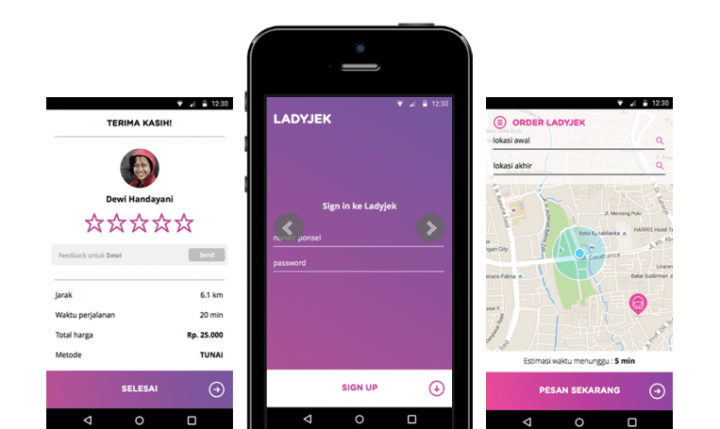
    LadyJek-motocycle-taxi-for-women-app-screenshot

    So, while we can’t yet judge how interesting the offer is from the passenger’s point of view, there’s an obvious demand from female riders. 1,500 riders in two weeks is remarkable, considering it took Go-Jek several months to get to 2,500 riders. That’s the figure the company floated in June, about half-a-year after it launched its app.

    The women’s interest may have been sparked by media reports about the decent money Go-Jek and GrabBike riders can earn. According to Go-Jek co-founder Michelangelo Moran, a rider’s income averages IDR 4 million [US$290] a month, but can be much higher. That women are excluded from this opportunity irked Brian. “LadyJek offers an equal opportunity for women to earn that extra income,” he says. “I didn’t know the response would be this big.”

    A network of women on wheels

    Go-Jek has recently expanded beyond personal transportation, and is now offering a range of services like logistics, shopping, and even ordering a masseuse or manicurist to the house.

    LadyJek too is thinking of quick expansion across different service sectors. “We’re not going to launch another food delivery or courier service,” Brian assures. “We’ll focus on our strength – we’ll know exactly what women want, and turn those into services,” he explains. However, he’s not yet ready to reveal what they might be.

    Curiously, LadyJek is not the only alternative two-wheel ride-hailing app to launch in recent weeks. There’s Blu-Jek, which seems to want to compete head-on with Go-Jek and GrabBike as a general motorcycle ride service, andOjesy, a service that claims to be Sharia-compliant and targets muslim women. With competitors seeking to carve out their niche, has Nadiem Makarim, the co-founder and CEO of Go-Jek, tried to get in touch with the LadyJek team? “No, not as far as I know,” says Brian, chuckling.

  • Airlines welcome visa free facility, offering discount

    Airlines welcome visa free facility, offering discount

    Airlines began to race offering discount in welcoming the government policy which offers visa free facility for short term visitors to Indonesia from 75 countries.

    The facility is expected to draw more visitors to the country amid the global economic malaise.

    Indonesian airlines saw the policy as benefiting air transport business that they are ready to offer significant discount for ticket price.

    Commercial Director of AirAsia Indonesia Andy Ardian Febryanto said the budget airline offered a 30 percent discount for international flights.

    Discounts are given for direct flights such as from Surabaya- Kuala Lumpur, Surabaya-Johor Bahru, Surabaya-Penang and Surabaya-Bangkok, or “Fly-Thru” flights or with transit in Kuala Lumpur or Bali, such as Surabaya-Taipei, Surabaya-Beijing, Surabaya-Seoul, Surabaya-Tokyo and Surabaya-Sydney, Andy said here on Thursday.

    “Surabaya always has a special position as the main destination and market. Although we are aware amid the worrying condition of the economy interest in traveling has dropped sharply by 70 percent , but we are optimistic that the visa free policy would recover the interest in traveling abroad,” he said.

    He said there are 22 travel agents offering discount for international flights effective as from November 1 until April 2016.

    Therefore, foreign travelers including tourists , business visitors and others could take advantage of the visa free travel to Indonesia, he added.

    Currently the airline could only offer discount for international routes as there is regulation restricting freedom to offer discount for domestic flights, he said.

    Under the new policy, visa free facility is offered for short term visitors to Indonesia from South Africa, Algeria, the United States, Angola, Argentina, Austria, Azerbaijan, Bahrain, the Netherlands, Belarus, Belgium, Bulgaria, Czech Republic, Denmark, Dominica, Estonia, Fiji, Finland, Ghana, Hungary, India, Britain, Ireland, Island, Italy, Japan, Germany , Canada, Kazakhstan, Kyrgyzstan Croatia, South Korea, Kuwait,Latvia, Lebanon, Liechtenstein, Lithuania, Luxembourg, the Maldives, Malta, Mexico, Egypt, Monaco, Norway, Oman, Panama, Papua New Guinea, France, Poland, Portugal, Qatar, China, Romania, Russia, San Marino, Saudi Arabia, New Zealand, Seychelles, Cyprus, Slovakia, Slovenia, Spain , Suriname, Sweden, Switzerland, Taiwan, Tanzania, Timor Leste, Tunisia, Turkey, United Arab Emirates, Vatican, Venezuela, Jordan, and Greece.

  • Indonesia tightens prepaid SIM card registration rules

    Indonesia tightens prepaid SIM card registration rules

    The Ministry of Communications and Information Technology has tightened the country’s prepaid SIM card registration process to combat high churn rates and abuse, including SMS spam.

    The registration requirement for prepaid SIM cards was first rolled out a decade ago, but has proven to be ineffective. Regulation No 23/2005, which allows registration via the 4444 SNS shortcode, has long been abused, industry pundits say.

    Minister of Communication and Information Technology Rudiantara said the new registration system for prepaid SIM (Subscriber Identity Module) cards will be more “accurate and careful,” especially with regards to the identity of both users as well as retailers.

    Under the new regulation, which will come into effect on Dec 15, registration will not be done by users but by authorised retailers or outlets, and will only work with valid identification.

    “The registration system for new prepaid SIM cards will be done in a one-stop manner at the reseller where users get their numbers,” Rudiantara told Digital News Asia (DNA) Oct 19.

    He said the new registration system will be applied nationwide, including remote areas, but added that the time needed to complete the process will be dependent on the number of customers.

    Once the new regulation goes live on Dec 15, manual registration via the 4444 shortcode will be discontinued, Rudiantara said.

    The chairman of Indonesia’s Telecommunication and Cellular Association (ATSI), Alexander Rusli, hailed the new policy, adding that industry players have already put in place the infrastructure to support its implementation.

    This preparation includes the ‘Retail Outlet Identity’ (ROID) system for prepaid SIM card resellers.

    But Alexander acknowledged that getting the systems ready was merely one aspect. “Technology support would not be as difficult as educating the outlets, which are huge in number.

    “Training people can’t be done in one or two days,” he told DNA in Jakarta.

    According to Alexander, under the new policy, all outlets will have to use the ROID system to identify their owners. In the case of any abuse – such as the reselling of user data, or fraud – it would be easy for the Government to track down the outlet responsible.

    Any retail or outlet which does not use the ROID system will be automatically blocked from conducting further business. It might also face further action, but such punitive measures are still being discussed, he added.

    Telco industry response

    Telecommunication service operators PT XL Axiata Tbk, PT Indosat Tbk and PT Hutchison 3 (Tri) told DNA they are prepared for the new regulation.

    XL Axiata president director and chief executive officer Dian Siswarini said her company has already prepared its IT system and educated its retail outlets on how to handle the new requirement.

    Education was the most challenging aspect, she added.

    “Actually, education for retail outlets for the first phase is done, but it must be continuous because not all retail outlet are big businesses or well educated,” she said.

    This education also included the measures resellers might face if there are violations. In fact, discussions on violations were conducted earlier this year, according to Dian.

    XL prepared its IT infrastructure to handle the new regulation in May last year, and has introduced a new standard operation procedure (SOP) for its retail outlets.

    Meanwhile ATSI’s Alexander, also Indosat president director and chief executive officer, said around 160,000 retail outlets have been educated on the ROID registration system.

    For its part, Hutchison Tri already had an online registration system in place, according to its chief sales and marketing officer Dolly Susanto.

    “We developed a next-generation system we have been using since June 2012, for the online registration of all retail outlet identities,” she said.

    Dolly said Hutchison Tri has around 200,000 resellers on its integrated online identity system. With a total of 54.8 million customers, she said her company was ready to support the new regulation.

  • Sister brands make plans to enter Philippines

    Sister brands make plans to enter Philippines

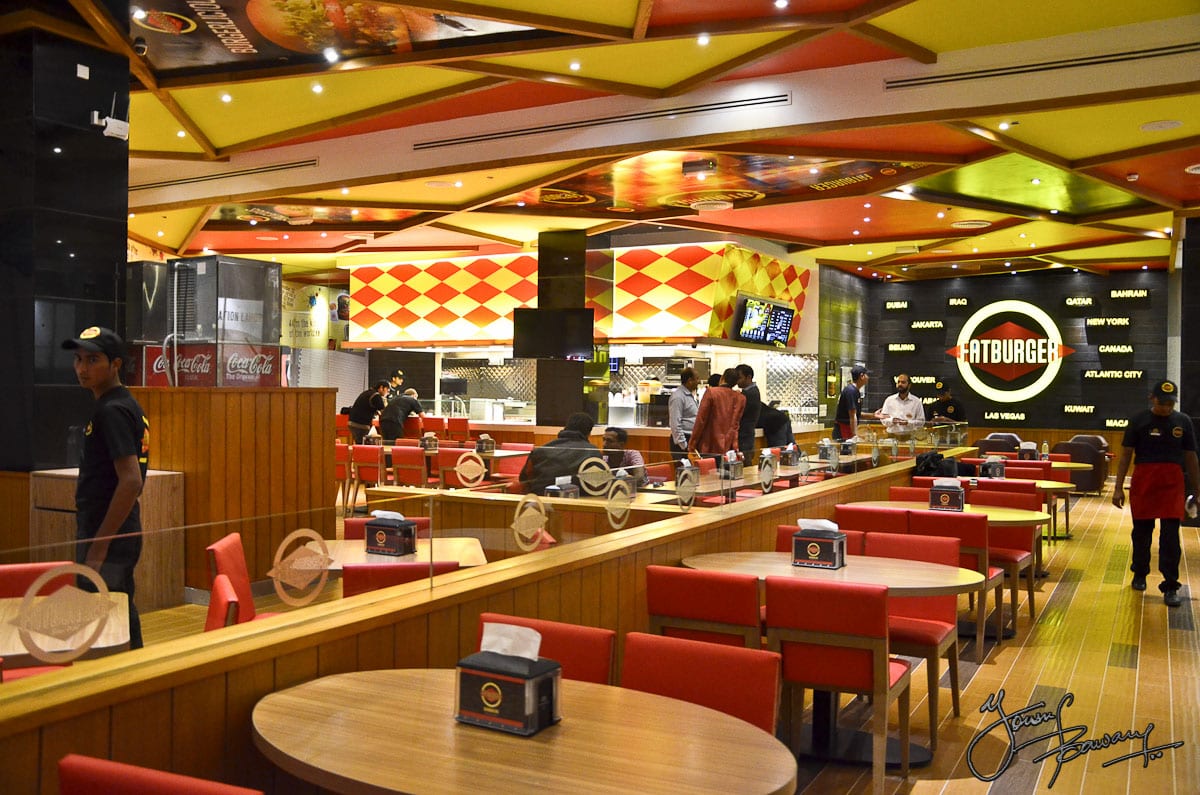
    Fatburger and its sister brand, Buffalo’s Café, have signed a master development agreement with Trimark Holdings Inc., a retail operator throughout the Philippines with a portfolio of more than 40 brands and 300 stores.

    What originally was a deal to develop pure Fatburger restaurants has now changed with plans to develop 16 co-branded Fatburger and Buffalo’s units to the area in addition to freestanding Buffalo’s locations, according to a company press release. The two companies struck a deal earlier last year to bring the burger brand to the Philippines.

    “The economy in the Philippines has seen significant growth in the past few years and shows a great amount of potential for both of our restaurants,” said Andy Wiederhorn, CEO of Fatburger and Buffalo’s Cafe. “Due to Trimark Holdings being so familiar with brand expansion in the country, we will be able to better connect with our audience resulting in our menu being well received.”

  • Flyspaces wants to be Southeast Asia’s Airbnb for office and retail spaces

    Flyspaces wants to be Southeast Asia’s Airbnb for office and retail spaces

    Flyspaces bills itself as “Airbnb for office and retail spaces.” The idea is to build a network of offices, meeting rooms, and commercial spaces that businesses and entrepreneurs can lease for short periods or whenever they need them.

    This concept isn’t new, of course. In the US, several startups like Liquidspace and Storefront are dealing with work and retail spaces. There’s also Breather, which lets users stay in quiet rooms where they can work in peace or just breath and chill out, as the name implies.

    But Flyspaces claims to be the first to bring this concept to Southeast Asia. “The idea is already a working model internationally. I just localized it to Southeast Asian markets. I decided to do it ‘cause I myself went through the pain of finding office spaces in Manila, Singapore, Kuala Lumpur, etc, and I’ve noticed the total lack of flexibility,” says founder and CEO Mario Berta.

    Mario, who comes from a sales background, served as regional CEO for Rocket Internet-backed Easy Taxi for 2.5 years and Nova Founders director for six months. He has been based in Asia for six years now, four of them in the Philippines.

    Cherry-picking tenants

    Flyspaces’ entry is timely as the region’s fast growth has heated up the real estate market.

    Citing a report by property consultancy firm Jones Lang Lasalle, Mario says some cities such as Manila and Jakarta have the lowest office vacancy rates in the world – below four percent.

    The huge demand for office spaces has made the market very “pro-landlord.”

    “Landlords can cherry-pick among possible tenants,” he says. “When I was working for Rocket Internet, I had to submit a company profile to every landlord in Manila and I kept being rejected just because the word ‘startup’ was in it. As landlords were afraid of defaulting tenants, they wanted a safe bet. I started labeling it an IT company and finally got a space.”

    As a precaution, commercial landlords would normally ask tenants to shell out six months’ worth of rent as deposit and pay another six months in advance. That lack of flexibility is a challenge for small enterprises and individual entrepreneurs who can’t afford to engage in costly long-term contracts.

    “We want to offer a complete and comprehensive selection of spaces to clients who need them on an hourly, daily, or monthly basis. These clients could be freelancers looking for a better internet connection than a coffee shop, or a company that needs meeting rooms for a couple of hours around town, or a satellite office or brand that is looking to set up a pop-up shop to test a product,” Mario explains.

    For realtors, Flyspaces also offers an attractive proposition: make money out of unutilized space that you need to maintain anyway.

    Expanding footprint

    Since its launch early this month, the company has signed up multinational office space company Regus on its site, as well as several startups providing co-working space in the Philippines, including Aspace, Acceler8, Bitspace, and Penbrothers.

    Apart from the Philippines’ capital Manila, Flyspaces is doing business in Cebu, the country’s second largest city. It will start expanding internationally to all Southeast Asian cities in December, says Mario.

    “We’ve had more than 500 sign-ups in the first seven days,” he said. “Most of these people do not have immediate need for space, but we’ve made a couple of hundreds of dollars in bookings so far.”

    Meeting rooms on the site can be rented for US$10 per hour to US$500 per hour, while offices are leased for US$100 per month per person to US$500 per month per person. Payments can be made via credit card, bank deposit, wire transfer, and soon Paypal. Just like Airbnb, Flyspaces takes a commission of 20 percent of each successful booking.

    Signing up should be a no-brainer for landlords who want to maximize their assets. The challenge for Flyspaces is how to educate the end-users about its service and have them use the platform instead of a normal phone call to landlords to inquire about rooms, says Mario.

  • Alibaba announces 11.11 global shopping festival

    Alibaba announces 11.11 global shopping festival

    Alibaba has officially launched its 11.11 Global Shopping Festival this year in a ceremony at its headquarters Hangzhou, China.

    The e-commerce giant said its push for this year’s festival is for Alibaba to serve as  the “gateway to China” for brands worldwide. Representatives from 39 countries, more than 40 partnering international brands, and nearly 30 fresh food associations from around the world attended the launch.

    “There are currently 300 million middle class in China, and that number will rise to 500 million in 10 to 15 years. This will be an opportunity for every nation,” he said. “China’s consumption power will rise quickly and that will not only drive China’s economy but also the world’s economy.”

    Alibaba CEO Daniel Zhang, who was instrumental in creating the first 11.11 sales event in 2009 when he led Tmall.com, said that the sales event has evolved from a marketing event for online shopping into a global phenomenon that involves consumers in China and around the world.

    “This year’s 11.11 will focus on four key themes: omni-channel, mobile, logistics, and globalization. It showcases the scalability and power of Alibaba’s entire ecosystem,” he said.

    This year’s 11.11 is also expected to bring to life Alibaba’s overall globalization strategy outlined by Michael Evans in his first public appearance as president of Alibaba.

    More than 40,000 participating merchants, 5,000 participating international brands from 25 countries, and more than 6 million products available for purchase in this year’s one-day shopping frenzy.

    Last year, the 24-hour festival generated $9.3 billion in gross merchandise volume, dwarfing Cyber Monday in the US.

  • Here’s a new tissue that could help wipe out deforestation

    Here’s a new tissue that could help wipe out deforestation

    Experts say bamboo offers enormous potential to protect the natural environment and biodiversity as well as mitigate climate change, given its strong root systems to combat soil erosion and capacity to lock up carbon dioxide from the atmosphere.

    There is a growing array of products made of bamboo in the market today – from bicycles to sunglasses – offering sustainable alternatives to timber and other forest products.

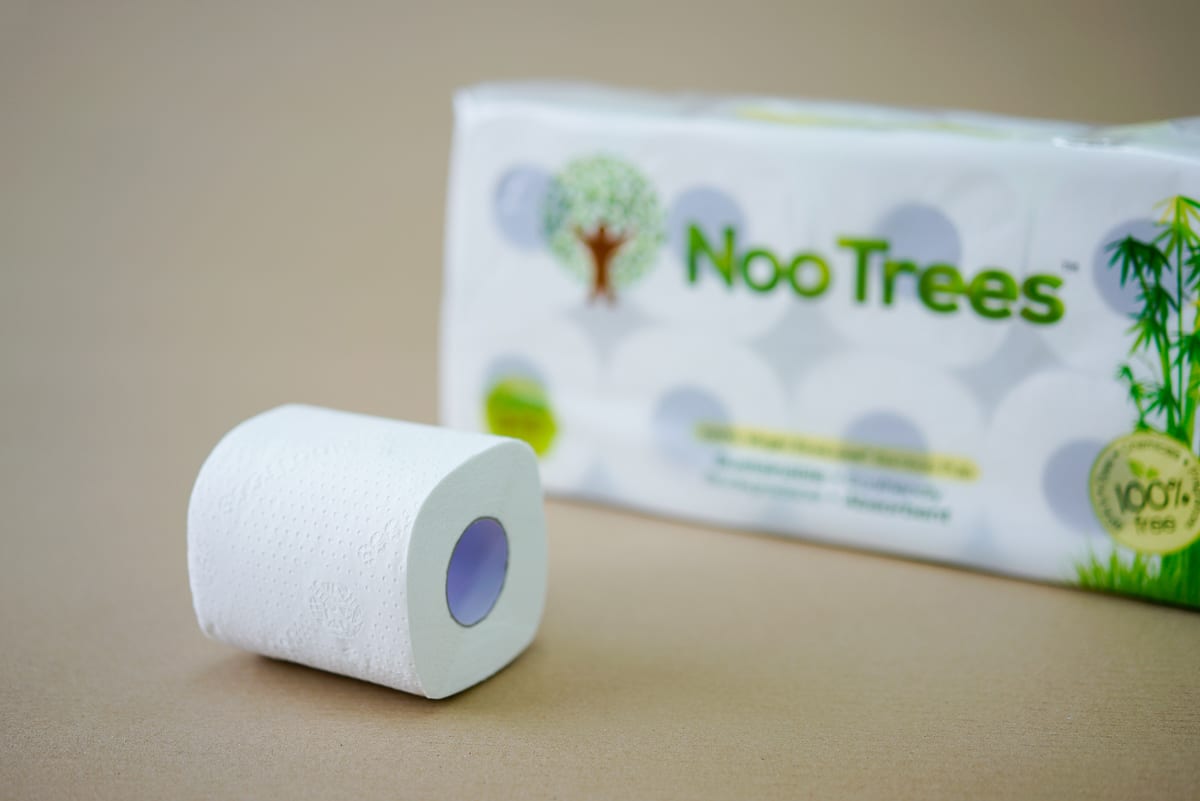
    Early this month, NooTrees, a new brand of sustainable consumer products wholly owned by Singapore-based luxury retail group FJ Benjamin, joined the movement and launched a series of biodegradable bamboo-based wet wipes and tissue paper products to supermarkets.

    The new line targets environmentally-conscious consumers looking for products that do not destroy natural resources while costing the same as traditional options. Tissue paper products are often produced from the virgin pulp of trees grown in timber plantations.

    The problem is that much of the land cleared for these plantations were once forest areas, which are rich in carbon stock and natural habitats for wildlife such as orangutans and tigers.

    NooTrees’s range of bamboo-fibre tissue paper and wet wipes presents a viable solution to the environmental problem of deforestation and also offers a skincare product that is hypo-allergenic, the firm said in a statement.

    The recent haze pollution caused by the burning of peatland and forested areas in Indonesia has increased awareness among Singaporean consumers of the implications of deforestation.   

    However, despite zero-deforestation pledges by pulp and paper companies, some pulpwood suppliers are still linked to illegal burning of plantations. These plantations are putting companies’s supply chain at risk of violating their own commitments – and thus, ending up selling products that could be linked with forest destruction and air pollution.

    Companies’s transparency is also called to question as the traceability of the raw materials is hampered by insufficient data. For example, sometimes nobody knows who or which company owns a patch of land that is burning.

    David Ward, who founded the brand in November last year and is general manager of NooTrees, said that he is confident that the brand will find a following in Singapore who are supportive of companies that truly make a positive impact on people’s lives.

    Experts advocating bamboo as an alternative source to timber and other forest products say the plants have enormous potential to protect the natural environment because of their strong root systems to combat soil erosion. The plant also grows fast and therefore, can lock up carbon dioxide from the atmosphere, helping mitigate climate change.

    Ward noted that scientists have been searching for alternative fibres for the tissue paper sector. “Bamboo consistently comes out as the best long-term alternative and best possible future material to match the growing future demands for toilet and tissue paper as the world population increases,” he explained.

    He told Eco-Business that NooTrees only works with bamboo pulp manufacturers that are certified by the Forest Stewardship Council and International Standards Organisation.

    There is continued interest in bamboo, which has now become a booming US$6 billion industry in China, Ward stressed. He added that the plant has a high regeneration rate and the ability to produce five to six times the amount of paper pulp per hectare compared to regular trees.

    NooTrees said its products’s biodegradability compared with conventional polyester-based wet wipes also addresses the issue of waste management. Because they biodegrade within 45 days in a landfill, they do not end up as waste that clogs wastewater pipes and recycling plants.

    “We are starting in Singapore as we want to make a positive impact to the people living here and then elsewhere across the region and the world,” said Ward.

    And yes, NooTrees confirmed that no critically-endangered wildlife, especially pandas, were deprived of their food sources in the making of these tissue products.

  • Aeon Thailand opens first mall in 18 years

    Aeon Thailand opens first mall in 18 years

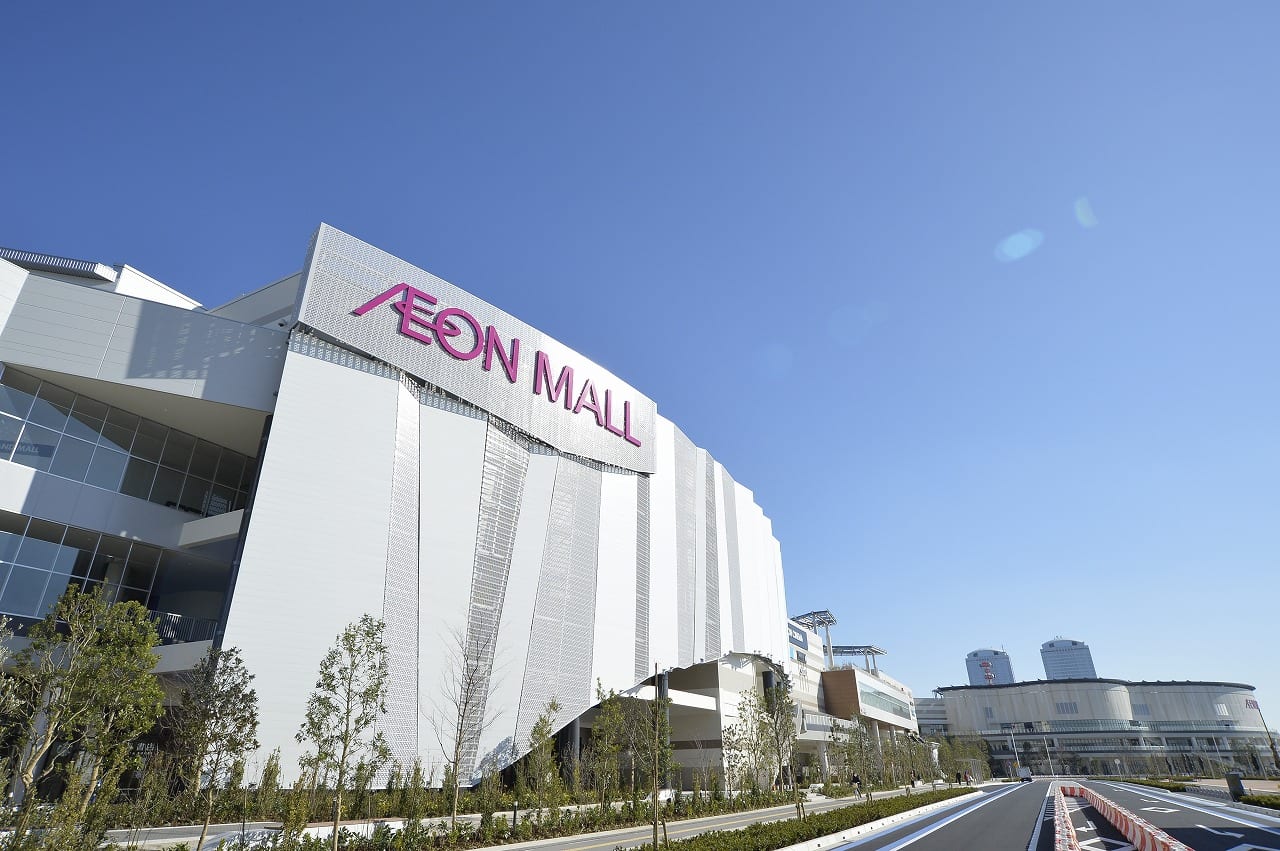
    Aeon Thailand has resumed its property development program – suspended in 1997 – opening a new shopping centre in Sriracha, Chonburi.

    The Japanese property developer and retailer has extensive interests across Thailand and has continued to expand its MaxValu hybrid supermarket-convenience store concept. But this is its first mall property in 18 years.

    The 7000 sqm, three-storey Aeon Sriracha shopping centre opened its doors on Wednesday, with a formal grand opening ceremony planned for October 21. It is anchored by a 24-hour MaxValu and features about 20 restaurants and specialty stores as well.

    The Sriracha complex has a catchment area of about 78,000 people, including a growing number of Japanese expats managing manufacturing facilities in the region, located on the coast about 90 minutes’ drive from Bangkok.

    “Major frequent customers will be Japanese housewives who have free time to shop and dine at our shopping centre,” an Aeon spokesman told the Bangkok Post. “They like shopping in a Japanese ambience.”

    Aeon is opening new shopping malls in Vietnam, Cambodia and Indonesia as part of a concerted focus on Asean as it looks to ways to maintain growth no longer possible in the mature Japan home market.

  • Apple Inc. To Open The Largest Store In China Tomorrow

    Apple Inc. To Open The Largest Store In China Tomorrow

    Apple Inc. confirmed the upcoming launch of its 21st Apple Store in China, scheduled to open in Dalian on October 24, 2015. The latest retail outlet is situated in Parkland Shopping Mall on 19 Jiefang Road. Earlier in 2012, the iPhone maker claimed that the store in Dalian may potentially be the Apple’s “largest” retail outlet ever.

    The company’s new outlet is located in Dalian’s Zhongshan District, a populated area usually flooded with tourists from Japan, Korea and China. And it also serves as a popular port and financial center. Apple confirmed that the store was set to open its doors on Saturday at 9:30 AM.

    As Apple pursues its aim to open the “largest flagship store” in Parkland Mall, the company may also decide to transfer that title to its other upcoming retail outlet for Dubai, scheduled to open on October 29. The tech giant’s store in the Mall of Emirates also marks it as its first expansion plan in the Middle East.

    Apple is aware of its strong influence in Chine, and has been working on the Dalian project for past three years. Through this, it is clear that the tech giant takes China as one of its main consumer markets for Apple products. Even though Apple might not make its Dalian outlet the “largest” one, its former plans do so indicate that it may have other exclusive plans for its store in China.

    The company has also invited US locals to apply for potential jobs at the upcoming store, with recruitment beginning earlier this year. By introducing a new store in China, Apple may help create increasing job opportunities for local citizens as well. By providing customers with basic Apple Store services such as a Genius Bar, workshops, tutorials and more at the upcoming Apple Store, it is evident Apple is attempting to integrate its standard store elements into the upcoming branch to ensure it can authentically deliver according to its original standards and help boost its reputation even further in Chinese markets.

    By launching an Apple outlet in one of the most visited locations in Dalian, Apple’s plan may help it increase its user base even further. The company’s efforts to attract a larger target market is expected to be successful due to its easy access to numerous strangers and tourists who visit Parkland for shopping. The tech giant will be able to benefit from its store location and may attract foreigners to its variants, further promoting its services to a larger audience through its China retail outlet.

    Moreover, it is highly possible that Apple’s new store will help boost business for surrounding retailers as well, enabling the company to secure a relationship with Dalian businesses for future ventures. As far as its store in Dubai is concerned, the iPhone maker is deliberately choosing shopping plazas and malls to introduce its outlets, so that it can target wider audiences.

    It isn’t confirmed that the tech giant still plans to make its Dalian branch the “largest” outlet. However, the store’s launch this Saturday is expected to attract many customers from China, Korea and Japan.

  • Yi Hua signs cross-border eCommerce pact

    Yi Hua signs cross-border eCommerce pact

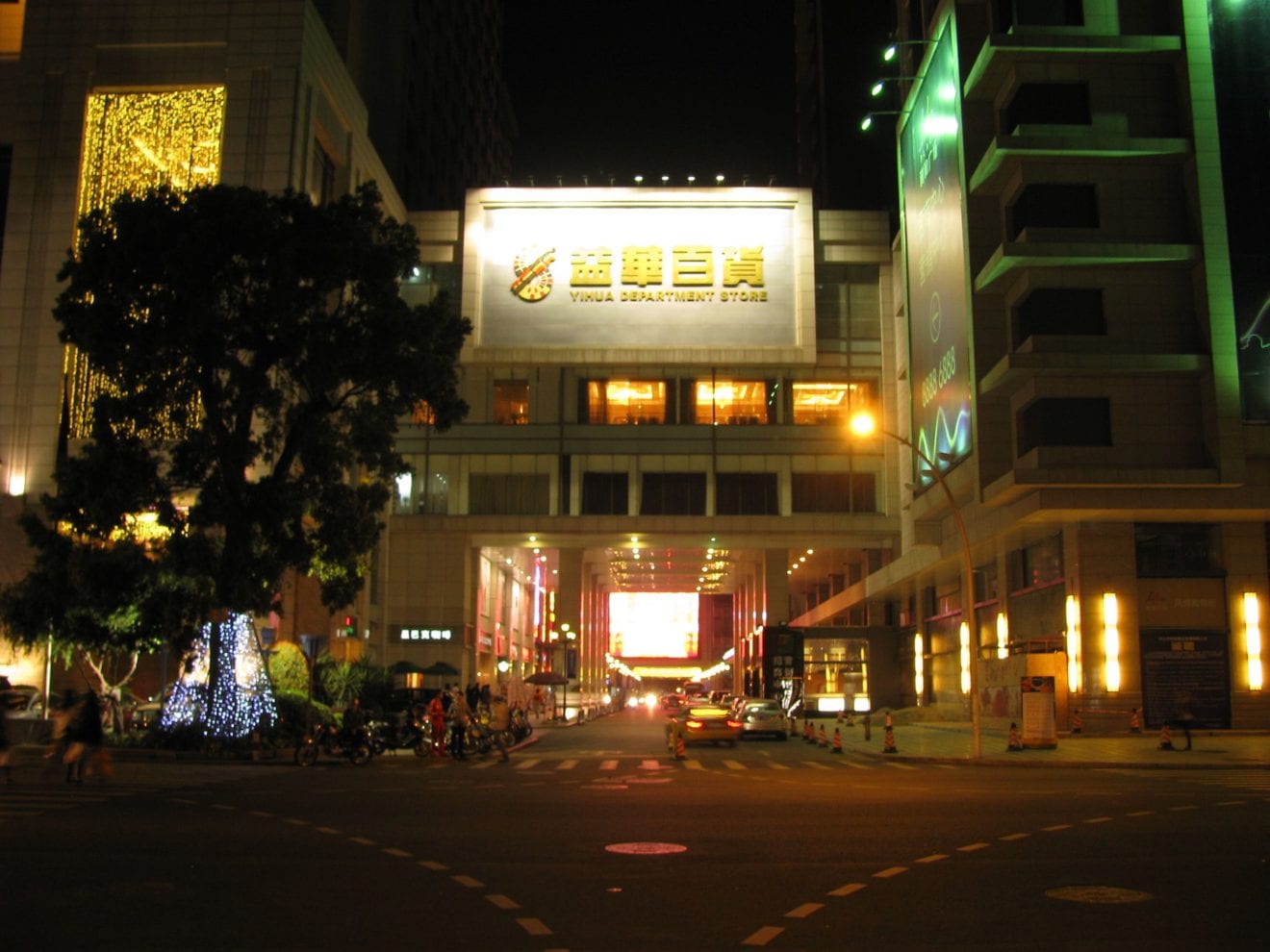
    Yi Hua Department Store Holdings has entered into a strategic purchasing pact with China Merchants Food to jointly develop cross-border eCommerce and bonded merchandise business.

    Yi Hua operates a group of retail businesses in Mainland China, including supermarkets, department stores, electrical appliance retailers and furniture stores, and provides consulting and planning services. Since August this year, the company has started importing merchandise and developed a cross-border eCommerce business.

    Integrating with its bricks and-mortar imported merchandise direct sales stores, this online-to-offline (O2O) business model uses its fully-fledged sales channels and comprehensive online network for the sale of imported goods, the company says.

    Under this week’s pact, Yi Hua will entrust the purchase of imported merchandise to Hong Kong-based China Merchants Food, which will provide logistics, storage, and distribution as well as customs clearance and inspection services.

    Most of the cooperation will centre around two imported merchandise direct sales stores opened in Zhongshan City and Jiangmen City since August. The Yi Hua board believes combining its retail and distribution network with the overseas purchasing network and superior financial strength of China Merchants Food, will lower purchasing costs, ultimately resulting in a win-win situation for both companies.

    Furthermore, Yi Hua will be able to widen its merchandise purchasing channels.

    “These will build a firm foundation for the group to quickly develop cross-border eCommerce and imported merchandise direct sales experience stores in the next step,” the company said in a statement.

  • Hong Kong’s PopScout wants to reverse the O2O model

    Hong Kong’s PopScout wants to reverse the O2O model

    Given the burden of rent in Hong Kong, most local retailers take their business online to skirt the financial and logistical hassle.

    But Hong Kong startup PopScout is taking away the headache that comes with brick-and-mortar locations.

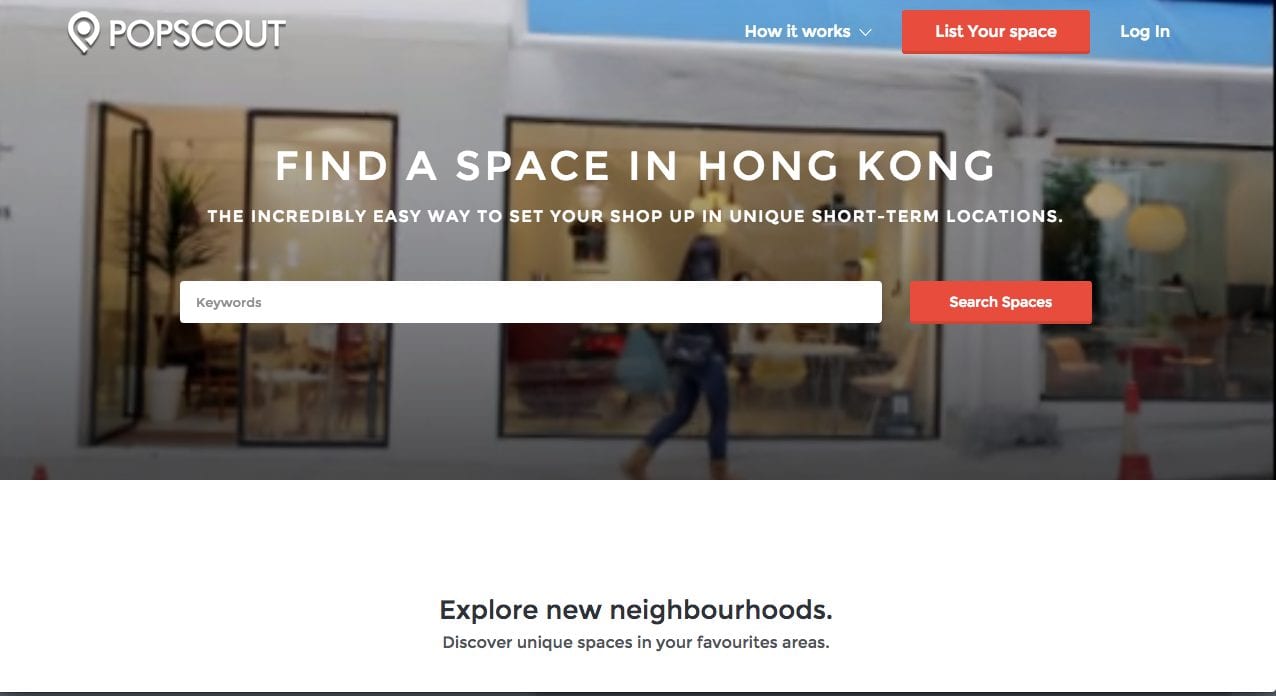
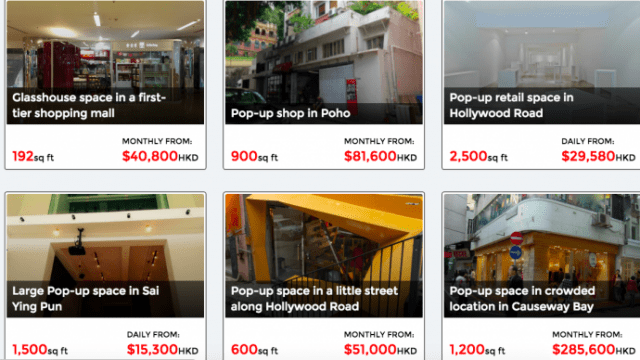
    This online marketplace lets users book a pop-up shop online, choosing options for space, length of time and prices. The perks to having a temporary storefront are obvious: Foot traffic to generate brand awareness and customers physically interacting with products.

    CEO and Founder Romain Aubert got the idea to start this model in Hong Kong while working as a research analyst in the UK.

    “The short-term retail economy in the UK is a GBP2 billion [US$3.09 billion] industry and is much more developed. I did research into Asia and realized that it is a fairly new concept, there’s not that much information out. So I decided to come to Hong Kong and do more research [from the ground],” says Aubert.

    Despite never having set foot in the city, French native Aubert moved to Hong Kong early this year. Aubert then applied and was accepted into Hong Kong’s blueprint, an accelerator and co-working space backed by Swire Properties.

    This allowed him to fast-track his idea into a marketplace and build up the PopScout team to three.

    “Hong Kong made sense because I knew could set up my business easily. It’s a big city for retail and real estate,” said Aubert, when asked about moving to a city he had never visited.

    His goal now is to make looking for an offline store location as easy as booking a hotel room, or to “become the Airbnb of retail in Hong Kong.”

    popscout

    popscout

    The pop-up model in Hong Kong

    A few stores in Hong Kong have already used the pop-up shop model to gain traction.

    Perhaps most notable is Hong Kong-based apparel brand Grana, which started out as an online-only concept store. The e-commerce startup raised an additional US$1.5 million from investors in July of this year and talked to e27 about running a strictly e-commerce business in Hong Kong.

    After successfully testing out a few pop-up shop locations including PMQ, an area in Central that caters to local retail shops, Grana opened its permanent ‘fitting room’ in Sheung Wan district. The fitting room does not stock actual merchandise but instead allows shoppers to try on clothing before placing the order online.

    Rocket Internet-backed Zalora, also an e-commerce site, opened a pop-up store in Hong Kong’s Windsor Place in June, where customers could download the Zalora app and try items on, prior to ordering online.

    Unused space and foot traffic, a win-win combo

    Aubert initially scouted for locations in Hong Kong by walking around buildings, visiting shops that had previously done a pop-up model and had the chance of signing on a few.

    “The landlords win as they can increase foot traffic through the pop-up stores and can max out occupancy levels, while pop-up shops can revive a space,” says Aubert.

    Though PopScout is focussing its endeavours on just retail, Aubert says that there could be potential to expand into other industries such as F&B.

    “Some people like the word disrupt. I don’t think we are disrupting anything because short-term retail spaces is not a new market. Our business model is very simple, just in Hong Kong there are less statistics in this industry,” says Aubert.

    In the US, startups like Storefront and Liquidspace rent out work and retail space.

    Within Asia, there are existing players around the corner, launching similar marketplaces with the same concept.

    SpacesGenie, founded by Pushpendra Sharma is a Hong Kong startup that connects retail landlords with companies that want to set up temporary pop-up events. SpacesGenie lists event spaces available, including coffee shops and coworking spaces, in both Hong Kong and Singapore.

    Other startups are also toying with the short lease idea, albeit in different sectors. FlySpaces focusses on short-term office space rentals and services cities Cebu and Manila and will start expanding internationally in December to all the ASEAN countries.

    It is currently free to list on PopScout. The business runs on a transaction model, meaning that PopScout will charge a percentage for each deal.