Retail News CRM

Blog

  • Asia drives skin giant’s growth

    Asia drives skin giant’s growth

    After weeks of retail giants blaming Hong Kong for falling sales, global skincare brand L’Occitane says the city was one of its fastest growing markets in the first nine months of the financial year.

    In a filing with the Hong Kong Stock Exchange, L’Occitane, registered in Luxembourg, reported a 9.8 per cent global sales increase for the nine months to December 31.

    Sales in core Asian markets outperformed all other: In Hong Kong and Macau on a constant currency basis they rose 15.8 per cent, in Japan, by 19.5 per cent and in China by 13.4 per cent.

    The group’s net sales were euro 882.3 million, the 9.8 per cent rise dwarfing the 0.3 per cent improvement for the concurrent period a year earlier.

    Local currency growth was 10.8 per cent.

    L’Occitane said its online retail channel continued to outperform with a 33 per cent year-on-year growth at constant exchange rates during the first nine months.

    Overall Same Store Sales Growth was 5.9 per cent.

    Russia, China and Japan were among countries with strong same store sales growth for the nine months.

    L’Occitane has been investing heavily in store refurbishments and openings during the last two years. It added 75 stores to its global network during the last nine months and upgraded or relocated 86.

    It added 19 stores in China, where it now has 144, four in Hong Kong to expand to 35, three in Japan, (now 107) and one in Taiwan (now 54).

  • PE investor sells Indonesian d-store stake

    PE investor sells Indonesian d-store stake

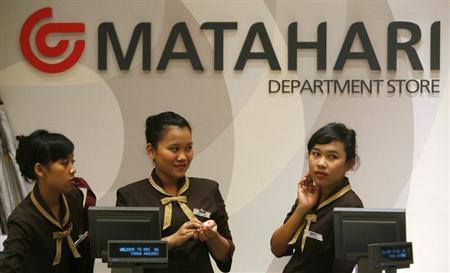
    UK-based CVC Capital Partners has sold a 12 per cent stake in Indonesian retail giant PT Matahari.

    Matahari owns hypermarkets and department stores across the nation – and is actively expanding its footprint as Indonesia’s middle class expands.

    CVC has declined to comment on the transactions, which came to light through regulatory filings.

    The company now has just two per cent of Matahari’s shares, suggesting they, too, will be offloaded in the near future.

    The timing of the transactions has surprised some analysts who have a ‘buy’ rating on the retailer’s stock, suggesting CVC might have extracted more value had it sold later.

    The shares were sold in two blocks – the first for £195 million for eight per cent of the stockholding to mainly institutional investors.

    The second stake, of four per cent, was sold to an unidentified private investor.

    Matahari was founded in 1982. It recently opened its 108th hypermarket and has more planned for the 2015 calendar year.

  • Good to be old

    Good to be old

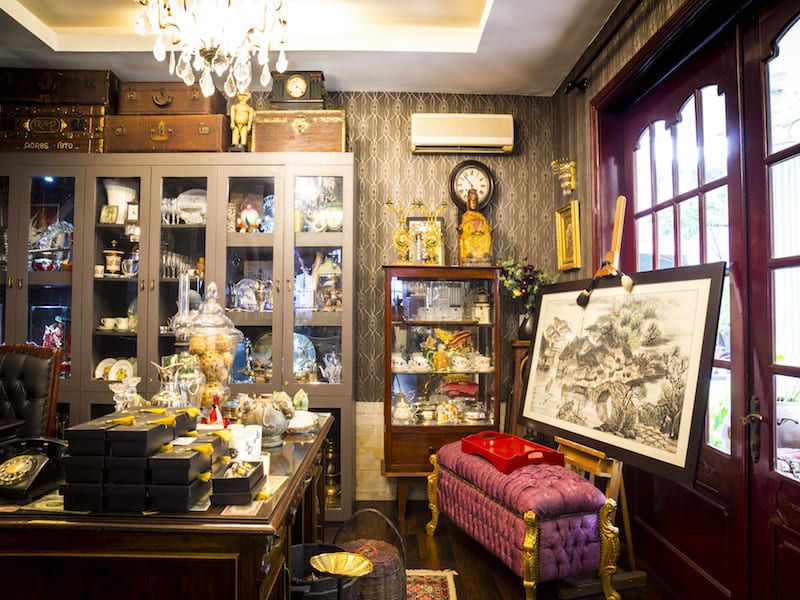
    In suburban Ho Chi Minh City, a unique ‘collectibles boutique’ draws stock from all over the world.

    Villa Royale, is now a year old, starting as an antique shop and has since also turned into one of the city’s top 10 cafes.

    A walk around the District 2 villa is like a curated tour of the world’s best bazaars and antique markets courtesy of owner David Campbell. A 200-year-old religious European painting shares space with a stunning embroidered Mongolian saddle and a gorgeous hanging Moroccan glass lamp. The inventory for the shop marries two of Campbell’s passions: travel and shopping.

    Before moving to Vietnam, Campbell travelled extensively as global director of sales for the Raffles hotel group, furnishing two homes with things acquired on his journeys. Instead of leaving these finds in storage, he decided to take them with him, keeping some for his own home and opening Villa Royale with the rest.

    “These are pieces I know intimately because I bought them myself,” he says as he fingers a pair of vintage paper mache rhinos from Cambodia.

    “I can explain where it was bought, its provenance, how old it is…”

    It also contributes to the sensible pricing for these fine collectibles.

    “I try and price everything reasonably so the stock moves. I just need enough to be able to pay staff and the rent and for me to travel again to buy more,” he says with a smile. This year alone, Campbell has made shopping trips to Istanbul, Paris, London and Morocco, taking the best finds back to Saigon.

    Popular with interior designers searching for truly one-of-a-kind pieces and furniture stores looking for props with wow factor for photo shoots, Villa Royale has something for everyone.

    “Tourists want to buy things reminiscent of Asia like temple baskets, gongs, Cambodian dancer statues and antique dressing mirrors. Locals get something unique, not from the markets, but something a bit more thoughtful as gifts and for themselves.”

    For the woman in your life, Campbell says trios (tea sets comprised of an individual cup, saucer and plate) are trendy items for hen parties and high teas instead of complete matching sets, as are perennial favourites like silver tea pots, crystal sugar bowls, chandeliers and candelabras.

    Gifts for men also abound in the form of vintage typewriters, antique humidors, old trunks that are amazing stacked into a side table, antique Vietnamese ceremonial drums and impossible-to-find decanters.

    “When you go to a shopping center, just about everything is made in China,” he notes. “Coming here, you have things from Italy, France, Germany, England… and in lots of different styles as far as shapes and designs go. You can tell which era it’s from: art deco, nouveau, retro, from the Empire period. Even if you say you like everything, we’re all drawn towards one era in particular.”

    When everyone else is striving after the latest version of the same cookie cutter product, a unique gift that may literally be the only one of its kind in Saigon or even in Vietnam, speaks of thoughtfulness and care.

    “Even hand-painted vintage Vietnamese teapots with chips and showing signs of wear are fascinating because they’ve been used. They’re not brand new but have been in people’s families for decades. If every piece could talk, they’d have a hundred stories to tell,” says Campbell.

    Part of the shop’s charm is sitting down with Campbell to talk about the pieces over a slice of the shop’s delectable homemade cakes (in a past career, he was also a chef along with having an art background) or over high tea with a gourmet selection of 24 TWG flavours.

  • EBay to cut 2,400 jobs, spin off or sell enterprise unit

    EBay to cut 2,400 jobs, spin off or sell enterprise unit

    EBay plans to cut 2,400 jobs, or 7 percent of its staff, in the first quarter to simplify its structure and boost profit ahead of a planned separation of its business.

    The job cuts will fall across its marketplaces, PayPal and enterprise businesses.

    They come as the e-commerce company reported on Wednesday that its fourth-quarter net income rose 10 percent on continued strength of its PayPal payments business, which it expects to spin off in the second half of the year.

  • Retailers offer cross-border privileges

    Retailers offer cross-border privileges

    Five retail giants have teamed up with a Thai mall operator to offer a cross-border privileges programme for shoppers.

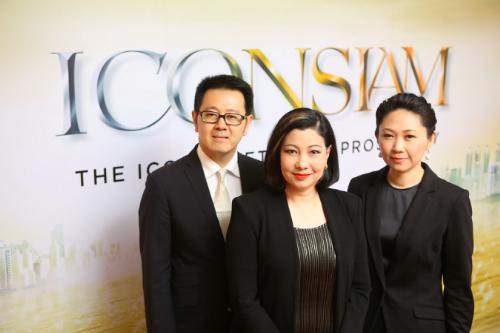
    Siam Piwat, owner of Siam Paragon, Siam Center, Siam Discovery and Paradise Park, is partnering with South Korea’s Lotte, Hong Kong’s Times Square, Robinsons of Singapore, Sapporo Parco of Japan and Galeries Lafayette of France in the Global Privilege Partnership program.

    Together, the retailers will launch a “massive international campaign”, offering both local and international shoppers “ultimate shopping experiences and above average privileges”. The partnership is the first of its kind in Thailand’s retail sector.

    Mayuree Chaipromprasith, Siam Piwat’s senior vice-president for business promotion, said Siam Piwat is honoured to lead the campaign and to be trusted by the five retailers who selected Siam Piwat as their exclusive partner in the customer relationship management (CRM) programme across the borders to ensure cardholders enjoy maximum benefits.

    “Siam Piwat sees working together in the form of partnership and collaboration as a way to develop a mechanism to stimulate more international consumer spending in Thailand. At present, the majority of visitors to Siam Piwat’s shopping venues are of the B group and higher. They have high purchasing power, love to travel, live a modern lifestyle, are into trendy innovations and expect above average services,” said Chaipromprasith.

    She added that Siam Piwat expects 400,000 visitors a year to participate in the programme, which should generate 6 billion Thai baht annually in consumer spending.

    “The Global Privilege Partnership has the largest number of leading countries working together. Not only will it serve to grow traffic to Siam Paragon, Siam Center and Siam Discovery, but it also offers value for money in terms of benefits and privileges enjoyed by members of the Platinum M Card for shoppers at Siam Paragon and VIZ Card for shoppers at Siam Center, Siam Discovery and Paradise Park.”

    The Global Privilege Partnership programme offers premium privileges to Platinum M Card and VIZ Card members of Siam Piwat as well as holders of membership cards issued by the five international partners. Shoppers enjoy benefits, including five to 50% discounts from more than 2,000 stores in the five popular shopping destinations and the same VIP service as they would have in their home countries.

    Among those services are personal assistants on hand to give members information at the partner shopping venues, welcome gifts worth more than THB 3000 and service at an exclusive lounge.

    Siam Piwat expects to expand the programme to include five more countries next year.

  • Alibaba invests in AdChina

    Alibaba invests in AdChina

    Chinese e-commerce giant Alibaba will take a majority stake in AdChina, which calls itself China’s leading digital marketing platform, to develop online and mobile marketing, the internet powerhouse says.

    Alibaba had made a strategic investment in AdChina, it said in a statement, without giving the amount.

    An Alibaba spokeswoman said financial details were not disclosed.

    Alibaba, which listed on the New York Stock Exchange last year, said the deal would allow the company to grow its online and mobile marketing “ecosystem”.

    The two companies will also develop online marketing services and data marketing products for businesses, media clients and third party service providers, the statement said.

    Alibaba is often described as the Chinese version of eBay, and like the US company has its own payments system.

    It has no product stocks itself, instead connecting buyers and sellers.

    The company’s consumer to consumer platform, Taobao, is estimated to hold more than 90 per cent of the Chinese market with more than 800 million product listings and around 500 million registered users.

  • Kodak makes comeback

    Kodak makes comeback

    Kodak – the famous photography brand almost killed off by the digital revolution – has made a comeback.

    In a digital form, of course.

    Kodak has unveiled a new smartphone at this week’s CES consumer electronics show in Las Vegas, the product of a joint venture with specialist mobile device maker Bullitt Group.

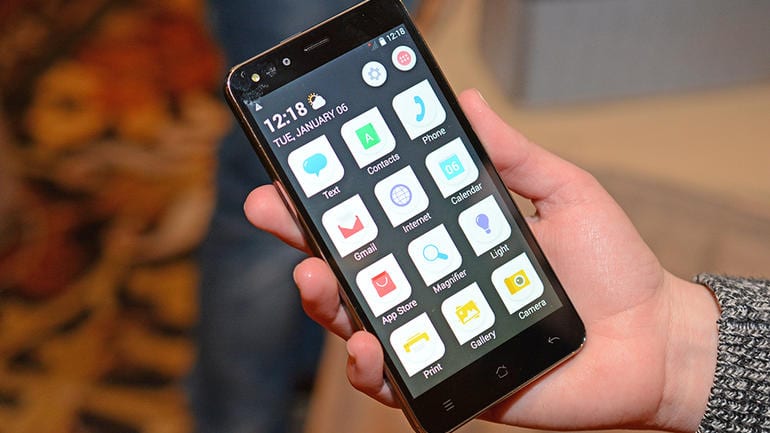
    Called the Kodak IM5 smartphone it’s a 5″ high definition Android-based smartphone its makers describe as being “as easy to use as it is smart”.

    Not surprisingly, photography is what the phone is touted as doing best, with a 13megapixal auto-focus main camera with unique image management software which lets users quickly edit photographs and either display them on the device, share them on social media or print them using a customised app compatible with home printers as well as future printing and sharing services.

    “This is a phone for consumers who appreciate the value and heritage of the Kodak brand,” said Oliver Schulte, CEO of Bullitt Mobile. “It looks great, is easy to use and offers real value for money.”

    Rochester, New York, based Kodak once dominated the photographic industry, but from the late 1990s – as digital technology took over, it began to struggle, despite having invented some of the core technology behind digital cameras.

    It filed for Chapter 11 bankruptcy protection in 2012 and the following year announced it would cease making digital cameras, pocket video cameras and digital picture frames and focus on the corporate digital imaging market. It emerged from bankruptcy in the latter half of 2013 after selling many of its patents to a group of companies including Facebook, Amazon, Apple, Microsoft, Google and Adobe for some $525 million, paying down debts and liabilities. In November 2014 it announced a $19 million quarterly profit.

    The new IM5 phone is largely the product of a brand licensing initiative by which Kodak receives royalties for products bearing its name. And Kodak is certainly a brand with street cred despite its recent misfortunes. But Kodak does appear to have had an active role in the camera and photographic processing technology inside.

    Eileen Murphy, VP brand licensing at Kodak said in a statement: “Too many memories stay stuck on mobile phones, often because the process for sharing them is too complicated for users; that’s why we’ve partnered on the IM5, the first device in a range of mobile products that takes our heritage and experience in photographic technology and combines it with Bullitt’s expertise in designing high-quality devices for a specific target consumer.”

    For the technically minded, the Kodak IM5 has an octa-core 1.7Ghz processor, 8GB standard ROM and 1GB of RAM, expandable to 32GB via a Micro SD card. It also comes with a dedicated app store (called simply “Apps”) that allows users to access a hand-picked selection of applications suited to their interests as well as full access to Google Play.

    Aimed at consumers who want a smartphone that is easier to use than what they are currently using (or being offered), Kodak and Bullitt believe the IM5 serves a market segment that – to date – has been poorly served by handset manufacturers.

  • Shop Tesco with Google Glasses

    Shop Tesco with Google Glasses

    Tesco has become the first retailer to launch a Google Glass enabled service with a basic version of its shopping app now available for users of the wearable device.

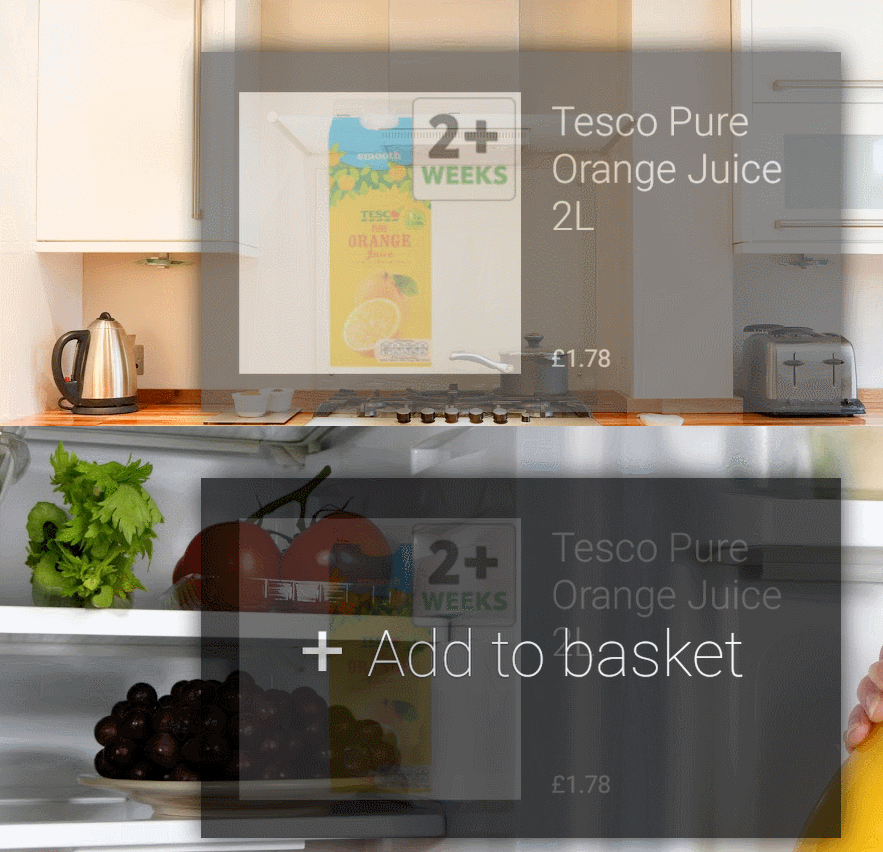
    The Glassware has been developed by Tesco Labs, which experiments with disruptive technologies that have the potential to change the way customers shop. The Tesco Grocery Glassware lets customers browse goods, view nutritional information and add items to their shopping basket hands-free.

    Initially the service is only available in the UK, but it is likely to be rolled out in Thailand, Malaysia or Korea if there is demand, especially given Tesco’s use of its Asian divisions to test new technology, (for example its virtual stores in South Korea subway stations).

    In this, its first foray into providing services for those using wearable technology, Tesco has intentionally kept the functionality of the app simple as it evaluates the consumer response to wearables and the likelihood of increased demand.

    Pablo Coberly, innovation engineer at Tesco Labs commented: “At Tesco we want to ensure we have the means in place to allow customers to shop whenever, however they want which is why we’re testing the possibilities of customers topping up their online basket with Glass”

    The Tesco Grocery Glassware works alongside customers Tesco.com grocery accounts, automatically adding products to the customer’s online basket for them to then review and order by computer, tablet or mobile.”

    Coberly said Tesco does not envisage Glass becoming the new platform for shopping as its functionality is different, and more immediate.

    “Instead, it complements other devices and integrates shopping into everyday life because products can be ordered or added as and when customers realise they need replacing.”

    He says the future of the Tesco Grocery Glassware will be driven by customer needs and demand.

    “We’re keen to see how customers react to shopping with Glassware and welcome feedback or suggestions from customers using Glass.“

    Glass users can install Tesco Grocery Glassware through MyGlass on their mobile device or desktop.

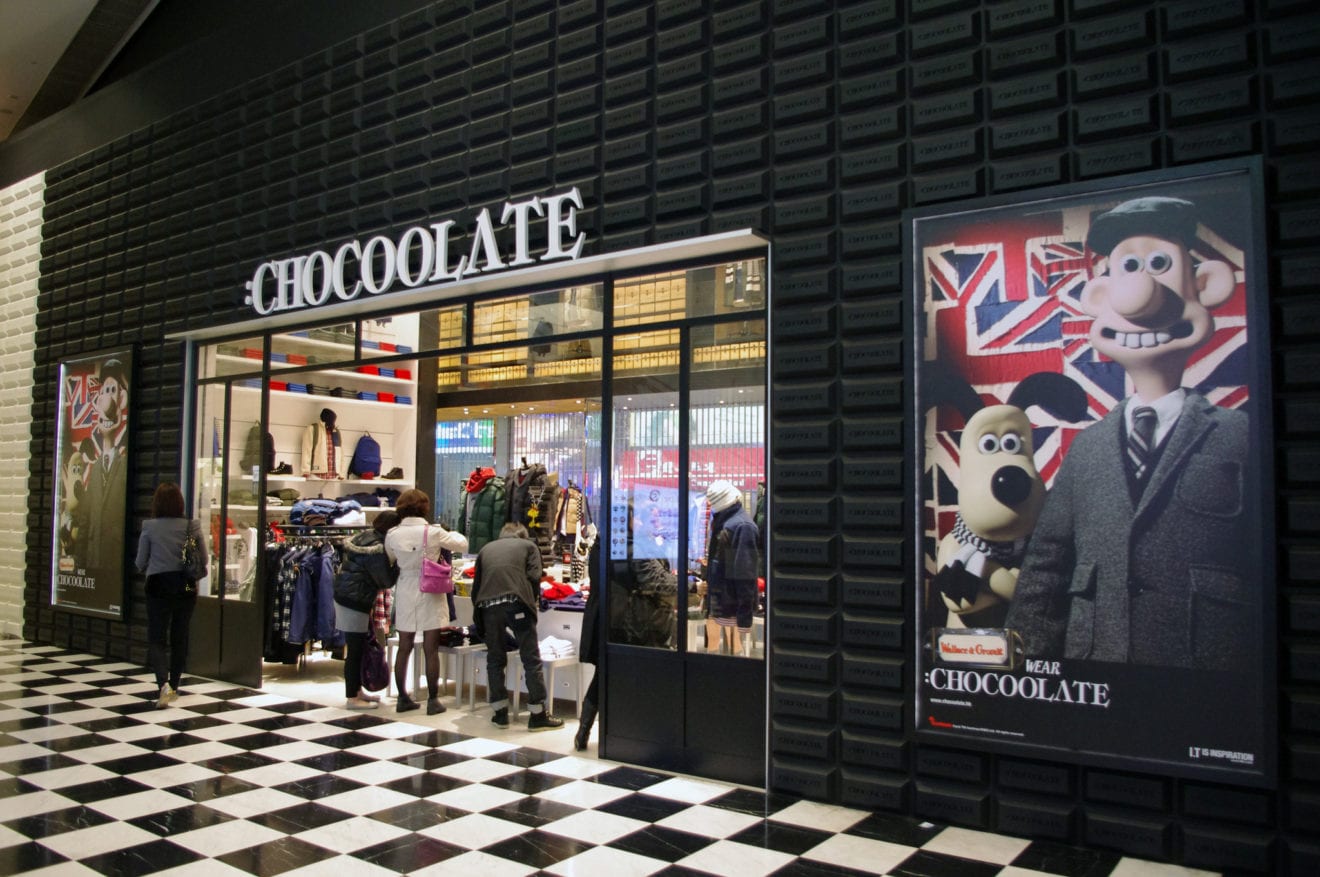
  • Hong Kong mall coated in chocolate

    Hong Kong mall coated in chocolate

    Hong Kong’s Harbour City shopping centre is hosting its sixth annual Chocolate Trail until March 1.

    For five weeks Hong Kong’s largest shopping destination has been transformed into ‘ChocoLand’, offering visitors a unique ‘Bean-To-Bar’ journey to deepen their appreciation of how premium chocolate is produced and how to ‘maximise the tasting pleasure’.

    Chocolate Trail highlights will include an immersive and educational Chocolate Factory installation, chocolate workshops and seminars, live demonstrations by local and visiting chocolate master chefs, and interactive art exhibitions — all set against a backdrop of close to 30 participating Asian and European chocolate brands.

    Harbour City is home to 17 branded chocolate stores – the largest range under one roof in the city – including  Bvlgari Il Cioccolato (Italy), Dalloyau (France), The Library Cafe – Prestat Chocolates (England), Chapon (France) and Frederic Blondeel (Belgium).

    For the promotional period, another 10 pop-up stores have opened from chocolate brands originating in France, Belgium, Japan, Singapore and Hong Kong. Chocolate Trail will also celebrate the Hong Kong launch of The Royal Touch by Carolyn Robb (England) and zChocolat (France).

    The Chocolate Factory will take visitors of all ages on an interactive step-by-step “Bean-to-Bar” journey where they can experience the full chocolate production process – from planting a cocoa tree, fermentation and drying, to roasting, cracking, moulding and packaging. The Chocolate Factory will be in the mall, and will incorporate an interactive Chocolate Experience Gallery as well as a ChocoVan Cafe for visitors to sample a wide range of premium chocolate.

    The chocolate workshops will provide insights on subjects such as chocolate culture, awarded chocolate tasting from The International Chocolate Awards and chocolate and Chinese tea pairing recommendations. Topics include chocolate tea-pairing workshops, fine chocolate tasting, chocolate kids college and a Muji chocolate snacks cooking class.

    And the centre will host an interactive art exhibition From Cocoa to Choco – taking you through the Journey of Love by Belgian artist Ben Heine. With his original ‘Pencil vs Camera’ and ‘Flesh and Acrylic’ art forms, digital artist Heine will show a new series of artwork exclusively created  for the Chocolate Trail.

  • Carrefour Indonesia adopts new POS tech

    Carrefour Indonesia adopts new POS tech

    German tech company Wirecard has teamed up with an Indonesian bank to roll out new point-of-sale technology for Carrefour Indonesia.

    Wirecard, with its Indonesian subsidiary PT Prima Vista Solusi and Bank Mega have joined forces to support Carrefour Indonesia with innovative Point-of-Sale (POS) solution with integrated payment capability. Customers in all Indonesian Carrefour retail stores will be able to pay contactless with their NFC cards, credit cards or debit cards.

    The new system is chip and PIN ready, and enriched with value-added services such as installment payment and loyalty. Wirecard provides the complete technical infrastructure, which is integrated in the front-end store system at the retail stores, as well as the online payment processing over the Wirecard gateway, whereas Bank Mega is credit card acquirer.

    Carrefour Indonesia has almost 100 hypermarkets in 13 Indonesian provinces under the ownership of PT Trans Retail Indonesia. It serves some 500,000 customers each day, offering groceries, fresh products, electronics, cosmetics, textile and many other consumer products. Siva Kumar, commercial and marketing director with PT Trans Retail Indonesia said the company feels committed to restoring its customers’ purchasing power in Indonesia.

    “To make this possible, we offer them a full one-stop-shopping experience through our products and support them with best-in-breed and secure payment technology from Bank Mega and Wirecard.”

    Bank Mega operates 344 branches nationwide in Indonesia, including issuing and acquiring credit card, debit card as well as its stored-value contactless payment card MegaCash. In addition, Bank Mega serves its customers through electronic banking, eCommerce and POS solutions at merchants.

    Mirtha Rahman, group head card sales and marketing with PT Bank Mega Tbk said the company looked forward to working together on further future projects.

    Wirecard AG is an independent provider of outsourcing and white label solutions for electronic payment transactions.

  • Filipino telco unveils new retail concept

    Filipino telco unveils new retail concept

    Globe Telecom has simultaneously opened the first three stores in a new retail format named Generation 3.

    The Globe Gen3 format was designed by Tim Kobe, founder and CEO of Eight, Inc, whose most famous work is the Apple Store in New York.

    Globe says the colourful stores designed to engage with customers, set a new global standard in telco retail experience. The first three opened in SM North Edsa, Quezon City, Manila and in Limketkai Mall, Cagayan de Oro.

    “The Globe Gen3 stores will further engage and delight customers by fueling their passion in the areas of music, entertainment, productivity, and life,” the company said in a statement.

    “Globe is proud to bring to Filipino consumers another world-standard differentiated experience. Our passion for our customers inspires us to end the year on a high note by bringing innovation a notch higher in our stores, one of our key customer touch points, allowing us to truly empower our customers’ digital lifestyles,” said Ernest Cu, Globe president and CEO.

    Apart from reconfigured store displays, customers can also check out the Play Bar to explore the different featured apps and sit through one-on-one service consultations. Self-service tools are available that allow better interaction with customer representatives through a video hotline.

    “Exciting, unexpected, and experiential are the words to describe our Gen3 Stores. The concept and design of the Gen3 Stores have undergone intense research and consultation with the world’s top-notch designers and architecture experts. We are inviting customers to explore and be inspired by the stores’ four zones—music, entertainment, productivity, and life so they can fully enjoy a wonderful world,” said Joe Caliro, Globe head of retail transformation and management.

    The Globe Gen3 stores are home to various lifestyle zones with stories and exciting features for customers to experience and enjoy. These zones feature latest trends in product, people and even in business. Various lifestyle vignettes illustrate mobile and broadband technologies as connected solutions – featuring the latest devices, apps, digital connectors gadgets and services that contribute to the total interactive customer experience.

    The lifestyle zones will also highlight the stories of brand ambassadors every quarter. The store is a platform for the introduction of “must-watch personalities who are blazing new trails in their respective Art, Community and Technology spaces”.

    For the first quarter of 2015, with Music as the main theme, Globe Gen3 will feature four popular DJs: DJ Badkiss, Callum David, Mars Miranda, and Eric Capilli – who all have inspiring success stories in their chosen career. In the coming months, it will also feature the inspiring story of JR Dela Paz, a Globe myBusiness ambassador and owner of fast-rising restaurant chain Size Matters.

    The Globe Gen3 Store will also serve as a venue to introduce the latest products, devices, and services offered by Globe. To start, it is the first retailer in Asia to introduce and carry Google Cardboard, the fold-your-own virtual reality headset.

    On his design plan for Gen3, Tim Kobe shared: “The space is dynamic. It changes with new stories and experiences that support different events and moments. We have elements that move and reconfigure, the way entertainment venues support great concerts or shows.

    “Retail is one touch point where brands build relationships and sell products and services. It is important today to have a place to demonstrate what you stand for. More than 50 per cent of the reason why someone engages with a brand comes from word of mouth. Interestingly, 80 per cent of word of mouth comes from direct experience. Designing the experience is critical to building brand advocates.”

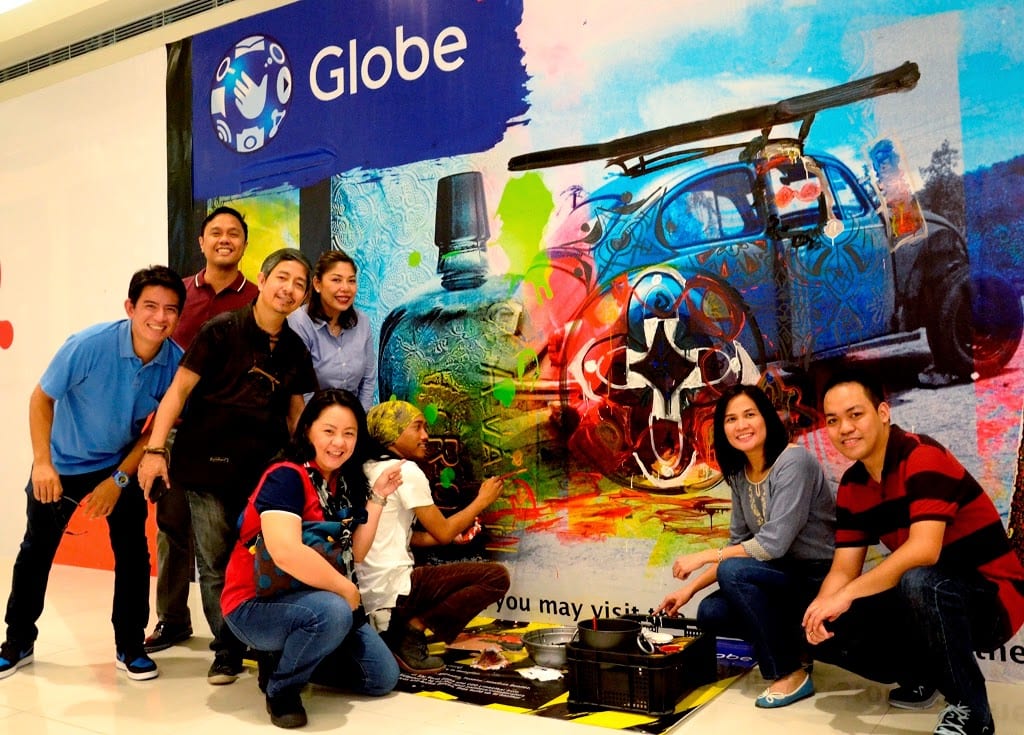
    Leading up to the launch of the Gen3 Stores, Globe collaborated with homegrown Philippine artists who took part in one of the telco’s biggest transformation projects to better serve its customers. Led by multi-awarded artist Ross Capili, the artists turned their design inspirations into live art galleries, showcasing murals exhibiting Globe’s brilliant vision, complementing the look, feel, and experience of its Gen3 Stores.

    By 2015, Globe is set to convert more of its existing stores into the Gen3 format.

  • China buying more iPhones than US

    China buying more iPhones than US

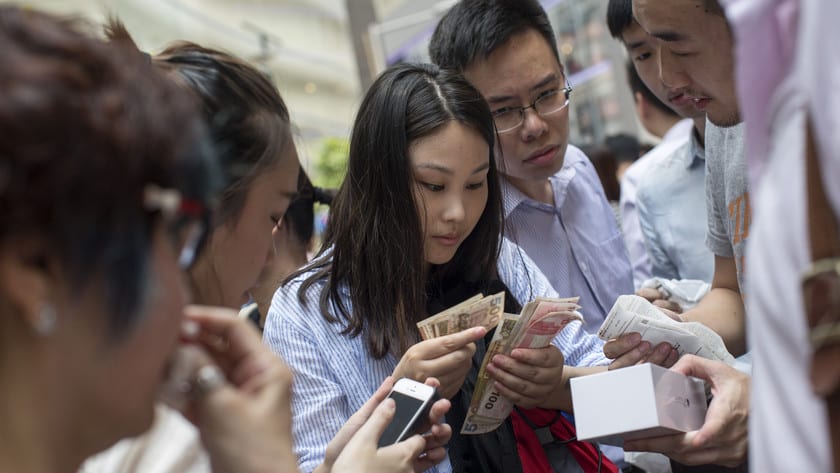
    Apple is expected to say this week that it has sold more iPhones in China than on its home turf in the US for the first time last year, highlighting the shifting power balance of the smartphone market.

    Analysts estimate that the US tech group reached the turning point in iPhone sales after expanding its presence in China last year via a deal with China Mobile, the country’s largest network operator, and after the release of the latest iPhone 6 in the country in October.

    The iPhone’s growing market share in China comes as Samsung, the global market leader by smartphone volumes, has stumbled and the region has seen the rapid rise of low-cost challenger Xiaomi.

  • Most Taiwan mobile shoppers spend over USD32 a month

    Most Taiwan mobile shoppers spend over USD32 a month

    A large majority of Taiwanese who make purchases on mobile devices spend more than NT$1,000 (USD31.9) a month, according to a survey conducted by the government-sponsored Institute for Information Industry.

    The Market Intelligence Center (MIC) under the III, cited a survey as saying that almost 70 percent of respondents who have purchased goods through their mobile devices spent at least NT$1,001 (US$31.68) a month on such purchases.

    The survey, conducted between Nov. 20 and Dec. 3, found that 62.5 percent of respondents said they made purchases on mobile devices, such as smartphones and tablet computers.

    According to the survey, 30.4 percent of those who used mobile devices to shop spend NT$500-NT$1,000 a month on average, 33.1 percent said they spend NT$1,001-NT$2,000 a month, and 16.6 percent said they spend NT$2,001-NT$3,000 a month.

  • Starbucks’ breathtaking ‘Shrine to Coffee’

    Starbucks’ breathtaking ‘Shrine to Coffee’

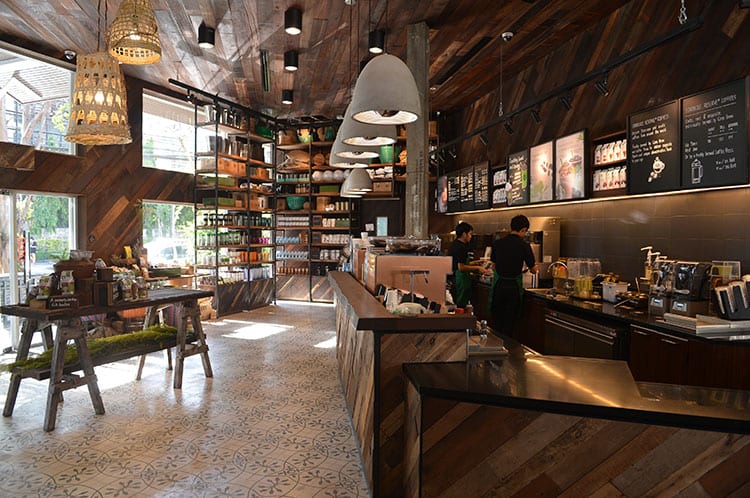
    Lovingly carved into a handsome thick timber bench at the new Starbucks Reserve Roastery & Tasting Room in Seattle is a Victor Hugo quote: “There is nothing like a dream to create the future”.

    It serves as a mantra for this ambitious ultra flagship, meant to be the forerunner of 100 Roastery cafes across the US. For this indeed is a dream brought to life with breathtaking scale, incredible quality, and painstaking detail.

    The “shrine to coffee” (as it was referred to in Wired Magazine) sits at the base of Seattle’s hipster Capitol Hill and is massive – 15,000sqft (or about 1500sqm). It’s designed to be a “totally immersive experience” (a retail cliché, which in this case is an accurate description).

    As a customer, you literally walk into a scrupulously clean, polished to within an inch of its life coffee bean roasting plant. You are greeted by a kind of coffee maître de and order your beverage from a restaurant-like menu on a clipboard – specifying your preferred bean, naturally.

    Food is also on the menu, and I selected a pretzel sesame seed bagel with smashed edamame mixed with mint and lemon, to accompany my Colombian Americano. (The premiumisation of everything is somewhat hilarious. How did we get to this? What ever happened to a cup of Joe and a plain bagel and cream cheese?)

    The service is a little slow (it takes longer to order craft coffee), so while I waited I was able to absorb the space and fitout. From the gleaming copper roasting kettle to the leather curtains; from the blackboard illustrations to the manifesto on entry (“every cup we’ve ever served has led us here”), Starbucks Reserve Roastery is seriously impressive. (If you’re hungry for more than a snack, there is also a Serious Pie gourmet pizza restaurant on the premises.)

    My only reservation is that by the time my coffee arrived, my expectations were through the (cavernous) roof. While the food was delicious, the coffee was, well… still Starbucks. Coming from Australia, I like my coffee strong and flavorful, and this was just a little “meh”.

    Nevertheless, Starbucks Reserve Roastery is remarkable, and well worth a visit. The single star motif above the signature ‘R’ should really be five stars.

    On my way out, I noticed another quote embedded into the bench where a barista was hard at work: “Crafted by hand and heart.”  That sums up the love that has gone into this store – led by designer Liz Muller and CEO, Howard Schultz. God is in the details, and they have most of the details absolutely right.

  • CapitaMalls snaps up Malaysian centre

    CapitaMalls snaps up Malaysian centre

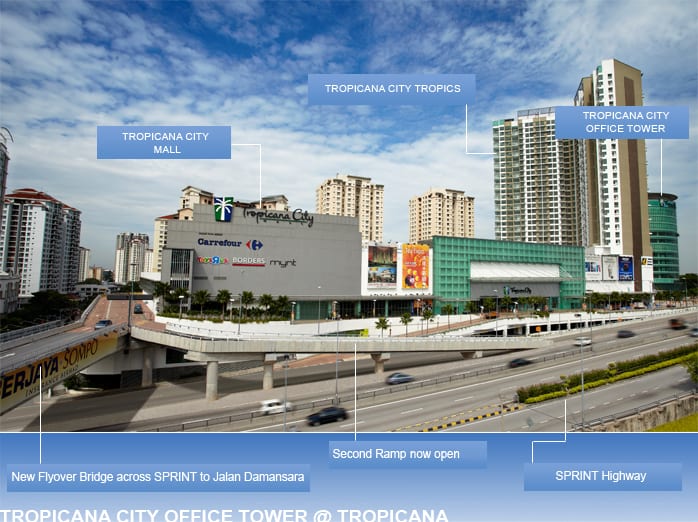
    CapitaMalls Malaysia Trust will pay RM540 million (US$150 million) to buy the Tropicana City Mall and its office tower.

    The four level Tropicana City Mall opened in 2008 and has a net lettable area of 448,248 sqft and 1759 car park. It is attached to a 12-storey office building.

    As of January 15, the mall had an occupancy rate of 89.2 per cent and the office tower was fully leased. CapitaMalls had previously considered buying the mall in mid 2013, but the negotiations ended after both parties were unable to agree to purchase terms.

    “The proposed acquisition will further strengthen CMMT’s position as a sizeable, well geographically diversified shopping mall real estate investment trust in Malaysia,” CMMT said in a statement.

    “Following the completion of the proposed acquisition, CMMT’s property asset value will increase by 16.7 per cent from RM3.2 billion to about RM3.8 billion. This is expected to increase CMMT’s visibility among Malaysian and international investors to support its future growth.”
    CMMT will fund the purchase through debt and/or equity fundraising, issuing new units.