Blog

  • ShenYang MixC Mall opens

    ShenYang MixC Mall opens

    CR Land recently celebrated the opening of its ShenYang MixC Mall in China’s Liaoning Province.

    The centre’s opening completed a 30 month design and delivery partnership with The Buchan Group’s Shanghai studio.

    MixC Mall in Shenyang 2

    “CR Land’s design brief was to attract the local office and residential communities, particularly Gen Y and young families, by providing an elegant and efficient mall design that would also function as ‘a place to celebrate,’” said principal David MacLeod.

    “This allowed us to be more playful with our built forms and lighting when designing the interiors.”

    MixC Mall in Shenyang 1

    As a result, The Buchan Group was able to integrate strong ceiling, lighting and floor patterning to provide precinct differentiation, as well as creating a bold, unified design intent that tied the elongated centre together.

    The five-level ShenYang MixC Mall is anchored by a major entertainment and food precinct at the uppermost level, and extends two levels below ground to a fast fashion precinct connected to basement car parking and MRT hub, making the mall the major component in one of the largest mixed–use projects in the city.

    The Buchan Group provided integrated interior architecture and interior design services to all public mall areas, as well as a number of specialised customer service facilities.

  • Belstaff counterfeit sites shut down

    Belstaff counterfeit sites shut down

    Luxury fashion brand Belstaff has won a court battle against online counterfeiters, winning $42 million in damages and leading up an unprecedented 676 copycat websites being shut down.

    The win was announced by MarkMonitor, a specialist in enterprise brand protection, which worked with Belstaff to identify and pursue the copycats.

    MarkMonitor used technology to identify some 3000 websites selling counterfeits products – more than 800 of them managed by one individual based in China.

    After the evidence was collected, a civil lawsuit was lodged in the US, with counterfeiters ordered to pay the $42 million and nearly 700 websites handed over to the brand.

    “There are other high profile luxury brands that have taken advantage of the US counterfeiting law, however we believe that our case has set the bar even higher due to the unprecedented number of sites that were taken down in one go,” said Elena Mauri, head of legal with Belstaff.

    “The whole legal process took less than four months and none of the single top 20 websites that were cited in the case are still in operation today. We certainly wouldn’t hesitate to take this legal route in the future, and we will continue to take a zero tolerance approach to any further illicit counterfeiting behaviour.”

    The legal result follows the company’s decision to embark on a major protection program for all of its IP – from registering of trademarks to individual products, including seeking external help from MarkMonitor.

    The program was put in place to monitor the full range of the different marketplaces and individual websites selling counterfeit products. The search also focused on any websites using the Belstaff name in their domain name, as well as generic sites listing counterfeit products.

    Gavin Haig, Belstaff CEO, said eCommerce has been a major driver of the brand’s growth.

    “However, alongside the clear benefits of venturing into the online retail market, we were aware of the potential negative impact from counterfeiters. Right from the outset, we have been determined to stop our customers falling prey to counterfeiters. We want to do everything in our power to protect our loyal customer base and our hard-earned 91 year old heritage.”

    The majority of the counterfeit products were jackets and outerwear, particularly counterfeit copies of Belstaff’s best-selling leather jackets. The copies were many seasons old; designs no longer in production.

    MarkMonitor’s technology is capable of exploring an entire network of sites, including both the index and non-index results, as well as examine fundamental criteria such as the website’s design and the payment processes.

    Jerome Sicard, regional manager, Southern Europe, said the court decision sends a stark warning to online counterfeiters and underlines the increasing importance of online brand protection.

    “This is not the first case of its kind, however the Belstaff ruling is unusual due to the substantial number of websites being handed over to the brand.”

  • Apple to set up research centre in Indonesia

    Apple to set up research centre in Indonesia

    US-based technology firm, Apple Inc., plans to establish a research and development (R&D) centre in Indonesia, a minister said here on Friday.The company’s management officers came into Indonesia and held talks with the government over the plan, Xinhua quoted Indonesian Information and Communication Minister Rudiantara as saying.The minister said Apple Inc. has successfully developed such a plan in Brazil and wants to do so in Indonesia.

    “Apple officers proposed the investment model in Brazil to be implemented in Indonesia. They plan to build R & D centre in Indonesia,” he said at Graha XL building.Rudiantara said further discussion with Apple will be conducted over the local content requirement.Indonesian President Joko Widdo has scrambled to invite more foreign investors into the country by easing rules and improving investment climate.

    Indonesia is home to over 250 million populations with growing middle class and emerging wealth, making it one of the world’s biggest markets.

  • 10 things startups should know before entering Indonesia

    10 things startups should know before entering Indonesia

    Entrepreneurs grinding it out in Jakarta are unlikely to tell you Indonesia is an easy market to win. On the surface, the world’s largest archipelago is attractive to foreign founders. And why not? Indonesia has a lot of problems to be solved, with greenfield opportunities that tend to encompass several links on a given value chain. This wide open nature of the market alone makes it a conducive environment for building full-stack ventures. On top of that, the population is big. So the saying goes, if you can win Indonesia, you may not need to expand regionally.

    Tech firms can grow fast in Indonesia, with a young population embracing the web faster than ever before. Fun fact: each year, Indonesia pops out more babies than the entire population of Singapore. Singaporean startups salivate when thinking about an Indonesian market entrance as it’s undeniably the largest and most important market in Southeast Asia – the final frontier in terms of regional defensibility, some say.

    Indonesia is the next hotspot for investor activity after China, the US, and India. This is due to an economy that’s consumption-driven and a tech market that’s still relatively immature. There are a lot of reasons to take your startup to Indonesia. But alas, Indonesia is as elusive as it is attractive; a mirage for some. While there are many reasons to come here, there’s really only one reason to stay: the opportunity to challenge yourself.

    Local investors and founders are likely to agree – if you can crack Jakarta, you can crack any market. In reality, it’s only for those with true grit.

    In no particular order, here are ten things foreign founders should chew on before stocking up on batik shirts and parachuting into Indonesia.

    Tough geography

    Indonesia is made up of more than 17,000 islands. This means things like logistics and internet penetration rates are major hurdles for any web business.

    Things are changing, however, and startups are quick to adapt. With Indonesia’s three major telcos getting more aggressive with 4G coverage and many locals coming online for the first time on mobile devices, consumers have a healthy thirst to get plugged in – no matter how far they are from the capital or Java island.

    But the situation is still far from perfect. Getting Indonesians online in rural areas is just the first step toward converting them into paying customers. Looking specifically at the ecommerce space, operating in a nation that’s divided by water is a challenge in and of itself when considering timely and reliable delivery.

    Juicy demographics

    Indonesia has a population of more than 250 million. Over 50 percent of people are under the age of 30, making them statistically ripe in terms of understanding and adopting new tech. Additionally, Indonesia’s economy is pillared by people buying stuff. An emerging middle-class has been the focus of many ecommerce firms, both foreign and domestic. Current hot verticals include automotive, real estate, fashion, lifestyle, financial, and on-demand services.

    However, capitalizing on Indonesia’s favorable demographics is easier said than done. Currently, online shopping still accounts for less than 1 percent of the nation’s retail sector. This is small compared to China, where ecommerce makes up roughly 10 percent of all retail transactions (PDF link). Additionally, Indonesia’s demographics are also divided by religion, culture, and socioeconomic standings, which inevitably lead to the need for a variety of different marketing tactics for the same product.

    Weak payments infrastructure

    The majority of the Indonesia’s population has not entered the banking system. Further, less than 5 percent own credit cards. Developed markets, like the US for example, have efficient payments infrastructures that rest on the backbone of the Europay, MasterCard, and Visa (EMV) technology and network.

    Indonesia, on the other hand, is primarily a cash-based economy. Electronic payments solutions are forced to cope with the nation’s unbanked and underbanked. This drives startups to explore creative avenues that involve things like ewallets, alternative payment gateways, and mobile phone credit.

    Fun fact: While broadband usage is at less than 30 percent of the population and the underbanked population is more than 70 percent, mobile penetration is somewhere near 130 percent. This means everyone in Indonesia has a cellphone, sometimes two or three. The phenomenon presents opportunities for savvy founders who want to think creatively in the payments game.

    Two banks run the show

    Bank Mandiri and Bank Central Asia (BCA) are the two major financial institutions in Indonesia. These two banks have only made online payments possible since 2012. If you plan on starting up and getting paid in Indonesia, you will eventually bump into these guys.

    Mandiri and BCA affect everything from the top down. Effectively, the pair acts as a duopoly on Indonesia’s formal finance landscape. This creates bottlenecks and inefficiencies as both corporations are gunning to make superior solutions for the same problems. However, any startup that can cope with this ― or create more elegant solutions for payments and financial inclusion ― will find itself in a strong position in Jakarta.

    Bureaucracy you wouldn’t wish on your worst enemy

    It takes one to two days to set up a business in Singapore. In Indonesia, it takes an average of 47 ― and that’s assuming you’ve done the paperwork right. The World Bank and the International Finance Corporation ranks Indonesia in 155th place in the world for ease of starting up a business, citing complex and drawn out processes involved in starting up as the main headaches.

    Businesses must get cleared with the state treasury, the Ministry of Law and Human Rights, and the Ministry of Manpower, as well as complete several other registrations.

    Traditionally, there are enormous tax payments to be made each year. Companies spend around 259 hours of company time each year dealing with taxes. Corporate income tax of 25 percent takes 75 hours to process, and social security contributions and VAT add another 184 hours to the total.

    Depending on your particular business, there is likely a unique set of rules you must follow. Additionally, laws in Indonesia are always changing.

    What language do you speak?

    There are more than 726 languages spoken across Indonesia today. Most of these are regional dialects of the overarching official language, Bahasa Indonesia, though they vary immensely and often incorporate completely different vocabulary. In theory, all startups really need to do is make their product in the universal Indonesian language and it’s all good, right? Wrong.

    In order to truly localize a product, companies need to be able to reach Indonesian consumers in their everyday lives. In practice, deals will sometimes only close when representatives and customers can get on the same page with a dialect. A conversation between a consumer from Aceh and a business in Jakarta is very different than a conversation between two Jakartans. As a foreigner who hasn’t even mastered Bahasa Indonesia, you’ll be put at an even greater disadvantage. Wise founders will find sharp local partners to help them out.

    Social media is a way of life

    Social media is a force that can’t be circumvented in Indonesia. It’s a must. Twitter and Facebook to one degree or another affect everything from entertainment and business to politics and news. The archipelago is one of the top five global users of social media, and political candidates are aware that failing to engage voters via social media could mean a lower tally at the ballot box.

    Indonesia has 72 million active social media accounts, 62 million of which are on mobile. The most popular ones in Indonesia are Facebook, Twitter, and Google Plus. Although Indonesia has become the main market for Path, data suggests that Instagram and Pinterest are more popular.

    Indonesians love their malls

    Southeast Asian countries, and Indonesia in particular, have a true affinity for shopping malls. This is perhaps just an inexplicable idiosyncrasy of the region. Jakarta alone has more than 173 malls, which is something nearly unheard of in markets like the US or UK.

    Unlike western cultures, however, Indonesians don’t typically stroll down the sidewalk and pop into a boutique store to try on one-of-a-kind fashion items. Instead, they flock en masse to giant malls where everything is in one secure, air-conditioned location. If tech startups can find ways to make their online products applicable to offline shopping malls in Indonesia, they might have a fighting chance at regional defensibility.

    Regulation is wild

    If you’re planning to incorporate your business in Indonesia, you’ll need to be aware of the legal limitations imposed on foreign-owned companies. Indonesia’s Negative Investment List specifies sectors of the economy in which foreign ownership is limited or even prohibited completely. These limits range anywhere from zero percent to 95 percent ownership allowance. Some of the sectors include advertising and pharmaceuticals. But more relevant to us in the tech space is ecommerce.

    In recent years, the minimum capital requirement to set up a foreign investment limited liability company (also known as PT Penamanan Modal Asing, abbreviated as PT PMA) was INR 10 billion (roughly US$1 million). The amount needs to be part of a company’s official investment plan with a quarter of it paid up front into the company’s Indonesian bank account.

    Most early-stage startups won’t have that kind of cash. Many entrepreneurs looking to target the Indonesian market prefer to incorporate their business in Singapore, where it’s so much quicker, the fees are next to nothing, and the political climate is stable. However, companies that need to be licensed in Indonesia would do well to do their homework extensively before buying a plane ticket.

    The taxi is your office

    If you’re a tech entrepreneur and you plan to move to Jakarta, it might be worth your while to invest in a plug-and-play wifi modem. The reason is that Jakarta has the worst traffic conditions in the world and you may end up stuck in a taxi or an Uber for several hours trying to get across town for your next meeting.

    Instead of stressing out about time you’re wasting, it’s often more practical to just pull out your laptop in the car and catch up on emails on the go. Indonesia’s traffic conditions may also be another factor that plays into the nation’s rapid smartphone and social media adoption.

  • Sydney hosts Indonesia AirAsia X

    Sydney hosts Indonesia AirAsia X

    “We’re pleased to welcome Indonesia AirAsia X to Sydney, providing more choice for Sydneysiders travelling to Bali, as well as greater connectivity to Indonesian and Asian destinations from the airline’s Bali hub,” Sydney Airport managing director and chief executive officer Kerrie Mather said.

    “We’re thrilled that Sydney Airport is now the world’s leading low-cost long-haul airport, with five international low-cost long-haul carriers.”

    Bali is Australia’s largest outbound leisure market. Around 416,000 Australians travelled from Sydney to Indonesia in the 12 months to July 2015, an increase of eight per cent on the prior corresponding period.

    “More than 555,000 passengers travelled between Sydney and Indonesia in the past year, and this new service will significantly increase capacity to one of Sydney’s favourite travel destinations in time for the summer holidays,” Ms Mather said.

    Indonesia AirAsia X CEO Dendy Kurniawan, who touched down in Sydney on the inaugural flight, operated by an A330-300 aircraft, said that Australia is an important market to Indonesia AirAsia X and the airline is committed to further strengthening its presence in Australia.

    “We are delighted to serve direct flights between Bali and Sydney, providing Sydneysiders the opportunity to explore Bali and beyond at affordable fares. From Bali, our guests can fly onwards to many exotic destinations within Indonesia such as Jakarta, Bandung, Surabaya and Yogykarta,” Mr Kurniawan said.

    Indonesia AirAsia X is the fourth airline servicing the Sydney-Bali route

  • Massive opportunity for China retail investment

    Massive opportunity for China retail investment

    China retail is “rife with opportunity” for retail and property investment according to a new report released at China Mall 2020.

    Taubman Asia, a subsidiary of US mall REIT Taubman Centers, and Mingtiandi, China’s leading source of retail intelligence, released at the Hong Kong China Mall 2020 conference today a white paper with industry-leading insights on the future of China’s retail sector. The report analyses the challenges and opportunities for retail in the world’s second largest economy and provides a holistic overview and insights on the swift growth and dynamics of Chinese consumer behaviors over the past 15 years.

    “China is uniquely positioned to build a modern, connected, and relevant retail real estate sector by 2020,” said Michael Cole, executive editor of Mingtiandi, and managing researcher for China Mall 2020.

    “China’s malls of the future will be those that embrace powerful new technological capacities made for digital marketing and incorporate smart design elements to meet increasing consumer and retailer needs – differentiating the retail experience.”

    Specifically, the report discusses several key drivers that will inform the future development and success of Chinese malls, including:

    • Shopping center designs will need to be rethought to accommodate shoppers looking for cultural and social experiences as much as for visitors looking to tick items off their shopping lists;
    • Integration of digitally-enabled strategies, such as online-to-offline (O2O) and big-data level resources will be needed to bring management of offline retail on par with online competitors;
    • Adoption of mobile technologies, to meet consumer demand for on-the-go research in stores, will be needed to keep in tune with a market of mobile-connected shoppers; and
    • Mall development, including innovative leading strategies that bring together the right mix of retailers at a pace that matches the increasing urbanisation of China and is able to anticipate the evolving needs and expectations of the Chinese consumer.

    René Tremblay, president of Taubman Asia, said the company has always been optimistic about the growth and untapped potential of the China market, “and we were encouraged to see the results of Mingtiandi’s independent research affirm this view”.

    “We believe the industry is undergoing its first stage of evolution, and we are well placed to lead the development of this next generation of malls in China – leveraging our 65 years of international development and design experience, as well as our robust local team.”

    He said that while media reports often focus on how the macro environment has played a key role for a shopping slowdown sweeping the country, China Mall 2020 forecasts the sustainable growth of Chinese consumption, and suggests the cause of the retail sector’s struggles might lie more on bullish planning and early optimism of some retailers.

    Similarly, while addressing the threats of an online retailing boom, the in-depth study showcases how traditional retailers and mall developers are on their way to fine-tune their marketing strategies, leveraging new technologies to drive more business.

    Guohua Zhang, China MD of Taubman Asia said the retail scene in China is becoming increasingly sophisticated.

    “Instead of viewing external forces as threats, many malls in China are utilising a powerful mix of digitally enabled strategies that leverage mobile, social platforms and big data together with traditional marketing approaches. These kinds of innovations are critical to our approach for the market.”

    China Mall 2020 also analyses how the unique social context in China has evolved shopping malls from a shopping oriented destination to a public space cultivating social and cultural experience for the Chinese population.

    The full report is now available for download on the Taubman Asia China Mall 2020 website. Taubman Asia, the sponsor of the project, is an active leader in retail real estate in the region. Its portfolio in China includes two CityOn lifestyle projects underway in Xi’an and Zhengzhou and The Boulevard at Studio City in Macau, which will open in October 2015. The company also owns Hanam Union Square in Greater Seoul, opening late 2016, and manages operations for the IFC Mall in Seoul which opened in August 2012.

  • Customer service in the Retail Revolution

    Customer service in the Retail Revolution

    Traditionally, the retail sector has taken the lead in customer service excellence.

    This is because when retail managers walked about their stores, they interacted with customers and received direct feedback as part of their daily duties. However, technology is revolutionising the retail sector – online stores, social media, mobile shopping and shopping apps are changing customer expectations and the way retailers engage with their customers.

    This has led to new challenges and opportunities for today’s retailers. Through eCommerce, retailers can now reach more customers from all over the world. The fact that someone can order an item one day and have it delivered the next, sets a high bar in terms of expectations. While this can lead to a greater number of complaints that are spread through social media, it also means positive experiences are similarly shared. One thing is certain – in today’s crowded landscape, delivering excellent customer service has become a key differentiator to help retailers maintain their competitiveness.

    The retail revolution is here and retailers need to pay attention to specific issues when it comes to delivering good customer service. These include managing social media, dealing with the holiday spike, representing the customer’s voice, and having the proper tools to scale effectively.

    Social media – the customer megaphone

    Today, no business can cover up bad customer service due to the growing popularity of social media platforms, such as Facebook, Twitter, Instagram and online blogs. Every customer has a megaphone for sharing positive and negative experiences. Savvy retailers can take steps to capitalise on the positive aspects by encouraging the viral nature of social media. They should also mitigate any negative effects, by quickly responding to complaints and addressing concerns.

    Another advantage of social media is that retailers can get more accurate feedback from the customer. Some individuals may be hesitant to giving direct criticism. This means if they are unhappy with a particular product or service, instead of letting the retail manager know, they simply never return. By monitoring the right social media platforms, retailers are given an additional opportunity to discover and fix any problems.

    To leverage on social media, the retail business needs to work out who within the organisations is responsible for managing the different social media platforms. Depending on the size and type of organisation, as well as expertise of employees, this could be the marketing department, customer service teams or even just one employee. The most important thing is that every customer request made over social media needs to be responded to in a timely manner, even if it’s just to say “Thank you!”

    The holiday spike – high sales and high stress levels

    The US-based National Retail Federation revealed that some retailers can bring in 20 to 40 per cent of their annual sales in the period leading up to Christmas. And while this is fantastic news, it brings with it a whole host of problems for the company. In addition to dealing with the sudden, temporary increase in sales volume, retailers must appropriately handle customers that may be more difficult than during other periods of the year. This is because people tend to be more stressed or agitated due to the holiday rush, requiring customer service staff to calm them down. Customers also tend to make purchase decisions less thoughtfully or are less familiar with the product, resulting in more purchase regrets and returns – which also requires additional support from the customer service team.

    Zendesk’s research shows that customer satisfaction with service interactions consistently drops during the holiday season. The main reason for this “dip” in satisfaction is because the increase in shopping means that the number of customer requests per agent also increases, resulting in less time spent per customer.

    Retail businesses can prepare for the holiday spike by temporarily hiring more employees, re-distributing staff responsibilities beyond the regular customer service team, outsourcing to a partner, or investing in a customer service platform that boosts self-service capabilities and streamlines workflow. It is a good idea to have the necessary measures in place at least one month before the rush commences, to reduce likelihood of any hiccups.

    Customer advocacy – become the ‘voice’ of the customer

    Since retail companies are interacting less with their customers face-to-face, it is advisable that a team (typically the customer service department) becomes the customer advocate. This team can proactively push data to senior management on customer satisfaction surveys, reports on interactions with positive or negative ratings and other information captured by the customer service system that will help the company understand the customer better.

    For direct-to-customer retailers, the business can typically manage the customer experience easily, since they manage the entire process – from developing product features to manufacturing, marketing and distribution. For example, if many customers make enquiries about a how certain product feature works, the business can choose to simplify the product, or provide better instructions on how to use the feature.

    For retailers with a more complex distribution process, customer advocacy becomes challenging, as the retailer does not have control over the end-to-end customer experience. In these situations, customers may buy the same product from the retailers’ own outlet, online websites, or at other locations, such as department stores. However, when a problem crops up, customers do not care about the business arrangements with other partners, they just want the issue sorted out. As such, it may make sense to have a central platform (such as the retailer’s website) that deals with all customer inquiries. It also involves good communications with the various partners, to quickly make the referral and ensure the customer’s problem is dealt with.

    Scaling without spending

    As a retail business grows, high volumes of transactions can make customer service challenging. The customer service team must be able to scale to support these increasing transactions, preferably without increasing headcount. This is where good customer service solutions are required – processes that are simple so non tech-savvy customers and agents can use them. These include self service capabilities (like customer FAQs), templates so agents can respond quickly to standard inquiries and the ability to check agent performance, in particular with new employees or during the holiday season.

    Customers should receive a consistent experience, whether they contact the business via email, phone, website or social media. As companies scale, it is also important to have the right reporting tools. These can gather metrics such as top contact reason, contacts per week, average wait time, time to close the request and customer satisfaction. Such information can support key business decisions.

    The retail industry has gone through significant changes in recent years, operating with heightened customer expectations in an environment that is more global and public than ever before. Without doubt, there are likely to be more changing trends in the near future. By continuing to deliver excellent customer service, retailers can leverage on these dynamic trends for positive business outcomes.

  • Bauhaus sales slide

    Bauhaus sales slide

    Denim retailer Bauhaus International says its same-store sales in Hong Kong and Macau fell seven per cent in its second half year to September 30.

    The Hong Kong-listed street fashion retailer had 211 self-managed stores at the end of the first half year – 96 in Taiwan, 86 in Hong Kong and Macau and 29 in the mainland.

    Bauhaus International told the told the Hong Kong Stock Exchange that its same-store sales generally had slipped eight per cent overall.

    It has not released same store sales data.

    The company sells a range of imported denim and t-shirt brands including Desigual, Evisu, Superdry, True Religion and Red Pepper.

  • Karl Lagerfeld to go online in 97 markets

    Karl Lagerfeld to go online in 97 markets

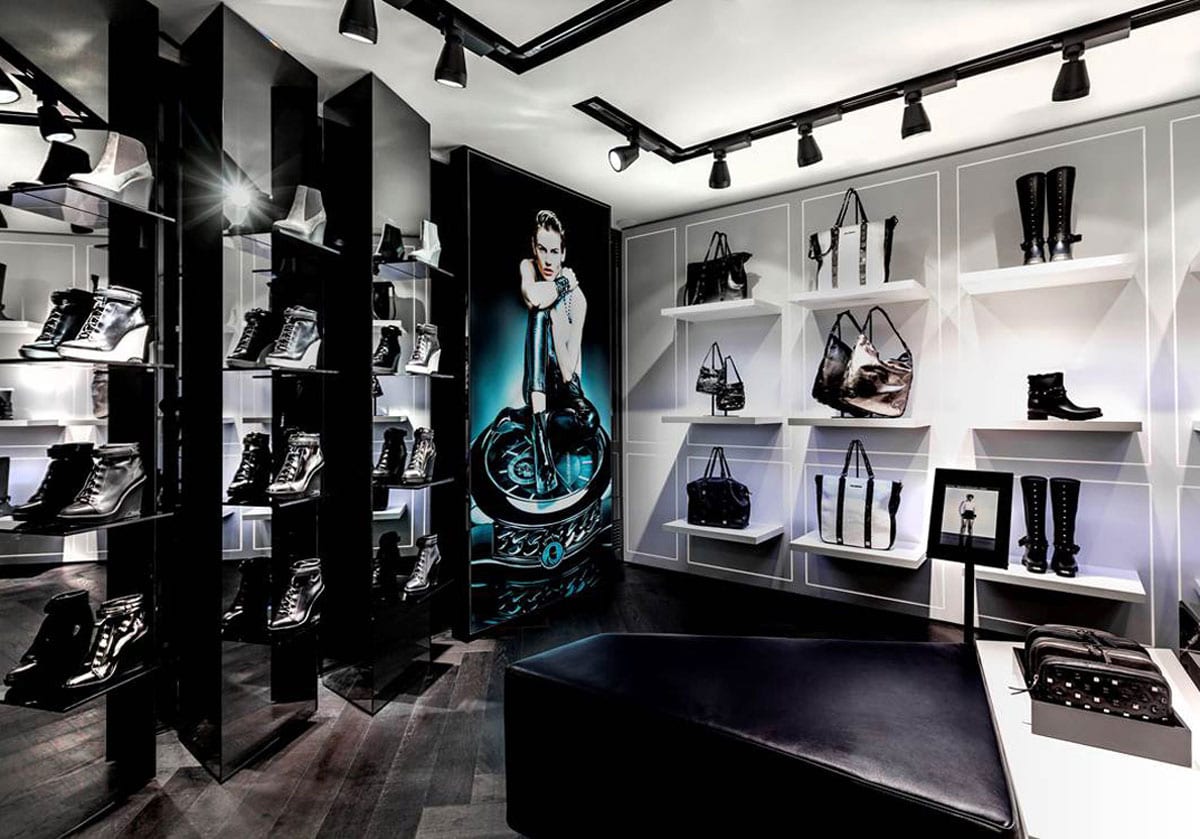
    Fashion designer Karl Lagerfeld is to enter 97 international markets online.

    The move marks a dramatic expansion of the company’s current online strategy which is to partner with leading department store brands, such as Harvey Nichols and Harrods, and selected online-only retailers Stylebob.com, Luisviaroma.com and Zalando.com.

    Now, Karl Lagerfeld is opening online stores under its own name in a raft of countries yet to be listed, but definitely including Japan.

    The brand, founded by the 82 year old French-based German designer and photographer, just two years ago commenced a physical store rollout and now has 20 directly operated and another 20 franchised in markets as diverse as China (eight stores), the Middle East (six) and, of course, Europe. Over the next few years it aims to expand that network to about 100 globally.

    Karl Lagerfeld Group CEO Pier Paolo Righi says online sales already represent “a significant part of the business” and he expects the new program with Italy’s Yoox Net-a-porter Group to soon account for a double digit share of the fashion group’s total revenues.

    The new websites will launch in early November offering broader ranges than its pages on existing partner websites – a broad collection of womenswear along with licensed products including watches, fragrances and eyewear.

  • Walmart China partner sells out

    Walmart China partner sells out

    Walmart China’s local business partner wants out of its joint venture.

    State-backed China Resources Group has put the minority interests it has in 21 Walmart China stores on the market, seeking US$525 million. Most of the interests equate to about 35 per cent of the respective stores.

    China-based spokesman for Wal-Mart David Fu confirmed the sale in an email to Reuters. He said the firm respected the “investment decision” of its partner.

    “Wal-Mart believes that the transfer of minority interest will not influence Wal-Mart’s operation and development in China,” he said.

    The affected stores are located in various parts of China, including the western Sichuan province and the capital city Beijing.

  • Roger Dubuis Hong Kong plans more Macau stores

    Roger Dubuis Hong Kong plans more Macau stores

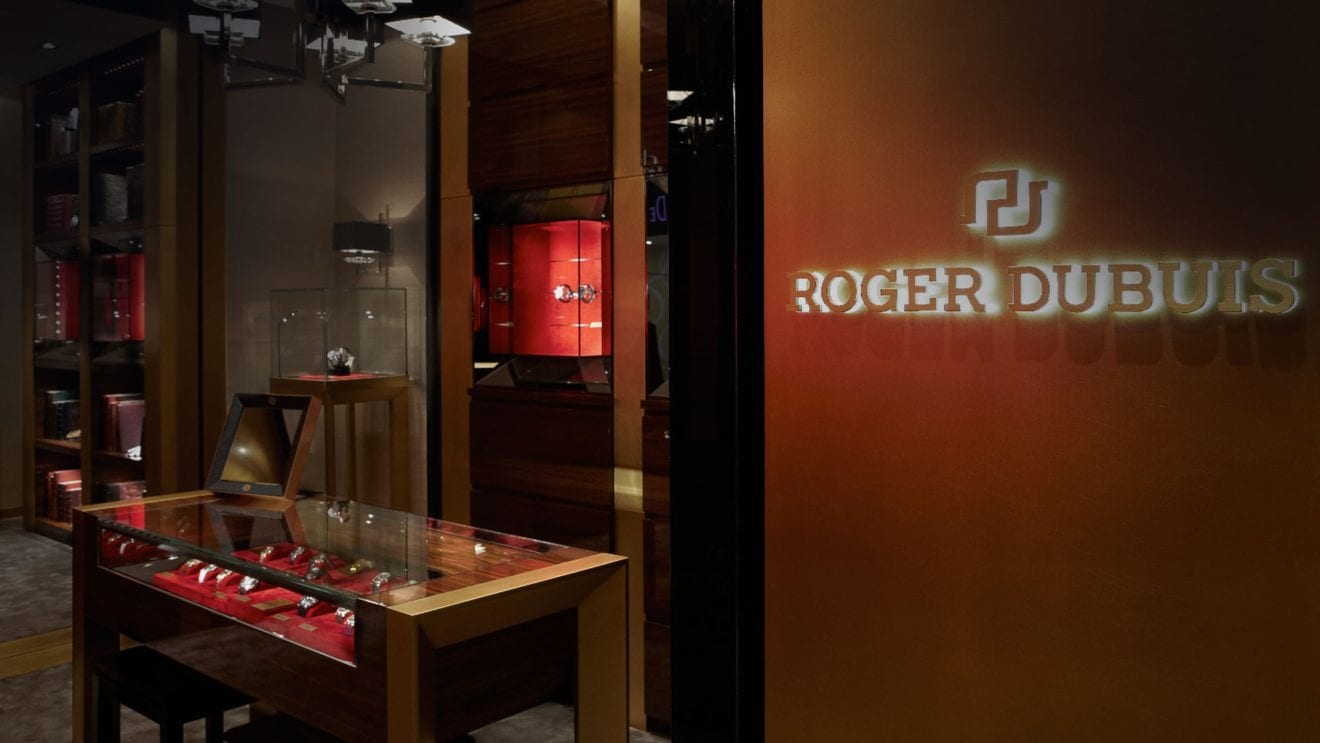
    Luxury watch brand Roger Dubuis says it will open more stores in Macau and Hong Kong despite the recent contraction of the market.

    Roger Dubuis Hong Kong has four stores and there are a further three in Macau. The Swiss brand debuted here in 2000 and is aiming to be one of the world’s top five luxury watch retailers by 2020.

    Despite price tags ranging from HK$150,000 to HK$10 million, Roger Dubuis is unconcerned by the broader trend and is eyeing the longer term growth opportunity in the SARs and the mainland as the number of Chinese with high disposable income grows.

    Two new stores will open in Macau next year and potentially another in Hong Kong.

    CEO Jean-Marc Pontroué told the Hong Kong Economic Journal a new store will open in Nanjing in the mainland next year as well. That follows the opening of its first mainland store in Beijing last July.

  • Pepsi smartphone planned for China

    Pepsi smartphone planned for China

    PepsiCo will market a range of mobile phones and accessories in China later this year.

    The US beverage giant will licence its brand to a manufacturing partner with the Pepsi smartphone just one of a range of planned licensed products which will also include apparel.

    “Available in China only, this effort is similar to recent globally licensed Pepsi products which include apparel and accessories,” a Pepsi spokeswoman told Reuters by email.

    No further details were released about the phone’s specifications – or the manufacturing partner.

    It won’t be the first technology product born of a partnership between Pepsi and an electronics brand. Last year it teamed up with Danish avant garde audiovisual manufacturer Bang & Olufsen to create Pepsi-branded products to support the soft drink brand’s soccer campaign.

  • Parkson Retail restructure knocked back

    Parkson Retail restructure knocked back

    A plan to simplify the complex ownership structure of Parkson Retail Asia operations has been rejected by independent shareholders.

    The proposal, defeated by a 63.44 per cent vote against at a shareholders meeting on Monday, would have seen the Singapore-listed Parkson Retail Asia parked under Hong Kong listed Parkson Retail Group, which in turn is a subsidiary of Malaysian-listed Parkson Holdings.

    The side effect of the vote is that Malaysian shareholders have missed a proposed cash distribution arising from the internal reorganisation.

    Parkson Retail Asia has 67 stores in Southeast Asia which were to be merged with the Parkson Retail Group network of stores in Greater China.

    Parkson Holdings says the companies will now continue to operate under the status quo.

  • Marrybrown expands to Singapore

    Marrybrown expands to Singapore

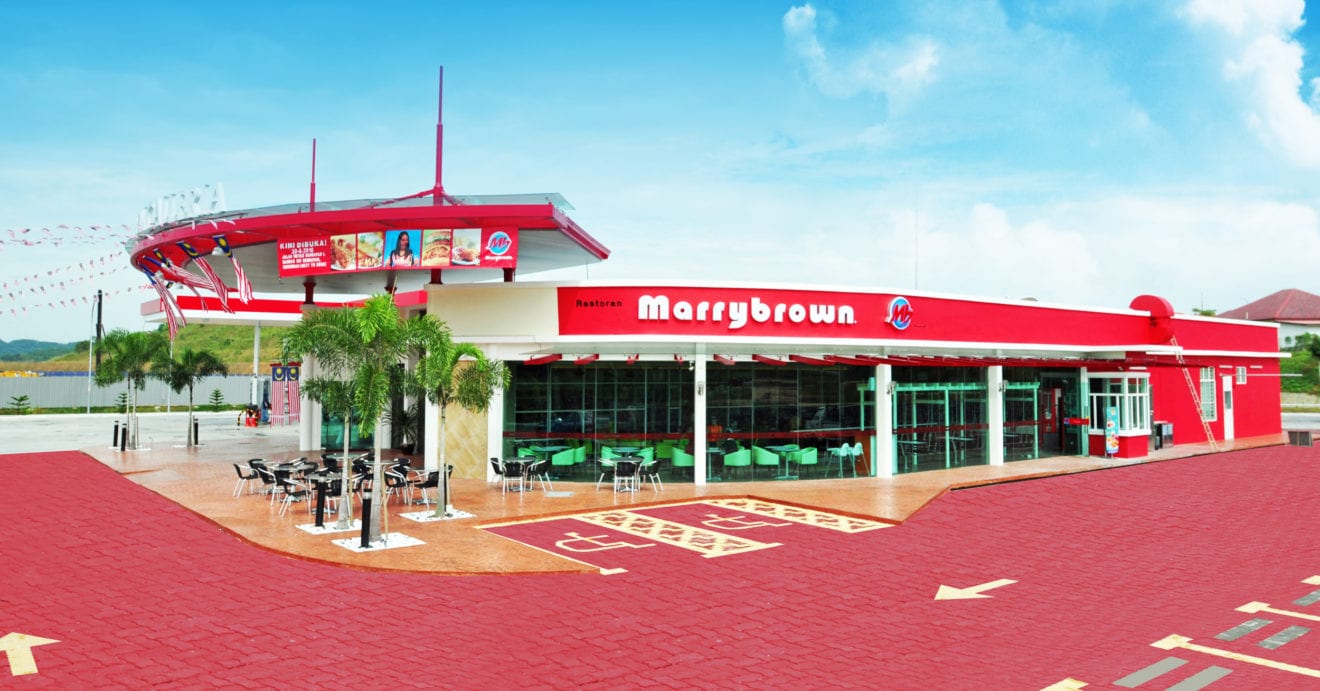
    Malaysia’s Marrybrown has opened its first restaurant in Singapore.

    Marrybrown Singapore has made its debut at the iFly in Sentosa and is the first of a network of 20 stores planned for the city lover the next five years.

    Founded in 1981 and the first Malaysian fast food chain to franchise its business system, the company now boasts 350 outlets. It began serving fried chicken, burgers, finger food, desserts and drinks – all halal – and has now expanded its offer to include local food such as seafood and rice based meals, noodles and the famous Malay dish nasi lemak (sold as Nasi Marrybrown).

    Marrybrown has more than 130 restaurants in Malaysia with the balance overseas, including in China and India. It is expected to open its first outlet in Yangon, Myanmar soon.

    Marrybrown CEO Dato Joshua Liew said many Singaporeans love delicious food, especially Malaysian food.

    “We are proud to open in Singapore and we attribute this success to our unique food culture that tempts the tastebuds of many consumers.”

  • SingPost takes control of US eCommerce co

    SingPost takes control of US eCommerce co

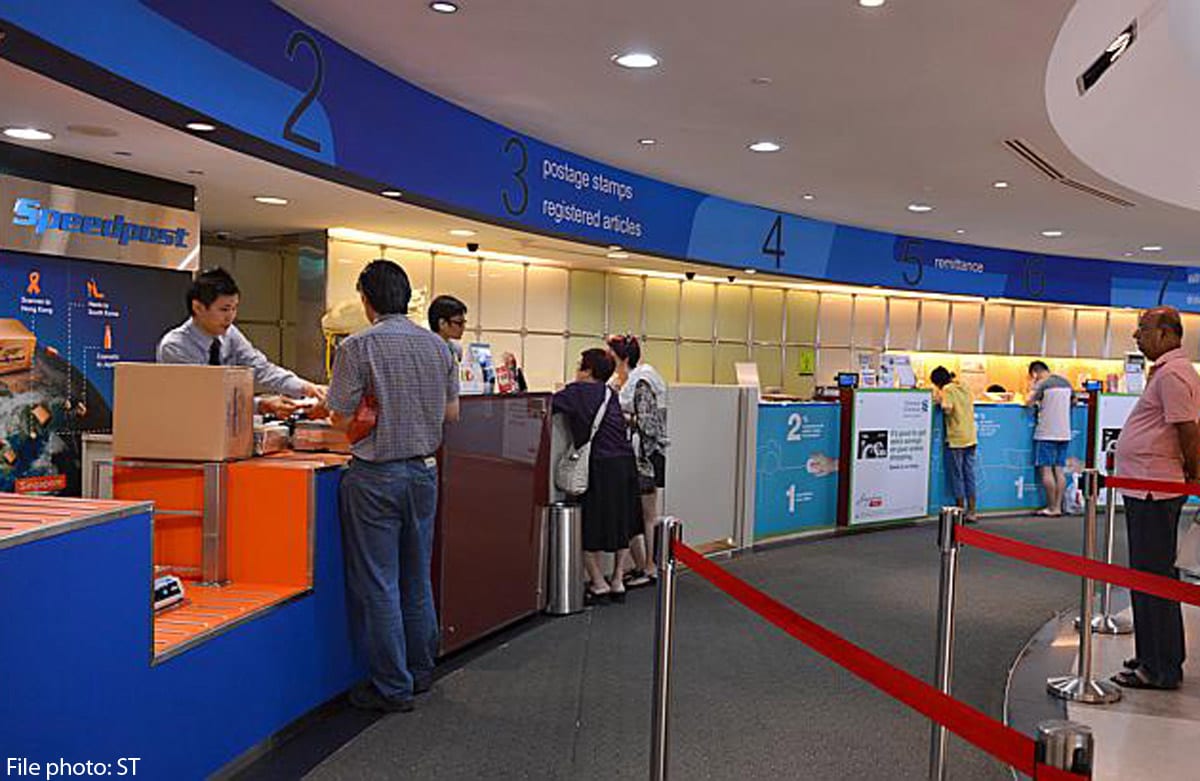
    SingPost, Singapore’s national postal service, is continuing to build its international portfolio of eCommerce businesses, now adding US-based Jagged Peak to the lineup.

    The company says the purchase continues its “aspirations of building an end-to-end eCommerce logistics network and technology platform”.

    Wholly owned subsidiary, SP Jagged Peak LLC, has entered into an agreement to acquire a 71.1 per cent equity stake in Jagged Peak, a US eCommerce logistics enabler for high-velocity consumer products for US$15.8 million (or approximately S$22.5 million).

    SingPost says it intends to invest in Jagged Peak’s eCommerce logistics infrastructure, processes and technology to help customers maximise their business potential globally. The company says the investment will open the way for its customers to grow not only across Asia Pacific but into the US and beyond seamlessly with one eCommerce logistics solution provider.

    Lim Ho Kee, SingPost chairman, said: “As SingPost pioneers and leads eCommerce logistics in Asia Pacific, we are casting our eyes beyond the region. Jagged Peak can enable end-to-end fulfilment of eCommerce orders across the US.

    “SingPost is excited about this capability. This transaction is also part of our strategy to focus our resources on strengthening our geographical reach and the technology we employ as an eCommerce logistics company.”

    Dr Wolfgang Baier, group CEO, added:  “This acquisition will ‘connect the dots’ and make our eCommerce logistics network global. The acquisition of Jagged Peak allows us to use their state-of-the-art eCommerce omni-channel technology to enable brands and retailers not only to leverage their warehouse facilities in over 20 locations in the US but expand these services into our Asia Pacific warehouse network.

    “It’s a win-win for existing and future customers. We have planted the seeds with this investment of what will be SingPost’s global multi-channel B2B4C eCommerce logistics platform.”

    Jagged Peak reported revenues of approximately US$61.7 million (or approximately S$83.5 million) for the fiscal year ended December 2014.