Blog

  • Thai Commerce Min happy with retail price slash by manufacturers

    Thai Commerce Min happy with retail price slash by manufacturers

    Commerce minister Apiradi Tantaraporn expressed his satisfaction after going on an inspection of prices of goods at several markets. After the inspection, she said the prices of vegetarian food have not been raised up too high this year, and the public could still afford to make purchases.

    She disclosed that 23 product manufacturers have notified the ministry that they have lowered the prices of 244 items, following the decrease of oil prices.

    Out of the listed items, 108 are in the food and beverages category, 35 items are construction materials, and 101 items in the lubricants category.

    The retail price cut for food and drinks will be between 1-56 baht, she said.

  • Fast Retailing US to slow rollout

    Fast Retailing US to slow rollout

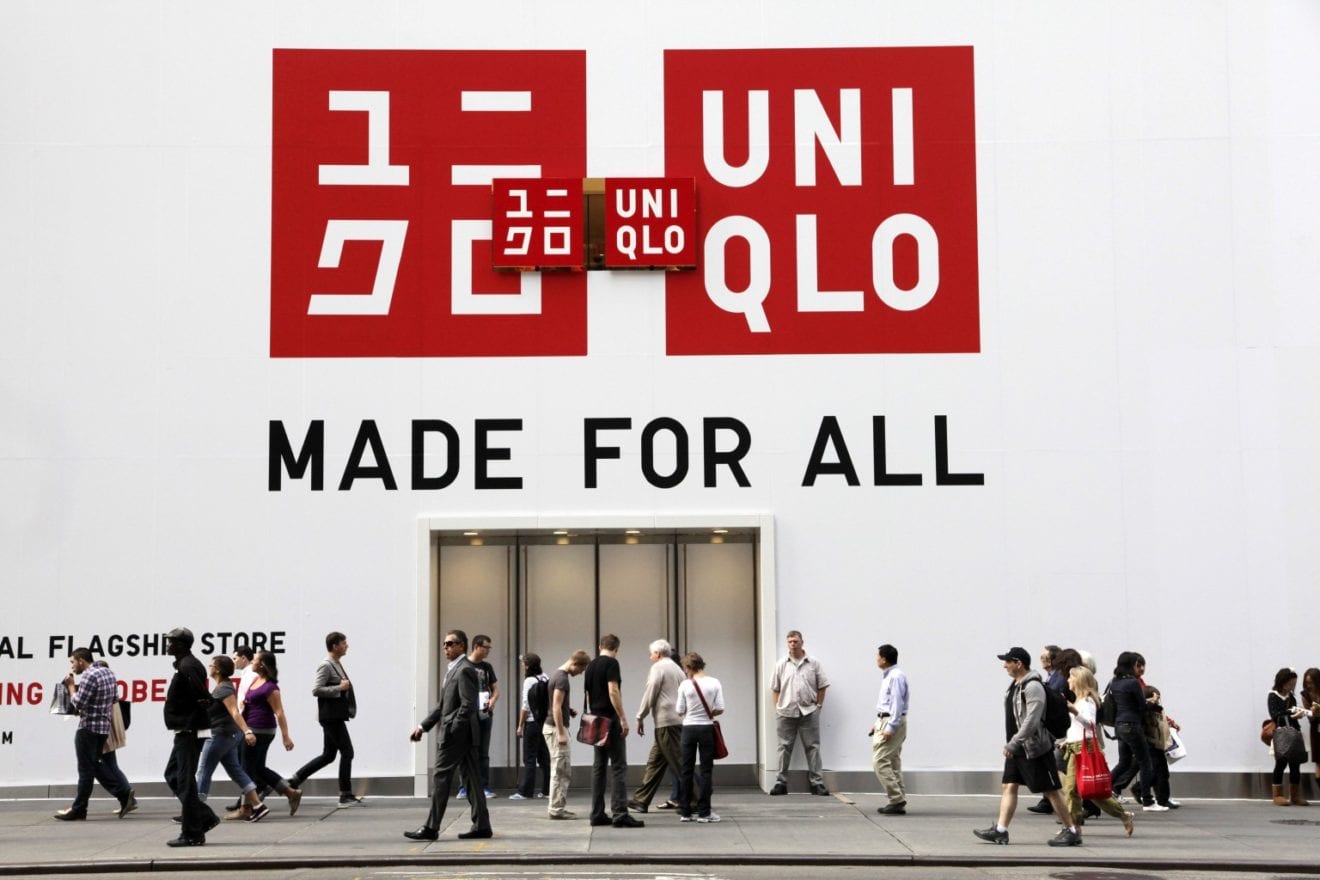
    Fast Retailing US, the North American business unit of Japan’s largest apparel retailer is to slow its Uniqlo store roll out program after heavy losses.

    The Japanese company missed its earnings target in the latest quarter and posted losses due to a US$134 million  impairment charge relating to its 42-strong US Uniqlo store network and the poor performance of other brands there, including the J Brand denim label.

    Last year, Uniqlo opened 15 new stores in the US market – this year it will open just five.

    But the company remains committed to the US market – last week it was announced it had signed a lease to take an anchor tenancy in a downtown Denver shopping mall.

    The Financial Times quoted CEO Tadashi Yanai: “The brand penetration in big cities such as New York, San Francisco and Chicago – where we will open a new store – is good, but not in the suburbs.

    “We need to overhaul our policy for opening new stores.”

    CFO Takeshi Okazaki admitted in an earnings briefing: “The brand also still doesn’t have a lot of recognition in the United States.”

    Yanai will relocate a management team to the US to review operations there and try to revive sales growth, with a fresh strategy to be developed. In the year to the end of August, Fast Retailing reported a 48 per cent growth in net profit to JPY110 billion, (US$914,685,200) 10 billion lower than its earnings guidance three months earlier. It also incurred losses on the refurbishment of its Oxford St, London, and Shanghai flagships.

    Annual sales rose 22 per cent to JPY1.68 trillion (US$13.9 billion) largely due to growing demand for its products in China and South Korea.

  • European cosmetics chain heads to Asia

    European cosmetics chain heads to Asia

    European cosmetics brand Stenders is about to open its first store in Singapore as part of a concerted push into new international markets.

    Stenders Singapore will open in Plaza Singapura shopping centre on Orchard Rd this month.

    Stenders Singapore 1

    The opening will be followed in November by debuts in Vietnam and Portugal and London is also on its radar..

    Stenders Singapore 2

    Stenders “a cosmetics brand inspired by northern nature” sells a range of about 350 products from more than 230 shops in 22 countries. In Asia it has so far only reached China and Japan.

    The Latvian-founded company’s market positioning is “high quality products and special packaging” sold from attractively designed stores where the staff have a strong service culture. “We pay special attention to feelings and shopping experience, including design, fragrance, the way of presenting products and customer care culture,” the company says.

    The brand’s product range includes bath, body, face and hair care products.

  • Line Thailand to launch mobile payments

    Line Thailand to launch mobile payments

    Visa subsidiary CyberSource has sealed a partnership with mobile messaging app Line Thailand, to allow Thai users to make mobile payments using its Line Pay service.

    CyberSource, one of the world’s largest providers of eCommerce payment management services,  will offer its full suite of payment, fraud management and tokenisation services for Line Thailand, which will work with acquirer Krungsri (Bank of Ayudhya), Thailand’s fifth largest bank.

    Line and Cybersource will be able to process a wider spectrum of mobile payments from multiple card brands and issuers, as well as “certain alternative payment methods”.

    “The solution is designed to provide their customers with secure mobile payment options at affiliated online and brick-and-mortar stores without requiring an additional app,” explains CyberSource.

    Line has grown globally across 230 countries and regions since 2011, with its mobile messaging service app registering 205 million monthly active users as of April 2015. Some 33 million Thais use Line Thailand.

    Prapakorn Lipikorn, Head of Line Pay business development, with Line Thailand, said:. “This partnership is a key component in our strategy to cater to an ever-growing user base in Southeast Asia. We are able to streamline payment acceptance and create new growth opportunities for our merchants, while providing our users with a fuss-free mobile payment option.”

  • Snoopy promo wins gold for Shanghai IFC Mall

    Snoopy promo wins gold for Shanghai IFC Mall

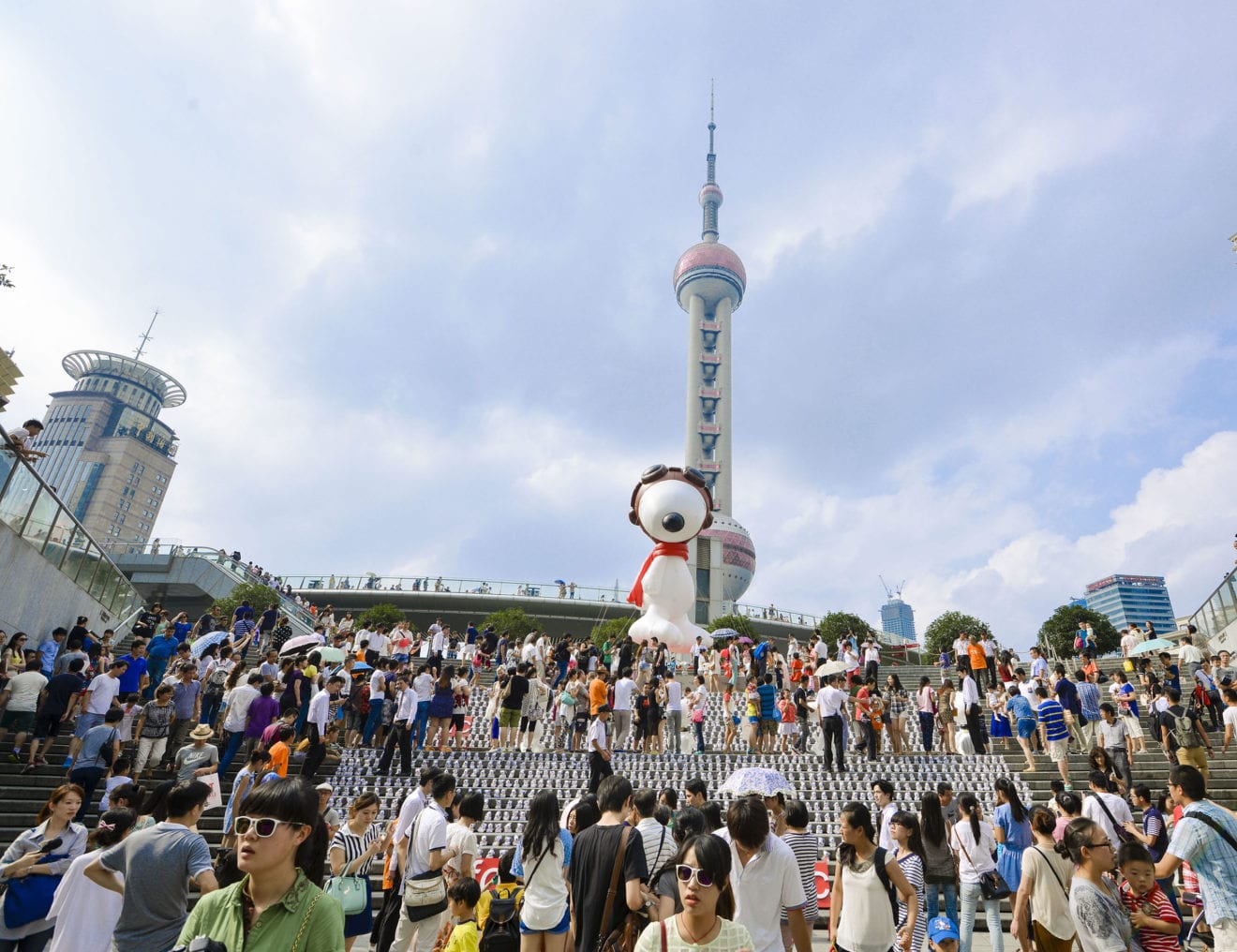
    A Snoopy Premium Art Exhibition has won gold for Shanghai IFC Mall.

    The exhibition won for Best Use of Venue in the Marketing Events Awards 2015, recently announced.

    Shanghai IFC Mall was developed by Hong Kong-based Sun Hung Kai Properties (SHKP) and is home to top international brands and chic names in an upscale upscale market.

    “The honour was an encouraging show of recognition from both the industry and consumers for the mall as a standout in the Asia-Pacific region,” said SHKP.

    The annual Marketing Events Awards are organised by Marketing magazine to recognise the most creative and effective marketing in countries and regions over Asia spanning multiple fields of business. They are decided by experts in the different sectors.

    The judges said Shanghai IFC Mall stood out for its avant-garde event planning, targeted positioning and diverse content of its Snoopy Premium Art Exhibition that drew wide acclaim in the industry.

    Sun Hung Kai Development (China) director Maureen Fung said Shanghai IFC Mall strives for perfection “in every detail from tenant mix to marketing events”, to create a welcoming environment for shoppers that follows SHKP’s spirit of ‘building homes with heart’.

    “The mall has had frequent collaborations with artists from around the world in recent years; many of which were internationally acclaimed exhibitions appearing in China for the first time. These events and multiple promotions produce a new experience combining leisure, shopping and multi-faceted art and culture,” she said.

    “The mall will build on its solid foothold as a proven award-winning upmarket retail trendsetter and keep refreshing its special presentation of shopping to achieve new highs.”

    Shanghai IFC Mall in the Pudong Lujiazui international financial district is the city’s premier destination for leisure and business. It has approximately 1.2 million sqft of gross floor area and more than 240 international retailers and restaurants.

  • Watch retailer Stelux expects to slip into red

    Watch retailer Stelux expects to slip into red

    Hong Kong-listed watch and eyewear retailer Stelux Holdings International Ltd. said the company is expected to record a net loss for the six months ended September 30 this year, mainly hurt by the increase in borrowing costs of convertible bonds and less gross profit earned in Hong Kong, Macau and Southeast Asia.

    The company is known for its City Chain watch retail operation in both Hong Kong and Macau.
    The anticipated net loss is primarily attributable to a decrease in turnover and gross profit caused by weak retail sentiment, especially in Hong Kong, Macau and Southeast Asia, Stelux explained in its latest filing.

    An exchange loss of about HK$15 million (US$1.94 million) due to depreciation of currencies in Southeast Asia has also contributed to the expected net loss, the company said. ‘Despite the anticipated loss, the group is expected to report a positive operating profit; an improved gearing ratio (with a reduction in bank borrowings of approximately HK$130 million) and stable liquidity in the reporting period,’ Stelux said in the filing.
    Regarding the corresponding period in 2014, Stelux earned a net profit of over HK$105 million.

  • Banks exploring plan for money transfers using mobile numbers

    Banks exploring plan for money transfers using mobile numbers

    Monetary Authority of Singapore (MAS) managing director Ravi Menon revealed the initiative yesterday as he underlined the progress that Singapore has made towards becoming a smart financial centre.

    Speaking at the closing of the Sibos banking industry event yesterday evening, he said banks involved in Fast and Secure Transfers (Fast) are studying a “mobile addressing system” for the service, which was launched in March last year to allow near-instant interbank fund transfers and payments.

    “This means you will be able to make payments through Fast as long as you know the payee’s mobile number,” Mr Menon said.

    Also, the Association of Banks in Singapore (ABS) aims to standardise retail point-of-sale (POS) terminals, he added.

    “Our vision is a unified POS – a single terminal, preferably mobile, that can read all kinds of cards.”

    If implemented, the new Fast mobile system would greatly streamline digital transfer services.

    Several apps – including DBS Bank’s PayLah, OCBC’s Pay Anyone and United Overseas Bank’s Mobile Cash – have been rolled out by banks here to allow a user to transfer money to another using a mobile number, but these apps typically still require set-up and account information.

    ABS director Ong-Ang Ai Boon confirmed that five banks, including the three local ones, started initial discussions on the concept last month. “The whole thing is still in a very nascent state,” she said.

    “We are constantly looking for ways to improve productivity and efficiency for both the industry and consumers, but it will take time for us to make sure it is affordable and does not compromise on security.”

    A local bank source told The Straits Times the new service is likely to involve a central registry pegging phone numbers to accounts.

    This would mark a great step forward for Singapore banks, which are already active in digital and mobile initiatives.

    Mr Menon also suggested that the industry go one step further and develop an all-in-one addressing system – which would mean “being able to pay someone through Fast using also the payee’s e-mail address, social network or other proxies”.

    OCBC Singapore e-business head Aditya Gupta noted that Pay Anyone already allows that, although account information is also required of recipients.

    He said: “If the new addressing system can help make payments more seamless, this would be a good way forward.”

    The central bank has committed $225 million over the next five years to boost financial sector technologies, Mr Menon said.

    Another common standard in the works is the unified POS – ABS has made more progress in this area than with the mobile addressing system, Mrs Ong said.

    Meanwhile, achieving seamless data sharing is also a key thrust for ensuring greater cost efficiency for banks and regulators.

    Mr Menon said MAS is considering using application programming interfaces to streamline regulatory data submissions by the industry.

    “Our vision is for data to flow seamlessly in both directions between systems in the financial institutions and MAS,” he stressed.

  • Waterfront township in Mandaue

    Waterfront township in Mandaue

    HONGKONG Land and Taft Properties formally unveiled yesterday the 20-hectare Mandani Bay, the first waterfront township project along Zuellig Ave. in Mandaue City.

    Under HT Land, the company formed out of the joint venture between Hongkong Land and Taft Properties, an initial investment of P4.5 billion will kick off the first phase development of the new project.

    The first phase will cover the construction of two condominium towers that will have a total of 1,200 units in a 1.1-hectare area starting next year.

    10-year period

    In a press interview yesterday, Theodore Gilbert Ang, project director of Mandani Bay, said the project will be constructed in eight phases and expected to be completed in 10 years’ time starting 2016.

    At present, HT Land is developing its sales gallery, which is slated for completion in January next year.

    The integrated development, according to Ang, will be primarily residential.

    It will have 25 towers with a total of 18,000 condominium units intended for the middle to high-end market. On top of the residential component, the project, which is located in a waterfront site, will also have retail, office, recreational and marina components.

    Integrated

    Ang said the vision of the company is to shift Mandaue City’s perception as an industrial and manufacturing hub into a desirable mixed-use and a premier lifestyle hub.

    “We will integrate culture, commerce and community in one area,” said Ang. “There is plenty of potential in Cebu because this is a place where people from Luzon and Mindanao converge.”

    “The key attractions of this master-planned project are its unique design features, the site’s strategic location and its extensive water frontage. The project will also be built around several distinctive characteristics aimed at creating an attractive community, in line with international standards,”said Jack Gaisano, chairman of Taft Properties in a statement.

    ‘Benchmark’

    In June this year, Hongkong Land and Taft Properties announced they have teamed up to create a new landmark that will change the landscape of Metro Cebu. Mandani Bay is expected to leverage the combination of Taft’s intimate knowledge of the Cebu market with Hongkong Land’s international experience to provide a new benchmark for residential communities in Cebu.

    Experience

    Taft Properties is part of the Vicsal Development Corp., known for its Metro Retail Stores (Metro Gaisano).

    Hongkong Land is one of Asia’s property investment, management and development groups.

    The group owns and manages almost 800,000 square meters of prime office and luxury retail property in key Asian cities, principally in Hong Kong and Singapore.

  • Burberry second-quarter sales hit by China slowdown

    Burberry second-quarter sales hit by China slowdown

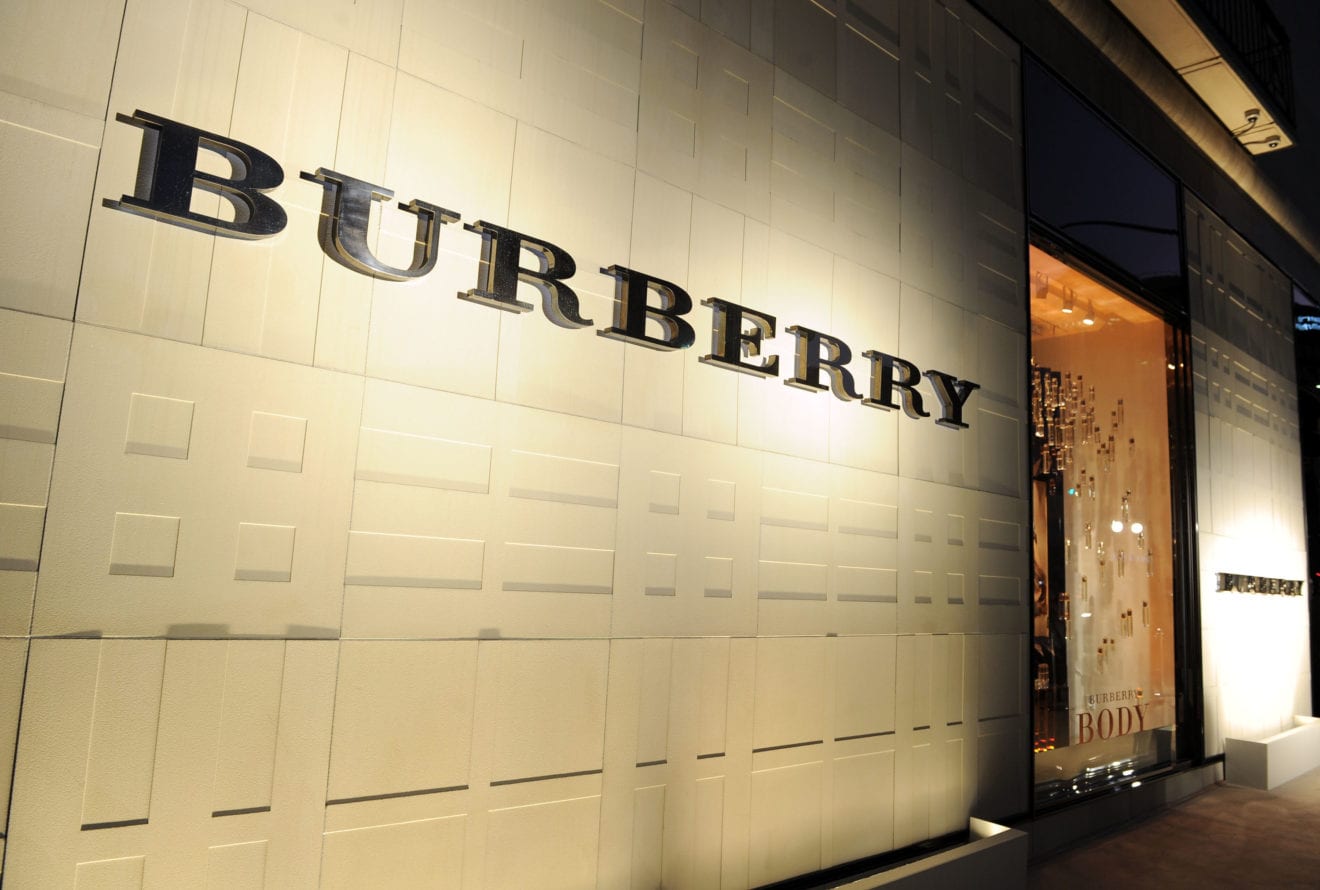
    Burberry has reported a slowdown in sales as it felt the impact of a challenging global luxury market, particularly in China and Hong Kong.

    • Retail sales growth slows to 2% in first half
    • Luxury retailer points to “weakening consumer sentiment” in China
    • Share price slips 12% to lowest point since April 2013
    • Analyst brands full-year profit forecast “ominous”

    Retail sales on an underlying basis rose 2% to £774m in the six months to the end of September after 8% growth in the first quarter, the fashion retailer and brand said. Group sales were flat at £1.1bn.

    “In the second quarter, demand from luxury consumers, particularly Chinese customers was affected by a more challenging external environment,” Burberry said.

    Across the Asia-Pacific region Burberry recorded a “mid-single-digit” drop in sales because of “deceleration” in Hong Kong, while in China sales fell “slightly” due to “weakening consumer sentiment” in the second quarter.

    Burberry’s chief executive and chief creative officer Christopher Bailey said: “The external environment became more challenging during the half, affecting luxury consumer demand in some of our key markets.

    “In response, we have intensified our focus on driving sales and productivity, while taking swift action on discretionary costs.”

    Looking ahead, Burberry, which owns 218 stores worldwide, said full-year pre-tax profits will be “broadly in line with the average of those analysts who have recently updated forecasts”.

    It added: “Our assumptions include a return to mid-single-digit percentage growth in comparable sales in the second half, ongoing cost efficiencies, a reduction in performance-related pay and a benefit of about £10m to reported profit if exchange rates remain at current levels.”

    However, independent analyst Nick Bubb branded the profit forecast provoked alarm bells. “The worry beforehand was that group performance would be hit by the slowdown in China and the comment that ‘for FY 2016, we expect that adjusted PBT will be broadly in line with the average of those analysts who have recently downgraded forecasts’ is ominous,” he said.

  • Solomon Lew’s plan to take Hong Kong’s shopping centres with Smiggle

    Solomon Lew’s plan to take Hong Kong’s shopping centres with Smiggle

    Solomon Lew is renowned for driving a hard bargain and that’s exactly what he has been doing in Hong Kong this week.

    Australia’s most strategic billionaire and the man running his fast-growing stationery empire – John Cheston – spent Friday in a van visiting dozens of shopping malls in the former British colony. They will do the same again on Saturday.

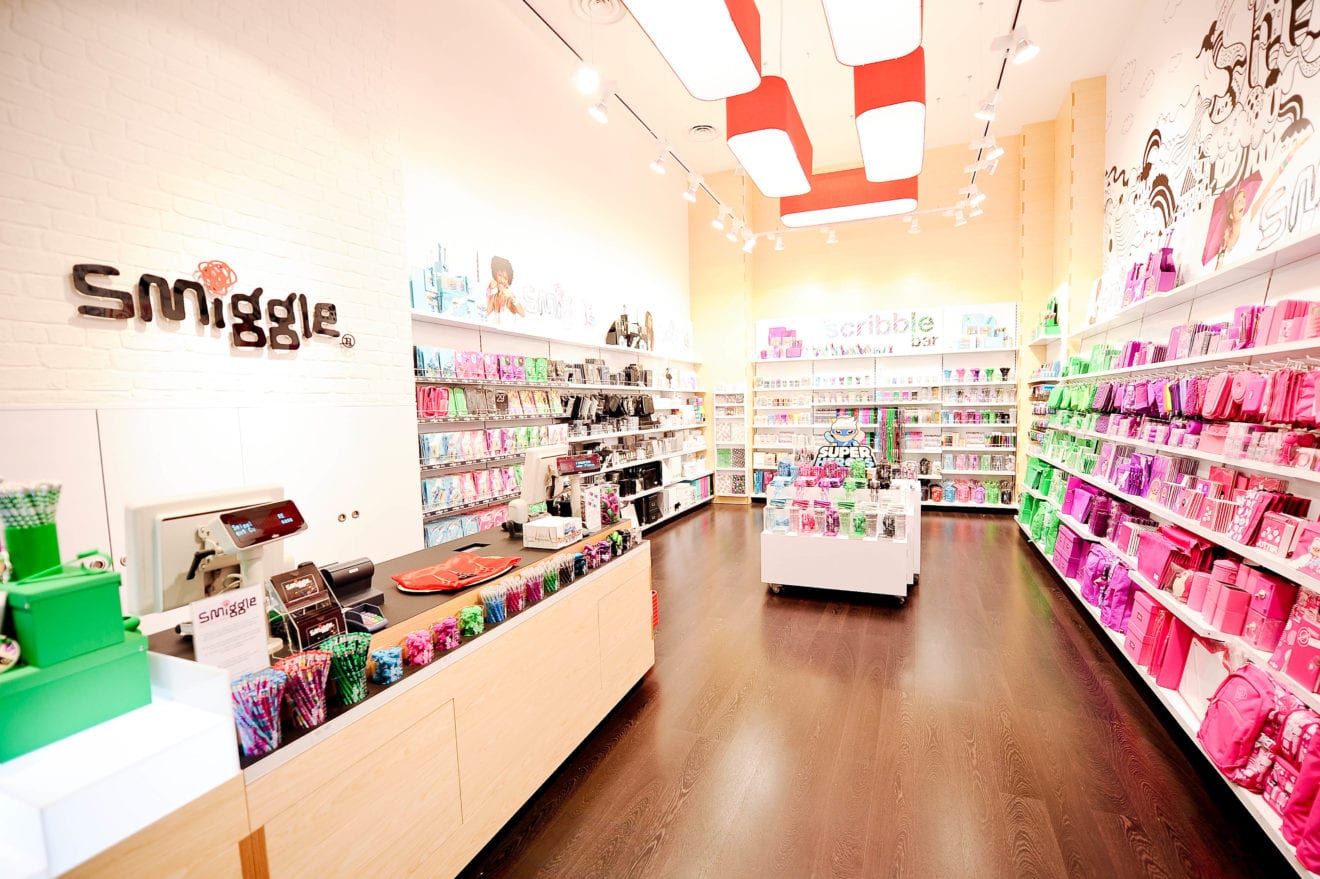
    It is not Hong Kong’s glitzy designer stores that interest Lew. He and Cheston are personally inspecting the sites identified by Premier Investments’ property team as locations for a chain of Smiggle stores due to open in the territory early next year.

    “We walk every centre. We walk every store. We are there in the morning, in the afternoon, in the evening and we go back in the evening. We want to see different times of the day. We go early in the morning and then it revs up. The kids finish school and then … bingo!” Lew says in an interview with AFR Weekend.

    “This is a business that caters to six to 14 years of age, 75 per cent female. You are getting a new crop growing every year. As they fall out at the older end, the younger ones are coming in. When you see them walking in and they bring their piggy bank and turn it upside down and say what can I get for this, it’s just amazing. ”

    We are sitting in Lew’s hotel room in the Mandarin Oriental Hotel overlooking Hong Kong’s busy harbour. It is a sight Lew is familiar with.

    He has been travelling to Hong Kong since the 1960s, up to 11 times a year. But instead of importing goods made in China to Australia, he now plans to sell stationery to the Chinese – and a lot of it.

    After a reconnaissance trip to Hong Kong in June, Lew and his team are getting serious this week. Premier chief Mark McInnes is joining them in the van before flying to Kuala Lumpur on Saturday for the next leg of the tour.

    Smiggle, the stationery chain which has become the fastest-growing business in Lew’s Premier Investments apparel empire, is planning to open 50 stores in Hong Kong and Malaysia over the next five years. It is the next phase in his plans to take the brand global after breaking into the United Kingdom, where 200 stores are planned.

    Lew wants Cheston to do most of the talking. He is the Asia expert after all after running Marks & Spencer’s Hong Kong operations and listed Singapore retailer Robinson & Co before moving to Australia to run Smiggle.

    The perfect market

    Cheston says densely-populated Hong Kong is perfect for Smiggle, which is making millions selling brightly-coloured lunch boxes, backpacks, water bottles, and pencil cases to six to 14-year olds in Australia, New Zealand and Singapore.

    “There is a predominance of shopping centres here and that is our fertile ground, limited competition. From what we do there is not a lot of competition. We have well established contacts through Sol,” he says.

    “In Hong Kong if you are hot they want you and if you are cold they don’t. We are in demand from the landlords over here. We need to leverage that business with the agents who represent us and get good locations and get good deals. The biggest challenge is getting the space and the rents,” Cheston says.

    That is something Lew has plenty of experience at. Rather than being deterred by China’s slowing economy, which is hitting high-end luxury retail sales in places like Hong Kong, Lew says it is an opportunity to negotiate better deals from landlords. He also sees it as a gateway to China, a country he has had plenty of experience with over the decades building his apparel empire, because 41 million mainland tourists visit Hong Kong each year.

    The plan now is to take Smiggle global. Cheston says he has had inquiries from literally every country on the planet to franchise the brand but, for now, Premier plans to keep the stores wholly-owned. Lew says it’s better than the McDonald’s model.

    “The international business in a very short period of time will be much larger than the Australian business and there are not too many Australian retailers who have been successful offshore,” Lew says.

    “This is going to be world-class operation and there is no reason it shouldn’t work in any country in the world where there is moderate income.”

    Lew’s focus on overseas expansion stands in stark contrast to some of the other big names in Australian retail.

    Myer, for example, is embarking on a $600 million revival plan under new chief executive Richard Umbers. The company has been described as a possible takeover target for Premier Investments, but Lew would not comment on the seemingly perennial speculation about such a tilt.

    Nor would he comment on the progress of David Jones. Last year, Lew grabbed a windfall of about $400 million when South African retailer Woolworths Holdings bought David Jones and Country Road; Lew had stakes in both. David Jones looked to be riding high until recent weeks when chief executive Ian Nairn stepped down suddenly.

    Singapore experience being applied

    Cheston says the success of Smiggle’s Orchid Road operations in Singapore are now being used as leverage to negotiate good deals with landlords in Hong Kong because it drives traffic to shopping malls.

    Like the UK operations, he expects Hong Kong to be profitable in the first year.  The plan is to open 50 stores across Hong Kong and Malaysia which will make $55 million in revenue. In Hong Kong, Lew would like to firm up 10 stores initially but says he will probably start with five or six.

    Australia has almost peaked with around 10 additional stores on top of the existing 124 planned. The Hong Kong target is around 25 to 35 stores and 20 in Malaysia, mainly in Kuala Lumpur.

    As well as lower taxes, Cheston says Asia is attractive for the “kidult” market, where older people who live in small apartments with their families like to adorn their office workstations with stationery.

    Premier Investments posted record full-year results last month and is expected to hit sales of more than $1 billion this year. Double-digit growth at Smiggle and its designer pyjama business, Peter Alexander, are outstripping the company’s core apparel brands such as Just Jeans and Dotti.

  • A Singapore Post drone delivers a test package

    A Singapore Post drone delivers a test package

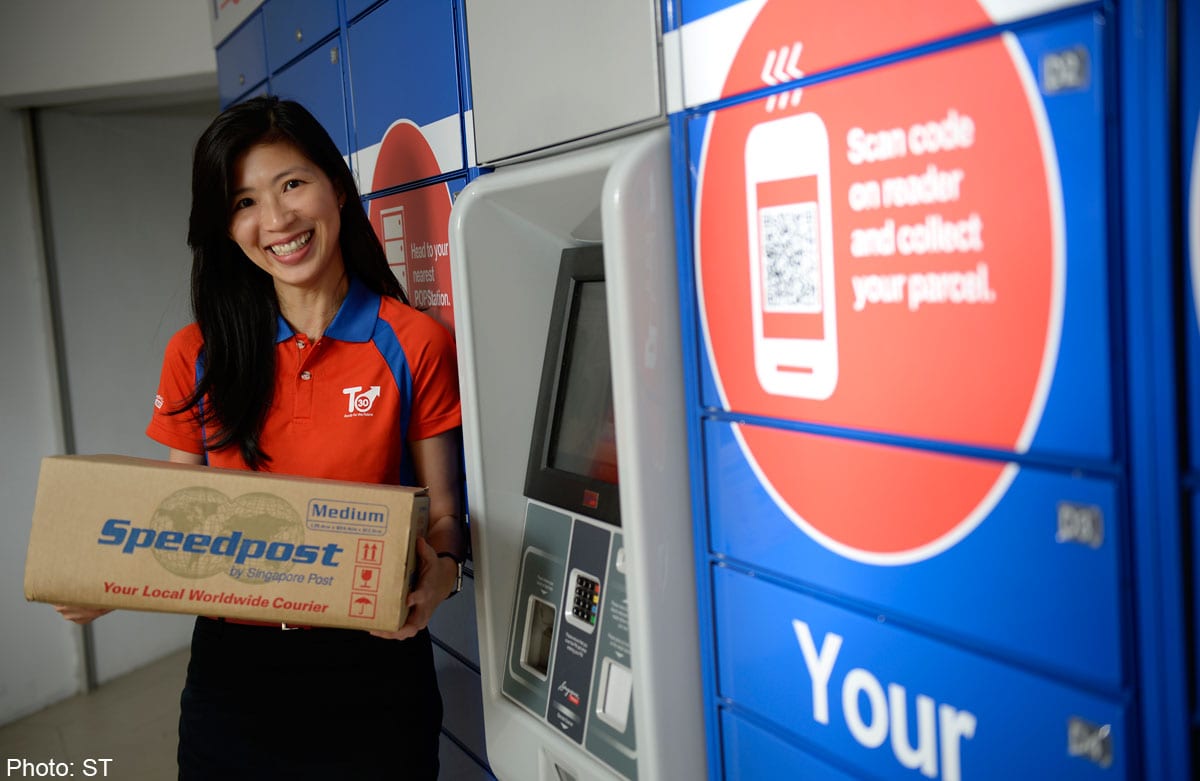
    Singapore Post Ltd. is testing package delivery by drone, echoing attempts by Amazon.com Inc. to extend the commercial capabilities of unmanned aerial vehicles.

    The company known as SingPost said a drone it developed with the Infocomm Development Authority of Singapore carried a packet containing a letter and T-shirt on a five-minute, two-kilometer (1.2 miles) flight. This marks the first time any postal service has successfully used a drone for “point-to-point recipient-authenticated mail delivery,” it said in a statement Thursday.

    SingPost is looking to such unmanned aircraft as online transactions increase in the Asia-Pacific region and as Singapore plans to develop itself into a so-called Smart Nation through technology usage. There is “immense potential” in drone technology for last-mile mail and e-commerce delivery, Bernard Leong, SingPost’s head of digital services, said in the statement.

    E-commerce companies such as Amazon, No. 1 in the Internet Retailer 2015 Top 500 Guide, have been pressing for permission to deliver packages by drone in the U.S., but have run up against proposed regulations that would require operators to remain within sight of their vehicles at all times. In April, Amazon received a waiver from the Federal Aviation Administration allowing it to run tests in the U.S.

    Singapore passed a law regulating the use of drones earlier this year. The drone used by SingPost is equipped with safety features, and is complemented by a prototype application with security and verification features to make sure the mail reaches its intended recipient, according to the release.

  • PLAYe is revolutionizing how people play games with 3-in-1 online-mobile-offline platform

    PLAYe is revolutionizing how people play games with 3-in-1 online-mobile-offline platform

    It partners with retailers to offer interactive experiential centres. Hobbyists usually have to go to a store to buy their favourite games and collectibles. Depending on where they are based, they may have a limited range of merchandise to choose from and have to wait sometime to lay their hands on the items. “Is there a better way of delivering value to the end-user?” This is a question that a team of 20 people from tech firm Corous360 tried to solve in developing PLAYe, a 3-in-1 online-mobile-offline integrated platform. Launched in July 28, 2015, it aims to redefine the Asian consumer experience and to bring together all consumer profile channels into one.

    PLAYe claims to be the next wave of evolution for games and entertainment. It offers consumers an enhanced user experience wherein they can browse through a wide range of latest games and merchandises and make them accessible, convenient and secure purchase transactions via an app and online platform. The app is now available for download for free from Apple App Store and Google Play store.

    Consumers can also pre-order upcoming merchandises through PLAYe app and have them delivered to their doorstep.

    PLAYe also provides an up-close visual experience at retail outlets, also known as interactive experiential centres. These outlets double as convenient collection points for online purchases. Through its curated contents, PLAYe engages the gamers and hobbyist community by delivering timely and customised news at their fingertips. According to the Corous360, the most unique selling point is an in-built push-to talk function that further enhances the users’ experience.

    “Our goal is to bring the store front “face-to face/human interaction” experience to you through ASK PLAYe, which serves as a concierge service to consumers, where consumers can engage in a conversation on the latest range of collectibles and gadgets and offers updated information on the newest games and products at the push of a button,” said Kelvin Tay, CEO of Corous360.

    The PLAYe experiential centres are expected to be rolled out in the next six to twelve months.

    Kelvin added that they are ‘reinventing’ the shopping experience for the end-user by combining the satisfaction and reliability of the physical retail experience with the convenience and speed of a mobile platform.

    “The online and mobile platform becomes an extension of the physical store, and the physical store becomes an experiential centre that guides the consumer through the catalog and product descriptions,” he explained.

    The benefits for retailers

    Not only is PLAYe useful to consumers. According to Kelvin, PLAYe is also trying to solve the age-old problem of finite resources.

    “Anybody can point out that m-commerce/e-commerce represents the next opportunity for growth for retailers. The question, of course, is how would any given retailer accomplish a credible platform to tap into this growth without diverting their current limited resources?,” he said.

    By tapping into the PLAYe platform, Kelvin explained that retailers will be provided with a “plug and play” cost-effective e-commerce to integrate with their physical stores. They can then concentrate on their core strength which is to provide a superior brick-and-mortar experience. PLAYe will then work hand-in-hand with the retailer to realise their unique retail experience online.

    “For retailers, PLAYe app is able to reach out to a wider audience beyond the geographical location of a physical retail shop. Our PLAYe platform tracks both offline and online transactions. This consumer profiling allows the retailers to make more accurate forecasts on consumer demands, which helps improves their business efficiencies,” he said.

  • SM opens 53rd mall in Philippines

    SM opens 53rd mall in Philippines

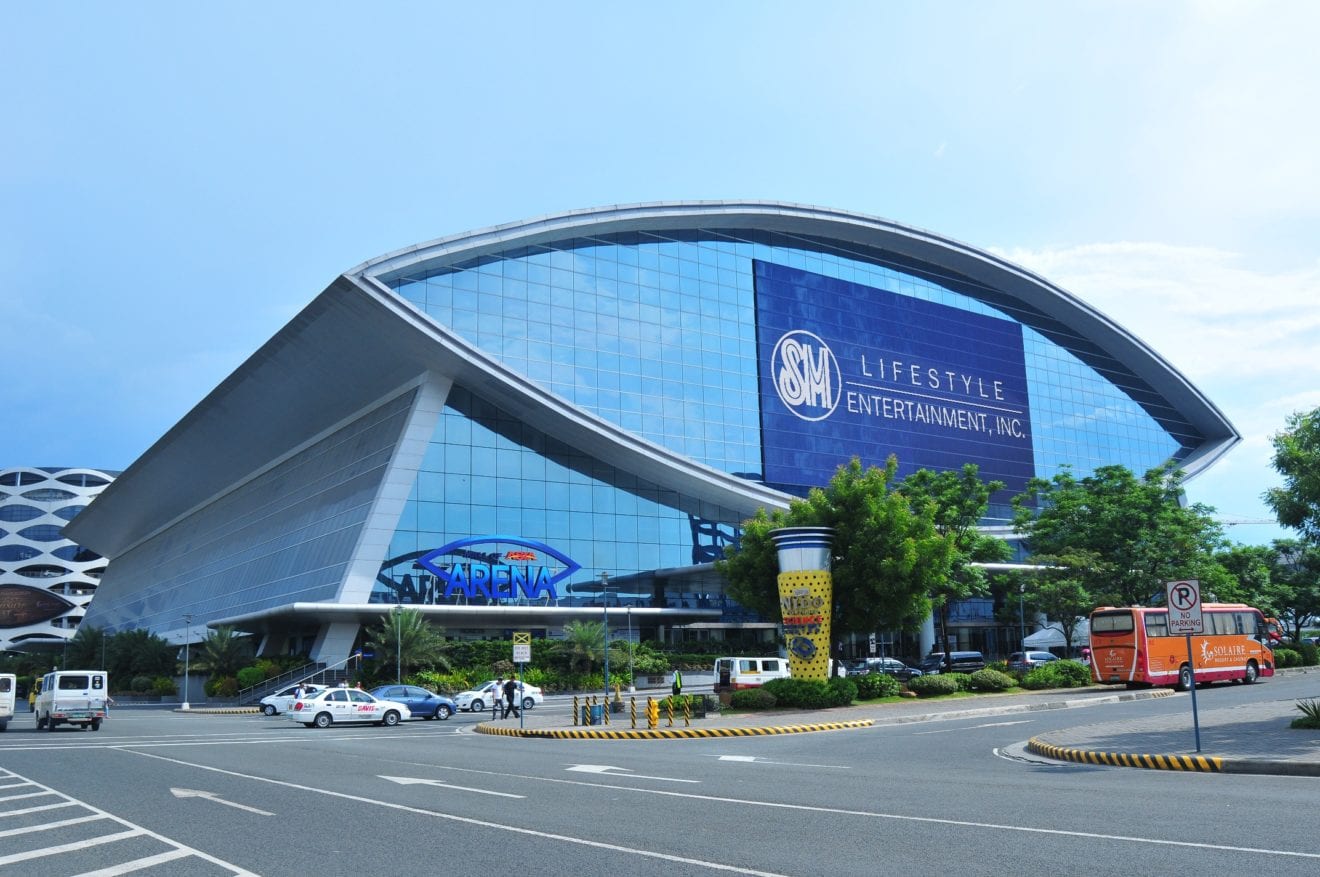
    SM Prime Holdings, Inc. on Friday is opening its second shopping center in Cabanatuan, as part of the property holding firm of the Sy family’s drive to capitalize on the growth prospects in the provinces.

    Its 53rd mall in the country, SM City Cabanatuan expands SM Prime’s footprint in Nueva Ecija after SM Megacenter Cabanatuan, the integrated property developer said in a disclosure yesterday.The four-level mall, which has 154,020 square meters (sqm) of gross floor area (GFA), increased SM Prime’s total retail space to 6.76 million sqm in the Philippines.

    “The opening of SM City Cabanatuan is SM Prime’s commitment to be part of the growth of the province. The opening of new malls is timely given the expected higher growth in overall consumption in the fourth quarter,” the disclosure quoted SM Prime President Hans T. Sy as saying.

    “The economy’s sustained gross domestic product growth in the past five years is now spreading to the provinces and we at SM Prime will continue to expand in these provinces that are enjoying high growth, like in Cabanatuan City, where we see significant development and huge unserved demand for shopping experiences,” Mr. Sy said.

    Cabanatuan, the largest city in Nueva Ecija, is located between the provinces of Pampanga, Bulacan, Tarlac and Aurora.

    SM City Cabanatuan is 90% occupied by various tenants, including SM Store, SM Supermarket, Ace Hardware, SM Appliance Center, Watson’s, The Body Shop, Surplus Shop and Uniqlo.

    The mall will have six cinemas, consisting five cinemas with a 275-seating capacity and one large-format cinema with a 525-seating capacity. It has 2,500 parking slots for cars and motorcycles.

    For the rest of the year, SM Prime is scheduled to open SM Center Sangandaan in Caloocan and SM Seaside City Cebu. The company is also set to expand SM City Lipa in Batangas and SM City Iloilo this year.

    By the end of 2015, SM Prime will have 55 malls in the Philippines and six in China with an estimated combined GFA of 8,269,486 million sqm.

    Next year, SM Prime is spending P65 billion in 2016 with plans to open six malls with an aggregate GFA of 430,669 sqm. They are located in San Jose Del Monte in Bulacan, Commonwealth in Quezon City, Trece Martires City in Cavite, Tuguegarao, Puerto Princesa in Palawan, and Urdaneta in Pangasinan.

    SM Prime is part of SM Investments Corp., which has core businesses in retail, banking and real estate. The family also has interests in gaming, geothermal energy and infrastructure.

    Shares in SM Prime slid 10 centavos or 0.47% to P21.40 apiece yesterday.

  • A Chinese online retail giant has Australia in its sights

    A Chinese online retail giant has Australia in its sights

    The possibility that China’s second-largest online retail giant will enter the Australian market poses a huge potential threat not just to bricks-and-mortar shops but to the slow-growing domestic online retail sector as well.

    That is the conclusion of Invast’s chief market analyst Peter Esho, who has just returned from a trip to China and was gobsmacked by the pace and scale of the digital revolution taking place there.

    He says the slowdown in overall Chinese GDP doesn’t capture the explosive growth in the tech space and widespread acceptance of online shopping, especially on mobiles.

    Nasdaq-listed JD.com is the Chinese equivalent of Amazon, second in size only to Alibaba. It started out selling electronics and has since moved into fashion, cosmetics, food and virtually every other consumer category (25 million SKUs in 2013 and it seems to have stopped counting since then.)

    With its own logistics infrastructure, its promise of same-day delivery has whacked physical shopping in parts of China.

    Esho believes that JD.com is eyeing the Australian market as part of its expansion plans in a push that could disrupt global competitors.

    “JD.com is considering an expansion into Australia which will see the Chinese online retailer potentially pipping Amazon.com to become the first truly global online retailer with an Australian operation,” he says.

    This could not only disrupt traditional stores, but many online retailers whose business model has been based on importing from Chinese manufacturers and selling to Australian consumers.

    “JD.com removes that middle-market opportunity,” Esho says, because it would link Chinese manufacturers directly with Australian consumers with same-day delivery.

    Despite years of speculation, Amazon has yet to set up a local operation in Australia, with rumours about warehouse space amounting to nothing. Its prices and shipping have also steadily risen in recent years, making it less attractive to local consumers.

    JD.com however has already established relationships in Australia including a logistics agreement with Australia Post after it set up its own Australian online mall earlier this year, which sells goods from Australian producers directly to Chinese consumers.

    It has signed up firms including Treasury Wine Estates, Blackmores and meat business Sanger to tap swelling demand from middle-class Chinese for well-regulated Australian food and health products. The company also bought a small stake in Murray Goulburn, and now sells its milk powder at about a 100 per cent mark-up.

    The Australian mall joined similar stores from the United States, Japan, France and South Korea selling authentic international brands on JD.com into a country flooded with cheap knock-offs.

    JD.com is one of the world’s largest e-commerce firms, with a market capitalisation on the Nasdaq of $US38 billion. It has 118 million active customer accounts and filled 689 million orders last year, according to its most recent results. Annual revenue growth is 61 per cent and the shares gained 4 per cent in 12 months, while Alibaba slumped 25 per cent.

    Within China, JD.com has 166 warehouses in 44 cities and delivers many products within one hour of the order being placed. Compare that with some online Australian retailers where one or two days can go by before even a confirmation email is sent to the shopper.

    Online shopping has slowed in Australia in recent months, growing at an annual rate of 7 per cent in August, according to NAB’s monthly online retail sales index. That is slightly faster than the comparable growth at retailers (excluding cafes and restaurants) of 4.7 per cent.

    Overall, online retail makes up about 7.1 per cent of retail spending, a similar proportion to the e-commerce market in the United States although annual growth in the US is a much faster at 14.1 per cent, according to the Commerce Department. In China, online retail grew 50 per cent last year.

    If a new global entrant with an established logistics model and massive buying power takes aim at the Australian market, it will not only undercut existing players but could also expand the market for an efficient, reliable everything store.

    “We are a large, unserviced market,” says Esho. “A lot of the problem with online is the delay in delivery, and that’s JD’s competitive advantage.”
  • Siam Paragon announces Bt100m sales campaign

    Siam Paragon announces Bt100m sales campaign

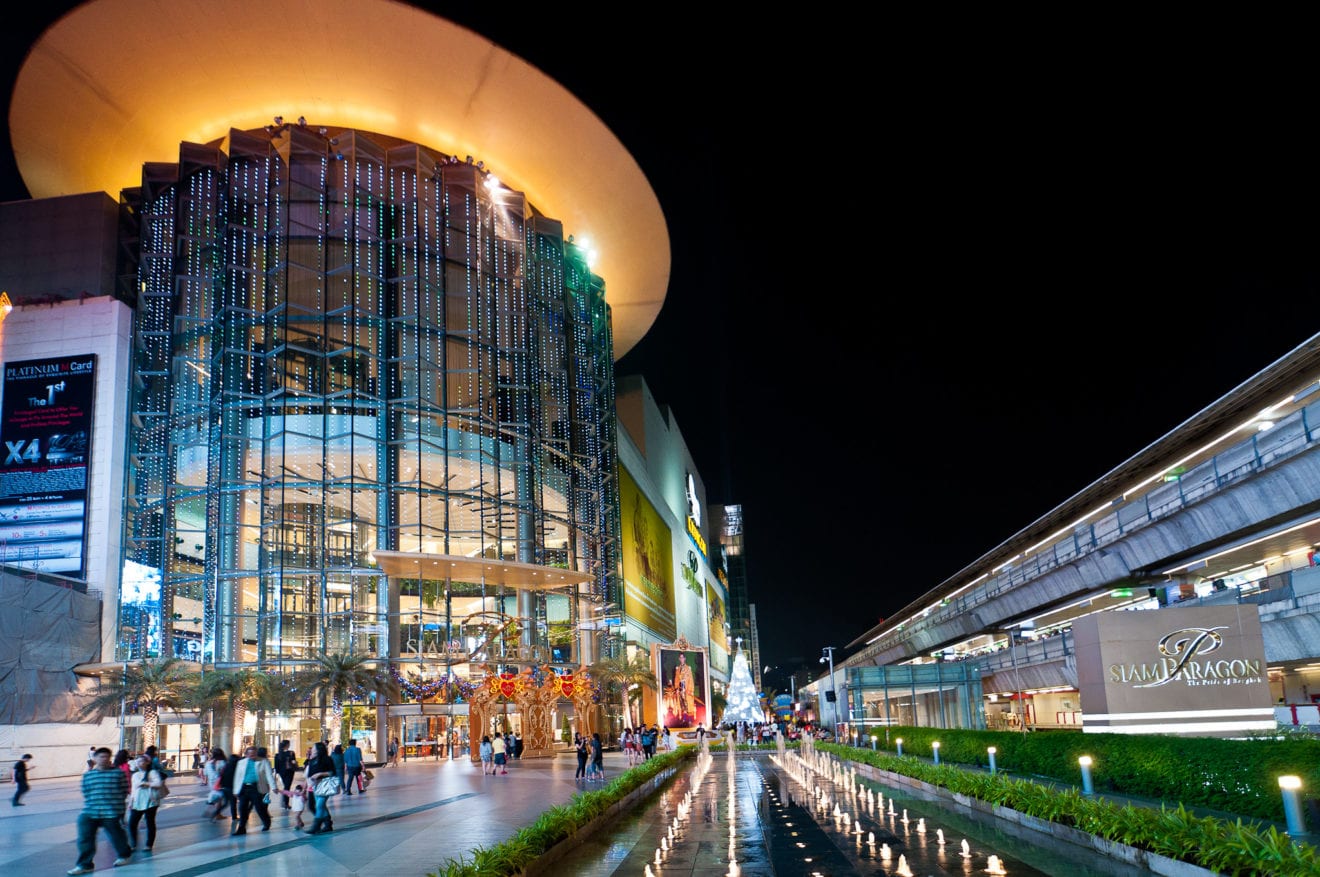
    Siam Paragon yesterday announced it would invest about Bt100 million in its biggest campaign of the year, “Siam Paragon 10th Anniversary: The Prismatic Phenomenon”.

    There will be two thank-you campaigns: a 10-week promotion with 100 prizes running from tomorrow to December 18 and a 10-day celebration including a series of “world-class” events and gifts.

    Siam Paragon is one of the major shopping centres on Bangkok’s Rama I Road, jointly developed by Siam Piwat Co and The Mall Group, Thailand’s two giant retail developers. The 10th-anniversary campaign is aimed at increasing customer traffic at Siam Paragon by 5 per cent and to increase spending per transaction by 10 per cent.

    Mayuree Chaipromprasith, senior executive vice president for marketing at Siam Paragon Development, said the strong partnership between Siam Piwat and The Mall Group had made Siam Paragon a retail phenomenon and a true “world-class shopping destination” that attracts more than 200,000 local and international shoppers a day.

    “Our loyal customers who have high purchasing power and are members of our Platinum and Scarlet cards have not been significantly affected by the prolonged economic difficulty. We have seen their purchasing value and earning of points on their cards increase a significant 24 per cent year on year in the first three quarters of this year.”

    Chamnarn Maytaprechakul, executive vice president of Siam Paragon Retail, who is also chief marketing executive of The Mall Group, said the explosion that hit Ratchaprasong Intersection in the middle of August had little impact on the number of foreign tourists coming to downtown Bangkok. Foreign visitors disappeared from the Ratchaprasong and Rama I areas for only few weeks and traffic is now back to normal.

    “However, with Thailand’s GDP anticipated to increase by only 2.5 per cent this year, we believe that the overall retail sector in Thailand will increase by no more than 5 per cent in total sales this year,” Chamnarn said.

    He added that people’s shopping behaviour had changed along with the economic difficulty, as they come to the shopping malls to eat and buy only necessary goods. The launch of attractive value-for-money campaigns will allow shoppers to decide more quickly what they plan to buy in the future.