Blog

  • Tie-up between Alibaba and Tencent a wake-up call for ‘bricks and mortar’ retailers

    Tie-up between Alibaba and Tencent a wake-up call for ‘bricks and mortar’ retailers

    Last week’s proposed merger between two of China’s leading consumer lifestyle sites was a wake-up call for firms that have yet to start an e-commerce platform in an economy where online transactions are tipped to total half of all consumer sales within seven years , experts say.

    Consolidation is raising barriers to entry in China’s highly competitive and rapidly growing online-to-offline (O2O) sector, where cab-hailing mobile application Uber and other firms try to draw customers to physical services via the internet. That means new entrants better have deep pockets and a smart business plan.

    Unless you have something special to offer, “a bricks and mortar strategy is basically dead in China”, said Shaun Rein, the Shanghai-based founder of China Market Research Group. And even then, O2O companies were still in cash-burning mode, “building market share but not generating revenues”, by subsidising services like a restaurant meal or cinema ticket to attract hits, Rein said.

    Last Thursday’s deal was a case in point. Valued at US$15 billion or more, the tie-up unites Alibaba-backed Meituan.com with Tencent-funded Dianping.com to create a dominant O2O player in services such as finding online deals, as well as in the group buying of coupons and accessing of ratings.

    The combined firm will now overshadow the sector’s third major player, the Baidu-owned Nuomi, which itself only recently unveiled plans to invest US$3.2 billion over the next three years, as it bids for a slice of an e-commerce market expected to grow from US$672 billion this year to US$1.97 trillion by 2019, according to eMarketer.

    Unfavourable demographics and competition from e-commerce create worse than expected headwinds to conventional consumer bands/products and distribution channels

    Jefferies analysts

    The speed at which China’s e-commerce market has grown has not surprised onlookers who say consumers savour the convenience of online shopping and home delivery rather than having to deal with gridlocked streets and polluted air.

    Chinese consumers bought 12.4 per cent of their retail products online last year. That number should rise to 33.6 per cent in 2019, forecasts eMarketer, and Rein predicts it may hit 50 per cent by 2022. By comparison, online retails sales in the United States, where retail space per capita is four times higher than in China, are expected to total just 9.8 per cent of total sales by 2019, barely budging from 6.5 per cent last year, eMarketer data shows.

    Those numbers are translating into a lot of deal making. There have been US$58.4 billion of internet deals involving Chinese companies this year, already almost double the amount for the whole of last year, Bloomberg data shows.

    China’s offline retailers have “to embrace e-commerce or fade away”, said Duncan Clark, chairman of BDA, a Beijing-based tech sector consultancy, while adding that managers must be mindful of the costs involved.

    Referencing the recent tie-up, Clark said: “Alibaba and Tencent are pragmatic when it comes to combining their proxies if it means ending ‘subsidy wars’ which get out of control. Its okay to toss in a few tens of millions of dollars into supporting a proxy, perhaps even a few hundred million, but beyond that logic kicks in and the temptation of combining forces to create a dominant player is too hard to resist.”

    The competition would only increase, Clark said, given improvement in logistics allowing same-day delivery of even refrigerated items.

    The lack of an e-commerce strategy is already weighing on investor sentiment, with a recent Chinese consumer report by investment bank Jefferies ranking a swathe of retailer and department store stocks “neutral” in part because of competition from online platforms.

    “Unfavourable demographics and competition from e-commerce create worse than expected headwinds to conventional consumer bands/products and distribution channels,” Jefferies analysts wrote.

    Challenges still exist for established retailers wanting to make the switch.

    “A lot of executives used to bricks and mortar can’t make the transition,” Rein said.

    Understanding the product range and service level expected by digital consumers was tough for people used to doing business in a different way, he said.

    “The competition is fierce and a lot will go out of business,” Rein said.

  • Datem, Metro Retail Stores IPO plans okayed by SEC

    Datem, Metro Retail Stores IPO plans okayed by SEC

    The Securities and Exchange Commission (SEC) on Friday approved two initial public offering (IPO) plans worth a combined P10.82 billion.

    In a special meeting, the corporate regulator greenlighted construction firm Datem, Inc. and Gaisano’s Metro Retail Stores Group, Inc.’s bids to raise P4.65 billion and P6.17 billion, respectively, by going public.

    The IPO plans still have to be approved by the Philippine Stock Exchange (PSE). If accepted, the market debuts would be the third and fourth for this year.

    The bourse has said that it was targeting nine to 10 IPOs for this year but PSE President Hans Sicat has revised this to five given market volatility.

    Metro Retail
    Gaisano family’s Metro Retail Stores Group Inc. is looking to raise up to P6.17 billion from the IPO, offering a total of 1.012 billion shares (920 million for the base offer and 92 million for oversubscription) at P6.10 each.

    Final pricing has been scheduled for October 29 and the offer period will run from November 2 to 6. Listing at the PSE Main Board is expected on November 12.

    Expected net proceeds of P5.285 billion — without the overallotment option — after offer and listing expenses and taxes will be used for expansion of the firm’s store network (P3.752 billion), construction of a logistics and distribution center (P1.215 billion) and working capital requirements (P317.2 million), mostly for 2016 up to 2017.

    BPI Capital Corp. and Deutsche Bank AG have been appointed joint global coordinators.

    Metro Retail is the operator of Gaisano stores, including Market! Market! in Bonifacio Global City. As of end-June, the company had 45 stores nationwide, including nine in Metro Manila, with a total net selling space of about 197,873 square meters.

    Datem
    Datem, Inc., meanwhile, wants to raise P4.65 billion to expand its activities in construction, housing and bulk water.

    It wants to sell up to 329.046 million shares (286.127 million for the base offer and 42.919 million for oversubscription) at P14.15 per.

    The offer period is scheduled to run from November 16 to 24, while listing at the PSE Main
    Board is targeted by the end of November.

    BPI Capital Corp. and First Metro Investment Corp. have been appointed joint issue coordinators, lead underwriters and bookrunners.

    Datem has ongoing projects with big developers, including eight residential developments for Megaworld Corp., One Shangri-La Place for Shang Properties Inc., Twin Oaks Place for Greenfields Development Corp., Arya Residences for Arthaland Corp., Grand Hyatt Residences for Federal Land Inc., Axis Residences for Robinsons Land Corp., The Makati Place for Alphaland Corp. and Parksuites for Anchor Land Holdings Inc.

    Other IPO hopefuls for this year, and the amounts they want to raise, include D.M. Wenceslao & Associates Inc. (P21.7 billion), restaurant chain operator Gweilo Corp. (P75 million), Green Power Panay Philippines Inc. (P290 million), property developer Italpinas Development Corp. (P242 million), brokerage firm Philstocks Financial Inc. (P185.89 million), Philippine Primark Properties Inc. (P1.2 billion) and BPO firm Pointwest Technologies Corp. (P2.09 billion).

    Only two firms have listed so far this year: Crown Asia Chemicals and SBS Philippines Corp.

    Arman Pan, SEC acting corporate secretary, said the final decision on whether or not to go public lay with the firms themselves.

    “Approval [of IPO plans] is easy. It is just a question of whether firms will push their listings this year given the market volatility,” Pan said.

  • Changi announces new T3 luxury retail tender

    Changi announces new T3 luxury retail tender

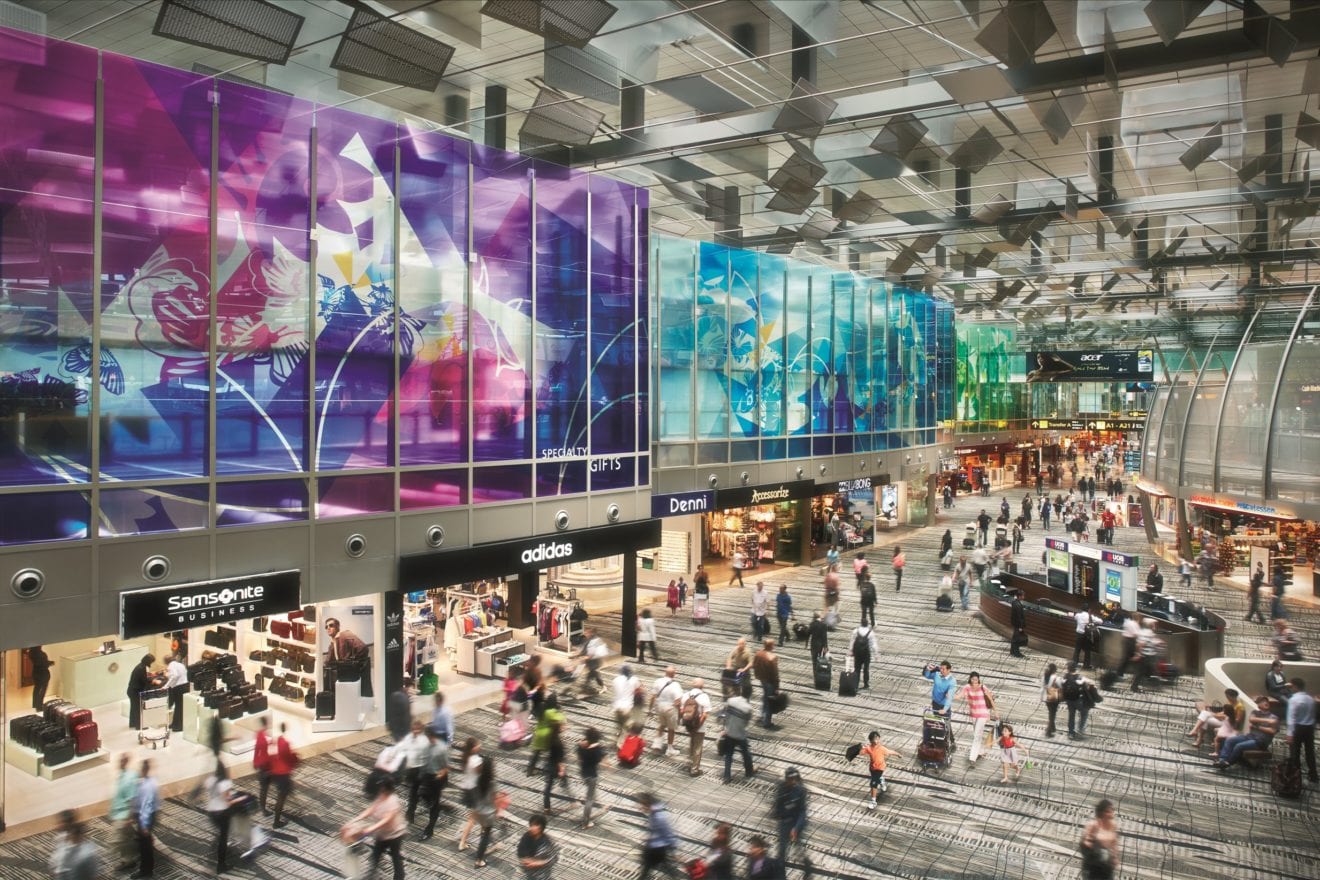
    Changi Airport Group (CAG) is inviting companies to participate in a luxury retail tender in four locations within the departure/transit lounge South of Terminal 3.

    “We are looking for unique and exciting luxury brands and concepts that are currently not represented at Terminal 3 of Singapore Changi Airport and will inject buzz to and differentiate the retail offerings at Singapore Changi Airport,” says the airport group.

    All product categories, apart from liquor & tobacco and perfumes & cosmetics are being considered.

    Concession A will be 112sq m in size; Concession B, 103sq , Concession C 86sq m and finally Concession D covers 100sq m.

    Concession A, B and C will carry contract terms of 3 years each from 1 July 2016 to 30 June 2019. Concession D’s term will also be for three years, but will being on 9 January 2017 or when the incumbent retailer hands over operations to the new retailer moving in.

    There is no option to renew any of the contract terms. The tender opened yesterday and closes on 29 October at 4pm.

  • Newcastle student flats sold for £40m sale to Singapore developers

    Newcastle student flats sold for £40m sale to Singapore developers

    Developers Metnor Group has built and sold a portfolio of student accommodation properties in Newcastle to one of Singapore’s largest private property developers for £40.6m.

    The Killingworth-headquartered firm acquired the brownfield site in Shieldfield, Newcastle, nine years ago and has transformed it into quality student apartments and retail units using a predominantly local workforce.

    Metnor has now been appointed to build the next phase of student accommodation on Portland Road, Newcastle, which will be ready for the 2017 academic year.

    The group’s building division, Metnor Construction, completed the first of the four-phase build with a 274-bedroom luxury student accommodation building and two retail units in August 2013.

    Known as Turner Court, the development was fully let to students from both of the city’s universities, as well as students studying at Newcastle College, within days of opening.

    Tesco and Subway occupy the two retail units on the ground floor.

    The second phase, known as Rosedale Court, was completed in August 2015 and is a 338-bedroom accommodation building developed, along with 4,500sqft of retail or commercial space.

    The building is being managed and operated by specialist student operator South Street Asset Management under its DIGS brand.

    Metnor was advised on the substantial deal by the real estate team at Newcastle law firm Muckle LLP, who advised and negotiated on the preparation of all legal documents with Far East Orchard Plc.

    Legal advice was led by Muckle partner, Will McKay, and supported by Kevin Maloney, a partner in the banking team who negotiated the financing of investment and development facilities with the Israeli owned Bank Leumi.

    The properties are located in Shieldfield, Newcastle and within walking distance of Northumbria and Newcastle Universities and Newcastle College.

    Keith Atkinson, chief executive of the Metnor Group, said: “We have worked closely with Muckle LLP since we acquired the site in 2006 and we are proud to have helped to regenerate this area of the city by transforming a once derelict brownfield site into a vibrant student hub.

    “The financial crisis which occurred in the middle of the development was an additional challenge but with the help of the team at Muckle we were able to secure funding through Bank Leumi and we are pleased to continue our work with Far East Orchard as the regeneration is a significant investment into the region.”

    Will McKay said: “We’re delighted to have worked with Metnor Group once again. This was a challenging and complex project.

    “We had to overcome many environmental factors during the development phase involving mineshafts and land contamination.”

    Metnor Construction has worked on some of the most high-profile buildings within Newcastle over the last few years including the Sleeperz Hotel development on Westgate Road, the Hotel du Vin development on Byker Road and the Hampton by Hilton hotel opposite the Central Station.

    Metnor Construction’s managing director, Chris Cant, added: “Student accommodation projects have critical deadlines as they must be ready for the start of an academic year, otherwise the owner is unable to let them out to students and risks sitting with an empty building for a year if the deadline is missed.

    “We completed our first project, the 396 bed Winn Studios, for Northumbria University in 2011 after a 21-month construction period.

    “Since then we have built Turner Court and now Rosedale Court.

    “We currently have a strong order book, a dedicated workforce and are actively looking to expand our presence in our native North East.

    “We have seen a steady increase in turnover over the last two years and we have taken on 13 new staff since the start of the year at all levels including a number of apprentices.”

  • Capital Group, Samsung Asset Management form strategic partnership in Korea

    Capital Group, Samsung Asset Management form strategic partnership in Korea

    Capital Group and Seoul-based Samsung Asset Management on Wednesday announced a strategic partnership to cooperate on developing active investment strategies for institutional and retail investors in Korea.

    Capital Group, with $1.4 trillion in assets under management, and Samsung Asset Management, Korea’s top manager with $166 billion in AUM, “will work together to co-develop retirement solutions and asset allocation products and enhance SAM’s active investment capability,” a news release said.

    Under the agreement, Capital Group will help its Korean partner become familiar with “Capital-style active management,” and work to provide management know-how in areas such as business management and client management.

    A Seoul-based spokesman for Samsung Asset Management said the partnership with Capital Group would be a cornerstone of the firm’s goal of becoming one of Asia’s top three home-grown asset management companies by 2020.

    Sung-hoon Koo, SAM’s CEO, said in the release that the partnership will pave the way for his firm to “upgrade its active equity investment capability and implement life cycle asset allocation product strategies.”

    The news release also quoted Tim Armour, chairman of the Capital Group, saying the “broader plan is to co-design investment solutions to fulfill the savings, retirement and insurance-linked needs of Korean investors.”

    The Samsung spokesman, in a telephone interview, and Tom Joyce, Capital’s head of global media relations, in an e-mail, said details of the economics of the relationship — specifically how co-developed products would be distributed and revenues shared — had yet to be worked out. “It is too early to say what the pricing and structures will be,” noted Mr. Joyce, adding “the economics will be worked through.”

    Separately, the news release said the partnership will include selecting and using “appropriate Capital Group products and services across multiple Samsung distribution channels.”

    Mr. Joyce didn’t respond directly to a question about whether this was the first time Capital Group had entered into such a partnership. Instead, he cited Samsung’s interest in learning more about Capital’s system and “way of investing,” while noting Capital’s interest in learning “how Samsung markets and distributes products to Korean investors.”

    According to data provider eVestment, Capital Group listed roughly $275 million in AUM managed on behalf of Korean investors.

  • Columbia Korea in aggressive expansion

    Columbia Korea in aggressive expansion

    US sportswear brand Columbia says it will expand its retail network in South Korea, part of a strategy to become one of the top three retailers in its category there by 2020.

    Columbia Korea will expand its existing 250-strong retail network and broaden its range of apparel to achieve its goal, moving into the fishing, yoga and casual outdoor categories.

    “It’s true that the outdoor clothing market has become saturated. But that won’t hamper our continued growth,” Shim Han-bo, CEO of Columbia Korea, told a press conference in Seoul.

    “I’m confident that Columbia is superior to rivals in terms of technology. We have nearly 200 patented technologies, which lie at the core of our competitiveness and pride.”

    He said the company is targeting 500 billion won (US$430 million) in annual sales by 2020.

    Last year it ranked seventh with 320 billion won in sales, or US$274.6 million.

    “A major portion of profits are generated at department stores and other offline outlets. We will keep trying to boost competitiveness of these conventional outlets. At the same time, we will try hard to increase sales at online retailers,” he said.

    “Many companies are wrestling with declining sales. Against all odds, however, I believe that brands with a long history and that have their own time-tested philosophy will never die out, one of which is Columbia.”

  • China Xiniya Fashion sales plummet

    China Xiniya Fashion sales plummet

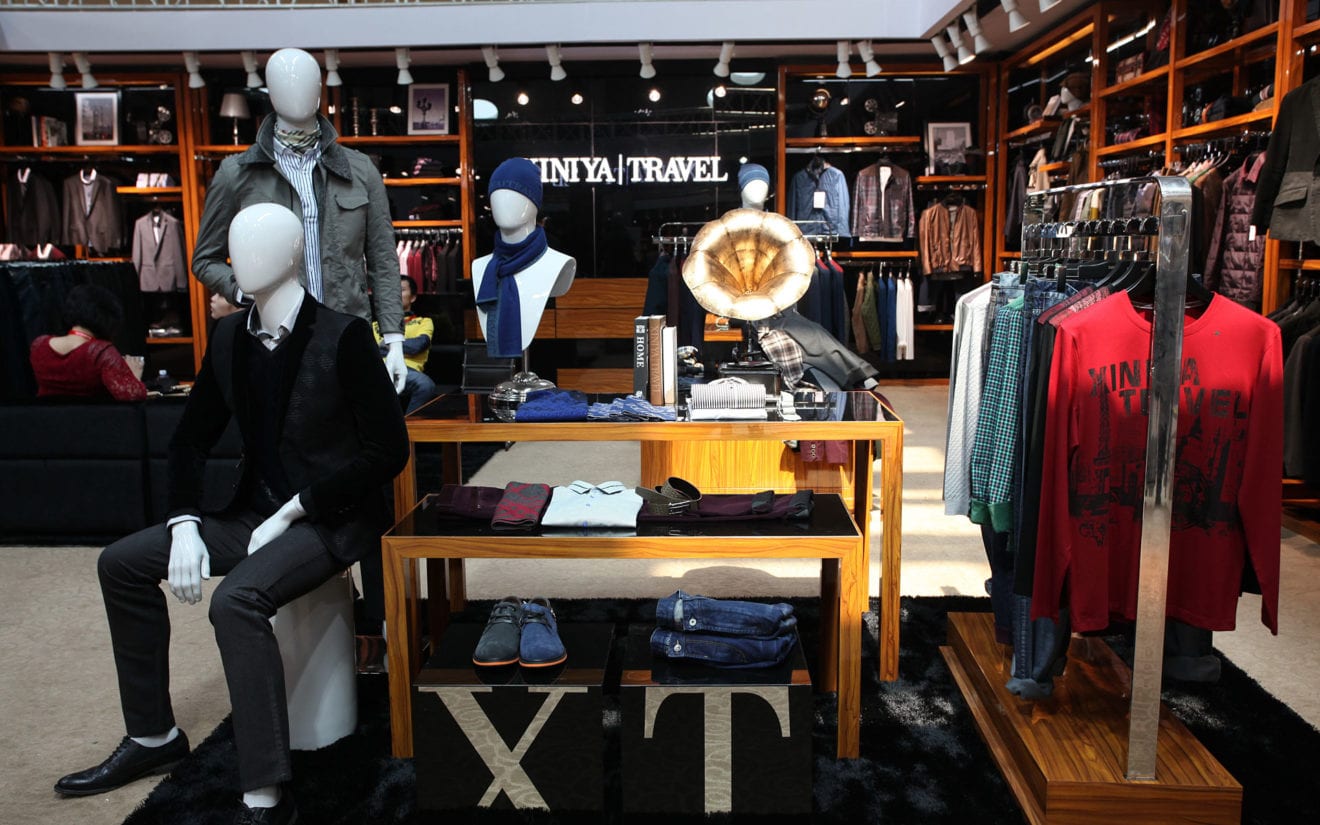
    Menswear retailer China Xiniya Fashion says its second quarter sales nearly halved this year.

    Revenue during the second quarter of 2015 decreased by 47.2 per cent to RMB106.4 million, compared to RMB201.7 million in the second quarter of 2014.

    Gross margin fell from 27 per cent to 20.8 per cent and the company turned a pre-tax profit of RMB18.4 million into a loss of RMB8.7 million.

    That despite the net addition of 31 authorised retail outlets ( 64 opened, 33 closed) taking the network to 635 as at June 30/

    Despite the appalling firgures, chairman and CEO Qiming Xu managed a positive spin on the company’s situation.

    “To further support and stabilise our retail network during this transition period, we implemented the second phase of our inventory buyback. We are beginning to see a definite positive impact on our business from the buyback initiatives and expect this progress to continue for the rest of the year,” he said.

    “Confidence from our distributors and existing and prospective authorised retailers has improved, evidenced by the increase in orders from our sales fair and the net increase in number of authorised retail outlets.

    “While we expect the economic environment to remain challenging, we are confident that our strategy to adjust our business will ensure the long-term sustainability of our business and brand.”

    The company said its 2015 Winter Collection Sales Fair in June in Xiamen City, showcased more than 500 new products. Orders increased 15 per cent over last year’s figures.

    Of the reduced margin, the company observed: “The decrease in gross margin was primarily due to an increase in research and development expenses as a percentage of total sales in the second quarter of 2015 and a decrease in retail prices to improve the price competitiveness and attractiveness of the company’s products to consumers.”

    Xiniya specialises in men’s business and casual apparel in China. It targets male working professionals in China aged 25 to 45 , seeking fashionable clothing to suit their working and lifestyle needs.

  • Atelier Cologne Hong Kong opens

    Atelier Cologne Hong Kong opens

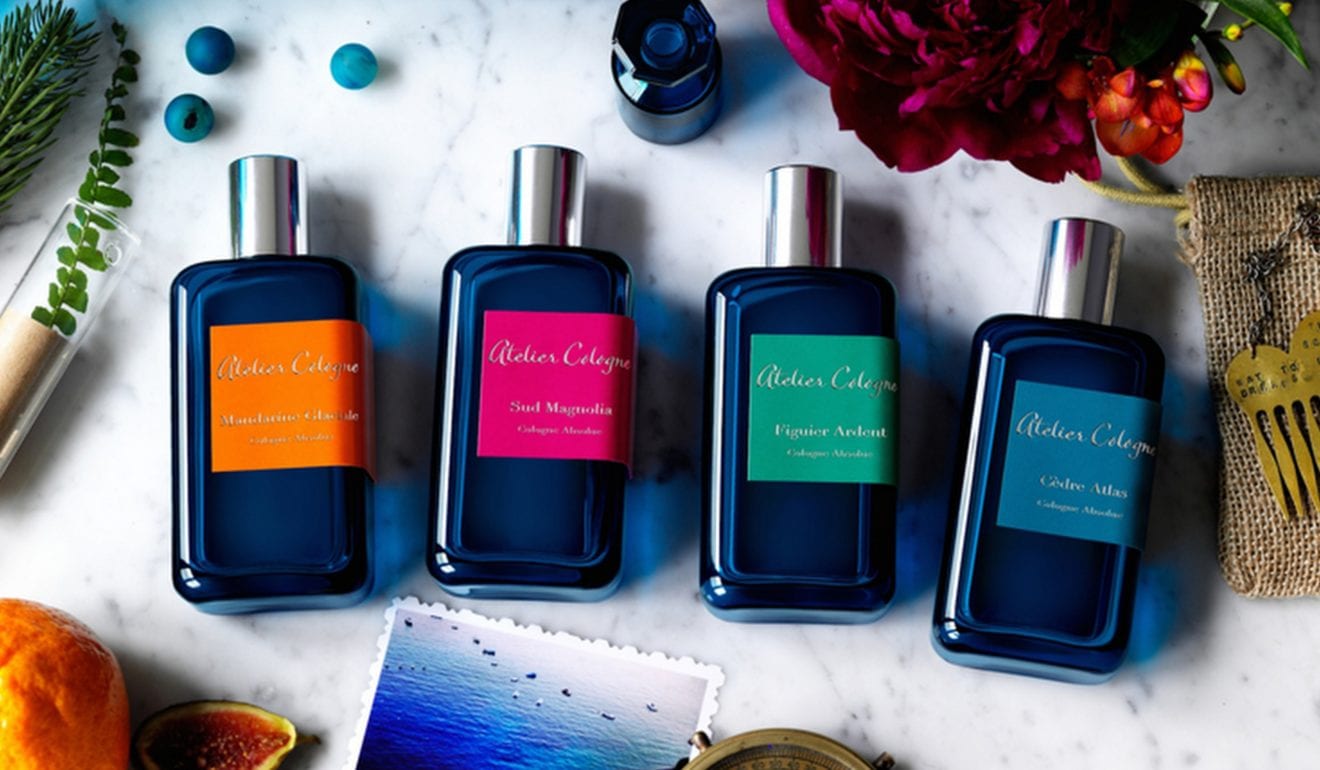
    Parisian perfumery Atelier Cologne has opened a new store at IFC Mall.

    The Atelier Cologne Hong Kong store is the first for the brand in the city. The brand was founded in 2009 by Sylvie Ganter and Christopher Cervasel, who decided to pursue their passion for cologne and opened a boutique.

    Atelier Cologne HK

    Later, they created Colognes Absolues, a perfume line with 25 types of fragrances where each fragrance is blended with citrus base to create a longer lasting effect. The store also sells soaps, shower gels, body lotions and candles.

    The bold blue storefront really stands out among IFC Mall tenants, while inside the store features a more minimalist design using simple wooden furniture and furnishings and a sort of ‘modern laboratory’ feel.

    Perfumes are displayed in bottles with distinctive leather caps. After making a purchase, customers can have the bottles personally engraved.

  • H&M Hong Kong flagship to be Asia’s largest

    H&M Hong Kong flagship to be Asia’s largest

    The new H&M Hong Kong flagship store set to open on October 30 will be the Swedish fashion brand’s largest yet in Asia.

    Hennes & Mauritz will open at the end of the month in Hong Kong, marking the fast fashion brand’s return to what is one of the city’s premiere downtown shopping district.

    The 47,000 sqm store will open at Fashion Walk in Causeway Bay.

    It will include an H&M Home section, marking the homewares spin-off’s first presence in Hong Kong. A highlight will be a global exclusive collection by Ximon Lee, winner of H&M’s Design Award 2015.

    H&M is steadily expanding its store network in Asia. On October 1 it opened a new store in Singapore’s Tampines shopping centre, a two storey shop with a floorspace of about 19,500 sqft.

  • Jakarta Fashion Week: a quick guide

    Jakarta Fashion Week: a quick guide

    Jakarta Fashion Week, the main fashion week in Indonesia will open on October 24 at Senayan City, Jakarta.

    The Fashion Week will bring together hundreds of Indonesian designers, and their compatriots from countries including Japan, Thailand, and South Korea, to celebrate local creativity and showcase their best work before an international audience, both at the event and on television.

    Now in its eighth year, Jakarta Fashion Week is supported by high-end Jakarta shopping centre Senayan City.

    Svida Alisjahbana, CEO of Femina Group and chairman of Jakarta Fashion Week 2016, says support from Senayan City is meaningful to Jakarta Fashion Week given the mall’s reputation as a premium shopping destination with high-end boutiques from Italy and France, as well as various other fashion brands from around the world.

    “With the convening of JFW 2016 in Senayan City, Jakarta Fashion Week will have a value comparable to the fashion brands stationed there, and this is something that is very encouraging. It is time to introduce Indonesian fashion labels to the public so that they can understand and love the creativity apparent in our local products that is no less great than those in the products of international brands.”

    Along with the celebration of Senayan City 9 Infinite Years, Senayan City will present an exclusive collaboration entitled Capsule Collection F/W 2015 which will feature designers Danjyo Hiyoji, KLE, and Hunting Fields, with creations made specifically for JFW 2016. The Capsule Collection F/W 2015 and TIKprive X Stella Rissa fashion show will present at the Fashion Tent in JFW 2016 on October 29.

    Senayan City will also present fashion shows featuring the latest collections from tenant brands, such as Bebe, Promod, and Debenhams.

  • Beijing retail sales rise

    Beijing has reported a rise in retail sales during the week-long National Day holiday that began last Thursday.

    Chinese government news agency Xinhua reports both locals and tourists have “spent heavily” on consumer goods.

    During the first six days of October, Beijing’s 100 leading retailers reported a total sales revenue of 5.3 billion yuan (about US$833.7 million), up 6.2 per cent on the same period of last year, according to figures released by Beijing Municipal Commission of Commerce.

    The figures were collected from Beijing’s major retail outlets including shops, supermarkets and restaurants, it said in a press release.

    Many avid shoppers took advantage of the National Day promotions offered by most retailers to buy winter clothing and the latest models of smartphones and other digital products.

    While housewives flooded supermarkets to buy food for their family feasts, many others chose to dine at some of the city’s most famous restaurants.

    A surge of customers from locals and sightseers has brought an average 10 percent increase in revenue at these restaurants, according to the municipal commission of commerce.

    It said the Golden Week has witnessed a 20 per cent surge in gold and jewellery sales, as the holiday week is also a prime time for weddings.

  • FairPrice delists Asia Pulp & Paper products

    FairPrice delists Asia Pulp & Paper products

    Singapore’s largest grocery retailer NTUC FairPrice has removed all products supplied by Asia Pulp & Paper from its stores due to the paper giant’s role in contributing to the toxic haze.

    The Singapore Environment Council (SEC) has instituted a temporary restriction on the use of the “Singapore Green Label” certification for APP products after becoming aware the company sourced paper from companies responsible for the fires across Indonesia which have left Singapore and parts of Malaysia shrouded in a toxic haze.

    FairPrice carries 14 housebrand paper products that are certified with the Singapore Green Label. Two of these are housebrand tissue products sourced from APP through Universal Sovereign, a licensed distributor, while the rest of the products are not affected. In addition, all 16 APP related products from the various brands FairPrice carries have also attained the Singapore Green Label certification.

    FairPrice CEO Seah Kian Peng said the company has taken the opportunity to reiterate its firm stance on the issue.

    “We have been proactively monitoring the situation over the past week. We initiated meetings with the various parties concerned when the list of firms including APP, was named by the authorities as suspects for contributing to the haze. As a fair business partner, we reserved taking action pending further information and investigation by the authorities.

    “Our decision to withdraw all APP products is a result of the temporary restriction of their Green Label certification. This reflects our conviction and commitment towards promoting and adopting sustainable practices, as we have done all these years.”

    FairPrice has been championing various initiatives that promote sustainability. One of these initiatives is certifying housebrand products with the Singapore Green Label Scheme administered by SEC. Last week, SEC requested companies with paper products certified under the Singapore Green Label Scheme to declare compliance with using sustainable materials. FairPrice was unable to sign the declaration for the two housebrand products earlier as it was pending APP’s confirmation of their compliance to SEC’s requirements.

    Following the temporary restriction of the Green Label notification, FairPrice has withdrawn both housebrand products, which include FairPrice Softpack Tissue 200s and the FairPrice Gold 3 Ply Facial Tissue 140s supplied by APP. Beyond this, FairPrice will also withdraw all APP related products including Paseo, Nice and Jolly.

    “We assure customers that FairPrice has alternative brands of paper products, including products with the Green Label, available to meet consumers’ needs.”

    All APP products will be withdrawn from all FairPrice stores by 5pm today.

  • Foodora Hong Kong launches with 100 restaurants

    Foodora Hong Kong launches with 100 restaurants

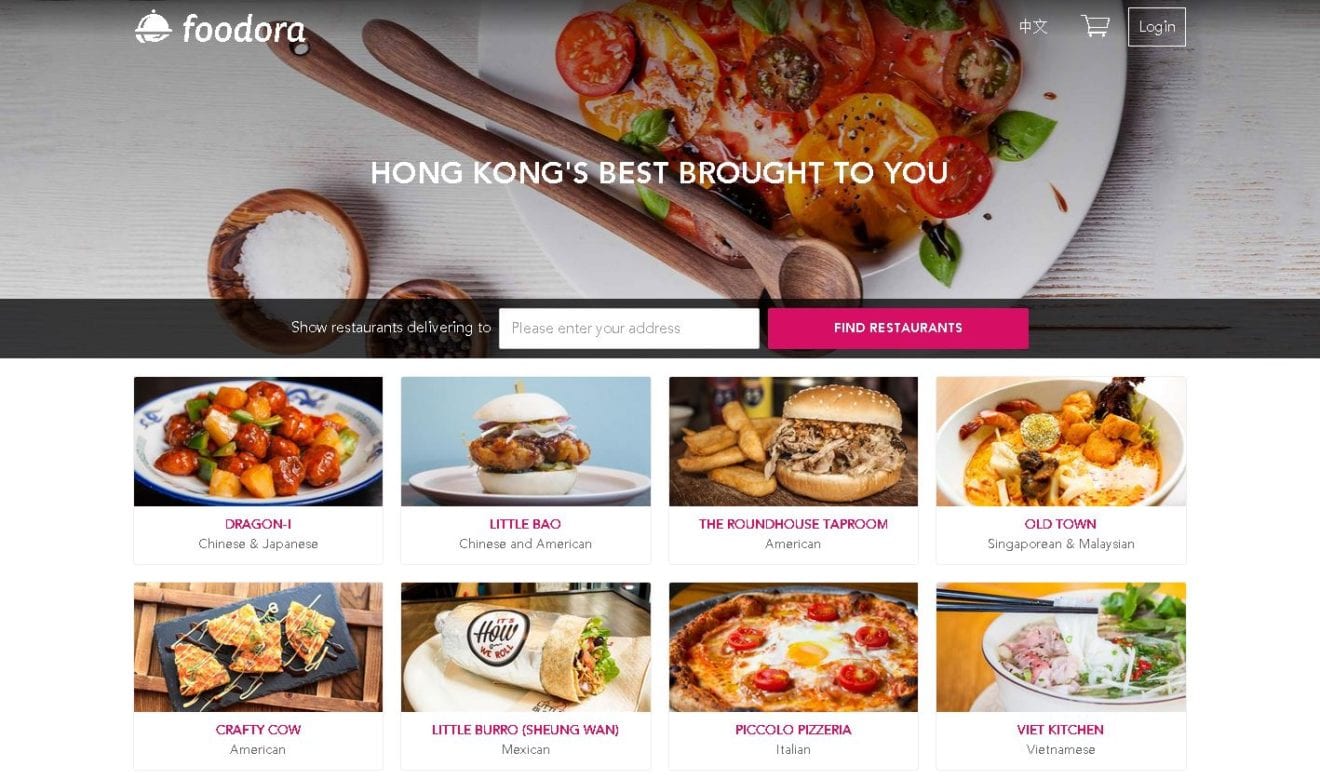
    Foodora Hong Kong – the expensive little sister of Foodpanda – claims it already has 100 restaurants and cafes on its books as it formally launches its service.

    Foodora – whose imminent launch was reported by Inside Retail Hong Kong on September 29 – has today formally announced its creation after a trial in two suburbs: Central and Sheung Wan.

    A key plank of its marketing message is “Hong Kong’s first 30-minute food delivery service” which Hong Kong locals may well greet with a degree of skepticism.

    But Foodora, which was founded in Germany last October, says its proprietary logistics system “determines the optimal route between restaurants and customers to help drivers navigate the dense traffic of Hong Kong”.

    “The company’s dedicated, uniformed and friendly delivery team ensures maximum food quality and transportation standards by not stacking orders and knowing their terrain extremely well,” it says in a statement.

    The Foodora app sends updates along the order process, allowing customers to monitor progress of their food’s preparation and despatch.

    Meanwhile, Foodora says it has more than 100 local restaurants on board for its Hong Kong launch.

    “The company has set itself apart from traditional delivery services by working with big names in the restaurant scene, including the likes of Dragon-i, Iberico, Check-In Taipei,The Boss and Social Place. Restaurants such as Little Bao will for the first time offer hungry Hong Kongers an alternative to waiting in a queue for superior eats.”

    “Few realise Dragon-I has very talented chefs serving some of Hong Kong’s best Chinese and Japanese food,” said Raymond Young, GM of Dragon-I.

    “With Foodora we can now extend the Dragon-I experience into homes and offices.”

    Foodora Hong Kong CEO Mat Podesta says Hong Kong is one of the world’s great global cities and as such should have access to world-class food delivery services.

    “Foodora wants to introduce a new benchmark of reliability, speed, and quality, bringing Hong Kongers what other markets already enjoy.”

    While the brand is still restricting delivery to just Central and Sheung Wan, Podesta says Tsim Sha Tsui, Wan Chai and Causeway Bay will be added, along with an expanded list of 400 restaurants, by the end of the year.

    New customers can receive HK$50 off their first order with code: HELLOHONGKONG.

  • Playboy drops full monty for bigger piece of China

    Playboy drops full monty for bigger piece of China

    Playboy will no longer publish images of fully nude women in its magazine from next spring. You can blame China for that.

    The porn pioneer, which gave generations of pubescent boys around the globe their first glimpse of breasts, earns a surprisingly rock solid 40 percent of its revenues in China.

    Not from its magazine, which is banned in the country, but from the happy returns on licensed merchandise.

    From Heilongjiang to Guangdong, Tibet to Shandong, it’s not uncommon to see men and women wearing t-shirts or carrying handbags donning the ubiquitous bunny logo—a rabbit head wearing a tuxedo bow tie.

    Or upon closer inspection at high-end department stores, dress shirts and suits, women’s apparel, bags and shoes, belts and wallets, and luggage, not to mention bath products and fragrances, liquor and jewelry and a lot of other things Playboy has slapped a logo on.

    “China is one of our most important markets,” Playboy CEO Scott Flanders said in a statement earlier this year. “To achieve this leadership position without ever having a media entity in China is a testament to the tremendous power of our brand.”

    And that brand translates into hard cash.

    Last year, roughly one-third of Playboy’s US$1.5 billion global retail sales came from China, said CNN. Over the past decade, the company has made US$5 billion in retail sales in the country.

    “In China and other Asian markets, Playboy has positioned itself as a lifestyle brand for sophisticated, suave, fashion-conscious consumers by working with strong licensees in premium mass-market apparel, sportswear, eyewear, et cetera,” said Torsten Stocker, greater China retail partner at AT Kearney, in an interview with the Financial Times.

    In recent years, Playboy has partnered with top tier retailers and brands in Asia, such as Lane Crawford (Hong Kong, Beijing and Shanghai), Isetan (Tokyo) and Marc Jacobs (global).

    In May, Playboy announced plans to build flagship stores in major Chinese cities, and expand its retail presence from 3,000 to 3,500 outlets, in partnership with Handong United, a recently formed group.

    While Playboy will continue to feature loads of perfectly airbrushed models in various stages of undress, explicit nudity in the magazine risks complaints from shoppers and tarnishing a brand built over the company’s 20-year history in China.

    Is distributing pictures of naked women really a business liability?

    “You could argue that nudity is a distraction for us and actually shrinks our audience rather than expand it,” Playboy’s Flanders argued last year.

    Besides, despite China’s anti-porn measures, Chinese consumers—and pervs everywhere—can get as much smut as they want on the internet.

    “You’re now one click away from every sex act imaginable for free. And so it’s just passé at this juncture,” said Flanders.

    Playboy will also continue its tradition of investigative journalism, in-depth interviews and fiction, notes the New York Times, a move that will be appreciated by those who buy the magazine “for the articles”.

    The company cleaned up its website last year (stopped showing pictures of naked women) and saw traffic quadruple and the median age of its readers move from 47 years of age to 30, “an attractive demographic for advertisers,” the Washington Post quoted a statement from Playboy as saying.

    Playboy is a household name in China, with 97 percent brand awareness among Chinese consumers, according to research firm Penn Schoen Berland.

    “As one of the most famous and treasured brands in China, Playboy is considered the ‘must-have’ fashion choice by men and women across the Mainland,” said Xiaojian Hong of Handong United.

    Through licensing agreements, Playboy-branded consumer products are now in 180 countries.

  • Ricoh India opens first flagship

    Ricoh India opens first flagship

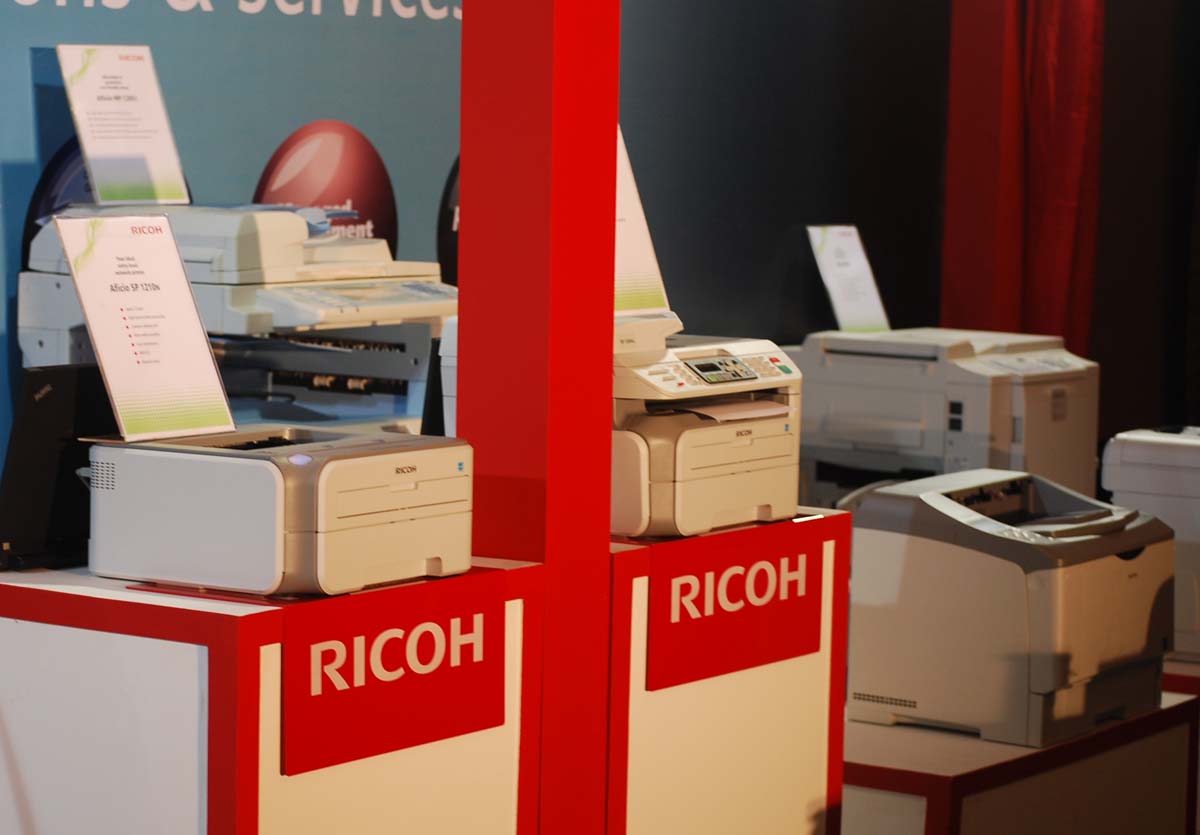
    Printing and document solutions specialist Ricoh India has opened its first Indian flagship store at Lucknow.

    The Japanese brand says the new retail facility is an effort to “strengthen consumer experience and engagement”.

    Ricoh Brand Stores are conceptualised as “the ultimate retailing experience that synchronises with innovation, quality and excellence”.

    The company says the flagship will give the company, better insight into customer needs and help it to come up with customised products and solutions. The Lucknow Store will display the copiers, projectors, cameras, binoculars, and visual communication products, laser printers as well as toner and genuine refills.

    At the Ricoh India store, customers can experience the recently launched, Ricoh Theta m15, a spherical camera that captures the space around you with just one touch. The camera range also includes the Pentax K-500, an entry-level DSLR, all weather and all-purpose underwater camera WG4 among many other products.

    Ricoh India says it has ventured into this brand store to have greater visibility and offer customers an easy access to products and technologies.

    “Through its retail stores, Ricoh wants to enhance customer experience of the technology products and also to cater to the B2C Segment. The brand shop will complement the Ricoh eStore, so that the consumers can make the most of the Ricoh one-stop printing and imaging solutions.

    Manoj Kumar, CEO and MD of Ricoh India said more brand stores are planned for key markets along with a strategy to expand its channel partner base.

    “We are also working with various large format retail stores to expand our presence across the country. Our expansion strategy has fetched us tremendous growth and added to company’s bottom line.”

    The brand’s turnover has doubled in the first quarter of this year compared to the same period last year.