Blog

  • Aeon opens B300m mall in Si Racha

    Aeon opens B300m mall in Si Racha

    Aeon (Thailand), the local operator of MaxValu supermarkets and Tanjai minimarts, has resumed its investment with a big retail project after suspending its expansion since 1997.

    The company will today have the soft opening of Aeon Sriracha shopping centre in Chon Buri’s Si Racha district to serve growing demand from Japanese expats working nearby.

    The move is part of Japanese parent Aeon Group’s efforts to expand its retail business in Asean with an expectation to drive sales to reach US$16 billion by 2020, a company source said.

    Before Thailand, Aeon Group opened various retail formats in the Asean market including Indonesia, Vietnam and Cambodia.

    The company spent about 300 million baht to develop Aeon Sriracha near Assumption College Sriracha.

    The three-storey shopping centre has saleable space of 11,000 square metres and will serve Thai and Japanese customers who work and live nearby.

    “Major frequent customers will be Japanese housewives who have free time to shop and dine at our shopping centre. They like shopping in a Japanese ambience,” the source said.

    Aeon Sriracha is surrounded by 1,300 households of Thai and Japanese people with high spending power. It has parking space for 220 cars.

    The shopping centre houses 21 tenants providing services related to Japanese lifestyle. MaxValu supermarket provides service around the clock, while other anchors are Ringer Hut Nagasaki Champon, a Japanese fast food restaurant chain with more than 600 branches worldwide, and Tackle Berry, Japan’s largest used fishing gear chain.

    Si Racha district also has Japanese community mall J-Park Sriracha.

    The artist impression of the Aeon Sriracha shopping centre.

    This is the first time in 18 years that Aeon (Thailand) has invested in a big retail project in Thailand after suspending its expansion plan due mainly to the 1997 financial crisis.

    Aeon Group has had a presence in Thailand for more than 30 years.

    Aeon (Thailand) now operates 78 retail outlets here, with 48 Tanjai minimarts and 30 MaxValu supermarkets.

    Apart from developing its new complex in Si Racha, the company will strengthen its food and information technology facilities to support its aggressive expansion in Thailand from now until 2020.

    It has plans to expand its retail business outside Bangkok, particularly in Northeastern provinces such as Ubon Ratchathani and Udon Thani, in a bid to tap opportunities from booming border trade after the launch of the Asean Economic Community by year-end.

    Aeon (Thailand) had earlier announced plans to open 40 MaxValu stores next year.

    After that, it will add 100 outlets each year for four years until 2020 for a total of 500 branches.

    Of the 500 stores, 400 will be Tanjai minimarts and the remaining 100 will be under the MaxValu supermarket brand.

    Sales at MaxValu supermarkets are estimated to reach 6.6 billion baht this year.
  • Priority Pass members now have access across Asia To 850 airport lounges

    Priority Pass members now have access across Asia To 850 airport lounges

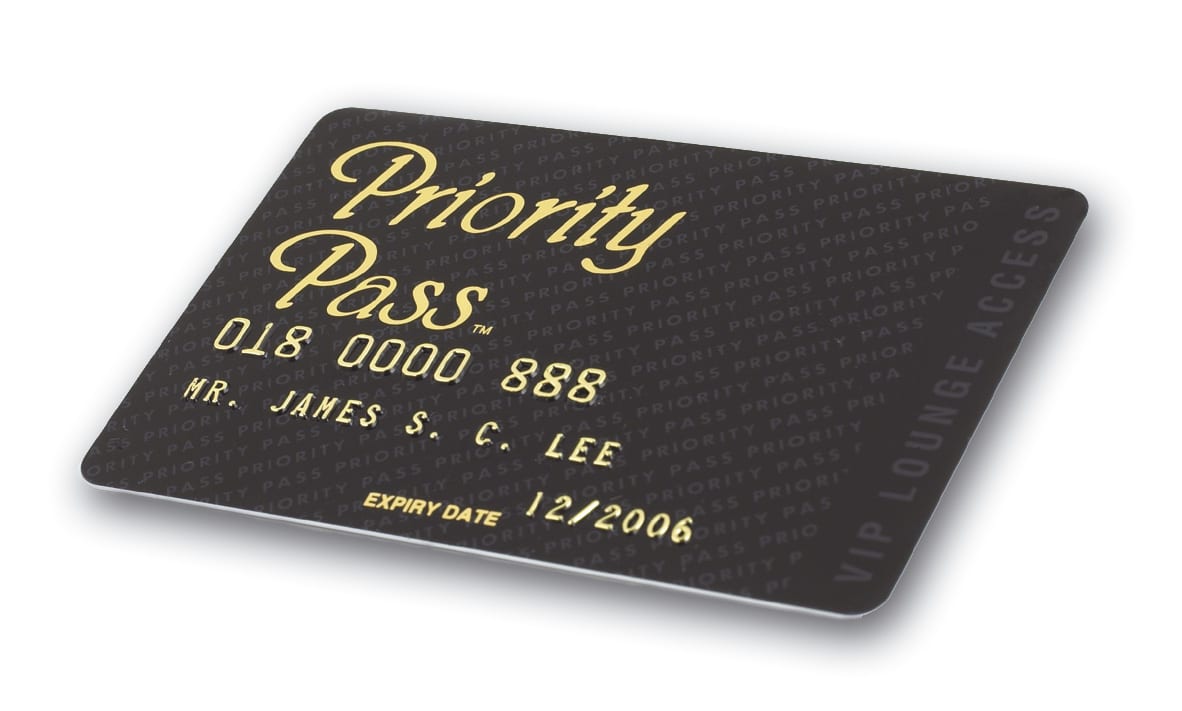
    Priority Pass, the world’s largest independent airport lounge access program, today announces that over 850 premium airport lounges are now available to cater for the rapidly expanding Asian travel market.  Priority Pass is also announcing a brand refresh and a range of new services, which reflect the changing needs and expectations of the region’s travelers. This includes a responsive website prioritypass.com, innovative smartphone apps, new Digital Membership Cards, Member Offers and a contemporary brand identity for the original and world’s largest, independent airport lounge access program.

    Part of Collinson Group, Priority Pass access is offered as a valuable benefit in many companies’ reward programs, including banks, credit card providers, telecoms operators and consumer brands.  The digital membership and access services, new marketing resources and new member offers will enable clients to tailor the rewards they offer end customers.

    Priority Pass ran a series of focus groups with Asian travelers and analysed data on member visits to develop these new services. The Asian affluent middle class is set to rise from 1.8 billion in 2009 to 4.9 billion in 2030 and Priority Pass research has revealed that Chinese and Singaporean consumers within the top 10-15% of income are some of the most frequent travelers globally, taking an average of over nine business and leisure flights a year compared to a global average of seven.

    These discerning travelers look to enhance their experience, with nearly a quarter (23%) of Chinese and Singaporean consumers viewing airport lounge access as essential.  This group also value services such as fast track security, travel concierge and airport taxi and limo services.  Reflecting this demand, Priority Pass has expanded its airport lounge access to over 850 premium venues in more than 120 cities around the globe, including 55 new lounges in Asia since the start of 2015 as well as in key international hub airports such as the recently launched ‘Aspire, the Lounge and Spa at LHR T5’ at London Heathrow Terminal 5.

    The expectations of frequent Asian travelers are changing.Rather than spending money on flying first class, they choose to enhance their trips with experience-based benefits, such as access to spas, top restaurants and cultural events.  To support this trend, Priority Pass is introducing new Member Offers to help Priority Pass Members make the most of their time when they reach their destination, including discounted golf packages, car rental and airport transfers.

    The research also reveals a group of Affluent Middle Class ‘Technophiles’ in Asia who spend over 20 hours a week of their leisure time on the Internet and are avid users of apps, social media, online shopping and streaming digital content. The new Priority Pass Digital Membership Card, the responsive website and refreshed smartphone apps resonate well with the Affluent Middle Class in Asia who use an average of 16 different apps and expect information to be immediately available and digital.

    Ian Lee, Business Director, Asia Pacific, Priority Pass says, “We were the first company to offer a premium global lounge access program and these new enhancements ensure that we retain the largest choice of quality airport lounges in more locations and continue to offer the best possible customer experience. These new services mark a refresh of our 23 year old brand and our new digital services provide greater convenience for Asian travelers, while giving our Clients more flexibility in the way they provide Priority Pass to their consumers. The addition of new Member Offers, ensures travelers can tailor their experience and realise the value of Priority Pass membership beyond the lounge.”

  • Burberry launches on Kakao

    Burberry launches on Kakao

    Burberry is the first British luxury brand to launch on Korea’s largest social platform, Kakao.

    Burberry and Kakao have formed a global partnership, which was inaugurated with the showcase of Burberry’s Womenswear Spring/Summer 2016 show last month.

    Burberry will be active across Kakao Talk, Kakao TV and Kakao Giftshop, offering Korean audiences direct access to its runway shows, campaigns and events bringing Kakao’s 190 million followers even closer to the British luxury brand.

    To celebrate the launch, Burberry will offer a selection of products to buy direct from the runway, through Kakao Giftshop.

    Burberry has also recently formalised partnerships with Apple Music, Snapchat and Line.

    Burberry CEO and chief creative officer Christopher Bailey described Kakao as “an incredibly creative and innovative company”.

    “So it is very exciting to be collaborating with them. The creative and commercial aspects of the partnership have been carefully designed to allow us showcase our culture and design heritage whilst also giving users the chance to shop at the same time.”

  • Burberry Seoul flagship opens

    Burberry Seoul flagship opens

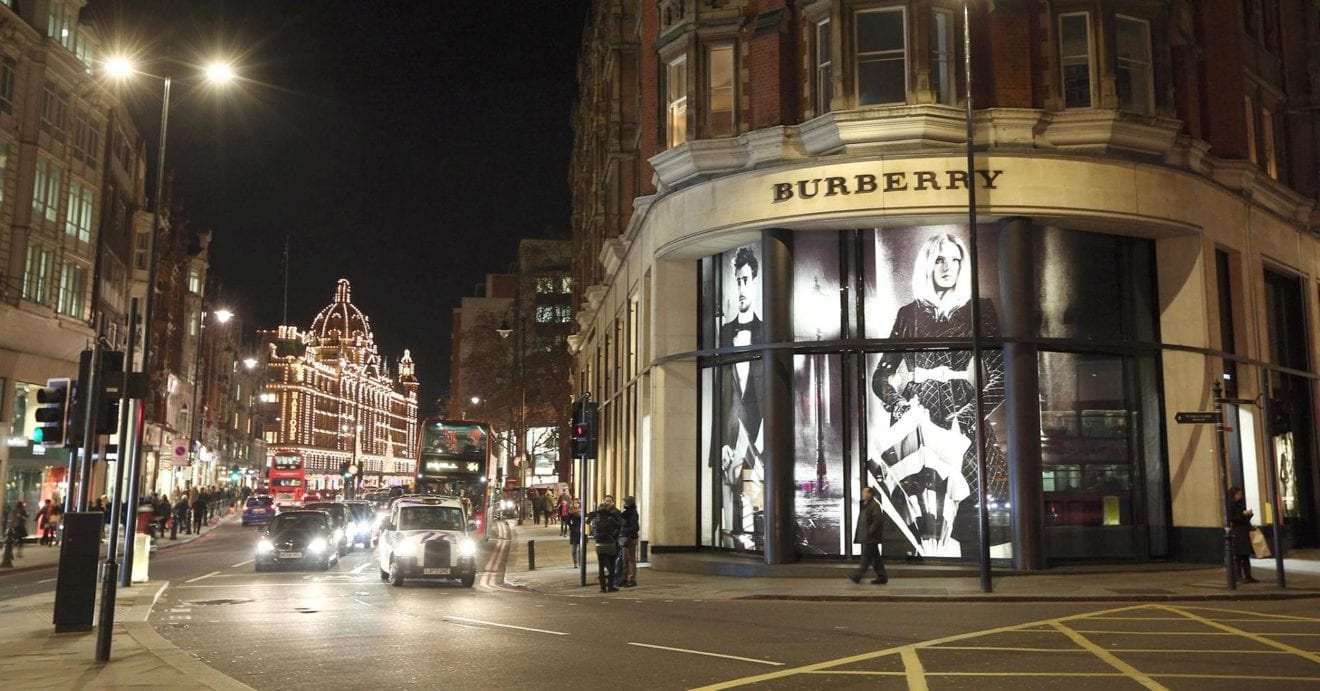
    British luxury fashion brand Burberry has opened its first Korean flagship store in Cheongdam-dong, Seoul where the flagship stores of foreign brands are gathered in one place.

    The 13 story Burberry Seoul flagship store comprises 13 storeys, two underground and 11 above. The exterior of the store is inspired by gabardine, the plaid textile used to make the brand’s iconic trench coats.

    The construction of the Seoul flagship store was overseen by Christopher Bailey, the CEO and chief creative officer of Burberry.

    Burberry Seoul inside

    With Burberry opening its first flagship store in Korea, interest is building over foreign brands and their flagship stores located in the Cheongdam area. In the early 2000s, flagship stores were simply thought of as ‘large scale stores’. However, flagship stores have since become more important, as they are currently thought of as symbols that represent the influence and image of a brand.

    In addition, the elevated status of Korea in the Asian market is another reason foreign brands are devoting themselves to building flagship stores in the Cheongdam area.

    Dior opened the largest flagship store in Cheongdam in June, and other brands including Chanel and Cartier will also open new stores or move to the Cheongdam area.

    “Not only the Korean market, but also the Korean consumers who buy products from a brand are considered important [to these brands],” explained an industry spokesman in Seoul.

    “Flagship stores will play a large role in the Korean market, letting the heritage of a brand be known.”

  • Apple Stores set to enter India; teams up with Croma Retail

    Apple Stores set to enter India; teams up with Croma Retail

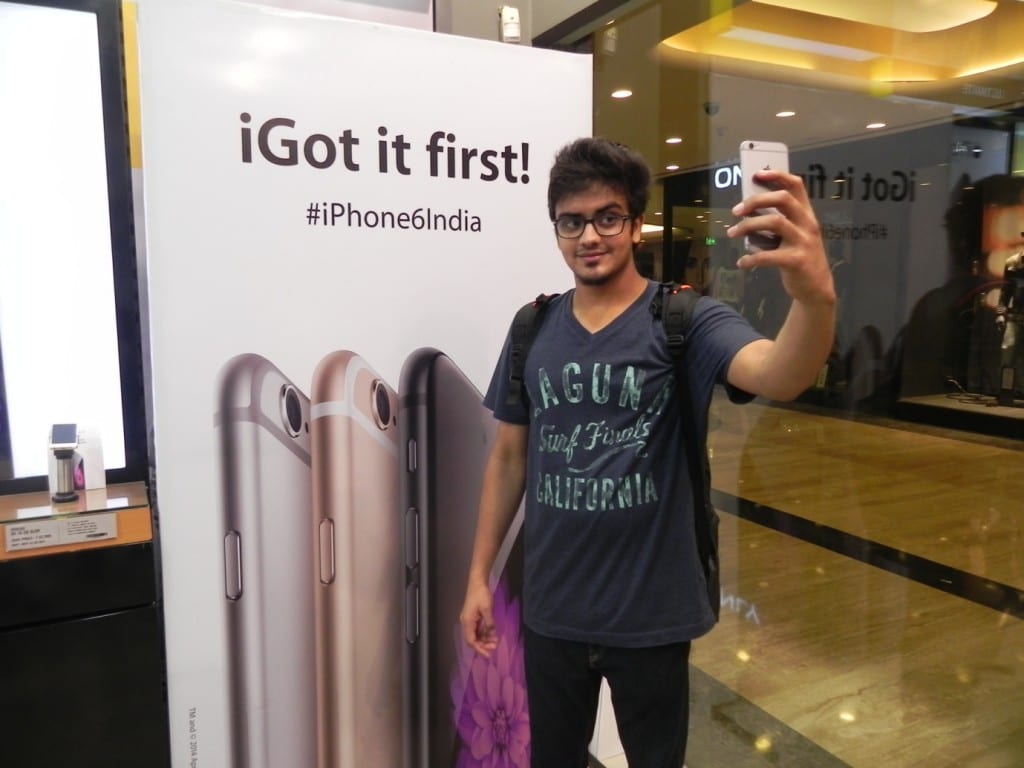
    Apple Stores will now officially enter Indian shores in partnership with Tata-owned consumer electronics chain Croma which will host Apple at six locations – five in Croma stores, Mumbai and one in Bangalore – to begin with. The locations are Juhu, Oberoi Mall, Malad, Ghatkopar, and Phoenix Mall in Mumbai. In Bangalore, it will be opened in Jayanagar. These stores will be opened by Diwali this year.

    Avijit Mitra, chief executive officer of Infiniti Retail, which owns Croma said, “We are proud to partner Apple to launch the Apple Store in India and extremely bullish about it. These stores will be modelled on the global design and will offer the best experience to consumers, showcasing the entire range of Apple products.”

    It should be pointed out that these stores will be different from Apple exclusive stores in India. Apple will not own these stores, but has franchisees who are premium re-sellers. Apple products are sold online via e-commerce portals as well.

    The Apple space will be 400-500 square feet in area and the store design, furniture, fixtures and lighting will the same as that used in Apple stores globally and the sales staff will also be trained by the company, the report added.

    Croma has stated that it has 97 stores across the country with 3.8 million customers where as Apple owns more than 460 stores in 17 countries. The company has significantly increased its retail presence in the country in the past year with five distributors in India.

  • Hong Kong retail sales reflect tourism downturn

    Hong Kong retail sales reflect tourism downturn

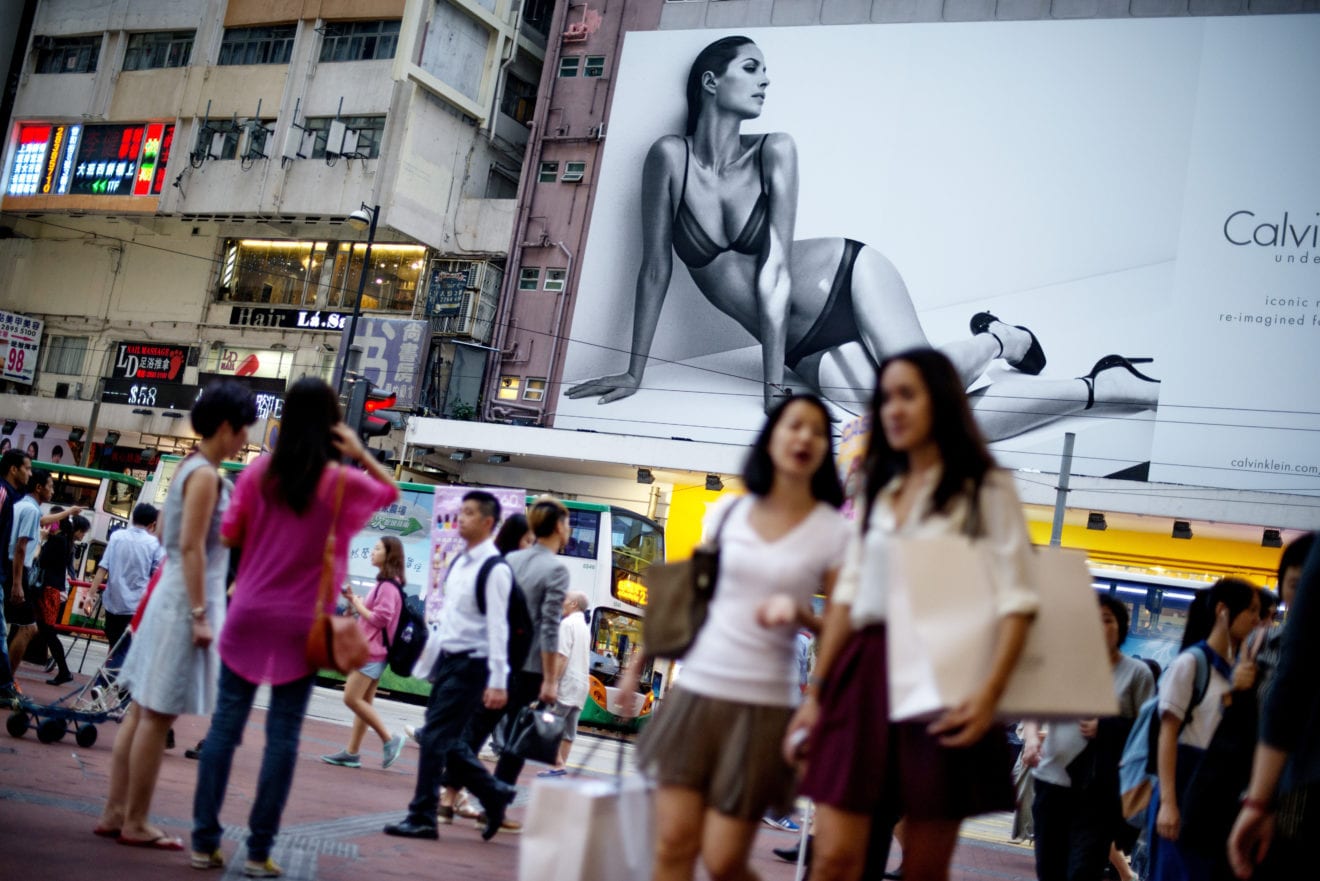
    The devil is in the detail in the August Hong Kong retail sales data.

    Census and Statistics Department (C&SD) figures show a 5.4 per cent drop year on year in the total value of retail sales in August, provisionally estimated at $37.9 billion.

    After netting out the effect of price changes over the same period, the volume of total retail sales in August 2015 decreased by 0.2 per cent.

    The root cause of Hong Kong retail industry’s challenge is very clear from the breakdown of the data by category. It’s the reduced volume of inbound tourists from the mainland – and their reduced spending. And, to a degree, a shift in the timing of the Mid-Autumn festival, although early indications from retailers say this year’s trade is one of the worst on record.

    A government spokesman observed the fall “was in part due to the slowdown in inbound tourism, while the stock market gyrations of late might also have dented consumer sentiment”.

    Here’s where the detail comes in:

    • Sales of Chinese drugs and herbs fell 17.4 per cent.
    • Apparel fell 13.5 per cent.
    • Jewellery, watches and clocks and valuable gifts by 8.8 per cent.
    • Department store sales by 8.6 per cent.

    These are all categories which in the past were supported heavily by inbound tourists. Those tourists – lured by the prospect of their cash stretching further, are now heading to Japan, South Korea (now the Mers crisis is over) and Europe. Especially those who can afford the higher air fares to such destinations.

    In other categories, medicines and cosmetics fell 5.1 per cent, food, alcoholic drinks and tobacco by 10.2 per cent, books, newspapers, stationery and gifts by 4.4 per cent; footwear and accessories by 4.4 per cent; furniture and fixtures by 5.9 per cent and optical shops by 8.1 per cent.

    The only bright spots for the month were “miscellaneous consumer durable goods” up 50.2 per cent (it’s a small category) and photographic equipment up 3.9 per cent. Supermarket sales rose a meagre 0.4 per cent.

    Seasonally adjusted, the value of total retail sales decreased by 0.2 per cent in the three months to August compared with the preceding three months, while the volume of total retail sales remained virtually unchanged.

    The government spokesman concluded: “The near-term outlook for retail sales is still subject to uncertainties, depending on the performance of inbound tourism and on whether there would be further negative impact from the recent heightened stock market volatility.”

  • Blooming Sweet nail art concept goes global

    Blooming Sweet nail art concept goes global

    Blooming Sweet, the online shopping mall specialising in DIY nail art materials is rapidly gaining popularity in Hong Kong, Japan, Singapore and the US.

    CEO Kim Sun-Hee has been a famous nail artist in Korea for over 10 years, and launched Blooming Sweet in 2011 to promote the nail art market in Korea.

    Currently, Blooming Sweet carries gel nail products and accessories essential for creating nail art. Unlike existing nail polish products, gel is applied to nails and cured under an LED or UV lamp. Gel nails have gained great popularity for their excellent colors and long-lasting effects.

    Blooming Sweet has been selling its products worldwide since 2012 after participating in an international expo held in Japan, a pivotal moment which led to an influx of orders from buyers globally. Blooming Sweet also sells customised accessories especially designed based on suggestions by buyers keeping in mind the local circumstances and trends.

    The products of Blooming Sweet can be purchased through both Korean and English pages of theonline shopping mall developed by Korea’s largest eCommerce solution brand, cafe24.

    “It would be great if products related with K-Beauty can gain more international recognition,” said Kim, later adding: “Blooming Sweet will continuously make efforts to learn about the beauty trends around the world to grow into the world’s best nail art brand.”

  • China’s JD.com expands operations to Silicon Valley

    China’s JD.com expands operations to Silicon Valley

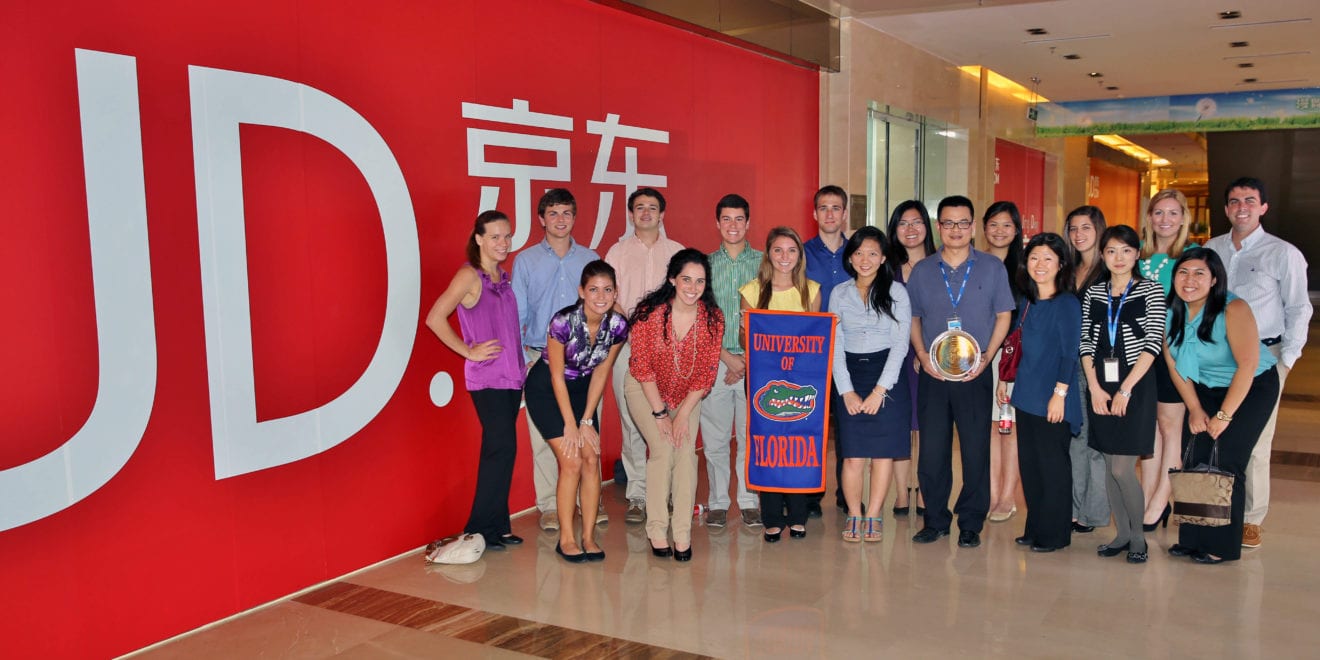
    JD.com, China’s second-largest e-commerce services provider by sales, has expanded its operations in the United States, with the opening on Monday of a research and development facility in Santa Clara, California — right in the centre of Silicon Valley.

    “Given the scope and strength of American brands, products and capabilities, the US was the obvious choice as we sought a location for our first office outside of Asia,” said Richard Liu Qiangdong, the founder and chief executive of JD.

    The move followed JD’s unveiling last month of a new office in Hong Kong that was set up to help the Beijing-based company better engage with major brands and retailers across Asia.

    Dennis Weng, the chief technical advisor for JD Mall, has been tasked to initially oversee the new US facility, which will focus on areas such as cloud computing, mobile applications and big-data infrastructure to improve the online retail experience for its customers in mainland China and boost the company’s US-sourced offerings.

    JD’s research and development operation is also expected to provide both rotational job possibilities for engineers in China and opportunities for certain skilled technical workers in Silicon Valley.

    “Our nearly 120 million active customers stay loyal because they know we work continuously to improve their shopping and fulfillment experience by implementing the most advanced technologies and processes,” said Rain Long, JD’s chief human resources officer and general counsel.

    Nasdaq-listed JD launched a “US Mall” marketplace on its website, dedicated exclusively to meeting the demand on the mainland for authentic imported American products.

    “As we build out and staff our new facility in the coming months we look forward to forging new partnerships and attracting new talent that will help JD.com achieve its goals of delivering an unparalleled level of service and quality,” Long said.

    JD, which posted second-quarter revenue of 45.9 billion yuan (US$7.2 billion), claims it has the largest fulfilment infrastructure of any e-commerce company in mainland China.

    It operates seven so-called fulfilment centres and a total of 166 warehouses in 44 cities. In addition, its own staff runs 4,142 delivery stations and pick-up stations in 2,043 counties and districts across the country.

    Efforts to widen JD’s international sourcing capabilities are in line with the company’s announcement in August of expanding into 100,000 villages across mainland China by the end of this year. This marks the company’s most aggressive domestic market expansion since 2013, when it started its foray into lower-tier cities..

    “Management expects to see more than 50 per cent order contribution from lower-tier cities in the near term,” Jefferies equity analyst Cynthia Meng said in a report.

    Meng said the fastest-growing product categories on business-to-consumer e-commerce platform JD Mall included apparel and shoes, home furnishing, watches, food and beverage, cosmetics and baby products.

    JD’s rural expansion would heat up competition with domestic market leader Tmall.com, e-commerce giant Alibaba Group’s business-to-consumer operation, in that fast-growing market segment.

    The number of online shoppers in rural mainland China increased 40.6 per cent year-on-year to 77.14 million at the end of December, according to data from the China Internet Network Information Centre.

  • Matahari speeds up G7 rollout

    Matahari speeds up G7 rollout

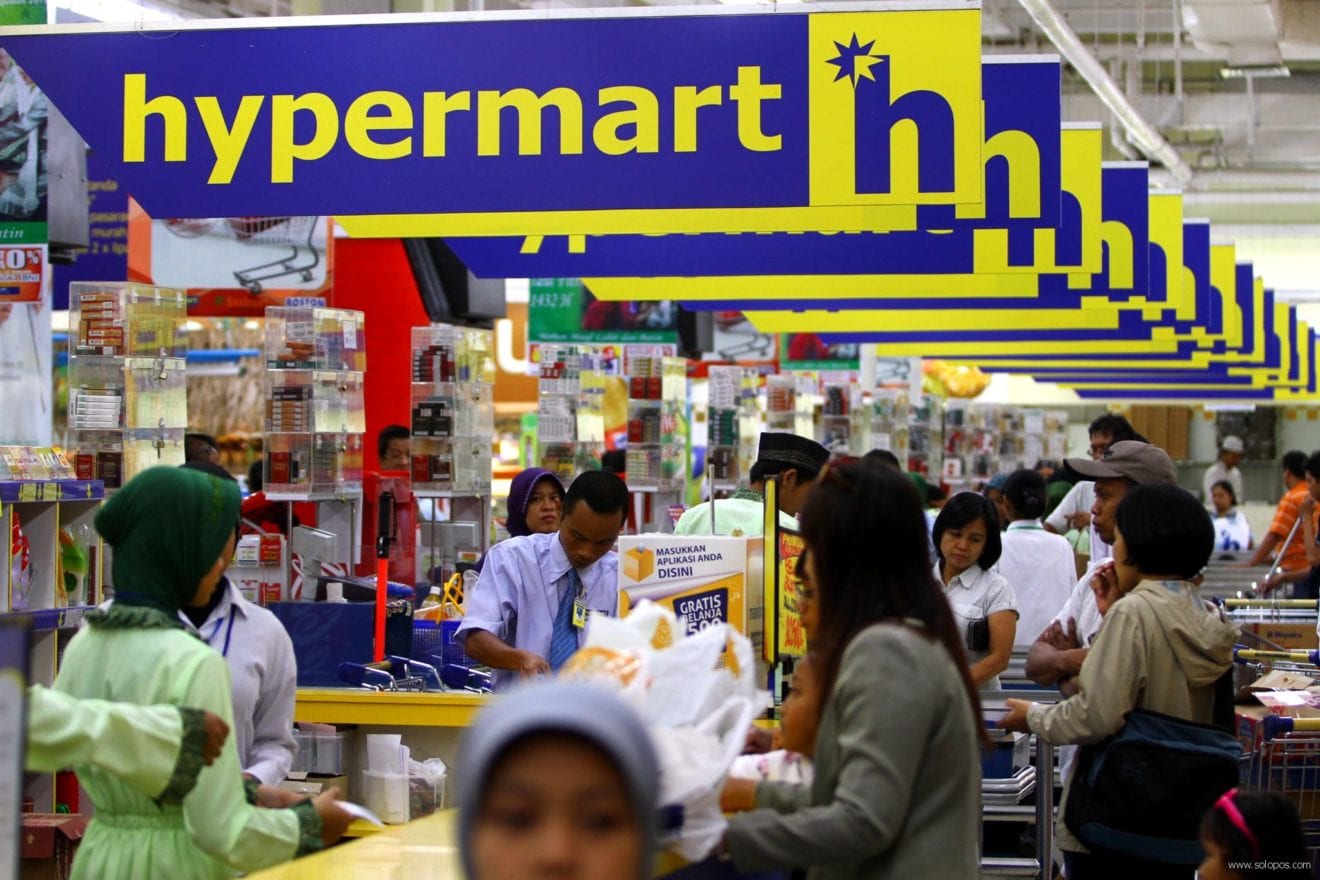
    PT Matahari Putra Prima has relaunched its Hypermart G7 concept at Metro Indah Mall Bandung in West Java.

    Another Hypermart store within the same province reopened on September 26, at Depok Town Square as the multi-format Indonesian retailer speeds up its hypermarket modernisation program.

    The Hypermart G7 generation features a new type of gondola shelving with wider hallways to provide better navigation for customers, as well as a larger fresh foods area. Fashion and Beauty centres were upgraded and expanded and there is more emphasis on bakery, ready to eat meals, fresh food, bulk food and home & living.

    Director of public relations and communications, Danny Kojongian. said the openings not only represent stronger Hypermart’s presence within the regions, but also Matahari’s commitment to delivering its outstanding G7 Hypermarts to Indonesian consumers despite the current challenging macro-economic condition.

    “We are proud and honoured with our participation to strengthen the nation’s economy through Hypermart expansion, reinventing Foodmart supermarkets and starting to cater to the B2B segment throughout the regions,” he said.

    “MPPA is poised further to become the No. 1 Multi-Format FMCG Modern Retailer in Indonesia.

    Hypermart MIM Bandung is the seventh outlet to be renovated to the new G7 format. Two new ones have also been opened.

  • Guangfuhao Hong Kong store opens

    Guangfuhao Hong Kong store opens

    Taiwanese handmade canvas bag store, Guangfuhao, has opened its first Hong Kong store.

    Guangfuhao was established in 2009, not only to nurture Taiwanese traditional industry and promote the craftsmanship of Taiwanese masters, but also cultivate a new generation to join the industry.

    Founder Po Lee said the Guangfuhao Hong Kong store will range a series of canvas bags designed to cater to the lifestyle needs and work purposes of Hong Kong people.

    “Hong Kong is an open and international city and people here are multilingual with global vision. International brands have already built their presence in the city. That’s why we decided to open our first store in Hong Kong which is a very important step for us to go global.

    “The Taiwan market is small and competitive. If we want to expand our business, we need to enter into the global markets. Hong Kong as the world city offers a perfect foothold for us to market our products and promote our brand.”

    Associate director-general of investment promotion Dr Jimmy Chiang said “Hong Kong has a “very dynamic retail industry” with a variety of international brands as well as boutique stores using the city to expand their business.

    “The large number of international and Mainland Chinese visitors every year provides huge business opportunities and a global branding leverage, making the city  the best window for overseas retailers to expand their global business.”

    Guangfuhao uses pure cotton canvas to produce its bags. All components, from zipper to buckle, from strap to thread, are made in Taiwan.

  • TWG Teas plays down pesticide scare

    TWG Teas plays down pesticide scare

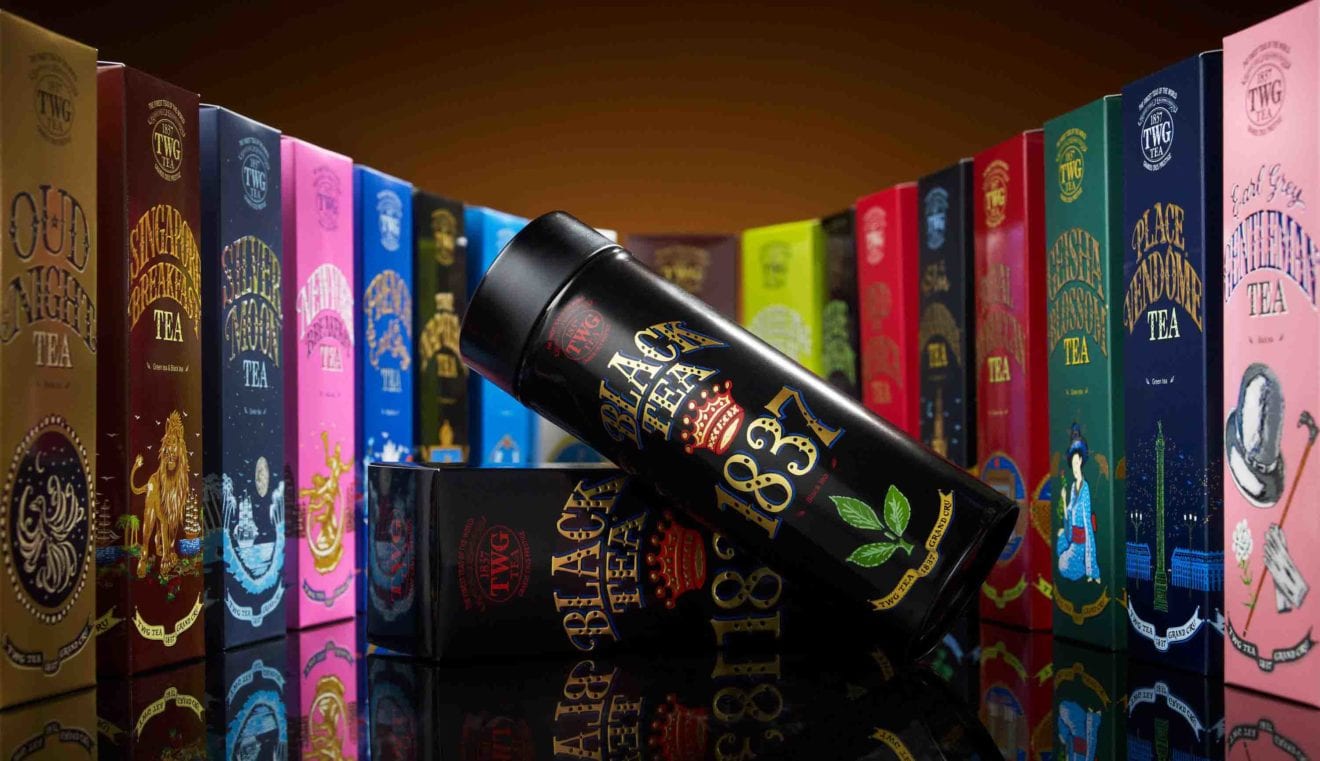
    Osim International subsidiary, upmarket tea chain TWG, is playing down a pesticide report in Taiwan.

    Taiwan’s Food and Drug Administration says it found excessive levels of pesticide residues in TWG’s Chamomile Green Tea sourced from India.

    TWG has retail stores in Singapore, Malaysia, Japan Cambodia, Taiwan, Hong Kong, Korea and the Philippines, China, Indonesia and Thailand as well as in Europe, and sells packaged teas online. It positions itself as a high end, gourmet tea brand.

    But a TWG Tea spokeswoman Maranda Barnes told The Business Times the issue has been “overblown” by Hong Kong media, and consumers in Singapore, Hong Kong, China and Taiwan had nothing to be concerned about.

    She said the Chamomile Green Tea had passed tests by Singapore authorities, but been rejected by the Taiwan FDA.

    Barnes said tea leaves in Taiwan are tested in the same way as fresh fruit and vegetables designed to be chewed and swallowed – yet if a residue was present in a tea leaf it would be infinitely diluted when infused as tea is designed to be drunk.

    She said it was impossible to test every tea for every one of 300 pesticides in existence.

    “We put our teas through a battery of tests. Unfortunately, we cannot test for every single chemical in the world in every batch. In Taiwan, even if a product was rejected and sent back, the government will promote the rejection through the media.”

    TWG is in ongoing discussions with Taiwan’s FDA regarding the test results.

  • Caffe Bene Vietnam starts franchising

    Caffe Bene Vietnam starts franchising

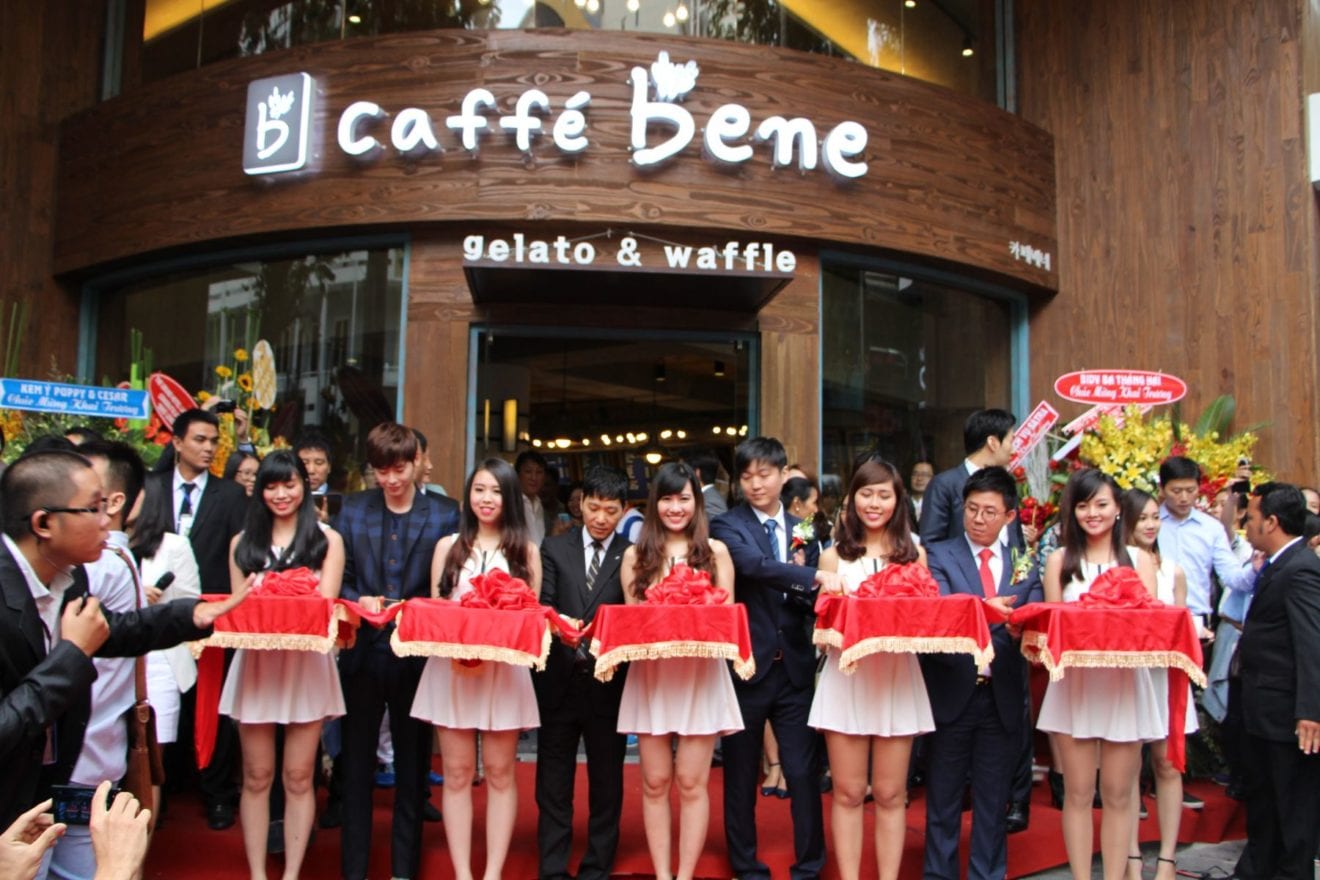
    Korean coffee chain Caffe Bene has opened its first franchised store in Vietnam.

    Caffe Bene Vietnam’s third store – its first franchised outlet – is located in the recently opened SSC VivoCity shopping centre in Ho Chi Minh City’s District 7, a popular expat residential area.

    While coffee is at its core, Caffe Bene has attracted a large customer base of Vietnamese due to its shaved ice desserts, bagels and ice cream.

    The first Caffe Bene store opened in Ho Chi Minh City last year in a prime two-storey corner site on the city’s main shopping street Dung Khoi, in premises vacated by apparel chain Esprit. Queues formed from day one.

    Now that it has refined its offer and gained market experience through its two company-owned stores, the company is launching its franchise program. It plans to have 50 stores trading in Vietnam by the end of next year.

    Caffe Bene Korea is focusing on international expansion after reaching saturation point in its own market with a network of 810 stores. It has more than 500 stores in China and two in the US. It will also take its brand to the Middle East after signing a franchise agreement with Saudi Arabia-based Keden Group.

  • Can American Apparel be saved?

    Can American Apparel be saved?

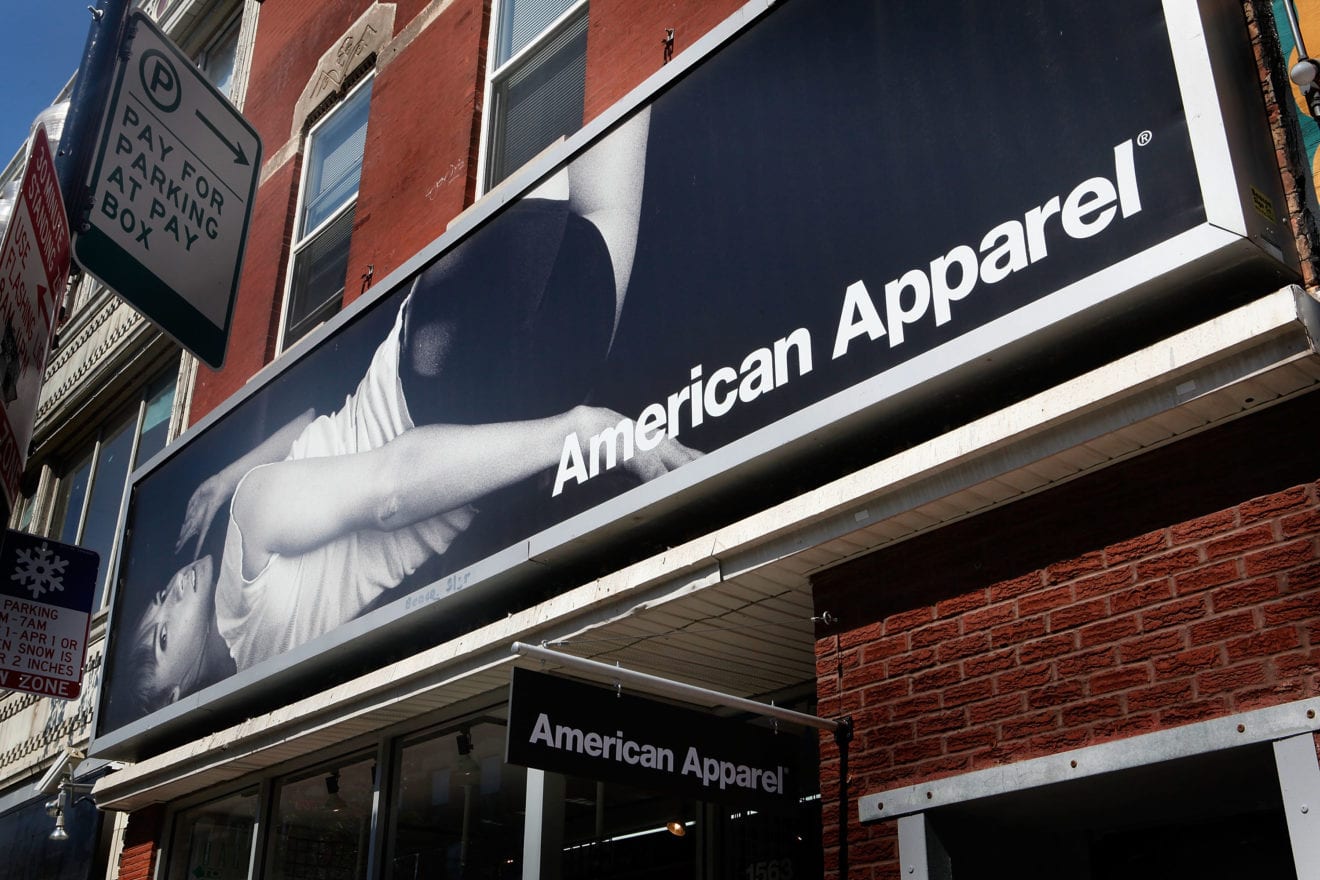
    American Apparel, the controversial teenage-oriented fashion brand founded in 1989, has been placed in Chapter 11 bankruptcy protection.

    The company says it intends to pay its suppliers in full under normal terms for goods and services provided.

    The move comes a year after the company ejected its founder Dov Chaney, currently embroiled in a legal battle with the business. Chaney has a string of sexual harassment charges and controversies surrounding his leadership of the business, which was also criticised in the past for its sexualisation of models and risque clothing.

    Neil Saunders, CEO of Conlumino, said a “triumvirate of rapidly falling sales, a balance sheet laden with debt, and several ongoing management crises has finally proven too much” for the iconic retailer.

    “Bankruptcy protection is, in our view, the only viable option for American Apparel which is crippled by $311 million of debt and subject to a number of corporate lawsuits, including those brought by Charney.”

    If granted by the federal court, Chapter 11 will allow the company to reduce its debt to $120 million under a debt-for-equity conversion; consequent interest payments would be reduced by some $24 million a year, giving the company much needed breathing space. However, most importantly, protection would temporarily forestall any pending lawsuits, which will allow management to focus on its turnaround program rather than fighting legal battles.

    “Arguably, the big loser will be founder Dov Charney, who will not only see his legal proceedings delayed but will also find, along with other shareholders, his holding in the company (currently worth some $8.2 million) wiped out,” says Saunders.

    In our view, while Chapter 11 gives American Apparel some space to sort out its various issues it is not, in and of itself, a solution to the retailer’s woes. Paula Schneider, the current CEO, and her team – many of whom look likely to stay on through the process – must proactively use the opportunity of Chapter 11 to reinvent and reestablish the company,” he said.

    “While the turnaround will be tough, we do have confidence that Ms Schneider understands the issues and has a plan of action. Indeed, at the last set of quarterly results she clearly outlined a number of initiatives – including streamlining costs, new fall collections, and the strengthening of the leadership team – in order to help revive sales and profits. We are also encouraged by the more favorable trading numbers coming from a number of American Apparel’s teen competitors: the trading backdrop is now more favorable than it once was.”

    But Saunders cautioned that “ big questions remain” around both brand and product.

    “On the former, it is still not clear what American Apparel is trying to change to. We know that the company is looking to be more ethical in its marketing, relying far less on the sexual overtones it has used in the past. However, as welcome as this may be, it does mean that a fresh viewpoint is needed in order to give the company a clear and cohesive brand image.

    “The search for a point of view and a handwriting for its ranges is also a crucial one, and is something that American Apparel needs to sort out as quickly as possible. This is especially so with competition intensifying, with the expansion of players like Forever 21, H&M and now, albeit on a smaller scale, Primark.

    “Without a distinct identity, we fear American Apparel will simply remain lost in the murkiness of the teen apparel market,” said Saunders

    “Chapter 11 buys only time. Whether the company and its management use that time to solve the deep seated issues remain to be seen.”

  • Metro Retail Stores Philippines IPO approved

    Metro Retail Stores Philippines IPO approved

    The Philippines Securities and Exchange Commission has approved Metro Retail Stores Philippines’ initial public offering, with the retail chain expected to raise P6.17bn (US$135m) next month.

    Run by the Gaisano family, Metro Retail Stores operates hypermarkets and supermarkets across the country, and plans to use the proceeds from the float to expand its network of stores, and construct a new distribution centre.

    Metro Retail Stores plans to sell up to 1.01bn shares at P6.1 (US$0.13) each, with the price to be finalised on 28 October head of an expected 12 November listing.

  • Qantas and Singapore named the best airlines in the world by AirlineRatings.com

    Qantas and Singapore named the best airlines in the world by AirlineRatings.com

    Qantas has been named as one of the best airlines in the world if you want to travel in style.

    Popular travel rating website Airlineratings.com has announced the winners for their third annual Best of the Best in luxury air travel, and Qantas, along with Singapore Airlines were clearly ahead of the competition.

    Editors of the site examined the offerings and in-flight service of more than 450 airlines.

    Qantas and Singapore made it into the Top Ten in each of the four categories, while Air New Zealand, Cathay Pacific Airways and Etihad made the Top Ten in three of the categories.

    This lucky guy has plenty of room to stretch out in his first class seat on a Singapore Airlines A380 airliner.

    This lucky guy has plenty of room to stretch out in his first class seat on a Singapore Airlines A380 airliner.

    AirlineRatings.com Editor-In-Chief Geoffrey Thomas said that it was “not surprising that Qantas, Singapore Airlines, Air New Zealand, Cathay Pacific Airways, Etihad Airways and the Virgin Group featured so significantly in the Top Ten selections. These airlines are consistently a byword for in-flight excellence and service. They are the trendsetters and the industry looks to what they are doing next.”

    AirlineRatings launched in June 2013 and rates the safety and in-flight product of 450 airlines using a proprietary system.

    The winners — in alphabetical order:

    FIRST CLASS: All Nippon Airways, Emirates, Etihad Airways, Japan Airlines, Korean Air, Lufthansa, Qantas, Singapore Airlines, Swiss and Thai International

    BUSINESS CLASS: Air France, Air New Zealand, All Nippon Airways, Cathay Pacific Airways, Etihad Airways, Japan Airlines, Qatar, Qantas, Singapore Airlines and Virgin Australia/Atlantic

    You can watch the clouds go by or pop on the tele in first class on board Singapore Airlines' Boeing 777-300ER aircraft. Supplied.

    You can watch the clouds go by or pop on the tele in first class on board Singapore Airlines’ Boeing 777-300ER aircraft. 

    PREMIUM ECONOMY: Air France, Air New Zealand, All Nippon Airways, British Airways, Cathay Pacific Airways, EVA Air, Japan Airlines, Qantas, Singapore Airlines and Virgin Atlantic/Virgin Australia

    LONG HAUL ECONOMY CLASS: Air New Zealand, Cathay Pacific Airways, Etihad, EVA Air, Japan Airlines, Korean Air, Qantas, Qatar Airways, Singapore Airlines and Thai Airways

    In June, Qatar Airways was voted the best airline for 2015 in the annual Skytrax awards for the world’s best airline.

    Time for a dinner date on board a Qantas A380. Supplied.

    Time for a dinner date on board a Qantas A380.

    Meanwhile, in June the presitigous Skytrax awards were revealed, with Qantas coming in at number 10 on the list. The awards are judged by 18.9 million passengers in 110 countries around the world who vote on factors such as comfort, friendliness of cabin crew and in-flight food.

    The top ten airlines included Singapore Airlines, Cathay Pacific, Turkish and Emirates.

    In the low-cost airline category AirAsia was voted the world’s best for the seventh year in a row, despite the tragic accident in the Java Sea last year that killed all 162 people on-board flight QZ8501.

    Other awards included Garuda Indonesia for best cabin crew, Air France for most improved airline, EVA Air for cleanest aircraft cabins and Cathay Pacific for best transpacific airline.

    The best airlines for 2015, according to Skytrax:

    1. Qatar Airways

    2. Singapore Airlines

    3. Cathay Pacific Airways

    4. Turkish Airlines

    5. Emirates

    6. Etihad Airways

    7. ANA All Nippon Airways

    8. Garuda Indonesia

    9. EVA Air

    10. Qantas Airways

    The fancy Qantas Chairman's Lounge at Sydney Airport serves up some first class food. Supplied.