Blog

  • Future fashion: Clothes which think

    Future fashion: Clothes which think

    Clothes which change shape; change temperature – and even colour. Welcome to future fashion.

    To celebrate the launch of its new smartwatch, Huawei Consumer Business Group has teamed up with ‘fashion futurologist’ and professor of fashion and technology, Dr Sabine Seymour, to reveal how the integration of technology will transform our wardrobe in the coming decades.

    According Seymour, the transformation in garments will start with our underwear, which will have in-built sensors to track personal data, such as heart rate and body temperature.

    The changes won’t end there, with personalisation in every aspect of our wardrobes. In years to come, we will be able to change the pattern, colour and even the shape and style of our garments.

    “The next development for wearables is going to see technology integrated seamlessly into clothing,” Seymour predicts.

    Her vision of the future of fashion with technology aligns perfectly with Huawei’s point of view on wearables: The Huawei watch embodies this vision, combining classic design with smart technology.

    In the future, we may find there is much more space in our wardrobes, as garments will be able to alter in form, extending and contracting in length, and changing shape and design as required. Therefore, there may only be a need for one dress or shirt and the wearer will be able to download the latest designs.

    Getting hot on public transport or carrying a spare sweater in case of colder weather could also become a thing of the past, as garments will be able to adjust to your body temperature.

    With the rise of 3D printing techniques and on-demand manufacturing, we will see the introduction of the digital cobbler, who can create shoes that fit your feet perfectly, and for the rest of your life.

    Garments will become gesture and touch-sensitive, just like phones, tablets or gaming systems are today, but with a sense of style and a true design aesthetic, explains Seymour.

    Fashion_embracing_technology__-_all_features

    “By connecting your garments to other elements of your life, we will see a move from networked devices to networked people and networked spaces. In future, it will be possible for smart garments to connect to your car, which will adjust your seat according to personal preferences.”

    A major barrier to the networked self is the current limitation of battery life. Using alternative energy sources, such as capturing the kinetic energy of a person as they walk, we will be able to create a new form of sustainable fashion.
  • Dalian Wanda, Suning plan store rollout

    Dalian Wanda, Suning plan store rollout

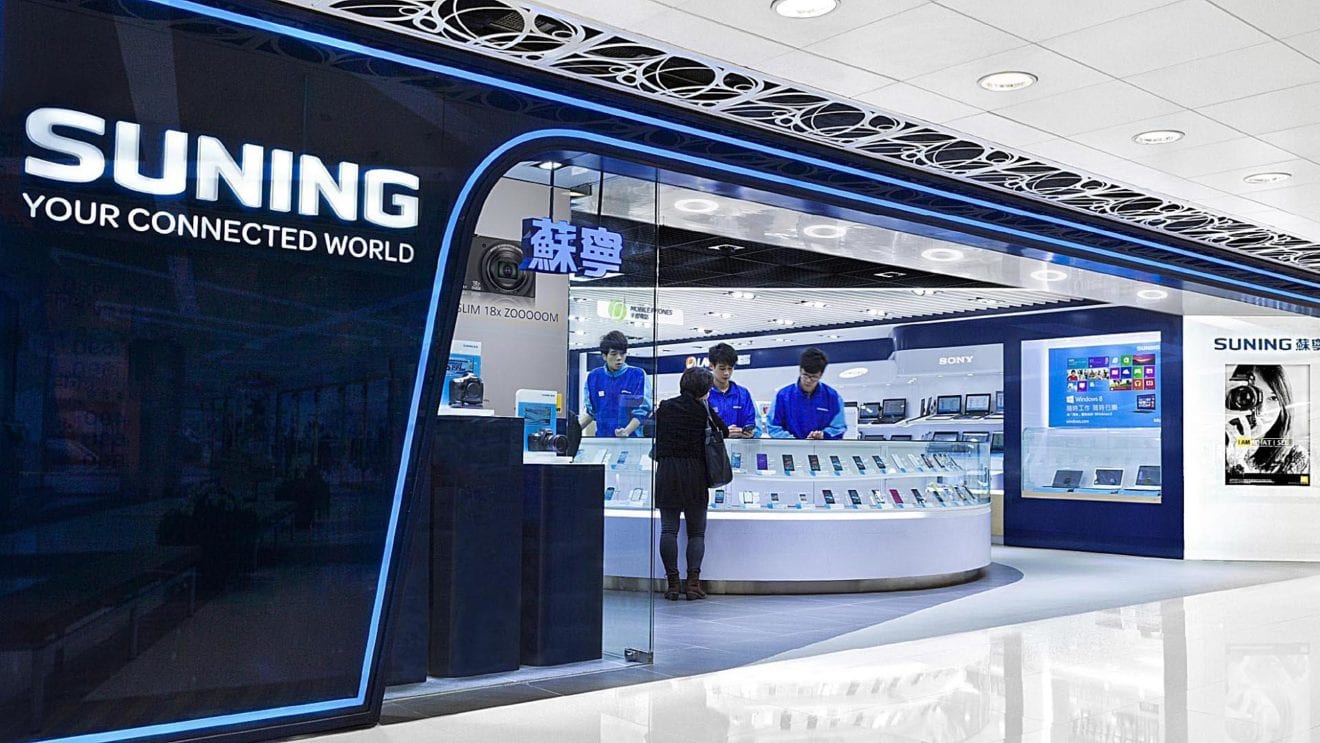
    Mall operator Dalian Wanda Commercial Properties is partnering with Suning to open electronics stores at Wanda Plazas throughout the Mainland.

    The partnership will see 40 stores open by the end of this year with more planned for next year. Suning, now 20 per cent owned by Alibaba Group, currently has a network of 1600 stores throughout China.

    Dalian Wanda has 100 Wanda Plaza shopping centres in China currently and plans to add 35 by the end of this year.

    The company is changing nature from its original model as a department store operator into a services-based company. It recently announced the closure of its Superstar karaoke chain as well as some of its less profitable department stores.

    The company owns the AMC cinema chain in the US, Hoyts in Australia and China’s largest network of movie theatres.

  • Sainsbury’s lands in China through tie-up with ecommerce giant Alibaba

    Sainsbury’s lands in China through tie-up with ecommerce giant Alibaba

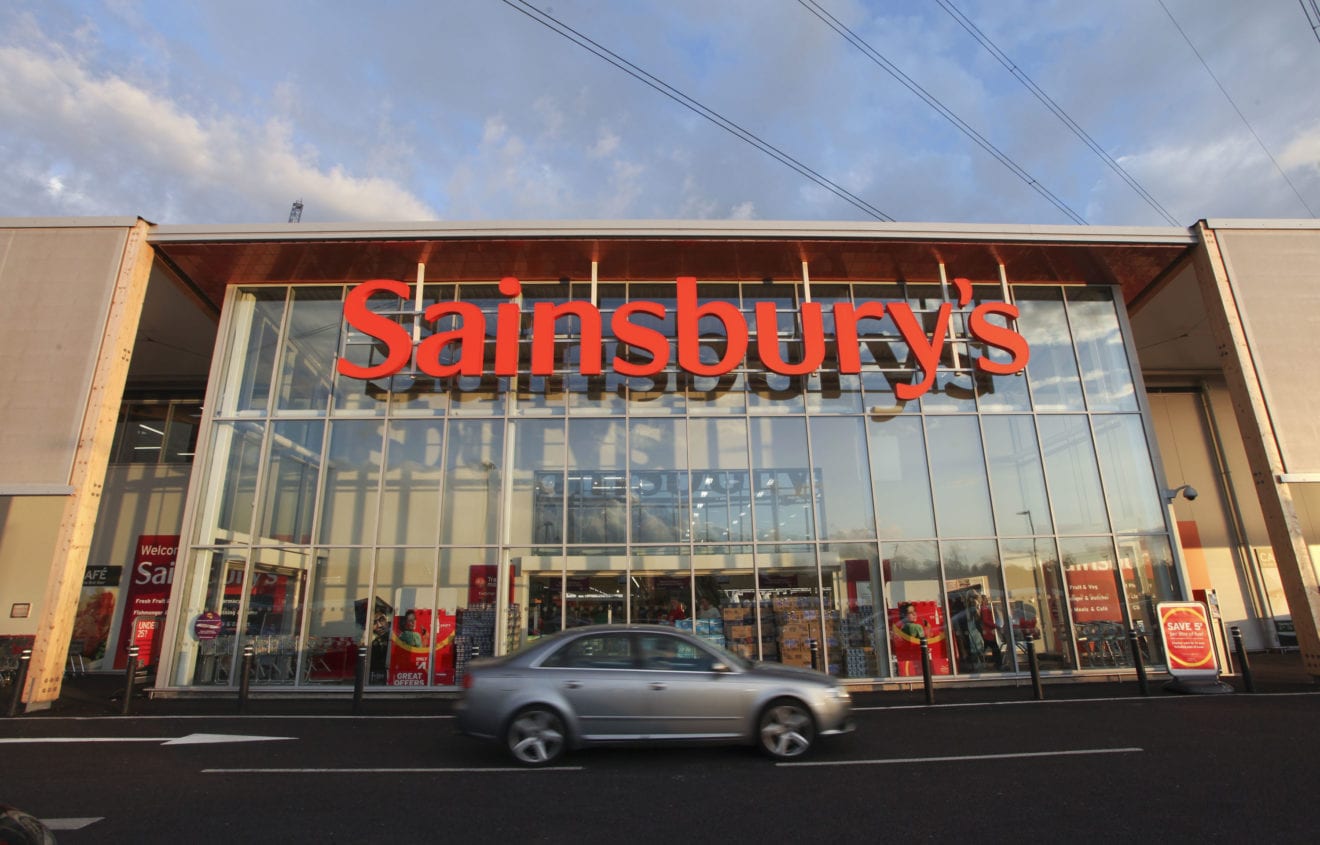
    Sainsbury’s has launched in China through a partnership with Alibaba’s Tmall website five years after first exploring an entry into the country.

    The grocer began testing the waters in China this week, Retail Week has learned, and is initially focusing on selling “high-quality ambient product” to tap into the growing demand in China for premium organic ranges.

    China’s online grocery market is forecast to grow five-fold to almost $180bn (£115bn) by 2020, according to IGD. It will be worth almost $70bn more than the other top nine online grocery markets combined in 2020.

    However, confidence in the growth prospects of the Chinese economy has taken a hit of late as fears grew the economy’s growth was slowing quicker than expected.

    Chinese consumers are placing a growing emphasis on the provenance of products after a series of food supply scandals in the country.

    In January last year Walmart recalled a donkey meat product in China after tests by The Shandong Food and Drug Administration revealed it contained DNA of other animals, including foxes.

    Sainsbury’s is selling own-brand long-life British milk from a Devonshire dairy on its Tmall website. Other products being sold include a baby range and the components of British afternoon tea, including speciality teas, coffees and biscuits.
    A Sainsbury’s spokeswoman said: “‘We are trialling a small number of ambient products for sale on the Alibaba platform, including So Organic and Taste the Difference lines, for sale through the Chinese online market.”
    It is understood Sainsbury’s is not planning to open any physical stores in the country.

    Sainsbury’s first sent a six-man team to China in order to explore the possibility of opening stores in China in 2010.

    However, plans were shelved, and it is believed top executive Darren Shapland stood down as a result in 2011. Shapland had been asked to study the possibility of overseas expansion, including China.

    The Sainsbury’s spokeswoman said it was too early to say how the launch is progressing, but the grocer may release initial results as early as next week.

  • As Sales Slump, Hong Kong’s Luxury Jewelers Think Local

    As Sales Slump, Hong Kong’s Luxury Jewelers Think Local

    Hong Kong businesses, which used to focus their advertising predominantly on mainland tourists, are now setting their sights on Hong Kongers themselves in an effort to make up for sluggish sales as cross-border visits are drying up.

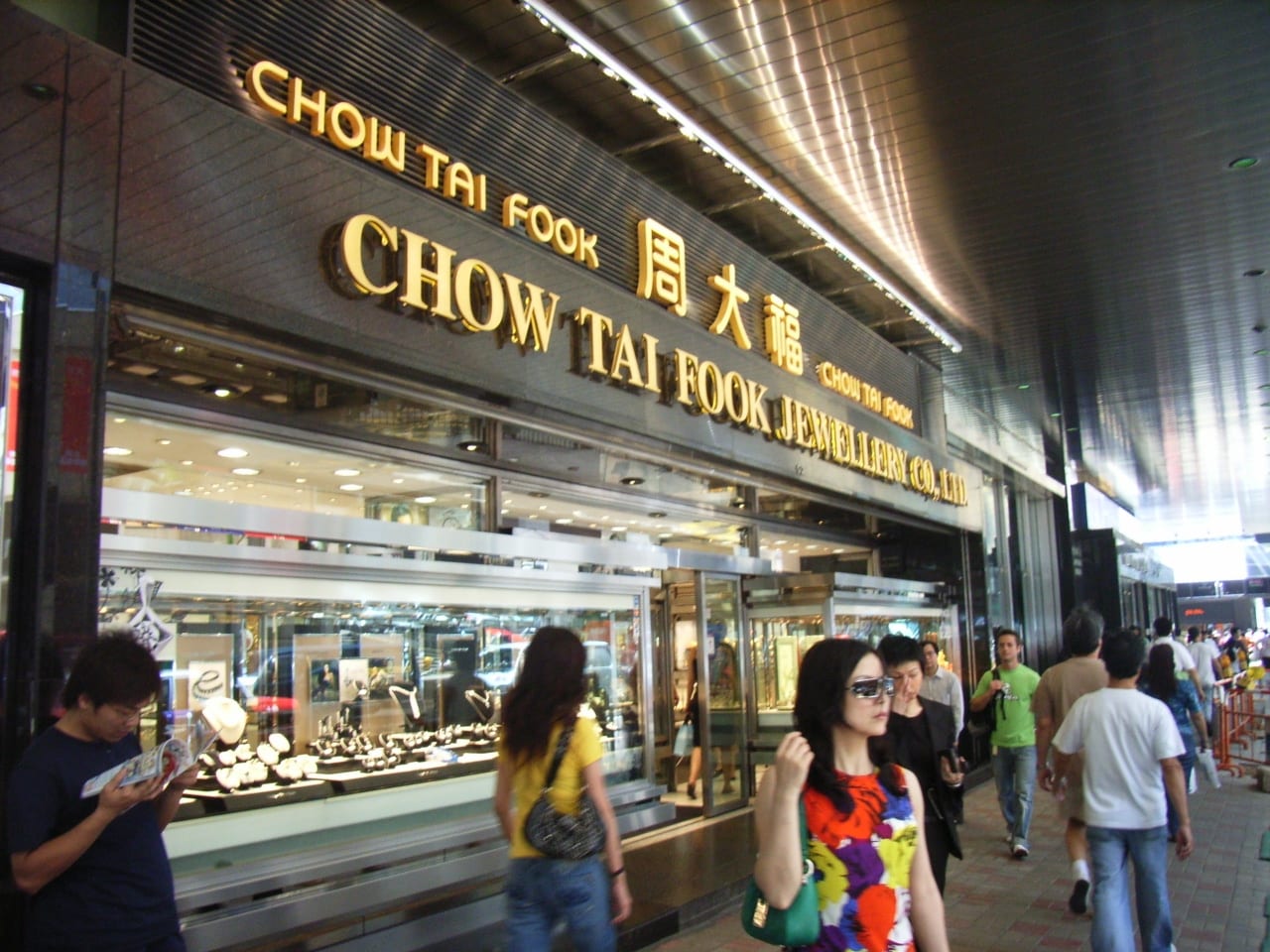
    Luxury jewelers such as Chow Tai Fook Jewellery Group Ltd. and Luk Fook Holdings International Hong Kong Ltd. are tapping into the spending power of the city’s seven million residents through promotional offers and special events. Although their stores are seemingly ubiquitous and their advertisements are plastered all over Hong Kong’s busses, they have not always considered the city’s residents their top priority, analysts say.

    “Previously, jewelers took local consumers for granted,” said Emily Huang, consumer analyst at Barclays. “Although locals grew up with the brand, they wouldn’t buy in bulk like Chinese tourists do.”

    The former British colony has long been the favored destination for mainland Chinese consumers looking to purchase everything from Swiss watches to medicinal oils. Industry experts say that in recent years, spending by mainlanders has accounted for as much as 40% of all retail sales in the city.

    But a crackdown on conspicuous consumption has led some mainlanders to hold back on buying luxury goods – and those that do purchase them are instead flocking to places with weaker currencies, such as Europe and Japan, rather than Hong Kong.

    Tighter visa restrictions for visitors from the southern Chinese boomtown of Shenzhen, which neighbors Hong Kong, have also slowed the flow of cross-border visits.

    In July, nearly 10% fewer mainland Chinese tourists traveled to Hong Kong compared with a year earlier, and retail sales by value contracted by 2.8%. Luxury retailers such as Prada and Burberry now report slumping sales, and Coach last month closed its four-story shop in prime Central district.

    The drop has hit luxury jewelers particularly hard: Chow Tai Fook and Luk Fook reported a respective 24% and 19% contraction in same-store sales in Hong Kong for the three months ending in June,compared to a year ago.

    With retail sales continuing to fall and tourist arrivals slowing, the jewelers have had to innovate to stay afloat. Chow Tai Fook is now organizing parades of its products in residential neighborhoods and is hosting events to bring residents into its shops. Luk Fook has begun planning luncheons and fashion shows for repeat buyers and is offering do-it-yourself jewelry sessions for VIP customers.

    The slump is not just affecting luxury stores; several mid-market businesses, including cosmetics retailers and drugstores, have also been shuttered.

    The city’s major theme parks, Ocean Park and Disneyland, are also shifting their tactics, offering discounts to local ID card holders. A spokesperson for Ocean Park billed the theme park as the “Hong Kong people’s park” in a statement — even though 65% of its visitors are tourists. Disneyland says nearly half its visitors are mainland Chinese.

    “A lot of locals actually stopped going [to theme parks] because there were too many tourists,” said Nicole Wong, an analyst at CLSA. “They can definitely do something to attract more locals to go.” She is more skeptical of the ability of jewelry chains and drugstores to draw local customers, however. “Hong Kong people can’t buy that many drugs,” she said.
    The city’s chief executive Leung Chun-ying has also said he is concerned about the drop in visitor numbers and has cast blame partly on “particular activities that have taken place in Hong Kong in the past year.” The city has been rocked by last year’s pro-democracy Occupy Central campaign as well as by ongoing small-scale protests by Hong Kong groups angry at the influx of mainland Chinese shoppers in specific neighborhoods close to the border.It’s unlikely that consumption by the city’s 7 million residents could make up for the more than 47 million Chinese tourists that streamed into Hong Kong in 2014. Local shoppers usually buy diamonds and gold products in small quantities as gifts for special occasions, not in bulk as visitors typically do. “In the short-term, local spending won’t make up (for) the shortfall in mainland spending,” said Helen Mak, senior director at Colliers International. She added: “How many weddings a year can you have?”The jewelers have adopted an additional strategy: Reaching out to mainland consumers on their home turf. Kathy Chan, Luk Fook’s chief financial officer, said the company sees “great potential” in mainland China and is “opening 100 stores there every year.”

    At 0% growth, the mainland operations of Hong Kong jewelers are far from robust. But less penetration and a much larger market mean the possibility for growth is greater, say the companies.


  • ShopClues partners with South Korea to help merchants sell products in India

    ShopClues partners with South Korea to help merchants sell products in India

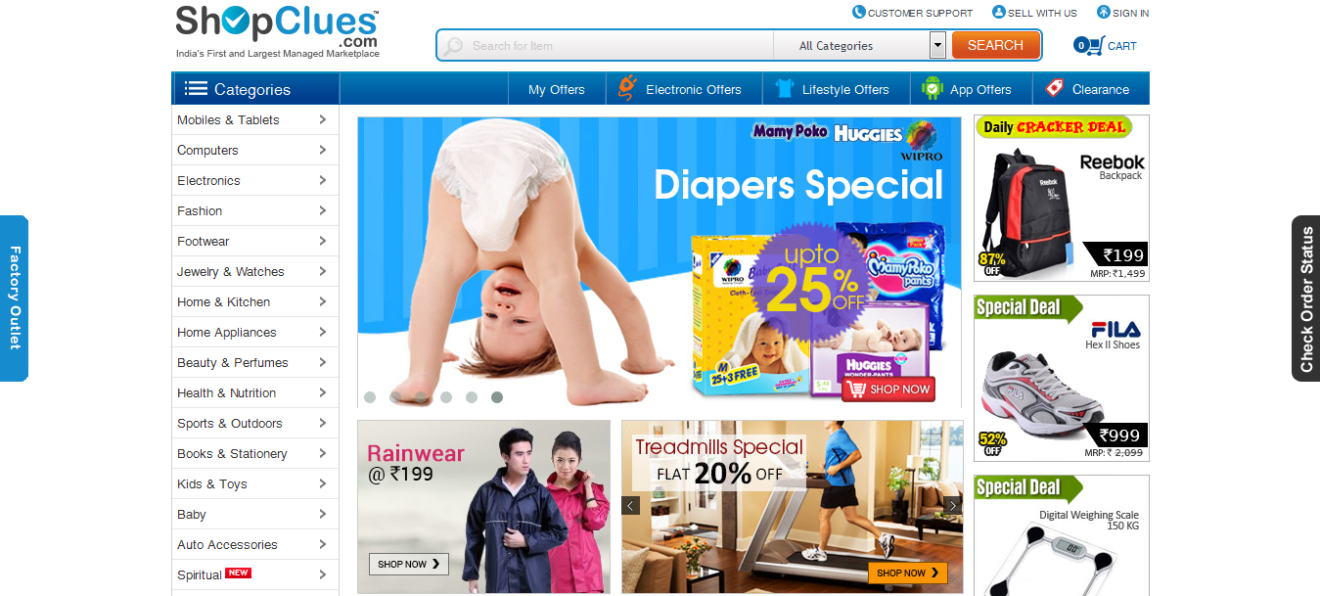
    ShopClues has partnered with a South Korean trade body to enroll 30,000 wholesale merchants, allowing them to sell directly to Indian businesses and consumers through its online marketplace.

    ShopClues will provide cataloguing, delivery payment and customer support to members of the Korean International Trade Association (KITA), similar to the terms of a partnership it stitched with Chinese online B2B platform DHgate in May, opening up the Indian market to wholesalers from southeast Asian countries.

    Indian merchants do not have many options to buy goods directly from overseas ecommerce platforms. Chinese ecommerce giant Alibaba Group has 4.46 million Indian buyers and sellers registered with Alibaba Wholesale.

    But Amazon India’s Global Selling Programme launched in June and eBay’s Powership programme allow only exports by Indian merchants. ShopClues is also in talks with wholesale platforms in Thailand, Malaysia and Indonesia. These alliances are essential for the company to be able to meet its 2015-16 target of $1.5 billion (Rs 10,000 crore) in gross merchandise value, or the total retail price of all the goods sold on its platform.

    In financial year 2015, ShopClues achieved GMV of Rs 2,500 crore. “The merchants on-boarded from DHgate as well as KITA are an overlap between our wholesale marketplace for consumers and small businesses as well as private marketplace for B2B sourcing for the 1.25 lakh merchants registered on Shop Clues,” said Sanjay Sethi, cofounder and CEO of the Tiger Global-backed company.

    “More importantly, it helps smaller merchants and those in Tier 2 and 3 cities who want to stock up certain goods for their physical retail outlets.”

    The Korean merchants will sell products including cosmetics, home and kitchen appliances, electronic goods and car accessories on ShopClues. They will be charged a fee for services provided by ShopClues.

    “We do the payment processing, including exchange services, and charge the merchant for it. Apart from this, the fulfilment services are also charged.Access to the ShopClues platform is free,” said Sethi. The turnaround time will be 14-45 days, depending on the volume of an order and whether the products have to be custommade, Sethi said.

    On plans for enrolling merchants in Thailand, Malaysia and Indonesia, Sethi said, “Currently, we have not built the entire ecosystem for the SE Asian markets to buy or source from Indian merchants, though we will look at exports going ahead.”

  • JD.com partners with Korean shopping site Lotte.com

    JD.com partners with Korean shopping site Lotte.com

    China’s online direct sales company JD.com has partnered with South Korea’s online shopping site Lotte.com.

    Under the deal, JD.com customers will be able to purchase products from Lotte through JD Worldwide, the company’s cross-border platform.

    Products will cover categories including baby and maternity, cosmetics, fashion, everyday household products, home appliances, food and Lotte-branded products.

    “The demand for products through Korean Mall has been strong and partnering with Lotte will help us meet the growing needs of our users,” said JD Mall CEO Haoyu Shen.

    The announcement follows the successful launch in late March of Korean Mall, which sells authentic imported Korean products on JD Worldwide. Since its launch, dozens of Korean brands started to sell their products to Chinese consumers through Korean Mall. The best-selling product categories include personal care products and cosmetics.

    Lotte.com CEO Hyeong Jun Kim said JD.com’s users are the ideal audience for the company as they look to develop their business in China.

  • China retail sales up 10.8 pct in August

    China retail sales up 10.8 pct in August

    China’s retail sales grew 10.8 percent year on year to 2.49 trillion yuan (390.89 billion U.S. dollars) in August, the National Bureau of Statistics (NBS) said Sunday.

    The growth rate picked up slightly from 10.5 percent in July.

    A key reason for the month-on-month rise in retail sales was rising retail prices, and the August retail sales growth rate is almost the same as in July if one deducts the price factor, said NBS statistician Lin Tao.

    In the first eight months, retail sales grew 10.5 percent.

    Growth in rural areas continued to outpace that in cities.

    Sales in rural areas rose 11.9 percent in August and 11.7 percent in the January-August period, in contrast to the 10.6-percent and 10.3-percent growth seen in urban areas.

    Earnings for catering services in August grew 12.4 percent, 0.2 percentage points higher than July.

    Chinese consumers increasingly favored online shopping. In the first eight months, online sales rose 36.5 percent year on year to 2.24 trillion yuan.

  • Apple To Launch Retail Stores In China, Italy And Belgium By September End

    Apple To Launch Retail Stores In China, Italy And Belgium By September End

    Apple Inc.  announced that by September end, it will open two new stores in Italy and China. The announcement was made on September 9, at its long-awaited annual event in San Francisco, where it also launched a range of its new products.

    According to the company, the Chinese outlet in Nanjing will launch on September 19, while the Florence outlet will debut on September 26; both stores will open at 10 AM. Moreover, Apple unofficially confirmed its plans to launch a new store in Brussels on September 19, which would the company’s first-ever retail store in Belgium.

    The Brussels branch will be located at Avenue de la Toison d’O, the Florence outlet at Republic Square, and Nanjing outlet at Rainbow Joy Shopping Mall. Currently, the Belgium branch sports a board that states: “Creativity, to be continued,” with paintings surrounding the barricade.

    It is evident that Apple’s plan to open three new stores in different countries will help the company expand its product line to a wider customer base. With the event’s worldwide coverage, Apple’s efforts to attract a larger audience may prove successful.

    With the debut of iPhone 6s, iPad Pro, an upgraded Apple TV, and the Watch leather bands, Apple has successfully launched a diverse category of products that will help the company attract clients globally. Customers may be inclined to check the new Apple Stores after the immense hype about the new products.

    With the gradual product shipments, the company has smartly kept its users hooked for updates. Furthermore, with the three new stores scheduled to open in September, Apple has made a conscious effort to place them in central locations, which will help attract larger crowds.

    The new Apple Stores will create new job opportunities for local people, and help recruit potential employees in the respective regions. Through this expansion plan, the tech giant will not only help expand its services to other countries, but also establish improved and reliable relations for future ventures.

    The launch of the new stores, along with subtle hints for a potential store in Antwerp later, may push excited customers get a head start to plan their preorders.

  • Zara’s online store opens in Hong Kong and Taiwan

    Zara’s online store opens in Hong Kong and Taiwan

    Zara’s online store opens today, September 9, in Hong Kong. The brand also offers online shopping in Taiwan since last week.

    Zara’s online store opens today, September 9, in Hong Kong. The brand also offers online shopping in Taiwan since last week. Both websites, www.zara.com/hk and www.zara.com/tw offer online shoppers the same full range of ladies, men and kids wear as the brick and mortar stores, supplied twice a week with new merchandise.

    In both markets, items sold online display the same price as they do in Zara’s brick and mortar stores. Customers of the online platform can choose between home delivery and the pick up at the ZARA store.

    Zara launched its ecommerce service in 2010 in several European markets, following the footsteps of Zara Home, which began its online platform in 2007. Other major markets followed, such as the US, Japan, China or South Korea. Zara’s customers can currently shop online in 27 markets.

  • Ikea’s impressive year: sales rising for furniture giant

    Ikea’s impressive year: sales rising for furniture giant

    Ikea has announced impressive growth in sales across the globe, achieving £23bn in the year at the end of August. Sales were up by 5% on the previous year in comparable sales.

    The furniture giant has 328 stores across 28 countries, and estimates that they enjoyed 771m visits in its most recent financial year.

    Ikea’s President and Chief Executive Pete Agnefjall said: “We are growing in almost all our markets and we are happy about last year’s sales development.”

    At the forefront of the company’s growth is its China market. Increased mass migration to the major cities in the world’s most populous country has created a stable and huge customer base. China is home to eight of Ikea’s ten largest stores, including two in the city of Beijing: a city of 10m people.

    “The Chinese middleclass continues developing and in pace with its growth an interest for our product rises too. We have more visitors in our department stores now and we have opened three new stores in China during the year (2015). We are going to open three new stores the next year too…”

    Russia, the Swedish retailer’s second fastest growing market, enjoys 14 ‘Mega shopping centres’: a chain of 14 complexes from St Petersburg to Novosibirsk. Russia, like China, has proved a problem for many other retailers.

    Sales in Germany and North America were also positive, and the company also enjoyed “positive progress” in Southern Europe.

    Andy Street, MD at John Lewis, announced last month that the department store chain is gunning for Ikea’s position as the UK’s largest furniture retailer, with aims to surpass the company in the next four years. Retail consultancy firm Conlumino estimates that Ikea will have 6% of the UK market for homeware, furniture and flooring sales in 2015, whilst John Lewis will have 5.8%.

    Ikea can certainly enjoy its success for now, however. Unlike its rival, John Lewis’s most recent financial report was decidedly negative.

    A more detailed financial report for Ikea will be released in December 2015.

  • Starbucks execs optimistic on mobile ordering and China

    Starbucks execs optimistic on mobile ordering and China

    Starbucks is investing heavily in ‘mobile order and pay’, with plans to roll out the feature across the US by the end of this month, CFO Scott Maw said at the Goldman Sachs retailing conference on Thursday.

    Previously, the coffee giant had set itself the end of the year as a deadline to finish implementing the service nationwide, with the Android version poised for release a little earlier.

    “We have a winner, and it’s running ahead of our expectations,” Maw told analysts and investors at an investment conference in New York.

    The mobile ordering and pay feature was introduced last year and is gaining traction. In June Starbucks announced it will spend £30m on a technological revamp of its UK business and Starbucks’ UK MD Mark Fox told Retail Gazette that mobile has played a valuable role in the retailer’s success. Last year, the Seattle based chain process over $2bn in mobile transactions.

    Next year, the app will add suggestions for orders based on consumer data.

    Starbucks has recognised the power of e-commerce and is wielding it to allow for its next revolution: delivery.

    Supposedly, the hazelnut latte maker hasn’t been hampered by the economic stagnancy in China,

    the company “is not seeing any material impact on profitability or revenue,” Maw said. “The number of transactions that we’re seeing is good,” and this quarter’s results are “going to stack up really well in China,” he added.

  • MANGO opens its largest store in Asia at Wisma Atria shopping centre in Singapore

    MANGO opens its largest store in Asia at Wisma Atria shopping centre in Singapore

    MANGO has opened its largest store in Singapore. The capital of Singapore is the location for the store which, with over 1,200m2 distributed on a single floor, becomes the company’s largest store in the region.

    The store, located in the busy Wisma Atria shopping centre, stocks the firm’s different brands (MANGO, MANGO Man and MANGO Kids) and represents the fifteenth MANGO store in Singapore since it arrived in the capital in 1995.

    Toni Batlló, MANGO’s Director of International Expansion, declared: This opening represents a challenge for the company and a commitment towards the Asian market. The new store also strengthens our brand image in the country and consolidates the firm’s different brands. This is a market with plenty of potential and the new flagship store confirms MANGO’s commitment to continue growing and to extending our expansion plan.

    MANGO opened its first store on Barcelona’s Passeig de Gràcia in 1984, and now has over 2,700 stores in 108 countries. MANGO closed the 2014 financial year with a Consolidated Group turnover for the MANGO-MNG Holding of 2.017 billion euros, representing a 9% increase on 2013, and an EBITDA of 223 million euros.

  • Jakarta’s motorcycle startup game has another contender in the form of Wheel Line

    Jakarta’s motorcycle startup game has another contender in the form of Wheel Line

    With the evident popularity of Jakarta’s motorcycle startups like Go-Jek and HandyMantis, it’s fair to say that the city’s transport and delivery nervous system has potential to be rewired. Now, those two firms see another competitor in the form of Wheel Line.

    Wheel Line is an on-demand courier and transportation company that utilizes motorcycle taxis, or “o-jeks” as they’re called in the archipelago. The company is brand new compared to its competitor Go-Jek, which has been around for a few years already, as it just launched in early January.

    “I have a wine business that requires delivery to our customers which are located in diverse part of Jakarta, Depok, Tangerang, and Bekasi, and I found it hard to find a reliable courier service that can be trusted with the goods,” explains Wheel Line’s founder Chris Wibawa as he recalls the startup’s inception. “What is awesome about Wheel Line is that we stand by our motto, to deliver within two hours and also, we handle one order at a time to ensure care and precision.”

    Wibawa says one strength his company has is that, at this stage, Wheel Line can pay close attention to each individual customer. The startup also offers customizable orders that can include additional requests. For example, a customer could order several different items in a single delivery parcel. These can also include things like delicate objects and perishable foods, not unlike the offerings of Wheel Line’s competitor HandyMantis.

    Wheel Line charges customers based on the delivery zone they’re located in. According to Wibawa, there are eight zones. The first zone costs Rp 30,000 (US$2.30) and the price goes up to Rp 120,000 (US$9.25). The zones are calculated based on a radial distance from Wheel Line’s office in Muara Karang.

    Wibawa didn’t comment on the details of his startup’s revenue, but he did say:

    This market still has a lot of room to explore and expand…We provide A to Z services for our customers, not only in delivering goods or merchandise but also buying movie tickets, exchanging invoices, and more.

    Currently, Wheel Line does not have a mobile app, as it simply takes orders via email and telephone. The same goes for its running mate HandyMantis. This is something the startup will need to create if it hopes to stay competitive with Go-Jek, a company that already has apps for Android and iOS, and claims more than 2,500 drivers.

    Currently, Wheel Line is a fully bootstrapped operation and all marketing to date has been done through word-of mouth. However, Wibawa says he is open to hear about opportunities and potential partnerships. “For now we have a centralized process which is effective since it allows us to supervise more closely and provide the best service to our customers,” says Wibawa.

  • Jakarta’s HappyFresh gets $12M more in the bag to boost grocery delivery in Asia

    Jakarta’s HappyFresh gets $12M more in the bag to boost grocery delivery in Asia

    Indonesia-based grocery delivery app HappyFresh announced today it raised US$12 million in a series A funding round led by Vertex Ventures, the venture arm of Temasek Holdings and Sinar Mas Digital Ventures (SMDV), the venture arm of Indonesia’s Sinar Mas Group. Other participating investors include Asia Venture Group, Beenext, Ardent Capital, 500 Startups, and Cherry Ventures.

    After launching its next-hour online grocery delivery service in March in Indonesia and Malaysia, HappyFresh decided to expand to Thailand and Taiwan.

    “We are very happy to partner with Vertex […] and SMDV […] We are looking forward to benefitting from their strong networks to further expand our footprint across Southeast Asia,” says HappyFresh CEO and co-founder Markus Bihler. “We will continue to invest in enhancing our product and service […] building HappyFresh into the region’s leading food tech group.”

    HappyFresh is an early mover in the food marketplace industry in Southeast Asia. Established in October 2014, the firm has partnered with well-known supermarkets, including Ranch Market and Farmer’s Market. The company employs personal shoppers who choose products in-store. HappyFresh claims its on-demand logistics network allows for next-hour delivery. The company is headquartered in Jakarta with operations in Malaysia, Indonesia, Thailand, and Taiwan. The founding team includes Markus Bihler, Benjamin Koellmann, and Fajar Budiprasetyo.

    Koellmann a Manila launch is slated for October, while HappyFresh is also exploring other Indonesian cities for expansion, like Surabaya. Koellmann and his partners have also created HappyRecipe, a spinoff of the startup’s core offering. HappyRecipe lets users read blog posts to get inspired about cooking. It also offers up various ready-made recipes, which users can follow to purchase specific ingredients and prepare dishes at home.

    “We have very strong and experienced local managing directors who run each market with a local team, and they are supported by our headquarters here in Indonesia,” says Koellmann. “Data science and customer insights are at the core of our DNA.”

    HappyFresh faces many competitors in Asia including Go-Jek in Indonesia with its Go-Food service, as well as names like Indonesian meal-kit delivery service Black Garlic, as well as Tesco Lotus and Tops Shop Online in Thailand. Singapore-based RedMart and Indonesia’s Sukamart can also be seen as a regional contenders.

    “This is a business model which clearly benefits the supermarkets and the consumers. Its capital efficient model allows it to scale easily and very quickly,” says Joo Hock Chua, managing director of Vertex, who will join the board of HappyFresh. “Markus and his team are experienced entrepreneurs and they have demonstrated strong execution capability. Vertex is happy to lead this round of investment. We will bring our experience and global network to help HappyFresh.”

  • Dell To Drop $125 Billion In Cold Hard Cash On China To Expands Research And Development

    Dell To Drop $125 Billion In Cold Hard Cash On China To Expands Research And Development

    Michael Dell is no longer beholden to shareholders after taking the computer company he founded private two years ago. As such, he’s free to invest more than $125 billion in China over the next five years as part of his “In China, For China” 4.0 strategy announced today without having to worry about how it might affect the company’s stock price.

    The massive investment will continue to expand and enhance Dell’s research and development team in China, Dell’s second largest market for PC sales. It will also contribute some $175 million to imports and exports, which in turn will sustain more than 1 million jobs in the country.

    “China and the United States are among the countries where the information industry is developing the fastest, resulting in the most vibrant enterprises,” said Mr. Dell. “The Internet is the new engine for China’s future economic growth and has unlimited potential. Being an innovative and efficient technology company, Dell will embrace the principle of ‘In China, for China’ and closely integrate Dell China strategies with national policies in order to support Chinese technological innovation, economic development and industrial transformation.”

    Dell currently employs nearly 2,000 senior engineers in China. In addition to expanding its R&D team in the country, the investment will help to further develop a R&D center for end-to-end solutions specifically intended to serve the Chinese market.

    The PC maker has a major retail presence in China with almost 11,700 stores cover 97 percent of the market. That includes over 100 retail stores for Alienware, the gaming brand that was once a standalone boutique builder.