Blog

  • 1000 Degrees heads for Malaysia

    1000 Degrees heads for Malaysia

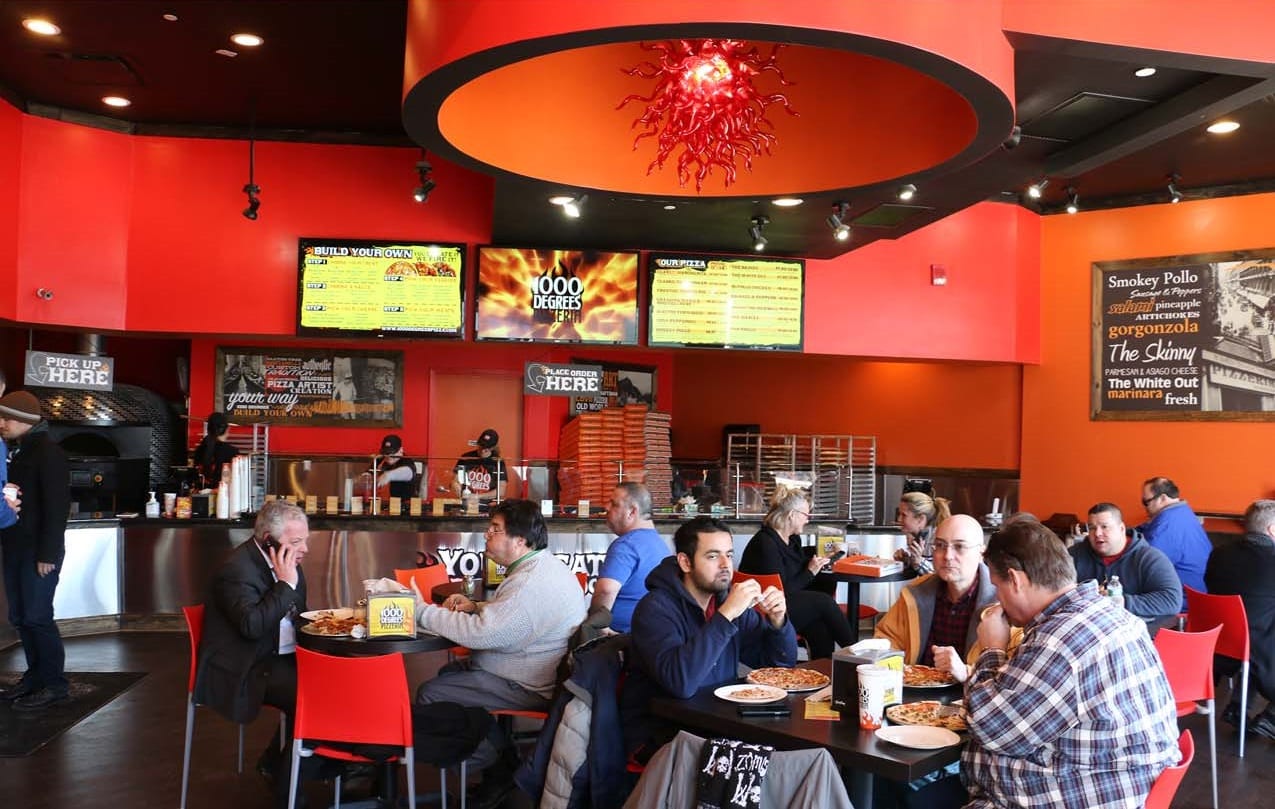
    US pizza company 1000 Degrees Pizzeria has chosen Malaysia as its first international market.

    The company said it would open its first pizza outlets in Kuala Lumpur, later this year in Kuala Lumpur, the federal capital, with an unidentified local partner.

    1000 Degrees says while Malaysia will be its first international market outside its US home base, talks are already underway with potential partners in Panama City, Qatar and Dubai.

    “We are excited to bring our spin on traditional Neapolitan Pizza, served in a fast-casual environment to the citizens of Kuala Lumpur,” said a company spokesman.

    1000 Degress pizza store 315

    “We feel as if this city, which is experiencing tremendous growth, is ready for something new in the name of pizza.”

    1000 Degrees has grown rapidly during the past six months and expects over 60 franchisees to be signed by the end of third quarter of 2015.

    The franchise was started in northeastern US, but quickly has gained traction in 16 of the 50 states.

    The spokesman said Malaysia was chosen for its international debut because it was “an exciting place” and the company is working with “an exciting group of experienced operators” in Kuala Lumpur.

    1000 Degrees offers both single and multi-unit operators an opportunity to serve what they feel is the best pizza in the nation, for as little as $250,000 per unit.


  • SSI Group profit soars

    SSI Group profit soars

    The Philippines’ largest specialty store retail business, SSI Group, has reported a massive 63 per cent jump in its annual profit.

    SSI Group says its 2014 surplus was 998.7 million Pesos (US$66.9 million), up from 613.7 million P ($41 million) in 2013.

    The company’s brand portfolio includes Marks and Spencer, Gucci, Burberry, Hermès, Prada, Salvatore Ferragamo, Lacoste, Michael Kors, Kate Spade, Gap, Bershka, Aeropostale, Samsonite, Nine West and Payless Shoe Source.

    SSI Group says its performance is the result of an aggressive store rollout program, strong gross profit margins and the depth and breadth of its brand portfolio. It expanded its store network by 126 outlets last year.

    The group’s annual sales rose 19 per cent to P15.2 billion, and in the last quarter by 26 per cent to P5.2 billion.

    In a statement, SSI Group president Anton T Huang described the outlook for 2015 as positive.

    “2014 was a landmark year for SSI as we executed our largest store expansion program to date. We continue to leverage on a brand portfolio that resonates with consumers, on the availability of prime retail space, and on evolving consumption patterns and consumer tastes.

    “We expect that these factors will continue to drive our performance in 2015,” he said.

    The company now operates 723 specialty stores with a combined floor space of 134,000 sqm and represents 106 brands in the Philippines.

    It also operates 90 FamilyMart convenience stores.

  • New stores, eCommerce drive Gome growth

    New stores, eCommerce drive Gome growth

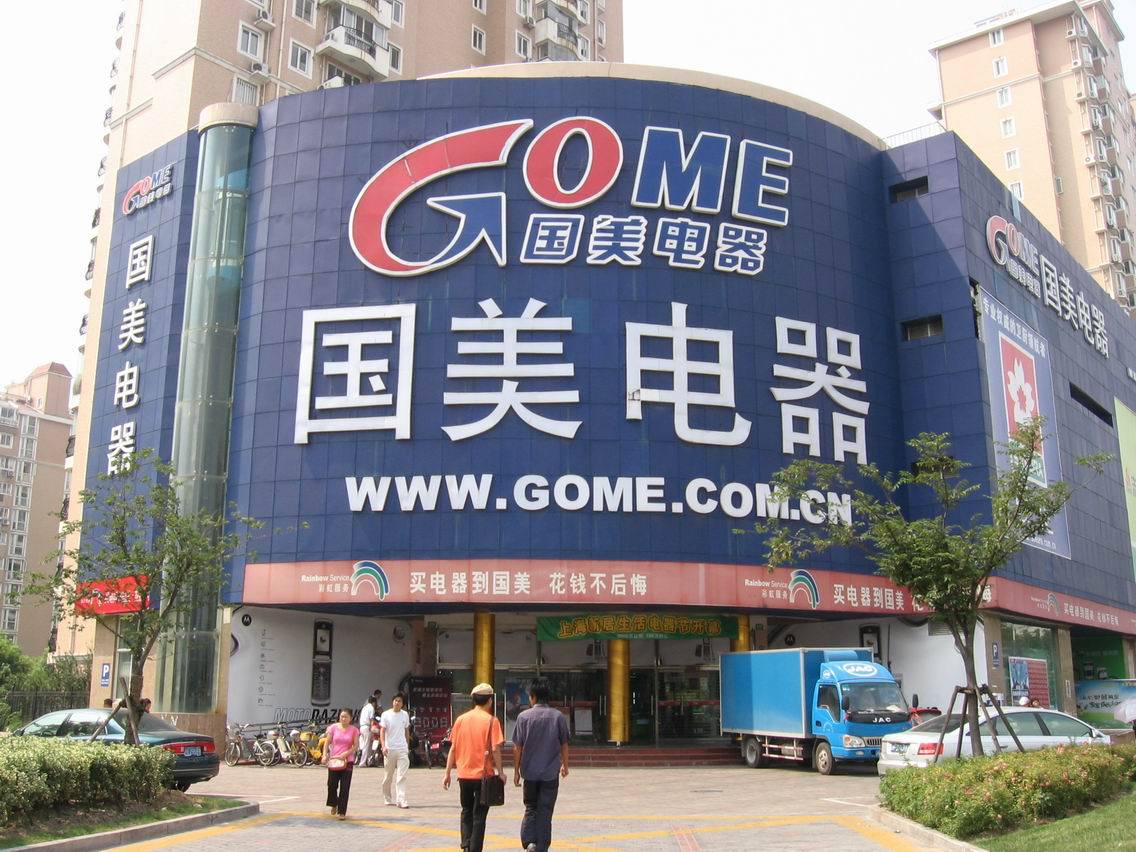
    China’s Gome Electrical Appliances boosted online sales by 84 per cent last year helping fuel a 43.5 per cent boost in annual profit.

    The full year surplus was 1.28 billion yuan, (US$206.2 million).

    The booming online operation is clearly still growing with a quarter on quarter sales boost of 117 per cent in the three months to December 31.

    At the same time, Gome says it continued to refurbish its bricks and mortar store network and revamp its supply chain, procurement and distribution operations.

    In annual figures released Monday, Gome said it continues to pursue its goal of becoming an ‘Open Omni-channel Retailer’ by optimising its open supply chain platform, driving further improvements in the areas of procurement, logistics, information system and financial services, and building an open omni-channel platform encompassing ‘online + offline + mobile terminal + other socialised channels’.

    “The group has managed to provide cross-regional and cross-channel full services to consumers as a whole. The launch of this strategic transformation, supported by the low-cost highly-efficient open supply chain, has enabled the group to achieve year-on-year growth in key financial indicators for eight consecutive quarters and increase its operating efficiency,” the company said in a statement.

    As well as renovating 100 existing stores, Gome continued its push into tier 2 markets, strengthened partnerships with supermarkets and department stores and promoted its eCommerce development. Last year it opened 145 new stores, 78 of them in tier 2 cities. A further 154 concessions were opened.

  • Tesco China drags down partner

    Tesco China drags down partner

    Tesco China has been blamed for dragging China Resources Enterprise into the red.

    CRE, which operates the Vanguard hypermarket chain in China, has reported its first annual loss in more than 20 years and blames the start-up costs for its venture with embattled Tesco for the red ink.

    CRE has effectively taken control of Tesco China when the latter effectively admitted defeat in Asia’s largest grocery market, unable to penetrate the domination of local brands and store networks.

    Now CRE has warned that it may take three to five years to turn the ailing Tesco business around.

    “Looking ahead, the group’s top priority in 2015 is to improve operational efficiency and reduce losses,” chairman Chen Lang said a statement.

    He warned profitability would remain volatile, with increased competition from eCommerce businesses and the Chinese government’s crackdown on gift-giving and graft affecting sales.

    CRE reported a net loss of HK$161 million (US$20.75 million) in 2014 – a massive turnaround from the HK$1.91 billion ($246.3 million) profit of 2013.

    Revenue from the 3000 supermarkets and hypermarkets CRE runs, rose 15.3 per cent to

    HK$168.86 billion ($21.8 billion).

    The Chinese retailer will be hoping its eCommerce venture, to be launched later this year, will help restore profitability, along with a change in focus of its store development program to smaller new stores, speciality stores and convenience stores rather than hypermarkets.

  • Shilla Duty Free buys DFASS stake

    Shilla Duty Free buys DFASS stake

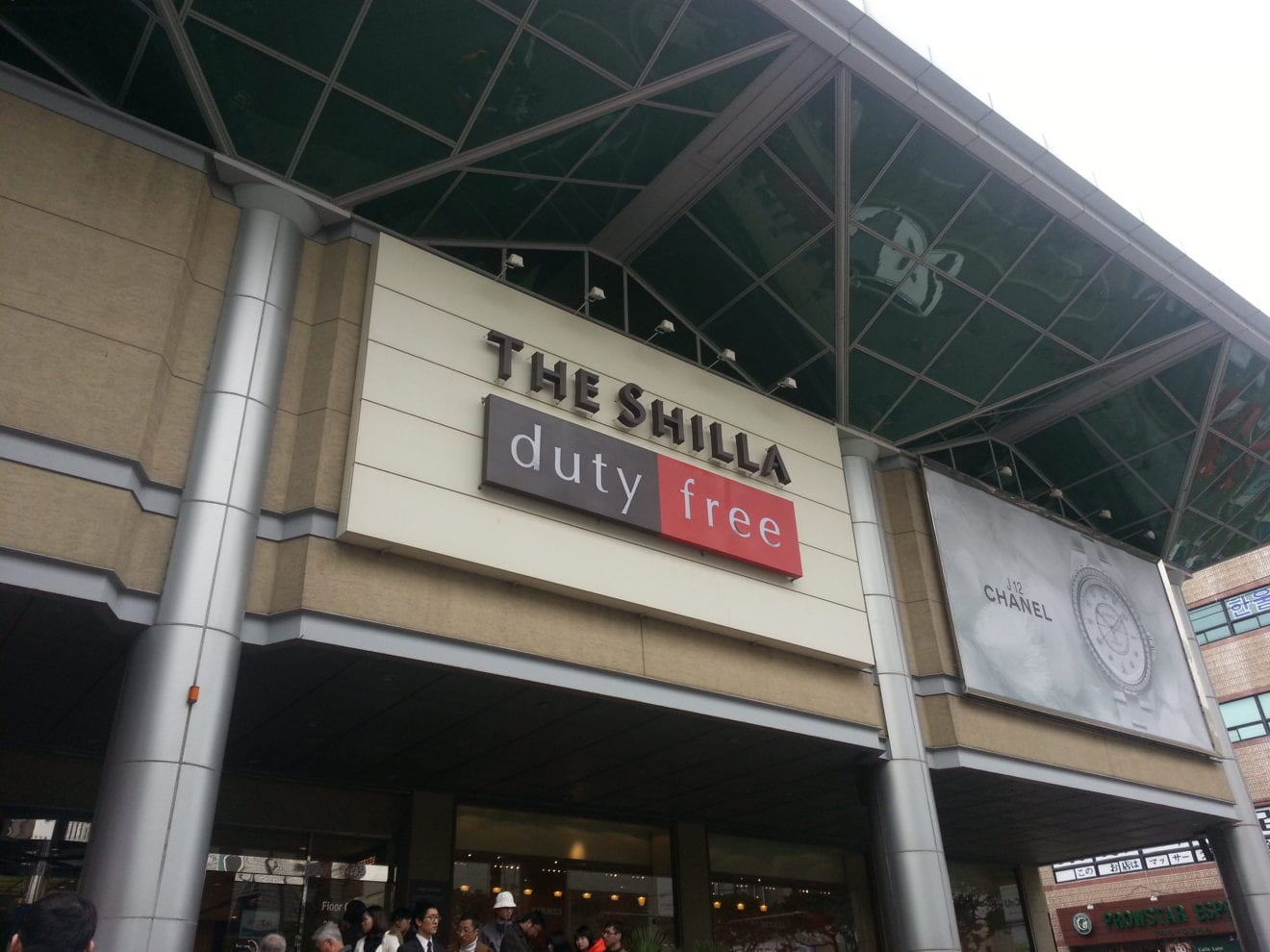
    The Shilla Duty Free will acquire a 44 per cent stake in inflight duty free specialist The DFASS Group for US$105 million.

    And it will hold an option to purchase a further 36 per cent of the equity in five years.

    The Shilla Duty Free, owned by Hotel Shilla, in a turn a subsidiary of Samsung Group, has spent months negotiating terms for an equity stake in the business.

    The Shilla Duty Free is the world’s eighth largest duty free retail group, according to data from The Moodie Report, while DFASS is ranked 20th and supplies some 30 airlines with onboard duty free stocks and 35 retail stores.

    In a statement the two companies said they had agreed to “enter into a broad strategic partnership to become a global leader in travel retail”.

    “Shilla will acquire a 44 per cent stake in DFASS and collaborate to develop new and existing duty free concessions, expand inflight concession services and strengthen distribution agreements with brand owners.

    “The acquisition allows Shilla to significantly expand its global footprint and capabilities in the United States, Latin America, the Caribbean, Africa, the Middle East and Southeast Asia, as well as diversifying its business to include master distributor agreements.”

    They believe the partnership will offer a strong platform to jointly develop new concessions and to expand existing ones. Key functions across those concessions would be integrated to achieve operational efficiencies.

    Shilla President and CEO Boojin Lee said the investment is consistent with the company’s strategy of profitable growth and diversification of the duty free business, the largest segment of Shilla’s business.

    “The strategic partnership will enable both companies to diversify the value chain through business collaboration and generate synergies to enhance overall revenue and profitability.

    “The alliance will also strengthen each company’s concession portfolio, inflight retail business, airport retail and distribution agreements with brand owners. We are excited about the partnership that will lead to greater opportunities, especially on the back of the recent concession extension at Incheon Airport.”

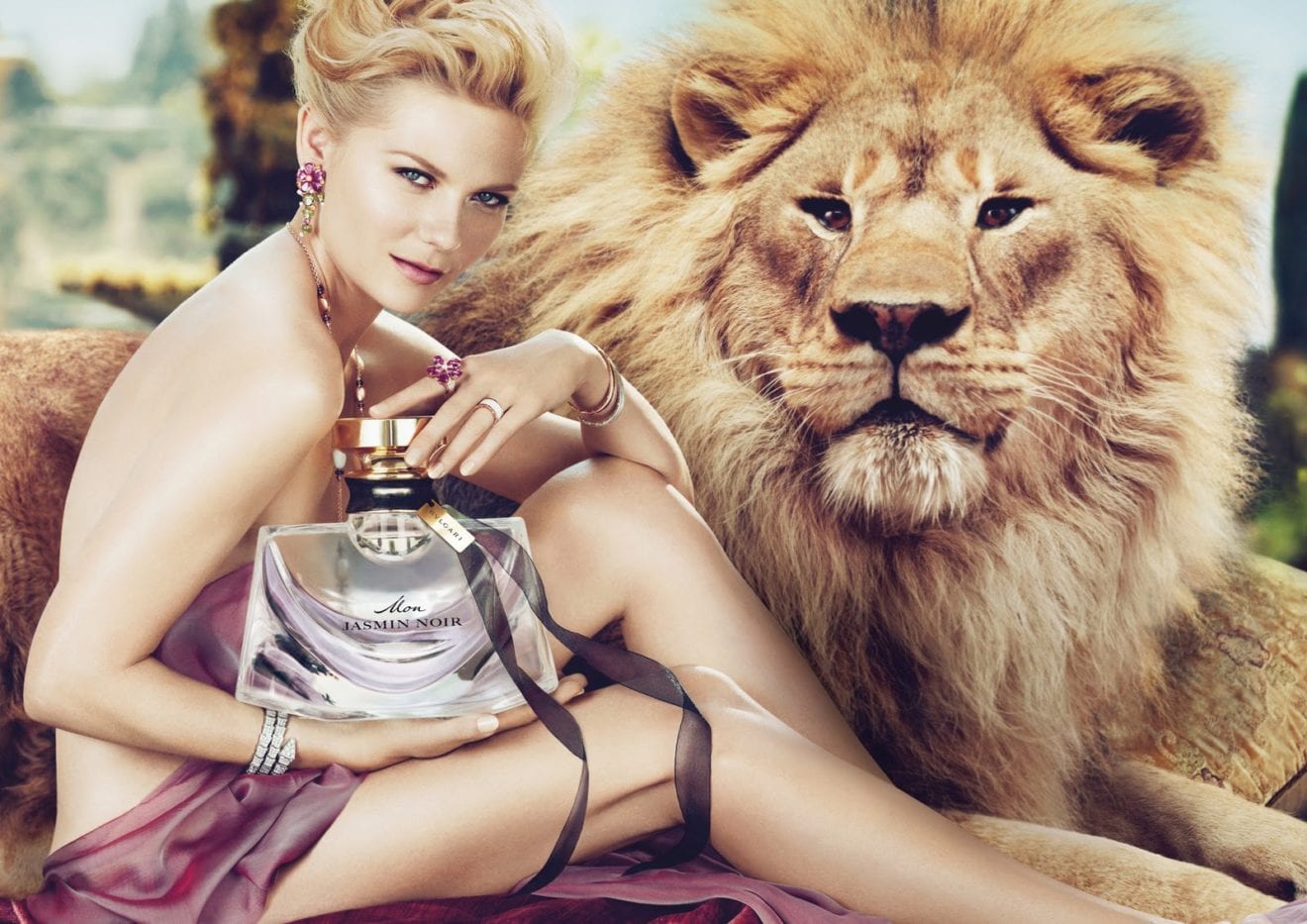
  • Bulgari to open 300th boutique this year

    Bulgari to open 300th boutique this year

    LVMH’s watch and jewellery flagship brand Bulgari is eyeing double digit growth in 2015, despite the lacklustre global luxury market.

    Bulgari expects to surpass 300 boutiques this year, part of a strategy by CEO Jean-Christophe Babin to maintain its position as one of the fastest growing brands in the Louis Vuitton group’s 60-strong stable.

    “We had a very good beginning of the year, so all else remaining equal, we think that we will do better this year than in 2014 with a double-digit growth rate,” said Babin in an interview with Reuters.

    Bulgari ended 2013 with 290 stores globally and expects to end 2015 with as many as 312.

    LVMH does not break down its trading figures by brand, but analysts estimate Bulgari achieves annual sales of between 1.5 billion and 2 billion euros.

    It is ranked third in size behind Cartier and Tiffany.

  • Revamp pays off for Times Square

    Revamp pays off for Times Square

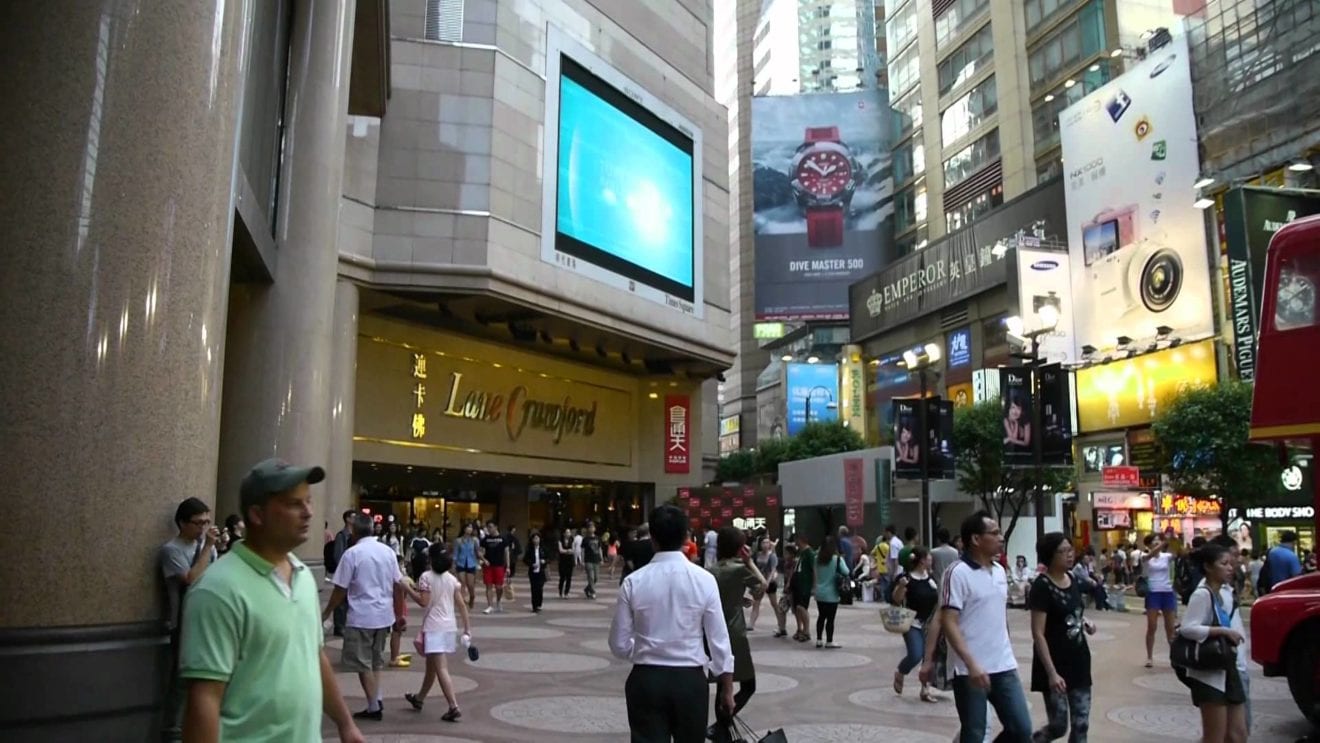
    A revamp of Hong Kong’s iconic Times Square shopping centre led to an 11 per cent rise in retail sales to a record HK$10.5 billion (US$1.35 billion) last year.

    Owner, The Wharf Holdings, said its overall revenue from the mall rose 21 per cent to HK$2.544 billion (US$328 million) and operating profit rose 24 per cent to HK$2.276 billion (US$293 million).

    Occupancy maintained at virtually 100 per cent.

    Times Square, prominently located at the heart of the Causeway Bay retail precinct, is among the most successful vertical malls in the world with 17-levels of shopping and a direct connection to the underground Mass Transit rail system.

    It also features one of the few open Piazza squares areas of any mall in Hong Kong.

    “The enhanced Times Square has pushed the bar to new heights and caters to higher levels of service, sophistication and entertainment demands from a broader range of shoppers. This sparked new growth in retail sales and revenue in 2014,” said The Wharf Holdings.

    New anchors and coveted luxury brands added in 2014 included Chanel, Louis Vuitton, Dior Homme, Fendi and De Beers. Culinary offerings including Yun Yan, Pak Loh Chiu Chow Restaurant and Enmaru, the top-ranked Izakaya style Japanese debut as well as Laduree Tea Room, the renowned French café’s debut, which The Wharf says have met with encouraging responses from customers.

    The state-of-the-art five screen cinema Cine Times spanning the 12th to 14th floors have helped drive foot traffic, boosted sales and created value.

    The trade mix was further enhanced with addition of a diverse range of tenants from leading high-end brands such as Celine, Jimmy Choo and Hugo Boss to popular mass brands such as Topshop and American Eagle Outfitters. Gucci is set to open a vertical duplex store by mid-2015 and some tenants on the atrium floors will relocate with new store designs.

    The creation of a semi-retail zone at the upper floors further strengthened the tenant mix. il Colpo opened a 4800 sqft and Sulwhasoo opened its first 10,000 sqft beauty and Spa centre on Hong Kong Island.

  • Zara Asia boosts online presence

    Zara Asia boosts online presence

    Spain’s Inditex Group is expanding its online shopping reach in Asia as it builds the profile of its brands in the region.

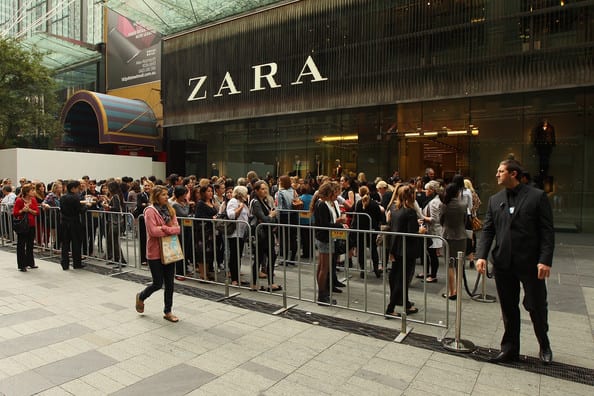
    Last year, flagship brand Zara added a South Korea store to its existing stores in Japan and China.

    And the company opened online stores for three of its other brands in China: for Pull&Bear, Massimo Dutti and Bershka.

    In the year ahead, the group says it will add online storefronts in Taiwan, Hong Kong and Macau.

    Inditex owns the Zara, Zara Home, Pull&Bear, Bershka, Oysho, Stradivarius, Massimo Dutti and Uterque brands.

    Last year the company said online sales growth was positive and that it was committed to progressively rolling out an eCommerce offer in markets where it had a presence.

    Earlier this month, Inditex’s Singapore partner Al-Futtaim Group announced it would open a bricks and mortar store in Changi international airport.


  • Six percent of Apple Pay purchases believed to be fraudulent

    Six percent of Apple Pay purchases believed to be fraudulent

    When Apple introduced its pay-by-smartphone feature last year , the company touted the simplicity of the setup. All shoppers needed to do was wave their iPhones in front of a special scanner at the cash register – no need to fumble through pockets and purses for plastic cards or identification.

    But a sharp rise in reports of fraudulent Apple Pay transactions is now raising questions about the security of the first mobile payment system to find a measure of popular success. One payments analyst, Cherian Abraham, estimated that as many as 6 per cent of Apple Pay purchases are completed with stolen credit cards, or 60 times the rate of the old-fashioned plastic swipe.

    The problem is Apple Pay may be too simple to set up, security analysts said. Fraudsters have been loading stolen cards onto iPhones to buy things in shops. As it turns out, it may have been better if Apple Pay required users to do more to prove their identities when they sign up for the service, these experts said.

  • Kathmandu slows down Aussie expansion

    Kathmandu slows down Aussie expansion

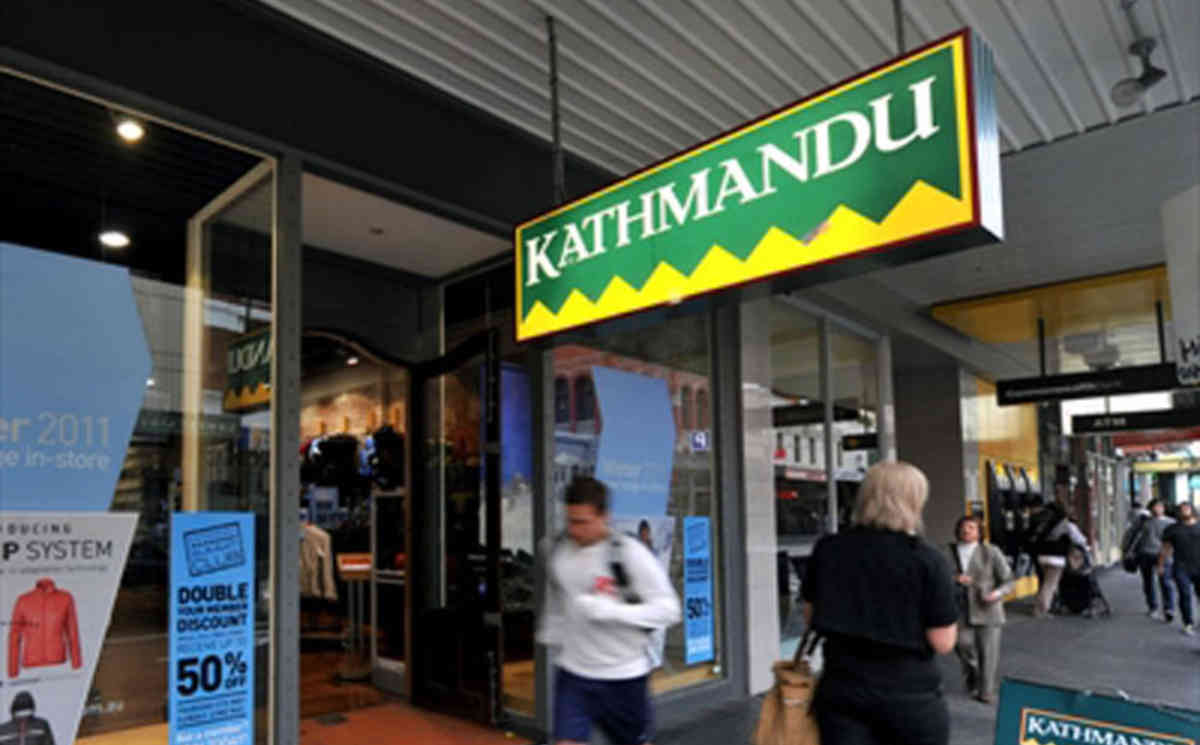
    Outdoor clothing retailer Kathmandu is putting the brakes on its store expansion in Australia after racking up a first half loss.

    Disappointing sales at Christmas and in January as well as heavy discounting on excess winter stock were blamed by the retailer for pushing it into the red with a NZD1.8 million (USD1.4m) loss.

    The gloom looks likely to continue, with sales during the seven weeks to mid-March down 2 percent on a year ago.

  • Hong Kong trust buys Beijing mall

    Hong Kong trust buys Beijing mall

    A Hong Kong REIT has made its first foray into mainland China, buying a Beijing mall.

    The Link Real Estate Investment Trust has paid 2.5 billion yuan (US$399.7 million) for the 800,000 sqft EC Mall in Beijing’s Zhongguancun district.

    “The EC Mall contributes to our strategy of long-term investment in real estate assets that are sustainable, income-producing properties,” said Link Management CEO George Hongchoy.

    “With this investment, we continue to build long-term income and capital growth, while maintaining a large and diversified portfolio of real estate in Hong Kong and other jurisdictions, including the mainland.”

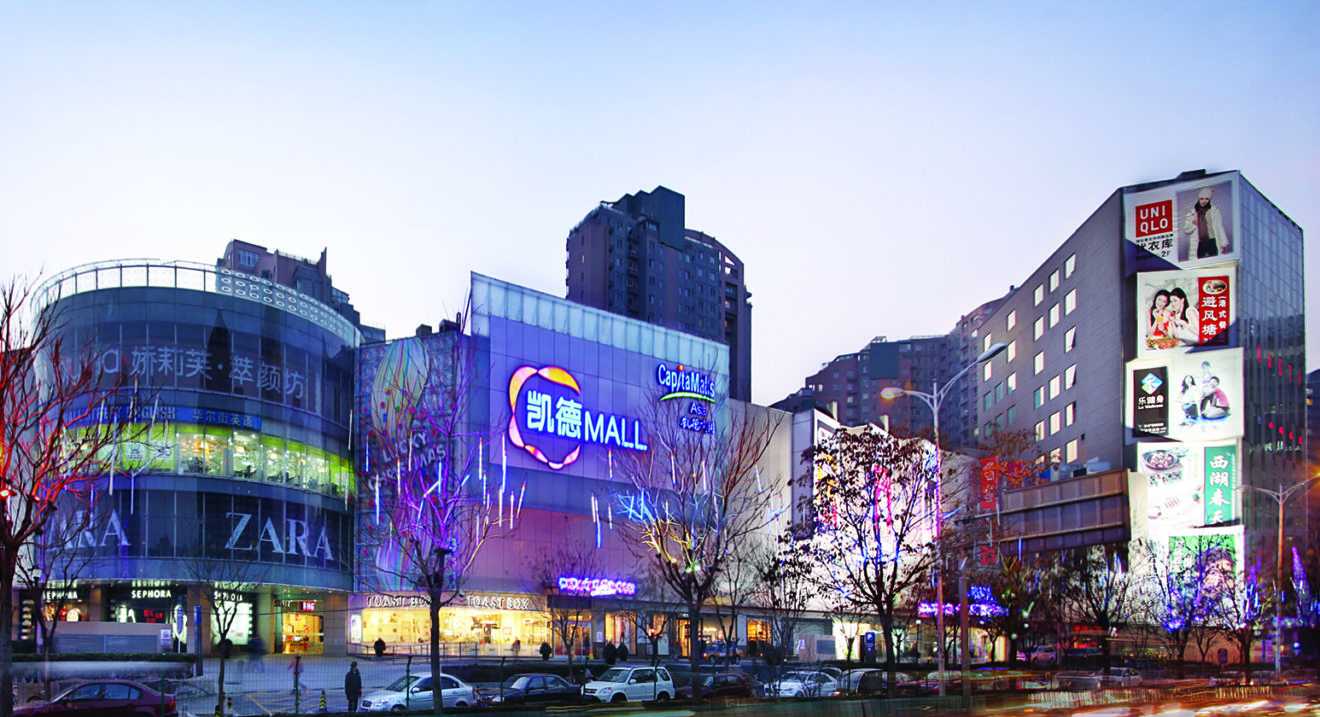
    The seven-storey EC Mall is almost fully leased and tenants include recognised global brands including H&M, Zara, Uniqlo, Nike and Sephora. It opened in 2009.

    In a statement, Link said last month’s rental income topped 13 million yuan ($2 million), with some shops achieving as much as much as 1000 yuan ($161) per sqm each month. The average monthly rent exceeds 300 yuan ($48) per sqm. Link will receive an annual yield of 6.24 per cent.

    “The acquisition is a solid long-term investment opportunity to grow our property portfolio and bring potential valuable returns to our unit holders,” Hongchoy said.

    “The mall is well positioned to capitalise on the growing spending power of local residents of Zhongguancun and the greater Haidian district. We believe the company will benefit from the anticipated growth in rental and value of the property.”

  • Zen retail: China’s new boom category

    Zen retail: China’s new boom category

    The unprecedented growth in the number of Buddhists on the Chinese mainland over the last 30 years has spurred strong demand for related merchandise.

    With China’s Buddhist population traditionally concentrated in the southern regions, the country’s first sizeable International Buddhist Items and Crafts Fair was held in the southeastern coastal city of Xiamen in 2006. Spurred by this initial success and, more importantly, by the continued growth in the number of the country’s Buddhists, several similar exhibitions have since been held across the country, reports the Hong Kong Trade Development Council.

    The first edition of the Xiamen fair attracted many exhibitors from neighbouring Taiwan, including Tso Chin-yung, a representative of Kuan Hong, a Taiwanese religious arts company, which is a regular exhibitor at the event. The inaugural fair was held in a 6000 sqm venue and attracted nearly 200 exhibitors. Today, the Xiamen fair has become the bellwether of the Buddhist merchandise industry, as well as the preferred specialist platform for the mainland market. It now claims to be the world’s leading Buddhist merchandise marketplace.

    At the ninth edition, held last autumn, the exhibition covered 90,000 sqm, featured 5000 international-standard booths, and attracted nearly 1000 exhibitors from 11 countries and regions – including Taiwan, Hong Kong, Malaysia, Japan and South Korea.

    The event also drew more than 200,000 local and overseas visitors, as well as several buying missions. Other Buddhist-themed exhibitions have since been held in other parts of the country, including major fairs in Guangzhou, Wuhan, Nanjing, Hangzhou, Jinan, Qingdao and Dalian in 2014.

    Perhaps most significantly, Beijing hosted its first such event last December. The China (Beijing) International Buddhist Items and Supplies Expo, staged with the approval of the China Council for the Promotion of International Trade and organised by the China Council for the Promotion of Buddhist Culture, was seen as marking national recognition for the sector. It also underscored demand for Buddhist items expanding well beyond the southern regions.

    An HKTDC Research visit to the inaugural Beijing event saw first-hand the scale of the fair. Covering 30,000 sqm of exhibition space and attracting some 500 exhibitors, the event showcased a variety of Buddhist statues, prayer beads, books, incense and vegetarian menus, musical instruments, Buddhist attire and decorative items, as well as temple construction and interior design equipment.

    Kuan Hong’s Mr Tso attended this event, along with about 20 other Taiwanese companies, which occupied about 50 exhibition stands. According to Tso, the trade mission included many key players in Taiwan’s Buddhism merchandise industry, many of whom have since established mainland affiliates.

    Tso, who launched his temple construction projects in China in 1992, believes religious and economic development in society tends to be mutually supportive. A weak economy, he said, leads people to focus only on immediate material needs. With China experiencing exponential economic growth, he sees people’s spiritual pursuits becoming more diversified and widespread, inevitably resulting in increased demand for religious items.

    Despite a history dating back some 2000 years, the last 30 years has seen the fastest growth in the number of Buddhists on the mainland. About 18 per cent of China’s population now claims to be followers of the religion – some 185 million people. Among those identifying themselves as non-Buddhists, 31 per cent accept at least one tenet of the religion or have participated in a Buddhist religious activity.

    Chen Yanni, founder of the Liu Wei Zen (“Six Flavour Zen”) brand of Buddhist merchandise, believes that China’s Buddhist population – and its associated industries – has experienced “explosive” growth over the past three years. Citing Beijing’s famous Lama temple, Yonghegong, as an example, Chen says its visitor level has grown by about 20 per cent a year. She estimates China’s Buddhist merchandise industry is worth more than Rmb100 billion.

    Seeing the size of this potential market, Chen founded Blooming Lotus, a cultural and arts development company, to produce high-end Buddhist merchandise. The Liu Wei Zen series, for instance, has been designed to correlate with the six sensors associated with Buddhism; namely the eyes, ears, nose, tongue, body and mind. Her company’s products range from books and paintings, Zen music and incense, to Zen tea, attire and Buddhist journals.Despite the high demand for Buddhist items on the mainland, she said that most products are still targeted at the low-end of the market. She now hopes to develop high-end Buddhist brands, something she sees as the future market trend in China.

    One Nepalese exhibitor also sees potential in the higher end of the market. Selling Buddhist items in China for more than two decades, the exhibitor last year sold US$1 million worth of glazed Buddha statues and Thang-ka canvas paintings to mainland buyers. He now believes Chinese consumers have higher expectations of product quality, while also having greater faith in Nepalese products than domestically-made items.

    This concern over the lack of quality associated with domestically-produced Buddhist items was echoed by Master Xuan Lin from Changchun. Speaking to HKTDC Research, he said that mainland items tend to be of poor quality, especially those manufactured in northern China.

    According to Master Xuan, items from Taiwan and Japan are well-received among mainland Buddhists. Despite this, many of the higher quality items are not widely available on the mainland, with the sales channels still relatively undeveloped.
  • Ikea Malaysia confirms new store

    Ikea Malaysia confirms new store

    Ikea Malaysia is finally to open its second store – nearly 20 years after the Swedish brand debuted in the country.

    The new store will be 20 per cent larger than the existing outlet in Mutiara Damansara and is scheduled to open by December.

    Ikea Malaysia opened its first store at 1 Utama Shopping Mall in 1996. After seven years it moved to its own standalone location at nearby Damansara which, when it opened, was the largest Ikea in Asia.

    “We are excited to confirm that the Ikea store in Cheras, Kuala Lumpur, is set to open by the end of 2015, located at Jalan Cochran,” said Mike King, retail director

    of Ikea Malaysia, Singapore and Thailand.

    “The opening of Ikea Cheras is part of our overall expansion plan across southeast Asia in order to make Swedish home furnishings that are affordable, well-designed, functional and good quality available to everyone.”

    King said construction has already begun and the company is starting to focus on the interior fittings and operational setup of the store.

    Ikea in Malaysia, Thailand and Singapore is operated by Ikano Pte Ltd.

  • Lukfook debuts in Korea

    Hong Kong jeweller Luk Fook has opened its first store in Korea.

    The store is within the Walkerhill Duty Free complex in the downtown Seoul suburb of Gwangjin‐gu and targets tourists.

    Wong Wai Sheung, Lufook Group chairman and CEO, said the group will continue to provide quality jewellery products and professional services for Korean and global customers.

    “Adhering to our corporate vision of ‘Brand of Hong Kong, Sparkling the World’, the group has been expanding overseas markets to explore business opportunities. Currently, the group has over 1390 shops in Hong Kong, Macau, mainland China, Singapore, the US, Canada and Australia.

    “Following the opening of our first retail outlet in Korea, our retail network now covers eight countries and regions, which will broaden the customer base and further build the brand in the international market.”

    According to data from the Korea Tourism Organization, the number of Chinese tourists visiting Korea reached approximately 5.7 million by the end of November last year, accounting for more than 43 per cent of the total number of travellers visiting Korea, and double the number of five years ago.

    Eyeing the strong purchasing power of Chinese tourists, the group plans to open another outlet in Korea to capture the market potential.

  • Charlotte Olympia Thailand launches

    Charlotte Olympia Thailand launches

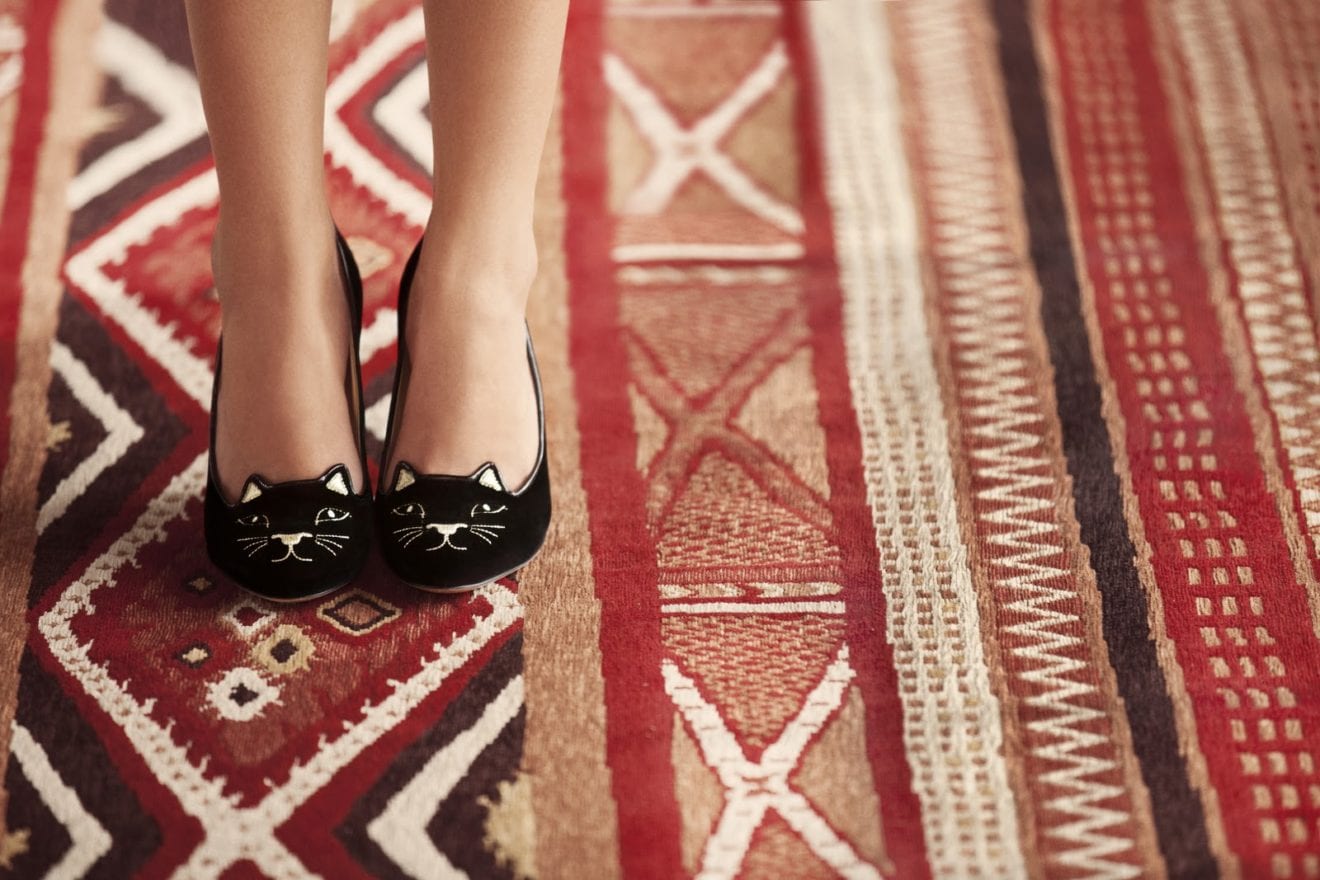
    Exclusive UK footwear designer Charlotte Olympia has opened her first store in Thailand, the second Asia market in its steadily growing international footprint. Charlotte Olympia plans to open four boutiques this year, the others in Las Vegas, South Coast Plaza in southern California and a second in London.

    “I’m so excited to be opening four new Charlotte Olympia stores this year. Our expanding global retail footprint marks a significant milestone in the development and growth of the brand,” said Charlotte Olympia Dellal, CEO and creative director, in a statement.

    “I’m delighted to be able to showcase my collections in environments which distinguish our offering.”

    Charlotte Olympia Bangkok 315

    The Bangkok store is on the ground floor of the Emporium shopping centre on Bangkok’s Sukhumvit Rd.

    The distinctive stores feature a design inspired by Hollywood glamour: leopard print seating, brass panelling and mirrored walls.

    Charlotte Olympia launched her first footwear collection at London Fashion Week in February 2008 and her first boutique store followed on Maddox St, London, two years later. New York followed in 2011 and Rodeo Drive, Beverly Hills in 2013. Last year she opened three stores – in Hong Kong, Miami and Dubai.