Blog

  • Korea mobile shopping hits new high

    Korea mobile shopping hits new high

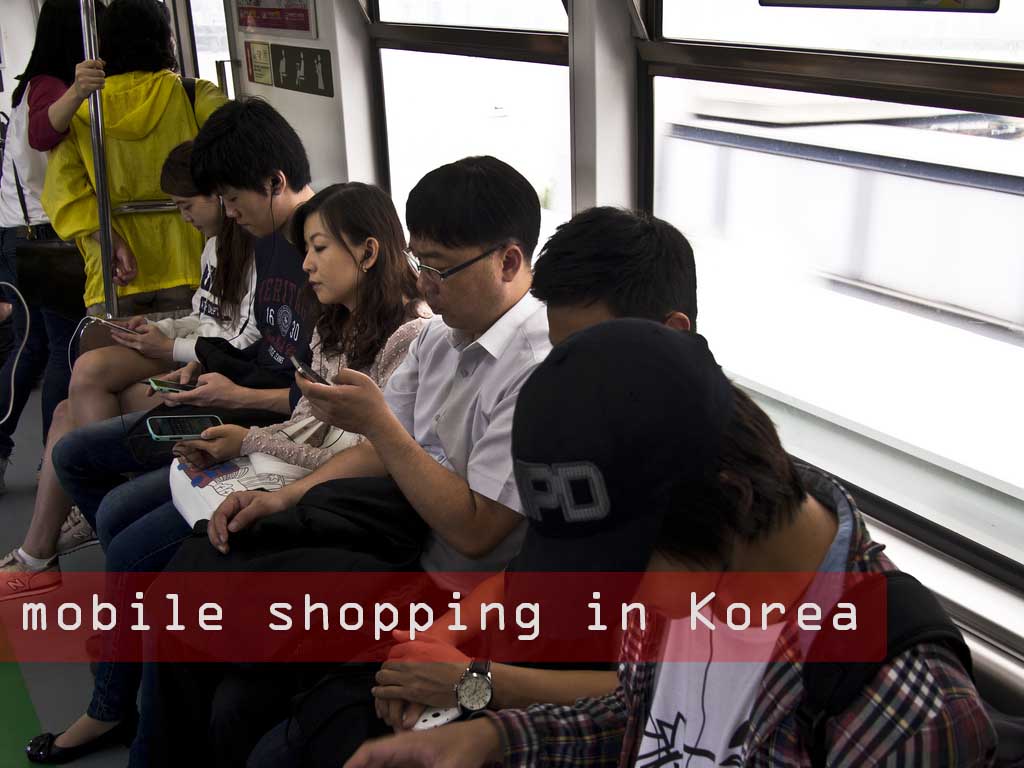
    South Koreans are spending more online on mobiles than ever before.

    Korea mobile shopping spend reached a new record in 2014, crossing the 10 trillion won mark for the first time.

    Thanks to the ubiquity of smartphones and tablets, annual sales volumes for mobile shopping in Korea first exceeded the 10 trillion won (US$9 billion) mark last year.

    According to the “Distribution Industry Whitepaper 2015” released by the Korea Chamber of Commerce and Industry (KCCI), the total volume of mobile shopping sales was 13.1 trillion won – up a massive 12.5 trillion won from 2011 when the KCCI first started tracking mobile shopping sales figures.

    “As search and payment solutions through mobile devices continue to improve, online shopping channels are moving from PCs to mobile,” the KCCI said.

    In fact, the sales volume of online shopping through PCs decreased by 1.8 trillion won, but mobile sales increased by 7.2 trillion won.

    Meanwhile, offline shopping channels have mixed feelings of joy and sorrow. While traditional powerhouses such as the big box retailers (down 3.4 per cent), department stores (down 1.6 per cent) and supermarkets (up 0.8 per cent) showed negative or stagnant sales growth, convenience stores saw an increase of 8.7 per cent last year.

  • H&M soars in first quarter

    H&M soars in first quarter

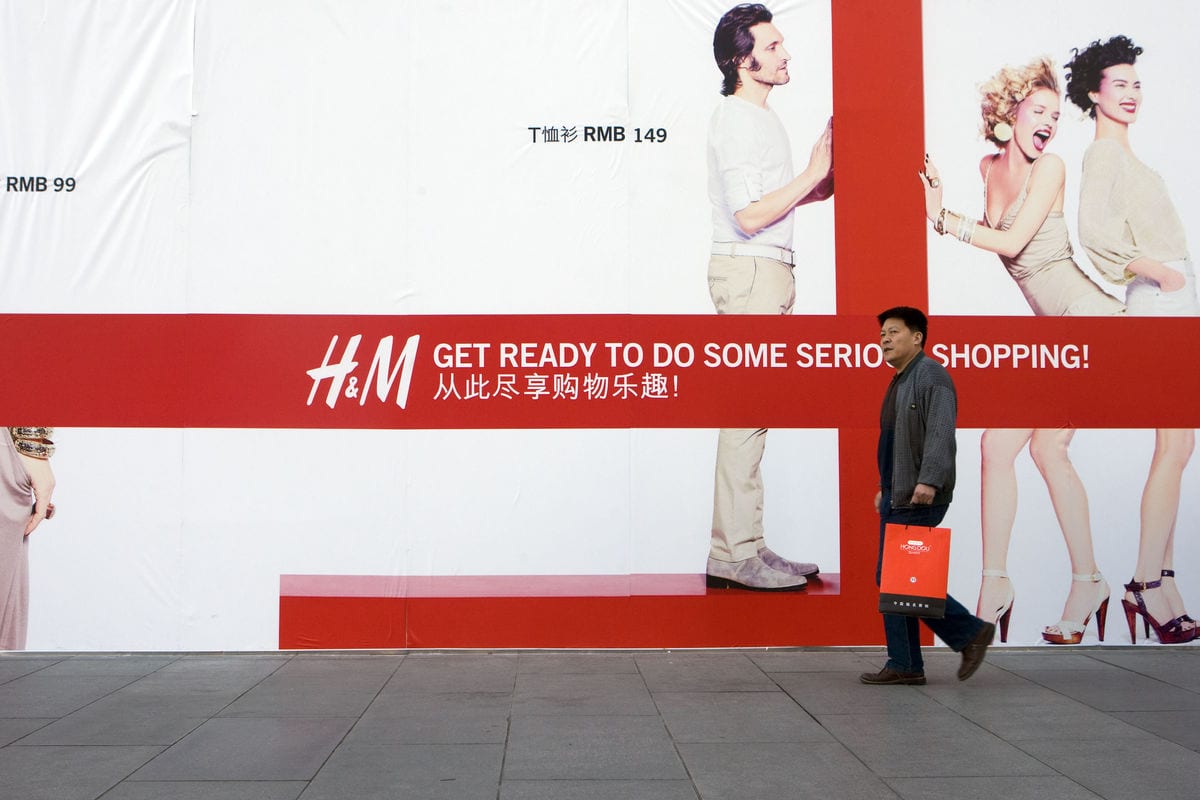
    H&M says global sales in its first quarter – to February 28 – soared 15 per cent year-on-year on a local currency basis.

    CEO Karl-Johan Persson says the increase reflected well-received collections for all brands in the group, which boosted market share.

    Sales excluding VAT totalled US$4.73 billion.

    Gross profit increased by 26 per cent to $2.6 billion, which corresponds to a gross margin of 55.2 per cent, compared with 54.9 per cent the previous year.

    In the first quarter, H&M opened its first store in Taipei, Taiwan, and in the next three months will make its debut in Macau where it has two stores planned, along with entering Peru for the first time. In the second half of the year it will add Africa and India to its global footprint.

    The company said in a statement that sales in the first three weeks of the second quarter rose nine per cent in local currencies.

    “The year has got off to a very good start and we have great faith in our offering. Although the strong US dollar will affect our sourcing costs going forward, we will make sure that we always have the best customer offering in each individual market,” said Persson.

  • Hengdeli shifts focus to mid market

    Hengdeli shifts focus to mid market

    Chinese watch retailer and wholesaler Hengdeli Holdings is to expand into the mid market as it mainland China business grows.

    Hong Kong-listed Hengdeli specialises in high end watch retailing in mainland China, Hong Kong and Taiwan and has relationships with major global suppliers including Swatch, both LVMH and Richemont, Rolex and Kering.

    As at December 2014, the company represented more than 50 international brands, including Breguet, Bulgari, Cartier, Girard-Perregaux, IWC, Jaeger-LeCoultre, Longines, Mido, Omega, Rolex, Scatola del Tempo, TAG Heuer, Tissot, Vacheron-Constantin, Van Cleef & Arpels and Zenith.

    Last year Hengdeli added Manufacture Royale, MB&F and Vulcain to its portfolio as it stepped up its efforts to “bring in and align mid-end, mid-to-high end and high-end brands across both Mainland China and Hong Kong”. The company said it believes optimising the brand portfolio will pave the way for long-term business development and increased sales.

    According to recently filed 2014 financials, Hengdeli recorded turnover of RMB 14,764,370,000 (US$2.379 billion); an increase of 10.4 per cent year-on-year. Retail sales amounted to RMB 10,608,804,000 ($1.71 billion), an increase of 6.3 per cent year-on-year. Of this figure, retail sales in mainland China posted a year-on-year increase of 11.6 per cent to reach RMB 6,248,240,000 ($1.007 billion), while Elegant Hong Kong’s retail sales experienced a year-on-year decrease of 17.7 per cent to RMB 2,593,388,000 ($418 million). Excluding the impact of foreign exchange gains and losses, the decrease was 16.6 per cent.

    Group sales remained at the same level as in 2013, indicating a slowing of expansion. “Growth of our total retail sales was mainly generated by domestic retail outlets and mid-end brands. While continuing weak sales of high-end watches had some impact on the total retail sales, the new normality of China’s economy and our strategy of aligning operations with market dynamics has paid off. As a result, the decline in sales of high-end watches in Mainland China began to slowdown.”

    The company says sales of mid-end brands remained favourable, posting a year- on-year growth of 16.1 per cent. Same-store sales of mid-end brands also grew by 2.2 per cent, which was above the group’s average growth for the year.

    The group recorded net profit of RMB 583,427,000 ($94 million); an increase of 24.4 per cent year-on-year.

    As well as focussing expansion on less high end brands, Hengdeli actively expanded into mainland China’s second, third, and fourth-tier cities while building market shares in first-tier cities, and establishing a multi-level sales system across Mainland China and Hong Kong.

    At year end, the Group operated 513 retail outlets in mainland China, Hong Kong, Macau and Taiwan.

    The Group’s retail network covers the Greater China Region, where retail stores mainly includes Prime Time/Hengdeli, Elegant as well as certain other single-brand boutiques. Prime Time/Hengdeli mainly sells mid-end and mid-to-high-end international brands, while Elegant focuses on top-end internationally renowned brands.

    Prime Time is the major retail outlet arm of the Group in Mainland China and mainly sells internationally renowned mid-end and mid-to-high-end branded watches.

    Hengdeli says in 2015, China’s economy looks likely to continue to evolve despite ongoing global economic uncertainties.

    “We believe that the resultant new normality will continue to create exciting fresh opportunities for the group.”

  • SSI Group plans 130 new stores

    SSI Group plans 130 new stores

    Fresh from announcing record profit growth, Philippines specialty retail operator SSI Group says it plans to open 130 new stores this year.

    The expansion plan will be ramped up even further if current discussions with four international fashion brands not yet launched in the Philippines come to fruition. They could arrive late this year or in early 2016.

    As reported by Inside Retail Asia on Tuesday, SSI Group grew topline sales by 19 per cent last year and achieved a 63 per cent increase in profit.

    It ended the year with 723 specialty stores and 134,000 sqm of retail trading area. The company’s brand portfolio includes Marks and Spencer, Gucci, Burberry, Hermès, Prada, Salvatore Ferragamo, Lacoste, Michael Kors, Kate Spade, Gap, Bershka, Aeropostale, Samsonite, Nine West and Payless Shoe Source.

    SSI President Anton T Huang said the company will continue its expansion strategy, with plans to add 21,000 sqm of trading area this year and a further 16,000 sqm in 2016.

    The growth is being spurred by the growing disposable income of middle class Filipinos and rapid development of new shopping malls.

    SSI already has a presence in at least 70 shopping centres across the country.

    The last three years saw SSI add 64,000 sqm of retail space, more than half of that opening last year alone.

    “There really is a very steady supply of new shopping malls coming up, just taking into account the continued growth in consumption expenditure and increasing sophistication of consumers not only in suburban areas within the metropolis but in secondary cities throughout the country,” Huang said.

    “Just looking at 2014, it was a very good year for us… We grew our top line sales by 19 per cent and in terms of fourth quarter alone, we grew our top line sales by 26 per cent,” said Huang.

  • HK shopping mall partners with Variably to launch automated price negotiation system

    Hong Kong shopping mall The Arcade, Cyeberport has partners with a tech startup Variably to launch a personalised automated price negotiation system accessible via WeChat and QR Code Scan, allowing retailers and customers to negotiate the best possible price that is satisfactory for both.

    By scanning at the QR code of your favourite items with WeChat app, shopper can direct contact the retailer and negotiate the best possible price privately and automatically.

    In retail commerce, prices are fixed and cannot be negotiated. That has often left customers passively waiting for discounts, or skipping purchases altogether. For a seller, this is a tricky situation: set a price too low and they’ll lose profits; set the price too high, and risk losing customers. Finding the right price has proved to be a major challenge.

    The price negotiation platform empowers users to bargain the best possible price privately and automatically, breaking the traditional mold of retail operations and giving buyers and shoppers an innovative and efficient way to negotiate.

    A tenant at Cyberport, Variably is founded by a team of experts in the field of data, statistics, and computing. They are the only non-Chinese team included in Alibaba’s Baichuan developer services, with seed funding of more than USD900,000.

    In a pioneering move, the system will be available from now on to 15 April to give shoppers the chance to experience the future of interactive commerce.

  • UnionPay joins hands with 80 airport duty free shops to expand cardholder privileges

    UnionPay joins hands with 80 airport duty free shops to expand cardholder privileges

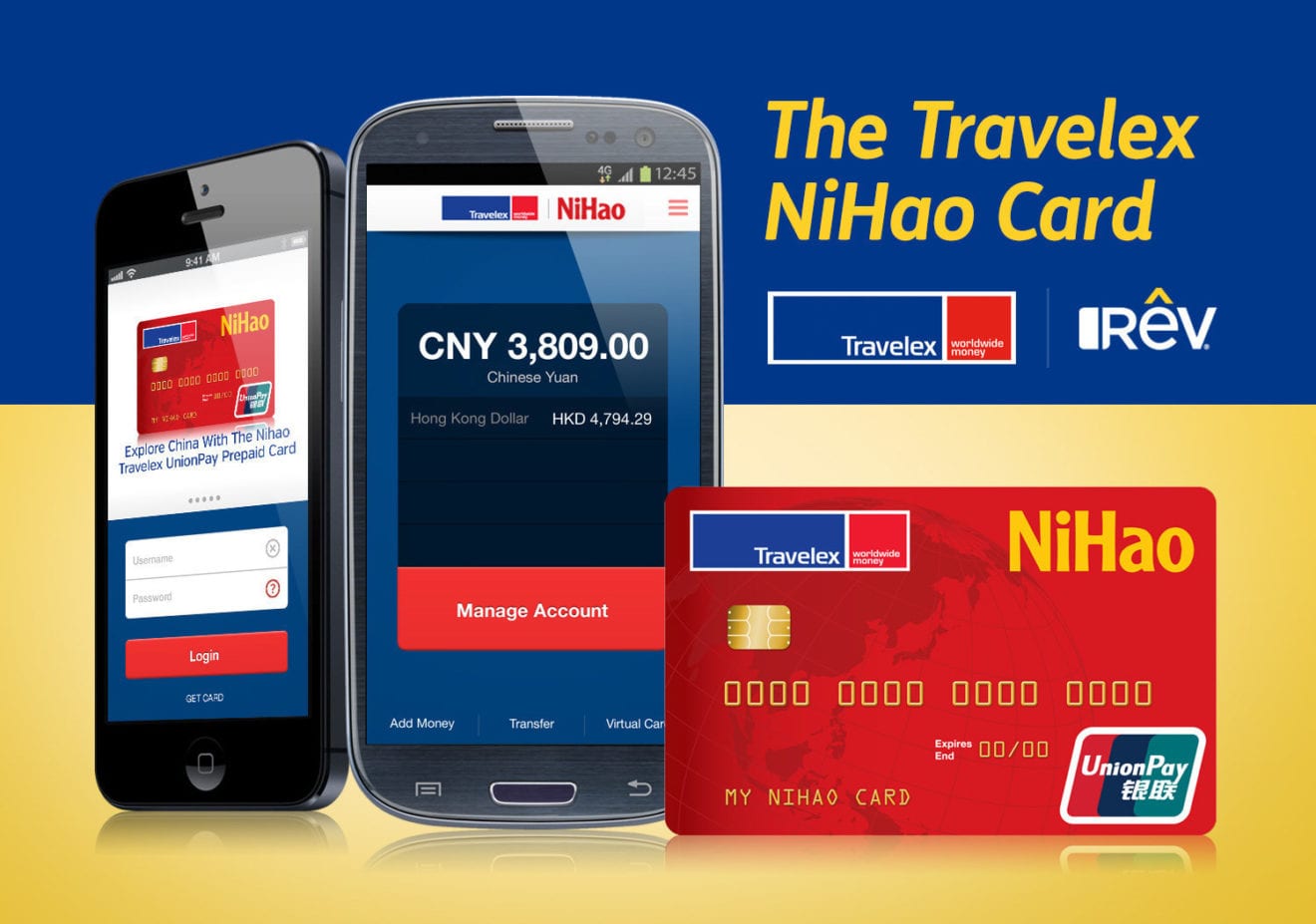
    UnionPay International, a unit of China UnionPay Co Ltd, said on Friday that it launched a new privilege program featuring special discounts at 80 duty free shops in 70 airports by partnering with 16 world-renowned duty free groups. Holders of UnionPay cards (card number starting with 62) are able to enjoy exclusive discounts of at least 5 percent while shopping at the airport.

    “As China becomes the world’s second largest tourism source country, we’re keeping up with the trends that individual and in-depth tours have become more popular to continuously enrich our global cardholder privilege system,” said Dong Li, Chief Branding Officer of UnionPay International.

    “Airport duty free shops are must-visit shopping sites for many during their travel, we wish to provide both domestic and overseas cardholders with better card-using experiences at airports around the world by rolling out the latest privilege program.”

    The program is an upgrade of the one of last year that features exclusive discounts at 60 airport duty free shops with many highlights.

    It covers a wide range including popular destinations such as Hong Kong, Taiwan, Japan, South Korea, Southeast Asia, Europe, North America, Australia, New Zealand and the Middle East. A total of 17 airports among the top 20 global ones in terms of passenger flow participate in the program.

    Cardholders can enjoy discounts of at least 5 percent. In the meantime, the program covers the Labour Day and the summer vacation during which Chinese tourists prefer to travel. Around 30 percent of the duty free shops, including those in Paris Charles de Gaulle Airport, Toronto Pearson International Airport and Ngurah Rai International Airport, will extend the offers to the end of 2015.

    A large number of new merchants are involved. International airports in emerging tourist destinations including Russia, Italy, Qatar, South Africa, Finland, Belgium and Fiji participate for the first time. UnionPay International also offers privileges in 5 domestic airport duty free shops in Guangzhou, Hangzhou and Kunming to overseas UnionPay cardholders.

    Currently, the overseas UnionPay acceptance network has expanded to 150 countries and regions. UnionPay cards are accepted by 26 million merchants and 1.8 million ATMs worldwide. UnionPay has become the preferred payment service provider of Chinese outbound tourists. Since last year, UnionPay International has launched privilege programs featuring discounts at airport duty free shops, core business districts and tourist destinations.

  • Rainbow stores continues expansion

    Rainbow stores continues expansion

    Shenzhen-headquartered Rainbow Department Stores is continuing to expand despite falling profit in 2014.

    According to stock exchange filings, Rainbow increased sales last year by 6.02 per cent to RMB 16.998 billion (US$2.7 billion). But its profit fell 11.84 per cent year-on-year to RMB 773 million ($124.5 million).

    Rainbow stores opened 12 new shops under its own brand and one new Dreams-on store, added five new Weiwo convenience stores and acquired a chain of 153 Q-mart c-stores.

    The company now has 62 Rainbow-branded stores and one franchised store with a combined trading area of more than 1.8 million sqm. Its Dreams-on owned chain now stands at four.

    At year end, Rainbow had expanded into Guangdong, Jiangxi, Hunan, Fujian, Jiangsu, Zhejiang, Beijing, and Sichuan.

    The company says in 2015 it will transform and restructure its internal business model to boost profitability.

    The company will focus on developing a mobile eCommerce channel and improve its supply chain capacity.

  • Lululemon eyes Asia growth

    Lululemon eyes Asia growth

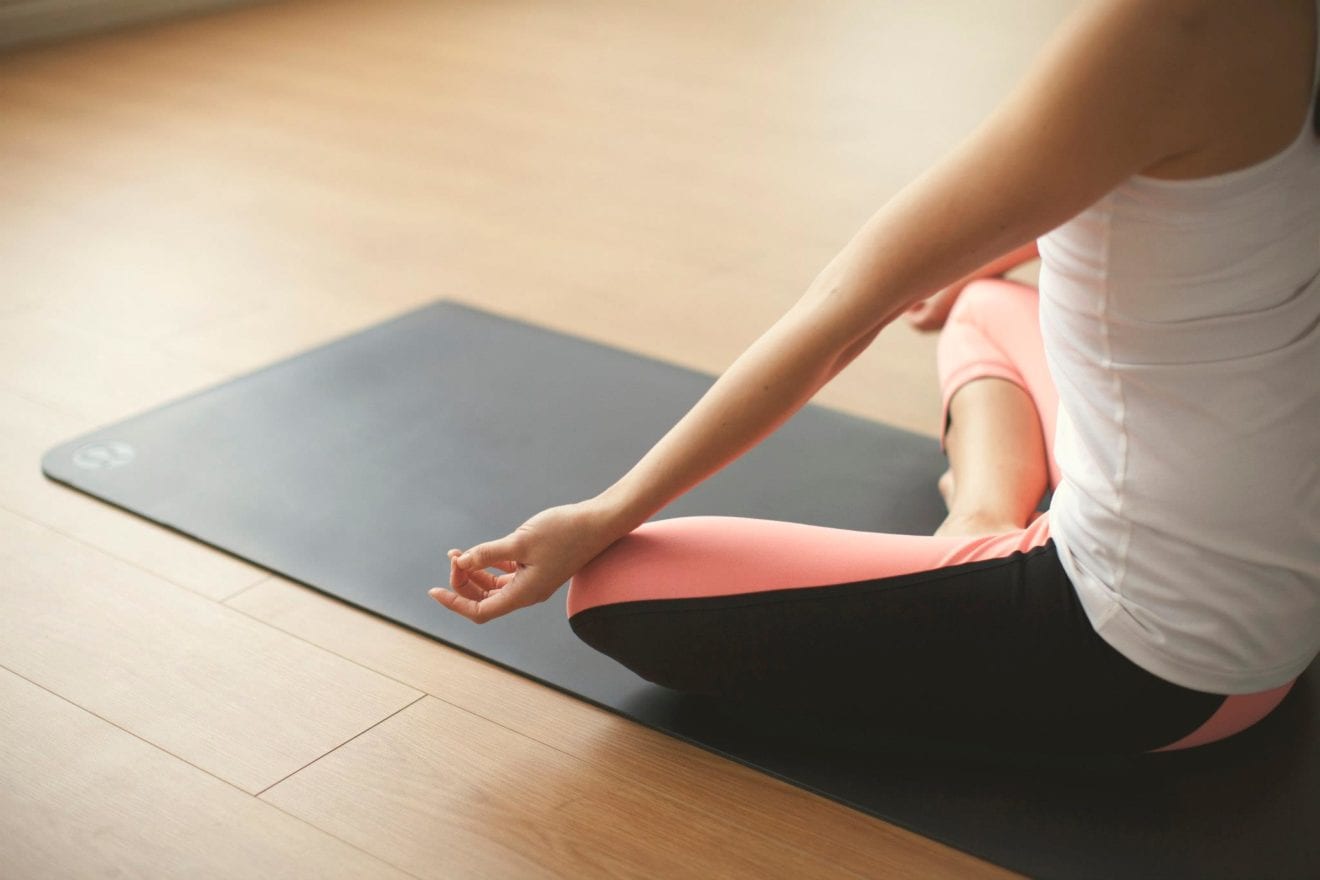
    Yogawear retailer Lululemon sees a positive future in Asia, despite bad experiences in Japan and Australia.

    Announcing a 13 per cent jump in global revenue in 2014 to US$1.6 billion, the Canadian company reiterated plans to open a new store in Hong Kong this year.

    The company plans 20 new stores in Europe and Asia this year with Hong Kong, Germany and the UK singled out as priorities.

    CEO Laurent Potdevin told analysts in a conference call he believed international revenues could eventually exceed those from North America.

    Lululemon currently has stores in Singapore, Hong Kong, China, Australia and New Zealand.

    It once had stores in Japan but withdrew from that market in 2009 after poor sales. It has also trimmed its network in Australia where sales failed to meet expectations.

    Besides Asia, the company is bullish about its prospects in the Middle East.

    It has a partnership with Dubai-based retail conglomerate Majid Al Futtaim to open stores in the UAE, Qatar, Bahrain, Oman and Kuwait. The first store is scheduled to open in Dubai late this year

    Potdevin described 2014 as “a critical year when we strengthened our leadership team and made important investments in our product pipeline, guest experience, brand, and community engagement”.

    “In 2015, we expect to substantially complete this foundational work and accelerate our investments in innovation to drive sustainable global growth as we continue to lead the market that we created,” he said in an earnings statement.

  • Thai beauty market booms

    Thai beauty market booms

    The Thai beauty industry is growing rapidly, fuelled by increasingly sophisticated consumers, including men.

    Sales in the lucrative luxury segment soared 24 per cent last year, aided by reductions in duty tariffs seen as a government initiative to attract more foreign shoppers.

    With 70 million potential consumers, there are many opportunities for international and domestic companies in what the organisers of ASEANbeauty 2015 trade show next month describe as “a vibrant market, which values new and innovative products”.

    ASEANbeauty 2015 expects to attract over 200 exhibiting brands from different countries and regions including Taiwan, mainland China, India, Japan, South Korea, Malaysia, Hong Kong, Singapore, the Philippines and Thailand, who will join a host of global businesses focusing on the Asia region. Many of these brands will take the opportunity to launch new products and innovations during the event.

    Held at the Bangkok International Trade & Exhibition Centre (BITEC) in Bangkok, Thailand, ASEANbeauty 2015 will run from April 8 to 10.

    On the afternoon of April 8, a panel discussion Thailand is Ready for The ASEAN Beauty Market, with invited speakers from association and government bodies will share thoughts on how Thailand is ready for the ASEAN beauty market and how the upcoming ASEAN Economic Community will impact the ASEAN beauty industry as a whole.

    Consumers and Marketing Focus for The Cosmetics Industry in 2015 will enable industry players to stay ahead with the latest trends, with brand new market data, case studies and insights.

  • Yelp lands in Taiwan

    Yelp lands in Taiwan

    Business rating app Yelp has opened a portal in Taiwan.

    Yelp allows shoppers and customers of other businesses to share their opinions and experiences in a similar way TripAdvisor allows crowd ratings of restaurants, hotels and holiday destinations.

    From this week, people throughout Taiwan can create accounts on Yelp.com.tw  and use the free iPhone and Android applications as well as its free suite of business owner tools: Yelp for Business Owners.

    “From shopping at street markets for sweet and savory snacks, to getting lost on the many hiking trails, Taiwan is an energetic tropical island full of surprises,” says Miriam Warren, VP of new markets. “Similar to Yelp’s home in Silicon Valley, a bevy of influential technology firms make their home in Taiwan. It’s definitely a natural fit.”

    Yelp is already in Singapore, Hong Kong and Japan and The Taiwan debut continues an Asia growth ambition. The company will initially appoint a community manager in Taipei, whose role will be to build a local community of Yelpers in Taipei.

    Yelp is available to everyone in Taiwan with access to the Internet, whether that be via their desktop, smartphone or tablet, and they can do so in any one of the 16 languages that Yelp currently supports, including traditional Chinese.

  • Chinese drive Europe outlet malls

    Chinese drive Europe outlet malls

    Chinese travellers are poised to become the biggest global spenders at McArthurGlen designer outlets in Europe.

    Fashion-conscious travellers from China and across Asia are spending big at McArthurGlen’s  20 Designer Outlet centres located across Europe, with Chinese visitors poised to become the most prolific spenders in 2015.

    The company, a joint venture with US property giant Simon, says total tax-free sales at McArthurGlen Designer Outlets reached a record high in 2014, reflecting a more than quadrupling of sales to international travellers over the past four years.

    “Impressive sales growth was seen from Chinese shoppers, up 36 per cent, and from Korean travellers, whose spending increased 32 per cent” the company said.

    The projections for future Chinese spending overseas are even more impressive. In 2014, 109 million Chinese tourists spent US$164 billion worldwide, while 174 million Chinese tourists are tipped to spend $264 billion annually by 2019, according to Bank of America Merrill Lynch.

    “These upward global spending figures are being reflected in sales at McArthurGlen’s Designer Outlets. In 2014, Chinese shoppers accounted for 25 per cent of total tax-free sales, ranking second overall behind Russian travelers (29 per cent). Korean visitors ranked third, with five per cent of total tax-free sales.

    “In 2015, Chinese visitors will likely overtake Russian tourists as the number one international spender.”

    McArthurGlen Designer Outlets is responding to the burgeoning Chinese interest by increasing its digital engagement with consumers in China. A dedicated page is about to be launched on social media channel WeChat, and McArthurGlen also re-launched its Sino-Weibo page. In addition, the McArthurGlen App and The Guide is available in 12 languages, including Chinese.

    Anthony Rippingale, McArthurGlen’s head of tourism, says the company’s sales to international shopping tourists are increasing twice as fast as for overall tax-free retail sales in Europe.

    “We are noticing particularly impressive growth from Korea and China, whose shoppers rank first and second for average transaction value for international visitors.”

    Across all international shopping markets, the most popular McArthurGlen Designer Outlets in 2014 for tax-free shopping were: Serravalle (near Milan, Italy), Roermond (near Düsseldorf, Germany), Parndorf (Vienna, Austria), Noventa di Piave (Venice, Italy) and Castel Romano (Rome, Italy).

    In June, McArthurGlen will open its first centre outside Europe, in Vancouver, Canada.

    “The latter will be of special interest to Chinese shoppers after the announcement of the new 10-year Canada visa plan for Chinese guests was announced in March,” the company said.

    McArthurGlen Group, Europe’s leading owner, developer and manager of designer outlets, was founded in Europe by Kaempfer Partners in 1993. Since then, the company has developed nearly 600,000 sqm of outlet space, with a current value of more than euro 3 billion, and manages 20 McArthurGlen Designer Outlets across eight countries: Austria, Belgium, France, Germany, Greece, Italy, the Netherlands and the UK.

    In 2013, McArthurGlen became a joint venture between the world’s largest retail developer, Simon Property Group, and Kaempfer Partners.
  • Retailers close for founder’s funeral

    Retailers close for founder’s funeral

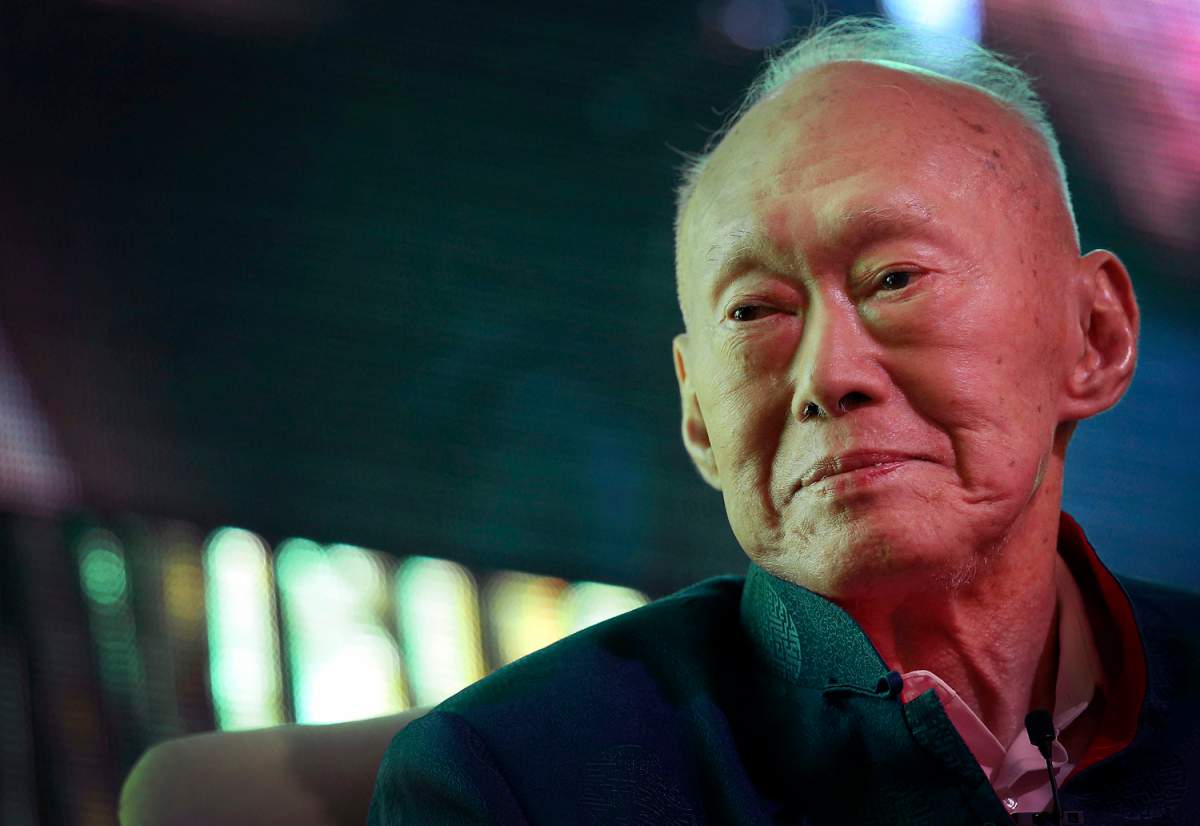
    Department stores Metro and Tangs will close their Singapore outlets all day on Sunday, when the state funeral for the nation’s founder and former prime minister Lee Kuan Yew will be held.

    Retailers Mothercare Accessorize, Island Shop boutiques, Cache Cache and King Kow are among others to announce their closure.

    All Singapore Pools (betting) retail outlets will close all day.

    The closures were announced as a gesture of respect to the much admired former leader.

    The Straits Times newspaper quoted Metro’s advertising and promotions manager Veronica Lee saying: “We felt that we should do so as a mark of respect. Staff will also get a day off to show thanks and reflect.”

    Normal operations will resume on Monday.

    Earth Hour activities planned for City Square Mall on Saturday by City Developments were cancelled.

    The newspaper reports that three retailers in The Shoppes at Marina Bay Sands have postponed events, including Cath Kidston’s island-wide marketing campaign and the official store opening event of Kate Spade New York. Other sale promotions have been suspended.

  • Harvey Nichols Baku opens

    Harvey Nichols Baku opens

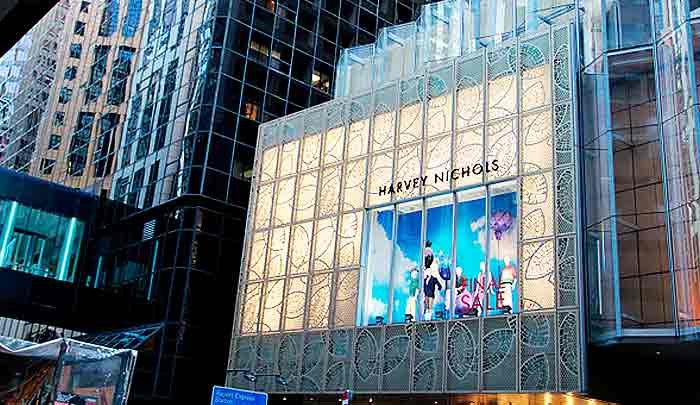
    The once Soviet state of Azerbaijan has become British department store Harvey Nichols’ newest overseas market.

    A new seven-storey Harvey Nichols store has opened in the fast-growing capital city of Baku offering 110,000 sqft of space selling more than 500 labels in men’s, women’s, children’s and bridalwear; a cosmetics hall, perfumery, cafe, restaurant, lounge and club.

    Stacey Cartwright, group CEO of Harvey Nichols, said in an interview Azerbaijanis were showing an increasing demand for luxury goods and the market was “fast becoming one of the top luxury retail destinations in the world”.

    Harvey Nichols already has stores in London, Hong Kong, Saudi Arabia, Turkey, Dubai and Kuwait.

    Harvey Norman Baku opens amidst esteemed neighbours, with Burberry, Armani, Valentino and Dior already operating stores in the city, and Donald Trump planning to open a hotel there in June.

    Baku will host a Formula One Grand Prix on a street circuit from 2016.

    Located on shore of the Caspian Sea, Baku has a population in excess of 2 million.

  • Dairy Farm boosts Macau reach

    Dairy Farm boosts Macau reach

    Hong Kong’s Dairy Farm International has acquired the Macau-based supermarket operator, San Miu Supermarket.

    The purchase price was not disclosed.

    San Miu operates 15 mass-market supermarkets with an average gross store size of approximately 9500 sqft.

    In a statement, Dairy Farm said the purchase of San Miu reinforces Dairy Farm’s retail presence in Macau, and complements its well-established convenience store and health and beauty businesses in the territory.

    Dairy Farm Group, together with its associates and joint ventures, operates more than 6100 outlets – including supermarkets, hypermarkets, convenience stores, health and beauty stores, home furnishings stores and restaurants – employing over 100,000 people. It posted total annual sales in 2014 exceeding US$13 billion. It is a member of the Jardine Matheson Group.


  • Levi’s saved 1 billion litres of water through sustainability initiatives

    Levi’s saved 1 billion litres of water through sustainability initiatives

    Levi Strauss & Co (Levi’s) has saved 1 billion litres of water since 2011 through its Water<Less process, which reduces the water used in garment finishing by up to 96 percent, the clothing company said on Wednesday.

    It has also released an update on it 2007 study that examined the environmental impact of Levi’s products – Product Lifecycle Assessment (LCA). The new study analysed the complete product lifecycle, probing deeper into the environmental impacts of cotton in key growing regions, apparel production and distribution in a range of locations, and consumer washing and drying habits in key markets.

    The study shows that of the nearly 3,800 litres of water used throughout the lifetime of a pair of jeans, cotton cultivation (68 percent) and consumer use (23 percent) continue to have the most significant impact on water consumption. Consumer care is also responsible for the most significant energy use and climate impact, representing 37 percent of the 33.4 kilograms of carbon dioxide emitted during the lifecycle of a jean. The new LCA expands on previous research to better understand the impact of cotton cultivation and includes data from the world’s primary cotton producing countries, including the United States, China, Brazil, India, Pakistan and Australia. It also analyses consumer care data from new markets, including China, France and the United Kingdom, to understand the costs and benefits of differences in washing habits.

    To reduce the impact of cotton consumption, Levi’s is working with the Better Cotton Initiative (BCI) to train farmers to grow cotton using less water. Based on the latest BCI harvest data available, in 2013, cotton farmers in China reduced their water use by 23 percent compared with farmers who were not using BCI techniques. Levi’s plans to continue working with its global suppliers with the goal of sourcing approximately 75 percent Better Cotton by 2020, up from 6 percent today.

    The denim company will also continue to work toward using less water during manufacturing by expanding the Water<Less process to include more Levi’s products, such as tops. By 2020, the Levi’s brand aims to make 80 percent of its products using Water<Less techniques, up from nearly 25 percent today.

    The new LCA also reveals that Americans use more water and energy to wash their jeans than consumers in China, France and the UK It shows that consumers in China wear their jeans, on average, four times before tossing them into the wash – and if American consumers did this, they could reduce the water and climate change impact from washing their jeans by 50 percent.

    “It’s time to rethink autopilot behaviours like washing your jeans after every wear because in many cases it’s simply not necessary,” said Chip Bergh, CEO and president of Levi’s. “Our LCA findings have pushed us as a company to rethink how we make our jeans, and we’re proud that our water stewardship actions to date have saved 1 billion litres of water. By engaging and educating consumers, we can fundamentally change the environmental impact of apparel and, ideally, how consumers think about the clothes they wear every day.”