Blog

  • Surprise buyer for BHS

    Surprise buyer for BHS

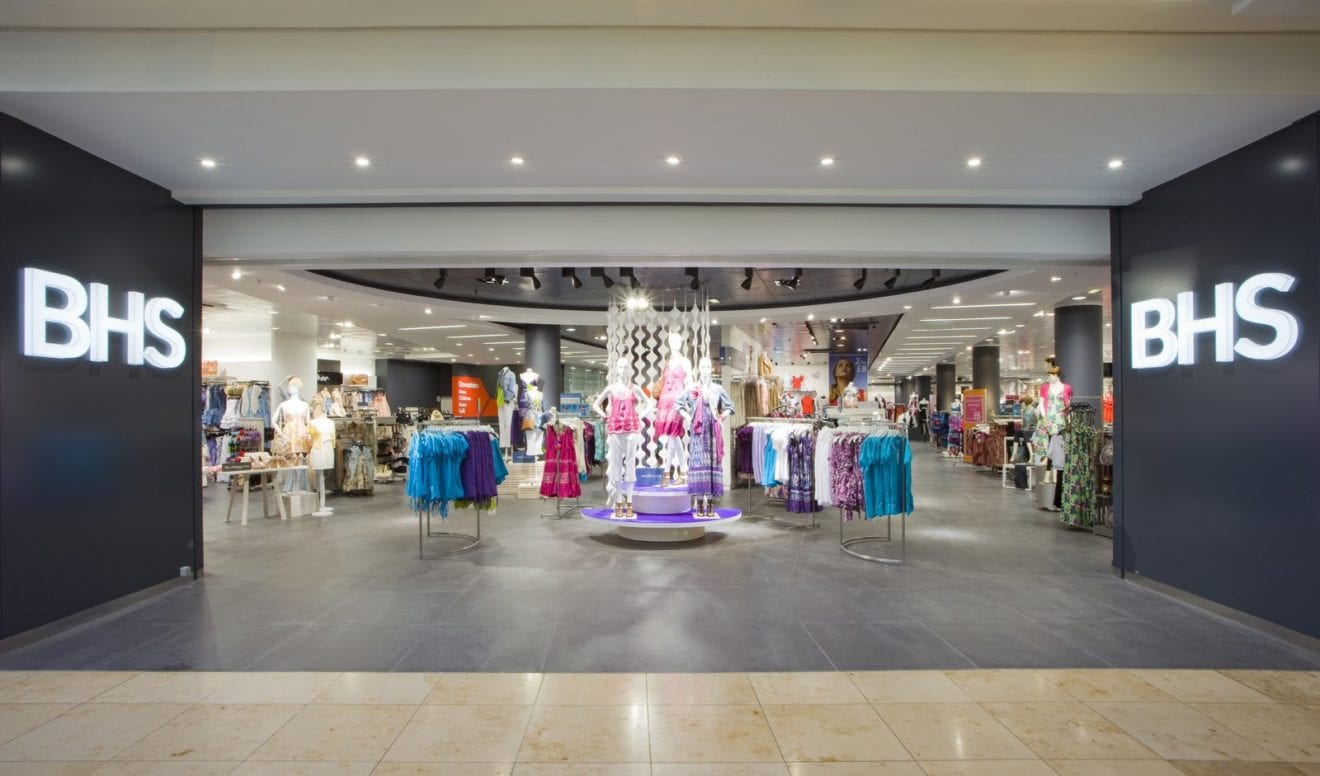
    Arcadia Group founder and controlling shareholder Sir Philip Green has sold department store chain BHS to a little known investment house, Retail Acquisitions Ltd.

    The BBC has reported the asking price for BHS was as low as £1 and the business was sold debt free.

    The sale frees Arcadia from a drag on the earnings of its other, far more successful, retail brands including Topshop and Miss Selfridge.

    News that Retail Acquisitions was the successful bidder follows intense speculation for several months, the most recent just last week. As Inside Retail Asia reported on March 9, a new bid was being prepared by Tony Brown, a former retail director at BHS, working with a private equity fund Alteri Investors, in turn backed by Wall Street fund Apollo. That, like earlier talks with South Africa’s Pepkor Group, ultimately failed.

    Retail Acquisitions, described as an “obscure” business by the BBC’s business editor, counts among its directors a former Formula 3000 racing driver and entrepreneur Dominic Chappell, former director of City finance house Nabarro Wells, Keith Smith, lawyer Edward Parladorio and Lennart Henningson, a former senior advisor for HSN Nord Bank.

    BHS was founded in 1928 and now has 180 stores and about 12,000 staff. Arcadia Group said BHS’ cash losses rose from £19 million to £21 million in the year to August 30.

    In a statement, Sir Philip said he was pleased to have found a buyer in Retail Acquisitions Ltd which wants to develop the BHS brand.

    “Having acquired the business nearly 15 years ago in May 2000, one of my clear objectives in identifying a purchaser was ensuring their desire to take the business forward.”

  • IKEA to invest USD95.7m in 3 stores in India’s Maharashtra

    IKEA to invest USD95.7m in 3 stores in India’s Maharashtra

    The Bharatiya Janata Party (BJP)-led government in the Indian state of Maharashtra on Friday signed a memorandum of understanding (MoU) with the Swedish furniture retailing giant, IKEA, to set up two to three stores. Maharashtra is one of four states, including Telangana, Karnataka and Delhi-National Capital Region (NCR), identified by IKEA to open its stores. One store will need more than eight acres (350,000 square feet). The company is on the lookout for locations in these states.

    State Industries Minister Subash Desai told the Business Standard: ”Each store IKEA proposes to start in Maharashtra entails an investment of INR600 crore (INR6 billion, USD95.7 million). Each store will generate jobs for more than 1,000 people. Maharashtra is one of few states in India supportive of foreign direct investment in single-brand retailing.”

  • Muji moves on Sydney

    Muji moves on Sydney

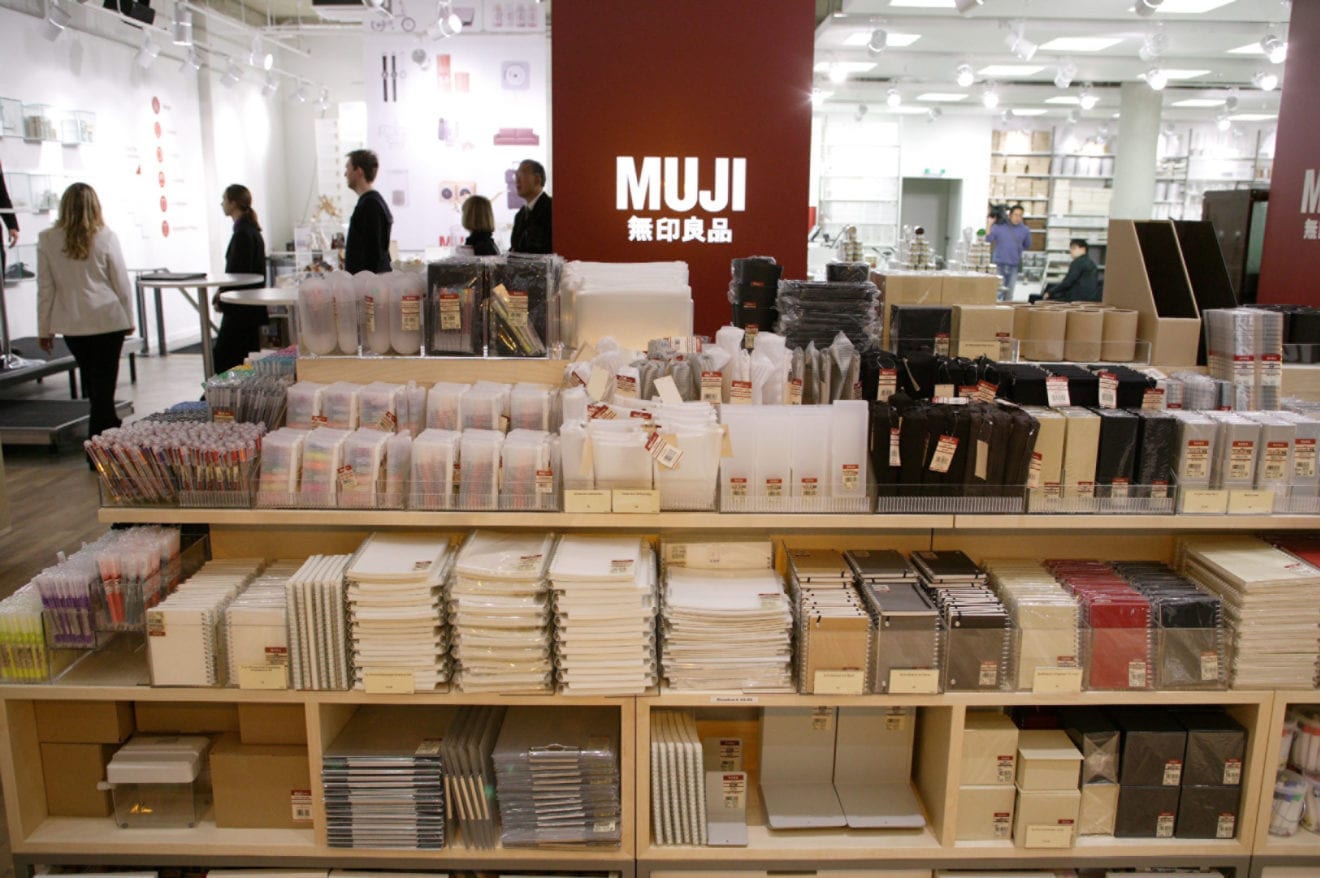
    Japanese lifestyle retailer, Muji, has confirmed it will open its first store in Sydney.

    This will be the third Australian store for Muji, adding to its two locations at Chadstone shopping centre and Emporium in Melbourne.

    Retail News understands the store will be located at The Galeries shopping centre in Sydney’s CBD, replacing the former Freedom site, and will open by May.

    Dubbed “Japan’s answer to Ikea”, Muji stocks a range of categories from men’s, women’s, and children’s apparel and accessories; furniture and homewares; skincare products; stationery; and travel goods.

    The retailer is owned by Tokyo-based company, Ryohin Keikaku, and has more than 600 stores, including more than 200 international stores in Britain, France, the US, China, Taiwan, Thailand, Germany, Sweden, and Italy.

    Muji first launched in 1980 with a range of nine household products and 31 foods. Today, it sells more than 5000 products in Japan.

  • Lawson Philippines set for debut

    Lawson Philippines set for debut

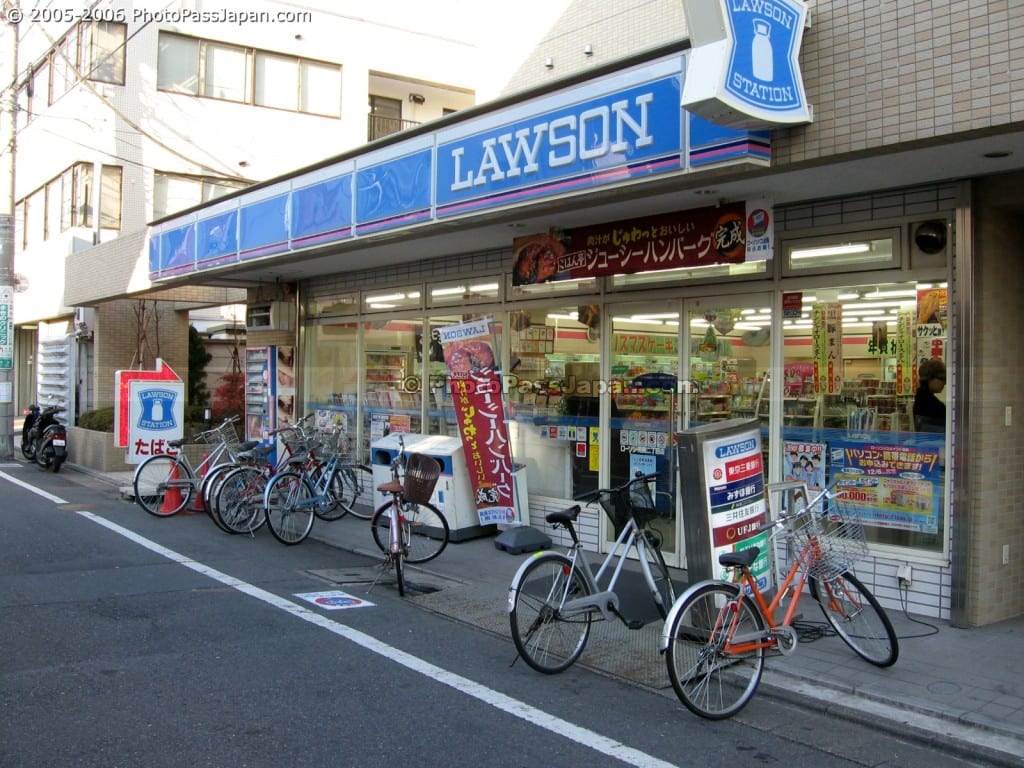
    Lawson Philippines will launch later this month with the first of 500 stores planned in a partnership with local retailer Puregold Price Club.

    Puregold will own 70 per cent of the joint venture partnership with the Japanese convenience store retailer, which will hold the remaining 30 per cent.

    The company has yet to reveal the location of the first store, but Investor Relations Officer John T. Hao confirmed in an interview with Business World Online that construction is underway on the first five stores.

    The supermarket company says it has allocated P500 million on rolling out the first 50 to 100 Lawson stores this year.

    The Lawson Philippines network will initially be focused on metro Manila, mostly in the university belt and business districts.

  • Myer may be planning to close stores

    Myer may be planning to close stores

    Australian retail giant Myer could close seven stores to help reignite sales growth, analysts say.

    The department store chain has a number of underperforming stores that could be closed to simplify the business and improve its financial performance, Citigroup analysts said.

    Myer has 67 stores across Australia, mostly in capital cities, but also in regional centres including Bendigo, Ballarat, Dubbo, Orange, Wagga and Mackay. Sales could also be boosted by lifting staff numbers and spending more on marketing, the Citi analysts said.

  • Cotton On tells staff to keep it real or face the sack

    Cotton On tells staff to keep it real or face the sack

    It may be a new low in human resources gibberish.

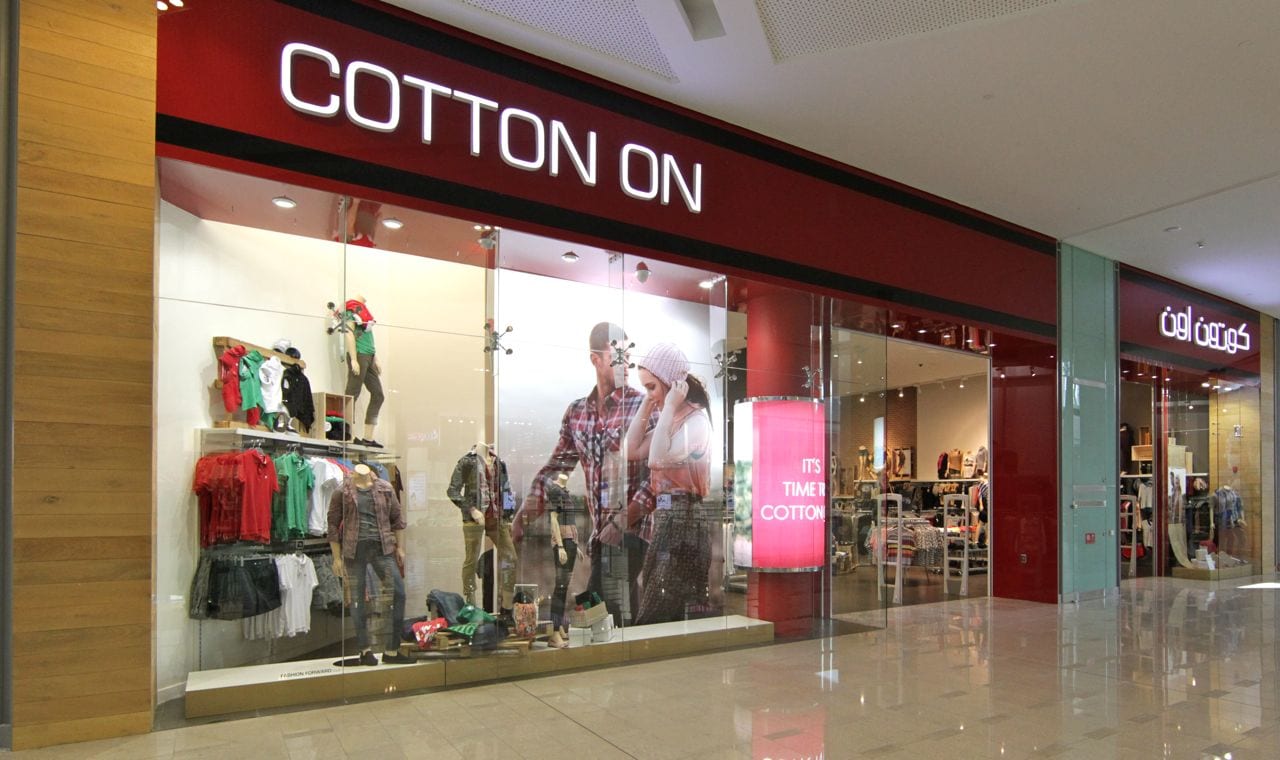
    But the fun crowd at retailer Cotton On have told staff they need to “keep it real” or face the sack.

    A leaked copy of Cotton On’s code of conduct tells its staff it is “unacceptable” when working with colleagues or customers, to be anything but “fun” and “keeping it real”. No ifs or buts. Failure to do so can result in being fired on the spot.

    Less well defined in the document is what “keeping it real” means. The Online Slang Dictionary tells us that to “keep it real” is to “stay true to one’s self; to resist the temptation to be fake”. One claim is that the origins of the phrase emerged out of hip-hop culture in New York in the late 1970s and early 1980s.

  • Ashapura plans to open 200 stores across India in 3 years

    Ashapura plans to open 200 stores across India in 3 years

    Ashapura Intimates Fashion plans to open 200 Valentine loungewear retail showrooms across the country in three years on a franchise basis.

    It plans to open 26 Valentine showrooms in Mumbai this year, most of which will be company-owned, it said in a statement on Monday.

    The first Valentine showroom of 1,550 square feet was opened at Bandra in December 2014, following the state’s largest loungewear showroom spread over two floors in Mulund.

    The third store was opened at Ghatkopar this month and another two stores are expected to come up at Borivali and Thane by April, it added. Ashapura is also planning to open its third Valentine loungewear retail showroom in Bangalore this month, following a similar one launched last month.

    Two stores will be opened in Ahmedabad next month, it said.

    Harshad H Thakkar, Chairman, Ashapura-Valentine Group, said with its second plant going on-stream soon in Gujarat, the company will have the highest loungewear production and warehousing capacity in India.

    Ashapura sells intimate garments such as lounge wear, bridal night wear, honeymoon sets, bathrobes, nightwear, relax-wear and sportswear.

  • British bag brand Zatchels eyes Asia

    British bag brand Zatchels eyes Asia

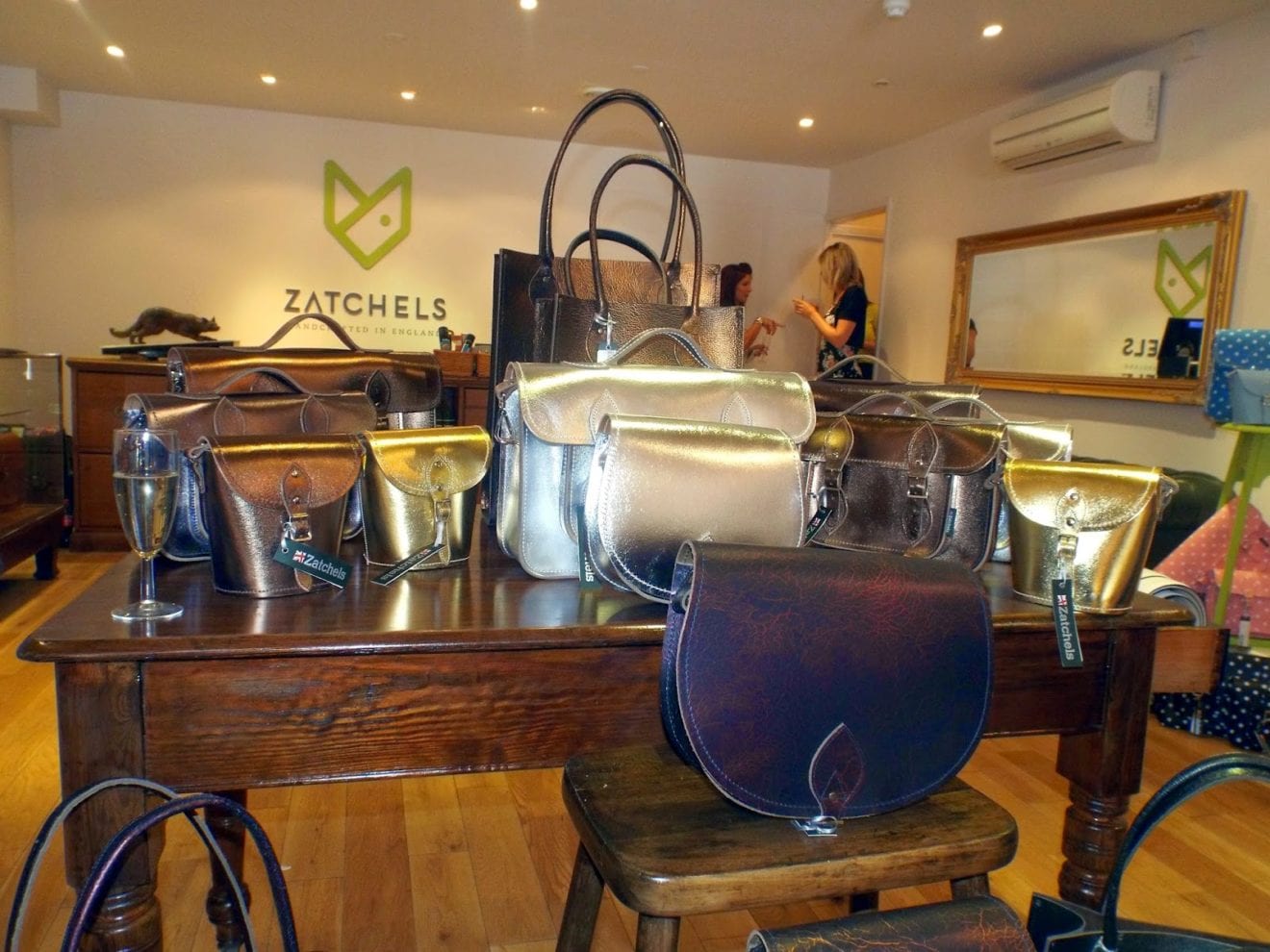
    Hip British bag brand Zatchels says it plans to make inroads into Asia as its young brand gains international awareness.

    Zatchels was established in April 2011 and has its manufacturing base in Leicester, UK.  A multi-channel retailer, it has shops in York, Westfield London and now Bath.

    Now it says it wants to enter Vietnam, Thailand, Cambodia and Singapore to make the most of their young populations and a growing love of products made in Britain among southeast Asians.

    The company manufactures and retails, with boutique stores in the UK. Overseas stores are usually operated as concessions in department stores.

    The manufacturer already exports a third of the designer satchels and bags made at its factory near Leicester’s city centre to around 90 countries. It makes more than 25 styles of bags, turns over £3.5 million annually and employs 70 people in manufacturing and retail.

    Zatchels store York 315*The Zatchels store in York.

    The business has just hosted a visit by Douglas Barnes, HM Consul General to Ho Chi Minh City and Director of Trade and Investment Vietnam, to discuss the opportunities available.

    MD Dean Clarke, who founded Zatchels with business partner Brian Brady, said exports are a growing and vastly important part of the company’s business plan for 2015 onwards.

    “We hope to include Vietnam in those plans, along with other important areas of South East Asia and the Pacific region,” Clarke said in an interview with the Leicester Mercury newspaper.

    “Meeting with Mr Barnes gave us the opportunity to further investigate this emerging high growth country in more detail and potentially make influential contacts to help us grow our business in this exciting market.”

    Barnes said Vietnam is one of the fastest-growing retail markets in the world and there is a huge demand for products as consumer spending power grows.

    “It has a young and dynamic population – with 60 per cent under the age of 30. I am impressed with Zatchels’ hugely ambitious approach to exports which has placed them at the top of their game and I’m keen to help them develop their business in Vietnam.”

    Zatchels focuses on making quality leather goods, with each bag made to order. Zatchels currently has 10 Collections designed for men, women and children as well as a range of accessories.

    Zatchels people inside 315


  • Harbour City mall boosts market share

    Harbour City mall boosts market share

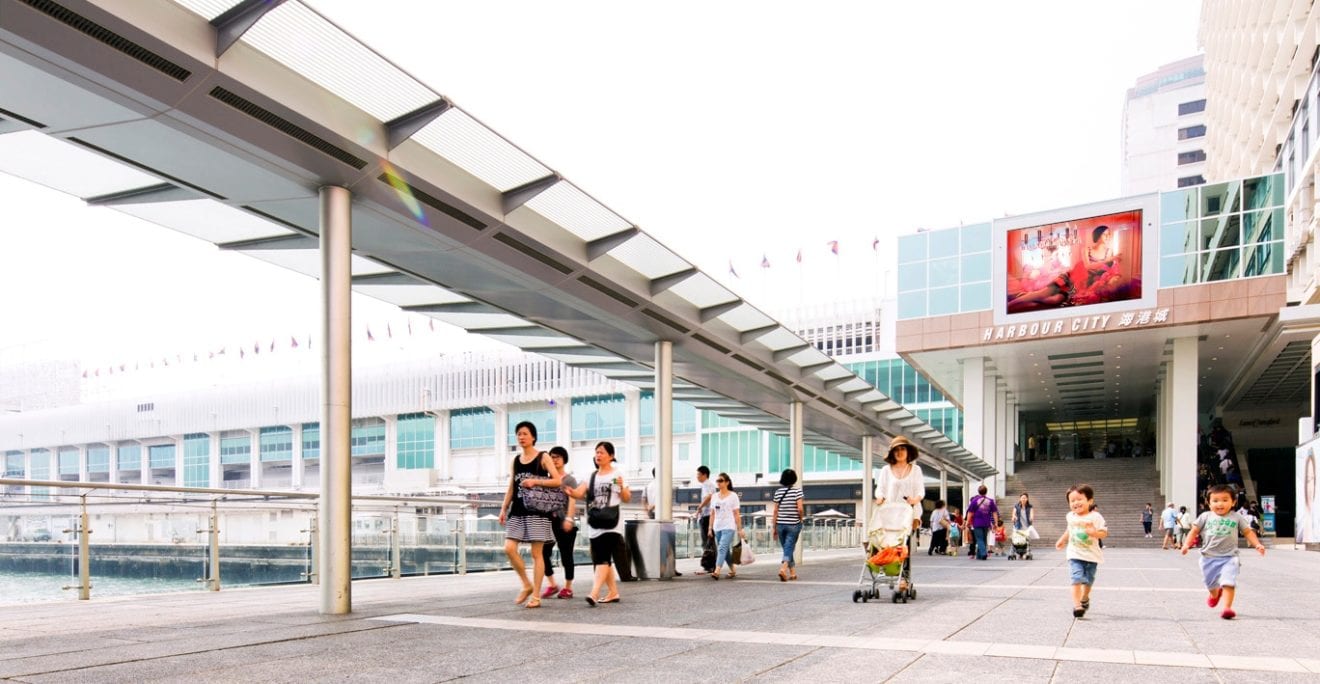
    Retail sales Hong Kong fell 0.2 per cent in 2014 – but Harbour City mall bucked the trend with an increase in footfall, sales and market share.

    In its annual profit announcement, parent The Wharf Holdings said total sales in the centre grew by 3.4 per cent to set another record of HK$35 billion. Market share improved further to 7.1 per cent, “manifesting its productivity and leading position in the marketplace”.

    Revenue to Harbour City from retail increased by 16 per cent to HK$5.674 billion.

    The Wharf described Hong Kong’s retail market last year as “challenging,” primarily due to mainland China’s anti-extravagance campaign that dented luxury spending and competition from Europe, Korea and Japan as their currencies continued to weaken relative to Hong Kong Dollar and Renminibi. “The ‘Occupy Movement’ towards the end of the year inflicted further damage.”

    The company said good management, size and location are the key success factors contributing to the Harbour City mall’s outperformance in a competitive retail landscape.

    “With 2 million sqft of contiguous mall space, Harbour City is among the world’s leading shopping destinations. It is the core of the “Greater Harbour City” cluster with 6 million sqft spanning vibrant shopping, entertainment, dining and lifestyle in Tsim Sha Tsui’s most dynamic retail area. Its presence strengthens the prominence of the region,” said The Wharf.

    “The coveted Harbour City and its 530 metre contiguous retail frontage along Canton Rd is well positioned as a global retail showcase for celebrated brands and has become the most sought-after location for the best-of-class retailers.”

    Demand from renowned fashion brands for expansion and flagship stores at Harbour City remains intense, the company said. New additions Bvlgari and Valentino and the expansion of Prada took place on on Canton Rd last year. Other expansions inside included Moncler, Celine, Roger Vivier and Jimmy Choo

    New openings or commitments further refined the tenant mix, including Chaumet, Van Cleef & Arpels and Italian fashion brand Armani Collezioni. Michelin star chef’s Italian restaurant La Locanda by Giancarlo Perbellini, French fine dining Dalloyau and Wedgewood’s café opened their debut stores in Hong Kong at Harbour City.

    Jamie (Oliver)’s Italian is also set to open its Kowloon debut. Following the opening of Uniqlo’s largest flagship store in Kowloon in April, Page One’s 37,000 sqft full concept store and Versace’s three-level full concept store were opened in late September and October respectively.

    Meanwhile, Ocean Terminal’s renovation is progressing to plan. Upon completion of the new escalators at KidX and a new atrium as well as creation of three new shops taken up by Mont Blanc, IWC Schaffhausen and Hublot in Golden Mile, new retail and food and beverage attractions on the third floor will be created by mid-2015.

    Designed by Foster & Partners, the extension building plan for OT is pending approval. New culinary options with breathtaking panoramic views of the Hong Kong harbour and skyline will be offered at the extension building.

    The Wharf says a series of trade-mix enhancements as well as the renovation and extension of OT “will further unleash retail value, add growth impetus and bring surprises and excitement to the discerning shoppers”.

  • Hugo Boss takes control in Asia

    Hugo Boss takes control in Asia

    German luxury fashion retailer Hugo Boss is forging ahead with plans to take direct control of its Asian store network as it looks to the region to offset stagnant sales growth in Europe.

    Hugo Boss says it will take over 17 franchise stores in South Korea and set up its own distribution company in Dubai.

    It will also take over all of its stores in China, currently operated by a joint venture, with plans for 130 shops in the mainland.

    The Russian market is crumbling, on concert with its currency, the rouble. And Germany’s luxury fashion market has lost its lustre in recent times. Fashion retail sales slid eight per cent in the fourth quarter of 2014 according to independent data. Investment house Goldman Sachs Group has advised clients to sell Hugo Boss shares, predicting little growth for the company in 2015.

    But the German company remains optimistic, focusing its hopes on Asia, especially China, where it says there is a growing thirst for luxury fashion.

    “Looking ahead over the next few years, Hugo Boss faces excellent prospects for growth,” said Claus-Dietrich Lahrs, CEO, in a statement.

    In its latest quarterly earnings statement, Hugo Boss reported group-wide sales growth of five per cent to US$721 million and pre-tax earnings of $176 million.

  • Foodpanda Malaysia eats up rival

    Foodpanda Malaysia eats up rival

    Foodpanda Malaysia is now the largest food delivery service in the country after the US$110 million funding and acquisition of rival Food Runner Group.

    Sidney Ng, country manager of foodpanda Malaysia said the funding from investors underlined the confidence in the venture’s business model and the acquisition of Room Service brought significant synergies.

    Room Service has been in the food delivery industry since 2003 focusing mainly on high end restaurant food delivery in the Klang Valley.

    “With Room Service’s expertise in delivery system and Foodpanda’s strong online marketing, we believe that this synergy will bring in greater food variety and greater delivery efficiency to further delight our customers. This cements our commitment to bring the best restaurant experience directly to the doorsteps of Malaysia,” said Ng.

    Ralf Wenzel, co-founder and CEO of the Foodpanda Group said the investment and acquisition were further steps in the company becoming the leading online food delivery marketplace across the most promising and fastest growing emerging markets internationally.

    “The new funding allows us to fully focus on user experience and customer service with the aim of completely disrupting the way people order food by establishing a real alternative to pizza flyers and phone calls.”

    Foodpanda Group is active in 39 countries on five continents. The company enables restaurants to become visible in the online and mobile world and provides them with a constantly evolving online technology. For consumers, the group’s Foodpanda  and Hellofood brands offer the convenience of ordering food online and the widest gastronomic range, from which they can choose their favorite meal on the web or via an app.

  • French Connection on comeback trail

    French Connection on comeback trail

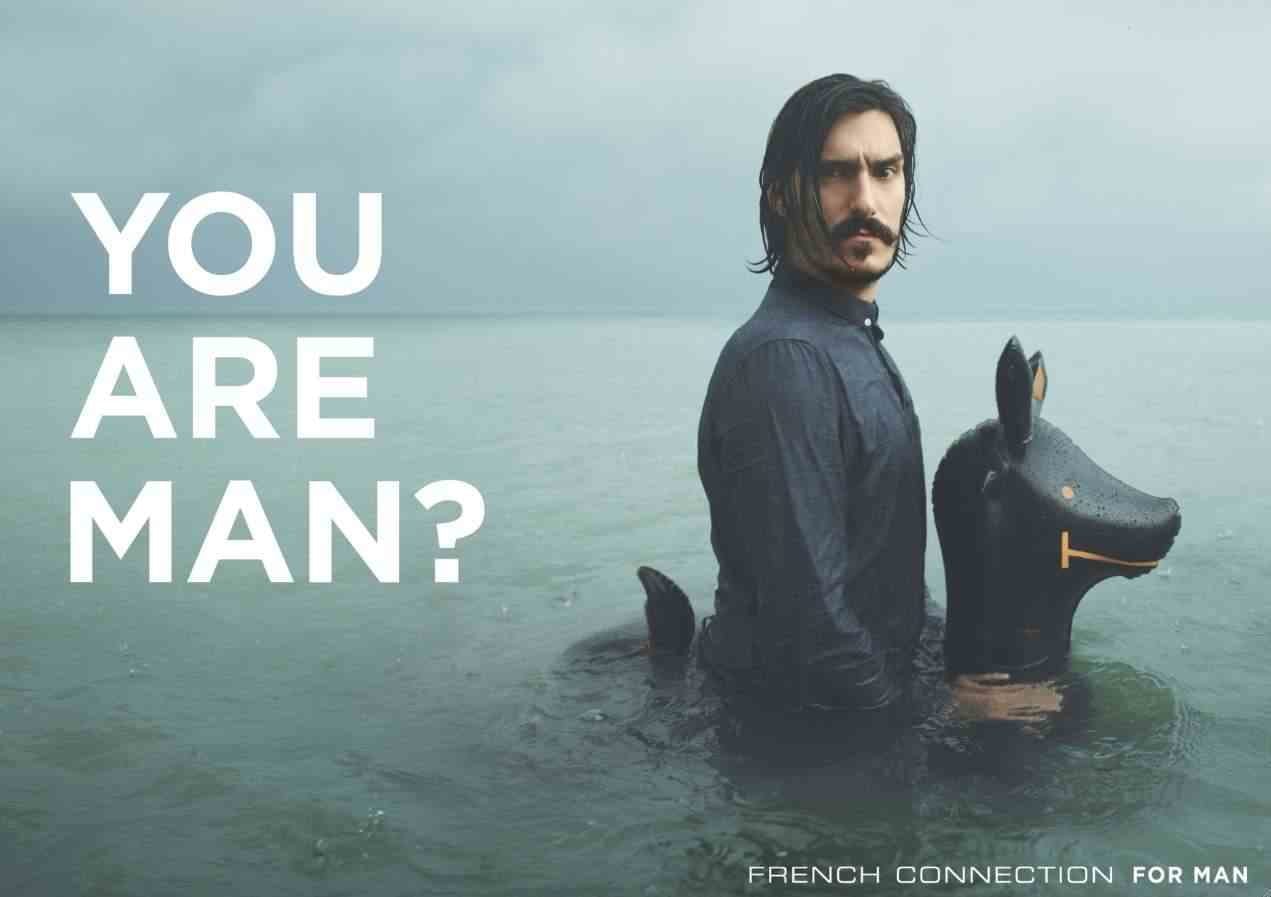
    UK fashion chain French Connection has reduced its full year loss as sales recover.

    FCUK has reported an £800,000 underlying operating loss for the year to January 31 – vastly better than the £4.4 million loss in the year to January 31, 2014.

    The retailer, once notorious for its casual fashion items bearing slogans with its abbreviated name FCUK, had fallen out of favour with customers when the ‘joke’ wore off. It subsequently changed its labeling to French Connection and tried to move more upmarket path with its design positioning. But that change took years to gain favour with shoppers.

    The company spent the last year closing unprofitable stores and redesigning its product range.

    Announcing its figures this week, FCUK said same store sales across the UK fell by three per cent year-on-year, citing unusually warm weather in the second half of the year for the drop, in concert with its rivals.

    Wholesale revenues rose 4.6 per cent.

    Chairman and CEO Stephen Marks said despite “difficult retail trading conditions” in the second half the results demonstrated the company has made another step towards returning to profitability.

    “Although we are encouraged by forward orders in our wholesale business, trading on the high street remains challenging and we are planning accordingly.”

  • Linen Club to add 20-25 outlets in India next fisca

    Linen Club to add 20-25 outlets in India next fisca

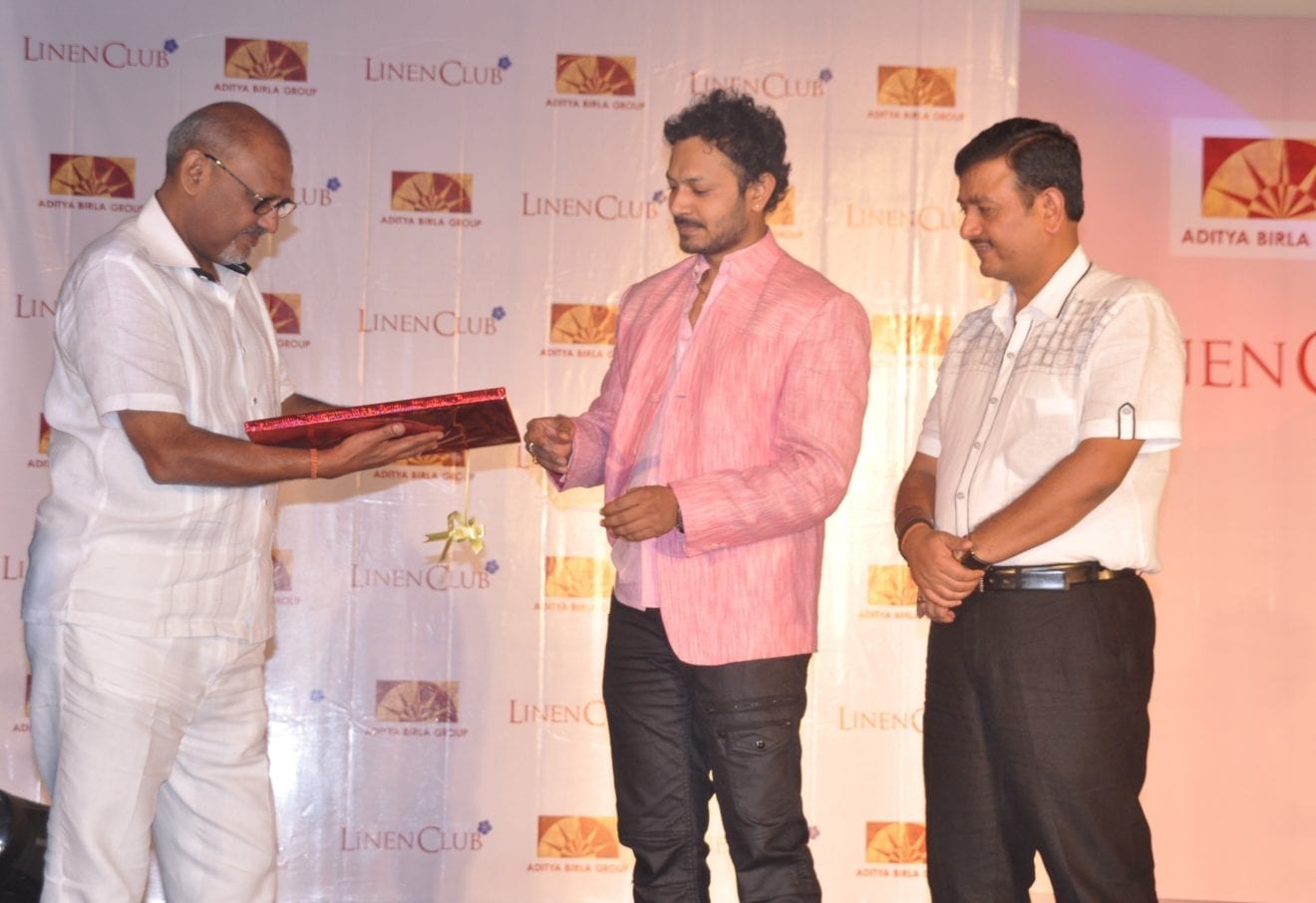
    Amid rising demand for linen fabrics, Jaya Shree Textiles, an Aditya Birla Group company, plans to add 20-25 Linen Club stores to its retail chain in 2015-16. Jaya Shree has 116 Linen Club stores at present and the company’s fabrics are available through 4,000 outlets across India.

    The company launched its flagship retail store in Bengaluru with a new identity that showcases the largest variety of linen fabrics and products and wherein customers can walk into a store, feel the fabric and get it stitched to their requirement.

    Linen Club has also launched readymade garments that would be soon made available across all stores, said, S Krishnamoorthy, CEO, Domestic Textiles, Jaya Shree.

  • Sharp to cut 6,000 jobs, spend over USD1.7b to restructure

    Sharp to cut 6,000 jobs, spend over USD1.7b to restructure

    Japan’s loss-making electronics firm Sharp plans to cut around 6,000 jobs, over 10 percent of its workforce, in a global restructuring that will cost over 200 billion yen ($1.7 billion), a person familiar with the plan said on Thursday.

    The job cuts will include around 3,000 in Japan through early retirement and 3,000 overseas, according to the person, who was briefed on the matter but asked not to be named. The company had around 50,000 employees at the end of 2014.

    The display maker expects to post its third annual net loss in four years after weak sales of smartphone screens in China, aggravated by an unexpected comeback by rival Japan Display, derailed its recovery efforts. Last month it forecast a net loss of around 30 billion yen for the fiscal year ending in March, compared with the 30 billion net profit it previously estimated.

    Sharp Chief Executive Kozo Takahashi has been in negotiations with the firm’s main lenders, Mizuho Financial Group, Mizuho Bank and Bank of Tokyo-Mitsubishi UFJ, part of Mitsubishi UFJ Financial Group, for the company’s second major bailout since 2012, people familiar with the matter have said.

    The firm’s banks agreed in September 2012 to provide Sharp with loans and credit lines worth 360 billion yen, or $3 billion at today’s exchange rates, in exchange for promises to return to profit by this year. So far, it has exited the European TV market and closed solar-panel businesses in Europe and the United States.

    One person familiar with the matter previously said Sharp has also asked Japan Industrial Solutions, a corporate turnaround fund, to invest up to $250 million in capital.

    The Nikkei reported earlier on Thursday that Sharp could also shed its North American television business and lower the pay scale for workers in Japan. The Yomiuri newspaper reported Sharp was considering closing its TV factory in Mexico and cutting the size of its North American sales division.

    The company, which is expected to include the restructuring plan in a medium-term business strategy due to be announced in May, said it was considering various options to restructure its business but no decisions had been made.

  • Dairy Farm cleared to buy Yonghui stake

    Dairy Farm cleared to buy Yonghui stake

    Dairy Farm International has been given regulatory clearance to acquire its target 19.99 per cent stake in Shanghai-listed Yonghui Superstores.

    The deal, announced last August, was conditional on regulatory approvals. Dairy Farm has now confirmed it has received the final and unconditional approval of the China Securities Regulatory Commission, which was the final clearance required.

    The deal, worth RMB5.69 billion (US$908 million), will see the Hong Kong based retail giant take a cornerstone stake in one of China’s fifth largest hypermarket operator. Yonghui had 288 hypermarkets and supermarkets across 17 provinces in China as at the end of 2013.

    Dairy Farm has more than 6100 supermarkets, health and beauty stores, home furnishings shops and restaurants across Asia on its own or in joint ventures. It will collaborate with Yonghui in procurement, fresh food processing and store development.

    “Dairy Farm has for some time been looking for opportunities to participate in the large and high growth Chinese market,” Graham Allan, CEO of Dairy Farm, said in a statement at the time the deal was announced.

    “This strategic partnership with Yonghui provides an attractive way to do that.”

    With clearances now in hand, completion of the purchase is now expected to take place in April.