Blog

  • H&M extends Beckham deal

    H&M extends Beckham deal

    H&M has extended its global branding collaboration with football star David Beckham, with a whole new menswear collection for Spring 2015.

    Beckham will choose his favourite menswear pieces from the Modern Essentials collection at H&M, to create ‘Modern Essentials selected by David Beckham’. This new collaboration is a natural evolution of David’s relationship with H&M, following the unprecedented success of David Beckham Bodywear, and will allow men around the world to share in David’s globally recognised sense of style.

    Beckham is especially popular in Asia where following football is a regional pastime and his Bodywear ranges sold out in many of H&M Asian markets.

    Modern Essentials selected by David Beckham will be celebrated with a campaign shot by the famous film director Marc Forster.

    Beckham has also created a new bodywear spring collection for H&M. Both collections will be launched in stores and online worldwide on March 5.

    “I am thrilled to continue and extend my collaboration with H&M by selecting my favourite pieces from this spring’s Modern Essentials collection. Each piece is a new wardrobe classic that will update every man’s spring wardrobe with great style. Marc Forster is one of my favourite directors – I can’t wait to reveal the new campaign with H&M,” said Beckham.

    “Most of us are familiar with David’s innate sense of style and design, however it was his acute eye for cinematic storytelling that struck me during the filming of this campaign. He doesn’t make H&M clothing look good, he makes it look great,” said Forster known for directing the films Monster’s Ball, Stranger than Fiction, The Kite Runner, Quantum of Solace, and World War Z.

    Modern Essentials selected by David Beckham focuses on the important key pieces of the season, each updating a men’s classic in fresh fabrics, colours and fits for spring 2015. Key pieces include a linen bomber jacket; a white chalk-washed denim jacket; a car coat; a sharp linen blazer; a city-slick polo shirt and the perfect poplin white shirt.

    Meanwhile, Beckham’s new Bodywear collection includes loungewear pieces; Henleys, raglan-sleeved shirts, crewnecks and a jersey vest. The collection is centred around navy blue, grey melange and broken white, with accents of orange red. Stripes appear as either trims or across whole garments to add a new classic twist.

    The collection is supported by a brand new print campaign, featuring the star wearing selected looks from the David Beckham Bodywear collection, exclusively available at H&M.

  • Gloria Jeans heads to China

    Gloria Jeans heads to China

    Retail Food Group has partnered with a Chinese company to establish a joint venture.

    RFG has signed a joint venture with Tian Jin Sen Yong Tai (TJSYT) to take the Gloria Jean’s Coffees and It’s A Grind Brand System to China.

    TJSYT already operates two Gloria Jean’s Coffee outlets in China and its parent, China-based GouBuLi Group, has a 150 year old heritage with an annual revenue of RMB1billion (A$197 million). The GouBuLi Group operates more than 30 high end restaurants across China and is also involved in the food processing, logistics and training industries.

    Under the agreement RFG will hold a 20 per cent interest in the joint venture with the remaining 80 per cent to be owned by TJSYT.

    The agreement gives TJSYT an exclusive, perpetual and royalty free licence for Gloria Jean’s Coffees and It’s A Grind Brand System in China.

    FRG CEO, Tony Alford, said the initial fee of $6 million had been received in full.

    “The joint venture represents the culmination of a 12 month engagement between the Gloria Jean’s Coffees Brand System, Tian Jin Sen Yong Tai and their respective associates, and affords RFG immediate revenues in terms of the initial licence fee paid, together with scope for future earnings by way of profit share and supply side opportunity,” Alford said.

    “Importantly, the joint venture unites RFG with a substantial and motivated local partner, well able to apply sufficient resources, retailing expertise and resolve to ensure the success of the enterprise.”

    GouBuLi was established over 150 years ago as a small stuffed-bun shop in Tianjin, outside of Beijing and has grown to become one of the larger catering brands on the Chinese mainland. The company operates more than 30 high-end restaurants across the country and is also involved in food-processing, logistics and training. GouBuLi Group chairman Yan Sen Zhang also has interests in the Chinese Pharmaceutical industry, where he is the controlling shareholder of both TianJin Tong Ren Tang and Tian Jin Hong Ren Tang, brands with more than 200 years heritage.

  • Van Heusen to target women

    Van Heusen to target women

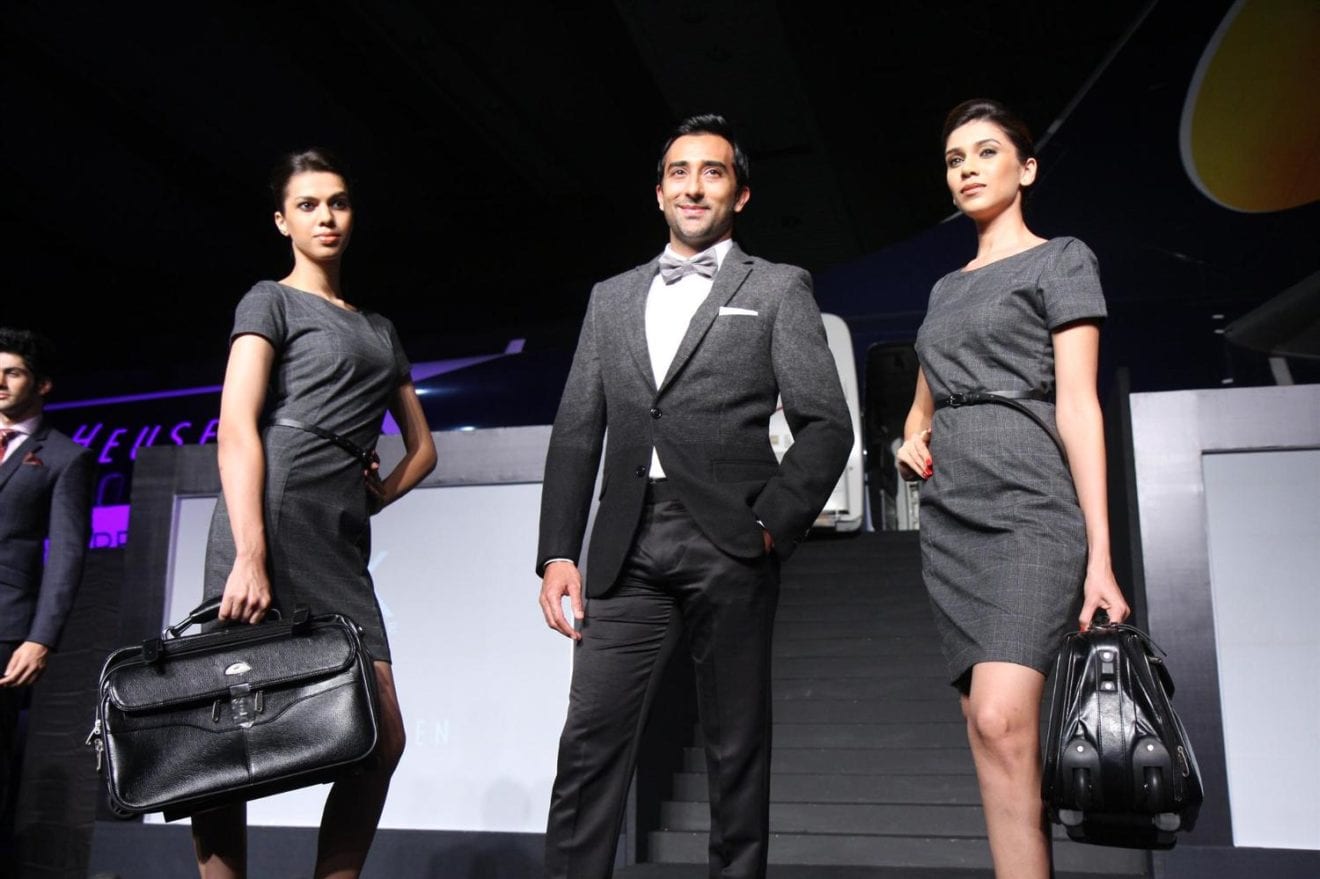
    The Indian business of Van Heusen is planning a network of stores targeting solely women.

    Van Heusen, owned by Madura Fashion & Lifestyle, also plans to focus on repositioning its essentially denim-based youth fashion range Vdot.

    Brand head Vinay A Bhopatkar says the company will open up to 25 stores annually exclusively for women. It also plans another 50 stores annually for its menswear collection as it moves to target tier 2 and 3 cities, currently underserved and home to people with growing spending power.

    The company says womenswear accounts for about 10 per cent of its sales now but is the fastest growing segment of its business and projects it to grow by 50 per cent in the next three to four years.

    The Vdot retail network will also be expanded by 15-20 stores annually from the current network of 10. Currently a clubwear brand, the Vdot range will be expanded to provide clothing for more casual occasions as well.

    Van Heusen’s clothing is  sold through about 2000 points of sale, including 250 exclusive stores and 200 department stores.

  • HTC wants to boost retail network

    HTC wants to boost retail network

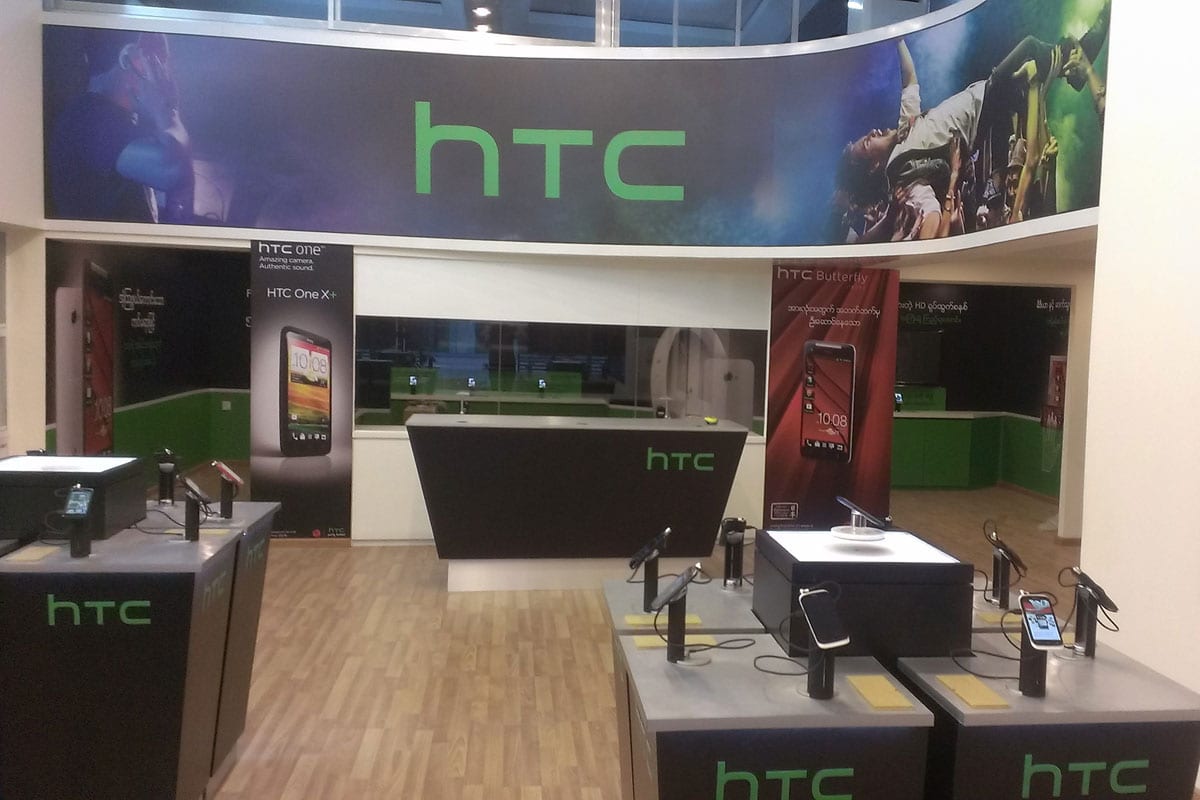
    HTC will boost its retail store network in its home market of Taiwan this year as it expands its handset range.

    The Taiwanese brand has achieved solid success with its topline smartphone models, but is still trading in the red as its product range is skewed towards the top end and is not perceived as meeting the mass market.

    HTC says it will changes that with North Asia president jack Tong promising a full range of products in 2015: from entry-level, mid-level and top end.

    To support its broader brand positioning the company will boost its solo-brand store network from 72 to more than 100 by Christmas.

    HTC has 19 distribution partners selling only its brand and accessories to match. Tong expects retail sales in Taiwan to double this year due to the expanded range and increased store network.

    Retail stores accounted for just 20 per cent of Taiwan’s mobile phone sales last year, but analysts expect that share to double in 2015 due to shorter product replacement cycles and falling smartphone prices. Consumers in Asia are increasingly preferring to buy their phones from independent retailers rather than phone networks, due to broader choice, sometimes sharper pricing and no commitment to contracts.

    “Our new brand vision is to expand HTC’s reach to everywhere,” Tong told a press conference at an HTC flagship store in Taichung this week.

  • Picky consumers spur growth in online fresh food sales in China

    Picky consumers spur growth in online fresh food sales in China

    China’s urban consumers, prodded perhaps by a series of food-safety scandals, are becoming much more picky about what they eat. They are increasingly willing to pay a premium for imported products and are being drawn in larger numbers to retailers that deliver fresh fruit and vegetables to the doorstep.

  • Alibaba, Tencent spend billions in race to be China’s one-stop online shop

    Alibaba, Tencent spend billions in race to be China’s one-stop online shop

    Alibaba and Tencent spent more than USD8 billion last year alone backing often strikingly similar ventures, as the Chinese Internet giants race to create online one-stop-shops to win the digital loyalty of a tenth of the world’s population.

    Before China became the biggest smartphone market, there was little overlap between the businesses of e-commerce leader Alibaba Group Holding Ltd, social networking firm Tencent Holdings Ltd and search engine provider Baidu Inc.

    Now, as more and more Chinese use their phones for everything from shopping to booking restaurants, the three companies are increasingly stepping over each other – and investing in the same services – to attract the same users.

  • How Roger Dubuis’ video campaign achieved low cost per view, per action

    How Roger Dubuis’ video campaign achieved low cost per view, per action

    This was the tagline of one of the videos published by Swiss luxury watchmaker Roger Dubuis under its innovative #GoodbyeCuckoo; #HelloExtraordinary marketing campaign.

    At around this time last year, the watch brand unveiled 30 films, each 50 seconds long showing various ways how o destroy 30 cuckoo clocks. The videos were posted on YouTube for over 30 days as a teaser to mark the countdown for Roger Dubuis’ main event for the year.

    The videos, according to Alvaro Maggini, Creative Director, Roger Dubuis, in a YouTube video testimonial, is very important for the brand because it is a means of conveying emotion. “There is a lot of humour, there is a lot of mystery, there are a lot of references that call to mind Fritz Lang, which gives a bit of a surrealist side,” he said in a video testimonial.

    So how do you destroy a cuckoo clock? In the video series, it was axed, set on fire, batted by a golf ball, submerged in water, blasted to smithereens, tied to a tree branch and chainsawed, bulldozed, microwaved.

    Highlighting the concept “undoing the past to create the future,” the taglines for each video were more powerful and aligned to the concept. Take this one: “Crushed to pieces, rebuilt into a masterpiece.”

    Alessandro Marcolin, Head of Media & Event, Roger Dubuis, said in an email interview, that the concept is about ripping apart established codes to better reinterpret them.

    “Ring out the old, ring in the new.” This is the essence of what Roger Dubuis does in Haute-Horlogerie, a contemporary reinterpretation of this secular art, with a total respect of the traditions. It was also to celebrate the rebirth our Hommage collection, and announce our incredible booth at the Salon International de la Haute-Horlogerie (SIHH) fair: a giant cuckoo clock. Everything is linked and makes sense when you see it under this angle,” he explained.

    Video, according to Marcolin, encapsulates a lot of messages and it is an impactful immersive visual medium. “People tend to read less and watch more videos, hence the trend towards video as marketing vehicle,” he said.

    Roger Dubuis has an in-house creative center and the filmography and communication visuals – including the “GoodbyeCuckoo; #HelloExtraordinary” campaign – are created internally.

    “We love to communicate with video, and we strive to be always innovators in this marketing channel,” Marconi said.

    The videos became a YouTube case study because of the record low cost per view and has appeared in the “Limitless Creativity” film showcased at the YouTube Brandcast Paris last September. It was received an award in the “Brand Content” category at the Grand Prix Stratégies /Amaury Médias du Luxe 2014 in France.

    Sequel: The Asian thrillers

    In September last year, the #GoodbyeCuckoo campaign was back. Seven new videos were uploaded on Facebook as part of the countdown to the second edition of Asia’s finest Haute Horlogerie Watches & Wonders Exhibition held in Hong Kong.

    The first video, entitled “Don’t mess with the Ming,” showed two swinging Ming vases crushing the Cuckoo clock. The second video, “Don’t tickle the dragon,” showed a dragon breathing fire to the Cuckoo. The other videos include a chef preparing a dimsum chopping the Cuckoo, while another was set on fire; the ashes used as an ink for calligraphy.

    Marcolin said Facebook was already used during the first campaign. The company used twice the same set-up: Youtube, Facebook and video seeding in blogs (through Ebuzzing and Unruly).

    “The first campaign had a record low cost per view, hence the Youtube case study, and the second campaign had a record low cost per action on Facebook,” he said. “But both campaigns performed extremely well on all three platforms.

    Marcolin disclosed that the two campaigns reached around 1.2 million views among all the platforms and 200,000 actions (clicks, shares) if the the Watches and Wonders and SIHH campaigns were integrated.

    In both campaigns, the target audience was a mix of opinion leaders in the world of fashion, design, creation and luxury/watch lovers. “The main objective was to create buzz around the presence of Roger Dubuis at the SIHH in Geneva and Watches and Wonders in Hong Kong, highlighting the differentiation of Roger Dubuis,” Marconi said. “We are an unconventional fine watchmaking brand and we communicate also in an unconventional manner.

    Following these successes, the company is now broadcasting a new thrilling digital countdown for the SIHH 2015, dubbed “The Astral Gateway”.

    Roger Dubuis has a strong presence in Asia and Marcolin said the company will continue to establish the brand through retail and communication, while it also develops other markets such as Middle-East or the Americas.

    Video marketing on Facebook

    According to Facebook, the number of video posts per person has increased 75 percent globally and 94 percent in the US over the past year. Globally, the amount of video from people and brands in News Feed has increased 3.6 times year-over-year.

    In Hong Kong, more than 50 percent of people who come back to Facebook in Hong Kong watch a video every day. Meanwhile, a TNS survey of Facebook users in Hong Kong revealed that 42 percent have posted videos or links to videos.

    “Facebook today is not just a social media platform. It is a mass media with over 4.5 million Hong Kongers accessing it monthly, and about 89 percent accessing via their mobile devices. Brands today can use Facebook to reach people they want to target anytime, any day,” said Anita Lam, Head of FMCG & Retail, Greater China at Facebook.

    Business used to be personal, Lam added, but then the coming of media made brands less personal though it was wonderful for scaling brands.

    “We are at the beginning of a big marketing shift. We now have the opportunity to do both – Facebook as a platform can help make marketing personal again,” she explained.

    Improved video metrics will help you understand the success of each video, to help guide your content strategy on Facebook.

    Metrics include: video views, unique video views, the average duration of the video view and audience retention. People will be able to see how many views your video on Facebook has received. Views will be shown on all public videos from people and Pages, to help people discover new, popular videos.

    “The Cuckoo is Dead. Long Live the Cuckoo.”

  • Aldi Australia vows to maintain pressure on rivals

    Aldi Australia vows to maintain pressure on rivals

    Discount retailer Aldi Australia has vowed to maintain pricing pressure on rivals in the AUD85 billion (USD69.58b) grocery market, after increasing sales by 13 percent in 2014, outpacing food and liquor sales growth at Coles and Woolworths almost three-fold.

    Aldi Australia’s sales reached AUD6 billion in the 12 months ending December 2014, compared with AUD5.3 billion in 2013. The growth was underpinned by strong same-store sales growth and 25 new stores.

    In comparison, Woolworths’ Australian food and liquor sales grew 4.7 percent to AUD41.7 billion in fiscal 2014 and Coles’ food and liquor sales rose 4.6 percent to AUD29.2 billion.

  • Alibaba invests in Israeli QR code firm

    Alibaba invests in Israeli QR code firm

    Alibaba said on Tuesday that it has made an unspecified investment in Israeli startup Visualead as the e-commerce giant seeks to leverage the latest QR code technology.

    Visualead will use the capital from Alibaba to develop the next stage of “offline-to-online” technology.

    The investment marks Alibaba Group’s first in an Israeli company as the Middle East country boasts prolific technology startups.

  • Outback Steakhouse aims to double growth in Indonesia

    Outback Steakhouse aims to double growth in Indonesia

    Singapore’s Universal Success Enterprises, the franchise holder of Australian-themed Outback Steakhouse chain in Southeast Asia, aims to double its sales growth this year as new stores opens amid a recovery in customers’ purchasing power.

    Outback Steakhouse opened its fourth restaurant in Indonesian last week inside the Lippo Mall Puri, a shopping centre in West Jakarta.

    The new restaurant is expected to nearly double the Indonesian franchise’s annual sales growth to 40 percent this year, compared to average growth of 20 percent, USE chairman Prasoon Mukherjee told the Jakarta Globe on Monday.

  • Tommy Hilfiger launches innovative digital showroom

    Tommy Hilfiger launches innovative digital showroom

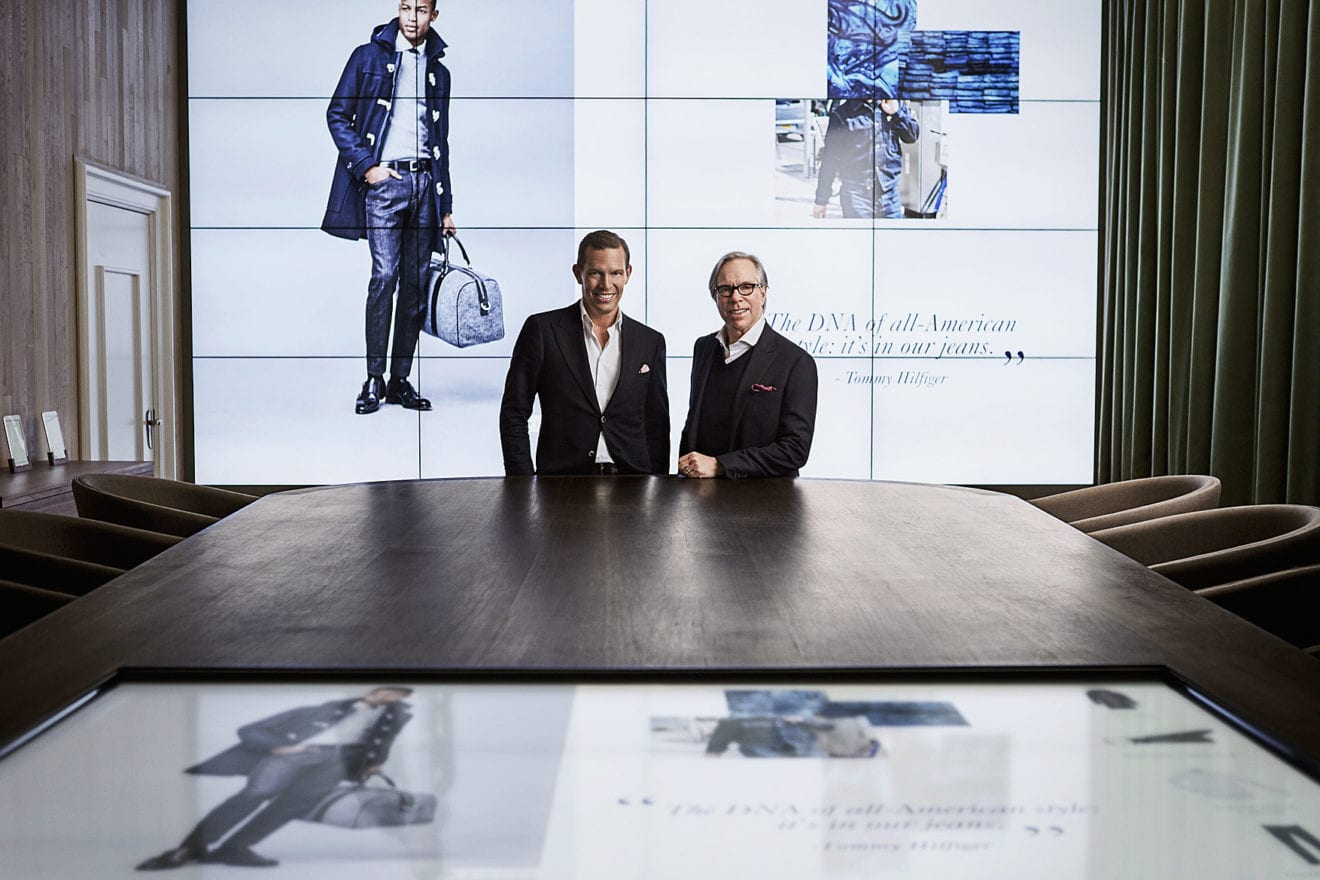
    Tommy Hilfiger on Wednesday launched an innovative digital sales showroom at its global headquarters in Amsterdam, The Netherlands. The interactive system blends collection information, sales tools and brand content in one seamless touchscreen interface.

    “Our digital showroom revolutionizes the buying and selling journey for our retail customers and internal sales teams,” said Daniel Grieder, CEO, Tommy Hilfiger. “We are passionate about providing our clients with the best service, experience and quality.

    Our new digital showroom concept completely reimagines the traditional buying approach and establishes a new fashion industry benchmark for business to business sales. The concept also supports our ongoing focus on efficiency and will significantly streamline and enhance the Tommy Hilfiger sales experience.”

    The centrepiece of the digital showroom is an interactive half-meter by one-meter touchscreen table set in a sleek walnut frame, which connects to a four-meter-high wall-to-wall grid of ultra-high-definition 4K screens. Customers can digitally view every item in the Tommy Hilfiger sportswear and Hilfiger Denim seasonal collections and create custom orders with all product categories laid out across a single screen. They can view head-to-toe key looks, zoom in with incredible detail to see unique design features, and click on a garment for specific information such as colour offerings and size ranges.

    The product selection and ordering experience builds on a traditional sales approach, reimagined through the digitalised system that streamlines and simplifies the process. The interactive interface allows for in-depth discussions on styling, merchandising and deliveries that are tailored to each client. Furthermore, by complementing traditional sales tools with an array of brand information, the digital showroom effectively immerses the customer in the complete Tommy Hilfiger brand experience.

    The digital showroom concept also supports Tommy Hilfiger’s ongoing sustainability mission, as it reduces sample production, eliminates the need for printed order forms, and diminishes the ecological impacts of shipping. In turn, the environmental impacts of sample creation are significantly reduced, from the supply chain and manufacturing to packaging and international shipping.

    The fashion retailer is establishing a global roll-out plan to expand the concept into markets worldwide.

  • Spending on luxury falls on mainland China

    Spending on luxury falls on mainland China

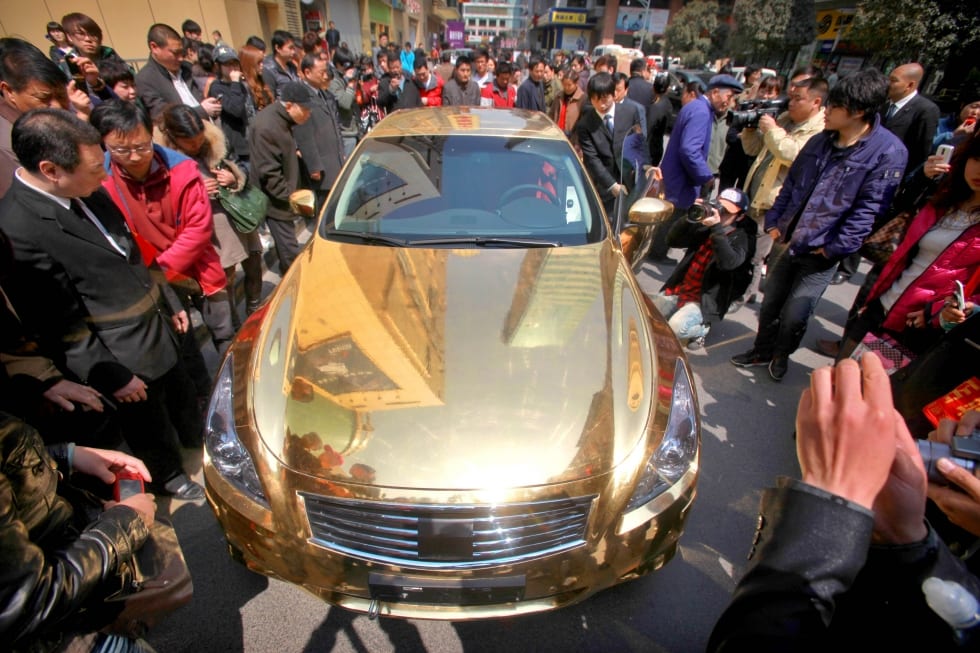
    China remained the world’s largest consumer of luxury products last year even though domestic sales fell for the first time due to the government’s anti-corruption campaign and increased spending overseas.

    Chinese spending on luxury goods increased 9 percent to CNY380 billion (USD61.3 billion) in 2014, accounting for 30 percent of global spending, according to Bain & Company’s 2014 China Luxury Market Study.

    However, sales of such products on the Chinese mainland fell 1 percent from a year earlier to CNY115 billion, the consulting firm said on Tuesday.

  • Ikea working to polish its reputation in Indonesia

    Ikea working to polish its reputation in Indonesia

    Indonesia and the European Union have been doing business for decades. Over the years, Indonesia has been exporting many products to EU countries, and vice versa. According to Harvey Rouse, head of economic and trade section for the European Union’s mission to Indonesia, the EU encourages European companies that invest in Indonesia to respect local values and cultures, as well as improve the welfare of the people around them through corporate social responsibility programs.

    “By addressing these social responsibilities, companies are actually building long term relationship and trust with employees, customers and citizens,” Rouse said.

    One of the European companies in Indonesia that has a solid commitment to local CSR programs is Ikea. Since its launch in Alam Sutera, Tangerang, last October, Ikea’s first store in Indonesia has been a favourite shopping destination.

  • Domestic online giants to overtake MNC rivals as China’s favourite retailers

    Domestic online giants to overtake MNC rivals as China’s favourite retailers

    New consumer research shows that domestic online retailers are becoming as popular as multi-national brands amongst shoppers in China. eCommerce brands such as TMall (Alibaba Group) and JD.com (invested by Tencent) are now increasingly trusted businesses, offering far more than just cheap prices and convenience. At their current rate, one of them will likely take the top spot in the next two years, according to OC&C Strategy Consultants Greater China.

    Although sportswear brands, Adidas and Nike, once again topped the latest rankings in Second Mover Advantage – The OC&C Retail Proposition Index China 2014 (The Index), Tmall now appears in the top three for the first time. In total, four of the top ten places are now occupied by Chinese online-only retailers – TMall, JD.com, YHD.com and Taobao. The rankings are based on the views of over 2,000 consumers across China who rated retailers against criteria including, trust, value for money and product suitability.

    The growth in popularity of eCommerce retailers means that the Chinese retail landscape is starting to become more like other global markets where generalist, online-only players such as Amazon, tend to be dominant.

    “As retail execution and consumer expectations increasingly mirror what we see in Western markets, it may only be a matter of time before a pure online-only player becomes the most popular retail brand in China,” said Jack Chuang, Associate Partner at OC&C Strategy Consultants Greater China. “Chinese consumers are becoming more confident and independent in their shopping habits and exercising greater choice between retail brands, particularly online.”

    “This means that foreign retailers are losing their inherent advantage over their Chinese counterparts as the high-profile, trusted brands of choice with shoppers. The era of relying on their brand strength and its implied trust is coming to an end. Retailers will need to respond by tailoring their products specifically to the local target market.” he added.

    The growth of eCommerce in China will continue over the next few years. The evidence from The Index highlights that the key challenge for traditional bricks and mortar retailers will be developing an attractive multi-channel offering (online as well as offline) to consumers. Some retailers in western markets are starting to fight back against the competition from online-only retailers and, in the long-term, this will likely also be a feature of the Chinese market.

  • Japan Post, Rakuten to offer delivery lockers

    Japan Post, Rakuten to offer delivery lockers

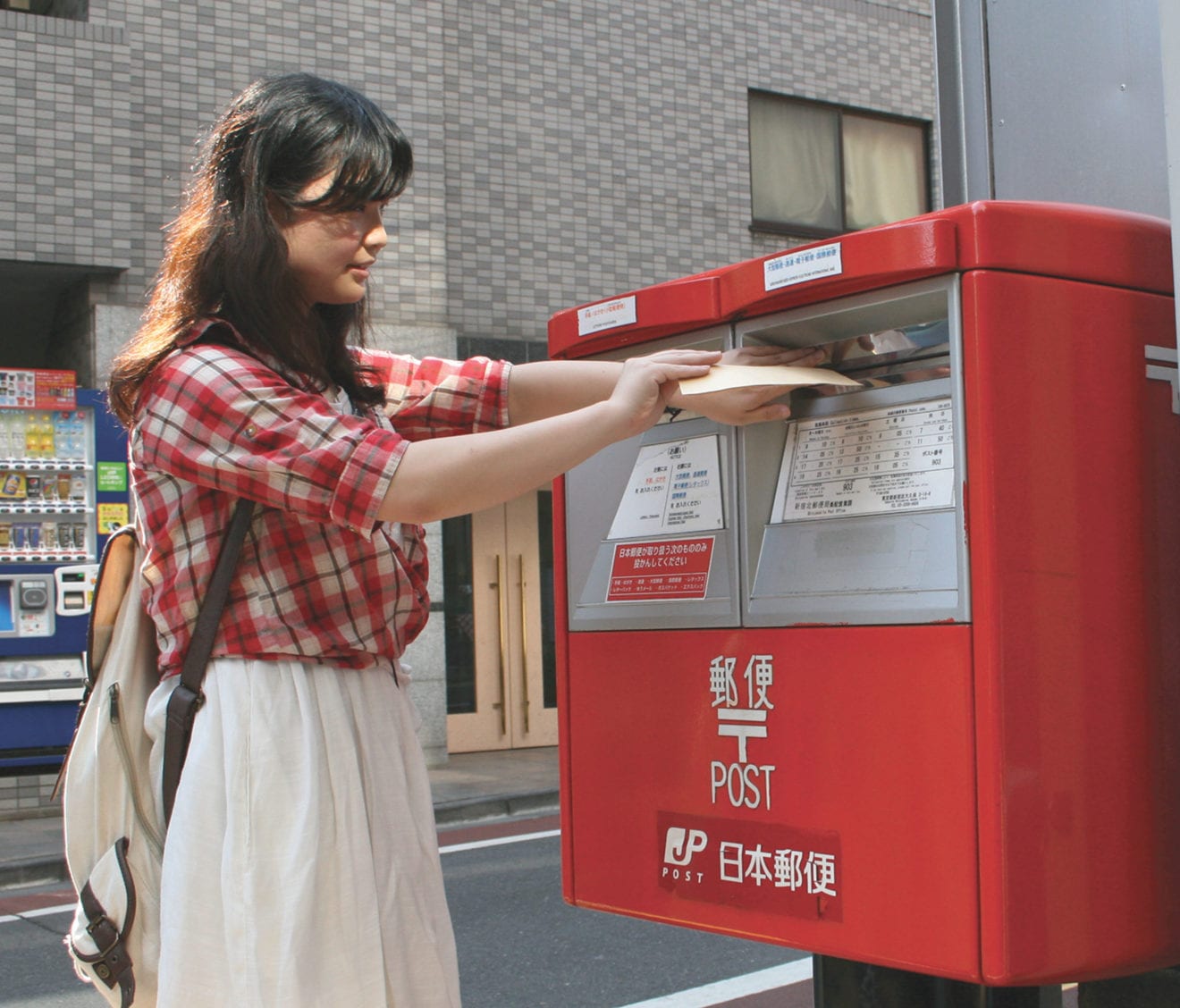
    Japan Post Co. and e-commerce giant Rakuten Inc. are teaming up to offer lockers where customers can pick up items purchased online at their own convenience, sources said on Thursday.

    The new service, being arranged to start in April at about 30 locations including post offices in Tokyo, will allow clients of the major internet mall to have items delivered without revealing their addresses.

    The two firms will consider adding locations across Japan after the limited launch, the sources said.