Blog

  • Taiwan Weighs $4.4 Billion Stake in Alaska LNG Project

    Taiwan Weighs $4.4 Billion Stake in Alaska LNG Project

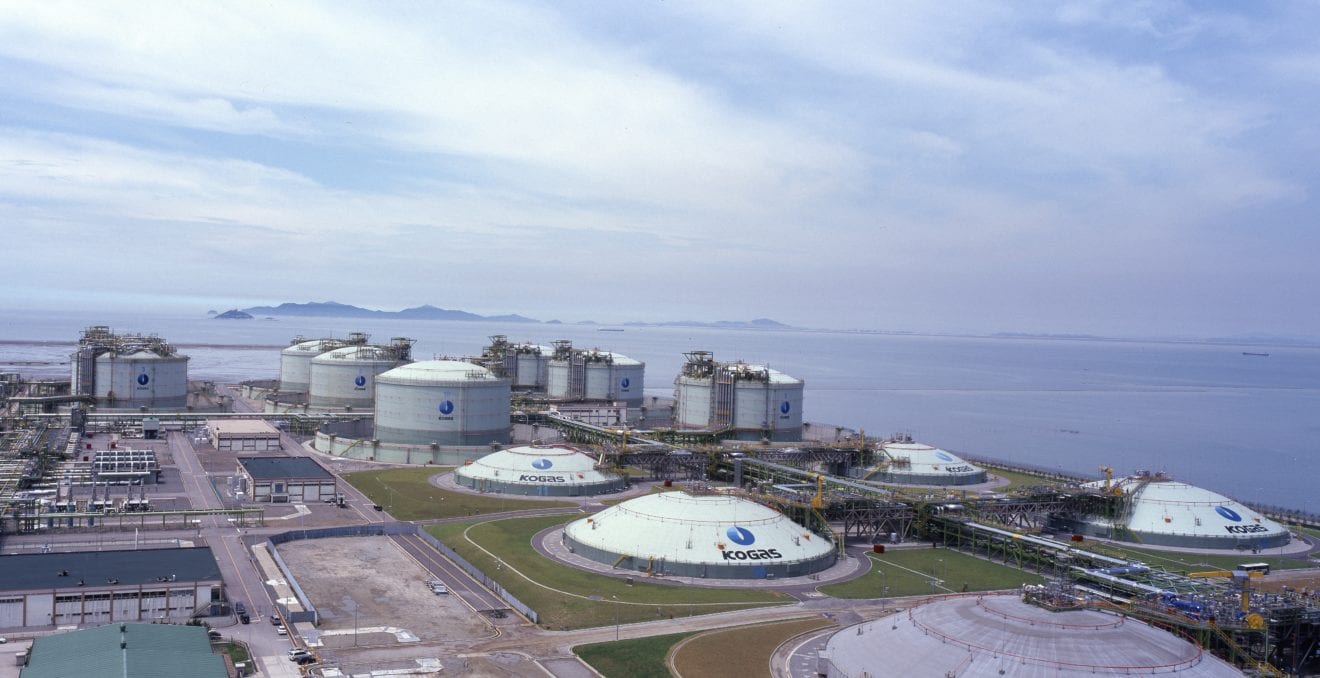
    Taiwan is reviewing an investment of up to $4.4 billion in the Alaska LNG project to buy 6 million tonnes of liquefied natural gas annually once production starts.

    The volume accounts for 30 percent of the planned 20 million tonne yearly output from the proposed $54 billion development on the US northern coast.

    State-owned CPC Corp, Taiwan would take an equity stake in the project, which includes a 1,299-kilometer pipeline running from Alaska’s North Slope to an export terminal in the state’s south. Deliveries could reach Taiwanese terminals as early as 2032 if construction proceeds on schedule. The Ministry of Economic Affairs confirmed that negotiations are advancing following a preliminary letter of intent signed in March last year, though neither side has executed a binding sale and purchase agreement.

    Pipeline Structure and Shipping Logistics

    Alaska LNG gives Asian buyers direct access to North American gas without traversing maritime chokepoints. Tankers sailing from southern Alaska cross the open Pacific directly to East Asian ports, avoiding both the Panama Canal bottlenecks and lengthy diversions around the Cape of Good Hope.

    Shorter transit times reduce voyage expenses and insulate energy shipments from canal draught restrictions or geopolitical conflicts in traditional shipping lanes. For Taiwan, which relies on maritime imports for almost all of its natural gas consumption, a direct northern Pacific corridor provides supply stability for power generation and domestic industrial users.

    Commercial Viability and Financing Hurdles

    Securing long-term off-take commitments remains the main hurdle before project sponsors can lock down commercial debt. Alaska LNG has accumulated agreements covering 13 million tonnes per year from Asian utilities and French multinational TotalEnergies.

    Developers must secure commitments for another 3 million tonnes and convert provisional deals into binding contracts to reach financial close. The developers intend to take a final investment decision on the pipeline by late 2026, followed by a decision on the liquefaction and export plant in 2027.

    Engineering complexities in Arctic conditions and total capital costs of $54 billion continue to draw scrutiny from energy analysts. Taiwan’s willingness to commit capital signals how heavily island economies must weigh physical supply redundancy against cost overruns.

    Taiwan Energy Diversification Strategy

    The Alaska negotiations follow CPC’s broader policy shift toward North American suppliers. CPC chairman Fang Jeng-zen outlined plans in February to raise the share of US-sourced LNG to roughly one-third of the company’s total import portfolio.

    Presidential Office Secretary-General Pan Men-an inspected the Alaska facility site last year to assess progress firsthand. Government officials in Taipei have faced rising domestic pressure to ensure reliable base-load fuel as thermal power units replace retired nuclear generators.

    Regional peers are evaluating similar exposure. While US political leaders recently claimed South Korea had committed funds to the Alaska terminal, authorities in Seoul maintained that their participation has not been finalized.

    Contract Milestones Ahead

    Contract terms, equity allocation, and pricing formulas remain subject to ongoing commercial talks between CPC and the US development team. The project requires binding off-take contracts across 16 million tonnes of capacity before project financiers release construction capital, setting the next major benchmark at the pending pipeline investment decision.


  • Philippine Fraud Cases Stall as 71 Percent of Online Scam Victims Never Report Losses

    Philippine Fraud Cases Stall as 71 Percent of Online Scam Victims Never Report Losses

    Philippine cybercrime prosecutors face widespread case abandonment. More than 70 percent of scam victims fail to report financial losses or decline to testify in court. Law enforcement officials revealed the bottleneck at an anti-scam forum hosted by the Bangko Sentral ng Pilipinas on October 12.

    A 2026 Global Anti-Scam Alliance survey of 1,160 Filipino adults showed that 15 percent suffered direct financial losses from fraud. Only 29 percent reported the incidents to authorities. Complainants who file reports frequently abandon proceedings before trials start.

    Prosecution Hurdles in Digital Fraud Cases

    Investigators routinely prepare filings only to have victims withdraw cooperation, said Department of Justice Office of Cybercrime Assistant Director Chris Jark Ace Maño. Without victim participation, prosecutors cannot establish legal damage. They cannot secure fraud convictions under Philippine evidentiary rules.

    Even after successful raids on illicit call centers and fraud rings, state attorneys often must downgrade charges to human trafficking, according to National Bureau of Investigation Financial Intelligence Unit Chief Minerva Sobreviga-Retanal. Courts require the aggrieved party to appear as witnesses to sustain criminal deceit charges.

    Tracing illicit funds requires immediate intervention before capital leaves traditional banking rails. Sobreviga-Retanal warned that victims waste crucial hours when they try to investigate fraud independently. That delay allows proceeds to move through virtual asset channels and cryptocurrency wallets within milliseconds.

    Rising Losses Across Younger Demographics

    Demographic shifts complicate defense across digital retail channels. Cybercrime Investigation and Coordinating Center Executive Director Renato Paraiso noted that digital fraud no longer affects older consumers alone. Gen Z, Millennials, and Gen Alpha users fall victim at increasing rates due to overconfidence on digital platforms.

    Senior executives face the same exposure on unverified marketplaces. Google Philippines Country Manager Prep Palacios disclosed at the forum that she lost PHP 90,000 to a rogue online merchant who vanished immediately after collecting payment.

    “I’m a tech executive, and I was still fooled,” she told the same forum.

    Impact on Digital Commerce and Payment Gateways

    Low reporting rates obscure the genuine scale of merchant fraud for Southeast Asian e-commerce marketplaces and digital wallet operators. Unreported losses prevent payment gateways from blacklisting suspect accounts. Fraudulent merchant profiles then stay active across peer-to-peer selling channels.

    Platform operators face stricter compliance expectations from regional central banks as fraud schemes evolve from simple phishing to social commerce diversion. Marketplaces that fail to enforce escrow settlement mechanisms leave buyers vulnerable to off-platform payment requests.

    A lack of victim follow-through also reduces legal deterrents for syndicates operating out of domestic hubs. When criminal operators evade fraud convictions, they frequently re-establish operations under new corporate identities within weeks.

    Regulatory Pressure on Merchant Verification

    The Bangko Sentral ng Pilipinas continues to press financial institutions for faster account-freezing protocols to intercept disputed transfers before conversion into digital assets. Regional banks have tightened real-time transaction screening. Still, consumer reluctance to participate in court cases leaves systemic fraud networks intact.

    Enforcement agencies are now assessing streamlined digital reporting mechanisms to reduce court appearance burdens for defrauded buyers. The central bank plans to review inter-agency transaction dispute frameworks before the close of the current fiscal quarter.

  • Hackers Raise Fridge Temperatures Across 400 French Supermarkets

    Hackers Raise Fridge Temperatures Across 400 French Supermarkets

    A coordinated cyber attack struck roughly 400 French supermarkets in October 2026, forcing commercial freezers to 50 degrees Celsius overnight and destroying tens of millions of euros in refrigerated stock.

    The breach hit stores operated by Intermarché Coopérative U, Carrefour, Monoprix, and E.Leclerc, causing immediate inventory write-offs across fresh food and frozen aisles.

    How Hackers Infiltrated Cooling Controls

    Intruders targeted centralised refrigeration software supplied by Danish engineering group Danfoss, which enables remote monitoring and automatic temperature regulation across commercial networks. Rather than breaching individual retail units on site, attackers exploited outdated firmware to alter master temperature settings across hundreds of stores simultaneously.

    Les Mousquetaires, parent company of Intermarché and Netto, confirmed that cooling units across approximately 150 of its outlets were heated to 50 degrees Celsius for six consecutive hours. The chain disconnected another 100 stores from the network during the incident to prevent further damage. Carrefour reported compromised systems across 80 stores, while Monoprix lost inventory across 5 per cent of its locations.

    Supply Chain Exposure Across Asia-Pacific

    For supermarket operators across Australia and the wider Asia-Pacific region, the incident shifts operational technology from backroom maintenance into board-level risk. Australian grocers manage thousands of distributed stores using identical internet-facing refrigeration and building management systems to cut energy costs and meet emissions targets.

    Retailers in the region carry heavy exposure when third-party maintenance contractors retain direct administrative access to store controllers. An intrusion into a corporate facility network or a shared vendor management platform bypasses store-level alarms and ruins cold-chain compliance before morning shift managers enter the building.

    Legacy Systems and Unpatched Firmware

    The technical fault line sits in legacy hardware that operators rarely replace during routine store refurbishments. Danfoss stated that the compromised units in France ran outdated firmware that could not support current defensive updates. The manufacturer maintains that it has long advised commercial clients to update supported hardware and migrate obsolete systems.

    Cybersecurity researchers at Claroty documented critical flaws in the Danfoss AK-SM 800A controller in August, showing that attackers could bypass authentication protocols to execute remote code. Danfoss issued software patches following that disclosure, but independent franchise operators and decentralized supermarket networks frequently lag in deploying updates across thousands of field devices.

    Investigations Open as Retailers Audit Assets

    French prosecutors and national cybersecurity agency ANSSI have opened a formal investigation into the breach, treating the incident as a coordinated assault on commercial food infrastructure. Retailers across Australia and Asia-Pacific must now verify whether local cold-chain assets run unpatched Danfoss controllers or unprotected vendor links before investigators publish the final incident report.

  • Bukalapak Posts IDR 821 Billion Half-Year Loss on Investment Decline

    Bukalapak Posts IDR 821 Billion Half-Year Loss on Investment Decline

    PT Bukalapak.com Tbk reported a net loss of IDR 821 billion for the first half of 2026 in Jakarta, dragged down by an IDR 1.74 trillion investment loss.

    The result followed a loss of IDR 426 billion in the first quarter and a further shortfall of IDR 395 billion in the second quarter. Top-line performance moved in the opposite direction, with revenue rising nearly 30 percent year on year to IDR 3.99 trillion across the six-month period.

    Gaming Carries Top-Line Growth

    Gaming generated IDR 3.48 trillion during the half, making up 87.31 percent of total revenue. The division delivered an operating profit of IDR 76.3 billion, anchoring the company’s core earnings.

    Online-to-offline operations brought in IDR 326 billion in revenue and generated an operating profit of IDR 10.45 billion. Retail revenue contributed IDR 139 billion, while investment income added IDR 44.4 billion and corporate revenue stood at IDR 1.83 billion.

    Investment Portfolio Weighs on Corporate Segment

    Losses in non-core units offset the gains made by gaming and merchant networks. The corporate division posted the steepest deficit at IDR 885 billion, primarily reflecting the IDR 1.74 trillion drop in the value of its investment holdings.

    Financial statements showed a net cash outflow of IDR 2.32 trillion from investing activities during the half. Bukalapak directed IDR 3.07 trillion toward additional investments and allocated IDR 70 billion in capital injections to associated entities.

    Shift Away From Marketplace Operations

    Bukalapak exited its traditional e-commerce marketplace in early 2025. That decision eliminated the heavy merchant subsidies and logistics spending that weighed on cash flow for years, reorienting the business toward digital item distribution and treasury management.

    The pivot leaves the Emtek Group-backed company operating more like an asset allocator with a digital entertainment distribution engine than a conventional shopping platform. While gaming provides cash generation, corporate earnings remain exposed to public equity valuations and mark-to-market adjustments.

    Digital Banking Exposure and Market Pressure

    Much of that valuation pressure stems from listed holdings acquired during the tech boom. Bukalapak has held an 11.49 percent equity stake in PT Allo Bank Indonesia Tbk since January 2022, when the digital lender traded above IDR 5,000 per share.

    Shares in the digital bank have fallen to IDR 900 each, dropping almost 40 percent since the start of 2026. Investors will watch whether the board adjusts its marketable securities portfolio before third-quarter financial results are filed later this year.

  • Philippine Consumer Spending Slows to 1.9% as Inflation Hits Retailers

    Philippine Consumer Spending Slows to 1.9% as Inflation Hits Retailers

    Philippine household spending growth slowed to 1.9 percent in the second quarter of 2026 as surging inflation and borrowing costs forced consumers into survival mode.

    The pullback in domestic consumption dragged first-half gross domestic product expansion down to 2.6 percent, marking the weakest growth rate for the country outside the pandemic period since 2009.

    Household Budgets Turn to Essentials

    Data presented by Estella Dhiel B. Villamiel, head of institutional research at First Metro Securities Brokerage Corporation, showed that local buyers are cutting non-essential purchases to cope with escalating food and transport bills. Headline inflation reached 7.2 percent in September, pushing the year-to-date average to 5.4 percent, well above the central bank target range of 2.0 to 4.0 percent.

    Shoppers are purchasing fewer items despite spending more cash at cash registers across the country. Capital formation dropped 9.2 percent year-on-year in the second quarter, reflecting a broad retreat by corporate investors and commercial project developers.

    Car Sales and Credit Under Strain

    Higher interest rates are accelerating the consumer slowdown. Bangko Sentral ng Pilipinas lifted its reverse repurchase rate to 5.0 percent on August 27, raising the cost of vehicle financing, home mortgages, and personal revolving credit.

    Traditional car sales dropped roughly 10 percent year-on-year by the end of August as buyers deferred big-ticket acquisitions. Credit card transactions reached record volumes, but non-performing credit card debt jumped 46.4 percent, indicating mounting cash-flow pressure on salaried workers.

    Labour Market Pressures Mount

    The broader consumer downturn is eroding employment gains across retail and services. Unemployment climbed to 5.3 percent from 3.9 percent a year earlier, with rolling 12-month net employment metrics recording a loss of 307,000 positions.

    Higher underemployment rates show that existing jobs fail to match current living expenses. Rising import costs have also kept the Philippine peso weak against the US dollar, increasing wholesale prices for imported inventory and packaging supplies.

    Shipping Bottlenecks and Recovery Triggers

    Villamiel noted that domestic recovery depends heavily on resolving maritime transport disruptions in the Middle East. Commercial vessel traffic through the Strait of Hormuz has fallen to single-digit daily transits compared with a normal average of 33 ships per day, driving up global crude risk premiums.

    To hit the government full-year growth target of 3.5 to 4.5 percent, economic output must accelerate to between 4.4 and 6.4 percent across the second half of 2026. Retailers and consumer brands now face a compressed fourth-quarter holiday trading season while waiting for shipping lanes to normalize and inflation to ease from its projected 6.1 percent full-year average.

  • AI Adoption Hits 71% Among Emerging Market Venture Firms but Core Integration Lags

    AI Adoption Hits 71% Among Emerging Market Venture Firms but Core Integration Lags

    Artificial intelligence adoption among venture capital and private equity-backed firms jumped to 71 per cent this year in Bangkok, up from 39 per cent a year earlier.

    The headline surge conceals narrow implementation, with only 17 per cent of surveyed companies embedding artificial intelligence into their core business operations.

    Data released by the International Finance Corporation at the IMF-World Bank Annual Meetings shows that more than half of adopting businesses still restrict deployments to isolated operational functions. The survey sampled 1,600 private equity and venture capital firms to evaluate how early-stage and portfolio enterprises deploy automated tools. Improved productivity ranked as the primary driver, cited by 54 per cent of respondents, yet operational bottlenecks persist across developing markets.

    Skills Shortages and Local Integration Bottlenecks

    Human capital constraints remain the primary hurdle to enterprise rollouts across emerging regions. More than 40 per cent of non-adopters identified acute skills shortages as their primary barrier, while broader institutional capacity deficits continue to stall deployments outside basic software tools.

    Enterprise operators in Southeast Asia and South Asia frequently encounter tools designed for Western data sets and cost structures. Without local tuning, generic generative platforms fail to handle regional dialects, local commercial registries, and fragmented banking APIs. The practical value for regional businesses depends on engineering lightweight, localized models rather than purchasing expensive enterprise subscriptions that internal teams cannot maintain.

    Cross-Border Payments and Merchant Infrastructure

    Fintech operators are focusing on targeted agents to resolve transaction delays for small and medium-sized enterprises. Cross-border payments and remittance channels across developing corridors remain plagued by settlement delays and excessive processing fees.

    Adeola Adewede, founder and chief executive of fintech platform Kredete, stated that autonomous AI agents configured for local language context and cost structures can transact on behalf of regional merchants across borders, lowering operating costs and speeding liquidity cycles.

    Medical Imaging and Regulatory Clearance

    Healthcare deployment demonstrates a similar pattern of targeted edge utility versus administrative obstruction. In India, medical imaging platform CARPL has deployed portable X-ray units powered by laptop-based AI models to screen populations for tuberculosis and breast cancer.

    CARPL founder and chief executive Vidur Mahajan noted that the platform maintains an ecosystem of more than 300 imaging applications for hospitals. However, ambiguous medical software regulations across emerging markets delay rollouts, prompting industry calls for regulators to streamline domestic approvals for diagnostic algorithms already certified in developed economies.

    On-Device Intelligence and Hardware Integration

    Hardware providers argue that long-term productivity gains require local processing rather than continuous cloud connections. Running machine learning models directly on laptops, vehicles, and connected hardware eliminates latency and lowers connectivity costs for small businesses.

    Veerabhan Kheterpal, co-founder and chief executive of semiconductor IP licensing company Quadric, noted that building intelligence directly onto devices allows systems to generate customized software adjustments in real time, expanding operational capacity for small enterprise operators.

    Commercial focus now shifts to whether portfolio companies can convert functional experiments into revenue-generating workflows before early investment capital runs dry.

  • THE LIVE Barcelona 2026 Brings Family Offices and Private Investors Together to Discuss Capital, AI and Longevity

    THE LIVE Barcelona 2026 Brings Family Offices and Private Investors Together to Discuss Capital, AI and Longevity

    THE LIVE, an international gathering for family offices, private investors, wealth managers and entrepreneurs, will take place at the Hotel Miramar Barcelona from 26 to 28 October 2026. Built around four pillars (wealth, private capital, artificial intelligence and longevity), the programme combines keynotes, six thematic panels and curated networking designed to connect those who allocate capital with those who seek it.

    Chaired by Luca Russignan of the Capgemini Research Institute

    THE LIVE Barcelona 2026 will be chaired by Luca Russignan, Global Head of the Capgemini Research Institute for Financial Services. Luca leads the research behind Capgemini’s World Wealth Report, which has tracked the global high-net-worth population and the firms that serve it for three decades. His work focuses on where AI changes decision-making and what wealthy clients value most in the advisors they trust.

    A curated, capital-first audience

    Attendance is limited to 200 participants, with at least 75% of places reserved for owners, managers and advisers of capital rather than service providers. This includes single family office principals, family members and CIOs representing wealth from USD 50 million to multi-billion fortunes, alongside multi-family offices, private banks, wealth and asset managers, and legal, tax and fiduciary specialists in structuring and succession. The remaining places go to the ecosystem serving high-net-worth individuals, including private aviation, yachting, luxury real estate, art and security. A further 100 complimentary places are reserved for family offices. Participants are expected from the United States, the United Kingdom, Europe, the Middle East, Hong Kong and Singapore.

    Day two: wealth, private capital and innovation

    Following arrivals and a welcome cocktail on Monday 26 October, Tuesday opens with a keynote from Amin Ramadan, Managing Partner of Auzua Holding Group and former Saudi Aramco professional, on where private capital will flow in a fragmented world over the next decade. Tony Ihander, founder of Action Ventures, follows with the case for why family offices hold a structural advantage in today’s environment.

    The real assets panel features Dereck Hoogenkamp (Yalla Group and Amoria Stars) and Safeer Bashir, head of the Sharia-compliant Sadaqah Garden Property Fund. A second panel on AI, privacy and leadership brings together Andreas Pankow, co-founder of KnowSilo and a two-decade veteran of UBS and Stonehage Fleming, who will make the case for sovereign, isolated AI models for privacy-conscious families; Octavius Mihaies of Torch Partners on the physical infrastructure behind the AI economy; and Jordi Ortiz, Foreign Direct Investment Director at ACCIÓ – Catalonia Trade & Investment, formerly of Google and Secartys.

    The afternoon turns to the multi-family office perspective, with Colleen Ferrary (Peak Fractional) presenting data on succession, leadership readiness and adviser accountability, in a session moderated by Alexander Belov. Rosser Goodman will close with “From Wealth to Meaning: How Is Legacy Defined Today?”, exploring how families are redefining legacy around values, identity and mission.

    New speakers: “The Real Costs of Passion Assets” and Carlos Blanco

    As family offices look beyond traditional portfolios, alternative investments and passion assets are taking a growing share of their attention heading into 2026–2027. THE LIVE welcomes Sven, co-founder of Naora, who will speak on The Real Costs of Passion Assets, a candid look at what owning art, collectibles, yachts, aircraft and other lifestyle assets truly costs beyond the purchase price, and how families can approach them with the same discipline as any other allocation.

    Sven is a visionary entrepreneur driven by the pursuit of what’s next. Having spent half his life outside his home country, he has developed a truly global mindset and a natural ability to bridge cultures, connect people and turn diverse perspectives into shared opportunities.

    Also joining the line-up is Carlos Blanco of Encomenda Capital.

    Day three: co-investment and longevity

    Wednesday opens with Dubai-based investor Erik L. Van Dijk, followed by Ian Sosso, founder of Monte Carlo Capital and EBAN’s Best European Business Angel 2019, with a practical guide to building seed portfolios, managing the J-curve and accessing top-tier deals.

    A dedicated session on longevity as an asset class brings together Max Kholin (Gero), Ryan Castle (TrueYOU) and healthcare strategist Dareen Douchi, covering ageing as an investment opportunity, AI in the sector and regulated treatments. In the afternoon, Shu Joshi (LSV Capital Partners) will discuss life sciences exposure in Asia, and David Moscato of Luxembourg MFO Quarantia Capital Advisory will present a model combining hospitality, longevity technology and community. The event concludes with a gala dinner by Michelin-starred chef Nandu Jubany.

    Institutional support and partners

    THE LIVE Barcelona 2026 is held with the support of ACCIÓ (Catalonia Trade & Investment), the Government of Catalonia’s agency for business competitiveness and foreign investment. Partners include Hotel Miramar (official venue), Delta Air Lines (official airline partner), Masters of Longevity (media partner), the World Luxury Chamber of Commerce and the Barcelona Bitcoin Hub. The speaker line-up continues to grow ahead of the event.

    About THE LIVE
    THE LIVE is an international summit series bringing together family offices, private investors and the advisers who serve them around the themes shaping private wealth: capital, artificial intelligence and longevity. Following Barcelona, the next edition will take place in Miami in autumn 2027. THE LIVE is a brand of Global Capital Summit Group Inc.

    Media contact
    Anastasia Lit, | anastasia@wwthelive.com | +971 56 896 0164 | wwthelive.com

  • Chery to Launch iCAUR EV Brand in Britain in Early 2027

    Chery to Launch iCAUR EV Brand in Britain in Early 2027

    Chery plans to launch an electric sport utility vehicle under its iCAUR marque in Britain in early 2027. The debut expands its product line in Europe’s second-largest vehicle market.

    Registration data from the Society of Motor Manufacturers and Traders shows Chery’s collective brands captured a 7 per cent market share in Britain through September. That volume makes the Wuhu-based company the top-selling Chinese vehicle group in the country. It ranks second overall behind Volkswagen.

    Expanding Multi-Brand Lineups Across Britain

    The iCAUR launch brings a dedicated five-seater electric SUV to British showrooms three years after Chery entered the UK with its Omoda line. Chery International currently sells vehicles in 40 overseas markets.

    This model will sit alongside four existing marques Chery already distributes in Britain: Chery, Omoda, Jaecoo and Lepas. Managing multiple nameplates allows the manufacturer to target separate consumer brackets without diluting individual badges.

    Rival Chinese Automakers Step Up European Assembly

    Chinese manufacturers are pressing into Europe with pricing and software packages designed to undercut legacy domestic brands. Chery held a 2.3 per cent share of total vehicle registrations between January and August across the European Union and the European Free Trade Association.

    Competition among Asian exporters is accelerating. BYD took 2.5 per cent of European registrations over the same eight-month period. It plans to open a factory in Hungary in late 2026 and assemble all European-market vehicles locally by 2028. Changan is negotiating local manufacturing partnerships to begin regional assembly in early 2027.

    Tariff Hurdles and Manufacturing Strategy

    Brussels has imposed countervailing tariffs on Chinese-built battery electric vehicles. This policy has driven carmakers to establish local production hubs inside European borders. Chery bypassed greenfield construction by taking a 40 per cent stake in a joint venture with Spanish manufacturer EBRO.

    The venture will build vehicles at a repurposed former Nissan plant in Barcelona. Plant output targets reach up to 30,000 units. The facility gives Chery a production base within the tariff zone to supply southern and western European dealerships.

    The Timeline to 2027

    Chery laid the groundwork for its current British sales volume by introducing Omoda, followed by Jaecoo and Lepas models. British buyers accepted the alternative badges faster than continental consumers. That response established the UK as Chery’s strongest European profit center.

    Production at the Barcelona joint-venture facility will begin between late 2026 and the first quarter of 2027. That timing lines up with the arrival of the iCAUR five-seater SUV in British showrooms.

  • Australia Post Prepares for 120 Million Parcels as Peak Volumes Rise 7.8 per Cent

    Australia Post Prepares for 120 Million Parcels as Peak Volumes Rise 7.8 per Cent

    Australia Post expects to handle more than 120 million parcels during the year-end shopping period, recruiting 3,900 casual staff after volumes rose 7.8 per cent over four weeks.

    The postal carrier projects total seasonal volume growth between 6 and 8 per cent compared to the same stretch last year. Logistics managers and retail executives outlined their operational readiness during Australia Post’s Peak Halftime Huddle briefing, detailing delivery cut-offs, inventory flows and margin pressures across the Australian retail sector.

    Network Deadlines And Labour Capacity

    StarTrack Road Express shipments face a final lodgement deadline of December 19 to guarantee delivery before Christmas Day. Standard Parcel Post items must enter the network by December 21 for most Australian destinations. Express Post, StarTrack Premium and metro services maintain operations until December 23.

    Shane Plant, executive general manager of network operations at Australia Post, confirmed the 7.8 per cent jump in lodgements recorded across the preceding four-week window. The state-owned carrier is deploying temporary sorting labour across major hubs to clear intake spikes before parcel bottlenecks reach regional distribution centres.

    Carriers across the Asia-Pacific region face similar volume concentrations as year-end discount events pull fourth-quarter demand forward. Australian merchants run narrower transport buffers than regional counterparts in Japan or Singapore because of domestic transit distances, leaving little margin for warehouse sorting delays or misrouted freight.

    Australian Retail Council chief executive Chris Rodwell warned that higher gross sales do not guarantee healthy earnings. Heavy promotional discounting across Cyber Weekend threatens net profit margins if retailers rely entirely on markdown pricing to hit revenue targets before trade slows in January.

    Discount Fatigue And Margin Protection

    Consumer behaviour shows tighter spending discipline despite rising parcel volumes. Research cited by Victoria Devine, founder of financial education platform She’s On The Money, showed 81 per cent of Australian shoppers compare prices across multiple merchants before buying. Another 59 per cent stated they refuse to purchase products at full ticket price.

    Early buying patterns have also shifted. Last year, 29 per cent of consumers completed their holiday purchases early, compared with just 8 per cent who waited until the final weeks of December. Retailers face shoppers who are prepared to delay purchases until automated price drops trigger.

    Kip&Co chief executive Chris Miles said the homewares merchant is introducing exclusive product ranges and partner collaborations rather than discounting entire core catalogues. Wesfarmers Health general manager of e-commerce and loyalty Leela Sennitt reported that its Pulse Rewards program is deploying value-add incentives, early access windows and member gift packs to protect base product margins.

    Store Operations And Click And Collect

    Adairs Group is handling higher store pickup traffic to bypass peak courier charges and delivery cutoff constraints. Chief executive Elle Roseby reported double-digit growth in click-and-collect orders, prompting the business to overhaul store fulfillment processes and eliminate split-order shipments from separate regional warehouses.

    Physical store networks provide crucial fulfillment relief when carrier collection windows close. Retailers that integrate inventory systems between point-of-sale registers and distribution centres convert foot traffic into incremental sales, capturing add-on purchases when shoppers arrive at stores to collect parcels.

    Earlier supply chain audits across the Australian retail sector identified split fulfillments as a primary driver of customer support costs and freight surcharges during the 2023 holiday rush. Resolving order grouping before dispatch protects trading margins against multiple last-mile courier fees.

    Fulfillment Errors And Packaging Friction

    Automated sorting systems face processing disruptions from unreadable barcodes and non-standard parcel dimensions. Australia Post executive general manager for parcel post and e-commerce services Gary Starr pointed to warehouse labelling standards as a critical factor in network throughput.

    “It sounds really basic, but a bad label can’t get read, goes around the machine three times, takes up a cell that another parcel could have been on,” Starr said.

    Retailers are running out of time to reconfigure packing lines before Cyber Weekend lodgements peak in late November. Carrier sorting centres will begin applying standard processing cutoffs as the December 19 freight deadline approaches.

  • AI Concept for Hunter Boots with Rhode Lip Gloss Holder Sparks Demand

    AI Concept for Hunter Boots with Rhode Lip Gloss Holder Sparks Demand

    When AI studio Clauré Studio shared a concept of Hunter boots featuring a holder for Rhode lip gloss this week, consumer inquiries revealed immediate interest in buying the fictional item.

    Retail brand strategist Bethany Paris Ramsay and Triptk strategy director Frankie Margotta noted that while AI mockups show what shoppers want, social media buzz is no guarantee of sales and can create expectations real manufacturing struggles to meet.

    The trend mirrors past viral beauty experiments, such as Colourpop Cosmetics teasing a pickle-flavored lip balm in 2025 before rivals released real versions in 2026, proving that digital interest can occasionally highlight commercial opportunities.

    Separating Social Signals From Factory Orders

    Online traction offers brands an unprompted window into shopper tastes, yet social media metrics do not reflect commercial demand. Liking an image costs nothing, whereas tooling a factory line requires significant capital commitments and minimum order volumes.

    A flood of comments asking where to buy an item indicates brand affinity, but it does not guarantee customer follow-through at checkout. Retailers that mistake digital commentary for verified intent risk overproducing niche merchandise that fails on store shelves.

    Physical manufacturing imposes hard limits that synthetic imaging tools bypass. Generative models routinely display smooth material joins, impossible structural tolerances or incompatible chemical formulations that real factories cannot replicate at scale.

    The Cost of Falling Short on Physical Execution

    When physical products fail to match elaborate digital fantasies, customer sentiment quickly turns negative. Disappointment emerged when the official Swatch and Audemars Piguet Royal Pop collaboration debuted, with consumers comparing the final retail models unfavorably against synthetic renders circulating online.

    Such misalignments erode brand credibility. Shoppers who discover an appealing product image is entirely fictional may disengage from future marketing campaigns altogether.

    “Generative AI can visualise almost anything, including products that can’t actually be manufactured as represented,” Margotta warned.

    Clear communication policies are becoming necessary for commercial teams. Brands that comment on or lean into viral fan renders must evaluate whether an engineering path exists before teasing a commercial drop.

    Turning Novelty Into Commercial Releases

    Translating viral concepts into verified physical runs has precedent in the cosmetics and personal care sector. Makeup label Colourpop Cosmetics ran an April Fools’ Day campaign in 2025 teasing a dill pickle lip balm, which gathered enough sustained interest to push rival brands ELF Cosmetics and Burt’s Bees into launching real limited-edition versions in 2026.

    Rhode previously demonstrated the commercial power of functional novelty when it built a dedicated lip gloss slot into its branded mobile phone cases. The design generated substantial sales by turning everyday personal accessories into wearable cosmetic carriers.

    Merchandisers evaluating synthetic concepts must isolate the exact element driving online interest. Commercial value often rests on a specific colorway, an unexpected utility feature or the sheer novelty of combining two distinct product categories.

    Prototyping Takes Priority Over Digital Renderings

    As synthetic design tools become ubiquitous, rendering speed no longer provides a competitive edge for retail design studios. Basic image generation is now accessible to individual social media accounts and competing merchant brands alike.

    Market advantage will shift back to rapid prototyping, physical testing and nimble supply chains capable of delivering small test batches. Brands that can contract manufacturers quickly and deliver compliant physical goods will capture value that render creators leave on screen.

    Retail operators and sourcing teams are now tracking whether third-quarter concept spikes convert into commercial holiday licensing deals before fiscal 2027 budgets close.

  • Vietnam Cuts Reserve Price by 44% for Truong My Lan Luxury Yacht

    Vietnam Cuts Reserve Price by 44% for Truong My Lan Luxury Yacht

    Vietnamese auctioneers have cut the reserve price on Truong My Lan’s luxury yacht to VND29.2 billion. Six consecutive auctions failed to draw a single bidder.

    That is a 44.3 per cent drop from its original VND52.4 billion price tag when state liquidators first offered it in January. The Ho Chi Minh City Asset Auction Service Center will run the seventh auction on Oct. 28. Interested buyers must deposit 20 per cent of the reserve price, or VND5.84 billion, before bidding begins.

    The Reverie Saigon and the Fleet

    The 2018 French-built yacht sits moored at the Tam Son Swan Bay Marina in Dong Nai Province. It was named The Reverie Saigon after Lan’s flagship luxury hotel in downtown Ho Chi Minh City. State investigators seized the vessel in late 2023 alongside two smaller passenger craft, Thalia and Electra. Both companion boats were built in 2017 and are also heading into their seventh auction attempt.

    Liquidators slashed opening bids for Thalia and Electra from an initial VND5.1 billion each to roughly VND2.3 billion per hull. That brings the combined starting price for all three vessels to just under VND34 billion. Bidders must participate in person. Under national asset disposal rules, the auction uses an ascending verbal bid structure.

    Discounting Seized Luxury Assets

    Distressed luxury vessels pose a steep liquidity challenge for Vietnamese judicial enforcement agencies. Prime commercial real estate still attracts institutional interest despite legal encumbrances. Bespoke superyachts do not. They carry high berthing fees and rapid depreciation. Very few domestic buyers are willing to risk an association with criminal proceedings.

    Secondary buyers know enforcement agencies face statutory pressure to liquidate seized holdings for court-mandated restitution. Bidders simply wait out early rounds. That forces recurring price cuts until valuations fall well below global charter and resale benchmarks. Watercraft from Van Thinh Phat follow a familiar regional pattern. Specialized lifestyle assets across Southeast Asia routinely sit through half a dozen public tenders before finding clearing prices.

    Asset Recovery in the Van Thinh Phat Fallout

    Lan, the former chairwoman of property conglomerate Van Thinh Phat, received a death sentence in 2024. She was convicted of embezzling funds from Saigon Commercial Bank and causing losses calculated at VND677 trillion. An appeals court upheld that verdict. In a separate second-phase trial, the court ordered her to pay more than VND30,081 billion in compensation to 43,108 bondholders.

    Authorities froze more than 1,200 real estate properties and seized hundreds of luxury personal items across Lan’s business network to service those claims. Courts rejected Lan’s appeals to retain personal items like the yacht and luxury fashion pieces. Other auctions have found buyers. Liquidators previously cleared a Maybach luxury vehicle for VND16.6 billion, a diamond jewelry collection for nearly VND25 billion, and two rare Hermes crocodile handbags for over VND13 billion.

    Next Steps at the Auction Center

    Registration dossiers and mandatory deposits are due at the Ho Chi Minh City Asset Auction Service Center before the Oct. 28 morning session. Live bidding will determine whether this 44 per cent reduction clears the three hulls or forces an eighth round of mandated valuation cuts.

  • Vietnam Fruit Traders Pay 5% Finder Fee for Scarce Musang King Durian

    Vietnam Fruit Traders Pay 5% Finder Fee for Scarce Musang King Durian

    Vietnamese fruit brokers are offering commissions of up to VND6,000 per kilogram to spotters who can locate harvest-ready Musang King durian orchards across the country.

    The sourcing fee represents nearly 5 percent of the fruit’s farm-gate price of VND130,000 ($4.95) per kilogram, triple the standard VND2,000 fee paid for common domestic cultivars like Ri6.

    Sourcing Brokers Battle Supermarket Buyers

    Mekong Delta trader Manh Khuong pays spotters VND6,000 per kilogram to secure volume across orchards in Dong Thap and Vinh Long provinces. Most growers told him their trees require at least 10 more days before harvesting can begin.

    Procurement friction has intensified because supermarket chains and specialty fruit retailers from Hanoi and Ho Chi Minh City bypass regional intermediaries entirely. Retail purchasing teams now send buyers directly to farm gates, bidding up scarce tonnage on the tree.

    Another merchant operating in Dong Thap offers VND5,000 per kilogram in finder fees. Despite the cash incentive, his operation secures only one ton of fruit every two to three days.

    Cultivation Hurdles and Crop Timing

    Musang King originated in Malaysia and requires exacting soil and climate conditions that make it difficult to cultivate in Vietnam. Plantings remain scattered in small pockets across the Mekong Delta and the Central Highlands.

    Dong Thap Durian Association Chairman Vo Tan Loi said the primary harvest cycle in the province concluded two months ago. Most commercial growers in the region have turned to pruning, fertilizing, and preparing their trees for the next crop cycle.

    Central Highlands orchards offer limited off-season availability, but weather disruptions have hit yields. Dak Lak-based trader Hang collects roughly 500 kilograms a day from smallholder plots, down from seven to 10 tons daily during the August peak, with poor weather causing quality defects in five to 10 percent of the fruit.

    Export Demand Squeezes Regional Inventory

    The domestic scramble coincides with a seasonal supply void across Southeast Asia. Malaysia has concluded its primary harvest, leaving Chinese importers looking to Vietnamese packing houses to fill distribution pipelines.

    Vietnam durian shipments to China surged 62 percent year-on-year to $956 million in August, according to customs data. That export pull lifted farm-gate rates across all major commercial varieties between August and mid-September.

    Ri6 durian traded up to VND70,000 per kilogram, Monthong reached VND90,000, Musang King climbed to VND130,000, and Black Thorn commanded VND150,000 at the farm gate. In Ho Chi Minh City wholesale channels, distributors priced Musang King to city retailers at VND140,000 per kilogram.

    Price Floor to Hold Through Late October

    For cross-border traders and urban food retailers, the margin squeeze will persist until secondary off-season harvests begin late in October. Exporters operating on fixed forward contracts with mainland Chinese buyers must either absorb finder commissions or risk defaulting on delivery schedules.

    Vietnamese agricultural authorities are working through trade clearance procedures to push total durian export revenue to between $3.85 billion and $4 billion for the full calendar year. Packing houses in Dak Lak and Dong Thap are watching the late-October harvest turn to determine whether volume can meet those targets before winter trade slowdowns take hold.

  • Maldives Delays 17% Tax on Foreign Travel Platforms to April

    Maldives Delays 17% Tax on Foreign Travel Platforms to April

    The Maldives has delayed its planned 17 percent tax on foreign tour operators and digital booking platforms until April 1 next year. The levy was scheduled to take effect on October 1.

    Tourism and Civil Aviation Minister Mohamed Amin announced the deferral during National Tourism Day celebrations. The decision followed pushback from international travel agencies and tour operators. The tax applies to overseas suppliers and digital aggregators that sell resort stays and packages without maintaining a physical office in the country.

    How the Registration System Works

    Under the revised Tourism Goods and Services Tax framework, offshore booking channels and outbound wholesalers must register directly with Maldivian tax authorities. The government expects the broadened net to generate MVR1.6 billion ($104 million) in additional revenue ahead of its Visit Maldives 2027 promotional campaign.

    Foreign distributors warned that adding a 17 percent assessment onto wholesale margins would force immediate retail price hikes across key feeder markets. Travel sellers in Europe and Asia raised concerns. The sudden rollout left no time to reprice contracted resort inventory or update customer billing systems.

    Margin Pressure on Asian Wholesalers

    For online travel platforms and regional wholesalers, the Maldives represents one of the highest average-order-value destinations in Asia-Pacific. Direct registration and local tax remittance mirror digital services taxes introduced across Southeast Asia. Still, applying the full 17 percent rate directly to foreign intermediaries creates immediate friction for packaged holiday sellers.

    India remains one of the largest source markets for Maldivian resorts. That makes Indian travel operators particularly sensitive to the fiscal shift. The Outbound Tour Operators Association of India warned that the additional tax burden and registration compliance would make vacations uncompetitive against alternative island destinations in the region.

    European Operators Seek Legal Clarity

    European industry bodies lobbied Maldivian authorities to scrap or defer the measure, arguing that tour operators would either absorb steep margin losses or pass costs onto travelers already facing higher airfares. Because the underlying legislation had technically taken effect on October 1, distributors faced weeks of legal ambiguity before the minister announced the delay.

    Until there is official confirmation and proper engagement between the Government and industry, the situation remains difficult for members.

    Officials at the U.K. Association of British Travel Agents pointed out that formal administrative circulars must follow public speeches to provide legal certainty for travel sellers holding future bookings.

    Target Date for Final Compliance Rules

    The six-month reprieve gives the Ministry of Tourism and tax authorities time to publish technical registration guidelines before the new April 1 deadline. Travel sellers are watching for detailed rules on how offshore portals must file returns and whether existing wholesale contracts signed for early 2027 will receive transitional exemptions.

  • Tokyo Stocks Plunge 5 Percent as Chipmakers Lead Broad Regional Selloff

    Tokyo Stocks Plunge 5 Percent as Chipmakers Lead Broad Regional Selloff

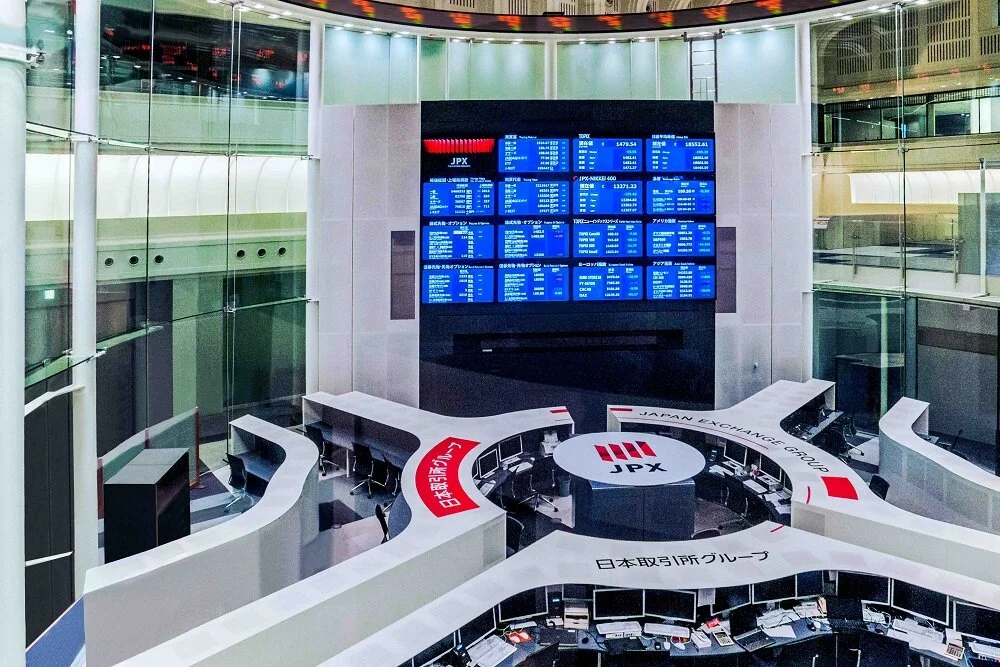
    Japan’s Nikkei 225 stock average tumbled 5.39 percent on Thursday, hitting an intraday low of 64,092.74 points during afternoon trade in Tokyo.

    The drop wiped out recent gains across the benchmark index as semiconductor equipment makers, memory producers and technology conglomerates tracked sharp losses from Wall Street.

    Selling started at the opening bell and deepened through the session. Chip-testing equipment manufacturer Advantest dropped more than 15 percent by midday, while fabrication gear supplier Tokyo Electron fell about 8 percent. Tech investment giant SoftBank Group slid more than 10 percent, and flash-memory manufacturer Kioxia shed over 11 percent.

    Regional Chip Supply Chains Take Direct Hit

    The rout swept immediately into Seoul, where heavy exposure to memory chips triggered steeper losses across the Kospi. South Korea’s benchmark fell nearly 8 percent, pulled down by an almost 10 percent drop in Samsung Electronics and an 11 percent tumble at SK Hynix.

    For hardware operators and component procurement managers across Asia, the valuation drop reflects growing investor hesitation around capital expenditure timelines for artificial intelligence infrastructure. Equipment vendors face tighter scrutiny on order backlogs as customer balance sheets absorb higher financing costs. The pressure spreads down the supply tier to component distributors, who must navigate sudden shifts in inventory financing rates while factory input costs remain high.

    Energy Costs and Rate Uncertainty Squeeze Margins

    Higher consumer prices in North America sparked the slide. The United States reported September inflation of 3.7 percent on Wednesday, prompting futures traders to briefly price in a 50 percent probability of an interest rate increase before odds settled back to 27 percent. The US Federal Reserve holds its next policy meeting on Oct. 27 and 28.

    Sustained commodity pressure compounds the interest rate risk for Asian electronics manufacturers and logistics networks. Brent crude held above $100 a barrel as Middle East tensions persisted, driving up freight surcharges and factory utility bills across import-dependent industrial hubs in Japan and South Korea.

    Sovereign Debt and Currency Shifts

    Capital rotated swiftly into safe-haven assets as equities retreated throughout Thursday morning. The yield on the 10-year Japanese government bond fell to 2.93 percent, marking its lowest reading in roughly a month as bond prices rose.

    Currency markets reflected the defensive positioning. The Japanese yen strengthened below 158 against the US dollar on Thursday after changing hands near 159 on Wednesday night.

    Retreat From Historic Benchmark Highs

    Thursday’s drop places the Nikkei more than 10 percent below its all-time high of 72,831.73 set in June. Tokyo’s primary index had climbed above the 70,000 threshold as recently as Oct. 5, supported by US technology momentum, and remains up 35 percent over the past 12 months.

    Market attention now turns to the Federal Reserve rate decision on Oct. 28 and third-quarter earnings disclosures from regional chip producers, where order books for advanced memory and foundry tools will show whether capital spending plans hold firm.

  • Ericsson Beats Third-Quarter Core Profit Forecast at 10.1 Billion Crowns

    Ericsson Beats Third-Quarter Core Profit Forecast at 10.1 Billion Crowns

    Telecom gear maker Ericsson reported a third-quarter operating profit before amortisation and restructuring of 10.1 billion Swedish crowns on Thursday, beating market forecasts despite a year-on-year decline.

    The result exceeded the 7.87 billion crown mean analyst estimate provided by the company, even as core profit fell from 15.8 billion crowns a year earlier. Efficiency measures helped offset higher component costs.

    Margin Pressure From Memory Chips

    Organic sales climbed 7 per cent to 59.5 billion crowns, running ahead of expectations of 55.4 billion crowns. Adjusted EBITA margin fell to 17.0 per cent from 28.1 per cent a year earlier, though it cleared the 14.2 per cent analyst consensus.

    Chief executive Per Narvinger cautioned that rising component expenses will continue to squeeze profitability across upcoming reporting periods. “Looking ahead, the RAN (Radio Access Network) market is flat, geopolitical uncertainty remains elevated and component costs are a headwind to gross margin,” he said in a statement.

    Shifting Demand in Regional Networks

    Equipment suppliers face a split market as carrier spending diverges sharply by territory. North American business delivered a slight sales increase during the quarter, aided by the scheduled timing of customer network deployments.

    For network operators across regional markets, stagnant radio access investments limit near-term contract expansion. Rising server and memory prices divert capital expenditure into data centre capacity, leaving traditional cellular hardware vendors to protect margins through overhead reductions rather than volume growth.

    Supply Chain Spillover From Artificial Intelligence

    Surging procurement of high-bandwidth memory for artificial intelligence clusters has tightened semiconductor supplies across the broader electronics supply chain. Telecommunications hardware makers must now absorb these elevated silicon costs or attempt to pass them to network carriers that are already restricting infrastructure budgets.

    Hardware suppliers that delayed long-term component pricing contracts face immediate gross margin compression. With mobile service revenue growing slowly, telecom operators are resisting equipment price increases, shifting the financial burden back onto equipment manufacturers.

    Tracking Recent Financial Steps

    The latest quarterly update follows a warning delivered three months earlier. Ericsson cautioned in July that escalating memory chip costs tied to intense artificial intelligence demand would exert sustained pressure on hardware manufacturing margins.

    Investors and supply chain planners are now monitoring fourth-quarter inventory valuations and component purchase commitments to gauge the full margin impact entering next year.