Blog

  • Prudential Singapore Launches Plan Covering Children and Parents to Age 100

    Prudential Singapore Launches Plan Covering Children and Parents to Age 100

    Prudential Singapore has launched a whole-of-life protection plan that covers both a child and ageing parents under a single policy, as citizens aged 65 and above exceeded a fifth of Singapore’s population in 2026.

    The insurer introduced the policy amid demographic shifts projecting that more than one in four citizens will be aged 65 and above by 2035, increasing caregiving responsibilities across households.

    How the multi-generation coverage works

    Under the policy, titled PRUActive Family Care, the caregiver’s child serves as the primary life assured. That portion provides lifetime coverage against death, terminal illness, and total and permanent disability.

    Policyholders can attach critical illness riders covering 182 conditions. These riders extend protection across both juvenile illnesses and mental health conditions.

    Parents of the caregiver gain protection up to age 100 without medical underwriting. This component pays out on diagnosis of specific age-related conditions, including Alzheimer’s disease, dementia, Parkinson’s disease, and progressive supranuclear palsy.

    The shift in retail financial products

    Insurers across Southeast Asia are retooling standard life products to address changing household structures. Traditional life policies required separate contracts, multiple administrative fees, and full medical underwriting that routinely screened out elderly parents with pre-existing conditions.

    By eliminating underwriting on designated cognitive and neurological conditions for parents, Prudential shifts the commercial proposition from individual mortality protection to multi-generational risk pooling. For retail distribution networks and financial advisers, bundled policies raise client retention by binding family units to a single provider.

    Demographic pressures on consumer balance sheets

    Household economics are shifting rapidly in aging Asian financial hubs. Singapore’s official demographic forecasts project that more than one in four citizens will reach age 65 or older by 2035, accelerating the dependency ratio on working adults.

    Rising caregiving expenses place direct pressure on household discretionary spending and retirement savings. Financial institutions packaging eldercare contingencies with childhood coverage want to capture premium flows before standalone long-term care costs deplete family budgets.

    What to watch next

    Carriers across Singapore are competing for market share in aging-related protection, adjusting critical illness definitions and riders to match lengthening life expectancies. A key development to watch is whether Singapore’s citizen dependency ratio accelerates before the projected 2035 threshold of 25 percent.


  • Asian Tech Shares Plunge After Chinese Chipmaker Reports Key Advance

    Asian Tech Shares Plunge After Chinese Chipmaker Reports Key Advance

    Technology shares across Asian bourses dropped sharply this week after one Chinese semiconductor manufacturer reported a major technical advance in chip production, Nikkei Asia reported. The announcement triggered immediate selling pressure across regional equity markets as investors reassessed competitive positions across the hardware supply chain.

    Regional equity trading reflected swift portfolio adjustments among institutional funds. Hardware manufacturers and component suppliers saw selling pressure spread across trading desks during early Asian hours.

    Market Reaction Across Regional Exchanges

    Trading desks responded immediately to the manufacturing report. Institutional investors trimmed positions in established semiconductor supply chain equities, reallocating capital as competitive risks altered previous earnings projections.

    The sell-off extended beyond pure semiconductor firms into related technology segments. Equipment suppliers and peripheral tech components faced lower bids as market participants weighed how domestic semiconductor capabilities in China could alter export demand.

    Supply Chain Realignment

    Advancements in domestic fabrication challenge the established procurement patterns of global device manufacturers. Electronics makers operating in Asia maintain intricate supply networks that rely on cross-border component sourcing.

    Localised semiconductor advances shift use in contract negotiations. Device brands and component assemblers face new cost structures as alternative domestic sourcing channels mature across regional manufacturing hubs.

    Capital Shifts in Asian Hardware

    Hardware investors now price in tighter margin compression for incumbent chip suppliers. Capital allocators had previously factored in longer production timelines before advanced domestic alternatives reached commercial benchmarks.

    Portfolio rebalancing indicates that technology valuations in Asia remain sensitive to fabrication breakthroughs. Fund managers are recalibrating exposure between regional equipment exporters and domestic producers.

    Tracking Next Production Benchmarks

    Market attention now shifts toward yield rates and commercial deployment timelines for the new technology. Tech equity indices in Asia continue to track trading volume and capital flows across regional semiconductor manufacturing hubs.

  • DuitNow Caps Singapore Cross-Border Fund Transfers at RM3,000 a Day

    DuitNow Caps Singapore Cross-Border Fund Transfers at RM3,000 a Day

    Malaysian merchants processing cross-border remittances through the national DuitNow payment network face an outbound ceiling of RM3,000 a day for fund transfers to Singapore as of October 2026.

    Domestic business transfers across the same network clear up to RM10 million per transaction, highlighting the gap between local retail payment rails and regional settlement links.

    Operated by Payments Network Malaysia, known as PayNet, the retail payments platform functions under the primary ownership of Bank Negara Malaysia alongside commercial lenders. The infrastructure connects commercial banks and non-bank e-wallets into a single interoperable clearing system. Retailers and suppliers send and receive funds using proxy identifiers including mobile numbers, identity card records and verified Business Registration Numbers issued by the Companies Commission of Malaysia.

    Domestic Transfer Limits and Merchant Fees

    Consumer transactions clear up to RM50,000 per transfer through commercial banking applications, with transfers up to RM5,000 processed without consumer transaction charges. Above that threshold, financial institutions may levy a 50 sen fee, though individual retail banks retain discretion to waive the charge. Commercial users maintain higher headroom, clearing up to RM10 million per transaction subject to institutional credit and fraud underwriting terms.

    Point-of-sale retail payments operate through unified QR standards. Merchants deploy a single static or dynamic QR code that accepts clearing requests from all domestic mobile banking applications and licensed e-wallets. Consumer payments remain fee-free at retail counters, while merchant discount rates apply to retail enterprises depending on their merchant acquirer contract.

    E-commerce checkout integrations route directly through DuitNow Online Banking and Wallets, bypassing traditional payment card rails. The direct routing pulls cleared funds directly from buyer accounts without requiring debit card credentials. For recurring invoicing, the network deploys AutoDebit protocols that clear utility billings, subscriptions and recurring wholesale invoices under pre-authorised value limits without recurring manual approvals.

    Regional Settlement Links and Currency Controls

    Inbound cross-border retail acceptance currently covers visiting consumers from six Asian economies: China, Indonesia, Singapore, Thailand, South Korea and Cambodia. Tourists and business travellers scan local merchant QR codes using their domestic banking apps. Settlements convert automatically, crediting Malaysian merchant bank accounts exclusively in Malaysian ringgit.

    Merchants cannot hold foreign currency balances directly inside the DuitNow clearing architecture. Exchange rates for incoming tourist QR spending are determined by the originating overseas payment application at the point of interaction. This leaves cross-border sellers exposed to conversion markups set by foreign issuing institutions.

    Outbound commercial transactions across the border face structural barriers. While the bilateral corridor with Singapore enables retail peer-to-peer transfers, the daily cap of RM3,000 or S$1,000 restricts corporate trade settlement. Companies paying overseas manufacturers, regional software vendors or inventory partners require separate international clearing rails or multi-currency corporate banking accounts.

    Payment Rail Fragmentation Across Retail Chains

    Retail chains across Southeast Asia are weighing single-currency domestic payment rails against cross-border fintech platforms. The local DuitNow architecture eliminates domestic card processing interchange fees, yet fails to provide working capital accounts in trade currencies such as the US dollar.

    Cross-border procurement teams that purchase stock from Mainland China or regional suppliers cannot use PayNet rails to settle trade invoices. The limitation forces operators to run dual payment workflows: national QR and real-time bank transfers for domestic store sales, and cross-border platforms such as WorldFirst or SWIFT wire transfers for import settlement. For high-volume retail chains, maintaining dual clearing mechanisms adds operational reconciliation costs and exposure to retail foreign exchange spreads.

    The operational split gives pure-play international corporate treasury providers an opening against state-backed retail clearing systems. Commercial banks capture high spreads on foreign exchange wire transfers, driving online sellers and cross-border merchants toward multi-currency accounts that issue local clearing details in overseas markets.

    Building the Regional Payment Network

    PayNet developed DuitNow to consolidate a fragmented mobile payment sector where competing digital wallet operators deployed incompatible proprietary QR codes. The central bank intervened to mandate standardisation, creating a shared national QR code and central proxy registry.

    The central bank expanded the domestic retail clearing platform through bilateral central bank linkages, starting with Thailand and Indonesia before connecting Singapore PayNow. The bilateral linkages aim to reduce regional reliance on traditional card networks and correspondent banking systems for micro-transactions and tourism spending.

    Bank Negara Malaysia and regional central banks continue testing multilateral clearing arrangements across ASEAN economies, with broader business settlement ceilings remaining the key requirement for commercial supply chain operators.

  • Calbee Launches POP LAYERS Snack Brand in Thailand Starting at 7-Eleven

    Calbee Launches POP LAYERS Snack Brand in Thailand Starting at 7-Eleven

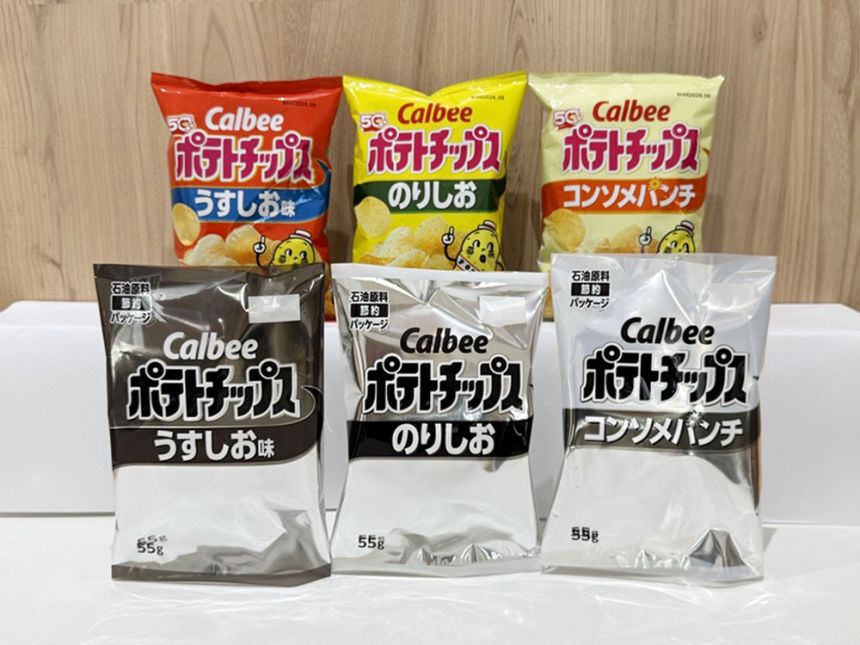
    Calbee launched POP LAYERS in Thailand in October 2026 as a new Asia-Oceania snack brand. It targets younger consumers with three multilayer corn chip flavours. Convenience store chain 7-Eleven secured exclusive initial rights to sell the lineup nationwide.

    Three varieties lead the rollout: Salt, Cheese, and BBQ. The BBQ flavour remains exclusive to 7-Eleven branches. Salt and Cheese will expand to other retail channels roughly four weeks after the debut.

    Production base in Indonesia powers regional export

    To develop POP LAYERS, Calbee adapted the production processes and recipe behind GuriBee, a four-layer corn snack made in Indonesia. PT. Calbee-Wings Food, a joint venture established in 2021 between Calbee and Indonesia’s Wings Group, expanded manufacturing capacity to supply overseas markets beyond its domestic Indonesian network.

    This approach alters Calbee’s traditional practice of exporting Japanese formulations into Southeast Asia. Local manufacturing in Indonesia allows the company to test textures and flavours against regional consumer taste profiles before distributing across neighbouring ASEAN territories.

    “POP LAYERS is a new brand originating in Indonesia developed to reach more consumers around the world. Beginning with Thailand, we aim to drive further growth overseas and strengthen our global business foundation.”

    Shifting competition in Thailand’s savoury snack market

    Thailand serves as the testbed because fabricated and extruded snacks continue to gain share in the country’s savoury snack segment. Urban shoppers show high trial rates for novel textures. That appetite creates shelf space for layered corn chips against standard potato crisps.

    Exclusive items like the 7-Eleven BBQ variant drive store foot traffic for retail partners. For Calbee, Indonesian manufacturing delivers a lower unit cost than shipping finished goods from domestic Japanese plants. That setup protects operating margins against currency swings.

    Overseas targets under 2035 corporate strategy

    The regional push fits into Calbee’s long-term business plan, titled Accelerate the Future. That strategy positions international business units as the central growth engine through 2035. The expansion aims to offset aging demographics and slower volume growth inside Japan.

    Earlier regional efforts brought several market-specific lines to Southeast Asia. These included localized Ebisen variations and healthier Frugra lines in Thailand, alongside recipe trials in Singapore. The Indonesian venture gives the group a dedicated regional manufacturing hub to run parallel product development.

    Next distribution steps across Asia-Oceania

    Supermarkets and hypermarkets in Thailand will receive the Salt and Cheese flavours in November 2026. Calbee then plans to roll out POP LAYERS into additional Asia-Oceania markets. Factory output at the Indonesian joint venture will determine the launch schedule across the region.

  • Asian Brands Drive Tokyo Retail Vacancy to Zero as Ginza Rents Hit 298,000 Yen

    Asian Brands Drive Tokyo Retail Vacancy to Zero as Ginza Rents Hit 298,000 Yen

    Asian consumer brands pushed street-level retail vacancies to zero across three of Tokyo’s four premier shopping districts during the second quarter, driving contract rents to record highs.

    Roadside retail vacancy in Shinjuku dropped to 0%, matching Ginza and Shibuya, while Omotesando-Harajuku fell to 0.1%, according to quarterly market data from CBRE.

    Regional fashion, fragrance and lifestyle labels are competing directly with established European and American luxury houses for ground-floor space. In Ginza, average monthly contract rents reached 298,000 yen ($1,881) per 3.3 square metres in the April-June quarter, a 0.7% increase from the previous year. Rents in Omotesando-Harajuku rose 1.6% to 256,000 yen per unit, while Shibuya climbed 2.7% to 187,000 yen. Shinjuku posted a 2% gain, also reaching 187,000 yen.

    Surging Demand Outbids Asking Prices

    Leasing agents report that intense competition is forcing tenants to pay above initial landlord rates to secure prime foot traffic. Bidding wars between incoming international retailers and domestic operators have pushed final transaction values past listed rates across core commercial arteries.

    Asian brands made up 17.5% of all companies planning to open roadside stores in major Japanese cities within twelve months as of June, nearly doubling from 9.3% in June 2025. This influx has depleted available high-street supply, leaving landlords with waiting lists for prime corners.

    Retailers treat Tokyo flagships as international marketing platforms rather than simple revenue outposts. Brands from South Korea and Southeast Asia use high-visibility stores in Harajuku and Aoyama to build credibility with both domestic Japanese shoppers and overseas tourists before expanding into broader Asian and Western markets.

    New Flagships Anchor Core Corridors

    South Korean apparel label Matin Kim, operated by e-commerce company Hagohaus, opened a standalone store in Harajuku in April after testing customer demand through temporary pop-up locations. Securing the space took twelve months of negotiations amid minimal market turnover.

    Thai luxury fragrance maker Panpuri, operating under Japanese cosmetics group Kose Holdings, opened an Aoyama flagship in August. The location offers bespoke fragrance blending on the ground floor and is scheduled to add a second-floor wellness spa later this month. Panpuri runs 31 stores across Thailand and selected Tokyo as its primary vehicle for international exposure.

    South Korean eyewear brand Gentle Monster has also broadened its footprint in the capital. The company added a street-level store in Ginza in August last year, following its initial Japanese opening in Aoyama in 2024.

    Shift in Tenant Mix and Landlord Power

    For commercial landlords, the aggressive arrival of Asian lifestyle names diversifies retail corridors long dominated by Western fashion conglomerates. Property owners in Omotesando and Ginza now have alternative tenant pools capable of absorbing record per-tsubo rental rates on multi-year commitments.

    The shift carries operational risks for incoming brands unfamiliar with Japan’s steep operating costs. High renovation expenses, rising staffing outlays and climbing rent hurdles require sustained sales volume once initial opening hype fades. Independent labels relying solely on tourist traffic remain vulnerable to foreign exchange fluctuations.

    Rival retail operators in Seoul and Singapore face increased pressure as Tokyo reasserts its role as the preferred testing ground for regional flagship concepts. Brands that previously targeted Hong Kong or Singapore for their primary cross-border show now allocate capital expenditure to Tokyo’s central wards to reach a denser mix of affluent Asian travelers.

    Expanding Store Pipelines

    Demand began accelerating late last year as inbound travel volumes rebounded and pedestrian traffic returned to pre-2020 levels across Tokyo’s transport hubs. Early retail entrants absorbed secondary side-street units throughout late 2025 before escalating their bids for main-street roadside frontage in early 2026.

    Brokers expect supply constraints to persist through the final quarters of the year. With virtually no new street-level retail development underway along Omotesando-dori or Ginza’s Chuo-dori, prospective tenants must wait for lease expiries or buyout opportunities.

    Leasing negotiations now turn toward early 2027 handover dates, with several regional fashion groups actively seeking ground-floor locations across Shibuya and Harajuku before year-end property allocations close.

  • Australian Retailers Link TradingView to Brokers to Track Currency Swings

    Australian Retailers Link TradingView to Brokers to Track Currency Swings

    Australian retail importers are turning to TradingView to monitor foreign exchange movements and freight-linked oil prices before supply chain shifts impact quarterly margins.

    The software pairs live market feeds with execution accounts at regulated brokers such as EasyMarkets, which has operated since 2001, allowing operators to respond to price swings without switching screens.

    How Live Feeds Connect to Trading Desks

    TradingView operates as an analytical interface rather than a custodian of funds. The platform pulls historical and live pricing data across foreign exchange pairs, freight-sensitive commodities, and equity indices into customizable chart layouts.

    To place market orders, users link the platform directly to third-party brokerage accounts. Regulated brokers such as EasyMarkets, established in 2001 and licensed by the Australian Securities and Investments Commission alongside the Cyprus Securities and Exchange Commission, handle execution through fixed-spread models without charging trade commissions.

    Managing Exposure on Inbound Shipments

    Most retail operators sourcing stock from Asian manufacturing hubs face exposure to the Australian dollar against the US dollar and regional currencies. Freight charges also fluctuate with global crude oil benchmarks.

    Tracking these inputs in real time allows procurement managers to identify price pressures weeks before supplier invoices arrive. Automated tools, including guaranteed stop-loss orders and negative balance protection, give businesses predefined price exits if market movements accelerate against their open positions.

    Risks in Derivative Contracts

    Direct hedging through contracts for difference carries distinct balance-sheet hazards for non-financial companies. CFDs track underlying price movements without conferring ownership of physical commodities or currency reserves, amplifying both gains and losses through borrowed capital.

    ASIC maintains public guidance warning commercial operators about derivative risk controls. Retail businesses using charting software must separate speculative positions from baseline inventory budgeting to avoid unexpected cash outflows during currency sell-offs.

    Balancing Tools Against Central Bank Benchmarks

    The move toward integrated technical charting follows prolonged margin compression across Australian import sectors. Operators that previously relied solely on end-of-month bank statements now monitor daily exchange rate channels to negotiate supplier pricing terms.

    Businesses tracking Australian dollar trends without opening trading accounts can cross-reference platform indicators with official foreign exchange rate datasets published daily by the Reserve Bank of Australia.

  • Seoul District Expands Corporate Chain Ban Across 232 Seongsu Land Parcels

    Seoul District Expands Corporate Chain Ban Across 232 Seongsu Land Parcels

    Seoul’s Seongdong District will bar large corporate food and beverage franchises across 232 commercial land parcels in Seongsu-dong starting this December. The decision widens municipal zoning controls to protect independent operators.

    Targeted areas include key commercial arteries along Bangsongdae Street and sections of Yeomujang Street. Previous restrictions applied only to Seoul Forest Road.

    Under the revised rules, standard restaurants, cafes and bakeries run by corporate chains cannot open new outlets within designated zones. They must fall below statutory size thresholds or secure approval from a local resident committee. District officials also designated 82 of those parcels for strict architectural preservation. Developers and tenants there must maintain red-brick facades reflecting the area’s history as a shoemaking and auto-repair hub.

    Targeting High Rents and Franchise Homogeneity

    Municipal planners designed the intervention after unchecked commercial rents hollowed out other fashionable Seoul enclaves over the past decade. Garosu-gil in Sinsa-dong and Samcheong-dong near Gyeongbok Palace both lost footfall when corporate flagships displaced independent artisans. Lease rates surged, leaving behind high commercial vacancies.

    Officials intervened early in Seongsu’s core corridors to keep commercial rents manageable for creative tenants. The decision closes off lucrative foot-traffic streets to multi-unit food operators and international retail groups. These companies must now push expansion toward secondary retail nodes or adopt smaller store formats.

    Regulating Pop-Up Retail and Temporary Leases

    The revised Sustainable Community Plan is the district’s first comprehensive policy overhaul in nearly ten years. Beyond standard retail leasing, the framework tackles short-term pop-up shops. Rapidly proliferating pop-ups have driven up temporary rents and created friction with permanent neighborhood businesses.

    District administrators plan to set up public-run pop-up spaces, publish standardized operating rules for temporary venues and inspect commercial corridors weekly. Property management will shift toward a private-led governance structure called Seongsu Town Management. That framework gives local shop owners and residents direct oversight of commercial activity.

    “Seongsu-dong’s core competitiveness lies in the unique personality and diversity built together by its local community,” said Seongdong District chief Ryoo Bo-hwa. “Through these policies, we will ensure that Seongsu-dong retains its distinct charm while allowing the local community and local businesses to grow together sustainably.”

    The Precedent Set for Commercial Real Estate

    Landlords along Yeomujang Street face tighter leasing rules that limit tenant pools to independent concepts and approved small operators. These restrictions prevent sudden rent spikes from corporate bidding wars. However, they also cap immediate yields for property owners who previously relied on corporate F&B chains for long-term leases.

    The policy tests whether municipal zoning can protect artisanal shopping streets from displacement without choking off private capital. Retailers and investors now turn their attention to resident review committees, which will begin processing initial exemption applications when the rules take effect in December.

  • Seoul Starts $184M Yongsan Electronics Market Overhaul into AI Hub

    Seoul Starts $184M Yongsan Electronics Market Overhaul into AI Hub

    Seoul broke ground this month on the redevelopment of Yongsan Electronics Market, committing 247 billion won ($184 million) in developer contributions to transform the district into an artificial intelligence cluster.

    The project covers eight of the market’s 11 commercial zones, replacing a cluster of 20 aging buildings where vacancy rates previously exceeded 60 percent with high-density tech labs, software offices, and modern retail premises.

    Building permits and zoning approvals

    Municipal authorities issued building permits for four initial zones, clearing the way for work to start on Zone 5, the primary gateway into the complex. The approved blueprints designate dedicated floor space for research and development labs, digital media studios, and technology startup incubators alongside leisure, cultural, and sports facilities.

    Pedestrian connectivity forms the backbone of the physical master plan. The municipal government will construct a 570-meter elevated walkway running east to west, linking individual blocks through 11 pedestrian bridges that connect directly to Yongsan Station.

    “With this first groundbreaking, Yongsan Electronics Market is beginning a new chapter as a growth hub for AI and ICT,” said Kim Chang-gyu, director-general of the city’s Balanced Development Headquarters.

    Shift from hardware retail to software capital

    Traditional wholesale hardware districts across Asia face identical structural obsolescence as consumer electronics purchasing shifts to digital platforms. Tokyo saw Akihabara pivot toward gaming and subculture retail decades ago, while Shenzhen turned Huaqiangbei into an agile hardware incubator. Yongsan failed to execute either pivot during the early 2010s, allowing e-commerce platforms to capture consumer hardware sales while physical foot traffic collapsed.

    Landlords and retail operators now face a compressed transition window. Commercial operators that survived on low-margin component sales and physical assembly must pivot toward enterprise tech services, while property managers must lease to institutional corporate tenants rather than independent stallholders. The primary commercial risk rests on leasing speed, as developers must fill vast R&D footprints in central Seoul while tech companies remain selective on commercial real estate commitments.

    Integration with Yongsan Business District

    The overhaul links directly to the adjacent Yongsan International Business District development. Seoul Mayor Oh Se-hoon first framed the district’s repositioning under an ambition to build Asia’s Silicon Valley in 2021, which led to the city’s formal redevelopment master plan in June 2023.

    Work originally began in the area when Yongsan Electronics Market opened in 1987, dominating South Korea’s PC and mobile retail trades through the 1990s before e-commerce platforms eroded storefront sales. The current construction phase will advance across the four permitted zones before the city reviews building permits for the remaining four development sectors.

  • BuyBuyCart Launches BuyBuyWholesale to Digitise Franchise Ordering

    BuyBuyCart Launches BuyBuyWholesale to Digitise Franchise Ordering

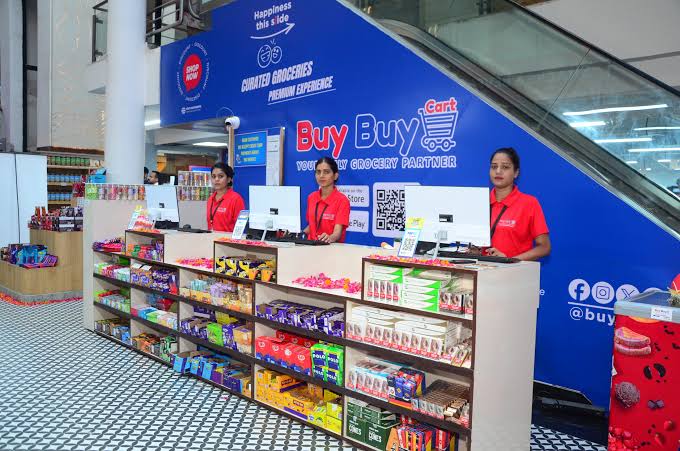
    New Delhi supermarket chain BuyBuyCart launched BuyBuyWholesale.com this week to streamline wholesale distribution and franchise operations across its retail network.

    The dedicated B2B portal operates as 1 centralised system for franchise partners to place regular and replenishment orders directly, while tracking SKU-level sales data.

    Centralising store inventory orders

    Led by Director and Co-founder Ashish Pandey, BuyBuyCart uses the platform to monitor wholesale demand, value- and quantity-based analysis, and ground sales performance alongside its physical store and Amazon channels.

    Analytical tracking built into the software breaks down orders by quantity, total transaction value, and specific franchise location. Sales teams continue to handle account support in local territories. Meanwhile, the backend system logs transactional flow.

    Tracking field sales and store demand

    Digital franchise procurement allows supermarket networks in India to cut order turnaround times and reduce inventory stockouts across regional clusters. Centralised visibility on SKU movement helps retail operators identify fast-moving daily essentials early. Teams then route stock to franchise shelves before local inventory runs dry.

    “The launch of BuyBuyWholesale.com is an important step in building a more connected and data-driven B2B ecosystem for BuyBuyCart. We are already seeing orders come through the platform, while our sales team continues to support partners on the ground. Our next focus is to make the platform increasingly useful for our franchise partners by enabling them to manage their regular and refill orders directly. Over time, we see BuyBuyWholesale.com becoming a central platform connecting our wholesale, sales, and franchise operations.”

    Shifting franchise logistics online

    For independent franchise owners, automated replenishment removes friction from weekly distributor negotiations and standardises pricing across territories. Field adoption presents the main operational risk. Regional store managers accustomed to manual phone orders and informal credit terms must adapt to disciplined digital checkout cycles.

    Rival supermarket chains across South Asia increasingly deploy proprietary wholesale portals to bind franchise partners to exclusive supply chains. Locking store procurement into an in-house platform protects private-label volume from third-party wholesale cash-and-carry distributors.

    Expanding private-label distribution

    BuyBuyCart built its core retail operation around a multi-region franchise supermarket footprint, selling packaged groceries, household essentials, and proprietary private-label lines. Alongside physical brick-and-mortar stores, the company distributes goods directly to consumers through its official website and third-party marketplaces including Amazon.

    Next, the rollout will focus on opening direct recurring refill features for all active franchise stores and integrating additional wholesale tracking tools into the live portal.

  • Mibro Launches AeroPace Running Smartwatch for 149.99 EUR

    Mibro Launches AeroPace Running Smartwatch for 149.99 EUR

    Smart wearables maker Mibro launched its AeroPace running smartwatch on Oct. 13, 2026, with pricing starting at 149.99 EUR through official sales channels.

    Designed for beginner runners, the device introduces Mibro Coach, an intelligent training system developed by the Mibro Sports Science Lab that combines sports physiology models with AI agents to guide users through assessment, planning, recovery, and review.

    Hardware specifications and tracking features

    During workouts, the system tracks cadence, stride length, ground contact time, and vertical oscillation. Post-session analysis combines these metrics with training load, heart rate variability, and sleep quality to highlight strengths and suggest next steps.

    Post-session software logs compile these telemetry readings alongside estimated cardiovascular load, recovery windows, and recent sleep metrics.

    Training software and conversational coaching

    Developed by the Mibro Sports Science Lab, the companion training software structures guidance around the VDOT running index, estimated VO2max benchmarks, and predictive race finishing targets from 5K distances up to full marathons. The platform offers more than 20 preconfigured training programs running between four and 20 weeks in duration.

    Daily workouts adjust based on recorded sleep duration, fatigue metrics, and recent training stress. Users can select between five AI coaching personas or interact directly via Just Talk, a conversational feature designed for voice and text interaction regarding pacing and recovery adjustments.

    Market positioning in entry-level fitness wearables

    At 149.99 EUR, the device targets recreational runners looking for structured physiological metrics without paying the premium commanded by dedicated endurance hardware from Garmin, Polar, or Coros. Chinese consumer electronics brands continue to push mid-tier price points by bundling algorithmic coaching features into lightweight hardware, challenging incumbent sportswear and GPS equipment makers.

    Software retention presents the real commercial test for Shenzhen hardware makers. Selling a low-cost fitness watch is straightforward through direct-to-consumer digital channels. Keeping runners engaged requires algorithmic training advice accurate enough to prevent injury and justify long-term platform loyalty.

    Corporate background and product roadmap

    Founded in 2015, Mibro operates as a consumer hardware brand under ZhenShi Information Technology (Shenzhen) Co., Ltd. The business previously expanded third-party fitness ecosystem compatibility by integrating the Mibro Fit application with Strava in December 2024, followed by the release of the Lite3 Pro smartwatch in July 2024.

    Product expansion continued with three sports-oriented smartwatches in June 2025 and the Kids Watch Phone S1 in November 2025, before direct commercial distribution began in the United States market in March 2026.

    Mibro will distribute the AeroPace across Europe and Asia through its online storefronts and authorized regional distributors as initial retail shipments begin this quarter.

  • IMF Raises Taiwan 2026 Growth Forecast to 10.7% on AI Demand

    IMF Raises Taiwan 2026 Growth Forecast to 10.7% on AI Demand

    The International Monetary Fund raised its 2026 gross domestic product growth forecast for Taiwan to 10.7 percent, up from 5.2 percent in April. Taiwan is now the only economy worldwide projected to record double-digit expansion this year. Sustained export demand for artificial intelligence hardware drove the revision.

    Published in the IMF World Economic Outlook report at its annual meetings in Bangkok, the updated figure puts Taiwan well ahead of regional peers. Singapore is projected to grow 5 percent, Hong Kong 3.8 percent, South Korea 3.3 percent, and Japan 0.7 percent. China is forecast to expand 4.5 percent, while the United States is pegged at 2.3 percent.

    Hardware Concentration Powers Trade Surplus

    Global demand for AI computing infrastructure has concentrated trade flows in a narrow set of manufacturing hubs. Upstream fabrication of advanced semiconductors remains limited to a few markets. Together, Taiwan and South Korea account for 62 percent of net global trade in AI-related computing hardware.

    Surging tech shipments have widened Taiwan’s external balance. The IMF projects the island’s current account surplus will reach 22 percent of gross domestic product in 2026. That ranks among the highest levels recorded by any major economy. Domestic consumer prices are forecast to rise 2 percent, up from the April estimate of 1.5 percent, while unemployment should hold steady at 3.4 percent.

    Regional Spillovers and Valuation Risks

    For supply chain operators and consumer goods businesses across East Asia, Taiwan’s hardware concentration creates diverging market dynamics. Capital is flowing into component suppliers and raw material exporters across East Asia, while consumer-facing sectors face higher imported costs. Concentration of capital expenditure in hardware fabrication also leaves the wider regional economy exposed to any correction in tech sector valuations.

    A sudden pullback in infrastructure spending by global cloud platforms would quickly compress hardware export orders across Taipei and Seoul. As IMF chief economist Silvana Tenreyro told journalists in Bangkok:

    The global economy has been resilient, but that resilience is under strain, with risks tilted to the downside.

    Divergence from Official Budget Office Projections

    Earlier in August, Taiwan’s Directorate-General of Budget, Accounting and Statistics projected 11.05 percent GDP growth for 2026. The multilateral lender kept its projection slightly below domestic estimates. It cited drag from global energy prices linked to Middle East conflict, alongside overall global growth slowing to 3.1 percent from 3.5 percent last year.

    Trade data scheduled for release at the end of the fourth quarter will indicate whether high-density server and semiconductor shipments maintain their current pace into early 2027.

  • Canva Hires Ex-Bukalapak Head Willix Halim as Regional Revenue Triples

    Canva Hires Ex-Bukalapak Head Willix Halim as Regional Revenue Triples

    Australian software group Canva has named former Bukalapak chief executive Willix Halim as head of South-east Asia after tripling regional annual recurring revenue since 2022.

    The privately held design platform doubled its monthly active user base across South-east Asian markets during the same period.

    Halim served as an advisor to Canva for roughly twelve months before taking the regional chief executive role full-time three months ago. His remit focuses on local product development and mobile adoption across the regional footprint. He previously served as co-founder and chief executive of Indonesian e-commerce company Bukalapak, where consumer traffic shifted decisively toward mobile handsets over the past decade.

    Mobile Dominance Across Developing Markets

    Consumer behavior across South-east Asia drives Canva to alter its product rollout strategy compared to Western markets. Company data shows that one out of every two presentations created in the region begins on a mobile device. In Indonesia, two out of every three presentations start on mobile handsets. The ratio reaches three out of five across the Philippines.

    Desktop-first design interfaces present an immediate barrier to user acquisition in economies where the majority of retail entrepreneurs and small corporate teams operate entirely through Android and iOS devices. Adapting software workflows for touchscreens determines subscription conversion rates for enterprise software vendors expanding across developing Asia.

    Regional Headcount and Enterprise Accounts

    Enterprise and institutional accounts now form a core target for Canva in regional commercial hubs. Singapore-based real estate platform PropertyGuru deploys Canva across its group operations for internal workflows and marketing assets. Small and medium-sized merchants represent another major revenue segment, using the design software for day-to-day social commerce, product promotions, and branding campaigns.

    Education authorities represent the third expansion pillar. Canva maintains formal partnerships with education regulators in Thailand, Indonesia, and the Philippines to supply software access across public school networks and universities.

    User Concentration in Archipelago Economies

    User volume in island nations anchors Canva’s regional scale. Indonesia ranks among the top three markets globally for monthly active users. The Philippines ranks in the top ten worldwide and hosts Canva’s second-largest corporate campus after its Sydney headquarters. Vietnam and Thailand sit consistently inside the global top fifteen.

    Chief product officer and co-founder Cameron Adams noted the geographical spread of active accounts across regional hubs. Indonesia consistently ranks in the top three in terms of monthly active users. The Philippines, Vietnam and Thailand are consistently in the top 15.

    Software Competition Across Emerging Asia

    Competition among digital workplace platforms in Southeast Asia centers on merchant acquisition costs and recurring monetization. Software providers face tight margins when converting free tier users in emerging economies where average revenue per user remains substantially lower than in North America or Australia. Growth depends directly on broader income expansion across regional economies.

    Halim’s appointment gives Canva executive experience from Indonesia’s competitive marketplace sector, where Bukalapak fought for merchant market share against Tokopedia and Shopee. Canva continues to maintain private ownership while expanding enterprise sales teams across Manila, Jakarta, and Singapore.

  • DHL Global Forwarding Establishes Six Air Cold Chain Corridors to Asia

    DHL Global Forwarding Establishes Six Air Cold Chain Corridors to Asia

    DHL Global Forwarding expanded its cold chain network in October 2026 by launching six dedicated life sciences and healthcare air corridors connecting Europe and North America with Asia.

    The newly established routes connect Liège and Brussels in Europe, along with Cincinnati in the United States, directly to Shanghai, Singapore, Tokyo Narita, and Seoul Incheon.

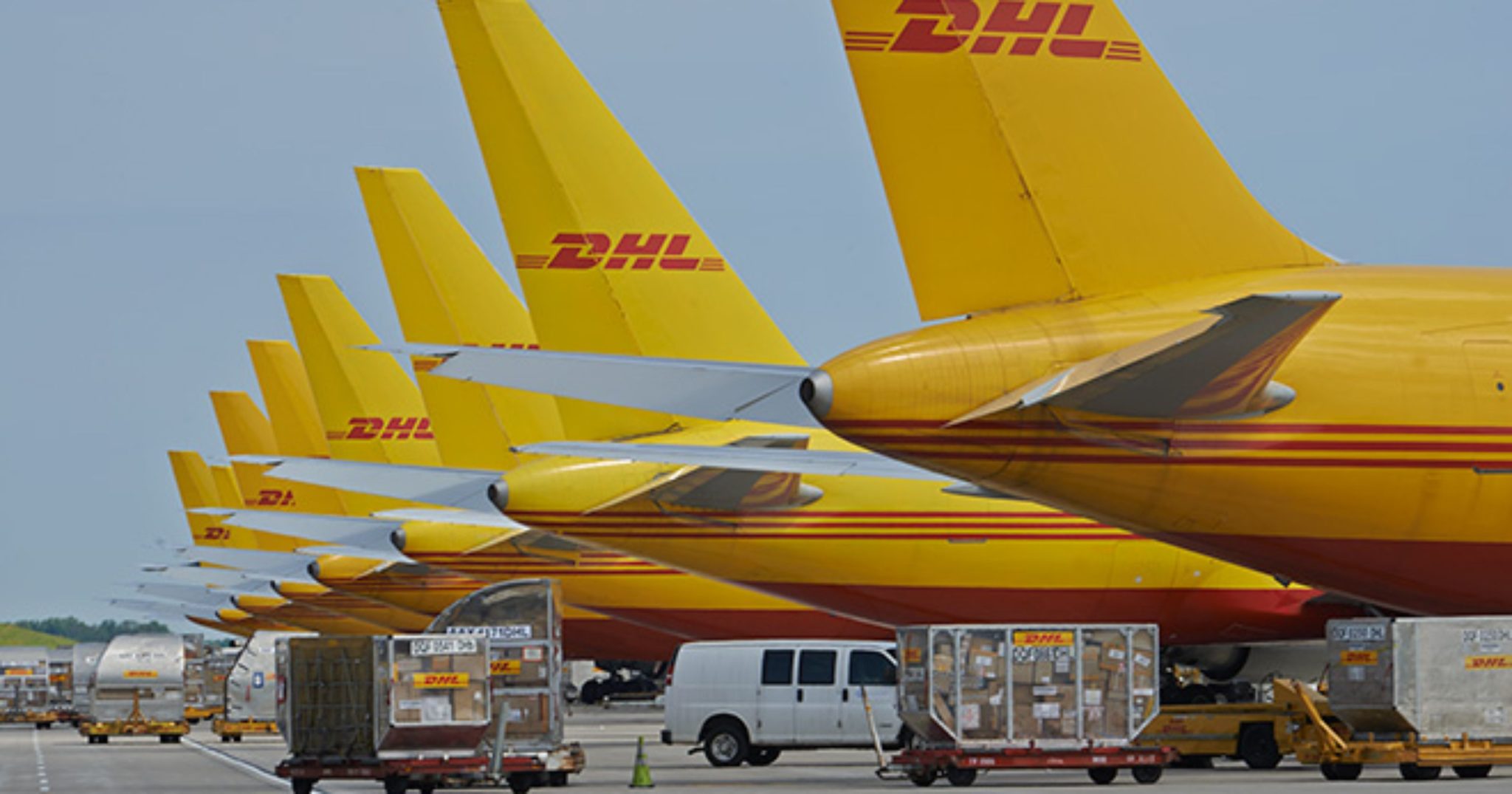
    Operated primarily on DHL Express-branded Boeing 777 freighters, the flights offer three different temperature-controlled compartments to reduce handovers and safeguard temperature-sensitive healthcare shipments.

    The Six Strategic Transcontinental Trade Lanes

    Three corridors run directly from Europe, and three run from the United States. European departures connect Liège to Shanghai, Brussels to Shanghai and Brussels to Singapore. Transatlantic flights leave DHL’s Cincinnati hub for Singapore, Tokyo Narita and Seoul Incheon.

    Each aircraft combines active temperature control with passive packing protections, including thermal blanket systems and phase-change materials. These systems maintain strict limits: 2 to 8 degrees Celsius for refrigerated biologicals, and 15 to 25 degrees Celsius for controlled room-temperature medicines.

    These new corridors further expand our Cold Chain Network into strategically important healthcare markets across Asia. They respond to customer demand for reliable connectivity between major healthcare markets while giving us greater control over critical quality parameters throughout the transportation process. This enables our customers to move critical healthcare products with greater confidence and reliability.

    Control Across Healthcare Supply Chains

    Transfer points create the biggest operational bottleneck in long-haul pharma airfreight. Commercial passenger bellyhold space exposes sensitive cargo to tarmac temperature spikes during layovers or unexpected delays.

    Operating dedicated Boeing 777 freighters across proprietary hubs gives drug makers predictable schedules and uniform standard operating procedures from loading to customs clearance. It also limits reliance on third-party ground handlers who may lack good distribution practice validation.

    Competition is intensifying against rival global integrators and forwarders fighting for high-margin life sciences contracts across Asia-Pacific. Drug manufacturers in Japan, South Korea, China and Southeast Asia demand direct, auditable cold chain links into Western consumer and clinical trial markets.

    Expanding the Global Cold Chain Footprint

    This Asian expansion builds on DHL Group’s February initiative to create an integrated international cold chain network. That rollout started with transatlantic flights between Brussels and Cincinnati before extending into secondary healthcare routes.

    North American drug producers gain direct export lanes from Cincinnati into North Asia and Southeast Asia without routing through intermediate commercial air hubs. European plants around Belgium’s biopharma cluster gain matching outbound capacity into China and distribution nodes in Singapore.

    Changi Logistics Hub Anchors Regional Growth

    Adding the Brussels-Singapore and Cincinnati-Singapore routes fits DHL Global Forwarding’s wider infrastructure spend in Southeast Asia. In September, the group confirmed plans for its upcoming DHL Singapore Cold Chain Hub at Changi Airport.

    The airport facility will provide dedicated 2 to 8 degrees Celsius and 15 to 25 degrees Celsius handling zones linked directly to the airside tarmac. It will process inbound cargo from the new Boeing 777 flights and transfer shipments into regional distribution channels across Southeast Asia.

    Looking ahead, DHL plans to commission the Changi cold store facility and add further network routes across the Middle East and Latin America.

  • BNY Expands Bitcoin and Ether Custody to European Union Institutions Under MiCA

    BNY Expands Bitcoin and Ether Custody to European Union Institutions Under MiCA

    BNY expanded its digital asset custody platform to select European Union institutions on October 8, 2026. The service provides regulated safekeeping across four major tokens under the bloc’s MiCA framework.

    Globally, the bank oversees 62.6 trillion dollars in assets under custody and administration. Its European license represents one of the largest traditional finance entries into crypto infrastructure to date.

    Institutional clients can store, transfer and administer Bitcoin, Ethereum, Solana and USDC through The Bank of New York Mellon SA/NV, the group’s Brussels-based European banking entity. The setup uses multiparty computation, segregated client wallets and cold storage protocols. It also provides bankruptcy stay protection. That isolates client assets from BNY’s balance sheet if the bank faces insolvency.

    The Structure Behind the Custody Rollout

    Engineers built the digital custody infrastructure directly on BNY’s existing asset servicing architecture rather than operating it as an independent unit. The firm originally launched the platform in 2022 to handle tokenized cash and collateral settlement before seeking cross-border licensing.

    Client assets under the MiCA regime remain subject to explicit warnings. BNY notes that digital assets lack FDIC insurance, do not count as traditional bank deposits, and carry direct market exposure risks.

    Four assets form the initial offering: Bitcoin, Ethereum, Solana and USDC. The bank plans to add more tokens and stablecoins over time. However, it has not set a timeline for listing additional assets or confirmed specific rollout dates across individual EU member states.

    How Custody Competition Stacks Up

    Custodians are taking divergent approaches to digital assets across Europe, North America and Asian financial hubs. US regulatory hurdles previously slowed custody rollouts on American balance sheets. In contrast, the EU’s clear MiCA timetable gave BNY a unified single-market rulebook to clear its European banking arm first.

    Rivals are moving in parallel across international hubs. Standard Chartered has expanded digital asset custody across its Dubai operations, including support for institutional stablecoin reserves. For institutional investors, the entry of global systemically important banks narrows the compliance gap between holding conventional equities and holding digital tokens.

    Operational risks remain concentrated around liquidity and software integration. Asset managers require real-time settlement and automated reporting into standard accounting platforms. Traditional custody books provide these tools for bonds, but developers are still adapting them for public blockchains.

    Licensing Steps Leading to the European Launch

    Regulators at the European Securities and Markets Authority registered The Bank of New York Mellon SA/NV on the official MiCA registry in July 2026. That authorization permits crypto asset custody, administration and transfer activities across member jurisdictions, setting up the October deployment.

    Jennifer Barker, Head of Europe at BNY, addressed the institutional demand behind the launch: “To support increasingly digital strategies, institutions need solutions with the same resilience, oversight and safeguards they rely on across traditional operations.”

    BNY must now demonstrate institutional client adoption on the ground. The bank has not disclosed initial custody volumes or named launch partners for the four supported tokens, leaving transaction metrics and broader asset approvals as the key milestones ahead.

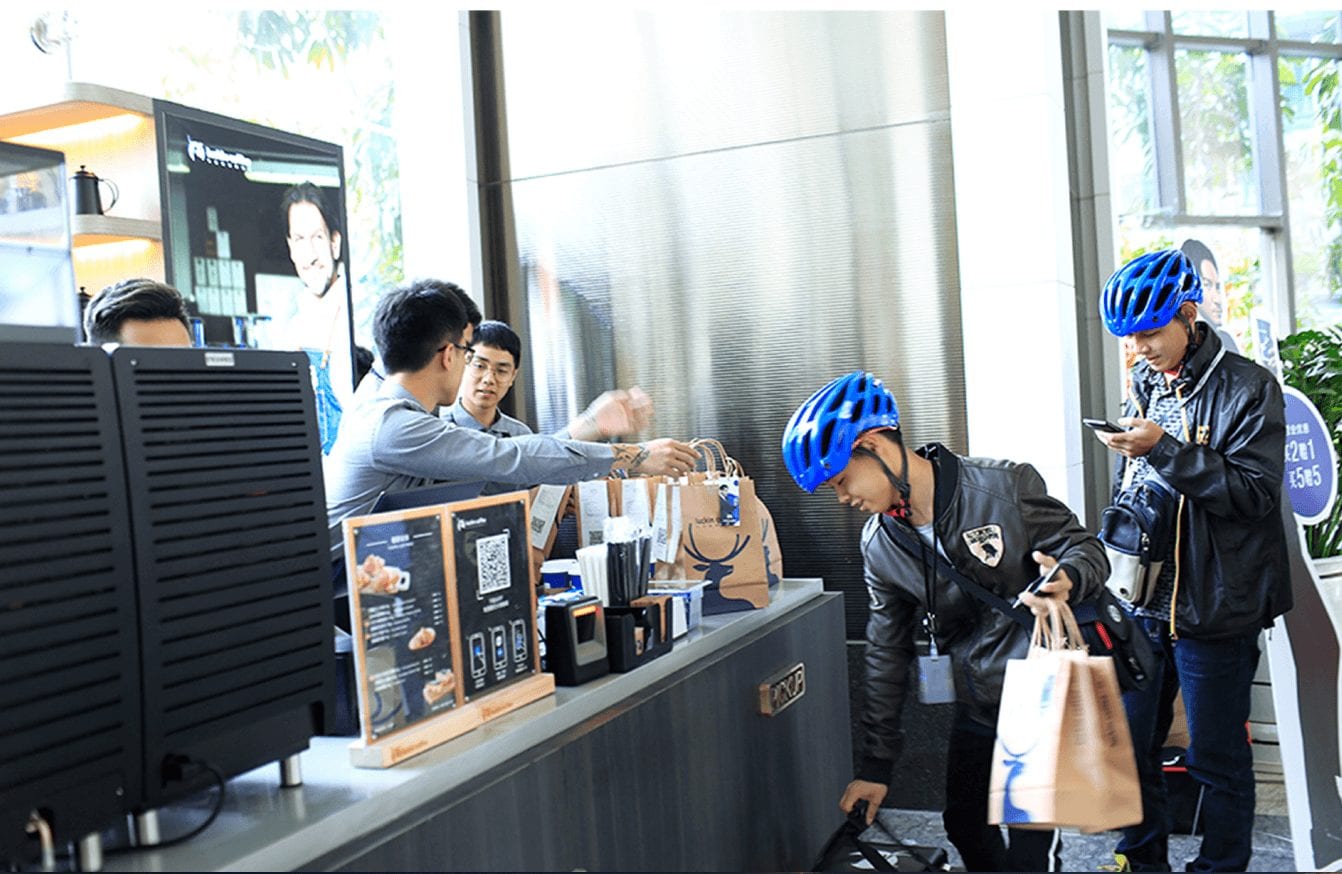
  • Luckin Store Count Hits 36,310 as Franchisee Margins Squeeze

    Luckin Store Count Hits 36,310 as Franchisee Margins Squeeze

    Luckin Coffee expanded its global network to 36,310 outlets by June 30, 2026. The chain added more than 5,000 net new locations in six months despite falling same-store sales.

    China accounts for 36,087 of those stores, or 99.4 per cent of the total, leaving overseas operations with a negligible share of overall sales. Top-line revenue keeps climbing, but store-level economics are tightening. Same-store sales at self-operated locations fell 5.3 per cent year on year in the second quarter. That widened the decline recorded in the first quarter. Partner-operated units faced even sharper pressure on single-store receipts.

    Store Density Dilutes Franchise Returns

    At the end of the second quarter, the brand operated 23,734 self-managed locations and 12,576 franchised partner stores. Franchises made up 34.6 per cent of the global estate. That stayed close to the 34.8 per cent share logged at the close of 2025, but represents a net increase of 1,762 shops from 10,814 outlets six months earlier.

    Revenue from partner stores reached 36.68 billion RMB in the second quarter, up 27.9 per cent year on year to generate 23.1 per cent of Luckin’s total net revenue. In the prior-year period, partner stores brought in 28.67 billion RMB across 9,238 locations. Store count jumped 36.1 per cent over that span while partner revenue grew only 27.9 per cent, showing dilution on the ground. In dense urban districts, new openings siphon foot traffic from established shops under the same brand.

    This shift alters the math for prospective franchisees. Store construction and fit-out costs remain flat. However, longer payback windows mean operators face limited downside alongside lower profit ceilings.

    Operational Friction in the Tea Shift

    Management has pushed beyond coffee to build a broader ready-to-drink beverage platform. The pivot began in August 2024 when the chain launched Light Jasmine Light Milk Tea with a morning-coffee, afternoon-tea promotion. Diversification gathered pace throughout 2025. The company rolled out more than 140 new products that year and lifted non-coffee sales past 20 per cent of total cups sold.

    Menu rollouts accelerated in the second quarter of 2026 with 28 ready-to-drink items and more than ten snacks. Non-coffee items made up nearly half of all new and returning drinks across the network during the first six months of the year.

    Adding milk tea complicates daily operations for front-line staff. Standard coffee relies on automated, uniform inputs like beans and syrups. Fresh tea requires brewed bases, fruit prep, milk foams, and short shelf-life dairy. That increases waste and inventory oversight. Baristas now juggle dual workflows across morning and afternoon rushes, which pushes up labor hours and training needs. Franchisees also have to buy tea extractors, larger ice makers, and dedicated refrigerated displays.

    Tea Chains Push Fresh Grinds

    The boundary between coffee chains and tea specialists in China has collapsed entirely. While Luckin branches into milk tea, leading tea franchises are installing espresso machines to capture morning commuters.

    Guming installed commercial coffee equipment across roughly 13,500 outlets by June 30, 2026, topping 90 per cent store penetration. The brand introduced 12 coffee items in the first half of 2026, pushing coffee past 20 per cent of total sales volume. Mixue Ice City upgraded to freshly ground coffee across its network, using heavy subsidies to replace older drip drinks.

    Cha Baidao launched 15 coffee items in the first half, installing fresh-grind machines in more than 2,700 locations. Hushang Ayi added espresso stations to its core stores to boost breakfast tickets. Most tea chains sell coffee between 8 and 15 RMB. That overlaps directly with Luckin’s core price band while tapping deeper reach in third- and fourth-tier cities.

    Narrowing Spreads for Store Partners

    For landlords, Luckin remains a high-volume anchor tenant that pulls heavy foot traffic with standardized fit-outs. But the commercial risk has shifted onto operators. Prime business districts still generate steady yields. Outlying suburban sites and lower-tier municipal markets, however, are squeezed by internal cannibalization and tea rivals selling 10 RMB lattes.

    Luckin’s central supply chain protects input costs, but it cannot stop localized sales erosion. Tea rivals use existing counter space to serve fresh coffee at low incremental equipment costs. In contrast, Luckin franchisees spend significantly more retrofitting coffee bars for fruit tea prep.

    With the domestic network nearing 40,000 locations heading into late 2026, management must now protect the returns of its 12,576 franchise partners as store saturation sets in.