Blog

  • Australian Malls Post AU$118.8 Billion in Turnover as Dining and CBDs Lead Recovery

    Australian Malls Post AU$118.8 Billion in Turnover as Dining and CBDs Lead Recovery

    Australian shopping centres generated AU$118.8 billion in turnover across 516 properties. Food retail, dining and central business district locations drove the post-disruption growth.

    Trading across 14.6 million square metres of gross leasable area and 46,743 tenants stabilized between 2025 and 2026, according to the latest Urbis Shopping Centre Benchmarks. Spending patterns shifted across categories and geographies.

    Dining and Jewellery Drive Tenant Gains

    Food catering delivered the strongest momentum across all centre categories, rising 7.5 per cent year-on-year. Food retail sales gained 6.9 per cent over the same period.

    Discretionary categories diverged. Jewellery sales jumped 11.6 per cent. Entertainment venues rose 8.8 per cent, and retail services advanced 6.2 per cent. Non-food mini-majors expanded sales by 7 per cent. That segment benefited from apparel brands like Uniqlo taking over floor space previously held by traditional department store anchors.

    Central Precincts Outpace Outer Suburbs

    Downtown centres recorded the strongest geographic performance, lifting retail sales by 7.1 per cent. Super-regional malls followed at 5.0 per cent.

    Outer metropolitan centres trailed the national recovery, posting sales growth of 3.9 per cent despite recording the fastest residential population expansion. High mortgage rates and debt servicing costs curtailed spending in suburban family corridors.

    Shifting Floorplates Across Asia-Pacific

    Landlords across Asia-Pacific are cutting department store allocations. They favour high-turnover fast fashion and experiential dining instead. Australian figures confirm that food and beverage tenancies now anchor footfall better than general merchandise.

    Risks remain concentrated in outer suburban assets. If mortgage stress persists, neighbourhood and suburban centres heavily reliant on mass apparel and homewares will face occupancy pressure unless they rebalance toward essential services and food concepts.

    Stabilisation After Years of Pressure

    The 2026 benchmark results follow multi-year trading disruptions marked by rapid interest rate hikes and inflation across the Australian consumer economy. Comparable mall performance over the 2025 to 2026 window points to normalising floor productivity across major retail hubs.

    The shift towards experiences and in-centre consumption also shows the growing social role of shopping precincts and is helping centres remain resilient as e-commerce continues to expand

    Operators now enter the next leasing review cycle with vacancy rates tightest in prime CBD strips and regional assets. Upcoming leasing negotiations will test tenant margins against rising operational costs.


  • Air India Sets up Cost-Cutting Team After Posting US$2.3 Billion Loss

    Air India Sets up Cost-Cutting Team After Posting US$2.3 Billion Loss

    Air India has set up a cross-functional team to find operational savings after posting a US$2.3 billion loss for the fiscal year ended March. It is tightening spending approval limits immediately to stem cash burn.

    Chief executive Tewolde Gebremariam told staff in an internal memo that the airline must embed frugality and accountability into daily decisions. Management is introducing an incentive programme for employees. It will reward staff who submit workable ideas to cut expenses or lift revenue.

    Spending Controls and Capital Demands

    The belt-tightening follows an August request by Air India to raise approximately US$1.5 billion in fresh equity from owners Tata Sons and Singapore Airlines. Singapore Airlines holds a 25.1 per cent stake following their joint venture consolidation.

    Air India has failed to record an annual profit since returning to private ownership under Tata Group in 2022. Rising jet fuel prices and prolonged route diversions have burned cash faster than projected during the initial privatization plan.

    Route Headwinds and Supply Bottlenecks

    Geopolitical turbulence has added direct costs to international flight schedules. Airspace closures over Pakistan and conflict disruptions across the Middle East have forced longer routings, cancellations, and capacity cuts on key long-haul services.

    Fleet renewal plans also face delays. Shortages of aircraft seats and cabin components have stalled retrofits on older jets. Management has opened talks to defer deliveries of hundreds of newly ordered aircraft to conserve capital.

    Operational Scrutiny and Safety Lapses

    Regulatory pressure has mounted alongside the cost drive following serious operational failures. The airline faced intense scrutiny after a June 2025 crash in Ahmedabad killed 260 people, severely damaging consumer confidence.

    Aviation authorities have cited the carrier for multiple compliance lapses, including flying aircraft without valid maintenance certifications. Regulators also launched investigations after a pilot involved in a severe mid-air plunge in August tested positive for marijuana.

    Turnaround Strategy Under New Leadership

    Gebremariam took charge of the airline on August 5, replacing former Singapore Airlines executive Campbell Wilson, who had led the restructuring effort since 2022. Gebremariam previously ran Ethiopian Airlines, where he built a reputation for lean cost management and rapid commercial expansion.

    Talks are now underway with aircraft manufacturers to negotiate revised delivery schedules. Meanwhile, Tata Sons and Singapore Airlines are working to finalize terms on the requested US$1.5 billion capital injection.

  • Chinese Automakers Rule Out Italy over Lack of Turnkey Factories

    Chinese Automakers Rule Out Italy over Lack of Turnkey Factories

    Chinese automakers looking to expand production capacity in Europe have ruled out Italy because the country lacks suitable turnkey factories, Italian industry minister Adolfo Urso said on Wednesday, October 14.

    Urso confirmed that Chinese auto industry representatives, including BYD European adviser Alfredo Altavilla, inspected Italian facilities and met government officials several times without finding viable production sites.

    The Search for Turnkey Sites

    Chinese car companies touring Europe want operational manufacturing facilities that can start vehicle assembly immediately. Brussels is preparing regulations that will impose minimum local content requirements on electric vehicles sold across the European Union, prompting Chinese brands to secure localized assembly footprint within the trading bloc.

    Urso told lawmakers in Rome that Chinese delegations inspected several Italian facilities. None met their operational criteria.

    “They are touring Europe and what are they asking for? A turnkey factory,” Urso told lawmakers in Rome, referring to a production site that would be ready to operate immediately.

    Stellantis Retains Italian Footprint

    Italy holds only one domestic volume car manufacturer, Stellantis. Urso explained that Stellantis decided against selling or transferring any of its Italian plants to foreign competitors, choosing instead to pursue joint production partnerships with Chinese automakers.

    Because Stellantis kept all its Italian production lines open, no idle, ready-to-run auto plants exist in Italy for foreign buyers to take over. That stance closed the door on Chinese automakers looking for standalone acquisitions in the country.

    BYD Shifts Focus to Western Europe

    The refusal to sell legacy plants directly conflicts with the expansion playbook favored by major Chinese electric vehicle brands. BYD rejected shared-production arrangements and joint ventures in the country, seeking full ownership of its European manufacturing assets instead.

    Altavilla confirmed that BYD is concentrating its factory acquisition efforts on alternative European markets, specifically Spain and France. Securing dedicated assembly lines allows Chinese electric vehicle groups to maintain direct control over supply chains, production quality, and proprietary technology.

    European Manufacturing Timelines

    Automakers from China face mounting pressure to finalize European production locations before the European Commission enacts stricter local assembly mandates. Companies that fail to establish domestic production lines risk tariffs and regulatory barriers on imported completely built-up units.

    The next phase of European expansion now rests on negotiations with French and Spanish authorities, where Chinese carmakers continue to evaluate industrial sites capable of rapid commissioning.

  • Thailand’s Sponsor Enters Sports Nutrition with Energy Gel Launch

    Thailand’s Sponsor Enters Sports Nutrition with Energy Gel Launch

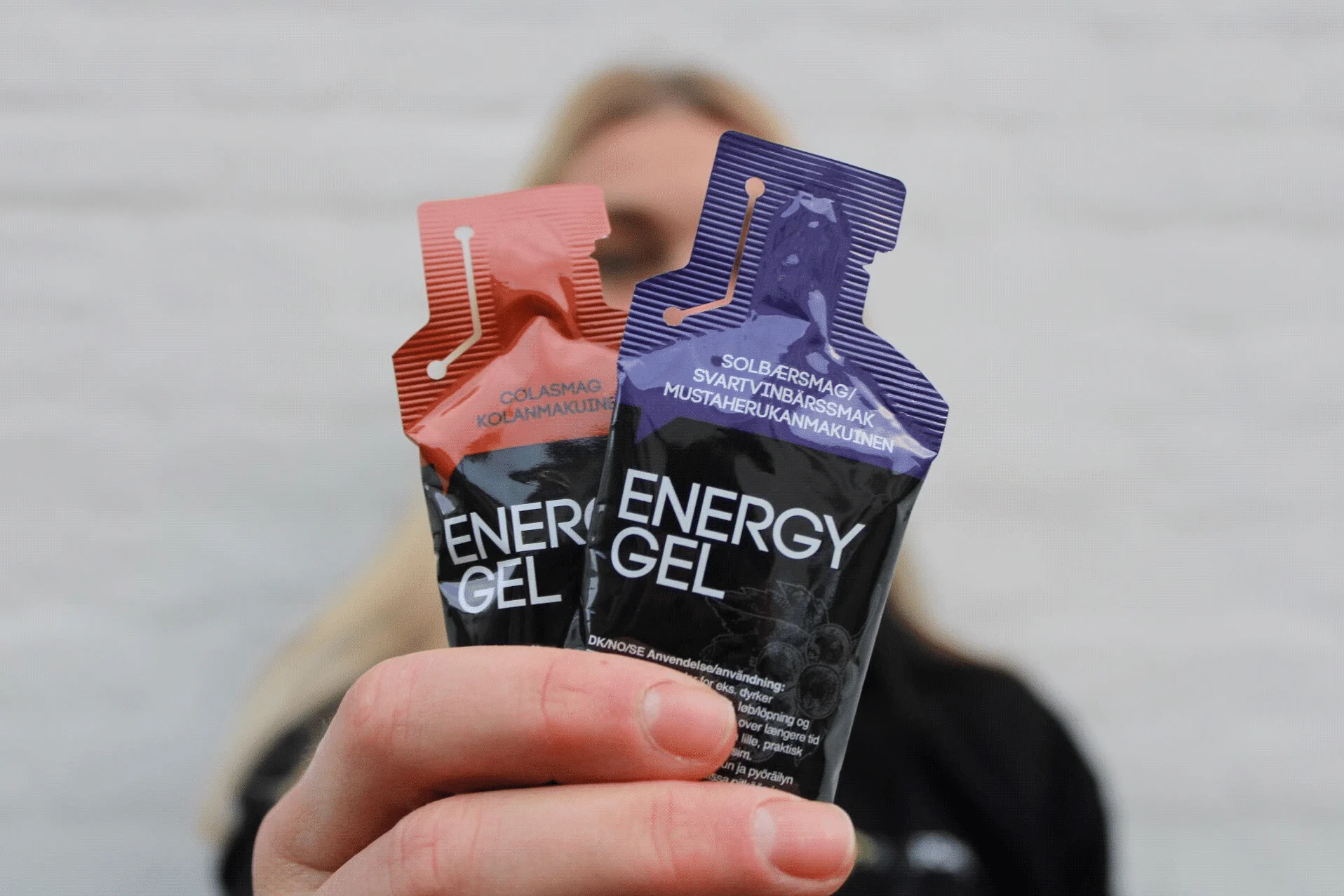
    TCP Group expanded its flagship Sponsor beverage brand into specialised sports nutrition in Thailand. It rolled out Sponsor Pro Energy Gel Plus for endurance athletes.

    The product release targets a domestic running sector that logged more than 1,500 organised race events across Thailand in 2025.

    Formulation and athlete targeting

    Each packet contains 120 calories alongside five electrolytes designed to maintain hydration under heavy exertion. TCP Group formulated the product with what it calls a Triple-Phase Energy system, blending multiple carbohydrate sources to regulate energy release during prolonged exercise. The recipe also incorporates ViNitrox, a proprietary grape and apple extract aimed at supporting physical endurance. Retail distribution begins with two options: Original and Watermelon Berry.

    Product development involved consultations with Thai athletes and sports nutritionists. Rather than relying solely on race sponsorships, the brand designed portable sachets for runners to consume before and during competition without carrying bulky bottles.

    Shifting from hydration to sports nutrition

    Entering the gel category shifts Sponsor from general sports hydration into high-margin functional sports nutrition. Energy gels command higher retail price points per gram than standard isotonic bottled drinks. That gives beverage makers better revenue density on convenience store shelves. For retailers like 7-Eleven and CJ Express in Thailand, stocking single-serve nutrition pouches near checkout counters creates incremental basket value from fitness consumers.

    This shift puts TCP Group in direct competition with imported endurance brands that historically controlled specialty running shops and cycling outlets across Southeast Asia. By using its vast domestic distribution network, Sponsor can place technical sports fuel in ordinary neighborhood outlets where international specialty labels rarely maintain shelf presence.

    Portfolio roadmap across regional markets

    Recent portfolio updates aim to widen Sponsor’s consumer base beyond heavy manual workers and casual sports players. In May 2023, TCP Group introduced Sponsor Go 0% Sugar to capture health-conscious shoppers who avoid sweetened functional drinks. The parent group expanded in May 2024 by pushing Sponsor, Ready and Warrior into overseas territories across India, Africa and the Middle East, before rolling out a Watermelon Berry beverage variant in April 2025.

    Retail buyers in Bangkok now await sell-through figures from early marathon activations this quarter to see whether endurance runners adopt the local gel over established Western sports nutrition imports.

  • Vietnam Convenience Store Network to Triple to 30,000 Outlets by 2030

    Vietnam Convenience Store Network to Triple to 30,000 Outlets by 2030

    Vietnam will expand its convenience store network to roughly 30,000 locations by 2030, tripling its current footprint. Consumer buying habits are shifting toward neighborhood shopping and packaged fresh food.

    Between 10,000 and 11,000 mini-supermarkets operate across the country today. The opening pace doubled this year from five new locations daily to 10 per day.

    Urban routines drive this shift. Shoppers who once visited wet markets in the morning now buy dinner ingredients at neighborhood convenience outlets after work. Retail tracking surveys in Hanoi and Ho Chi Minh City show 81 percent of shoppers choose convenience formats due to proximity to homes or workplaces. Another 28 percent point to extended operating hours. Households also make smaller, more frequent purchases to reduce food waste. Consequently, refrigerated food inventories in urban homes have dropped by as much as 20 percent.

    Rural Expansion Drives Physical Footprint

    Chain operators are pushing outside tier-one urban centres to find growth and curb occupancy costs. Roughly 70 percent of recently surveyed mini-supermarket openings were in rural communes. Commercial rents there remain lower, and formal retail penetration is minimal.

    Modern trade accounts for 16 percent of retail sales across Vietnam. Projections from the Business Studies and Assistance Center show modern channels will reach a 20 percent share by 2030. Meanwhile, traditional wet markets and unorganised family stalls will retreat from 68 percent to 60 percent of total market value.

    Domestic grocery chains hold the advantage despite overseas entrants such as Chinese convenience brand Ohmee. Local operators WinMart+, Bach Hoa Xanh, Co.op Food, and Satrafoods control the largest store networks and run established regional distribution systems. The expansion creates dependable long-term tenancies for commercial landlords in second-tier provinces. Packaged goods manufacturers, however, face rising shelf fees as corporate retail buying desks replace fragmented wholesale distribution.

    Independent Grocers Counter Modern Chains

    Traditional mom-and-pop grocery stores are adapting rather than ceding neighborhood trade to corporate chains. Independent stores in Vietnam are undergoing a generational handover. Operators in their 30s and 40s are taking over legacy family shops or opening upgraded retail points.

    These younger shopkeepers deploy point-of-sale inventory software, accept digital payments, and take orders through community groups on Zalo and Facebook. Some run regular social commerce livestreams to clear seasonal stock. These efforts transform traditional counter stores into hybrid offline-online businesses.

    Larger family-run stores make up 20 percent to 30 percent of traditional outlets and are projected to capture 20 percent of grocery sales value. Their resilience rests on larger shop floors and localized stock tailored to neighborhood spending power. They also offer home deliveries within walking distance.

    Policy Shifts and Regional Precedents

    Government policy now backs this modernization push. On July 2, 2026, the Ministry of Industry and Trade approved Decision No. 1626/QD-BCT. The decision establishes the implementation plan for the Vietnamese Retail Market Development Strategy to 2030 with a vision toward 2050. Under the framework, direct state backing supports digital transformation and modernized distribution networks across urban and rural zones.

    Foreign retail operators have struggled in Vietnam without substantial fresh food operations. International chains scaled successfully in markets like Thailand and Taiwan on ready-to-eat meals. In Vietnam, consumers demand broad fresh produce selections, favoring localized supply chains like Bach Hoa Xanh and WinMart+.

    Market share now hinges on cold-chain efficiency outside major metropolitan centers. Thousands of village outlets will open along provincial corridors by 2030. Corporate operators must maintain daily fresh deliveries to distant rural communes without eroding profit margins.

  • Toyota Unveils 10-Passenger Tamaraw Jeepney in Philippines

    Toyota Unveils 10-Passenger Tamaraw Jeepney in Philippines

    Toyota Motor introduced a 10-passenger Tamaraw jeepney in the Philippines this week, expanding its multipurpose vehicle lineup into everyday public transportation.

    Built at the automaker’s plant in Laguna province, the new model complies with Philippine government standards for Class 1 modern public utility vehicles.

    Hardware and route capacity

    The vehicle features air conditioning, Wi-Fi connectivity and automated fare collection systems. Unlike larger Class 2 jeepneys that link central Manila with peripheral towns, this Class 1 version handles shorter neighborhood routes and lighter passenger volumes. Toyota builds the model on its modular IMV truck platform, the same architecture underpinning the Hilux Champ sold in Thailand.

    The provincial fleet market

    Local transport operators face steep capital replacement costs under national fleet overhaul mandates. Toyota is directing its sales efforts toward cooperatives and private fleet owners outside Manila, pitching the Tamaraw jeepney alongside available state purchase subsidies. Securing volume orders in regional provinces will test whether small-scale transport cooperatives can absorb commercial financing rates compared to traditional, low-cost backyard-built vehicles.

    Platform scale across Southeast Asia

    The Laguna rollout fits into Toyota’s wider defensive playbook across Southeast Asia. Japanese automakers continue to rely on utilitarian, internal-combustion commercial platforms to protect market share against incoming Chinese electric commercial van makers. By adapting a shared regional chassis into localized utility bodies, Toyota spreads manufacturing costs while locking in transport operators accustomed to its provincial parts supply network.

    Laguna assembly line roots

    Toyota revived the Tamaraw nameplate in January 2025 as a multipurpose platform for light trucks and ambulances. The badge first gained widespread adoption in the Philippines during the 1970s as an affordable domestic workhorse.

    Masando Hashimoto, president of Toyota Motor Philippines, described the jeepney model as a central step in expanding the vehicle’s domestic role.

    “Today, we add an important missing piece, a jeepney,” Masando Hashimoto, president of Toyota Motor Philippines said this week. “By becoming part of everyday public transportation, the Tamaraw becomes a true national car, a vehicle for all Filipinos.”

    Government subsidy rollout

    Operator uptake now hinges on how quickly regional transport franchises qualify for state subsidy disbursements. Commercial deliveries will begin through Toyota’s domestic dealer network, with order volumes in provincial transport cooperatives providing the first test of whether the Class 1 format can displace aging utility fleets.

  • Domino’s China Adds 84 Outlets as Lower Ticket Sizes Drag on Same-Store Sales

    Domino’s China Adds 84 Outlets as Lower Ticket Sizes Drag on Same-Store Sales

    Domino’s Pizza master franchisee DPC Dash opened 84 net new stores across China in the third quarter of 2026, bringing its total footprint to 1,634 locations.

    The operator entered 12 new cities during the three-month period ending September 30, pushing its total market coverage to 87 cities across the mainland, Hong Kong and Macau. Over the first nine months of the year, the Hong Kong-listed group added 319 net outlets and entered 27 cities, effectively locking in its full-year expansion target of roughly 350 net additions through units already open, under construction or contracted.

    New city markets now house 726 restaurants, or 44 per cent of the total network, while mature initial markets account for the remaining 908 outlets. Rapid expansion into lower-tier cities has diluted overhead, yet it also exposes the group to consumers who are less familiar with Western fast food and far more price sensitive than diners in Beijing or Shanghai.

    Ticket Sizes Compress Comparable Revenue

    While customer footfall and order volumes increased, same-store sales growth remained negative during the quarter. Lower average transaction values compared with the third quarter of 2025 offset the gain in customer traffic.

    Average transaction prices did rise modestly from the second quarter of 2026 as third-party food delivery aggregators reined in platform subsidies. Even so, consumer spending per order across the Chinese dining sector remains lower than peak levels, forcing operators to rely on high volume to protect store margins.

    Delivery orders represented 30 per cent of total transaction volume in new city markets in the third quarter, rising from 25 per cent during the first half of the year. DPC Dash continues to rely on third-party aggregators such as Meituan and Ele.me to build brand awareness in newly entered cities, even as it directs recurring diners toward its proprietary channels.

    Price Wars Shift Fast-Food Economics

    For Western fast-food chains across China, the relentless race for footfall has rewritten unit economics. Competitors including Yum China’s Pizza Hut and regional burger chains have spent the past eighteen months discounting aggressively to defend market share against domestic quick-service rivals. DPC Dash has chosen to absorb lower per-ticket spending to secure volume, calculating that operational efficiency and faster kitchen turnaround can preserve store-level profitability until consumer sentiment rebounds.

    That strategy carries clear balance-sheet risks. If average spending fails to recover over the coming quarters, store paybacks in newly entered tier-three and tier-four cities will lengthen. Landlords in secondary shopping centres and street-level retail strips still welcome quick-service restaurant tenancies for their steady foot traffic, but rental concessions are tightening as mall operators face their own yield pressures.

    First-Party Ecosystem Cushions Margin Pressure

    To reduce reliance on aggregator commissions, the chain added 12.3 million loyalty members over the past year. Total membership reached 45.2 million by the end of September, up from 32.9 million a year earlier.

    Over the trailing twelve months, 19.9 million first-time customers placed orders across company-owned apps, mini-programs and aggregator channels. Building a direct digital channel allows the group to push promotions directly to active users without paying platform commission fees on every repeat order.

    Menu adjustments have focused heavily on value bundles and localised flavours. Recent rollouts included an RMB79 six-piece set featuring two nine-inch pizzas with sides and drinks, alongside seasonal items such as a Durian Roast Chicken Pizza, potato pizzas during the summer Major Heat period, and a Mid-Autumn Festival Salted Egg Yolk Chicken Pizza.

    Network Targets Near Completion

    The third-quarter buildout follows a continuous multi-year push that saw the company operate 1,462 stores across 72 cities at the end of March 2026. By June 30, the group had already lined up 89 per cent of its full-year store target, before securing the remaining pipeline by the end of the third quarter.

    DPC Dash needs to open approximately 31 net new stores in the fourth quarter to hit its stated goal of 350 net additions for 2026, with full-year financial filings scheduled for early 2027 set to reveal whether positive transaction counts can finally turn same-store revenue positive.

  • Singapore McDonald’s Shuts as Crowds Rush for $8 K-Pop Hats

    Singapore McDonald’s Shuts as Crowds Rush for $8 K-Pop Hats

    A McDonald’s restaurant in Singapore suspended operations this week and pulled down its shutters after crowds mobbed the outlet during a launch for eight-dollar hats tied to a K-pop celebrity.

    Surging foot traffic overwhelmed staff and on-site capacity, forcing store management to close physical access to maintain crowd safety.

    Operational disruption from merchandise drops

    Quick-service restaurant operators across Southeast Asia frequently deploy co-branded entertainment partnerships to drive foot traffic, but physical merchandise sales introduce crowd control dynamics that standard fast food store formats are ill-equipped to handle. When low-cost, high-profile items such as eight-dollar branded apparel hit the counter, transactional volume quickly outstrips kitchen and ordering throughput.

    The physical closure of an active unit during peak trading hours creates direct revenue loss on core food items alongside third-party delivery cancellations. Fast food layouts prioritise rapid ordering, fast kitchen turnaround and short table dwell times rather than orderly queuing for physical retail inventory.

    The economics of limited-run fast food tie-ins

    Entertainment collaborations serve as high-margin marketing vehicles for global chains, generating substantial digital impressions and attracting younger demographics. The primary margin driver remains the accompanying food bundle, yet the secondary resale value of limited-edition collectibles frequently attracts scalpers who distort store footfall.

    Physical item allocations without dedicated ticketing or queue infrastructure leave frontline restaurant workers managing volatile retail bottlenecks. When merchandise sells out or access is restricted, customer frustration shifts onto restaurant staff, increasing brand friction rather than building goodwill.

    Crowd control risks for quick-service operators

    Mall operators and commercial landlords monitor safety protocols closely across high-density retail centres in Singapore. Uncontrolled queue spillover into common corridors disrupts neighbouring retail tenants and risks landlord penalties or regulatory intervention.

    For food chains, shifting exclusive merchandise sales to digital pre-orders, lottery allocations or app-based collection windows reduces physical crowding. Direct in-store sales of highly sought-after cultural tie-ins continue to expose operators to unexpected operational stoppages.

    Supply management across Southeast Asian hubs

    Consumer appetite for Asian pop culture collaborations remains exceptionally strong across urban regional hubs, including Singapore, Bangkok and Manila. The friction seen at retail counters demonstrates that demand forecasting for collectible merchandise often diverges from standard fast food sales forecasting models.

    Future promotional rollouts across regional quick-service networks will test whether chains continue open over-the-counter sales or transition high-demand merchandise releases entirely to digital redemption channels.

  • LVMH Fashion Sales Drop 5 Percent in Third Quarter

    LVMH Fashion Sales Drop 5 Percent in Third Quarter

    LVMH posted a 5 percent drop in third-quarter organic sales across its core fashion and leather division. Spending by Chinese shoppers deteriorated sharply.

    Total group revenue rose 1 percent on an organic basis to 18.5 billion euros ($20.7 billion). Market analysts had forecast 1.3 percent growth.

    Fashion and leather goods generate nearly half of group revenue. The unit’s contraction landed well below consensus estimates of a 1.8 percent decline. Flagship labels Louis Vuitton and Dior took the brunt of the downturn. Regional sales across Asia excluding Japan dropped 5 percent over the quarter.

    Chinese Spending Reverses Regionally

    Weakness in mainland China offset gains in other markets, including a 5 percent sales increase in the United States. Chinese consumers generate roughly one-fifth of global luxury purchases. That exposure hit regional department store concessions and flagship boutiques as footfall and basket sizes retreated.

    Recent regulatory pressure in China, including a tax crackdown on wealthy individuals, dampened appetite for high-ticket discretionary purchases. In mainland retail centers, luxury operators report tighter consumer budgets and reduced conversion rates across apparel and leather goods.

    “In the third quarter specifically, Asia was penalised by a sharp macro-led deterioration in Chinese consumer sentiment, with a tangible impact on discretionary expenses.”

    Hard Luxury Loses Momentum

    Slower demand spread into categories that previously showed resilience during broader retail pullbacks. Organic sales growth in the watches and jewellery unit, which includes Bulgari and Tiffany, slowed to 6 percent in the third quarter after posting 9 percent growth during the first half of the year.

    Hard luxury typically attracts shoppers seeking store-of-value assets during economic uncertainty. Slower momentum at Tiffany and Bulgari shows that even affluent shoppers across Greater China are delaying watch and jewellery transactions.

    Mall Landlords and Margin Pressure

    For high-end landlords across Shanghai, Beijing and Hong Kong, falling sales at anchor fashion tenants threaten revenue-share lease terms. Premium malls lean heavily on Louis Vuitton and Dior flagships to generate customer foot traffic. Softer sales volumes reduce landlord yields on turnover rents.

    Rival luxury conglomerates face identical pressure across their regional store networks. European luxury groups have shed roughly 330 billion euros in combined market capitalization this year. Marketing budgets and store renovation schedules across second-tier Asian cities now face immediate scrutiny.

    Three Years of Slower Growth

    The latest trading update extends a three-year luxury demand deceleration across Asia. Following a brief post-pandemic rebound in travel retail, Chinese outbound tourism shifted toward closer regional destinations where luxury price differentials have narrowed.

    LVMH shares fell more than 3 percent in US trading following the update. Investors and retail operators now track whether upcoming fourth-quarter holiday trading and Chinese New Year bookings stabilize inventory levels across luxury flagship networks.

  • Woolworths Expands Soft Plastics Scheme to over 700 Stores

    Woolworths Expands Soft Plastics Scheme to over 700 Stores

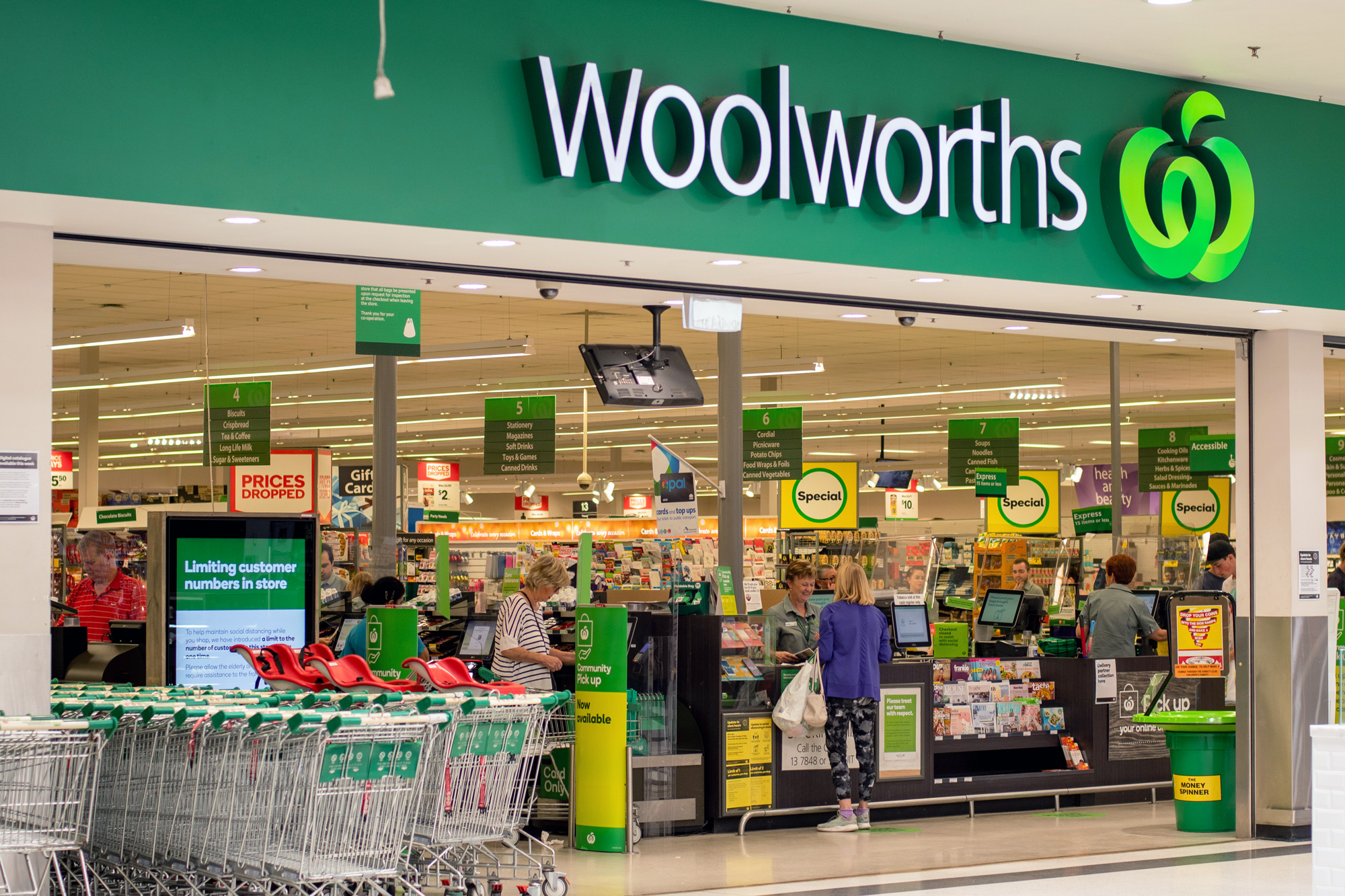
    Woolworths Group has collected more than 50 million pieces of soft plastics across Australia since February 2024. The retailer has expanded its in-store recycling network to more than 700 supermarket locations.

    Domestic recycling processors received the recovered packaging, diverting approximately 415,000 kilograms of material from landfill.

    Scaling the supermarket drop-off network

    The program started as a five-store trial. It has since expanded across the grocer’s national store network. Shoppers drop flexible plastic wrapping, bags and food pouches into designated collection points inside participating outlets.

    Woolworths runs the scheme through Soft Plastic Stewardship Australia. The company works alongside rival supermarket chains and major packaged goods manufacturers to manage collection logistics and downstream processing contracts.

    Managing packaging waste after REDcycle

    This initiative replaces REDcycle, Australia’s previous national soft plastic collection framework. REDcycle collapsed in late 2022 after stockpiling thousands of tonnes of material. Instead of warehousing inventory, the current model distributes processing loads across verified Australian recyclers capable of handling mixed polymers.

    Consumer goods manufacturers can use the network to meet emerging packaging mandates without building independent collection channels. Diverting 415,000 kilograms proves operating viability, though processing capacity in Australia remains tight for heavily contaminated household films.

    Shifting commercial responsibility to brand owners

    Retailers and brand owners fund the stewardship model directly, sparing municipal waste collectors the operational expense. Supermarkets gain foot traffic from collection bins while managing the front-end sorting burden at store level.

    Downstream remanufacturing demand remains the main operational risk. Recyclers must turn recovered flexible films into commercially viable industrial products, asphalt additives or packaging materials to keep collection points open.

    Next steps for national collection targets

    Jasmine Medwell, head of sustainable impact at Woolworths Group, oversees the rollout as the consortium evaluates store collection volumes and recycling throughput. Participating operators are monitoring regional processing capacity before extending collection points into remaining regional stores.

  • Apple Launches $299 HomeView Smart Display in Siri AI Connected Home Push

    Apple Launches $299 HomeView Smart Display in Siri AI Connected Home Push

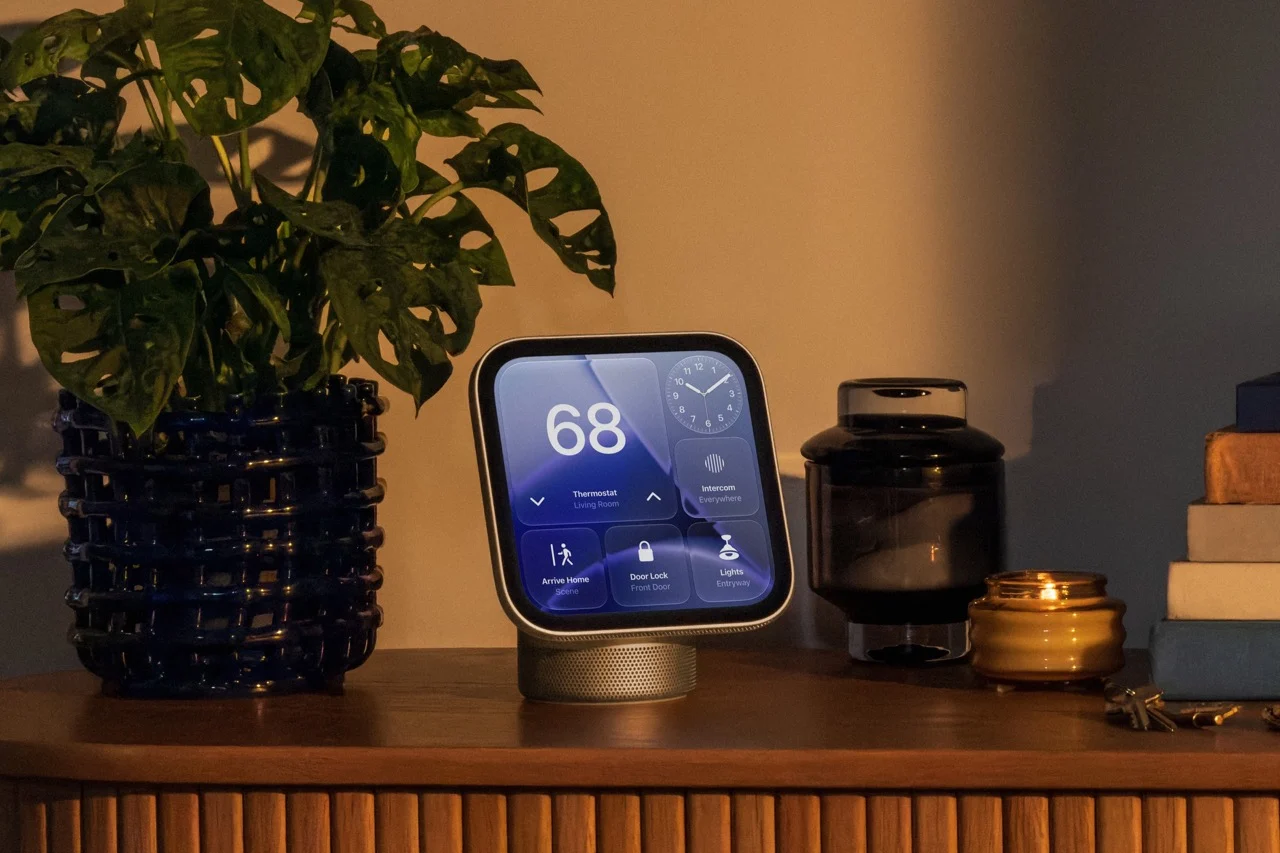
    Apple rolled out its HomeView smart display on Tuesday priced from $299. The device aims to revive the company’s connected home division with upgraded Siri artificial intelligence features.

    Shipments of the 7-inch touchscreen begin next month. The hardware incorporates facial recognition to control doorbells, thermostats and digital locks across household networks.

    The display resembles the arm-mounted screen of Apple’s classic sunflower iMac desktop. It displays customized app icons based on which resident stands in front of the camera. Voice control through Siri handles primary navigation rather than manual taps, tying the hardware directly to Apple’s home operating environment.

    Hardware specifications and partner accessories

    Alongside HomeView, Apple updated its HomePod smart speaker and Apple TV set-top box. To solve peripheral compatibility hurdles that stalled previous smart home initiatives, Apple partnered with South Korea’s LG and European industrial group Schneider Electric to release companion doorbells, indoor cameras and smart thermostats tailored for the ecosystem.

    That collaboration aims to widen peripheral distribution through third-party retail channels and regional electronics chains. Apple has struggled to build standalone smart home market share in those venues over the past decade.

    Services revenue and platform competition

    Hardware expansion into residential hubs serves a broader financial target: sustaining subscription revenue across services including iCloud, Apple TV and Apple Pay. Visible Alpha Research at S&P Global Market Intelligence projects Apple’s annual services revenue will rise 12 per cent to $138 billion by 2027.

    Securing the living room countertop is essential for that growth curve. Smart displays act as persistent digital billboards inside consumer households, driving daily engagement with paid streaming and cloud storage platforms.

    Competitors hold an entrenched lead. Amazon expanded its smart hardware lineup last week with dedicated tablets running Alexa, backing an existing base of Echo smart speakers and Ring security systems. Artificial intelligence developer OpenAI is also exploring proprietary consumer devices.

    “Apple needs to demonstrate that its AI capabilities can deliver meaningful benefits beyond basic voice commands, simplifying everyday tasks and bringing greater intelligence to the home,” said PP Foresight analyst Paolo Pescatore.

    Upgraded Siri and multi-year AI deals

    Apple overhauled Siri’s underlying software architecture during its Worldwide Developers Conference earlier this year. That work leaned on a multi-year foundation model partnership signed with Google in January 2026. The upgraded assistant processes conversational commands locally and via secure cloud servers, matching query context across connected household devices.

    Retail availability begins across global markets in November 2026. Initial shipments will test consumer appetite for premium smart home displays against lower-cost alternatives.

  • Vietnam Gold Prices Slip as SJC Bars Fall to VND143.3 Million

    Vietnam Gold Prices Slip as SJC Bars Fall to VND143.3 Million

    Saigon Jewelry Company lowered its gold bar price by 0.69 percent to VND143.3 million ($5,533.89) per tael on Wednesday morning in Ho Chi Minh City. Gold rings matched the downward step, falling at an identical rate to VND142.8 million per tael as local buyers pulled back from recent highs.

    One tael equals 37.5 grams or roughly 1.2 troy ounces. The drop breaks a multi-session run of elevated domestic retail trading across Vietnamese counters, where retail premiums over international benchmarks have remained wide throughout October.

    Global bullion rates stayed largely steady while the Vietnamese retail market retreated. Spot gold held at $4,165.25 per ounce during early trading hours, while United States gold futures for December delivery added 0.3 percent to reach $4,188.70 per ounce. Front-month Comex gold contracts for October delivery had earlier settled down 0.31 percent, losing $12.90 to finish at $4,152.90 per troy ounce.

    Domestic Margins Under Pressure

    Physical jewelry retail outlets and licensed bullion desks in Vietnam face shifting spreads between raw bar costs and processed jewelry items. With plain rings settling at VND142.8 million per tael, the narrow difference between bars and rings reflects cautious retail sentiment rather than aggressive speculative buying.

    Consumer demand across Asian retail markets often contracts when bullion tests higher price bands. Retail jewelers that built inventory at higher rates earlier in the year now manage tighter inventory turns as shoppers delay major purchases ahead of festival seasons.

    Local currency swings add friction to retail gold trading desks. Even minor fluctuations in the Vietnamese dong alter the import parity calculation for authorized bullion distributors, forcing daily adjustments across shop counters in Hanoi and Ho Chi Minh City.

    Global Rates and Macro Pressures

    International traders kept metal prices in a narrow corridor as financial markets prepared for fresh United States consumer price index data. Precious metals analysts note that wider macro trends continue to limit sharp directional swings in bullion trade.

    “What we’re looking at here is not a big move, it’s within a range. But the fact that we are able to hold ⁠a range while oil is rallying suggests that gold is trying to find a reason to rally,” said Ilya Spivak, head of global macro at Tastylive.

    Alternative safe-haven assets and yield benchmarks maintain pressure on non-yielding physical commodities. The United States Dollar Index traded near 102.4, while 10-year Treasury yields held near 5.23 percent, keeping holding costs for bullion elevated across international trading books. Silver tracked the broader commodities pullback, dropping 1.6 percent to $59.161 per troy ounce.

    Retail Trends Across Regional Counters

    Shifting pricing dynamics across Southeast Asian physical markets highlight how domestic demand patterns diverge from paper contracts. When domestic spot rates drop by nearly one percent in a single morning, local buyers frequently hold cash rather than accumulating inventory.

    Jewelry chain operators must navigate higher financing costs for store stock while counter traffic remains sensitive to ticket prices. Retail groups that expanded their retail store footprints during previous commodity rallies face higher working capital requirements to keep display cases fully stocked.

    Merchant margins on standard gold rings remain thin compared to high-margin fashion jewelry lines. When retail buyers focus exclusively on investment rings and standardized bars, overall retail operating margins compress across regional retail networks.

    Data Releases Dictate Near Term Levels

    Vietnam gold prices previously gained ground earlier in the week before Tuesday morning trading brought an initial dip. That volatility followed mixed sessions where global bullion swung between minor gains and losses without establishing a clear trend.

    Earlier quarterly trading saw major producers realizing prices between $4,400 and $4,500 an ounce before global rates adjusted into the current $4,150 to $4,200 band. The ongoing consolidation test shows physical retail buyers adjusting to a structurally higher baseline price environment.

    Market participants across Asian trading desks now track the release of United States producer price index data and upcoming retail sales reports for monetary policy signals.

  • Boody Adds $700,000 in Annual Sales by Replacing Tape Measures with Guided Sizing

    Boody Adds $700,000 in Annual Sales by Replacing Tape Measures with Guided Sizing

    Australian apparel brand Boody generated an estimated $700,000 in extra annual revenue across Australia and New Zealand after replacing static size charts with guided sizing software.

    A split test run across 230,000 shopper sessions from August 28 revealed that roughly one in eight first-time buyers abandoned purchases when forced to use traditional measurement tables.

    The Conversion Cost of Tape Measures

    Boody started testing Magic Fit software in March 2026 to resolve sizing drop-offs across its bamboo viscose underwear and wire-free bra collections. Because the brand produces bras in sizes XS to 4XL across three cup ranges rather than traditional band-and-cup measurements, shoppers struggled to match their dimensions to products.

    A post-purchase survey of 816 shoppers who used the tool found that 41 per cent did not own a soft measuring tape, could not locate one, or refused to use it while shopping online. For the remaining 59 per cent who owned measuring tapes, confusion over non-standard sizing categories remained the primary barrier to purchasing.

    Repeat Orders and Lower Return Rates

    Shoppers assigned to the guided sizing tool reordered 19 per cent more frequently over a 90-day tracking window than those who used standard size charts. Of the survey respondents whose parcels had arrived, 97 per cent kept their items, with fit-related returns and exchanges dropping to 3 per cent.

    Magic Fit generates size recommendations in two clicks by drawing on a proprietary dataset of more than 100,000 body scans compiled over a decade by sister apparel label Citizen Wolf. The tool aims to cut friction before checkout rather than relying on post-purchase return logistics to sort out sizing mismatches.

    What Sizing Friction Means for Online Retailers

    For direct-to-consumer apparel brands across Asia-Pacific, static measurement guides have become an expensive point of friction. Online shoppers increasingly purchase on mobile devices where switching tabs to look up body dimensions reliably kills conversion.

    Retailers that rely on proprietary fabrics or non-standard fit profiles carry the highest risk of abandonment. When brands force customers to calculate their own measurements, they transfer the burden of fit accuracy to the buyer, driving up customer acquisition costs and depressing lifetime value.

    Evolution of Boody’s Digital Operations

    The sizing overhaul follows Boody’s broader push to expand its basic-wear footprint across regional digital channels. The brand previously relied on manual dimension tables across its localized storefronts in Australia and New Zealand before rolling out algorithmic recommendations.

    Magic Fit co-founder Zoltan Csaki is now offering 30-day split tests to other regional apparel merchants to benchmark checkout drop-offs against their existing size tables.

  • Development Bank of the Philippines Faces 4 Billion Pesos in Overdue Builder Loans

    Development Bank of the Philippines Faces 4 Billion Pesos in Overdue Builder Loans

    The Development Bank of the Philippines holds 4.09 billion pesos in overdue loans under its builder financing scheme. State auditors uncovered the bad debt during a review of the state lender’s credit books.

    Those bad loans account for 61.4 percent of the 6.67 billion pesos still owed under the bank’s Infrastructure Contractor Support facility, known as ICONS.

    Auditors at the Commission on Audit found the lender repeatedly released funds without checking on-site building progress. DBP launched ICONS in 2017 to provide liquidity for public-private partnerships and public works under the Duterte administration’s Build, Build, Build campaign. Under program rules, contractors pledged project receivables for bridge financing. Loan releases required verification of actual construction milestones. Instead, credit officers disbursed cash against projected contract values rather than finished work.

    Missing Verifications and Terminated Contracts

    A 300-million-peso facility given to a contractor on five state corporate projects shows how controls broke down. DBP approved the credit line in August 2019. The borrower drew down the entire sum by March 2020. It then claimed completion rates between 75 percent and 81 percent on its two largest contracts. DBP accepted those numbers and released the cash without sending inspectors to the sites.

    By June 2020, three months after drawing the final tranche, the builder stopped servicing the debt. DBP waited until March 2021 to check progress with site engineers. They found wide gaps between reported and actual construction. State agencies had already canceled two contracts in September 2020 due to delays. By January 2026, the government project owner confirmed four contracts were formally terminated and the fifth was settled in late 2021. That left zero receivables for the bank to seize. DBP had to provision for the entire 300 million pesos as a total loss.

    Subcontractors and Broken Collection Lines

    Similar lending failures spread across regional branches and multiple accounts. Another borrower owed 490.46 million pesos at the end of 2025 despite finishing projects between 2017 and 2021. Audit checks showed the firm subcontracted out almost all the work. It held an average financial stake of just 3.5 percent in project costs. Instead of paying down debt, it rolled over the principal.

    Collection units also suffered long administrative freezes. At the Albay branch, an account defaulted in June 2021. Officers sent their first demand notice by email four years later in July 2025. That account rotated through six loan officers, leaving 97.24 million pesos unpaid on an original 100-million-peso loan. In Tacloban, foreclosure on an 82.21-million-peso balance stalled because the branch had no in-house lawyer. Staff had to route enforcement through legal teams in Zamboanga.

    Mounting Pressure on State Balance Sheets

    The collapse of ICONS exposes the operational risks of factoring receivables without strict escrow controls. Private lenders in Southeast Asia use automated lockbox accounts. Project owners pay directly into escrow before money reaches builders. DBP bypassed these firewalls and relied on paper schedules. That turned milestone-based loans into unsecured working capital.

    Lax oversight creates fallout for legitimate builders seeking state credit. When state lenders absorb bad debt, compliance teams tighten rules across the board. That drives up borrowing costs and slows disbursements for active civil projects. Central bank records show DBP’s gross non-performing loan ratio climbed from 7.05 percent in December 2025 to 9.52 percent in March 2026, before settling at 9.17 percent in June.

    Years of Internal Warnings

    Internal leadership knew about the breakdowns years before closing the program. The DBP board ordered an investigation into its 20 largest non-performing accounts, including the 300-million-peso loan, on January 19, 2022. Management still kept the facility running. The board finally approved the termination of ICONS on June 3, 2026.

    State audit authorities have instructed bank management to pursue negligence charges against credit staff and take legal action against contractors that pledged real estate collateral.

  • Siam Piwat Takes 15,000Sqm Nextopia Model to UN Global Compact Summit

    Siam Piwat Takes 15,000Sqm Nextopia Model to UN Global Compact Summit

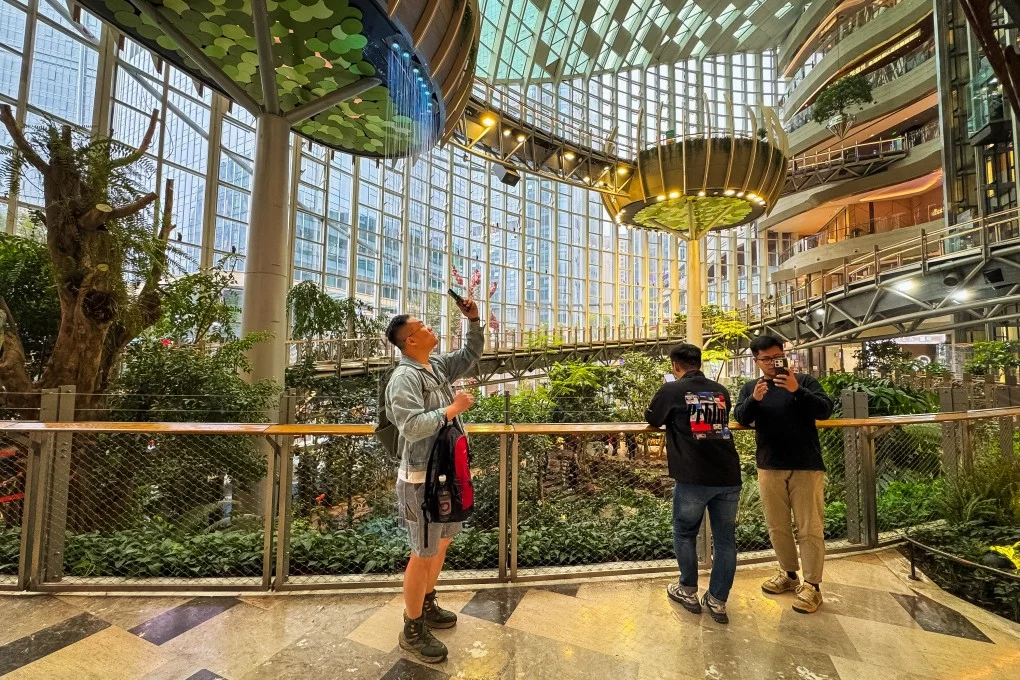
    Siam Piwat presented its 15,000-square-metre Nextopia sustainable retail format at the United Nations Global Compact Leaders Summit 2026 in New York.

    Group chief executive Chadatip Chutrakul detailed the commercial and environmental performance of the redevelopment, which opened at Siam Paragon in Bangkok in November 2025.

    Nextopia functions as a dedicated district within the mall that combines retail tenancies with circular-economy operations. The format uses renewable energy, reduces water and power consumption, and diverts commercial waste through on-site recycling systems.

    The Nextopia Footprint at Siam Paragon

    Siam Piwat designed the 15,000-square-metre space to test whether commercial retail floors can run on lower operating emissions without sacrificing tenant revenue. Since opening in November 2025, the zone has secured several international green certifications while cutting greenhouse gas output across its tenant footprint.

    Chutrakul framed the project as a working template for urban landlords managing dense commercial real estate in Southeast Asia. Addressing delegates at the UN summit, she argued that property developers must track social and ecological output alongside revenue per square metre.

    “True success goes beyond financial achievement. Business must create opportunities, enhance quality of life, and deliver lasting benefits for communities, society, and future generations,” said Chutrakul.

    Global Real Estate Recognition

    The UN presentation follows Chutrakul’s win at the Mapic Awards 2025, where she received the inaugural Pioneers of Places award. She was the only Asian executive in the inaugural cohort, joining European property heads including Maurice Bansay of Apsys, Philippe Journo of La Compagnie de Phalsbourg, Alexander Otto of ECE Group, and Alain Taravella of Altarea.

    That award recognised developers who altered city centres through large-scale place-making projects. Siam Piwat operates several of Bangkok’s highest-grossing shopping complexes, including Siam Paragon, Siam Center, Siam Discovery, and Iconsiam on the Chao Phraya River.

    Balancing Commercial Yield with Green Targets

    Landlords across Southeast Asia face stricter scrutiny from international luxury brands and institutional investors over carbon disclosures. Operators in Bangkok, Singapore, and Manila are refitting legacy retail floors to comply with multinational corporate sustainability mandates.

    The challenge for operators lies in managing capital expenditures during refits while maintaining footfall and retail sales productivity. By converting existing floor space inside Siam Paragon rather than building new structures from scratch, Siam Piwat reduced embodied carbon while testing tenant appetite for green-lease terms.

    Thai Retail Landlords on the Global Stage

    Bangkok remains one of Asia’s most contested retail real estate markets, where Siam Piwat competes directly with Central Pattana and The Mall Group for international luxury flagships and tourism traffic. The sector has increasingly shifted competition from gross leasable area to experiential architecture and environmental efficiency.

    Nextopia serves as the primary testing ground for Siam Piwat’s broader sustainability roadmap across its Bangkok portfolio. Investors and retail tenants will track upcoming annual operational reports to see whether resource savings at the Siam Paragon site match projected efficiency margins.