Blog

  • Astor Recalls 150G Chocolate Wafer Sticks over Undeclared Cashew

    Astor Recalls 150G Chocolate Wafer Sticks over Undeclared Cashew

    In October 2026, Astor issued a recall for its Chocolate Wafer Stick 150g due to the presence of an undeclared allergen, cashew.

    The affected products have been sold in Asian grocers and online across NSW, carrying best-before markings of MEI 2027 (May 2027).

    Allergen Risk Prompts Stock Withdrawal

    Consumers with a cashew nut allergy may react if they consume the product. Anyone concerned about their health should seek medical advice, and consumers who purchased the product are advised to return it to the place of purchase for a full refund.

    Distribution Footprint Across Sydney Retailers

    Distribution remained concentrated in New South Wales, where specialized grocers cater to demand for Southeast Asian packaged snacks. More Impex coordinated shelf clearance directly with independent store owners and digital stockists handling ethnic FMCG imports. Regulators advised any consumer experiencing allergic symptoms after eating the confectionery to seek prompt medical assessment.

    Compliance Pressures on Specialty Importers

    Cross-border snack distribution faces tight regulatory scrutiny across Australasia. Mandatory allergen declarations carry strict financial and legal liabilities. Parallel importers and ethnic food distributors often manage complex packaging runs across several markets, where regional language differences can obscure required warnings. The Indonesian date code MEI 2027 indicates stock packaged for Southeast Asian retail channels, where local labeling rules differ from Australian standards.

    Specialty grocery chains across Australia have stepped up audits of third-party wholesale supply lines as state health departments intensify random shelf inspections. Retailers that fail to pull flagged stock promptly risk fines and inventory seizures under state enforcement powers. Importers face greater pressure to verify full ingredient breakdowns before clearing customs at port.

    Prior Enforcement and Supplier Checks

    State food inspectors in Sydney uncovered the issue during regular quarterly packaging surveillance runs across ethnic grocery retailers. Previous enforcement rounds across snack foods have similarly targeted imported biscuits and wafers that omitted dairy, peanut, or tree nut declarations on translated stickers applied over original factory packaging.

    Next Steps for Retail Stockists

    More Impex opened a customer inquiry line at 0403 595 977 to manage batch returns and verify supplier documentation with retailers. Store audits across suburban Asian grocery outlets in Sydney will continue through October to ensure all unsold inventory from the May 2027 batch has been removed from shelves.

  • Indonesia Court Orders Mandatory Front-of-Pack Nutrition Labels

    Indonesia Court Orders Mandatory Front-of-Pack Nutrition Labels

    Indonesia’s Constitutional Court ruled that packaged food and beverage products must carry front-of-pack nutrition labels specifying 3 dietary components: sugar, salt and fat. The decision binds regulators to enforce standardized warnings across the retail packaged goods sector.

    Food manufacturers and consumer packaged goods brands across Southeast Asia’s largest retail market now face mandatory compliance overhauls for product packaging. The ruling directs national regulators to set up color-coded nutritional indicators designed to limit the intake of high-risk dietary ingredients.

    Enforcement across packaged goods

    The legal mandate requires Health Minister Budi Gunadi Sadikin’s Health Ministry and the Food and Drug Supervisory Agency, known locally as BPOM, to establish an evidence-based labeling standard after previewing prototypes on April 14. Advocacy groups including the Center for Indonesia Strategic Development Initiatives and the Indonesian Consumers Foundation backed the court order to accelerate implementation.

    Regulators previously introduced a Nutri-Level system preview in Jakarta on April 14, where BPOM chief Taruna Ikrar and Health Minister Budi Gunadi Sadikin examined prototype color grades. The court decision now turns what was an administrative proposal into a strict legal obligation for food processors.

    Operational shifts for food brands

    Consumer brands face immediate reformulations and inventory packaging write-offs once technical rules take effect. Companies selling high-sugar drinks, processed snacks and convenience foods will have to display prominent health warnings that directly influence basket choices at supermarket shelves and convenience stores.

    Supermarket operators and minimarket chains must prepare for altered product velocity. In neighboring markets such as Singapore and Thailand, graded nutrient profiling reshuffled packaged beverage sales toward lower-sugar alternatives, forcing multinational suppliers to adjust localized recipes.

    Standardizing color-coded grades

    The policy framework targets non-communicable diseases linked to excessive dietary sodium, saturated fat and refined sweeteners. Policy analysts emphasize that clear graphic indicators are necessary to ensure consumer comprehension at point of sale.

    CISDI policy analyst Ika Nindyas Ranitadewi said on Thursday that “such a labeling requirement is an important step to ensure consumers’ rights to food information” across the retail supply chain.

    YLKI chair Niti Emiliana noted that mandatory warning labels provide an opportunity for state agencies to enforce uniform standards across domestic producers and imported grocery lines.

    Regulatory timeline and implementation

    BPOM and the Health Ministry must now draft the implementing technical guidelines governing threshold metrics, typography and package placement. The forthcoming ministerial regulation will dictate transition windows for consumer goods conglomerates and small-scale domestic food processors alike.

  • Airport Retail Revenue per Passenger Drops 20 Percent Below Pre-Pandemic Levels

    Airport Retail Revenue per Passenger Drops 20 Percent Below Pre-Pandemic Levels

    Global airport retail spending per passenger has dropped more than 20 percent from pre-pandemic levels. That slide comes even as worldwide passenger traffic climbed to 9.8 billion travelers in 2025.

    The travel retail channel generated 76 billion dollars last year. Yet its cornerstone fragrance and cosmetics category slipped 3.2 percent to 24.5 billion dollars, according to Generation Research figures presented at the TFWA World Exhibition in Cannes.

    Commercial income from car parking, food, and beverage outlets is rising across international terminals. Traditional retail counters face stiff competition from domestic e-commerce platforms like Tmall, Rakuten, and Amazon. Operators are adjusting footprints to halt falling basket sizes. Gen Z and millennial travelers make up 39 percent of airport footfall. Their conversion rates track well below older cohorts.

    Shifting Assortments for Younger Demographics

    Beauty conglomerates are adding lower price tiers and indie brands to airport duty-free zones. They want younger passengers who bypass legacy luxury counters. The Estee Lauder Companies expanded Deciem’s entry-priced skincare brand The Ordinary into key travel retail doors, moving away from sole reliance on high-ticket lines like La Mer. In Australia, Gebr. Heinemann brought domestic specialty retailer Mecca into Sydney Airport during September. The partnership targets shoppers who want specialized subcategories over department store formats.

    Brand collaborations are targeting regional pop culture properties to engage Asian passengers. Groupe Clarins partnered with Chinese toy maker Pop Mart on character packaging featuring Molly in Paris across regional hubs, with a second line arriving next year. Heinemann deployed a Korean beauty pop-up at Istanbul Airport. It plans to export that layout across its network, alongside Becon AI-powered skin diagnostics at Copenhagen Airport.

    Asian Traveler Flows Reshape Duty-Free Hubs

    Across the Asia-Pacific region, the spending slump exposes the limits of relying strictly on passenger volume. Chinese travelers have resumed cross-border trips at pre-pandemic levels. Their spending has shifted away from group shopping tours toward experiential travel and domestic platforms. Puig expanded on China’s duty-free island of Hainan in 2021. The group reported niche fragrances are gaining traction among mainland shoppers, even as mass-market beauty slows.

    Indian outbound travelers represent the next volume driver for Asian duty-free concessions. Outbound Indian passengers will reach an estimated 155 million by 2029, up 38 percent from current levels. Concessionaires in Southeast Asia and the Gulf are reallocating retail space for these travelers instead of sticking to standard regional assortments.

    Capital Spending and Terminal Redesigns

    Major transport hubs are overhauling terminals despite the spending slump. Riyadh’s King Salman International Airport is absorbing 30 billion dollars in development funding. Jeddah’s King Abdulaziz International Airport is executing a 31 billion dollar expansion, and New York’s John F. Kennedy International Airport is undergoing a 19 billion dollar overhaul. These projects shrink long-row concessions in favor of rotating pop-ups, lifestyle zones, and hybrid formats mixing eyewear with cosmetics.

    Airport authorities are rewriting concession contracts to demand higher experiential engagement from brand tenants. Avolta rolled out cross-category merchandising that combines beauty and luxury sunglasses with brands like Chanel and Tom Ford. The retailer is also testing digital loyalty tracking across its 22 million Club Avolta members, tailoring product displays to flight origins and destinations.

    Pressure on duty-free operators will intensify through the fourth quarter as retailers test redesigned holiday formats across primary Asian gateways. Operators must prove new pricing tiers and interactive spaces can lift spend per passenger as international volume climbs toward an estimated five billion travelers by 2030.

  • Styld Partners with Mattel to Launch Limited-Edition Barbie Collection

    Styld Partners with Mattel to Launch Limited-Edition Barbie Collection

    Australian lifestyle brand Styld has partnered with Mattel to launch a limited-edition Barbie drinkware and homewares line across Australia this month.

    The range pairs Mattel’s entertainment rollout with everyday functional goods. Products are designed for adult nostalgia.

    Carafe design and product range

    A 750ml insulated stainless-steel carafe anchors the lineup. It represents the brand’s first build at that capacity. Features include a protective silicone bumper base and an integrated holder designed to carry lip gloss on the go.

    Other products include insulated cooler bags, stemware goblets, drink tumblers and kitchen chopping boards. Every piece carries Barbie’s pink-and-peppermint striped exterior finish.

    Mattel entertainment licensing pipeline

    The product release lands ahead of the premiere of Mattel’s Barbie Nutcracker film. Mattel continues to push its classic intellectual property into adult lifestyle, gifting and kitchenware rather than relying solely on traditional toy aisles.

    These collaborations give global entertainment groups access to domestic retail networks through local lifestyle labels. Alicia Stephens, founder and creative director at Styld, positioned the range to capture adult shoppers who grew up with the property alongside younger consumers.

    Commercial distribution and consumer response

    Retailers across the Asia-Pacific region have expanded licensed homewares shelf space over the past two years to capture higher-margin impulse gift purchases. Co-branded functional accessories give specialty lifestyle businesses immediate consumer recognition without the customer acquisition overhead required for unbranded launches.

    The rollout tests how effectively nostalgic entertainment properties convert into repeat purchases within Australia’s competitive insulated drinkware category this quarter.

  • Adrian Cheng Opens 95,000Sqm K11 Select in Xiamen

    Adrian Cheng Opens 95,000Sqm K11 Select in Xiamen

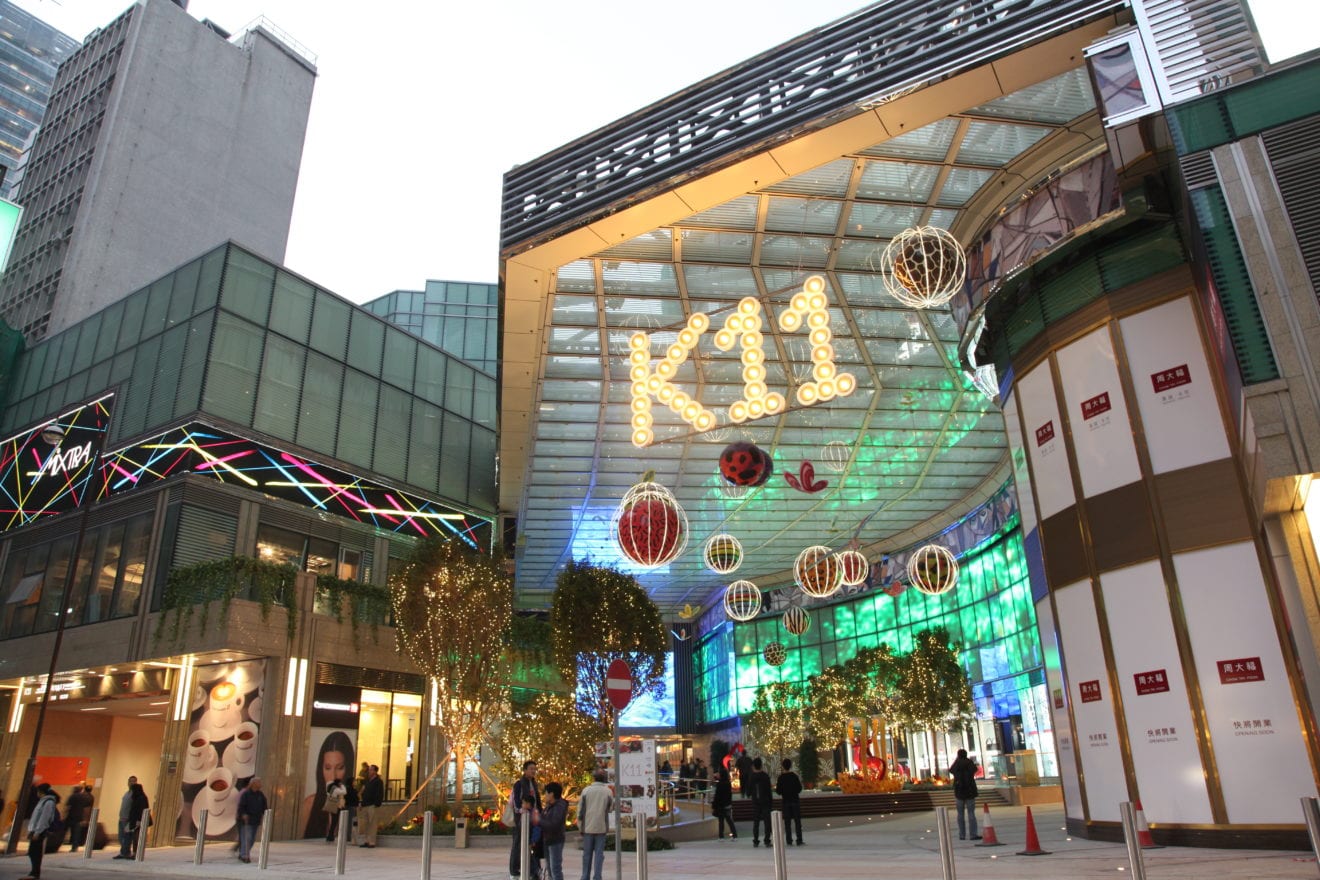
    Adrian Cheng has expanded his K11 retail concept in Mainland China with the launch of Xiamen K11 Select in October 2026. The 95,000sqm destination features around 200 brands.

    Located within the Wuyuan Bay Wetland Park TOD hub in Fujian province, the property combines shopping, art, cultural tourism, and wetland conservation.

    Transit Integration and Brand Mix

    Built with state-backed Xiamen Rail Transit Group, the project integrates direct subway connectivity into a multi-level shopping complex. Around 200 retail, dining, and lifestyle tenants occupy the space next to protected coastal wetlands. The format merges everyday commuter foot traffic with leisure spending.

    Cheng structured the property around an experiential retail model combining storefronts with cultural installations, art exhibitions, and ecological public spaces. The complex targets domestic travellers alongside local commuters who pass through the Wuyuan Bay transit node daily.

    The Cultural Tourism Format

    A cultural tourism district framework links retail revenue to municipal tourism draws. By embedding art installations and public viewing platforms across the commercial footprint, the developer seeks longer dwell times than traditional suburban malls achieve.

    Regional shopping centres in China face climbing tenant turnover and thinner margins as consumer spending shifts toward leisure. Anchoring the tenant mix to a municipal wetland park and transit junction helps insulate footfall from online retail competition.

    Operators Shift to Asset-Light Municipal Deals

    Commercial mall operators across China continue partnering with state rail corporations to secure prime urban plots without bearing sole land acquisition costs. Transit authorities supply the real estate and commuter density. Lifestyle retail specialists manage tenant acquisition, interior architecture, and daily operations.

    Similar transit-oriented retail models have expanded across second-tier Chinese metros. Local authorities require private developers to incorporate civic infrastructure, green spaces, and cultural facilities into commercial zoning approvals. The financial risk rests on tenant productivity. Retailers must generate sustained sales per square metre as discretionary consumer spending stays selective.

    Footprint Expansion Across Tier-Two Hubs

    Launched in 2008 by Cheng, the K11 brand built a network of art-centric luxury malls across Hong Kong, Shanghai, Guangzhou, and Wuhan. Opening in Xiamen pushes that footprint into Fujian province, where competing upscale landlords historically maintained a thinner presence than in the Yangtze River Delta.

    Tenant performance at the complex will test consumer appetite for cultural-commercial formats outside China’s top-tier metros. Leasing velocity and footfall conversion rates across the 200 storefronts will determine whether the joint venture adds further retail phases at adjacent transit terminals.

  • Japan 10-Year Government Bond Coupon Tops 3% for First Time in Decades

    Japan 10-Year Government Bond Coupon Tops 3% for First Time in Decades

    Japan’s 10-year government bond coupon rate rose above 3 per cent during Tokyo trading on October 6. It reached that level for the first time in three decades.

    Secondary market yields climbed alongside the new issue. Investors factored in persistent inflation pressures and sovereign debt supply.

    Yield Pressures in Tokyo

    The latest benchmark bond auction cleared smoothly. Yet pricing reflected deeper unease across institutional desks. Global sovereign debt concerns continue to push long-term interest rates higher, altering the financing market for Japanese corporations that operated under ultra-low borrowing costs for a generation.

    Higher sovereign yields directly increase capital costs for major retail chains, commercial property developers, and logistics operators across Japan. Companies renewing credit lines or issuing corporate paper face heavier interest burdens, squeezing margins while raw material costs remain volatile.

    Consumer Squeeze and Real Estate Headwinds

    Rising rates coincide with broad domestic consumer price increases, including price hikes across 3,000 food and beverage items. Households face higher living costs. Property buyers confront more expensive mortgages, cooling transaction velocity in major metropolitan centres.

    Existing condominium prices in central Tokyo recorded a fourth consecutive monthly decline as borrowing rates climbed. Commercial landlords face similar repricing pressures, forcing institutional property funds to recalculate yield spreads on retail assets and logistics hubs.

    Shifting Fiscal Landscape

    Bond yields climbed after protracted geopolitical conflict in the Middle East kept energy import costs elevated and complicated domestic monetary policy. Secondary trading pushed benchmark rates higher even as equity markets attempted to regain momentum.

    The next government debt auction will test whether institutional demand holds at the 3 per cent threshold as the Ministry of Finance outlines its upcoming bond issuance schedule.

  • Manchester City Scandal Puts $1 Billion Asian Merchandise Sales at Risk

    Manchester City Scandal Puts $1 Billion Asian Merchandise Sales at Risk

    Manchester City and the English Premier League face potential retail fallout across Asia, where massive fan followings support merchandise sales that could reach US$1 billion or more.

    A financial cheating scandal spanning English and European football threatens to dent the club’s commercial appeal over the coming months as ripple effects spread through the sport.

    The Value of Regional Fan Spending

    English top-flight clubs have spent years building direct retail pipelines in major Asian commercial centres. Licensing partnerships, local flagship outlets and regional e-commerce channels turn overseas fan followings into steady merchandise cash flows. Manchester City sits at the centre of that commercial network, driving jersey sales and co-branded retail deals across East and Southeast Asia.

    Financial compliance allegations now place that commercial apparatus under direct pressure. When sporting integrity comes into question, consumer sentiment can shift rapidly among neutral and casual buyers who account for a substantial share of non-domestic kit purchases.

    Commercial Exposure for Retail Partners

    Distributors, regional department stores and sportswear stockists face the immediate inventory risk. Retailers that allocate floor space and working capital to club-branded collections cannot easily redirect stock if reputation damage dampens consumer appetite.

    Rival European teams already competing for regional shelf space stand to benefit if retail buyers reallocate seasonal inventory budgets toward clubs with cleaner brand profiles. A prolonged inquiry leaves Asian retail partners holding commercial risk they cannot control.

    The Regulatory Background

    The development follows protracted investigations into Manchester City’s financial reporting by English and European football authorities. Scrutiny centres on alleged breaches of competition and financial regulations spanning multiple seasons of domestic dominance.

    Club executives have defended their financial conduct as formal hearings proceed. The commercial fallout, however, moves faster than regulatory tribunals, leaving consumer brands and Asian retail partners to weigh the immediate sales exposure.

    What to Watch Next

    Retail buyers in Asia are now tracking club apparel pre-orders and sell-through rates as the legal proceedings advance. The final determination from English football authorities will set whether official merchandise volumes hold or face a sharp contraction across regional distribution networks.

  • Marley Spoon Expands Australian Menu to over 200 Items as Subscriber Numbers Slide

    Marley Spoon Expands Australian Menu to over 200 Items as Subscriber Numbers Slide

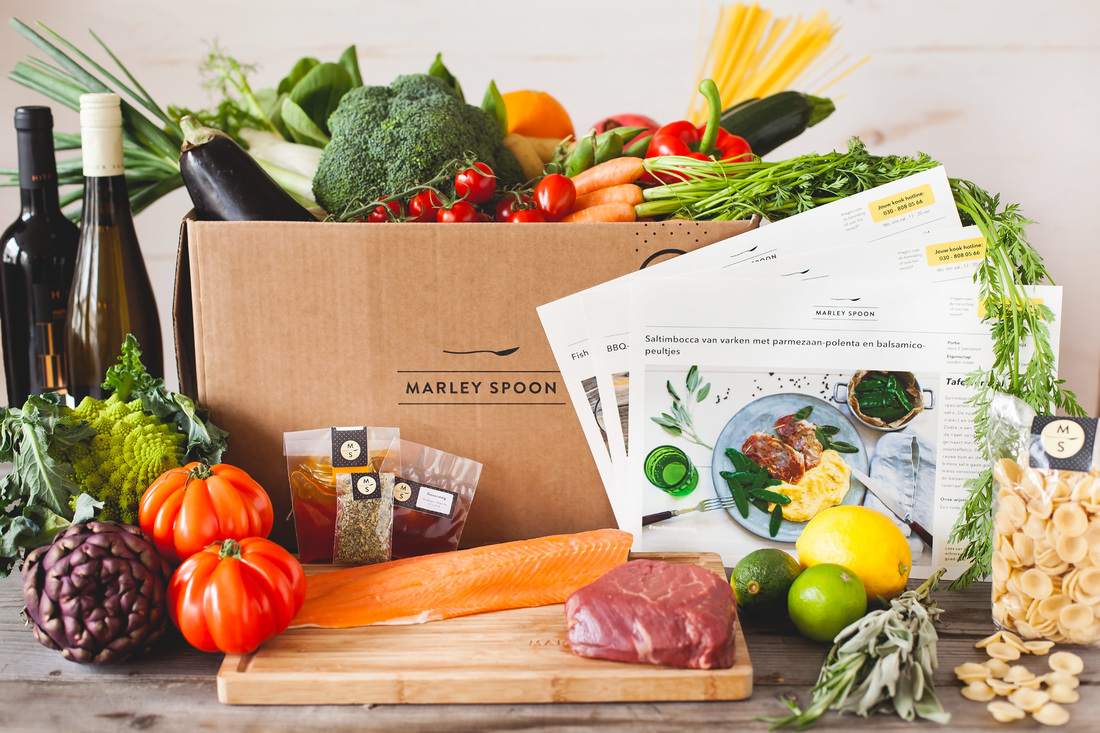
    Marley Spoon has expanded its Australian catalog beyond dinner meal kits to more than 200 weekly recipes. The lineup now includes ready-to-eat dishes, breakfasts, lunches and pantry items.

    That rollout follows an 11,000 drop in the company’s Australian active subscriber base during the first half of 2026.

    Australian customers can now order single-serve prepared meals, snacks, beverages and dietary ranges alongside standard dinner boxes. This shifts the brand from dinner kits toward all-day food. Rolf Weber, chief executive officer of Marley Spoon Australia, is steering the strategy to capture a larger share of household grocery budgets.

    Adding Meals Across the Day

    Dinner kits require prep time and cooking skills that busy households often abandon. By adding single-serve heat-and-eat dishes and breakfast items, Marley Spoon is chasing customers who want speed over a culinary project. The expanded menu gives existing buyers fewer reasons to supplement orders at supermarket chains.

    Adding snacks, drinks and lunches also lifts average basket sizes. That helps offset high refrigerated delivery freight costs across Australia. Global order frequency edged up 0.8 per cent in the first half of 2026. Retaining engaged users generated incremental spend even as overall accounts fell.

    Subscriber Churn and Revenue Pressure

    Menu expansion in Australia comes during severe operational contraction across Marley Spoon Group SE. Group revenue fell 23.9 per cent to €105.6 million in the first half, down from €138.9 million in the prior corresponding period. Total active subscribers across all markets dropped 21 per cent, sliding from 154,000 to 121,000.

    Australia proved more resilient than other markets, but average active subscribers still fell from 58,000 to 47,000 in the first half. United States subscribers dropped from 73,000 to 57,000, while European accounts declined from 23,000 to 17,000. Contribution margins held at 36.5 per cent against 36.3 per cent a year earlier, protecting unit economics despite lower volume.

    Supply Chain Troubles Compound Losses

    Global operations suffered disruption when key manufacturing partner FreshRealm entered Chapter 11 bankruptcy in April 2026. Marley Spoon transferred its United States meal-kit fulfillment to Misfits Market in a ten-week move, while shifting its BistroMD ready-meal arm to ColdTrack.

    Those sudden vendor handoffs caused inventory shortages, missing ingredients and recipe substitutions that drove cancellations through August. Australian operations rely on domestic supply networks, but the corporate balance sheet absorbed the cost of customer credits and emergency logistics in North America.

    Restructuring and the Australian Market

    Marley Spoon announced group-wide job cuts and fresh refinancing measures on September 29, 2026, to stabilize its cash position. The company is leaning on menu variety to lower customer acquisition costs, which have risen across the direct-to-consumer food sector.

    A broader Australian menu widens defenses against rival HelloFresh and local ready-meal producers such as Youfoodz. Success depends on whether local warehouse teams can manage 200 distinct recipes per week without driving up packing errors and spoilage.

    Management will report its third-quarter trading update later this year. Those customer retention figures will show whether the expanded Australian catalog arrested subscriber decline.

  • Hyundai Opens UK Orders for Ioniq 3 Compact EV at £18,495

    Hyundai Opens UK Orders for Ioniq 3 Compact EV at £18,495

    Hyundai Motor opened UK order books on Monday for its Ioniq 3 electric hatchback. Entry pricing starts at £18,495 on the road after government subsidies.

    The sub-£20,000 opening price applies to the base Advance 42 kWh trim. That reflects the £3,750 UK Electric Car Grant deducted from its £22,245 list price.

    Buyers choosing the larger 61 kWh pack pay £21,995 after the grant, down from £25,745. The top-tier N Line Evo tops the range at £28,195. Existing reservation holders who switch to binding orders get the full £3,750 state subsidy rather than the £1,500 promotional factory discount Hyundai initially planned. Showroom deliveries in the UK begin this month.

    Powertrain splits and charging specifications

    Engineering teams in Rüsselsheim, Germany, developed the 4.15-metre hatchback on a 400-volt variation of the group’s E-GMP electric architecture. Production for European and British markets goes to the carmaker’s plant in Izmit, Turkey. Dimensions run 4,155 mm long, 1,800 mm wide, and 1,505 mm high on a 2,680 mm wheelbase. The car pairs a 0.263 drag coefficient with 441 litres of rear cargo capacity.

    Two lithium-ion battery capacities determine performance across five model configurations. The entry 42.2 kWh pack pairs with a 108 kW front motor producing 145 horsepower. That delivers up to 344 kilometres, or 213 miles, of WLTP driving range. For 61 kWh long-range models, a 99.5 kW motor produces 133 horsepower and delivers up to 496 kilometres, or 308 miles, per charge.

    Both packs support direct-current fast charging at peak rates between 110 kW and 119 kW. A 10 to 80 per cent charge takes 29 minutes for the base battery and 30 minutes for the larger pack. Buyers can also specify an optional 22 kW onboard alternating-current charger for faster depot and home charging. Standard equipment includes the Android Automotive OS-based Pleos Connect interface with screens up to 14.6 inches, bidirectional Vehicle-to-Load capability, and the SmartSense driver-assistance suite.

    Pricing structure and retail financing

    Cash pricing and monthly personal contract purchase rates target high-volume retail buyers seeking long range on tighter budgets. Stepping up from the 42 kWh Advance to the 61 kWh version adds £3,500, taking post-grant pricing to £21,995. Mid-tier Premium trims with the 61 kWh pack cost £23,695. The top Ultimate trim costs £26,195 and adds matrix LED lighting alongside highway driving assistance systems.

    Hyundai Finance paired the launch with an entry personal contract purchase plan for the 61 kWh Advance model. The 48-month contract requires a £355 customer deposit and £355 monthly payments at an 8.9 per cent representative APR. In continental Europe, order books opened simultaneously. Base German retail pricing starts at €28,950 before regional incentives, backed by a €209 monthly leasing offer.

    Securing the full £3,750 Electric Car Grant across every version means we can now turn that interest into orders at a price that puts a genuinely spacious, long-range electric car within reach of far more drivers.

    Asian export strategy and segment competition

    Pricing the 308-mile long-range version at £21,995 places direct pressure on European incumbents and Chinese battery-electric imports in Britain. The Ioniq 3 arrives below the Renault 5 E-Tech, which retails from £21,495 with shorter range. It also undercuts the £23,990 entry price of BYD’s Dolphin G DM-i plug-in variant. Against sister brand Kia’s EV2, which shares the E-GMP 400V platform but caps range at 448 kilometres, the car holds a clear aerodynamic range advantage.

    South Korean automakers are adjusting European production footprints to protect margins against shifting tariffs and shipping costs from East Asian plants. Assembling the Ioniq 3 in Turkey while keeping software and battery design at group technical centres lets Hyundai avoid punitive import duties faced by Chinese pure-play EV makers. It also protects retail price parity. For Asian automotive suppliers, the high-volume rollout creates steady demand for 400-volt motor units, wiring harnesses, and battery management modules.

    Focusing on Europe reflects a deliberate geographic split in Seoul’s electric vehicle catalog. Larger 800-volt models like the Ioniq 5 and Ioniq 6 anchor brand volume in North America and Asia-Pacific markets. In the United States, where buyers favor larger crossovers, Hyundai confirmed it has no plans to introduce the smaller Ioniq 3.

    Earlier platform milestones and factory ramp

    The UK order launch follows an August preview where Hyundai tested customer appetite with a temporary £1,500 reservation incentive before securing category certification under the British grant scheme. Over the prior twelve months, the group converted capacity at its Izmit plant to build the E-GMP architecture alongside internal combustion superminis. German engineering trials had locked in the 0.263 drag profile earlier.

    British dealership demonstrator fleets will complete registration by the end of October. Factory delivery times for custom orders and wholesale shipments from Turkey through the first quarter of 2027 will show whether Hyundai converts early UK reservations into sustained European market share.

  • Nvidia-Backed Reflection AI Launches Beam to Challenge Chinese Open Models

    Nvidia-Backed Reflection AI Launches Beam to Challenge Chinese Open Models

    Nvidia-backed artificial intelligence startup Reflection AI launched its first open-weight model named Beam on Monday, targeting lower-cost Chinese architectures in automated coding and software agent tasks. The system features 501 billion total parameters while activating 23 billion per query to reduce computing costs and latency.

    The architecture is designed to compete directly against Chinese open-weight releases that have undercut proprietary Western systems on enterprise pricing across Asia and global developer markets.

    Targeting Chinese Coding Benchmarks

    Reflection claims Beam matches the performance of Chinese startup Z.ai’s GLM-5.2 and is closing the capability gap with Alibaba’s Qwen3.8-Max on programming workloads. Z.ai’s GLM-5.2 operates with 744 billion total parameters and activates 40 billion during live inference.

    By routing queries through only a fraction of its total network, Beam aims to deliver enterprise coding automation at lower operational costs. Software development automation has become one of the primary commercial deployment categories for open-weight foundation models, particularly among engineering teams seeking customizable alternatives to hosted proprietary programming assistants.

    The Enterprise Battle for Open Weights

    American model developers face stiff competition from Chinese open-source ecosystems. Platforms built by DeepSeek, Moonshot AI’s Kimi, Z.ai, and Alibaba provide enterprise developers with low-cost, fine-tunable code generation that rivals proprietary outputs from OpenAI and Anthropic.

    For enterprise software operators and technology buyers in Asia, the rapid release cycle of competitive open-weight models lowers the barrier to hosting dedicated internal coding agents. Companies avoid vendor lock-in with closed application programming interfaces, shifting their expenditure from fixed per-token fees toward private cloud or on-premise compute capacity. The main risk for enterprise adopters rests on long-term maintainability and software patch reliability when deploying lighter active-parameter networks across complex legacy codebases.

    Infrastructure and Technical Roots

    Former DeepMind researchers Misha Laskin and Ioannis Antonoglou founded Reflection in 2024 to build specialized software development automation systems. The startup secured high-profile backing from Nvidia to support its distributed training workflows.

    Reflection expanded its hardware footprint earlier this year by signing an agreement with SpaceX to secure additional compute capacity hosted at the Colossus 2 data center facility. That infrastructure pipeline supported the training runs required to bring the 501-billion-parameter model to market.

    Next Steps for Enterprise Adoption

    Developer adoption across independent coding benchmarks will determine whether Beam can divert engineering workflows away from entrenched Chinese open-source options. Attention now turns to third-party benchmark evaluations against Qwen3.8-Max and the rollout of fine-tuned enterprise toolkits scheduled across commercial repositories in the coming quarters.

  • Myanmar Property Prices Quadruple Since 2021 Coup as Capital Flees Inflation

    Myanmar Property Prices Quadruple Since 2021 Coup as Capital Flees Inflation

    Residential property prices in Myanmar have quadrupled since the military took power in 2021, World Bank estimates show. Housing has become a primary refuge against severe currency depreciation.

    Inflation and volatility in assets such as gold drove buyers to funnel capital directly into physical real estate across commercial hubs like Yangon.

    Authorities have introduced administrative measures to cool the market and restrict speculative deals. Domestic savers face dwindling options as the kyat slides, turning property into the default tool for capital preservation.

    Capital Shifts Away From Gold and Cash

    Local investors previously rotated savings into foreign currency and precious metals. Now, they concentrate funds in residential land and housing developments. Shifting trade rules made physical gold volatile, sending buyers toward assets that resist sudden shocks.

    Yangon absorbed the bulk of this domestic capital flight. Deals remain concentrated in residential subdivisions and standalone plots with secure title deeds, keeping cash out of depreciating bank accounts.

    “But we have found that property is less vulnerable to price swings in Myanmar. So we just stay in real estate now.”

    Implications for Commercial Landlords and Developers

    This residential boom masks distortions across commercial real estate. Retailers, store operators, and commercial tenants face steep rent hikes pegged to land values, even as consumer purchasing power falls.

    Developers with completed residential units find steady cash buyers. Commercial landlords, meanwhile, struggle to maintain occupancy. High material import costs and regulatory barriers restrict new supply, channeling incoming capital into existing stock.

    Inflation Hedges Across Emerging Asia

    Using property as an inflation shield mirrors patterns seen in other distressed frontier markets across Asia. When stability weakens and exchange rates fall, investors routinely pull capital from financial instruments and shift it to fixed assets.

    Concentrating domestic savings in Yangon property elevates long-term risk. Owners hold illiquid assets that depend on local capital recycling, leaving them exposed if regulatory curbs tighten or secondary-market sales stall.

    Roots of the Fourfold Surge

    The price rally began after February 2021, when the military seized control and foreign exchange limits multiplied. Over the next three years, curbs on currency trades, bank withdrawals, and gold trading steadily narrowed options for private wealth holders.

    With alternative investment channels restricted by authorities, residential property emerged as the least regulated option for large-scale wealth storage.

    Enforcement and Transaction Rules to Watch

    Market watchers are tracking the enforcement of recent property transaction curbs introduced by Yangon municipal and fiscal authorities. Upcoming directives on deed registrations, wealth declarations, and transfer taxes will determine whether domestic capital stays locked in real estate or seeks fresh outlets.

  • Salomon Expands Womens Footwear Push Following Jisoo Seoul Campaign

    Salomon Expands Womens Footwear Push Following Jisoo Seoul Campaign

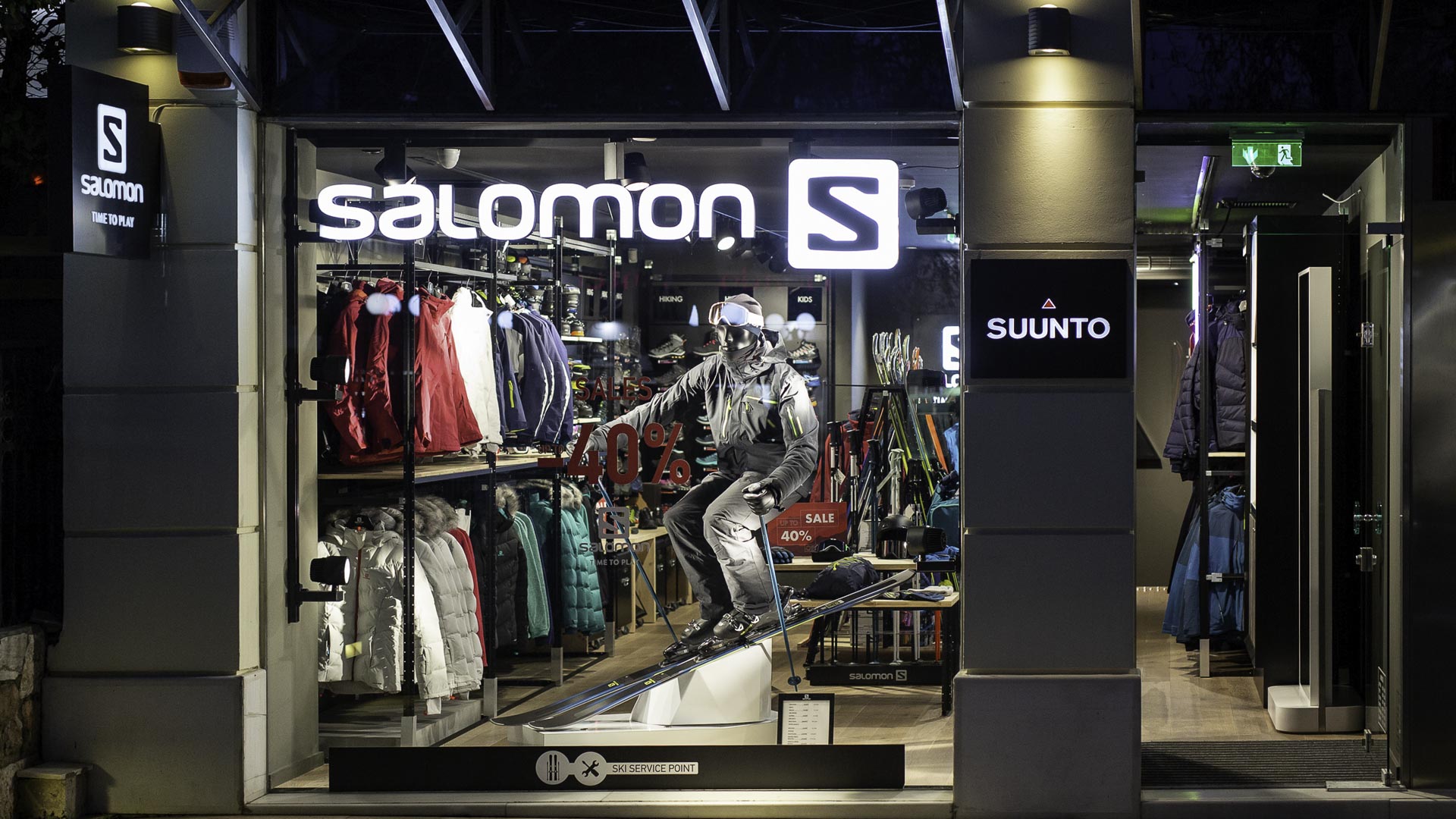
    Salomon released a collaborative sneaker capsule with FP Movement on Monday priced up to $185. The launch accelerates its push to win female consumers across global and Asian markets.

    Direct-to-consumer sales to women rose 10 percentage points over the past two years. They now account for roughly 45 percent of direct revenue, according to Amer Sports disclosures.

    The capsule reworks Salomon’s XT-6 and XT-Whisper silhouettes in gradient colorways. The XT-6 incorporates pink, mint, and ivory tones with green accents. Meanwhile, the XT-Whisper blends coral, blush, and peach alongside purple and blue details across its SensiFit structure. Pricing runs between $145 and $185 across select Salomon and FP Movement retail stores and e-commerce channels.

    Building Out Womens Technical Footwear

    Amer Sports has made expanding Salomon’s female audience a core pillar of its revenue strategy. Management outlined the plan during an investor day presentation in September. Targeted product design, specific color palettes, and focused design collaborations are expanding the French label’s footprint beyond its traditional core of male trail runners.

    Kristof Cavazzana, vice president of product and experience at Salomon, pointed to multi-season design partnerships like previous work with Sandy Liang as crucial drivers for broadening market reach. The brand uses these capsules to bridge mountain sports heritage with everyday lifestyle demand in major metropolitan centers.

    For retailers and multi-brand distributors throughout the Asia-Pacific region, the shift recalibrates shelf space allocation. Salomon has transitioned from a niche technical outdoor label into a mainstream lifestyle competitor. It now challenges established athletic giants for premium display space in top shopping malls across Seoul, Tokyo, and Shanghai.

    Asian Demand and Cultural Alignment

    Operational risk sits in maintaining technical credibility while chasing fast-moving fashion trends. Functional outdoor brands that lean heavily into trend-driven colorways risk alienating core athletes and face rapid product life cycles. Salomon hedges this risk by keeping its proprietary sole units, chassis systems, and weather-resistant membranes fully intact across all lifestyle releases.

    Competition in technical outdoor footwear has intensified across Asian gateway cities. Competing labels are fighting for the same urban consumers who combine weekend trail activities with commuter sportswear. Salomon’s conversion rates depend on maintaining authentic performance specifications while delivering softer aesthetic executions.

    Campaign Precedents in Seoul

    The FP Movement capsule follows Salomon’s major visual campaign titled In The Open, which debuted in late September starring Blackpink member Jisoo. Shot across parks, trails, and urban streets in Seoul under creative director Heikki Salonen, the campaign presented the Fall/Winter 2026 footwear range against South Korean landscapes.

    Jisoo formalized her global ambassadorship in May, making this visual rollout her first major project with the label. The campaign showed technical footwear built for mixed environments, including the XT-6 Protective, the XT-Whisper Gore-Tex, and the XT-4 OG Gore-Tex.

    Valerie Loh, senior vice president of brand and marketing at Salomon, noted that female participation in direct sales channels climbed from 35 percent to roughly 45 percent during the two-year repositioning period.

    Next Steps on the Product Calendar

    The wider Fall/Winter 2026 collection featured in the Seoul campaign goes on sale globally on October 7 through Salomon’s direct website and wholesale network. Amer Sports management will track whether conversion rates among female shoppers keep rising as these seasonal styles reach physical stores across Asia and North America.

  • TEPCO Develops AI System to Cut Nuclear Restart Paperwork by 80%

    TEPCO Develops AI System to Cut Nuclear Restart Paperwork by 80%

    Tokyo Electric Power Co. Holdings developed an artificial intelligence system in October 2026 to assist with applications for restarting nuclear power plants, targeting an 80 per cent reduction in paperwork.

    The initiative aims to save labor as the utility faces a shortage of specialized personnel, following cases where more than 100 TEPCO specialists spent months preparing about 70,000 pages of documents to restart a reactor.

    Automating 70,000 Pages Of Compliance

    Japanese nuclear safety procedures demand exhaustive documentation covering equipment tolerances, seismic resilience calculations, and emergency response frameworks. Compiling these dossiers by hand tied up technical personnel in routine administrative verification rather than direct engineering supervision.

    TEPCO designed the internal AI tool to parse disparate maintenance archives and regulatory guidelines. The system flags discrepancies in reactor specifications and populates standardized filing templates, compressing multi-month drafting schedules into weeks.

    Coping With Severe Talent Deficits

    Utility operators across Japan face an acute shortage of certified nuclear engineers following years of reactor idling and an aging domestic workforce. As senior specialists retire, utilities cannot recruit replacements quickly enough to match the operational demands of simultaneous plant revivals.

    For commercial operators and regional industry, the bureaucratic bottleneck has delayed the return of baseload power capacity needed to stabilize industrial electricity tariffs. Automating baseline documentation allows power providers to redirect limited engineering staff toward onsite physical inspections and hardware upgrades.

    Global Utilities Turn To Machine Learning

    The push by TEPCO mirrors a wider shift across the international nuclear industry to deploy machine learning within strict compliance regimes. Nuclear equipment vendor Westinghouse demonstrated its proprietary HiVE system and bertha assistant to manage reactor construction schedules, showing how heavy energy operators use algorithms to cut project delays without compromising safety checks.

    Regional utilities face a distinct operational risk when automating regulatory output. Power regulators require total auditability, meaning any algorithmic drafting errors or hallucinations could trigger extended formal scrutiny and stall licensing approvals.

    The Next Steps For Japanese Restarts

    The operational rollout follows years of protracted compliance reviews across Japan’s utility sector following post-2011 regulatory overhauls. Power companies have sought methods to accelerate review timelines while meeting safety standards set by the Nuclear Regulation Authority.

    TEPCO will apply the platform to upcoming submission cycles as it prepares further filings for its domestic reactor fleet. The operational test will be whether regulatory examiners accept the AI-assisted documentation without requiring supplementary manual audits.

  • Fewer Than 1% of People in Bangladesh Invest in Stocks

    Fewer Than 1% of People in Bangladesh Invest in Stocks

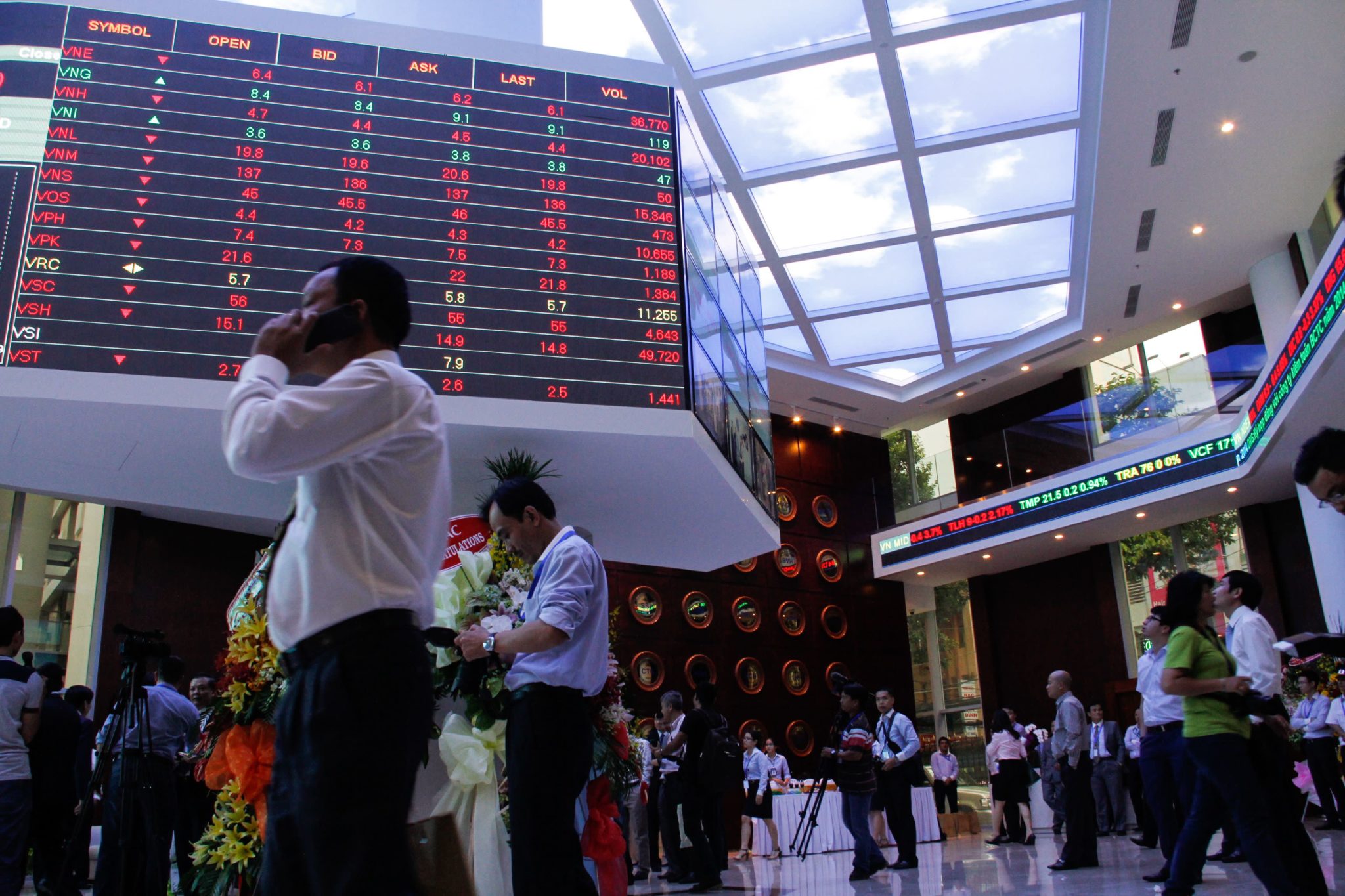
    Fewer than 1.7 million beneficiary owner accounts remain active in Bangladesh out of a population nearing 180 million, keeping stock market participation below 1 per cent. Industry insiders estimate that actual individual investors number no more than 200,000, representing less than 0.1 per cent of the population.

    In October 2026, the low tally contrasted sharply with more than 190 million bank accounts nationwide. Stock market appetite has struggled to recover since 2010, when beneficiary owner accounts surged past 3.3 million before a severe market crash prompted a sustained exodus.

    Regional Gap Widens Across South Asia

    Neighbouring equity markets show a wide gap, with India registering roughly 6 per cent of its population in equities and Nepal reaching 26 per cent. In Bangladesh, investor confidence has also been undermined by weak protections from the Bangladesh Securities and Exchange Commission and irregularities across listed firms.

    This shallow investor pool limits initial public offerings to modest sizes for consumer enterprises and regional retail conglomerates looking to raise capital in Dhaka. Institutional liquidity also stays tight. Retail secondary volume cannot absorb sizable exits, leaving listing pipelines narrow.

    Structural Faults and Corporate Returns

    Corporate payout policies have discouraged retail capital. Only 10 to 15 listed entities deliver dependable cash returns to shareholders. Larger companies frequently hold cash in bank accounts rather than distributing dividends. Consequently, speculative turnover has concentrated in low-paid-up capital firms and junk equities.

    Lax oversight in previous years deepened the structural imbalance. The Bangladesh Securities and Exchange Commission previously extended the maturity terms of closed-end mutual funds by 10 years, freezing retail redemption rights. Questionable listings also slipped through. Sikder Insurance allocated roughly 72 per cent of its life fund into junk shares before completing its initial public offering.

    Regulatory Overhaul Following Political Transition

    Market participation reached an all-time peak in 2010, when active beneficiary owner accounts climbed past 3.3 million ahead of a major crash. Account numbers dropped steadily over the next decade. Fraud across brokerage houses went uncompensated, and market manipulators faced minimal sanctions.

    Following the fall of the Awami League government in 2024, the interim administration reconstituted the securities regulator. BSEC Chairman Masud Khan has committed to overhauling listing criteria, digitising trade surveillance, and policing brokerage compliance. Meanwhile, the Dhaka Stock Exchange has started payouts to reimburse investors hit by past brokerage insolvencies.

    Reforms Face Operational Test

    Rebuilding retail confidence requires expanding the product suite beyond volatile equities into a functional bond market. The immediate test for the commission lies ahead. Regulators must process pending corporate listing applications under tighter financial disclosure rules and enforce dividend compliance before year-end financial reporting deadlines arrive.

  • Qualcomm to Pay Huawei in Multi-Year 5G and Artificial Intelligence Patent Agreement

    Qualcomm to Pay Huawei in Multi-Year 5G and Artificial Intelligence Patent Agreement

    Qualcomm has agreed to pay Huawei Technologies for access to its patents in a multi-year cross-licensing deal covering 5G, computing, and artificial intelligence, the Shenzhen company announced on Monday.

    The agreement makes the San Diego chipmaker a net payer to Huawei for the first time, pushing Huawei’s cumulative intellectual property licensing contract value past $6.9 billion.

    Under the terms of the transaction, Qualcomm will license Huawei’s portfolio and buy specific US patents held by the Chinese group across computing, artificial intelligence, and networking hardware. The deal does not include broader commercial tie-ups or component sales, and both companies must clear regulatory reviews in the United States before closing the asset transfers.

    Reversing the Flow of Licensing Cash

    The financial turnaround marks a sharp shift in the mobile supply chain. Huawei paid Qualcomm for patent access as early as 2001, and paid $1.8 billion in back licensing fees to settle an intellectual property dispute with the US group in 2020. Now the balance of standard-essential communications patents and edge computing IP has forced Qualcomm to write checks back to its Chinese competitor.

    For device makers across Asia, the agreement sets a pricing precedent. Hardware brands that design around Qualcomm chipsets have watched royalty rates climb as 5G and on-device AI architectures mature. A formal licensing pact between the two dominant patent holders removes immediate litigation risks for smartphone assemblers, while confirming that access to Chinese cellular and machine-learning IP will carry direct cash costs.

    Expanding Patent Monetisation Beyond China

    Huawei has spent the past five years building a high-margin licensing arm to recoup capital spent on domestic research and development. The business turned net positive on revenue in 2021 after US export restrictions curtailed Huawei’s handset shipments and blocked its access to American semiconductor fabrication tools.

    That monetization drive has yielded more than 260 patent agreements with global tech firms, including Nokia, Samsung, and Amazon, alongside domestic phone brands Oppo, Vivo, and Xiaomi. Huawei signed a similar multi-year cross-licensing agreement with US personal computer maker HP in August, covering foundational Wi-Fi technologies after resolving earlier disputes.

    The Long Legal Road from 2011

    Huawei collected its first external patent royalty payment in 2011 from Motorola. Over the subsequent decade and a half, the company poured capital into 3GPP wireless standards, optical transmission, and proprietary compute silicon, accumulating extensive patent portfolios in Europe, the US, and mainland China.

    US authorities continue to scrutinize cross-border technology transfers, creating friction for any transaction involving Chinese hardware intellectual property. The current agreement remains subject to Washington’s regulatory clearance, which will test whether standard-essential patent sales and cross-licensing can proceed amid ongoing federal export controls and pending legal trials.