Blog

  • JD.com Opens Suzhou Mall for Trial Operation on Oct. 1

    JD.com Opens Suzhou Mall for Trial Operation on Oct. 1

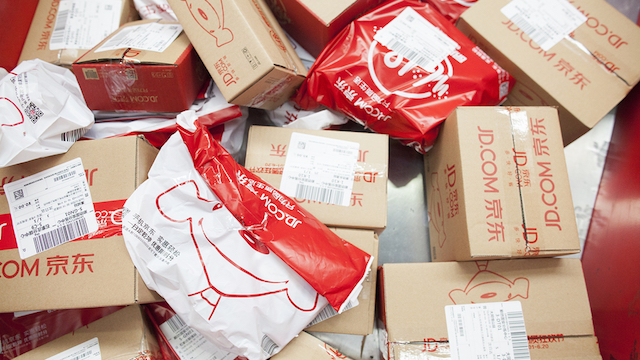
    JD.com opened a shopping mall for trial operations on Oct. 1 in Suzhou. The opening expands the company’s retail footprint in eastern China. It also fits Beijing’s policy shift away from debt-backed real estate sales toward domestic household spending.

    Local governments across China face shrinking receipts from commercial land transfers. Replacing those proceeds requires steady transaction volumes at brick-and-mortar storefronts, shopping centers and tech hubs.

    Offline Footprint in Suzhou

    The Suzhou property bridges JD.com’s digital logistics network with large physical retail assets. The facility began trial operations at the start of the golden week holiday. It targets regional shoppers with consumer electronics, home goods and lifestyle merchandise.

    Physical flagships allow e-commerce platforms to capture on-site customer service revenue and handle returns faster. They anchor local retail districts. That gives city administrators a direct pipeline to consumer tax receipts.

    From Land Sales to Store Receipts

    For decades, local authorities relied on developer auctions to balance city budgets and fund civic infrastructure. That mechanism stalled as property construction slowed nationwide. Central planners now encourage municipal leaders to build tax bases around recurring retail sales, consumer services and commercial logistics.

    City halls have shifted how they treat commercial tenants. Municipal officials prioritize operators that deliver high sales turnover and dependable point-of-sale tax revenue over one-time development premiums. Retailers with established supply chains hold stronger bargaining power during site negotiations.

    Luxury Expansion and Industrial Demand

    Luxury mall operators are also pursuing store expansions across China, defying broader retail caution. High-end property managers are adding space in regional commercial centers to capture resilient premium spending.

    Industrial data reflects broader economic stabilization. Chinese factory activity expanded in September, lifted by output across artificial intelligence supply chains and consumer hardware manufacturing.

    Trade Truce and Operating Headwinds

    Cross-border trade conditions provide temporary breathing room for domestic retailers managing inventory and supply chains. Beijing and Washington agreed to extend their bilateral trade truce until January, according to statements following high-level economic negotiations.

    Import duties climbed toward 145 per cent before negotiators established commercial frameworks, including the Busan understanding in October 2025. Stabilized tariffs reduce input price volatility for merchants stocking electronics and imported goods.

    JD.com will evaluate customer footfall and tenant sales data during the Suzhou trial phase before setting the date for full commercial operations. Retail operators will watch the January expiration of the bilateral tariff truce.

  • Pakistan Railways to Outsource 13 Passenger Trains by December

    Pakistan Railways to Outsource 13 Passenger Trains by December

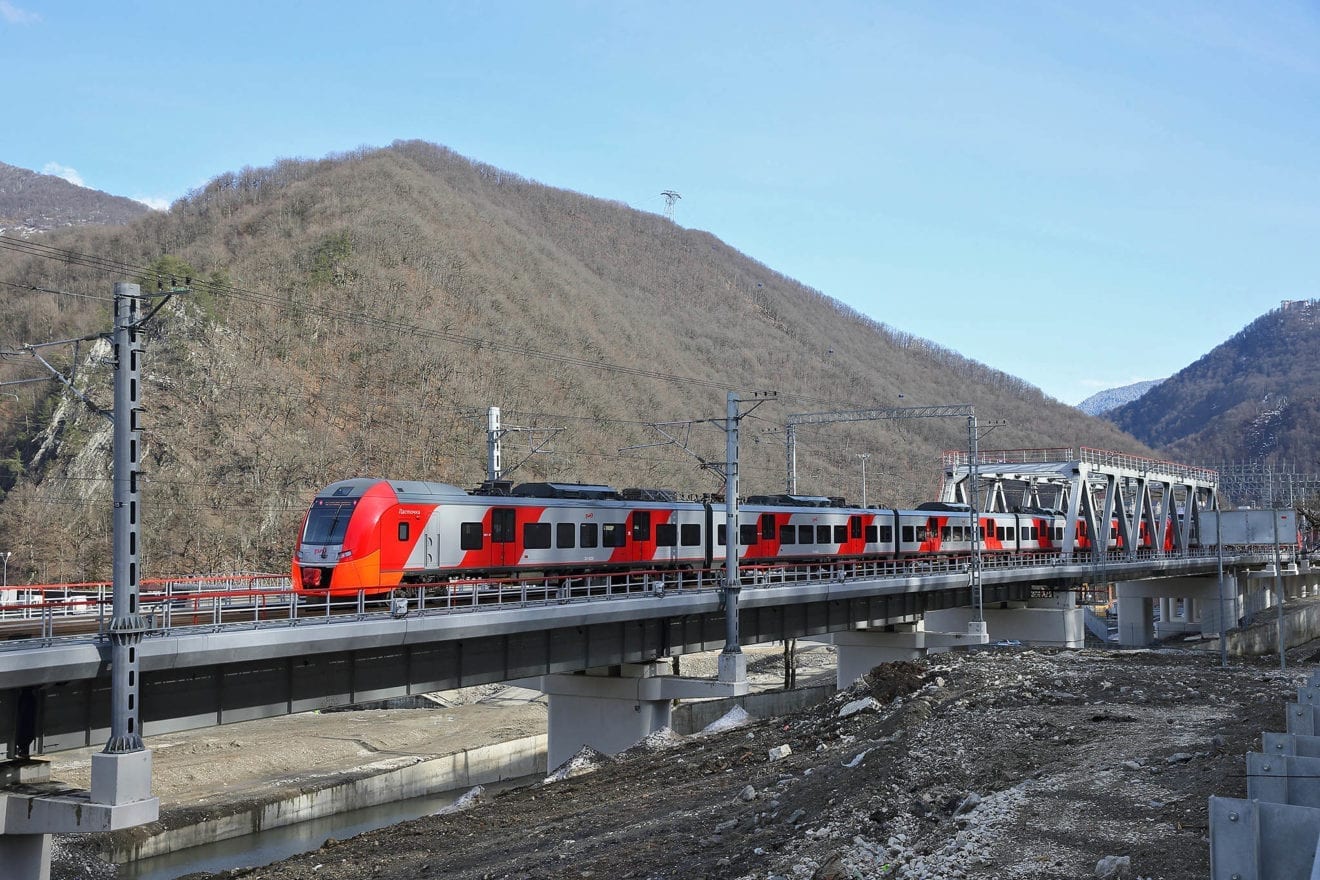
    Pakistan Railways will hand over commercial operations of 13 express passenger trains to private operators by December 31. The transfer expands an existing model that already sees private contractors running six passenger services across the national network.

    Minister for Railways Hanif Abbasi directed railway authorities in Lahore to complete the bidding, advertising and contract awards before the end of the year. The state-run network is restructuring passenger and luggage operations while shifting its commercial weight toward higher-yielding transport corridors.

    The Routes Bound for Private Tenders

    The 13 services scheduled for private management include several long-haul express lines and regional passenger links. The list covers Tezgam, Karachi Express, Bahauddin Zakariya Express, Allama Iqbal Express, Sukkur Express, Fareed Express, Mohenjodaro Express, Sandal, Faiz Ahmad Faiz, Babu Passenger, Bulleh Shah Passenger, Lasani Express and Sialkot Express.

    Private contractors take over ticketing, onboard services and passenger management on outsourced routes, while Pakistan Railways retains control of track infrastructure, locomotives and train drivers. Luggage vans will also pass to private operators under the same tendering programme.

    “At present, the commercial operation of six trains is being carried out by the private parties,”

    Commercial outsourcing allows the railway department to secure guaranteed concession revenue without carrying the operational overhead of retail ticketing, catering and onboard cleaning. For commercial transport operators, securing established long-distance passenger trunk routes provides predictable cash flow, though profitability depends heavily on locomotive reliability and punctual turnaround schedules.

    Freight Overtakes Passenger Earnings

    Freight revenue has surpassed passenger revenue across Pakistan Railways for the first time in the department’s history. The carrier expects total earnings from passenger and freight operations combined to reach Rs120 billion by the close of the current fiscal year on June 30.

    Industrial freight corridors have taken priority across Asian railway networks looking to reduce operating losses, from India’s dedicated freight corridors to Southeast Asian intermodal lines. In Pakistan, freight profitability gives the state carrier a financial buffer while passenger concessions transfer retail revenue risk to commercial partners. State authorities are also moving to protect revenue by blacklisting material vendors who miss supply deadlines, while installing modern closed-circuit television systems and private security guards at workshops and rail yards to halt parts theft.

    Infrastructure Repairs and Fleet Recovery

    Private train concessions will depend on track availability and rolling stock fitness. Pakistan Railways is accelerating the repair of idle coaches and wagons while replacing faulty brake cylinders, blocks and shoes across its fleet.

    Heavy monsoon flooding damaged critical transport links earlier this year, cutting rail traffic on key industrial routes. Rehabilitation of the flood-damaged Mian Kallar Bridge on the Lahore-Faisalabad track is scheduled for completion within 60 days to restore full regional traffic.

    Sukkur Track Works and Timetable Targets

    Ongoing track renewal in the Sukkur division is scheduled to finish by December 31. Completing the replacement work will cut travel time by approximately 90 minutes on key north-south services connecting Punjab with Sindh ports.

    Contract awards for the 13 passenger services will roll out through December, with the department targeting Rs120 billion in full-year operational revenue when the fiscal period closes on June 30.

  • DCPH Upgrades Philippine Data Centers to Support Executive Order 119

    DCPH Upgrades Philippine Data Centers to Support Executive Order 119

    In September 2026, member operators in the Data Center Operators of the Philippines alliance began accelerating infrastructure upgrades to support domestic digital resilience.

    Local facilities are moving from single-digit kilowatt densities toward higher-density, AI-ready configurations to support mobile banking, telecommunications, e-commerce platforms, and government services.

    Colocation Model vs Massive Training Campuses

    Domestic operators in the Data Center Operators of the Philippines are investing in enterprise colocation instead of multigigawatt training hubs. Their sites serve commercial banks, retail platforms, telecommunications routing, and public sector administrative portals. These clients require local compute capacity rather than hyperscale training estates.

    The buildout focuses on multitenant sites in business hubs and industrial zones. Active operators include AFlow, Digital Halo, Digital Edge, ST Telemedia Global Data Centres, VITRO, and YCO Cloud.

    Upgraded Power and Cooling Infrastructure

    Server racks now pull more power per square meter, changing engineering requirements inside local halls. Operators are installing closed-loop chilled water cooling systems. These systems recirculate water internally to curb intake and ease municipal utility pressure.

    Power delivery bypasses residential distribution lines entirely. Commercial facilities buy electricity through Retail Electricity Suppliers under national retail competition rules. They connect directly to subtransmission voltage lines to keep heavy industrial loads off household networks.

    Sovereignty Mandates Drive Local Compute

    State policy is accelerating colocation adoption across Manila and adjacent provinces. Executive Order No. 119 mandates that restricted-access government records remain within national borders. Public agencies and affiliated vendors must now contract local data halls.

    Keeping workloads onshore cuts transit latency, prevents foreign exchange exposure, and satisfies financial regulatory standards. Colocation providers offering high power density in existing footprints will secure the largest share of this sovereign traffic.

    Expansion Along Luzon Industrial Corridors

    Data center construction previously concentrated in central business districts like Makati and Taguig. Grid congestion and tight real estate markets have since pushed new projects into Laguna, Cavite, and Batangas.

    Moving outward places compute capacity closer to regional logistics hubs and manufacturing plants. It also gives operators larger plots with direct subtransmission access.

    Attention now turns to delivery schedules for multi-tenant builds breaking ground across Greater Manila, alongside upcoming state compliance audits under Executive Order 119.

  • Thai Protesters Slam Foreign Companies as GDP Growth Slows to 1.9%

    Thai Protesters Slam Foreign Companies as GDP Growth Slows to 1.9%

    Thai activist groups staged protests in Bangkok against Chinese, Israeli and other foreign businesses accused of bypassing local ownership caps through nominee structures as quarterly growth slowed to 1.9 per cent in the second quarter.

    The pushback targets foreign entities operating in protected commercial sectors without direct statutory permits, prompting authorities to consider widening an ongoing enforcement campaign against proxy shareholding arrangements.

    Scrutiny on nominee corporate structures

    Demonstrators gathered outside foreign diplomatic missions, including the Israeli embassy, in October 2026, citing widespread evasion of foreign business limits and labor regulations. Under current corporate rules, foreign ownership in designated services, retail and agricultural sectors remains capped unless granted specific board exemptions or bilateral treaty waivers. Activists argue that overseas operators increasingly rely on silent local shareholders to secure operating control while running competing storefronts and logistics networks.

    Thai regulatory agencies have responded by reviewing business registrations in tourism hubs, retail districts and agricultural centers. Investigators examine voting rights, dividend distributions and bank accounts to identify enterprises where domestic shareholders act merely as legal fronts for overseas capital.

    Commercial tension across local supply chains

    For international operators and regional suppliers, heightened scrutiny on corporate structures raises immediate compliance hurdles. Foreign retailers, distributors and franchise networks operating through joint ventures must prove authentic domestic capital participation or risk sudden operational halts and corporate deregistration. The risk sits directly with joint-venture operators that structured majority-local equity on paper while retaining sole operational and financial authority.

    Local merchant groups continue to press trade authorities for tighter enforcement, arguing that foreign-backed entities flood consumer channels with subsidized imports and operate unlicensed supply chains. This pressure complicates commercial expansion for regional businesses seeking market entry through fast-tracked partnership arrangements.

    Slowing domestic momentum and investment friction

    The regulatory tightening coincides with a broader deceleration across the domestic economy, where second-quarter economic expansion reached only 1.9 per cent due to higher energy expenses and soft tourism receipts. A shifting public mood tests the country’s historic reliance on foreign commercial investment to support private sector employment.

    Yet capital inflows into capital-intensive industries remain elevated. Total investment applications filed with authorities climbed 37 per cent during the January to June period, propelled by data centers and advanced manufacturing projects that operate under statutory promotional exemptions rather than local proxy setups.

    Enforcement reviews expand into commercial hubs

    Scrutiny follows earlier municipal sweeps against foreign-operated wholesale markets and agricultural supply firms that used local nominees to trade goods reserved for Thai nationals. Commercial enforcement teams have since expanded document audits across hospitality and retail districts in Bangkok, Chiang Mai and Phuket.

    Commercial registries and enforcement agencies are now set to audit registered corporate shareholding structures across high-risk service sectors, with initial compliance findings expected before year-end.

  • Taiwan Banks Ration Credit After US$126 Billion Tech Borrowing Spree

    Taiwan Banks Ration Credit After US$126 Billion Tech Borrowing Spree

    Taiwanese banks extended a record NT$4 trillion, or US$126 billion, in loans during the first seven months of the year. The borrowing surge triggered credit rationing across the island.

    Demand for working capital from suppliers serving Nvidia Corp and Microsoft Corp pushed monthly bank lending to an all-time high of NT$1.04 trillion in July. That upended years of low interest rates.

    Local lenders raised corporate borrowing rates between 50 and 90 basis points. Margins for top-tier syndicated corporate facilities climbed 10 to 20 basis points. Mortgage rates reached almost 3 percent across the island, up from 2.2 percent a year earlier. Tech manufacturers need quick cash to secure semiconductor components, build inventory, and expand production lines for orders linked to Taiwan Semiconductor Manufacturing Co and global artificial intelligence infrastructure programs. Many suppliers now demand loan approvals within two months, cutting a third off the standard 90-day evaluation window.

    Surging Working Capital and Squeezed Margins

    Working capital loans to businesses and individual borrowers rose by NT$823 billion in July alone. That expanded nearly eight times faster than residential mortgage growth. The spike pushed the banking system loan-to-deposit ratio to 72.96 percent, near its historical ceiling of 73.07 percent recorded in 2020. Average liquidity coverage ratios fell to 115.52 percent in July. While still above the statutory 100 percent threshold, it was the sharpest four-month liquidity drop in four years.

    Commercial banks are shifting balance sheets toward higher-yielding corporate facilities and short-term consumer credit lines. Unsecured personal loans yield fatter spreads than residential mortgages, which face central bank cooling measures and property transaction curbs. At the same time, retail depositors accelerated withdrawals to buy listed technology shares. That pulled deposits from regional institutions and tightened wholesale funding conditions.

    Credit Shut Out for Builders and Exporters

    Capital reallocation is starving non-technology businesses of routine working credit. Commercial property developers and homebuilders have seen credit pipelines collapse. At one regional lender, weekly approvals for land acquisition and construction financing dropped from 30 deals to zero. Loan officers instructed developers to halt new submissions entirely.

    Traditional industrial exporters, already dealing with tariff headwinds and sluggish consumer goods demand abroad, face tighter credit terms as bank committees favor electronics manufacturing. Taiwan’s economy expanded 13 percent year on year in the second quarter. The expansion is lopsided. Industrial estates housing advanced packaging and chip fabrication run around the clock, while consumer-facing businesses face rising financing hurdles and slowing real estate sales.

    Offshore Syndication Pullback and Regional Spillover

    Liquidity strains are shifting credit dynamics across Southeast Asia, where Taiwanese commercial banks have long served as anchor lenders for syndicated facilities. Taiwanese institutions are scaling back commitments to offshore transactions across Singapore, Hong Kong, and Vietnam. They are pricing themselves out of lower-margin deals or declining syndication tranches to preserve balance-sheet capacity for domestic tech clients. For regional borrowers who relied on Taipei banks for tight margins, financing costs will rise as Japanese and European lenders step in with higher pricing hurdles.

    Structural risk sits directly on balance sheets overconcentrated in single-sector capital expenditure. Banks are directing most of their incremental loan books into hardware suppliers tied to volatile data-center construction schedules. Any pause in hyperscaler procurement cycles will hit banking asset quality swiftly. Traditional suppliers, service firms, and real estate operators unable to access credit today face balance-sheet stress that could outlast the tech cycle.

    Central Bank Coordination and Regulatory Scrutiny

    The credit squeeze follows months of aggressive capital deployment across the hardware supply chain. Micron Technology accelerated its memory production investments in Taiwan to NT$1.6 trillion by mid-year, concentrating high-bandwidth capacity on the island. Total outstanding residential mortgages still climbed 4.6 percent to reach NT$11.95 trillion in August. Bank appetite for long-term mortgage debt has withered in favor of revolving corporate credit.

    Central bank Governor Yang Chin-long has initiated talks with state-backed lenders, commercial institutions, and Chunghwa Post Co, the postal savings system holding the island’s largest pool of retail deposits. The meetings aim to coordinate liquidity relief for small and medium-sized enterprises. The Financial Supervisory Commission confirmed deposit growth currently tracks overall loan creation without immediate systemic failures, but said it will step up surveillance of bank capital allocations.

    Officials from the central bank will hold follow-up consultations with commercial bank treasurers to review quarterly liquidity ratios and evaluate whether non-technology corporate borrowers face structural lending barriers through the final quarter.

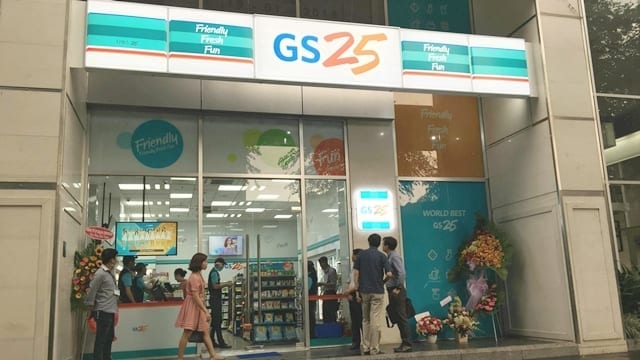
  • GS25 Sales to North American Shoppers Jump 131 Percent

    GS25 Sales to North American Shoppers Jump 131 Percent

    GS Retail recorded a 131 percent jump in sales to North American visitors at its GS25 convenience stores in South Korea during the first eight months of the year.

    The surge pushed North American shoppers to roughly 30 percent of total foreign customer sales across the network. That leaves them just 10 percentage points behind visitors from Greater China, who continue to hold the largest foreign share at approximately 40 percent.

    Buying beer instead of banana milk

    Spending patterns between the two visitor groups show a sharp split in basket composition. North American customers spend primarily on canned beer, wine and spirits, alongside sports drinks, energy drinks and sodas, spending more on canned beer than any other overseas group. Shoppers from Greater China buy dairy products, instant noodles and baked goods, where blueberry Greek yogurt recently overtook banana milk as the top-selling item.

    Geographic data highlights a similar divide in where travellers spend. Greater China tourists stay clustered around traditional shopping hubs and downtown districts in Seoul, Busan and Jeju Island. North American footfall has concentrated heavily along coastal resort corridors.

    East coast sales outpace Seoul hubs

    Regional revenue from North American buyers saw its fastest expansion in Gangwon Province, where sales climbed 338 percent year on year. The bulk of that volume settled along the province’s beach-lined east coast, driven by seasonal leisure travel.

    For convenience operators in South Korea, this geographic and product divergence changes how individual franchise locations must manage inventory during peak travel seasons. Stores in coastal resort towns require alcohol distribution and cold beverage stock lines calibrated for Western preferences, while urban transit hubs must protect shelf space for packaged snacks and fresh dairy popular with Chinese tour groups.

    GS Retail and rival chains such as CU and 7-Eleven have spent years competing over inbound tourist wallets, yet historical strategies focused almost exclusively on Mandarin-language signage and group tour bus routes. A sustained shift toward Western independent travellers introduces higher margins on liquor and ready-to-drink beverages, but demands different localized marketing at the store shelf.

    Merchandising shifts across 1,000 stores

    Earlier network expansions set the groundwork for tracking foreign transaction data at the point of sale. GS25 introduced foreign card processing upgrades across its domestic estate over recent operating quarters, giving the chain real-time visibility into basket differences by issuing bank and country of origin.

    About 1,000 GS25 stores located in high-traffic tourist corridors have rolled out English-language promotional displays, recipe cards and product preparation guides this year. The company plans to use autumn purchasing data from coastal and metropolitan stores to adjust product distribution schedules ahead of the winter travel cycle.

  • Japan Offshore Wind Stalls at 253 Megawatts as Developers Turn to AI

    Japan Offshore Wind Stalls at 253 Megawatts as Developers Turn to AI

    Japan has deployed only 253.4 megawatts of offshore wind capacity across seven projects. That falls far short of its 10-gigawatt target for 2030.

    Soaring construction costs doubled project budgets and forced Mitsubishi Corp to abandon three developments in mid-2025.

    Supply chain bottlenecks and high raw material prices have choked development since the initial 2021 government auctions, according to Japan Wind Power Association data. Mitsubishi’s exit dealt a heavy blow to national clean energy planning. Utilities must now find ways to reduce project risk.

    Rising Costs and Cancelled Projects

    Financing pressures are only half the problem for developers along the Sea of Japan coast, Tohoku and Hokkaido. Projects have run into stiff resistance from commercial fisheries and local conservation groups over threats to rare marine wildlife and bird habitats.

    Regulatory disputes and community objections have already suspended or delayed wind projects across Fukui, Shiga and Hokkaido prefectures. Similar pushback is stalling planned developments in Fukuoka and Shizuoka, where developers face strict environmental review standards.

    For industrial power users and data centre operators across Japan, these delays threaten future supplies of zero-emission electricity. Without a working offshore wind pipeline, corporate buyers must rely on imported fossil fuels or pay higher grid tariffs from conventional thermal generation.

    Developers who miscalculate environmental risks face severe financial penalties once turbines are built. Projects that disrupt local ecosystems can be ordered to curtail generation during peak hours or suspend operations entirely. That destroys forecast equity returns.

    Bird Strikes Force Operational Cuts

    Utility operator Eurus Energy had to curtail power output at its Hamasato Offshore Wind Farm in Hokkaido after multiple bird strikes. During seasonal migrations, the facility could run only for a few hours at night, sharply reducing revenue and power delivery.

    A similar conflict halted a planned wind development along the Shiga and Fukui prefectural border in 2023. An environmental assessment failed to account for nesting sites of golden eagles and mountain hawk-eagles. Developers were left with a stranded, suspended asset.

    Onshore sites suitable for large utility-scale turbines are scarce in Japan. That makes coastal waters essential for long-term power supply. Coastal wind corridors overlap directly with migratory pathways for white-tailed eagles, Steller’s sea eagles and red-throated loons.

    Testing AI and Thermal Monitoring

    Operators are deploying automated sensor suites to prevent collisions and keep turbines spinning. At two wind farms in Hokkaido, operators installed Nvbird, an AI system developed by Greek firm Nvisionist. The system uses thermal imaging to spot approaching raptors and throttles blades automatically.

    Leadedge Technology and the Japan Weather Association built a domestic alternative called AI Bird. The platform merges high-resolution cameras, infrared feeds and radar sensors. It achieved a 94 per cent identification accuracy rate in controlled field trials.

    “AI Bird is a proactive step to balance clean energy goals with environmental conservation,” said Ho.

    Environmental Data Gaps

    Tokyo originally framed offshore wind as the pillar of its 2050 net-zero roadmap, targeting 10 gigawatts by 2030 and between 30 and 45 gigawatts by 2040. The earliest auctions in 2021 attracted global players including Norway’s Orsted alongside domestic trading houses, before inflation and local opposition disrupted the pipeline.

    Commercial trials are now underway for the Japan Weather Association’s AI Bird system. At the same time, the Wild Bird Society of Japan is assembling marine sensitivity maps to overhaul future site selections before the next round of government auctions.

  • Carlsberg Malaysia Takes Seventh Consecutive Equity Return Award with 125.8% ROE

    Carlsberg Malaysia Takes Seventh Consecutive Equity Return Award with 125.8% ROE

    Carlsberg Brewery Malaysia Berhad won two honours at The Edge Billion Ringgit Club Awards 2026, logging a 125.8 per cent return on equity for 2025. This secured the Shah Alam brewer its seventh straight win for highest return on equity in consumer products and services.

    The company also took the corporate responsibility award for Bursa Malaysia listed firms with market capitalisations between RM1 billion and RM10 billion. Out of 1,060 listed companies, only 183 qualified for the club this year.

    Three-Year Capital Efficiency Numbers

    Rolling metrics for the award tracked performance from 2023 through 2025. Return on shareholders funds stood at 177.8 per cent in 2023, 134.3 per cent in 2024 and 125.8 per cent in 2025. These figures stem from tight working capital controls. They also reflect steady cash generation from Shah Alam brewing and distribution across Malaysia and Singapore.

    Holding equity returns above 120 per cent through input cost swings demands strict pricing and rapid inventory turns. Southeast Asian commercial brewers operate on thin margins. Regional tax structures and retail margins leave no room for operational bloat.

    Supply Chain Audits and Governance

    The governance award recognised an expanded responsible sourcing programme across third-party suppliers. This framework aligns procurement with Malaysia’s National Action Plan on Business and Human Rights 2025 to 2030. It also updates internal labour standards across regional vendors.

    Rating agencies responded with higher marks. MSCI ESG Ratings upgraded the Malaysian unit to AAA. Meanwhile, FTSE4Good Bursa Malaysia maintained its four-star rating on the stock.

    Regional Brewery Margins and Risks

    Consumer goods producers across Southeast Asia face a divided market. Premium beer lines protect margins in major cities. General retail spending, however, faces persistent caution. The slide in return on equity from 177.8 per cent in 2023 to 125.8 per cent in 2025 shows this pressure. Higher production overheads and currency shifts continue to squeeze regional returns.

    Competitors across the region face similar margin pressures. Heineken Malaysia and regional importers have turned to supply chain automation and selective price hikes to defend profitability. Primary operational risks centre on input costs and utility tariffs. Higher energy expenses can quickly erode factory margins if volume growth slows.

    Community Funding and Capital Outlays

    In community funding, the brewer’s Top Ten Charity Campaign passed RM600 million raised in 2025. The platform has supported more than 700 vernacular schools since its 1987 launch. It runs alongside the company’s broader sustainability programme.

    Managing director Stefano Clini indicated capital will flow into plant capabilities, brand lines and internal systems. Investors now turn to fourth-quarter volume figures and the interim dividend declaration to see whether returns stay above the 120 per cent threshold.

  • GCash Prices Record Philippine IPO at 6.60 Pesos per Share

    GCash Prices Record Philippine IPO at 6.60 Pesos per Share

    GCash priced its initial public offering at 6.60 Philippine pesos per share on October 2. The deal is the largest stock market listing in Philippine history.

    The price fixes terms for institutional and retail investors after months of preparation by the country’s dominant digital payments operator. Trading schedules and final share allocations follow.

    Setting the valuation benchmark

    Setting the final price concludes the bookbuilding phase with domestic and foreign institutional funds. The 6.60-peso level anchors the platform’s public debut on the local bourse.

    Market participants watched the offering as a key test of equity appetite in Manila. It establishes the platform as the benchmark technology asset on the Philippine Stock Exchange.

    Fintech expansion across consumer channels

    Proceeds will fund financial service distribution, digital lending, and transaction processing infrastructure across the archipelago. The platform has expanded beyond peer-to-peer transfers into credit lines, micro-insurance, wealth management, and merchant payments.

    Competition across Southeast Asian digital payments has shifted from user acquisition toward merchant monetisation and lending margins. Philippine consumers rely on digital wallets for utility settlements, offline retail payments, and e-commerce transactions. That gives large ecosystem operators steady transaction volumes.

    Implications for Philippine capital markets

    Liquidity from the record transaction flows into a domestic exchange that recorded muted listing volumes over recent quarters. A successful listing by a marquee technology firm reopens the domestic market to large private equity exits and institutional portfolio reallocations.

    Regional equity investors will track post-listing liquidity closely. Sustained trading activity could encourage other venture-backed technology operators in Southeast Asia to explore primary domestic listings rather than dual-class foreign debuts in the United States.

    Next steps for trading and allocations

    Retail offering periods and institutional book settlements begin after the formal price confirmation. Bourse officials and underwriters will monitor opening-day price stability and institutional secondary market participation once shares begin unrestricted trading.

  • AI Generated over 90% of 430,000 Chinese Microdramas This Year

    AI Generated over 90% of 430,000 Chinese Microdramas This Year

    Artificial intelligence tools generated more than 90 per cent of the 430,000 microdramas launched online in China during the first eight months of the year, according to the National Radio and Television Administration.

    The rapid surge has unlocked storytelling possibilities for web novel adaptations without expensive physical sets, according to Shenzhen-based producer Bai Jianyue, but it has also saturated digital feeds with low-cost automated content.

    Microdramas typically run for just a few minutes per episode and rely on fast-paced twists, yet the flood of automated scripts is prompting video platforms and regulators to pivot toward higher-calibre productions.

    Viewer Fatigue and Production Bottlenecks

    The rush to automate production created a surge of lookalike shows with interchangeable plots. Viewers on platforms such as RedNote reported growing dissatisfaction with formulaic releases that simply altered character genders or historical periods across identical narrative arcs.

    Technical constraints in video generation models also restrict long-form consistency. Studios struggle to maintain uniform facial expressions, character wardrobe, and scene continuity across series that stretch over dozens of episodes.

    Robin Luo, founder of Synintell Pictures, pointed out the gap between single-scene generation and complete narrative production:

    “Being able to generate video is not the same as reliably delivering an entire series”

    As access to AI generation software widens, commercial success depends less on raw rendering speed and more on directing, scriptwriting, and viewer retention strategies.

    Platform Subsidies Shift Back to Live Action

    Major streaming networks are responding by directing capital back toward human-led filming. Six major video platforms, including services operated by ByteDance and Kuaishou Technology, committed at least 6 billion yuan ($894 million) to fund live-action microdramas under a government-backed initiative.

    Broadcasting regulator official Wang Xiaoliang called on platforms to create dedicated distribution sections for live-action shows. The initiative aims to balance automated output with productions that employ human crews, writers, and traditional sets.

    For digital marketing teams and content platforms across Asia, the microdrama boom serves as a testing ground for automated retail entertainment. While synthetic media cuts initial production costs, audience monetisation drops rapidly once novel visual effects become commoditised across competing feeds.

    Brand sponsors and commercial operators that turned to cheap AI video generators are finding that viewer engagement requires coherent character identity rather than automated volume. The technology functions effectively as a pre-visualization tool for complex storyboards, but fully synthetic releases face steep retention drop-offs after the opening free episodes.

    New Rules on Digital Likeness and Content Labelling

    Regulatory authorities introduced direct compliance requirements to manage synthetic releases. A rule enforced this month mandates that all streaming episodes must display prominent on-screen labels identifying AI-generated media.

    Regulators also directed studios to secure explicit legal consent before using the likenesses or voices of real individuals. The warning followed high-profile synthetic restorations, including a two-minute NetEase project that recreated 1980s and 1990s film roles played by retired actress Joey Wong.

    Production houses are adjusting workflows to clear platform reviews faster. Zhou Xiangxiang, founder of Shenzhen-based Moli OPC AI Comic Drama Base, said her studio now uses authorized likenesses of staff members and signs direct commercial contracts with performers to build digital character libraries.

    Licensing human likenesses adds immediate upfront costs, but it prevents release delays caused by automated platform moderation filters flagging unauthorized faces. Existing annual distribution contracts with streaming apps remain active as studios adapt their pipelines to the new identification rules.

  • Toyota Commits $3.6 Billion to Shift Tacoma Production to Texas

    Toyota Commits $3.6 Billion to Shift Tacoma Production to Texas

    Toyota Motor has committed $3.6 billion to expand its San Antonio plant and relocate Tacoma pickup production from Mexico to Texas as carmakers adjust to a 25 percent import tariff on foreign-built vehicles in October 2026.

    The Japanese automaker joins General Motors and Ford in reallocating capital to domestic assembly lines, yet industry economists warn that tariff volatility is stalling broader supply chain investments across the sector.

    Tariff Pressure and North American Assembly

    Japanese automotive groups face difficult calculations as United States trade policy penalizes cross-border supply networks across Mexico and Canada. Toyota is pouring $3.6 billion into its Texas operations to bring Tacoma pickup manufacturing inside American borders, insulating its light-truck volume from cross-border import levies. General Motors is spending $4 billion across facilities in Michigan, Kansas and Tennessee to adjust its footprint.

    Honda Motor faces a different dilemma. The carmaker is operating near full capacity across its North American plants and has evaluated site selection for a new assembly plant, but executive leadership paused commitments in August due to unresolved trade disputes between the United States and Canada under the USMCA trade agreement.

    Supplier Margins Squeezed by Policy Shifts

    Parts manufacturers and technology suppliers lack the balance-sheet flexibility of finished-vehicle assemblers. Investment by automotive component suppliers plunged from more than $8 billion in the first quarter of 2025 to roughly $600 million across the middle quarters of the year, according to figures compiled by the Center for Automotive Research.

    The supplier sector employs 930,000 workers in the United States and has absorbed substantial unrecovered tariff expenses. Survey data from MEMA, the Vehicle Suppliers Association, shows that nearly 80 percent of component vendors rank government trade policy changes as one of their four largest operational threats over the coming twelve months, alongside broader economic weakness and soft vehicle retail sales.

    The Long Cycle of Capital Allocation

    Automotive assembly investments require decades to deliver returns on capital, creating friction with short-term tariff revisions. Industry projections from Mobility Global indicate United States vehicle output will remain flat at 10 million units in 2026 before rising toward 11.3 million units by 2030 once major plant reconfigurations enter commercial service.

    Deloitte reports that component suppliers have recovered only half of their tariff-related cost burdens. In response, parts vendors are curtailing speculative capacity expansion and shifting capital budgets directly into factory automation and robotics to preserve operating margins.

    Employment Rebounds Below Previous Peak

    United States automotive manufacturing payrolls tracked by the Bureau of Labor Statistics stood at just under 1.8 million workers in September 2026. While that figure represents a gain of nearly 1 percent since January 2025, total sector employment remains more than 2 percent below the high recorded in July 2024.

    Automakers navigated policy reversals on electric vehicle incentives throughout 2025, which disrupted supplier tooling programs and forced factories to retool for internal combustion and hybrid powertrains. Carmakers are prioritizing the utilization of idle plant capacity over greenfield development until trade agreements reach stable terms.

    Attention now turns to the scheduled renegotiation milestones for the USMCA pact, where unresolved dispute resolution rules will determine whether Honda commits capital to a new North American assembly facility or diverts production to alternate international hubs.

  • Tealive Launches Orange Coffee Blend from 3 Nations in Sepang

    Tealive Launches Orange Coffee Blend from 3 Nations in Sepang

    Tealive introduced a limited-time Orange Coffee line in Sepang on 29 September 2026 to capture a bigger slice of Malaysia’s competitive coffee sector.

    The release uses coffee beans sourced from three nations to target daytime coffee consumers beyond the brand’s established bubble tea audience.

    Tealive aligned the promotional rollout with motorsport gatherings at the Petronas Sepang circuit, pairing the citrus beverage concept with seasonal trackside footfall.

    Branching Beyond Milk Tea

    Bubble tea operators across Southeast Asia continue pushing into freshly brewed coffee to diversify store revenue. Pure-play tea brands face crowded high streets and steep discounting from competing regional kiosks.

    Adding fruit-infused coffee drinks allows front-line beverage retailers to drive higher transaction counts during morning and early afternoon dayparts. It also captures consumers who bypass traditional milk-heavy teas for lighter espresso options.

    Citrus Blends and Menu Variations

    Fruit-forward espresso drinks have become standard offerings in urban cafe markets across Asia. Combining citrus juices with iced coffee appeals directly to younger demographics seeking refreshing, lower-dairy alternatives in tropical climates.

    For operators, cold citrus recipes require minimal back-of-house retooling while commanding premium seasonal price points. Sourcing multi-origin beans gives chain operators room to market quality credentials without moving fully into high-cost single-origin brewing.

    Competition in Malaysia’s Beverage Sector

    Malaysia’s ready-to-drink coffee sector features aggressive rivalry between domestic specialty chains, international franchises, and convenience store counters. Fast product iteration helps major chains maintain consumer engagement against fast-expanding kiosk competitors.

    Limited-edition beverage series serve as low-risk trials for broader product shifts. By testing customer uptake over short campaign windows, brand managers evaluate ingredient sourcing and store-level preparation speed before committing to permanent menu revisions.

    Event Venues and Seasonal Footfall

    High-capacity sporting locations like Sepang offer valuable real-world testing environments for seasonal beverage launches. Peak crowd flows test staff throughput and supply chain resilience under tight operational windows.

    Sales data gathered during the Sepang event window will determine whether citrus coffee blends secure a permanent place across the chain’s wider domestic store network.

  • Airbnb Will Not Let Outside AI Agents Make Bookings, CEO Says

    Airbnb Will Not Let Outside AI Agents Make Bookings, CEO Says

    Airbnb will not allow outside artificial intelligence agents to book accommodations for travellers on its platform, chief executive Brian Chesky said during an interview in Palo Alto, California in 2025.

    The restriction blocks automated software systems, including Meta Platforms’ Muse, from completing direct transactions on the rental site on behalf of prospective guests.

    Guarding direct consumer access

    Outside artificial intelligence assistants are built to browse websites, compare prices, and complete transactions autonomously without direct human intervention. Allowing automated bots to process reservations would insert a third-party intermediary between the accommodation platform and the end user, reducing direct consumer interactions across the global hospitality business.

    Protecting the direct connection to the customer remains a primary defensive priority for online booking networks. When an external automated bot executes purchases, the platform loses user interface engagement, cross-selling opportunities, and direct brand loyalty. Blocking third-party agents preserves proprietary search traffic and booking data inside Airbnb’s own ecosystem.

    The threat of platform disintermediation

    Online travel aggregators and regional short-stay booking platforms across Asia-Pacific face the same structural risk from emerging artificial intelligence assistants. Software agents developed by major technology companies threaten to turn digital marketplaces into commoditised back-end inventory providers. Operators that permit bot-driven transactions risk ceding pricing power, customer ownership, and ancillary revenue to artificial intelligence interface owners.

    The business model of holiday rental platforms relies heavily on consumer browsing time. Chesky noted that holiday preparation is part of the user experience, arguing that the search process itself retains consumer appeal. Retaining direct customer traffic ensures the company maintains complete control over user data and listing visibility.

    Defending transaction channels

    Online travel companies have spent years building direct-to-consumer loyalty programmes and mobile applications to lower customer acquisition costs. Letting autonomous agents handle bookings unwinds those investments by routing consumers through third-party automated search layers. Chesky’s decision establishes a formal barrier against autonomous software agents executing guest checkouts.

    Holiday rental operators will watch whether competing booking engines adopt identical firewall policies against artificial intelligence agents or open their inventory to automated buying tools.

  • LG Energy Solution to Supply 46100 Battery Cells to Mercedes-Benz

    LG Energy Solution to Supply 46100 Battery Cells to Mercedes-Benz

    LG Energy Solution will supply Mercedes-Benz with a new 46100 cylindrical battery cell for the German automaker’s next-generation electric vehicles starting in 2028.

    The agreement expands a series of four long-term supply contracts signed between the two companies since October 2024.

    New Dimensions for Cylindrical Packs

    With a diameter of 46 millimetres and a height of 100 millimetres, the 46100 format is an unannounced variation within the broader 46-series family. The cylindrical format gained industry prominence after Tesla adopted the 4680 size. Other manufacturers have experimented with 4695 and 46120 designs. The 100-millimetre height fits the specific packaging requirements of Mercedes-Benz vehicle architectures.

    Pilot manufacturing for the 46100 cell will take place at LG Energy Solution’s domestic facility in Ochang, South Korea. That site will calibrate machinery and refine production tolerances before equipment ships to Europe. Mass production will run at the group’s manufacturing complex in Wrocław, Poland, where line installation begins next year. The supplier is also weighing capital expenditures for dedicated module assembly lines at the Polish site to deliver complete clusters directly to vehicle assembly plants.

    Diversification Across Cell Geometries

    Automakers in Europe and Asia are rethinking their dependence on pouch and prismatic cell formats. Cylindrical cells offer superior structural stability and heat dissipation. That reduces the risk of thermal runaway in high-output drivetrains. Mercedes-Benz previously relied heavily on pouch cells from suppliers including SK On and Farasis Energy. Safety recalls and module complexity pushed the brand toward mixed procurement strategies.

    LG Energy Solution has built out manufacturing capacity for varied cylindrical specifications. The company started production of 4695 cells at the Ochang plant late last year. It is preparing to manufacture cylindrical units ranging from 4680 to 46120 specifications at its facility in Arizona by the end of this year. Adding a 46100 line gives the manufacturer a customized offering for premium European carmakers without redesigning its core cell chemistry.

    Procurement Rivalry Among Korean Suppliers

    Mercedes-Benz is maintaining a competitive supplier base across Asian manufacturers rather than granting exclusivity to a single partner. In April, the carmaker signed its first long-term electric vehicle battery contract with Samsung SDI. China’s CATL continues to supply large volumes across multiple vehicle platforms. Sourcing from multiple cell makers prevents bottlenecks and keeps downward pressure on pricing per kilowatt-hour.

    For Korean battery producers, securing multi-year European supply pacts offsets softer domestic electric vehicle adoption and tariff uncertainties in North America. The challenge sits in production yield rates for large-diameter cells. Scaling 46-millimetre lines requires tight welding tolerances and rapid tabless assembly processes. Both have created ramp-up delays across the sector.

    Manufacturing Milestones Ahead

    Validation testing on the Ochang pilot line will finish before commercial tooling is installed in Poland next year. Initial volume shipments will follow for the 2028 model rollout, building on supply agreements executed over the past two years as Mercedes-Benz overhauled its platform roadmap.

  • Asia-Pacific Expands Market Share in Netherlands Apparel Imports

    Asia-Pacific Expands Market Share in Netherlands Apparel Imports

    Asia-Pacific manufacturers captured a larger share of the Netherlands’ apparel imports during the first seven months of 2026, outperforming European suppliers despite falling overall trade values.

    Sourcing intelligence data from TexPro shows Asian suppliers retained the top position in Dutch garment procurement between January and July 2026, extending a multi-year market share gain over regional European competitors.

    Europe held the second-largest share of Dutch clothing procurement over the same period. While European regional shipments also edged higher in percentage terms, the wider multi-year shift continues to favour Asian manufacturing hubs across South and Southeast Asia.

    Cotton and Trouser Shipments Anchor Volume

    Cotton garments remained the largest product category by value entering Dutch ports during the seven-month period. Trousers and shorts led specific product categories, confirming that core high-volume basic lines continue to dominate retail order books.

    European fashion buyers have concentrated purchase orders into core everyday categories rather than expanding speculative fashion inventory. For Asian fabric mills and garment factories, volume resilience in woven and knit trousers provides steady production runs even when retailer demand softens in value terms.

    Pressure on European Garment Sourcing

    The steady shift toward Asia-Pacific production highlights cost advantages that nearshore European suppliers struggle to match under current retail pricing pressures. Dutch retailers and cross-border e-commerce hubs operating out of Amsterdam and Rotterdam continue to route base volume through Asian supply chains.

    Nearshore suppliers in Southern and Eastern Europe retain speed advantages for short-cycle replenishment. However, Asian producers have steadily upgraded logistics links and compliance standards, narrowing the operational gap for standard seasonal collections.

    Shifting Trade Policy and Regional Flow

    The import pattern across the Netherlands reflects wider European retail adjustments ahead of prospective changes to low-value parcel duties across the European Union. Similar procurement shifts toward Asian production hubs have appeared in neighbouring markets including Austria.

    For Asian apparel associations in markets such as Bangladesh, Vietnam, India, and China, maintaining Dutch market share provides critical stability. The Netherlands acts as a primary logistics gateway for re-exporting fashion goods into Germany, Belgium, and Northern Europe.

    Order Books for the Final Quarter

    Garment exporters across Asia now face the critical fourth-quarter delivery window for winter stock and preliminary manufacturing runs for spring 2027 collections.

    Trade desks will track Dutch full-year customs filings and European retail sell-through rates through December to gauge whether Asian volume gains translate into margin recovery for supplier factories.