Blog

  • Dassault Systèmes Targets India’s Semiconductor Sector to Build Workforce

    Dassault Systèmes Targets India’s Semiconductor Sector to Build Workforce

    Dassault Systèmes is expanding operations in India’s semiconductor sector this week, focusing its investment on technical workforce training and specialized engineering capabilities across the country.

    The initiative directs the French group’s 3D design and simulation tools toward local chip designers, packaging units, and planned fabrication facilities.

    Software role in chip manufacturing

    Industrial software plays a critical role in modern semiconductor development, from electronic design automation to cleanroom facility modeling and equipment maintenance simulation. Dassault Systèmes provides virtual twin technology that lets manufacturers simulate production lines, chemical flows, and thermal dynamics before pouring concrete or installing lithography tools.

    By introducing these systems early to engineering institutions and local design houses, the company aims to embed its platforms into the foundational workflow of domestic chip projects. Training engineers on proprietary software creates long-term commercial lock-in across production pipelines.

    Tackling the talent bottleneck

    India offers an enormous pool of front-end chip design talent but faces a sharp deficit in specialized fabrication and operational manufacturing engineers. Cleanrooms require precise execution, where minor procedural errors result in ruined silicon wafers and millions of dollars in yield loss.

    Workforce training initiatives close this operational gap by exposing technicians and graduate engineers to simulated cleanroom environments. Virtual training reduces the cost of onboarding while cutting the time required to bring new facilities up to global yield standards.

    Competing for engineering capacity

    Global design and automation vendors are competing aggressively for technical talent across Bengaluru, Hyderabad, and the National Capital Region. Established software players have already expanded their Indian technical centers to support worldwide product development and customer deployments.

    For Dassault Systèmes, positioning its toolsets directly inside university curricula and specialized trade centers defends its market presence against established semiconductor software rivals. Suppliers and fab operators that standardize on identical simulation platforms can coordinate buildouts faster with fewer engineering mismatches.

    The road to operational fabs

    India has approved multiple commercial semiconductor projects, including assembly and testing units and commercial fabrication plants backed by international joint ventures. The success of these facilities depends directly on having thousands of certified engineers ready on day one.

    Suppliers, construction partners, and software providers now face the task of synchronizing equipment delivery and digital systems with operational launch schedules across targeted industrial corridors.


  • Formula One Returns to Sepang After Nine-Year Gap for Bahrain Grand Prix

    Formula One Returns to Sepang After Nine-Year Gap for Bahrain Grand Prix

    Formula One returned to the Sepang International Circuit for the Gulf Air Bahrain Grand Prix from Oct 2 to 4, ending a nine-year absence since the venue last hosted a race in 2017.

    The event was relocated to Malaysia following an agreement involving Formula 1, the FIA, and the governments of Malaysia and Bahrain due to the situation in West Asia.

    State Leadership Inspects Paddock Operations

    Prime Minister Datuk Seri Anwar Ibrahim attended the qualifying session on Oct 3 to inspect preparations and the overall running of the race, received by Chief Secretary to the Government Tan Sri Shamsul Azri Abu Bakar, Petronas President and Group Chief Executive Officer Tan Sri Tengku Muhammad Taufik, and Sepang International Circuit Chairman Datin Anita Azrina Abdul Aziz.

    Anwar conducted a 15-minute walk-through of the Mercedes-AMG Petronas team garage. He then attended an official paddock dinner hosted by Bahrain Crown Prince and Prime Minister Prince Salman bin Hamad Al-Khalifa. The race weekend ran from Oct 2 to Oct 4, opening with Friday practice before Saturday qualifying established the starting grid.

    Emergency Calendar Shift from Sakhir

    Negotiations in July between Formula 1, the International Automobile Federation, and government representatives from both nations sealed the transfer. Bilateral talks involving King of Malaysia Sultan Ibrahim and Bahrain’s King Hamad bin Isa Al-Khalifa established the diplomatic framework. That deal transferred the commercial sanction to Southeast Asia.

    Shifting an entire Grand Prix freight contingent to Sepang on three months of notice required direct coordination between national carrier Gulf Air, local track managers, and international freight handlers. Formula One previously raced at Sepang every year from 1999 until 2017. The government ended its hosting contract after the 2017 edition due to escalating sanction fees.

    Transport Pressure on Klang Valley Infrastructure

    The return of single-seater racing tested regional transport links and event infrastructure surrounding Kuala Lumpur International Airport. Spectators faced road congestion on feeder routes into the circuit. Bus shuttle delays exceeded three hours during peak Saturday entry windows.

    Hotels and retail venues across the Klang Valley absorbed demand spikes from visiting team personnel, regional corporate sponsors, and overseas fans. Track managers operated under compressed setup schedules to reactivate paddock hospitality suites, broadcast compounds, and trackside retail villages. None of these facilities had handled Grand Prix volumes since late 2017.

    Commercial Realignment for Circuit Assets

    Petronas maintains title sponsorship rights with the Mercedes team, giving the state energy group direct brand exposure on its home circuit. Track operators in the region have adjusted commercial models toward motorcycling and regional GT championships. They moved away from multi-million dollar annual Formula One staging contracts.

    Government officials have not committed to a multi-year extension beyond this emergency hosting contract. Track executives now look to Sunday race attendance numbers and official transport debriefs to assess whether large-scale single-seater events fit the venue’s long-term commercial strategy.

  • Bangladesh Pushes Fruit Importers to Open Credit Lines as Orange Prices Hit Tk 520

    Bangladesh Pushes Fruit Importers to Open Credit Lines as Orange Prices Hit Tk 520

    Bangladesh Commerce Minister Khandakar Abdul Muktadir pressed fruit traders in Dhaka on Saturday to accelerate letters of credit for imported produce. The push aims to curb surging retail prices.

    Retail prices for imported sweet oranges, known locally as malta, climbed to Tk 520 per kilogram. That surge came despite regular landed costs and existing customs duty schedules. Muktadir met commercial traders and state regulatory bodies at the Secretariat to demand an explanation and outline immediate supply adjustments.

    Supply deficit triggers retail squeeze

    Traders blamed container shortfalls at maritime ports for the price spike. Weekly arrivals dropped to between 12 and 29 containers of sweet oranges. That falls far short of Bangladesh’s normal daily market consumption of roughly 15 containers.

    Importers reported that compounding logistics costs, port turnaround delays, and steep import taxes forced businesses to curb order volumes. Financial losses suffered on earlier shipments also discouraged merchants from booking high-volume consignments for perishable items carrying high spoilage risks.

    Muktadir instructed the Directorate of National Consumer Rights Protection to monitor retail markets and penalise vendors charging unjustified markups. He told traders the government will not tolerate speculative pricing on household fruit.

    Tariff reassessment for dates and fresh produce

    The Ministry of Commerce offered tariff relief to encourage fresh import financing through commercial banks. Muktadir pledged that the government will review the duty structure on sweet oranges. He also promised a formal decision on date duties and taxes within the week.

    Fruit importers raised concerns over shipping windows for dates ahead of seasonal consumption cycles. International transit hurdles require early tax clarity to avoid supply bottlenecks. Customs valuation disputes have also complicated date clearances at border checkpoints.

    A representative from the National Board of Revenue confirmed that actual purchase prices across different grades of dates vary widely. Customs assessments frequently fail to reflect those tiers accurately. The Bangladesh Trade and Tariff Commission plans to meet importers to determine realistic baseline prices verified against international source markets before submitting a revised schedule to revenue authorities.

    Supermarkets face inventory costs

    Grocery chains and retail fruit sellers across Dhaka and regional urban hubs face shrinking sales margins under the import bottleneck. When fruit consignments arrive at irregular intervals, procurement desks compete for scarce spot containers. That drives wholesale terminal auction prices upward before stock reaches store displays.

    Lowering duty barriers without ensuring commercial banks clear foreign exchange allocations for letters of credit will keep wholesale prices elevated. Traders must also identify alternative overseas agricultural suppliers quickly to rebuild port inventory pipeline volumes before winter consumption peaks.

    Regulatory scrutiny on staple food chains

    This pricing clash follows repeated government interventions across Bangladesh’s essential food supply chains over the past year. Authorities have maintained active price ceilings and import duty waivers on core commodities such as edible oil, onions, and sugar to counteract stubborn food inflation.

    Extending formal pricing reviews to imported table fruits reflects broader consumer pressure on non-staple grocery budgets. The commerce ministry is threatening enforcement actions through the consumer rights directorate while dangling duty concessions to push commercial trading houses toward voluntary price moderation.

    Importers agreed to explore alternative overseas sourcing destinations to diversify citrus procurement away from disrupted traditional routes. Next, the Bangladesh Trade and Tariff Commission must set its new valuation schedule for date consignments before revenue collectors implement the revised import framework.

  • BYD Sells 762,478 Electric Cars in Third Quarter to Extend Lead over Tesla

    BYD Sells 762,478 Electric Cars in Third Quarter to Extend Lead over Tesla

    BYD widened its global electric vehicle lead over Tesla in the third quarter of 2026. Deliveries of pure battery passenger cars hit 762,478 units across the three-month stretch.

    Deliveries at Tesla reached 486,532 vehicles globally over the same period. That beat market expectations of 463,761 units, though it fell 2.13 per cent short of the year-earlier total.

    The gap between the two carmakers reached 275,946 pure electric vehicles between July and September. It expanded sharply from the second quarter, when BYD led Tesla by 76,964 units. BYD increased third-quarter passenger battery sales by 30.89 per cent year-on-year. Quarter-on-quarter, sales rose 36.87 per cent.

    Breakdown of Quarterly Deliveries

    Entry models drove most of Tesla’s volume. The Model 3 sedan and Model Y crossover accounted for 478,237 units, or 98.30 per cent of all deliveries between July and September. Remaining lines, including the Model S, Model X, Cybertruck and Semi, yielded 8,295 deliveries combined.

    Factory output at Tesla trailed final customer handovers. The Austin-based carmaker produced 464,391 vehicles during the quarter and drew down inventory by 22,141 units. In the same window, it installed 13.7 gigawatt-hours of stationary energy storage products.

    These BYD figures exclude plug-in hybrid electric vehicles and commercial fleet sales. The tally isolates pure passenger battery models for direct comparison against Tesla’s all-electric lineup.

    Nine-Month Volume and Market Shift

    Across the first nine months of 2026, BYD sold 1,629,957 passenger battery electric vehicles globally, up 1.50 per cent year-on-year. Tesla handed over 1,324,681 cars during the same period, recording an 8.77 per cent increase.

    Cumulative year-to-date numbers give the Shenzhen-based automaker an advantage of 305,276 pure electric cars. Tesla briefly led in the first quarter with 358,023 deliveries against BYD’s 310,389. BYD reversed that in the second quarter, selling 557,090 battery units against Tesla’s 480,126.

    Product breadth and tiered pricing across China and Southeast Asia continue to favour multi-segment domestic manufacturers over single-platform foreign lines.

    Pressure on Regional Supply Chains

    For component suppliers and dealership networks across Asia-Pacific, the divergence shows clear volume consolidation. BYD builds battery cells and motors in-house. That vertical integration protects assembly lines from external supply shocks and lowers retail prices in major regional markets.

    Tesla remains locked into two core consumer models while regional rivals in China, Thailand and Australia release fresh nameplates every six months. It lacks an updated high-volume compact platform in showrooms. Instead, the company relies on financing discounts and local incentives across Asian markets to defend its position against price cuts.

    Historical Ground and Earnings Date

    This pattern took root in 2025. BYD overtook Tesla over a full calendar year for the first time by selling 2,256,714 pure electric passenger cars against Tesla’s 1,636,129 deliveries. That ended Tesla’s multi-year run as the world’s largest producer of battery-only passenger vehicles.

    Management will detail third-quarter financial results after the close of United States markets on October 21 during its scheduled investor webcast, focusing on automotive profit margins and annual production targets.

  • Asian Automakers Take over Half of US Market as Detroit Drops to 36%

    Asian Automakers Take over Half of US Market as Detroit Drops to 36%

    Asian automakers are expected to account for more than half of new vehicle sales in the United States in the third quarter, pushing Detroit’s Big Three down to a record-low market share of just over 36 percent.

    According to Charlie Chesbrough, a senior economist at Cox Automotive, Asian brands are approaching record-high market share levels for the second consecutive quarter as consumers embrace hybrid vehicles over traditional petrol models.

    General Motors saw its third-quarter sales drop 5.5 percent to 670,974 units, while Japanese rival Toyota rose 0.6 percent to 633,223 units. Ford retained third place ahead of South Korea’s Hyundai-Kia, while FCA US fell to sixth place behind Japan’s Honda.

    Hybrid Lineups Drive Asian Gains

    The structural shift across American retail showrooms stems from product portfolio choices made half a decade ago. Japanese and South Korean manufacturers retained broad hybrid options across their core crossover and sedan lines, giving dealers immediate inventory when fuel prices surged. Toyota committed its top-selling 2026 RAV4 exclusively to hybrid and plug-in hybrid configurations, while Hyundai scaled petrol-electric systems across models ranging from the Elantra to the three-row Palisade.

    Detroit carmakers chose a starker electrification route that left dealerships vulnerable. General Motors and Ford directed capital toward dedicated battery-electric vehicles such as the Equinox EV and Mustang Mach-E, while retiring fuel-efficient compact petrol vehicles like the Ford Escape. GM offers only one hybrid model in its domestic lineup, the Corvette. When higher pump prices pushed mainstream buyers toward economical alternatives, Asian brands had stock ready on showroom floors.

    Detroit Caught Between Mandates and Buyers

    Retail dealership economics shifted rapidly after the 7,500 dollar federal electric vehicle tax credit expired last year, halting momentum for pure battery models. Mainstream consumers turned away from higher sticker prices and charging logistics, settling on standard hybrids that require no external plug. That pivot benefited Asian import groups, whose multi-powertrain factory flexibility allowed quick volume adjustments without costly assembly line retooling.

    For automotive component suppliers and retail dealership groups across North America, the product disparity poses operational strain. Dealership franchises tied entirely to domestic brands face slower inventory turns and higher floor-plan interest expenses on unsold pickups and large SUVs. Asian brand networks, by contrast, are turning hybrid crossovers within days of delivery, giving their finance arms stronger cash generation and healthier dealer balance sheets.

    The Looming Chinese Pipeline

    The competitive pressure facing legacy American manufacturers could intensify if Chinese original equipment manufacturers gain access to the market. Industry forecasts by Mobility Global indicate brands such as BYD, Geely and SAIC could capture up to 1.7 million vehicle sales, or roughly 11 percent of the United States market, by 2038 if regulatory barriers ease. Chinese producers have already established dominant pricing positions across Southeast Asia, Australia, Latin America and Europe by using integrated battery supply chains.

    Tariffs and punitive duties currently block low-cost Chinese imports, but political shifts have injected uncertainty into future trade policy. Former President Donald Trump stated in September that he would welcome Chinese vehicle manufacturing within the United States, provided companies build local assembly plants and employ American workers.

    Policy Battles in Washington

    Automotive lobbying organizations responded with swift resistance to any potential opening for Chinese competitors. The American Auto Policy Council, representing GM, Ford and Stellantis, joined the Auto Drives America coalition to petition Washington to keep import and assembly channels completely closed. The Alliance for Automotive Innovation went further, demanding a permanent congressional prohibition on Chinese connected hardware and software, citing data security and heavily subsidized competition.

    Domestic automakers are also seeking immediate regulatory relief on emissions benchmarks. A revised federal proposal aims to lower the 2031 fleetwide fuel economy target of 50.4 miles per gallon established under the previous administration. That revision would give domestic producers room to sell profitable combustion-engine trucks while they overhaul hybrid engineering programs.

    Washington is scheduled to finalize the revised fleetwide fuel economy regulations on Monday, setting the baseline standards Detroit manufacturers will need to meet through 2031.

  • Japan Recalibrates Messaging to Reassure Markets on Reflation Stance

    Japan Recalibrates Messaging to Reassure Markets on Reflation Stance

    Japan has begun recalibrating its economic messaging to reassure financial markets that Prime Minister Sanae Takaichi is not pursuing reflationary policies, Finance Minister Satsuki Katayama said in an interview with broadcaster TV Tokyo on Saturday, Oct 3.

    The policy adjustment followed discussions with US Treasury Secretary Scott Bessent over whether Tokyo was communicating its fiscal direction clearly to international investors.

    Recalibrating Tokyo’s Market Strategy

    Katayama explained that the administration concluded in late August that it needed to address market perceptions that the Takaichi government planned an aggressive return to reflationary spending and loose monetary coordination.

    Tokyo made the decision to change its public posture in late August. Officials determined that clearer explanations were necessary to prevent unhelpful market speculation and currency volatility.

    Feedback from the US Treasury

    Bessent indicated to Japanese officials that Takaichi’s economic policies match current economic conditions. However, the US Treasury chief questioned whether the Japanese government communicated its strategy with sufficient precision to global funds and domestic institutions.

    Katayama noted that Washington’s feedback helped prompt the shift. “So we concluded around late August that we need to communicate that message more clearly to financial markets,” Katayama said, addressing market perceptions that the administration’s policies are reflationary.

    Managing Investor Sentiment

    Market analysts have closely tracked Takaichi’s fiscal and structural reform targets since she took office. For consumer businesses, retail operators and institutional investors across Asia, clarity on Japanese fiscal discipline dictates borrowing costs, currency stability and import price pressures.

    Aggressive reflationary policies risk weakening the yen further, which raises import costs for Japanese retailers while squeezing household purchasing power. By pushing back against the reflationary label, the administration aims to anchor long-term bond yields and stabilize business planning assumptions.

    The Policy Stance Ahead

    Tokyo previously faced scrutiny over whether new spending initiatives would widen government debt issuance or complicate the Bank of Japan’s rate normalization plans. The messaging overhaul formalizes a more cautious stance designed to preserve policy flexibility without alarming debt markets.

    Japanese finance ministry officials are scheduled to roll out the updated policy framework across upcoming investor briefings and international economic summits this autumn.

  • Nike to Open Bengaluru Campus by FY28 in Global Operating Overhaul

    Nike to Open Bengaluru Campus by FY28 in Global Operating Overhaul

    Nike Inc will open a corporate campus in Bengaluru by fiscal 2028. The facility will centralise operations across its Nike, Jordan and Converse brands in India.

    This build forms part of a global restructuring plan called Pace. The plan reconfigures the company into three geographic divisions and eliminates corporate roles starting in calendar year 2027.

    Full-time employees in India will transition to the Bengaluru campus in phases. The sportswear maker has not named the exact real estate site in the city, but plans to disclose the location in calendar year 2027. It will house operational, design and supply support teams servicing both the domestic Indian market and global production networks.

    Reorganising Asia management in Singapore

    Regional leadership is also shifting. Nike is merging Asia Pacific and Greater China into a single reporting segment called APGC, placing its executive leadership team in Singapore. Staff handling those functions from group headquarters in Beaverton, Oregon, will transfer to Singapore by fiscal 2028.

    Under the new structure, three units make up the business: the Americas, APGC, and EMEA. Consolidating Greater China and Asia Pacific under Singapore ends years of running China as a standalone reporting segment. The setup gives leadership a single management layer across Southeast Asian factories, fast-growing Indian retail markets, and the volatile Chinese consumer sector.

    Supply chain shifts and retail exposure

    For sportswear rivals, southern India has become an increasingly crowded battleground. German competitors Adidas and Puma expanded their franchise store networks and sourcing footprints across tier-one and tier-two Indian cities over the past three years. Operating a proprietary campus gives Nike direct control over product customization, vendor coordination and local merchandising rather than relying on decentralized regional desks.

    The corporate realignment carries execution risk. Merging China and Asia Pacific under one regional umbrella in Singapore risks diluting executive focus on mainland China, where domestic brands Anta and Li-Ning continue to take market share. Meanwhile, setting up dedicated infrastructure in Bengaluru increases fixed overhead while the parent group works to shift toward a variable cost model.

    Operating model overhaul

    An internal operational review launched more than a year ago to modernize logistics and speed up product creation led to the changes. Nike reported the strategic blueprint to staff in early October 2026, outlining corporate headcount cuts across legacy offices and the relocation of critical functions to Asian operational hubs.

    Company leaders framed the Indian expansion as a permanent capability build rather than a temporary shared-service deployment. “Bengaluru will play an increasingly important role in Nike’s future, and the new Nike campus reflects a long-term commitment to investing in the local marketplace and in capabilities that help us better serve athletes and consumers around the world,” said Venky Alagirisamy, Nike’s executive vice president and chief operating officer.

    Site selection and workforce milestones

    In calendar year 2027, Nike will reveal the specific site footprint and developer partner for the Bengaluru buildout. That announcement will coincide with formal employee consultation processes and individual notifications regarding corporate role cuts across the global organization.

  • Singapore Tightens Pet Grooming Rules After 54 Injury and Death Cases

    Singapore Tightens Pet Grooming Rules After 54 Injury and Death Cases

    Singapore has tightened welfare standards for commercial pet groomers and dog trainers. The change follows 54 investigations into salon-related animal injuries and fatalities over the past three years.

    The Animal and Veterinary Service, part of the National Parks Board, released the revised operational codes to enforce continuous oversight across retail pet services.

    Mandatory Supervision Rules for Salons

    Under the revised grooming code, staff must maintain constant physical supervision over any animal that is tethered or kept in group holding pens. Salons must also monitor animals with specific medical or behavioural care needs more closely.

    Operators face expanded compliance obligations spanning animal handling techniques, staff competency, incident reporting, client communication, and record-keeping. Regulators confirmed that while these codes establish baseline standards, non-compliance will directly inform penalties during statutory animal cruelty and welfare investigations.

    First Formal Code for Commercial Dog Trainers

    Alongside salon regulations, authorities introduced the city-state’s first dedicated Code of Animal Welfare for dog trainers. The framework mandates minimum professional competency thresholds. It also requires trainers to adopt the least intrusive, minimally aversive approach.

    Training standards now prioritise positive reinforcement over physical correction methods. This formalises guidance issued in July 2025, when authorities cautioned commercial handlers against using electronic shock devices and prong collars.

    Operational Impact and Sector Liability

    For pet care businesses in Singapore, the new rules translate directly into higher staff-to-animal ratios and increased overheads. Smaller groomers operating on tight margins must adjust booking schedules to prevent unattended animals on tables or in wash stations.

    Insurance underwriters and retail landlords housing pet service tenants will likely adjust risk assessments in line with the published standards. Facilities that fail to document handling procedures or maintain adequate staff cover risk direct regulatory sanctions and reputational damage in a crowded urban market.

    Enforcement Precedents and Ongoing Reviews

    Tighter enforcement follows several fatal incidents at commercial premises. In July 2024, a salon owner received a S$10,000 fine after an unattended corgi fell from a grooming table and died from leash suspension.

    In October 2025, a standard poodle died after staff left the animal unattended for approximately 90 minutes at a Tanjong Katong Road facility. Regulators are currently reviewing the broader 2017 Code of Animal Welfare for pet owners. That review is gathering public and industry feedback across housing, healthcare, and nutrition requirements.

    Legal proceedings against the former director involved in the Tanjong Katong Road case resume in court on October 21.

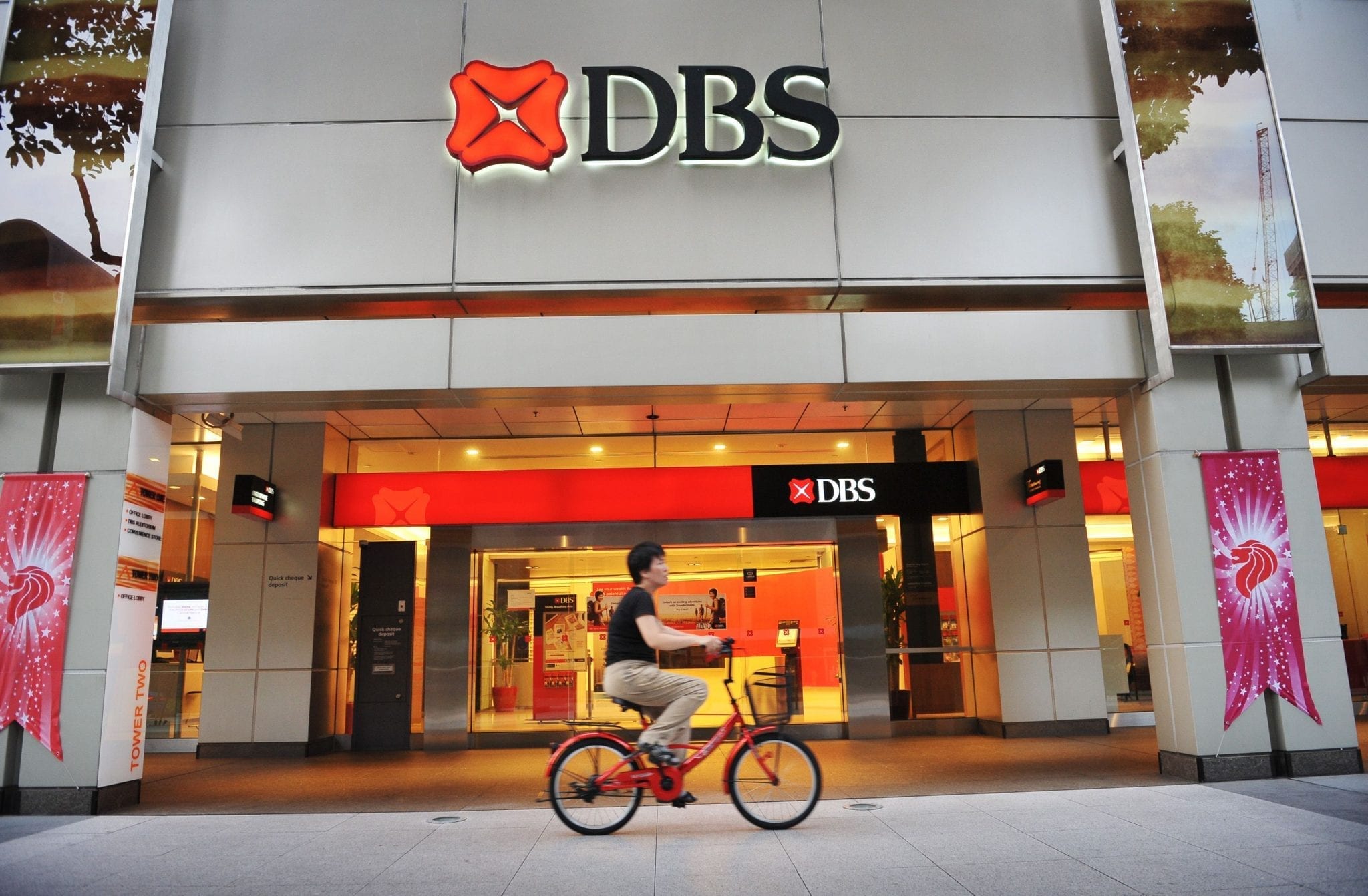
  • DBS Cuts Sea Target as Shopee Spending Weighs on Profit Growth

    DBS Cuts Sea Target as Shopee Spending Weighs on Profit Growth

    DBS cut its target price for Sea Ltd this week after heavier spending at e-commerce unit Shopee curbed near-term earnings growth across Southeast Asia. The downward revision reflects higher costs tied to defending market share against rival marketplaces in key regional markets.

    Shopee has stepped up investments in user subsidies, live-commerce infrastructure, and logistics fulfillment networks. Those operational costs eat directly into consolidated group margins at parent company Sea Ltd, which also operates digital entertainment platform Garena and digital financial services arm Monee.

    Spending Pressures Mount in Southeast Asian E-Commerce

    Competition across Southeast Asian retail platforms remains intense as regional players compete aggressively on pricing, merchant commissions, and delivery speeds. Shopee continues to defend its market leadership by funding merchant incentives and livestream promotions to counter expanding rivals across four regional markets: Indonesia, Vietnam, Thailand, and Malaysia.

    Marketplace spending has risen sharply as operators prioritize transaction volume and buyer retention over immediate margin expansion. For suppliers and consumer brands, this rivalry preserves promotional support and discounted channel fees in the near term. For equity investors, however, elevated operational expenditures delay Sea’s transition toward sustained profitability.

    Balancing Market Share and Bottom-Line Margins

    Sea previously shifted toward aggressive cost rationalization to achieve bottom-line profitability before re-accelerating platform investments to protect user growth. The latest valuation adjustment reflects the drag that recurring promotional campaigns place on overall operating cash flows.

    The central operational risk rests on whether platform spending generates sticky consumer loyalty or merely buys temporary gross merchandise volume. If merchant take rates do not rise sufficiently to offset shipping subsidies and livestream discounts, operating margins will remain under pressure.

    Prior Restructuring and Current Market Realities

    Sea previously trimmed corporate headcount, exited secondary overseas markets in Latin America and Europe, and narrowed operating losses across its non-core divisions. The return to higher investment levels highlights how difficult it is to pull back spending while competitors continue to subsidize platform transactions.

    Investors and market analysts will look closely at Sea’s next quarterly earnings filing for updates on adjusted EBITDA margins, sales and marketing expenses, and average order values across Shopee’s core Southeast Asian territories.

  • Ping an Bank Approves AI Rules After Deploying over 450 Use Cases

    Ping an Bank Approves AI Rules After Deploying over 450 Use Cases

    Ping An Bank has approved internal management rules for artificial intelligence, becoming the first listed Chinese lender to formally adopt an AI governance framework.

    The Shenzhen-listed lender announced the board-approved measures in a filing on Wednesday, following a push by regulators for banks to strengthen oversight of AI use.

    Board oversight and risk tiers

    By the end of June, the bank had rolled out more than 450 large-model AI use cases across marketing, investment advice, compliance and risk control, according to its interim report.

    Operational AI risks are classified into distinct tiers and folded into the bank’s enterprise risk-management system. While the lender confirmed the board approval in a regulatory filing, it has not published the full text of the rules.

    Scale of deployment across lenders

    All 42 A-share listed commercial banks in mainland China referenced AI deployments in their interim financial reports this year. Several other listed lenders are preparing matching compliance rules to meet state regulatory requirements.

    Across the region, formalising AI governance shifts the technology from experimental pilots to audited core infrastructure. The operational risk lies in compliance execution. Internal oversight mechanisms must keep pace with rapid deployment without choking automated workflow efficiency.

    Hong Kong sandbox and cross-border testing

    Regulators in neighbouring Hong Kong are pushing financial firms to adopt autonomous systems while maintaining cross-border compliance standards. In March, financial authorities expanded a supervised generative AI sandbox to include securities brokerages, insurance underwriters and pension funds. The program first launched for retail banks in 2024.

    Financial Secretary Paul Chan Mo-po stated that Hong Kong provides a testing environment for model training, data security and cross-border financial data flows under common law standards. Gary Ng, senior economist for Asia-Pacific at Natixis, noted that the city operates as “a perfect place to test and apply the standards of different jurisdictions in an increasingly fragmented world”.

    Regulatory requirements and earlier steps

    The governance measures implement binding guidelines issued in June by the National Financial Regulatory Administration. Those rules require mainland commercial banks and licensed insurers to assume direct institutional liability for autonomous systems. They also mandate board-level supervision of algorithm deployment.

    International financial groups are running similar integration programs across Asia and Europe. HSBC launched its HSBCnio corporate data platform in late September to connect institutional accounts directly to client AI tools. Barclays expanded its automated software engineering tools across retail and wholesale units.

    Attention now turns to the remaining A-share lenders as third-quarter disclosures approach. Those filings will show which state-owned and joint-stock commercial banks follow Ping An Bank in publishing board-approved AI governance structures.

  • Nike Shares Drop to 12-Year Low as China Slump and Product Overhaul Delay Recovery

    Nike Shares Drop to 12-Year Low as China Slump and Product Overhaul Delay Recovery

    Nike shares dropped 8 per cent to 32.22 dollars on Friday. The drop followed deeper projected sales declines through 2028 and another round of job cuts.

    The stock now trades at its lowest level in 12 years. It is down more than 80 per cent from its 2021 peak of about 175 dollars. Earnings and market value have both halved since chief executive Elliott Hill came out of retirement in October 2024 to lead a corporate turnaround.

    Delayed savings and revenue pressures

    Management disclosed that financial benefits from its current restructuring program will not flow through until fiscal 2029 and 2030. That extended timeline forces the company to absorb lower revenue across wholesale partners and direct-to-consumer storefronts. Working through excess stock remains a hurdle.

    Three core segments continue to drag on performance: classic sportswear, the Jordan brand, and the Greater China business. Together, these categories generate more than half of Nike’s total revenue. Any recovery depends on stabilizing demand in those lines.

    Wholesale friction across Asian retail corridors

    For department store operators and multibrand sneaker retailers across Asia, the slow recovery alters floor plans. Retailers previously relied on high-margin Jordan releases and volume lifestyle sneakers. Many have reallocated shelf space to competitors that offer clearer product roadmaps and faster inventory turns.

    Nike previously cut back wholesale allocations to chase higher digital margins, a decision that damaged long-term relationships with Asian distributors. Hill has worked to restore wholesale supply agreements over the past two years. Still, retail partners are no longer guaranteeing premium display real estate without stronger consumer pull.

    Discounting risks in mainland China

    In mainland China, consumer spending has shifted toward value. That shift forced Nike to clear discounted inventory across digital platforms and factory outlets. Heavy promotions eroded brand equity in tier-one and tier-two cities, where local sportswear brands and specialized performance labels have gained market share.

    RBC Capital Markets analyst Piral Dadhania noted that revenue pressure is unlikely to ease quickly. “Things are going to get worse before they get better,” Dadhania said.

    The steps that led to the slump

    Strategic pivots made earlier in the decade created the current downturn. At the time, the business prioritized direct-to-consumer sales, reduced tie-ups with wholesale distributors, and leaned on lifestyle iterations of existing footwear franchises rather than new athletic performance models. Hill returned to reverse those missteps. He trimmed headcount by 1,400 staff earlier in 2026 and refocused development on core sports.

    Investors and retail partners now look to Nike’s upcoming investor day on November 16 and 17. Executive leadership must present a multi-year roadmap detailing product delivery schedules and margin targets for the fiscal year ending in May 2028.

  • TikTok Shop Singapore Seller Base Reaches 80,000 as Video Sales Double

    TikTok Shop Singapore Seller Base Reaches 80,000 as Video Sales Double

    TikTok Shop nearly doubled its short video gross merchandise value in Singapore as its merchant roster expanded over 125 percent year on year to approximately 80,000 sellers.

    Live commerce sales on the platform climbed more than 70 percent year on year, supported by a 150 percent surge in live stream viewership, a 60 percent rise in monthly buyers, and a 30 percent increase in overall transaction volumes.

    Shifting from Search to Feed Purchases

    Speaking at the Retail Asia Summit 2026 in Singapore, Leon Koh, Fashion Lead and Seller Management Lead at TikTok Shop Singapore, said consumers are shifting from search-driven shopping to discovery-led purchases inside content feeds.

    Koh outlined how discovery commerce has taken root across retail verticals, bringing content and commerce together so shoppers discover, explore, and purchase products within the same experience.

    Sales gains spanned fashion and accessories, beauty and personal care, phones and electronics, everyday supplies, and food and beverage categories. The platform positions video feeds as an additional touchpoint to complement, rather than displace, brands’ established distribution channels.

    Live Commerce Gains Ground Across Categories

    Live broadcasting has emerged as the main vehicle for larger sales conversions on the app. Real-time product demonstrations let sellers answer questions instantly and verify sizes. Hosts can also offer short-lived pricing incentives during broadcasts.

    For merchant support, TikTok Shop introduced the Go Live Academy for businesses without broadcasting experience, alongside the Merchant Self Live programme for retailers running internal studios. The platform advocates a three-pillar framework of exposure, experience, and enablement to turn viewers into regular buyers.

    Discovery feeds create fresh operational hurdles for established multi-brand retailers. Marketplaces like Shopee and Lazada rely on catalog depth and search bidding. Feed-driven platforms demand continuous video output, live presenters, and creator partnerships to maintain sales volume.

    Merchant Training Targets for 2026 and 2027

    This shift requires physical retailers and consumer brands to allocate capital to hosting teams and video production. Brands that treat social commerce as an occasional stunt lose ground quickly to digital native merchants who broadcast daily.

    Maintaining buyer momentum requires steady production schedules and rigorous post-broadcast tracking. Inventory management also becomes volatile when creator broadcasts trigger abrupt order spikes that strain warehouse packing and parcel delivery networks.

    “Content commerce is an ongoing cycle, not a one-off campaign,”

    Koh said.

    Singapore E-Commerce Growth Trajectory

    Singapore’s broader digital economy provides an expanding baseline for video shopping. The country’s total e-commerce market value grew from $8 billion in 2023 to $9 billion in 2025, according to the e-Conomy SEA 2025: Singapore Country Report. Projections indicate the domestic online market will reach $15 billion by 2030.

    Competition across the island is intensifying. International e-commerce platforms are investing heavily in creator tools and local logistics infrastructure to lock in shopper loyalty.

    TikTok Shop is tracking seller adoption benchmarks over the next two years. The platform has committed to training more than 3,000 local creators by the end of 2026 and at least 1,000 local sellers through formal merchant programmes by the end of 2027.

  • Fashion Leaders from over 60 Countries Gather in Moscow for BRICS+ Summit

    Fashion Leaders from over 60 Countries Gather in Moscow for BRICS+ Summit

    Fashion industry leaders from more than 60 countries gathered in Moscow on Sept. 28 for the BRICS+ Fashion Summit. They sought direct trade links across emerging consumer markets.

    The event ran through Sept. 30 alongside Moscow Fashion Week, bringing delegations from across Asia, Africa, and the Arab world.

    Building South-South Trade Channels

    Delegates focused on commercial ties between regional production hubs and consumer markets across Asia and the Middle East. Talks covered cross-border logistics, textile supply chains, and retail distribution networks that bypass traditional Western wholesale channels.

    For Asian apparel manufacturers and brand owners, the summit offered an alternative path into non-Western markets. Operators face shifting global trade patterns. They also contend with higher tariffs in mature markets and changing consumer demand in traditional export destinations.

    Shifting Market Focus

    The gathering reflects a wider pivot toward emerging market alliances. Chinese cashmere producer Erdos and Indian jewellery retailers preparing for initial public offerings are targeting regional market depth rather than relying on European or North American partners.

    European luxury groups face their own headwinds. Kering reported a 39 per cent decline in first-half recurring operating income to €969 million. Brands such as Saint Laurent are lifting select prices to protect margins against trade friction and tariff pressures.

    Next Steps for Regional Brands

    Domestic apparel sectors across Asia and partner markets want higher-value retail positioning. Broadening bilateral distribution agreements allows manufacturers to retain higher margins than contract manufacturing affords.

    Participating delegations will review bilateral trade arrangements and regional retail partnerships before the close of the current fashion market season.

  • Japan Veers from Rice Shortage to Glut as Farmers Suffer Whiplash

    Japan Veers from Rice Shortage to Glut as Farmers Suffer Whiplash

    Japan has swung from a severe rice shortage to an oversupply glut after releasing emergency grain stockpiles last year to curb soaring consumer prices.

    Although cheaper grain brings relief to shoppers, the rapid price drop is dealing a sharp blow to agricultural producers nationwide.

    Supply reversal squeezes farm margins

    In Chiba Prefecture, Hiroshi Asano, 59, who farms 38 hectares of rice fields, is among the commercial growers feeling the impact of the sudden surplus.

    Large commercial farms with tens of hectares can absorb cyclical downturns through equipment depreciation and land scale. Family operations and independent growers on small plots lack the capital buffers needed to survive prolonged wholesale discounting.

    Retail price shifts and supermarket supply

    Supermarket chains across Tokyo and surrounding prefectures had spent months rationing bags and passing wholesale surcharges onto consumers. Falling purchase costs allow food retailers to restore inventory volume and stabilize shelf pricing on private-label and branded rice products.

    Food manufacturers and restaurant chains also gain short-term margin relief from cheaper grain inputs. The price collapse creates procurement instability for buyers who rely on long-term supplier contracts with domestic farming cooperatives.

    Policy intervention and stockpile dynamics

    The supply swing stems partly from emergency market measures deployed during the previous pricing surge. Japanese authorities released state reserve stocks to quell consumer frustration over grain inflation and empty retail racks.

    That flood of public reserves, combined with incoming crop harvests, pushed commercial inventories beyond normal distribution capacity. State planners now face the reverse challenge of balancing consumer affordability against rural producer solvency.

    Structural risks for aging growers

    Japan’s agricultural sector already faces demographic pressures, with the average age of farm operators rising and abandoned arable acreage increasing nationwide. Sharp swings between scarcity and surplus accelerate the exit of independent operators from the staple crop sector.

    Distribution networks must now manage excess inventory flows through regional logistics hubs while wholesale auctions establish new baseline prices for the upcoming harvest cycle.

  • Bangkok Luxury Home Prices Surge 75% over Past Decade

    Bangkok Luxury Home Prices Surge 75% over Past Decade

    Bangkok luxury home prices climbed 75 percent over the past decade. That outpaced value gains across premier residential markets including Singapore, Hong Kong and Los Angeles.

    Data compiled by Savills Research shows the Thai capital delivered faster ten-year capital appreciation than gateway cities like Sydney, Paris, Berlin and Miami.

    Prime residential prices in Bangkok average roughly $12,000 per square metre, or 404,000 baht. That sits far below Singapore at $25,400 per square metre and Hong Kong at $51,300 per square metre. Tokyo averages approximately 1.13 million baht per square metre, while Seoul stands near 703,000 baht.

    Valuation Gaps Across Asian Gateways

    This pricing spread keeps Bangkok accessible for regional capital seeking prime assets at a discount to traditional financial centres. A high-end condominium in Bangkok trades at less than half the square-metre rate of comparable real estate in Singapore. That gives private wealth desks room to pitch value plays to overseas buyers.

    Yield profiles also support the market. Bangkok luxury properties generate an average gross rental yield of 3.8 percent, ranking second across the Asia-Pacific region. This gives institutional landlords an income cushion that higher-priced gateway cities cannot match.

    Mid-Year Correction Tests Developer Pricing

    Market momentum hit resistance during the first half of 2026. Luxury residential sale prices and rents in Bangkok both dropped by more than 5 percent during the six-month period, according to Savills data.

    The pullback followed price adjustments across several large development completions, alongside softer purchasing demand from domestic buyers facing broader economic headwinds. Developers that loaded pipelines with ultra-luxury units now face prolonged inventory absorption cycles. That is forcing selective discounting in core central business district locations.

    Foreign Wealth and Tourism Inflows

    Recent softening follows an aggressive run for prime rental stock. Luxury residential rents in Bangkok jumped 15.4 percent in 2024. That surge was driven by incoming foreign high-net-worth individuals, expatriate relocations and a full-scale rebound in Thailand’s hospitality and tourism industry.

    Cross-border demand has kept occupancy steady in branded residences and prime riverfront projects. That shielded institutional landlords from the steeper occupancy drops seen in mass-market suburban condominium blocks.

    Inventory Pipeline and Absorption Targets

    Asset managers are now tracking second-half 2026 sales transaction figures to assess whether the 5 percent price slip represents a temporary correction or a broader structural reset. The key test arrives as major mixed-use developments along Rama IV and the Chao Phraya riverfront deliver their final residential phases through early 2027.