Blog

  • Australian Retail Spending Climbs 7% as Stronger Dollar Eases Import Costs

    Australian Retail Spending Climbs 7% as Stronger Dollar Eases Import Costs

    Australian retail spending grew 7.0 per cent year on year in July, driven by consecutive monthly gains across all major discretionary merchandise categories.

    Monthly household expenditure expanded 1.1 per cent in July, marking a third straight monthly advance and providing merchant relief ahead of fourth-quarter trade.

    Official Australian Bureau of Statistics data showed apparel and footwear leading the monthly lift with a 1.6 per cent increase, while recreation and culture gained 1.5 per cent. Discretionary spending climbed 7.8 per cent compared to July 2025, even as higher price points accounted for part of the top-line dollar expansion.

    Currency Relief on Sourced Inventory

    Landed costs across consumer electronics, toys, apparel and homewares have eased as the Australian dollar moved above 70 US cents in late September. That contrasts with an average exchange rate near 64 US cents throughout 2025, lowering procurement expenses on goods invoiced in US currency.

    For regional supply chains and Asia-based manufacturers supplying Australian retail networks, a stronger local currency alters order timing and pricing use. Importers that locked in inventory during early 2026 faced compressed margins, whereas buyers placing late-year purchase orders now capture direct landed savings.

    GDP Expansion and Capital Investment

    Broader economic output expanded by 0.4 per cent during the June quarter, bringing annual gross domestic product growth to 2.1 per cent. Across the full 2025-26 financial year, the economy grew 2.4 per cent, outpacing performance recorded across the prior two fiscal periods.

    Capital allocations also widened during the period. Private business investment reached 12.7 per cent of gross domestic product, the highest level recorded in a decade, underpinned by capital outlays in data centres, renewable power installations and commercial aircraft fleets.

    Labour Market Resilience and Household Buffers

    Consumer cash reserves showed slight replenishment as the household saving ratio ticked up to 6.5 per cent in the June quarter from 6.4 per cent. Total employment expanded by approximately 39,000 positions in August, while the national participation rate stood at 67.1 per cent.

    Unemployment rose to 4.6 per cent as additional jobseekers entered the market, a level Reserve Bank of Australia Governor Michele Bullock noted sits within a range capable of cooling lingering price pressures. Headline inflation tracked at 3.5 per cent in July, with the trimmed mean indicator registering at 3.6 per cent.

    Interest Rate Pressures Heading into Peak Season

    Monetary policy remains the primary headwind for merchant balance sheets and household debt servicing. The central bank entered its late September policy review with the cash rate target at 4.35 per cent, having already executed three rate hikes earlier in 2026.

    Department store operator Myer flagged persistent market uncertainty, with executive chair Olivia Wirth noting consumer behaviour is likely to stay volatile across the coming 12 months. Australia’s four largest domestic commercial banks forecast a 25 basis point cash rate increase to 4.60 per cent at the next monetary policy determination.
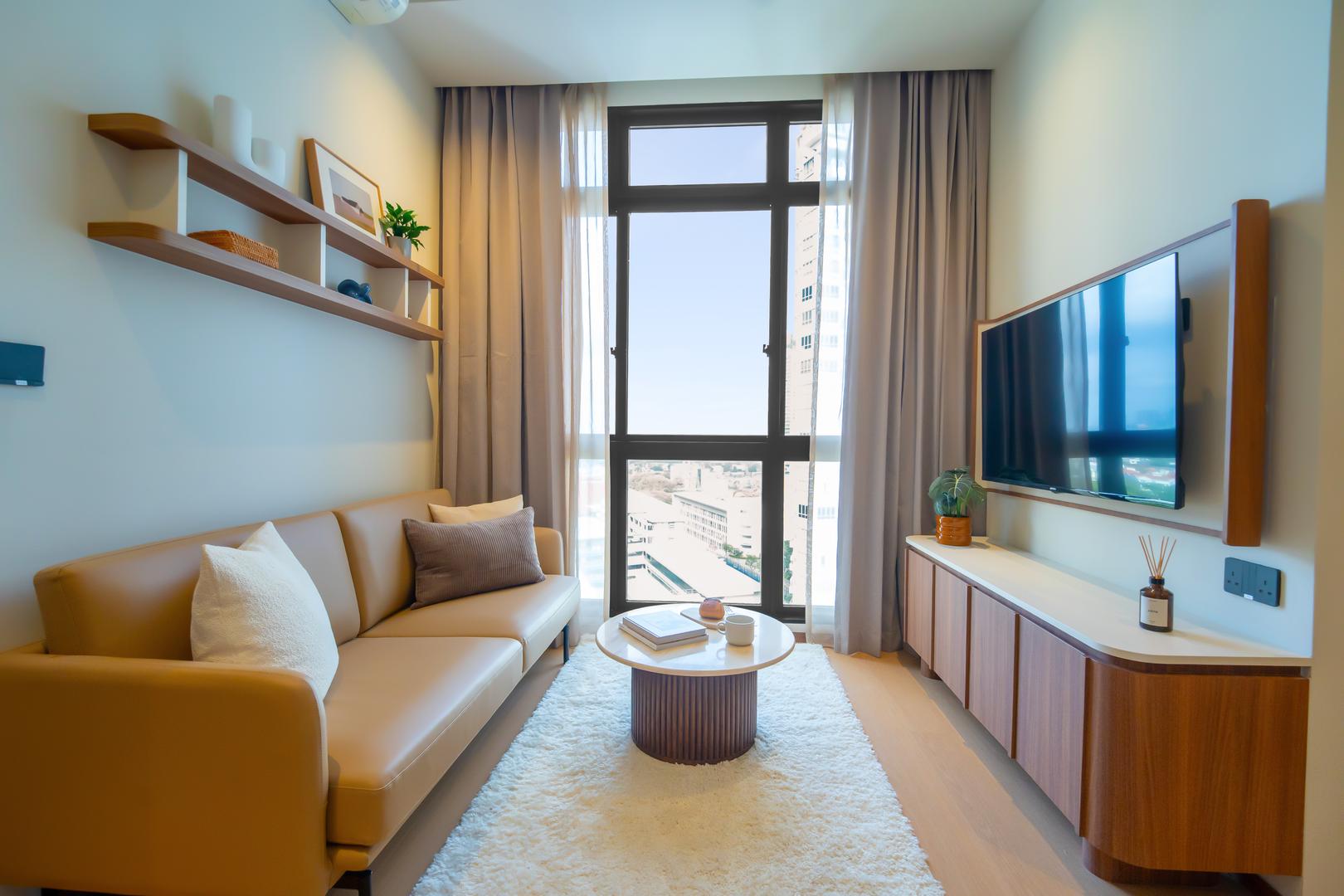

  • Weave Living Acquires 108 Tokyo Apartment Units with Japanese Investors

    Weave Living Acquires 108 Tokyo Apartment Units with Japanese Investors

    Weave Living has acquired three Tokyo apartment buildings comprising 108 units backed by a consortium of Japanese investors to expand its domestic capital partnerships.

    The off-market purchase, announced Wednesday, lifts the Hong Kong-based rental operator’s assets under management in Japan to JPY 120 billion ($764 million) across nearly 50 properties. Weave did not disclose the purchase price or the seller’s identity, but confirmed the investor group includes one of the world’s largest financial services institutions.

    Refurbishment and Digital Leasing Plan

    Two of the assets, Ginza Hatchobori and Yoyogi Uehara, sit in Chuo and Shibuya wards inside Tokyo’s central five districts. The third building is in Taito ward’s Asakusabashi district.

    Plans call for converting the three properties into the Weave Place long-stay furnished accommodation brand. Upgrades will cover common areas and full apartment interiors. Leasing operations will shift to the company’s proprietary mobile app, which bundles utility bills and Wi-Fi into single monthly contracts with minimal upfront costs.

    Furnished units target professional tenants relocating to the Japanese capital. The model bypasses traditional multi-year leasing structures that require heavy initial deposits.

    Institutional Capital in Tokyo Living Sector

    Institutional capital into Japanese residential assets has accelerated as operators look for steady yields backed by urban migration. Furnished formats generate higher revenue per square metre than conventional long-term leases. However, they demand higher operational oversight and carry shorter lease profiles.

    Across the 23 wards, Tokyo residential rents rose 2.8 percent in the second quarter and 5.3 percent year on year to JPY 4,829 per square metre per month. In the central five wards, rents climbed 5.2 percent from a year earlier. Occupancy there edged down 0.8 percentage points to 95.6 percent.

    Weave founder and chief executive Sachin Doshi said the transaction reflects “the continued interest of offshore and domestic capital in seeking a differentiated exposure to the living sector in Japan”.

    Expansion Following KKR Venture Exit

    Recent activity follows a series of programmatic joint ventures across Tokyo. Weave closed its first domestic partnership last November with Mitsubishi UFJ Financial Group anchoring an 11-property, JPY 20 billion portfolio. In January, it added a JPY 22 billion venture with BGO Strategic Capital Partners for 10 buildings.

    In August, Weave partnered with Aberdeen Investments on a JPY 15 billion acquisition of six apartment blocks backed by Dutch pension manager PGGM. On September 7, Weave and private equity firm KKR completed a JPY 55 billion recapitalisation of a 14-property Tokyo portfolio with a Southeast Asian institutional investor. That deal allowed Weave to exit its equity position while keeping long-term management rights.

    Phased unit refurbishments are now underway across the newly acquired buildings. Renovated units are scheduled to roll out onto the company’s digital leasing platform over the coming quarters.

  • Malaysia Aviation Group Signs Deal to Buy Airbus Maintenance Unit

    Malaysia Aviation Group Signs Deal to Buy Airbus Maintenance Unit

    Malaysia Aviation Group has agreed to acquire aircraft maintenance specialist Sepang Aircraft Engineering from European planemaker Airbus in Kuala Lumpur. The deal gives the airline parent full control of the Malaysia-based maintenance, repair and overhaul facility.

    Terms and transaction timeline

    The buyer, which operates flag carrier Malaysia Airlines, signed a binding sale and purchase agreement with Airbus to take over the unit. Both parties target completion in 2027.

    Closing the purchase requires standard regulatory approvals. That includes sign-off from the Civil Aviation Authority of Malaysia.

    Building regional engineering capacity

    This takeover fits into the group’s long-term plan to expand engineering capabilities across Southeast Asia. Bringing the facility in-house gives the parent company direct control over heavy maintenance lines. It also covers airframe servicing operations.

    Airlines across Asia-Pacific face tight maintenance schedules and heavy hangar backlogs as commercial flight capacity rebounds. Dedicated infrastructure shields the carrier group from rising maintenance costs. It also secures reliable turnaround slots for its own fleet.

    Capturing third-party carrier revenue

    Malaysia Aviation Group plans to market engineering services from the acquired base to external commercial operators. Expanding the services portfolio generates non-passenger revenue from rival carriers that fly Airbus aircraft in the region.

    Third-party contracts offer stable cash flow to offset volatile fuel and ticket cycles. These external deals also position Kuala Lumpur to compete directly with aviation service hubs in Singapore and Jakarta.

    Regulatory milestones ahead

    The transaction follows a multi-year restructuring to stabilize the balance sheet and consolidate core operating assets. Regaining full operational control over domestic support facilities advances that overhaul.

    Malaysian civil aviation authorities will review the deal ahead of the targeted 2027 closing.

  • Nio Delivers 37,408 Vehicles in September to Meet Third-Quarter Guidance

    Nio Delivers 37,408 Vehicles in September to Meet Third-Quarter Guidance

    Nio delivered 37,408 electric vehicles in September, up 7.65 per cent from a year earlier. The result met its target for the third quarter.

    The Shanghai-headquartered carmaker finished the three months ended September 30 with 109,178 deliveries. That was a 25.39 per cent rise year on year. The total landed inside management’s projected band of 108,000 to 111,000 units.

    Quarterly volume beat the bottom of the guidance range by 1,178 cars and trailed the top end by 1,822. Deliveries climbed 1.41 per cent from the second quarter. In that previous period, the company handed over 107,658 vehicles and missed its own targets. Total volume across the group reached 300,301 units for the first nine months of the year, bringing cumulative shipments to 1,297,893 vehicles.

    Firefly Sets Monthly Record as Onvo Slides

    Performance split sharply across the company’s three marques. Firefly delivered 7,327 small electric cars in September. That was up 26.87 per cent year on year and 25.21 per cent month on month. It beat its previous monthly high of 7,084 units set in December 2025. Firefly added 1,475 deliveries compared with August, providing 93.83 per cent of the group’s monthly volume expansion.

    The mass-market Onvo brand moved the other way. It delivered 8,763 vehicles in September, sliding 42.52 per cent from a year earlier and dropping 0.53 per cent from August. The brand has now recorded two consecutive months of annual declines, hit by price competition in China’s mainstream family EV segment.

    Premium SUVs Anchor the Main Brand

    Deliveries for the core Nio premium badge reached 21,318 vehicles in September. That was a 55.29 per cent rise from a year earlier and a 0.68 per cent uptick from August. For the full third quarter, the main brand delivered 62,500 units, expanding 69.25 per cent year on year.

    Sport utility vehicles generated the bulk of those numbers. The third-generation ES8 crossed 150,000 cumulative deliveries on September 20, one year after its commercial release. Meanwhile, the flagship ES9 SUV reached 30,000 cumulative deliveries on September 23. It hit that mark 119 days after its May 28 launch. In August, the ES8 and ES9 together accounted for 17,480 units, representing 82.55 per cent of the core brand’s monthly sales.

    Diverging Brand Trajectories Reshape Sales Mix

    Running a three-brand strategy gives Nio coverage across price points. However, it also creates operational imbalances across assembly lines and dealer networks. Firefly provides entry-level volume. The premium Nio lineup secures higher revenue per vehicle. Onvo, designed to capture middle-income buyers, faces immediate pressure from domestic rivals cutting prices on mid-sized crossovers.

    RetailNews Asia views the core SUV lineup as the anchor for company gross margins while Onvo recalibrates. Maintaining showroom traffic across three brand banners requires heavy capital allocation for retail space and marketing. If Onvo fails to arrest its sales drop, lower dealership returns and factory utilisation will drag on profitability.

    Infrastructure Backing and Next Delivery Targets

    Nio entered the final quarter after adjusting its energy infrastructure business. On September 28, Geely agreed to take a 30 per cent stake in Nio Power. Geely is injecting 640 million yuan in cash alongside equity in battery swap operator Yiyi Power, standardising swap networks across commercial fleets and consumer vehicles.

    Attention now turns to the fourth-quarter production schedule. The group delivered 124,807 vehicles in the final three months of 2025. That sets a high seasonal bar. Meeting it requires Onvo to stabilise while Firefly and the premium SUV line maintain their delivery pace.

  • Indian AC Volumes Surge over 25% Ahead of Festive Season

    Indian AC Volumes Surge over 25% Ahead of Festive Season

    Indian consumer demand accelerated during the July-September quarter, with air conditioner shipment volumes surging more than 25 per cent year-on-year, according to manufacturers.

    Sales of refrigerators and washing machines grew 13 to 14 per cent, while departmental store chain Lifestyle and market researcher Bizom tracked strong momentum across apparel and consumer goods.

    Volume gains outpace price rises

    Godrej Enterprises Group business head Kamal Nandi said festival demand expanded in double digits across Independence Day, Onam and Ganesh Chaturthi, noting that retail channels held over a month of stock at earlier prices to absorb recent hikes.

    Branded apparel revenue climbed more than 12 per cent during the three-month stretch. Early discount events, including Independence Day promotions in August along with regional festivals such as Onam and Ganesh Chaturthi, generated double-digit retail turnover across regional hubs.

    Department stores see tier-two traction

    Department store operators recorded steady foot traffic, led by non-metro locations where discretionary purchasing held up better than in the largest cities. Retailers cleared previous seasonal lines without heavy discounting, entering the festive calendar with lean inventory.

    “The July-September quarter was good with early double-digit sales growth and strong single-digit same-store growth,” said Devarajan Iyer, CEO at departmental store chain Lifestyle.

    Lifestyle reported that inventory levels of older lines remained restricted, allowing fresh merchandise to command full retail margins across department store networks.

    Grocery baskets show mixed momentum

    Fast-moving consumer goods recorded a value expansion of roughly 9 per cent through the quarter, according to data from retail analytics provider Bizom. Packaged food categories outpaced home care and personal hygiene products by a wide margin.

    Beverages, packaged groceries, confectionery, dairy products and commodities posted value gains between 10.8 per cent and 16.4 per cent from June through September. Personal care and household goods moved at a single-digit rate, showing that shoppers prioritized immediate food consumption over non-perishable refills.

    Macro tailwinds and monsoon risks

    Macroeconomic indicators provided support for consumption, with Indian gross domestic product expanding 7.8 per cent during the fiscal first quarter. Industrial output climbed 8 per cent year-on-year in August, improving on the 7.4 per cent recorded in July.

    A 13 per cent overall monsoon deficit across 15 states and union territories presents the primary risk factor for agricultural income and late-season rural demand. Consumer goods companies are now tracking whether rural sales channels match urban momentum as Diwali distribution cycles close out in October.

  • Est Thailand Adds Cotton Candy Mango and Black Coco to Soft Drink Lineup

    Est Thailand Adds Cotton Candy Mango and Black Coco to Soft Drink Lineup

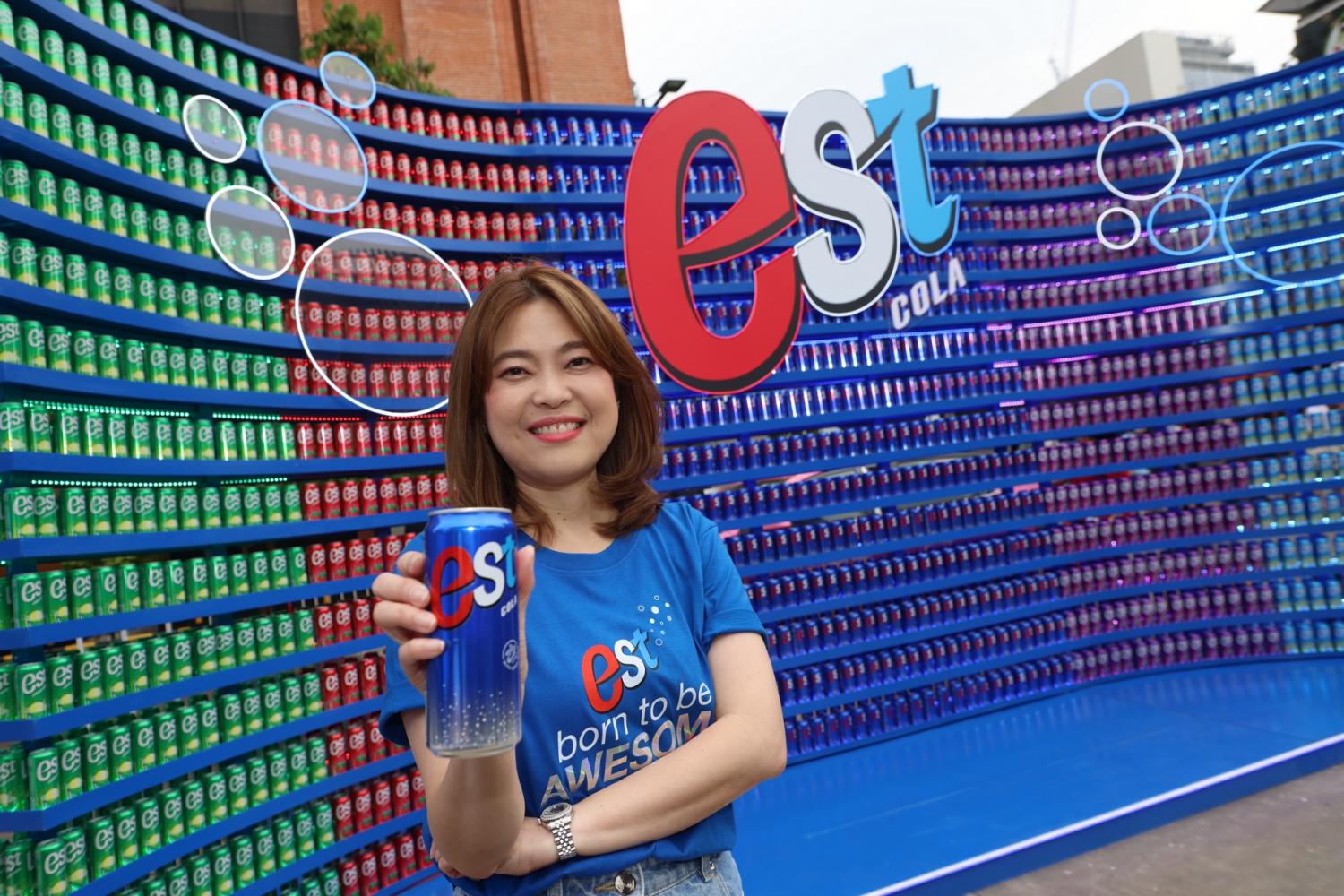
    Thai soft drink brand est rolled out two carbonated flavours in Thailand. It added Mamuang Cotton Candy and Black Coco under its Explore Something New promotional banner.

    Both SKUs are stocked exclusively through Lotus’s hypermarkets and Lotus’s go fresh convenience outlets across the country. Distribution began in late September 2026.

    Flavour profiles and retail distribution

    The Mamuang Cotton Candy variant combines Nam Dok Mai mango flavouring with spun-sugar confectionery notes. Est paired the tropical fruit profile with high carbonation. The recipe targets younger shoppers who buy sweet beverages.

    Black Coco takes a different route, drawing on local roasted coconut profiles. Est markets the sparkling beverage as a darker, aromatic alternative to standard coconut water and coconut milk drinks.

    Shelf space competition in modern trade

    Beverage makers in Thailand rely heavily on short-run novelty flavours to defend shelf share against multinational giants Coca-Cola and Pepsi. Limited editions rotate rapidly through modern convenience networks. They drive foot traffic and immediate basket additions without requiring permanent changes to factory bottling lines.

    Buyers at convenience chains prefer these fast-turning SKUs because they encourage impulse purchases among Gen Z consumers. Inventory velocity remains the main risk. If a novel taste profile misses shopper expectations, leftover cans require steep markdown discounts within eight to twelve weeks.

    Rotation cycle for novelty carbonated drinks

    This launch follows a series of seasonal tests by est over the past eighteen months. The bottler released Est Shoot Salty Lemonade in June 2026. That came after it introduced the est Glow Edition in October 2025 and repackaged est Cola with brown sugar in March 2025.

    Store managers will track early sell-through rates across Lotus’s go fresh stores over the final quarter of 2026. Those numbers will decide whether to extend the run into independent grocers.

  • Target Lists 25,000 Items on Uber Eats for 60-Minute Delivery

    Target Lists 25,000 Items on Uber Eats for 60-Minute Delivery

    Target has expanded its fast-delivery options by offering more than 25,000 products on Uber Eats ahead of the holiday shopping period.

    As the first fashion retailer in Australia to partner with Uber Eats, Target expects orders to arrive within 60 minutes. The service will initially launch at 20 Target store locations in high-demand areas before expanding nationally.

    Store Shelf Pricing and Rapid Fulfilment

    Shoppers can order apparel, beauty products, homewares, toys, baby gear, and everyday staples directly via the Uber Eats app. Prices match in-store shelf tags, with standard Uber Eats service and delivery fees applied at checkout.

    Local stores will act as urban fulfilment hubs to support the service. Bypassing central warehouses lets the retailer turn existing shelf inventory into immediate digital supply.

    Bernard Wilson, chief commercial officer for Kmart and Target, said shoppers increasingly want flexible fulfilment that fits shifting daily schedules without advance planning.

    Expanding Department Store Reach

    Traditional department store operators face heavy competition from pure-play e-commerce platforms offering same-day parcel drop-offs. Using on-demand couriers cuts transit times from days to minutes. It also saves retailers from investing in dedicated last-mile transport fleets.

    This arrangement puts products directly in front of millions of active app users. Still, platform commission costs and service fees push final basket prices higher for consumers.

    Hardware and Discount Precedents

    Bunnings set an earlier precedent this year after adding more than 30,000 hardware products to the Uber Eats catalogue. Target has also integrated its clothing line into Kmart digital channels to capture cross-brand online traffic.

    Lucas Groeneveld, managing director of Uber Eats for Australia and New Zealand, noted that fast delivery is moving well beyond food into general merchandise. “Bringing Target onto Uber Eats means more of those everyday needs can arrive at their door in under an hour, making on-demand delivery useful for even more moments in their day,” said Groeneveld.

    Next Steps for National Expansion

    Service is now live across the initial 20 retail locations in metropolitan centres. Target plans to expand the delivery service to additional regional and suburban stores across Australia over the coming quarters.

  • Asian Stocks Dip 0.2% as US 10-Year Treasury Yield Hits 5.306%

    Asian Stocks Dip 0.2% as US 10-Year Treasury Yield Hits 5.306%

    Asian stocks were subdued on Oct 1 as global bonds remained under pressure, with MSCI’s broadest index of Asia-Pacific shares outside Japan falling 0.2 per cent following a brutal September.

    Blockbuster earnings from AI chipmaker Micron failed to lift market sentiment, while stalling US-Iran peace talks kept oil prices elevated and benchmark US 10-year Treasury yields touched 5.306 per cent.

    Regional equity performance was mixed as South Korea’s KOSPI slipped 0.14 per cent, Japan’s Nikkei gained over 1 per cent on chip shares, and European stock futures fell 0.75 per cent.

    Treasury Yields Test Multi-Decade Highs

    Bond markets ended September with heavy losses after rising energy prices revived inflation concerns across major economies. The United States 30-year Treasury yield traded at 5.634 per cent after touching 5.6517 per cent, a level unseen since June 2002.

    Sustained yields above 5 per cent have weighed on equity valuations and corporate balance sheets. United States federal debt has now crossed the $40 trillion mark, leaving investors focused on debt sustainability and rate velocity. Darren Shames, global head of rates sales at Nomura, noted that the speed of the yield move has drawn intense scrutiny from institutional allocators.

    Currency markets reflected the bond pressure. The United States dollar traded near a two-month peak, while the euro held at $1.1334 after sliding 2.5 per cent through September. In Tokyo, the Japanese yen weakened 0.3 per cent to 157.95 per dollar, even after Bank of Japan summary documents showed several board members favored accelerating the pace of domestic interest rate hikes.

    Chip Earnings and Hardware Valuation Pressure

    Strong quarterly figures from memory maker Micron failed to sustain broader technology gains across Asian exchanges. Hardware and consumer electronics supply chains remain caught between record artificial intelligence infrastructure demand and broader macroeconomic drag.

    Official trade figures from Seoul showed South Korea’s total exports jumped 83.5 per cent year-on-year in September to a record $120.94 billion, led by a 262 per cent surge in semiconductor shipments to $60.3 billion. Computer product shipments surged 435.3 per cent to $7 billion as suppliers fulfilled high-bandwidth memory orders for global computing platforms, including multi-billion supply agreements involving Samsung Electronics, SK hynix, and Nvidia.

    “Micron’s numbers are another strong validation of AI and memory demand, but markets may increasingly be asking whether we are closer to peak memory shortage, even if demand continues to exceed supply,” said Charu Chanana, chief investment strategist at Saxo.

    Energy Pressures and Policy Shifts

    Elevated commodity prices continue to complicate central bank calculations across Asia-Pacific import hubs. Brent crude futures hovered at $98.15 per barrel on October 1, after climbing more than 14 per cent in September to register a third straight month of price gains.

    Diplomatic friction and stalled peace negotiations between the United States and Iran regarding the seven-month conflict in the Middle East have kept shipping risks elevated across crucial energy corridors. Higher bunker and fuel costs are feeding directly into freight rates, hitting import-reliant consumer goods distributors and retailers across Southeast Asia.

    Data released on September 30 showed United States consumer price inflation rose less than expected in August, offering brief relief to equity trading desks. Pricing data from CME FedWatch showed traders assigned a 38 per cent probability to a Federal Reserve rate increase on October 28, down from a 50 per cent probability priced a day earlier.

    What Operators and Investors Face Next

    For retail conglomerates, electronics manufacturers, and commercial property owners across Asia, persistent capital costs are forcing tighter inventory control and reduced reliance on floating-rate debt. Higher discount rates limit speculative store rollouts, prompting operators to favor proven high-density retail corridors over aggressive regional expansion.

    The current market tension follows the Federal Reserve’s September decision to raise borrowing costs for the first time in three years. While New York Fed President John Williams indicated on September 29 that there was no immediate urgency for another policy move, energy market volatility keeps headline inflation risks open.

    All eyes now turn to the Federal Reserve’s rate-setting meeting on October 28, alongside third-quarter earnings releases from Asia’s leading consumer hardware and semiconductor manufacturers as South Korea aims for $1 trillion in annual exports.

  • British Brand Hunter Opens First Thailand Flagship at IconSiam

    British Brand Hunter Opens First Thailand Flagship at IconSiam

    British heritage brand Hunter opened its first flagship boutique in Thailand on September 25, 2026, setting up shop inside Bangkok’s riverside IconSiam shopping centre.

    The retail site features the Scottish company’s complete product line, spanning its classic rainwear range alongside seasonal apparel and accessories. Founded in Scotland in 1856, the label made its name on vulcanised rubber Wellington boots before building out a wider lifestyle catalogue.

    Flagship layout and aesthetic

    Hunter designed the Bangkok interior with oak-inspired timber finishes, mint accent tones and natural greenery. The layout uses the brand’s signature red palette across key fixtures, drawing visual references from rural British coastal and countryside scenery.

    Merchandise on the floor includes the core waterproof boots that established the brand, alongside bags, outerwear and travel gear. Carrying the full range in one dedicated space allows the company to present itself as a comprehensive lifestyle label rather than a seasonal rubber boot specialist.

    Prime placement at IconSiam

    Securing space inside IconSiam gives the label direct exposure to high-spending domestic shoppers and international tourists. The riverside complex remains one of Bangkok’s premier luxury and premium lifestyle destinations, attracting heavy foot traffic across its retail floors.

    For mall operator Siam Piwat, adding a legacy British name strengthens its outdoor and casual footwear mix against competing upscale developments along Sukhumvit. Premium lifestyle brands continue to bid for prime ground and lower-level floor plans across Bangkok’s top retail properties.

    Tropical market dynamics

    Selling heavy-duty rainwear in a tropical Southeast Asian climate comes with specific operational demands. Bangkok’s prolonged monsoon season drives practical consumer demand for durable waterproof footwear and water-resistant bags, but styling must suit humid weather rather than cold northern European winters.

    The store’s inventory mix must balance heritage rubber boots with lighter footwear, lightweight apparel and everyday commuter accessories. Retailers that adjust regional assortments to local weather patterns protect sell-through rates and limit inventory markdowns.

    Regional brand expansion

    Hunter’s Bangkok launch follows years of shifting distribution across Asia-Pacific markets, where brand operators have sought deeper direct-to-consumer relationships. Establishing standalone brick-and-mortar stores allows the company to control brand presentation and pricing discipline better than wholesale distribution channels.

    Retail watchers will monitor sales momentum at IconSiam through the final quarter of 2026 to see whether Hunter adds concession counters across Central Group and The Mall Group department store networks in Bangkok.

  • Skechers Scales Southeast Asia Network Past 1,000 Sales Points

    Skechers Scales Southeast Asia Network Past 1,000 Sales Points

    Skechers has pushed its Southeast Asian distribution network past 1,000 points of sale. That footprint started from fewer than 10 stores in 2009.

    Regional executive Zann Lee led the 17-year expansion across key regional markets. The push shifted the footwear brand from niche specialty distribution into major shopping centres, department store concessions, and standalone flagships.

    Scaling regional store networks

    Managing inventory across 1,000 regional locations brings operational headaches that smaller chains avoid. Operators must balance stock allocations against wide gaps in purchasing power. Singapore represents a mature market, while Thailand, Malaysia, and Vietnam offer high-growth retail environments.

    Larger store formats serve as testing grounds for broader category assortments. Floorspace has shifted away from walking shoes toward performance athletic lines and apparel. Maintaining sales productivity per square metre gets tougher as footprints expand in prime malls.

    The biggest change is that consumers today are much more sophisticated and demanding.

    Shifting consumer preferences

    Shoppers across Southeast Asia now favour technical features, comfort engineering, and visible brand differentiation over price discounts. That shift forces footwear retailers to shorten product update cycles. Floor staff in larger formats also need broader training.

    Rival athletic and lifestyle footwear operators are crowding metropolitan capitals. Brands compete directly for prime ground-floor mall units. This rivalry drives up occupancy costs and piles pressure on full-price sell-through rates.

    Channel diversification and store density

    Monobrand store rollouts run alongside wholesale partner doors, franchise outlets, and direct e-commerce channels. Keeping prices consistent across these touchpoints remains a constant operational challenge for multi-market distributors.

    Wholesale accounts deliver immediate volume across provincial cities. Direct flagships anchor brand equity in primary commercial hubs. At this scale, retailers must prune weak concessions while securing high-traffic mall corridors.

    Inventory control across borders

    Cross-border logistics across archipelagic markets like Indonesia and the Philippines add supply chain complexity to regional footprints. Lead times for seasonal footwear collections require precise forward purchasing and regional warehousing support.

    Looking ahead, the brand will focus on refining store productivity, optimising larger footprints, and aligning regional inventory across direct and franchised storefronts.

  • Seoul High Court Clears Coupang Probe Amid $350 Billion US Talks

    Seoul High Court Clears Coupang Probe Amid $350 Billion US Talks

    The Seoul High Court on Wednesday rejected Coupang’s bid to suspend an on-site antitrust inspection, allowing South Korea’s Fair Trade Commission to proceed with its investigation.

    The ruling complicates talks between Seoul and Washington over the next stages of a planned $350 billion South Korean investment in the United States.

    Coupang had refused to cooperate with the probe, arguing that the regulator failed to provide advance notice. Following the court’s decision, FTC Chairman Ju Biung-ghi vowed to review internal agency rules to prevent companies from using court injunctions to evade or delay investigations.

    Court Clears On-Site Fair Trade Probe

    Ju rejected claims from Washington that Korean regulators are singling out American businesses. He affirmed that the watchdog enforces competition rules equally across domestic and foreign firms. The regulator opened its on-site probe in September following months of tension over platform compliance and supplier relationships. In June, Coupang secured FTC approval for a voluntary co-prosperity scheme tied to private brand supplier contracts. Broader compliance inquiries continued anyway.

    For digital platform operators across South Korea, the ruling establishes that procedural objections will not derail regulatory sweeps. Domestic rivals such as Naver and Shinsegae-backed SSG.com, alongside foreign entrants targeting the Korean market, face strictly enforced spot checks. Suppliers and merchants gain use against platform gatekeepers as regulators examine contract terms and distribution dominance.

    Scrutiny Strains Bilateral Investment Package

    Regulatory friction is now spilling into broader trade diplomacy between Seoul and Washington. Under a bilateral framework, South Korean conglomerates agreed to commit 350 billion dollars to US industrial projects in exchange for lower US tariffs on Korean exports. The two sides have already selected a 200 billion dollar gas-fired power facility in Texas. It will power data centres and semiconductor fabrication plants.

    Subsequent tranches of the investment deal remain subject to negotiations over financing, returns and government approvals. Those talks involve capital commitments in nuclear energy, Westinghouse technology partnerships and the Alaska LNG development. Heightened scrutiny on Coupang gives American trade officials use to demand protective carve-outs for US-domiciled technology companies operating in South Korea.

    Pressure Builds in Washington

    Political pushback in the United States has mounted steadily over the summer. A US House committee accused South Korean authorities in July of discriminating against Coupang. A US lawmaker also introduced draft legislation to sanction foreign regulators deemed to be targeting American corporations. Seoul maintains that all enforcement actions adhere strictly to domestic competition statutes, targeting business conduct rather than corporate nationality.

    South Korean President Lee Jae Myung met US President Donald Trump in New York on the sidelines of the UN General Assembly to review bilateral economic cooperation.

    The platform dispute remains a persistent flashpoint as both governments work to finalize the bilateral investment framework.

    What Lies Ahead for Platform Rules

    Attention now shifts to the FTC’s findings at Coupang headquarters and the pending rewrite of procedural inspection rules. RetailNews Asia will track whether the regulator levels formal financial penalties against the platform and how Washington incorporates tech sector protections into upcoming project rounds of the 350 billion dollar pact.

  • Buy&Ship Joins Tokyo Stock Exchange Hub as First Hong Kong Scale-Up

    Buy&Ship Joins Tokyo Stock Exchange Hub as First Hong Kong Scale-Up

    Hong Kong cross-border e-commerce platform Buy&Ship has joined the TSE Asia Startup Hub, becoming the first scale-up from the city to enter the Tokyo Stock Exchange program.

    The initiative gives the logistics and shopping platform institutional backing in Japan. That support comes as Buy&Ship builds retail partnerships, deploys artificial intelligence tools and evaluates a potential Tokyo initial public offering after recently securing a 12 million US dollar first closing in Series C funding.

    Expanding Japanese Logistics and Retail Routes

    Buy&Ship runs parcel-forwarding and cross-border shopping services across Asia. The service lets consumers buy directly from overseas merchants. Japan is one of its central sourcing corridors, driven by consumer demand in Hong Kong and Southeast Asia for Japanese goods.

    To support that volume, the company recently relocated its Japanese processing warehouse to Chiba. Joining the exchange hub gives the operator direct access to Japanese consumer brands seeking export channels without building their own international distribution networks.

    The Exchange Strategy for Asian Tech

    Tokyo Stock Exchange created the Asia Startup Hub to attract growth-stage companies with existing commercial ties to Japan. It connects regional tech firms with domestic underwriters, commercial partners and institutional capital. Through the program, the exchange aims to position Tokyo as a primary listing venue for Asian tech scale-ups.

    For Buy&Ship, the relationship provides corporate introductions and regulatory guidance foreign operators rarely secure alone. Cross-border platforms often face customs clearance hurdles, carrier contract limits and seller recruitment bottlenecks in Japan without domestic partners.

    Funding and Regional Scaling

    Cross-border commerce across Asia has shifted away from basic freight forwarding. Platforms now handle payment, customs, localization and return logistics under one roof. Those securing direct tie-ups with domestic brand owners capture higher margins than pure parcel consolidators.

    Regional logistics networks and domestic marketplaces are battling hard for parcel volumes across East Asian freight corridors. Direct integration with Japanese merchants gives specialized platforms a defensible product inventory that general freight forwarders cannot match.

    Earlier Capital and US Market Expansion

    Buy&Ship entered the exchange hub after securing a first closing of 12 million US dollars in Series C funding. That capital is financing its international expansion, including its entry into the United States market and upgrades to its software stack.

    Next, the platform will expand merchant onboarding programs in Tokyo while working through the exchange hub’s advisory track ahead of a planned public listing.

  • Banglalink and Robi Split over 8.4 MHz E-GSM Spectrum Auction Timeline

    Banglalink and Robi Split over 8.4 MHz E-GSM Spectrum Auction Timeline

    Bangladesh’s telecom regulator will proceed with an auction of 8.4 MHz in the E-GSM band this year. It is pushing ahead despite conflicting demands from rivals Banglalink and Robi Axiata.

    At issue are frequencies running from 880 MHz to 888.4 MHz. Carriers need this low-band slice to deepen indoor 4G coverage and expand rural reach across Dhaka and regional districts.

    Banglalink petitioned the Bangladesh Telecommunication Regulatory Commission on September 21 to freeze all major spectrum decisions. Chief Corporate and Regulatory Affairs Officer Taimur Rahman represented the operator. He argued that releasing frequencies before the government finishes its new Telecommunications Policy risks creating structural inefficiencies. That draft policy is expected to allow active infrastructure and spectrum sharing among carriers. Such rules could alter how much raw spectrum each operator needs to hold.

    Robi Axiata took the opposite stance in a September 24 letter. Chief Executive Officer Ziad Shatara urged the regulator to assign the E-GSM airwaves immediately to relieve network congestion. Pricing disputes can wait for the November 2026 spectrum renewal round, he argued. Robi also told the commission that any assigned spectrum must be contiguous to justify fresh capital expenditure.

    Balance Sheets and Spectrum Scarcity

    This clash between Bangladesh’s second and third largest mobile operators reflects differing network assets. Per-operator spectrum allocations in the country remain among the lowest in South Asia. Dhaka’s mobile carriers operate on thin margins and low average revenue per user. Every administrative pricing decision strains their capital allocation.

    An operator with adequate sub-1 GHz capacity has an economic incentive to stall auctions until sharing rules become clear. By contrast, a carrier facing immediate cell-site bottlenecks must secure low-band megahertz regardless of policy ambiguity. For suppliers, tower companies, and corporate investors, regulatory timing in Bangladesh directly dictates infrastructure spending cycles.

    Regulator Holds the Line

    BTRC Chairman Major General Md Emdad-Ul-Bari (Retd) confirmed that the commission will stick to its timetable. The agency has already secured ministry approval to set reserve pricing.

    “This has nothing to do with the policy. The government has given permission to set the pricing for the auction, noting that it is within BTRC’s jurisdiction.”

    Moving ahead without industry consensus brings execution risks for the state. If only one private operator bids alongside state-owned Teletalk and market leader Grameenphone, auction revenue could fall short of government fiscal targets.

    Precedents in South Asian Spectrum Sales

    Administrative floor prices have repeatedly complicated spectrum auctions in Dhaka. In previous allocation exercises, Bangladeshi carriers fought government valuation benchmarks. They argued state fee structures failed to reflect real commercial returns on mobile data.

    The current E-GSM plan dates to April. That month, the BTRC resolved to auction the 880 MHz to 888.4 MHz band to support rising data traffic and prepare networks for broader rollouts. That decision revived a debate over whether sub-900 MHz capacity should be awarded piecemeal or bundled into a broader reassignment across the telecom sector.

    The November 2026 Renewal Window

    Next comes the BTRC’s formal publication of the E-GSM auction guidelines and reserve prices ahead of the bidding rounds later this year.

    Carriers will weigh those auction terms against the wider spectrum license renewals due in November 2026. Those upcoming renewals will determine how much capital mobile operators can commit to expanding their networks.

  • Streets Partners with Bluey to Launch Frozen Treat in Australia

    Streets Partners with Bluey to Launch Frozen Treat in Australia

    Streets, part of The Magnum Ice Cream Company, has partnered with children’s television series Bluey to launch Streets Bluey Frozen Treat across Australia in September 2026.

    The rollout follows research commissioned by Streets showing 79 per cent of parents would rather their children remember everyday moments together, while more than half enforce rules around eating ice cream.

    Mixed Berry Format Targets Supermarket Freezers

    Shoppers will find the Streets Bluey Frozen Treat in Australian grocery aisles as a single-serve item and a multi-pack mixed berry ice-block. BBC Studios manages global commercial rights for the Brisbane-created show. Over the past four years, the animation brand has expanded across multiple consumer packaged goods categories.

    For The Magnum Ice Cream Company, the range broadens its impulse and family-pack presence in Australian supermarkets and convenience stores. Licensing proven intellectual property helps frozen treat makers defend shelf space without inventing categories from scratch.

    Research Points to Spontaneous Consumption Habits

    Research firm Pureprofile surveyed 1,000 Australian parents ahead of the launch. More than half of respondents set strict rules on when children can eat ice cream. Only 37 per cent allow unsupervised treats.

    Survey findings also show 79 per cent of parents prefer everyday shared moments with their children over major holidays. Another 28 per cent report having less unplanned family time than in past years. The marketing team aims to tap this dynamic directly at store checkout displays.

    Three-City Activation Precedes Broader Distribution

    Agency 1000heads ran the initial campaign across Melbourne, Sydney and Brisbane. The push started with direct doorstep deliveries to more than 40 households across the three eastern capitals to seed social media chatter.

    Production firm Rockstar built a live activation site in Brisbane featuring Bluey and Bingo character appearances alongside a national morning television broadcast. The event aimed to drive shopper footfall to freezer aisles during early spring trade.

    Licensing Strategies Reshape impulse Buying

    Character licensing has become a key defensive tactic for ice cream makers competing with private labels. Australian supermarket chains continue to expand their store-brand dessert ranges, pushing tier-two names off prime shelf space.

    Securing major domestic properties gives manufacturers better use when negotiating promotional pricing and front-of-store freezer space with supermarket giants. Streets will monitor initial sell-through rates across east coast stores through the fourth-quarter summer peak.

  • Rajby Textiles Opens 500,000-Piece Denim Plant in Karachi

    Rajby Textiles Opens 500,000-Piece Denim Plant in Karachi

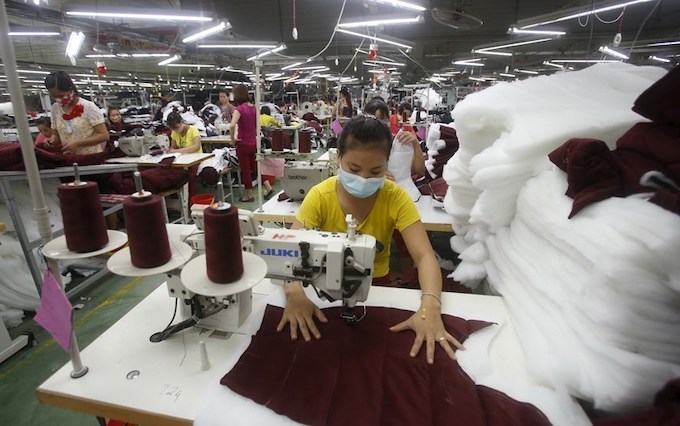
    Rajby Textiles Pvt. Ltd. Opened a garment manufacturing facility in Karachi, adding initial capacity for 500,000 finished denim pieces per month.

    A planned second phase will double output to 1 million pieces monthly, fed directly by the company’s existing mill that weaves 3.2 million meters of denim fabric each month.

    Automation on the Factory Floor

    The Karachi unit incorporates automated spreaders, pocket setters, automatic hemmers and loop attachers to accelerate assembly times and maintain stitch uniformity across bulk production runs. Finishing operations rely on Jeanologia ozone systems, laser distressing equipment and industrial washers engineered for lower resource consumption.

    Integrating garment assembly with on-site fabric milling removes transit delays between raw material production and cut-and-sew operations. The shift turns Rajby into a fully vertical supplier for international apparel labels seeking shorter order lead times in South Asia.

    “For over 50 years, [Rajby Textiles](https://wwd.com/sourcing-journal/sj-denim/adriano-goldschmied-relaunches-house-of-gold-rajby-textiles-filippo-donati-1238822229/) has built its reputation on manufacturing excellence, quality, and continuous innovation,” said Daniyal Saleem, CEO at Rajby Textiles. “With this new garment facility, we are bringing that same commitment to the finished product. By combining modern automation with sustainable technologies, we are offering our global brand partners an integrated, responsible, and agile supply chain.”

    Shifting Pressure to Vertical Hubs

    Global clothing retailers continue to consolidate their vendor rosters, favoring South Asian manufacturers that control spinning, weaving and sewing under a single corporate umbrella. Fragmented supply chains that ship yardage between disparate subcontractors face rising freight expenses and compliance penalties from European and North American buyers.

    Pakistani denim exporters are racing to match integrated rivals in Bangladesh and India by adding downstream stitching operations. The risk sits in execution: running high-speed garment lines demands tighter labor coordination and rapid turnaround on seasonal design changes than bulk fabric production ever required.

    Environmental Targets and Water Treatment

    To align the new sewing floor with brand sourcing rules, Rajby is upgrading its wastewater infrastructure. The company is retrofitting its effluent treatment plant with moving bed biofilm reactor biological and tertiary systems to meet the Zero Discharge of Hazardous Chemicals Progressive standard.

    Plant managers have scheduled installation of a wastewater recycling system designed to reclaim 30 per cent of process water by 2027. The company calculates that initial threshold will save volume equal to the daily water consumption of 17,280 people.

    Power Generation and Waste Milestones

    Rooftop solar generation will supply 800 kilowatt-hours of power directly to the apparel unit, cutting site-level emissions by 25 per cent. Management set an interim target to reduce total greenhouse gas emissions across the garment division by 50 per cent by 2030.

    The apparel plant builds on earlier energy systems installed at the fabric mill, which uses biomass boilers and waste heat recovery units to generate 95 per cent of its industrial steam from renewable inputs. The broader roadmap calls for achieving 100 per cent wastewater recycling and zero manufacturing waste sent to landfill across the Karachi complex by 2030.