Blog

  • Penshoppe Expands to Indonesia Ahead of Summer 2013 Collection Rollout

    Penshoppe Expands to Indonesia Ahead of Summer 2013 Collection Rollout

    Philippine fashion brand Penshoppe will open its first retail store in Indonesia in December. The expansion takes its casual wear footprint into Southeast Asia’s largest consumer market.

    The overseas entry follows the debut of the retailer’s Summer 2013 collection during the closing day of Philippine Fashion Week on October 28.

    Four Lines for Summer

    Penshoppe structured its runway presentation across four product segments: Dressy: Glitter and Shine, Preppy Casual, Resort, and Active Wear. Each model wore a single assigned outfit during the show rather than cycling through multiple wardrobe changes. That allowed the brand to show a high volume of individual garments.

    Designs in the collection update basic casual apparel with elevated tailoring and evening styling. The pieces are built to transition from daywear to formal settings.

    Entering the Indonesian Market

    Expansion into Indonesia gives Penshoppe direct exposure to an urban middle class with growing discretionary spending on ready-to-wear apparel. Setting up physical shopfloors in Jakarta and surrounding retail hubs places the brand in direct competition with entrenched regional operators and international fast-fashion chains.

    Local retail landlords in Southeast Asia continue to allocate floor space to affordable fashion brands capable of generating consistent foot traffic. For Penshoppe, the commercial test lies in replicating its domestic brand recognition in a market where local tastes and supply chain overheads differ sharply from the Philippines.

    Regional Fast Fashion Pressures

    Apparel retailers across the Association of Southeast Asian Nations face increasing margin pressure from rising logistics expenses and quickening inventory turnover cycles. Competing against established global giants requires domestic brands to maintain sharp pricing. They must also shorten product lead times.

    To capture broader demographics across casual and professional settings, Penshoppe broadened its design categories, leaning on styling lines like preppy basics and activewear.

    What to Track Next

    Runway looks unveiled at the conclusion of the Manila fashion calendar on October 28 established the four-part summer templates scheduled to reach Philippine shop shelves ahead of the warm-weather shopping period.

    Attention now turns to the location and format of the first Indonesian store opening in December, alongside the commercial rollout schedule for Summer 2013 inventory across domestic outlets.


  • Cambodia Sets Retail Fuel Caps at 5,150 Riel for Gasoline and 5,650 Riel for Diesel

    Cambodia Sets Retail Fuel Caps at 5,150 Riel for Gasoline and 5,650 Riel for Diesel

    Cambodia’s Ministry of Commerce set new retail fuel caps on October 1. The ceiling fixes regular gasoline at 5,150 riel per litre and diesel at 5,650 riel.

    Stations nationwide implemented the schedule at 1:00 PM. The rates run through October 11.

    Breakdown of the price schedule

    The adjustment covers Gasoline 92 alongside Gasoil 10ppm. State authorities calculate the figures using a formula tied to regional energy trading averages, updating domestic pump rates every ten days to reflect wholesale oil shifts.

    Subsidies remain in place to cushion consumers and commercial operators from international swings. The Ministry of Commerce said state support helps stabilise transport overheads while allowing retail networks to align station prices with global trends.

    Cost pressure across logistics and distribution

    Diesel at 5,650 riel per litre sets the baseline operating expense for freight hauliers, agricultural distribution networks, and inter-provincial bus operators. Heavy goods vehicles rely exclusively on gasoil. Any upward revision in the ten-day cycle feeds directly into wholesale delivery charges for packaged goods, fresh produce, and construction materials moving along national highways.

    Urban delivery platforms and motorcycle couriers bear the cost of 5,150 riel regular gasoline. In Phnom Penh and secondary urban hubs, last-mile couriers operating two-wheelers absorb these fuel expenses directly. That squeezes net margins across fast-food delivery and e-commerce fulfillment services.

    Supply chain impact for retail networks

    Fuel retailers operate within tight fixed margins under the mandatory price ceilings. Forecourt chains and independent operators must recalibrate point-of-sale software and physical pump displays across the country at every adjustment window. This prevents price gouging while stations manage terminal inventory bought at earlier wholesale rates.

    Importers and bulk storage operators face continuous cash-flow planning under the ten-day review mechanism. Rapid swings between cycles leave bulk distributors exposed to inventory holding risks whenever wholesale prices soften faster than retail ceilings update.

    Earlier pricing adjustments

    Officials carried out previous scheduled price revisions on September 11, August 11, and August 4. Those followed a drop in pump prices recorded in April after geopolitical tensions eased across international oil markets.

    Energy planners monitor international crude benchmarks ahead of the next window on October 11. The Ministry of Commerce will issue its subsequent ten-day fuel notification on that date.

  • Amazon Rolls Out Agentic AI Service for Third-Party Sellers

    Amazon Rolls Out Agentic AI Service for Third-Party Sellers

    Amazon on Wednesday, September 25, 2026, introduced a new agentic artificial intelligence service for third-party sellers on its main e-commerce site, expanding automation for listing and inventory management.

    The service performs multiple actions with little to no human intervention and is free and optional for any seller to use, according to Amazon vice president Mary Beth Westmoreland.

    How the autonomous workflows operate

    Known as “workflows,” the system runs continuously through the Seller Assistant platform to carry out prompts such as alerting sellers if ratings drop, monitoring product pricing, and connecting to Anthropic’s Claude and Amazon’s Quick.

    Amazon built the capability into its Seller Assistant platform. The system stores merchant profiles to generate recommendations for discount schedules, promotions, and reorders.

    Integration with external models

    Plug-ins connect the service directly to third-party artificial intelligence platforms. The initial rollout supports connections to Amazon Quick and Anthropic’s Claude models.

    Mary Beth Westmoreland, vice president of worldwide selling experience at Amazon, said the agentic tool is free and optional for registered merchants. Sellers also control the volume of operational and personal account data shared with the system.

    Shift toward autonomous seller operations

    Platforms across Asia and Western markets already use generative tools for copywriting. Agentic systems shift the focus to operational execution. Cross-border sellers managing thousands of stock keeping units across multiple time zones can modify listings without waiting for staff review.

    Risks center on algorithmic errors and sudden price wars. Margin compression can accelerate across crowded product categories when thousands of automated agents adjust pricing at the same time.

    Platform automation timeline

    Over the past two years, platform automation has expanded from listing summaries to predictive warehouse inventory placement. Multi-step software agents represent the next stage in reducing support overhead.

    Adoption rates across North America, Europe, and Asia-Pacific regional hubs will determine whether Amazon expands plug-in access to more external AI models later this year.

  • Thai Airways Shares Slide 3.3% as Bangkok Floods Disrupt Airport Operations

    Thai Airways Shares Slide 3.3% as Bangkok Floods Disrupt Airport Operations

    Thai Airways International shares fell 3.31 per cent on Wednesday. Severe ground handling failures at Suvarnabhumi Airport left 5,600 passenger bags stranded across three days.

    That drop followed a 1.63 per cent slide on Monday. Acute staff shortages wiped out market value while triggering flight delays, cancellations, and intense public backlash.

    Chief executive Chai Eamsiri publicly apologised for the operational breakdown and set a 72-hour target to clear the backlog. Severe flooding across Bangkok prevented staff from reaching Suvarnabhumi. That crippled ground operations, leaving thousands of travellers without luggage while official communication stalled.

    Ground handling breakdown rattles investors

    Flight capacity was curbed for two to three days while Thai Airways managed the baggage backlogs. Krungsri Securities analyst Dithanop Vattanawakin warned the disruption will generate immediate one-off expenses. These include passenger compensation, overtime wages, and outsourced ground staff fees, alongside revenue losses from grounded aircraft.

    Yuanta Securities analyst Teerat Taranapipnun noted the incident hurts near-term equity sentiment. However, the direct financial drag will stay contained if flight operations normalise quickly as floodwaters recede across the capital.

    High season window tightens for flag carrier

    For regional airlines, the final three months of the calendar year generate crucial passenger revenue as tourism peaks across Southeast Asia. Carriers typically run fleet maintenance during the slower second and third quarters. That ensures every available aircraft enters service in October.

    A prolonged breakdown puts Thai Airways at a sharp disadvantage against regional competitors like Singapore Airlines and low-cost carriers expanding capacity into Bangkok. If baggage chaos and crew shortages persist, international tour operators and business travellers will divert traffic to rival regional hubs.

    Back-office weaknesses surface after restructuring

    Operational bottlenecks exposed persistent structural vulnerabilities inside the carrier as it handles peak-season traffic volumes. Suwat Sinsadok, managing director and head of research at Globlex Securities, pointed out that lingering state-enterprise administrative rigidities continue to hamper rapid adjustments during external shocks.

    Broader weather-related transport disruptions across central Thailand have compounded the luggage crisis. Thai Airways had already suspended cargo intake earlier in the week after floodwaters disrupted supply chains and hit automotive manufacturing facilities outside Bangkok.

    Deadlines for operational recovery

    Aviation analysts give the airline a one-to-two-week window to restore service stability before booking patterns for the critical fourth quarter suffer permanent harm.

    Management must now clear the remaining stranded bags and restore scheduled ground shifts before international flight schedules expand for the winter peak.

  • Thailand Backs Small Modular Reactors in 50,000MW Clean Energy Push

    Thailand Backs Small Modular Reactors in 50,000MW Clean Energy Push

    Global Power Synergy Plc signed an agreement with South Korea’s Korea Hydro & Nuclear Power to evaluate small modular reactor technology as Thailand targets 50,000 megawatts of clean energy.

    The pact covers potential investment, operations and maintenance for advanced units generating up to 300 megawatts each, roughly one-third the size of conventional nuclear plants.

    Sirimet Leepagorn, president and acting chief operating officer of GPSC, said the power generation arm of PTT Plc is preparing for reactor development to cover long-term grid demand. The technology assessment aligns with Thailand’s 2026 Power Development Plan, which requires clean capacity to expand beyond 50,000 megawatts to reduce dependence on imported liquefied natural gas.

    State agencies build nuclear partnerships

    Thailand’s state utilities are testing multiple international designs rather than committing to a single vendor. The Electricity Generating Authority of Thailand, tasked with developing the country’s initial pilot project, recently signed a feasibility study agreement with the US Trade and Development Agency covering American reactor designs.

    Egat also maintains a nuclear collaboration agreement signed with China National Nuclear Corporation in 2024, alongside a human resources and technology exchange pact signed with South Korea’s KHNP in June 2025. The Office of Atoms for Peace held separate discussions over the past two years with Chinese state affiliates regarding both land-based modular reactors and floating nuclear power units.

    Private capital eyes floating reactors

    GPSC previously branched out into alternative compact cooling systems. The company signed a 2024 agreement with Denmark-based Seaborg Technologies, now operating as Saltfoss Energy, to study compact molten salt reactors deployed on floating power barges. Those units use liquid salt fuel instead of solid fuel rods and are built in commercial shipyards before towing to coastal industrial sites.

    For heavy industrial power consumers and data centre operators across Southeast Asia, modular nuclear plants offer round-the-clock baseload electricity without carbon emissions or the land footprint demanded by solar farms. The economic viability hinges on capital expenditure per kilowatt, with commercial units still needing to prove cost parity against combined-cycle gas turbines running on regional fuel supplies.

    Regulatory roadmap and local suppliers

    Higher Education, Science, Research and Innovation Minister Yodhachanat Wongsawas, who heads the Nuclear Energy for Peace Committee, confirmed the panel approved a regulatory structure based on International Atomic Energy Agency standards. The cabinet roadmap focuses on drafting statutory legislation, expanding engineering education, setting spent fuel storage policies, and qualifying domestic industrial suppliers for component manufacturing.

    The policy push aims to shift Thailand from an equipment buyer into a regional service provider for specialized nuclear supply chains across Southeast Asia. Neighboring markets including Indonesia, the Philippines and Vietnam are assessing similar modular proposals to replace aging coal-fired fleets over the next decade.

    What to watch in the development cycle

    Regulators are drafting the statutory legislation required before state agencies can issue commercial site licenses or commission pilot reactor construction. Energy planners expect public hearings on the 2026 Power Development Plan and the pilot site selection study to determine the timeline for Thailand’s first operational reactor unit.

  • StarHub Outlines 3 Priorities for Network Transformation

    StarHub Outlines 3 Priorities for Network Transformation

    StarHub has outlined three key priorities driving its network transformation, focusing on network experience, operational efficiency, and API-driven enterprise connectivity.

    Speaking at FutureNet Asia 2026, StarHub Chief Technology Officer Volkan Sevindik detailed the operator’s roadmap to enhance resilience and support emerging AI workloads across Singapore.

    SIM-based security for autonomous agents

    The telco aims to resolve authorization risks as businesses deploy AI software to negotiate contracts and trigger automated transactions. Because carriers control the underlying connectivity infrastructure, they can authenticate machine-to-machine traffic before data hits enterprise systems.

    Internal network automation follows a vetted deployment model rather than running millions of unmanaged bots. The carrier maintains a small pool of compliant AI agents bound by regulatory guardrails, protecting core routing systems from compromised code.

    Network operations rely on an observability layer that feeds into closed-loop automation. The system detects transport faults early. It then resolves packet drops before subscribers experience service degradation.

    Enterprise APIs and fraud controls

    Commercial application programming interfaces form the operational foundation of this enterprise push. Banks use the carrier’s location APIs to verify that a customer’s registered handset is physically near an ATM during cash withdrawals.

    Identity verification interfaces also flag recent SIM swaps to counter digital banking account takeovers. Healthcare networks use the same pipes to confirm patient contact records in real time.

    Cloud-native software and hybrid cloud environments process these queries alongside the carrier’s AI infrastructure. This setup cuts processing overhead across domestic enterprise workloads.

    Granular network slicing on 5G Standalone

    StarHub is expanding its 5G+ deployment by using machine learning models to slice its 5G Standalone core down to individual applications. Conventional network slicing assigns broad performance tiers to millions of consumer handsets at once.

    The updated architecture provisions isolated bandwidth and latency parameters for dedicated corporate tasks. In-country data centers host inference engines to keep enterprise compute traffic inside Singapore borders.

    Direct subsea cable routes connect these domestic facilities to regional hubs and the United States. This routing provides cross-border failover protection against core transport disruptions.

    Long-term modernization track

    Listed on the Singapore Exchange mainboard since 2004, the telco has steadily overhauled its legacy routing and data layers. It implemented data virtualization through Denodo in September 2020, consolidating siloed databases and eliminating shadow IT systems across consumer and corporate divisions.

    This shift toward API-driven enterprise security mirrors regional competition among operators seeking to monetize 5G Standalone investments beyond basic data bundles.

    Over the next three years, the operator will expand application-specific cybersecurity tiers, tailoring encryption and threat isolation to corporate risk profiles.

  • Amazon Blocks Meta Shopping Bot as Agentic E-Commerce Hits $7.7 Billion

    Amazon Blocks Meta Shopping Bot as Agentic E-Commerce Hits $7.7 Billion

    Amazon has blocked Meta’s artificial intelligence agent Muse from its storefront. A platform battle is brewing as agentic e-commerce transactions reach 7.7 billion dollars globally in 2026.

    The dispute centers on unauthorized bot browsing, privacy safeguards, and proprietary customer access. Autonomous tools are starting to execute purchases without direct human navigation.

    Bot Access Battles at the Storefront

    Amazon stated that Muse entered its retail site without clearance, triggering security and privacy protocols. Meta disputed parts of the claim. It wants open access so Muse can compare listings and complete purchases directly for users.

    This conflict extends beyond simple web scraping. Retailers must now deal with autonomous agents that parse catalog data, evaluate pricing, and place binding orders within milliseconds. The shift turns digital storefronts from consumer destinations into backend suppliers for third-party software.

    To protect its ecosystem, Amazon deployed AgentCore Web Bot Auth. The system uses cryptographic verification to evaluate incoming bots and enforce merchant access rules. Simultaneously, the Fast Identity Online alliance began drafting authentication standards to govern automated purchasing agents across retail domains.

    India Prepares Infrastructure for Automated Orders

    In India, the operator of the Unified Payments Interface is developing protocols to clear AI agents for independent payment execution. This blueprint will govern automated consumer spending across domestic retail networks.

    Domestic platforms including Flipkart, Reliance, Meesho, and Myntra face immediate commercial exposure. When autonomous agents replace human shoppers, traditional revenue drivers lose impact. Search ads, sponsored placements, and banner promotions suddenly carry less weight.

    Market power shifts toward the entities controlling the primary agent interface. If a few dominant models decide which merchants surface during an automated query, regional sellers risk losing direct relationships with shoppers. Their only defense may be launching proprietary purchasing bots of their own.

    Legal Precedents and Security Thresholds

    Cyber boundaries around retail data access remain contested in court. In August, a United States appeals court lifted a preliminary injunction that had restricted search startup Perplexity from deploying agentic browsing across Amazon’s catalog. The broader legal dispute remains unresolved.

    Platform operators now face a dual risk. Allowing unrestricted bots creates cybersecurity vulnerabilities and inventory distortion. Conversely, erecting restrictive technical firewalls reduces merchant visibility across emerging consumer search platforms.

    Attention now shifts to whether the UPI automated payment framework establishes workable compliance benchmarks before major marketplaces implement universal bot blocks across South Asia.

  • Levi Strauss Hires Skechers Veteran John Vandemore as Finance Chief

    Levi Strauss Hires Skechers Veteran John Vandemore as Finance Chief

    Levi Strauss & Co. Named John Vandemore as executive vice president and chief financial officer on Wednesday. He joins the apparel maker after a nine-year stint at footwear group Skechers.

    Vandemore assumes the post on November 1. The San Francisco-based apparel maker wants to hit $10 billion in annual revenue, up from $6.3 billion recorded in 2025.

    At Skechers, Vandemore helped build the business into the world’s third-largest footwear brand. Net sales there reached nearly $9 billion across more than 180 countries and 5,000 retail locations. In his new role, he will oversee global accounting, financial planning, investor relations, tax, treasury, digital operations, information technology and supply chain logistics. Harmit Singh announced his retirement in April after serving as chief financial and growth officer. Singh stays in office until Vandemore starts, then serves as a special advisor through November 30.

    Building Out Direct Retail Channels

    Levi Strauss currently operates roughly 3,300 retail stores and shop-in-shops across 120 countries. Chief executive Michelle Gass joined from Kohl’s Corp. And has pushed direct-to-consumer sales, mono-brand retail stores, and expansions into women’s tops and athleisure through the Beyond Yoga label. Footwear brands built direct consumer networks faster than traditional denim wholesalers did. Vandemore’s background in retail store expansion fits that jeans strategy directly.

    Mall operators and franchise partners across Asia-Pacific and Europe will see continued real estate spending on full-price flagship stores rather than wholesale distribution deals. Execution costs carry risk. Operating company-owned stores ties up working capital and lifts lease liabilities in volatile retail markets.

    Shifting Away from Pure Wholesale

    Over the last decade, the company pivoted from a wholesale men’s denim supplier into a broader multi-category retailer. Singh and former chief executive Chip Bergh led that transition. They took the company public on the New York Stock Exchange in 2019 and rebuilt profitability.

    Wholesale accounts now share shelf space with company-owned retail stores, digital platforms and regional franchise operations. Hiring a finance chief with direct operational oversight of logistics and store real estate aligns the balance sheet with Gass’s direct-selling push.

    Cross-Industry Executive Shifts

    Before Skechers, Vandemore served as executive vice president and CFO of global brands and commercial sales at Mattel Inc. He previously held finance leadership roles at International Game Technology and The Walt Disney Company, where he was chief financial officer of Walt Disney Imagineering. His early career began at PricewaterhouseCoopers, followed by finance positions at Deloitte & Touche, Goldman Sachs and AlixPartners.

    Gass noted that Vandemore’s operational track record equips him to expand the brand into a broader global lifestyle business. She added that he can deliver that growth while protecting operating margins.

    Targets and Next Filings

    Managing capital expenditure will be the first test as store rollouts continue across international markets. Investors will watch whether Levi Strauss can protect profit margins while moving inventory away from department store partners and into its own shops.

    Singh wraps up his advisory work on November 30. Vandemore then delivers his first full quarterly financial blueprint to Wall Street analysts in early 2027.

  • Nissan Starts 3 Million Pound Autonomous Transit Trial in Cambridge

    Nissan Starts 3 Million Pound Autonomous Transit Trial in Cambridge

    Nissan started a 3 million pound autonomous mobility trial in Cambridge to test driverless passenger transport on regional UK road networks. Dubbed ADventure, the project uses modified Leaf electric hatchbacks. Researchers will study how automated transit fleets can serve commuters and non-drivers in suburban communities.

    Engineers from Nissan Technical Centre Europe in Cranfield lead the consortium alongside Warwick Manufacturing Group at the University of Warwick and transport education group PAVE UK. The UK Department for Business, Innovation, Science and Trade backs the project through its CAM Pathfinder programme in partnership with Zenzic and Innovate UK.

    How the Cambridge Fleet Operates

    Test operations rely on a specially equipped 2022 Nissan Leaf developed during earlier UK research. The trial targets three practical hurdles: integrating autonomous shuttles into existing municipal routes, evaluating passenger confidence, and validating sensor performance on narrow, mixed-traffic city streets.

    Local authorities will map specific routes across Cambridge. These include on-demand connections to medical appointments and transport hubs for residents who cannot drive. Researchers will track rider acceptance and safety data in real time to establish operating protocols that municipal transit authorities can replicate in other regional cities.

    Asian Automakers Export Autonomous Systems

    Japanese carmakers are shifting autonomous drive research out of closed proving grounds and into live commercial environments. The shift aims to defend market share against software deployments from Chinese and American competitors. Chinese operators such as Baidu and Pony.ai run commercial robotaxis across major mainland metros. By contrast, Japanese manufacturers have taken a government-partnered approach centered on public transit augmentation.

    For Asian automotive suppliers and fleet software developers, these European municipal trials serve as proving grounds for commercial export packages. Operational scalability remains the primary commercial risk. Fixed-route autonomous pods often struggle to generate sustainable operating margins once public research subsidies end, making fleet software integration costs the deciding factor for regional operators.

    Earlier Steps in Nissan Automated Road Testing

    Nissan led several UK automated driving programmes over the past decade before launching this Cambridge deployment. The company previously tested long-distance autonomous navigation under the HumanDrive project. It evaluated urban junction navigation in central London through ServCity, and trialled rural and residential road handling during the evolvAD programme.

    David Moss, senior vice president for research and development at Nissan AMIEO, said: “This project is an important step for autonomous mobility in the UK. With UK Government backing, it will take autonomous vehicle research beyond central London and into another city, helping us understand how these services can work for different communities and real-life journeys.”

    Public Demonstrations on City Streets

    Field data collected across the Cambridge trial will feed directly into safety validation frameworks developed by Warwick Manufacturing Group. Professor Siddartha Khastgir leads the academic safety team. His group is tasked with drafting operational safety standards for commercial deployment across Britain.

    Project partners will conclude the trial with public road demonstrations in Cambridge. Passenger-carrying Leaf vehicles will navigate live traffic without human driver intervention.

  • Samsung Pledges $1B to KKR AI Infrastructure Vehicle Helix

    Samsung Pledges $1B to KKR AI Infrastructure Vehicle Helix

    Samsung committed $1 billion to KKR’s Helix Digital Infrastructure strategy on Tuesday. The deal lifts total capital secured for the artificial intelligence platform past $11 billion.

    Half the capital comes from Samsung Electronics. Five group affiliates will contribute the remaining $500 million to fund data centres, electricity networks and cooling systems for global hyperscalers.

    Affiliate Capital and Supply Rights

    Funding flows directly into Helix’s long-duration capital fund. Samsung C&T, Samsung SDS, Samsung SDI, Samsung Life Insurance and Samsung Fire & Marine Insurance are supplying the non-electronics portion.

    The structure gives Samsung a dual role as an equity backer and a priority supplier. Helix confirmed it will explore tapping Samsung for technology, engineering and construction, power storage, and data centre cooling. Samsung Electronics acquired climate control specialist FlaktGroup last year to expand its cooling portfolio. Meanwhile, Samsung SDI manufactures server backup batteries, and Samsung SDS operates GPU cloud infrastructure.

    KKR created Helix to package property development, power generation, transmission and connectivity into a single vehicle for tech giants. The platform launched in June. It secured anchor capital from KKR’s balance sheet alongside commitments from Nvidia, the Kuwait Investment Authority and US power generator Vistra.

    “Samsung’s commitment is a strong vote of confidence in Helix’s strategy and further deepens the long-term capital base we’ve built to meet the scale of AI infrastructure demand,” said Adam Selipsky, co-founder and CEO of Helix.

    Selipsky runs the platform after leading Amazon Web Services through 2024, where he oversaw annual revenue reaching $100 billion. Helix chief investment officer Waldemar Szlezak heads KKR’s digital infrastructure unit globally. He previously managed telecommunications assets at Soros Fund Management.

    The Conglomerate Supply Play

    This capital injection gives Samsung an inside track on massive construction contracts outside its domestic market. Hyperscale operators face severe shortages of high-voltage power equipment, battery storage and specialised cooling gear. That bottleneck cannot be resolved by real estate capital alone. By pooling six corporate entities into one vehicle, Samsung secures a customer pipeline for its heavy industrial, battery and IT services units.

    For regional infrastructure operators and competing landlords, the tie-up raises the barrier to entry. Standalone data centre developers must now compete against private equity consortiums that bring proprietary equipment, chip partnerships and power agreements to site negotiations. The chief risk for Samsung lies in capital concentration. Matching long-duration equity to hyperscale facility leases leaves cash locked into physical assets if artificial intelligence buildout schedules slow down.

    KKR’s Expanding Footprint in Seoul

    South Korea has become a key target for KKR, which has deployed roughly $3 billion in the country this year. In August, KKR agreed to purchase a 29 percent stake in SK Horizon, the server facility arm carved out of SK Broadband. That deal was part of a KRW 3.08 trillion ($2.2 billion) joint transaction with Korean funds.

    That acquisition followed a July agreement between KKR and SK Inc to launch a renewable energy joint venture. The venture started with 1.7 gigawatts of operational capacity. It holds a stated target to expand to 10 gigawatts by 2031.

    Beyond digital infrastructure, KKR has been active across commercial property and logistics in Seoul. The firm completed the KRW 1 trillion buyout of the 427,354-square-metre Cheongna Logistics Center in Incheon from Brookfield in December, securing leases with Coupang and Emart24. It also manages office assets including Namsan Square and the Shinhan Investment headquarters.

    Regional Data Capacity Expansion

    Digital infrastructure deals across Asia Pacific have accelerated as operators race to match power and compute requirements. KKR and Singtel recently completed their buyout of ST Telemedia Global Data Centres, paying S$6.6 billion to take full control in a deal valuing the platform at S$13.8 billion ($10.9 billion). KKR holds 75 percent of that vehicle. It controls 2.3 gigawatts of design capacity across Asia and Europe.

    Helix has yet to announce its first ground-up Asian development site. Meanwhile, the operational carve-out of SK Horizon is scheduled for completion before the end of the year.

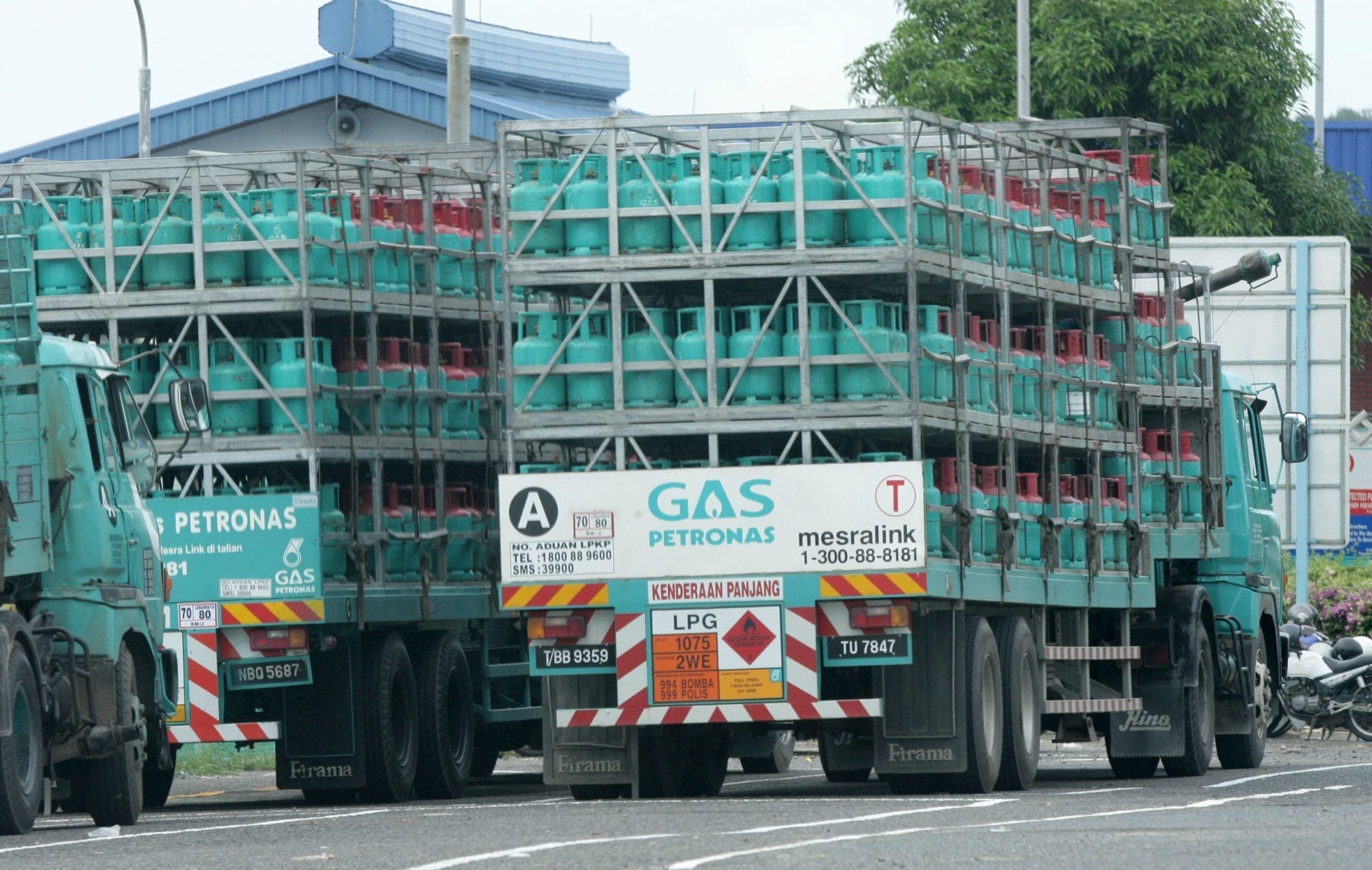
  • Petronas and PTT Venture Temporarily Shuts Songkhla Export Pipeline

    Petronas and PTT Venture Temporarily Shuts Songkhla Export Pipeline

    Malaysian state energy firm Petronas announced on Thursday, Oct 1, that the Songkhla Export Pipeline had been temporarily shut down after an issue was identified during a routine inspection.

    The closure was enacted as a precautionary measure to protect pipeline integrity and ensure safe operations.

    Inspection Halts Regional Flow

    The conduit is operated by Trans Thai-Malaysia (Thailand), a joint venture between Petroliam Nasional Berhad and Thailand’s PTT, and will resume operations only after it is confirmed safe.

    Petronas confirmed that the closure serves as a protective measure to ensure safe operations across the grid. The Songkhla Export Pipeline forms a core segment of the wider Trans Thailand-Malaysia gas system. It channels offshore output from the Gulf of Thailand into processing plants and commercial fuel networks across both nations.

    Cross-Border Supply Links

    Energy deliveries between the two Southeast Asian neighbors depend heavily on shared offshore infrastructure. The Gulf of Thailand grid supplies feedstock to power generation facilities, industrial estates, and manufacturing hubs across northern Peninsular Malaysia and southern Thailand.

    Industrial consumers and utility operators in both markets monitor pipeline uptime closely to manage baseline power generation costs. Unplanned disruptions force grid operators to balance regional fuel loads or tap costlier alternative energy sources during repair intervals.

    Operating Precautionary Protocols

    Joint venture operators across the Gulf of Thailand maintain strict inspection routines to prevent offshore containment failures. Subsea pressure variations and environmental exposure demand immediate intervention when anomalies appear on these regional assets.

    Both Petronas and PTT operate several shared production and midstream assets in the joint development area. Cross-border energy agreements between Kuala Lumpur and Bangkok govern these shared infrastructure assets to guarantee symmetric supply obligations.

    Resumption Timeline Pending Assessment

    Commercial flows along the Songkhla Export Pipeline will stay offline until maintenance teams complete safety verifications, Petronas confirmed.

    Engineers from Trans Thai-Malaysia are conducting technical reviews on site, with pipeline operations scheduled to restart once safety clearances receive final approval.

  • Baileys and Magnum Launch Six-Pack Non-Alcoholic Mini Ice Cream Bars

    Baileys and Magnum Launch Six-Pack Non-Alcoholic Mini Ice Cream Bars

    Baileys Original Irish Cream Liqueur has partnered with The Magnum Ice Cream Company to launch a non-alcoholic ice cream bar in September 2026.

    The six-pack product, Magnum Mini Inspired by Baileys, pairs vanilla ice cream with Baileys flavour, wrapped in Magnum’s chocolate shell and biscuit pieces.

    Brand licensing agency Asembl supported the collaboration, with the treats containing no alcohol and manufactured locally at The Magnum Ice Cream Company’s facility in Minto, NSW.

    Production runs out of the company’s factory in Minto, New South Wales. Brand extension agency Asembl brokered the partnership to broaden the Baileys trademark across non-liquor grocery categories.

    The Non-Alcohol Brand Extension Play

    Liquor brands across the Asia-Pacific region increasingly license non-alcoholic food products to capture everyday consumption occasions. Stripping out the alcohol opens mainstream supermarket shelves, convenience chains, and younger demographics without licensing constraints.

    For Magnum, co-branding provides differentiation in a crowded premium segment where private labels pressure margins. The recipe borrows flavour equity from Baileys while keeping standard production lines at the Minto site.

    Supermarket Freezer Competition

    Licensing deals of this scale rely heavily on novelty to drive initial trial. Sustaining repeat sales in frozen desserts is harder. Freezer space is tightly allocated, and retailers delist slow-moving stock quickly if volume drops once launch marketing ends.

    Competitors across Oceania use similar strategies, pairing legacy bakery or confectionery names with dairy bases to secure premium pricing. Peters Ice Cream recently deployed Lotus Biscoff across its frozen lineup, forcing rival Unilever brands to defend market share with recognizable global partnerships.

    Retail Distribution Timelines

    Asembl previously managed licensing agreements that pushed Baileys into Australian bakery, dessert, and confectionery aisles. Each rollout tests consumer appetite for spirit-inspired flavours in everyday food aisles.

    Sales performance across major Australian supermarkets will determine whether the six-pack format expands into single-serve convenience formats ahead of the southern hemisphere summer.

  • McDonald’s Uses AI to Guide Menu Prices Across Global Markets

    McDonald’s Uses AI to Guide Menu Prices Across Global Markets

    McDonald’s is increasingly deploying artificial intelligence to guide menu prices across the US and international markets, according to reports in September 2026.

    The system supercharges pricing models by estimating how much each store’s patrons are willing to pay, a move designed to lift headquarters’ profit.

    How the Pricing Engine Operates

    However, the extensive use of AI risks alienating customers and attracting antitrust scrutiny, while franchisees report mounting corporate pressure over local pricing decisions.

    Price gaps between nearby outlets have widened under the algorithm. In Fresno, California, a company-owned branch listed a Big Mac at $5.69. Another company store two miles away charged $6.89. That is a 21 percent price premium for the same product.

    Franchise Rules and Compliance Tracking

    Corporate executives maintain that operators retain legal discretion over menu pricing. Even so, store owners report institutional pressure to adopt the algorithmic recommendations. Internal documentation from June confirms headquarters logs specific instances where franchisees deviate from recommended figures.

    Under business standards enacted in January, franchise operators must constructively engage with corporate-approved pricing consultants and digital tools. McDonald’s defended the system as an advisory tool rather than a mandate, designed to help operators navigate varying overheads and distinct trade areas.

    Operator Margins and Market Friction

    Centralized algorithmic models shift pricing control away from local store operators. Across developed Asian markets like Japan, Australia and Singapore, automated yield management tests consumer tolerance. Franchise networks in these markets already face elevated labor and supply chain costs.

    Quick-service brands risk swift pushback whenever digital systems create visible price gaps across nearby postal codes. Rival chains Wendy’s and Burger King confirmed they do not use automated artificial intelligence tools to alter menu pricing. Both chains are positioning themselves against algorithmic adjustments.

    The Race Toward Automated Restaurant Tech

    Fast-food conglomerates have accelerated investments in predictive automation over the past two years. The goal is protecting gross margins while testing value propositions for cost-conscious diners. Yum Brands, operator of KFC and Taco Bell, has similarly expanded artificial intelligence deployments across its global store network to streamline operational decisions.

    Presentations from corporate executives show earlier affordability initiatives aimed at retaining traffic among lower-income demographics. Investor filings show headquarters views the technology as essential to defending systemwide volume without sacrificing royalty receipts.

    Regulators and consumer protection bodies continue to review dynamic and algorithmically generated pricing structures across retail sectors. Attention now shifts to fourth-quarter store profitability reports and franchisee compliance metrics as operators evaluate how local foot traffic responds to neighborhood price adjustments.

  • Fanta and Snapchat Launch Map Campaign with 7-Eleven in Australia

    Fanta and Snapchat Launch Map Campaign with 7-Eleven in Australia

    Fanta and Snapchat have partnered with 7-Eleven across Australia on an interactive map retail campaign. The promotion runs through October 4, 2026, offering a 10,000 Australian dollar travel voucher prize.

    Users are directed into physical 7-Eleven stores to drive sales of the newly released Fanta Fantasies drink range.

    How the in-store map mechanic works

    Snapchat brought its Promoted Places format to Australia for the campaign. The app displays a floating bottle icon on the Snap Map over 7-Eleven storefronts. Users open the map to find nearby stores, visit with friends, and take a screenshot within the application while on site. Customers then scan a QR code on the Fanta Fantasies packaging to submit their screenshot on a landing page.

    Map pins are paired with full-screen takeovers, including First Snap and First Story formats that launch when a user opens the platform. EssenceMediacom handled media planning. Ogilvy Australia created the campaign creative, featuring creator-led video content.

    “What Snapchat offers is something genuinely different: more than 8 million Australians already on the platform, already using Snap Map to find their friends and decide where to go next.”

    Active users on the mapping tool exceed 8 million monthly in Australia and 450 million globally, according to Snap. Entry is open once per person daily. No retail purchase is necessary to participate.

    Shifting convenience foot traffic from screens to aisles

    Convenience operators across Asia-Pacific face rising digital customer acquisition costs. They still need younger shoppers walking through physical doors. Smartphone location triggers remove friction between seeing an online drink ad and grabbing a can from an impulse chiller. For 7-Eleven, turning storefronts into active map nodes tests whether geolocated mobile mechanics can lift basket sizes beyond single drink units.

    Drink makers like Coca-Cola face a fragmented convenience retail market. Younger demographics regularly ignore standard endcap displays and static transit posters. By requiring shoppers to physically enter a 7-Eleven to complete entry, Fanta shifts marketing spend from passive impressions to verified foot traffic. Conversion at the shelf remains the primary risk, since free entry terms do not guarantee a register sale.

    Pushing digital utility across retail networks

    Across the region, convenience chains are investing in digital inventory visibility and gamified mobile loyalty tools. Retailers in Japan, South Korea, and Southeast Asia have tested augmented reality and app check-ins to defend foot traffic against on-demand delivery apps. Tying sponsored map pins to physical store footprints gives national chains an edge over independent grocers who lack single-network media scale.

    Entries close at 11:59pm AEDT on October 4. Judging for the 10,000 Australian dollar squad travel prize takes place on October 12, 2026.

  • Lazada Maps Carbon Footprint and Claims 1.1 Million Ecosystem Roles

    Lazada Maps Carbon Footprint and Claims 1.1 Million Ecosystem Roles

    Lazada Group logged 1.1 million economic roles across its Southeast Asian e-commerce network. The tally appeared in its inaugural sustainability report alongside its first operational greenhouse gas baseline.

    This benchmark inventory covers operations in Indonesia, Malaysia, the Philippines, Singapore, Thailand and Vietnam. It forms the foundation for a wider decarbonization plan.

    Carbon accounting and logistics operations

    Prepared against the Global Reporting Initiative Standards 2021, the FY2022 review details the group’s first group-wide carbon inventory. The baseline identifies primary emission sources across fulfillment hubs and transport networks. That data will help steer fleet contracts toward third-party logistics operators using electric vehicles.

    Packaging reduction programs ran alongside the emissions audit. In the Philippines, the LazGoGreen initiative recorded sales of 70,000 alternative material pouches in March 2020. Thirty-five sellers switched entirely away from conventional plastics. By the end of that year, 18 national plastic collection hubs were operational.

    Merchant enforcement and counterfeit screening

    On compliance, a dedicated Intellectual Property Rights team introduced automated detection tools in March 2020. That system removed 98 percent of flagged counterfeit listings in 2021 before shoppers completed a transaction.

    Information security across the six regional markets secured certification under the ISO 27001:2013 standard. Local business units also ran joint consumer data protection campaigns with state agencies. Partners included the Department of Trade and Industry and the National Privacy Commission in Manila.

    Workforce programs and regional read-across

    Merchant training ran through Lazada University alongside the Lazada Learning Festival 2022 for small businesses. Separately, a specialized technical scholarship with For The Women placed 70 percent of its female data science graduates into formal technology positions.

    Emissions tracking gives institutional investors standard data points, but implementation across independent fleets remains uneven. Company-owned sorting centers can enforce strict packing rules. Even so, tens of thousands of third-party merchants still use standard plastic mailers because sustainable alternatives cost more per unit.

    Rival platforms face identical packaging friction across Southeast Asia. Low average order values make merchants resistant to packaging surcharges. Marketplaces that mandate compliance without absorbing packaging overhead risk driving small vendors toward competing platforms.

    Corporate footprint across Southeast Asia

    Founded in 2012, Lazada became the Southeast Asian flagship platform for Alibaba Group in 2016. Over the following decade, the marketplace built proprietary logistics and payments infrastructure across six core territories. It now runs localized operations in each market.

    Operations across the region are geared toward a target of serving 300 million consumers by 2030.