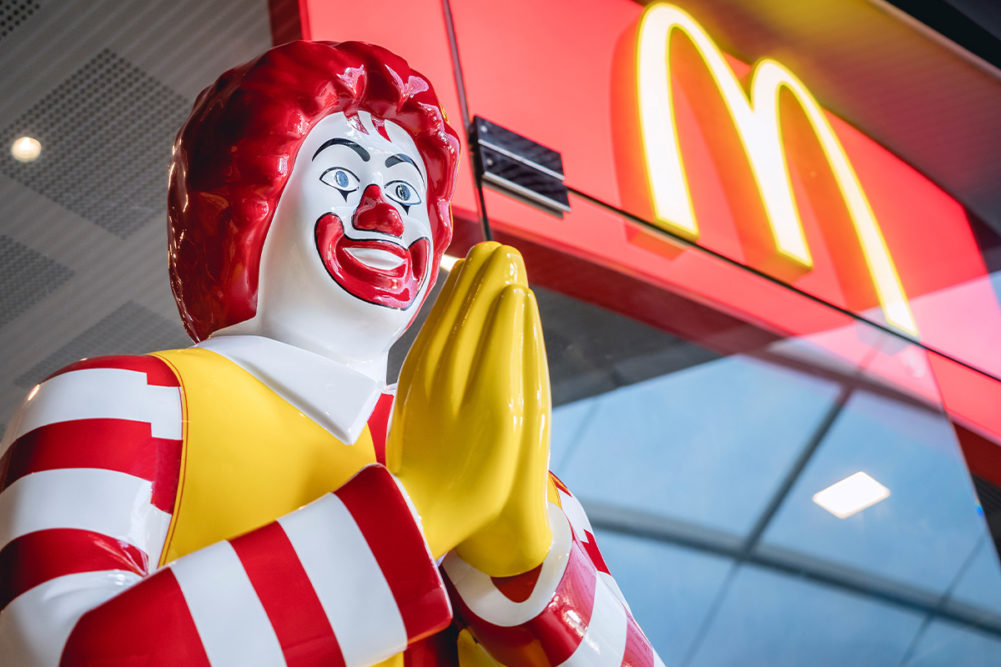
McDonald’s is increasingly deploying artificial intelligence to guide menu prices across the US and international markets, according to reports in September 2026.
The system supercharges pricing models by estimating how much each store’s patrons are willing to pay, a move designed to lift headquarters’ profit.
How the Pricing Engine Operates
However, the extensive use of AI risks alienating customers and attracting antitrust scrutiny, while franchisees report mounting corporate pressure over local pricing decisions.
Price gaps between nearby outlets have widened under the algorithm. In Fresno, California, a company-owned branch listed a Big Mac at $5.69. Another company store two miles away charged $6.89. That is a 21 percent price premium for the same product.
Franchise Rules and Compliance Tracking
Corporate executives maintain that operators retain legal discretion over menu pricing. Even so, store owners report institutional pressure to adopt the algorithmic recommendations. Internal documentation from June confirms headquarters logs specific instances where franchisees deviate from recommended figures.
Under business standards enacted in January, franchise operators must constructively engage with corporate-approved pricing consultants and digital tools. McDonald’s defended the system as an advisory tool rather than a mandate, designed to help operators navigate varying overheads and distinct trade areas.
Operator Margins and Market Friction
Centralized algorithmic models shift pricing control away from local store operators. Across developed Asian markets like Japan, Australia and Singapore, automated yield management tests consumer tolerance. Franchise networks in these markets already face elevated labor and supply chain costs.
Quick-service brands risk swift pushback whenever digital systems create visible price gaps across nearby postal codes. Rival chains Wendy’s and Burger King confirmed they do not use automated artificial intelligence tools to alter menu pricing. Both chains are positioning themselves against algorithmic adjustments.
The Race Toward Automated Restaurant Tech
Fast-food conglomerates have accelerated investments in predictive automation over the past two years. The goal is protecting gross margins while testing value propositions for cost-conscious diners. Yum Brands, operator of KFC and Taco Bell, has similarly expanded artificial intelligence deployments across its global store network to streamline operational decisions.
Presentations from corporate executives show earlier affordability initiatives aimed at retaining traffic among lower-income demographics. Investor filings show headquarters views the technology as essential to defending systemwide volume without sacrificing royalty receipts.
Regulators and consumer protection bodies continue to review dynamic and algorithmically generated pricing structures across retail sectors. Attention now shifts to fourth-quarter store profitability reports and franchisee compliance metrics as operators evaluate how local foot traffic responds to neighborhood price adjustments.
Leave a Reply