Tag: fast food

  • Carl’s Jr Appoints Ex-Subway Executive Rodica Titeica as ANZ Country Director

    Carl’s Jr Appoints Ex-Subway Executive Rodica Titeica as ANZ Country Director

    Carl’s Jr has appointed former Subway executive Rodica Titeica as country director for Australia and New Zealand, placing regional franchise expansion under a leader with six years of brand and marketing experience across the territory.

    Parent company CKE Restaurants Inc announced the move on LinkedIn, praising her performance across large-scale franchise networks as the chain looks to accelerate store momentum.

    “Her proven track record of driving performance across large-scale franchise networks makes her an exciting addition to our international leadership team,” the company stated.

    Executive Shift Across Franchise Systems

    Titeica comes to the quick-service operator following consecutive roles at Subway, where she served as head of marketing, director, and senior director of marketing and digital across six years. Her background centers on franchise operations, commercial growth, and brand transformation across store networks.

    Under her leadership, the business plans to prioritize strengthening franchise partnerships, sharpening operational execution, and positioning the burger brand to achieve greater regional scale.

    “Carl’s Jr is at a genuinely exciting point in this market, with a loyal following, and a lot of runway ahead of it in ANZ,” Titeica wrote on LinkedIn. “Getting to lead this next chapter, the people, the restaurants, the growth, is the kind of challenge I’ve spent my career building towards. I know how much work sits behind it, and I’m grateful to the people that helped get me here.”

    Operational Friction in Southern Markets

    Quick-service operators across Australia and New Zealand face stiff resistance from entrenched players, which command prime drive-thru real estate and entrenched supply chain pricing advantages. For Carl’s Jr, operating at a smaller scale leaves local franchise partners exposed to elevated site occupancy overheads and rising input prices.

    Appointing an executive steeped in franchise operations suggests CKE Restaurants wants to address franchisee profitability directly before committing capital to aggressive physical rollouts. When franchisors push network growth without fixing per-store operational economics, franchisee disputes over margin sharing and local marketing funds usually follow.

    The Broader Regional Strategy

    The appointment reflects a deliberate recruitment pattern seen across quick-service food chains in the Asia-Pacific region, where foreign brands frequently hire senior talent out of rival systems to streamline local franchisee compliance. Franchisees in mature retail economies demand demonstrable sales conversion rather than central brand promises.

    Whether Titeica can translate digital marketing gains from Subway into consistent unit sales at Carl’s Jr depends largely on site selection and store-level labor discipline. The immediate number to watch will be CKE Restaurants’ forward store opening commitments and franchisee recruitment numbers across Australia over the coming financial quarters.


  • Krispy Kreme Japan Rolls Out Free Doughnut Breakfast Offer Nationwide

    Krispy Kreme Japan Rolls Out Free Doughnut Breakfast Offer Nationwide

    Krispy Kreme Japan rolled out its Asa OriGre morning campaign nationwide, pairing an Original Glazed doughnut at no charge with beverage purchases until 11am.

    A takeaway hot coffee priced at ¥345 unlocks a pastry that normally retails alone for ¥216.

    How the morning pricing structure works

    The promotion applies across company locations that operate drink service and open before the 11am cutoff. For dine-in patrons, hot coffee costs ¥352 while the companion doughnut carries a standard standalone price of ¥220.

    Exclusions remain tight across the regional footprint. Outlets opening after 11am do not qualify, and Kobe Marui sits outside the campaign despite running Sunday morning trade from 10.30am.

    Targeting commuter transit corridors

    Urban railway nodes anchor the Kansai deployment. Seven outlets across Osaka prefecture participate, led by early-trading sites at Kita Shinsaibashi and JR Osaka Station opening at 8am.

    Two later mall locations join the roster: Diamor Osaka underground mall in Umeda from 10am and Kyobashi Keihan Mall from 10.30am. In Kobe, the brand relies on its Kobe Harborland Umie branch, which opens doors at 10am.

    The morning daypart contest in Japan

    Securing commuter traffic before noon pits international sweet-treat operators against entrenched convenience chains and traditional kissaten morning sets. Major chains and domestic operators have long defended low-cost morning beverage bundles.

    Giving away the core pastry compresses gross unit margins on the initial transaction. Krispy Kreme bets that absorbing the ¥216 product cost turns occasional afternoon browsers into habitual morning coffee buyers, building beverage volumes that carry higher baseline gross margins over time.

    Expanding from regional trial runs

    The national rollout follows localized market testing where the operator monitored morning footfall and ticket averages under the same discount mechanics. Early trial data supported extending the format across corporate and franchise counters that maintain full espresso bar equipment.

    Store managers now face the operational burden of balancing early-morning baking schedules against strict 11am cutoffs without generating midday waste. Attention turns to whether Krispy Kreme maintains the bundle beyond its limited-time window or adjusts minimum beverage price thresholds across regional menus.

  • Krispy Kreme Trims Third-Quarter Loss to $13.4 Million

    Krispy Kreme Trims Third-Quarter Loss to $13.4 Million

    Krispy Kreme narrowed its third-quarter loss to $13.4 million on Thursday as restructuring moves began lowering overheads.

    The deficit narrowed from $20.3 million in the second quarter and $19.4 million reported a year ago.

    Adjusted earnings hit $9.9 million when excluding expenses from selling Krispy Kreme Doughnut Japan Co. Ltd. And paring its stake in a western US joint venture with WKS Restaurant Group from 55% to 20%.

    Pruning Capital in Asia and Beyond

    Krispy Kreme confirmed plans to refranchise select company-owned operations in Japan, Australia, New Zealand, Mexico, Ireland and the UK. The strategy trades direct capital investment for steady franchise fees, reducing balance-sheet exposure in overseas territories where local supply chains and retail leasing costs compress margins.

    International division revenue fell 11.9 per cent to $123.5 million during the quarter. US sales dropped 25.6 per cent to $160.9 million, heavily influenced by the closure of roughly 1,400 underperforming American shops during the third quarter of 2025.

    By contrast, the company’s market development unit surged 135.3 per cent to $44.4 million. The division captures smaller fresh shops, direct delivery channels and mobile food trucks, formats that demand substantially less capital than traditional factory stores with dedicated production lines.

    The Shift to Capital-Light Operations

    For quick-service operators across Asia, running corporate-owned production hubs in high-cost metro markets like Tokyo has grown increasingly punitive. Rising import expenses for core ingredients, utility inflation and tight retail labour markets have made master franchisee models far more attractive to multinational head offices.

    Local partners absorb local operational risk. They handle storefront rent negotiations, regional distribution logistics and store-level staffing while the parent company collects recurring royalties and brand fees.

    Krispy Kreme outlined four restructuring pillars: establishing fresh US and international refranchising channels, prioritising franchise expansion over company capital spending, repairing operational margins and building stable US revenue streams.

    We made significant progress on our turnaround in the third quarter

    Said chief executive Josh Charlesworth.

    Network Footprint and Logistics Overhaul

    The restructuring follows an April overhaul in which Krispy Kreme outsourced the bulk of its US logistics operations to third parties, seeking predictable distribution budgets while concentrating factory hubs strictly on manufacturing.

    Total global access points reached 15,889 by September 30, up from 15,194 a year earlier. That network includes 6,462 locations in the United States, 4,497 international sites and 4,930 access points managed through market development formats.

    Franchise momentum remains central to that footprint growth. During fiscal 2026, the chain secured new franchise development agreements to enter Pakistan, Estonia, Mauritius and the Netherlands.

    Full-Year Guidance and Expansion Targets

    Krispy Kreme raised its fiscal 2026 full-year revenue guidance to between $1.35 billion and $1.4 billion, up from an earlier projected band of $1.25 billion to $1.35 billion.

    Management reiterated targets to add at least 100 new shops worldwide this year. Capital expenditures for the period remain capped at $45 million, keeping spending strictly tied to higher-margin hub-and-spoke rollouts rather than company-owned real estate.

  • Yum China Lifts Store Target to 2,400 Outlets After Net Profit Rises

    Yum China Lifts Store Target to 2,400 Outlets After Net Profit Rises

    Yum China raised its annual store opening target to more than 2,400 outlets after reporting an 8 per cent rise in third-quarter revenue to US$3.5 billion.

    Operating profit climbed 13 per cent to $451 million as the company added a net record of 692 restaurants, lifting its total estate across mainland China to 19,989 locations.

    The previous target stood at 1,900 net new stores for 2026. Chief executive Joey Wat confirmed the operator will pass the 20,000-store mark before the end of the year, backed by a 20 per cent rise in diluted earnings per share. In constant currency terms, system sales grew 3 per cent while core operating profit rose 6 per cent. That performance represented the company’s tenth consecutive quarter of concurrent growth across system sales, operating profit and operating margin.

    Margin Defense Against Lower Ticket Averages

    Same-store sales slipped to 97 per cent of prior-year levels during the quarter. The company faced adverse weather in August alongside tough comparisons against heavy third-party delivery platform subsidies disbursed in the prior year.

    Customer traffic offset that pressure. Same-store transactions grew 3 per cent, marking the fifteenth straight quarter of volume gains. Diners spent less per visit, but more of them came through the doors.

    Restaurant margins widened 50 basis points year on year to 17.8 per cent, matched by a 40 basis point rise in operating margin. Management attributed the margin resilience to negotiated rent reductions, automated kitchen processes, centralized operations support and lower delivery-rider expenses per completed order. Profitability also received a clean lift from the full buyout of the Pizza Hut mainland China business, which permanently extinguished brand royalty and licensing fees payable on those locations.

    Smaller Formats Target Unpenetrated Counties

    Rapid store openings now lean directly on downsized footprints designed for lower overheads. During the first nine months of the year, Yum China rolled out 1,888 net new locations, with chief financial officer Adrian Ding confirming that more than half were opened in new cities, strategic locations or trade zones without existing dine-in or delivery coverage.

    To penetrate smaller settlements without cannibalizing revenue, the operator rolled out formats including KFC Small Town, Pizza Hut WOW and dual-branded KFC-Pizza Hut Gemini sites. These smaller templates accounted for over half of all openings across lower-tier cities this year, holding store payback periods between two and three years.

    The white space remains substantial. Wat noted that KFC has no presence in roughly 1,000 Chinese cities, while Pizza Hut remains absent from 1,500 cities. In another 1,500 locations where KFC already trades, Pizza Hut has yet to open a single kitchen. KFC’s footprint passed 14,000 restaurants during the quarter after adding more than 500 net units.

    Rival Pressures and Digital Takeaways

    Yum China’s physical push contrasts sharply with regional competitors that are slowing development pipelines to protect cash reserves. Local Chinese fast-food challengers and Western franchisors alike have struggled against discounting wars in tier-one and tier-two shopping malls, where consumer caution has dragged down average spend. By steering capital expenditure into lower-tier cities with compact layouts, Yum China secures cheaper commercial leases while spreading its central supply chain costs over larger sales volumes.

    Landlords in lower-tier markets face high vacancy rates and are granting substantial rent concessions to secure anchor fast-food tenants. For Yum China, the primary operational risk shifts from retail rental inflation to consumer price elasticity, since secondary-town shoppers demonstrate little loyalty if ticket prices creep up. Digital platforms continue to command consumer access: delivery revenue increased 7 per cent in the quarter to generate 54 per cent of all company sales, making unit-level economics increasingly sensitive to rider logistics costs.

    Earlier quarterly results showed the company holding a conservative opening pace before accelerating installations through the late summer. The group generated $362 million in shareholder capital returns during the third quarter alone, maintaining a broader plan to return $1.5 billion across 2026. Active digital loyalty members across the KFC and Pizza Hut ecosystems exceeded 278 million.

    Management reiterated its target for 2027 of zero to 2 per cent same-store sales growth alongside double-digit diluted earnings growth, with full-year 2026 network counts scheduled to clear the 20,000 threshold in the fourth-quarter filings.

  • Luckin Coffee Shares Rise to $33.20 After Beating Quarterly Earnings

    Luckin Coffee Shares Rise to $33.20 After Beating Quarterly Earnings

    Shares of Luckin Coffee Inc. Surged before Tuesday’s opening bell after the company reported quarterly earnings of $0.89 per share, beating consensus estimates of $0.83 by $0.06.

    The stock opened at $32.90 following a previous close of $31.20, eventually changing hands at $33.20 with 781,481 shares traded, which lifted the beverage chain’s market capitalization to $9.52 billion.

    Margins and Returns Hold Firm

    The China-based chain posted a net margin of 6.78 percent for the quarter alongside a return on equity of 24.91 percent. The company trades at a price-to-earnings multiple of 19.76, with a price-to-earnings-growth ratio of 0.46 and a beta of -0.34.

    Its 50-day simple moving average sits at $33.68, hovering slightly above its 200-day simple moving average of $33.47. Investors reacted by driving an immediate morning price gap, reflecting operational resilience in a competitive mainland drinks market where rivals continue to slash prices on freshly brewed coffee.

    Digital Fulfillment Anchors Growth

    Founded in 2017, Luckin Coffee built its footprint around small-format pickup booths and app-driven orders. Customers buy freshly prepared coffee, tea drinks, fruit juices and packaged light snacks almost exclusively through mobile software rather than traditional seated cafe counters.

    Fulfillment relies on a dual setup of self-operated flagship sites and franchised partner locations that keep overhead costs low. By sidestepping large floorplans and prime street-level seating, the chain protects unit profitability even when competing beverage chains launch aggressive discount coupons.

    Broker Sentiment Diverges

    Wall Street research desks hold divided stances on the stock’s runway. BNP Paribas Exane upgraded the company to an outperform rating on September 15 with a price target of $48.00 per share.

    Zacks Research moved in the opposite direction on October 5, cutting its view from strong-buy to hold. MarketBeat tracking shows four analysts covering the firm, yielding an average target of $46.87 alongside an overall buy consensus.

    Discounter Pressure on Mainland Operators

    The margin performance creates immediate headaches for competing coffee and milk-tea chains operating in tier-one and tier-two Chinese cities. Retail operators fighting for commercial real estate face high customer acquisition costs, but Luckin’s app ecosystem delivers repeat orders without retail concessions or heavy landlord rent burdens.

    The principal risk sits in domestic pricing fatigue. Sustaining a 6.78 percent net margin requires steady ingredient supply pricing and disciplined wage controls across thousands of pickup points, especially if consumer spending tightens further across China’s urban centers.

    Trading desks now track whether Luckin’s share price can clear its 50-day moving average barrier of $33.68 and push toward the consensus target of $46.87 as year-end transaction numbers roll in.

  • Jollibee Targets over 1500 Locations in Philippine Provincial Push

    Jollibee Targets over 1500 Locations in Philippine Provincial Push

    Jollibee Group identified more than 1,500 potential trade areas across the Philippines for network expansion running from 2027 to 2030.

    About 71 per cent of those targeted pipeline sites sit in provincial markets, shifting the company’s real estate commitments away from congested urban hubs.

    The expansion plan covers the company’s three primary domestic brands: flagship burger chain Jollibee, grilled chicken chain Mang Inasal, and Chinese fast-food concept Chowking. The restaurant operator aims to tap rising household incomes and commercial sprawl outside the capital region to support the store additions.

    Provincial Real Estate Strategy

    Provincial developers and regional retail landlords gain clear visibility into long-term anchor tenant demand from this rollout. Jollibee, Chowking, and Mang Inasal regularly serve as core foot-traffic drivers for strip malls, transport interchanges, and provincial town squares. Locking down commercial real estate in secondary and tertiary cities helps the group secure prime corners before regional land prices climb.

    Metropolitan Manila remains heavily saturated with quick-service restaurant formats. Competing chains now battle rising floor rents, utility overheads, and high cannibalization rates within primary urban shopping centers. Directing more than seven out of ten future openings into the provinces allows Jollibee to bypass capital-city congestion and protect operating margins.

    Supply Chain and Operational Headwinds

    Spreading 1,500 future locations across regional islands introduces structural supply chain friction. Cold-chain storage, commissary distribution routes, and reliable ingredient deliveries become significantly more expensive when operating deep in provincial trade zones. Any disruption in inter-island shipping routes or localized agricultural shortages hits operating costs directly.

    Rival quick-service operators face the risk of losing prime provincial real estate if they fail to match Jollibee’s site-acquisition pace. Franchise networks must also prepare significant local capital expenditure, because provincial stores demand dedicated logistics investments and local warehouse tie-ups rather than reliance on central metropolitan infrastructure.

    Building on National Scale

    The aggressive pipeline builds directly on an already massive footprint across the domestic market. Jollibee Group Philippines operated more than 3,500 stores across its brand portfolio as of the first half of 2026. That existing baseline gave the group dominant market share in domestic fast food, serving as the financial foundation for multi-brand cluster openings.

    Earlier rollouts concentrated heavily on major metropolitan corridors and primary provincial cities. The new multi-year plan extends that map into lower-tier municipalities that previously lacked modern fast-food infrastructure, relying on standardized commissary production to maintain product consistency across distant branches.

    Milestones Through 2030

    Site development and property negotiations for the identified trade areas will begin rolling out ahead of the 2027 start date. Company executives will monitor provincial franchise take-up rates and commissary capacity as the network tracks toward the 2030 completion window.

  • Torikizoku Opens First Philippine Branch in Metro Manila

    Torikizoku Opens First Philippine Branch in Metro Manila

    Torikizoku opened its first restaurant in the Philippines on Oct. 12, introducing its grilled-chicken dining format to Metro Manila. The Japanese operator plans to expand across metropolitan shopping malls as it pushes beyond its home market.

    Targeting Metro Manila Malls

    The company selected the Philippine capital region for its initial location, tailoring its yakitori concept to urban consumers. The format relies on shopping mall foot traffic, competing for everyday dining spend alongside established casual restaurant chains.

    Philippine consumers consume substantial volumes of poultry, led by homegrown fast-food chains and local barbecue specialists. Breaking into this dining segment requires Torikizoku to price competitively against domestic players while maintaining the uniform skewered-chicken menu that built its domestic reputation in Japan.

    Regional Expansion Strategy

    Japanese food-service chains face saturated domestic conditions and an aging population in Japan, prompting operators to pursue Southeast Asian metropolises. Torikizoku follows a path carved by Japanese ramen and beef-bowl brands seeking new revenue in consumer-heavy regional capitals.

    For mall landlords, adding branded Japanese dining concepts drives tenant diversity and pulls younger dining demographics into property assets. Torikizoku must manage imported seasoning supplies and fresh domestic poultry distribution to keep margins steady across international borders.

    Building Southeast Asian Footprints

    The Manila launch follows Torikizoku evaluating markets across East and Southeast Asia to replicate its high-volume, low-margin business model abroad. Securing prime mall commercial space remains the primary constraint for fast-food operators scaling across Greater Manila.

    Local operations will test consumer reception to Japanese-style yakitori as regular mealtime dining rather than evening drinking fare. Torikizoku has not yet disclosed unit targets for subsequent store openings across Metro Manila.

  • KFC Opens First Muse Flagship in Dubai Ahead of Seoul Rollout

    KFC Opens First Muse Flagship in Dubai Ahead of Seoul Rollout

    KFC opened its first flagship under a new design concept called KFC Muse at Jumeirah Beach Residence in Dubai on October 31, 2026. The two-story restaurant serves as the testing ground for a planned global refit across the chain’s network of more than 34,000 outlets in over 150 countries.

    Americana Restaurants, the Middle East and North Africa franchisee run by chairman Mohamed Alabbar, developed the site in partnership with KFC parent Yum Brands. The property drops the standard fast-food format in favour of longer visits, larger floor plates and separate product stations designed to lift customer ticket sizes.

    Beverage lines and chicken customization

    Inside the JBR location, the operator built out an international beverage counter branded as KWENCH by KFC. The dedicated station sells hand-crafted specialty drinks outside regular lunch and dinner rush hours, including Boba Refreshers, Krunch Shakes, sparkling lemonades and iced coffees.

    Beside the drink counter, the outlet debuts KFC MIX’D, a service line where diners pick chicken cuts, add sauces and choose seasoning sprinkles before mixing them in a container. The floor plan organizes customer flows around what the company calls a Kinetic Bucket, a central media installation using synchronized lighting, sound and screens that shift throughout the day.

    The shift to quality experience formats

    Yum Brands is repositioning its chicken network toward what executive management describes as quality experience restaurants. Standard fast-food economics rely on tight margins, kitchen speed and high patron turnover. That operational model faces margin pressure across major markets as ingredient and labour expenses mount, pushing fast-food chains to fight coffee shops, bubble tea chains and casual dining spaces for afternoon traffic.

    Directing foot traffic into specialized beverage counters gives quick-service operators a higher-grossing product category that requires minimal kitchen equipment compared to frying lines. Specialty drinks also shield operators from raw poultry price swings while generating higher margins per transaction.

    Franchisee returns and regional risks

    For franchise partners like Americana, heavy capital expenditures on experimental interior builds bring clear financial exposure. Flagship locations in prime beachfront shopping districts like JBR carry elevated occupancy overheads that neighborhood drive-thru stores avoid. Replicating multi-level digital fit-outs across suburban restaurant estates will prove far harder to finance unless beverage sales show sustained double-digit gross margin gains.

    Rival chicken chains and local brands across Asia and the Middle East already compete heavily in the customizable chicken segment. South Korean operators in particular have dominated flavored, shaken and glazed fried chicken for years, meaning the concept will face immediate local competition when it lands in East Asia.

    “As we set the standard for the modern chicken QSR, we’re disrupting conventions, moving from QSR, quick service restaurant, to QXR: quality experience restaurant,” said Scott Mezvinky, Global CEO of KFC.

    Expansion plans set for Seoul

    The Dubai opening serves as the initial trial ahead of an immediate rollout into East Asia. Yum Brands confirmed that a second KFC Muse location will open its doors in Seoul before the end of the year.

    Both the Dubai and Seoul outlets will determine whether KFC scales the experiential layout, the KWENCH beverage counters and the MIX’D preparation tables into ongoing remodels across its broader 34,000-unit estate worldwide.

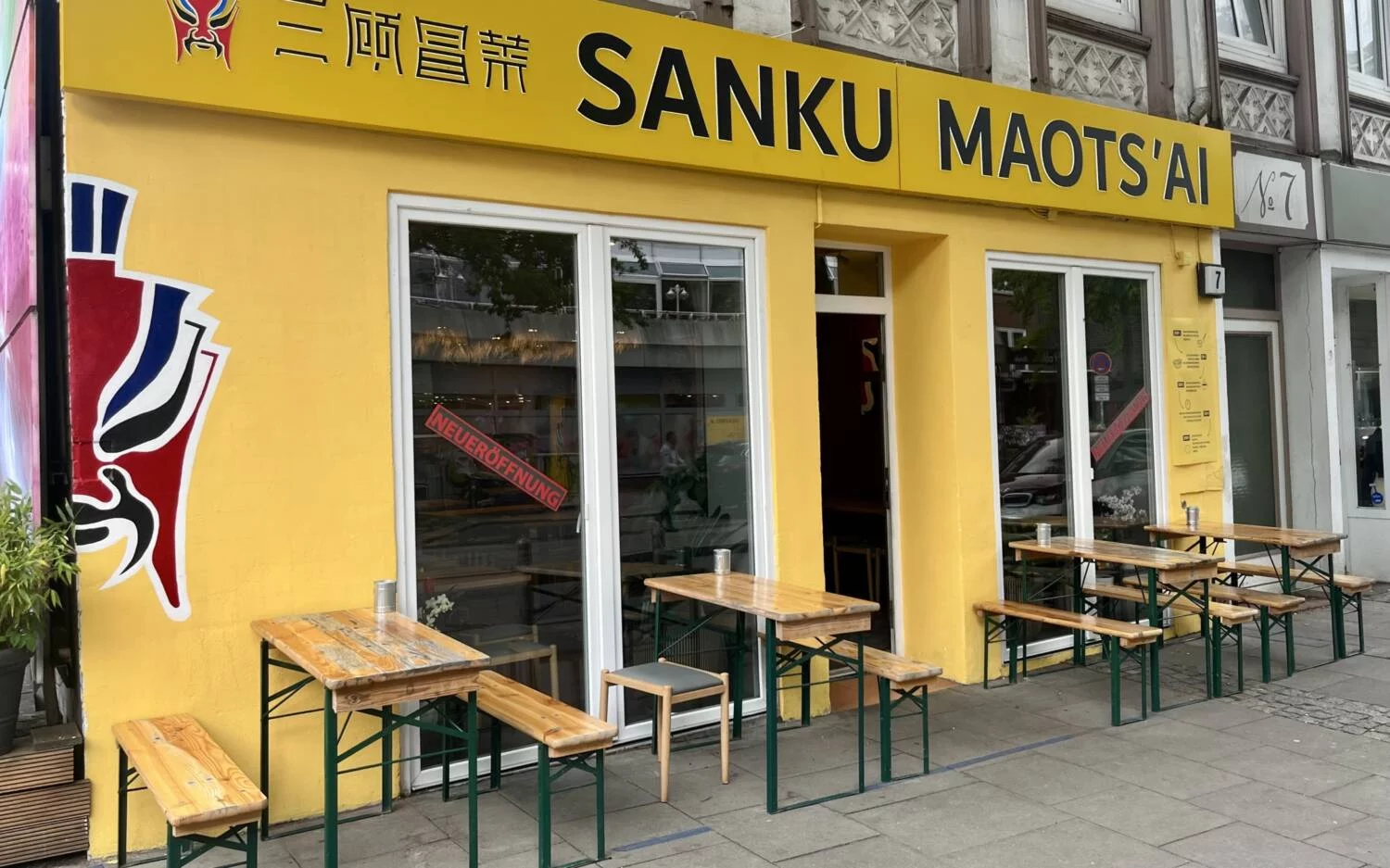
  • Sanku Maots’Ai Invests RMB 200 Million in Smart Factory

    Sanku Maots’Ai Invests RMB 200 Million in Smart Factory

    Sichuan Sanku Maots’ai Brand Management spent RMB 200 million on a 22,000-square-meter automated plant to support international store expansion across more than 20 countries.

    The investment delivers an annual production capacity exceeding 40,000 tons of specialized broths and seasoning bases, anchoring a store network that spans 300 cities.

    Announced this week in October 2026, the industrial manufacturing setup underpins the chain’s move to scale standardized Sichuan maocai across China and global markets.

    Centralized bases replace skilled kitchen labour

    The company strips complex cooking tasks out of franchised outlets by manufacturing core seasonings centrally. Stores receive shelf-stable or cold-chain flavor packs, including traditional beef-fat hot pot bases, ginger-lemon broths and tomato profiles, eliminating the need to employ specialized chefs on site.

    Kitchen staff complete operational training in six days. Headquarters supplies pre-portioned seasoning packets while local franchisees manage raw ingredients, basic assembly and front-of-house service under strict workflow templates.

    Digital systems link store-level ordering directly to central warehouse inventory, standardizing recipes across disparate markets where culinary skills vary widely. Cold-chain freight agreements and pre-cleared customs documentation handle international replenishment.

    The fast-casual race to cut store payrolls

    Fast-casual Chinese dining chains are racing to strip out back-of-house labor costs to survive tight retail margins and rapid store rollout schedules.

    For shopping mall landlords and commercial operators, chef-free formats sharply lower exhaust ducting and grease-trap buildout expenses. Operators can open in smaller footprints with cheaper utility loads, compressing payback periods even in high-wage overseas hubs.

    The operational risk sits squarely in the cross-border supply channel. When an overseas franchise relies entirely on proprietary soup bases shipped from Sichuan, any regional customs hold-up or cold-chain disruption halts dining room service immediately, leaving zero room for local ingredient improvisation.

    Building out from regional Sichuan roots

    Founded in 2008, Sanku Maots’Ai built its initial domestic footprint on quick-service maocai, a single-portion Sichuan stew closely related to traditional hot pot. Domestic operations expanded through low-cost franchise packages across lower-tier Chinese cities before the company restructured its back-end infrastructure.

    The RMB 200 million plant commitment marks a formal shift from basic regional franchising to an industrial supply model engineered for export compliance and container-load distribution.

    Franchise teams are now adapting baseline menus for individual overseas territories, balancing standardized Sichuan spice levels against local dietary rules while keeping core factory deliveries unchanged.

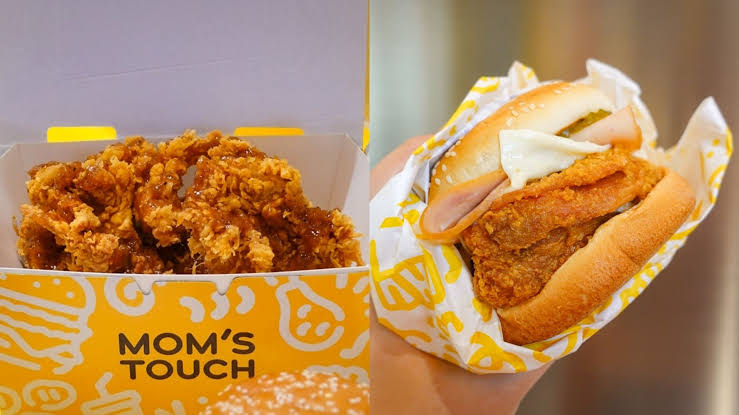
  • Mom’s Touch Signs Master Franchise Deal for 50 Stores in Kazakhstan

    Mom’s Touch Signs Master Franchise Deal for 50 Stores in Kazakhstan

    South Korean fast-food brand Mom’s Touch signed a master franchise agreement with Shin-Line Group to open more than 50 restaurants across Kazakhstan over the next decade. The chain plans to launch its first flagship restaurant in the country before the end of 2026.

    The partnership gives Mom’s Touch exclusive development rights in Kazakhstan and includes territorial rights to expand into neighboring Kyrgyzstan. Shin-Line Group will oversee local real estate selection, operations and distribution across both Central Asian territories.

    Central Asian Franchise Structure

    Seoul-based Mom’s Touch, established in 1997, built its domestic business on made-to-order fried chicken and its core Thigh Burger sandwich. The master franchise framework shifts development risk and store capital expenditure directly onto Shin-Line Group, letting the Korean franchisor draw recurring royalty streams without funding store buildouts directly.

    Central Asia has emerged as an active proving ground for international fast-food chains seeking territory outside crowded East Asian capitals. For food and beverage operators in the region, teaming up with Shin-Line provides an existing logistics foundation in frozen foods and distribution that solves supply chain friction for quick-service poultry and bakery supplies.

    Supply Lines and Regional Risk

    Entering Kazakhstan requires managing long cold chains and securing quality poultry that matches parent company specifications. Franchisors taking this route depend entirely on the balance sheet and execution speed of their master franchisee, especially when consumer spending fluctuates against local currency pressures.

    Rival Korean food brands have focused primarily on Southeast Asia and North America to scale their offshore footprints. Taking a chicken concept into Central Asia tests whether Korean casual dining menus can secure repeat traffic against incumbent American burger giants already operating in major Kazakh hubs.

    Ten-Year Development Horizon

    The Korean quick-service brand spent recent years consolidating its domestic market presence before accelerating international franchise deals. Moving through local master partners has become its default model for international expansion, minimizing balance-sheet liabilities while testing brand appetite in emerging consumer markets.

    Attention turns to the exact launch date and location of the initial flagship store scheduled before the close of 2026. The pace of the subsequent rollout toward the 50-unit target will determine when Shin-Line exercises its development rights across the border in Kyrgyzstan.

  • Bao Brings 7-Outlet London Chain to Singapore with Pop-Up Stall

    Bao Brings 7-Outlet London Chain to Singapore with Pop-Up Stall

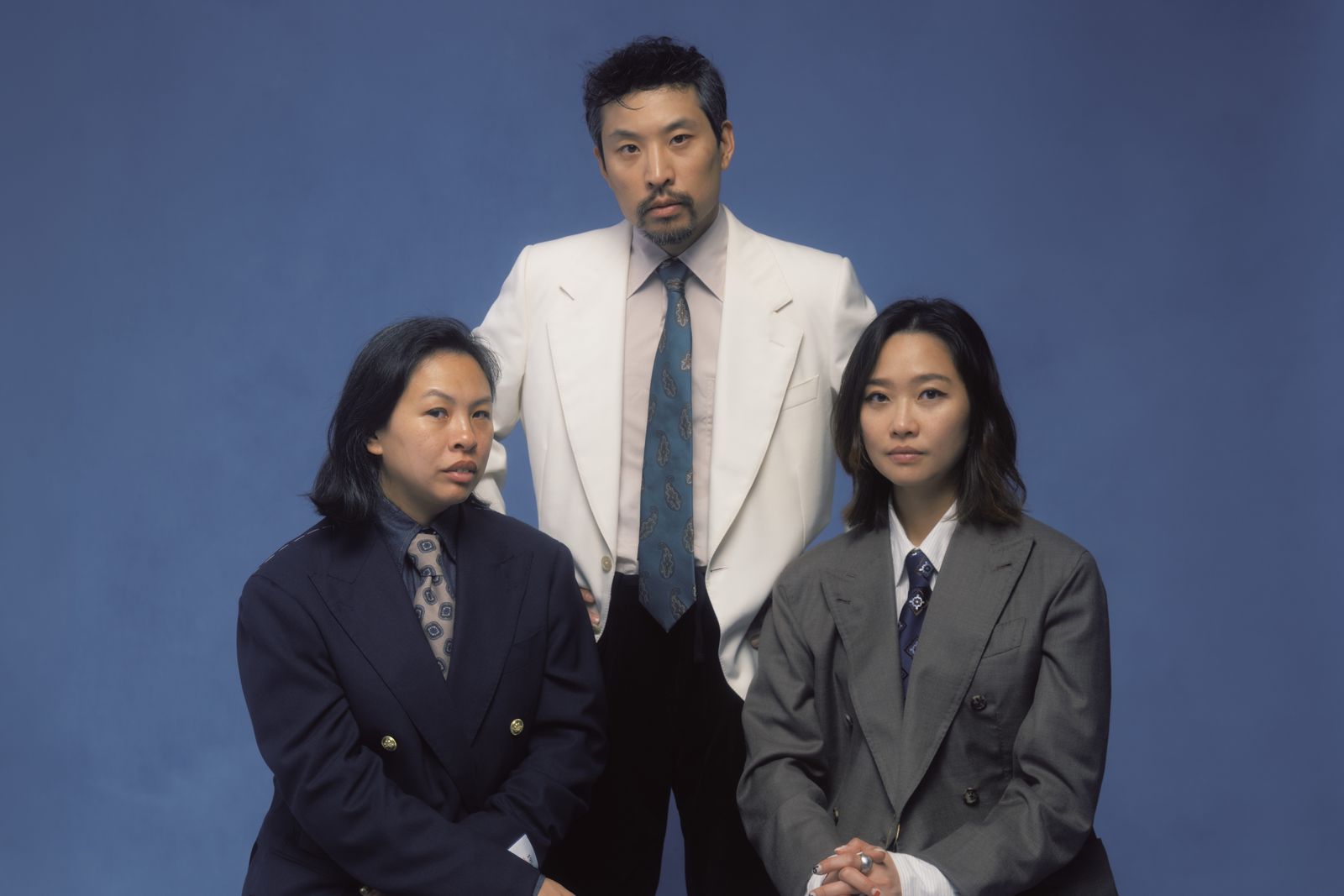
    The founders of London restaurant group BAO will open a temporary pop-up in Singapore on Nov. 11, introducing a new concept called BAO Fast Foods (BFF) to Southeast Asia for the first time.

    BFF is a new concept, separate from BAO’s London restaurants. It is being launched with Singapore hospitality firm The Lo & Behold Group at New Bahru mall, 46 Kim Yam Road, #01-10. Trading runs through Dec. 28. BAO founders Shing Tat Chung, Erchen Chang, and Wai Ting Chung are behind the project.

    The Format at New Bahru

    The ground-floor pop-up is part fast-food joint and part convenience store. Shelves carry packaged snacks imported from Taiwan, including instant noodles and crisps, alongside grab-and-go chilled items such as egg mayonnaise sandwiches and salads.

    Hot orders will focus on Taiwanese-inspired items such as fried chicken and beef noodles. The format is built around faster turnarounds and a smaller footprint than the sit-down restaurants BAO operates across central London.

    Testing Asian Demand

    Western hospitality brands frequently expand eastward by franchising proven casual-dining concepts. BFF reverses that flow: a concept created by London-based founders, selling Taiwanese-inspired food in an Asian market where street stalls and convenience chains already offer cheap alternatives.

    Singapore offers a bilingual market with high retail rents and sophisticated consumer spending. The local partner, The Lo & Behold Group, has an established footprint across lifestyle developments in the city.

    Path from London Market Stall

    Chung, Chang and Wai Ting Chung started BAO more than a decade ago as an outdoor stall at Netil Market in east London. The business expanded into seven permanent dining sites across London neighbourhoods. In June, Chung and Chang also ran a one-month pop-up in Taipei.

    Next Steps

    The Singapore pop-up closes on Dec. 28. Chung pointed out the lack of Taiwanese concepts competing against global burger and fried chicken chains across the region.

  • 7-Eleven Introduces Foodbar Across 16 Singapore Stores

    7-Eleven Introduces Foodbar Across 16 Singapore Stores

    7-Eleven Singapore has launched Foodbar, a fresh in-store counter concept rolling out across 16 stores islandwide as the convenience retailer moves to capture growing demand for quick, convenient dining.

    Introduced in October 2026, the format serves freshly prepared hot meals alongside snack selections, with plans to expand the footprint over time. Layouts adapt to available floor space, customer profiles and footfall, ranging from build-your-own bowl stations to grab-and-go warming cabinets.

    At larger Foodbar branches, customers can customise warm bowls starting from an assortment of bases before choosing proteins and garnishes, while smaller outlets offer hot snack selections. The initiative deepens 7-Eleven Singapore’s operational push into prepared food across its citywide retail network.

    Customisable Bowls and Snack Counters

    DFI Retail Group, which operates the convenience franchise in Singapore, unveiled the concept on Oct 16. Larger locations feature build-your-own bowl counters where shoppers choose a base of rice, penne pasta or noodles, followed by sauces, garnishes and proteins such as roast chicken, hash browns or chicken cutlets. Outlets with tighter footprints carry hot counter selections including pizza slices, croissants, pancakes and waffles for dine-in or takeaway.

    Store formats are tailored to available floor space and local footfall profiles. To accommodate the equipment and dining customers, the operator is refitting selected units to add interior seating and wider aisles. 7-Eleven Singapore managing director Anushree Khosla said the chain is restructuring store layouts to turn outlets into food and shopping destinations.

    Ready Meals Deliver Double-Digit Gains

    Ready-to-eat items already generate a double-digit share of total sales for 7-Eleven in Singapore, while recording double-digit sales growth. An internal survey conducted in August among 1,020 local convenience shoppers who bought prepared food during the preceding month showed shifting consumer schedules and warmer attitudes toward convenience meals over the past three years.

    The chain’s chilled and ambient ready-to-eat inventory now spans 130 items across meals, breakfast, snacks and desserts. Product developments have borrowed directly from formats popularised by convenience networks in Japan, Taiwan and Thailand. Recent launches include halal-certified Korean-style kimbap, onigiri, and pressed toasties inspired by Thai operators.

    Local partnerships have also driven basket sizes. Since 2021, the convenience chain has rolled out co-branded meals with domestic food operators including Andes by Astons, Lau Wang Claypot Delights, Playmade, Chocolate Origin and Nasty Cookie. Sales data showed these branded collaborations outpaced demand for lower-priced budget lines or dedicated health ranges.

    Following the North Asian Operating Model

    For convenience operators across Southeast Asia, moving into hot foodservice is a necessity born of margin compression in packaged consumer goods. Traditional convenience categories such as tobacco, confectionery and bottled drinks face rising wholesale costs and strict regulatory limits. Japanese chains proved decades ago that back-counter food preparation delivers higher retail gross margins, far above packaged groceries.

    The challenge sits squarely in execution. Hot counters require dedicated exhaust, regular oil management, counter staff training and strict hygiene monitoring in compact retail spaces. Singapore’s severe retail labour shortage makes running hot food preparation behind a single cashier till operationally fragile. If lines slow during the midday lunch rush, core grab-and-go shoppers walk out.

    DFI Shifts Capital After Grocery Sale

    The Foodbar rollout follows a broader restructuring of DFI Retail Group’s regional assets. In 2025, the Singapore-listed group sold its Singapore supermarket division, including Cold Storage, CS Fresh, Giant and Jason’s Deli, to Malaysian operator Macrovalue for S$125 million.

    Exiting lower-margin mass grocery freed operating cash to concentrate on high-turnover consumer businesses where the group holds licensed franchise authority. Alongside 7-Eleven’s food transformation, DFI took direct control of Starbucks licensed operations in Southeast Asia and expanded health inventory across its Guardian pharmacy stores.

    The retailer plans to extend the hot-food format beyond the initial 16 locations in phases, tracking average basket spend and kitchen throughput before committing to additional store conversions.

  • Domino’s China Adds 84 Outlets as Lower Ticket Sizes Drag on Same-Store Sales

    Domino’s China Adds 84 Outlets as Lower Ticket Sizes Drag on Same-Store Sales

    Domino’s Pizza master franchisee DPC Dash opened 84 net new stores across China in the third quarter of 2026, bringing its total footprint to 1,634 locations.

    The operator entered 12 new cities during the three-month period ending September 30, pushing its total market coverage to 87 cities across the mainland, Hong Kong and Macau. Over the first nine months of the year, the Hong Kong-listed group added 319 net outlets and entered 27 cities, effectively locking in its full-year expansion target of roughly 350 net additions through units already open, under construction or contracted.

    New city markets now house 726 restaurants, or 44 per cent of the total network, while mature initial markets account for the remaining 908 outlets. Rapid expansion into lower-tier cities has diluted overhead, yet it also exposes the group to consumers who are less familiar with Western fast food and far more price sensitive than diners in Beijing or Shanghai.

    Ticket Sizes Compress Comparable Revenue

    While customer footfall and order volumes increased, same-store sales growth remained negative during the quarter. Lower average transaction values compared with the third quarter of 2025 offset the gain in customer traffic.

    Average transaction prices did rise modestly from the second quarter of 2026 as third-party food delivery aggregators reined in platform subsidies. Even so, consumer spending per order across the Chinese dining sector remains lower than peak levels, forcing operators to rely on high volume to protect store margins.

    Delivery orders represented 30 per cent of total transaction volume in new city markets in the third quarter, rising from 25 per cent during the first half of the year. DPC Dash continues to rely on third-party aggregators such as Meituan and Ele.me to build brand awareness in newly entered cities, even as it directs recurring diners toward its proprietary channels.

    Price Wars Shift Fast-Food Economics

    For Western fast-food chains across China, the relentless race for footfall has rewritten unit economics. Competitors including Yum China’s Pizza Hut and regional burger chains have spent the past eighteen months discounting aggressively to defend market share against domestic quick-service rivals. DPC Dash has chosen to absorb lower per-ticket spending to secure volume, calculating that operational efficiency and faster kitchen turnaround can preserve store-level profitability until consumer sentiment rebounds.

    That strategy carries clear balance-sheet risks. If average spending fails to recover over the coming quarters, store paybacks in newly entered tier-three and tier-four cities will lengthen. Landlords in secondary shopping centres and street-level retail strips still welcome quick-service restaurant tenancies for their steady foot traffic, but rental concessions are tightening as mall operators face their own yield pressures.

    First-Party Ecosystem Cushions Margin Pressure

    To reduce reliance on aggregator commissions, the chain added 12.3 million loyalty members over the past year. Total membership reached 45.2 million by the end of September, up from 32.9 million a year earlier.

    Over the trailing twelve months, 19.9 million first-time customers placed orders across company-owned apps, mini-programs and aggregator channels. Building a direct digital channel allows the group to push promotions directly to active users without paying platform commission fees on every repeat order.

    Menu adjustments have focused heavily on value bundles and localised flavours. Recent rollouts included an RMB79 six-piece set featuring two nine-inch pizzas with sides and drinks, alongside seasonal items such as a Durian Roast Chicken Pizza, potato pizzas during the summer Major Heat period, and a Mid-Autumn Festival Salted Egg Yolk Chicken Pizza.

    Network Targets Near Completion

    The third-quarter buildout follows a continuous multi-year push that saw the company operate 1,462 stores across 72 cities at the end of March 2026. By June 30, the group had already lined up 89 per cent of its full-year store target, before securing the remaining pipeline by the end of the third quarter.

    DPC Dash needs to open approximately 31 net new stores in the fourth quarter to hit its stated goal of 350 net additions for 2026, with full-year financial filings scheduled for early 2027 set to reveal whether positive transaction counts can finally turn same-store revenue positive.

  • Singapore McDonald’s Shuts as Crowds Rush for $8 K-Pop Hats

    Singapore McDonald’s Shuts as Crowds Rush for $8 K-Pop Hats

    A McDonald’s restaurant in Singapore suspended operations this week and pulled down its shutters after crowds mobbed the outlet during a launch for eight-dollar hats tied to a K-pop celebrity.

    Surging foot traffic overwhelmed staff and on-site capacity, forcing store management to close physical access to maintain crowd safety.

    Operational disruption from merchandise drops

    Quick-service restaurant operators across Southeast Asia frequently deploy co-branded entertainment partnerships to drive foot traffic, but physical merchandise sales introduce crowd control dynamics that standard fast food store formats are ill-equipped to handle. When low-cost, high-profile items such as eight-dollar branded apparel hit the counter, transactional volume quickly outstrips kitchen and ordering throughput.

    The physical closure of an active unit during peak trading hours creates direct revenue loss on core food items alongside third-party delivery cancellations. Fast food layouts prioritise rapid ordering, fast kitchen turnaround and short table dwell times rather than orderly queuing for physical retail inventory.

    The economics of limited-run fast food tie-ins

    Entertainment collaborations serve as high-margin marketing vehicles for global chains, generating substantial digital impressions and attracting younger demographics. The primary margin driver remains the accompanying food bundle, yet the secondary resale value of limited-edition collectibles frequently attracts scalpers who distort store footfall.

    Physical item allocations without dedicated ticketing or queue infrastructure leave frontline restaurant workers managing volatile retail bottlenecks. When merchandise sells out or access is restricted, customer frustration shifts onto restaurant staff, increasing brand friction rather than building goodwill.

    Crowd control risks for quick-service operators

    Mall operators and commercial landlords monitor safety protocols closely across high-density retail centres in Singapore. Uncontrolled queue spillover into common corridors disrupts neighbouring retail tenants and risks landlord penalties or regulatory intervention.

    For food chains, shifting exclusive merchandise sales to digital pre-orders, lottery allocations or app-based collection windows reduces physical crowding. Direct in-store sales of highly sought-after cultural tie-ins continue to expose operators to unexpected operational stoppages.

    Supply management across Southeast Asian hubs

    Consumer appetite for Asian pop culture collaborations remains exceptionally strong across urban regional hubs, including Singapore, Bangkok and Manila. The friction seen at retail counters demonstrates that demand forecasting for collectible merchandise often diverges from standard fast food sales forecasting models.

    Future promotional rollouts across regional quick-service networks will test whether chains continue open over-the-counter sales or transition high-demand merchandise releases entirely to digital redemption channels.

  • Krispy Kreme Japan Launches Limited Fox Doughnuts Across Four Outlets

    Krispy Kreme Japan Launches Limited Fox Doughnuts Across Four Outlets

    Krispy Kreme launched a limited-edition fox doughnut across four store locations in Japan on May 25, testing ultra-concentrated product scarcity.

    The restricted release confines the themed pastry to a tiny fraction of the chain’s national store footprint. Limiting distribution creates immediate localized foot traffic while managing production runs for intricate, hand-finished menu items.

    Targeted Store Allocations

    Restricting specialty bakery products to specific stores allows chain operators to test niche product appeal without burdening nationwide supply chains. In Japan, quick-service dessert operators frequently use regional or store-exclusive runs to drive localized foot traffic and generate organic social engagement without standard advertising spend.

    For retail landlords and station-adjacent retail hubs, hyper-local limited releases direct customer volume directly to specific commercial corridors. The trade-off sits squarely in execution: tight allocations risk customer frustration if inventory sells out too early in the trading day, shifting footfall away from neighboring tenants.

    The Hyper-Local Fast Food Playbook

    Rival confectionery chains across East Asia rely on similar micro-drops to maintain menu novelty against intense convenience store competition. Japanese convenience chains routinely turn over bakery shelves weekly, forcing standalone doughnut operators to create distinct, photogenic items that justify a dedicated store visit.

    Krispy Kreme Japan previously restructured its operations by trimming oversized standalone units and pivoting toward high-efficiency transit kiosks and compact shopping center locations. Concentrating short-run specialty items into selected stores tests how well these distinct formats capture impulsive commuter spending.

    The four selected locations will carry the fox doughnut for a limited period, with store-level sales volumes determining whether the concept rolls into wider regional distribution.